

پلاسٹک کا اخراج یا انجکشن مولڈنگ جو بہتر صحت سے متعلق پیش کرتا ہے۔
میں نے محسوس کیا ہے کہ انجیکشن مولڈنگ اس سے بہتر صحت سے متعلق اور سخت رواداری فراہم کرتی ہے۔ پلاسٹک اخراج. مثال کے طور پر, انجکشن مولڈنگ کے طور پر تنگ کے طور پر tolerances حاصل کر سکتے ہیں ±0.005 انچ, جبکہ اخراج عام طور پر ±0.010 انچ رکھتا ہے۔. یہاں عام ایپلی کیشنز اور رواداری پر مبنی عمل کا موازنہ ہے۔:
| درخواست کی قسم | استعمال شدہ عمل | عام رواداری |
|---|---|---|
| لمبی, وردی حصوں (جیسے, ٹیوبیں, سلاخوں) | اخراج | ±0.010 انچ |
| پیچیدہ یا تفصیلی حصے | انجیکشن مولڈنگ | ±0.005 انچ یا سخت |
| اعلیٰ حجم, اعلی صحت سے متعلق | انجیکشن مولڈنگ | اخراج سے زیادہ سخت |
| مسلسل, سادہ شکلیں | اخراج | مستقل, کم درست |
مینوفیکچرنگ کے عمل کا انتخاب کرتے وقت, میں ہمیشہ جیومیٹری پر غور کرتا ہوں۔, رواداری کی ضرورت ہے, پیداوار کا حجم, اور لاگت.
کلیدی ٹیک ویز
- انجیکشن مولڈنگ سخت رواداری حاصل کرتی ہے۔, اکثر ±0.005 انچ کے طور پر عین مطابق, اسے پیچیدہ حصوں کے لیے مثالی بنانا.
- پلاسٹک کا اخراج طویل عرصے تک بہترین ہے, یکساں شکلیں جیسے ٹیوبیں اور سلاخیں۔, ±0.010 انچ کے ارد گرد رواداری کے ساتھ.
- ایک عمل کا انتخاب کرتے وقت پیداوار کے حجم پر غور کریں۔; بڑے رنز کے لیے انجکشن مولڈنگ سرمایہ کاری مؤثر ہے۔, جبکہ اخراج اعلی حجم کی مسلسل پیداوار کے لیے موزوں ہے۔.
- مواد کا انتخاب درستگی کو متاثر کرتا ہے۔; اپنی درخواست کی مخصوص ضروریات پر مبنی مواد کا انتخاب کریں۔.
- حصہ کی پیچیدگی کا اندازہ کریں۔; انجیکشن مولڈنگ پیچیدہ ڈیزائنوں کو اخراج سے بہتر ہینڈل کرتی ہے۔, جو سادہ شکلوں تک محدود ہے۔.
- انجیکشن مولڈنگ میں سطح ختم کرنے کا معیار عام طور پر بہتر ہوتا ہے۔, اضافی تکمیلی مراحل کے بغیر ہموار حصوں کی طرف لے جاتا ہے۔.
- ٹولنگ کے اخراجات کے لیے منصوبہ بنائیں; انجیکشن مولڈنگ کے لیے زیادہ ابتدائی سرمایہ کاری کی ضرورت ہوتی ہے لیکن دوبارہ قابلیت کے ذریعے طویل مدتی بچت پیش کرتا ہے۔.
- ہمیشہ اپنے پروجیکٹ کی ضروریات کا جلد از جلد جائزہ لیں۔; جیومیٹری کو سمجھنا, رواداری, اور بجٹ صحیح مینوفیکچرنگ کے عمل کو منتخب کرنے میں مدد کرتا ہے۔.
پلاسٹک کے اخراج کا جائزہ
عمل کی بنیادی باتیں
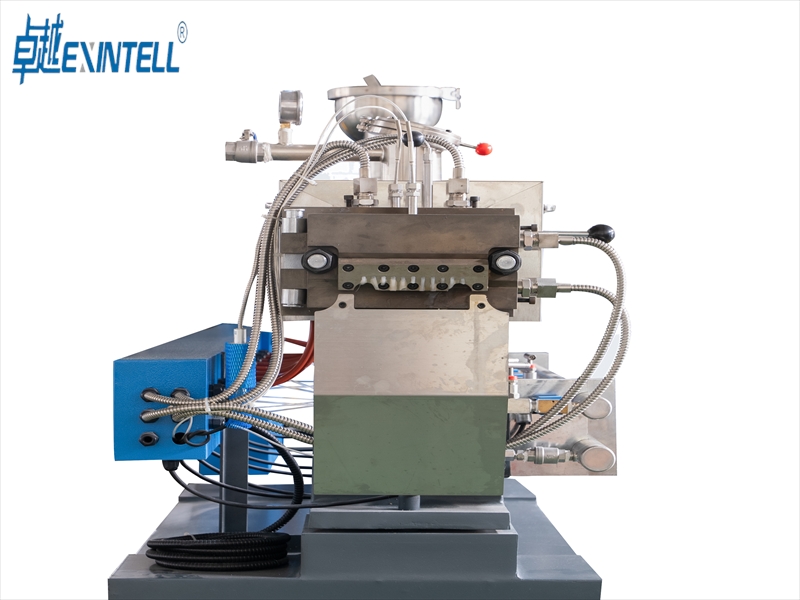
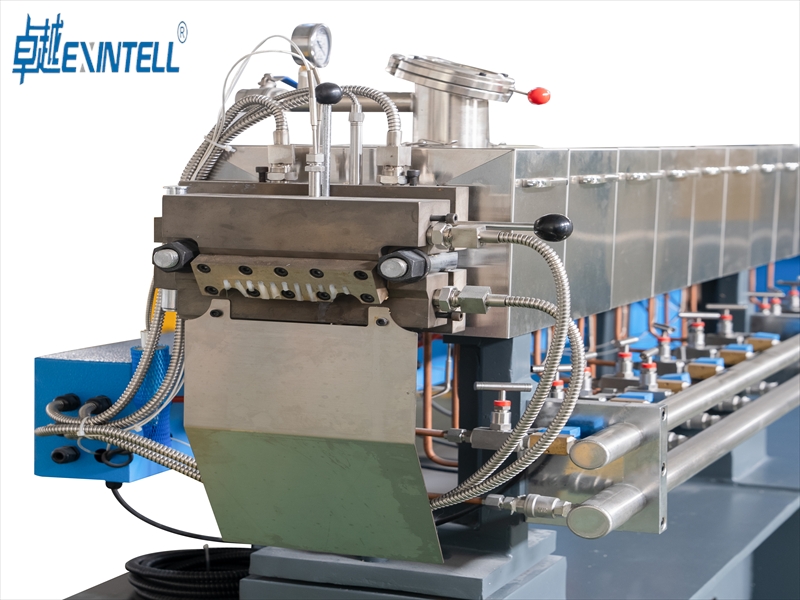
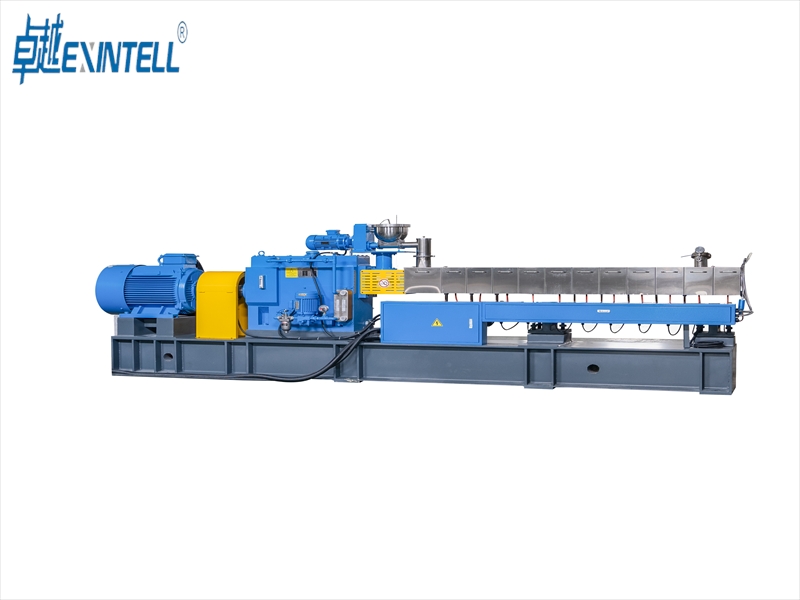
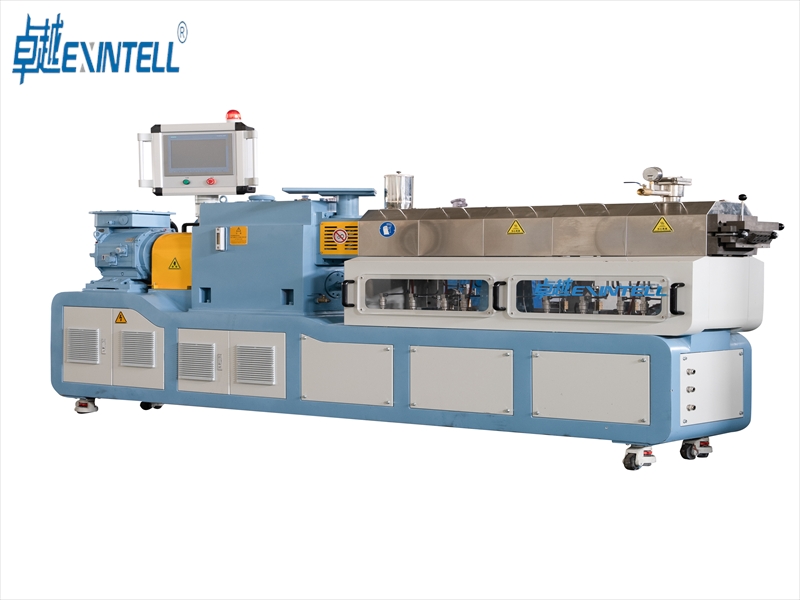
میں نے ساتھ کام کیا ہے۔ پلاسٹک اخراج سالوں سے اور دیکھا ہے کہ یہ طریقہ کس طرح تھرمو پلاسٹک مواد کو مسلسل پروفائلز میں شکل دیتا ہے۔. اخراج کا عمل مواد کے انتخاب سے شروع ہوتا ہے۔, which is critical for achieving the desired properties in the final product. I load plastic pellets or granules into a hopper above the extruder. The machine uses a rotating screw to move the material through a heated barrel. As the material travels, it melts due to friction and external heat. The molten plastic then passes through a precision-shaped die, which gives the product its profile. After forming, the extruded shape enters a cooling system, usually an air or water bath, to solidify and maintain dimensional accuracy. آخر میں, I cut or roll the product, درخواست پر منحصر ہے. This step-by-step approach allows me to create long, uniform shapes with consistent cross-sections.
عام ایپلی کیشنز
Plastic extrusion plays a vital role in many industries. I often see it used for packaging, آٹوموٹو, فرنیچر, اور صارفین کی اشیا. The process produces a wide range of products, سادہ ٹیوبوں سے پیچیدہ پروفائلز تک. یہاں ایک ٹیبل ہے جو کچھ عام ایپلی کیشنز کا خلاصہ کرتا ہے۔:
| صنعت | مصنوعات |
|---|---|
| پیکجنگ | فلمیں, چادریں, بیگ, لپیٹ, ٹرے, اور کپ |
| آٹوموٹو | موسم کی مہریں ۔, پلاسٹک نلیاں, پروفائلز کو ٹرم کریں۔ |
| فرنیچر & کنزیومر گڈز | کنارے بینڈنگ, پردے کی پٹریوں, ہلکا پھلکا پیویسی فوم بورڈز |
| گھر آلات | ہینڈل, اوون اور مائکروویو کے لیے مہریں |
| پلمبنگ & میڈیکل | نلیاں, پائپ |
مجھے وہ مل گیا ہے۔ اپنی مرضی کے مطابق پلاسٹک اخراج مینوفیکچررز کو خصوصی ضروریات کے لیے منفرد پروفائلز ڈیزائن کرنے کی اجازت دیتا ہے۔. یہ لچک اخراج کو مسلسل کے لیے ایک مقبول انتخاب بناتی ہے۔, اعلی حجم کی پیداوار.
استعمال شدہ مواد
پلاسٹک کے اخراج میں مواد کا انتخاب عمل اور حتمی مصنوع کی درستگی دونوں کو متاثر کرتا ہے۔. میں اکثر استعمال کرتا ہوں۔ پولی پروپلین, polyethylene terephthalate, اور پولی اسٹیرین. یہ مواد مختلف خصوصیات پیش کرتے ہیں۔, جیسے لچک, طاقت, اور وضاحت. جس طرح میں تیاری کرتا ہوں۔, پگھل, اور مواد کو ٹھنڈا کرنے کا براہ راست اثر باہر نکالے گئے حصوں کی درستگی اور مستقل مزاجی پر پڑتا ہے۔. یہاں کچھ سب سے عام مواد ہیں جو میں استعمال کرتا ہوں۔:
- پولی پروپیلین (پی پی)
- Polyethylene terephthalate (پی ای ٹی)
- پولیسٹیرین (پی ایس)
- پولی وینائل کلورائیڈ (پیویسی)
- ہائی ڈینسٹی پولی تھیلین (ایچ ڈی پی ای)
- کم کثافت والی پولیتھیلین (ایل ڈی پی ای)
- Acrylonitrile butadiene styrene (ABS)
- تھرمو پلاسٹک ایلسٹومر (ٹی پی ای)
- نائلون (پی اے)
- پولی کاربونیٹ (پی سی)
- پولی میتھائل میتھ کریلیٹ (پی ایم ایم اے)
جب میں اپنی مرضی کے مطابق پلاسٹک کے اخراج کے منصوبوں پر کام کرتا ہوں۔, میں ہمیشہ مواد کو درخواست کی ضروریات کے مطابق کرتا ہوں۔. یہ محتاط انتخاب یقینی بناتا ہے کہ پروڈکٹ کارکردگی اور درستگی کے معیار دونوں پر پورا اترتا ہے۔.
فوائد اور نقصانات
جب میں کسی پروجیکٹ کے لیے پلاسٹک کے اخراج کا جائزہ لیتا ہوں۔, میں ہمیشہ فوائد اور نقصانات کا وزن کرتا ہوں۔. یہ عمل منفرد طاقتیں پیش کرتا ہے۔, لیکن یہ ان حدود کے ساتھ بھی آتا ہے جو درستگی اور رواداری کو متاثر کرتی ہیں۔.
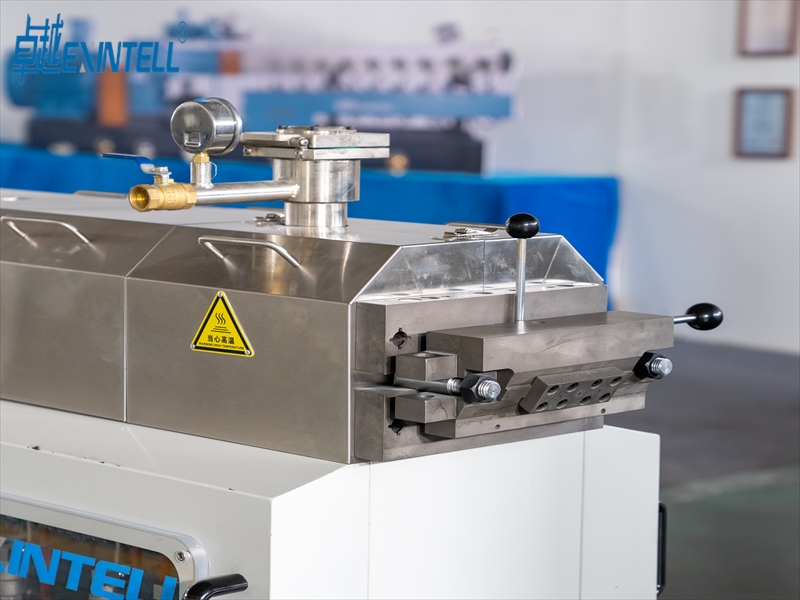
یہاں ایک ہے جدول جو اہم فوائد اور نقصانات کا خلاصہ کرتا ہے۔ میں نے اپنے کام میں مشاہدہ کیا ہے۔:
| فوائد | نقصانات |
|---|---|
| اعلی کارکردگی اور اسکیل ایبلٹی | پیچیدہ شکلیں پیدا کرنے میں حدود |
| اعلی پیداوار والیوم | ڈائی سوول کے ساتھ چیلنجز درستگی کو متاثر کرتے ہیں۔ |
| درمیانے سے زیادہ حجم کے لیے لاگت کی تاثیر | سطح کی ممکنہ خامیاں جن کی تکمیل کی ضرورت ہوتی ہے۔ |
فوائد
میں اکثر اس کی اعلی کارکردگی کے لیے پلاسٹک کے اخراج کا انتخاب کرتا ہوں۔. عمل مسلسل چلتا رہتا ہے۔, which means I can produce long parts without interruption. This scalability makes it ideal for large orders. When I need to manufacture thousands of feet of tubing or profiles, extrusion delivers consistent results. The cost per part drops as production volume increases, so I find it very cost-effective for medium to high-volume projects.
Another advantage is the ability to create uniform cross-sections. I can maintain steady dimensions along the length of the part, which is important for applications like piping or window frames. The process also supports a wide range of thermoplastics, so I can select materials that match the mechanical and chemical requirements of the final product.
نقصانات
Despite these strengths, plastic extrusion has some drawbacks. The process struggles with complex shapes. If a part requires intricate details or sharp corners, I find extrusion less suitable. The molten plastic tends to swell as it exits the die, a phenomenon known as die swell. This effect can make it difficult to achieve tight tolerances, especially for parts that need precise dimensions.
Surface finish can also be an issue. کبھی کبھی, the extruded parts show lines or marks from the die. I often need to add secondary finishing steps, such as trimming or polishing, to improve the appearance and meet quality standards. These extra steps can increase both time and cost.
ٹپ: I always recommend reviewing the part’s geometry and required tolerances before selecting extrusion. If the design is simple and the order is large, extrusion usually offers the best value.
Injection Molding Overview
عمل کی بنیادی باتیں
میں نے انجیکشن مولڈنگ کے ساتھ کام کرتے ہوئے برسوں گزارے ہیں۔, اور مجھے یہ عمل دلچسپ اور موثر لگتا ہے۔. طریقہ ایک سڑنا استعمال کرتا ہے, جو پگھلے ہوئے پلاسٹک کو درست شکلوں میں ڈھالتا ہے۔. میں ہمیشہ اس بات کو یقینی بنانے کے لیے اقدامات کی ایک سیریز کی پیروی کرتا ہوں کہ ہر حصہ سخت معیار کے معیار پر پورا اترتا ہے۔. یہاں یہ ہے کہ میں انجیکشن مولڈنگ کے عمل سے کیسے رجوع کرتا ہوں۔:
- کلیمپنگ: میں اگلے مراحل کی تیاری کے لیے مولڈ کو مضبوطی سے بند کرتا ہوں۔.
- انجکشن: میں گرم انجیکشن لگاتا ہوں۔, مولڈ گہا میں پگھلا ہوا پلاسٹک.
- رہائش: میں پلاسٹک کو تھوڑی دیر کے لیے مولڈ کے اندر بیٹھنے دیتا ہوں تاکہ یہ ہر جگہ کو بھر دے۔.
- کولنگ: پلاسٹک سڑنا کے اندر رہتے ہوئے ٹھنڈا اور سخت ہوجاتا ہے۔.
- مولڈ کھولنا: حصہ ٹھنڈا ہونے کے بعد میں سڑنا کھولتا ہوں۔.
- انجیکشن: میں تیار شدہ حصہ کو سڑنا سے ہٹاتا ہوں۔.
یہ سائیکل تیزی سے دہرایا جاتا ہے۔, جو مجھے ایک جیسے حصوں کی بڑی مقدار پیدا کرنے کی اجازت دیتا ہے۔. جب مجھے پیچیدہ شکلوں کی ضرورت ہوتی ہے تو میں انجیکشن مولڈنگ پر انحصار کرتا ہوں۔, ٹھیک تفصیلات, اور اعلی معیار کی تکمیل. یہ عمل مجھے طول و عرض اور سطح کی ظاہری شکل پر بہترین کنٹرول فراہم کرتا ہے۔.
نوٹ: میں انجیکشن مولڈنگ کے دوران ہمیشہ درجہ حرارت اور دباؤ کو قریب سے مانیٹر کرتا ہوں۔. یہ عوامل حتمی حصے کی درستگی اور مستقل مزاجی کو متاثر کرتے ہیں۔.
عام ایپلی کیشنز
انجیکشن مولڈنگ بہت سی صنعتوں میں اہم کردار ادا کرتی ہے۔. میں نے اس عمل کو آٹوموٹو کے پرزے بنانے کے لیے استعمال کیا ہے۔, طبی, صارفین الیکٹرانکس, اور پیکیجنگ کے شعبے. انجیکشن مولڈنگ کی استعداد مجھے سادہ اور انتہائی پیچیدہ دونوں اجزاء تیار کرنے کی اجازت دیتی ہے۔. یہاں ایک ٹیبل ہے جو کچھ عام ایپلی کیشنز کا خلاصہ کرتا ہے۔:
| صنعت | تیار کردہ مصنوعات |
|---|---|
| آٹوموٹو | مختلف اجزاء اور حصے |
| میڈیکل | ڈیوائس ہاؤسنگز, جراحی کے اوزار |
| کنزیومر الیکٹرانکس | کیسز, بٹن, اور دیگر اجزاء |
| پیکجنگ | بوتل کے ڈھکن, کنٹینرز |
میں اکثر کانٹیکٹ لینس کیسز جیسی اشیاء بناتا ہوں۔, بوتل کے ڈھکن, اور پیچیدہ جیومیٹریوں کے ساتھ اعلی حجم والے اجزاء. انجیکشن مولڈنگ مجھے مستقل نتائج فراہم کرنے میں مدد کرتی ہے۔, یہاں تک کہ مطالبات کے منصوبوں کے لیے.
استعمال شدہ مواد
انجیکشن مولڈنگ میں مواد کا انتخاب بہت ضروری ہے۔. میں مطلوبہ طاقت کی بنیاد پر مواد کا انتخاب کرتا ہوں۔, لچک, اور صحت سے متعلق. اعلی صحت سے متعلق حصوں کے لئے, میں پولیمر کو ترجیح دیتا ہوں۔ کم اور یکساں سکڑنا, مستحکم پگھل بہاؤ, اور اچھی تھرمل مزاحمت. سب سے زیادہ میں سے کچھ عام مواد میں شامل استعمال کرتا ہوں۔:
- ABS: سختی پیش کرتا ہے۔, ایک ہموار سطح ختم, اور اثر مزاحمت.
- پولی پروپیلین: کیمیائی مزاحمت فراہم کرتا ہے۔, لچک, اور استطاعت.
- پولی کاربونیٹ: اعلی وضاحت فراہم کرتا ہے۔, طاقت, اور گرمی کی مزاحمت.
- پولی تھیلین: ہلکا پھلکا اور نمی کے خلاف مزاحمت کرتا ہے۔.
- نائلون: طاقت کے لیے جانا جاتا ہے۔, مزاحمت پہننا, اور تھرمل استحکام.
- جھانکنا: گرمی کے لیے غیر معمولی, کیمیائی, اور مزاحمت پہنیں۔.
جب مجھے اور بھی سخت رواداری کی ضرورت ہو۔, میں انجینئرنگ گریڈ پولیمر کا رخ کرتا ہوں۔. مائع کرسٹل پولیمر جیسے مواد (ایل سی پی), پولیتھر ایتھر کیٹون (جھانکنا), اور acetal (پی او ایم) مجھے بہترین جہتی استحکام اور کم سے کم سکڑنے دیں۔. مثال کے طور پر, میں الیکٹریکل کنیکٹرز اور سینسر کے اجزاء کے لیے LCP استعمال کرتا ہوں۔, جبکہ PEEK میڈیکل امپلانٹس اور ایرو اسپیس حصوں کے لیے اچھا کام کرتا ہے۔. پولی کاربونیٹ لینز اور آپٹیکل اجزاء کے لیے میری پسند ہے کیونکہ اس کی وضاحت اور طاقت ہے۔.
ٹپ: میں ہمیشہ مواد کو درخواست کی ضروریات کے مطابق کرتا ہوں۔. صحیح انتخاب یقینی بناتا ہے کہ انجیکشن مولڈنگ کا عمل درستگی اور کارکردگی دونوں فراہم کرتا ہے۔.
فوائد اور نقصانات
میں نے کئی سالوں سے انجیکشن مولڈنگ کے ساتھ کام کیا ہے۔. یہ عمل بہت سے فوائد پیش کرتا ہے جو اسے اعلی صحت سے متعلق پلاسٹک کے پرزوں کے لیے میرا ترجیحی انتخاب بناتے ہیں۔. میں دونوں طاقتوں اور حدود کو بانٹنا چاہتا ہوں جن کا میں نے مشاہدہ کیا ہے۔.
انجکشن مولڈنگ کے فوائد
- میں انجیکشن مولڈنگ کے ساتھ بہت زیادہ درستگی حاصل کر سکتا ہوں۔. یہ عمل مجھے ±0.005 انچ تک سخت برداشت کے ساتھ پرزے تیار کرنے کی اجازت دیتا ہے۔. درستگی کی اس سطح کا پلاسٹک مینوفیکچرنگ کے دیگر طریقوں سے میچ کرنا مشکل ہے۔.
- I appreciate the repeatability of injection molding. Once I set up the mold and process parameters, I can produce thousands or even millions of identical parts. Each part matches the original design closely.
- I often need to create parts with complex shapes and fine details. Injection molding handles intricate geometries well. I do not need to add extra steps or secondary processes to achieve these features.
- I find that injection molding delivers excellent surface finishes. The parts come out smooth and ready for use in most cases.
- I can use a wide range of thermoplastics and engineering polymers. This flexibility lets me match material properties to the application’s needs.
Disadvantages of Injection Molding
- I must invest in high-quality molds before I start production. سڑنا بنانے کے لیے ابتدائی لاگت اہم ہو سکتی ہے۔. چھوٹے پروڈکشن رنز کے لیے, یہ قیمت جائز نہیں ہو سکتی.
- میں نے سیکھا ہے کہ ڈیزائن کی پیچیدگی چیلنجز پیش کر سکتی ہے۔. مجھے مولڈ اور پارٹ ڈیزائن کو احتیاط سے پلان کرنے کی ضرورت ہے۔. ڈیزائن کے مرحلے میں غلطیاں بعد میں مہنگی تبدیلیوں کا باعث بن سکتی ہیں۔.
- مجھے کبھی کبھی کسی پروجیکٹ کے آغاز میں طویل لیڈ ٹائم کا سامنا کرنا پڑتا ہے۔. مولڈ کی ڈیزائننگ اور مینوفیکچرنگ میں وقت لگتا ہے۔, خاص طور پر پیچیدہ حصوں کے لیے.
- میں نے محسوس کیا کہ مواد کے انتخاب اور عمل کی ترتیبات کو محتاط توجہ کی ضرورت ہے۔. اگر میں درجہ حرارت کو کنٹرول نہیں کرتا ہوں۔, دباؤ, اور کولنگ ریٹ, مجھے نقائص یا جہتی غلطیوں کا خطرہ ہے۔.
یہ ایک جدول ہے جو انجیکشن مولڈنگ کے ساتھ تجربہ کردہ اہم فوائد اور نقصانات کا خلاصہ کرتا ہے۔:
| پیشہ | Cons |
|---|---|
| اعلی صحت سے متعلق اور سخت رواداری | اعلی ابتدائی سڑنا لاگت |
| بڑی مقداروں کے لیے بہترین ریپیٹ ایبلٹی | Design complexity requires careful planning |
| Supports complex geometries and fine details | Longer lead times for mold development |
| Smooth surface finishes | Process control is critical |
| Wide material selection | Not cost-effective for low-volume runs |
ٹپ: I always recommend injection molding when a project demands high precision, complex shapes, and large production volumes. For simple parts or small batches, I consider other methods to save on costs and lead time.
Precision and Tolerances
When I compare plastic extrusion and injection molding, I always focus on how each process handles precision and tolerances. These factors determine if a part will meet the design’s tolerance requirements and function as intended. I have learned that even small differences in tolerances can impact assembly, کارکردگی, اور مصنوعات کے معیار.
Plastic Extrusion Tolerances
جہتی مستقل مزاجی
میرے تجربے میں, پلاسٹک کا اخراج طویل عرصے تک اچھی جہتی مستقل مزاجی فراہم کرتا ہے۔, مسلسل شکلیں. میں اکثر اردگرد رواداری کی مخصوص حدود دیکھتا ہوں۔ ±0.010 انچ. یہ قدر جہتی تغیرات کے لحاظ سے اخراج سے جس چیز کی توقع کر سکتا ہوں اس کے لیے ایک معیار طے کرتی ہے۔. یہ عمل یکساں کراس سیکشن والے حصوں کے لیے بہترین کام کرتا ہے۔, جیسے ٹیوبیں, سلاخوں, اور پروفائلز. تاہم, میں نے محسوس کیا کہ پوری لمبائی کے ساتھ سخت رواداری کو برقرار رکھنا مشکل ہوسکتا ہے۔. ڈائی سوول جیسے عوامل, مواد سکڑنا, اور ٹھنڈک کی شرح معمولی تغیرات کا سبب بن سکتی ہے۔. میں طول و عرض کو قابل قبول حدود کے اندر رکھنے کے لیے ہمیشہ ان متغیرات کو قریب سے مانیٹر کرتا ہوں۔.
سطح ختم
اخراج میں سطح کی تکمیل کا انحصار ڈائی کوالٹی اور کولنگ کے عمل پر ہوتا ہے۔. میں اکثر نکالے ہوئے حصوں پر معمولی لکیریں یا نشانات دیکھتا ہوں۔, جو مرنے سے یا ناہموار ٹھنڈک سے آتے ہیں۔. یہ نشانات ظاہری شکل اور بعض اوقات حصے کے فٹ ہونے کو متاثر کر سکتے ہیں۔. جب ایک ہموار سطح اہم ہے۔, مجھے ثانوی تکمیلی مراحل شامل کرنے کی ضرورت پڑ سکتی ہے۔. میں نے پایا ہے کہ اخراج شاذ و نادر ہی سطح کی ہمواری کی سطح کو انجیکشن مولڈنگ کی طرح حاصل کرتا ہے۔. پھر بھی, بہت سے ایپلی کیشنز کے لئے, ختم اضافی کام کے بغیر قابل قبول ہے.
انجیکشن مولڈنگ رواداری
جہتی درستگی
انجیکشن مولڈنگ بہت سخت رواداری حاصل کرنے کی صلاحیت کے لئے نمایاں ہے۔. میں باقاعدگی سے ± 0.005 انچ تک سخت برداشت کے ساتھ کام کرتا ہوں۔, اور بعض اوقات اعلی صحت سے متعلق حصوں کے لیے بھی سخت. درستگی کی یہ سطح سخت مولڈ اور کنٹرول شدہ عمل کے پیرامیٹرز سے آتی ہے۔. میں جیسے معیارات پر انحصار کرتا ہوں۔ آپ کا EN ISO 20457 اور آئی ایس او 2768-1/2 میرے کام کی رہنمائی کے لیے. یہ معیار مختلف حصوں کے سائز اور خصوصیات کے لیے رواداری کے گروپس اور کلاسز کی وضاحت کرتے ہیں۔. مثال کے طور پر, آپ کا EN ISO 20457 رواداری گروپوں کی وضاحت کرتا ہے جیسے TG5, جو کے بارے میں اجازت دیتا ہے 0.23 ایک کے لیے ملی میٹر 32 ملی میٹر حصہ. یہ رہنما خطوط اس بات کو یقینی بنانے میں میری مدد کرتے ہیں کہ ہر حصہ سخت جہتی تقاضوں کو پورا کرتا ہے۔.
میں پوری توجہ دیتا ہوں۔ انجیکشن پریشر اور ہولڈنگ پریشر مولڈنگ کے دوران. ان ترتیبات کی مناسب ٹیوننگ اس بات کو یقینی بناتی ہے کہ مولڈ مکمل طور پر بھر جائے اور نقائص کو کم کیا جائے۔. یہ کنٹرول صحت سے متعلق ایپلی کیشنز کے لیے ضروری ہے۔, جہاں ایک چھوٹا سا انحراف بھی اسمبلی یا فنکشن میں مسائل کا سبب بن سکتا ہے۔.
سطح ختم
انجیکشن مولڈنگ میں سطح کا خاتمہ بہترین ہوسکتا ہے۔. میں چمکدار کے ساتھ پرزے تیار کر سکتا ہوں۔, پالش شدہ سطحوں یا ساخت کے ساتھ جو گرفت کو بہتر بناتے ہیں اور معمولی نقائص کو چھپاتے ہیں۔. ختم کا انتخاب حصہ کی شکل اور کارکردگی دونوں کو متاثر کرتا ہے۔. مثال کے طور پر:
- ایک پالش ختم ایک چمکدار دیتا ہے, ہموار ظہور.
- بناوٹ والی سطحیں حصوں کو سنبھالنا آسان بنا سکتی ہیں اور اس میں خروںچ ظاہر ہونے کا امکان کم ہوتا ہے۔.
- مختلف فنشز استحکام کو بھی متاثر کر سکتے ہیں اور یہ کہ حصہ دوسرے اجزاء کے ساتھ کیسے تعامل کرتا ہے۔.
میں یہ بھی غور کرتا ہوں کہ پوسٹ پروسیسنگ کے طریقے, جیسے anodizing, پاؤڈر کوٹنگ, یا الیکٹروپلاٹنگ, حتمی طول و عرض کو متاثر کر سکتا ہے. یہ طریقے مواد کو شامل کرتے ہیں یا سطح کو تبدیل کرتے ہیں۔, لہذا میں صحت سے متعلق برقرار رکھنے کے لئے اپنے ڈیزائن میں ان کا حساب رکھتا ہوں۔.
رواداری کا موازنہ ٹیبل
میں پلاسٹک کے اخراج اور انجیکشن مولڈنگ کے لیے عام رواداری کا موازنہ کرنے کے لیے اکثر ٹیبل استعمال کرتا ہوں. یہ خلاصہ مجھے اور میرے مؤکلوں کو یہ سمجھنے میں مدد کرتا ہے کہ ہر عمل سے کیا توقع رکھنا ہے۔:
| عمل | عام رواداری | سطح ختم معیار | تکراری قابلیت |
|---|---|---|---|
| پلاسٹک اخراج | ±0.010 انچ | اعتدال پسند | لمبے حصوں کے لیے اچھا ہے۔ |
| انجیکشن مولڈنگ | ±0.005 انچ یا سخت | بہترین | بہت اعلیٰ |
نوٹ: انجیکشن مولڈنگ پلاسٹک کے اخراج کے مقابلے میں سخت رواداری اور بہتر دہرانے کی صلاحیت حاصل کرتی ہے۔. I always recommend injection molding when a project demands high precision, complex shapes, یا سخت رواداری کی ضروریات.
I have found that choosing the right process depends on the part’s geometry, the required tolerances, and the application. Injection molding gives me the best results for detailed, high-precision parts. پلاسٹک کا اخراج works well for simple, continuous shapes where slightly looser tolerances are acceptable.
Factors Affecting Precision
Material Choice
I always start by considering the material when I want to achieve high precision in plastic parts. The properties of the plastic influence how well I can control tolerances during both extrusion and injection molding. مثال کے طور پر, the way a material flows, its shrinkage, and its thermal stability all play a role in the final outcome.
یہاں ایک میز ہے۔ that summarizes how different material properties affect precision and tolerances:
| Material Property | Influence on Precision and Tolerances |
|---|---|
| Flow Behavior (MFI/MFR) | اعلی MFI مواد آسانی سے بہہ جاتا ہے۔, جو پیچیدہ یا پتلی دیواروں والے سانچوں کو بھرنے میں مدد کرتا ہے۔. تاہم, ان کی طاقت کم ہو سکتی ہے۔. |
| کم MFI مواد گاڑھا اور ڈھلنے میں سخت ہوتا ہے لیکن نتیجہ مضبوط ہوتا ہے۔, زیادہ اثر مزاحم حصے. | |
| سکڑنا | بے ساختہ پلاسٹک جیسے ABS اور PC کم اور زیادہ یکساں طور پر سکڑتے ہیں۔, تاکہ میں سخت رواداری حاصل کر سکوں. |
| نیم کرسٹل پلاسٹک جیسے نایلان اور پی او ایم زیادہ اور کم امکانی طور پر سکڑتے ہیں۔, صحت سے متعلق کو کنٹرول کرنا مشکل بنا رہا ہے۔. | |
| تھرمل استحکام | خراب تھرمل استحکام جلنے کے نشان یا وارپنگ جیسے نقائص کا سبب بن سکتا ہے۔, جو جہتی درستگی کو کم کرتا ہے۔. |
| پتلے یا پیچیدہ حصوں کے لیے جہاں درستگی سب سے زیادہ اہمیت رکھتی ہے، اچھی تھرمل استحکام ضروری ہے۔. |
جب میں مواد کا انتخاب کرتا ہوں۔, میں ہمیشہ اس کی خصوصیات کو حصے کی ضروریات سے ملاتا ہوں۔. مثال کے طور پر, اگر مجھے بہت سخت رواداری کے ساتھ کسی حصے کی ضرورت ہے۔, میں کم سکڑاؤ اور اچھی تھرمل استحکام کے ساتھ بے ساختہ پلاسٹک کا انتخاب کرتا ہوں۔.
جزوی پیچیدگی
کسی حصے کی پیچیدگی کا براہ راست اثر اس درستگی پر پڑتا ہے جو میں حاصل کر سکتا ہوں۔. سادہ شکلیں کنٹرول کرنا آسان ہیں۔, جبکہ پیچیدہ ڈیزائن مزید چیلنجز متعارف کراتے ہیں۔. میں الگ ہونے والی لائنوں جیسی خصوصیات پر پوری توجہ دیتا ہوں۔, مڑے ہوئے سطحیں, اور اہم ابعاد.
یہاں ایک جدول ہے جو ظاہر کرتا ہے کہ مختلف ڈیزائن کے تحفظات کس طرح درستگی کو متاثر کرتے ہیں۔:
| غور کرنا | صحت سے متعلق پر اثر |
|---|---|
| پارٹنگ لائن پلیسمنٹ | سڑنا کی پیچیدگی اور تیار شدہ مصنوعات کے معیار کو متاثر کرتا ہے۔. |
| نازک علاقوں سے بچنا | جہتی تبدیلیوں کو روکنے میں مدد کرتا ہے اور بہتر فٹ کو یقینی بناتا ہے۔. |
| خمیدہ سطحوں پر پوزیشننگ | اعلی سڑنا کی درستگی کا مطالبہ کرتا ہے۔, جس سے اخراجات اور نقائص کا خطرہ بڑھ سکتا ہے۔. |
| قدرتی سپلٹ لائنز کا استعمال | سڑنا کی تعمیر کو آسان بناتا ہے اور ڈیمولڈنگ کے عمل کو بہتر بناتا ہے۔. |
When I design a part for injection molding, I try to place parting lines in less visible areas and avoid putting them on critical surfaces. This approach helps me maintain better tolerances and reduce the risk of defects.
پیداوار کا حجم
Production volume also affects the level of precision I can achieve. اعلی حجم کی پیداوار کے لیے, I invest in high-quality molds and precise process controls. This investment pays off because I can produce thousands or millions of identical parts with consistent tolerances. For smaller runs, I may use less expensive tooling, but I know that this can lead to more variation in the final parts.
ٹپ: I always recommend using the best possible tooling and process controls for high-volume production. This strategy ensures that every part meets the required specifications and reduces waste.
Tooling Quality
I always pay close attention to tooling quality when I want to achieve high precision in plastic manufacturing. The tools I use, such as dies for extrusion and molds for injection molding, play a critical role in determining the final tolerances and surface finish of each part. I have learned that even small imperfections in tooling can lead to significant errors in the finished product.
میرے تجربے میں, high-quality tooling starts with careful design. I work with engineers to create detailed drawings and 3D models. These models help me visualize the part and identify areas where precision matters most. I select materials for the tooling that resist wear and maintain their shape under high temperatures and pressures. For injection molding, I often use hardened steel or high-grade aluminum. For extrusion dies, میں پالش شدہ سطح کے ساتھ ٹول اسٹیل کو ترجیح دیتا ہوں۔.
میں نے دیکھا ہے کہ ٹولنگ کی تیاری کا عمل اس کے معیار کو متاثر کرتا ہے۔. صحت سے متعلق مشینی, جیسے CNC کی گھسائی کرنے والی اور EDM, مجھے سڑنا یا مرنے میں سخت رواداری حاصل کرنے کی اجازت دیتا ہے۔. میں ہر قدم کے بعد ٹولنگ کا معائنہ کرتا ہوں تاکہ یہ یقینی بنایا جا سکے کہ اس میں کوئی نقص یا تضاد نہیں ہے۔. اگر مجھے کوئی مسئلہ نظر آتا ہے۔, میں انہیں فوراً مخاطب کرتا ہوں۔. تفصیل پر یہ توجہ پیداوار کے دوران مسائل کو روکتی ہے۔.
دیکھ بھال ایک اور عنصر ہے جو ٹولنگ کے معیار کو متاثر کرتا ہے۔. میں اپنے تمام ٹولز کے لیے باقاعدہ معائنہ اور صفائی کا شیڈول بناتا ہوں۔. میں پہنے ہوئے حصوں کو تبدیل کرتا ہوں اس سے پہلے کہ وہ پلاسٹک کے پرزوں میں نقائص پیدا کریں۔. مناسب دیکھ بھال ٹولنگ کی زندگی کو بڑھاتی ہے اور پیداواری عمل کو آسانی سے چلتی رہتی ہے۔.
یہاں ایک جدول ہے جو اس بات کا خلاصہ کرتا ہے کہ کس طرح ٹولنگ کا معیار دونوں عملوں میں درستگی کو متاثر کرتا ہے۔:
| ٹولنگ پہلو | صحت سے متعلق پر اثر | My Approach |
|---|---|---|
| مواد کا انتخاب | Reduces wear and deformation | Use hardened steel or aluminum |
| Machining Accuracy | Achieves tight tolerances | Employ CNC and EDM |
| سطح ختم | Improves part appearance | Polish dies and molds |
| دیکھ بھال | Prevents defects | Schedule regular checks |
ٹپ: I always recommend investing in high-quality tooling for projects that require tight tolerances. The upfront cost may be higher, but the long-term benefits include fewer defects, better repeatability, and lower maintenance costs.
I have found that tooling quality often determines the success of a manufacturing project. When I use well-designed and well-maintained tools, I consistently produce parts that meet strict precision requirements. This approach builds trust with my clients and helps me deliver reliable results every time.
لاگت بمقابلہ. صحت سے متعلق
Extrusion Cost Factors
جب میں کسی پروجیکٹ کے لیے پلاسٹک کے اخراج کا جائزہ لیتا ہوں۔, I always consider how cost and precision interact. Several factors influence the final price of extruded parts:
- I often need پریمیم مواد to achieve higher precision. These materials cost more but help me meet strict tolerances.
- Custom tooling becomes necessary when I want unique profiles or tighter tolerances. This requirement increases the initial investment.
- If I focus on speed and low cost, I sometimes see a drop in precision. Parts may not meet the required tolerances, which can lead to quality issues.
- When I prioritize quality and precision, I spend more time on setup and inspection. This approach slows production but ensures better results.
I find that balancing these factors is key. If a project allows for looser tolerances, I can save money by using standard materials and tooling. اہم ایپلی کیشنز کے لیے, I invest more to guarantee precision.
Injection Molding Cost Factors
Injection molding presents a different cost structure. I have learned that several elements drive the overall expense, especially when aiming for high precision. The table below summarizes the main cost factors and their relationship to precision:
| Cost Factor | Relation to Precision |
|---|---|
| Tooling Costs | High-quality molds stabilize production and maintain tight tolerances over time. |
| Material Consumption | Premium materials improve accuracy but raise initial costs. |
| Cycle Time | Shorter cycles reduce costs, but sometimes compromise precision. |
| Machine Tonnage Rate | Larger machines hold tighter tolerances but use more energy. |
| Labor/Automation Level | Automation boosts precision and lowers labor costs in the long run. |
| سکریپ کی شرح | Poor precision increases scrap, which drives up total costs. |
I always weigh these factors before starting a new injection molding project. For large production runs, investing in better tooling and automation pays off. I see fewer defects and more consistent parts.
Balancing Cost and Precision
Choosing between extrusion and injection molding often comes down to finding the right balance. I look at the part’s geometry, the required tolerances, and the production volume. The table below helps me decide which process fits best:
| Process Type | کے لیے مثالی۔ | Core Advantage | Trade-off |
|---|---|---|---|
| انجیکشن مولڈنگ | کمپلیکس, enclosed 3D parts | Extreme precision and consistency | Higher initial mold cost; best for large batches |
| پلاسٹک اخراج | مسلسل, uniform profiles | Lower tooling cost, efficient output | Limited to linear shapes; less suitable for complex geometries |
If I need complex shapes and tight tolerances, I choose injection molding despite the higher upfront cost. سادہ کے لیے, continuous profiles, I rely on extrusion to keep costs low and production fast. I always match the process to the project’s needs, ensuring I deliver both value and quality.
ٹپ: I recommend discussing your precision requirements early in the design phase. This step helps me select the most cost-effective process for your application.
صحیح عمل کا انتخاب
Selecting the right process for manufacturing plastic parts can determine the success of a project. I always start by evaluating the part’s geometry, رواداری کی ضرورت ہے, پیداوار کا حجم, and cost targets. My experience has shown that both plastic extrusion and injection molding offer unique strengths. The best choice depends on the specific needs of the application.
When to Use Plastic Extrusion
I turn to the plastic extrusion process when I need to produce long, continuous shapes with uniform cross-sections. This process excels at creating items like tubes, پائپ, موسم کی مہریں, and profiles for windows or furniture. I find that extrusion works best for high-volume production runs where the design does not require complex 3D features.
To ensure a successful and high-quality plastic extrusion, several key factors must be carefully evaluated during the design phase: Functional Requirements, مواد کی مطابقت, Profile Complexity, Wall Thickness, رواداری, Mating Parts, Tooling Collaboration, and Cost Efficiency.
When I assess whether the extrusion process is the right fit, میں غور کرتا ہوں۔:
- Application requirements, such as temperature resistance and UV exposure.
- Mechanical properties, لچک سمیت, سختی, and tensile strength.
- Environmental conditions, like weather and temperature fluctuations.
- Aesthetic and finish requirements, such as color, چمک, اور سطح کی ساخت.
- Regulatory and compliance needs to meet industry standards.
I also weigh the cost benefits of the extrusion process. Here is how I approach the decision:
- Assess material costs against budget constraints.
- Consider long-term savings from durability and reduced waste.
- Work with experienced partners to find the best balance of performance and price.
Different plastics behave uniquely during the extrusion process, affecting the final product’s shape and performance. میں پوری توجہ دیتا ہوں۔ thermal stability and melt strength, especially for applications that require precise tolerances. When the design calls for simple, linear shapes and the process must remain cost-effective, extrusion often provides the best solution.
Example Scenario:
Last year, I worked with a client who needed thousands of feet of custom tubing for an irrigation system. The process required a material that could withstand sunlight and temperature swings. I recommended the extrusion process using UV-stabilized polyethylene. The process allowed us to maintain consistent wall thickness and meet the client’s budget. The result was a durable product that performed well in the field.
When to Use Injection Molding
I choose the injection molding process when the part design involves complex geometries, سخت رواداری, or intricate details. This process is ideal for producing high-precision components, such as medical device housings, automotive connectors, or consumer electronics enclosures. The process supports a wide range of materials and finishes, making it versatile for many industries.
The injection molding process stands out when:
- The part requires enclosed or 3D shapes that extrusion cannot achieve.
- High repeatability and consistency are critical for assembly or function.
- The application demands a smooth surface finish or specific textures.
- The project involves large production volumes, justifying the investment in tooling.
I always consider the initial tooling cost and lead time for the injection molding process. For high-volume projects, the process delivers excellent value through low per-part costs and minimal variation between parts. I also rely on this process when regulatory compliance and material traceability are essential.
Example Scenario:
Recently, I partnered with a medical device manufacturer to produce a new type of handheld diagnostic tool. The process required a housing with complex internal features and a flawless surface finish. I recommended the injection molding process using medical-grade polycarbonate. The process allowed us to achieve the necessary tolerances and pass strict regulatory tests. The client appreciated the consistency and quality of every part.
کیس اسٹڈی:
I have seen how companies use data-driven approaches to select the right process. مثال کے طور پر, Amcor conducted a pilot test comparing emissions from different plastic sources and production sites. The process helped them make informed decisions about low-carbon procurement and supplier relationships. By analyzing the process at each step, they improved transparency and achieved their sustainability goals.
ٹپ: I always advise clients to define their precision requirements, پیداوار کا حجم, and budget early in the design phase. This clarity helps me recommend the most suitable process and avoid costly changes later.
How I Decide Between Processes
I use a simple checklist to guide my decision:
- Does the part have a uniform cross-section and require long lengths? I choose the extrusion process.
- Does the part need complex shapes, سخت رواداری, or a high-quality finish? I select the injection molding process.
- Is the production volume high enough to justify tooling investment? I lean toward injection molding.
- Is cost efficiency for simple shapes the main goal? I recommend extrusion.
The process selection shapes the entire project, from design to final delivery. I always match the process to the application’s needs, ensuring the best balance of quality, صحت سے متعلق, اور لاگت.
Additional Considerations
لیڈ ٹائم
I always pay close attention to lead time when planning a manufacturing project. Lead time refers to how long it takes to go from design approval to finished parts. میرے تجربے میں, plastic extrusion usually offers shorter lead times. The tooling for extrusion is simpler and faster to produce. I can start production quickly once the die is ready. This makes extrusion a good choice for projects with tight deadlines or urgent needs.
Injection molding requires more time upfront. The mold design is complex and demands careful engineering. I often spend weeks or even months creating and testing the mold. Once the mold is ready, production moves fast, but the initial setup slows the process. I recommend injection molding for projects where precision and volume matter more than speed.
ٹپ: If you need parts quickly and the design is simple, extrusion can save valuable time.
ڈیزائن لچک
Design flexibility shapes what I can achieve with each process. I have learned that extrusion limits my options. The process works best for simple, repeated shapes like tubes or profiles. I cannot create intricate features or complex geometries with extrusion.
Injection molding gives me much more freedom. I can design parts with fine details, انڈر کٹس, and complex shapes. The mold captures every feature, so I can meet strict requirements for accuracy and appearance.
یہاں ایک ہے table that compares design flexibility between the two methods:
| طریقہ | ڈیزائن لچک | Complexity of Parts |
|---|---|---|
| Extrusion Molding | Limited design flexibility; best for simple, repeated shapes. | Not suitable for intricate features. |
| انجیکشن مولڈنگ | High design flexibility; ideal for complex shapes with fine details and accuracy. | Capable of creating sophisticated designs. |
I always match the process to the part’s needs. If the design is simple and repeated, extrusion works well. For complex or detailed parts, injection molding is the clear winner.
پائیداری
Sustainability has become a major concern in my work. میں فضلہ کو کم کرنے اور ماحول دوست مواد استعمال کرنے کے طریقے تلاش کرتا ہوں۔. پلاسٹک اخراج اس کے لئے باہر کھڑا ہے ری سائیکل مواد کو شامل کرنے کی صلاحیت اور بایوڈیگریڈیبل مواد. میں کارکردگی یا معیار کی قربانی کے بغیر ان اختیارات کو استعمال کر سکتا ہوں۔. یہ اخراج کو ایک فائدہ دیتا ہے جب کلائنٹ سبز حل چاہتے ہیں۔.
انجکشن مولڈنگ اس علاقے میں کم لچکدار ہے۔. یہ عمل ہمیشہ ری سائیکل یا بایوڈیگریڈیبل پلاسٹک کی حمایت نہیں کرتا ہے۔. مجھے نقائص یا معیار کے مسائل سے بچنے کے لیے مواد کا انتخاب احتیاط سے کرنا چاہیے۔. جب پائیداری ایک ترجیح ہے۔, میں اس کے ماحولیاتی فوائد کے لئے اخراج کی سفارش کرتا ہوں۔.
🌱 میں ہمیشہ کلائنٹس کی حوصلہ افزائی کرتا ہوں کہ وہ اخراج کے منصوبوں میں ری سائیکل یا بایوڈیگریڈیبل مواد پر غور کریں. یہ انتخاب پائیداری کے اہداف کی حمایت کرتا ہے اور ماحول کی حفاظت میں مدد کرتا ہے۔.
میں نے دیکھا ہے کہ انجکشن مولڈنگ ڈیلیور کرتی ہے۔ بہتر صحت سے متعلق in plastic manufacturing, especially for small to medium-sized plastic parts. The process uses balanced clamping force and optimized resin viscosity to reduce defects. Multi-cavity molds and rigid frames help maintain consistent results. When I choose between plastic extrusion and injection molding, I always consider plastic geometry, رواداری, پیداوار کا حجم, اور لاگت. I recommend injection molding for complex plastic shapes and tight tolerances. Plastic extrusion works well for simple, continuous plastic profiles. My experience shows that careful planning in plastic manufacturing leads to reliable plastic products.
| عامل | انجیکشن مولڈنگ | پلاسٹک اخراج |
|---|---|---|
| صحت سے متعلق | High for plastic parts | Moderate for plastic parts |
| رواداری | Tight in plastic manufacturing | Looser in plastic manufacturing |
| پیداوار کا حجم | Best for large plastic runs | Best for continuous plastic runs |
| لاگت | Higher for plastic molds | Lower for plastic dies |
I always advise clients to match the plastic manufacturing process to their specific plastic needs.
اکثر پوچھے گئے سوالات
What is the main advantage of plastic extrusion?
میں ڈھونڈتا ہوں۔ پلاسٹک اخراج ideal for creating continuous profiles. The process runs efficiently and produces long, uniform shapes. I can quickly manufacture parts like tubes and rods for many industries.
Can injection molding handle complex shapes?
I rely on injection molding when I need intricate designs or detailed features. The process allows me to produce parts with complex geometries and tight tolerances. I achieve high precision every time.
Which process is better for high volume production?
I choose injection molding for high volume production. The process delivers consistent quality and repeatability. I can produce thousands or millions of identical parts with minimal variation.
Are continuous profiles possible with injection molding?
I do not use injection molding for continuous profiles. The process works best for discrete, individual parts. میں رجوع کرتا ہوں۔ اخراج when I need long, uninterrupted shapes.
What materials work best for extrusion?
I select materials like polypropylene, پیویسی, and HDPE for extrusion. These plastics help me create continuous profiles with reliable performance. I match the material to the application’s requirements.
How does surface finish compare between the two processes?
I notice that injection molding produces smoother surfaces. Extrusion sometimes leaves marks or lines on continuous profiles. I may add finishing steps to improve appearance when needed.
Is extrusion cost-effective for small batches?
I usually recommend extrusion for larger orders. The process becomes more cost-effective as I produce more continuous profiles. For small batches, setup costs may outweigh the benefits.
Can I use recycled materials in extrusion?
I often use recycled plastics in extrusion. The process supports sustainable manufacturing and lets me create continuous profiles with eco-friendly materials. I help clients meet their environmental goals.