

کلیدی ٹیک ویز
- جب میں اندازہ کرتا ہوں۔ پلاسٹک اخراج کمپنیاں ہول سیل سپلائرز, میں ملکیت کی کل لاگت کو حقیقی نمبر سمجھتا ہوں۔, فی فٹ کا حوالہ قیمت نہیں ہے۔. ٹولنگ امارٹائزیشن, کم از کم آرڈر کی مقدار, لیڈ ٹائم, اور ثانوی آپریشنز اکثر زمینی لاگت کو بنیادی قیمت فی فٹ سے زیادہ بدل دیتے ہیں۔.
- مارکیٹ کا پس منظر ان خریداروں کی حمایت کرتا ہے جو آگے کی منصوبہ بندی کرتے ہیں۔: عالمی پلاسٹک اخراج مارکیٹ USD کے قریب بیٹھ گئی۔ 6.9 بلین میں 2023 اور 2030 کی دہائی کے اوائل تک وسط واحد ہندسے کے CAGR پر بڑھنے کا امکان ہے۔ (گرینڈ ویو ریسرچ, 2024, grandviewresearch.com), لہذا صلاحیت اور قیمتوں کے مذاکرات طویل مدتی وعدوں کا بدلہ دیتے ہیں۔.
- مواد کا انتخاب ہر چیز کو نیچے کی طرف لے جاتا ہے۔. میرے تجربے میں, ایپلیکیشن کو دائیں پولیمر اپ فرنٹ پر میپ کرنا — تعمیراتی پروفائلز کے لیے PVC, اثر مزاحم حصوں کے لیے ABS اور پولی کاربونیٹ, کیمیائی مزاحمت کے لیے ایچ ڈی پی ای اور ایل ڈی پی ای, پولی پروپلین, پی ای ٹی جی, acrylic (پی ایم ایم اے), ٹی پی ای, ٹی پی یو, یا خصوصی ضروریات کے لیے جھانکنا—بعد میں مہنگی قابلیت کو روکتا ہے۔.
- سرٹیفیکیشن ایک سنجیدہ پلاسٹک پروفائل بنانے والے کے لیے ایک تیز فلٹر ہیں۔. میں ایک ISO تلاش کرتا ہوں۔ 9001 مصدقہ extruder (آئی ایس او, 2015, iso.org), نیز یو ایل سیفٹی سرٹیفیکیشن (یو ایل حل, 2024), RoHS تعمیل (یورپی کمیشن, 2023), اور پی پی اے پی کی صلاحیت (اے آئی اے جی, 2023) جب پرزے ریگولیٹڈ یا آٹوموٹو سپلائی چینز کو فیڈ کرتے ہیں۔.
- ٹولنگ اینڈ ڈیز وہ جگہ ہے جہاں تھوک اکنامکس جیتی یا ہار جاتی ہے۔. میں ہر دکاندار سے اپنی مرضی کے مطابق ڈائی ڈیزائن کی شفاف خرابی کے لیے کہتا ہوں۔, اخراج ٹولنگ کے اخراجات, اور ان کو کم از کم آرڈر کی مقدار میں کس طرح بڑھایا جاتا ہے۔, لہذا میں پورے پروگرام میں فی یونٹ حقیقی لاگت کا نمونہ بنا سکتا ہوں۔.
- شریک اخراج اور اپنی مرضی کے مطابق پلاسٹک کا اخراج حقیقی بچت کو غیر مقفل کرتا ہے۔. ایک ہی پاس میں متعدد مواد اور عمل کو یکجا کرنا اسمبلی کی لاگت کو کم کرسکتا ہے اور جزوی فعالیت کو بڑھا سکتا ہے۔ (اومیگا پلاسٹک, 2024, omegaplastics.com), جس میں قیمت درج کرنے کی درخواست کرنے سے پہلے ڈیزائن کے فیصلوں پر غور کرتا ہوں۔.
- جغرافیہ کسی ایک سپلائر کے مقام سے زیادہ اہمیت رکھتا ہے۔. تجدید کی بحالی اور قریبی دلچسپی کے ساتھ (ریشورنگ انیشیٹو, 2023), میں اکیلے یونٹ کی قیمت کے بجائے مکمل لینڈڈ لاگت کے تجزیہ کا استعمال کرتے ہوئے آف شور اختیارات کے خلاف ایک گھریلو پلاسٹک بنانے والے کا وزن کرتا ہوں۔.
- اخراج انعامات کا حجم. کیونکہ تھرمو پلاسٹک اخراج ایک مسلسل ہے۔, مسلسل پلاسٹک کے اخراج پروفائلز کے طویل رنز کے لیے موزوں ہائی تھرو پٹ عمل (پلاسٹک انڈسٹری ایسوسی ایشن, 2023), میں بہتر ہول سیل قیمت کمانے کے لیے مانگ کو مستحکم کرتا ہوں اور پروفائلز کو معیاری بناتا ہوں۔.
- میں ایک وینڈر غیر جانبدار فریم ورک کے ساتھ سپلائرز کی جانچ کرتا ہوں۔: اخراج پروٹو ٹائپنگ کی صلاحیت, رنگ ملاپ اور مرکب, لیڈ ٹائم کا حوالہ دیا, MOQ لچک, اور معیار کی دستاویزات. ان محوروں پر نکالے گئے پلاسٹک کے پرزوں کا موازنہ کرنا — نہ صرف سرخی کی قیمت — یہ ہے کہ میں کس طرح بڑے پیمانے پر پلاسٹک کے اخراج فراہم کرنے والے کا انتخاب کرتا ہوں جس کے ساتھ میں پیمائش کر سکتا ہوں۔.
B2B خریداروں کے لیے تھوک پلاسٹک کے اخراج کا کیا مطلب ہے۔
جب میں تھوک پر خریدنے کے بارے میں سورسنگ ٹیموں سے بات کرتا ہوں۔, پہلی چیز جو میں واضح کرتا ہوں وہ یہ ہے۔ “تھوک” یہاں کوئی ڈسکاؤنٹ ڈبہ نہیں ہے۔. یہ ایک خریداری کا ماڈل ہے جو حجم کے ارد گرد بنایا گیا ہے۔, تکرار کی اہلیت, اور کام کرنے والے سپلائر کا رشتہ. اخراج ایک مسلسل ہے, مسلسل پروفائلز کے طویل پروڈکشن رنز کے لیے ہائی تھرو پٹ پروسیس مناسب ہے۔ (پلاسٹک انڈسٹری ایسوسی ایشن, 2023), لہذا معاشیات صرف اس وقت معنی رکھتی ہے جب آپ یک طرفہ خریداری کے بجائے مستحکم حجم کا عہد کریں۔. میرے تجربے میں, خریدار جو اس تفریق کو سمجھتے ہیں وہ ایک کم قیمت کا پیچھا کرنے والوں سے کہیں بہتر معاہدوں پر بات چیت کرتے ہیں۔.
مسلسل اخراج کے عمل اور فکسڈ کراس سیکشن پروفائلز کی وضاحت کرنا
اخراج ایک فکسڈ کے ساتھ پلاسٹک کے پرزے تیار کرتا ہے۔, ان کی پوری لمبائی کے ساتھ یکساں کراس سیکشن. ونڈو فریم چینلز کے بارے میں سوچیں۔, کنارے ٹرم, نلیاں, اور gaskets. پگھلا ہوا تھرموپلاسٹک ایک شکل والی ڈائی کے ذریعے مجبور کیا جاتا ہے۔, پھر ٹھنڈا اور لمبائی میں کاٹ. کیونکہ کراس سیکشن کبھی نہیں بدلتا, آپ گھنٹوں لائن چلا سکتے ہیں اور ہزاروں فٹ ایک جیسی پلاسٹک کے اخراج پروفائلز تیار کر سکتے ہیں۔. یہ مستقل مزاجی یہی وجہ ہے کہ انجیکشن مولڈنگ کے ساتھ ساتھ اخراج اعلی حجم کے تھرمو پلاسٹک کنورژن پر حاوی ہے۔, اور یہی وجہ ہے کہ تھوک قیمتوں کا اظہار فی ٹکڑا کے بجائے فی فٹ کے حساب سے کیا جاتا ہے۔.
ہول سیل یک طرفہ یا خوردہ خریداری سے کیسے مختلف ہے۔
خوردہ یا یک طرفہ خریداری ہر آرڈر کو الگ تھلگ سمجھتی ہے۔: آپ پریمیم ادا کرتے ہیں۔, جو بھی اسٹاک دستیاب ہے اسے قبول کریں۔, اور ہر رن پر سیٹ اپ کے اخراجات کو جذب کریں۔. تھوک flips کہ. آپ کم از کم آرڈر کی مقدار میں مقفل کرتے ہیں۔, ایکسٹروژن ٹولنگ کو بڑھاوا دیتا ہے اور بڑی مقدار میں مر جاتا ہے۔, اور محفوظ متوقع لیڈ ٹائم. ایک بڑی تعداد میں پلاسٹک کے اخراج کے سپلائر کی قیمتیں یہ فرض کرتے ہوئے کام کرتی ہیں کہ آپ واپس آئیں گے۔, یہی وجہ ہے کہ ایک بار جب آپ MOQ کی حد عبور کرتے ہیں تو فی فٹ کی شرح تیزی سے گر جاتی ہے۔. تجارت وابستگی ہے۔. آپ رشتہ اور پروڈکشن شیڈول خرید رہے ہیں۔, شیلف آئٹم نہیں.
جو ہول سیل پر خریدتا ہے۔
جن خریداروں کے ساتھ میں کام کرتا ہوں وہ چار گروپوں میں تقسیم ہوتے ہیں۔, اور ہر ایک کی ترجیح مختلف ہے۔:
- OEMs ایک تیار شدہ پروڈکٹ میں نکالے گئے پلاسٹک کے پرزوں کو ضم کرنا, جہاں پروفائل رواداری حتمی اسمبلی کو متاثر کرتی ہے۔.
- بنانے والے جس نے کاٹا, ویلڈ, یا پروفائلز کو بڑی اسمبلیوں میں لیمینیٹ کریں اور بیچ میں جہتی مستقل مزاجی کے بیچ کی ضرورت ہے۔.
- تقسیم کار معیاری پروفائلز کو دوبارہ فروخت کرنا جو اسٹاک کی دستیابی اور بھرنے کی شرحوں کا خیال رکھتے ہیں۔.
- ٹیموں کی خریداری کثیر SKU اخراجات کا انتظام, جہاں ایک واحد ISO سرٹیفائیڈ ایکسٹروڈر جو پرزوں کو مضبوط کر سکتا ہے وینڈر اوور ہیڈ کو کم کرتا ہے۔.
کیوں ریپیٹ ایبلٹی ایک ہی کم اقتباس کو شکست دیتی ہے۔
یہ وہ نقطہ ہے جسے میں سب سے زیادہ دباتا ہوں۔. ایک خریداری آرڈر پر فی فٹ کم قیمت کا مطلب بہت کم ہے اگر اگلی کھیپ برداشت سے باہر ہو جائے یا تین ہفتے تاخیر سے پہنچے۔. ایک پیداواری سال سے زیادہ, تغیر ڈرائیوز سکریپ, لائن اسٹاپیجز, اور دوبارہ کام, جن میں سے تمام چند سینٹ فی فٹ بونے ہیں۔. عالمی پلاسٹک کے اخراج کی مارکیٹ کی قیمت تقریباً USD تھی۔ 6.9 بلین میں 2023 اور 2030 کی دہائی کے اوائل تک وسط واحد ہندسے کے CAGR پر بڑھنے کا امکان ہے۔ (گرینڈ ویو ریسرچ, 2024), اور اس میں زیادہ تر اضافہ خریداروں سے ہوتا ہے جو کہ سستے قیمتوں کے درمیان گھومنے کی بجائے قابل اعتماد شراکت داروں کو معیاری بناتے ہیں۔. میں پہلے پروسیس کنٹرول اور بروقت ڈیلیوری پر ہول سیل سپلائرز کا جائزہ لیتا ہوں۔, پھر قیمت.
پلاسٹک کے اخراج کا عمل کیسے کام کرتا ہے۔
عمل کو سمجھنے سے آپ کو سپلائر کی جانچ کے دوران تیز سوالات پوچھنے میں مدد ملتی ہے اور اس جگہ پر جہاں معیار کا خطرہ درحقیقت رہتا ہے. میں سنگل سکرو تھرموپلاسٹک اخراج لائن سے اس طرح چلوں گا جس طرح میں پودوں کے دورے پر اس کی وضاحت کروں گا۔, پھر احاطہ کریں جہاں شریک اخراج تصویر کو تبدیل کرتا ہے۔.
رال کھانا کھلانا, پگھلنا, اور مر جاتے ہیں
لائن ہاپر سے شروع ہوتی ہے۔, جہاں چنے ہوئے رال کے چھرے گرم بیرل میں کھل جاتے ہیں۔. عام رال میں پیویسی شامل ہے۔, ABS, پولی کاربونیٹ, ایچ ڈی پی ای, ایل ڈی پی ای, پولی پروپلین, پی ای ٹی جی, acrylic (پی ایم ایم اے), اور خاص انجینئرنگ پولیمر جیسے PEEK. ایک گھومنے والا اسکرو مواد کو آگے پہنچاتا ہے جب کہ اسکرو سے بیرل ہیٹر اور قینچ اسے پگھلا کر یکساں بنا دیتے ہیں۔, چپچپا بہاؤ. PVC تعمیراتی اور عمارتی مصنوعات کی پروفائلز میں سب سے زیادہ استعمال ہونے والے پولیمر میں سے ہے۔ (پلاسٹک انڈسٹری ایسوسی ایشن, 2023), یہی وجہ ہے کہ بہت ساری کھڑکیوں کو باہر نکال دیا گیا ہے۔, تراشنا, اور باڑ لگانے والے پروفائلز PVC کی اصلاح شدہ لائنوں پر چلتے ہیں۔. پگھلنے کے بعد ایک ڈائی کے ذریعے دھکیل دیا جاتا ہے جو فکسڈ کراس سیکشن کو شکل دیتا ہے۔. کسٹم ڈائی ڈیزائن بیسپوک پروفائل کا دل ہے۔, اور چھوٹے ڈائی جیومیٹری کے انتخاب دیوار کی موٹائی کا تعین کرتے ہیں۔, کونے کی ریڈیائی, اور مواد کیسے بہتا ہے۔.
کولنگ, سائز کرنا, انشانکن, اور کٹ سے لمبائی
مرنے سے تازہ, پروفائل نرم ہے اور اس کی شکل کو برقرار رکھنا ضروری ہے. یہ کولنگ ٹینک یا پانی کے غسل میں جاتا ہے۔, اکثر ویکیوم کیلیبریشن ٹیبل کے ذریعے جو پروفائل کو سائزنگ کے خلاف کھینچتا ہے ڈائمینشنز کو لاک کرنے کے لیے. سخت پروفائلز انشانکن پر بہت زیادہ انحصار کرتے ہیں۔; لچکدار جیسے TPE یا TPU گسکیٹ مسخ سے بچنے کے لیے ہلکی ٹھنڈک کا استعمال کرتے ہیں۔. ایک کھینچنے والا مسلسل لائن کی رفتار کو برقرار رکھتا ہے۔, اور آری یا کٹر کٹ ٹو لینتھ انجام دیتا ہے۔. کوئی بھی سخت رواداری یا اضافی خصوصیات ثانوی کارروائیوں جیسے چھدرن سے آتی ہیں۔, ڈرلنگ, یا نیچے کی طرف نشان لگانا.
سنگل اخراج بمقابلہ شریک اخراج اور ملٹی میٹریل پروفائلز
سنگل اخراج ایک ڈائی کے ذریعے ایک مواد چلاتا ہے۔. شریک اخراج بیک وقت مشترکہ ڈائی کے ذریعے دو یا زیادہ مواد کو فیڈ کرتا ہے۔, انہیں ایک پروفائل میں جوڑنا. اس طرح آپ نرم TPE سگ ماہی ہونٹ کے ساتھ ایک سخت PVC ساختی کور حاصل کرتے ہیں, یا کم لاگت والے سبسٹریٹ پر UV مزاحم کیپ اسٹاک. شریک اخراج کی خدمات آپ کو مہنگا یا خصوصی مواد صرف وہاں رکھنے دیتی ہیں جہاں اس کی ضرورت ہو۔, اور ایسی خصوصیات کو یکجا کریں جو ایک رال فراہم نہیں کر سکتی. رنگوں کا ملاپ اور مرکب یہاں بھی اکثر ہوتا ہے۔, لہذا ایک اقتصادی جسم کے ساتھ ایک الگ شو سطح کے جوڑے.
کس طرح عمل کے انتخاب لاگت اور فعالیت کو متاثر کرتے ہیں۔
مندرجہ بالا ہر انتخاب کی قیمت اور ادائیگی ہوتی ہے۔. شریک اخراج ٹولنگ کی پیچیدگی اور سیٹ اپ کا اضافہ کرتا ہے۔, لیکن یہ ایک ثانوی بندھن یا اسمبلی مرحلہ کو مکمل طور پر ختم کر سکتا ہے۔. سخت انشانکن اسٹارٹ اپ پر سکریپ کا خطرہ بڑھاتا ہے لیکن ایسے حصے حاصل کرتا ہے جو دوبارہ کام کے بغیر اسمبلی میں گر جاتے ہیں. عملی طور پر میں ہر عمل کے فیصلے کو ایک عملی ضرورت کے مطابق نقشہ بناتا ہوں۔, کیونکہ شریک اخراج یا درست سائز کے لیے ادائیگی صرف اس وقت سمجھ میں آتی ہے جب تیار شدہ حصے کو درحقیقت اس کی ضرورت ہو۔.
کسٹم بمقابلہ اسٹاک پلاسٹک اخراج پروفائلز
کسٹم بمقابلہ اسٹاک کا فیصلہ کسی بھی دوسرے انتخاب کے مقابلے میں آپ کی زمینی لاگت کو زیادہ چلاتا ہے۔, لہذا میں اسے ڈیفالٹ کے بجائے ایک جان بوجھ کر تجزیہ سمجھتا ہوں۔. صحیح جواب حجم پر منحصر ہے۔, فنکشنل ضروریات, اور پروفائل آپ کی وسیع تر اسمبلی میں کیسے فٹ بیٹھتا ہے۔.
جب اسٹاک پروفائلز لاگت سے موثر انتخاب ہوتے ہیں۔
اسٹاک پروفائلز میں کوئی ٹولنگ لاگت نہیں آتی ہے۔, تیزی سے جہاز, اور آپ کو وقف شدہ ڈائی سے منسلک MOQ کے وعدوں سے بچنے دیتا ہے۔. معیاری شکلوں جیسے مربع ٹیوب کے لیے, زاویہ, یو چینل, یا عام ٹرم, پلاسٹک پروفائل بنانے والے کا اسٹاک پروفائل عام طور پر اسمارٹ کال ہوتا ہے۔. اگر کیٹلاگ کا حصہ آپ کے فٹ اور رواداری کے اندر کام کرتا ہے۔, میں صرف ایک ملی میٹر شیو کرنے کے لیے اپنی مرضی کے مطابق ڈائی ڈیزائن کی ادائیگی کی سفارش نہیں کرتا ہوں۔. کم سے اعتدال پسند حجم کے پروگرام اور پروٹو ٹائپس دبلی پتلی اسٹاک, اور قریب سٹاک پروفائلز کے ساتھ ایکسٹروژن پروٹو ٹائپنگ ابتدائی لاگت کو کم رکھتی ہے۔.
جب حسب ضرورت ٹولنگ جزوی استحکام کے ذریعے ادائیگی کرتی ہے۔
حسب ضرورت ٹولنگ اس وقت برقرار رہتی ہے جب ایک انجنیئر پروفائل کئی الگ الگ حصوں کی جگہ لے لیتا ہے۔. اپنی مرضی کے مطابق پلاسٹک کا اخراج اسمبلی لاگت کو کم کرنے اور فعالیت کو بڑھانے کے لیے متعدد مواد اور عمل کو یکجا کر سکتا ہے۔ (اومیگا پلاسٹک, 2024). جب میں تین جڑے ہوئے اجزاء کو ایک مشترکہ پروفائل میں اکٹھا کر سکتا ہوں۔, ٹولنگ ایک پروڈکشن رن میں تیزی سے ختم ہوجاتی ہے۔, اور بچت کمپاؤنڈ ہر سال حصہ جہاز. وقفے کی ریاضی سیدھی سی ہے۔: ٹولنگ لاگت کو فی حصہ کی بچت سے تقسیم کریں۔, پھر سالانہ حجم سے موازنہ کریں۔.
|
عامل |
اسٹاک پروفائلز |
حسب ضرورت پروفائلز |
|---|---|---|
|
پیشگی ٹولنگ لاگت |
کوئی نہیں۔ |
ڈائی اور انشانکن ٹولنگ کی ضرورت ہے۔ |
|
کم از کم آرڈر کی مقدار |
کم یا کوئی نہیں۔ |
اعلی, ٹولنگ امورٹائزیشن سے منسلک |
|
پہلے حصوں تک لیڈ ٹائم |
تیز (اسٹاک میں) |
لمبا (ٹولنگ کی تعمیر + پہلا مضمون) |
|
حجم پر فی فٹ لاگت |
اعتدال پسند |
لوئر ایک بار ٹولنگ کو امرٹائز کیا جاتا ہے۔ |
|
فٹ اور فعالیت |
بہترین دستیاب میچ |
عین مطابق ضرورت کے مطابق انجینئرڈ |
|
جزوی استحکام کی صلاحیت |
محدود |
اعلی (شریک اخراج, مربوط خصوصیات) |
|
بہترین فٹ |
پروٹو ٹائپس, کم حجم, معیاری شکلیں |
زیادہ حجم, خصوصی جیومیٹری, اسمبلی میں کمی |
|
عامل |
اسٹاک پروفائلز |
حسب ضرورت پروفائلز |
|---|---|---|
|
پیشگی ٹولنگ لاگت |
کوئی نہیں۔ |
ڈائی اور انشانکن ٹولنگ کی ضرورت ہے۔ |
|
کم از کم آرڈر کی مقدار |
کم یا کوئی نہیں۔ |
اعلی, ٹولنگ امورٹائزیشن سے منسلک |
|
پہلے حصوں تک لیڈ ٹائم |
تیز (اسٹاک میں) |
لمبا (ٹولنگ کی تعمیر + پہلا مضمون) |
|
حجم پر فی فٹ لاگت |
اعتدال پسند |
لوئر ایک بار ٹولنگ کو امرٹائز کیا جاتا ہے۔ |
|
فٹ اور فعالیت |
بہترین دستیاب میچ |
عین مطابق ضرورت کے مطابق انجینئرڈ |
|
جزوی استحکام کی صلاحیت |
محدود |
اعلی (شریک اخراج, مربوط خصوصیات) |
|
بہترین فٹ |
پروٹو ٹائپس, کم حجم, معیاری شکلیں |
زیادہ حجم, خصوصی جیومیٹری, اسمبلی میں کمی |
نوٹ: اقدار دشاتمک ہیں اور رال کے لحاظ سے مختلف ہوتی ہیں۔, پروفائل کی پیچیدگی, اور سپلائر; اقتباس کے دوران تفصیلات کی تصدیق کریں۔.
کس طرح کسٹم اخراج اسمبلی لاگت کو کم کرتا ہے اور فعالیت کو بڑھاتا ہے۔
سب سے بڑی جیت جو میں دیکھ رہا ہوں وہ پروفائل میں نہیں بلکہ نیچے کی طرف سے کیا ہوتا ہے۔. مربوط سنیپ خصوصیات کے ساتھ ایک حسب ضرورت پروفائل, قبضہ جیومیٹری, یا ایک ساتھ نکالی ہوئی مہر بندھنوں کو ہٹا دیتی ہے۔, چپکنے والی, اور اسمبلی لائن سے لیبر. فعالیت کو بڑھانا اسی طرح کام کرتا ہے۔: ایک الگ گسکیٹ کے بغیر ایک مشترکہ طور پر نرم ہونٹوں کی مہریں۔, اور ایک کیپ اسٹاک بغیر کوٹنگ قدم کے موسم کی صلاحیت میں اضافہ کرتا ہے۔. ہر ختم شدہ آپریشن لاگت کو ہٹاتا ہے۔, انوینٹری, اور ممکنہ ناکامی کا نقطہ.
ڈیزائن برائے اخراج کی بنیادی باتیں جو سکریپ اور لاگت کو کم کرتی ہیں۔
اچھا پروفائل ڈیزائن ٹولنگ سے پہلے شروع ہوتا ہے۔, اور میرے ڈیزائن کے جائزوں کے چند اصولوں سے سکریپ اور لاگت میں مسلسل کمی آتی ہے۔:
- دیوار کی موٹائی یکساں رکھیں. ناہموار دیواریں مختلف شرحوں پر ٹھنڈی ہوتی ہیں۔, وارپنگ اور زیادہ مسترد شرحوں کا سبب بنتا ہے۔.
- فراخ ریڈی شامل کریں۔. تیز اندرونی کونے تناؤ کو مرکوز کرتے ہیں اور ڈائی فلو کو پیچیدہ بناتے ہیں۔; گول کونے زیادہ صاف طور پر باہر نکلتے ہیں۔.
- غیر تعاون یافتہ پتلے حصوں سے بچیں۔. لمبی, پتلی فلینج انشانکن سے پہلے جھک جاتی ہے اور جہتی تغیر کو چلاتی ہے۔.
- جہاں ممکن ہو ہم آہنگی کو ڈیزائن کریں۔. متوازن کراس سیکشنز یکساں طور پر ٹھنڈے ہوتے ہیں اور کم انشانکن کوشش کے ساتھ رواداری رکھتے ہیں۔.
- مواد کو جلد منتخب کریں۔. رال کو سامنے کی درخواست سے ملا دیں۔, چونکہ مواد کا انتخاب قابل حصول دیوار کی موٹائی کو تبدیل کرتا ہے۔, رواداری, اور ڈائی ڈیزائن.
جب آپ ان بنیادی باتوں کو حوالہ کے مرحلے پر لاتے ہیں۔, سپلائرز آسان ٹولنگ بنا سکتے ہیں۔, زیادہ پیداوار پر چلائیں, اور وہ افادیت فی فٹ قیمت میں آپ کو واپس بھیجیں۔. ایک ہی پروفائل میں مواد اور عمل کو یکجا کرنے پر گہری نظر کے لیے, سے جائزہ اپنی مرضی کے مطابق پلاسٹک کے اخراج پر اومیگا پلاسٹک ایک مفید حوالہ ہے۔.
پلاسٹک کے اخراج کے مینوفیکچررز بمقابلہ تقسیم کار: کس سے خریدنا ہے۔

جب میں نے پہلی بار حجم میں پلاسٹک کے پرزوں کو نکالنا شروع کیا۔, میں نے یہ فرض کرتے ہوئے ہفتے ضائع کیے کہ پالش ویب سائٹ والی ہر کمپنی دراصل ایک اخراج لائن چلاتی ہے۔. بہت سوں نے نہیں کیا۔. ایک حقیقی پلاسٹک پروفائل مینوفیکچرر اور کسی اور کے آؤٹ پٹ کو دوبارہ فروخت کرنے والے تقسیم کار کے درمیان فرق کو سمجھنا واحد سب سے مفید فلٹر ہے جو میں اقتباس کی درخواست کرنے سے پہلے درخواست کرتا ہوں.
ایک حقیقی مینوفیکچرر کیا کنٹرول کرتا ہے جو ایک ڈسٹری بیوٹر نہیں کرتا ہے۔
ایک کارخانہ دار خام رال سے تیار شدہ پروفائل تک عمل کا مالک ہے۔. اس کا مطلب ہے کہ وہ ایکسٹروڈر پیچ کو کنٹرول کرتے ہیں اور مر جاتے ہیں۔, کولنگ اور کھینچنے کا سامان, رنگ ملاپ اور مرکب, اور ثانوی آپریشن جیسے کاٹنے, مکے مارنا, اور پرنٹنگ. کیونکہ اخراج ایک مسلسل ہے۔, مسلسل پروفائلز کے طویل پروڈکشن رنز کے لیے ہائی تھرو پٹ پروسیس مناسب ہے۔ (پلاسٹک انڈسٹری ایسوسی ایشن, 2023), کہ براہ راست کنٹرول دوبارہ قابل برداشت رواداری اور رن کے وسط دھارے کو ایڈجسٹ کرنے کی صلاحیت میں ترجمہ کرتا ہے۔.
ایک تقسیم کار, اس کے برعکس, عام طور پر معیاری شکلوں کی انوینٹری رکھتا ہے یا تیسرے فریق پلانٹ کو آپ کا آرڈر بروکرز رکھتا ہے۔. وہ ذمہ دار اور آسان ہو سکتے ہیں, لیکن وہ اخراج ٹولنگ کو کنٹرول نہیں کرتے اور مر جاتے ہیں۔, وہ ہمیشہ استعمال شدہ مرکب کی ضمانت نہیں دے سکتے ہیں۔, اور وہ عمل کی صلاحیت کو شامل کیے بغیر مارجن پرت کا اضافہ کرتے ہیں۔. اپنی مرضی کے مطابق ڈائی ڈیزائن کے لیے, شریک اخراج, یا ایک مخصوص مواد گریڈ, یہ فرق اہم ہے.
قیمت میں تجارت, لیڈ ٹائم, اور حسب ضرورت
میرے تجربے میں فیصلہ تین محوروں پر آتا ہے۔. مینوفیکچررز عام طور پر اپنی مرضی کے مطابق پلاسٹک کے اخراج پر جیت جاتے ہیں۔, حجم میں اکنامکس, اور مواد کے انتخاب پر کنٹرول کیونکہ آپ کسی ثالث کو ادائیگی نہیں کر رہے ہیں اور آپ ٹولنگ کو براہ راست معاف کر سکتے ہیں۔. ڈسٹری بیوٹرز معیاری پلاسٹک کے اخراج پروفائلز کے لیے تیزی سے جیت سکتے ہیں جو وہ پہلے سے ہی اسٹاک کرتے ہیں اور چھوٹے آرڈرز پر جو پلانٹ کے کم از کم آرڈر کی مقدار سے کم ہوتے ہیں۔.
| عامل | حقیقی کارخانہ دار | تقسیم کرنے والا / باز فروش |
|---|---|---|
| اپنی مرضی کے مطابق ڈائی ڈیزائن | مکمل کنٹرول; ٹولنگ کا مالک ہے۔ | محدود; ایک پلانٹ کو آؤٹ سورس کرنا |
| حجم پر فی فٹ لاگت | زیریں (کوئی درمیانی مارجن نہیں۔) | اعلی (شامل کردہ مارک اپ) |
| اسٹاک پروفائلز پر لیڈ ٹائم | لمبا اگر رن شیڈول کر رہے ہیں۔ | موجودہ انوینٹری سے تیز |
| مواد اور کمپاؤنڈ کنٹرول | براہ راست (پیویسی, ABS, ایچ ڈی پی ای, ٹی پی ای, وغیرہ) | منبع پلانٹ پر منحصر ہے۔ |
| شریک اخراج کی خدمات | اندرون ملک دستیاب ہے۔ | شاذ و نادر ہی براہ راست پیش کیا جاتا ہے۔ |
| بہترین فٹ | حسب ضرورت, اعلی حجم, سخت رواداری | معیاری پروفائلز, کم حجم, تیز موڑ |
| عامل | حقیقی کارخانہ دار | تقسیم کرنے والا / باز فروش |
|---|---|---|
| اپنی مرضی کے مطابق ڈائی ڈیزائن | مکمل کنٹرول; ٹولنگ کا مالک ہے۔ | محدود; ایک پلانٹ کو آؤٹ سورس کرنا |
| حجم پر فی فٹ لاگت | زیریں (کوئی درمیانی مارجن نہیں۔) | اعلی (شامل کردہ مارک اپ) |
| اسٹاک پروفائلز پر لیڈ ٹائم | لمبا اگر رن شیڈول کر رہے ہیں۔ | موجودہ انوینٹری سے تیز |
| مواد اور کمپاؤنڈ کنٹرول | براہ راست (پیویسی, ABS, ایچ ڈی پی ای, ٹی پی ای, وغیرہ) | منبع پلانٹ پر منحصر ہے۔ |
| شریک اخراج کی خدمات | اندرون ملک دستیاب ہے۔ | شاذ و نادر ہی براہ راست پیش کیا جاتا ہے۔ |
| بہترین فٹ | حسب ضرورت, اعلی حجم, سخت رواداری | معیاری پروفائلز, کم حجم, تیز موڑ |
جب ایک ڈسٹری بیوٹر معیاری پروفائلز کو سمجھتا ہے۔
میں علاج نہیں کرتا “کارخانہ دار” خود بخود بہتر. اگر مجھے اگلے ہفتے معمولی مقدار میں عام پی وی سی یا ایچ ڈی پی ای پروفائل درکار ہے۔, اسٹاک کے ساتھ تقسیم کار اکثر عقلی انتخاب ہوتا ہے۔. ٹولنگ پہلے سے ہی کہیں موجود ہے۔, جیومیٹری معیاری ہے۔, اور میں انجینئرنگ کے بجائے دستیابی خرید رہا ہوں۔. اپنی مرضی کے مطابق پلاسٹک کا اخراج اسمبلی لاگت کو کم کرنے اور فعالیت کو بڑھانے کے لیے متعدد مواد اور عمل کو یکجا کر سکتا ہے۔ (اومیگا پلاسٹک, 2024), لیکن یہ فائدہ صرف اس وقت ادا ہوتا ہے جب آپ کے حصے کو درحقیقت اس کی ضرورت ہو۔.
اس بات کی تصدیق کیسے کی جائے کہ اصل میں ایکسٹروژن لائن کون چلاتا ہے۔
میری تصدیقی چیک لسٹ مختصر اور دو ٹوک ہے۔. میں پودا دیکھنے کو کہتا ہوں۔, یا تو ذاتی طور پر یا ویڈیو واک تھرو کے ذریعے. میں پوچھتا ہوں کہ وہ کتنی اخراج لائنیں چلاتے ہیں اور وہ کون سے سکرو ڈائی میٹر چلاتے ہیں۔. میں پوچھتا ہوں کہ کیا وہ اپنی ڈیز کاٹ کر بناتے ہیں یا ان کو ذیلی کنٹریکٹ کرتے ہیں۔. میں ان کا آئی ایس او مانگتا ہوں۔ 9001 سرٹیفکیٹ براہ راست, ISO کے بعد سے 9001 مینوفیکچررز کے ذریعہ بڑے پیمانے پر اپنایا گیا معیار کے انتظام کے نظام کی وضاحت کرتا ہے۔ (بین الاقوامی تنظیم برائے معیاریت, 2015). ایک حقیقی extruder بغیر کسی ہچکچاہٹ کے ان کا جواب دیتا ہے۔. ایک باز فروش بروشرز کی طرف مائل ہوتا ہے اور “پارٹنر نیٹ ورک” زبان, جو پوچھتے رہنے کا میرا اشارہ ہے۔.
اپنے قریب پلاسٹک کے اخراج کی کمپنیوں کو کیسے تلاش کریں۔
قربت کو اس وقت تک کم کیا جاتا ہے جب تک کہ معیار کا پہلا مسئلہ آپ کی گودی پر نہ آجائے. ایک سپلائر تین گھنٹے کی دوری پر ہے جسے آپ دیکھ سکتے ہیں۔; تین ٹائم زونز کے فاصلے پر ایک سپلائر وہ ہے جسے آپ ای میل کرتے ہیں اور امید کرتے ہیں۔. میں جغرافیہ کو سنجیدگی سے تولتا ہوں۔, لیکن میں نے اسے کبھی بھی قابلیت کو زیر کرنے نہیں دیا۔. یہاں یہ ہے کہ میں ان دونوں میں توازن کیسے رکھتا ہوں۔.
گھریلو قربت کے فوائد: فریٹ, مواصلات, اور نگرانی
ایک قریبی گھریلو پلاسٹک بنانے والا آپ کی فریٹ لین کو چھوٹا کرتا ہے۔, جو زمین کی لاگت کو کم کرتا ہے اور طویل عرصے تک نقصان کے خطرے کو کم کرتا ہے۔, پلاسٹک کے پتلے حصے جو ٹرانزٹ میں جھک جاتے ہیں۔. یہ مواصلاتی لوپ کو بھی کمپریس کرتا ہے۔. جب میں اسی کاروباری اوقات کے دوران کال کر سکتا ہوں اور کسی انجینئر تک پہنچ سکتا ہوں جو پہلی کوشش میں میری زبان بولتا ہے۔, مسائل دنوں کی بجائے گھنٹوں میں حل ہو جاتے ہیں۔. قربت سائٹ کی نگرانی کو بھی عملی بناتی ہے۔, اس لیے میں کسی تصویر پر بھروسہ کرنے کے بجائے پہلے آرٹیکل کو چلاتا دیکھ سکتا ہوں یا اصلاحی کارروائی کا آڈٹ کر سکتا ہوں۔.
ڈائریکٹریز کا استعمال کرتے ہوئے, تجارتی انجمنیں۔, اور حوالہ جات
میں تین چینلز سے شروع کرتا ہوں۔. صنعتی تجارتی انجمنیں جیسے پلاسٹک انڈسٹری ایسوسی ایشن ممبران کی فہرستوں کو برقرار رکھتی ہیں جو جائز کی طرف متوجہ ہوتی ہیں۔, سرمایہ کاری کرنے والے مینوفیکچررز. ملحقہ صنعتوں کے ساتھیوں کے حوالہ جات میرے سب سے زیادہ سگنل کا ذریعہ ہیں کیونکہ ان میں جوابدہی ہوتی ہے۔. عمومی ڈائریکٹریز نقشے کو بھرنے میں مدد کرتی ہیں۔, لیکن میں ان کو ایک ابتدائی فہرست سمجھتا ہوں۔, شارٹ لسٹ نہیں. میں صرف عام فہرست سازی کی سائٹس پر جھکنے سے گریز کرتا ہوں کیونکہ وہ سچے ایکسٹروڈرز کو بروکرز کے ساتھ اندھا دھند ملا دیتے ہیں.
ریفرل سے کیا پوچھنا ہے۔
جب کوئی ساتھی کسی سپلائر کی سفارش کرتا ہے۔, میں پوچھتا ہوں کہ انہوں نے اصل میں کیا خریدا ہے۔, چاہے وہ رواج تھا یا معیاری, اخراج پروٹو ٹائپنگ کا مرحلہ کیسے چلا, اور فراہم کنندہ نے کسی مسئلے کو کیسے ہینڈل کیا۔. آخری سوال سب سے زیادہ انکشاف کرنے والا ہے۔.
مقامی صلاحیت اور صلاحیتوں کی توثیق کیسے کی جائے۔
قریب ہونے کا کوئی مطلب نہیں اگر پلانٹ آپ کے مواد کو نہیں چلا سکتا یا آپ کے حجم کو نہیں مار سکتا. میں ان مخصوص پولیمر کی تصدیق کرتا ہوں جن پر وہ عمل کرتے ہیں۔, چاہے وہ پیویسی اخراج ہے۔, ABS, پولی کاربونیٹ, ایچ ڈی پی ای, ایل ڈی پی ای, پولی پروپلین, پی ای ٹی جی, ٹی پی ای, ٹی پی یو, acrylic (پی ایم ایم اے), یا انجینئرنگ رال جیسے PEEK. میں تصدیق کرتا ہوں کہ اگر میرے حصے کو ڈوئل ڈوروومیٹر یا ڈوئل کلر پروفائل کی ضرورت ہو تو وہ شریک اخراج پیش کرتے ہیں۔. میں یہ معلوم کرنے کے لیے لائن کی گنتی اور شفٹ کی صلاحیت کے بارے میں پوچھتا ہوں کہ آیا میرا آرڈر طے شدہ وقت کے لیے بڑے صارفین کے ساتھ مقابلہ کرتا ہے.
تخصص کے خلاف قربت کا توازن
کبھی کبھی صحیح extruder قریب ترین نہیں ہوتا ہے۔. اگر میرا حصہ PEEK یا سخت رواداری والے میڈیکل پروفائل کا مطالبہ کرتا ہے۔, میں ایک ماہر تک پہنچنے کے لیے لمبا فریٹ قبول کروں گا بجائے اس کے کہ کسی جنرل کو اپنے پیسے پر سیکھنے پر مجبور کروں. میرا اصول: معیاری کے لئے, ہائی والیوم پیویسی یا پولی پروپیلین پروفائلز, قربت کو ترجیح دیں۔; خصوصی مواد یا مطالبہ رواداری کے لیے, قابلیت کو ترجیح دیں اور فاصلہ کو ایک قابل حل لاجسٹک مسئلہ کے طور پر دیکھیں.
امریکہ میں تھوک پلاسٹک کے اخراج کی کمپنیاں
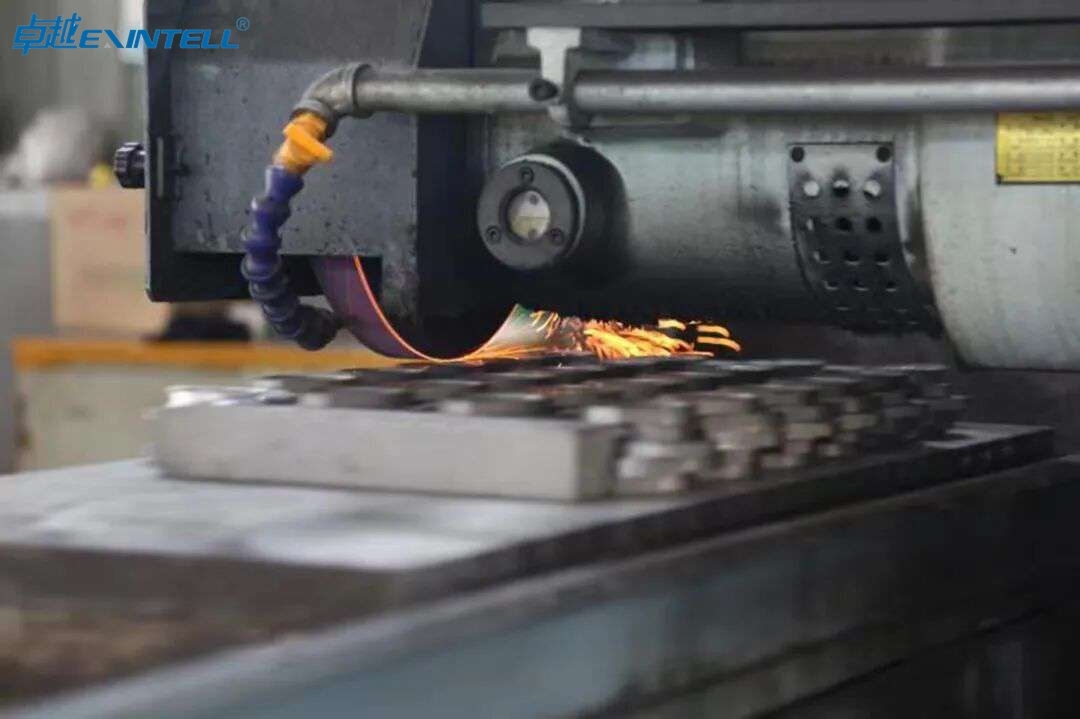
ہول سیل والیوم کے لیے, یو ایس پر مبنی سورسنگ حب الوطنی کی ترجیح سے ایک قابل دفاع قیمت اور خطرے کے فیصلے میں اضافہ ہوا ہے۔. عالمی پلاسٹک کے اخراج کی مارکیٹ کی قیمت تقریباً USD تھی۔ 6.9 بلین میں 2023 اور 2030 کی دہائی کے اوائل تک وسط واحد ہندسے کے CAGR پر بڑھنے کا امکان ہے۔ (گرینڈ ویو ریسرچ, 2024), اور اس صلاحیت کا ایک بامعنی حصہ امریکہ کے اندر بیٹھا ہے۔, جہاں پلاسٹک کی صنعت لاکھوں مزدوروں کو ملازمت دیتی ہے۔ (پلاسٹک انڈسٹری ایسوسی ایشن, 2023).
ہول سیل والیوم کے لیے یو ایس پر مبنی سورسنگ کے فوائد
تھوک پیمانے پر, وہ تعداد جو کبھی آف شور سورسنگ کو پسند کرتے تھے کم ہو گئے ہیں۔. گھریلو سپلائرز مجھے چھوٹا دیتے ہیں۔, زیادہ متوقع لیڈ ٹائم, کم انوینٹری لے جانے والے اخراجات کیونکہ میں مانگ کے قریب آرڈر کر سکتا ہوں۔, اور اس سے کہیں زیادہ آسان مواصلت جب ٹولنگ پر نظر ثانی یا کلر میچ کو تیز موڑ کی ضرورت ہوتی ہے۔. لاگت کے مکمل تجزیہ پر, فریٹ سمیت, فرائض, معیار کا خطرہ, اور ورکنگ کیپٹل ٹرانزٹ میں بندھے ہوئے ہیں۔, گھریلو بلک پلاسٹک کا اخراج فراہم کرنے والا اکثر غیر محسوس ہونے سے پہلے ہی طویل پیداوار پر مسابقتی ہوتا ہے۔.
علاقائی مینوفیکچرنگ مرکز اور ان کی طاقتیں۔
قابل شناخت طریقوں سے امریکی اخراج کی صلاحیت کے کلسٹرز. عظیم جھیلیں اور اپر مڈویسٹ گہری آٹوموٹو اور صنعتی جڑیں رکھتی ہیں۔, جو نظم و ضبط فراہم کنندہ کے عمل کے ساتھ اچھی طرح سے جوڑتا ہے۔. شمال مشرقی اور وسط بحر اوقیانوس بہت سی صحت سے متعلق اور طبی پر مبنی دکانوں کی میزبانی کرتا ہے۔. جنوب مشرق میں نئے پودوں اور مسابقتی محنت کے ساتھ تیزی سے اضافہ ہوا ہے۔, اور مغربی ساحل صارفین اور ٹیکنالوجی سے ملحقہ مانگ کو پورا کرتا ہے۔. میں اس بنیاد پر ایک مرکز کا انتخاب کرتا ہوں کہ کون سی تخصص میری درخواست کے ساتھ مطابقت رکھتی ہے اور کون سی لین میرے مال برداری کو کم کرتی ہے.
گھریلو سپلائرز کے لیے تعمیل اور معیار کی توقعات
تھوک خریداروں کو گھریلو سپلائرز کو واضح معیارات پر رکھنا چاہئے۔, اور معروف امریکی extruders اس کی توقع کرتے ہیں۔. میں ISO تلاش کرتا ہوں۔ 9001 ایک بنیادی لائن کے طور پر معیار کا انتظام (بین الاقوامی تنظیم برائے معیاریت, 2015). مارکیٹ پر منحصر ہے, I add UL safety certification for electrical and building components (یو ایل حل, 2024), RoHS compliance where hazardous-substance restrictions apply (یورپی کمیشن, 2023), and PPAP documentation for automotive parts, since PPAP is a standardized supplier part-approval process originating in the automotive industry (آٹوموٹو انڈسٹری ایکشن گروپ, 2023). Material-specific traceability matters too, especially for regulated PVC building profiles, since PVC is among the most widely used polymers in construction and building-product profiles (پلاسٹک انڈسٹری ایسوسی ایشن, 2023).
How Reshoring Affects Lead Times and Cost Stability
Reshoring and nearshoring trends have increased interest in domestic US manufacturing sourcing (ریشورنگ انیشیٹو, 2023), and I have felt the practical effects. As more capacity comes back onshore, I have seen lead times stabilize and become easier to forecast, which lets me run leaner inventory with less safety stock. ڈومیسٹک سورسنگ میری قیمتوں کو سمندری فریٹ اتار چڑھاؤ اور کرنسی کے جھولوں سے بھی محفوظ رکھتی ہے, ایک کثیر سالہ پروگرام میں مجھے فی فٹ مستحکم قیمت دینا. تھوک خریدار کی منصوبہ بندی کی صلاحیت اور کئی سالوں میں ٹولنگ امورٹائزیشن کے لیے, کہ پیشین گوئی کی اتنی ہی قیمت ہے جتنی ہیڈ لائن یونٹ کی قیمت. کسٹم پروفائلز کو کیسے بنایا جاتا ہے اس پر ایک وسیع تر پرائمر کے لیے, میں ٹیموں کو وسائل کی طرف اشارہ کرتا ہوں جیسے اپنی مرضی کے مطابق پلاسٹک کے اخراج کا یہ جائزہ.
کیلیفورنیا میں پلاسٹک کے اخراج کی کمپنیاں
جب خریدار مجھ سے پوچھتے ہیں کہ مغربی ساحل پر نکالے گئے پلاسٹک کے پرزے کہاں سے نکالے جائیں۔, کیلیفورنیا تقریبا ہمیشہ پہلی مارکیٹ ہے جس کی میں جانچ کرتا ہوں۔. ریاست گھنے مانگ کو یکجا کرتی ہے۔, ایک گہرا سپلائر بیس, اور بڑی بندرگاہوں سے قربت, جو اسے علاقائی سپلائی چین بنانے والے ہر فرد کے لیے ایک منطقی اینکر بناتا ہے۔. اس نے کہا, یہاں سورسنگ خود بخود سب سے سستا آپشن نہیں ہے۔, اور میرے تجربے میں صحیح فیصلہ اس بات پر منحصر ہے کہ آپ لیڈ ٹائم کے مقابلے میں لینڈڈ لاگت کو کس طرح وزن کرتے ہیں۔, ریگولیٹری فٹ, اور انجینئرنگ سپورٹ.
کیلیفورنیا کی مارکیٹ کی خصوصیات اور صنعت کی طلب
کیلیفورنیا ایک ہی وقت میں متعدد صنعتوں سے مانگ کھینچتا ہے۔: تعمیراتی اور تعمیراتی مصنوعات, طبی آلات, کنزیومر الیکٹرانکس انکلوژرز, زراعت, اور نقل و حمل. یہ تنوع اہمیت رکھتا ہے کیونکہ یہ پلاسٹک پروفائل مینوفیکچررز کے ایک وسیع روسٹر کو فعال اور خصوصی رکھتا ہے۔. بنیادی مارکیٹ کافی اور بڑھ رہی ہے۔. عالمی پلاسٹک کے اخراج کی مارکیٹ کی قیمت تقریباً USD تھی۔ 6.9 بلین میں 2023 اور 2030 کی دہائی کے اوائل تک وسط واحد ہندسے کے CAGR پر بڑھنے کا امکان ہے۔, گرینڈ ویو ریسرچ کے مطابق (2024). اس سرگرمی میں کیلیفورنیا کا حصہ اس کے جغرافیہ کے لحاظ سے غیر متناسب طور پر بڑا ہے کیونکہ بہت سارے نیچے کی دھارے والے OEMs کا ہیڈ کوارٹر ہے یا یہاں جمع کیا گیا ہے۔.
ریاست میں ریگولیٹری اور ماحولیاتی تحفظات
کیلیفورنیا وفاقی اور بین الاقوامی تقاضوں کے اوپر ریاستی سطح کے ماحولیاتی قوانین کی تہہ کرتا ہے۔, لہذا میں ہمیشہ تعمیل کی صلاحیت کی جلد تصدیق کرتا ہوں۔. اگر آپ کا پروڈکٹ صارفین یا الیکٹرانکس چینلز میں بھیجتا ہے۔, آپ کو ممکنہ طور پر ایسے سپلائرز کی ضرورت ہوگی جو RoHS کی مطابقت کو دستاویز کر سکیں, جو قابل اطلاق مصنوعات میں خطرناک مادوں کو محدود کرتا ہے۔ (یورپی کمیشن, 2023). اس سے آگے, کیلیفورنیا کے ہوا کے معیار اور فضلہ کے ضوابط متاثر کرتے ہیں کہ اخراج کنندگان کمپاؤنڈنگ کو کیسے ہینڈل کرتے ہیں۔, صاف کرنا, اور دوبارہ کریں. ایک سپلائر جو پہلے سے ہی ان رکاوٹوں کے تحت صاف ستھرا کام کرتا ہے آپ کی طرف سے تعمیل کا بوجھ ہٹا دیتا ہے, اور اس کے لیے ایک معمولی پریمیم ادا کرنے کے قابل ہے۔.
ویسٹ کوسٹ سپلائی چینز کو مؤثر طریقے سے پیش کرنا
کیلیفورنیا ایکسٹروڈر کے لیے سب سے مضبوط کیس لاجسٹکس ہے۔. اخراج ایک مسلسل ہے, مسلسل پروفائلز کے طویل پروڈکشن رنز کے لیے ہائی تھرو پٹ پروسیس مناسب ہے۔ (پلاسٹک انڈسٹری ایسوسی ایشن, 2023), جس کا مطلب ہے مال برداری, ٹولنگ نہیں, اکثر بھاری پروفائلز کی بار بار آنے والی لاگت پر حاوی ہوتا ہے۔. علاقے کے اندر سورسنگ زیادہ مقدار کے لیے ٹرانزٹ کو مختصر کرتی ہے۔, کم کثافت والے حصے جہاں شپنگ تیزی سے کسی دور کے پلانٹ سے یونٹ کی قیمت کی بچت کو ختم کر دیتی ہے۔. ویسٹ کوسٹ کے اسمبلر کے لیے جو صرف وقت میں انوینٹری چلا رہے ہیں۔, ایک ہی دن یا اگلے دن ٹرک لین اکثر اپنے طور پر انتخاب کا جواز پیش کرتی ہے۔.
کیلیفورنیا کے سپلائرز بمقابلہ کہیں اور سے شپنگ کا جائزہ لینا
میں علاج کے خلاف مزاحمت کرتا ہوں۔ “کیلیفورنیا بمقابلہ کہیں اور” بائنری کے طور پر. ایماندارانہ موازنہ زمینی لاگت کا تجزیہ ہے۔: یونٹ کی قیمت پلس ٹولنگ ایمورٹائزیشن پلس فریٹ پلس انوینٹری لے جانے کی لاگت کے علاوہ لیڈ ٹائم کے خطرے کی قیمت. Reshoring and nearshoring trends have increased interest in domestic US manufacturing sourcing (ریشورنگ انیشیٹو, 2023), اور پڑوسی ریاست میں ایک گھریلو پلاسٹک بنانے والا کیلیفورنیا کے اقتباس کو ہرا سکتا ہے ایک بار جب آپ ہر چیز پر غور کریں. میرا اصول: کم از کم ایک اندرون ریاست اور ایک ریاست سے باہر کا اقتباس حاصل کریں۔, پھر فیصلہ کرنے سے پہلے دونوں کو مکمل طور پر لینڈڈ لاگت فی فٹ پر معمول بنائیں.
بہترین تھوک اخراج کمپنیوں کی شناخت کیسے کریں۔
ایک بار میرے پاس جغرافیائی شارٹ لسٹ ہے۔, مشکل کام شروع ہوتا ہے: ایک قابل بلک پلاسٹک اخراج فراہم کرنے والے کو اس سے الگ کرنا جو محض کم حوالہ دیتا ہے۔. میں چار ستونوں پر بنایا ہوا وینڈر نیوٹرل فریم ورک استعمال کرتا ہوں — صلاحیت, ٹریک ریکارڈ, مالی استحکام, اور ایک معروضی سکور — تاکہ موازنہ بہت مختلف کمپنیوں میں ایماندار رہے۔.
صلاحیت کی وسعت, انجینئرنگ کی حمایت, اور معیار کے نظام
صلاحیت سے زیادہ ہے۔ “کیا آپ اس پروفائل کو نکال سکتے ہیں؟” میں ڈیزائن کے لیے مینوفیکچریبلٹی ان پٹ تلاش کرتا ہوں۔, اپنی مرضی کے مطابق ڈیزائن کا تجربہ, اور شریک اخراج کی خدمات, کیونکہ اپنی مرضی کے مطابق پلاسٹک کا اخراج اسمبلی لاگت کو کم کرنے اور فعالیت کو بڑھانے کے لیے متعدد مواد اور عمل کو یکجا کر سکتا ہے۔ (اومیگا پلاسٹک, 2024). کوالٹی سسٹم ہول سیل والیوم پر غیر گفت و شنید ہیں۔. ISO سرٹیفائیڈ ایکسٹروڈر جو ISO کے تحت کام کرتا ہے۔ 9001, وسیع پیمانے پر اپنایا گیا کوالٹی مینجمنٹ سسٹم کا معیار (بین الاقوامی تنظیم برائے معیاریت, 2015), مجھے دستاویزی عمل کا کنٹرول فراہم کرتا ہے۔. ریگولیٹڈ اینڈ مارکیٹس کے لیے, میں UL حفاظتی سرٹیفیکیشن بھی چیک کرتا ہوں جو پلاسٹک کے بہت سے اجزاء سے متعلق ہے۔ (یو ایل حل, 2024) اور, آٹوموٹو پروگراموں میں, پی پی اے پی کی اہلیت - آٹوموٹیو انڈسٹری میں شروع ہونے والا معیاری سپلائر جزوی منظوری کا عمل (آٹوموٹو انڈسٹری ایکشن گروپ, 2023).
ٹریک ریکارڈ, حوالہ جات, اور صنعت کی مہارت
ایک سپلائر کی تاریخ مجھے بتاتی ہے کہ آیا وہ ہزاروں فٹ پر معیار کو دہرا سکتے ہیں۔. میں اپنی مخصوص صنعت میں حوالہ جات طلب کرتا ہوں۔, نہ صرف کوئی گاہک, because a firm that excels at rigid PVC extrusion for construction may struggle with tight-tolerance medical tubing. Specialization signals depth: dialed-in tooling, proven resin recipes, and color matching and compounding routines they have run before. I weight a relevant three-year track record more heavily than a broad but shallow customer list.
Financial stability and capacity to scale with you
The US plastics industry is a major manufacturing sector employing hundreds of thousands of workers (پلاسٹک انڈسٹری ایسوسی ایشن, 2023), and within it sit firms of very different financial health. Before I commit tooling to a vendor, I confirm they can survive a slow quarter and expand with my forecast. I ask about extruder line count, شفٹ پیٹرن, and available capacity headroom. ایک سپلائر پر چل رہا ہے۔ 95% لیڈ ٹائم کو آگے بڑھائے بغیر استعمال آپ کی ترقی کو جذب نہیں کر سکتا, لہذا پیمانہ کرنے کی صلاحیت انتخاب کا معیار ہے۔, کوئی بعد کی سوچ نہیں.
شارٹ لسٹ بنانے کے لیے مقصدی اسکورنگ کا معیار
فیصلوں کو محفوظ رکھنے کے لیے, میں ہر امیدوار کو گٹ احساس کے بجائے وزنی معیار پر اسکور کرتا ہوں۔. ذیل کا جدول وہ فریم ورک دکھاتا ہے جو میں پروکیورمنٹ ٹیموں کو دیتا ہوں۔.
| کسوٹی | وزن | میں جس چیز کی تلاش کرتا ہوں۔ | سرخ جھنڈا۔ |
|---|---|---|---|
| کوالٹی سسٹمز | 25% | آئی ایس او 9001, پی پی اے پی, UL جہاں متعلقہ ہو۔ | کوئی دستاویزی QMS نہیں ہے۔ |
| انجینئرنگ سپورٹ | 20% | ڈی ایف ایم, اپنی مرضی کے مطابق ڈیزائن, شریک اخراج | صرف اقتباس, کوئی ڈیزائن ان پٹ نہیں |
| زمین کی قیمت | 20% | شفاف لاگت فی فٹ کے علاوہ ٹولنگ امورٹائزیشن | مبہم MOQ یا پوشیدہ فریٹ |
| صلاحیت & لیڈ ٹائم | 15% | ہیڈ روم, حقیقت پسندانہ لیڈ ٹائم | مکمل استعمال کے قریب چل رہا ہے۔ |
| ٹریک ریکارڈ | 10% | صنعت کے حوالے سے مخصوص حوالہ جات | کوئی موازنہ پروجیکٹ نہیں۔ |
| مالی استحکام | 10% | پیشن گوئی کے ساتھ پیمائش کرنے کی صلاحیت | مبہم مالیات |
| کسوٹی | وزن | میں جس چیز کی تلاش کرتا ہوں۔ | سرخ جھنڈا۔ |
|---|---|---|---|
| کوالٹی سسٹمز | 25% | آئی ایس او 9001, پی پی اے پی, UL جہاں متعلقہ ہو۔ | کوئی دستاویزی QMS نہیں ہے۔ |
| انجینئرنگ سپورٹ | 20% | ڈی ایف ایم, اپنی مرضی کے مطابق ڈیزائن, شریک اخراج | صرف اقتباس, کوئی ڈیزائن ان پٹ نہیں |
| زمین کی قیمت | 20% | شفاف لاگت فی فٹ کے علاوہ ٹولنگ امورٹائزیشن | مبہم MOQ یا پوشیدہ فریٹ |
| صلاحیت & لیڈ ٹائم | 15% | ہیڈ روم, حقیقت پسندانہ لیڈ ٹائم | مکمل استعمال کے قریب چل رہا ہے۔ |
| ٹریک ریکارڈ | 10% | صنعت کے حوالے سے مخصوص حوالہ جات | کوئی موازنہ پروجیکٹ نہیں۔ |
| مالی استحکام | 10% | پیشن گوئی کے ساتھ پیمائش کرنے کی صلاحیت | مبہم مالیات |
میں ہر سپلائر کو 1-5 فی قطار اسکور کرتا ہوں۔, وزن سے ضرب کریں, اور صرف ان لوگوں کو شارٹ لسٹ کریں جو حد کو صاف کرتے ہیں۔. This turns a subjective choice into a repeatable one your whole team can audit.
Understanding Materials: Choosing the Right Resin
No sourcing decision survives a wrong material choice. میرے تجربے میں, resin selection drives more of the final cost, ظاہری شکل, and field performance than any other early decision, so I treat material selection as a design step rather than a procurement detail.
Common resins and where they fit
Most wholesale programs land on one of a handful of thermoplastics. PVC تعمیراتی اور عمارتی مصنوعات کی پروفائلز میں سب سے زیادہ استعمال ہونے والے پولیمر میں سے ہے۔ (پلاسٹک انڈسٹری ایسوسی ایشن, 2023), prized for rigidity, موسم کی صلاحیت, اور کم قیمت. ABS delivers toughness and a clean finish for housings and trim. Polycarbonate offers impact resistance and optical clarity where PETG or acrylic (پی ایم ایم اے) might not survive. On the polyolefin side, پولی پروپلین (پی پی) resists chemicals and fatigue, ایچ ڈی پی ای سختی اور نمی کے خلاف مزاحمت لاتا ہے۔, اور LDPE نرم پروفائلز کے لیے لچکدار رہتا ہے۔. PETG خوردہ اور اشارے کے لیے وضاحت اور فارمیبلٹی کو پورا کرتا ہے۔.
اعلی کارکردگی کے اختیارات: PEEK اور TPE/TPU
جب ماحول دشمنی کا شکار ہو جائے۔, میں سیڑھی کی طرف بڑھتا ہوں۔. PEEK ایرو اسپیس اور طبی کام کے لیے اعلی درجہ حرارت اور جارحانہ کیمسٹری کو ہینڈل کرتا ہے۔, اگرچہ بھاری قیمت پر. نرم ٹچ گرفت کے لیے, مہریں, اور لچکدار نلیاں, ٹی پی ای اور ٹی پی یو تھرمو پلاسٹک باقی رہتے ہوئے ربڑ کی طرح لچک دیتے ہیں۔, جو انہیں مسلسل اخراج کے ساتھ ہم آہنگ رکھتا ہے اور سخت سبسٹریٹس پر شریک اخراج. میں ان کی وضاحت صرف اس صورت میں کرتا ہوں جب کوئی کموڈٹی رال حقیقی طور پر قیاس کو پورا نہ کر سکے۔, کیونکہ مادی پریمیم اہم ہے۔.
ایپلی کیشن کے ماحول سے مادی خصوصیات کا ملاپ
میرا انتخاب کا طریقہ آپریٹنگ ماحول سے شروع ہوتا ہے۔, ڈیٹا شیٹ نہیں. میں امیدوار کی رال سے چار سوالات کا نقشہ بناتا ہوں۔: درجہ حرارت کی حد, کیمیائی نمائش, UV and outdoor exposure, and mechanical load. The comparison below shows how I narrow choices quickly.
| رال | Key strength | Watch-out | Typical use | رشتہ دار لاگت |
|---|---|---|---|---|
| پیویسی | Weatherable, سخت, کم قیمت | Limited heat range | Building profiles, تراشنا | کم |
| ABS | سخت, good finish | Poor UV resistance | ملفوظات, تراشنا | Low–medium |
| پولی کاربونیٹ | Impact + وضاحت | Scratches, notch-sensitive | Glazing, لینس | Medium–high |
| پی پی | کیمیکل + تھکاوٹ مزاحمت | Lower stiffness | زندہ قلابے, chemical parts | کم |
| ایچ ڈی پی ای / ایل ڈی پی ای | نمی مزاحمت, لچک | Low temp resistance | نلیاں, لائنرز | کم |
| پی ای ٹی جی | وضاحت + formability | Moderate heat range | اشارے, خوردہ | درمیانہ |
| ٹی پی ای / ٹی پی یو | Elastic, soft-touch | زیادہ قیمت, careful drying | مہریں, گرفت, flexible tube | Medium–high |
| جھانکنا | Extreme heat + کیمیائی | Very high cost | ایرو اسپیس, طبی | بہت اعلیٰ |
| رال | Key strength | Watch-out | Typical use | رشتہ دار لاگت |
|---|---|---|---|---|
| پیویسی | Weatherable, سخت, کم قیمت | Limited heat range | Building profiles, تراشنا | کم |
| ABS | سخت, good finish | Poor UV resistance | ملفوظات, تراشنا | Low–medium |
| پولی کاربونیٹ | Impact + وضاحت | Scratches, notch-sensitive | Glazing, لینس | Medium–high |
| پی پی | کیمیکل + تھکاوٹ مزاحمت | Lower stiffness | زندہ قلابے, chemical parts | کم |
| ایچ ڈی پی ای / ایل ڈی پی ای | نمی مزاحمت, لچک | Low temp resistance | نلیاں, لائنرز | کم |
| پی ای ٹی جی | وضاحت + formability | Moderate heat range | اشارے, خوردہ | درمیانہ |
| ٹی پی ای / ٹی پی یو | Elastic, soft-touch | زیادہ قیمت, careful drying | مہریں, گرفت, flexible tube | Medium–high |
| جھانکنا | Extreme heat + کیمیائی | Very high cost | ایرو اسپیس, طبی | بہت اعلیٰ |
How material choice drives cost and processability
Resin selection ripples straight into your quote. Commodity polyolefins and PVC run fast, tolerate regrind, and forgive tooling variation, which keeps cost per foot down. Engineering resins like polycarbonate and PEEK demand tighter drying, higher melt temperatures, and slower line speeds, so processability falls and price rises. Color matching and compounding add cost too, but choosing a naturally suitable base resin usually saves more than any downstream tweak. My guidance to buyers is simple: specify the least expensive resin that meets every environmental requirement, then let your extruder validate it against their proven processing window before committing tooling.
Matching Extrusions to Your Industry and Application
When I evaluate plastic extrusion companies wholesale, I start from the application rather than the material. The end use dictates the polymer, the tolerances, the certifications, and ultimately which suppliers even belong on my shortlist. A profile destined for a hospital corridor and one destined for a fence rail may look similar on a spec sheet, but the regulatory and performance demands behind them push me toward entirely different plastic profile manufacturers.
تعمیر, Fenestration, and Building Products
Construction is where extrusion volume concentrates. Window and door profiles (fenestration), موسم کی پٹی, تراشنا, سجاوٹ, and edge protection all lend themselves to the continuous, high-throughput nature of the process. Extrusion is well suited to long production runs of consistent profiles, which is exactly what building products demand (پلاسٹک انڈسٹری ایسوسی ایشن, 2023). For these parts I usually specify PVC, which remains among the most widely used polymers in construction and building-product profiles (پلاسٹک انڈسٹری ایسوسی ایشن, 2023). Rigid PVC extrusion handles structural fenestration well, while co-extrusion lets me pair a weatherable capstock over a lower-cost substrate. When I need UV stability without PVC, I look at HDPE and acrylic (پی ایم ایم اے) for lighting and glazing accents.
آٹوموٹو, آلات, and Consumer Goods
Automotive and appliance work raises the bar on approval documentation. Here I expect suppliers to run PPAP, the standardized supplier part-approval process that originated in the automotive industry (آٹوموٹو انڈسٹری ایکشن گروپ, 2023). Materials shift accordingly: ABS and polypropylene for interior trim and housings, TPE and TPU for flexible seals and grommets, and polycarbonate where impact resistance and clarity matter. Consumer goods sit in a similar band, though the emphasis moves toward color matching and compounding and cosmetic surface quality. RoHS compliance frequently applies, restricting hazardous substances in applicable products (یورپی کمیشن, 2023), so I confirm it early rather than discovering a gap during qualification.
Medical and FDA-Regulated Applications
Medical extrusion is the most demanding tier I source. نلیاں, کیتھیٹرز, and fluid-path components require material traceability, cleanroom capability, and biocompatible resins such as medical-grade PETG, پولی پروپلین, ٹی پی یو, or PEEK for high-performance instrument components. میں آئی ایس او کا علاج کرتا ہوں۔ 9001 بنیادی معیار کے انتظام کے نظام کے طور پر (بین الاقوامی تنظیم برائے معیاریت, 2015) and then layer medical-specific requirements on top. For any electrically adjacent component, UL safety certification is often relevant to extruded plastic parts (یو ایل حل, 2024).
How Application Requirements Shape Supplier Selection
The practical takeaway from my experience is that requirements filter suppliers before price ever enters the conversation. A construction buyer can cast a wide net; a medical buyer cannot. I map each application to its non-negotiables (سرٹیفیکیشن, material capability, ثانوی آپریشنز, دستاویزات) and only request quotes from extruders that clear those gates. That discipline keeps me from comparing a low-cost general extruder against a regulated specialist as if they were interchangeable.
How Wholesale Extrusion Pricing Works
Wholesale extrusion pricing confuses buyers because the headline number, cost per foot, tells only part of the story. In my experience the cheapest quoted foot regularly becomes the most expensive delivered part once tooling, مال برداری, scrap, and quality risk are folded in. To buy well I separate the unit price from the total cost of ownership and evaluate both.
Cost per Foot vs Total Cost of Ownership
Cost per foot is the resin, machine time, and margin for a single linear unit. Total cost of ownership adds tooling amortization, کم از کم آرڈر کی مقدار, انوینٹری لے جانے کی لاگت, مال برداری, ثانوی آپریشنز, scrap allowances, and the cost of quality failures. A landed cost analysis that captures all of these is the only fair way I have found to compare a domestic plastic manufacturer against an offshore quote.
How Resin Cost, Run Length, and Scrap Affect Price
Three levers move the per-foot price most. Resin is the largest variable input, so commodity polymers like PVC, ایچ ڈی پی ای, ایل ڈی پی ای, and polypropylene price lower than engineering resins such as polycarbonate, جھانکنا, or acrylic (پی ایم ایم اے). Run length spreads fixed setup across more feet, so longer runs lower the unit cost. سکریپ, especially the purge and startup waste at the beginning of every run, is a real cost the extruder recovers somewhere. Short runs carry disproportionately high scrap ratios, which is one reason small orders feel expensive per foot.
Volume Discount Thresholds and Blanket Order Pricing
Wholesale pricing is tiered. As annual volume crosses defined thresholds, the price per foot steps down. I often negotiate a blanket order: a committed annual quantity released in scheduled shipments. This gives the extruder production predictability and gives me tier pricing without taking delivery of a year of inventory at once. The table below shows how these dynamics typically stack up across order sizes.
| Order Tier | Annual Volume | Relative Cost per Foot | Tooling Amortization Impact | Typical Pricing Structure |
|---|---|---|---|---|
| Prototype / Pilot | کے تحت 5,000 فٹ | سب سے زیادہ | Tooling dominates unit cost | Per-run with separate tooling charge |
| Low Volume | 5,000–25,000 ft | اعلی | Significant per-foot loading | Standard tiered pricing |
| Mid Volume | 25,000–150,000 ft | اعتدال پسند | Amortization spreads thin | Volume-discount tiers |
| High Volume | 150,000+ فٹ | سب سے کم | Negligible per foot | Blanket order with scheduled releases |
| Order Tier | Annual Volume | Relative Cost per Foot | Tooling Amortization Impact | Typical Pricing Structure |
|---|---|---|---|---|
| Prototype / Pilot | کے تحت 5,000 فٹ | سب سے زیادہ | Tooling dominates unit cost | Per-run with separate tooling charge |
| Low Volume | 5,000–25,000 ft | اعلی | Significant per-foot loading | Standard tiered pricing |
| Mid Volume | 25,000–150,000 ft | اعتدال پسند | Amortization spreads thin | Volume-discount tiers |
| High Volume | 150,000+ فٹ | سب سے کم | Negligible per foot | Blanket order with scheduled releases |
Why the Lowest Quote Is Not Always the Cheapest
A low quote can hide short lead times that force expedited freight, thin scrap allowances that surface as rejected lots, or omitted secondary operations that you end up paying for separately. عالمی پلاسٹک کے اخراج کی مارکیٹ کی قیمت تقریباً USD تھی۔ 6.9 بلین میں 2023 اور 2030 کی دہائی کے اوائل تک وسط واحد ہندسے کے CAGR پر بڑھنے کا امکان ہے۔ (گرینڈ ویو ریسرچ, 2024), and that healthy demand means reputable extruders rarely need to buy business with unsustainable pricing. When a quote is dramatically below the field, I treat it as a signal to ask what was left out rather than a bargain to grab.
ٹولنگ, مر جاتا ہے۔, and Minimum Order Quantities
Extrusion tooling and dies sit at the center of every wholesale negotiation because they are where the upfront money and the long-term leverage live. Understanding how a custom die is quoted, amortized, and owned has saved me more money over a program’s life than shaving a few cents off the per-foot rate ever did.
How Custom Die Costs Are Quoted and Amortized
A custom die design is quoted as a one-time charge that reflects profile complexity, wall-thickness transitions, and the number of chambers or co-extrusion streams. I see two common treatments. The extruder either bills the die as a separate line item you pay upfront, or amortizes it into the per-foot price across an agreed quantity. Amortization eases cash flow but ties you to a volume commitment, so I always ask what happens to the remaining balance if the program ends early.
عام MOQ کی حدود اور وہ کیوں موجود ہیں۔
Minimum order quantity exists because extrusion has real setup cost. Threading a die, stabilizing the melt, and dialing in dimensions consume material and machine time before the first saleable foot emerges. MOQs typically run from a few hundred to several thousand pounds or linear feet depending on profile size and resin. That floor lets the extruder recover startup scrap and setup labor. Custom plastic extrusion can also combine multiple materials and processes to reduce assembly cost and extend functionality (اومیگا پلاسٹک, 2024), but each added process can raise the practical MOQ.
Negotiating Tooling Ownership and Reuse
This is the clause I read most carefully. اگر میں مرنے کی قیمت ادا کروں, I want the contract to state that I own it, that it can be transferred, and that the extruder will store and maintain it. Ownership protects my ability to re-source if service or pricing degrades. Some suppliers propose shared or amortized tooling they retain; that can lower my upfront cost but reduces my leverage later. Reshoring and nearshoring trends have increased interest in domestic US manufacturing sourcing (ریشورنگ انیشیٹو, 2023), and clear tooling ownership is what makes moving a program between domestic extruders realistic rather than theoretical. For a broader view of how these processes combine, Omega Plastics offers a useful overview of custom plastic extrusions.
Balancing MOQ Against Inventory Carrying Cost
A large MOQ lowers the per-foot price but converts cash into shelf inventory that ties up capital, occupies space, and risks obsolescence. I model this trade-off directly: the savings from a bigger run against the carrying cost of holding the surplus until I consume it. When the math is close, a blanket order usually wins, because it captures volume pricing while letting me draw down stock on a schedule that matches actual demand. وہ توازن, not the lowest sticker price, is what makes a wholesale extrusion relationship sustainable.
لیڈ ٹائمز, صلاحیت, and Production Scheduling
میرے تجربے میں, lead time is the single variable that derails otherwise well-priced sourcing decisions. When I evaluate plastic extrusion companies wholesale, I treat the schedule as a first-class negotiation item, not a footnote on the quote. A great cost per foot means little if the material arrives three weeks after your assembly line needs it.
What Drives Typical Wholesale Lead Times
Several factors compound to set a realistic delivery window. The biggest is whether tooling already exists. A new custom die design adds weeks before the first pound of resin runs. Beyond tooling, I look at resin availability (specialty grades like PEEK or medical-grade polycarbonate carry longer procurement cycles than commodity PVC or polypropylene), the extruder’s current backlog, and any downstream secondary operations. کیونکہ اخراج ایک مسلسل ہے۔, مسلسل پروفائلز کے طویل پروڈکشن رنز کے لیے ہائی تھرو پٹ پروسیس مناسب ہے۔ (پلاسٹک انڈسٹری ایسوسی ایشن, 2023), the actual run time is often the shortest part of the timeline. سیٹ اپ, تبدیلی, and queue position usually dominate.
Prototype and First-Article Timelines vs Production Runs
I separate the schedule into three phases, because conflating them leads to unrealistic expectations.
- Tooling and die fabrication: عام طور پر 3 کو 8 weeks for a custom profile die, longer for co-extrusion tooling that must balance two or more polymer streams.
- Prototype and first-article inspection (ایف اے آئی): another 1 کو 3 weeks to run samples, verify dimensional tolerances, and adjust the die. Extrusion prototyping is iterative; profiles rarely hit spec on the first pull, and pullers, کولنگ حمام, and haul-off speed all get tuned here.
- Production runs: once the process is dialed in, repeat orders of extruded plastic parts can ship in 1 کو 4 weeks depending on volume and the plastic profile manufacturer’s capacity.
The lesson I share with buyers new to custom plastic extrusion: your first order is a project, your fifth order is a transaction. Budget accordingly.
Just-in-Time, Blanket Orders, and Safety Stock
How you structure the purchase order shapes both price and reliability. Three models come up repeatedly:
- Blanket orders: I commit to an annual quantity and schedule releases against it. This lets the manufacturer amortize tooling and setup across the commitment, usually improving cost per foot, while I hold less inventory.
- Just-in-time (جے آئی ٹی): tight, frequent deliveries that minimize my carrying cost. JIT only works with a supplier whose capacity and quality are proven, because there is no buffer to absorb a missed shipment.
- Safety stock: for critical profiles, I keep a calculated buffer sized to lead time times average demand, plus a variance cushion. It is cheap insurance against a resin shortage or a line outage.
How to Build Lead Time Into Your Planning
I work backward from the required in-hand date and add explicit contingency. A practical formula I use: total lead time = tooling + ایف اے آئی + پیداوار + transit + a 15 کو 20 percent buffer. I confirm each number in writing on the quote, and I ask the extruder how their schedule shifts during peak construction season, since PVC extrusion for building-product profiles spikes demand and PVC is among the most widely used polymers in construction (پلاسٹک انڈسٹری ایسوسی ایشن, 2023). Sourcing from a domestic plastic manufacturer typically compresses transit and simplifies communication, which is one reason reshoring and nearshoring trends have increased interest in domestic US sourcing (ریشورنگ انیشیٹو, 2023).
معیار, رواداری, and Certifications to Require
Price and lead time get the headlines, but quality is where I have seen supplier relationships succeed or fail. A disciplined quality conversation up front prevents disputes later, and it separates a capable ISO certified extruder from a shop that simply owns an extruder.
Dimensional Tolerances and Inspection Methods
Extrusion tolerances are inherently looser than machined parts because the profile is formed while molten and shrinks as it cools. I specify tolerances only where the application demands them rather than blanket-tightening every dimension, which drives up cost. Common inspection methods I expect a plastic profile manufacturer to run include:
- Calipers and pin gauges for wall thickness and openings
- Optical comparators or vision systems for complex profile cross-sections
- Go/no-go fixtures for high-volume parts
- شماریاتی عمل کا کنٹرول (ایس پی سی) charts on key dimensions across the run
For material that must mate with another component, I provide a drawing with datum references and call out critical dimensions explicitly. Ambiguous drawings are the most common root cause of tolerance disputes I encounter.
آئی ایس او 9001, ایف ڈی اے, یو ایل, and RoHS Relevance
Which certifications matter depends entirely on your end market, so I map them to the application.
- آئی ایس او 9001: the baseline quality management system standard widely adopted by manufacturers (بین الاقوامی تنظیم برائے معیاریت, 2015). I treat it as table stakes for any serious wholesale supplier.
- ایف ڈی اے: required for food-contact and medical profiles, which often use PETG, specific polypropylene grades, or medical polycarbonate.
- یو ایل: UL provides safety certification relevant to many extruded plastic components (یو ایل حل, 2024), especially profiles used in electrical and appliance applications where flame rating matters.
- RoHS: RoHS restricts hazardous substances in applicable products and is a common compliance requirement (یورپی کمیشن, 2023), particularly for anything entering electronics supply chains.
Documentation to Request: CoC, Material Certs, اور پی پی اے پی
I ask for documentation proportional to risk. At minimum I request a Certificate of Conformance (CoC) confirming the shipment meets the agreed spec. For regulated or structural applications I add material certifications tracing the exact resin lot, چاہے وہ HDPE ہے۔, ABS, ٹی پی یو, or acrylic (پی ایم ایم اے). For automotive and other high-stakes programs I require PPAP, the standardized supplier part-approval process originating in the automotive industry (آٹوموٹو انڈسٹری ایکشن گروپ, 2023). PPAP bundles the FAI, کنٹرول پلان, and process documentation into one submission, which is why I lean on it whenever traceability is non-negotiable.
How to Audit a Supplier’s Quality System
Certificates prove a system existed on paper on a given day; an audit shows whether it lives on the floor. When I audit, I trace one real order end to end: incoming resin inspection, process parameters logged during the run, عمل میں چیک, and final inspection records. I ask to see the corrective action log, because how a supplier handles a past nonconformance tells me more than a clean record does. I also confirm calibration schedules on measuring equipment. A vendor-neutral scorecard across these dimensions lets me compare candidates on the same footing rather than on sales polish.
سیکنڈری آپریشنز اور ویلیو ایڈڈ سروسز
The extruded profile is rarely the finished product. میرے تجربے میں, the value-added services wrapped around the extrusion often determine whether a supplier saves me money or simply shifts work elsewhere in my supply chain. اپنی مرضی کے مطابق پلاسٹک کا اخراج اسمبلی لاگت کو کم کرنے اور فعالیت کو بڑھانے کے لیے متعدد مواد اور عمل کو یکجا کر سکتا ہے۔ (اومیگا پلاسٹک, 2024), and the best plastic extrusion companies wholesale lean into that.
کاٹنا, ڈرلنگ, مکے مارنا, اور نوچنگ
These fabrication steps convert continuous stock into ready-to-use extruded plastic parts. In-line cutting to length is standard, but I confirm cut tolerance and whether the supplier deburrs. ڈرلنگ, مکے مارنا, and notching add features the die cannot produce, and doing them at the extruder avoids a second vendor handoff. I always request a first-article sample of any fabricated feature before releasing full production.
پرنٹنگ, Color Matching, and Custom Compounding
For branded or coded profiles, I evaluate printing and color capability closely. Color matching and compounding is where quality varies most across suppliers: matching a target Pantone or spec in PVC behaves differently than in TPE or polycarbonate, and metamerism under different lighting can trip up an inexperienced shop. Custom compounding lets me specify additives, یووی سٹیبلائزرز, or flame retardants dialed to my application. Co-extrusion extends this further, bonding a rigid substrate to a soft TPU or TPE seal in a single pass, which eliminates a separate assembly step.
اسمبلی, پیکجنگ, and Kitting
Downstream services shorten my internal handling. Sub-assembly, custom packaging that protects long profiles in transit, and kitting (grouping related parts into a single SKU for the point of use) all reduce the labor I would otherwise absorb. When I run a landed cost analysis, these services frequently move the decision, because they replace internal headcount and inbound freight complexity.
How Value-Added Services Consolidate Your Supply Chain
اسٹریٹجک ادائیگی استحکام ہے۔. Every operation I move to the extruder is one fewer vendor to qualify, one fewer shipment to track, and one fewer quality interface to manage. The table below shows how I weigh a base extruder against a full-service value-added supplier on total cost of ownership rather than piece price alone.
| عامل | Base Extruder Only | Full-Service Value-Added Supplier |
|---|---|---|
| Piece price (cost per foot) | Lowest quoted | Higher per foot; bundles operations |
| ثانوی آپریشنز | Handled by separate vendor(s) | کاٹنا, ڈرلنگ, notching in-house |
| وینڈرز کا انتظام کرنا | متعدد | Single point of accountability |
| Freight and handling | Multiple inbound legs | Consolidated shipment |
| Quality traceability | Split across suppliers | One CoC / PPAP owner |
| Lead time risk | Additive across handoffs | Managed under one schedule |
| بہترین فٹ | سادہ پروفائلز, existing fab capacity | Complex parts, lean internal operations |
| عامل | Base Extruder Only | Full-Service Value-Added Supplier |
|---|---|---|
| Piece price (cost per foot) | Lowest quoted | Higher per foot; bundles operations |
| ثانوی آپریشنز | Handled by separate vendor(s) | کاٹنا, ڈرلنگ, notching in-house |
| وینڈرز کا انتظام کرنا | متعدد | Single point of accountability |
| Freight and handling | Multiple inbound legs | Consolidated shipment |
| Quality traceability | Split across suppliers | One CoC / PPAP owner |
| Lead time risk | Additive across handoffs | Managed under one schedule |
| بہترین فٹ | سادہ پروفائلز, existing fab capacity | Complex parts, lean internal operations |
Market economics reinforce the point: the global plastic extrusion market was valued at roughly USD 6.9 بلین میں 2023 اور 2030 کی دہائی کے اوائل تک وسط واحد ہندسے کے CAGR پر بڑھنے کا امکان ہے۔ (گرینڈ ویو ریسرچ, 2024), and that growth has expanded the roster of extruders offering integrated services. For a deeper look at how combined processes reduce assembly cost, I point buyers to a reference on custom plastic extrusions. میرا اصول: choose the base extruder when I already own strong fabrication capacity, and the full-service partner when consolidating vendors buys me lower total cost and cleaner accountability.
Domestic vs Overseas Sourcing Tradeoffs
جب میں کسی خریدار کو یہ فیصلہ کرنے میں مدد کرتا ہوں کہ پلاسٹک کے نکالے گئے پرزوں کو کہاں سے نکالنا ہے۔, بات چیت تقریبا کبھی بھی یونٹ کی قیمت پر ختم نہیں ہوتی ہے۔. ایک گھریلو پلاسٹک بنانے والا فی فٹ زیادہ قیمت کا حوالہ دے سکتا ہے۔, ایک بار جب میں پوری تصویر چلاتا ہوں تو پھر بھی کاروبار جیتتا ہوں۔. حالیہ برسوں کے ریشورنگ اور قریبی ساحل کے رجحانات نے اس موازنہ کو مزید تیز کر دیا ہے۔, آسان نہیں, اور اسی کے مطابق گھریلو امریکی سورسنگ میں دلچسپی بڑھ گئی ہے۔ (ریشورنگ انیشیٹو, 2023). میرا کام سستی نظر آنے والی چیزوں سے الگ کرنا ہے جس کی اصل قیمت کم ہے۔.
یونٹ کی قیمت بمقابلہ فریٹ, ٹیرف, اور لیڈ ٹائم
پیویسی اخراج پروفائلز پر کم بیرون ملک اقتباس اس کے زیادہ تر فائدے کو کھو سکتا ہے اس سے پہلے کہ پیلیٹ آپ کی گودی تک پہنچ جائے۔. میں ہمیشہ سابق کام کی قیمت کے اوپر تین لائن آئٹمز شامل کرتا ہوں۔: سمندری یا ہوائی سامان, قابل اطلاق ڈیوٹی اور ٹیرف, اور طویل لیڈ ٹائم کی ورکنگ کیپٹل لاگت. When a domestic co-extrusion supplier ships in two weeks and an overseas plastic profile manufacturer needs ten to fourteen weeks with transit, that gap ties up inventory and slows your ability to respond to demand swings. For long, consistent production runs, extrusion’s continuous, high-throughput nature keeps per-unit costs low on either coast (پلاسٹک انڈسٹری ایسوسی ایشن, 2023), so lead time and freight often become the real deciding factors. Lab Extruder Supplier
مواصلات, آئی پی, and Quality Oversight Risks
Distance introduces friction I have learned to price in. Time-zone gaps stretch a simple die-tolerance question from an afternoon into a two-day loop. Intellectual property exposure matters when you are handing over custom die design or a proprietary compound recipe. Quality oversight is harder at range too: catching an Pelletizer Machine Manufacturers out-of-spec extruded plastic part before it multiplies across a large run is far easier when you can visit the floor or expect same-day PPAP documentation (آٹوموٹو انڈسٹری ایکشن گروپ, 2023). None of this rules out overseas sourcing. It just means the savings need to be large enough to fund the extra oversight.
Total Landed Cost Analysis
Landed cost analysis is where I make the decision defensible. I total the ex-works unit price, مال برداری, انشورنس, ڈیوٹی اور ٹیرف, customs and brokerage, inventory carrying cost during the longer lead time, and an allowance for defect risk and rework. Only then do I compare it against a domestic quote that bundles most of those costs into a single number. More than once, a 20 percent unit-price gap has evaporated once tariffs and carrying costs were added.
When a Hybrid Sourcing Strategy Makes Sense
میرے تجربے میں, the smartest programs are rarely all-domestic or all-import. I often place high-volume, مستحکم, commodity-grade profiles such as HDPE or LDPE extrusions overseas, while keeping low-volume, آئی پی حساس, or fast-turn work like PEEK or polycarbonate profiles with a domestic ISO certified extruder. A hybrid strategy hedges against freight spikes, tariff changes, and single-source disruption. It costs a little more to qualify two supply lines, but it buys resilience that a single low quote cannot.
پلاسٹک اخراج مشینیں: Buy Parts or Bring It In-House
Buyers occasionally ask whether they should stop purchasing extruded parts and buy the extrusion line instead. It is a fair question, and the honest answer for most companies is no. But there are clear signals when vertical integration pays off, and I walk through them the same way each time.
When Investing in Extrusion Equipment Is Justified
تھرموپلاسٹک اخراج کو گھر میں لانا صرف مستقل طور پر خود کو درست ثابت کرتا ہے۔, ایک مستحکم پروڈکٹ مکس کے ساتھ اعلی حجم. اگر آپ ہر سال ایک ہی پروفائل کے لاکھوں فٹ استعمال کر رہے ہیں۔, اس لائن کو کنٹرول کرنے سے مارجن اور سپلائی سیکیورٹی بہتر ہو سکتی ہے۔. اگر آپ کا مطالبہ گانٹھ ہے۔, آپ کے پروفائل اکثر بدلتے رہتے ہیں۔, یا آپ TPE اور TPU سے ایکریلک تک وسیع میٹریل رینج چلاتے ہیں۔ (پی ایم ایم اے), معاشیات شاذ و نادر ہی پکڑتے ہیں۔. The US plastics industry is a major manufacturing sector employing hundreds of thousands of workers (پلاسٹک انڈسٹری ایسوسی ایشن, 2023), جو اس بات کی عکاسی کرتا ہے کہ خصوصی لیبر کے حقیقی اخراج کے آپریشنز کی کتنی ضرورت ہے۔.
سرمایہ, مہارت, اور دیکھ بھال کے تحفظات
ایکسٹروڈر کی خریداری کی قیمت عزم کا سب سے چھوٹا حصہ ہے۔. میں خریداروں سے کہتا ہوں کہ وہ ایکسٹروشن ٹولنگ اور ڈیز کے لیے بجٹ دیں۔, ڈاؤن اسٹریم کا سامان جیسے کولنگ ٹینک, کھینچنے والے, اور کٹر, پلانٹ کی جگہ, اور مواد کی ہینڈلنگ. پھر مہارت آتی ہے۔: ہنر مند آپریٹرز, process engineers who understand melt temperature and screw design, and quality staff to maintain an ISO 9001 کوالٹی مینجمنٹ سسٹم (بین الاقوامی تنظیم برائے معیاریت, 2015). Maintenance is continuous, and unplanned downtime on a single owned line has nowhere to go, whereas a specialist can shift your job to another machine.
Why Most Buyers Outsource to Specialists
Most buyers outsource because a plastic profile manufacturer spreads capital, expertise, and certification costs across many customers. Specialists carry co-extrusion services, رنگ ملاپ اور مرکب, اپنی مرضی کے مطابق ڈیزائن, and secondary operations you would otherwise build from scratch. اپنی مرضی کے مطابق پلاسٹک کا اخراج اسمبلی لاگت کو کم کرنے اور فعالیت کو بڑھانے کے لیے متعدد مواد اور عمل کو یکجا کر سکتا ہے۔ (اومیگا پلاسٹک, 2024), and that kind of process integration is hard to replicate on a single in-house line. You also inherit their UL and RoHS compliance experience rather than qualifying it yourself (یو ایل حل, 2024; یورپی کمیشن, 2023).
Signals That In-House Extrusion Pays Off
ربڑ & Plastic Extrusion Products I treat these as the green lights: annual volume high enough to keep a line running near capacity, a narrow and stable set of profiles, proprietary material or geometry you must protect, chronic supply disruption from vendors, and access to extrusion talent you can actually hire. When most of those are true, integration can win. When only one or two are, outsourcing to a bulk plastic extrusion supplier almost always beats owning the asset.
How to Compare Wholesale Extrusion Quotes Apples-to-Apples
Comparing quotes is where good sourcing decisions are won or lost. Two proposals for the same custom plastic extrusion can look wildly different on paper simply because each supplier made different assumptions. My process is to normalize everything to a common basis before I let price influence the decision.
Normalizing Quotes for Material, رواداری, and Services
First I confirm every quote uses the same inputs. Material matters: a quote priced on standard PVC is not comparable to one on ABS, پولی کاربونیٹ, پی ای ٹی جی, or a glass-filled compound. Tolerance matters just as much, because a tighter dimensional spec raises scrap and slows line speed. I also line up services, so that color matching and compounding, شریک اخراج, and secondary operations are either included in all quotes or excluded from all of them. Material selection should map to the application first, then to price, دوسری طرف نہیں.
Separating Tooling from Per-Unit and Freight
The single most common mistake I see is blending one-time and recurring costs. I split every quote into three buckets: ٹولنگ (the extrusion die and any fixtures, paid once), the per-unit or cost-per-foot price at the stated minimum order quantity, اور مال برداری. Tooling should be amortized across your realistic annual volume, not the first order alone. A supplier with higher tooling but a lower cost per foot often wins over a multi-year program, and you cannot see that until the buckets are separated.
Clarifying Assumptions Before Comparing
Before scoring, I send every vendor the same short list of questions: What MOQ is this price based on? What lead time in weeks? What tolerance and inspection level? Are UL, RoHS, or PPAP documentation included? Is freight quoted, and to which incoterm? Getting these answers in writing turns three inconsistent proposals into three comparable ones. It also surfaces which suppliers actually read your drawing.
A Simple Scoring Template for Evaluation
I score finalists on weighted criteria rather than price alone. The template below is one I reuse across projects; adjust the weights to fit your program. The context is a market growing at a mid-single-digit CAGR from roughly USD 6.9 بلین میں 2023 (گرینڈ ویو ریسرچ, 2024), so capacity and capability vary widely between suppliers and the scoring keeps you honest.
| کسوٹی | وزن | میں جس چیز کی تلاش کرتا ہوں۔ | Score (1-5) |
|---|---|---|---|
| زمین کی کل لاگت | 30% | Per-unit + amortized tooling + مال برداری + فرائض | |
| لیڈ ٹائم & صلاحیت | 20% | Quoted weeks, surge capacity, backup line | |
| معیار & سرٹیفیکیشن | 20% | آئی ایس او 9001, یو ایل, RoHS, PPAP where required | |
| Technical capability | 15% | شریک اخراج, اپنی مرضی کے مطابق ڈیزائن, مواد کی حد | |
| مواصلات & risk | 10% | ردعمل, IP تحفظ, location | |
| پروٹو ٹائپنگ & لچک | 5% | Extrusion prototyping, willingness on low MOQ |
| کسوٹی | وزن | میں جس چیز کی تلاش کرتا ہوں۔ | Score (1-5) |
|---|---|---|---|
| زمین کی کل لاگت | 30% | Per-unit + amortized tooling + مال برداری + فرائض | |
| لیڈ ٹائم & صلاحیت | 20% | Quoted weeks, surge capacity, backup line | |
| معیار & سرٹیفیکیشن | 20% | آئی ایس او 9001, یو ایل, RoHS, PPAP where required | |
| Technical capability | 15% | شریک اخراج, اپنی مرضی کے مطابق ڈیزائن, مواد کی حد | |
| مواصلات & risk | 10% | ردعمل, IP تحفظ, location | |
| پروٹو ٹائپنگ & لچک | 5% | Extrusion prototyping, willingness on low MOQ |
Multiply each score by its weight, total the results, and the ranking usually clarifies fast. For a deeper look at how custom profiles combine materials and processes, I point buyers to overviews of custom plastic extrusions ان کے پہلے سپلائر کال سے پہلے. A disciplined, normalized comparison is what separates a wholesale purchase you defend later from one you regret.
The Wholesale Extrusion Supplier Vetting Checklist
By the time I reach the vetting stage, I have usually narrowed a long list down to three or four serious candidates. This is where I stop reading marketing pages and start pressure-testing whether a plastic profile manufacturer can actually deliver the parts I need at the price and consistency I quoted internally. The checklist below is the one I run every time, and it has saved me from more than one costly mistake.
قابلیت, سرٹیفیکیشن, and Reference Verification
I begin with a blunt question: can this shop run my material and geometry at my volume? A supplier that excels at rigid PVC extrusion may have little experience with flexible TPE or TPU, and a co-extrusion project with a soft seal over a rigid substrate is a different capability entirely. I ask for a line-by-line confirmation against my spec, not a general “ہاں, we do that.”
On certification, میں آئی ایس او کا علاج کرتا ہوں۔ 9001 as a baseline rather than a bonus. آئی ایس او 9001 مینوفیکچررز کے ذریعہ بڑے پیمانے پر اپنایا گیا معیار کے انتظام کے نظام کی وضاحت کرتا ہے۔ (بین الاقوامی تنظیم برائے معیاریت, 2015), so its absence tells me the shop has not formalized its process controls. Depending on the application, I also look for UL safety certification for electrical and building components (یو ایل حل, 2024) and RoHS compliance where the product enters regulated markets (یورپی کمیشن, 2023). Automotive and medical buyers should confirm PPAP capability, a standardized supplier part-approval process that originated in the automotive industry (آٹوموٹو انڈسٹری ایکشن گروپ, 2023).
ٹیبل ٹاپ ٹوئن سکرو ایکسٹروڈر فیکٹری References are the step most buyers skip. I ask for two or three customers with similar materials and run lengths, پھر میں اصل میں انہیں فون کرتا ہوں۔. My standard questions are simple: Did quality hold across reorders? How did the supplier handle a defect? Were lead time commitments honored under pressure?
Sample and First-Article Evaluation
No matter how good the quote looks, I never commit to a full production run without a sample and a documented first-article inspection. For extruded plastic parts, I measure critical dimensions across the cross-section, check wall thickness consistency, and pull the part over its full length to confirm the die holds tolerance without drift. On color-matched or compounded jobs I request physical color chips and confirm the match under controlled lighting, since screen approvals rarely survive contact with reality.
A useful tell during this phase is how the supplier documents the first article. A shop that returns a clean inspection report with measured values against nominal tolerances is showing me its process discipline. A shop that says “it looks good” is showing me something else.
معاہدے کی شرائط, وارنٹی, and Defect Policy
Before a purchase order goes out, I want the commercial mechanics in writing. That means tooling ownership (I insist the die is mine once I have paid for it), MOQ and reorder terms, price validity windows, and how price adjusts if resin costs move. I also confirm the warranty scope and, تنقیدی طور پر, the defect policy: who bears the cost of scrap, rework, and freight when a lot fails inspection, and what the return process looks like.
میرے تجربے میں, the defect clause is where a relationship is truly defined. A supplier confident in its process will accept clear responsibility for out-of-spec material. Vague or one-sided language here is a signal worth taking seriously.
Red Flags That Should End the Conversation
- No verifiable certifications and no willingness to be audited. If a supplier resists a facility visit or a quality-system review, I stop.
- Refusal to provide references or samples. A capable plastic profile manufacturer expects both requests.
- Quotes that omit tooling, ثانوی آپریشنز, or freight. A price that looks too clean usually means the real cost surfaces later.
- Ambiguity on tooling ownership. If the die is not clearly mine after I pay for it, my supply is captive.
- Evasive answers on lead time or capacity. اخراج ایک مسلسل ہے, high-throughput process well suited to long production runs (پلاسٹک انڈسٹری ایسوسی ایشن, 2023); a shop that cannot commit to a schedule for a steady profile is telling me it is overextended.
Sustainability and Recycled-Content Extrusion Options
پائیداری بہت سے خریداروں کے لیے جن کے ساتھ میں کام کرتا ہوں کے لیے ایک اچھی ضرورت سے خریداری کی ضرورت میں منتقل ہو گیا ہے۔, particularly those reporting against ESG targets. The good news is that extrusion is one of the more forgiving processes for incorporating recycled content, because many profiles tolerate a percentage of reprocessed resin without meaningful loss of function.
Recycled Resin and Regrind Considerations
There are two levers here. Post-industrial regrind is scrap from the supplier’s own process, reground and blended back into virgin material; it is well controlled and predictable. Post-consumer recycled resin comes from the waste stream and carries more variability in color, آلودگی, اور میکانی خصوصیات. HDPE and polypropylene handle recycled content well and are common in non-cosmetic profiles, while PVC extrusion often accommodates regrind in the core of a co-extruded part. For demanding polymers such as polycarbonate, جھانکنا, or optical-grade acrylic (پی ایم ایم اے), I keep recycled content low or zero to protect performance.
Balancing Sustainability Goals with Performance
Co-extrusion is my favorite tool for squaring this circle. By running recycled or lower-cost resin in the structural core and a virgin skin on the visible or functional surface, I get the environmental and cost benefit without compromising appearance or weathering. اپنی مرضی کے مطابق پلاسٹک کا اخراج اسمبلی لاگت کو کم کرنے اور فعالیت کو بڑھانے کے لیے متعدد مواد اور عمل کو یکجا کر سکتا ہے۔ (اومیگا پلاسٹک, 2024), and that same flexibility is what makes recycled-content strategies practical. My rule is to define the performance floor first, then push recycled content up to the point just before that floor is threatened, validated by first-article testing.
Certifications and Reporting for ESG Buyers
If sustainability claims feed into corporate reporting, I ask suppliers for documentation, یقین دہانیاں نہیں. That includes certificates of recycled content by percentage and type, material traceability records, and any third-party chain-of-custody verification. A supplier that can report recycled-content percentage per lot makes my own ESG disclosure defensible; one that cannot substantiate its claims becomes a liability the moment an auditor asks for evidence.
How Suppliers Reduce Waste in the Process
Extrusion generates scrap at startup, تبدیلی, اور کاٹنے. Strong shops minimize it through inline regrind recovery, tight die design that reduces trim, and scheduling that limits color and material changeovers. Reshoring and nearshoring trends have increased interest in domestic US manufacturing sourcing (ریشورنگ انیشیٹو, 2023), and one underappreciated benefit is the reduced transportation footprint of buying domestically. When I evaluate a domestic plastic manufacturer, I treat waste reduction as both an environmental metric and a cost signal, because scrap the supplier eliminates is scrap I am not paying for.
اکثر پوچھے گئے سوالات
These are the questions I hear most often from buyers approaching wholesale extrusion sourcing for the first time, along with the answers I give. Waterproof Plastic Products Extrusion
How do I choose the right wholesale plastic extrusion supplier?
Start with capability fit for your material and geometry, then verify certifications (آئی ایس او 9001 ایک بنیادی لائن کے طور پر, plus UL, RoHS, or PPAP as your application demands), حوالہ جات چیک کریں, and require a sample with a documented first article. The right supplier is rarely the cheapest quote; it is the one whose process discipline matches the consistency your product requires.
What does wholesale plastic extrusion cost, and how is it priced?
Price has two components: a one-time tooling and custom die design charge, and a recurring per-part or cost-per-foot rate. Tooling is amortized across your order volume, so the effective piece price falls as run length rises. Material choice drives a large share of the recurring cost; commodity resins like PVC, ایچ ڈی پی ای, and polypropylene sit at the low end, جبکہ پولی کاربونیٹ, پی ای ٹی جی, and engineering polymers like PEEK cost substantially more. Always insist that quotes include secondary operations and freight so you can perform a true landed cost analysis.
What is a typical minimum order quantity and lead time?
MOQ varies widely by supplier and material, but wholesale extrusion favors long runs because the process is continuous and high-throughput. Tooling lead time is usually the longest pole; expect several weeks for die fabrication and sampling before production. The quick-reference table below summarizes how these variables tend to behave.
Wholesale versus retail or distributor sourcing — which is right for me?
If you need standard, off-the-shelf profiles in modest quantities, a distributor is faster and avoids tooling costs. If you need a custom profile, control over material and tolerances, and a repeatable supply at volume, buying wholesale directly from a plastic extrusion manufacturer is the better path despite the upfront tooling investment.
What are the most common mistakes buyers make?
The two I see most are comparing quotes that are not scoped identically (one includes freight and secondary operations, another does not) and skipping the first-article inspection to save time. A close third is failing to secure tooling ownership in writing, which quietly locks a buyer into a single supplier.
Which certifications should I require?
ISO کی ضرورت ہے۔ 9001 for any serious production supplier. Add UL for electrical and building products, RoHS for regulated markets, and PPAP for automotive or other high-reliability applications. Match the certification to the risk profile of your product rather than collecting credentials for their own sake.
لاگت, MOQ, and Lead Time Quick Reference
| Material Tier | Example Polymers | Relative Cost per Foot | Recycled-Content Suitability | Typical Use Case |
|---|---|---|---|---|
| اجناس | پیویسی, ایچ ڈی پی ای, ایل ڈی پی ای, پولی پروپیلین | سب سے کم | اعلی | Construction profiles, نلیاں, تراشنا |
| درمیانی رینج | ABS, پی ای ٹی جی, ایکریلک (پی ایم ایم اے) | اعتدال پسند | اعتدال پسند | Consumer goods, نشان, display |
| لچکدار | ٹی پی ای, ٹی پی یو | اعتدال سے اعلیٰ | کم سے اعتدال پسند | مہریں, گاسکیٹ, soft-touch profiles |
| انجینئرنگ | پولی کاربونیٹ, جھانکنا | سب سے زیادہ | کم | اعلیٰ کارکردگی, high-temperature parts |
| Material Tier | Example Polymers | Relative Cost per Foot | Recycled-Content Suitability | Typical Use Case |
|---|---|---|---|---|
| اجناس | پیویسی, ایچ ڈی پی ای, ایل ڈی پی ای, پولی پروپیلین | سب سے کم | اعلی | Construction profiles, نلیاں, تراشنا |
| درمیانی رینج | ABS, پی ای ٹی جی, ایکریلک (پی ایم ایم اے) | اعتدال پسند | اعتدال پسند | Consumer goods, نشان, display |
| لچکدار | ٹی پی ای, ٹی پی یو | اعتدال سے اعلیٰ | کم سے اعتدال پسند | مہریں, گاسکیٹ, soft-touch profiles |
| انجینئرنگ | پولی کاربونیٹ, جھانکنا | سب سے زیادہ | کم | اعلیٰ کارکردگی, high-temperature parts |
For context on market scale, the global plastic extrusion market was valued at roughly USD 6.9 بلین میں 2023 اور 2030 کی دہائی کے اوائل تک وسط واحد ہندسے کے CAGR پر بڑھنے کا امکان ہے۔ (گرینڈ ویو ریسرچ, 2024), and the US plastics industry remains a major manufacturing sector employing hundreds of thousands of workers (پلاسٹک انڈسٹری ایسوسی ایشن, 2023). That depth of domestic capacity is exactly why I encourage buyers to cast a wider geographic net than a single vendor’s home region.
How do I start the quote process?
Send each shortlisted supplier the same package: a dimensioned cross-section drawing, target material and any recycled-content requirement, annual volume and order cadence, tolerance and finish expectations, اور مطلوبہ سرٹیفیکیشنز. Requesting identical scope from every supplier is the only way to compare quotes fairly. You can review one example of a custom extrusion capability set at اومیگا پلاسٹک to see how these requirements map to a supplier’s offering.
Where to Go Next After Shortlisting Suppliers
Once you have two or three comparable quotes, move to samples and first-article evaluation before signing anything. Validate dimensions, رنگ, and any recycled-content claim, confirm tooling ownership and defect terms in the contract, and place a modest first production order to observe reorder consistency before scaling. Treat the first run as the final step of vetting rather than the end of it; the supplier that performs cleanly under a real order is the one worth building a long-term relationship with.
What Is Plastic Extrusion Companies Wholesale and Why It Matters for B2B Buyers
When I evaluate sourcing options for high-volume plastic components, “plastic extrusion companies wholesale” describes a specific category of supplier: manufacturers that produce extruded plastic parts in bulk quantities, at negotiated per-unit pricing, and typically under a contract or blanket order rather than a one-off retail transaction. میرے تجربے میں, understanding this distinction early saves buyers from comparing quotes that are structurally incompatible.
ایک ورکنگ ڈیفینیشن
Extrusion is a continuous process in which molten thermoplastic is forced through a shaped die to produce a consistent cross-sectional profile, cut to length or coiled downstream. پلاسٹک انڈسٹری ایسوسی ایشن (2023) characterizes extrusion as a high-throughput method well suited to long production runs of consistent profiles, which is precisely why it lends itself to wholesale relationships. A wholesale plastic profile manufacturer, then, is a partner geared toward repeat volume: dedicated tooling, scheduled releases, and pricing quoted on a cost-per-foot or cost-per-piece basis rather than a fixed retail rate.
Co-extrusion extends this further. اپنی مرضی کے مطابق پلاسٹک کا اخراج اسمبلی لاگت کو کم کرنے اور فعالیت کو بڑھانے کے لیے متعدد مواد اور عمل کو یکجا کر سکتا ہے۔ (اومیگا پلاسٹک, 2024) — for instance, bonding a rigid substrate to a flexible sealing lip in a single pass. That capability is a meaningful differentiator when I compare a bulk plastic extrusion supplier against a shop that only runs single-material profiles.
مارکیٹ کا سیاق و سباق
The category sits inside a large and growing market. گرینڈ ویو ریسرچ (2024) values the global plastic extrusion market in the multi-billion-dollar range — roughly USD 6.9 بلین میں 2023 by that firm’s estimate — and projects mid-single-digit CAGR growth through the early 2030s. Extrusion is also one of the highest-volume plastics processing methods, converting a large share of thermoplastic output alongside injection molding.
Domestically, the stakes are significant. The US plastics industry is a major manufacturing sector employing hundreds of thousands of workers (پلاسٹک انڈسٹری ایسوسی ایشن, 2023). I have also watched reshoring reshape sourcing decisions: the Reshoring Initiative (2023) reports that reshoring and nearshoring trends have increased interest in domestic US manufacturing, which is why many buyers now weigh a domestic plastic manufacturer against overseas alternatives on landed cost rather than unit price alone.
Key Applications and Material Fit
Where extruded plastic parts show up depends heavily on the polymer. I find it useful to map material to application rather than starting from a supplier’s catalog:
- پیویسی — construction trim, window and door profiles, کنارے بینڈنگ. PVC تعمیراتی اور عمارتی مصنوعات کی پروفائلز میں سب سے زیادہ استعمال ہونے والے پولیمر میں سے ہے۔ (پلاسٹک انڈسٹری ایسوسی ایشن, 2023), and PVC extrusion is often the volume workhorse.
- ABS — rigid housings, چینلز, and structural trim needing impact resistance and paintability.
- پولی کاربونیٹ — light-transmitting profiles and glazing components where clarity and toughness matter.
- HDPE and LDPE — chemical-resistant tubing, لائنرز, and low-cost profiles; HDPE for stiffness, LDPE for flexibility.
- پولی پروپیلین — living hinges, chemical-resistant channels, and lightweight profiles.
- پی ای ٹی جی — clear, formable profiles for retail, نشان, and display.
- ٹی پی ای اور ٹی پی یو — soft seals, گاسکیٹ, and grips, frequently co-extruded onto rigid carriers.
- ایکریلک (پی ایم ایم اے) — optically clear rails, لینس, and decorative trim.
- جھانکنا - اعلی درجہ حرارت, high-performance profiles for aerospace, طبی, and semiconductor use.
Co-extrusion ties these together: a single plastic extrusion profiles run can pair, کہنا, a rigid PVC body with a TPE seal, which is where the assembly-cost savings Omega Plastics describes actually materialize.
B2B خریداروں کے لیے یہ کیوں اہم ہے۔
The wholesale model changes the economics. Tooling and dies are amortized across large volumes, so the per-foot price falls as annual quantities rise — but that only works if you commit to the volume. میرے تجربے میں, the buyers who struggle are those who treat a wholesale extruder like a retail vendor, expecting low minimum order quantity and instant lead time while still wanting bulk pricing. Aligning your demand profile with the supplier’s model is the first thing that matters.
How to Choose the Right Plastic Extrusion Companies Wholesale Supplier
Choosing a wholesale extrusion partner is a vendor-evaluation exercise, not a price comparison. I run every candidate through the same neutral framework so that quotes become genuinely comparable and the cheapest cost-per-foot doesn’t quietly hide the highest total cost of ownership.
وینڈر کی تشخیص کا معیار
Certifications and Quality Systems
I start with the quality management system. آئی ایس او 9001 مینوفیکچررز کے ذریعہ بڑے پیمانے پر اپنایا گیا معیار کے انتظام کے نظام کی وضاحت کرتا ہے۔ (آئی ایس او, 2015), and an ISO certified extruder signals documented process control rather than tribal knowledge. Depending on your end market, I also look for:
- یو ایل سرٹیفیکیشن — UL provides safety certification relevant to many extruded plastic components (یو ایل حل, 2024), essential for electrical and building applications.
- RoHS تعمیل — RoHS restricts hazardous substances in applicable products and is a common compliance requirement (یورپی کمیشن, 2023).
- PPAP capability — PPAP is a standardized supplier part-approval process originating in the automotive industry (اے آئی اے جی, 2023); if you serve automotive or other regulated sectors, this is non-negotiable.
تکنیکی صلاحیت
I assess whether the supplier can actually deliver what my part requires: شریک اخراج کی خدمات, اپنی مرضی کے مطابق ڈیزائن, tight tolerance control, رنگ ملاپ اور مرکب, and secondary operations such as punching, ڈرلنگ, نشان لگانا, یا من گھڑت. A true plastic profile manufacturer will discuss extrusion tooling and dies openly and offer extrusion prototyping before committing to production tooling.
ملکیت کی کل لاگت
Here is where most comparisons go wrong. The quoted cost per foot is only one line. I build a landed cost analysis that includes:
- ٹولنگ اور ڈائی لاگت, plus how it is amortized across the program
- Minimum order quantity and the release schedule that unlocks the quoted price
- فریٹ, پیکیجنگ, and inventory carrying cost
- Scrap allowances, ثانوی آپریشنز, and change-order pricing
- Lead time and its effect on your working capital
A domestic plastic manufacturer may quote a higher unit price yet win on landed cost once freight, فرائض, and shorter lead time enter the equation — one reason the reshoring trend has legs.
Wholesale Supplier Comparison Framework
The table below is the vendor-neutral scorecard I use to compare candidates across the dimensions that actually move total cost and risk. It is a framework, not a ranking of specific companies.
| Evaluation dimension | جو میں مانگتا ہوں۔ | Green flag | سرخ جھنڈا۔ |
|---|---|---|---|
| Quality system | آئی ایس او 9001 سرٹیفکیٹ, audit history | Current ISO 9001, documented SPC | “We follow ISO” with no certificate |
| مواد کی وسعت | پیویسی, ABS, پی سی, ایچ ڈی پی ای, پی پی, TPE/TPU, PEEK experience | Proven runs in your specific polymer | Never processed your material |
| ٹولنگ | Die cost, ownership terms, لیڈ ٹائم | Transparent amortization, buyer owns tooling | Tooling terms left vague |
| MOQ and pricing | MOQ, price breaks, cost per foot | Clear volume tiers in writing | Bulk price only after you commit |
| Capacity and lead time | Quoted lead time, surge capacity | Realistic dates, backup lines | Unusually short promises |
| تعمیل | یو ایل, RoHS, PPAP as applicable | Documentation on request | Cannot produce records |
| Evaluation dimension | جو میں مانگتا ہوں۔ | Green flag | سرخ جھنڈا۔ |
|---|---|---|---|
| Quality system | آئی ایس او 9001 سرٹیفکیٹ, audit history | Current ISO 9001, documented SPC | “We follow ISO” with no certificate |
| مواد کی وسعت | پیویسی, ABS, پی سی, ایچ ڈی پی ای, پی پی, TPE/TPU, PEEK experience | Proven runs in your specific polymer | Never processed your material |
| ٹولنگ | Die cost, ownership terms, لیڈ ٹائم | Transparent amortization, buyer owns tooling | Tooling terms left vague |
| MOQ and pricing | MOQ, price breaks, cost per foot | Clear volume tiers in writing | Bulk price only after you commit |
| Capacity and lead time | Quoted lead time, surge capacity | Realistic dates, backup lines | Unusually short promises |
| تعمیل | یو ایل, RoHS, PPAP as applicable | Documentation on request | Cannot produce records |
Red Flags to Watch For
Over enough sourcing cycles, patterns emerge. I treat the following as reasons to slow down and dig deeper:
- Quality claims with no certificate to back them, or expired certifications presented as current.
- Bulk pricing offered only after a commitment, with no written volume tiers.
- Reluctance to discuss tooling ownership — you should know whether you own the die you paid for.
- Lead-time promises that undercut the industry norm without a credible explanation.
- No prototyping or first-article path, which forces you to validate on production tooling.
- Vague answers on secondary operations that later arrive as change-order surprises.
مستعدی چیک لسٹ
Before I award a program, I work through a concrete list rather than relying on a good sales call:
- آئی ایس او کی تصدیق کریں۔ 9001 اور کسی بھی درخواست سے متعلق مخصوص سرٹیفیکیشنز (یو ایل, RoHS, پی پی اے پی) against the issuing records, not just a logo on a website.
- Request sample parts or a first-article run in your actual material and tolerance.
- Get tooling cost, ملکیت, and amortization in writing.
- Obtain MOQ, price breaks, and cost per foot at your realistic annual volume.
- Confirm lead time and surge capacity, then check it against two references.
- Run a full landed cost analysis, فریٹ سمیت, فرائض, and carrying cost.
- Clarify color matching, مرکب, and secondary operations scope and pricing.
- Review financial stability and quality history for any supplier carrying your tooling.
Practical Tips from Experience
A few habits have consistently paid off. I quote at more than one volume tier so I can see how the cost-per-foot curve behaves and where the tooling amortization crosses over. I insist on a prototype or first article before committing production tooling, because a die correction after mass production is far more expensive than one caught early. And I keep material selection open in early conversations — a supplier who steers me from an overspecified PEEK profile toward a cost-appropriate polypropylene or HDPE grade, when the application allows it, is usually a partner worth keeping.
Find Wholesale Plastic Extrusion Companies Serving the US Market
When I build a shortlist of suppliers serving the US market, I look beyond a single company’s location and map candidates by region, صلاحیت, and material specialty so freight and lead time work in my favor. Industry directories, trade associations such as the Plastics Industry Association, and manufacturer resources on custom plastic extrusions are reasonable starting points for identifying capable partners. وہاں سے, I let the due diligence checklist and comparison framework above do the real filtering — because the right wholesale extrusion supplier is the one whose model, مواد, and total cost fit your program, not simply the one with the lowest headline price.
Locate plastic extrusion suppliers near my location
When I begin a sourcing project, geography is rarely my first filter, but it earns weight quickly once freight and lead time enter the calculation. A domestic plastic manufacturer positioned close to my assembly plant can shave days off replenishment cycles and reduce the landed cost of bulky, low-density profiles that are expensive to ship. اس نے کہا, “near me” is a starting point, not a destination. I treat proximity as one variable inside a broader vetting framework rather than the deciding factor.
Key considerations when mapping local supply
I start by identifying the regional manufacturing clusters most relevant to my part. The US plastics industry is a major manufacturing sector employing hundreds of thousands of workers (پلاسٹک انڈسٹری ایسوسی ایشن, 2023), and that footprint concentrates in the Midwest, Southeast, and parts of the Northeast where extrusion capacity, tooling shops, and resin distribution overlap. I search by process capability first (thermoplastic extrusion, شریک اخراج کی خدمات, اپنی مرضی کے مطابق ڈیزائن) and only then narrow by radius, because a nearby shop that cannot run my resin is no bargain.
Reshoring and nearshoring trends have increased interest in domestic US manufacturing sourcing (ریشورنگ انیشیٹو, 2023). In my experience this has widened the pool of capable regional suppliers, which means I can often find a qualified plastic profile manufacturer within a few hundred miles without sacrificing capability. I verify that a candidate handles my target polymer, whether that is PVC extrusion for building profiles, HDPE for structural parts, or engineering resins like polycarbonate and PEEK for demanding applications.
Practical tips for finding and qualifying nearby suppliers
- Search on capability plus material, not just location: pair “extruded plastic parts” with your resin (ABS, پی ای ٹی جی, ٹی پی ای, ٹی پی یو) before adding a geographic term.
- Request a plant address and confirm production happens there rather than being brokered to a distant contract line.
- Ask for references from customers in your region and industry so you can gauge real delivery performance.
- Confirm secondary operations (کاٹنے, مکے مارنا, پرنٹنگ, اسمبلی) are done in-house locally, since outsourced finishing quietly reintroduces the freight and lead-time penalties you were trying to avoid.
صنعت کا تناظر
اخراج ایک مسلسل ہے, مسلسل پروفائلز کے طویل پروڈکشن رنز کے لیے ہائی تھرو پٹ پروسیس مناسب ہے۔ (پلاسٹک انڈسٹری ایسوسی ایشن, 2023). Because the economics favor volume, local suppliers with steady regional demand tend to keep tooling warm and resin in stock, which improves responsiveness for wholesale buyers. Proximity compounds that advantage: shorter transit protects tight schedules and lowers the risk of damage on long-profile shipments.
Identify the best-rated plastic extrusion companies for bulk orders
Ratings and reviews give me a first impression, but for bulk commitments I look past star counts to the systems that actually protect quality at scale. When I qualify a bulk plastic extrusion supplier, I am really asking whether the company can hold tolerances across tens of thousands of feet, document that consistency, and stand behind it contractually.
Key considerations for high-volume vendor selection
Certifications are my anchor. آئی ایس او 9001 مینوفیکچررز کے ذریعہ بڑے پیمانے پر اپنایا گیا معیار کے انتظام کے نظام کی وضاحت کرتا ہے۔ (بین الاقوامی تنظیم برائے معیاریت, 2015), and I treat an ISO certified extruder as a baseline rather than a differentiator. Depending on the end market, I layer in additional requirements: RoHS restricts hazardous substances in applicable products and is a common compliance requirement (یورپی کمیشن, 2023); UL provides safety certification relevant to many extruded plastic components (یو ایل حل, 2024); and for automotive-adjacent work, PPAP is a standardized supplier part-approval process originating in the automotive industry (آٹوموٹو انڈسٹری ایکشن گروپ, 2023).
Beyond paperwork, I evaluate engineering depth. اپنی مرضی کے مطابق پلاسٹک کا اخراج اسمبلی لاگت کو کم کرنے اور فعالیت کو بڑھانے کے لیے متعدد مواد اور عمل کو یکجا کر سکتا ہے۔ (اومیگا پلاسٹک, 2024), and the best-rated companies demonstrate that through co-extrusion capability, in-house extrusion tooling and dies, and disciplined color matching and compounding. A supplier that can co-extrude a rigid PVC body with a flexible TPE seal in a single pass is offering me a lower total part cost, not just a nicer profile.
Practical tips for vetting bulk-capable suppliers
- Ask how they validate first articles and monitor dimensional drift across a long run.
- Request their scrap and on-time-delivery rates in writing; strong performers track and share these.
- Confirm capacity headroom so your bulk order does not consume their entire line and expose you to schedule risk.
- Probe material breadth: a shop fluent in commodity resins (پولی پروپلین, ایل ڈی پی ای, ایچ ڈی پی ای) and engineering grades (پولی کاربونیٹ, acrylic/PMMA, جھانکنا) can grow with your program.
- Review their extrusion prototyping path, since a smooth prototype-to-production handoff signals process maturity.
صنعت کا تناظر
Extrusion is one of the highest-volume plastics processing methods, accounting for a large share of thermoplastic conversion alongside injection molding (industry process overviews). That volume orientation is precisely why bulk buyers should reward suppliers who invest in documentation and repeatability. The global plastic extrusion market is valued in the multi-billion-dollar range and growing at a mid-single-digit CAGR (گرینڈ ویو ریسرچ, 2024), so capable extruders have every incentive to formalize quality systems and compete for long-term wholesale relationships.
Compare plastic extrusion manufacturers by price and lead time
Price comparison in extrusion is deceptively simple on the surface and genuinely complex underneath. A quoted cost per foot means little until I fold in tooling amortization, کم از کم آرڈر کی مقدار, ثانوی آپریشنز, اور مال برداری. I have learned to compare manufacturers on total cost of ownership and delivery reliability together, because a low unit price paired with a long, unreliable lead time can quietly erode any savings.
Key considerations for a fair price and lead-time comparison
The single biggest driver of apparent price difference is tooling. Extrusion dies are a one-time (or amortized) سرمایہ کاری, and how a supplier spreads that cost across the run changes the math entirely. I always ask whether the die cost is separate or baked into the cost per foot, and I calculate the break-even volume where tooling amortization stops mattering. Minimum order quantity is the second lever: a lower MOQ improves flexibility but usually raises per-foot cost, while a higher MOQ rewards commitment.
Material selection also moves both price and lead time. Commodity resins like PVC and polypropylene are widely stocked, so quotes come back fast; PVC تعمیراتی اور عمارتی مصنوعات کی پروفائلز میں سب سے زیادہ استعمال ہونے والے پولیمر میں سے ہے۔ (پلاسٹک انڈسٹری ایسوسی ایشن, 2023), which keeps its supply chain deep and responsive. Engineering polymers such as polycarbonate, پی ای ٹی جی, or PEEK carry higher resin cost and sometimes longer procurement lead times, which I factor into any landed cost analysis.
Illustrative comparison framework
The figures below are representative planning ranges I use to structure quotes, not vendor prices. Actual numbers depend on profile complexity, رواداری, حجم, and resin market conditions. I include them to show how the variables interact when I compare a bulk plastic extrusion supplier head to head.
| Comparison factor | Commodity profile (جیسے, پیویسی, پی پی) | Engineering profile (جیسے, پی سی, جھانکنا) | Co-extruded / multi-material |
|---|---|---|---|
| Relative resin cost | کم | اعلی | Medium to high |
| Typical tooling / die cost | زیریں, faster to build | اعتدال پسند | اعلی (multi-material die design) |
| Typical MOQ posture | Higher volumes reward pricing | Moderate volumes | Volume-sensitive due to setup |
| Relative lead time | چھوٹا (stocked resin) | لمبا (procurement, خشک کرنا) | لمبا (setup and validation) |
| بہترین فٹ ایپلی کیشنز | Building profiles, تراشیں, نلیاں | High-heat, structural, optical | Rigid body + soft seal, aesthetic layers |
| Comparison factor | Commodity profile (جیسے, پیویسی, پی پی) | Engineering profile (جیسے, پی سی, جھانکنا) | Co-extruded / multi-material |
|---|---|---|---|
| Relative resin cost | کم | اعلی | Medium to high |
| Typical tooling / die cost | زیریں, faster to build | اعتدال پسند | اعلی (multi-material die design) |
| Typical MOQ posture | Higher volumes reward pricing | Moderate volumes | Volume-sensitive due to setup |
| Relative lead time | چھوٹا (stocked resin) | لمبا (procurement, خشک کرنا) | لمبا (setup and validation) |
| بہترین فٹ ایپلی کیشنز | Building profiles, تراشیں, نلیاں | High-heat, structural, optical | Rigid body + soft seal, aesthetic layers |
Practical tips for normalizing quotes
- Insist every quote separate tooling, فی فٹ قیمت, MOQ, and secondary operations so you compare like with like.
- Model total landed cost including freight and inbound handling, not just the ex-works unit price.
- Ask for both standard and expedited lead times, and confirm what triggers each.
- Request tiered pricing at several volumes to see where amortization and MOQ breaks fall.
- Weigh a modestly higher price from a reliable domestic plastic manufacturer against schedule risk from a cheaper but slower source.
صنعت کا تناظر
The market backdrop supports disciplined comparison shopping: the global plastic extrusion market was valued at roughly USD 6.9 بلین میں 2023 اور 2030 کی دہائی کے اوائل تک وسط واحد ہندسے کے CAGR پر بڑھنے کا امکان ہے۔ (گرینڈ ویو ریسرچ). A growing, competitive supply base gives wholesale buyers real negotiating room, provided they arrive with a clear specification and a normalized comparison. For a deeper look at how multi-material and combined-process work lowers assembled cost, I find the overview of custom plastic extrusion from Omega Plastics a useful reference (Custom Plastic Extrusions). When I combine that engineering perspective with a rigorous price-and-lead-time model, I can choose a supplier on genuine value rather than a headline rate.
Understand what plastic extrusion is and how the process works
Before I evaluate any supplier, I want to be fluent in what I am actually buying. Plastic extrusion is a continuous manufacturing process in which thermoplastic pellets are melted, ایک شکل والے ڈائی کے ذریعے مجبور کیا گیا۔, and pulled off as a constant cross-section that is then cooled, سائز کا, اور لمبائی میں کاٹ دیں. Because the process runs continuously rather than cycle by cycle, it is exceptionally well suited to long production runs of consistent profiles (پلاسٹک انڈسٹری ایسوسی ایشن, 2023). That single characteristic explains most of the economics I discuss later in this guide.
The core process steps
میرے تجربے میں, understanding the sequence helps you ask a plastic profile manufacturer sharper questions. The workflow moves through five stages:
- کھانا کھلانا اور پگھلنا: Resin pellets enter a heated barrel where a rotating screw conveys, کمپریسس, and melts them into a homogeneous flow.
- تشکیل مرنا: The molten polymer is pushed through custom extrusion tooling and dies that define the profile geometry.
- کولنگ اور سائزنگ: Calibration tooling and water baths lock in dimensions and tolerances.
- Pulling and cutting: A puller maintains consistent line speed while a saw or knife cuts extruded plastic parts to length.
- ثانوی آپریشنز: ڈرلنگ, مکے مارنا, پرنٹنگ, or fabrication finish the part for its end use.
Custom die design is where much of the engineering value sits. A well-designed die reduces scrap, tightens tolerances, and shortens the trial runs needed to qualify a profile.
Materials I map to applications
Thermoplastic extrusion supports a wide material palette, and material selection is the decision that most affects cost, کارکردگی, اور لیڈ ٹائم. Here is how I map common polymers to typical use cases:
- پیویسی: Among the most widely used polymers in construction and building-product profiles (پلاسٹک انڈسٹری ایسوسی ایشن, 2023). PVC extrusion dominates trim, کنارہ, and rigid channels.
- ABS: Tough and dimensionally stable for housings and structural trim.
- پولی کاربونیٹ: High impact resistance and optical clarity for glazing and lenses.
- HDPE and LDPE: Chemical resistance and flexibility for tubing, لائنرز, and low-cost profiles.
- پولی پروپیلین: A lightweight, fatigue-resistant workhorse for living hinges and containers.
- پی ای ٹی جی: Clarity and easy fabrication for retail and display profiles.
- ٹی پی ای اور ٹی پی یو: Flexible seals, گاسکیٹ, and grips, often combined with rigid substrates.
- ایکریلک (پی ایم ایم اے): Optical clarity and UV stability for lenses and lighting.
- جھانکنا: A high-performance polymer for demanding thermal and chemical environments.
Co-extrusion lets a supplier run two or more of these materials through a single die simultaneously, for example a rigid PVC body with a soft TPE seal. اپنی مرضی کے مطابق پلاسٹک کا اخراج اسمبلی لاگت کو کم کرنے اور فعالیت کو بڑھانے کے لیے متعدد مواد اور عمل کو یکجا کر سکتا ہے۔ (اومیگا پلاسٹک, 2024). When I need color consistency across production lots, I also confirm the extruder’s color matching and compounding capability up front.
صنعت کا تناظر
The scale here matters for buyers. Extrusion is one of the highest-volume plastics processing methods, sitting alongside injection molding as a primary route for thermoplastic conversion. عالمی پلاسٹک کے اخراج کی مارکیٹ کی قیمت تقریباً USD تھی۔ 6.9 بلین میں 2023 اور 2030 کی دہائی کے اوائل تک وسط واحد ہندسے کے CAGR پر بڑھنے کا امکان ہے۔ (گرینڈ ویو ریسرچ, 2024). A market growing steadily rather than explosively tends to reward suppliers who compete on process discipline and cost, which works in a wholesale buyer’s favor.
Learn the difference between wholesale and retail plastic extrusion, and why it matters for your budget
The wholesale versus retail distinction is not just about order size. It changes how pricing is structured, how tooling is amortized, and how much control I have over specifications. I treat these as two different purchasing models, and confusing them is the fastest way to blow a budget.
How the two models differ
Retail extrusion typically means buying stock profiles or short custom runs at a per-unit price with little or no tooling investment. تھوک, اس کے برعکس, means committing to volume in exchange for a lower cost per foot, usually with dedicated custom die design and a defined minimum order quantity. The wholesale model front-loads cost into tooling and then rewards you across the production life of the part.
| عامل | خوردہ / کم حجم | تھوک / bulk |
|---|---|---|
| Typical minimum order quantity | کم; stock lengths or short runs | اعلی; committed volume or blanket orders |
| Tooling and dies | Standard or none | اپنی مرضی کے مطابق ڈائی ڈیزائن, حجم سے زیادہ امورٹائزڈ |
| Cost per foot | Higher unit price | Lower unit price at scale |
| حسب ضرورت | Limited to catalog profiles | Full profile, مواد, and color control |
| لیڈ ٹائم | Short for stock items | Longer initial run, faster reorders |
| بہترین فٹ | پروٹو ٹائپنگ, one-offs, ٹیسٹنگ | Ongoing production, OEM supply |
| عامل | خوردہ / کم حجم | تھوک / bulk |
|---|---|---|
| Typical minimum order quantity | کم; stock lengths or short runs | اعلی; committed volume or blanket orders |
| Tooling and dies | Standard or none | اپنی مرضی کے مطابق ڈائی ڈیزائن, حجم سے زیادہ امورٹائزڈ |
| Cost per foot | Higher unit price | Lower unit price at scale |
| حسب ضرورت | Limited to catalog profiles | Full profile, مواد, and color control |
| لیڈ ٹائم | Short for stock items | Longer initial run, faster reorders |
| بہترین فٹ | پروٹو ٹائپنگ, one-offs, ٹیسٹنگ | Ongoing production, OEM supply |
ملکیت کی کل لاگت, not just unit price
The number I actually manage to is total cost of ownership, and cost per foot is only one input. When I compare a bulk plastic extrusion supplier against a retail source, I build out the full picture:
- ٹولنگ امارٹائزیشن: A custom die is a one-time cost spread across the parts it produces. On a 100,000-foot program the die adds pennies per foot; on a 2,000-foot program it can double the effective price. I always ask the supplier to model amortization at my real annual volume.
- MOQ economics: Minimum order quantity protects the supplier’s setup cost. If the MOQ pushes me into carrying 18 months of inventory, the storage and cash-flow cost can erase the per-foot savings.
- ثانوی آپریشنز: کاٹنا, ڈرلنگ, and printing done in-line cost far less than outsourced fabrication.
- Landed cost analysis: فریٹ, فرائض, and packaging can swing a domestic quote past an imported one even when the base price looks higher.
Key considerations before you commit to wholesale
I only move a part to a wholesale commitment once the design is stable. Running extrusion prototyping first, ideally with the same extruder, lets me validate the profile before I pay for hardened tooling. I also confirm reorder terms in writing, because the wholesale advantage lives in fast, low-cost reruns off an existing die. If a supplier cannot state the MOQ, the tooling cost, and the reorder lead time clearly, that is a signal I am not yet talking to the right plastic extrusion companies wholesale partner.
Find plastic extrusion companies in California and across the US
California is a strong hunting ground for extruders because of its dense manufacturing base and proximity to Pacific ports, but I never limit a sourcing search to a single state. Geography affects freight, لیڈ ٹائم, and resilience, so I think in terms of the whole US footprint and let the application decide where to buy.
Why domestic sourcing is getting more attention
Reshoring and nearshoring trends have increased interest in domestic US manufacturing sourcing (ریشورنگ انیشیٹو, 2023). The US plastics industry remains a major manufacturing sector employing hundreds of thousands of workers (پلاسٹک انڈسٹری ایسوسی ایشن, 2023), which means the domestic supplier pool is deep enough to run competitive bids. For a domestic plastic manufacturer, the practical advantages I see are shorter freight distances, آسان آن سائٹ آڈٹ, and tighter communication during qualification.
A vendor-neutral vetting framework
Rather than rank named companies, I use a repeatable checklist so I can compare any shortlist on equal footing:
- سرٹیفیکیشنز: I confirm the supplier is an ISO certified extruder. آئی ایس او 9001 مینوفیکچررز کے ذریعہ بڑے پیمانے پر اپنایا گیا معیار کے انتظام کے نظام کی وضاحت کرتا ہے۔ (بین الاقوامی تنظیم برائے معیاریت, 2015). For regulated markets I also check UL safety certification (یو ایل حل, 2024) and RoHS compliance where hazardous-substance restrictions apply (یورپی کمیشن, 2023).
- Industry-specific approvals: Automotive programs typically require PPAP, the standardized supplier part-approval process originating in the automotive industry (آٹوموٹو انڈسٹری ایکشن گروپ, 2023).
- Process capability: I ask whether they offer co-extrusion services, in-house tooling, and secondary operations under one roof.
- مواد کی وسعت: A supplier fluent across PVC, ABS, پولی کاربونیٹ, ایچ ڈی پی ای, and engineering resins gives me room to iterate on material selection without re-sourcing.
- Capacity and lead time: I verify they can hold my volume without pushing my reorders behind larger accounts.
Practical tips for running the search
When I build a California-plus-national shortlist, a few habits save time. I start with three to five suppliers so I have real quote comparison without drowning in RFQs. I send every candidate the same drawing, tolerance spec, سالانہ حجم, and target application, which forces apples-to-apples pricing on cost per foot and tooling. میں سابق کام کی قیمت کے بجائے زمینی لاگت کے تخمینہ کی درخواست کرتا ہوں تاکہ ساحلی کیلیفورنیا کے پلانٹ سے میری سہولت تک کا سامان ایمانداری سے لیا جائے۔. آخر میں, میں ہر سپلائر سے یہ بتانے کو کہتا ہوں کہ وہ پروگرام کے وسط میں ڈیزائن کی تبدیلی کو کیسے ہینڈل کرتے ہیں۔, کیونکہ یہ جواب مجھے ابتدائی اقتباس سے زیادہ طویل مدتی پارٹنر کے بارے میں بتاتا ہے۔. گہرائی سے دیکھنے کے لیے کہ کس طرح حسب ضرورت صلاحیت ان فیصلوں کو تشکیل دیتی ہے۔, مجھے حوالہ مواد ملتا ہے۔ custom plastic extrusions دکانداروں سے سوالات تیار کرتے وقت مفید.
ضرورت کے مطابق علاقہ
میرا اصول: اعلی حجم کے پروگراموں کے لیے جہاں مال برداری کا غلبہ ہے۔, میں اپنے اختتامی بازار کے قریب ترین سپلائر کو ترجیح دیتا ہوں۔, چاہے وہ کیلیفورنیا ہو یا کہیں اور. ڈیمانڈنگ پولیمر جیسے PEEK یا درست Acrylic میں خصوصی پروفائلز کے لیے (پی ایم ایم اے), میں قومی سطح پر تلاش کو وسیع کرتا ہوں اور صلاحیت کو فاصلے سے زیادہ ہونے دیتا ہوں۔. Getting plastic extrusion profiles right is ultimately about matching the material, the process, and the location to the job, and a disciplined framework beats brand loyalty every time.
یہ سب ایک ساتھ لانا: Sourcing With Confidence in 2025
After walking through material selection, ٹولنگ اقتصادیات, and vendor vetting, my core takeaway is simple: buying wholesale plastic extrusion is less about chasing the lowest cost per foot and more about understanding total cost of ownership. میرے تجربے میں, the suppliers who look expensive on a per-foot quote often win on landed cost once you factor in tooling amortization, consistent lead time, and fewer rejected lots. A plastic profile manufacturer that nails color matching and compounding on the first run saves you far more than the few cents you might have shaved off the polymer price.
The market context reinforces this. عالمی پلاسٹک کے اخراج کی مارکیٹ کی قیمت تقریباً USD تھی۔ 6.9 بلین میں 2023 اور 2030 کی دہائی کے اوائل تک وسط واحد ہندسے کے CAGR پر بڑھنے کا امکان ہے۔ (گرینڈ ویو ریسرچ, 2024). That steady demand means capacity is available, but it also means the best ISO certified extruders stay busy and reward buyers who arrive with clear specifications. Whether you need PVC extrusion for construction profiles, ABS or polycarbonate for durable housings, کیمیائی مزاحمت کے لیے ایچ ڈی پی ای اور ایل ڈی پی ای, or PEEK for high-performance applications, matching material to application before you request quotes shortens the conversation and sharpens your pricing.
Two trends should shape how you plan this year. سب سے پہلے, reshoring and nearshoring interest has raised the value of a domestic plastic manufacturer, both for shorter transit and for tighter communication on custom die design (ریشورنگ انیشیٹو, 2023). دوسرا, co-extrusion services continue to let buyers combine multiple materials in a single profile to reduce assembly cost and extend functionality (اومیگا پلاسٹک, 2024), which is worth exploring before you commit to a multi-part assembly. My advice is to treat your first order as a partnership test: run a small prototyping batch, evaluate the extruded plastic parts against spec, and only then scale to full production runs where extrusion’s continuous, high-throughput nature works in your favor (پلاسٹک انڈسٹری ایسوسی ایشن, 2023).
ماہر بصیرت
| کلیدی نکتہ | وضاحت |
|---|---|
| Total cost beats unit price | A slightly higher cost per foot often delivers a lower landed cost once tooling amortization, سکریپ کی شرح, and secondary operations are included. I always model the full landed cost analysis before comparing quotes side by side. |
| Certifications signal process control | آئی ایس او 9001 (آئی ایس او, 2015), plus UL (یو ایل حل, 2024), RoHS (یورپی کمیشن, 2023), or PPAP (اے آئی اے جی, 2023) where your industry requires them, indicate a supplier can hold tolerances and document quality on repeat orders. |
| Material choice drives everything downstream | Mapping polymer to application first, چاہے پیویسی, پی ای ٹی جی, پولی پروپلین, acrylic (پی ایم ایم اے), ٹی پی ای, یا TPU, prevents costly die revisions and clarifies minimum order quantity and lead time expectations early. |
| کلیدی نکتہ | وضاحت |
|---|---|
| Total cost beats unit price | A slightly higher cost per foot often delivers a lower landed cost once tooling amortization, سکریپ کی شرح, and secondary operations are included. I always model the full landed cost analysis before comparing quotes side by side. |
| Certifications signal process control | آئی ایس او 9001 (آئی ایس او, 2015), plus UL (یو ایل حل, 2024), RoHS (یورپی کمیشن, 2023), or PPAP (اے آئی اے جی, 2023) where your industry requires them, indicate a supplier can hold tolerances and document quality on repeat orders. |
| Material choice drives everything downstream | Mapping polymer to application first, چاہے پیویسی, پی ای ٹی جی, پولی پروپلین, acrylic (پی ایم ایم اے), ٹی پی ای, یا TPU, prevents costly die revisions and clarifies minimum order quantity and lead time expectations early. |
B2B خریداروں کے لیے قابل عمل سورسنگ ٹپس
- Request quotes on total landed cost, not just cost per foot. Ask each bulk plastic extrusion supplier to itemize tooling, MOQ, مال برداری, and any secondary operations so you compare like for like.
- Confirm certifications up front. آئی ایس او کی تصدیق کریں۔ 9001 status and any application-specific requirements such as UL, RoHS, or PPAP before you share sensitive drawings.
- Clarify tooling ownership and amortization. Know whether extrusion tooling and dies belong to you after payment and how die costs are spread across your projected volume.
- Validate material capability against your application. Ask whether the plastic profile manufacturer routinely runs your target polymer, from PVC and HDPE to polycarbonate or PEEK, and whether they offer co-extrusion.
- Start with a prototyping run. A small first batch lets you test dimensional accuracy, color matching, and communication before committing to long production runs.
- Weigh geography deliberately. Balance a domestic plastic manufacturer’s shorter lead time and easier collaboration against offshore pricing, using your real landed cost figures to decide.
Sourcing well comes down to preparation. Arrive with clear specifications, a shortlist of vetted extruders, and a total-cost mindset, and you will negotiate from a position of strength. For a deeper look at how custom profiles can consolidate parts and cut assembly cost, I recommend reviewing published guidance on custom plastic extrusions as you refine your own requirements. ٹوئن سکرو ایکسٹروڈرز فیکٹری
اکثر پوچھے گئے سوالات
How do I find plastic extrusion companies wholesale near me?
When I search for a bulk plastic extrusion supplier close to my operation, I start with proximity but never stop there. Local sourcing shortens lead time, cuts freight, and makes it easier to visit the floor and audit tooling firsthand. اس نے کہا, in my experience the nearest plastic profile manufacturer is rarely the best fit for every profile. I map my part requirements first (مواد, رواداری, حجم), then filter regional candidates against those specs. A shop two states away with the right co-extrusion services and a proven ISO-certified extruder often beats a closer vendor that lacks the right dies or compounding capability.
Which plastic extrusion companies wholesale in the USA should I consider?
The US plastics industry is a major manufacturing sector employing hundreds of thousands of workers (پلاسٹک انڈسٹری ایسوسی ایشن, 2023), so the domestic pool of qualified extruders is deep. When I vet plastic extrusion companies wholesale across the USA, I weigh three things: مواد کی حد (پیویسی, ABS, پولی کاربونیٹ, ایچ ڈی پی ای, ایل ڈی پی ای, پولی پروپلین, پی ای ٹی جی, ٹی پی ای, ٹی پی یو, acrylic/PMMA, and specialty resins like PEEK), certification posture, and total cost of ownership rather than headline cost per foot. Reshoring and nearshoring trends have increased interest in domestic sourcing (ریشورنگ انیشیٹو, 2023), and I have found domestic partners simplify communication, IP تحفظ, and landed cost analysis compared with overseas alternatives.
What is the difference between a plastic extrusion manufacturer and a distributor?
This distinction drives more sourcing mistakes than any other. A manufacturer owns the extrusion machinery and controls the process: ڈائی ڈیزائن, thermoplastic extrusion, ثانوی آپریشنز, and quality gates. A distributor buys finished extruded plastic parts and resells them, adding a margin but no production control. When I need custom plastic extrusion with a bespoke die, color matching, or tight tolerances, I go straight to a plastic profile manufacturer. A distributor can make sense for stock profiles and low volumes, but for custom work the manufacturer is the party accountable for the die, the tooling amortization, and the finished specification.
How do I choose a wholesale plastic extrusion supplier?
I run every candidate through the same vendor-neutral framework. سب سے پہلے, صلاحیت: do they extrude my material and hold my tolerances? دوسرا, سرٹیفیکیشن: آئی ایس او 9001 مینوفیکچررز کے ذریعہ بڑے پیمانے پر اپنایا گیا معیار کے انتظام کے نظام کی وضاحت کرتا ہے۔ (بین الاقوامی تنظیم برائے معیاریت, 2015), and for regulated work I also look for RoHS compliance (یورپی کمیشن, 2023), UL safety certification (یو ایل حل, 2024), and PPAP capability for automotive parts (آٹوموٹو انڈسٹری ایکشن گروپ, 2023). تیسرا, commercial terms: کم از کم آرڈر کی مقدار, cost per foot at my volume, tooling cost and amortization, and realistic lead time. چوتھا, انجینئرنگ کی حمایت: اپنی مرضی کے مطابق ڈیزائن, extrusion prototyping, and material selection guidance. I ask for references in my industry and, جب ممکن ہو, a sample run before committing to a production order.
What do plastic extrusion profiles actually cost at wholesale, and what drives MOQ?
Wholesale pricing has two layers people often conflate: the one-time tooling investment and the recurring cost per foot. A custom die is an upfront capital cost that gets amortized across your run, which is why extrusion rewards long production runs. اخراج ایک مسلسل ہے, high-throughput process well suited to consistent profiles (پلاسٹک انڈسٹری ایسوسی ایشن, 2023), so unit price drops as volume rises. Minimum order quantity exists because setup, صاف کرنا, and stabilization consume material and time regardless of run length. When I budget, I model landed cost: ٹکڑے کی قیمت, ٹولنگ کفایت شعاری, ثانوی آپریشنز, مال برداری, and any compounding or color-matching charges, not just the quoted cost per foot.
What is a plastic extrusion machine, and why does it matter to me as a buyer?
A plastic extrusion machine melts thermoplastic pellets and forces them through a shaped die to produce continuous profiles. As a buyer I do not operate it, but its configuration tells me what a supplier can deliver. Co-extrusion capability, مثال کے طور پر, lets a shop combine multiple materials in one profile, which per Omega Plastics (2024) can reduce assembly cost and extend functionality. Line size and screw configuration dictate the wall thickness, cross-section complexity, and throughput a supplier can hit. Asking about the machinery is really asking whether a shop can make my part economically at my volume.
Are the best plastic extrusion companies wholesale always the largest ones?
نہیں, and I have learned to separate “بہترین” سے “biggest.” The best partner for a given program is the one whose material expertise, ٹولنگ, and quality system match your application. For a PVC extrusion used in construction (PVC is among the most widely used polymers in building-product profiles, per the Plastics Industry Association, 2023), a focused profile specialist may outperform a large generalist. اعلی درجہ حرارت PEEK جزو یا نرم ٹچ TPU حصے کے لیے, میں اس عین مطابق رال میں ثابت تجربے کے ساتھ ایک دکان چاہتا ہوں. میں مظاہرے کی فٹ اور مستقل مزاجی پر سپلائرز کا فیصلہ کرتا ہوں۔, آمدنی یا پودوں کی تعداد نہیں.
کیا میں اپنی تلاش کو کیلیفورنیا میں پلاسٹک کے اخراج کی کمپنیوں تک محدود کر سکتا ہوں؟, یا مجھے چوڑا نظر آنا چاہئے؟?
کیلیفورنیا ایکسٹروڈرز کے ایک مضبوط جھرمٹ کی میزبانی کرتا ہے۔, اور ریاست میں سورسنگ ویسٹ کوسٹ آپریشنز کے لیے مال برداری اور تیز رفتار تبدیلی کو کم کر سکتی ہے۔. لیکن میں جغرافیہ کو ایک ان پٹ سمجھتا ہوں۔, فیصلہ کن عنصر نہیں. عالمی پلاسٹک کے اخراج کی مارکیٹ کی قیمت تقریباً USD تھی۔ 6.9 بلین میں 2023 اور وسط واحد ہندسے کے CAGR سے بڑھ رہا ہے۔ (گرینڈ ویو ریسرچ, 2024), اور اس پیمانے کا مطلب اہل ہے۔ اپنی مرضی کے مطابق پلاسٹک اخراج شراکت دار بہت سے علاقوں میں موجود ہیں. میں اپنی تلاش کو وسیع کرتا ہوں جب بھی کوئی مخصوص مواد, رواداری, یا سرٹیفیکیشن کی ضرورت مقامی طور پر بہت کم ہے۔, پھر امیدواروں کا زمینی لاگت پر موازنہ کریں تاکہ حتمی فیصلہ صرف فاصلے کی بجائے کل قدر کی عکاسی کرے۔.
حوالہ جات
- The global plastic extrusion market is valued in the multi-billion-dollar range and growing at a mid-single-digit CAGR. - گرینڈ ویو ریسرچ (2024)
- اپنی مرضی کے مطابق پلاسٹک کا اخراج اسمبلی لاگت کو کم کرنے اور فعالیت کو بڑھانے کے لیے متعدد مواد اور عمل کو یکجا کر سکتا ہے۔. - اومیگا پلاسٹک (2024)
- آئی ایس او 9001 مینوفیکچررز کے ذریعہ بڑے پیمانے پر اپنایا گیا معیار کے انتظام کے نظام کی وضاحت کرتا ہے۔. - بین الاقوامی تنظیم برائے معیاریت (2015)
- The US plastics industry is a major manufacturing sector employing hundreds of thousands of workers. - پلاسٹک انڈسٹری ایسوسی ایشن (2023)
- PVC تعمیراتی اور عمارتی مصنوعات کی پروفائلز میں سب سے زیادہ استعمال ہونے والے پولیمر میں سے ہے۔. - پلاسٹک انڈسٹری ایسوسی ایشن (2023)
- RoHS restricts hazardous substances in applicable products and is a common compliance requirement. - یورپی کمیشن (2023)
- PPAP is a standardized supplier part-approval process originating in the automotive industry. - آٹوموٹو انڈسٹری ایکشن گروپ (2023)
- UL provides safety certification relevant to many extruded plastic components. - یو ایل حل (2024)
- Reshoring and nearshoring trends have increased interest in domestic US manufacturing sourcing. - ریشورنگ انیشیٹو (2023)
- اخراج ایک مسلسل ہے, مسلسل پروفائلز کے طویل پروڈکشن رنز کے لیے ہائی تھرو پٹ پروسیس مناسب ہے۔. - پلاسٹک انڈسٹری ایسوسی ایشن (2023)