

Вичерпний посібник із переробки та гранулювання пластмас і сірки
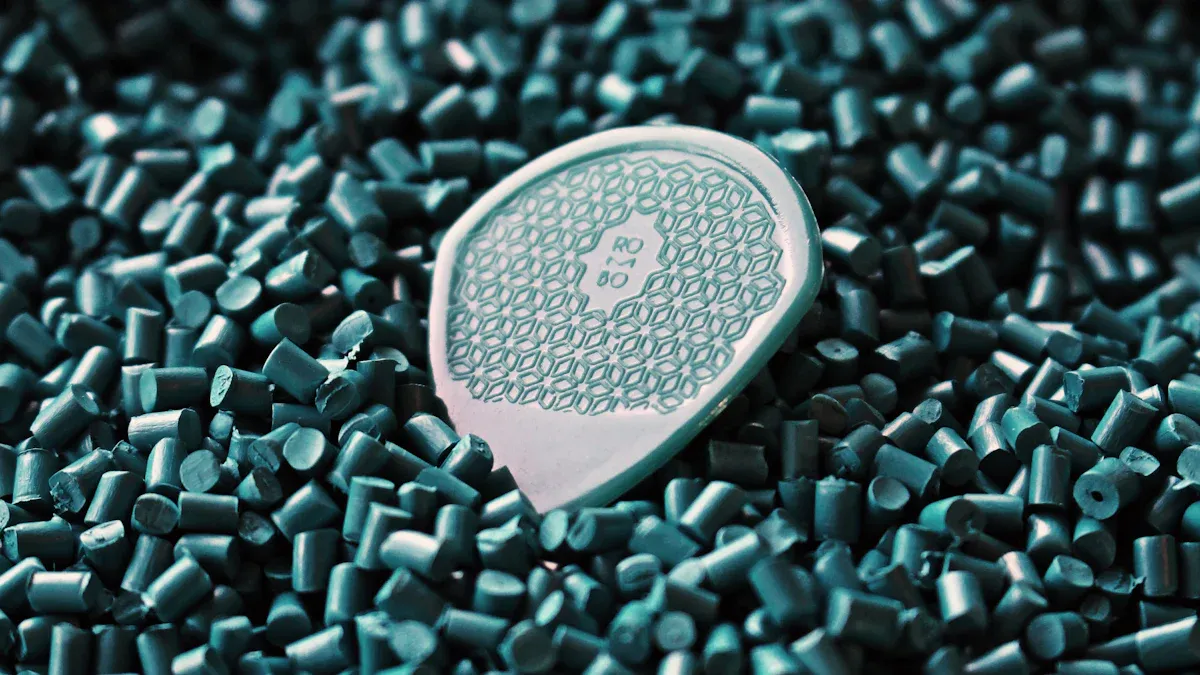
Я бачу, що безпечна та ефективна переробка починається з розуміння унікальних властивостей пластику та сірки. Хімічна сумісність має значення, особливо коли масла взаємодіють з пластмасами. Більшість промислових пластикових відходів переробляється зі швидкістю приблизно 9%, що свідчить про необхідність кращих рішень. Я покладаюся на сучасне обладнання, як IPG Pelletizing Machine Plastic, щоб покращити результати переробки. У промисловій переробці пластику та сірки, найкращі практики гранулювання та транспортування сірки допомагають зменшити ризики та підвищити якість.
- Світовий рівень переробки промислових пластикових відходів: приблизно 9%
Ключові висновки
- Розуміння хімічної сумісності між пластиком і маслом є важливим, щоб уникнути пошкоджень під час переробки.
- Подрібнення пластику зменшує обсяг і покращує якість, зробити переробку більш ефективною та рентабельною.
- Механічна переробка найкраще підходить для очищення, відсортовані пластики, тоді як хімічна переробка обробляє змішані або забруднені матеріали.
- Використання діаграм стійкості та випробувань зануренням допомагає забезпечити безпечну переробку пластмаси, що піддається впливу різних масел.
- Гранулювання сірки покращує безпеку, зменшуючи кількість пилу та полегшуючи використання, тоді як передове охолодження забезпечує міцні гранули.
- Вибір правильного обладнання та матеріалів для транспортування сірки запобігає корозії, небезпека пилу, і поломки обладнання.
- Регулярне обслуговування, боротьба з пилом, і системна інтеграція підвищує ефективність і безпеку як у переробці пластику, так і в роботі з сіркою.
- Стійкі практики, включаючи енергоефективне обладнання та добавки на основі біовуглецю, підтримувати безпечнішу та екологічнішу промисловість.
Хімічна сумісність пластмас і масел
Ключові змінні
Види полімерів
Я завжди починаю з визначення типу полімеру перед переробкою пластику. Кожен полімер по-різному реагує на масла. Поліетилен (PE) і поліпропілен (пп) виявляють сильну стійкість до багатьох масел. полістирол (PS) і поліетилентерефталат (ПЕТ) часто руйнуються під впливом певних масел. Полікарбонат (ПК) і акрилонітрилбутадієнстирол (ABS) може тріснути або стати крихким після контакту з маслом. Нейлон виділяється своєю стійкістю до масел. Я перевіряю тип полімеру, щоб передбачити, як він поводитиметься під час переробки.
Типи масла & температури
Тип і температура масла відіграють велику роль у сумісності. Кулінарні олії, такі як оливкова та рапсова зазвичай викликають легкий вплив на PE і PP. Ефірні масла, наприклад, лимон або евкаліпт, містять сполуки, які руйнують пластики, такі як PS і PET, навіть за кімнатної температури. Моторні оливи та синтетичні мастильні матеріали можуть викликати крихкість поліетилену та спричинити розтріскування під напругою в PC та ABS. Гідравлічні масла, з їх добавками, може призвести до крихкості та розбухання пластмас, не призначених для гідравлічного використання. Я завжди враховую хімічний склад і температуру масла під час переробки.
Підказка: Я рекомендую перевірити як тип масла, так і температуру, перш ніж змішувати пластмаси та масла в будь-якому процесі переробки.
Теплове vs. Хімічні ефекти
Точки плавлення
Я приділяю особливу увагу температурам плавлення. ПЕ плавиться приблизно при 120°C, PP при 160°C, і ПЕТ при 250°C. Якщо вплив масла підвищує температуру поблизу цих точок плавлення, пластик може деформуватися або плавитися. Хімічні реакції можуть відбуватися швидше за вищих температур. Я стежу за температурою, щоб уникнути небажаних змін.
Діапазон температури масла
Температура масла впливає на реакцію пластику. Холодні масла рідко завдають миттєвої шкоди. Гаряча олія прискорює хімічні реакції та може розм’якшити або деформувати пластик. Наприклад, гаряче моторне масло може швидко викликати крихкість PE та PC. Я підтримую низьку температуру масла під час переробки, щоб зберегти якість пластику.
Стійкий проти. Вразливий пластик
Маслостійкі види
Деякі пластмаси добре протистоять впливу масла:
- Поліпропілен (пп)
- Нейлон
- Поліетилен (PE)
Ці матеріали справляються з моторними маслами, гідравлічні масла, і кулінарні олії з мінімальними пошкодженнями.
Уразливі до нафти типи
Інші пластики демонструють вразливість:
- полістирол (PS)
- Поліетилентерефталат (ПЕТ)
- Полікарбонат (ПК)
- Акрилонітрилбутадієнстирол (ABS)
Ці пластики можуть розчинятися, тріщина, або деформуватися після контакту з маслом, особливо з ефірними маслами або гарячими мастилами.
| Пластиковий тип | Стійкість до масла | Типова реакція |
|---|---|---|
| PE, пп, Нейлон | Високий | Мінімальна зміна |
| PS, ПЕТ, ПК, ABS | Низький | розтріскування, викривлення, розчинення |
Я завжди ретельно поєдную пластик і олії, щоб уникнути невдач при переробці та забезпечити безпечну обробку.
Тестування сумісності
Графіки опору
Я завжди перевіряю таблиці стійкості перед тим, як переробляти пластик, який зазнав впливу масла. Ці діаграми показують, як різні пластики реагують на різні масла та хімікати. Я вважаю їх корисними, оскільки дають швидкі відповіді щодо сумісності. Наприклад, у таблиці опору поліетилен може бути вказаний як “відмінно” проти моторного масла, а полістирол показує “бідний” опір. Я використовую ці таблиці, щоб уникнути помилок і вибрати правильні матеріали для переробки.
| Пластиковий тип | Моторне масло | Кулінарна олія | Ефірна олія |
|---|---|---|---|
| PE | Чудово | Чудово | добре |
| пп | Чудово | Чудово | добре |
| PS | Бідний | ярмарок | Бідний |
| ПЕТ | ярмарок | добре | Бідний |
| Нейлон | добре | добре | добре |
Підказка: Я рекомендую зберігати оновлені таблиці опору в зоні переробки. Це допомагає кожному швидко зробити безпечний вибір.
Випробування методом занурення
іноді, діаграми опору не охоплюють усі типи масла чи пластику. Я використовую тестування зануренням, щоб перевірити сумісність у цих випадках. Я вирізаю невеликий зразок пластику та поміщаю його в масло. Залишаю на певний термін, зазвичай 24 до 48 години. Після тесту, Я шукаю зміни, як набряки, розтріскування, або зміни кольору. Якщо пластик залишиться без змін, Я знаю, що це масло безпечно для переробки. Якщо я бачу пошкодження, Я уникаю змішування цих матеріалів.
Результати записую в блокнот. Це допомагає мені створити спеціальний посібник із сумісності для мого закладу. Тестування методом занурення дає мені впевненість, коли діаграми опору нечіткі або відсутні.
Поширені помилки
Теплове vs. Хімічні пошкодження
Багато людей вважають, що саме тепло може пошкодити пластик. Я дізнався, що хімічні реакції можуть бути такими ж шкідливими. Масла можуть руйнувати пластик навіть за кімнатної температури. Тепло прискорює ці реакції, але хімічне пошкодження може статися і без високих температур. Я завжди перевіряю термічні та хімічні ризики перед переробкою.
Примітка: Я ніколи не покладаюся лише на показники температури. Хімічний вплив має таке ж значення, як і тепло.
Ризики довгострокового впливу
Короткострокові тести часто пропускають довгострокові ризики. Раніше я вважав, що пластик безпечний, якщо він проходить швидкі випробування зануренням. З часом, Я бачив, як пластик тріскається або слабшає після місяців впливу масла. Тривалий контакт може завдати повільної, але серйозної шкоди. Тепер я тривалий час стежу за пластиком і регулярно переглядаю старі зразки.
Я раджу іншим враховувати як негайний, так і відстрочений ефект. Це запобігає неочікуваним збоям і забезпечує безпечну переробку.
Дроблення пластику & Методи переробки
Чому дроблення має значення
Подрібнення пластику – це перший крок, який я роблю в будь-якому процесі переробки. Цей крок формує все наступне. Коли я дроблю пластикове сміття, Я полегшую роботу, сортувати, і процес. Переваги виходять за рамки простого зменшення шматків.
Зменшення обсягу
Я помічаю, що необроблені пластикові відходи займають багато місця. Дроблення зменшує обсяг, роблячи зберігання та транспортування набагато ефективнішими. Менші шматки краще поміщаються в бункери та бункери, що сприяє безперебійній роботі наступного обладнання. Я покладаюся на цей крок, щоб зберегти мій заклад організованим і економічно ефективним.
| Evidence Point | опис |
|---|---|
| Зменшення обсягу | Дроблення зменшує простір, який займають сирі пластикові відходи, що робить його керованим для наступного обладнання. |
| Покращення якості матеріалу | Рівномірний розмір подрібненого пластику підвищує ефективність прання та зменшує забруднення. |
| Ефективність переробки | Рішення, прийняті під час дроблення, впливають на якість кінцевого переробленого продукту, впливає на всі наступні процеси. |
Поліпшення якості
Рівномірно подрібнений пластик покращує якість переробленого матеріалу. Коли я роздавлю пластик до однакового розміру, Я полегшую прання та сортування. Цей крок зменшує забруднення та підвищує ефективність кожного наступного процесу. Я вважаю, що високоякісне подрібнення веде до отримання високоякісних перероблених гранул.
Підказка: Я завжди перевіряю розмір і форму подрібненого пластику, перш ніж переходити до наступного кроку. Послідовність тут економить час і гроші пізніше.
- Дроблення впливає на розділення змішаних матеріалів, які можуть ускладнити переробку, якщо не поводитися належним чином.
- Удосконалена технологія сортування має важливе значення для вирішення проблем, пов’язаних із подрібненими матеріалами.
- Постійне коригування процесу та перевірка продуктивності мають вирішальне значення для підтримки високих стандартів якості вторинної продукції.
Механічна переробка
Механічна переробка є основою мого процесу обробки пластику. Я використовую його, щоб перетворити пластикові відходи на нову сировину, не змінюючи їх хімічну структуру. Цей спосіб є енергоефективним і економічно вигідним, особливо для однотипної пластмаси.
Типи дробарок
Вибираю дробарки, виходячи з типу та форми пластикових відходів. Для тонких плівок, Я використовую гранулятори з гострими лезами. Для об’ємних предметів, таких як пляшки або ящики, Я покладаюся на потужні подрібнювачі. Деякі пластмаси потребують спеціальних подрібнювачів, щоб впоратися з їхньою міцністю або крихкістю. Правильна дробарка забезпечує ефективне дроблення та готує матеріал до подальшої обробки.
Ручний vs. Механічний
Ручне дроблення працює для невеликих партій або коли мені потрібно розділити матеріали вручну. Проте, механічні дробарки обробляють великі обсяги швидко та стабільно. Я віддаю перевагу механічним методам для більшості операцій, оскільки вони економлять робочу силу та забезпечують однакові результати. Механічна переробка домінує в галузі, особливо в таких регіонах, як Європа, де на нього припадає понад 99% переробленого пластику.
Механічна переробка фізично переробляє пластик, виробництво матеріалів із властивостями, близькими до первинної пластмаси. Найкраще працює з однорідними пластиками, тому я ретельно сортую та очищаю матеріали перед подрібненням. Я знаю, що повторна переробка може погіршити властивості полімеру, тому я стежу за якістю кожної партії.
Попереднє подрібнення
Попереднє подрібнення — це крок, який я ніколи не пропускаю, коли маю справу з великими або змішаними пластиковими відходами. Я використовую подрібнювачі, щоб подрібнити громіздкі предмети на зручні частини перед остаточним подрібненням. Цей крок захищає мою основну дробарку від застрягання та зносу. Попереднє подрібнення також допомагає мені завчасно виявити забруднення або непластикові матеріали, що забезпечує чистоту та ефективність процесу переробки.
Ключові фактори ефективності
Кілька факторів впливають на ефективність роботи мого обладнання для дроблення та переробки. Я приділяю особливу увагу цим деталям, щоб підвищити ефективність і якість продукції.
| Фактор ефективності | опис |
|---|---|
| Тип і форма матеріалу | Різні пластики потребують певних сил різання та типів лез для ефективного дроблення. |
| Розрив леза | Зазор між лезами впливає на якість різу; вузькі зазори забезпечують більш чисті розрізи, але збільшують знос. |
| Розмір сітки екрана | Визначає вихідний розмір частинок; менші розміри зменшують пропускну здатність завдяки рециркуляції. |
| Швидкість ротора | Впливає на пропускну здатність і тепловиділення; вищі швидкості збільшують продуктивність, але можуть утворювати дрібні частинки. |
| Швидкість подачі | Правильне годування має вирішальне значення; перегодовування може пошкодити обладнання, при цьому недогодовування знижує ефективність. |
| Технічне обслуговування | Регулярне технічне обслуговування леза має важливе значення для запобігання падінню якості та навантаженню обладнання. |
| Управління забрудненням | Щоб уникнути перегріву та виходу з ладу обладнання, необхідне належне керування потоком пилу та повітря. |
Вибір леза
Я підбираю леза залежно від типу пластику та бажаного розміру виходу. Тверді пластики потребують міцніших лез, у той час як м’які пластмаси вимагають гостріших країв. Я регулярно перевіряю зазор між лезами, тому що менші зазори дають чистіші зрізи, але швидше зношуються. Я часто замінюю або точу леза, щоб підтримувати високу продуктивність.
Сітка екрану
Сітка екрану контролює розмір подрібнених пластикових частин. Менші розміри сітки виробляють більш дрібні частинки, але сповільнюють процес, оскільки матеріал рециркулює, доки не поміститься крізь сітку. Я балансую розмір сітки з пропускною спроможністю, щоб досягти своїх виробничих цілей. Постійний розмір частинок покращує мийку та подальше гранулювання.
Швидкість ротора & Швидкість подачі
Швидкість ротора впливає на швидкість обробки пластикових відходів. Вищі швидкості підвищують продуктивність, але можуть створювати більше дрібних часток і тепла. Я регулюю швидкість відповідно до типу пластику та бажаного результату. Норма подачі має значення, теж. Перегодовування може заклинити машину, під час недоїдання витрачається енергія. Я стежу за обома, щоб моя робота йшла безперешкодно.
Примітка: Регулярне обслуговування та боротьба з пилом забезпечують ефективну роботу мого обладнання та запобігають несподіваним поломкам.
Інтеграція передових рішень
Я покладаюся на Exintellmach IPG Pelletizing Machine Plastic для спрощення мого процесу переробки. Ця машина поєднує в собі дроблення, ущільнення, плавлення, і гранулювання в одній системі. Його шнековий екструдер із можливістю налаштування та вдосконалені параметри гранулювання дозволяють мені обробляти широкий спектр пластмас. Машина для гранулювання IPG використовує точний контроль температури та вдосконалену фільтрацію для отримання однорідної маси, високоякісні пеллети. Функції автоматизації скорочують трудомісткість і забезпечують постійний результат. Я вважаю, що ця технологія не тільки підвищує ефективність, але й покращує якість і вартість мого переробленого пластику.
Хімічна переробка
Хімічна переробка дає мені спосіб руйнувати пластик поза механічними методами. Я використовую цей процес, коли механічна переробка не може отримати високоякісний матеріал. Хімічна переробка покладається на розчинники та хімічні реакції для перетворення пластику на його основні будівельні блоки. Я вважаю цей метод корисним для змішаних або забруднених пластмас, з якими механічна переробка не може впоратися.
Методи на основі розчинників
Переробка на основі розчинників використовує хімічні речовини для розчинення пластику. Я вибираю такі розчинники, як ацетон, дихлорметан, або тетрагідрофуран (THF) в залежності від типу полімеру. Я поміщаю подрібнений пластик у ванну з розчинником. Розчинник розщеплює полімерні ланцюги, відділення домішок і барвників. Після розчинення, Я відфільтрую забруднення та відновлюю чистий полімер. Потім я осаджую полімер, додаючи інший хімікат або охолоджуючи розчин. Цей процес виробляє чистий, високоякісний пластик, готовий до повторного використання.
Я завжди ретельно стежу за використанням розчинників. Розчинники можуть утворювати небезпечні відходи та потребують належної утилізації. Я використовую захисне спорядження та дотримуюся правил техніки безпеки, щоб запобігти впливу. Методи на основі розчинників найкраще підходять для пластмас, таких як полістирол, полівінілхлорид, та ПЕТ.
Деполімеризація
Деполімеризація робить хімічну переробку ще одним кроком вперед. Я використовую тепло, каталізатори, або ферменти для розщеплення пластику на мономери. Ці мономери служать сировиною для виробництва нових пластмас. Я застосовую деполімеризацію до таких пластмас, як ПЕТ і нейлон. Процес передбачає нагрівання пластику в реакторі, іноді з кислотами або основами. Пластик розпадається на оригінальні хімічні одиниці.
Я віддаю перевагу деполімеризації для виробництва матеріалів високої чистоти. Цей метод дозволяє мені переробляти пластик, якому механічні методи не можуть повернути початкову якість. Деполімеризація також допомагає мені замкнути цикл у циклічній економіці.
Підказка: Я завжди порівнюю хімічну та механічну переробку, перш ніж вибрати метод. Хімічна переробка дає більш чистий вихід, але вимагає обережного поводження з хімікатами.
| Аспект | Хімічна переробка | Механічна переробка |
|---|---|---|
| процес | Використовує кислоти та розчинники для розчинення пластмас, утворення токсичних хімікатів. | Включає фізичне руйнування пластику, що може послабити їх структуру. |
| Вихід | Виробляє якісно, чистий пластик, придатний для різних застосувань. | Це призводить до нижчої якості переробленого пластику, який з часом псується. |
| Вплив на навколишнє середовище | Створює більші викиди CO2 та небезпечні відходи через використання хімікатів. | Використовує більше викопного палива, але загалом утворює менше небезпечних відходів. |
Поширені помилки
Я бачу багато помилок у дробленні та переробці пластику. These errors reduce efficiency and create safety risks. I always review my process to avoid common pitfalls.
Equipment Mismatch
I notice that using the wrong equipment causes frequent interruptions. Recycling machinery can jam 3–8 times per shift, cutting processing capacity by до 25%. I match my crusher and pelletizer to the plastic type and batch size. I check feed systems for compatibility and adjust settings to prevent jams.
Contamination
Contamination remains a major challenge. про 75% of contaminants in recycling facilities come from plastic bags and films. These materials clog machinery and lower product quality. I sort and clean plastics before crushing. I remove plastic bags, фільми, and other non-recyclable items. Emily Malik, a conservation coordinator, points out that contamination complicates recycling. I agree and make contamination control a priority.
Maintenance Issues
Neglecting maintenance leads to downtime and costly repairs. I implement preventive maintenance programs to keep my machines running smoothly. Regular maintenance reduces unplanned downtime by up to 75%. I schedule blade sharpening, screen cleaning, and lubrication. I inspect equipment daily and fix problems before they escalate.
Контроль пилу
Dust buildup creates hazards and damages equipment. I install dust extraction systems and use enclosed crushers. I clean dust filters regularly. Proper dust control protects workers and extends machine life.
Вихідний розмір
Inconsistent output size affects downstream processing. I adjust screen mesh and rotor speed to produce uniform particles. I check output size after each batch. Uniform pellets improve washing, плавлення, and final product quality.
- Equipment jams reduce processing capacity by up to 25%.
- Preventive maintenance cuts downtime by up to 75%.
- Plastic bags and films cause most contamination in recycling facilities.
- Dust control and output size management improve safety and product quality.
Примітка: I always review my process for these mistakes. Addressing them boosts efficiency and ensures high-quality recycled plastics.
Plastic Dissolution & Degradation
Why Plastics Resist Dissolving
Молекулярна структура
I often wonder why most plastics do not dissolve easily in common solvents. The answer lies in their molecular structure. Plastics have long polymer chains with strong carbon-to-carbon bonds. These bonds resist breaking in everyday environments. Conventional plastics, like polyethylene and polypropylene, show remarkable durability because of these bonds. Semi-crystalline plastics have a tight structure that blocks solvents from penetrating. Amorphous plastics are more vulnerable to certain organic solvents, but they still resist water.
| Тип пластику | характеристики |
|---|---|
| Conventional Plastics | Long polymer chains with strong carbon-to-carbon bonds that resist breaking in common environments. |
| Semi-crystalline Plastics | Tight structure that prevents solvents from penetrating. |
| Amorphous Plastics | More vulnerable to certain organic solvents but still resistant to water. |
I always check the structure of the plastic before choosing a recycling method. The molecular arrangement determines how the material reacts to solvents.
Solvent Compatibility
Solvent compatibility plays a big role in plastic dissolution. I notice that plastics resist dissolving unless the solvent matches their chemical nature. Non-polar plastics, like polyethylene, do not dissolve in water or alcohols. Polar plastics, such as polyvinyl alcohol, dissolve in water. I select solvents based on the plastic’s polarity and structure. This step helps me avoid wasting time and resources.
Solvents That Dissolve Plastics
THF
Tetrahydrofuran (THF) stands out as a powerful solvent for plastics like polyvinyl chloride (ПВХ) і полістирол. I use THF in laboratory settings to dissolve these plastics for analysis or recycling. THF works well because it matches the polarity of the polymers.
Acetone
Acetone dissolves plastics such as polystyrene and some acrylics. I use acetone to clean equipment or remove residues. Acetone does not affect most conventional plastics, but it can break down certain types quickly.
Dichloromethane
Dichloromethane dissolves plastics like polycarbonate and PVC. I use it for industrial applications where rapid dissolution is needed. Dichloromethane works best with plastics that have less crystalline structure.
| Solvent Type | Ефективність | Примітки |
|---|---|---|
| Toluene | Високий | Best overall performance in solubility tests |
| Xylene | Високий | Outperformed other solvents |
| Cyclohexane | Помірний | Effective in blends with cyclohexanol and xylene |
| Cyclohexanol | Помірний | Enhances solubility in mixtures |
| Alcohols | Низький | Generally poor solvents for non-polar plastics |
| Ketones | Низький | Not effective alone, but mixtures may improve solubility |
| Esters | Низький | Not effective alone, but mixtures may improve solubility |
I find that solvent dissolution retains the chemical structure of polymers. This method reduces emissions and energy use compared to other recycling methods. It broadens the recycling scope for plastics, especially for polypropylene and polystyrene. Companies like Purecycle and Polystyvert use these solvents to recycle plastics that were once unrecyclable.
Solvent-based recycling lets me recover pure polymers without breaking their chemical bonds. This approach saves energy and supports sustainability.
Dissolvable & Біорозкладані пластики
PVA & Water-Soluble Types
I use polyvinyl alcohol (PVA) when I need a plastic that dissolves in water. PVA films break down quickly and leave no residue. Water-soluble plastics help me create packaging that disappears after use. These materials work well for single-use items and reduce waste.
Біопластика
Biodegradable plastics offer another solution. я покладаюся на petroleum-based polyesters like polycaprolactone (PCL) and poly(butylene succinate) (PBS) because microorganisms and enzymes can degrade them. Bio-based plastics, such as poly(hydroxybutyrate) (PHB), poly(lactide) (PLA), and starch blends, come from renewable resources and are also biodegradable. Their degradation rates depend on chemical structure, melting point, and crystallinity. Деякі пластмаси, like polyethylene and Nylon 11, may be bio-based but remain non-biodegradable. Acetyl cellulose can be biodegradable or not, depending on its acetylation.
I choose biodegradable plastics for applications where environmental impact matters. These materials break down through enzymatic and microbial action. Their rates of degradation vary based on composition and environmental conditions.
I always match the plastic type to the intended use and disposal method. This practice helps me support sustainability and reduce pollution.
Degradation Pathways
УФ & Тепло
I see plastics degrade through several pathways. UV radiation and heat play major roles in breaking down polymers. When sunlight hits plastic, UV rays cause photodegradation. This process breaks polymer chains into smaller fragments. Heat speeds up this reaction. Oxygen in the environment also accelerates degradation. I notice that high temperatures can trigger depolymerization reactions in synthetic polymers. These reactions break plastics into their basic chemical units.
During механічна переробка, plastics face heat and shear forces. These conditions lead to thermo-oxidative and thermo-mechanical degradation. Chain-scission reactions start, breaking the long polymer chains. I monitor temperature and oxygen levels in my facility to control these effects. Chemical degradation, such as hydrolysis or oxidation, happens at near-ambient temperatures. Environmental factors like temperature and oxygen presence influence how fast plastics degrade.
- Photodegradation breaks down polymer chains with UV radiation.
- Heat and oxygen speed up the degradation process.
- High temperatures cause depolymerization in synthetic polymers.
- Mechanical recycling introduces heat and shear, leading to chain-scission reactions.
- Chemical degradation involves hydrolysis or oxidation, often at lower temperatures.
I always check for signs of degradation in recycled plastics. Changes in color, крихкість, or texture signal that UV and heat have affected the material.
Мікропластик
Microplastics form when larger plastic pieces break down into tiny fragments. I see this happen during photodegradation and mechanical recycling. UV light, тепло, and oxygen cause plastics to fragment. These small pieces do not dissolve. Натомість, they persist in the environment.
Microbes can help degrade plastics. I use strains like Kocuria palustris M16, Bacillus pumilus M27, і Bacillus subtilis H1584 to enhance the breakdown of polyethylene films. The strain Brevibacillus borstelensis accelerates degradation of UV-treated low-density polyethylene at higher temperatures. Hydrolytic enzymes such as cutinase can completely degrade PET into monomers within 24 hours under specific conditions.
- Microbes and enzymes speed up plastic degradation.
- Microplastics result from fragmentation, not dissolution.
- Microplastics persist and pose environmental risks.
I track microplastic formation in my recycling process. I use biological methods to reduce their presence and support cleaner recycling.
Misconceptions
Dissolution vs. Degradation
Many people think plastics dissolve like sugar in water. I learned that conventional plastics do not dissolve. They degrade through photodegradation, where UV radiation breaks them into smaller pieces. Plastics do not vanish; they fragment and remain in the environment. This misconception leads to improper disposal and recycling practices.
- Plastics do not dissolve; they break into smaller fragments.
- Photodegradation causes fragmentation, not disappearance.
I explain this difference to my team. Understanding the distinction helps us manage plastic waste responsibly.
Environmental Risks
Some believe plastics break down on their own. I know this is not true. Most plastics persist for decades unless exposed to specific degradation pathways. Microplastics pose serious environmental risks. They accumulate in soil and water, affecting wildlife and human health. I use controlled recycling methods to minimize microplastic release.
Підказка: I always educate others about the persistence of plastics and the importance of proper recycling. Awareness reduces environmental harm and supports sustainability.
Sulphur Granulation Processes
Why Granulate Sulphur
Безпека & Handling
I granulate sulphur to make it safer to handle in industrial environments. Granulated sulphur reduces the risk of dust explosions. The larger, uniform granules do not create airborne particles as easily as powdered sulphur. Workers face fewer hazards when moving granulated sulphur. I notice that granules flow smoothly through conveyors and storage bins. This reduces spills and minimizes contact with skin or eyes. I always prioritize safety by choosing granulation methods that produce strong, dust-free granules.
Granulated sulphur improves workplace safety by lowering dust levels and making handling easier.
Екологічні переваги
Granulating sulphur helps protect the environment. I see that granules release less dust into the air, which means cleaner facilities and reduced air pollution. The uniform size of granules prevents accidental spills and makes cleanup simpler. I use advanced cooling systems to create granules with a strong crystalline structure. These granules resist breaking apart during transport. This reduces the risk of sulphur entering soil or water. I believe that granulation supports sustainability by minimizing waste and preventing environmental contamination.
Granulation Steps
плавлення
I start the granulation process by melting sulphur at controlled temperatures. Sulphur melts at about 115°C. I use specialized heaters to keep the temperature steady. If the temperature rises too high, sulphur can decompose or release harmful gases. I monitor the melting stage closely to ensure safety and product quality.
Seed Generation
Після плавлення, I generate small sulphur seeds. I freeze droplets of molten sulphur to create these seeds. Pressure control is important during this step. The seeds act as nuclei for granule formation. I make sure the seeds are uniform in size to produce consistent granules later.
Granule Formation
I form granules by rotating the seeds in a drum. The drum rotates at a set speed, causing the seeds to roll and pick up layers of molten sulphur. This builds up the granules to the desired size. Drum rotation is a key factor. If the drum spins too fast, granules become uneven. If it spins too slowly, production slows down. I adjust the rotation speed to balance quality and efficiency.
Охолодження
I cool and solidify the granules to ensure proper crystallization. Cooling rate affects the strength and structure of the granules. I use air or water cooling systems to control the process. Rapid cooling can cause cracks, while slow cooling produces strong, uniform granules. I monitor the cooling stage to prevent defects and maintain product quality.
| Крок | опис | Ключовий фактор |
|---|---|---|
| 1 | Melting sulphur at controlled temperatures | Контроль температури |
| 2 | Generating small sulphur seeds through freezing | Pressure Control |
| 3 | Forming granules by rotating in a drum | Drum Rotation |
| 4 | Cooling and solidifying to ensure crystallization | Cooling Rate |
- Granulation improves product quality by ensuring uniform granule sizes.
- Dust reduction during handling enhances workplace safety.
- Advanced cooling systems lead to better crystalline structure and stronger granules.
Granulation Techniques
Drum Systems
I use drum systems for large-scale sulphur granulation. The rotary drum method pours molten sulphur into a rotating drum. Granules form as the seeds roll and pick up layers of sulphur. This technique produces uniform granule sizes and handles high throughput. I rely on drum systems when I need consistent quality and efficient production.
Prilling Towers
Prilling towers spray molten sulphur droplets through a nozzle into a tall tower. The droplets cool and solidify as they fall, forming spherical granules. Air cooling in the tower creates smooth, round granules. I choose prilling towers for applications that require perfectly spherical granules. This method works well for moderate production volumes.
- Prilling Tower Method: Sprays molten sulphur droplets through a nozzle into a tower where they cool and solidify into spherical granules.
- Rotary Drum Granulation: Pours molten sulphur into a rotating drum where it forms granules by rolling and cooling on the drum surface.
The rotary drum granulation method stands out for its efficiency in large-scale production. It delivers high throughput and uniform granule size. The prilling tower method excels at producing spherical granules through air cooling.
Fluid Beds
Fluid bed granulation suspends sulphur particles in a stream of air. I inject molten sulphur into the fluidized bed. The particles mix and cool rapidly, forming granules. Fluid beds allow precise control over granule size and cooling rate. I use this technique when I need flexibility and fast cooling.
Steel Belt
Steel belt granulation spreads molten sulphur onto a moving steel belt. The belt cools the sulphur as it travels, forming solid granules. This method produces flat, uniform granules and works well for continuous production. I select steel belt systems for applications that require gentle cooling and minimal dust.
Each granulation technique offers unique advantages. I match the method to my production needs and quality requirements.
Process Controls
I pay close attention to process controls when granulating sulphur. These controls help me produce high-quality granules and maintain safety in my facility. Each stage of the process requires careful monitoring and adjustment.
температура & Тиск
Temperature control stands out as the most important factor during sulphur melting. I set the temperature just above sulphur’s melting point, usually around 115°C. If the temperature rises too high, sulphur can decompose or release harmful gases. I use precise heaters and sensors to keep the temperature steady. Pressure control becomes critical during seed generation. I adjust the pressure to create uniform sulphur seeds. Stable pressure ensures that the seeds form consistently, which leads to better granule quality.
I rely on a table to track key factors at each step:
| Крок | опис | Ключовий фактор |
|---|---|---|
| Sulphur Melting | Heating sulphur to liquid state | Контроль температури |
| Seed Generation | Creating small sulphur seeds | Pressure Control |
| Granule Formation | Building up granules in drum | Drum Rotation |
| Cooling and Solidification | Hardening granules | Cooling Rate |
I check these factors every day. This routine helps me prevent defects and maintain consistent quality.
Cooling Rate
Cooling rate affects the strength and structure of sulphur granules. I use air or water cooling systems to control how quickly the granules solidify. Rapid cooling can cause cracks or weak spots. Slow cooling produces strong, uniform granules. I adjust the cooling rate based on the size and shape of the granules I want. I monitor the cooling process with sensors and visual checks. This practice helps me avoid defects and ensures that the granules meet industry standards.
I always remind my team that careful cooling leads to safer, more reliable sulphur products.
Modern Technology Benefits
Modern sulphur granulation technology offers several advantages. I see improvements in product quality, dust reduction, and energy efficiency every day.
Якість продукції
Advanced granulation systems produce sulphur granules with uniform size and shape. Prilled sulphur stands out for its superior physical qualities. The round shape and consistent size make the granules flow smoothly and predictably. This uniformity helps me plan storage and transport more efficiently. I notice that high-quality granules reduce waste and improve performance in downstream applications.
| Benefit Type | опис |
|---|---|
| Якість продукції | Prilled sulfur exhibits superior physical qualities, including better flowability and less dust. Its uniform size and round shape enhance predictability in use. |
Dust Reduction
Dust reduction remains a top priority in my facility. Modern air treatment systems capture and remove dust during the granulation process. These systems keep the workplace cleaner and safer. I see fewer airborne particles, which lowers the risk of dust explosions and respiratory hazards. Cleaner air also means less contamination in the final product.
| Benefit Type | опис |
|---|---|
| Dust Reduction | Air treatment systems are employed to significantly reduce dust generation during the granulation process. |
Cleaner air and less dust make my facility safer for everyone.
Енергоефективність
Energy efficiency helps me lower costs and reduce environmental impact. Indirect heat transfer methods optimize temperature control. These methods use less energy and minimize thermal waste. I track energy use with sensors and adjust settings to avoid excess consumption. Efficient systems help me meet sustainability goals and keep production costs down.
| Benefit Type | опис |
|---|---|
| Енергоефективність | Indirect heat transfer methods optimize temperature control, reducing excessive energy consumption and thermal waste during production. |
- Uniform granule size improves product quality.
- Air treatment systems reduce dust and enhance safety.
- Indirect heat transfer methods save energy and support sustainability.
I believe that investing in modern technology pays off with better products, safer workplaces, і нижчі експлуатаційні витрати.
Sulphur Conveying Best Practices
Sulphur Properties
Forms & Densities
I handle sulphur in several forms, including granules, порошки, and molten liquid. Each form has its own density and flow characteristics. Granulated sulphur flows easily and packs tightly, making it ideal for bulk transport. Powdered sulphur creates more dust and requires careful handling to prevent airborne particles. Molten sulphur moves through pipelines and needs precise temperature control to stay liquid. I always check the bulk density before selecting conveyor systems. Наприклад, granules have higher density than powder, so I adjust conveyor capacity accordingly.
| Sulphur Form | Typical Density (kg/m³) | Handling Notes |
|---|---|---|
| Гранули | 1,200–1,400 | Flows easily, менше пилу |
| порошок | 800–1000 | High dust risk, needs control |
| Molten | 1,800 | Requires heated pipelines |
Corrosiveness
Sulphur can corrode metal surfaces, especially when wet or exposed to moisture. I prefer stainless steel or corrosion-resistant alloys for conveyor parts. Wet sulphur accelerates corrosion, so I avoid using carbon steel. Я регулярно оглядаю обладнання на ознаки іржі або ямок. Правильний вибір матеріалів запобігає дорогому ремонту та продовжує термін служби обладнання.
Вибір обладнання
Ковшові конвеєри
Я використовую ковшові конвеєри для переміщення гранульованої сірки вертикально або горизонтально. Ці конвеєри ефективно обробляють сипучий матеріал і зводять до мінімуму розлив. Я вибираю відра, виготовлені зі стійких до стирання матеріалів, щоб витримати шорстку структуру сірки. Закриті ковшові транспортери зменшують викиди пилу та покращують безпеку на робочому місці.
Трубопроводи з підігрівом
Для розплавленої сірки, Я покладаюся на опалення трубопроводів. Ці трубопроводи підтримують сірку вище температури плавлення, зазвичай близько 120°C. Встановлюю ізоляцію та нагрівальні елементи для запобігання застигання. Трубопроводи з підігрівом повинні використовуватися з корозійностійких матеріалів, щоб уникнути протікань і поломок. I monitor temperature closely to keep sulphur flowing smoothly.
Вибір матеріалів
Selecting the right materials is crucial. I choose stainless steel for most conveyor parts because it resists corrosion and abrasion. For areas exposed to high temperatures or moisture, I use special alloys. I avoid plastics and carbon steel, which degrade quickly in sulphur environments. I also consider the bulk density and flowability of sulphur when sizing conveyors.
I always match conveyor design to sulphur’s physical properties. This practice ensures reliable operation and reduces maintenance needs.
Factors I consider when selecting equipment:
- Operational requirements—scope and scale of sulphur handling.
- Efficiency and performance—energy use, пропускна здатність, dust suppression.
- Materials and durability—corrosion-resistant alloys.
- Safety features—explosion-proof components, emergency shutdowns.
- Maintenance and serviceability—easy access for repairs.
- Cost and total ownership—purchase, енергії, and maintenance expenses.
Dust & Explosion Control
Enclosed Systems
Sulphur dust poses explosion risks. я використовую fully enclosed and sealed conveying systems to prevent dust emissions. These systems comply with ATEX or NFPA standards, which set safety requirements for explosive atmospheres. Enclosed conveyors keep dust contained and protect workers from inhalation hazards.
Стандарти відповідності
I follow strict compliance standards for sulphur conveying. ATEX and NFPA guidelines require explosion-proof motors and grounded equipment. I install safety alarms and video monitoring to detect dust fires early. Regular inspections help me spot hazards before they escalate.
Grounding
Grounding all equipment is essential. I connect conveyors, двигуни, and pipelines to earth ground to prevent static buildup. Static electricity can ignite sulphur dust, so grounding reduces explosion risks. I check grounding connections during maintenance and replace worn cables promptly.
- I maintain dust suppression sprays on silos and conveyors.
- I conduct emergency drills and train personnel in fire response.
- I use atomizing water cannons instead of direct water jets for fire control.
Early detection and proper equipment keep my facility safe from dust and explosion hazards.
Технічне обслуговування & Інтеграція
прибирання
I always make cleaning a top priority in my sulphur conveying systems. Sulphur dust and residue can build up quickly, leading to blockages or even equipment failure. I schedule regular cleaning routines for all conveyors, chutes, and storage bins. I use industrial vacuums and brushes to remove dust from hard-to-reach areas. For sticky sulphur deposits, I sometimes use steam or warm water, but I make sure to dry all surfaces thoroughly to prevent corrosion. I check for residue after every cleaning session. This habit helps me catch problems early and keeps my system running smoothly.
I learned from industry presentations that integrated surface protection and reliability-based maintenance can boost plant uptime, безпеки, and asset longevity. I see the benefits every time I stick to my cleaning schedule and use the right protective coatings.
Anti-Stick Coatings
Sulphur tends to stick to metal surfaces, especially in humid conditions. I apply anti-stick coatings to key areas of my conveying system. These coatings create a smooth barrier that prevents sulphur from clinging to chutes, hoppers, та конвеєрні стрічки. I choose coatings that resist both abrasion and corrosion. I inspect coated surfaces regularly for signs of wear or peeling. When I spot damage, I reapply the coating right away. This practice reduces downtime and helps me avoid costly repairs. Anti-stick coatings also make cleaning much easier, saving me time and effort.
System Integration
I believe that integrating all parts of the sulphur conveying system leads to better performance and fewer breakdowns. I connect my conveyors, storage bins, and control panels into a single automated network. This setup lets me monitor the entire process from one location. I use sensors to track material flow, температура, and equipment status. When a problem arises, система негайно сповіщає мене. I can then respond quickly and prevent bigger issues. I also link my maintenance schedule to the control system. Automated reminders help me stay on track with inspections and repairs.
- I always coordinate with my team to ensure everyone understands the integrated system.
- I train new staff on how to use the monitoring tools and respond to alerts.
- I update my integration plan as new technology becomes available.
By focusing on cleaning, using anti-stick coatings, and integrating my systems, I keep my sulphur conveying operations safe, ефективний, і надійний.
Plastic and Sulphur Industrial Processing Overview
Integrated Challenges
I see that Plastic and Sulphur Industrial Processing brings unique challenges to every facility. Plastics often arrive mixed, contaminated, or degraded. Sorting and purification require careful attention to detail. Sulphur presents risks like dust explosions and corrosion. I must balance safety, ефективність, та екологічна відповідальність. Handling both materials demands specialized equipment and strict process controls. I notice that integrating these processes can strain resources and increase maintenance needs. Managing waste streams and preventing harmful emissions remain top priorities for me.
Safety always comes first. I monitor dust levels, check for leaks, and train my team to handle emergencies. Regular inspections help me catch problems early.
Advanced Solutions
I rely on advanced machinery and technology to overcome these challenges. The IPG Pelletizing Machine Plastic streamlines recycling by combining crushing, ущільнення, плавлення, і гранулювання в одній системі. This machine produces high-quality pellets and removes impurities efficiently. For sulphur, I use enclosed conveyors and automated monitoring systems to reduce dust and prevent explosions. Modern granulation techniques, like drum systems and prilling towers, improve product quality and minimize waste.
The transformation of mixed plastic waste involves sorting, purification, піроліз, and heteroatom removal. These steps produce hydrocarbon feedstocks that fit into existing refinery technologies. Advanced recycling technologies help me meet the growing demand for recycled plastics. They turn waste into valuable materials and support the circular economy.
- EVERCYCLE™ supports circular solutions with sustainable additives.
- NAUGARD BIO-XL offers a biocarbon-based accelerator for sulfur curing, avoiding harmful nitrosamines.
- я використовую biocarbon-based accelerators and PFAS-free additives to minimize emissions.
- Strategies like nonylphenol-free additives further reduce environmental risks.
Automation and smart controls make my operations safer and more efficient. I track material flow, температура, and equipment status from a central control panel.
Фокус на сталий розвиток
Sustainability guides every decision I make in Plastic and Sulphur Industrial Processing. I choose technologies that reduce waste and energy use. Advanced recycling methods let me recover pure polymers and integrate them into new products. I select additives and accelerators that support circular solutions and avoid harmful chemicals. Minimizing emissions and dust protects both workers and the environment.
I believe that integrating sustainable practices improves product quality and lowers costs. Cleaner air, safer workplaces, and reliable equipment help me meet industry standards. I always look for new ways to enhance sustainability, from biocarbon-based additives to energy-efficient granulation systems.
| Sustainability Practice | Вигода |
|---|---|
| Advanced recycling technologies | Reduces waste, supports circular economy |
| Biocarbon-based additives | Lowers harmful emissions |
| Energy-efficient equipment | Cuts costs, protects environment |
| Dust and emission controls | Improves safety and air quality |
I encourage others to invest in sustainable solutions. These practices build a stronger, safer, and more responsible industry.
I learned that safe recycling and granulation depend on understanding material properties and using the right equipment. Chemical compatibility guides my choices in Plastic and Sulphur Industrial Processing. I rely on advanced machines like the IPG Pelletizing Machine Plastic and follow best practices for sulphur handling. Regular maintenance and system integration keep my operations efficient. I always consult specialists for tailored solutions. I encourage everyone to adopt sustainable practices for a safer industry.
FAQ
What plastics can I recycle with the IPG Pelletizing Machine Plastic?
I recycle polyethylene, поліпропілен, нейлон, полістирол, ПЕТ, і ABS. The machine handles most common plastics. I check compatibility charts before processing new materials.
How do I prevent contamination in recycled plastics?
I sort and clean plastics before crushing. I remove films, сумки, and non-recyclable items. Regular maintenance and dust control help me keep the process clean.
Is sulphur granulation safe for workers?
I use enclosed systems and dust suppression to protect workers. Granulated sulphur reduces explosion risks. I train my team on safety procedures and monitor air quality.
What is the best way to test plastic-oil compatibility?
I use resistance charts for quick checks. When charts are unclear, I run immersion tests by soaking plastic samples in oil and observing changes.
How does the IPG Pelletizing Machine improve recycling efficiency?
The machine combines crushing, ущільнення, плавлення, та гранулювання. Automation reduces labor. Precise temperature control and impurity removal produce high-quality pellets.
Can I recycle plastics exposed to oils?
I check the type of oil and plastic. Some plastics resist oils, while others crack or dissolve. I test samples and consult compatibility charts before recycling.
What are the environmental benefits of sulphur granulation?
Granulated sulphur releases less dust. It reduces air pollution and makes cleanup easier. I use advanced cooling systems to create strong, uniform granules.