Te fare hamaniraa tauihaa China: Te puna B2B papû & Buka arata'i no te tapihooraa tauihaa
No te feia hoo no te mau fenua ěê o te imi ra i te hoê fare hamaniraa tauihaa China, E horo'a te fenua i te mau rave'a rahi e te fifi. China remains the world's largest producer and exporter of plastic and polymer processing machinery, e te mau hu'ahu'a e piti o te faahoho'a ra i te hoê o te mau tuhaa tupu oioi roa a'e. Ia au i te taatiraa no te mau fare hamaniraa tauihaa China (CPMIA), Hau atu i te USD 4.2 mirioni moni o te mau matini hu'ahu'a i te 2024, e te vai ra te mau faanahoraa extruder e piti 18% o taua taatoa ra. E hi'opoa teie buka arata'i i te huru o te ohipa tapihooraa i teie nei, Te faaite ra te reira i te mau taiete hamani e te feia hoo tao'a, te hi'opo'araa i te mau rave'a no te hoo mai i te mau tao'a B2B, e te tohu ra i te mau huru tupuraa no te hoê tau a muri a'e o te taui i teie tuhaa ohipa faufaa roa no te feia hoo no Europe, Amerika Apatoerau, Asia Apatoa Hitia o te râ, e hau atu.
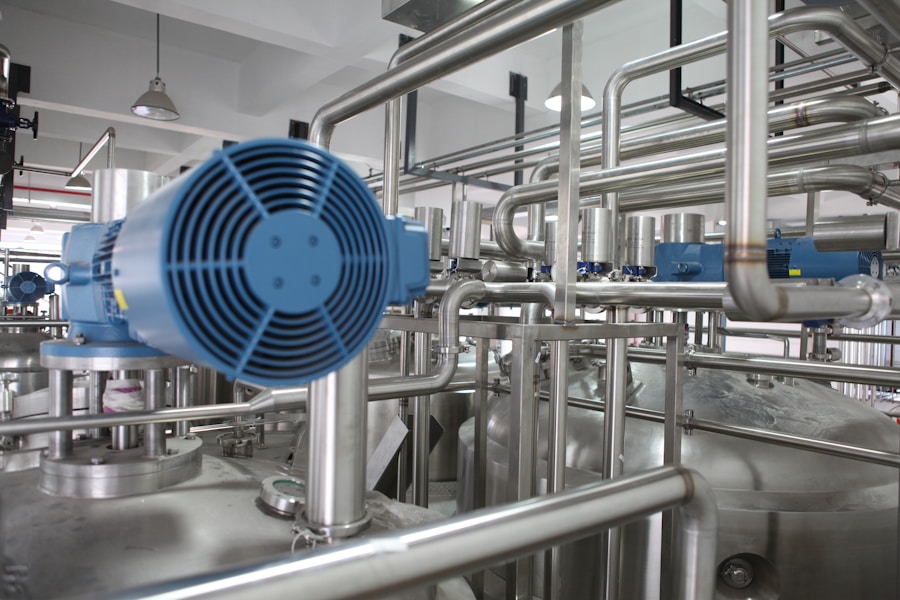
Te mau rave'a hamaniraa tauihaa e te mau rave'a hamaniraa tauihaa teimaha e te mau rave'a hamaniraa tauihaa
Te huru o te hamaniraa tauihaa Twin Screw Extruder i te fenua Taina
China's plastics machinery sector has undergone a dramatic transformation over the past decade. Te mea tei mana'ohia i mutaa ihora ei puna no te moni iti, Ua riro te mau rave'a ha'iha'i a'e ei faanahoraa hamaniraa tauihaa tata'uraa na te ao nei. Te tuhaa o te mau hu'ahu'a, i te pae iho â râ, ua fana'o oia i te R tamau&D tuuraa moni, Te mau faanahoraa no te haamaitai i te ohipa tapihooraa tauihaa (notably "Made in China "), e te hinaaro rahi i roto i te fare no te mau rave'a polymer aravihi.
Mai te omuaraa mai â, Hau atu i te 200 Te mau taiete e hamani ra i te mau hu'ahu'a, i te mataeinaa no Jiangsu (Nanjing, Suzhou), Mataeinaa no Zhejiang (Ningbo, Taizhou), Mataeinaa no Guangdong (Dongguan, Foshan), e te mataeinaa no Shandong. Te mana'ohia ra e e 35 taata tei roto i te pǔpǔ Nanjing ana'e–40% o te hu'ahu'a o te fenua, earning it the informal title of "China's extrusion capital." E rave rahi mau taata hamani tao'a aravihi tei roto i te mau vahi hamaniraa tauihaa rahi mai te Nanjing Jiangning Tuhaa fenua no te Faanavairaa faufaa e te mau ravea apî e te Ningbo Zhenhai Petrochemical Tuhaa no te Faanavairaa faufaa e te mau ravea apî.
Te mau haamaramaramaraa no roto mai i te Te faatereraa rahi no te mau peu tumu no Taina Te faaite ra te mau hoho'a e ua maraa te mau hooraa 12% matahiti i te matahiti 2024, te turaihia ra e te hinaaro rahi no Asia Apatoa Hitia o te râ, Hitia o te râ no Ropu, Afrika, e Amerika Latina. Te feia hoo no Europa e no Marite Apatoerau, Noa'tu e, e mea ara rahi a'e no te mau fifi i te pae no te moni, tamau noa i te imi i te mau rave'a no te mau hoho'a no te tata'uraa moni e no te mau haamauraa i te afaraa e tae atu i te teitei.
Te faatereraa hau no te tapihooraa i te mau fenua atoa (ITA) o te U.S. Te Tuhaa no te ohipa tapihooraa i roto i to ' na 2024 parau faaite no te ohipa tapihooraa Ua maraa te mau matini hu'ahu'a tinito i te mau Hau Amui no Marite 8.3% i roto i te mau parau faufaa, Te faaite ra te reira i te maraaraa o te faito e te hoê tauiraa i ni'a i te mau rave'a teitei. The European Commission's trade data portal (DG Te tapihooraa) ua papa'ihia te hoê 6.7% I roto i te hoê â tau, ua maraa te mau rave'a hu'ahu'a no te fenua Taina i te EU-27.
Te mau huru o te mau hu'ahu'a e piti i hamanihia e te mau fare hamaniraa tauihaa no Taina
E mea faufaa roa no te feia hoo B2B ia hi'opoa i te hoê fare hamaniraa tauihaa China. I teie nei, te hamani nei te feia hamani tao'a tinito i te mau huru taatoa o te mau ravea hamaniraa tauihaa:
- Te mau hu'ahu'a mata'i: Te huru neneiraa rahi roa ' ' e, faaohipahia no te faaineine i te polymer, te hamaniraa masterbatch, te hoê faaho'iraa, e te faainoraa. Te mau diameters o te hi'o mai te 20 mm (faito piha maimiraa) a 180 mm (te faito teitei o te ohipa tapihooraa tauihaa). E horoa te mau fare hamaniraa tauihaa tinito rahi i te mau faito L/D mai 32:1 a 64:1, me te mau aravihi no te 5 kg/h 3,000 kg/hora.
- Te mau rave'a no te pato'i i te mau hu'ahu'a: E faaohipa-matamua-hia no te PVC pipe, ōhi, e te hutiraa api. E mea tata'u roa te feia hamani tao'a tinito i roto i teie tuhaa, Te horoaraa i te hoê tuhaa rahi o te mau reni PVC i te mau matete e tupu ra.
- Te mau hu'ahu'a conical: Te hoê hoho'a taa ê no te faaauraa i te PVC, i te mau mataeinaa Zhejiang e Guangdong.
- Torque teitei / Te mau hoho'a vitiviti: Te mau matini o te u'i apî a'e e mau faito torque taa ê to ratou 11.3 Nm/cm³, te haafatata ' tu ra aore ra te faaauraa i te mau tapao no Europa. I teie nei, e rave rahi feia hamani tao'a no Nanjing o te horo'a nei i te mau hoho'a e te mau faito torque e au i te mau tapa'o German e Italian.
- Te mau rave'a maimiraa e te mau pilot: Te rahi noa ' tura te matau - maitai - raa i rotopu i te mau piha maimiraa a te fare haapiiraa tuatoru e R&D na te ao atoa nei, e te mau fare hamaniraa tauihaa tinito e horoa ra i te mau piha i te 30–50% o te mau hoo o te mau tao'a no Europa.
Te mau hoho'a no te mau ti'a faatere no te mau fare hamaniraa tauihaa e te mau hu'ahu'a metala e faaohipahia ra i roto i te mau rave'a hamaniraa tauihaa
Te mau ti'amana'oraa e te mau titauraa faufaa roa no te feia hoo B2B
Te hoê o te mau mana'o faufaa roa a'e i roto i te ma'itiraa i te hoê taata hoo tao'a no te fenua Taina, o te ti'amana'oraa ïa e te rave'a no te haapapû i te maitai. I teie nei, e rave rahi mau titauraa a te mau nunaa atoa to te feia hamani tao'a tinito tuiroo:
- CE: E mea titauhia no te hapono atu i te Tuhaa fenua i te pae faanavairaa faufaa no Europa. Te farii nei te rahiraa o te mau fare hamaniraa tauihaa Chinese no te hoo mai i te mau tao'a i te mau fenua ěê i te ti'araa CE no ni'a i te Machinery Directive (2006/42/EC) e te faaueraa Low Voltage (2014/35/EU).
- ISO 9001:2015: Te ti'amana'oraa no te faanahoraa no te faatereraa i te huru o te taata. Te vai ra teie titauraa i roto i te feia hamani tao'a Chinese extruder atoa.
- ISO 14001: Tiwhikete no te faatereraa i te mau mea e haaati ra ia tatou, te rahi noa ' tura te aniraa a te feia hoo no Europa e te mau titauraa no te hoo mai i te ESG.
- UL / CSA: E mea titauhia e aore râ, e mea maitai a'e no te mau matete no Marite Apatoerau. E rave rahi mau fare hamaniraa tauihaa tinito tei farii i te titauraa UL no te mau hu'ahu'a uira.
- ATEX: No te mau extruders e faaohipahia i roto i te mau vahi e nehenehe e paari (e.g., te faaauraa i te tahi mau tao'a tahi). Ua farii te tahi mau taata hamani tao'a tinito aravihi i te ti'araa ATEX.
Te Te Faanahoraa a te mau Nunaa atoa no te mau titauraa (ISO) e te European Parliament's product safety directives horo'a i te faanahoraa ture e ti'a i te feia hoo tao'a Tinito ia arata'i. E mea ti'a i te feia hoo ia ani tamau i te mau hoho'a o te mau ti'amana'oraa, hi'opoa i te reira na roto i te mau tino, e te faatereraa i te mau hi'opo'araa i te fare hamaniraa tauihaa—na roto i te mau pu hi'opo'araa a te toru o te pŭpŭ mai te SGS, TÜV, e aore râ, te Piha toro'a.
Te mau ture no te tapihooraa i te fenua: Te mau hoo, Te mau hopoi'a, e te mau mana'o tumu
Te haamauhia ra te mau ravea tapihooraa tauihaa B2B no te mau matini roro uira no te fenua Taina e te hoê faanahoraa fifi o te mau faanahoraa hoo, te mau faaauraa tapihooraa, e te mau titauraa tumu o te taui ia au i te matete.
Te mau Hau Amui no Marite
Ua afaihia mai te mau Hau Amui no Marite mai te fenua Taina. i raro a'e i te Faanahoraa Tariff (HTS) code 8477.20, covering "extruders for working rubber or plastics." Mai te, E faauehia teie mau tao'a i te hoê faito o te fenua maitai roa ' ' e (MFN) te faito hopoi'a 3.1%, e te tahi atu mau Tuhaa 301 te mau faaho'iraa 25% i roto i te aimârôraa i te pae tapihooraa tauihaa U.S.-China. Fatata te faito o te mau hoo taa ê 28.1% ua turai te reira i te tahi mau U.S.. ia hi'opo'a i te feia hoo no te mau rave'a no te faaiti i te moni, e tae noa'tu i te hooraa mai na roto i te mau tuhaa fenua tapihooraa tamoni ore, te imiraa i te mau faaatearaa, e aore râ, te imiraa taa ê i te mau tuhaa no te tairururaa i te fare. Te MĀTOU. Te tomite no te tapihooraa i te mau fenua ěê (USTC) te horoa ra i te faanahoraa papû.
Te Autahoêraa no Europa
E faaohipa te EU i te hoê hopoia MFN ti'araa 1.7% i ni'a i te mau hu'ahu'a e piti i raro a'e i te Nomenclature (CN) code 8477 20 00. Taa ê noa'tu i te U.S., Aita te EU i tuu i te tahi atu mau faautuaraa i nia i te mau ravea hu'ahu'a tinito. Āre'a, the EU's Carbon Border Adjustment Mechanism (CBAM), o tei tomo i roto i to ' na tau tauiraa i te ava'e atopa i te matahiti 1999 2023, I te pae hopea e nehenehe te reira e haamǎta'u i te mau haamau'araa no te mau rave'a haaparareraa ito. Te Te faatereraa hau no te mau haamâu'araa e te mau titauraa a te EU e tapea i te mau faito hopoi'a i teie nei.
Asia Apatoa Hitia o te râ e te tahi atu mau matete
I te rahiraa o te taime, e faaohipa te mau nunaa melo o te ASEAN i te mau faaho'iraa ha'iha'i a'e i ni'a i te mau matini Chinese, te fana'oraa i te mau maitai o te Amuitahiraa i te pae faanavairaa faufaa o te fenua (RCEP) te faaauraa o tei haamata i te ohipa i te ava'e Tenuare 2022. I roto i te mau matete RCEP, mai te 0% a 5%, ma te faariro i teie mau matete ei mea anaanatae roa no te feia hoo tao'a Tinito e ma te turu i te tupuraa oioi o te mau ravea hamaniraa hu'ahu'a i Vietnam, Inidonesia, Thailande, e te mau Philipino.

Te hoê pahi tama'i rahi i ni'a i te hoê tauraa manureva o te ao nei, e te mau cranes o te faauta ra i te mau pahi tama'i no te ohipa tapihooraa na te ao nei
Te mau rave'a tapihooraa B2B: No te aha te feia hoo no te ao nei e maiti ai i te mau fare hamaniraa tauihaa China
Te mau rave'a haaparareraa parau Twin-Screw Fare hamaniraa hu'ahu'a E rave rahi mau haamaitairaa o te tu'ati i te feia rave faaotiraa no te hooraa i te mau tao'a B2B o te tura'i nei i te tupuraa tamau o te mau tao'a Chinese twin screw extruder: Te fare hamaniraa tauihaa China
Te tata'uraa o te hoo
I te rahiraa o te taime, e 40 dala marite te hoo o te mau matini roro uira Chinese–65% iti a'e i te European (Heremani, Italia) hi'oraa e 30–50% iti a'e i te mau huru Japanese. Te hoê hi'opo'araa ma'i e te hoê 65 mm diameter hi'o e 40:1 E nehenehe te faito L/D no roto mai i te hoê fare hamaniraa tauihaa tinito tuiroo e hoohia i nia i te USD 45,000–80,000, ia faaauhia i te USD 120,000–200,000 no te hoê mītini German mai te reira te huru. Teie taa-ê-raa o te hoo, o te tumu hoê roa ïa i faahitihia i roto i te mau uiuiraa mana'o i ravehia e te mau buka tapihooraa mai te Te mau hu'ahu'a i teie mahana e Te mau rave'a aravihi apî.
Te haamaitairaa i te huru e te mau rave'a aravihi apî
Ua iti roa mai te taa-ê-raa i rotopu i te mau matini roro uira Chinese e European. I teie nei, te faaohipa nei te feia hamani tao'a Chinese rahi i te mau afata pereoo German (e aore râ, te mau mea e au i te reira), Te mau hu'ahu'a hi'opo'araa Japanese, e te mau rave'a uira no European (Siemens, Te parahi ABB, Schneider). E rave rahi mau fare hamaniraa tauihaa o tei tuu i te moni i roto i te mau rave'a hamaniraa tauihaa e te mau maimiraa no ni'a i te mau tao'a tahi, te hamaniraa i te mau tao'a o te ore e nehenehe e oomo (e.g., te paura, Te mau ahu tungsten) e haafatata ' tu te reira i te ohipa a te mau hoa no Europa.
Te faanahoraa e te tauiraa
I te rahiraa o te taime, e hinaaro a'e te mau fare hamaniraa tauihaa tinito e faaau i te mau haamauraa o te mau matini ia au i te mau titauraa a te taata hoo, e tae noa'tu i te mau roaraa o te mau barel e ere i te mea ti'a, Te mau hoho'a no te mau hu'ahu'a screw taa ê, Te taamuraa i te mau rave'a i raro (mau hu'ahu'a, Te mau rave'a toetoe, Te mau reni), e te faaauraa i te mau titauraa uira o te fenua iho. Te rahiraa o te mau faaueraa iti roa ' ' e (MOQs) e mea pinepine 1 te hoê piha no te mau hi'oraa ti'a, te faaohiparaa i te mau taiete iti e te afaro ia farii i te feia hoo tao'a Tinito (SMEs) e tae noa ' tu te mau pǔpǔ tapihooraa rarahi.
Te mekameka horo'araa
China's manufacturing ecosystem provides a unique advantage: E nehenehe te feia hoo no te hoo mai i te reni taatoa—te, te mau taata faaamu, mau upoo pohe, mau hu'ahu'a, te mau pape toetoe, te mau rave'a haaparareraa, e te mau faanahoraa faatere—no roto mai i te hoê noa fare hamaniraa tauihaa aore ra te hoê pǔpǔ feia hoo tao'a. E faaiti te reira i te fifi o te faanahoraa e e nehenehe e faaiti i te mau haamâu'araa taatoa e 10–20% ia faaauhia i te haaputuputuraa i te hoê reni no ǒ mai i te mau taata hoo tao'a e rave rahi o te ao nei.
Te mau fifi e te faaitiraa i te mau ati i roto i te mau rave'a no te fenua Taina
Noa ' tu te mau maitai rahi, E ti'a i te feia hoo B2B ia faaruru i te mau fifi e rave rahi Te taata hamani tao'a China Lab ia rave ana'e outou i te ohipa e te hoê taata hamani fare hamaniraa tauihaa China:
Te huru maitai
Te mau huru hamaniraa tauihaa rahi—mai te mau ohipa aravihi o te ao nei e tae atu i te mau piha ohipa nainai—te auraa ra, e taa ê rahi te huru. E tia i te feia hoo no te rave i te hoê maimiraa hohonu, e tae noa'tu i te mau tere i te fare hamaniraa tauihaa (e aore râ, te mau hi'opo'araa virtual), hi'opo'araa i te mau faahororaa e te feia hoo tao'a, e te mau hi'opo'araa na mua a'e i te tonoraa. Te toru o te pŭpŭ no te mau taiete haapapûraa i te maitai e te ite no te fenua Taina (SGS, TÜV fenua Rhein, Intertek) horo'a i te mau ohipa hi'opo'araa e te hi'opo'araa i te fare hamaniraa tauihaa no te mau matini ihoa râ.
Te mau haape'ape'araa no ni'a i te mau tao'a maramarama
E haapeapearaa noâ te parururaa IP, no te feia hoo iho â râ o te faaohipa nei i te mau hoho'a hi'o aore ra te mau faanahoraa e te feia hamani tao'a Tinito. Te mau faaauraa ore (NDAs) e nehenehe e faaohipahia i raro a'e i te ture Chinese, e te ma'itiraa aravihi i te feia hoo, e nehenehe e faaiti i teie atâtaraa. Te Te Faanahoraa no te mau tao'a maramarama o te ao nei (WIPO) te horoa ra i te aratairaa no nia i te mau ravea parururaa IP no te tapihooraa i te mau nunaa atoa.
Te ohipa i muri mai i te hooraa e te mau tuhaa
I te pae o te aamu, Ua riro te patururaa i muri a'e i te hooraa ei paruparu no te feia hoo matini Chinese. Āre'a, ua haamau te feia hamani tao'a rahi i te mau pu taviniraa na te ara, Tauturu i te mau tuhaa tao'a i roto i te mau matete rahi (i Asia Apatoa Hitia o te râ iho â râ e i te pae Hitia o te râ no Ropu), e te horo'araa i te mau hi'opo'araa mamao na roto i te mau rave'a faatere IoT. E tia i te feia hoo no te faaauraa i te mau parau faaau taa maitai (i te rahiraa o te taime–24 ava'e) e a haapapu i te vai - maitai - raa o te mau hu'ahu'a e te mau taime hou a hapono ai i te mau faaueraa.
Te mau faanahoraa e te mau taime faatere
Mai te 45 a 120 Ia au i te rahi o te mītini e te faito o te mau mahana. Te mau uta na nia i te moana mai te mau tauraa manureva rahi no Tinito (Shanghai, Ningbo, Shenzhen) i te mau tauraa manureva no Europa (Rotterdam, Hambourg, Anvers) Fatata e 25–35 mahana; ki te U.S. Te mau tauraa manureva i te pae Tooa o te râ (Los Angeles, Te pae tahatai roa) fatata 14–20 mahana; e i U.S. Te mau tauraa manureva i te pae Hitia o te râ (Niu Yoka/Jersei, Savannah) fatata e 30–40 mahana. E ti'a i te feia hoo ia hi'opo'a i te taime no te faaore i te mau tao'a, o te nehenehe e faarahi i te 3–10 Te mau mahana ohipa ia au i te fenua e haerehia ra.
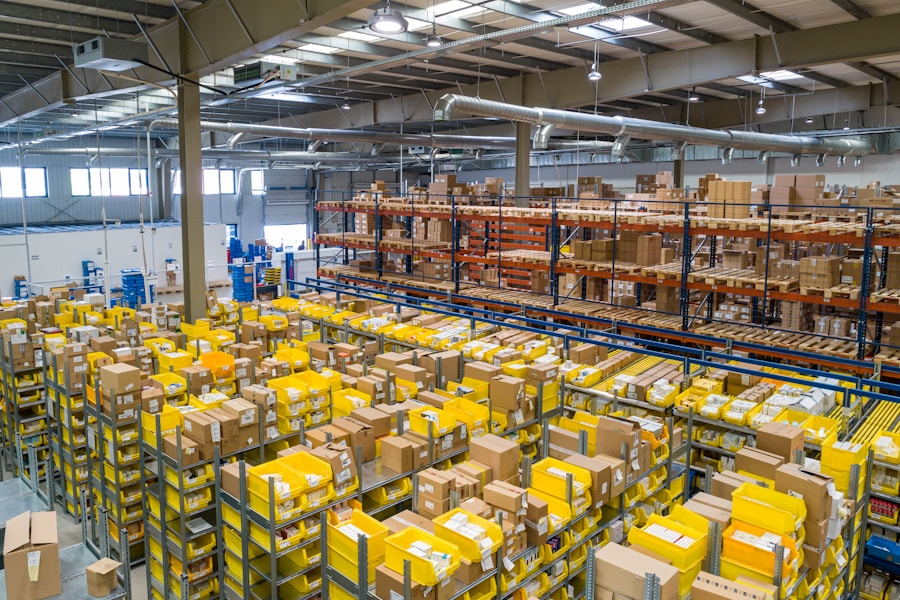
Ua ineine te hoê pû tapearaa tao'a e te mau pallets e te mau ipu no te tufa i te mau fenua ěê
Te mau tuhaa fenua e te mau ture: How China's Industrial Ecosystem Enables B2B Export
Te tata'uraa no te Extruder China's dominance in twin screw extruder manufacturing is not accidental—o te tao'a ïa Makine o te politita ohipa tapihooraa, Te mau tuhaa fenua, e te mau faahopearaa o te mau mea e haaati ra ia tatou o te faatupu i te hoê tiaraa tata'uraa rahi.
Te faaho'i-faahou-raa mai i te Extruder Te haaputuputuraa o te feia hamani tao'a i roto i te mau pǔpǔ hamaniraa tauihaa taa ê (Nanjing, Ningbo, Dongguan) E faatupu te reira i te mau faanavairaa faufaa: te feia hoo tao'a taa ê, te mau pŭpŭ rave ohipa aravihi, Te mau fare haapiiraa tuatoru, e te vai ra te mau fare hi'opoaraa atoa i pihai iho. Te fare haapiiraa tuatoru no Nanjing e te fare haapiiraa tuatoru no Beijing no te mau rave'a aravihi apî, Moekara, Ua faataa-ê-hia te mau pu maimiraa no nia i te mau polymer o te rave amui nei i te ohipa e te feia hamani tao'a no taua vahi ra no nia i te hoho'a o te mau hoho'a, te ihi materia, e te faahoho'araa i te mau rave'a. Te pape Mixer
E rave rahi mau ravea a te faatereraa hau no te paturu i teie tuhaa fenua. Te mau faaho'iraa moni no te mau matini (I teianei 13% Te faaho'i-faahou-raa mai i te VAT no te rahiraa o te mau huru matini hu'ahu'a) faaiti maitai i te hoo o te FOB no te feia hoo no te mau fenua ěê. Te mau tuhaa fenua faanavairaa faufaa taa ê e te mau tuhaa fenua tapihooraa tauihaa (mai te fenua Taina (Shanghai) Pilot Tuhaa fenua no te tapihooraa tauihaa) te horo'araa i te mau rave'a haaparareraa parau e te faaitiraa mai i te mau hopoia faatere no te feia hoo. Te opuaraa a te Belt e te purumu (BRI) Ua tauturu atoa te reira i te faahoturaa i te mau paturaa—te mau tauraa manureva iho â râ e te mau taairaa pereoo auahi—o te faaiti mai i te mau haamâu'araa no te mau ravea haponoraa i te mau nunaa atoa.
China's participation in RCEP further enhances its position as a machinery export hub for the Asia-Pacific region. I raro a'e i te mau ture no te tumu o te RCEP, E nehenehe te mau matini roro uira e piti hamanihia i te fenua Taina e tomo i roto i te mau matete no ASEAN, Auteraria, Aotearoa, Iapona, e te fenua Korea Apatoa i te mau faito aufau maitai a'e, ma te faariro i te mau fare hamaniraa tauihaa tinito ei puna mau no te feia hoo no teie mau matete.
Ua manuïa te mau taiete i te hoo mai i te mau Twin Screw Extruders no te fenua Taina
Haapiiraa 1: Taata hamani hoho'a rahi no European
Ua faaruru te hoê taata hamani hoho'a rahi no Italia Apatoerau i te faaheporaa no te maraaraa te hoo o te ito e te tata'uraa a te feia hamani hoho'a Turekia. I roto 2023, ua hoo mai te taiete e piti mau rave'a haaparareraa (75 mm, 44:1 L/D) no roto mai i te hoê fare hamaniraa tauihaa no Nanjing, te monoraa i te mau matini Italia tahito. Te taatoaraa o te moni i tuuhia, e tae noa'tu i te mau uta moana, Te ti'amana'oraa CE, installation supervision by the Chinese factory's engineers, e te faaueraa, fatata 160,000 EUR—Taurea 45% o te mau haamau'araa no te mau matini Italia apî. I muri mai 18 ava'e ohipa, ua faaite te taiete i te ohipa i ravehia i roto 5% o te mau matini i monohia, e te faaohiparaa i te ito 12% iti a'e no te mau rave'a aravihi apî a'e e te mau rave'a aravihi no te faahanahana. Mai taua taime mai â, ua faaue te taiete i te toru o te ravea no te hoê reni hamaniraa apî.
Haapiiraa 2: Te haamataraa i te pae Apatoa Hitia o te râ no Asia
Te hoê haamataraa o te mau hu'ahu'a Vietnamese, i haamauhia i te 2023 no te tavini i te mau tuhaa fenua no te hamaniraa i te mau pereoo uira e te mau ravea uira, Ua hoo mai i ta ' na reni hamaniraa taatoa—e tae noa'tu i te toru mau hu'ahu'a (52 mm e 65 mm), mau hu'ahu'a, e te mau tao'a faaora—no roto mai i te hoê pǔpǔ fare hamaniraa tauihaa Tinito i Nanjing. Fatata e USD te taatoaraa o te moni i tuuhia i roto i te mau mauhaa 280,000. Ua horo'a te taata hoo tao'a tinito i te mau faautaraa e te haapiiraa i ni'a i te tahua itenati, e e piti feia aravihi o tei tavini e toru hebedoma i roto i te fare Vietnamese. E maha ava'e i muri a'e i to ' na hooraa ' tu i te mau mauhaa, ua naeahia ia hamani i te mau hoho'a teata, No te roaraa o te mau taime e te mau haamau'araa rahi a'e no te paturu i te faautaraa, ua roa a'e te hoê reni taime i rotopu i te feia hoo no Europa.
Haapiiraa 3: MĀTOU. Te taata tufa i te mau rave'a faaho'i-faahou-raa
Te faaueraa no te hoho'a teata 4D I te matahiti 2022. Noa ' tu te 25% Tupu 301 taraff, ua fatata noa â te hoo o te mau matini tinito 25% i raro a'e i te mau U.S.. e aore râ, te mau rave'a no Europa. Ua rave amui te taata hoo i te ohipa e te fare hamaniraa tauihaa tinito no te taui i te mau matini no te faaohipa faahou i te mau ravea apî—e tae noa'tu i te mau farii haapuaihia no te faaafaro i te mau hu'ahu'a pohe i muri mai i te hooraa, e te mau faanahoraa taa ê no te faaino. I teie nei, te hoo nei te taata tufa i te 15 E piti mau rave'a nene'iraa Chinese i te matahiti hoê i roto i te mau Hau Amui no Marite. te matete faaho'i-faahou-raa, with a warranty claim rate of less than 3%.

Business professionals in a meeting room discussing international trade strategy and B2B procurement plans
Haapiiraa 4: Middle Eastern Pipe Manufacturer
A Saudi Arabian PVC pipe manufacturer expanded its production capacity in 2024 by purchasing four counter-rotating twin screw extruders from a Zhejiang-based Chinese factory. The machines were specified for high-output PVC pipe extrusion (110 mm 400 mm te rahi) and included complete downstream equipment. The Chinese factory provided turnkey installation, including electrical integration with the buyer's existing plant infrastructure. Total project cost was approximately USD 520,000, delivered CIF Jeddah. The manufacturer reported that the Chinese machines achieved rated output within the first week of commissioning, with pipe quality meeting Saudi Standards, Metrology and Quality Organization (To tatou) mau titauraa.
Near-Term Trade Trend Forecast: Tiunu–Ātete
Ia au i te mau tapao o te matete i teie nei, Te mau faanahoraa i te pae no te tapihooraa, e te mau haamaramaramaraa no ni'a i te ohipa, the following trends are expected to shape the twin screw extruder China factory export market over the next one to two months:
Continued Strong Demand from Emerging Markets
Asia Apatoa Hitia o te râ, Hitia o te râ no Ropu, and Africa will continue to drive volume growth for Chinese twin screw extruder exports. The industrialization of plastics processing in Vietnam, Inidonesia, e India—supported by foreign direct investment in automotive, te tapo'iraa, e te mau tuhaa paturaa—creates sustained demand for affordable, reliable extrusion equipment. RCEP tariff reductions will further accelerate this trend.
Tariff Uncertainty in the U.S. Mahana
Te mau Hau Amui no Marite. market remains subject to policy uncertainty. I te afaraa o te, there is no indication that Section 301 tariffs on Chinese machinery will be reduced. Āre'a, te mau Hau Amui no Marite. administration's focus on reshoring manufacturing may create indirect demand for Chinese extruders used in recycling and sustainable materials processing, te mau tuhaa fenua e fana'o ra i te turu a te politita e piti. E tia i te feia hoo no te hi'opoa i te mau faaararaa no ǒ mai i te Piha toro'a o te ti'a no te ohipa tapihooraa i te mau Hau Amui no Marite (USTR) no te mau hi'opo'araa atoa.
Te matete EU: Te tupuraa tamau e te haapapûraa i te ESG
Te mana'ohia ra e e tamau noa te feia hoo no Europa i te hoo mai i te fenua Taina, ma te haamau rahi a'e i ni'a i te haapa'oraa i te ESG. Te mau fare hamaniraa tauihaa tinito o te nehenehe e faaite i te mau ravea hamaniraa tauihaa iti, te imiraa i te mau tao'a mata, and compliance with the EU's Corporate Sustainability Due Diligence Directive (CSDDD) E fana'o te reira i te hoê tuhaa faufaa. Te European Commission's Directorate-General for Environment o te pu mana ïa no te taui i te mau titauraa ESG.
Te haamaitairaa i te mau rave'a aravihi apî e te hamaniraa tauihaa aravihi
Chinese twin screw extruder manufacturers are rapidly integrating Industry 4.0 Te mau rave'a aravihi apî—Te mau rave'a IoT, cloud-based monitoring, te mau algorithm no te tape'araa, e te hoho'a maha digital—into their product offerings. This trend is expected to accelerate in the near term as factories compete for higher-value orders from European and North American buyers who increasingly require smart manufacturing capabilities. Te fare hamaniraa tauihaa
Currency and Pricing Dynamics
Te yuan tinito (CNY) has remained relatively stable against the U.S. dollar and euro in early, with the People's Bank of China maintaining a managed float. Te mau hoo no te mau tao'a mata no te hamaniraa i te mau tao'a—particularly specialty steels, kōpā, and rare earth elements used in motors—have shown moderate increases. Buyers placing orders in the June–August window should expect stable to slightly higher pricing compared to Q1, with lead times potentially extending due to seasonal demand peaks.
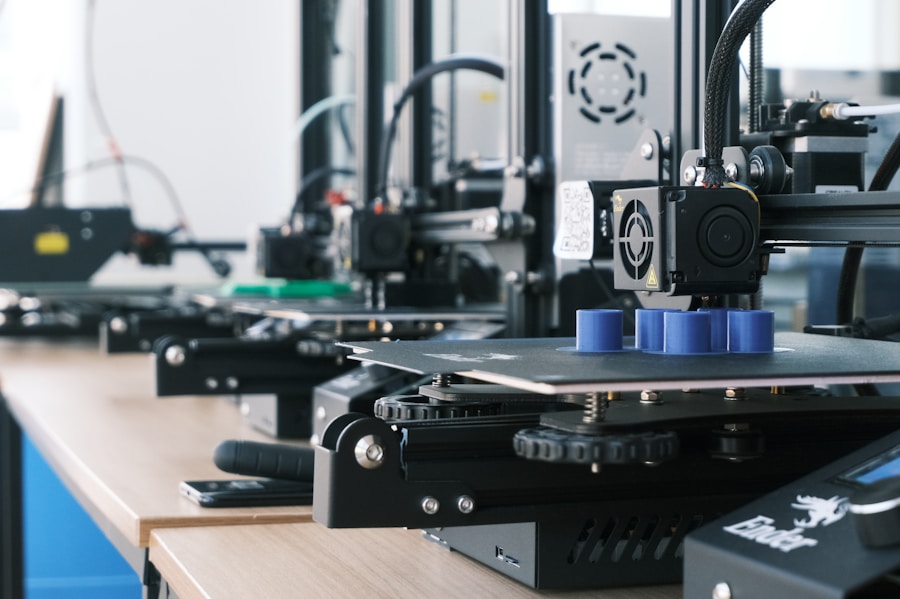
Digital technology and data analytics dashboard representing Industry 4.0 smart manufacturing and IoT integration
B2B Workplace Safety: The Critical Role of Safety Footwear in Extrusion Factories
The twin screw extruder industry—whether in manufacturing plants in China or processing facilities operated by B2B buyers worldwide—is inherently an industrial environment where workplace safety is paramount. One of the most fundamental yet often underestimated aspects of occupational safety in extrusion factories is foot protection. This section examines why safety footwear is essential in the B2B extrusion equipment context and how it protects workers' toes and feet from the specific hazards present in these environments.
Hazards in Twin Screw Extruder Work Environments
Extrusion factories present a unique combination of foot-related hazards that make safety footwear not just advisable but legally required in most jurisdictions:
- Te mau faahopearaa o te mau mea teimaha: Te mau hu'ahu'a—mau barela, mau hu'ahu'a, mau fare gearbox, mau api pohe—are heavy metal objects that are regularly handled during assembly, Tāuru, e te mau ohipa tauiraa. A single screw element can weigh 2–15 kg; a complete barrel section can weigh 50–200 kg. Dropping any of these components onto an unprotected foot can cause fractures, Te mau pepe, e aore râ, te mau avae.
- Te mau atâtaraa: During machine installation and maintenance, workers may be exposed to compression risks from hydraulic equipment, mau pereoo uira, cranes i ni'a, and rolling heavy components on factory floors.
- Hot Material Splashes: Twin screw extruders process polymers at temperatures typically ranging from 150°C e tae atu i te 350°C. Te mau hu'ahu'a polymer, Te mau mata metala veavea, and heated barrel sections pose burn risks to feet and lower legs.
- Te mau ati: Extrusion factory floors may be contaminated with polymer pellets, hinu hinu, te pape pu'e, or cooling water, all of which create slip hazards.
- Te mau atâtaraa: Te mau heu metala, Te mau hu'ahu'a araea, mau hu'ahu'a parari, and other sharp debris on factory floors can penetrate ordinary footwear.
- Te mau ati uira: Workers involved in electrical installation and maintenance of extruder control systems may be exposed to electrical shock risks, requiring electrically insulating footwear.
Te mau titauraa e te mau ti'amana'oraa no te parururaa
International standards govern the performance requirements for safety footwear used in industrial environments like extrusion factories:
- I ROTO ISO 20345:2022 (I Europa): The primary European standard for safety footwear, requiring a toe cap tested to withstand 200 joules o te ito e te 15 kN o te puai tata'uraa. This standard defines safety classes from SB (matamua) to S5 (full protection including waterproofing and sole penetration resistance).
- ASTM F2413-18 (Te mau Hau Amui no Marite): Te faito American no te mau ahu paruru, te faataaraa i te pato'iraa i te mau faahopearaa (I/75 = 75 avae), te patoiraa (C/75 = 2,500 pounds), e te mau faahopearaa no te parururaa i te metatarsal (Mt), faatere (Cd), ati uira (EH), te mau hu'ahu'a (SD), e te pato'iraa (PR).
- GB 21148-2020 (Te fenua Taina): China's national standard for safety footwear, ua tu'ati rahi te reira i te ISO 20345, requiring toe cap impact resistance of 200 J and compression resistance of 15 kN.
Te MĀTOU. Te faatereraa i te parururaa e te oraora - maitai - raa i te ohipa (OSHA) mandates that employers provide appropriate foot protection under 29 CFR 1910.136 when employees are exposed to foot injuries from falling or rolling objects, te mau tao'a e tairi ra i te avae, e aore râ, te mau ati uira. Oia atoa, te Piha no Europa no te parururaa e te oraora - maitai - raa i te ohipa (EU-OSHA) enforces workplace safety directives that require employers to conduct risk assessments and provide appropriate personal protective equipment (PPE), e tae noa'tu i te mau avae paruru.
Types of Safety Footwear for Extrusion Factory Environments
B2B buyers of twin screw extruders should ensure that their factory workers are equipped with appropriate safety footwear. The following types are most relevant to extrusion environments: Non-Intermeshing Twin Screw Extruder
- Steel Toe Cap Boots (S3 / ASTM I/75 C/75): Te maitiraa tumu, offering excellent impact and compression protection. Steel toe caps can withstand the impact of a 20 kg tao'a i topa mai 1 metera. Suitable for general factory floor work, machine operation, e te tape'araa.
- Composite Toe Cap Boots: Made from reinforced plastic, hu'ahu'a carbone, e aore râ, Kevlar, these offer similar protection to steel but are lighter (te faaitiraa i te rohirohi o te feia rave ohipa i roto i te mau tauiraa roa) Eiaha e faatere i te veavea aore ra te uira. Increasingly preferred in modern extrusion facilities.
- Metatarsal Guard Boots: Provide additional protection to the metatarsal bones (the top of the foot between the toes and the ankle), which are vulnerable to impact from falling screw elements and barrel components. Recommended for workers involved in machine assembly and heavy maintenance.
- Heat-Resistant Boots: Featuring soles rated for contact with surfaces up to 300°C and uppers made from heat-resistant leather or synthetic materials. Essential for workers operating near extruder die heads and downstream hot processing equipment.
- Anti-Slip Boots: Featuring soles with SRC (slip resistance on ceramic tile with dilute soap solution and on steel with glycerol) mau hi'opo'araa. Critical for extrusion factory environments where polymer pellets and lubricants create slip hazards.
- Puncture-Resistant Boots: Incorporating a steel or composite midsole plate that prevents sharp objects from penetrating through the sole. Important in factories where metal debris may be present on the floor.
Te ohipa tapihooraa no te mau ahu paruru i roto i te mau ohipa B2B
I tua atu i te auraroraa i te mau ture, there is a compelling business case for investing in high-quality safety footwear for extrusion factory workers:
- Reduced Workplace Injuries: Te mau Hau Amui no Marite. Bureau no te mau numera o te ohipa (BLS) te mau pepe o te avae o te mau pepe ïa o te avae 10% o te mau pepe atoa i te vahi ohipa i roto i te hamaniraa tauihaa, e 9,000 USD te hoo no te hoê ohipa–12,000 e tae noa'tu i te mau haamâu'araa i te pae rapaauraa, Ua erehia te hotu, e te feia rave ohipa' faaho'iraa. Proper safety footwear can prevent an estimated 60–70% of these injuries.
- Improved Productivity: Modern safety footwear is designed for comfort during extended wear. Ergonomic insoles, breathable materials, and lightweight composite toe caps reduce worker fatigue, contributing to higher productivity and lower absenteeism.
- Te haapa'oraa i te mau ture: Non-compliance with workplace safety regulations can result in significant fines. OSHA penalties for serious violations can reach USD 16,131 i te hoê ofatiraa ture ( mau faito), while EU member states impose comparable penalties under national implementations of the Framework Directive 89/391/EEC.
- Insurance and Liability: Adequate PPE provision, e tae noa'tu i te mau avae paruru, is typically a condition of workplace liability insurance. Failure to provide appropriate footwear can void insurance coverage and expose the business to direct liability for injury costs.
- Worker Retention: In competitive labor markets, providing high-quality safety equipment—including comfortable, well-fitting safety boots—is a tangible demonstration of employer commitment to worker welfare, supporting recruitment and retention.
Sourcing Safety Footwear: A B2B Perspective
No te feia hoo no B2B o te faaohipa nei i te mau fare, E mea ti'a ia amuihia'tu te hooraa i te mau ahu paruru i roto i te mau rave'a atoa e te mau rave'a no te imi i te mau rave'a. Ua riro atoa te fenua Taina ei taiete rahi no te hamani i te mau ahu avae paruru, e te mau fare hamaniraa tauihaa i Fujian, Zhejiang, e te mau mataeinaa no Guangdong o te hamani ra i te mau titeti o te tuea ra i te EN ISO 20345, ASTM F2413, e te tahi atu mau titauraa a te ao nei. E nehenehe te feia hoo no B2B e hoo mai i te mau matini roro uira no te fenua Taina e ite e mea maitai a'e ia hoo mai i te mau ahu paruru i roto i te hoê â faanahoraa tapihooraa tauihaa, Peneia'e na roto i te hoê â mau taiete tapihooraa aore ra te mau taata hoo tao'a.
I roto i te mau mana'o faufaa roa no te hooraa i te mau ahu avae B2B, te vai ra: haapapûraa tiwhikete (ani i te mau parau faataa no roto mai i te mau piha maimiraa i fariihia), te faito (mea faufaa roa ' tu â ia imi ana'e te feia hamani tao'a no Asia no te feia rave ohipa no Europa aore ra no Marite), te huru o te mau tao'a (te iri mau vs. synthetic, te maoro), e te rahiraa o te mau faaueraa iti roa ' ' e (100–500 pairs for custom orders from Chinese factories).