

Ua faaauhia te mau hu'ahu'a e te mau hu'ahu'a no te hamaniraa i te mau tao'a no teie tau
Plastic Compounding customizes base resins with additives, Te hamaniraa i te mau materia i faataahia no te mau faaohiparaa taa ê. E taui te pelletizing i teie mau tao'a ei mau pellets hoê â huru, ua ineine no te faaohipa maitai i te anavai. E nehenehe te feia hamani tao'a e te feia aravihi o te ite ra i te taa-ê-raa i rotopu i te mau ravea atoa e faarahi i te aravihi e e haapapu i te huru o te mau tao'a.
Recent market data shows that the global market value for these technologies will reach $82 miria dala marite 2025 e $182 miria dala marite 2035, driven by growth in automotive and packaging sectors.
| Haʻamataʻu | Efficiency Impact | Te mau faahopearaa o te huru o te tao'a |
|---|---|---|
| Te faanahoraa | Tailors materials, enhances performance, reduces cost | Enables better quality control |
| Te pelletising | Provides consistent material form for processing | Ensures uniformity in final product quality |
Te mau rave'a faufaa
- Plastic compounding customizes base resins with additives to create materials for specific uses.
- Pelletizing transforms compounded materials into uniform pellets for easy processing and handling.
- Understanding the differences between compounding and pelletizing helps manufacturers improve efficiency and product quality.
- Compounding involves mixing, te re'are'a, and extruding materials to achieve desired properties.
- Pelletizing focuses on creating consistent pellet sizes, e mea faufaa roa te reira no te hamaniraa tauihaa tiaturihia.
- No te haapapu e te tuea ra te mau tao'a hopea i te mau titauraa a te ohipa tapihooraa tauihaa, e mea faufaa roa ia hi'opoa i te huru i roto i na ravea e piti.
- E ohipa faufaa roa ta te faanahoraa e te pelletizing i roto i te mau tuhaa mai te pereoo uira, mau rave'a roro uira, e te ea no te oraora - maitai - raa.
- E faataahia te maitiraa i te huru raveraa tano i nia i te mau huru materia, Te mau hinaaro no te hamaniraa, e te mau haamau'araa.
Te mau faataaraa e te mau taa-ê-raa
Te mau hoho'a plastic
Te faataa ra te hu'ahu'a i te huru o te Te ano'iraa i te mau polymers e te mau tao'a tahi, te mau faaî, e te mau haamaitairaa no te taui e no te haamaitai i te mau huru pae tino e te mau tao'a tahi. Ia au i te mau titauraa a te ohipa tapihooraa tauihaa, teie huru raveraa mai te hoê ravea no te faaapî i te hoê polymer ia faaô atu i te mau huru atoa e hinaarohia i roto i te hoê noa tao'a. E faaohipa te feia hamani i te mau hu'ahu'a no te haamaitai i te huru o te mau tao'a, faaiti i te mau haamâu'araa, e te faarahi i te hotu. I te rahiraa o te taime, e titau teie ohipa i te re'are'a, faaîraa, e te hutiraa no te fana'o i te hoê parareraa hoê â huru o te mau tuhaa.
E rave rahi huru tao'a tahi e te mau tao'a faaî i roto i te mau hu'ahu'a hu'ahu'a:
- Masterbatch: Te hoê anoiraa î i te mau pigments e te mau tao'a tahi i roto i te hoê hu'ahu'a, te haapapûraa i te purara atoa.
- Te mau tao'a pato'i: A arai i te ino o te polymer na roto i te veavea e te pape, te tape'araa i te puai e te tauiraa.
- Te mau rave'a UV: Paruru i te mau polymers e faaohipahia ra i rapae na roto i te miti aore ra te haamouraa i te mau hihi ultraviolet ino.
- Te mau tao'a tape'a i te auahi: A tapea aore ra a faataere i te hamaniraa i te auahi, Mea faufaa roa ' tu â i roto i te mau ravea uira e te paturaa.
- Te mau tao'a tae: A vaiiho ia ma'itihia te mau tao'a tae i roto i te mau hu'ahu'a.
- Te mau tauiraa i te puai e te tauiraa: A rave i te mau huru matini taa ê.
- Te mau tao'a tahi antimicrobial: Taoti'a i te tupuraa o te germ, Mea faufaa roa no te mau ravea rapaauraa.
- Te mau faaî: Mai te talc, te mau hu'ahu'a hi'o, e te tao'a tahi, haamaitai i te puai, faaiti i te mau haamâu'araa, e te haamaitai i te patoiraa i te veavea.
- Te mau haamaitairaa: Te mau huru mai te vai - maitai - raa o te veavea, te auahi, e te pato'iraa UV.
Maoti teie huru raveraa, e nehenehe te feia hamani e hamani i te mau tao'a e mau huru taa ê to ratou no te mau faaohiparaa fifi.
Ua faaitehia te mau hu'ahu'a
Ua riro te pelletizing hu'ahu'a ei ohipa e E taui i te mau hu'ahu'a mata aore ra i faaohipa-faahou-hia i roto i te iti, pellets ahu. E mea faufaa roa teie tauiraa no te hamaniraa e no te faaohipa faahou i te mau tao'a tahi. Te hu'ahu'a hu'ahu'a ua tamâhia e ua vavahi-pinepine-hia e aore râ, te hu'ahu'a rehu ei mau pellets hoê â huru, e faaô - faahou - hia ïa i roto i te mau ohipa hamaniraa tauihaa. E faatitiaifaro te pelletization i te mau fifi mai te faaamuraa ore e te faaohiparaa i te mau tao'a, no te mea ho'i e, e mea faufaa roa te reira i roto i te mau tuhaa mai te mau pereoo uira e te mau tapo'iraa, i reira te huru o te mau tao'a e mea faufaa roa ' i.
| Te huru o te mau haapapûraa | Nō teie |
|---|---|
| Te mau tao'a mata | E rave rahi huru hu'ahu'a, e tae noa'tu i te polyethylene (PE) e te polypropylene (PP) |
| Nga hua | Te mau hu'ahu'a hu'ahu'a i hamanihia na roto i te re'are'a, te toetoe, e te mau rave'a no te tapa'o |
E faarahi te pelletization i te aravihi o te hamaniraa i te mau hu'ahu'a e e faatia i te hamaniraa i te mau hu'ahu'a taa ê ma te tapea i te faaohiparaa i te reira.
Hi'opo'araa i te mau taa-ê-raa rahi
Ripane faaauraa
| Fa'ahiti'ira'a | Te mau hu'ahu'a | Te mau hu'ahu'a |
|---|---|---|
| Te opuaraa rahi | E taui i te hamaniraa e te mau huru o te polymer | E taui i te mau tao'a ei hoho'a pellet hoê â huru |
| Te mau taahiraa faufaa | Te anoiraa, te re'are'a, faaîraa, hutiraa | Te re'araa, te toetoe, te tapa'oraa |
| Te mau tao'a tahi matauhia | Te mau faaî, mau tao'a tae, mau mea, Te mau haamaitairaa | Aita e faaô-pinepine-hia i roto i te pelletizing |
| Hope'a | Te mau tao'a hu'ahu'a (e nehenehe e rave rahi mau huru) | Te mau hu'ahu'a ahu |
| Ha'amata'ihia | Te faaohiparaa ti'a'tu i roto i te mau tao'a aore râ te tahi atu mau rave'a | Ua faaohipahia no te hamani, hutiraa, e aore râ, te faahororaa |
Te mau mana'o haapotoraa
- Te mau hu'ahu'a te faatumu nei i ni'a i te tauiraa i te hamaniraa o te hu'ahu'a na roto i te faaohiparaa i te mau mea e rave rahi, o te faaino i to ' na mau huru pae tino.
- E taui te mau hu'ahu'a i te hu'ahu'a ei mau pellets hoê â huru, Te haapeapea ra te reira na mua ' ' e no nia i te huru o te tino no te faaohipa ohie i te reira i roto i te hamaniraa.
- Compounded plastics can be directly shaped into products, while pelletized plastics are typically used for further processing.
- Both processes play a critical role in modern manufacturing, but they address different needs within the production chain.
Tāuru: Understanding the distinction between these processes helps manufacturers select the right approach for their specific application, ensuring optimal performance and efficiency.
Plastic Compounding Process
Process Steps
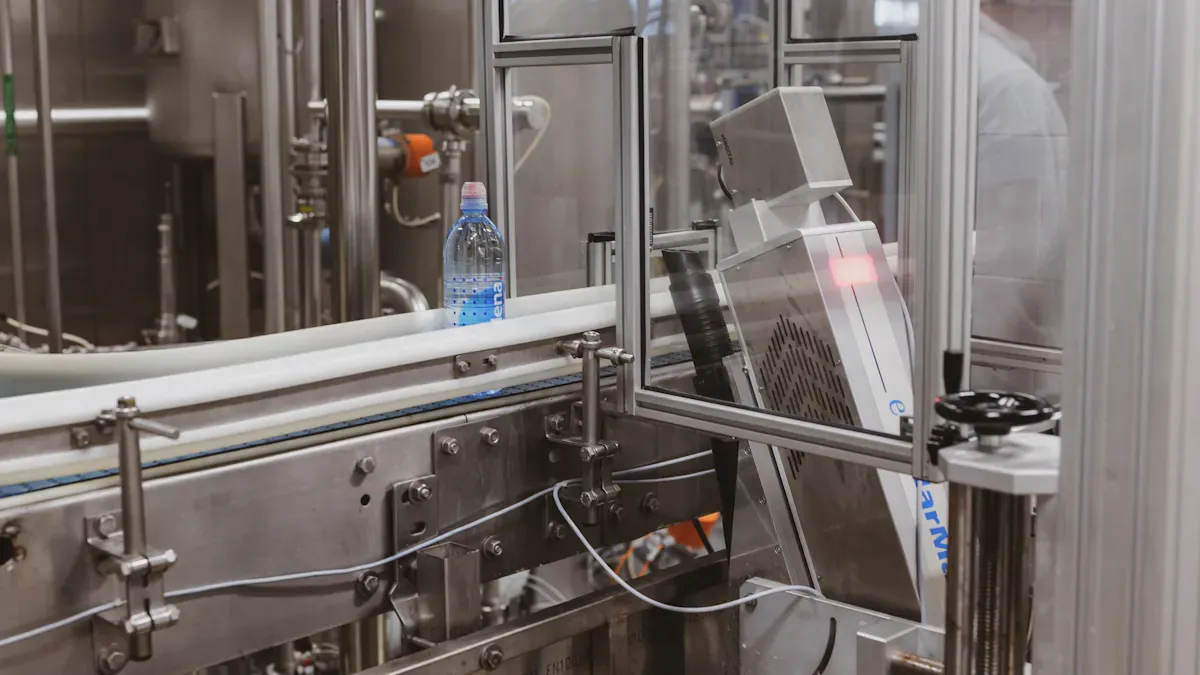
Plastic compounding transforms raw materials into high-performance plastics through a series of precise steps. Manufacturers begin by storing raw materials such as resin, te mau tao'a, and fillers in bags, big bags, or silos. Pneumatic or mechanical systems then convey these materials to the processing area. Operators feed the materials into the press barrel, either continuously or in batches. The compounding process continues with melting and mixing, where the polymer and additives blend to achieve uniformity. The final stage involves shaping, te toetoe, and cutting the product, followed by rigorous quality control.
| Tā'amu | Tuʻaroʻa |
|---|---|
| 1 | Raw material storage in bags, big bags, and silos |
| 2 | Pneumatic or mechanical material conveying system |
| 3 | Material feed to the press barrel (continuous/discontinuous filling) |
| 4 | Melting and mixing phase |
| 5 | Final product and control |
Parau: Insight Polymers leverages rapid turnaround and specialty compounding to deliver custom plastic compounding solutions, optimizing each step for efficiency and quality.
Equipment Used
Plastic compounding facilities rely on advanced equipment to ensure consistent results. Extruders set the pace for processing and play a central role in melting and mixing. No te faaohipa i te mau tao'a mai te mau acrylics, te rave nei te mau ravea anoi tamau i te ohipa i pihai iho i te mau extruders, nylons, e te PVC. E faaineine te mau rave'a no te anoi i te mau mea atoa, area te mau faanahoraa ra, te haapapu ra te reira i te mau faito taa ê o te mau mea. Te mau rave'a aravihi no te faaohipa i te mau tao'a, mai te mau mea faaamu rotary e te mau amuiraa, te turu i te tufaraa maitai e te faito o te mau tao'a rarahi. E tahoê te mau reni taa ê i teie mau faanahoraa, ma te faati'a i te mau faito hamaniraa e te mau haamauraa. E faaohipa te Insight Polymers i te mau rave'a no te faatere i te mau tamataraa iti no te faahoturaa, ma te faati'a i te hi'opo'araa maitai i te mau tao'a e te mau rave'a haaparareraa.
Te mau huru faanahoraa
E rave rahi mau ravea o te faaohipahia no te faaohipa i te mau hu'ahu'a, Ua faaauhia te mau mea atoa i nia i te mau hinaaro taa ê o te faaohiparaa. No te haamaitai i te hoho'a aore ra no te haamaitai i te veavea e te patoiraa i te UV, e nehenehe te feia hamani e faaô atu i te mau tao'a tae. E faarahi te mau tao'a haafifi i te auahi i te parururaa, i roto iho â râ i te ohipa paturaa e te mau ravea uira. E faarahi te mau tauiraa i te etaeta, area te mau faaîraa e te mau haapuairaa ra, e taui ïa i te moni, te etaeta, e aore râ, te puai. I roto i te mau tao'a hamanihia, e nehenehe atoa e faaô atu i te mau ravea antimicrobial no te mau ravea rapaauraa ma'i aore ra te mau UV no te faaohipa i rapae. Ua aravihi roa te Insight Polymers i roto i te mau rave'a no te faatitiaifaro i te mau opuaraa otahi roa no te ha'utiraa, Te horoaraa i te mau masterbatch e te mau hu'ahu'a hu'ahu'a no te hamani i te mau hu'ahu'a, mau hu'ahu'a, hoho'a teata, e te hamaniraa tauihaa.
- Te ma'itiraa tae no te nehenehe
- Te mau rave'a no te tapo'i i te maa
- Te mau tao'a paruru i te auahi no te paturaa
- Te mau tauiraa no te puai e te tauiraa no te mau hinaaro taa ê o te mau tao'a
- Te mau tao'a antimicrobial no te ea no te oraora - maitai - raa
- Te haamaitairaa i te faaoromai UV no te vai - maitai - raa i rapae
Maoti teie faanahoraa taa maitai, e nehenehe te mau faatitiaifaroraa atoa o te polymer e pahono i te mau hinaaro o te hamaniraa tauihaa no teie tau.
Te mau huru materia
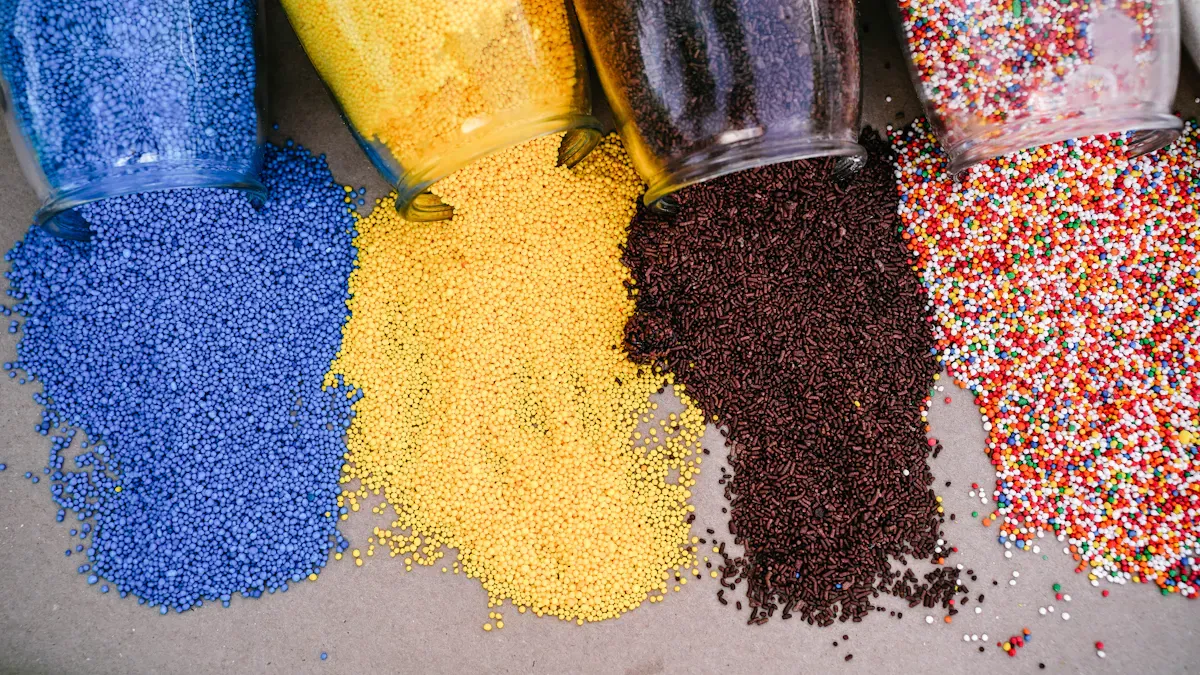
E rave rahi mau huru tao'a o te faaohipahia no te faaohipa i te mau tao'a hu'ahu'a a riro ai te mau tao'a mata ei mau tao'a faahiahia roa. E haamata te ohipa na roto i te mau hu'ahu'a etaeta, te mau tao'a, e te mau faaî. E tuu te feia faatere i teie mau tao'a i roto i te faanahoraa, i reira ratou e vai noa ai i roto i te hoê huru granular aore ra paura. A tere ai te ohipa i mua, E faahanahana te extruder i te anoiraa e e reva, te tauiraa i te reira ei viscos, Te huru re'are'a. Maoti teie anoiraa rehu, e nehenehe te mau tuhaa atoa e anoihia e e haaparare - maitai - hia.
Ia oti ana'e te homogenization, E faarue te mau tao'a i te extruder. I teie taime, Ia au i te faaohiparaa, e nehenehe te reira e rave rahi huru. E faatoetoe te tahi mau taata hamani tao'a e e tâpû i te mau hu'ahu'a ei mau hu'ahu'a, e nehenehe vetahi e hamani i te mau hu'ahu'a, mau api, e aore râ, te mau hoho'a i hamanihia ti'a'tu. Te huru hopea—te pellet anei, hu'ahu'a, e aore râ, te api—te faataahia ra te reira i ni'a i te mau titauraa no te faanahoraa i te anavai. Moekara, I roto e rave rahi tupuraa, e horoa te mau Insight Polymers i te mau hu'ahu'a hu'ahu'a i roto i te hoê huru pellet no te faaohipa ohie e no te faaamu tamau i roto i te mau reni tairiraa aore ra te mau reni.
Te haapapu ra te aravihi no te hi'opoa i te mau huru materia i roto i te taatoaraa o te ohipa e te tuea ra te tao'a hopea i te mau titauraa etaeta no te rave i te ohipa. E turu teie tauiraa i te mau faaohiparaa e rave rahi, mai te mau hu'ahu'a pereoo e tae atu i te mau ravea rapaauraa ma'i, e te faati'a i te tauiraa oioi i te mau hinaaro o te feia hoo.
Te faatereraa i te huru
Ua riro te hi'opoaraa i te huru ei tumu no te mau ohipa manuïa atoa no te hamani i te mau hu'ahu'a. No te tapea i te mau ravea hamaniraa tauihaa, te faaroo nei te feia hamani i te mau ravea faatere aunoa aravihi Te mau huru pellet i te taime o te hutiraa mai. E hi'opo'a e e taui teie mau faanahoraa i te mau rave'a haaparareraa i te taime mau, no te haapapu e e vai noa te anoiraa rehu. Ei faahopearaa, E parare noa te mau pigments e te mau tao'a tahi, te hamaniraa i te hoê tao'a masterbatch hoê â huru.
E faaohipa te feia faatere e rave rahi mau ravea ohie no te hi'opoa i te tanoraa o te mau tao'a. Te te rave'a no te faaru'e i te pape Te horoa ra te reira i te hoê ravea tiaturihia no te faito i te î i nia i te tahua o te fare toa. E titau teie ravea ia faito i te faito o te pape matamua, te faitoraa i te hi'oraa, e te tabularaa i te î ia au i te buka i neneihia. E haamaitai te reira i te parau-ti'a o te faanahoraa, e arai i te maumauraa materia, e te haapapûraa i te poihâ o te tao'a. E tauturu teie mau maitai ia hi'opoa maitai a'e i te mau haamau'araa e ia faaiti i te mau fifi i te pae no te hamaniraa.
I roto i te hoê faanahoraa taa maitai no te hi'opoa i te huru, te vai ra te tahi mau hi'opoaraa:
- E faaohipa te mau hi'opo'araa i te mau spectrophotometers no te hi'opo'a i te mau taa-ê-raa o te mau tae e no te haapapû i te hoê â huru o te mau hoho'a.
- E haapapu te mau hi'opoaraa i te pae no te veavea i te faaoromai o te pigment i te anuvera.
- Te haapapu ra te mau hi'opoaraa i te parareraa i te hoê tufaaraa taa ê na roto i te hi'opoaraa microscope.
- E hi'opo'a te mau hi'opo'araa i te rave'a ha'utiraa i te puai o te tensile e te pato'iraa i te mau faahopearaa.
E faaohipa te Insight Polymers i teie mau ravea no te hi'opoa i te huru i roto i te mau pǔpǔ atoa, no te haapapû e, e horo'a mai ta ratou mau rave'a no te faatitiaifaro i te mau polymer i te hoê ha'utiraa ti'aturihia. Te turu nei teie fafauraa i te huru maitai i te mau taiete e titau ra i te parau mau, mai te pereoo, mau rave'a roro uira, e te ea no te oraora - maitai - raa.
Tāuru: Eita te hi'opoaraa tamau i te huru o te mau tao'a e faarahi noa i te tiaturiraa o te mau tao'a, e haapuai atoa râ te reira i te tiaturiraa o te feia hoo i roto i te mau ohipa hu'ahu'a.
Te raveraa i te mau hu'ahu'a
Process Steps
Na roto i te tahi mau taahiraa taa ê, e taui te mau hu'ahu'a mata aore ra i faaohipa-faahou-hia ei mau hu'ahu'a hoê â huru. E haamata te feia faatere na roto i te faataaraa i te mau hu'ahu'a hu'ahu'a ia au i te huru polymer, Tae, e te faito o te viivii. I muri iho, ua vavahi ratou i te mau hu'ahu'a i roto i te mau hu'ahu'a nainai a'e, o te haamaitai i te aravihi no te horoi. I muri a'e i te horoiraa, E haere te mau hu'ahu'a mâ i te vahi re'are'a, i reira ratou e faahanahanahia'i e e faaorehia ' i. No te faaore i te mau mea ino atoa e toe ra, e haere te hu'ahu'a rehu na roto i te hoê taviri. A haere atu ai te re'are'a i tamâhia na roto i te hoê farii pohe, E hamani oia i te mau hu'ahu'a tamau. E toetoe oioi teie mau hu'ahu'a i roto i te hoê pape hopu aore ra te hoê faanahoraa toetoe, te haamauraa i to ratou haamauraa. ʻIa, E tapaohia te mau hu'ahu'a toetoe ei mau hu'ahu'a, ua ineine no te hamaniraa i te mau tao'a i raro.
E haapapu te pelletizing maitai i te rahi e te huru o te pellet, o te faufaa roa ïa no te faanahoraa ti'aturihia i roto i te mau rave'a hamaniraa e te mau faaohiparaa.
Equipment Used
No te fana'o i te mau faahopearaa teitei e te au noa, e faatumu te mau ohipa pelletizing i nia i te mau ravea taa ê. E faatere te mau pelletizers i te hutiraa mai of molten plastic into strands and cut them into pellets. Underwater pelletizers cut the molten plastic directly under water, which instantly cools and solidifies the pellets. Cold pelletizers produce pellets from hot extrudate without using water cooling. Each machine type supports different process requirements and material characteristics. Operators select equipment based on the type of resin, the presence of additives, and the desired pellet properties.
- Te mau pelletizers: Cut extruded strands into uniform pellets.
- Te mau pelletizers i raro i te pape: Cut and cool pellets simultaneously in a water chamber.
- Cold pelletizers: Produce pellets without water, suitable for heat-sensitive materials.
Pelletizing Technology Types
Manufacturers use several pelletizing technologies, each offering unique advantages in efficiency and output quality. Strand pelletizing works best for clean, te mau tao'a papû e te horo'araa i te huru maitai teitei. E tâpû te pape i te hu'ahu'a rehu i nia i te mata o te pohe e e faatoetoe i te reira i roto i te hoê mo'emo'e pape e haaati ra, o te faarahi i te aravihi. E tâpû te mau hu'ahu'a i raro a'e i te pape i roto i te hoê piha pape, te haapapûraa i te hoê toetoeraa hoê â huru e te huru maitai roa.
| Te mau rave'a aravihi apî | Tuʻaroʻa | Faatupuuruuru | Te huru o te faahopearaa |
|---|---|---|---|
| Te mau pelletizers | Tapa'ohia te mau pellets i roto i te mau aho e e mea tano no te mau tao'a mâ. | Fa'ata'ere | Teitei |
| Te mau pelletizers | A faaô atu i te mau faanahoraa i raro a'e i te pape e te mau pape, te horoaraa i te toetoe oioi. | Teitei | Teitei roa |
Ia au i te huru o te hu'ahu'a, e maiti te feia faatere i te mau ravea aravihi apî e tano, the presence of additives, e te mau huru pellet e titauhia. Te haapapu ra te maitiraa tano e te faaî ra te mau hu'ahu'a i te mau titauraa etaeta no te huru o te mau hu'ahu'a.
Te mau huru materia
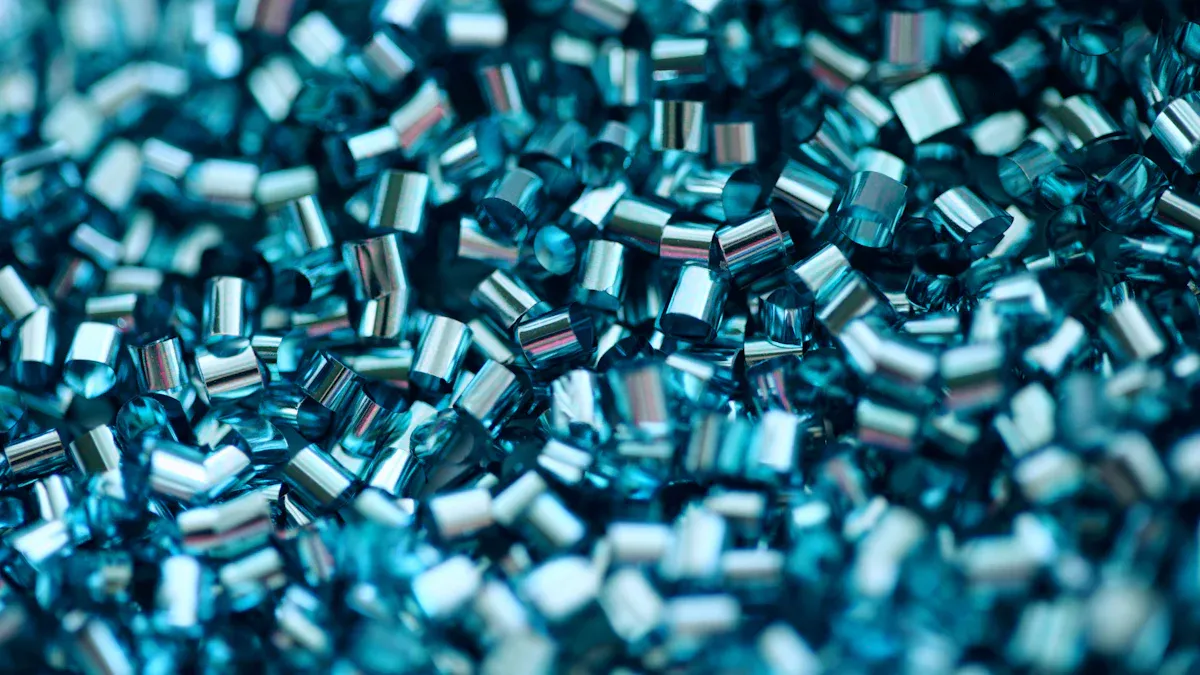
E taui te pelletizing i te mau hu'ahu'a na roto i te mau huru materia e rave rahi. E haamata te ohipa na roto i te hoê hu'ahu'a hu'ahu'a, o te nehenehe e faaô atu i te resin pareteni, mau hu'ahu'a faaho'i-faahou-hia, e aore râ,. E tuu te feia faatere i teie mau tao'a i roto i te mau hoppers aore ra te mau feeders. I muri iho, e tomo te mau tao'a i roto i te extruder, i reira te veavea e te puai matini e taui ai i te mau hu'ahu'a etaeta ei huru re'are'a. E tahe teie hu'ahu'a rehu na roto i te farii extruder, te haapapûraa i te hoê anoiraa hohonu e te homogenization.
A faarue ai te hu'ahu'a i te extruder, E haere te reira na roto i te hoê farii. I teie taime, E hamani te mau tao'a i te mau hu'ahu'a aore ra te mau pata tamau, ia au i te mau rave'a aravihi apî. I roto i te hu'ahu'a, E itehia mai te hu'ahu'a rehu, Te mau hu'ahu'a mai te spaghetti. E tere teie mau aho na roto i te hoê faanahoraa toetoe, I te rahiraa o te taime, te hoê pape hopu, o te haapuai oioi i te materia. I muri a'e i to'na toetoeraa, E tomo te mau aho paari i roto i te hoê piha taparahiraa, i reira te mau tipi hu'ahu'a e tâpû ai ia ratou ei mau hu'ahu'a hoê â huru.
Te tahi atu mau rave'a, mai te mau faanahoraa i raro a'e i te pape e aore râ, i te pape, a tâpû oioi i te hu'ahu'a rehu a faarue ai oia i roto i te pohe. E toetoe oioi noa te mau hu'ahu'a e e etaeta i roto i te vahi o te pape. Te tao'a hopea, o te mau mea nainai ïa, pellets î e te rahi e te hoho'a hoê â. E mea ohie roa ia faaohipa i teie mau hu'ahu'a, Āti'a, e te faaô atu i roto i te mau faanahoraa hamaniraa tauihaa.
Tāuru: Na roto i te hi'opoaraa i te mau huru tao'a atoa i roto i te pelletizing, e haapapu te mau hu'ahu'a hopea i te mau titauraa etaeta no te huru e te aravihi.
Te faatereraa i te huru
E tuhaa faufaa roa te hi'opoaraa i te huru o te pellet no te tapea i te hoê â huru e te viivii ore o te pellet. No te haapapu i te huru maitai roa ' ' e, e faaohipa te feia faatere i te mau faanahoraa e rave rahi i roto i te taatoaraa o te ohipa:
- Na mua a'e i te faanahoraa e te horoiraa tamâ i te mau mea ino e te mau tao'a ore. Te tauturu nei te mau faanahoraa faanahoraa aunoa e te mau reni horoi i te fana'o i te hoê maa.
- E faaore te faamaraa e te faainoraa i te haumi e te mau mea ino. High-temperature drying and vacuum purification prepare the material for extrusion.
- Extrusion and pelletization melt purified flakes or resin into uniform pellets. Twin-screw extruders provide excellent mixing and consistency.
- Vacuum degassing removes gases and volatile compounds under high vacuum conditions. This step prevents defects and improves pellet quality.
- Crystallization and solid-state polymerization (SSP) enhance the intrinsic viscosity of certain polymers, such as PET. These steps ensure that the pellets meet application-specific requirements.
Operators monitor pellet size, Hō'ē'a, and color throughout the process. They use sieves, visual inspection, and automated sensors to detect any deviations. Consistent quality control reduces waste, improves process efficiency, and guarantees that the pellets perform reliably in molding, hutiraa, or other applications.
Parau: Reliable quality control in pelletizing supports manufacturers in producing high-performance products for demanding industries.
Te mau faaohiparaa
Compounding Applications
Plastic compounding enables manufacturers to create materials with properties tailored for demanding sectors. The following table highlights common industry uses:
| Sector | Te mau faaohiparaa |
|---|---|
| Te pereoo | Lightweight materials, heat-resistant plastics, impact-resistant polymers |
| Te mau rave'a uira | Flame-retardant compounds, thermally conductive plastics, anti-static materials |
| Te mau tao'a hoo | Durable plastics, food-safe materials, UV-resistant compounds |
| Te mau faaohiparaa i te pae no te ohipa tapihooraa tauihaa | Chemical-resistant polymers, reinforced plastics, abrasion-resistant materials |
Te pereoo
Automotive manufacturers rely on advanced compounds for lightweighting and structural integrity. High-performance plastic compounds replace metal in interior panels, nga bumpers, and under-the-hood components. These materials offer comparable strength and thermal performance, which improves fuel efficiency and safety. Insight Polymers delivers custom compounding for injection molding, enabling rapid prototyping and production of automotive parts that meet strict industry standards.
Te mau rave'a uira
Electronics producers use specialty compounds for housings, mau mea hono, and insulators. Flame-retardant and thermally conductive plastics protect sensitive components from heat and electrical hazards. Anti-static materials prevent damage from static discharge. Insight Polymers supports electronics manufacturers with masterbatch concentrates that enhance safety and performance in consumer devices and renewable energy systems.
Fa'ahoro
Medical device manufacturers require compounds with precise mechanical and chemical properties. Custom formulations provide antimicrobial protection and biocompatibility for diagnostic equipment and surgical tools. Insight Polymers develops specialty compounds for fibers and films used in medical packaging and devices, ensuring compliance with healthcare regulations.
Pelletizing Applications
Pelletizing transforms raw or recycled plastics into uniform pellets, supporting a wide range of manufacturing processes.
Molding & Te hutiraa
Pellets serve as the standard feedstock for molding and extrusion. Their consistent size and shape ensure reliable machine operation and product quality. Manufacturers use pellets to produce daily-use products such as trash bins, hangers, and flower pots, as well as industrial items like pallets and automotive interior base materials.
Faahou-faahou-raa
Pelletizing plays a vital role in recycling. Operators sort, shred, and melt plastic waste, then re-extrude and pelletize it into high-quality, pellets. This process closes the loop in the plastic lifecycle, allowing manufacturers to reintroduce recycled material into new products. Applications include construction materials like plastic lumber and municipal covers.
By turning plastic waste into a consistent raw material, pelletizing helps close the loop in the plastic lifecycle.
Bulk Handling
Large-scale manufacturers benefit from pelletizing in bulk handling and logistics. The process includes material intake, sorting, shredding, hutiraa, te mau hu'ahu'a, e te tapo'iraa. Uniform pellets simplify storage, Āti'a, and return shipping, supporting efficient supply chains. Manufacturers can ship pellets back for reuse or send them to third parties for new product applications.
Insight Polymers’ expertise in custom compounding and pelletizing supports diverse applications, from injection molding and additive manufacturing to sustainable recycling initiatives.
Process Selection
Factors to Consider
Manufacturers must evaluate several factors when selecting the right process for their production needs. These considerations help ensure that the chosen method aligns with both operational goals and product requirements:
- Material characteristics play a central role. Understanding the physical and chemical properties of input materials determines compatibility with custom plastic compounding or pelletizing.
- Throughput requirements must match the capacity of the pelletizer and the upstream extrusion system. This alignment prevents bottlenecks and maximizes efficiency.
- Pellet quality requirements depend on end-user specifications. Precision in pellet size and shape supports consistent downstream processing.
- Operational environment and available utilities influence system selection. Facilities must support the demands of the chosen process.
- Maintenance and ease of use affect long-term productivity. Machines that require less maintenance and offer higher availability reduce downtime.
- Cost considerations and return on investment guide decision-making. Evaluating total ownership costs, including operating expenses and potential product loss, ensures financial sustainability.
- Companies often require components with exceptional durability. Design flexibility remains essential for meeting unique application needs. Cost efficiency continues to influence the choice of manufacturing methods.
Te iteraa i te unique mechanical properties, te patoiraa i te mau raau, and processing characteristics of different plastics is vital. These factors directly impact durability, te maitai o te moni, and compliance with industry standards.
Te mau hi'opo'araa
| Tuhaa faaohiparaa | Evidence of Success | Outcome Description |
|---|---|---|
| Resin Manufacturing and Polymerization | Increased output by 40% with underwater pelletizing system. | Effective for continuous production of consistent pellets. |
| Compounding and Masterbatch Production | Improved color pellet performance in customer processes using underwater systems. | Ideal for color concentrates and filled compounds. |
| Recycling and Reclaim Operations | Customized system for PET bottle recycling to handle changing materials. | Strand systems for consistent scrap; underwater for mixed materials. |
Manufacturers in the medical sector have achieved low extractables profiles in blood set tubing by selecting TPE or DEHP-free PVC. Autoclavable device components benefit from TPE compounds, which resist embrittlement during repeated sterilization. Full batch genealogy ensures traceability of all components, supporting quality assurance in medical device manufacturing.
Te mau fifi & Te mau faatitiaifaroraa
Manufacturers often encounter challenges during implementation. Addressing these issues quickly ensures consistent quality and operational efficiency:
- Irregular pellet size and shape can occur. Operators adjust die temperature, inspect cutting blades, and set the correct blade gap to resolve this.
- Reduced throughput or machine jamming may disrupt production. Purging die holes, ensuring consistent material flow, and monitoring feed section components help maintain steady operation.
- Overheating of the machine or motor poses risks. Checking cooling systems, inspecting for excessive friction, and ensuring proper cutter speed prevent damage.
- Poor pellet quality affects downstream performance. Verifying temperature profiles, implementing strict material handling, and pre-drying hygroscopic materials improve results.
By applying these solutions, companies can optimize their polymer compounding solutions and maintain high standards in custom plastic compounding and extrusion processes.
Pelletizing Technology Trends
Advances in Compounding
Recent advances in compounding have transformed how manufacturers approach material design and production. Companies now use recycled resins and bio-based polymers to faaiti i te mau hu'ahu'a and support sustainability. They rejuvenate old plastic streams, restoring their properties and extending their lifecycle. Advanced compounding techniques allow plastics to replace metals and ceramics in many applications, improving efficiency and reducing costs.
Manufacturers benefit from several key developments:
- Flexibility in creating components without traditional dies or tooling.
- Cost-effective solutions for prototyping and short-run production.
- Enhanced mechanical strength and durability in finished parts.
- Integration of nanotechnology to improve material properties.
- Adoption of Industry 4.0 technologies for better process control and customization.
These innovations enable the use of a wide range of additives, including those that improve conductivity, flame retardance, and structural strength. The focus on sustainable and recyclable materials continues to drive the evolution of compounding processes.
Innovations in Pelletizing
Pelletizing technology has seen significant improvements, especially in quality control and operational efficiency. Leading manufacturers have adopted advanced filtration systems that use multiple filtration stages with finer mesh sizes. This approach removes contaminants and ensures superior pellet quality, protecting downstream equipment.
| Te huru o te ohipa apî | Tuʻaroʻa |
|---|---|
| Advanced Filtration Systems | Multiple filtration stages for cleaner pellets and equipment protection. |
| Intelligent Control Systems | Real-time monitoring and predictive maintenance via touchscreen interfaces. |
| Dynamic Preconditioning Unit | Single-stage preparation of plastics for extrusion, preserving material properties. |
| IoT and AI Integration | Predictive maintenance and real-time adjustments for improved efficiency and lower costs. |
Dynamic preconditioning units combine several steps into one, preparing plastics for extrusion while maintaining high end-product quality. Intelligent control systems provide operators with real-time data, allowing quick adjustments to the process. IoT and AI integration further enhance pelletizing by enabling predictive maintenance and reducing downtime.
Fa’ahei
Sustainability initiatives have become central to the development of both compounding and pelletizing technology. Companies like LyondellBasell focus on improving the quality of mechanical plastic recycling through research and development. Their efforts ensure that recycled materials meet strict safety and performance standards. Primex demonstrates a commitment to sustainability by operating an in-house recycling facility. This facility processes post-industrial and post-consumer materials through collection, sorting, shredding, te horoiraa, e te pelletizing. The result is high-quality recycled resin suitable for manufacturing.
Manufacturers now prioritize the use of sustainable additives and recyclable materials in their processes. They design pelletizing systems to handle a variety of recycled plastics, supporting closed-loop recycling and reducing environmental impact. These trends reflect a broader industry shift toward responsible production and resource conservation.
Tāuru: Embracing new pelletizing technology and sustainable practices helps manufacturers stay competitive while meeting environmental goals.
Manufacturers rely on both processes for different application needs. Plastic compounding creates materials with specific properties, while pelletizing prepares those materials for efficient use. Selecting the right process ensures each application meets quality and performance goals.
- Evaluate the requirements of each application before choosing a process.
- Consult industry experts for guidance on complex applications.
For more information on custom solutions, manufacturers can contact Insight Polymers or review technical resources.
FAQ
What is the main difference between plastic compounding and pelletizing?
Plastic compounding changes the properties of plastics by mixing resins with additives. Pelletizing shapes these materials into uniform pellets for easy processing. Each process serves a unique role in manufacturing.
When should a manufacturer choose custom plastic compounding?
Manufacturers select custom plastic compounding when they need materials with specific properties, such as flame resistance or enhanced strength. Insight Polymers offers rapid, tailored solutions for these requirements.
Can pelletizing improve recycled plastic quality?
ae. Pelletizing cleans, melts, and reforms recycled plastics into uniform pellets. This process removes contaminants and improves consistency, making recycled materials suitable for new products.
What equipment does Insight Polymers use for compounding?
Insight Polymers uses twin-screw extruders, advanced mixers, e te mau faanahoraa paari. Maoti teie mau rave'a, e faati'a te hoê faanahoraa maitai e te faahoturaa oioi o te mau tao'a matauhia.
Nafea te feia hamani i te haapapuraa i te huru i roto i te hamaniraa?
E faaohipa te feia hamani i te hi'opo'araa i te taime mau, te au i te tae, e te mau tamataraa matini. E hi'opoa ratou i te î e te parareraa no te haapapu i te mau faahopearaa au noa. E mea faufaa noâ te hi'opoaraa i te huru no te hoê hautiraa papu.
Ua ineine anei te mau hu'ahu'a no te hamani i te tairiraa?
ae. Ua faanahohia te mau hu'ahu'a no roto mai i te Insight Polymers no te faaohipa ti'a'tu i roto i te mau hu'ahu'a, hutiraa, e te hamaniraa tauihaa. Na to ratou hoê â huru e haapapu i te mau tuhaa o te ohipa maitai e te huru teitei.
Eaha te mau taiete e fana'o rahi roa ' ' e i teie mau faanahoraa?
Te pereoo, mau rave'a roro uira, fa'ahoro, e te faatumu nei te mau fare hamaniraa tauihaa i nia i te faanahoraa e te pelletizing. E titau teie mau tuhaa fenua i te mau tao'a e mau huru papû e te huru maitai.