

Te faaiteraa i te hoê mītini hu'ahu'a eaha te mea e faataa ê ai i te feia faatere
Te maraa noa ra te matete o te mau ravea hamaniraa hu'ahu'a na roto i te mau ravea apî e te parareraa. Te mana'o nei te feia hi'opoa i te ohipa tapihooraa i te hoê faito maraaraa rahi i te matahiti hoê 11.9% nō 2026 a 2033. Te vai ra te fenua Asia e Patitifa, te mana'ohia ra e e tapeahia 40% o te matete o te ao nei, area o America Apatoerau ra e o Europe ra, 25% e 20%, i te hoê â taime. I teie nei, te tata'u nei te mau taiete na roto i te faarahiraa i te maramarama, te mau hoho'a mītini hu'ahu'a maitai a'e. Te mau rave'a, mau rave'a aravihi, Ua riro te faaohiparaa i te ito ei mau mea faufaa roa no te feia hoo no te imi i te hoê tuhaa fenua tata'uraa.
Te mau rave'a faufaa
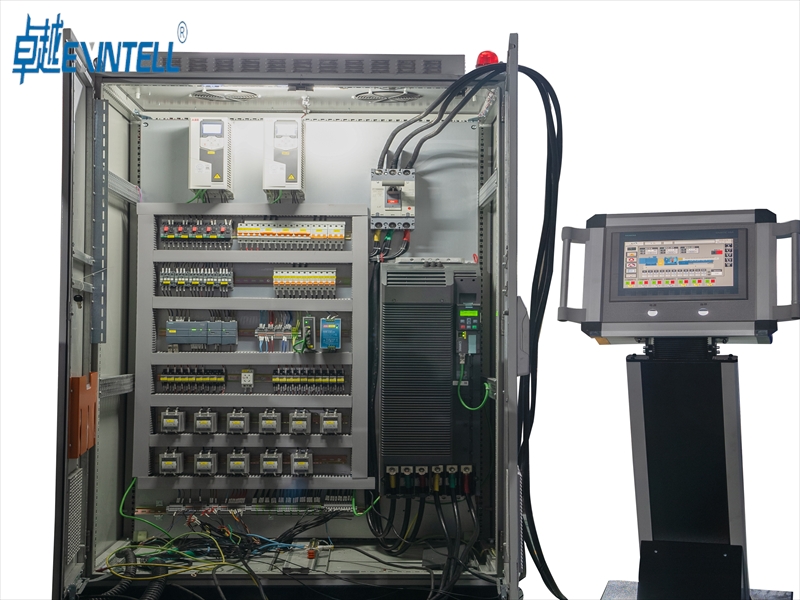
- E faaohipa te mau matini neneiraa hu'ahu'a i te mau rave'a aravihi no te faarahi i te vitiviti o te hamaniraa e no te tape'a i te huru maitai na roto i te mau rave'a faatere maramarama e te mau faanahoraa taa ê.
- E mea faufaa roa te oraraa tamau; E turu te mau matini roro uira i te mau hu'ahu'a e te mau hu'ahu'a na roto i te faaohiparaa i te mau tao'a e te mau rave'a faaho'i-faahou-raa.
- E faaiti te maitai o te ito i te mau haamau'araa na roto i te faaohiparaa i te faahanahanaraa maitai roa ' ' e, mau faatereraa motera, e te faaho'i-faahou-raa mai i te veavea, Te faariroraa i te mau matini ei mea au a'e e te hoohia.
- E faaiti te mau rave'a haaparareraa mana'o e te mau rave'a faatere maramarama i te mau hape e te taime haapiiraa, area te patururaa puai e te faaineineraa ra, e tauturu ïa i te mau matini ia tere maitai.
- Te mau huru mītini huru rau mai te pupuhiraa, te faaauraa i te veavea, PVC, e te horoa nei te mau matini faaho'i-faahou-raa mai i te mau huru taa ê no te pahono i te mau hinaaro e rave rahi o te ohipa tapihooraa.
- Te mau fare hamaniraa tauihaa, pereoo, e te feia e faaohipa ra i te mau taiete iti ma'iti i te mau matini i ni'a i to ratou mau hinaaro taa ê no te faito, te papû, Mea ohie roa ia faaohipa, e te tape'araa.
- E titau te hi'opoaraa i te mau matini ia hi'opoa i te aravihi, ti'aturi, Te mau tiairaa o te ohipa tapihooraa, mana'o o te taata faaohipa, e te moni taatoa no te fariiraa i te faufaa maitai roa a'e no te hoê tau maoro.
- Te ohipa apî e te R&D maitai mai te tauiraa, no te haavitiviti i te faahoturaa e te hi'opoaraa, te vai ra te mau matini modular e te mau faatereraa aravihi e te patururaa i te pae no te ravea apî.
Na te aha e faataa ê i te mau matini roro uira
Te mau rave'a haaparareraa parau
Nga whakahaere atamai
Ua rave te feia hamani i te mau haereraa i mua rahi i roto i te mau matini roro uira. I teie nei, e ohipa faufaa roa te mau faatereraa maramarama no te haamaitai i te hamaniraa. E faaohipa teie mau faanahoraa i te mau algorithme maramarama no te hi'opoa e no te taui i te mau ravea haaparareraa i te taime mau. E fana'o te feia faatere i te mau faatereraa ohie o te faaohie i te faanahoraa e o te faaiti i te atâtaraa ia tupu te hape a te taata. Na roto i te tu'atiraa i te IoT e te AI-powered, e nehenehe te mau matini e faati'a ia ratou iho e e tape'a i te huru maitai. Te turu nei teie mau haereraa i mua i te tupuraa rahi o te mau ravea apî i roto i te ohipa hamaniraa tauihaa.
Te mau rave'a taa ê
Te vai ra i roto i te mau matini hu'ahu'a rahi roa te mau faanahoraa taa ê o te faaafaro i te taatoaraa o te ohipa hamaniraa. Ma te ineine automation e faati'a i te mau taairaa maitai e te mau rave'a haaparareraa, robots, e te tahi atu mau mauhaa tauturu. E rave rahi mau huru tao'a e te mau tao'a o te turuhia ra e te mau hoho'a matini roro uira, ma te faaohie i te feia hamani tao'a ia taui i te mau huru o te matete. Te faataa ra te mau hoho'a i muri nei i te mau matini aravihi roa a'e i te feia tata'u:
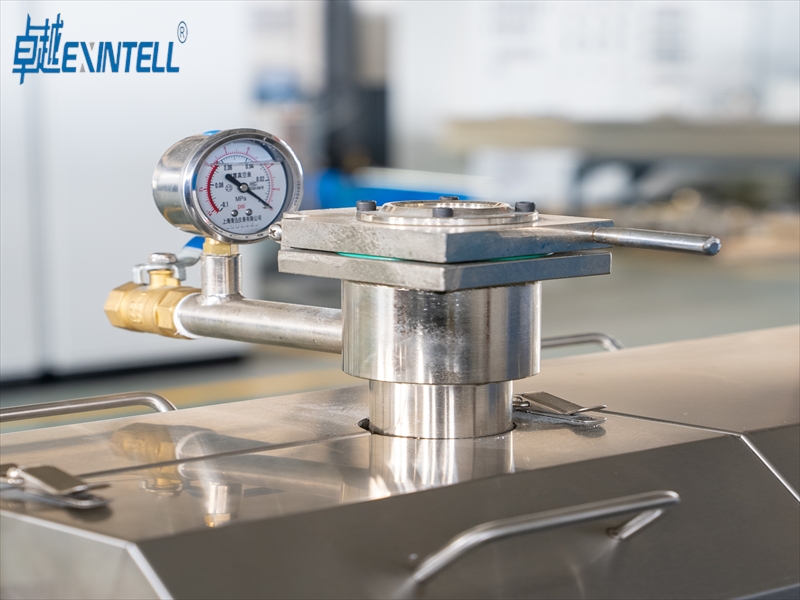
- Te mau rave'a faatere Servo no te faatere maitai i te tereraa
- Te mau rave'a faatere maramarama no te hi'opo'araa i te mau taime mau
- Te mau rave'a aravihi apî o te faaiti i te moni no te rave i te ohipa
- Te faaôraa i roto i te IoT no te raveraa i te mau faaotiraa tei niuhia i ni'a i te mau haamaramaramaraa
- Te mau reni hamaniraa tauihaa hope-e-hopea
Te tauturu nei teie mau haereraa i mua i te mau taiete ia pahono oioi i te mau tauiraa o te hinaaro e ia tapea i te faito teitei o te aravihi.
Te mau tao'a tamau
Te mau resin auhoa
Ua riro te faaohiparaa i te mau tao'a tamau ei tuhaa faufaa roa no te Te mau matini roro uira. I teie nei, te haamau nei te feia hamani i te mau hu'ahu'a e te mau hu'ahu'a biodegradable no te faaafaro i te mau fifi Te mau haape'ape'araa no ni'a i te mau mea e haaati ra ia tatou. E tu'ati teie tauiraa i te mau titauraa tumu e e pahono i te mau hinaaro o te feia hoo no te oraraa tamau. E horoa mai te mau matini i hamanihia no te faaau i te mau tao'a tamau i te hoê tuhaa fenua tata'uraa i ni'a i te matete. The adoption of these materials also supports broader trends in the plastics industry, such as the rise of bioplastics and the push for greener manufacturing practices.
Te faaitiraa i te mau hu'ahu'a
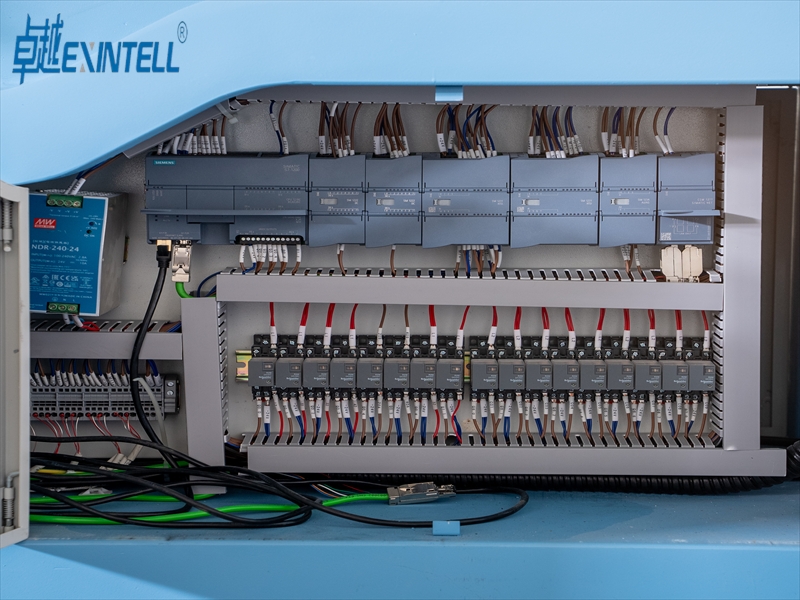
Waste reduction remains a key focus for companies seeking to improve sustainability. Advanced machines incorporate features that minimize scrap and optimize material usage. Automation ensures precise dosing and mixing, which reduces excess waste. Efficient processing not only lowers production costs but also enhances the environmental profile of the finished product. As sustainability becomes more important to buyers, machines that support waste reduction gain greater market appeal.
Te aravihi o te ito
Low Power Consumption
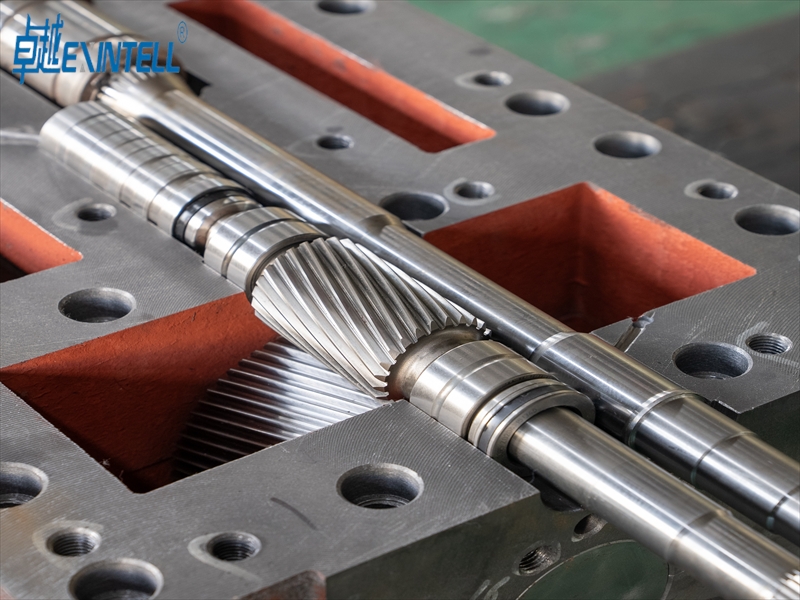
Energy efficiency stands out as a critical differentiator among plastic compound machines. E rave rahi mau haereraa i mua ta te feia hamani tao'a i rave no te faaiti i te faaohiparaa i te uira e no te haamaitai i te aravihi. Te faaite nei te tabula i muri nei i te mau vahi faufaa roa o te ito e to ratou mau faahopearaa i ni'a i te faaohiparaa i te ito:
| Te vahi no te ito | Tuʻaroʻa | Te mau faahopearaa o te faaohiparaa i te ito |
|---|---|---|
| Te hutiraa / Te hoho'a teata | Te vai ra te mau mauhaa faahanahana, mau motera, e te poheraa. | E tae roa'tu i te 50% o te ito taatoa o te fare hamaniraa tauihaa |
| Te toetoe | E faaohipa i te mau chillers, Te mau matini roro uira, e te feia here. | Te faaohiparaa rahi i te ito |
| Te faaohiparaa i te mau materia | Te vai ra te mau rave'a vacuum, mixers, e te mau dryers. | Te tauturu ra te reira i te faaohiparaa i te ito |
| Te taamuraa & Te tapa'oraa | E mau ravea faahanahana e te mau matini. | E faaino te reira i te maitai o te ito |
| Te maramarama & HVAC | E ohipa te faaohiparaa i te ito i ni'a i te faito o te fare. | Mea faufaa roa no te faaohiparaa i te ito taatoa |
E rave rahi mau haereraa i mua tei pahono i teie mau fifi na roto i te feia hamani:
- Te mau haamaitairaa i te pae no te faahanahana, mai te mau mauhaa tata'itahi, e nehenehe e faaiti i te faaohiparaa i te ito e tae roa ' tu i te 40%.
- E faarahi te hoê hoho'a hi'o aravihi i te aravihi no te re'are'a e e faaiti i te hopoia o te motera.
- Ia au i te hinaaro, e taui te mau pu auau taa ê i te vitiviti o te motera, ma te ape i te mana titau - ore - hia.
Te faahopearaa maitai
E mea faufaa roa te mau faahopearaa maitai no te tapea i te tata'uraa i roto i te ohipa hamaniraa tauihaa. Te faaohipa nei te mau taiete Te mau compressor vitiviti e te tereraa o te pape no te haamau i te anuvera o te hoho'a teata. E faaiti te mau ravea faaheporaa e te iteraa aunoa i te taheraa toto i te ereraa i te ito. No te faahanahana i te mau tao'a mata, e haru te tahi mau matini e e faaohipa faahou i te veavea no roto mai i te mau ravea haapurororaa e te mau matini roro uira. E faaiti teie mau haereraa i mua i te mau haamâu'araa e e paturu i te huru no te hamaniraa i te ito.
Parau: Te Te rahi noa ' tura te hinaaro i te mau hu'ahu'a i roto i te pereoo, te tapo'iraa, e te faatupu nei te mau tao'a hoo i te hinaaro i te mau matini o te faaohipa i te automation, Fa’ahei, e te aravihi. Te feia hamani tao'a o te tuu nei i te moni i roto i teie mau haereraa i mua, e faariro ïa ratou ia ratou iho ei feia faatere i roto i te matete o te taui nei.
Te iteraa i te taata faaohipa
Hoho'a mata'ita'i
Te tuu nei te feia hamani matini roro uira rahi roa ' ' e i te moni i roto i te paturaa o te mau hoho'a. Ua ite ratou e e faatitiaifaro te hoê faanahoraa maramarama e te ohie i te mau hape e e faarahi i te hotu. E faaohipa te mau taata faatere i te mau touchscreens o te faaite i te mau haamaramaramaraa i te mau taime mau, Ti'araa o te mītini, e te mau a'oraa no te faatitiaifaro i te mau fifi. E pinepine teie mau mata i te faaohipa i te mau tapa'o tae e te mau tapa'o ohie no te aratai i te feia e faaohipa ra i te mau taahiraa atoa.
E mau papa'i parau tata'itahi to te mau matini no teie tau. No te faaite i te mau haamaramaramaraa faufaa roa ' ' e no ta ratou mau ohipa, e nehenehe te feia e faaohipa ra e taui i te mau faanahoraa. E tauturu teie tauiraa i te feia faatere apî e te aravihi ia rave maitai i te ohipa. E horoa te tahi mau faanahoraa i te turu na roto i te mau reo rau, o te faaitoito i te mau pǔpǔ o te ao nei.
Tāuru: E nehenehe te hoê faanahoraa papa'i-maitai-hia e faaiti i te taime no te haapiiraa e e faaiti i te mau hape rahi i ni'a i te tahua hamaniraa.
Te faatumu atoa nei te feia hamani i te mau ravea hamaniraa tauihaa. Te mau pato'i rahi, mau faatereraa tape'araa pahono, e te mau faanahoraa o te tahua itenati e faaohie i te tereraa. Te haapapu ra teie mau huru e e nehenehe te feia faatere o te mau faito aravihi atoa e faatere i te mau ohipa fifi ma te tiaturi.
Te patururaa e te faaineineraa
E tuhaa faufaa roa ta te patururaa e te faaineineraa i roto i te ite o te taata faaohipa. E horoa te mau tapao aravihi i te mau ravea taa ê no te tauturu i te feia e faaohipa ra ia fana'o rahi i ta ratou mau ravea. I roto i teie mau rave'a, te vai ra:
- Te mau arata'iraa video e te mau haapiiraa i ni'a i te itenati
- Te mau buka arata'i nene'ihia taahiraa-i-taahiraa
- Te mau tuhaa pureraa faaineineraa i ni'a i te tahua itenati tei arata'ihia e te feia aravihi i te pae no te rave'a aravihi
- 24/7 patururaa i te pae no te rave'a aravihi na roto i te niuniu, Ōrero, e aore râ, te rata uira
E rave rahi mau taiete e horoa ra i te mau hi'opoaraa atea. No te faatitiaifaro i te mau fifi e no te faaapî i te mau ravea apî, e nehenehe te feia aravihi e faaohipa i te mau ravea apî na roto i te Internet. E faaiti teie taviniraa i te taime no te faaea e e tapea i te hamaniraa ia tere maitai.
I roto atoa i te hoê faanahoraa patururaa puai, te vai ra te mau faaauraa tamau o te mau ravea roro uira. E faaô mai teie mau faaauraa i te mau huru apî, haamaitai i te parururaa, e tata'i i te mau fifi. Te tauturu nei te feia hamani tao'a o te haamau i te faaineineraa tamau e te turu i te feia e faaohipa ra ia farii i te mau ravea aravihi apî e ia tapea i te hotu rahi.
Parau: Te mau taiete o te tuu nei i te moni i roto i te mau rave'a haaparareraa parau e te mau rave'a paturu puai, ua faataa ê ïa ratou ia ratou iho i roto i te matete o te mau matini hu'ahu'a. E horo'a ratou i te mana i te mau faatere, faaiti i te mau hape, e te faarahiraa i te taime no te mītini.
Te faaauraa o te mau hi'oraa rahi: Te mau huru mītini hu'ahu'a
Te mau matini faahoho'araa
Te mau hoho'a automation
Ua tupu oioi noa te mau ravea hamaniraa tauihaa aita i maoro a'enei. I teie nei, te vai ra te mau hi'oraa maitai automation aravihi o te faarahi i te aravihi no te hamaniraa e o te faaiti i te ohipa a te rima. Te mau tauiraa aunoa, hi'opo'araa i te taime mau, e te mau rave'a no te faatere i te mau rave'a haaparareraa e faati'a i te mau rave ohipa ia tape'a i te mau faahopearaa e te mau tao'a maitai roa. I roto e rave rahi tupuraa, te vai ra i roto i teie mau matini te mau rave'a servo-driven o te haamaitai i te vitiviti e te parau-ti'a. E rave rahi mau hi'oraa maitai roa ' ' e o te turu atoa ra i te amuiraa ' tu i te mau faanahoraa hamaniraa tauihaa maramarama, te faati'araa i te tauiraa o te mau haamaramaramaraa e te mau hi'opo'araa atea. Te tauturu nei teie faito automation i te feia hamani ia pahono oioi i te mau hinaaro o te hamaniraa e ia tapea i te aravihi maitai roa ' ' e o te matini.
Te taairaa o te Resin tamau
Ua riro te oraraa tamau ei mea faufaa roa no te feia hamani matini roro uira. E turu te mau hoho'a apî roa a'e i te mau huru hu'ahu'a e rave rahi, e tae noa'tu i te PET, Te mau hu'ahu'a niuhia i ni'a i te bio, e te mau tao'a e nehenehe e ino. Maoti teie taairaa, e nehenehe te mau taiete e faaî i te mau titauraa a te ture e te mau hinaaro o te feia hoo no te mau tao'a matomato a'e. Machines with advanced resin handling systems ensure precise dosing and mixing, which minimizes waste and supports high-quality output. By choosing models that handle sustainable resins efficiently, manufacturers can reduce their environmental impact while maintaining strong performance.
Plastic Thermoforming Machine
Best Plastic Thermoforming Machine for 2026
The search for the best plastic thermoforming machine for 2026 centers on several critical factors. Top manufacturers of plastic thermoforming machines focus on delivering high-speed production, te faatereraa papu i te anuvera, and robust forming pressure. The best plastic thermoforming machine combines rapid cycle times with energy-efficient heating systems. These models often feature modular tooling platforms, allowing quick changeovers and flexible production runs. In a comparison of leading models, the best plastic thermoforming machine stands out for its ability to process a wide range of materials, including recycled and bio-based plastics. This versatility supports trends and innovations in thermoforming, such as lightweight packaging and custom product designs.
Manufacturers also prioritize user-friendly interfaces and advanced safety features. The best plastic thermoforming machine for 2026 offers intuitive touchscreen controls, real-time diagnostics, e te mau rave'a no te hi'opo'a i te atea. These features help operators maintain consistent machine performance and minimize downtime. Ei faahopearaa, companies can achieve higher production efficiency and meet the growing demand for sustainable packaging solutions.
Smart Tooling Innovations
Smart tooling represents a major advancement in plastic thermoforming technology. I teie nei, te vai ra i roto i te mau hi'oraa matamua te mau ravea ite e te mau ravea o te hi'opoa i te faaheporaa, mā'i'i, e te matotoraa o te mau tao'a i te taime mau. Maoti teie mau ravea apî, e nehenehe e faatere maitai i te huru o te thermoforming, e faatupu te reira i te hoê huru maitai o te mau tao'a e te faito o te mau hu'ahu'a. I roto atoa i te mau rave'a e te mau rave'a apî i roto i te thermoforming, te vai ra te mau rave'a tauiraa oioi, o te faati'a i te feia faatere ia taui i rotopu i te mau hoho'a tao'a ma te iti roa te taime.
Te tuu nei te feia hamani rahi roa ' ' e o te mau matini roro uira i te moni i roto i te mau ravea aravihi apî e te mau ravea haapurororaa. E faaohipa teie mau faanahoraa i te mau hi'opoaraa haamaramaramaraa no te tohu i te ahu e no te haamaitai i te mau faanahoraa haamau, te haapapûraa i te aravihi o te mītini. Eita te mau rave'a aravihi e haamaitai noa i te aravihi, e turu atoa râ te reira i te hamaniraa i te mau hoho'a fifi e te mau papa'iraa taa maitai. A tupu ai te matete, the best plastic thermoforming machine will continue to leverage these innovations to deliver superior results.
PVC Extrusion Machines
Te mau tao'a
PVC extrusion machines demonstrate exceptional material versatility and adaptability. Manufacturers use these machines across many industries due to their ability to produce custom profiles in various colors, te mau rahi, and formulations. The following list highlights the diverse applications of PVC extrusion machines:
- Aito: Te mau tautu'a matapihi, mau tapa'o uputa, and siding benefit from weather resistance and insulation properties.
- Plumbing and Irrigation: Durable pipes and fittings for water supply and agricultural irrigation rely on PVC’s corrosion resistance.
- Te pereoo: Flexible PVC profiles create seals, mau hu'ahu'a, e te tata'uraa, offering lightweight durability for vehicles.
- Te uira: Cable conduits and insulation channels protect wiring, utilizing flame-retardant properties.
- Fa'ahoro: Sterilizable tubing for fluid transfer meets stringent FDA requirements.
- Retail and Signage: Custom profiles for display frames and point-of-sale structures, enhanced by custom color and texture options.
The ability to produce custom profiles ensures that PVC extrusion machines can meet the unique demands of each industry. This adaptability makes them a top choice for manufacturers seeking flexibility in production.
Output Efficiency
Output efficiency serves as a key benchmark in the comparison of leading models of PVC extrusion machines. Manufacturers evaluate several performance metrics of PVC extrusion machines to determine the best PVC mǎtini hutiraa for their needs.
| Benchmark Type | Tuʻaroʻa |
|---|---|
| Te faito hopea | Measures the volume of PVC produced per unit time, indicating productivity levels. |
| Te aravihi o te ito | Evaluates the energy consumption relative to output, mea faufaa roa no te hi'opo'araa i te mau haamau'araa. |
| Te huru re'are'a | E hi'opoa i te huru o te PVC, te ohipa i nia i te mau huru o te tao'a hopea. |
| Te vai-maitai-raa o te ohipa | E hi'opoa i te tanoraa o te ohipa hutiraa, te faainoraa i te ti'aturiraa e te aravihi. |
Te faatupu nei te ito i te 60-70% o te mau haamâu'araa, ma te ore e faaô atu i te mau tao'a mata. I te roaraa o te taime, e nehenehe te hoê mǎshini e hoo iti a'e to ' na, tera râ, te faaohipa rahi a'e i te ito, e faatupu i te mau haamâu'araa rahi a'e. E nehenehe te matini PVC maitai roa ' ' e e faaohipa i te hoê ito taa ê i raro nei 0.20 kWh/kg no te hamaniraa i te hoê paipa PVC. E fana'o te feia hamani tao'a o te faatumu nei i ni'a i te mau faahopearaa maitai roa e te mau huru ohipa papû i te hoê tapa'o tata'uraa i ni'a i te matete.
Tāuru: Ia faaau ana'e tatou i te mau hi'oraa, No te faarahi i te moni haaputuraa e te aravihi no te hamaniraa i te mau tao'a, a hi'opo'a i te faito o te hutiraa e te aravihi o te ito.
Te haamau noa ra te mau matini PVC i te mau titauraa a te ohipa tapihooraa no te vitiviti, ti'aturi, e te aravihi i te taui. Their ability to deliver consistent output and meet diverse production requirements makes them essential in modern manufacturing.
Plastic Recycling Machines
Shredding and Washing Capabilities
Plastic recycling machines play a vital role in the circular economy. They transform waste into valuable resources for new products. Leading machines stand out because they combine robust shredding and advanced washing systems. These features ensure that recycled materials meet strict quality standards for reuse in industries like packaging, pereoo, and construction.
Operators use shredders to break down large plastic items into smaller flakes. This step prepares the material for further processing. Specialized shredders handle a variety of plastics, including drums, hoho'a teata, and pipes. Some advanced models, such as Vecoplan’s VDZ, A amui i te vavahiraa e te huri i roto i te hoê noa vahi. E faarahi teie amuiraa i te aravihi e e faatitiaifaro i te taime no te hamaniraa.
E faaore te mau reni horoi i te mau mea ino i roto i te mau hu'ahu'a. E arata'i te mau tao'a mâ i te mau tao'a faaho'i-faahou-hia mai te huru maitai a'e. E faaohipa te mau faanahoraa horoi ahu no teie tau i te mau ati no te afai i te mau hu'ahu'a na roto i te mau taahiraa tamâraa e rave rahi. Te mau washers, te mau washer veavea, e te mau pahi tama'i i ni'a i te pape, e tapa'o ïa i te mau huru repo e te toea e rave rahi. I teie nei, te horoa nei te tahi mau taiete hamani tao'a i te mau ravea horoiraa pape aita e pape. E tauturu teie mau ravea apî ia faaiti i te faaohiparaa i te pape e ia faaiti i te mau haamâu'araa.
Te haapapu ra te tabula i raro nei i te mau huru rahi o te te mau rave'a no te vavahi e te horoiraa i roto i te mau matini faaho'i-faahou-raa:
| Ata | Tuʻaroʻa | Parau |
|---|---|---|
| Te mau shredders | A vavahi i te mau hu'ahu'a rahi ei mau hu'ahu'a. | Te faaineine ra i te mau hu'ahu'a no te mau taahiraa faaho'i-faahou-raa i muri iho. |
| Te mau reni horoi | A tamâ i te mau hu'ahu'a faaohipa-faahou-hia no te faaore i te mau mea ino ma te faaohipa i te mau ati. | Haapapu i te mau tao'a faaho'i-faahou-hia mai te huru teitei. |
Tāuru: Te tauturu nei te mau ravea horoiraa e te vavahiraa taa ê i te feia hamani ia pahono i te hinaaro rahi i te mau tao'a mâ, Te mau tao'a faaho'i-faahou-hia teitei i roto i te mau matini pvc e te mau faaohiparaa thermoforming.
Te mau maitiraa
Te taahiraa hopea o te ohipa faaho'i-faahou-raa, o te pelletizing ïa. E taui te reira i te mau hu'ahu'a hu'ahu'a mâ ei mau pellets hoê â huru. E faaohipahia teie mau hu'ahu'a ei mau tao'a mata no te mau matini roro uira pvc, Te mau reni hutiraa, e te mau rave'a thermoforming. E ohipa oioi te huru o te pelletizing i nia i te faufaaraa e te faaohiparaa i te mau hu'ahu'a faaho'i-faahou-hia.
Ia au i to ratou mau hinaaro no te hamaniraa, e maiti te feia hamani i te mau ravea hamaniraa tauihaa. Te haamaitai nei te mau reni pelletizing i te viivii ore o te mau tao'a. E faatupu te viivii ore rahi a'e i te mau hooraa maitai a'e e te hoê faaho'iraa oioi a'e i nia i te moni. E faarahi atoa te mau faanahoraa pelletizing i te aravihi o te ito e e paturu i te mau faahopearaa no ǒ mai i 500 a 3,000 kg i te hora. E pahono teie faanahoraa i te mau hinaaro o te mau fare hamaniraa tauihaa nainai e te rahi.
E ohipa te maitiraa i te faanahoraa pelletizing i nia i te mau haamâu'araa matamua. E nehenehe te mau hoo e taui mai te $25,000 a $150,000. E tia i te feia faatere ia faaau i te moni e te ohipa. I roto e rave rahi tupuraa, e horoa te mau faanahoraa taa ê i te mau faaherehereraa ito maitai a'e e te mau faahopearaa rahi a'e. No teie mau maitai, ua matau - maitai - hia ratou i roto i te mau fare hamaniraa tauihaa o te tiaturi ra i nia i te mau matini pvc e te mau ravea haaparareraa.
I roto i te mau maitai rahi o te mau maitiraa pelletizing aravihi, te vai ra:
- Te haamaitairaa i te viivii ore o te mau tao'a no te faaohipa i roto i te mau matini pvc e te mau reni thermoforming.
- Te haamaitairaa i te faaohiparaa i te ito, te faaitiraa mai i te mau haamâu'araa taatoa no te hamaniraa.
- Te faito o te mau hu'ahu'a no te faaau i te mau faito hamaniraa e rave rahi.
- Te tu'atiraa e te mau huru hu'ahu'a e rave rahi, e tae noa'tu i te pvc e te mau tao'a taa ê.
Parau: Te paturu nei te mau hu'ahu'a teitei no roto mai i te mau matini faaho'i-faahou-raa mai i te hamaniraa tauihaa tamau. E nehenehe ta ratou e faaohipa i te mau mea e faaohipa-faahou-hia i roto i te mau matini pvc apî, Te mau reni hutiraa, e te mau tao'a thermoforming.
A faaohipa i te hi'opo'araa: Te mau fare hamaniraa tauihaa, Te pereoo, Fare
Te mau faaohiparaa i te pae no te ohipa tapihooraa tauihaa
Ha'utiraa teimaha
E titau te mau vahi hamaniraa tauihaa i te mau matini hu'ahu'a o te horoa i te ohipa puai e te tiaturiraa. E pinepine te feia hamani i te maiti i te mau ravea hamaniraa tauihaa e te mau ravea hamaniraa tauihaa no to ratou aravihi no te faatitiaifaro i te mau hinaaro no te hamaniraa i te mau buka rahi. E faaohipa teie mau matini i te mau pvc e te tahi atu mau hu'ahu'a rahi, te fana'oraa i te mau faahopearaa papû noa ' tu e te tamau noa ra te ohipa. E turu te mau reni faahororaa teimaha i te hamaniraa i te mau hoho'a fifi e te mau api parau, āre'a Te mau rave'a thermoforming aravihi A hamani i te mau hu'ahu'a papu no te tapo'iraa e te paturaa. No te pahono i te mau titauraa a te feia hoo tao'a, e mea faufaa roa noâ te hamaniraa hoho'a vitiviti e te huru maitai roa.
Te faito
Scalability plays a critical role in industrial settings. Companies require machines that can adapt to changing production needs and market growth. The following features enable plastic compound machines to scale effectively:
- Injection molding supports the creation of complex geometries with tight tolerances, which is vital for robotics and automation.
- The process remains highly repeatable, ensuring consistent quality across large production runs.
- High-speed production allows thousands of identical parts to be manufactured quickly, meeting increased demand.
- Optimized mold design reduces tooling costs through simulation and prototyping.
- Expertise in material selection ensures the right plastics or composites are used for each application.
- Manufacturing capabilities in multiple regions support high-quality production for global markets.
Ma te faaohipa i te mau matini neneiraa e te mau matini thermoforming e te mau hoho'a modular, e nehenehe te feia hamani e faarahi i te aravihi mai te peu e e titauhia. Maoti teie tauiraa, e nehenehe te mau reni hamaniraa e tupu i nia i te mau hinaaro o te ohipa tapihooraa.
Te tuhaa fenua no te mau pereoo
Te papû e te papû
Te faatumu nei te ohipa hamaniraa tauihaa pereoo i nia i te mau matini o te horoa mai i te mau hi'opoaraa papu e te au noa. E hamanihia mai te mau hoho'a i roto i te mau rave'a thermoforming e te extrusion, pae, e te mau tuhaa i raro a'e i te ahu e te mau faataaraa papû. Ma te papu maitai i roto i te hamaniraa, te tuea ra te mau tuhaa atoa i te mau titauraa parururaa e te huru maitai. E tauturu te mau faatereraa aunoa e te hi'opo'araa i te mau taime mau ia tape'a i te mau faaoromai, te faaitiraa i te atâtaraa ia tupu te mau hape.
Te mau materia
E ohipa te mau tao'a i nia i te maitiraa o te mītini no te hamaniraa i te mau pereoo. E hi'opoa te feia aravihi i te mau matini e nehenehe e faaohipa i te mau tao'a taa ê, mai te pvc, Te mau tao'a, e te mau hu'ahu'a taa ê. Te faariro nei ratou i te mau huru matini mai te puai e te etaeta, e tae noa'tu i te pato'iraa i te mau tao'a tahi e te ve'ave'a. E arata'i atoa te mau rave'a hamaniraa tauihaa e te vai - maitai - raa o te mau rave'a haaparareraa i te mau faaotiraa. Na roto i te maitiraa i te ravea tano aore ra te ravea thermoforming, e haapapu te reira i te aravihi maitai roa ' ' e o te tao'a, te moni, e te auraroraa i te mau ture o te ohipa tapihooraa tauihaa.
Te fare e te ohipa tapihooraa nainai
Mea ohie roa ia faaohipa
Fare Te tuu nei te feia faaohipa e te mau taiete iti i te mau ravea ohie roa ia faaohipa e ia haapao i te mau ravea apî. E horoa te mau matini roro uira e te mau ravea thermoforming i te mau faatereraa ohie e te mau haamauraa oioi. I roto e rave rahi tupuraa, te vai ra i roto i teie mau hoho'a te mau mata'i rorofai e te mau faaueraa maramarama, ma te faaohipa i te reira no te feia faatere e ite iti to ratou i te pae no te mau rave'a aravihi. E turu te aravihi no te taui i rotopu i te pvc e te tahi atu mau tao'a i te mau hinaaro hamaniraa e rave rahi, mai te mau tao'a tahi matauhia e tae atu i te hamaniraa tauihaa nainai.
Te mau hinaaro no te tape'araa
Maintenance requirements significantly affect usability for small businesses. The table below outlines key aspects:
| Fa'ahiti'ira'a | Te faufaa |
|---|---|
| Regular Maintenance | Ensures machines operate efficiently and reliably. |
| Service and Spare Parts | Minimizes downtime and maintains continuous production. |
| Reliable Service Network | Provides expert consultation and fast spare-parts supply, crucial for small businesses. |
A reliable service network and easy access to spare parts help small businesses maintain high efficiency. Regular maintenance keeps extrusion and thermoforming machines running smoothly, supporting ongoing production needs without costly interruptions.
Tāuru: Small businesses should choose machines with straightforward maintenance routines and strong manufacturer support to maximize uptime and efficiency.
Key Criteria for Evaluating Plastic Compound Machines
Technology and Automation
Nga whakahaere atamai
Smart controls have become a standard in modern plastic compound machines. These systems use artificial intelligence to manage extrusion, te faaauraa i te veavea, and pvc processing. Operators can monitor every stage of production with real-time data. Smart controls suggest automatic corrections when they detect process deviations. This technology improves efficiency and reduces waste. Many machines now feature touchscreens that display key metrics for extrusion and thermoforming. These controls help operators maintain consistent quality in pvc products. Smart controls also support remote monitoring, which allows technicians to troubleshoot extrusion and thermoforming lines from anywhere.
Integration Capabilities
Integration capabilities set leading machines apart. Manufacturers design their equipment to connect with other systems on the factory floor. Moekara, extrusion and thermoforming machines can link with robotics, te mau rave'a haaparareraa, and quality inspection tools. This integration streamlines pvc production and reduces manual handling. Companies often form strategic partnerships to enhance their technology offerings. They invest in research and development to improve extrusion and thermoforming integration. A strong market presence and customer focus drive these innovations. Integration capabilities ensure that extrusion, te faaauraa i te veavea, and pvc machines work together for maximum efficiency.
Efficiency and Sustainability
Te faaohiparaa i te ito
Energy consumption remains a top concern for manufacturers. Advanced extrusion and thermoforming machines use energy-saving motors and optimized heating systems. These features lower the power needed for pvc processing. Efficient machines reduce operating costs and support sustainability goals. Many extrusion and thermoforming lines now include sensors that adjust energy use based on production needs. This approach prevents energy waste during low-demand periods. Companies that invest in energy-efficient extrusion and thermoforming equipment gain a competitive edge.
Te faaitiraa i te mau hu'ahu'a
Waste reduction plays a vital role in sustainable manufacturing. Modern extrusion and thermoforming machines minimize scrap by using precise dosing and mixing systems. These machines process pvc and other materials with high accuracy. Automation ensures that only the required amount of material enters the production line. This reduces excess pvc and improves overall efficiency. Some extrusion and thermoforming systems recycle scrap directly back into the process. This closed-loop approach supports zero-waste goals and lowers raw material costs.
Tāuru: Choosing machines with advanced waste reduction features helps companies meet environmental regulations and improve their public image.
Versatility and Adaptability
Material Range
Versatility in material range increases the value of plastic compound machines. Leading extrusion and thermoforming equipment can process a wide variety of materials, including pvc, Te mau hu'ahu'a faaho'i-faahou-hia, e te mau tao'a taa ê. This flexibility allows manufacturers to switch between different products without major retooling. Moekara, an extrusion line might produce pvc pipes in the morning and switch to custom profiles in the afternoon. Thermoforming machines can handle both rigid and flexible sheets, expanding their use in packaging and automotive applications.
Ngā ma'itiraa
Customization options enhance adaptability. Manufacturers can configure extrusion and thermoforming machines with different injection units, clamping mechanisms, and tooling setups. This adaptability supports unique production requirements for pvc and other materials. Flexible machines allow companies to respond quickly to market changes. They can explore new product designs and enter new markets with minimal investment. Customization leads to improved productivity, higher efficiency, and cost savings.
Parau: Versatile and adaptable machines help manufacturers stay competitive by meeting diverse customer needs and adjusting to industry trends.
Te moni e te faufaa
Te tuuraa moni matamua
Buyers of plastic compound machines face a wide range of initial investment costs. Te price of a single machine can start at $5,000 for basic models and reach $150,000 no te mau faanahoraa aravihi. Complete recycling lines often exceed $500,000. The cost of extrusion equipment for pvc depends on automation features, filtration quality, and the country of manufacture. Te mau shredders, which play a key role in pvc recycling, mai te $10,000 a $80,000. When evaluating extrusion or pvc machines, buyers should look beyond the sticker price.
A table helps clarify the additional costs involved:
| Cost Item | Estimated Range |
|---|---|
| Tauturu mau | $240 – $2,400 |
| Faautaraa | $180 – $1,200 |
| Refurbishment | $12 – $6,000 |
| Faaineineraa i te taata faatere | $120 – $600 |
These expenses add to the total investment for extrusion and pvc machinery. Buyers should focus on the total cost per ton of clamping force and expected production capacity. A reliable extrusion or pvc machine often delivers better value than a cheaper, less dependable option.
Tāuru: Buyers should compare multiple suppliers and models, request detailed inspection reports, and negotiate warranty terms alongside price.
ROI tau maoro
Long-term return on investment (ROI) matters as much as the initial price. Reliable extrusion and pvc machines reduce downtime and maintenance costs. High-quality machines support consistent production, which leads to higher profits over time. Automation in extrusion and pvc systems can lower labor costs and improve energy efficiency. Buyers should consider the total cost of ownership, e tae noa'tu i te mau hu'ahu'a, service contracts, and energy use.
A structured approach helps buyers maximize value:
- Focus on machines that offer strong after-sales support.
- Evaluate the expected lifespan of extrusion and pvc equipment.
- Consider resale value when upgrading to newer models.
A reliable extrusion or pvc machine may cost more upfront but often pays off through lower operating costs and higher output.
Te iteraa i te taata faaohipa
Hoho'a mata'ita'i
User experience shapes the effectiveness of extrusion and pvc machines. Leading manufacturers design interfaces that are easy to understand and operate. Touchscreen controls display real-time data for extrusion and pvc processes. Operators can monitor temperature, Pouhōʻā, and speed during production. Customizable dashboards allow users to focus on the most important metrics for their extrusion or pvc application.
A well-designed interface reduces training time and minimizes errors. Color-coded alerts and simple icons guide operators through each step. Multi-language support ensures that global teams can use extrusion and pvc machines efficiently.
Te patururaa e te faaineineraa
Support and training play a crucial role in the selection of extrusion and pvc equipment. Buyers should use a structured checklist to evaluate a supplier’s technical and logistical capabilities. Asking the right questions reveals the supplier’s processes and expertise. Testing a supplier’s willingness to partner, not just provide parts, improves the user experience and builds long-term relationships.
Manufacturers who offer comprehensive training and responsive support help buyers get the most from their extrusion and pvc machines. On-site training, online tutorials, e 24/7 technical assistance keep production running smoothly. Regular software updates and remote diagnostics further enhance the value of extrusion and pvc equipment.
Parau: A strong focus on user experience ensures that extrusion and pvc machines deliver reliable performance and long-term satisfaction.
Testing and Selection Process for Leading Models
Evaluation Methodology
Performance Testing
Manufacturers use a structured approach to evaluate plastic compound machines. They focus on how each machine handles extrusion and pvc processing. Mechanical property testing forms the foundation of this process. Engineers measure tensile strength, flexural properties, te pato'iraa, compression, and hardness. These tests reveal how well a machine can process pvc and other materials under different conditions.
Advanced material characterization also plays a key role. Teams assess hyperelastic behavior, fatigue life, creep resistance, and environmental stress response. Specialized testing for composite materials includes fiber-matrix adhesion and interlaminar shear strength. These steps ensure that extrusion and pvc machines can handle complex materials and demanding applications.
Temperature control accuracy and dispersion uniformity receive close attention. Engineers monitor torque and energy consumption during extrusion. They check operational ease and maintenance costs. Te mau tao'a, including filling rate, viscosity, and fiber content, helps determine if a machine can adapt to a wide range of pvc formulations.
Reliability Assessment
Reliability assessment ensures that extrusion and pvc machines deliver consistent results over time. Teams run machines through extended cycles to observe performance under continuous operation. They evaluate machine adaptability to complex materials and changing production needs. Modular design and screw customization allow for quick adjustments and repairs. Precision temperature control supports stable extrusion and pvc processing.
Production capacity and delivery time also factor into reliability. Machines must meet deadlines without sacrificing quality. Cost performance, or the balance between price and output, helps buyers choose the best extrusion and pvc equipment for their needs.
Selection Criteria
Te mau titauraa no te ohipa tapihooraa
Industry standards guide the selection of leading extrusion and pvc machines. Certifications from recognized organizations confirm that machines meet safety and quality requirements. Engineers look for machines with proven track records in extrusion and pvc processing. Modular design and screw customization support compliance with evolving standards. Precision temperature control and high production capacity ensure that machines can handle large-scale extrusion and pvc projects.
A table summarizes key selection criteria:
| To'etoe | Te faufaa |
|---|---|
| Ngā tiwhikete | Confirms compliance with industry standards |
| Hoho'a Modular | Supports flexibility and upgrades |
| Screw Customization | Enhances material compatibility |
| Precision Temperature | Ensures consistent extrusion and pvc output |
| Te aravihi no te hamaniraa | Meets project demands |
User Feedback
User feedback provides valuable insights during the selection process. Customer testimonials highlight real-world experiences with extrusion and pvc machines. Buyers consider after-sales support, including training and technical assistance. Operational ease and maintenance costs influence long-term satisfaction. Companies that offer strong support and responsive service stand out in the extrusion and pvc market.
Tāuru: Listening to user feedback helps manufacturers improve machine design and address common challenges in extrusion and pvc processing.
Recommendations for Different User Needs
Best for Large-Scale Manufacturing
Large-scale manufacturers require machines that deliver faahopearaa teitei, ti'aturi, e te tauiraa. They often operate in industries such as packaging, aito, e te mau tao'a hoo. These companies benefit from machines with advanced automation and integrated quality control. High-capacity blow molding and extrusion lines support continuous production. Modular designs allow for easy expansion as demand grows.
Key features to consider include:
- Automated material handling systems
- Real-time process monitoring
- Energy-efficient heating and cooling
- Remote diagnostics and predictive maintenance
A table below summarizes the top priorities for large-scale manufacturing:
| Priority | Fa'ahau |
|---|---|
| Te mau faahopearaa teitei | Meets large order volumes |
| Automation Integration | Reduces labor costs |
| Te aravihi o te ito | Lowers operational expenses |
| Te faito | Supports business growth |
Tāuru: Companies should choose suppliers with strong after-sales support and global service networks to minimize downtime.
Best for Automotive Production
Automotive manufacturers need machines that deliver precision, matamata'i, e te mau tao'a materia. They produce parts that must meet strict safety and quality standards. Thermoforming and extrusion machines play a major role in creating interior panels, pae, and under-the-hood components. Te mau mītini e advanced controls ensure tight tolerances and repeatable results.
Important considerations for automotive applications:
- Compatibility with engineering plastics and composites
- Advanced process controls for consistent quality
- Quick-change tooling for flexible production
- Compliance with industry certifications
Automotive companies often select machines that support both prototyping and mass production. This approach allows them to innovate while maintaining efficiency.
Parau: Manufacturers should evaluate machine suppliers based on their experience with automotive projects and their ability to provide technical support.
Best for Small Businesses
Small businesses and startups look for machines that are easy to use, pōpō riro, and require minimal maintenance. Compact extrusion and thermoforming machines fit well in limited spaces. User-friendly interfaces and clear instructions help operators with little technical experience. Machines with quick setup and changeover features allow small businesses to produce a variety of products without long delays.
Key factors for small business buyers:
- Low initial investment
- Simple maintenance routines
- Reliable service and spare parts availability
- Flexibility to handle different materials
A checklist for small business machine selection:
- Is the machine easy to operate?
- Does it fit the available space?
- Are spare parts and support accessible?
- Can it process multiple materials?
Tāuru: Small businesses should prioritize machines with strong warranties and responsive customer service to ensure smooth operations.
Best for Innovation and R&D
Research and development teams drive progress in the plastics industry. They need machines that support experimentation, rapid prototyping, and advanced material testing. Leading manufacturers design plastic compound machines with features that help engineers and scientists explore new ideas and improve product performance.
Innovation labs often select machines with modular designs. These machines allow users to swap out components, adjust processing parameters, and test different materials. Modular tooling platforms make it easy to change molds or dies. This flexibility speeds up the development process and reduces downtime. Engineers can quickly move from concept to prototype without waiting for custom parts.
Advanced control systems play a key role in R&D environments. Machines with real-time monitoring and data logging help researchers track every step of the process. These systems record temperature, Pouhōʻā, and material flow. Teams use this data to analyze results and refine their experiments. Digital twin technology lets users simulate production runs before making physical changes. This approach saves time and resources.
Material versatility is essential for innovation. R&D teams often work with specialty plastics, Te mau tao'a, e te mau tao'a faaohipa-faahou-hia. Machines that handle a wide range of polymers support creative projects. Moekara, extrusion equipment allows researchers to test new blends and additives. They can produce custom profiles and sheets for testing mechanical properties.
Quick-change tooling and automated calibration help researchers maintain accuracy. These features ensure that every prototype meets exact specifications. Automated calibration reduces human error and improves repeatability. High-precision sensors detect small changes in material behavior. This information helps teams optimize their designs.
Support and training matter in R&D settings. Manufacturers offer technical guidance, software updates, and troubleshooting assistance. Many companies provide remote diagnostics and online tutorials. These resources help researchers solve problems and learn new techniques.
Tāuru: R&D teams should choose machines with open architecture and strong software integration. This setup allows easy customization and supports advanced analytics.
A table below summarizes key features for innovation and R&D:
| Ata | Fa'ahau |
|---|---|
| Hoho'a Modular | Supports rapid prototyping |
| Te mau faatereraa hau | Enables detailed data analysis |
| Te mau tao'a | Allows testing of new polymers |
| Quick-Change Tooling | Reduces setup time |
| Te tauturu i te pae no te rave'a aravihi | Helps solve complex challenges |
Te ohipa apî e te R&D require machines that adapt to new demands. Flexible designs, mau faatereraa hau, and strong support systems help teams push the boundaries of plastic technology.
Leading models in the plastic compound machine market demonstrate advanced automation, mau tao'a tamau, e te aravihi o te ito. Manufacturers deliver user-friendly interfaces and strong support systems. Buyers should match machine types to their specific needs.
- Industrial users benefit from scalable, high-output machines.
- Automotive producers require precision and material compatibility.
- Small businesses need easy operation and reliable maintenance.
Smart evaluation helps buyers make informed decisions. Industry professionals can explore further resources for deeper insights.
FAQ
What is the main advantage of advanced automation in plastic compound machines?
Advanced automation increases production speed and consistency. Operators can monitor processes in real time. Machines adjust settings automatically to maintain quality. This reduces human error and improves overall efficiency.
How do plastic compound machines support sustainability goals?
Manufacturers design these machines to use eco-friendly resins and minimize waste. Many models recycle scrap material during production. This approach helps companies reduce their environmental impact and meet regulatory standards.
What factors affect the energy efficiency of these machines?
Key factors include motor type, heating system, and process controls. Machines with variable frequency drives and optimized heaters use less power. Efficient designs lower operating costs and support sustainable manufacturing.
Are plastic compound machines difficult to maintain?
Most leading models feature user-friendly interfaces and modular components. Regular maintenance involves cleaning, hinu, and part replacement. Manufacturers often provide clear instructions and support to help operators keep machines running smoothly.
Can small businesses afford plastic compound machines?
Entry-level machines cost less and require minimal setup. Many suppliers offer financing options. Small businesses can start with compact models and upgrade as production needs grow.
What kind of training and support do manufacturers provide?
Manufacturers offer on-site training, online tutorials, and detailed manuals. Many provide 24/7 technical support and remote diagnostics. This ensures operators can solve problems quickly and maintain high productivity.
How do users choose the right machine for their needs?
Users should consider production volume, te mau tao'a materia, automation features, e te moni. Comparing models and reading user reviews helps buyers make informed decisions.
Tāuru: Always request a demonstration or trial run before purchasing a machine.