

Te rave'a faaîraa Masterbatch: Te buka arata'i no te tapihooraa tauihaa B2B no te feia hamani tao'a na te ao nei, Te mau tao'a, e te feia hoo i
Te ite nei te matete o te mau rave'a haaparareraa masterbatch i te hoê tauiraa rahi i roto i te, Na roto i te hinaaro rahi i te mau rave'a no te faatitiaifaro i te mau hu'ahu'a, te haafifiraa i te mau ture no te mau mea e haaati ra ia tatou i roto i te US e te EU, e te hoê tura'iraa na te ao nei i te hamaniraa i te faanavairaa faufaa. E te taata hamani mǎshini faaî i te masterbatch Te imi ra i te haere i roto i te mau matete o te moana, te te hoê taata hoo mǎshini faaî i te masterbatch te imiraa i te mau hoa tapihooraa e nehenehe e tiaturihia, e aore râ, te hoê ravea hamaniraa hu'ahu'a o te hi'opoa ra i te mau ravea apî no ǒ mai i te hoê taiete tiaturihia te fare hamaniraa tauihaa roro uira, E horoa teie buka arata'i taa maitai i te huru o te ture, mau haamaramaramaraa o te matete, Te mau hi'opo'araa, E mea ti'a ia outou ia rave i te mau faaotiraa B2B no ni'a i te mau parau tohu. I roto i te mau tuhaa i raro a'e nei, te hi'opoa nei tatou i te mau tauiraa i te pae tapihooraa tauihaa, A vavahi i te fenua no te tata'uraa no te mau matini roro uira e te mau rave'a haaparareraa parau, e a horo'a i te mau rave'a no te hoo mai i te mau tao'a na te ara — ua niuhia te mau mea atoa i nia i te mau haamaramaramaraa e nehenehe e haapapuhia e te mau pǔpǔ mana.
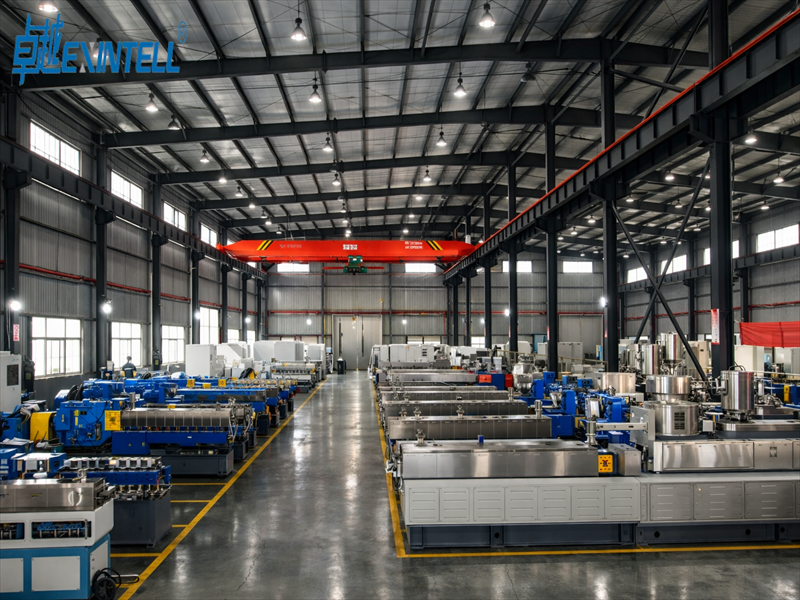
Te hoê fare hamaniraa tauihaa e te mau matini teimaha o te faahoho'a ra i te mau rave'a hamaniraa tauihaa
Te mau faanahoraa o te tapihooraa i te mau fenua ĕê e to'na mau faahopearaa i ni'a i te mau rave'a hamaniraa tauihaa
Te vai noa ra â te taairaa i rotopu i te United States e te Taatiraa no Europa ei taairaa tapihooraa rahi roa ' ' e i te ao nei. Ia au i te Te faatereraa i te ohipa tapihooraa i te mau fenua ěê (ITA), ua hau atu i te USD te taatoaraa o te mau tao'a hooraa 880 mirioni i te 2024, e te mau rave'a hamaniraa tauihaa — e tae noa'tu i te mau rave'a no te faaapî i te mau hu'ahu'a mai te mau matini faaî masterbatch — o te faahoho'a ra i te hoê tuhaa rahi o te mau tao'a faufaa i roto i na pae e piti.
E rave rahi mau faanahoraa politita i roto i te afaraa matamua o te matahiti o te taui nei e nafea te mau rave'a haaparareraa parau E faanahohia te mau faaauraa na te ara o te moana Ataranitita:
Te mau tauiraa i roto i te Ture no te tapihooraa i te US. I muri a'e i te hopea o te tahi mau Tuhaa 232 i te hopea 2024, Ua hi'opoa te Piha ohipa tapihooraa a te mau Hau Amui no Marite i te mau faanahoraa hoo no nia i te mau ravea hamaniraa tauihaa. No te mau hu'ahu'a no te EU i faataahia i raro a'e i te HTS 8477 (Te mau matini no te faaohipa i te mau hu'ahu'a aore ra te mau hu'ahu'a), ua taui te faito o te ohipa i rotopu i te 0% e 3.4%, ia au i te hoê upoo parau taa ê e te nunaa tairururaa. Te Te Tomite no te tapihooraa i te mau fenua ěê US (USTC) E vai noa â te pu haamaramaramaraa no nia i te faanahoraa Tariff ei mau faahororaa mana no te mau faito o teie nei.
Te rave'a no te faaafaro i te oti'a no te EU (CBAM) fariiraa. Noa ' tu e te tapao ra te CBAM i te feruri, aluminium, sima, te mau fetia, te uira, e te pape, Te tura'i nei to'na tapa'o rahi a'e i te mau rave'a hu'ahu'a no te EU ia ani i te mau rave'a no te faatere i te ito. E faatupu te reira i te hoê rave'a no te mau hoho'a no te mau rave'a haaparareraa masterbatch — Te feia ihoa râ e mau rave'a no te ito i te kilogram — no ǒ mai i te feia hamani tao'a na te ao nei. Te European Commission's CBAM portal te horo'a nei i te reni taime apî roa a'e no te faaohiparaa.
Ture no te tapo'iraa e te tapo'iraa i te mau hu'ahu'a EU (PPWR). Ua fariihia i te hopea 2024, te faaue nei te PPWR i te mau faito iti roa a'e no te mau tao'a hu'ahu'a e hoohia ra i roto i te matete o te EU. I 2030, E mea ti'a ia vai te hoê a'e i roto i te mau tapo'i hu'ahu'a 10% i muri mai i te hooraa (PCR) Faufaa, te piiraa i te 50% i 2040. Te faarahi oioi nei teie ture i te hinaaro i te mau faanahoraa masterbatch o te faaohipa faahou i te carbonate calcium (CaCO3) e te tahi atu mau tao'a taero, o te turai ïa i te tuuraa moni i roto i te mau reni faahororaa aravihi o te nehenehe e faaapî i te mau tao'a huru rau. Te mau haamaramaramaraa no ǒ mai i the European Parliament's legislative observatory confirms the regulation's phased timeline.
Te ture no te faaiti i te moni US (IRA) e te mau faaitoitoraa no te hamaniraa i te mau tao'a i roto i te fare. While the IRA's most publicized provisions target clean energy, te mau tao'a haamâu'araa no te hamaniraa i te mau tao'a (Tuhaa 45X) e te faaitoito nei te mau rave'a haaparareraa i roto i te fare i te mau rave'a hamaniraa hu'ahu'a US ia tuu i te moni i roto i te mau reni apî. Te mau hooraa i te mau rave'a no te paturu i te hamaniraa i te mau hu'ahu'a e faaohipahia i roto i te mau mekameka hinu mâ — mai te mau tao'a polypropylene tei î i te mau fare mori hinu e aore râ, te mau hoho'a solar — e nehenehe e fana'o i te hoê faaitiraa vitiviti aore ra te mau haamâu'araa taa ê. Te Te Piha no te ito US te aratairaa no nia i te mau ohipa e titauhia.
Fitiavana, Te horo'a nei teie mau rave'a ture i te hoê vahi maitai no te tapihooraa i te mau matini roro uira B2B. Te feia hamani tao'a EU e te mau CE-certified, I rotopu i te mau US compounders e imi ra i te mau rave'a IRA, te vai ra te mau reni aravihi no te ito. I te tahi a'e pae, Te mau rave'a tata'uraa no Asia — I te rahiraa o te taime, e hoohia te reira na roto i te mau tahua hamaniraa tauihaa masterbatch extrusion — Te faaruru nei te hi'opoaraa rahi a'e i nia i te mau parau papa'i, Te mau faito o te ito, e te mau rave'a no te taviniraa i muri mai i te hooraa i roto i na matete e piti.
Te iteraa i te rave'a haaparareraa parau Masterbatch: Te mau rave'a aravihi apî e te mau faaohiparaa
Ua riro te hoê rave'a faaîraa masterbatch ei faanahoraa taa ê tei hamanihia no te hamani i te mau tao'a taero teitei — I te rahiraa o te taime, ua niuhia te reira i nia i te carbonate (CaCO3), barium (BaSO4), aore ra te talc i purarahia i roto i te hoê hu'ahu'a polyolefin (HDPE, LDPE, e aore râ, PP). I muri iho, i roto i te hoho'a teata i raro i te anavai, e tuuhia teie mau hu'ahu'a masterbatch i roto i te hoê polymer virgin aore ra te hoê polymer faaohipa - faahou - hia, te tairiraa, e aore râ, te mau rave'a no te hutiraa mai i te pipe, te faaitiraa i te moni no te mau tao'a mata e 15–40% a taui ai i te mau huru matini mai te etaeta, opacity, e te vai-maitai-raa o te faito.
I roto e rave rahi tupuraa, te vai ra te hoê hoho'a o te matini roro uira:
Te mau hu'ahu'a mata'i. Te puaahorofenua no te hamaniraa i te mau hoho'a no teie tau. Te mau diameters o te hi'o mai te 52 mm (piha maimiraa/piloti) a 175 mm (Hamaniraa rahi), e te mau faito L/D i rotopu 36:1 e 52:1. E haamata te mau aravihi i te 200 kg/h 2,000 kg/h ia au i te haamauraa. Te taa ê nei te feia hamani matini roro uira i ni'a i te mau hu'ahu'a metallurgy (te fetia, te mau rave'a paura, e aore râ, te mau hu'ahu'a tungsten-carbide), te aravihi no te faatoetoe, e te î o te gearbox.
Te mau faanahoraa tamaaraa volumetric aore ra gravimetric. Te faito tano o te puehu CaCO3 (I te rahiraa o te taime i te 70–85% te hopoi'a na roto i te poihâ) i piha'i iho i te mau rave'a afa'ifa'i e te mau rave'a haaparareraa (te ati stearic, Parafini Polystyrene i nene'ihia wax, e aore râ, te mau rave'a taatiraa) E mea faufaa roa no te huru o te masterbatch. Te mau rave'a haaparareraa parau e piti-screw metering, o te mau rave'a ïa no te mau reni moni rahi.
Te mau rave'a no te pelletizing e aore râ, i raro a'e i te pape. Te mau hu'ahu'a (Te haamâmâraa i te pape e te hoê tipi hu'ahu'a) No te mea e mea iti a'e te haamau'araa e te haapa'oraa ohie a'e, e mea faufaa roa no te CaCO3 masterbatch. Te fana'o nei te mau reni teitei i te mau pelletizing i raro i te pape (>1,500 kg/hora) i reira te hoê â huru o te pellet geometry e te faaitiraa i te u'i repo e faati'a ai i te tuuraa moni.

Te mau hoho'a no te mau rave'a hamaniraa tauihaa o te faahoho'a ra i te mau rave'a aravihi apî e faaohipahia i roto i te masterbatch
Te rahi o te matete o te ao nei e te mau rave'a tapihooraa tauihaa B2B no te mau rave'a haaparareraa parau
Fatata e USD te faito o te matete o te ao nei 4.8 mirioni i te 2024, ia au i te mau mana'o i haaputuputuhia mai Hi'opo'araa rahi e Mordor maramarama Te mau parau faataa no te ohipa tapihooraa. Te mana'ohia ra e e tupu te matete i te hoê CAGR e 5.2–6.1% nā roto 2030, te faahorohia e te mau tao'a, aito, pereoo, e te mau tuhaa fenua no te faaapu. E riro teie hinaaro i raro i te anavai ei mau rave'a no te mau rave'a haaparareraa parau no te feia hoo no te mau matini roro uira e te mau OEM.
Te toparaa te hinaaro o te fenua (2024– mau mana'o):
Fatata e Asia e Pacific 55% o te faaohiparaa i te masterbatch na te ao nei, e te fenua Taina, īnītia, Vietnam, e Indonesia ei mau pu hamaniraa tauihaa matamua. Āre'a, te faahoho'a ra te US e te EU 28% o te hooraa — e te faahapa, te hoê tuhaa rahi a'e o te mau hooraa i te mau rave'a hoo, te hoê huru etaeta a'e, Fārere', e te mau hinaaro no te faaohipa i te ito i roto i te mau matete no te pae tooa o te râ.
I te mau Hau Amui no Marite, te matete o te mau rave'a hu'ahu'a (e tae noa'tu i te mau reni masterbatch) ua mana'ohia e USD 1.1 mirioni i te 2024 na roto i te Te taatiraa no te mau fare hamaniraa tauihaa (PLASTIC). Te mau huriraa taa ê no te mono i te mau reni hi'opo'araa hoê, e te mau faaûruraa i raro a'e i te IRA, Te faatupu nei te reira i te hoê are miti no te mau haamâu'araa i rotopu i te mau fare toa rarahi i te pae Apatoa Hitia o te râ e te pae miti no te mou'a no US.
I roto i te Autahoêraa no Europa, te Te mau hu'ahu'a 2024 Ia au i te hoê parau faataa matahiti, ua tuu te feia taui i te mau hu'ahu'a no Europa i te EUR 8.2 miria o te mau matini e te mau mauhaa i te matahiti 2023–2024, e te mau reni hamaniraa tauihaa e te masterbatch o te faahoho'a ra i te hoê faito mana'ohia e 12–15% o taua taatoa ra. Alemani, Italia, Pūraho (ei matete i piha'i iho i te EU), e o Polonia te mau fenua rahi roa'e i roto i te tuhaa fenua tapihooraa tauihaa no Europa.
Te mau rave'a haaparareraa parau B2B no te mau rave'a haaparareraa masterbatch:
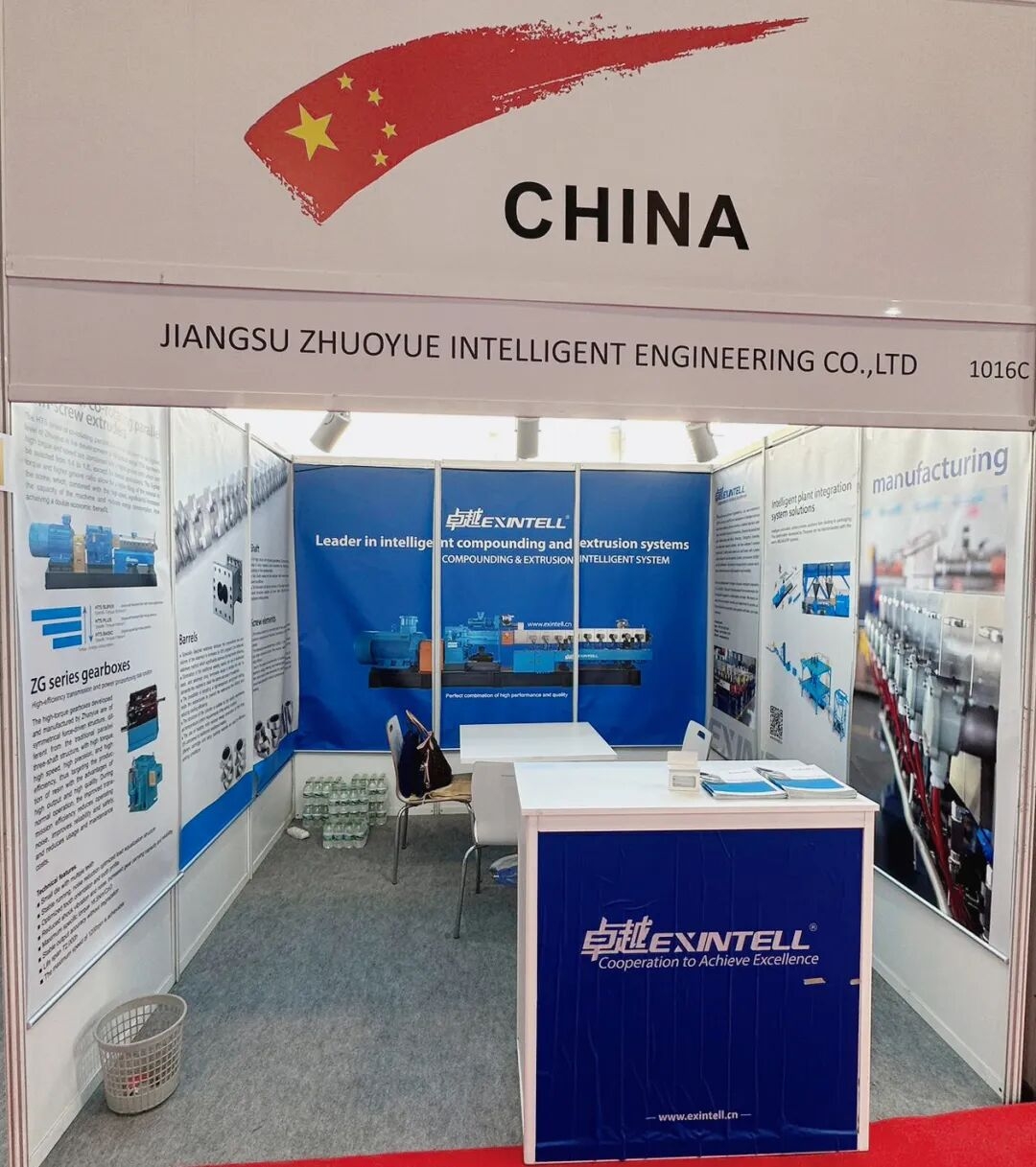
Te haamata ra te rahiraa o te ohipa tapihooraa i te mau vahi hamaniraa tauihaa i te fenua Taina (Nanjing, Zhangjiagang, e te mau pǔpǔ no Guangzhou), Alemani (Te mau fenua no Stuttgart e no Hanover), Italia (Brescia e o Milan), e te fenua Japan i ni'a i te mau matete hopea na te ao nei. I roto i na ahuru matahiti i mairi a'enei, ua fana'o te mau ohipa a te mau fare hamaniraa tauihaa Chinese i te hoê tuhaa rahi na te ao nei na roto i te horoaraa e 40–60% te mau haamau'araa i ni'a i te mau tao'a no Europa, ma te tapiri mǎrû noa i te vahi taa ê i nia i te huru o te paturaa, Te faaôraa i roto i te automation, e te mau parau papa'i CE/UL. Te mau tao'a hu'ahu'a
No te feia hoo B2B i te US e te EU, Te faatumu nei te faaotiraa i nia i te mau haamau'araa taatoa o te faturaa (TCO) maoti i te hoo noa i te hoo. Te mau mea mai te faaohiparaa i te ito i te kilograme o te hutiraa mai, te vai ra te mau tuhaa, te mau rave'a no te hi'opo'a i te mau ma'i, e te mau rave'a haaparareraa parau no te fenua iho, e mea faufaa roa ïa i roto i te mau hi'opo'araa no ni'a i te mau hooraa — no te mau reni iho â râ e mana'ohia ra e ohipa 7,000+ hora i te matahiti hoê.
Te fare hamaniraa tauihaa hu'ahu'a Te mau pahi tama'i na te ao nei i te hoê tauraa manureva rahi o te ao nei, o te faahoho'a ra i te mau rave'a tapihooraa tauihaa B2B no te mau rave'a hamaniraa tauihaa Te mau rave'a aluminium e rave rahi
Te mau fifi i mua i te feia hoo no B2B i roto i te matete o te mau rave'a Filler Masterbatch
Te mau rave'a no te faaineine i te asphalt China Noa ' tu te mau huru oraraa maitai, E rave rahi mau fifi Te hoê hi'o hu'ahu'a faafifi i te mau faaauraa B2B no te mau rave'a haaparareraa masterbatch:
Te fifi o te haapa'oraa e te ti'amana'oraa. E tia i te hoê taata hamani matini roro uira o te tapao ra i te matete o te EU ia haapapu e te pee ra oia i te mau faaueraa a te EU Machinery (2006/42/EC, te tauiraa i roto i te Ture Machinery apî 2023/1230 mai te ava'e Tenuare 2027), Te mau titauraa no te tapa'o CE, e — no te mau hu'ahu'a uira — te faaueraa Low Voltage e te faaueraa EMC. Mo te matete US, Te mau titauraa no te paruru i te matini OSHA (29 CFR 1910 Tuhaa O), NEC/NFPA 79 mau titauraa uira, e te UL no te mau pǔpǔ faatere o te mau titauraa tumu ïa. Te faarahi nei te tereraa i te mau matete e piti–15% i te mau haamâu'araa no te mau rave'a hamaniraa tauihaa e te mau papa'iraa mo'a no te feia hamani tao'a o tei ore â i tavini i na fenua e piti.
Te mau faanahoraa e te tauiraa o te tau. Te mau faito o te mau uta i ni'a i te moana i Asia–Amerika Apatoerau e Asia–Te mau e'a no Europa, mai te matahiti 2021 mai â–2022 mau tumu tumu, ia vai noa â i roto i te faahuehueraa. Te mau fifi o te Moana Uteute/Suez Canal o tei haamata i te hopea o te matahiti 2023 ua tamau noa i te faaino ia Asia–Te mau taime haereraa i Europe i te omuaraa o te matahiti, 10–14 mahana i nia i te mau faaueraa tei faahorohia na roto i te Cape of Good Hope. No te mau mauhaa faufaa rahi mai te mau reni extrusion (te poihâ matauhia: 15–45 metric tons i te reni taatoa), E faatupu teie mau faataimeraa i te mau fifi i te pae no te opuaraa e te maraaraa o te mau haamâu'araa no te fare tape'araa. Te mau haamaramaramaraa no roto mai i te Faataaraa Baltic (FBX) E hi'opo'a i te mau faito o te mau tao'a mau.
Te mau rave'a no te taviniraa i muri mai i te hooraa. B2B buyers in the US and EU increasingly require contractual guarantees on spare-parts delivery times (i te rahiraa o te taime–72 hora no te mau tuhaa faufaa rahi), te patururaa i ni'a i te tahua itenati, and remote troubleshooting via IoT-enabled machine monitoring. Filler masterbatch extrusion machine suppliers without established service hubs in North America or Western Europe face a competitive disadvantage, even when offering lower FOB prices.
Plastic Extrusion Suppliers Manufacturer Currency and payment-term risks. With the EUR/USD exchange rate fluctuating within a 1.03–1.12 band over the past 12 ava'e, and with typical payment terms for capital equipment spanning 30–180 mahana (or longer for LC-backed transactions), both buyers and sellers face meaningful FX exposure. Trade-finance instruments such as confirmed letters of credit, mau haapapûraa i te fare moni, and export-credit-agency (ECA) backed financing — available through institutions like US Ex-Im fare moni aore rā Allianz (Euler Hermes tahito) — Eiaha râ e faaore i teie atâtaraa.
Te mau tuhaa fenua e te mau politita o te faati'a i te tapihooraa i te mau fenua ĕê B2B
E horoa te purumu transatlantic i te mau haamaitairaa o te tauturu i te ohipa tapihooraa i te mau ravea hamaniraa tauihaa B2B, e tae noa'tu i te mau rave'a haaparareraa masterbatch:
Te mau rave'a tauraa manureva e te mau taairaa multimodal. Te mau tauraa manureva no New York/New Jersey i te pae Hitia o te râ no Marite, Savannah, e o Charleston — e tae noa'tu i te mau tauranga pahi i te pae miti mai ia Houston — te horo'araa i te mau taairaa ti'a'tu i te mau tauraa manureva rahi a te EU, mai ia Rotterdam, Hambourg, Anvers, e Genoa. Te mau taime haereraa 10–16 mahana (Pae Hitia o te râ) e 25–35 mahana (Te pae miti no Gulf na roto i te e'a transatlantic) A faati'a i te mau rave'a no te horo'a i te mau rave'a no te mau matini teimaha. Te Te mana no te tauraa manureva no Rotterdam te mau parau faataa e te faahoho'a ra te mau ravea hamaniraa tauihaa e te mau mauhaa 8% no te breakbulk e te opuaraa-cargo.
Te ti'aturiraa e te tu'atiraa. Noa ' tu e te tapea ra te US e te EU i te mau faanahoraa taa ê, tau ahuru matahiti tauaparauraa no ni'a i te mau rave'a aravihi e piti — te mau tino mai te Te pu a te hau no te mau titauraa e te mau rave'a aravihi apî (NIST) e Te Tomite no te faanahoraa no Europa (CEN) — Ua faatupu te reira i te hoê tauiraa rahi i roto i te mau tuhaa mai te parururaa i te uira, te parururaa, e te mau titauraa no te faaheporaa. Ia tomo ana'e te reira i roto i te tahi atu matete, e faaiti te reira i te hopoia rahi no te hoê fare hamaniraa tauihaa masterbatch extrusion machine tei haapapuhia a'ena no te hoê matete.
Te mau faaauraa i te pae tapihooraa tauihaa. Noa ' tu e ua riro te taatiraa i te pae no te tapihooraa e te tuuraa moni Transatlantic (TTIP) ua tapeahia te mau faaauraa, Te mau fafauraa WTO e vai ra, te Apooraa no te tapihooraa e te mau rave'a aravihi apî (TTC) Ori tahito'a, e te faaafaro noa ra te mau faaauraa a te mau nunaa e piti i te mau rave'a no te faati'a i te mau rave'a hamaniraa tauihaa. The TTC's 2024 Ua haapapu taa ê te hoê faahitiraa parau amui i te mau ravea hamaniraa tauihaa aravihi ei tuhaa faufaa roa no te ohipa amui.
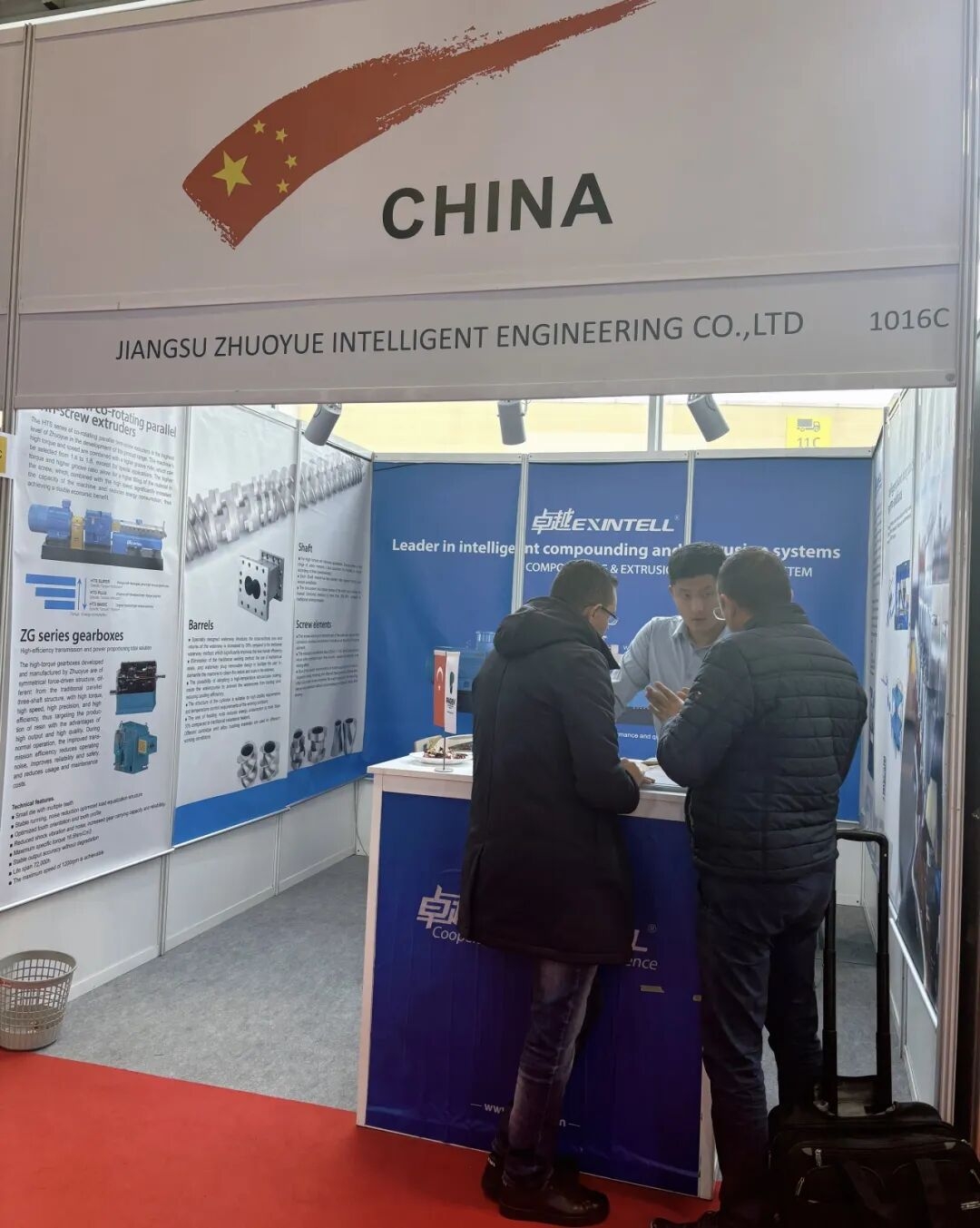
Te hoê hoho'a no te hoê tauraa manureva rahi no Europa e te mau pahi tama'i e te mau rave'a no te paturu i te ohipa tapihooraa i te mau fenua ĕê B2B
Te mau hi'opo'araa ohie Te mau taiete e rave nei i te ohipa i roto i te matete o te mau rave'a Filler Masterbatch
Na te hi'opo'araa i te mau hoho'a ohipa o te ao mau e horo'a mai i te mau hi'oraa maitai no te mau taiete e tere ra i ni'a i teie matete:
Haapiiraa 1: Te haamau ra te hoê taata hamani tao'a tinito i te tufaraa EU. Te hoê taata hamani rave'a hamaniraa matini nene'iraa masterbatch no Nanjing e nehenehe e hamani i te matahiti hoê 200+ Ua faaite mai te mau reni ti'amâ e, ua taoti'ahia te mau hooraa i te feia hoo tao'a EU na roto i te mau haape'ape'araa no ni'a i te ohipa i muri mai i te hooraa. I roto 2023, ua haamau te taiete i te hoê taairaa e te hoê taiete rave ohipa German i pihai iho ia Düsseldorf, Te hamaniraa i te hoê fare vairaa tauihaa no te fenua iho (te mau tao'a 500+ SKUs o te mau tuhaa ahu, Te mau tuhaa barel, e te mau hu'ahu'a) e te tonoraa e piti feia rave ohipa ma te taime taatoa no te tuhaa fenua DACH. I roto 18 ava'e, Ua maraa te hooraa i te EU mai 8% a 22% o te moni taatoa, e te mau hooraa 15% hau atu i te mau faaauraa FOB-China — reflecting the value premium buyers placed on localized support. The company subsequently replicated this model in the US Southeast, partnering with a Charlotte, NC-based industrial-equipment service provider.
Haapiiraa 2: Italian OEM leveraging IRA incentives for US market entry. A Brescia-based twin-screw extruder manufacturer — historically focused on European and Middle Eastern markets — identified an opportunity in the US market following the IRA's passage. By documenting that its extrusion lines could process bio-based and recycled-content polymer compounds used in clean-energy applications (i te pae taa ê, filled PP compounds for EV battery-module housings), the company helped US customers qualify for Section 45X advanced-manufacturing tax credits. This value proposition — "buy our machine, and your output may qualify for federal tax credits" — ua riro te reira ei manuïaraa rahi i roto i te mau tata'uraa no te pato'i i te mau rave'a no Asia moni iti a'e. Ua faaite te taiete i te hoê 340% te maraaraa o te mau aniraa US i rotopu i te Q3 2023 e Q1.
Haapiiraa 3: US compounder's dual-sourcing strategy. I Houston, te hoê fare hamaniraa hu'ahu'a ropu, TX, Te faaohiparaa e toru reni hamaniraa masterbatch, ua farii oia i te hoê faanahoraa e piti puna no to'na 2024 Te faarahiraa i te aravihi. Ua hoo mai te taiete i te hoê reni teitei (1,800 kg/hora) no ǒ mai i te hoê OEM German no ta ' na faaohiparaa fifi roa ' ' e (E titau te mau tao'a faaî i te mau pereoo uira i te mau faaoroma'iraa etaeta) e e piti reni ti'araa (800 kg/h tata'itahi) no roto mai i te hoê taata hoo mǎshini Chinese no te mau tao'a tapo'i. Fatata e USD te taatoaraa o te mau haamâu'araa 2.8 mirioni — Taurea 35% Hau atu i te hoê faanahoraa hooraa tao'a no Europa taatoa, ma te tape'a noa i te huru e titauhia no te hamaniraa i te mau pereoo uira. Ua faaau te taiete i te hoê â parau faaau e 24 ava'e e te mau fafauraa faufaa roa e 48 hora te maoro a te feia hoo tao'a e piti.
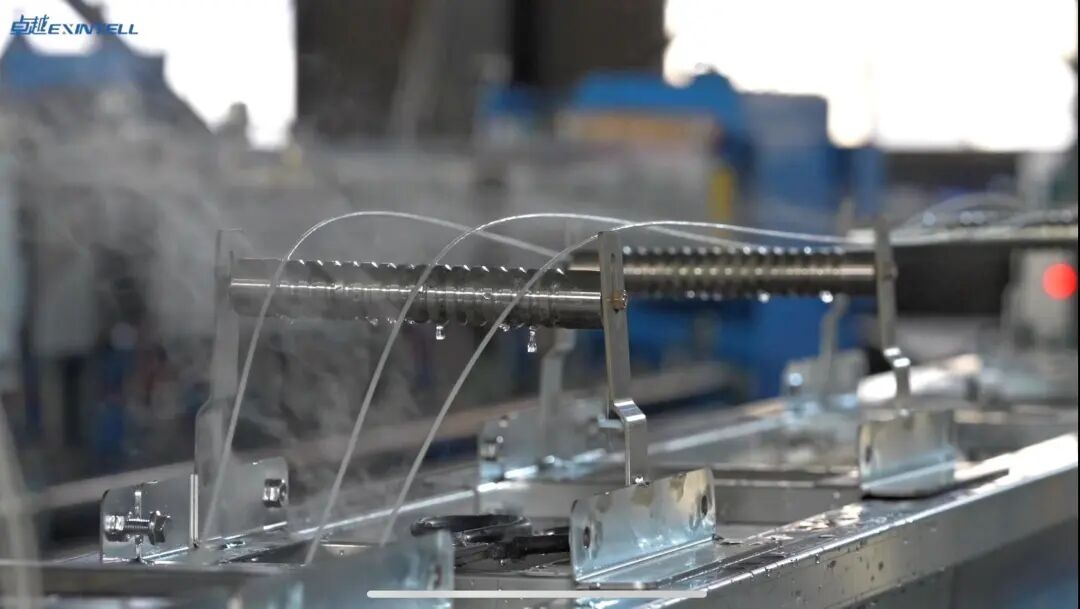
Te hi'opoa ra te mau inginia i te mau ravea hamaniraa tauihaa i roto i te hoê fare hamaniraa tauihaa o te faahoho'a ra i te mau ravea hamaniraa tauihaa B2B
Te ma'itiraa i te taata hoo matini Masterbatch: A B2B Buyer's Framework
No te feia aravihi no te hi'opo'a i te mau hooraa i te mau rave'a haaparareraa masterbatch extrusion machine e aore râ, te mau hooraa hoê noa, E faaiti te hoê faanahoraa hi'opoaraa faanahonaho i te atâtaraa e e haamaitai i te mau faahopearaa:
Te hi'opo'araa i te aravihi i te pae no te rave'a aravihi. A ani i te mau faaauraa taa maitai no ta outou faanahoraa taa ê (huru faaî, i ni'a i te hanere, resin amo, e te tapa'o). E horo'a te hoê taata hamani hoho'a aravihi i te mau hoho'a, ua tohuhia te hoê faaohiparaa i te ito taa ê (kWh/kg), e te mau hoho'a no te anuvera — eiaha noa te mau haamaramaramaraa no nia i te mau buka rairai. A ani i te mau faahororaa i te feia hoo o te faaohipa ra i te mau faanahoraa mai te reira te huru.
Te hi'opo'araa i te fare hamaniraa tauihaa e te hi'opo'araa i te huru o te faanahoraa. No te mau faaueraa hau atu i te USD 200,000, Ua riro te hoê hi'opo'araa i te fare hamaniraa tauihaa ei peu matauhia. Hi'opo'a i te ISO 9001 tiwhikete (iti roa), e no te mau matini EU, confirm that the manufacturer's quality system supports CE technical-file compilation. Hi'opo'a i te mau faaoromai o te matini i ni'a i te mau apoo e te mau hu'ahu'a — E ohipa oioi te reira i ni'a i te huru o te purara e te oraraa.
Te moni taatoa no te faahoho'araa i te faturaa. A hamani i te hoê hoho'a TCO e 5 matahiti: hooraa, Te mau hopoia no te mau hopoi'a e te mau hopoi'a, te mau haamâu'araa no te faautaraa e te faaueraa, Te faaohiparaa i te ito i te matahiti hoê (i te mau faito o te uira o te fenua iho), te mau haamâu'araa no te haamaitai (te mau area taime no te mono i te hi'o/barrel), Te mau faataaraa mana'o aita i faanahohia (based on supplier's mean-time-between-failure data), e te mau tao'a hoo. Te hoê mītini e 30% mea mâmâ a'e i te FOB, tera râ 20% e titauhia te hoê monoraa i te hoê farii rahi a'e e te ito 40% I te rahiraa o te taime, e nehenehe e farii i te hoê TCO e 5 matahiti.
Te mau parururaa parau faaau. Haapapu e te vai ra i roto i te mau ohipa hooraa: mau haapapûraa no te ha'utiraa (throughput, ito taa ê, e te mau faito o te huru o te mau tao'a i hi'opoahia i roto i te mau tamataraa fariiraa i te fare hamaniraa tauihaa), ua faaorehia te mau faainoraa no te hooraa, Warranty no ni'a i te mau tuhaa atoa e te ohipa, e te mau Incoterms i faataahia ma te maramarama (No te faaohie i te mau rave'a no te hoo mai i te mau tao'a, ua maitihia te CIF e aore râ, te DDP no te mau hooraa matamua).
Te vai - tamau - raa e te aravihi o te ito: Te oti'a tata'uraa apî no te feia hamani matini roro uira Masterbatch
Te mau tapa'o rima Aita te mau mana'o no ni'a i te oraraa tamau e riro faahou ei mea faufaa roa no te mau faaotiraa no te hoo mai i te mau tao'a B2B — Te rahi noa ' tura to ratou faufaa, no te feia hoo iho â râ i te matete o te EU, i reira te Te opuaraa ohipa no te faanavairaa faufaa EU e te mau faaueraa no te faaite i te mau haamaramaramaraa no ni'a i te oraraa tamau (CSRD) A faatupu i te mau faaitoitoraa papû.
Energy efficiency benchmarks. State-of-the-art co-rotating twin-screw filler masterbatch extrusion machines achieve specific energy consumption (SEC) of 0.10–0.16 kWh/kg for CaCO3 masterbatch at 70–80% te faaîraa i te. This represents a 25–35% improvement over machines manufactured a decade ago, driven by advances in screw-element geometry (optimized distributive and dispersive mixing zones), high-efficiency direct-drive motors (Piha haapiiraa IE4/IE5), and intelligent process-control systems that minimize energy waste during transitions and startups. A filler masterbatch extrusion machine factory that can document SEC performance with third-party test data holds a significant competitive advantage.
Material-efficiency contributions. Filler masterbatch itself is inherently a sustainability-enabling product: by replacing 20–40% of virgin polymer with mineral filler, it reduces the carbon footprint of finished plastic products. Te Te taatiraa no te mau tao'a tahi ora no Europa and various LCA studies have documented that CaCO3-filled PE films can achieve 15–30% lower cradle-to-gate CO2 emissions compared to unfilled equivalents, depending on filler loading and sourcing geography. Extrusion machines capable of processing higher filler loadings (80–87%) without compromising pellet quality or downstream processability therefore deliver compounding environmental and economic benefits.
Circular-economy integration. Advanced filler masterbatch extrusion lines are increasingly designed to co-process post-consumer recycled (PCR) polyolefin flake alongside virgin carrier resin and mineral filler. This requires robust melt-filtration systems (continuous screen changers rated for contaminated feedstocks), enhanced degassing (multiple vacuum venting zones), and adaptive process-control algorithms that compensate for melt-viscosity variability inherent in PCR streams. Manufacturers offering these capabilities as standard or optional configurations are well-positioned for the EU market's recycled-content mandates.
Sustainable manufacturing concept with recycling symbols and green industrial processes representing energy-efficient extrusi
Workplace Safety in Plastics Manufacturing: Protecting Operators of Filler Masterbatch Extrusion Machines
Operating a filler masterbatch extrusion machine involves exposure to several occupational hazards that demand rigorous safety protocols and appropriate personal protective equipment (PPE). For B2B buyers and plant managers, understanding these safety dimensions is essential — both for regulatory compliance and for protecting the workforce that operates this capital equipment.
Te mau ati thermal. Barrel temperatures on filler masterbatch extrusion lines typically range from 160°C to 240°C (320°F to 464°F), depending on carrier-resin type and filler loading. Contact burns represent a primary risk during maintenance, te mau tauiraa, e te mau raveraa no te haamata/opani. OSHA's general industry standards (29 CFR 1910.147 — lockout/tagout) Pelletizing Extruder Wholesale and the EU Machinery Directive's essential health and safety requirements mandate that machine designs incorporate thermal guarding, warning signage, and interlocked access panels. Operators must wear heat-resistant gloves (I ROTO 407 rated) and appropriate forearm protection during any task requiring proximity to heated surfaces.
Mechanical hazards and the critical role of safety footwear. Filler masterbatch production environments present significant foot-injury risks that are often underestimated. Te mau hu'ahu'a hi'opo'a (individual elements can weigh 5–15 kg), Te mau tuhaa barel (50–200 kg), mau api pohe, and pelletizer components are routinely handled during assembly, Tāuru, e te mau ohipa tauiraa. A dropped screw element or coupling component can cause severe crush injuries to unprotected feet.
I tua atu i te mau ati, the production floor around filler masterbatch extrusion machines presents slip hazards (from process water, hinu hinu, and spilled pellets/powder), puncture hazards (from metal fragments, mau mea, and cutting tools), and compression hazards (from heavy mobile equipment such as forklifts and pallet jacks used to transport raw materials and finished masterbatch). The fine CaCO3 dust that is inherent to filler masterbatch operations — even with dust-collection systems — creates slippery floor conditions that compound fall risk. Single Screw Pipe Extruders
Safety footwear standards and selection for extrusion-machine operators. Appropriate safety footwear is not optional — it is a regulatory requirement in both the US and EU for workers in plastics-manufacturing environments:
I te mau Hau Amui no Marite, OSHA's PPE standard (29 CFR 1910.136) requires protective footwear for employees exposed to foot injuries from falling or rolling objects, te mau tao'a e tairi ra i te avae, e aore râ, te mau ati uira. Safety shoes and boots must meet ASTM F2413 Hōʻailona Taata hoo mau titauraa, which specify impact resistance (I/75 — withstanding 75 foot-pounds of impact energy), te patoiraa (C/75 — withstanding 2,500 pounds of compression force), e te mau faahopearaa no te parururaa i te metatarsal (Mt), te patoiraa (PR), parururaa i te mau ati uira (EH), e te haamouraa static (SD). Te mau taata hamani tao'a
I roto i te Autahoêraa no Europa, safety footwear is classified under I ROTO ISO 20345 (te mau avae paruru), I ROTO ISO 20346 (te mau avae paruru), e te EN ISO 20347 (ahu avae ohipa). For filler masterbatch extrusion machine operators, I ROTO ISO 20345 S3 classification is the recommended minimum, te horo'araa: a 200-joule toe cap (te ti'a e aore râ, te), midsole o te ore e nehenehe e tomo, vahi tapo'i avae piri, Te mau huru antistatic, te hutiraa i te ito i roto i te turi avae, e te pape. For environments with heavy liquid exposure (process-water systems, te mau pape toetoe), S5-rated safety boots with full waterproofing are appropriate.
Why toe protection matters — the data. Ia au i te US Bureau no te mau numera o te ohipa (BLS), Fatata e 60,000 taata tei pepe i nia i te avae–70,000 Te mau pepe i te vahi ohipa i te matahiti hoê i te united states, with the manufacturing sector consistently ranking among the top three industries for foot-injury incidence. The BLS reports that roughly 75% of workers who suffered foot injuries were not wearing safety footwear at the time of the incident. I roto i te EU, EU-OSHA data indicates that lower-extremity injuries represent approximately 12% o te mau ati atoa i te vahi ohipa i roto i te hamaniraa tauihaa, with crush and impact injuries to toes and metatarsals being the most common mechanism.
For operators working around filler masterbatch extrusion machines specifically, the combination of heavy-component handling, hot-surface proximity, slippery floors (CaCO3 dust + vai), and forklift traffic creates a multi-hazard environment where composite-toe or steel-toe safety shoes with slip-resistant outsoles (SRC — Ua tamatahia i nia i te mau hoho'a ahu/pape e te mau hu'ahu'a/glycerol) horo'a i te parururaa faufaa. E horo'a te mau ti'a paruru no teie tau i te hoê â parururaa e 200-joule mai te mau ti'a avae i te 30–40% iti a'e te poihâ, te faaitiraa i te rohirohi o te taata faatere i te roaraa o te 8–12 hora tauiraa — te hoê maitai ergonomic faufaa i roto i te mau vahi hamaniraa tamau.
Te faaôraa ' tu i te mau ahu paruru i roto i te mau titauraa hooraa B2B. Te rahi noa ' tura te feia hamani matini roro uira e te feia faatere o te mau fare hamaniraa tauihaa o te faataa ra i te mau titauraa PPE — e tae noa'tu i te mau avae paruru — ei tuhaa no ta ratou mau rave'a haapiiraa no te faatereraa i te matini e no te faatere. Ia hi'opoa ana'e outou i te hoê taata hoo mǎshini faaî, B2B buyers should confirm that the supplier's installation and training documentation includes a comprehensive risk assessment identifying foot-hazard zones around the equipment, Te mau haamaramaramaraa no ni'a i te PPE (including safety-footwear class), and operator-training materials covering safe work practices during routine operation, Tāuru, and emergency procedures.
The business case for safety investment. I tua atu i te auraroraa i te mau ture, investing in appropriate safety footwear and comprehensive PPE programs delivers measurable ROI. Te Apooraa no te Parururaa o te Fenua (NSC) estimates that the average cost of a workplace foot injury in the US — e tae noa'tu i te mau haamâu'araa i te pae rapaauraa, Ua erehia te hotu, e te feia rave ohipa' faaho'iraa — hau atu i te USD 10,000 per ohipa. For a plastics-manufacturing facility operating multiple filler masterbatch extrusion lines with 20–50 te feia rave ohipa, even a modest reduction in foot-injury incidence translates into significant cost savings and reduced operational disruption. EU employers face similar cost structures, with the added regulatory risk of enforcement actions under national implementations of the EU Framework Directive on Safety and Health at Work (89/391/EEC).
Industrial worker wearing safety equipment including protective footwear in a manufacturing environment representing workplac
Trade Show and Industry Event Calendar: Where B2B Buyers Meet Filler Masterbatch Extrusion Machine Suppliers
Face-to-face evaluation remains critical for capital-equipment purchases. Key industry events for include:
K (Düsseldorf, Alemani — Ātopa ). The world's largest plastics and rubber trade fair, e toru matahiti te maoro. K is the premier venue for evaluating filler masterbatch extrusion machine technology from global manufacturers. I roto 3,000 te feia faaite 170,000+ visitors are expected. Te
Te mau rave'a faaîraa Masterbatch: Complete B2B Trade Guide for Man… · Te hoê mītini no te hamani i te Masterbatch: Te buka arata'i no te tapihooraa tauihaa B2B no te Manufac… · Te mītini taviri Masterbatch: Te hi'opo'araa i te tapihooraa i te ao nei B2B, Hamani…