Projeniz için Doğru Plastik Levha Ekstrüzyon Tekniği Nasıl Seçilir
İçindekiler
Projeniz için Doğru Plastik Levha Ekstrüzyon Tekniği Nasıl Seçilir
You can pick the bestplastic sheet extrusiontechnique by thinking about what your project needs and not making common mistakes. Many industrial projects have problems likepicking the wrong material, not controlling the temperature well, bad mold design, skipping surface treatment, and not setting the process right. You need to match your choice with the product type, industry area, sheet thickness, and material you pick. This guide helps you choose wisely and make your process better.
Temel Çıkarımlar
Figure out what your project needs before youpick an extrusion technique. Think about what you are making and how people will use it.
Pick thedoğru malzemeby looking at what it can do. Materials like polypropylene and polyethylene are used for different things.
Learn about the rules for your industry. Following these rules keeps food and medical items safe and good quality.
Make sure the sheet thickness matches how you will use it. Thickness changes the price, kuvvet, and how bendy it is, so choose carefully.
Use a checklist to compare extrusion methods. This helps you pick the best one for what your project needs.
Project Requirements & Application Guide
Ürün Tipi & End Use
Birinci, think about what you want to make and how you will use it. Differentextrusion techniques are betterfor certain jobs. If you need food packaging, you must keep things clean and block germs. Medical products need to be very exact and safe from contamination. Industrial items need to be the same thickness and made quickly. The table below shows how the end use changes what you need:
Başvuru Türü
Requirements
Gıda Ambalajı
Hygiene standards, barrier properties
Medical Applications
Kesinlik, contamination control
General Industrial Use
Thickness consistency, production efficiency
Sonraki, check the materials you plan to use. Each material has special features for different uses. Polypropylene can handle heat and is good for car trims. Polyethylene is strong and resists chemicals, so it works for protective sheets. Acrylic is clear and is used for display panels. The table below helps you compare materialsfor your project:
Material Type
Key Properties
Uygulamalar
Polipropilen (PP)
High heat resistance, stiffness-to-weight ratio
Automotive trims, ambalajlama
Polietilen (PE)
Toughness, chemical resistance
Protective sheets, liners
Polystyrene (PS)
Uygun maliyetli, easy-flowing
Food trays, konteynerler
Acrylic (PMMA)
Transparency, UV resistance
Display panels, covers
Polycarbonate (bilgisayar)
Impact strength
Machine guards, panels
Industry Niche & Regulations
You need to know your industry and follow the rules. Medical and food packaging must meet strict standards. FDA gıdayı güvende tutmak için geri dönüşümü kontrol ediyor. Ürününüzün gıda açısından güvenli olduğunu göstermek için bir İtiraz Mektubuna ihtiyacınız var. Saklama zinciri kağıtları malzemelerinizin saf olduğunu kanıtlar. Testler hiçbir kirletici madde kalmadığını gösteriyor. Geri dönüştürülmüş plastikler yenileri kadar iyi olmalı. Avrupa'da, REACH toksik kimyasalları durdurur, ve RoHS elektronikteki ağır metalleri sınırlandırıyor. Aşağıdaki tabloda önemli kurallar listelenmektedir:
Düzenleyici Unsur
Tanım
FDA Onayı
Gıda güvenliği için geri dönüşüm incelemeleri
İtirazsızlık Mektubu
Gıdayla temas uyumluluğunu gösterir
Gözetim Zinciri
Malzeme saflığını belgeler
Kirletici Giderimi
Gıda güvenliğini kanıtlıyor
Malzeme Standartları
İşlenmemiş malzeme standartlarına uygundur
Sertifikasyon
Tanım
ULAŞMAK
Toksik kimyasalları kısıtlar
RoHS Direktifi
Elektronikteki ağır metalleri sınırlar
Uç: Bir şeyler yapmaya başlamadan önce daima kuralları kontrol edin. Bu, hatalardan kaçınmanıza yardımcı olur ve sürecinizin endüstri standartlarını karşıladığından emin olmanızı sağlar.
Thickness & Mechanical Needs
Decide how thick your sheet needs to be and what it must do. Thickness changes cost, kuvvet, ve esneklik. For cars and buildings, standards help you choose. Thin sheets (1-2 mil) are for light protection. Medium sheets (3-6 mil) are for covers and enclosures. Thick sheets (10-15 mil) are for outdoor covers and barriers. Car dashboards use 3-5mm sheets for flexibility. Bumpers use 5-10mm sheets for strength. The table below shows common thicknesses and uses:
Thickness (Mil)
Uses
1-2 mil
Light-duty protection, painting covers
3 mil
Self-adhesive plastics, counters, floors
6 mil
Construction enclosures, erosion control
10 mil
Pond linings, outdoor covers
12 mil
Landfill covers, outdoor covers
14 mil
Deck protection, commercial flooring
15 mil
Vapor barriers, foundation walls
You need tomatch the thicknessand mechanical needs to the right extrusion technique. This helps you control costs and makes sure your sheet works for its job.
Not: Picking the right thickness and material helps you make things faster and waste less.
Material Selection Guide
Thermoplastic Options
You shouldpick your materialbefore starting your project. The right material helps your product work well and makes it easier to produce. Some materials are better for certain jobs. The most common materials used are:
Polipropilen (PP)
Polietilen (PE)
Polystyrene (PS)
Acrylic (PMMA)
Polycarbonate (bilgisayar)
Each material has special features. Polypropylene can handle heat and is good for car parts. Polyethylene is tough and resists chemicals, so it works for liners and covers. Polystyrene is easy to shape and costs less, so you can use it for trays and containers. Acrylic is clear and blocks UV rays, so it is good for signs and displays. Polycarbonate is strong and can take hard hits, so it is used for safety panels.
Uç: Make sure your material fits your product’s needs. This helps you avoid problems when making your product.
Kuvvet, Esneklik, Chemical Resistance
You need to check if the material is strong, flexible, and resists chemicals. These features help your sheet last longer and work better. If you want a sheet that bends, pick a flexible material like polyethylene. If you need your sheet to take strong hits, choose polycarbonate.
Chemical resistance matters too. Some materials can stand up to oils, acids, or cleaners. This makes them good for tough places. You also need to think about how the material melts and flows. Some materials need more heat or special machines. This can change whichextrusion techniqueyou use.
Here is a simple guide to compare:
Material
Kuvvet
Esneklik
Chemical Resistance
Polipropilen
Orta
Yüksek
Yüksek
Polietilen
Orta
Yüksek
Very High
Polystyrene
Düşük
Düşük
Düşük
Acrylic
Orta
Orta
Orta
Polycarbonate
Yüksek
Orta
Orta
You should always pick your material based on how you will use your sheet and where it will be used.
Plastic Sheet Extrusion Methods
Main Techniques Overview
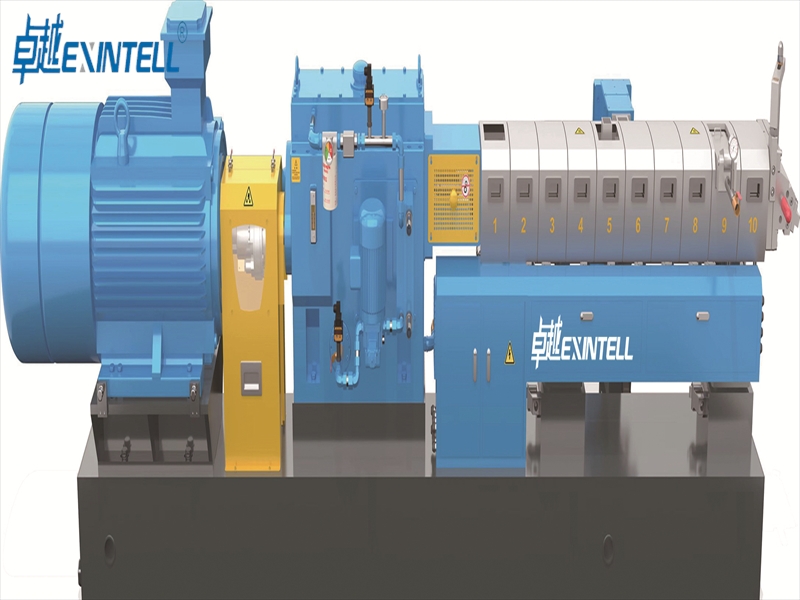
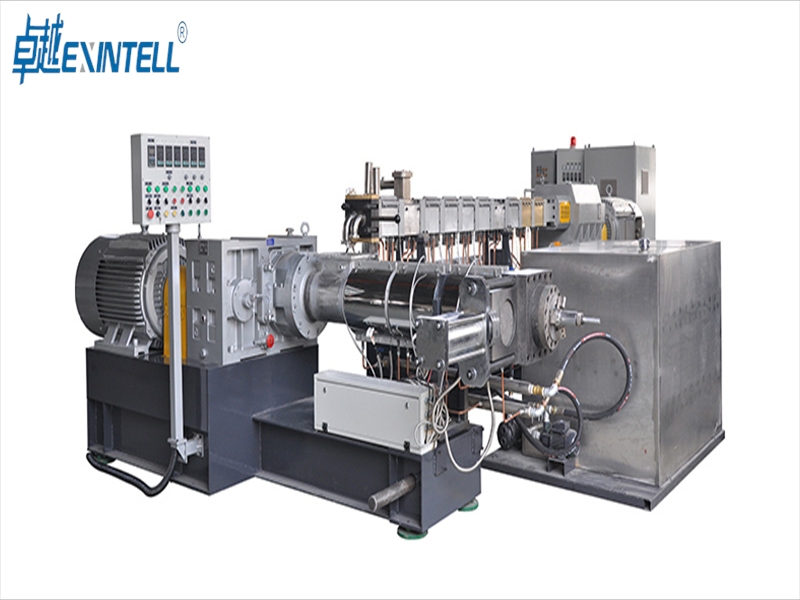
There aredifferent ways to make plastic sheets. The most common are single-screw and twin-screw extruders. Single-screw extruders have one screw that pushes melted plastic out. This way is good for simple jobs and clean plastic pellets. Twin-screw extruders have two screws that mix things better. They work well for tricky materials or recycled plastics. You can use them when you wanthigh-quality sheets.
Some methods use co-extrusion or multi-layer extrusion. Co-extrusion lets you put different materials in one sheet. Multi-layer extrusion makes sheets with layers for special needs. These layers can give extra strength or chemical resistance. These methods help you keep the sheet size and quality just right.
Ideal for complex materials and high-filler formulas
Energy Consumption
Uses less energy due to simple structure
Consumes more energy but more efficient for complex materials
Uç: Twin-screw extruders help you add colors and fillers. They also make sheets clearer by removing water and gases.
Artıları & Cons for Production
You need to pick the right method for your project. Single-screw extruders give strong pressure and steady sheets. They use less energy and are easy to set up. This makes themgood for big ordersand simple products. Twin-screw extruders mix things better and let you control the process more. You can use them for special jobs and custom sheets.
Plastic extrusioncosts less than other wayslike injection molding. You spend less on materials and tools. The process is fast and lets you make long sheets without stopping. This helps you keep the quality the same every time.
Single-screw extrusion is good for thin sheets and easy jobs. Twin-screw extrusion is best for thick sheets and tough materials. Co-extrusion and multi-layer extrusion help you meet strict rules and keep the sheet size right.
Single-screw extruders are best for clean pellets and easy jobs.
Twin-screw extruders work with powders, recycled stuff, and special jobs.
Her iki yöntem de çok sayıda sayfa oluşturmanıza ve iyi sonuçlar almanıza yardımcı olur.
Her zaman projenizin neye ihtiyacı olduğuna bakmalısınız. Malzemeyi ve sayfanın nasıl çalışmasını istediğinizi düşünün. Bu, en iyi ekstrüzyon yöntemini seçmenize ve iyi bir üretici bulmanıza yardımcı olur.
Eşleşen İhtiyaçlar & Özellikler
Karşılaştırma Kontrol Listesi
Karşılaştırmak için basit bir kontrol listesine ihtiyacınız var ekstrüzyon teknikleri. Bu, hangi yöntemin projenize en uygun olduğunu görmenize yardımcı olur. Her bir süreçle ilgili ihtiyaçlarınızı eşleştirmek için aşağıdaki tabloyu kullanın. Seçimlerinize bakarken her kutuyu işaretleyin.
See how much power the machine uses. New machines can save energy and money.
Bakım İhtiyaçları
Check how often you must clean or fix the machine. Good care keeps things running well.
Environmental Impact
Choose ways that use recycled plastics or save energy. This helps you meet green goals.
Warranty & Support
Look for good warranty and help from the maker. This protects your money.
Uç: Use this checklist when you talk to suppliers or compare prices. Projeniz için en önemli olana odaklanmanıza yardımcı olur.
Karar Kriterleri
Seçim yapmadan önce birkaç şeye bakmanız gerekiyor. Projeniz için en önemli şeyin ne olduğunu düşünerek başlayın. Bunlar şunları içerir::
Ortalama Kalınlık: Sayfanın doğru kalınlıkta olup olmadığını kontrol edin. Bu, malzemeden ve paradan tasarruf sağlar.
Standart Sapma: Eşit kalınlık arayın. Daha az değişiklik daha iyi kalite ve daha az hata anlamına gelir.
Cpk (Süreç Yetenek Endeksi): Sürecin her zaman ihtiyaçlarınızı karşıladığından emin olun. Yüksek Cpk daha iyi sonuçlar ve daha az atık anlamına gelir.
Parti boyutunuzu doğru ekstrüzyon yöntemiyle eşleştirin. Büyük işler için, tek vidalı ekstrüderler iyi çalışır. Sabit çıktı ve daha düşük maliyetler sağlarlar. Çok fazla malzeme veya ekstra kullanıyorsanız, çift vidalı sistemler daha iyi kontrol sağlar. Küçük işler veya özel projeler için, koç ekstrüzyonu veya ortak ekstrüzyonu daha fazla seçenek sunar.
When you pick a technique, avoidcommon mistakes. Do not forget basic design rules. If you make the design too hard, you may get mistakes or waste. Keep fin thickness normal and do not use sharp corners. Work with your supplier early to get advice.
Keep your material clean to avoidsurface problems. Set the process right to get the right size and shape. Keep the mold in good shape to stop flaws inside the sheet.
Think about the environment too. Kullanabilirsin biodegradable or recycled plasticsto cut waste. Use machines that save energy and recycle scrap. Closed water systems and good air filters help protect people and nature.
Plan forlong-term care. Clean and check the machine every day. Plan for regular checks and yearly big checks. Good care means better quality and less stopping.
Train your team well. Check their skills and give hands-on lessons. Keep learning to make things better.
Warranty and support matter too. Longer warranties and better help mean less worry if something breaks. Good machines often come with better terms.
Not: If you are not sure, talk to an extrusion expert. They can help you pick the right design, material, and process. They can also help you avoid mistakes and make your product better.
You can use this guide to compare your choices and make a smart pick. Always match your project needs to the features of each extrusion method. This helps you get the best results, kalite, and value from your work.
You can pick the best plastic sheet extrusion technique by using simple steps. Begin by thinking about what your project needs. Choose the material that fits your job. Malzemenizi doğru ekstrüzyon yöntemiyle eşleştirin. Sektör örnekleri sıcaklığı sabit tutmanız gerektiğini gösteriyor. İyi kalıplar kullanın ve doğru ekstraları ekleyin. Levhanız için doğru reçine kalitesini seçin. Projenizin başlarında uzmanlardan yardım isteyin. Seçiminizi kolaylaştırmak için karşılaştırma kontrol listesini kullanın. If you are not sure, bir ekstrüzyon uzmanıyla konuşun. Bu taraftan, projeniz için güçlü ve güvenilir sayfalar elde edersiniz.
SSS
Plastik levha ekstrüzyonu nedir?
Plastik levha ekstrüzyonu, plastiği eritip düz levhalar yapmak için bir kalıptan ittiğiniz bir işlemdir.. Bu sayfaları paketleme için kullanabilirsiniz, işaretler, veya inşaat malzemeleri.
Doğru ekstrüzyon yöntemini nasıl seçerim?
Proje ihtiyaçlarınıza bakmalısınız. Malzemeyi düşünün, kalınlık, ve sayfayı nasıl kullanacağınız. Bu ihtiyaçları her ekstrüzyon yönteminin özellikleriyle eşleştirin.
Can I use recycled plastics for extrusion?
Evet, you can use recycled plastics. Twin-screw extruders work best for recycled materials. Make sure the recycled plastic meets safety and quality standards.
What is co-extrusion?
Co-extrusion lets you combine two or more materials in one sheet. You can add layers for strength, renk, or chemical resistance. This method helps you meet special project needs.
Do I need expert help for my project?
You should ask an extrusion expert if you feel unsure. Experts help you pick the right material and method. They also help you avoid mistakes and improve your results.