Knowing how the machine works and what each part does helps you use it better. It also helps you fix problems more easily.
Temel Çıkarımlar
Pelletizing extruders change raw plastics into smallpeletler. The pellets are all the same size. Bu onların birçok yönden kullanımını kolaylaştırır.
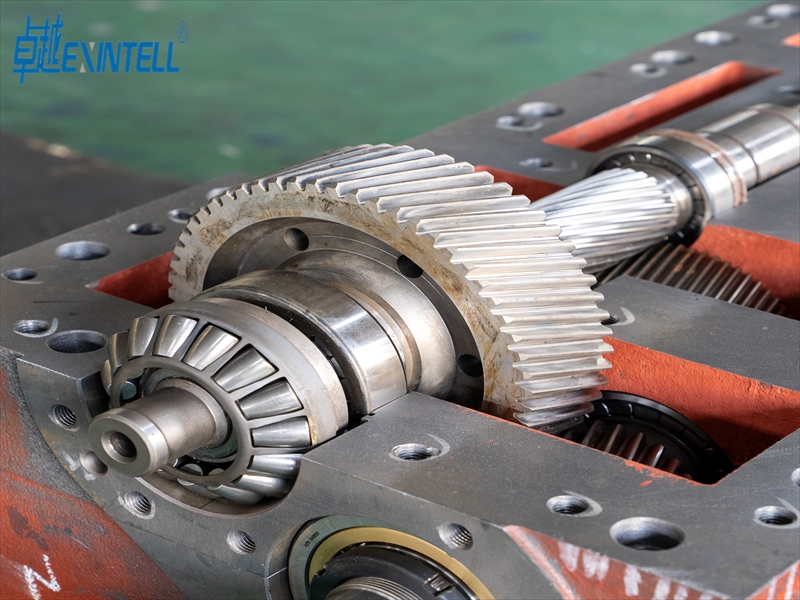
bilmek ana parçalar daha iyi peletler yapılmasına yardımcı olur. Bu parçalar haznedir, vida, varil, ölmek, soğutma sistemi, ve bıçak sistemi.
İlerleme hızını sabit tutmak çok önemlidir. Vida hızı da aynı kalmalıdır. Bu, peletlerin eşit şekilde üretilmesine yardımcı olur ve makine sorunlarını durdurur.
Peletlerin hızla sertleşmesi için iyi bir soğutma gerekir. Bu, pelletlerin şeklini korumasına ve güçlü kalmasına yardımcı olur.
Düzenli kontroller yapmak ekstruderin iyi çalışmasına yardımcı olur. Vidaları sık sık kontrol etmeli ve kalıbı temizlemelisiniz. Bu, makinenin çalışmasını sağlar ve daha uzun süre dayanmasını sağlar.
Peletleme Ekstruder Proses Adımları
A pelletizing extruder ham plastiği küçük topaklar haline getiriyor. Bunu birkaç ana adımı kullanarak yapar. Makinenin nasıl çalıştığını görmek için bu adımları takip edebilirsiniz..
Besleme ve Eritme
Birinci, hazneye ham plastik koyarsınız. The machine has a screw that moves the plastic forward. As it moves, the screw pushes the plastic and takes out air. The barrel gets hot and melts the plastic. The screw also makes heat by rubbing the plastic.
Uç:If you feed the plastic evenly, you get pellets that look the same.
The screw inside thepelletizing extruderhasthree parts:
The feeding zone pushes the plastic forward.
The compression zone melts the plastic and removes air.
The metering zone builds pressure and keeps the flow steady.
Çift vidalı ekstruderlermix the plastic even better. They have two screws that turn together. This gives more even heat and better mixing. It helps make pellets that are all the same.
The temperature you need depends on the plastic type. Here is a table with melting points for common plastics:
Plastic Polymer
Fundamental Melting Point (°C)
Practical Melt Temperature Range (°C)
Key Processing Notes
ABS'ler (Acrylonitrile Butadiene Styrene)
105 – 107 (Tg)
210 – 250
Avoid prolonged exposure above ~270°C to prevent degradation.
Polycarbonate (bilgisayar)
155 – 160
280 – 320
Must be dried thoroughly to prevent hydrolysis; requires high mold temperatures (80-110°C).
Polipropilen (PP)
160 – 165
200 – 260
High volumetric shrinkage; requires sufficient pack/hold pressure.
Nylon 66 (PA66)
260 – 265
280 – 310
Extremely hygroscopic; requires immediate pre-drying and hot molds (70-100°C).
Polietilen (HDPE)
130 – 135
210 – 260
High shrinkage; proper cooling design critical.
Polyoxymethylene (POM)
165 – 175
190 – 220
Prone to thermal degradation; avoid excessive temperatures and residence times.
Acrylic (PMMA)
160 – 170
220 – 250
Hygroscopic; must be dried to prevent defects; high flow resistance.
Polybutylene Terephthalate (PBT)
225 – 230
240 – 270
Hygroscopic; requires pre-drying; prone to warping.
Polyetheretherketone (GÖZ ATIN)
340 – 380
370 – 400
Requires very high processing temperatures and drying.
Thermoplastic Polyurethane (TPU)
120 – 140 (Tg)
180 – 220
Hygroscopic; sticky melt requires special gating.
Polyvinyl Chloride (PVC)
160 – 180 (Tg)
170 – 210
Poor thermal stability; requires precise temperature control and corrosion-resistant equipment.
Kalıptan Ekstrüzyon
Plastik eridiğinde, the pelletizing extruder onu bir kalıbın içinden iter. Kalıp, erimiş plastiği uzun şeritler veya başka şekiller halinde şekillendirir. Thekalıbın tasarımı şekli kontrol ediyor ve plastiğin boyutu. Yuvarlak bir kalıp kullanırsanız, yuvarlak teller elde edersiniz. Dikdörtgen bir kalıp kullanırsanız, plastiğin hareket şekli nedeniyle köşeler yuvarlanabilir.
Not: Kalıp güçlü olmalı ve uzun süre dayanmalıdır. Birçok kalıp kullanımı tungsten karbür uçlar cam elyaflı sert plastikler için.
Kalıbın sıcaklığı ve nasıl ısındığı da önemlidir. Kalıp eşit olmayan bir şekilde ısınıyorsa, plastik yanlış şekilde çıkabilir.
Ekstrüdatın soğutulması
Plastik kalıptan ayrıldıktan sonra, hala sıcak ve yumuşak. Hızlı soğutmanız gerekiyor ki sertleşsin. Thepelletizing extruder soğutmak için farklı yollar kullanabilir:
Sualtı Peletleyiciler: Kalıp ve kesici suyun içinde. The water cools the pellets right away.
Strand Pelletizers:The plastic strands go in a water bath, then air dries them before cutting.
Die-Face Pelletizers:The machine cuts the pellets at the die face. Air or water mist cools them, or they drop into a water bath.
If you cool the plastic too fast or too slow, the pellets can bend or shrink. This can make them the wrong size or shape. Good cooling helps you get pellets that are strong and all the same.
Cutting into Pellets
The last step is cutting the cooled plastic into small pellets. Thepelletizing extruderusesdifferent cutting systems:
A method that influences the uniformity and quality of the granules.
Horizontal Water Ring Cutting
Uses water to cool and cut the extrudate into pellets.
Underwater Cutting
Cuts the cooled strands underwater for uniform pellet size.
You can also find these cutting methods:
Gantry cutting
Horizontal water ring cutting
Underwater cutting
Each way helps you get pellets that are the same size. Pellets that are all the same are easier to handle, mağaza, and use in other machines.
Summary:You feed raw plastic into thepelletizing extruder, melt it, shape it with a die, cool it, and cut it into pellets. Each step changes the plastic from raw material into finished pellets you can use for many products.
Main Components of a Pelletizing Extruder
Hopper and Feed Throat
You begin by putting raw plastic into the hopper. The hopper stores and feeds the plastic. It keeps the plastic clean and safe from dirt. The bottom of the hopper fits with the feed throat. The feed throat connects to the extruder barrel. This setup helps the plastic move smoothly.
The hopper controls how much plastic goes in. This stops too much or too little plastic from entering.
Uç:A good hopper and feed throat help your pelletizing extruder work well.
Design Strategy
Impact on Material Flow
Tapered interface in feeders
Gives even feeding and stops holes from forming
Rotary valves with spool piece
Stops clumps and keeps the plastic moving
Vibratory feeders with transition throat
Helps the plastic flow and keeps the speed steady
Screw and Barrel
Inside the pelletizing extruder, the screw and barrel work together. They move, eritmek, and mix the plastic. The screw has three main parts:
Besleme Bölgesi:This part grabs the plastic and pushes it forward.
Sıkıştırma Bölgesi: Burada, the screw squeezes the plastic and removes air. This makes the plastic melt evenly.
Metering Zone:This part builds pressure and keeps the flow steady before the die.
The barrel goes around the screw. It heats and softens the plastic. The barrel also helps mix the plastic for a smooth melt.
Faktör
Tanım
Screw Geometry
The screw’s shape and angle change how the plastic moves and mixes. Small angles mix better but wear out faster.
Kneading Blocks
These parts mix the plastic more by making it rub together. More blocks or bigger angles mix more but use more energy and heat.
Temperature Profiles
You must control the heat in each part. Too much heat can hurt the plastic. Not enough heat leaves it unmelted.
Not:The right screw and barrel help you make good pellets and waste less.
Breaker Plate and Adapter
After melting, the plastic goes through the breaker plate and adapter. The breaker plate is a metal disc with many small holes. It does several things:
The adapter, also called the feed pipe, namluyu kalıba bağlar. Erimiş plastiği kalıba yönlendirir ve akışın sabit kalmasını sağlar.
Uç: Temiz bir kesici plaka ve adaptör, güçlü olmanıza yardımcı olur, hatta peletler.
Kalıp Sistemi
Kalıp sistemi erimiş plastiği kesmeden önce şekillendirir. Kalıbın bazı önemli parçaları var:
Açık Alan: Bu, kalıbın deliğinin boyutudur. Basıncı ve ürünün kalınlığını değiştirir.
Arsa Alanı: Bu parça kalıptan çıkan plastiğe şekil verir. Aynı görünen ve çalışan peletlerin yapılmasına yardımcı olur.
İnşaat Malzemesi: Kalıbın malzemesi plastiğin ne kadar sürtünme ve basınç aldığını değiştirir.
Kalıp sistemini iyi durumda tutmanız gerekir. Temizlemek ve kontrol etmek çoğu zaman sorunları durdurur ve pelet kalitesini yüksek tutar. Kalıpta sorun varsa, peletlerin boyutu değişebilir, kuvvet, veya şekil.
Not:The die system is one of the most important parts of your pelletizing extruder.
Soğutma Sistemi
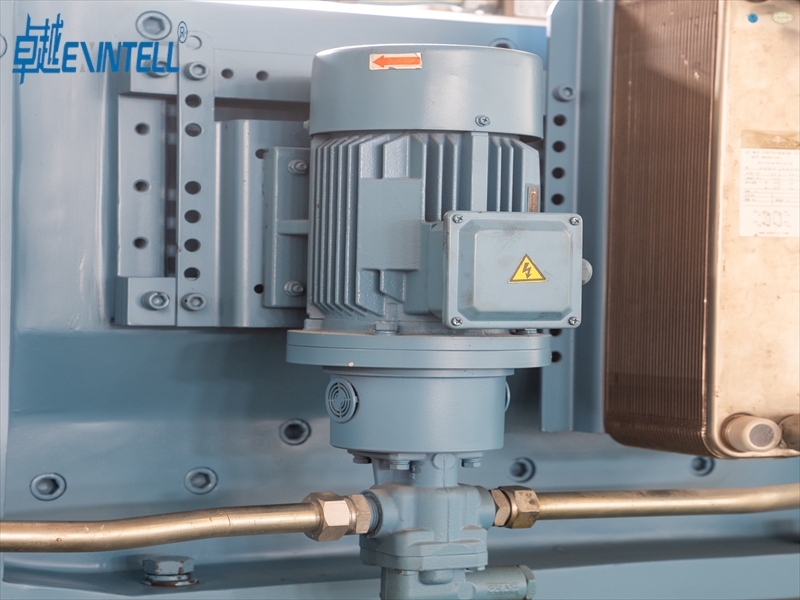
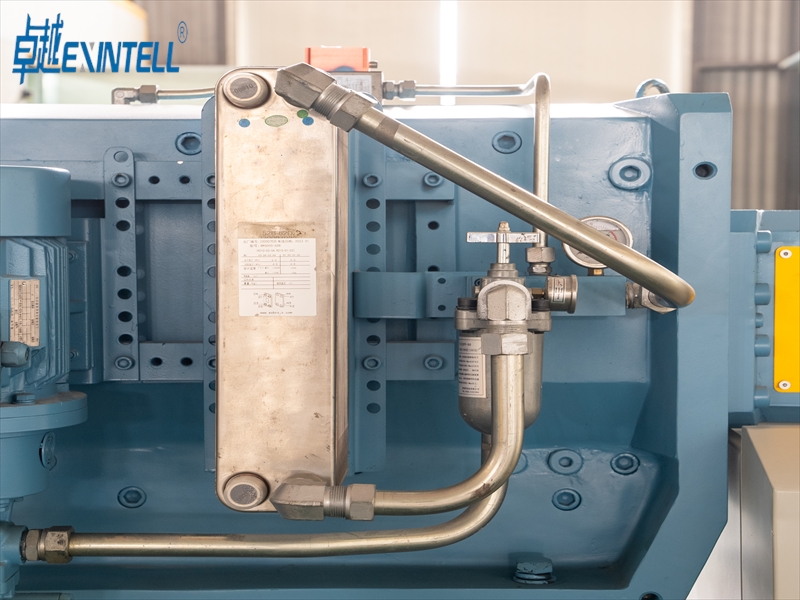
When the plastic leaves the die, it is still hot. The cooling system makes the plastic hard so you can cut it. There are different ways to cool:
Air-cooled systems:These use fans or blowers to cool the plastic.
Water-cooled systems:These drop the plastic into water tanks. Dryers then take off the water.
Fluidized bed dryers:These blow air through the pellets as they slide down a slope. You can change the slope to control how long the pellets stay in the dryer.
Some systems reuse water to save energy. Automatic controls can change cooling based on what you need, which also saves energy.
Evidence Point
Tanım
Optimizing Cooling Resources
Saves energy and helps the machine work better.
Otomatik Kontroller
Doğru miktarda soğutma kullanır.
Kapalı Döngü Sistemler
Suyu tekrar tekrar kullanır, su ve enerji tasarrufu.
Uç: İyi soğutma peletleri güçlü tutar ve enerji tasarrufu sağlar.
Döner Bıçak Sistemi
Döner bıçak sistemi soğutulmuş plastiği topaklar halinde keser. Bu sistemin keskin, Plastiği ortaya çıktıkça kesen hızlı bıçaklar.
Bıçaklar her bir pelletin boyutunu ve şeklini ayarlar.
Keskin, iyi ayarlanmış bıçaklar kuyruk veya toz gibi sorunları durdurur ve makinenin çalışır durumda kalmasını sağlar.
Bıçakları keskin ve doğru hızda tutmalısınız. Bıçaklar körelirse veya yavaşlarsa, düzensiz topaklar ve daha fazla duraklama elde edersiniz. Bıçaklar çok hızlıysa veya sıralanmamışsa, sorunlar ya da sıkışmalarla karşılaşıyorsunuz.
Not:The rotating knife system is very important for making good pellets and keeping your pelletizing extruder working well.
How Components Work Together
Material Flow and Homogenization
All the parts of the pelletizing extruder must work together. This helps the plastic move smoothly andmix well. The screw pushes the plastic forward and mixes it. You can change how fast the screw turns to mix more or less. Kneading blocks inside the screw help blend the plastic. Their shape and how you set them up help the plastic mix better.
You can change the speed to control mixing and keep flow steady.
Kneading Block Geometry
Special shapes help mix the plastic evenly.
Convective Mixing
The design moves plastic through mixing zones again and again.
Continuous Circulation
All plastic passes through strong mixing areas many times.
Modular Screw Design
You can change the screw parts for different plastics.
Kneading Block Configurations
Different setups give strong mixing for the right pellet quality.
Sometimes, mixing can be hard. If you mix too much, you can break fibers or make dust. Too much mixing can also make the plastic too hot. Gentle mixing is better for soft plastics. Some plastics, beğenmek ultra-low melt flow HDPE, move slowly. These need more pressure to flow.
Pellets are made by cooling and cutting the plastic after it leaves the die. The cooling system makes the plastic hard so knives can cut it. Good cooling systems pelet boyutunun ve şeklinin aynı kalmasına yardımcı olun. Otomatik kontroller süreci çalışırken değiştirebilir. Bu, daha iyi pelet elde etmenize ve daha az israf etmenize yardımcı olur.
Kanıt Türü
Tanım
Gelişmiş Soğutma Sistemleri
Bu topaklar hızla serinler ve şekillerini korurlar.
Otomatik Kontrol Sistemleri
Bunlar, daha iyi kalite ve daha az atık için ayarları ayarlar.
Yüksek Verimli Isıtıcılar
Bunlar, düzgün ekstrüzyon için plastiği eşit şekilde ısıtır.
Peletleri kaybetmemek veya kirletmemek için dikkatli bir şekilde toplayıp kullanmalısınız.. İyi aletler kullanın ve alanı temiz tutun. Kapalı yürüyüş yolları ve kapalı borular peletlerin dışarı çıkmasını engeller. İşçilere dökülme koruyucularını kullanmayı ve acil durumda ne yapacaklarını öğretin.
Doğru araçları ve kapalı sistemleri kullanın.
Dökülenleri hızla temizleyin.
Çalışanlara peletleri güvenli bir şekilde nasıl kullanacaklarını öğretin.
Uç: When every step works together, you get strong, clean pellets and a safer place to work.
You turn raw plastic into even pellets by doing five steps: feeding, erime, extruding, soğutma, ve kesme. Each main part—hopper, vida, varil, ölmek, soğutma, and knife system—has an important job. Taking care of your extruder helps it work well:
Look at screws and sleeves to see if they are damaged.
Make sure raw materials are clean so nothing bad gets in.
Watch for worn parts and change them before they break.
If you know about pellet quality and how tocontrol moisture, you can work faster and make fewer mistakes. Use these tips to keep your machine working well and making good pellets.
SSS
What types of plastics can you use in a pelletizing extruder?
Peletleme ekstruderinde birçok plastik kullanabilirsiniz. Bazı örnekler polietilendir, polipropilen, naylon, ABS'ler, PLA, ve TPU. Her plastiğin kendi sıcaklığına ve ayarlarına ihtiyacı vardır. Başlamadan önce daima malzemenizin neye ihtiyacı olduğunu kontrol edin.
Peletlerin boyutunu nasıl aynı boyutta tutarsınız??
Malzemeyi sabit bir oranda beslemeniz gerekir. Vida hızını aynı tutun. Kalıbı ve bıçakları sık sık temizleyin. Soğutma ve kesmeye yardımcı olması için otomatik kontrolleri kullanın. Bu size en iyi sonuçları verir.
Ekstruder neden bir soğutma sistemine ihtiyaç duyar??
Soğutma sistemi erimiş plastiği sertleştirir. Eğer soğutmazsan, topaklar yumuşak kalır ve birbirine yapışır. Hızlı ve eşit şekilde soğutduğunuzda, güçlü peletler alırsın. Bu peletlerin kullanımı kolaydır.
Peletleme ekstruderinin bakımını ne sıklıkla yapmalısınız??
Rulmanları her seferinde kontrol edin ve yağlayın 500 saat.
Look at the screws and knives every week.
Clean the hopper and die after each batch.
Doing these things helps your machine work well.
Can you use recycled plastics in a pelletizing extruder?
Material Type
Suitability
Notes
Clean Recycled
Evet
Dry and filter before use
Mixed Recycled
Sometimes
May need sorting and cleaning
Contaminated
HAYIR
Can damage machine
You can use recycled plastics if they are clean and sorted.