

Ano Ang Pabrika ng Twin Screw Extruder? Isang Comprehensive B2B na Gabay para sa mga Manufacturers, Mga supplier, at Wholesale Buyers
Ang pabrika ng twin screw extruder ay isang espesyal na pasilidad sa pagmamanupaktura ng industriya na nagdidisenyo, mga inhinyero, nagtitipon, at sumusubok sa twin screw extrusion system na ginagamit sa mga plastic compounding, pagproseso ng pagkain, mga pharmaceutical, at mga industriya ng kemikal. Para sa mga mamimili ng B2B na kumukuha mula sa mga pandaigdigang merkado — partikular sa buong koridor ng kalakalan — pag-unawa kung ano ang ginagawa ng mga pabrika na ito, kung paano sila gumana, at kung ano ang pinagkaiba ng isang maaasahang tagagawa ng twin screw extruder mula sa isang hindi mapagkakatiwalaan ay kritikal sa paggawa ng maayos na mga desisyon sa pagkuha. Sinasaklaw ng gabay na ito ang buong tanawin: mga operasyon ng pabrika, pagsusuri ng supplier, pakyawan na mga diskarte sa pagbili, epekto ng patakaran sa kalakalan, at mga uso sa merkado na inaabangan ang panahon at higit pa.
Pag-unawa sa Twin Screw Extruder: Pangunahing Teknolohiya at Industrial Application
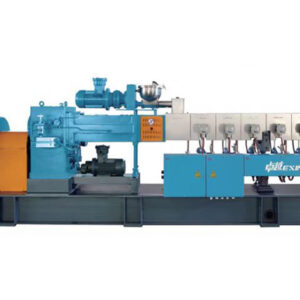
Ang twin screw extruder ay isang makina na gumagamit ng dalawang intermeshing, co-rotating o counter-rotating na mga turnilyo na nakalagay sa loob ng isang bariles upang ihalo, tambalan, matunaw, at hugis hilaw na materyales. Hindi tulad ng mga single screw extruder, Ang twin screw system ay nag-aalok ng higit na kahusayan sa paghahalo, tumpak na kontrol sa temperatura, at ang kakayahang magproseso ng mas malawak na hanay ng mga materyales — mula sa mga thermoplastics at rubber compound hanggang sa mga sangkap ng pagkain at pharmaceutical granules.
Extruded na Pagkain Ang mga pangunahing bahagi na ginawa sa isang twin screw Pabrika ng Presyo ng Twin Screw Extruder extruder factory kasama: Heavy Duty Commercial Mixer
- Mga elemento ng tornilyo (mga bloke ng pagmamasa, naghahatid ng mga elemento, paghahalo ng mga elemento)
- Mga bariles (segmented o monolitik, may mga heating/cool channels)
- Mga gearbox at drive system
- Mga sistema ng pagpapakain (gravimetric at volumetric feeder)
- Die heads at downstream equipment
- Mga control system at automation panel
Twin screw extruders are deployed in plastics compounding (the largest segment), produksyon ng masterbatch, polymer recycling, snack food manufacturing, pet food production, pharmaceutical hot-melt extrusion, and advanced materials processing including carbon fiber composites and battery electrode materials. Ayon sa datos mula sa Pananaliksik sa Grand View, ang pandaigdigang merkado ng twin screw extruder ay nagkakahalaga ng humigit-kumulang USD 1.2 bilyon sa 2024 at inaasahang lalago sa isang CAGR ng 5.2% sa pamamagitan ng 2030.

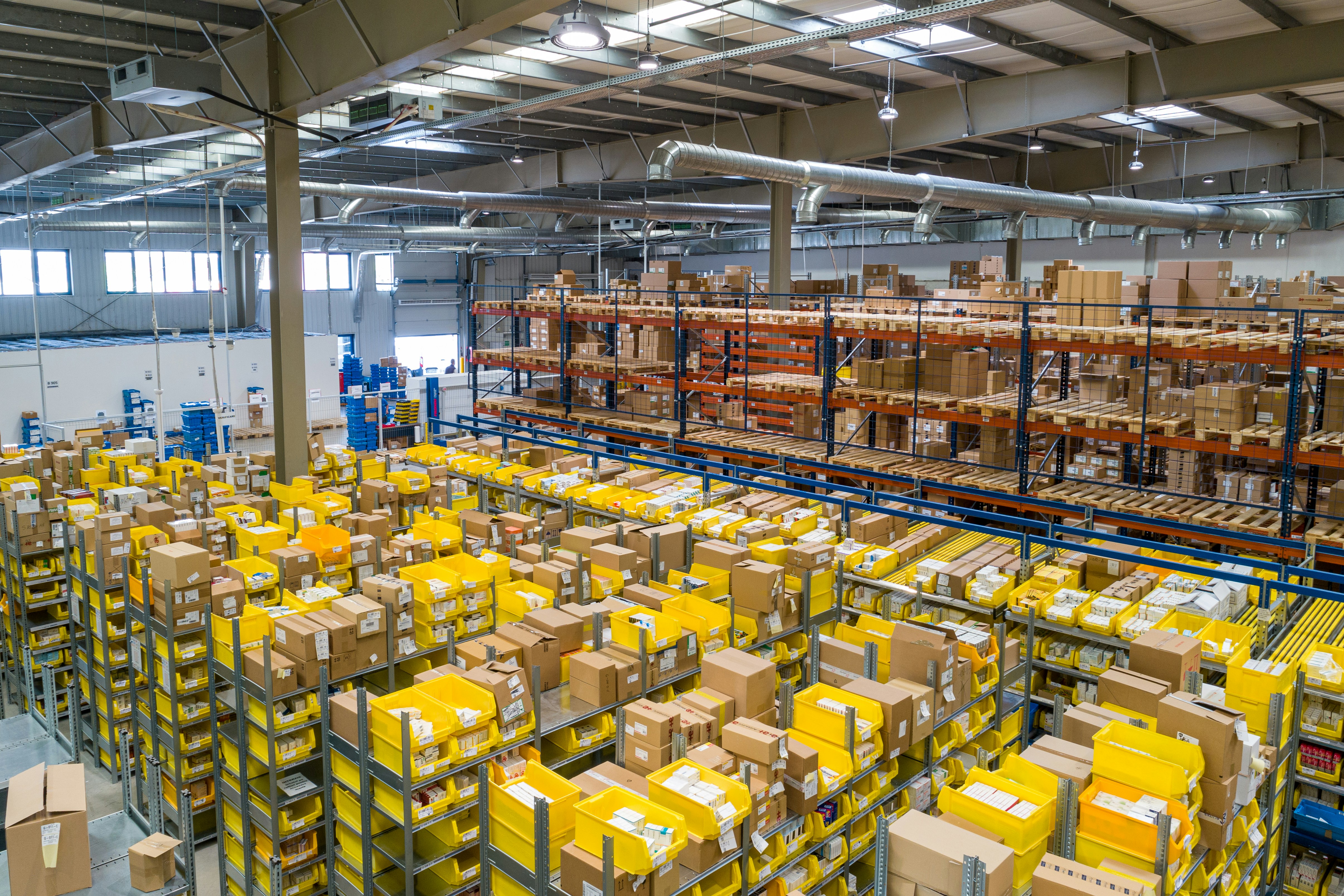
Industrial manufacturing facility interior with heavy machinery and production lines representing a twin screw extruder facto
What Makes a Twin Screw Extruder Factory Different from a Workshop or Assembly Shop
Not every company that sells twin screw extruders operates a genuine factory. The distinction matters enormously for B2B buyers. A true twin screw extruder factory has:
- In-house metallurgy and machining: CNC machining centers, deep-hole drilling equipment, and heat treatment furnaces for producing screw elements and barrels from tool steel, tungsten carbide, or specialized alloys.
- Engineering at R&D mga departamento: Mga dedikadong team na nagdidisenyo ng mga configuration ng screw, magpatakbo ng software ng simulation (gaya ng Ludovic o PolyXtrue), at bumuo ng mga custom na solusyon para sa mga partikular na hamon sa pagproseso ng materyal.
- Mga linya ng pagpupulong at pagsubok: Mga kinokontrol na kapaligiran kung saan ang mga kumpletong extruder system ay binuo, nakahanay, at tumakbo sa pamamagitan ng mga pagsubok sa pagpapatunay ng pagganap bago ipadala.
- Mga sistema ng pamamahala ng kalidad: ISO 9001 sertipikasyon sa pinakamababa, na may maraming pabrika na may hawak ding kakayahan sa pagmamarka ng CE, at pagsunod sa mga direktiba sa makinarya gaya ng EU Machinery Regulation 2023/1230 (pinapalitan ang dating 2006/42/EC na direktiba, epektibo sa Enero 2027).
Isang assembly shop o kumpanya ng kalakalan, sa kabaligtaran, pinagmumulan ng mga bahagi mula sa maraming sub-supplier, tinitipon ang mga ito na may limitadong kontrol sa kalidad, at madalas ay kulang sa lalim ng engineering para suportahan ang mga custom na configuration o after-sales na teknikal na serbisyo. Kapag sinusuri ang a twin screw extruder supplier, verifying factory capability is the first step.
The Global Landscape: Where Twin Screw Extruder Factories Are Located
Twin screw extruder manufacturing is concentrated in several key regions:
Europa: Germany remains the historical center of twin screw extruder innovation. Companies like Coperion (Stuttgart), KraussMaffei (Munich), at Leistritz (Nuremberg) operate large-scale factories with decades of engineering heritage. Italy also has a strong cluster, particularly in the Brescia-Bergamo corridor. European factories are known for precision engineering, advanced metallurgy, and premium pricing.
Tsina: China has emerged as the world's largest producer of twin screw extruders by volume. Major manufacturing clusters exist in Nanjing (Lalawigan ng Jiangsu), which alone hosts over 40 twin screw extruder factories, as well as in Zhangjiagang, Kunshan, at Lalawigan ng Guangdong. Ang mga pabrika ng China ay mula sa mga high-end na tagagawa na gumagawa ng mga kagamitan na maihahambing sa mga pamantayang European, sa mga operasyong nakatuon sa badyet na nagta-target sa mga merkado na sensitibo sa presyo. Ayon sa Data ng Customs ng China, pag-export ng makinarya sa pagpoproseso ng plastik (HS code 8477) lumampas sa USD 3.8 bilyon sa 2024.
Estados Unidos: Ang US ay may mas kaunting nakalaang mga pabrika ng twin screw extruder ngunit nagho-host ng mga makabuluhang operasyon mula sa mga pandaigdigang manlalaro (Coperion's manufacturing and service center in New Jersey, halimbawa) at mga dalubhasang domestic na tagagawa. Pangunahing importer at end-user market ang US market.
Japan at South Korea: Japan's JSW (Japan Steel Works) at Shibaura Machine (dating Toshiba Machine) ay mga premium na tagagawa. Ang South Korea ay may lumalaking kapasidad, partikular para sa pagkain at mga kagamitan sa pag-extrusion ng parmasyutiko.
Global shipping port na may mga container vessel at crane na kumakatawan sa internasyonal na B2B trade logistics para sa industrial machiner
Trade Policy and Its Impact on Twin Screw Extruder Procurement
For B2B buyers operating in the trade corridor, understanding current trade policy is essential for cost planning and supply chain strategy.
The Transatlantic Trade and Technology Council (TTC), itinatag sa 2021, has continued to shape industrial cooperation. While the TTC does not directly set tariffs, its working groups on supply chain resilience and technology standards influence how industrial machinery — kabilang ang mga kagamitan sa pagpilit — moves between the two markets. Sa kalagitnaan ng, the key policy factors include:
Pabrika ng Screw Extruder Machine Tariff environment: Standard US tariffs on EU-manufactured industrial machinery (HTS Chapter 84) remain at rates between 0% at 3.5% for most twin screw extruder components. The EU applies similar rates on US-origin machinery. Gayunpaman, the broader tariff environment has been volatile. The US Section 232 mga tariff ng bakal at aluminyo (25% at 10% respectively), while primarily targeting raw materials, have increased costs for extruder factories that source specialty steels. The EU's Carbon Border Adjustment Mechanism (CBAM), na pumasok sa transitional phase nito noong Oktubre 2023 at gumagalaw patungo sa ganap na pagpapatupad ng 2026, adds reporting requirements for embedded carbon in imported goods, per European Commission CBAM documentation.
Supply chain shifts: The US Inflation Reduction Act (IRA) and the EU's Green Deal Industrial Plan have both created incentives for domestic manufacturing of clean energy technologies. Twin screw extruders are critical equipment in battery electrode manufacturing, bioplastics compounding, and polymer recycling — all sectors receiving significant policy support. This has driven increased demand for extrusion equipment on both sides of the Atlantic, according to reporting from the Pangangasiwa ng Pandaigdigang Kalakalan (ITA).
Standards and compliance: The EU's new Machinery Regulation (2023/1230) ay mangangailangan ng na-update na mga pamamaraan sa pagtatasa ng conformity para sa mga makinarya na inilagay sa merkado ng EU simula Enero 20, 2027. Ang mga pabrika ng twin screw extruder na nag-e-export sa Europa ay dapat maghanda para sa mga pagbabagong ito. Ang mga mamimili sa US na nag-i-import ng kagamitan sa Europa ay nakikinabang mula sa karaniwang mataas na mga pamantayan sa pagsunod ngunit dapat na maingat na i-verify ang dokumentasyon ng CE.
Paano Suriin ang Twin Screw Extruder Factory bilang B2B Buyer
Kung ikaw ay isang plastic compounder sa Ohio, isang tagagawa ng pagkain sa Netherlands, o isang kumpanyang pangkalakal na naghahanap ng mga kliyente sa Southeast Asia, ang pagsusuri sa isang pabrika ng twin screw extruder ay nangangailangan ng isang sistematikong diskarte:
1. I-verify ang Kakayahang Paggawa
Humiling ng factory tour (virtual o personal). Maghanap ng in-house na CNC machining ng mga elemento ng screw at barrels, mga pasilidad sa paggamot sa init, at isang nakalaang lugar ng pagpupulong. A factory that outsources all machining is essentially a trading company with a warehouse.
2. Assess Engineering Depth
Ask about screw design capability. Can the factory provide custom screw configurations for your specific material and process? Do they use simulation tools? Can they provide process trial data from their test lab? A genuine tagagawa ng twin screw extruder will have a technical team that can discuss your application in detail.
3. Check Quality Certifications
ISO 9001 is the baseline. For EU markets, Ang pagmamarka ng CE ay sapilitan. Para sa mga application ng food-contact, look for FDA compliance or EU Regulation (EC) Hindi 1935/2004 pagsunod. For pharmaceutical applications, GMP-compatible design is essential.
4. Review After-Sales Support
Twin screw extruders are long-lifecycle capital equipment. Spare parts availability, technical support response time, and the availability of field service engineers in your region are critical factors. Ang mga pabrika sa Europa ay karaniwang may malakas na network ng serbisyo sa EU at North America. Ang mga pabrika ng China ay mabilis na nagpapalawak ng kanilang mga kakayahan sa serbisyo sa ibang bansa, na may ilan na ngayon na nagpapanatili ng mga bodega ng ekstrang bahagi sa Germany, ang Netherlands, at ang Estados Unidos.
5. Humiling ng Mga Sanggunian
Humingi ng mga sanggunian ng customer sa iyong industriya at rehiyon. Isang pabrika na hindi makapagbibigay Tagagawa ng Twin-Screw Extruder Machine ang mga sanggunian para sa iyong partikular na uri ng aplikasyon ay dapat lapitan nang may pag-iingat. Supplier ng Plastic Extruder

Inspeksyon ng engineer ang mga pang-industriyang makinarya sa isang factory setting na kumakatawan sa kontrol ng kalidad sa twin screw extruder manufacturi
Bultuhang Pabrika ng Twin Screw Extruder: Ano ang Kailangang Malaman ng Maramihang Mamimili
Pakyawan na pagbili ng twin screw extruders — pagbili ng maraming unit o pagtatatag ng mga kasunduan sa balangkas — ay karaniwan sa malalaking compounding group, EPC contractors for turnkey plants, and trading companies serving regional markets. The wholesale dynamic differs significantly from single-unit procurement:
Pricing structure: Volume discounts of 8-15% are typical for orders of 3+ mga yunit. Framework agreements covering 12-24 months of supply can yield additional savings of 3-5%. Gayunpaman, the most significant cost lever is often standardization — agreeing on a common platform configuration reduces the factory's engineering and production costs, and those savings can be passed through.
Lead times: Standard lead times for twin screw extruders range from 12-20 weeks for Chinese factories to 16-30 weeks for European factories (as of Q2 ). Wholesale Color Masterbatch Machine Factory buyers can negotiate priority production slots, but should plan procurement cycles 6-9 months ahead, particularly for customized configurations.
Logistics and trade terms: For trade, most transactions use Incoterms 2020 terms. FOB or CIF are common for ocean freight shipments. Twin screw extruders are typically shipped in wooden crates with ISPM-15 compliant packaging. A standard laboratory-scale twin screw extruder (hal., 20mm diameter ng tornilyo) might weigh 500-800 kg; a production-scale machine (hal., 135mm diameter ng tornilyo) can weigh 15,000-25,000 kg, requiring specialized heavy-lift logistics.
Mga tuntunin sa pagbabayad: The industry standard is 30% advance payment with order confirmation, 60% before shipment (against inspection), at 10% pagkatapos ng commissioning. Letters of credit (L/C) are common for first-time transactions, particularly in cross-border trade. Established relationships may move to open account terms with 60-90 day payment windows.
B2B Trade Opportunities and Challenges in the Extrusion Equipment Market
The corridor presents specific opportunities and challenges for twin screw extruder trade:
Mga pagkakataon
- Sustainability-driven demand: Parehong ang US at EU ay namumuhunan nang malaki sa imprastraktura ng pag-recycle ng polimer. Ang mga mekanikal na linya ng recycling ay nangangailangan ng twin screw extruder para sa recompounding. Pag-recycle ng kemikal (pag-upgrade ng langis ng pyrolysis) gumagamit din ng teknolohiya ng extrusion. The EU's Packaging and Packaging Waste Regulation (PPWR), pinagtibay sa 2024, nag-uutos ng mga target na recycled na nilalaman na magtutulak sa pamumuhunan ng kagamitan 2030, bilang dokumentado ng European Commission DG Environment.
- Pagproseso ng mga materyales sa baterya: Ang mga twin screw extruder ay ginagamit sa dry electrode manufacturing para sa lithium-ion na mga baterya. Sa pagpapabilis ng napakalaking konstruksyon sa parehong US (hinihimok ng mga insentibo ng IRA) at ako (European Battery Alliance), ang pangangailangan para sa mga espesyal na kagamitan sa pagpilit ay mabilis na lumalaki.
- Pagproseso ng pagkain at feed: Plant-based na protein extrusion (high-moisture meat analogues) ay isang segment ng paglago. European food technology companies are leading in this space, and US food manufacturers are increasingly sourcing European twin screw extrusion technology for this application.
Challenges
- Currency volatility: EUR/USD fluctuations directly impact procurement costs. The euro has traded in a range of approximately 1.03-1.15 against the dollar over the past 18 buwan, creating budgeting uncertainty for cross-Atlantic purchases.
- Regulatory divergence: Despite TTC coordination efforts, US and EU machinery safety standards are not fully harmonized. Equipment designed for the EU market may require modifications for US electrical codes (NEC/NFPA 79 vs. IEC 60204-1), and vice versa.
- Mga alalahanin sa intelektwal na ari-arian: Some B2B buyers, particularly those sourcing from lower-cost factories, face risks around IP protection for proprietary screw designs and process configurations. Robust NDAs and clear IP ownership clauses in supply contracts are essential.
- Geopolitical uncertainty: Ongoing trade tensions, potential new tariff actions, and shifting alliance structures create planning uncertainty. Ang World Trade Organization (WTO) has noted increasing fragmentation in global trade patterns, which affects capital equipment procurement strategies.

Business professionals reviewing trade documents and contracts in a modern office representing B2B procurement negotiations f
Geographic and Policy Advantages: How the Corridor Enables B2B Extrusion Equipment Trade
The trade relationship, despite periodic friction, remains the world's largest bilateral commercial relationship. For twin screw extruder trade specifically, several structural advantages facilitate B2B commerce:
Established logistics infrastructure: Major ports like Rotterdam, Hamburg, Antwerp-Bruges (Europa) and Newark, Houston, Long Beach (US) have well-developed heavy machinery handling capabilities. Transit times of 10-18 days for ocean freight between major EU and US ports are reliable and well-served by multiple shipping lines.
Mutual recognition frameworks: While not a formal mutual recognition agreement for machinery, the US and EU have decades of experience with each other's regulatory systems. Notified Bodies in the EU and NRTLs (Nationally Recognized Testing Laboratories) in the US understand cross-market requirements, simplifying compliance for twin screw extruder factories serving both markets.
Imprastraktura sa pananalapi: trade benefits from deep banking relationships, readily available trade finance instruments, and stable legal frameworks for contract enforcement. The International Chamber of Commerce (ICC) rules on documentary credits and the UN Convention on Contracts for the International Sale of Goods (CISG) provide well-understood legal foundations.
Plastic Compounding Manufacturer Trade show ecosystem: Key industry events facilitate buyer-supplier connections. K Fair (Düsseldorf, susunod na edisyon Oktubre ), NAME (Orlando, next edition May 2027), and Chinaplas (taun-taon) are the primary venues where twin screw extruder factories showcase their latest technology. Smaller specialized events like the Compounding World Expo (Essen, Alemanya) provide focused networking opportunities. 2Nd Hand Building Material

International trade exhibition hall with industrial equipment displays and B2B visitors representing extrusion machinery trad
Case Studies Companies Operating Successfully in the Twin Screw Extruder Market
Examining how established companies navigate the twin screw extruder market provides practical insights for B2B buyers and suppliers:
Pag-aaral ng Kaso 1: European Manufacturer Expanding US Market Presence
Coperion, headquartered in Stuttgart, Alemanya, operates one of the world's largest twin screw extruder factories. Their strategy for the US market illustrates best practices for cross-Atlantic B2B trade. Rather than simply exporting from Germany, Coperion established a significant operational presence in the US — including a manufacturing and service facility in Sewell, New Jersey, and a test lab in Pitman, New Jersey. This dual-location strategy allows them to offer European engineering quality with US-based service response times. Para sa mga mamimili ng B2B, this model provides the security of a local service partner backed by deep factory engineering capability. Ang kanilang diskarte sa merkado ng US ay naitala sa mga publikasyong pangkalakalan kabilang ang Mga Plastic Ngayon.
Pag-aaral ng Kaso 2: Kredibilidad ng Chinese Factory Building sa Western Markets
Ang mga pabrika ng twin screw extruder na nakabase sa Nanjing ay lalong nagta-target sa mga merkado ng US at EU. Ang mga matagumpay ay namuhunan sa ilang mga pangunahing lugar: pagkuha ng CE certification at UL-listed electrical component para sa kanilang mga makina, pagtatatag ng mga imbentaryo ng ekstrang bahagi sa Europa (karaniwan sa Netherlands o Germany dahil sa mga pakinabang ng logistics hub), kumukuha ng mga sales engineer na nagsasalita ng English at German, at patuloy na paglahok sa European trade show. Ang isang kapansin-pansing pattern ay ang paggamit ng mga sentro ng pagsubok sa proseso — ilang tagagawa ng Nanjing ang nagtatag ng mga test lab kung saan maaaring patakbuhin ng mga prospective na mamimili sa Kanluran ang kanilang mga materyales sa kagamitan bago gumawa ng pagbili. This addresses the trust gap that has historically limited Chinese factory penetration in premium Western markets.
Pag-aaral ng Kaso 3: US Compounder Optimizing Multi-Source Procurement
A mid-sized US plastics compounding company (taunang kita na humigit-kumulang USD 200 milyon) shared their procurement approach at an industry conference in early. They operate 14 twin screw extruder lines sourced from three different manufacturers — two European and one Chinese. Their strategy: European machines for their most demanding applications (engineering plastics compounding requiring tight tolerance and high torque), and Chinese machines for commodity compounding lines where uptime requirements are less stringent and capital cost sensitivity is higher. They reported that the total cost of ownership (TCO) gap between European and Chinese equipment has narrowed from approximately 50% five years ago to approximately 25-30% today, driven primarily by improvements in Chinese gearbox and barrel metallurgy quality. This multi-source approach is increasingly common among sophisticated B2B buyers, as noted in analysis from industry procurement guides.
Industrial worker operating heavy manufacturing equipment in a factory representing hands-on twin screw extruder production o
Trade Trend Predictions: What to Expect in the Next 1-2 mga buwan (Hulyo-Agosto )
Batay sa kasalukuyang mga signal ng merkado, mga pagpapaunlad ng patakaran, at data ng industriya, several trends are likely to shape the twin screw extruder factory landscape in the near term:
Continued strong demand from recycling sector: The EU's PPWR implementation timeline is driving urgent investment in recycling infrastructure. Twin screw extruder orders for recycling applications are expected Tagagawa ng Twin Screw Extruders to remain robust through Q3. Factories with proven recycling-grade equipment (may kakayahang pangasiwaan ang mga kontaminadong feedstock, mataas na pagkarga ng tagapuno, at variable na kalidad ng input) makikita ang kagustuhang demand.
Bumibilis ang mga order ng sektor ng baterya: Maraming US at European gigafactory na proyekto ang lumilipat mula sa konstruksiyon patungo sa mga yugto ng pagkuha ng kagamitan. Mga pabrika ng twin screw extruder na may kakayahan sa pagproseso ng dry electrode — isang medyo angkop na lugar ngunit mabilis na lumalagong segment — ay malamang na makakita ng makabuluhang paggamit ng order. Ito ay isang lugar ng teknolohiya kung saan ang mga tagagawa ng Hapon (JSW, Shibaura) kasalukuyang nangunguna, ngunit ang mga pabrika sa Europa at Tsino ay namumuhunan nang malaki upang makipagkumpitensya.
Presyo ng presyo mula sa sobrang kapasidad sa China: Ang Nanjing twin screw extruder cluster ay makabuluhang pinalawak ang kapasidad ng produksyon sa nakalipas na tatlong taon. Sa paglambot ng domestic Chinese demand sa ilang segment (partikular na ang mga commodity plastics compounding), export pricing pressure is likely to intensify. B2B buyers may find favorable negotiating conditions for Chinese-origin equipment in the July-August window.
Tariff watch: Ang kapaligiran ng patakaran sa kalakalan ng US ay nananatiling dynamic. B2B buyers should monitor potential changes to Section 301 tariffs (currently primarily targeting Chinese goods) and any new trade actions that could affect machinery imports. Ang US International Trade Commission (USITC) maintains updated tariff schedules and trade remedy information.
Sustainability documentation requirements increasing: Both US and EU buyers are increasingly requiring carbon footprint data, conflict mineral declarations, and sustainability reports from equipment suppliers. Twin screw extruder factories that can provide comprehensive ESG documentation will have a competitive advantage in B2B procurement processes. The EU's Corporate Sustainability Reporting Directive (CSRD) is driving this trend on the European side.
Digital twin and IoT integration: Leading twin screw extruder factories are integrating digital twin technology and IoT-enabled monitoring into their equipment. Para sa mga mamimili ng B2B, this means the ability to monitor extruder performance remotely, predict maintenance needs, and optimize process parameters using data analytics. Factories offering these capabilities command premium pricing but deliver measurable operational value.
Worker Safety in Extrusion Factories: Protecting Feet and Toes on the Production Floor
Twin screw extruder factories are heavy industrial environments. The machines themselves weigh thousands of kilograms, process materials at temperatures exceeding 300°C, and operate under pressures that can reach 200+ bar. The factory floor presents significant safety hazards — at ang proteksyon sa paa ay isa sa mga pinaka-kritikal ngunit madalas na hindi pinahahalagahan na mga aspeto ng kaligtasan sa lugar ng trabaho sa mga pasilidad na ito. Mga Kumpanya ng Extrusion
Bakit Mahalaga ang Proteksyon sa Paa sa Paggawa ng Extrusion
Sa isang pabrika ng twin screw extruder, ang mga manggagawa ay nahaharap sa maraming panganib sa paa at paa araw-araw:
- Nahulog ang mabigat na bagay: Mga elemento ng tornilyo, mga segment ng bariles, mamatay na mga plato, at ang mga bahagi ng gearbox ay regular na hinahawakan sa panahon ng pagpupulong, pagpapanatili, at mga pagbabago. Ang isang solong elemento ng tornilyo ay maaaring timbangin 5-15 kg; maaaring timbangin ang isang segment ng bariles 50-200 kg. Ang pagbagsak ng alinman sa mga ito sa isang hindi protektadong paa ay maaaring magdulot ng pagdurog na mga pinsala, bali, o amputations.
- Mga natapon ng mainit na materyal: Molten polymer sa 200-350°Ang C ay maaaring tumapon sa panahon ng mga pagbabago sa die, mga operasyon sa paglilinis, o mga pagkakamali ng kagamitan. Ang pagkakadikit sa mga paa na hindi protektado ay nagdudulot ng matinding paso.
- Pagkakalantad sa kemikal: Pagproseso ng mga additives, paglilinis ng mga solvent, and some polymer degradation products can cause chemical burns or skin irritation on contact.
- Mga panganib sa madulas: Polymer pellets on the floor, pagtagas ng haydroliko na langis, and water from cooling systems create slip hazards that can lead to falls and foot/ankle injuries.
- Mga panganib sa compression: Heavy equipment on wheels (extruder carts, material bins, forklifts) can roll over feet. The static weight of a production twin screw extruder on a mobile frame can exceed 10,000 kg.
Safety Footwear Standards for Industrial Environments
B2B safety footwear for extrusion factory environments must meet rigorous standards:
European standard EN ISO 20345: This is the primary standard for safety footwear in EU workplaces. It defines protection classes:
- SB: Pangunahing proteksyon sa daliri ng paa (200 joule impact resistance)
- S1: SB + saradong takong, antistatic, pagsipsip ng enerhiya sa takong
- S2: S1 + water penetration resistance
- S3: S2 + penetration-resistant sole + cleated outsole
- S4/S5: Polymer boot versions of S1/S3
For twin screw extruder factory environments, S3 rated footwear ang pinakamababang rekomendasyon. Ang 200-joule toe cap impact resistance ay katumbas ng a 20 kg bagay na nahulog mula sa 1 taas ng metro — sapat para sa karamihan ng mga elemento ng tornilyo at mga tool sa kamay, bagaman hindi para sa pinakamabibigat na bahagi kung saan may karagdagang pag-iingat sa paghawak (hoists, proteksiyon na mga hadlang) ay kinakailangan.
US standard ASTM F2413: Tinutukoy ng American standard ang impact resistance (I/75 = 75 mga libra ng paa) at compression resistance (C/75 = 2,500 libra). Kasama sa mga karagdagang rating ang Mt (proteksyon ng metatarsal), Cd (conductive), EH (panganib sa kuryente), SD (static na dissipative), at PR (lumalaban sa pagbutas). Para sa paggamit ng pabrika ng extrusion, Inirerekomenda ang I/75 C/75 EH PR rated na sapatos.
Ang B2B Safety Footwear Market: Mga Pagkakataon para sa Mga Supplier
Cr-10S Pro V2 Extruder Ang pandaigdigang merkado ng kaligtasan ng sapatos ay nagkakahalaga ng humigit-kumulang USD 7.8 bilyon sa 2024, ayon sa MarketsandMarkets, na ang industriyal na pagmamanupaktura ang pinakamalaking bahagi ng end-use. Para sa mga supplier ng kasuotang pangkaligtasan ng B2B na nagta-target sa industriya ng pagpoproseso ng extrusion at plastik, maraming mga kadahilanan ang lumikha ng pagkakataon:
Mga upgrade sa pagmamaneho ng pagsunod sa regulasyon: Parehong OSHA (US) and EU-OSHA enforce workplace safety regulations that require employers to provide appropriate PPE, kabilang ang mga sapatos na pangkaligtasan. Regular audits and increasing enforcement activity mean that factories must maintain compliant footwear programs. This creates recurring B2B demand.
Comfort and performance expectations rising: Modern factory workers expect safety footwear that is not only protective but also comfortable for 8-12 mga shift ng oras. Lightweight composite toe caps (replacing traditional steel), breathable linings, ergonomic insoles, and athletic-style designs are driving product innovation and replacement cycles. Workers who find their safety shoes uncomfortable are more likely to wear them improperly or remove them — creating safety risks that employers want to avoid.
Heat-resistant specialty footwear: Extrusion factory environments specifically require footwear with heat-resistant outsoles. Ang mga karaniwang rubber outsole ay maaaring bumaba sa mainit na ibabaw. Nitrile rubber o Viton-based outsoles na na-rate para sa tuluy-tuloy na contact temperature na 300°Available ang C mula sa mga dalubhasang supplier ng B2B at command premium na pagpepresyo.
Proteksyon ng metatarsal: Lampas sa mga takip ng paa, pinoprotektahan ng mga metatarsal guard ang itaas na paa mula sa impact at compression. Sa mga pabrika ng extrusion kung saan ang mga mabibigat na cylindrical na bagay (mga segment ng bariles, mga tornilyo shaft) ay karaniwan, Ang proteksyon ng metatarsal ay nagbibigay ng karagdagang safety margin. Ang Kasuotang pangkaligtasan ng B2B segment na nag-aalok ng pinagsamang metatarsal guards ay lumalaki sa humigit-kumulang 8% taun-taon.
Pagpili ng Safety Footwear para sa Iyong Extrusion Factory Workforce
Para sa mga manager ng pabrika at mga opisyal ng pagkuha sa mga pasilidad ng pagmamanupaktura ng twin screw extruder, kasama sa pagpili ng tamang programang pangkaligtasan ng sapatos:
- Pagtatasa ng panganib: Magsagawa ng masusing pagtatasa ng panganib sa lugar ng trabaho ayon sa OSHA 29 CFR 1910.132 (US) o EU Framework Directive 89/391/EEC. Idokumento ang mga tiyak na panganib sa paa sa bawat lugar ng trabaho — sahig ng pagpupulong, machining shop, pagsubok lab, bodega.
- Karaniwang pagpili: Itugma ang mga natukoy na panganib sa naaangkop na pamantayan ng proteksyon. Karamihan sa mga kapaligiran ng pabrika ng extrusion ay nangangailangan ng S3 (EU) o I/75 C/75 PR (US) bilang minimum na mga pagtutukoy.
- Fit at comfort program: Makipagtulungan sa isang B2B safety footwear supplier na nag-aalok ng on-site fitting services, maramihang mga pagpipilian sa lapad, at isang panahon ng pagsubok. Ang hindi angkop na mga sapatos na pangkaligtasan ay nagdudulot ng mga paltos, pagkapagod, at hindi pagsunod.
- Iskedyul ng pagpapalit: Ang mga sapatos na pangkaligtasan sa mabibigat na kapaligirang pang-industriya ay karaniwang nangangailangan ng kapalit bawat 6-12 buwan. Magtatag ng regular na programa sa pagpapalit sa halip na maghintay para sa nakikitang pinsala.
- Pagsasanay: Tiyaking nauunawaan ng lahat ng mga manggagawa kung bakit kailangan ang sapatos na pangkaligtasan, kung paano siyasatin ang kanilang mga sapatos para sa pinsala, at kung kailan humiling ng mga kapalit.
Pagprotekta sa mga manggagawa' Ang mga paa at paa ay hindi lamang isang kinakailangan sa regulasyon — ito ay isang pangunahing responsibilidad ng anumang operasyon ng pabrika ng twin screw extruder. Ang halaga ng isang programang pangkaligtasan ng sapatos na pangkaligtasan (karaniwang USD 150-300 bawat manggagawa bawat taon para sa mga premium na sapatos na pangkaligtasan ng B2B) ay bale-wala kumpara sa halaga ng isang pinsala sa paa (karaniwang manggagawa' Ang paghahabol ng kabayaran para sa pinsala sa paa ay lumampas sa USD 15,000 sa direktang gastos lamang, per National Safety Council datos).
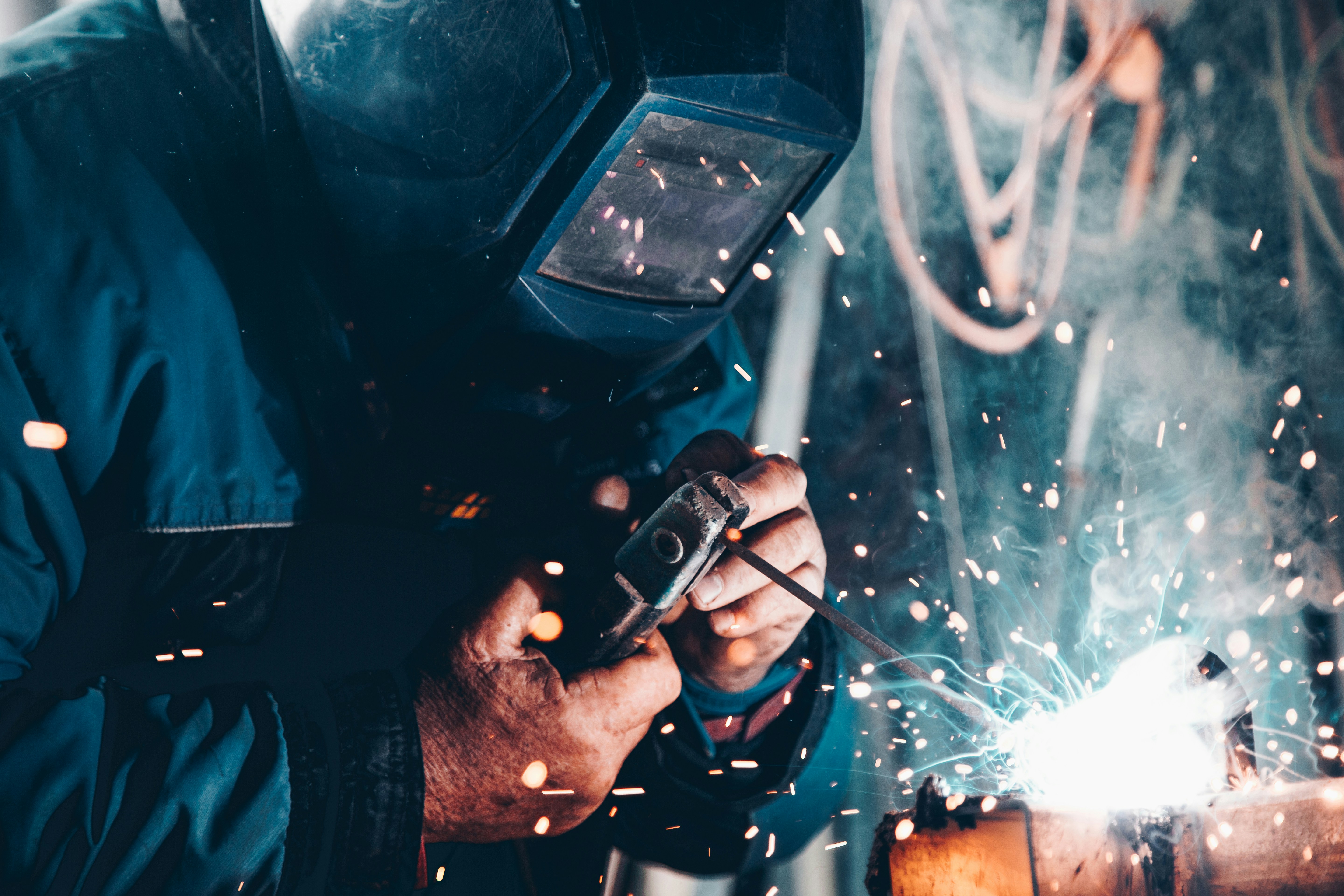
Pang-industriya na kagamitang pangkaligtasan kabilang ang proteksiyon na kasuotan sa paa at personal na kagamitan sa proteksyon sa isang lugar ng paggawa
Mga Madalas Itanong (FAQ)
- Ano ang karaniwang lead time para sa pag-order ng twin screw extruder mula sa isang pabrika?
- Ang mga oras ng lead ay nag-iiba ayon sa manufacturer at configuration. Karaniwang ipinapadala ang mga karaniwang modelo mula sa mga pabrika ng China 12-16 linggo. Karaniwang nag-quote ang mga tagagawa ng Europa 16-30 weeks for standard configurations and longer for highly customized systems. Wholesale orders with framework agreements can sometimes secure priority slots.
- How do I verify that a twin screw extruder factory is a genuine manufacturer and not a trading company?
- Request a factory audit (in-person or via third-party inspection services like SGS or Bureau Veritas). Look for in-house CNC machining capability, a dedicated engineering team, ISO 9001 certification with the factory address matching the manufacturing site, and customer references you can independently verify.
- What certifications should a twin screw extruder have for the EU market?
- CE marking is mandatory for machinery placed on the EU market. The machine must comply with the current Machinery Directive 2006/42/EC (and the new Machinery Regulation 2023/1230 from January 2027). Maaaring mag-apply ang mga karagdagang kinakailangan depende sa aplikasyon — halimbawa, Ang sertipikasyon ng ATEX para sa paggamit sa mga sumasabog na kapaligiran, o pagsunod sa food-contact sa ilalim ng EU Regulation (EC) Hindi 1935/2004.
- Ano