

How Does a Plastic Pelletizer Work in 2026
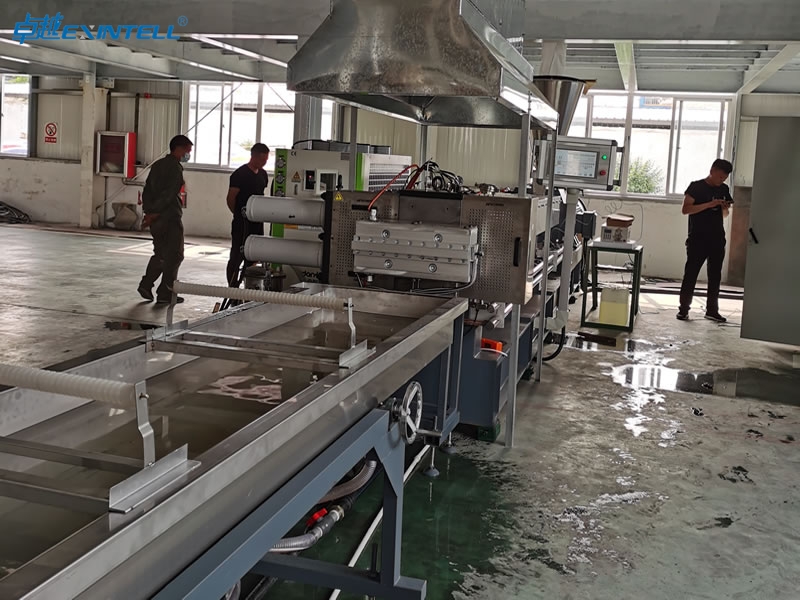
A plastic pelletizer transforms plastic waste or raw material into uniform pellets through a series of well-defined steps. You start with feeding, where plastics enter the machine. The system melts the material, filters out impurities, and pushes it through a die to form continuous strands. Cooling solidifies the strands, and then a rotating knife cuts them into precise pellets. Each stage shapes the final quality and consistency.
|
Hakbang |
Paglalarawan |
|---|---|
|
Feeding |
Plastic waste is introduced into the machine via a hopper, which includes various types of plastics. |
|
Natutunaw |
The plastic is heated and melted uniformly in the extruder, preparing it for the next stage. |
|
Extruding |
The molten plastic is forced through a die to create strands, determining the pellet shape and size. |
|
Paglamig |
The strands are cooled, solidifying them for cutting. |
|
Pagputol |
Cooled strands are cut into uniform pellets by a rotating knife, adjustable for specific applications. |
Mga Pangunahing Takeaway
-
Plastic pelletizers transform waste into uniform pellets through a series of steps: pagpapakain, natutunaw, filtering, extruding, paglamig, at pagputol.
-
Consistent feeding and precise temperature control are crucial for achieving high-quality pellets and preventing defects.
-
Different types of pelletizers, such as strand and underwater, cater to various materials and production needs, impacting pellet shape and quality.
-
Effective filtration of molten plastic removes impurities, ensuring smooth and uniform pellets while protecting equipment.
-
Cooling methods, including water ring and underwater cooling, significantly affect pellet quality and production efficiency.
-
Ang regular na pagpapanatili at pagsubaybay ng kagamitan ay nakakatulong na maiwasan ang mga karaniwang isyu tulad ng hindi pantay na pagpapakain at mga baradong filter.
-
Mga hakbang sa pagkontrol sa kalidad, kabilang ang tamang sampling at screening, siguraduhin na ang mga pellets ay nakakatugon mga pamantayan sa industriya at mapanatili ang pagkakapare-pareho.
-
Ang wastong packaging at pag-iimbak ng mga pellets ay nagpoprotekta sa kanila mula sa kahalumigmigan at kontaminasyon, tinitiyak na nananatili silang mataas ang kalidad para magamit sa hinaharap.
Pangkalahatang-ideya ng Proseso ng Plastic Pelletizer
Ano ang Plastic Pelletizer
Gumagamit ka ng plastic pelletizer para gawing mga butil ang hilaw na plastik o recycled na materyal na may mga tiyak na laki at hugis. Kinokontrol ng makinang ito ang temperatura, presyon, at bilis ng pag-ikot upang makagawa ng pare-parehong mga resulta. Ang plastic pelletizing machine pinuputol ang extruded plastic sa mga indibidwal na butil, pagbibigay ng standardized na laki para sa karagdagang pagproseso. Umaasa ka sa kagamitang ito para pamahalaan ang integridad, surface characteristics, and size of each particle. The working principle of plastic granulator involves melting plastic, filtering impurities, and forming uniform pellets through careful management of conditions inside the unit.
-
Cuts extruded plastic into individual granules.
-
Provides a consistent size for further processing in manufacturing.
-
Transforms continuous strands of melted plastic into granules of uniform size.
-
Serves as a standardized raw material for injection molding and film extrusion.
Main Steps in Pelletizing
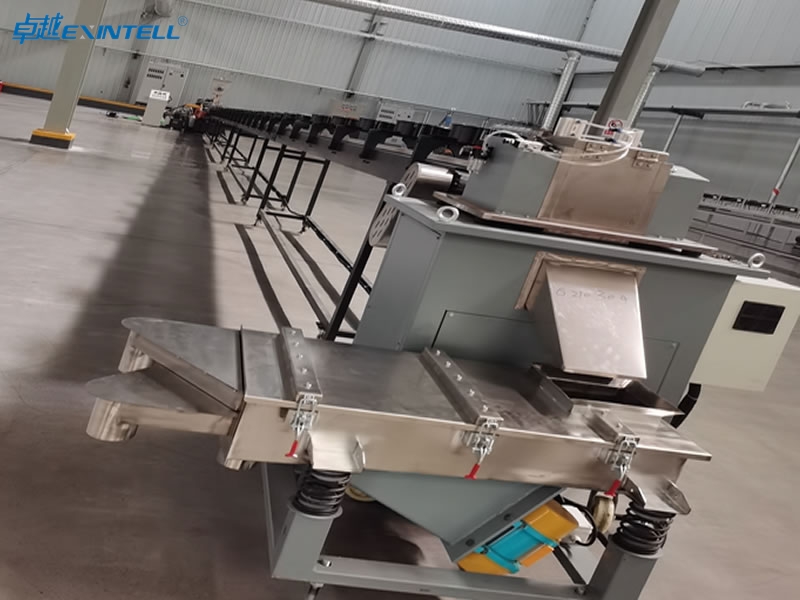
You follow a series of steps when operating a plastic pelletizer. Each stage shapes the quality and consistency of the final product. Here is a typical workflow:
-
Feeding & pre-treatment: You introduce raw materials through a hopper or feeder. Pre-treatment increases bulk density and prepares the material for melting.
-
Natutunaw & plastic forming: You apply heat and shear using an extruder. This step achieves a uniform flux and prepares the plastic for filtration.
-
Melt filters: You filter the molten plastic to remove contaminants. Clean material ensures high-quality pellets.
-
Die extrusion & cutting: You form the filtered melt into pellets using a die and cutting mechanism.
-
Paglamig & feed: You cool the pellets and then dry or store them for future use.
Tip: Consistent feeding and precise temperature control help you achieve uniform pellet size and prevent defects.
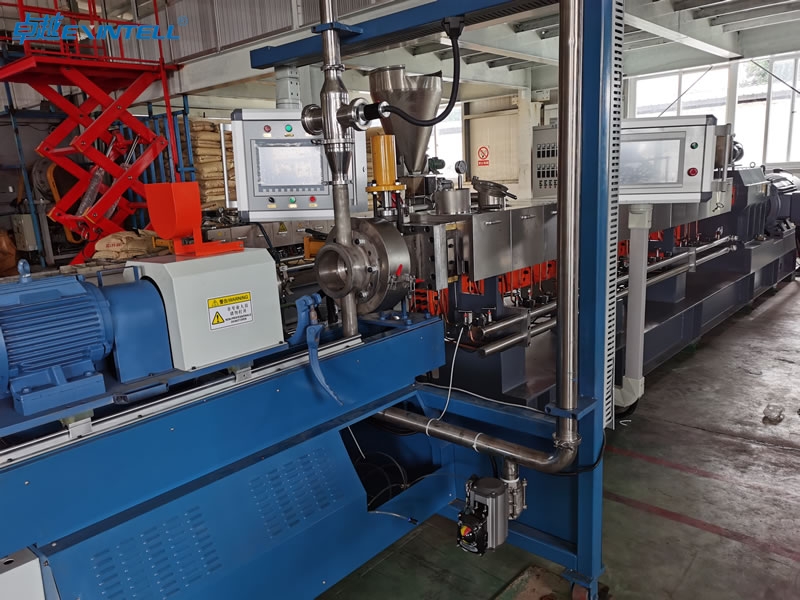
You can select from several types of pelletizing equipment, each suited for different materials and shapes. The table below shows common options:
|
Uri ng Pelletizer |
Best For |
Hugis ng Bulitas |
Relative Cost |
|---|---|---|---|
|
PE, PP, PS — clean feedstock |
cylindrical |
Mababa |
|
|
PET, PA, mga plastik sa engineering |
Pabilog |
Mataas |
|
|
Water-ring pelletizer |
PE, PP — moderate contamination |
Lenticular/spherical |
Katamtaman |
Bakit Mahalaga ang Pelletizing
Ang pelletizing ay gumaganap ng isang kritikal na papel sa pag-recycle at pagmamanupaktura. I-convert mo ang molten recycled plastic sa mga unipormeng pellets, na maaari mong itabi, transportasyon, at muling iproseso tulad ng dagta ng birhen. Ang pagbabagong ito ay nagbibigay-daan sa mga recycle na materyales na muling pumasok sa ikot ng pagmamanupaktura nang mahusay. Makikinabang ka sa mas madaling paghawak at pinahusay na paghahalo sa panahon ng produksyon. Sinusuportahan ng end product ang circular economy para sa mga plastik sa pamamagitan ng pagbibigay ng reclaimed na materyal.
-
Pelletization ginagawang mas madali at mas mahusay na pangasiwaan ang mga plastik na feedstock.
-
Tinitiyak nito ang pare-parehong mga resulta sa panahon ng paghahalo at pagbubuo.
-
Ang proseso ay nagbibigay ng buong pabilog na ekonomiya para sa mga plastik na may na-reclaim na materyal.
Nahaharap ka sa ilang mga hamon sa panahon ng pelletizing. Ang mataas na moisture content sa mga pellet ay maaaring humantong sa mahinang pagganap ng makina at pagkawala ng materyal. You need effective drying systems and proper equipment selection to minimize moisture. Inconsistent pellet size often results from improper feeding mechanisms. You solve this by using precise feeding systems. The choice of machinery, such as a granulator with precision-engineered blades, directly impacts the quality of the pellets produced.
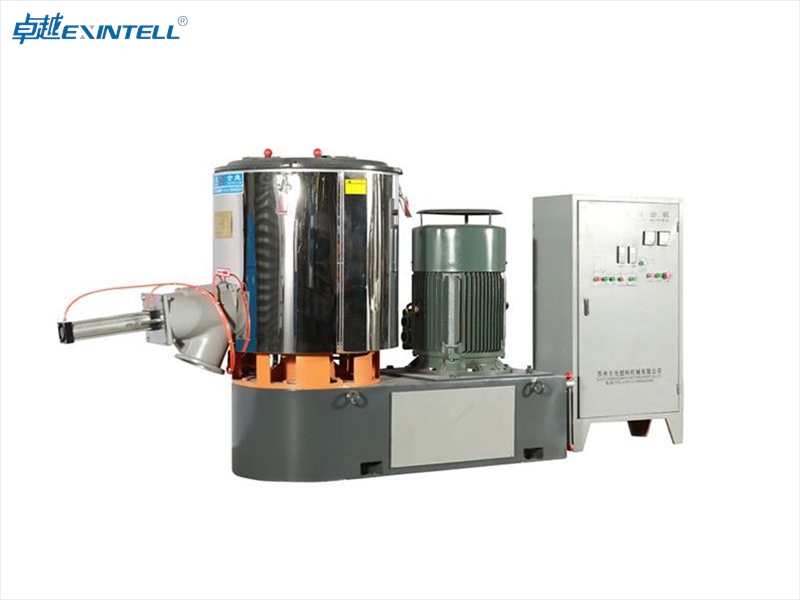
You also see technological advancements in 2026. Single-screw extruders with L/D ratios between 32:1 at 38:1 ay karaniwan. Tandem configurations maximize degassing and filtration. Continuous screen changers allow filter changes without stopping production. Bimetallic technology increases durability, and co-rotating parallel twin screw extruders offer efficient contaminant removal. Underwater pelletizers produce uniform, dust-free pellets and command higher resale prices.
|
Technology |
Paglalarawan |
Benefits |
|---|---|---|
|
Bimetallic Technology |
Pinahusay ng mga advanced na materyales ang tibay |
Pinapataas ang tibay ng 3-5 beses |
|
Co-rotating Parallel Twin Screw |
Positibong displacement, mga function ng paglilinis sa sarili |
Mahusay na pag-alis ng mga kontaminante |
|
Underwater Pelletizer |
Gumagawa ng uniporme, mga pellet na walang alikabok |
Mas mataas na presyo ng muling pagbebenta, perpekto para sa mga plastik na engineering |
Makakamit mo ang mga kapasidad ng throughput mula sa 80 kg/oras hanggang mahigit 1,000 kg/oras, depende sa uri ng makina at pagsasaayos. Ang mga linyang matipid sa enerhiya ay nakakatipid sa pagitan $30,000-$80,000 bawat taon kumpara sa hindi gaanong mahusay na mga modelo. Sa 2026, tiyak na pagkonsumo ng enerhiya para sa mga plastic pelletizer ay mula sa 0.25-0.35 kWh/kg, na may pinakamahusay na mga configuration sa klase na nakakamit ng kasing baba 0.20-0.30 kWh/kg.
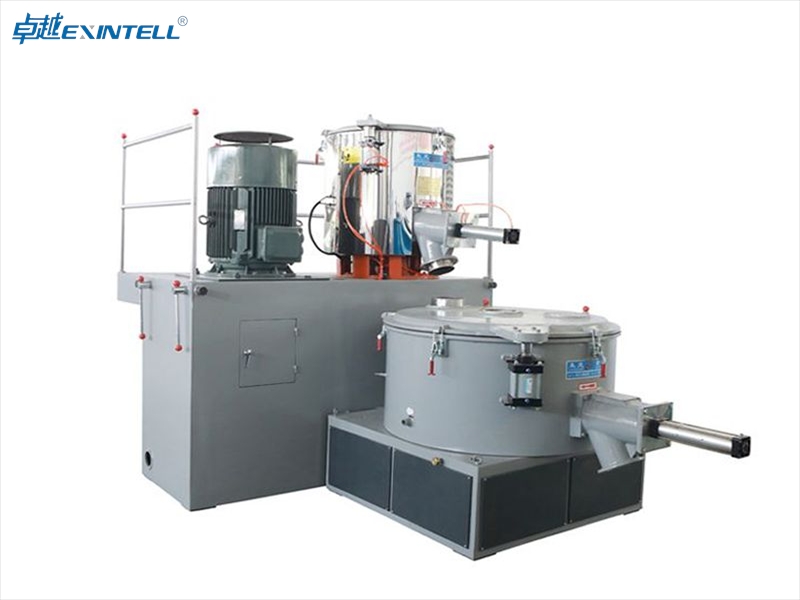
Tandaan: Ang multi-layer na standardization at mga bagong disenyo ng turnilyo ay tumutulong sa iyong iproseso ang bio-plastic at hindi kritikal na mga profile nang mas epektibo.
Umaasa ka sa teknolohiyang plastic granulator at granulator para makagawa ng mga pare-parehong pellet na nakakatugon sa mga pamantayan ng industriya. The process ensures you have reliable feedstock for manufacturing and recycling, supporting both efficiency and sustainability.
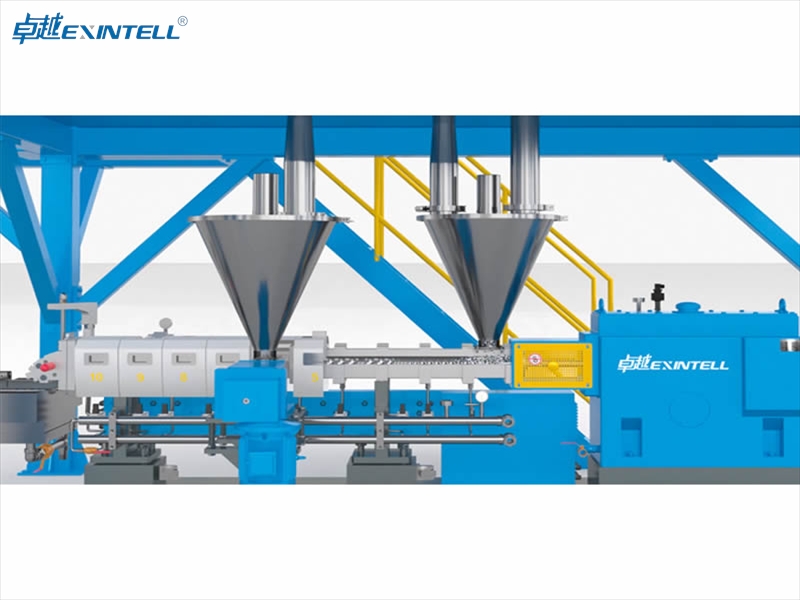
Plastic Feeding
Input Materials
You start the proseso ng pelletizing by selecting the right input materials. You can use plastic waste, virgin plastic, or a mix of both. Before you feed these materials into the plastic pelletizer, you need to prepare them carefully. Here is a typical preparation workflow:
-
Plastic Preparation: You wash and shred recycled plastic to remove dirt and contaminants. You may also melt the material if needed. Virgin plastic often comes as flakes or granules, ready for processing.
-
Melting and Extrusion: You heat the prepared plastic in the plastic pelletizing machine. The extruder melts the material and pushes it forward.
-
Pagputol: Gumagamit ka ng umiikot na mga blades o isang granulator upang gupitin ang tinunaw na plastik sa maliliit na piraso.
-
Paglamig: Pinalamig mo ang mga pellets gamit ang hangin, tubig, o pareho.
-
Pagpapatuyo at Pagsusuri: Pinatuyo mo ang mga pinalamig na pellet at i-screen ang mga ito upang matiyak ang pare-parehong laki at kalidad.
Dapat mong bigyang pansin ang kalinisan at laki ng mga materyales sa pag-input. Malinis, Ang mga basurang plastik ay nakakatulong sa iyo na maiwasan ang mga depekto at mapabuti ang kalidad ng mga pellets.
Mga Mekanismo ng Pagpapakain
Umaasa ka sa mahusay na mga mekanismo ng pagpapakain upang ilipat ang plastic sa sistema ng pelletizing. Dalawang pangunahing paraan ang tumutulong sa iyo na makamit ang matatag at kontroladong pagpapakain.
Hopper
Gumagamit ka ng hopper para magkarga ng mga basurang plastik o virgin material sa plastic pelletizer. Hawak ng hopper ang materyal at inilalabas ito sa isang kontroladong bilis. You can adjust the flow to match the capacity of the plastic pelletizing machine. Hoppers often include sensors that monitor material levels and prevent blockages.
Conveyors
You use conveyors to transport plastic from storage to the hopper or directly into the pelletizer. Conveyors provide a steady stream of material and reduce manual handling. You can choose belt, screw, or vibrating conveyors based on the type and size of plastic. Conveyors help you maintain a consistent feed rate and minimize interruptions.
Tip: You should check the feeding system regularly to prevent jams and ensure smooth operation.
Consistent Feeding Importance
You need consistent feeding to produce high-quality pellets. Steady feeding ensures uniform size, shape, and moisture content. If you allow variations in feeding, nanganganib kang lumikha ng mga pellet na may mga depekto sa ibabaw o mga void. Ang pagbabagu-bago ng kahalumigmigan ay maaaring maging sanhi ng pagkawala ng mekanikal na lakas at kahit na pagkabigo ng kagamitan. Ang hindi matatag na kalidad ng pellet ay nagpapahirap sa iyo na ibenta o gamitin ang mga pellet sa mga komersyal na aplikasyon.
-
Ang hindi pare-parehong laki ng pellet ay maaaring humantong sa mga depekto sa ibabaw at walang laman.
-
Ang mga pagkakaiba-iba sa moisture content ay maaaring magdulot ng pagkawala ng mekanikal na lakas at pagkabigo ng kagamitan.
-
Ang hindi matatag na kalidad ng pellet ay maaaring makahadlang sa pagtanggap sa mga komersyal na aplikasyon.
Kinokontrol mo ang moisture content sa pamamagitan ng pagpapanatili ng tuluy-tuloy na pagpapakain. Ang hakbang na ito ay mahalaga para sa pagkamit pinakamataas na kalidad ng produkto. Kung balewalain mo ang pagkakapare-pareho ng pagpapakain, maaari kang makaharap sa mga problema sa pagpoproseso sa ibaba ng agos, tulad ng mga depekto sa ibabaw at mga kakulangan sa istruktura. Umaasa ka sa teknolohiyang plastic granulator at granulator para tulungan kang makamit ang pare-parehong kalidad ng pagpapakain at pellet.
Pagtunaw at Pagsala
Extruder Barrel at Screw
Umaasa ka sa extruder barrel at turnilyo upang gawing makinis ang basurang plastik o hilaw na materyal, unipormeng natutunaw. Ang tornilyo ay umiikot sa loob ng pinainit na bariles, itinutulak ang plastik pasulong. Habang umiikot ang turnilyo, lumilikha ito ng mekanikal na pagkilos at paggugupit ng init. Ang prosesong ito ay mahusay na natutunaw ang plastik. Ang mga panlabas na pampainit sa bariles ay nagdaragdag ng higit na init, tinitiyak na ang materyal ay umabot sa tamang temperatura para sa pelletizing. Ang paggugupit ng init mula sa tornilyo ay kadalasang nagbibigay ng malaking bahagi ng enerhiya na kailangan para sa pagtunaw.
Narito ang isang mabilis na pangkalahatang-ideya kung paano gumagana ang mga bahaging ito nang magkasama:
|
Component |
Function |
|---|---|
|
tornilyo |
Transforms plastic into a uniform melt through mechanical action and shear heat. |
|
Barrel |
Heats and compacts the plastic, ensuring thorough melting and feeding to the die head. |
You need both the screw and barrel to work in harmony. If either part fails, the plastic pelletizer cannot produce consistent pellets.
Pagkontrol sa Temperatura
You must control the temperature carefully during the melting stage. Temperature directly affects how well the plastic melts and flows through the extrusion system. Proper temperature settings help you achieve smooth material flow and stable, high-yield extrusion. If you set the temperature too low, the plastic may not melt evenly. This leads to excessive viscosity and poor plasticization. If you set the temperature too high, the plastic can degrade. This causes brittle pellets and reduces their mechanical strength.
-
Temperature influences plastic plasticization, flowability, and the properties of the final pellets.
-
Correct temperature ensures stable operation and high-quality output.
-
Low temperatures cause uneven melting and high viscosity.
-
High temperatures risk thermal degradation and weak pellets.
Tip: Always monitor the temperature zones along the barrel to maintain optimal melting conditions.
Filtration Before Pelletizing
Before you move to the extrusion stage, you must filter the molten plastic. Filtration removes impurities such as dirt, metal fragments, or unmelted particles. Clean melt is essential for producing high-quality pellets. You use fine mesh screens or filter packs in the plastic pelletizing machine to trap contaminants. This step protects the die and cutting system from damage. Tinitiyak din nito na ang mga pellet ay may makinis na ibabaw at pare-parehong istraktura.
Dapat mong suriin at palitan nang regular ang mga filter. Maaaring bawasan ng mga barado na filter ang daloy at maging sanhi ng pagtaas ng presyon sa extrusion system. Sinusuportahan ng pare-parehong pagsasala ang pangkalahatang kahusayan ng proseso ng pelletizing. Makakakuha ka ng mas mahusay na mga resulta at mas kaunting mga depekto sa iyong mga natapos na pellets.
Tandaan: Ang mabisang pagsasala ay nagpapahaba ng habang-buhay ng iyong plastic granulator at granulator blades.
Extrusion sa pamamagitan ng Die Plate
Function ng Die Plate
Naabot mo ang isang kritikal na yugto sa proseso ng plastic pelletizer kapag ang tunaw na plastik ay dumating sa die plate. Ang die plate ay gumaganap bilang isang precision tool na humuhubog sa tinunaw na materyal sa mga hibla. Umaasa ka sa bahaging ito upang tukuyin ang paunang sukat at hugis ng bawat strand, na sa kalaunan ay nagiging pellet. The design of the die plate directly affects the quality and consistency of your output.
Here is a quick overview of key die plate features:
|
Tampok |
Paglalarawan |
|---|---|
|
Function |
Extrudes molten polymer through holes to define pellet dimensions |
|
Hole Size Range |
Typically ranges from 2.5 sa 4 mm ang lapad |
|
Number of Holes |
Usually between 200 sa 800 holes |
|
Influence on Quality |
Design affects final pellet characteristics, including size and shape |
You can adjust the hole diameter and configuration to control the strand thickness. Smaller holes produce thinner strands and smaller pellets. Larger holes yield thicker strands and larger pellets. The die plate ensures that every strand leaving the extrusion system matches your desired specifications.
Pressure and Pellet Shape
You must maintain the right pressure as the molten plastic passes through the die plate. The extrusion system uses pressure to push the material evenly through each hole. Consistent pressure prevents irregularities in strand thickness and helps you achieve uniform pellet size. If the pressure drops or spikes, you may see defects such as uneven shapes or air pockets in the pellets.
The shape of each pellet depends on the die plate design and the pressure applied during extrusion. You can select different hole shapes and arrangements to create cylindrical, spherical, or lenticular pellets. The right combination of pressure and die plate design gives you control over the final appearance and performance of your product.
Shaping the Strands
You have several methods for shaping plastic strands before cutting them into pellets. Each method offers unique benefits for different applications. Ang pagpili ng paraan ay nakakaapekto sa kalidad, gastos, at pagkakapare-pareho ng iyong mga pellets.
|
Pamamaraan |
Paglalarawan |
Epekto sa Kalidad ng Pellet |
|---|---|---|
|
Nagpapalabas ng plastik sa mga hibla, pagkatapos ay pinutol ang mga ito sa mga pellets. |
Cost-effective para sa mas maliliit na batch, ngunit maaaring mag-iba sa kalidad. |
|
|
Pinutol ang mga hibla sa ilalim ng tubig, na nagpapalamig at nagpapanatili ng kalidad. |
Gumagawa ng mga de-kalidad na pellets dahil sa epektibong paglamig. |
|
|
Mga Sistema ng Water-Ring |
Gumagamit ng water ring upang palamig at putulin ang mga hibla. |
Tinitiyak ang mahusay na kalidad habang ito ay cost-efficient. |
Maaari kang gumamit ng strand pelletizing para sa maliliit na batch ng plastic na basura, dahil nag-aalok ito ng simple at abot-kayang diskarte. Gumagana nang maayos ang underwater hot-face cutting kapag kailangan mo ng mga de-kalidad na pellet na may makinis na ibabaw. Ang mga water-ring system ay nagbabalanse ng gastos at kalidad, ginagawa itong angkop para sa maraming uri ng plastik.
You depend on the plastic granulator and granulator technology to finish the process. After shaping and cooling, the system cuts the strands into uniform pellets. This step completes the transformation from melting to finished product, ready for packaging or further processing.
Tip: Always monitor the extrusion system for stable pressure and temperature. This helps you maintain consistent pellet quality and reduces downtime.
Cooling Methods
After the extrusion stage, you must cool the hot strands quickly to form solid pellets. The cooling method you choose affects pellet quality, energy use, and production speed. You can select from water ring cooling, underwater cooling, or air cooling, depending on your material and production needs.
Water Ring Cooling
You often use water ring cooling for polyolefins and polystyrene. Sa pamamaraang ito, you direct a ring of water around the die face. The water cools and solidifies the strands as they exit, then a cutter chops them into pellets. This system works well for many standard plastics and offers a compact design.
Here is a summary of the main advantages and disadvantages:
|
Mga kalamangan |
Disadvantages |
|---|---|
|
Not suitable for sticky or thick materials |
|
|
Produces visually appealing pellets |
Requires close monitoring of water |
|
Compact system with lower costs |
Limited material compatibility |
|
Handles changes in melt temperature and pressure well |
Lower production capacity compared to underwater systems |
|
Space-efficient and easy to control |
Limited to specific materials |
|
Cost-effective for budget-conscious companies |
Not effective for materials that heat up or stick together |
|
Hindi makayanan ang mataas na pangangailangan sa produksyon |
|
|
Mabuti para sa pamamahala ng badyet |
Limitado sa ilang partikular na materyales tulad ng polyolefins at polystyrene |
Dapat kang pumili ng water ring cooling kung gusto mo ng space-saving, budget-friendly na solusyon para sa karaniwang mga materyales. Dapat mong subaybayan nang mabuti ang sistema ng tubig upang maiwasan ang mga isyu sa malagkit o makakapal na plastik.
Paglamig sa ilalim ng tubig
Makakamit mo ang mga de-kalidad na pellet na may paglamig sa ilalim ng tubig. Sa pamamaraang ito, direkta mong pinutol ang mga hibla sa isang silid ng tubig. Ang tubig ay lumalamig at pinatitigas agad ang mga pellets, na humahantong sa isang makinis na ibabaw at pare-parehong sukat. Makikinabang ka sa patuloy na operasyon at mataas na rate ng output.
-
Ang mga underwater pelletizer ay gumagawa ng mga unipormeng pellet na may kaunting multa at alikabok.
-
Tinitiyak ng mabilis na proseso ng solidification ang pare-parehong hugis at sukat.
-
Maaari mong maabot mataas na rate ng produksyon due to efficient cooling and solidification.
-
Compared to air-cooled systems, underwater cooling uses less energy because water transfers heat more efficiently.
You should consider underwater cooling if you need top-quality pellets and high production capacity. This method works well for demanding applications and advanced materials.
Air Cooling
You may select air cooling for materials that react poorly to moisture, such as biodegradable plastics like PLA or PBAT. Air cooling uses fans or blowers to cool the strands as they exit the die. This method eliminates the need for drying systems, which can simplify your process.
|
Mga aplikasyon |
Mga Limitasyon |
|---|---|
|
Not suitable for all types of materials |
|
|
Used for biodegradable materials (PLA, PBAT) |
Limited cooling efficiency compared to water cooling |
|
Tinatanggal ang pangangailangan para sa mga sistema ng pagpapatayo |
Posibleng mas mataas na gastos sa enerhiya |
Dapat kang gumamit ng air cooling kung nagpoproseso ka ng mga materyal na sensitibo sa kahalumigmigan o nais mong maiwasan ang mga karagdagang hakbang sa pagpapatuyo. Maaari kang makaharap ng mas mataas na gastos sa enerhiya at mas mabagal na paglamig kumpara sa mga pamamaraang nakabatay sa tubig.
Tip: Palaging itugma ang iyong paraan ng paglamig sa iyong materyal at mga layunin sa produksyon. Ang tamang pagpipilian ay makakatulong sa iyo na maiwasan ang mga depekto at mapanatili ang kalidad ng iyong mga pellet.
Umaasa ka sa granulator upang makumpleto ang proseso pagkatapos ng paglamig. Pinutol ng granulator ang solidified strands sa mga unipormeng pellets, handa na para sa packaging o karagdagang paggamit. Tinitiyak ng mahusay na paglamig na ang mga yugto ng pagtunaw at pagputol ay gumagawa ng mga de-kalidad na pellets mula sa iyong basurang plastik.
Pagbubulitas at Pagputol
Mekanismo ng Pagputol ng Knife
Umaasa ka sa mekanismo ng pagputol ng kutsilyo upang baguhin ang mga pinalamig na plastic strands sa mga natapos na pellet. Ang sistema ay naglalagay ng mga dalubhasang kutsilyo malapit sa mukha ng mamatay, kung saan lumabas ang mga hibla. Ang Melt-to-Cut na window gumaganap ng isang mahalagang papel dito. Kung magbibigay ka ng masyadong maliit na oras sa pagitan ng die at ng talim, maaari kang makakita ng mga misshapen pellets. Ang masyadong maraming oras ay maaaring magdulot ng mga bali at multa, na nagpapababa ng pangkalahatang kalidad. Ang mga pelletizing na kutsilyo ay may iba't ibang hugis, tulad ng tuwid, nakahilig, o hugis V, at bawat isa ay nababagay sa isang partikular na uri ng pelletizer. Gumagamit ang mga tagagawa ng high-carbon steel o tool steel para sa mga kutsilyong ito, na nagpapataas ng tibay. Ang katumpakan sa pagputol ay mahalaga, napakaraming kutsilyo ang CNC-machined para sa mahigpit na tolerance. Ang mga heat treatment at coatings ay higit na nagpapahaba ng buhay ng talim at nagpapahusay sa pagganap.
-
Tinutukoy ng Melt-to-Cut window hugis at kalidad ng pellet.
-
Ang materyal at hugis ng kutsilyo ay nakakaapekto sa tibay at katumpakan ng pagputol.
-
Pinipigilan ng wastong oras ang mga depekto at tinitiyak ang pare-parehong mga resulta.
Pagkamit ng Uniform Pellets
Gusto mong magkaroon ng parehong laki at hugis ang bawat pellet. Upang makamit ito, dapat mong kontrolin ang ilang mga variable ng proseso sa panahon ng pagputol. Pagsasaayos ng rate ng feed, anggulo ng disc, at hinahayaan ka ng bilis ng disc na i-fine-tune ang laki ng pellet. Para sa mas maliliit na pellets, pinapataas mo ang rate ng feed at anggulo ng disc, feed na mas malapit sa posisyon ng alas-tres o alas-kuwatro, at taasan ang bilis ng disc. Para sa mas malalaking pellets, binabawasan mo ang rate ng feed at anggulo ng disc, feed na mas malapit sa posisyon ng alas-siyete, at babaan ang bilis ng disc. Tinutulungan ka ng mga pagsasaayos na ito na mapanatili ang pagkakapareho at maiwasan ang mga depekto.
Tip: Subaybayan nang mabuti ang iyong mga kontrol sa proseso. Small changes in feed or speed can make a big difference in pellet quality.
You also need to ensure that the granulator operates smoothly. Consistent operation helps you cut into pellets with minimal variation, supporting high-quality output.
Types of Pelletizer Cutters
You can choose from several types of pelletizer cutters, each designed for specific materials and production needs. The cutter type affects pellet shape, throughput, and moisture content. Here is a paghahambing:
|
Uri |
Hugis ng Bulitas |
Angkop na Materyales |
Throughput (kg/oras) |
Residual Moisture (%) |
|---|---|---|---|---|
|
Strand |
cylindrical |
Thermoplastics (PP, PE, ABS, PS) |
100–2,000 |
<1% |
|
Sa ilalim ng tubig |
Pabilog |
All Polymers |
500–3,000+ |
<0.05% |
|
Water Ring |
Lenticular |
PE, PP, PC, PS |
200–1,500 |
<0.5% |
Strand pelletizing uses a water bath for cooling and works well for continuous strands. Underwater pelletizers cut molten plastic directly into pellets with rapid cooling, giving you better control over size and shape. Water ring systems offer a balance between cost and quality, paggawa ng mga lenticular pellet na angkop para sa maraming aplikasyon.
Piliin mo ang tamang pamutol batay sa iyong materyal, ninanais na mga katangian ng pellet, at mga layunin sa produksyon. Tinitiyak ng pagpipiliang ito na nakakatugon ang iyong mga pellet sa mga pamantayan ng industriya at mga kinakailangan ng customer.
Pagkolekta at Pagtatapos ng Bulitas
Pagpapatuyo at Pagsusuri
Dapat mong tiyakin iyon tuyo ang mga pellets at libre mula sa hindi gustong mga materyales bago ang packaging. Ang pagkontrol sa kahalumigmigan ay kritikal dahil ang mga basang pellet ay maaaring humantong sa pagkasira ng produkto at mga isyu sa panahon ng pag-iimbak. Pagkatapos ng paglamig, sinusubaybayan mo ang moisture content para ma-optimize ang proseso. Gumagamit ka ng kagamitan sa pag-screen upang paghiwalayin ang mga nabuong pellet mula sa mga multa at mga labi. Ang screening ay nag-aalis din ng mga bato, mga plastik, mga metal, at iba pang matitigas na materyales na maaaring makapinsala sa iyong kagamitan. Ang isang bitag na bato ay tumutulong sa iyo na alisin ang matitigas na materyales, habang ang mga magnet ay kumukuha ng mga metal. You rely on these steps to maintain pellet quality and protect your machinery.
-
Monitor moisture content after cooling.
-
Use screening equipment to remove fines and debris.
-
Employ stone traps and magnets to eliminate hard materials and metals.
-
Separate well-formed pellets from defective ones before packaging.
Tip: Regular screening and drying help you avoid packaging low-quality products and extend the lifespan of your granulator.
Kontrol sa Kalidad
You need to implement quality control measures to ensure product consistency. Sampling plays a crucial role in achieving good pellet quality. You must use proper procedures and equipment to minimize sampling errors. Samples should represent the entire batch, so you avoid skewed results. You process samples correctly before laboratory analysis to get accurate data.
Here is a step-by-step checklist para sa kontrol ng kalidad:
-
I-verify ang katumpakan ng assay sa pamamagitan ng muling pagsusuri sa lab.
-
Tiyakin na ang sample na kinuha ay kinatawan.
-
Mag-imbestiga kung ang maraming antas ng sustansya ay hindi makontrol.
-
Kumpirmahin ang regular na crew na nagpapatakbo ng mill sa panahon ng produksyon.
-
Suriin kung may mga pagkakaiba sa mga talaan ng imbentaryo.
-
Tiyakin na ang mga kaliskis at mga aparato sa pagsukat ay wastong na-adjust.
-
Siyasatin ang sangkap at mga tapos na feed bin para sa mga isyu.
-
Muling suriin ang mga oras ng paghahalo para sa kawastuhan.
-
Suriin ang mga halaga ng assay ng sangkap para sa mga kakulangan.
Ang mga pagsusuri sa natapos na feed ay nagbibigay ng pangwakas na pagtatasa kung gaano mo kahusay na nakontrol ang kalidad sa panahon ng produksyon. Dapat kang magsampol ng regular, tulad ng isang beses bawat linggo o bawat 100 tonelada ng produksyon, upang mapanatili ang pare-parehong kalidad.
Tandaan: Ang pare-parehong sampling at tumpak na pagpoproseso ay nakakatulong sa iyo na makapaghatid ng mga pellet na nakakatugon sa mga pamantayan ng industriya.
Packaging
You prepare pellets for shipment or storage by packaging them efficiently. You use automated systems to fill bags, bins, or containers. Packaging protects pellets from moisture, kontaminasyon, and mechanical damage. You label each package with batch information, production date, and quality data. This step helps you track inventory and ensures traceability. You store packaged pellets in a dry, clean area to preserve their quality until use.
-
Use automated packaging systems for efficiency.
-
Label packages for traceability and quality assurance.
-
Store pellets in dry, clean conditions to prevent degradation.
Callout: Proper packaging and storage guarantee that your pellets remain high-quality and ready for manufacturing or recycling.
You transform plastic into pellets by following each stage: pagpapakain, natutunaw, filtering, extruding, paglamig, at pagputol. This process gives you uniform pellets for manufacturing and recycling.
-
Modern pelletizers help you save up to 30% on materials and reduce the need for new plastic.
-
You support a circular economy by using a granulator to recycle waste and keep plastics out of landfills.
-
These machines lower environmental impact and conserve resources for the future.
Appreciate how this technology makes plastics more sustainable and efficient for everyone.
FAQ
What types of plastics can you process in a pelletizer?
You can process most thermoplastics, including polyethylene (PE), polypropylene (PP), polisterin (PS), and PET. Some machines also handle engineering plastics and biodegradable materials. Always check your pelletizer’s compatibility before starting.
How do you maintain pellet size consistency?
You control pellet size by adjusting feed rate, die plate design, and cutting speed. Ang regular na pagsubaybay at pag-calibrate ng kagamitan ay tumutulong sa iyo na makamit ang mga pare-parehong pellets. Ang pare-parehong materyal sa pag-input ay nagpapabuti din ng mga resulta.
Bakit kailangan mong salain ang tinunaw na plastik?
Ang pagsasala ay nag-aalis ng mga kontaminant tulad ng dumi, metal, or unmelted particles. Pinoprotektahan ng malinis na tunawin ang iyong kagamitan at tinitiyak ang mga de-kalidad na pellets. Dapat mong regular na palitan ang mga filter mapanatili ang kahusayan.
Ano ang pagkakaiba sa pagitan ng strand at underwater pelletizing?
Pinuputol ng strand pelletizing ang mga pinalamig na hibla pagkatapos nilang lumabas sa die. Ang underwater pelletizing ay pinuputol ang tinunaw na plastik nang direkta sa tubig, paggawa ng mas makinis, mas pare-parehong pellets. Ang mga sistema sa ilalim ng tubig ay nababagay sa mga high-output at specialty na plastik.
Paano mo bawasan ang moisture sa mga natapos na pellets?
Gumagamit ka ng mga drying system pagkatapos ng paglamig. Mga kutsilyo sa hangin, centrifugal dryer, o ang mga fluidized bed dryer ay nag-aalis ng kahalumigmigan sa ibabaw. Ang wastong pagpapatuyo ay pumipigil sa pagkasira ng pellet at pinapabuti ang buhay ng imbakan.
Maaari mo bang i-recycle ang pinaghalong plastic na basura sa isang pelletizer?
Maaari mong iproseso ang mga pinaghalong plastik, ngunit maaari kang makakita ng mas mababang kalidad ng pellet. Ang pag-uuri at pre-treating na mga materyales ay nagpapabuti ng mga resulta. Ang ilang mga advanced na pelletizer ay humahawak ng mga timpla nang mas mahusay kaysa sa iba.
Paano mo i-troubleshoot ang mga karaniwang problema sa pelletizer?
Tip: Suriin kung may hindi pantay na pagpapakain, barado na mga filter, o hindi tamang mga setting ng temperatura. Suriin ang mga kutsilyo para sa pagsusuot. Nakakatulong sa iyo ang regular na pagpapanatili at pagsubaybay na malutas ang karamihan sa mga isyu nang mabilis.