

Filler Masterbatch Making Making: Ang Depinitibong B2B Trade Guide para sa Global Manufacturers, Mga supplier & Mga mamimili sa
Blow Extrusion Plastic Ang pandaigdigang industriya ng plastics compounding ay sumasailalim sa isang makabuluhang pagbabago, at nasa puso ng shift na iyon ang filler masterbatch making machine — ang workhorse equipment na nagbibigay-daan sa mga manufacturer na makagawa ng calcium carbonate (CaCO3) at iba pang punong mineral na masterbatch pellets sa pang-industriyang sukat. Habang tumataas ang mga gastos sa hilaw na materyales at humihigpit ang mga regulasyon sa pagpapanatili sa buong United States at European Union, tumaas ang demand para sa high-efficiency filler masterbatch production lines. Kung ikaw ay isang tagapuno ng masterbatch na gumagawa ng makina na tagagawa naghahanap upang palawakin sa Western market, a tagatustos ng makinang gumagawa ng filler masterbatch pag-optimize ng iyong diskarte sa pag-export, o isang B2B na mamimili na kumukuha mula sa isang maaasahang pabrika ng makina ng paggawa ng masterbatch ng filler, ang komprehensibong gabay na ito ay naghahatid ng konteksto ng patakaran, data ng merkado, pinagmumulan ng katalinuhan, at mga hula sa hinaharap na kailangan mong gumawa ng matalinong mga pagpapasya sa loob at higit pa.

Pag-unawa sa Filler Masterbatch Making Machine Industry Landscape
Ang filler masterbatch making machine ay isang dalubhasang twin-screw o co-rotating extruder system na idinisenyo upang pagsamahin ang mataas na konsentrasyon ng mga mineral filler — pinakakaraniwang calcium carbonate (CaCO3), barium sulfate, o talc — na may polymer carrier resin tulad ng polyethylene Extruder Flexible Filament (PE) o polypropylene (PP). Ang mga resultang masterbatch pellets ay gagamitin sa ibaba ng agos ng mga plastic converter upang mabawasan ang mga gastos sa resin, pagbutihin ang mga mekanikal na katangian, at pahusayin ang processability sa blown film, paghubog ng iniksyon, at mga aplikasyon ng pipe extrusion.
Ayon sa datos na inilathala ng Pananaliksik sa Grand View sa maaga, ang pandaigdigang merkado ng masterbatch ay nagkakahalaga ng humigit-kumulang USD 13.6 bilyon sa 2024 at inaasahang lalago sa isang tambalang taunang rate ng paglago (CAGR) ng 5.2% sa pamamagitan ng 2030. Kinakatawan ng Filler masterbatch ang nag-iisang pinakamalaking segment ayon sa volume, hinihimok ng mga imperative na pagbabawas ng gastos sa packaging, agrikultura, at mga plastik sa konstruksiyon. Ang paglaki ng volume na ito ay direktang isinasalin sa patuloy na pangangailangan ng kagamitan sa kapital — paggawa ng filler masterbatch paggawa machine pakyawan merkado ang isang estratehikong mahalagang bahagi para sa mga exporter ng makinarya. Tagagawa ng Twin Screw Extruder
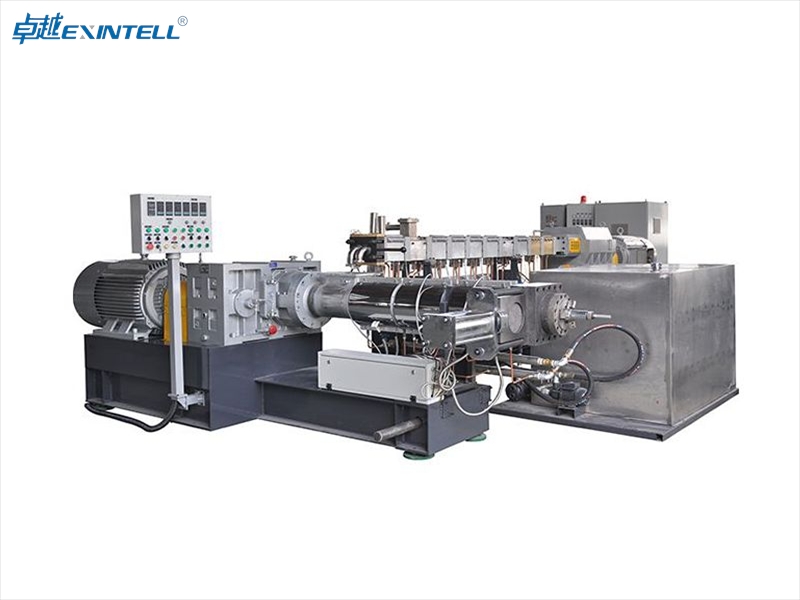
Ang mapagkumpitensyang tanawin para sa filler masterbatch making machine manufacturers ay puro sa ilang pangunahing heograpiya. Ang China ay nananatiling nangingibabaw na base ng produksyon, na may mga kumpol sa Jiangsu, Guangdong, at mga lalawigan ng Zhejiang na naninirahan sa daan-daang mga tagagawa ng extruder mula sa maliliit na workshop hanggang sa mga kumpanyang nakalista sa publiko. Mga tagagawa ng Europa — kapansin-pansin ang Coperion (Alemanya), KraussMaffei (Alemanya), at Buss (Switzerland) — sakupin ang premium tier, nag-aalok ng mga makina na may mas mataas na torque density, advanced na kontrol sa proseso, at Industriya 4.0 pagsasama. Sa Estados Unidos, limitado ang kapasidad ng domestic production, at karamihan sa mga mamimili ay umaasa sa mga import mula sa alinman sa mga European OEM o Asian na mga supplier.
Para sa mga mamimili na sinusuri ang mga partikular na configuration ng extruder, ating katalogo ng produkto ng twin-screw extruder nagbibigay ng mga detalyadong pagtutukoy sa maraming hanay ng throughput.
Balangkas ng Patakaran sa Kalakalan na Nakakaapekto sa Industrial Machinery sa
Ang transatlantic na relasyon sa kalakalan sa pagitan ng Estados Unidos at ng European Union ay nananatiling pinakamalaking bilateral na komersyal na partnership sa mundo. Ayon sa U.S. Pangangasiwa ng Pandaigdigang Kalakalan (ITA), ang kabuuang kalakalan ng mga kalakal at serbisyo ay lumampas sa USD 1.3 trilyon sa 2024. Makinarya sa industriya — kabilang ang mga kagamitan sa pagpoproseso ng mga plastik tulad ng mga filler masterbatch making machine — bumubuo ng isang makabuluhang bahagi ng daloy na ito.
Ang ilang mga pagpapaunlad ng patakaran sa unang kalahati ng ay direktang nauugnay sa kalakalan ng makinarya ng B2B:
1. Ang Mekanismo ng Pagsasaayos ng Hangganan ng Carbon ng EU (CBAM): Ang yugto ng paglipat ng CBAM, na nagsimula noong Oktubre 2023, pumasok sa yugtong masinsinang pag-uulat nito. Habang ang CBAM ay pangunahing nagta-target ng carbon-intensive na materyales (bakal, aluminyo, semento, mga pataba, kuryente, at hydrogen), ang di-tuwirang mga epekto nito ay umaalon sa pamamagitan ng supply chain ng makinarya. Ang mga European plastic compounder na nahaharap sa mas mataas na gastos sa pag-input para sa mga materyal na sakop ng CBAM ay namumuhunan sa mas mahusay na produksyon ng masterbatch ng filler upang mabawi ang mga gastos — pagpapalakas ng demand para sa mga makinang may mataas na pagganap. Ang European Commission's CBAM portal nagbibigay ng pinakabagong mga update sa regulasyon.
2. Seksyon ng US 301 Mga Taripa at Pag-import ng Makinarya: Ang Estados Unidos ay nagpapanatili ng Seksyon 301 mga taripa sa malawak na hanay ng mga kalakal na pinagmulan ng Tsino, kabilang ang ilang mga kategorya ng makinarya sa industriya. Noong Mayo, ang mga makinarya sa pagpoproseso ng mga plastik na inangkat mula sa China ay nahaharap sa mga rate ng taripa na maaaring umabot 25% sa itaas ng mga karaniwang tungkulin ng MFN. Lumilikha ang kapaligiran ng taripa na ito ng mapagkumpitensyang pagbubukas para sa mga tagagawa ng makinang gumagawa ng filler masterbatch na nakabase sa EU, Timog-silangang Asya, o iba pang di-tarif na pinagmulan. Nagbibigay din ito ng insentibo sa mga tagagawa ng Tsino na galugarin ang mga diskarte sa transshipment o magtatag ng mga operasyon ng pagpupulong sa mga ikatlong bansa — uso sa U.S. Customs and Border Protection (CBP) ay aktibong nagsusuri.
3. Ang Trade and Technology Council (TTC): Ang TTC, itinatag sa 2021, ay patuloy na nagsisilbing pangunahing forum para sa pag-align ng mga transatlantic na diskarte sa mga pamantayan ng teknolohiya, katatagan ng supply chain, at pagpapadali ng kalakalan. Sa mga sesyon nito, tinugunan ng TTC ang pagkilala sa isa't isa sa pagtatasa ng conformity para sa mga kagamitang pang-industriya — isang pag-unlad na maaaring gawing simple ang mga daanan ng sertipikasyon ng CE-to-UL para sa makinarya na kinakalakal sa pagitan ng dalawang bloke. Available ang mga update sa pamamagitan ng U.S. Kagawaran ng Estado at ang EU Trade Directorate-General.
4. Regulasyon sa Makinarya ng EU 2023/1230: Pinapalitan ang legacy Machinery Directive 2006/42/EC, ang bagong EU Machinery Regulation ay magiging ganap na naaangkop sa Enero 2027, ngunit ang mga tagagawa ay umaangkop na. Ang regulasyon ay nagpapakilala ng mas mahigpit na mga kinakailangan sa cybersecurity para sa mga digitally connected machine, na-update na mga obligasyon sa pagtatasa ng panganib, at mga bagong probisyon para sa AI-enabled na kagamitan. Para sa anumang filler masterbatch making machine supplier na nagta-target sa EU market, Ang maagang pagsunod ay isang mapagkumpitensyang pagkakaiba.
Mga Oportunidad sa Market para sa Mga Manufacturer ng Filler Masterbatch Making Machine sa US at EU
Ang convergence ng regulatory pressure, hilaw na materyal na ekonomiya, at sustainability mandates ay lumilikha ng isang mayamang kapaligiran para sa filler masterbatch na gumagawa ng mga benta ng makina sa parehong mga merkado sa US at EU. Narito ang mga pangunahing driver ng demand:
Packaging Industry Lightweighting: Parehong agresibong itinutulak ng US at EU ang pagbabawas ng basura sa packaging. The EU's Packaging and Packaging Waste Regulation (PPWR), pinagtibay sa huli 2024, nagtatakda ng nagbubuklod na mga target na nirecycle na nilalaman at mga utos sa pagbabawas ng materyal. Sa US, pinalawak na responsibilidad ng producer (EPR) lumalaganap ang mga batas sa antas ng estado, kasama ang California, Colorado, Oregon, at si Maine ang nangunguna. Ang Filler masterbatch ay nagbibigay-daan sa mga converter na bawasan ang pagkonsumo ng virgin resin sa pamamagitan ng 20-40% sa maraming mga aplikasyon habang pinapanatili ang mekanikal na pagganap — paggawa ng mga makina na gumagawa nito ng mahahalagang pamumuhunan sa kapital.
Paglago ng Sektor ng Konstruksyon: Ang US Infrastructure Investment and Jobs Act (IIJA) patuloy na humihimok ng demand para sa mga plastik na tubo, mga geomembrane, at mga construction films — lahat ng ito ay pangunahing mga mamimili ng filler masterbatch. Sa Europa, ang alon ng pagsasaayos sa ilalim ng European Green Deal ay nagpapasigla ng katulad na pangangailangan. Ayon sa Mga plastik sa Europa 2024 taunang ulat, ang konstruksiyon ay nananatiling pangalawang pinakamalaking sektor ng paggamit para sa mga plastik sa Europa sa humigit-kumulang 24% ng kabuuang demand.
Kinakailangan ang Pag-optimize ng Gastos: Sa polyethylene at polypropylene na mga presyo ay nananatiling pabagu-bago 2024- — hinihimok ng pabagu-bagong presyo ng krudo at pagkagambala sa suplay ng rehiyon — ang mga plastic converter ay nasa ilalim ng patuloy na presyon upang mabawasan ang mga gastos sa materyal. Masterbatch ng tagapuno ng CaCO3, presyo sa isang fraction ng birhen dagta, nag-aalok ng agarang cost lever. Ang pang-ekonomiyang realidad na ito ay nagpapanatili ng isang tuluy-tuloy na pagpapalit at pagpapalawak ng cycle para sa filler masterbatch making machine sa buong mundo.
Pagpapalawak ng Kapasidad sa Mga Umuusbong na Tagapagpuno ng Masterbatch Producers: Habang itinatag ang mga producer ng masterbatch sa Turkey, Vietnam, India, at patuloy na lumalaki ang Egypt, ang mga bagong pasok sa Africa at Central Asia ay namumuhunan din sa mga first-generation production lines. Ang mga umuusbong na producer na ito ay karaniwang kumukuha ng mga makina sa pamamagitan ng filler masterbatch making machine wholesale channels, inuuna ang pagiging epektibo sa gastos at pagkakaroon ng suporta pagkatapos ng benta.
Mga Supplier ng Twin Screw Extruder Ang pag-unawa sa formulation science sa likod ng filler masterbatch ay kritikal para sa pagpili ng makina. Ang aming Gabay sa pagbubuo ng masterbatch ng tagapuno ng CaCO3 sumasaklaw sa mga ratio ng paglo-load ng tagapuno, pagpili ng dispersant, at detalye ng pagproseso ng mga parameter.
Mga Pangunahing Hamon sa Cross-Border B2B Machinery Trade
Sa kabila ng paborableng kapaligiran ng demand, Ang filler masterbatch making machine supplier at buyer ay nahaharap sa ilang patuloy na hamon sa cross-border trade:
Mga Hadlang sa Taripa at Hindi Taripa: Gaya ng nabanggit sa itaas, Seksyon ng US 301 malaki ang epekto ng mga taripa sa landed cost ng Chinese-origin machinery. Ngunit ang mga taripa ay bahagi lamang ng equation. Mga hadlang na hindi taripa — kabilang ang mga kinakailangan sa pagmamarka ng CE sa EU, UL/NRTL certification sa US, at lalong kumplikadong dokumentasyon sa pag-import — magdagdag ng mga gastos sa pagsunod at lead time. Isang filler masterbatch making machine factory na hindi makapagbibigay ng kumpletong teknikal na mga file, mga deklarasyon ng pagsang-ayon, at ang mga pagsubok na ulat ay mahihirapang i-clear ang customs sa alinmang merkado.
Komplikado at Gastos ng Logistics: Mabigat ang mga makina ng paggawa ng masterbatch ng filler, oversized cargo. A typical production line — including the extruder, volumetric/gravimetric feeders, pelletizer, cooling system, and control cabinet — can weigh 15-40 metric tons and require multiple 40-foot open-top or flat-rack containers. Mga rate ng kargamento sa karagatan, while down from their 2021-2022 mga taluktok, remain elevated on key Asia-Europe and Asia-North America routes. Ang Drewry World Container Index reported average Shanghai-Rotterdam rates of approximately USD 2,800 per FEU in April — still above pre-pandemic levels.
After-Sales Service and Technical Support: Industrial machinery is not a commodity purchase. Buyers expect installation supervision, pagkomisyon, pagsasanay ng operator, pagkakaroon ng mga ekstrang bahagi, and responsive technical support. For manufacturers based in Asia selling into the US or EU, establishing a credible after-sales network — whether through local agents, service partners, or regional offices — ay isang kritikal na kadahilanan ng tagumpay. Ang kawalan ng lokal na suporta ay madalas na binabanggit bilang pangunahing dahilan kung bakit ang mga mamimili ng B2B ay nagbabayad ng premium para sa mga European-origin machine..
Mga Alalahanin sa Intelektwal na Ari-arian: Ang market ng filler masterbatch making machine ay nakakita ng mga pagkakataon ng pagkopya ng disenyo at mga hindi pagkakaunawaan sa patent, partikular sa paligid ng geometry ng elemento ng tornilyo, disenyo ng segment ng bariles, at kontrolin ang software. Ang mga mamimili sa US at EU ay lalong nagsasagawa ng IP due diligence bago mag-commit sa mga supplier, at ang mga tagagawa na may mga rehistradong patent o mga modelo ng utility sa mga target na merkado ay nagtatamasa ng isang bentahe ng tiwala.
How Geographic and Policy Advantages Enable B2B Trade
The United States and European Union possess structural advantages that make them uniquely positioned as both markets and facilitators for filler masterbatch making machine trade:
Imprastraktura ng Port: The US and EU operate some of the world's most efficient port systems. Rotterdam (Netherlands), Hamburg (Alemanya), Antwerp-Bruges (Belgium), Los Angeles/Long Beach (US), and Savannah (US) all offer deep-water berths, advanced container handling, and streamlined customs processing. For oversized machinery shipments, these ports provide specialized heavy-lift and project cargo capabilities that reduce damage risk and transit time.
Trade Agreement Networks: The EU's extensive network of free trade agreements (Mga FTA) — including deals with South Korea, Japan, Vietnam, Canada, and Mercosur (pending ratification) — creates preferential tariff pathways for machinery components and finished equipment. The US, while less FTA-active in recent years, maintains agreements with 20 countries and offers programs like the Generalized System of Preferences (GSP) that can reduce duties on qualifying imports from developing countries.
Financial Infrastructure: Both the US and EU offer mature trade finance ecosystems — kasama ang mga letter of credit, export credit agency (ECA) guarantees, and trade insurance — that de-risk cross-border machinery transactions. Ang Export-Import Bank of the United States (EXIM) and European counterparts like Euler Hermes (Alemanya) and SACE (Italya) actively support capital equipment exports.
Standards and Certification Ecosystem: The US (ANSI/UL) at ako (CEN/CENELEC/CE) maintain rigorous but transparent standards frameworks. For a filler masterbatch making machine manufacturer willing to invest in compliance, these standards serve as market entry credentials that smaller competitors cannot easily replicate — effectively functioning as quality moats.
Pag-aaral ng Kaso: How Leading B2B Machinery Suppliers Succeed in Markets
Examining real-world examples of successful market entry and expansion provides actionable insights for filler masterbatch making machine manufacturers and suppliers.
Kaso 1 — A Chinese Manufacturer's EU Market Entry via Turkey: A mid-sized Chinese extruder manufacturer, facing 25% Seksyon 301 tariffs in the US and intense price competition in the EU, established a joint venture assembly facility in Istanbul, Turkey in 2023. By importing key components (mga elemento ng tornilyo, mga gearbox, mga bariles) from China and performing final assembly, pagsubok, and CE certification in Turkey, nakamit ng kumpanya ang ilang mga layunin nang sabay-sabay: (a) access sa EU market sa ilalim ng EU-Turkey Customs Union na walang tungkulin sa industriyal na makinarya, (b) a credible "Made in Turkey" pinagmulan na sumasalamin sa mga mamimili sa Europa na nag-iingat sa mga pananaw sa kalidad ng Tsino, at (c) isang heyograpikong base na nagsilbi rin sa mga pamilihan sa Middle Eastern at North Africa. Sa pamamagitan ng Q1, nagpapadala ang JV 15-20 kumpletong filler masterbatch production lines kada taon sa mga customer ng EU, na may average na halaga ng order na EUR 180,000-350,000 depende sa kapasidad ng throughput.
Kaso 2 — A German OEM's Digital After-Sales Strategy: Coperion, one of the world's leading twin-screw extruder manufacturers, ay namuhunan nang malaki sa mga kakayahan sa digital na serbisyo para sa pandaigdigang customer base nito. Sa pamamagitan ng C-Beyond digital platform nito, nag-aalok ang kumpanya ng malayuang pagsubaybay, predictive maintenance analytics, at virtual commissioning para sa mga filler masterbatch making machine na naka-install sa buong mundo. This digital-first approach has proven particularly valuable for US and EU customers operating in regions far from Coperion's service centers — pagbabawas ng hindi planadong downtime ng tinantyang 30% at pagpapalawak ng mean time sa pagitan ng mga pagkabigo. Ipinapakita ng diskarte kung paano maaaring bigyang-katwiran ng mga premium na tagagawa ang mas mataas na mga punto ng presyo sa pamamagitan ng halaga ng lifecycle sa halip na makipagkumpitensya sa paunang presyo ng pagbili lamang. Details on Coperion's approach are available through kanilang corporate website.
Kaso 3 — An Indian Supplier's US Market Penetration via Trade Shows: Isang Rajkot-based (Gujarat, India) ang tagagawa ng filler masterbatch making machine ay gumamit ng isang sistematikong diskarte sa trade show upang bumuo ng base ng customer nito sa US. Simula sa NPE (ang pinakamalaking plastics trade show sa Americas, gaganapin tatlong taon sa Orlando, Florida) sa 2024, ang kumpanya ay nagpakita ng isang mapagkumpitensyang presyo 500 kg/hr CaCO3 masterbatch line na may PLC-based automation. Nabuo ang hitsura ng NPE 47 mga kuwalipikadong lead, kung saan 8 na-convert sa mga order sa loob 12 buwan. Sinuportahan ng kumpanya ang pagpasok nito sa merkado sa pamamagitan ng pakikipagsosyo sa isang distributor ng industriyal na makinarya na nakabase sa US na nagbigay ng mga warehouse na ekstrang bahagi, mga tauhan ng pag-install, at first-line na teknikal na suporta. Inilalarawan ng kasong ito ang kahalagahan ng pisikal na presensya at lokal na pakikipagsosyo para sa mga supplier ng makinarya na pumapasok sa merkado ng US.
Teknikal na Pagtutukoy: Ang Hinahanap ng Mga Mamimili ng B2B sa isang Filler Masterbatch Making Machine
Extruded Sign Supplies Para sa mga propesyonal sa pagkuha na sinusuri ang tagapuno Openscad Extrude Sa Path mga makinang gumagawa ng masterbatch, ang mga sumusunod na teknikal na parameter ay mapagpasyahan:
Uri ng Extruder at Diameter ng Screw: Ang mga co-rotating na twin-screw extruder ay nangingibabaw sa filler masterbatch segment. Ang mga karaniwang diameter ng tornilyo ay mula sa 52mm (para sa maliliit na linya o laboratoryo) hanggang 135mm (para sa mataas na dami ng produksyon). Ang tornilyo L/D ratio (haba-sa-diameter) karaniwang nahuhulog sa pagitan 36:1 at 48:1, na may mas mahabang ratio na nagbibigay ng mas mahusay na paghahalo at pagpapakalat para sa mga formulation na may mataas na filler-loading (70-80% CaCO3 ayon sa timbang).
Kapasidad ng Throughput: Ang mga linya ng produksyon ay karaniwang nire-rate ayon sa output sa kilo bawat oras. Gumagawa ang mga makinang entry-level 200-400 kg/oras, hawakan ng mga mid-range na system 500-1,000 kg/oras, at lumampas ang mga linyang may mataas na kapasidad 1,500 kg/oras. Buyers should match throughput to their projected demand, factoring in a 15-20% capacity buffer for peak periods and product changeovers.
Specific Energy Consumption (SINASABI ni SEC): Measured in kWh per kilogram of output, SEC is a critical efficiency metric. State-of-the-art machines achieve SEC values of 0.12-0.18 kWh/kg for standard CaCO3 filler masterbatch, compared to Twin-Screw Extruder Machine Factory 0.25-0.35 kWh/kg for older-generation equipment. Over a machine's 15-20 year operational life, the energy cost difference can exceed the initial purchase price — making SEC a key total-cost-of-ownership (TCO) consideration.
Filler Loading Capability: The maximum achievable filler concentration varies by machine design. Premium machines can process formulations with up to 85% CaCO3 by weight while maintaining pellet quality and consistent output. Lower-tier machines may struggle above 70%, nagpapakita ng mga isyu tulad ng torque overload, mahinang pagpapakalat, o labis na presyon ng mamatay.
Manufacturer ng Supplier ng Extruder Machine Automation at Control: Nagtatampok ang mga modernong filler masterbatch making machine ng PLC o DCS-based na mga control system na may mga HMI touchscreen, pamamahala ng recipe, pag-log ng data, at — lalong — IoT connectivity para sa malayuang pagsubaybay. Karaniwang inaasahan ng mga mamimili sa Europa at US ang mas mataas na antas ng automation kaysa sa mga mamimili sa mga umuusbong na merkado na sensitibo sa presyo. Sprite Extruder Pro Bltouch
Para sa magkatabing paghahambing ng mga configuration ng linya ng produksyon sa iba't ibang antas ng throughput, bisitahin ang aming pahina ng paghahambing ng linya ng produksyon.
Sustainability at Regulatory Compliance sa Filler Masterbatch Production
Ang sustainability ay hindi na isang marketing talking point — it is a regulatory and commercial imperative that directly affects filler masterbatch making machine design and procurement decisions.
Energy Efficiency Standards: The EU's Ecodesign for Sustainable Products Regulation (ESPR), which entered into force in 2024, establishes a framework for setting energy efficiency and environmental performance requirements for products sold in the EU Pabrika ng Screw Extruder Machine — including industrial machinery. While specific implementing measures for plastics processing equipment are still under development, the direction is clear: machines with poor energy efficiency will face increasing market access barriers in Europe. Mga Twin Screw Extruder
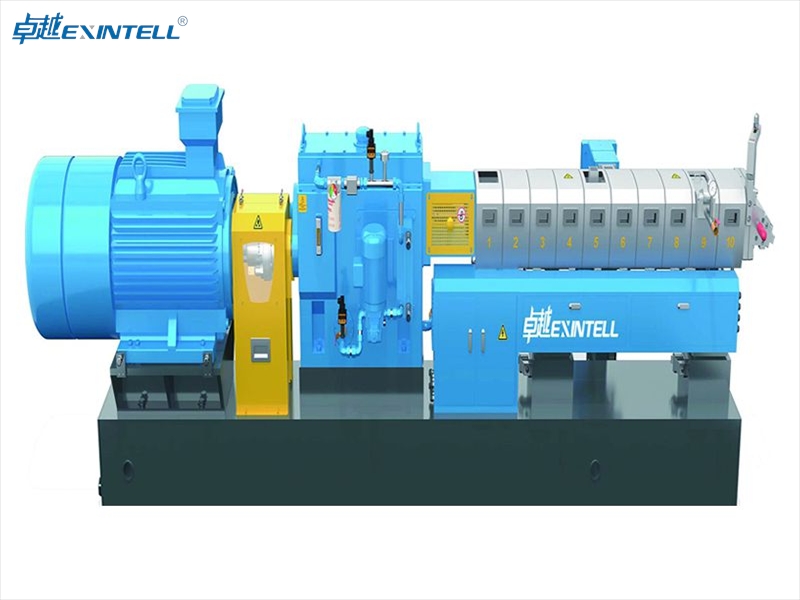
Circular Economy Integration: Filler masterbatch itself is a circular economy enabler — it reduces virgin polymer consumption and can incorporate recycled CaCO3 from industrial waste streams. Forward-thinking filler masterbatch making machine manufacturers are designing equipment that can process recycled and bio-based carrier resins alongside conventional PE and PP, expanding the sustainability value proposition for end users.
Emissions and Workplace Safety: Modern machines incorporate enclosed feeding systems, dust extraction, and VOC (volatile organic compound) capture to meet increasingly stringent workplace health and environmental regulations in the US (OSHA, EPA) at ako (AABOT, EU-OSHA). Buyers should verify that any machine under consideration meets the emissions and safety standards applicable in their jurisdiction.
Workplace Safety in Plastics Manufacturing: Protecting Workers on the Production Floor
Operating a filler masterbatch making machine involves significant workplace hazards that demand rigorous safety protocols and appropriate personal protective equipment (PPE). The plastics compounding environment presents unique risks — from high-temperature polymer melts and rotating machinery to airborne mineral dust and chemical exposure — that make worker safety a non-negotiable priority for any responsible manufacturer or factory operator. Extruded Plastic Canada
Mechanical Hazards and Machine Guarding: Filler masterbatch production lines contain multiple rotating, shearing, and crushing hazard zones — the extruder screws, pelletizer blades, conveyor systems, and feeding mechanisms all present entanglement and amputation risks. The EU Machinery Regulation 2023/1230 and US OSHA standards (29 CFR 1910 Subpart O) mandate comprehensive machine guarding, emergency stop systems, and lockout/tagout (LOTO) procedures. Modern filler masterbatch making machines incorporate interlocked safety guards, light curtains, and safety-rated PLCs that prevent operation when guards are open. Buyers should verify that any machine meets the safety requirements of their operating jurisdiction — and that the manufacturer provides complete risk assessments and safety documentation.
Thermal Hazards and Burn Prevention: Extruder barrels operate at temperatures of 160-220°C sa panahon ng filler masterbatch production. Mga mukha ng mamatay, mga plato ng adaptor, at downstream cooling equipment ay nagpapakita rin ng mga panganib sa pagkasunog. Mga takip ng insulated na bariles, mga thermal shield, at malinaw na mga babala na signage ay karaniwang mga tampok na pangkaligtasan sa mahusay na disenyong mga makina. Ang mga manggagawa ay dapat magsuot ng mga guwantes na lumalaban sa init at angkop na damit na proteksiyon kapag nagsasagawa ng mga pagbabago sa die, pagpapalit ng screen pack, o anumang aktibidad sa pagpapanatili malapit sa mainit na ibabaw.
Proteksyon sa Paghinga at Pagkontrol sa Alikabok: Ang produksyon ng masterbatch ng CaCO3 filler ay bumubuo ng makabuluhang dami ng pinong mineral na alikabok sa panahon ng paghawak ng hilaw na materyal, pagpapakain, at naghahatid. Ang matagal na paglanghap ng calcium carbonate dust ay maaaring maging sanhi ng pangangati sa paghinga at, sa matinding kaso, pneumoconiosis. Ang pinapahintulutang limitasyon sa pagkakalantad ng US OSHA (PEL) para sa calcium carbonate ay 15 mg/m³ (kabuuang alikabok) at 5 mg/m³ (respirable fraction). The EU's SCOEL (Scientific Committee on Occupational Exposure Limits) recommends similar thresholds. Effective dust control requires a multi-layered approach: enclosed feeding systems with dust extraction, negative-pressure conveying, HEPA-filtered ventilation in the production area, at — as a last line of defense — appropriate respiratory PPE (N95 or FFP2 masks) for workers in high-exposure zones.
Kasuotang Pangkaligtasan — Protecting Toes on the Factory Floor: The filler masterbatch production environment is particularly hazardous for feet. Mga bahagi ng mabibigat na makina, steel barrels, mga elemento ng tornilyo, and pelletizer parts are routinely handled during installation, pagpapanatili, at mga pagbabago. A single dropped barrel segment — weighing 50-150 kg — can cause catastrophic foot injuries. This is why safety footwear with steel or composite toe caps rated to EN ISO 20345:2022 (EU) o ASTM F2413-18 (US) is mandatory PPE in any well-managed filler masterbatch making machine factory.
B2B safety footwear for plastics manufacturing environments should meet the following specifications:
— S3 or S5 rating (SA ISO 20345): Providing toe protection (200J epekto, 15kN compression), puncture-resistant midsole, paglaban sa tubig, and anti-slip outsole. The S5 rating adds waterproof construction — important in production areas where cooling water and process fluids are present.
— Outsole na lumalaban sa init: Contact heat resistance up to 300°C (HRO rating) protects against accidental contact with hot polymer drips, spilled melt, or heated machine surfaces.
— Anti-static or ESD properties: Electrostatic discharge can be a concern in environments with fine mineral dust, which can be combustible at certain concentrations. Anti-static footwear (rated A or ESD per EN 61340-5-1) helps dissipate charge buildup.
— Paglaban sa kemikal: Outsoles resistant to oils, solvents, at mga additives sa pagproseso (stearic acid, paraffin wax, coupling agents) commonly used in filler masterbatch formulations.
— Ergonomic design for 8-12 mga shift ng oras: Production workers in filler masterbatch factories typically stand for extended periods on hard concrete floors. Footwear with energy-absorbing midsoles, suporta sa arko, and moisture-wicking linings reduces fatigue and musculoskeletal injury risk.
For B2B buyers sourcing safety footwear for their production teams, key considerations include: certification to the applicable standard (SA ISO 20345 for EU markets, ASTM F2413 for US markets), minimum order quantities (MOQs typically range from 100-500 pairs for custom specifications), and the supplier's ability to provide size runs appropriate for the workforce demographic. Leading safety footwear manufacturers serving the industrial B2B market include Uvex (Alemanya), Honeywell Safety (US), Bata Industrials (Netherlands), and Cofra (Italya) — all of whom offer product lines specifically designed for plastics and chemical processing environments.
Proper PPE procurement is as important as machine selection. Ang aming workplace safety equipment guide covers additional PPE requirements for plastics manufacturing environments.
Noise Exposure: Filler masterbatch production lines generate noise levels of 80-95 dB(A) sa panahon ng operasyon, primarily from the gearbox, pelletizer, and pneumatic conveying systems. Parehong OSHA (US) and EU Directive 2003/10/EC mandate hearing protection above 85 dB(A) and engineering controls to reduce noise at source. Modern machines incorporate acoustic enclosures, vibration-damped mounts, and low-noise gearbox designs to address this hazard.
Safety Culture and Training: Equipment safety features are only effective when supported by a strong safety culture. Any reputable filler masterbatch making machine manufacturer should provide comprehensive operator training covering safe startup/shutdown procedures, emergency response, PPE requirements, and hazard recognition. This training should be documented and refreshed annually — a requirement under both US OSHA and EU regulatory frameworks.
Trade Forecasts: What to Expect in the Filler Masterbatch Making Machine Market Through Q3
Looking ahead to the next one to two months and into Q3, several trends are likely to shape the filler masterbatch making machine market:
1. Continued Tariff Uncertainty Will Drive Supply Chain Diversification: The US trade policy environment remains unpredictable. With the tariff review cycle underway, machinery importers are hedging by qualifying alternative suppliers outside China. Vietnam, India, Turkey, and Taiwan are the primary beneficiaries of this diversification trend. Expect to see increased inquiry volumes for filler masterbatch making machine wholesale from these origins on B2B platforms like Alibaba, Made-in-China, and IndiaMART.
2. EU Demand Will Accelerate in H2: The European plastics compounding industry is entering a capital expenditure (capex) upcycle driven by three converging factors: (a) aging installed equipment base requiring replacement, (b) new capacity investments to meet PPWR recycled content mandates, at (c) reshoring of masterbatch production previously sourced from Turkey and Egypt due to quality and supply chain reliability concerns. European buyers will prioritize machines with CE certification, documented energy efficiency data, at Industriya 4.0 readiness.
3. Price Pressure Will Intensify at the Entry Level: Chinese manufacturers continue to drive down prices for basic filler masterbatch making machines, with FOB prices for 500 kg/hr lines now as low as USD 65,000-85,000. This price compression is squeezing margins for mid-tier suppliers who cannot match Chinese costs but lack the brand premium of European OEMs. Differentiation through automation, kahusayan ng enerhiya, and service quality will be essential for survival in this segment