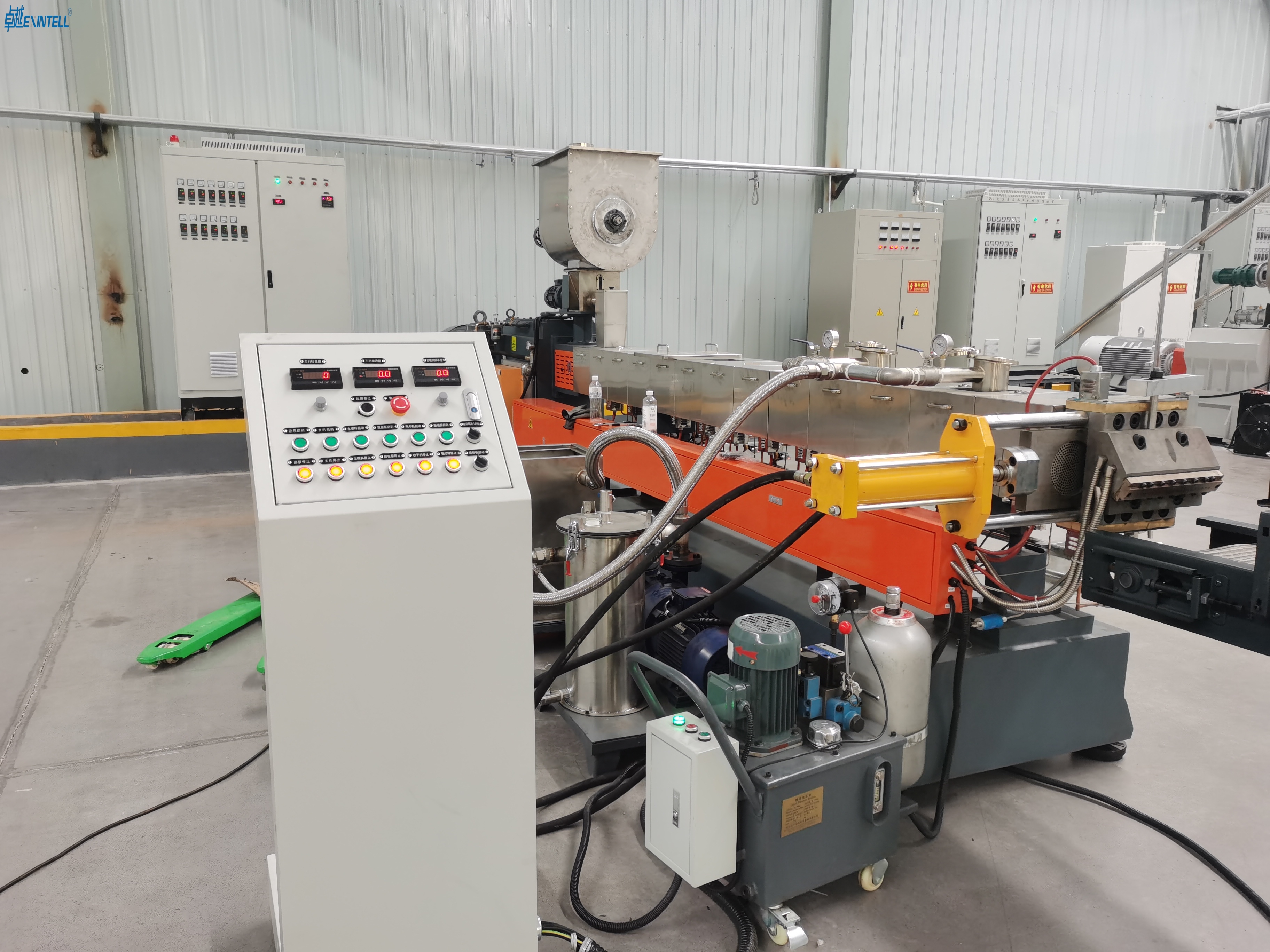
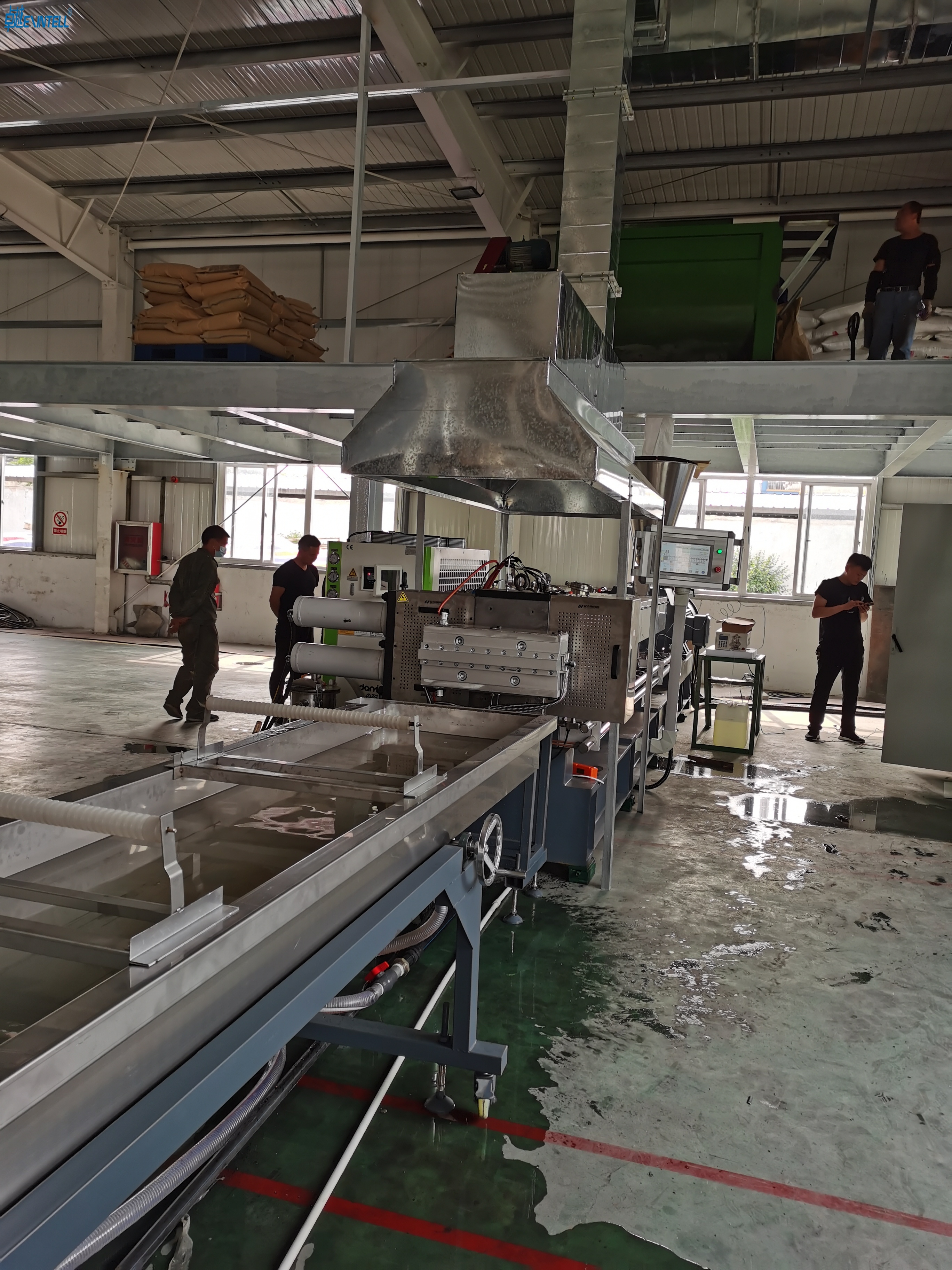
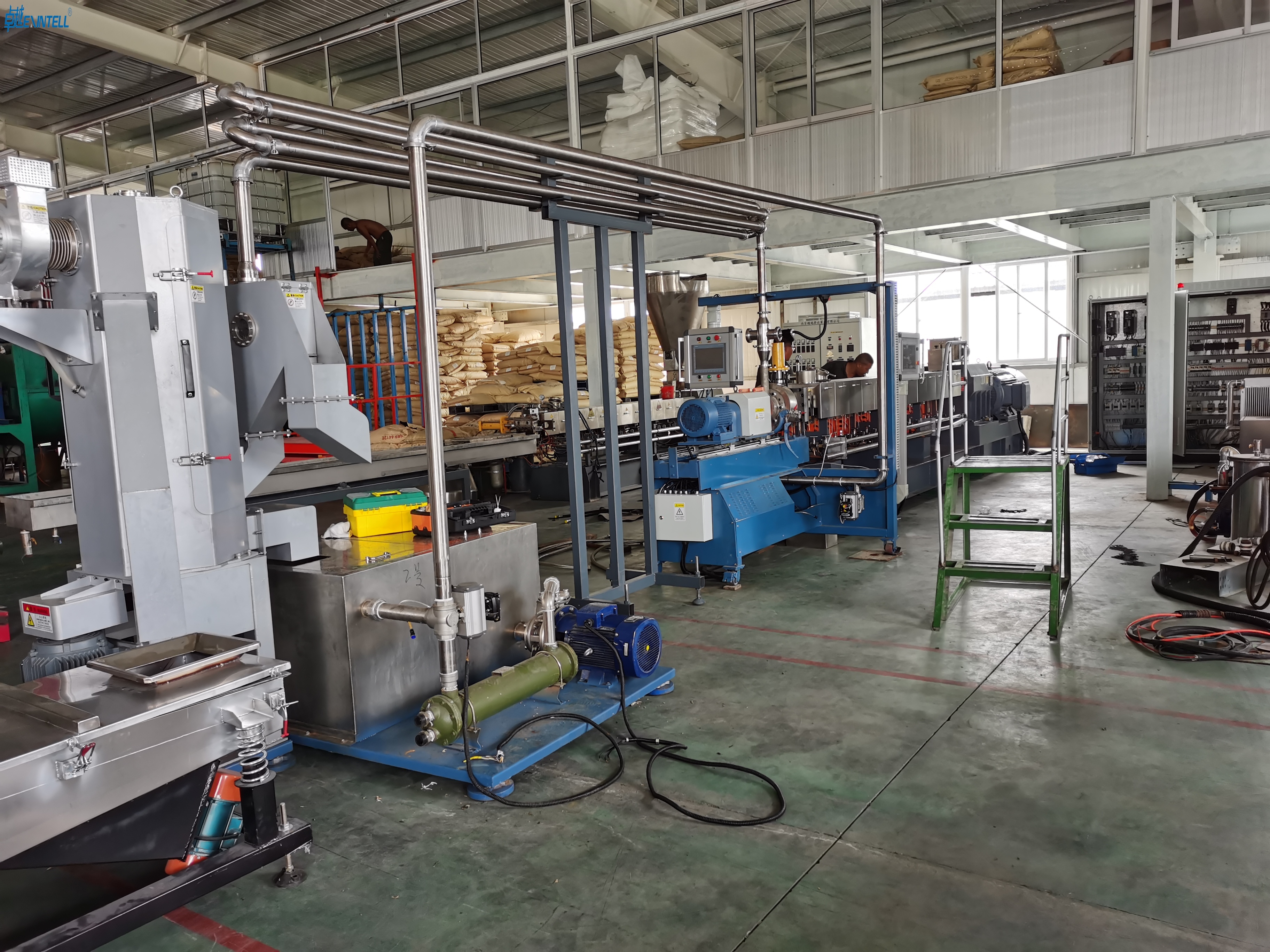
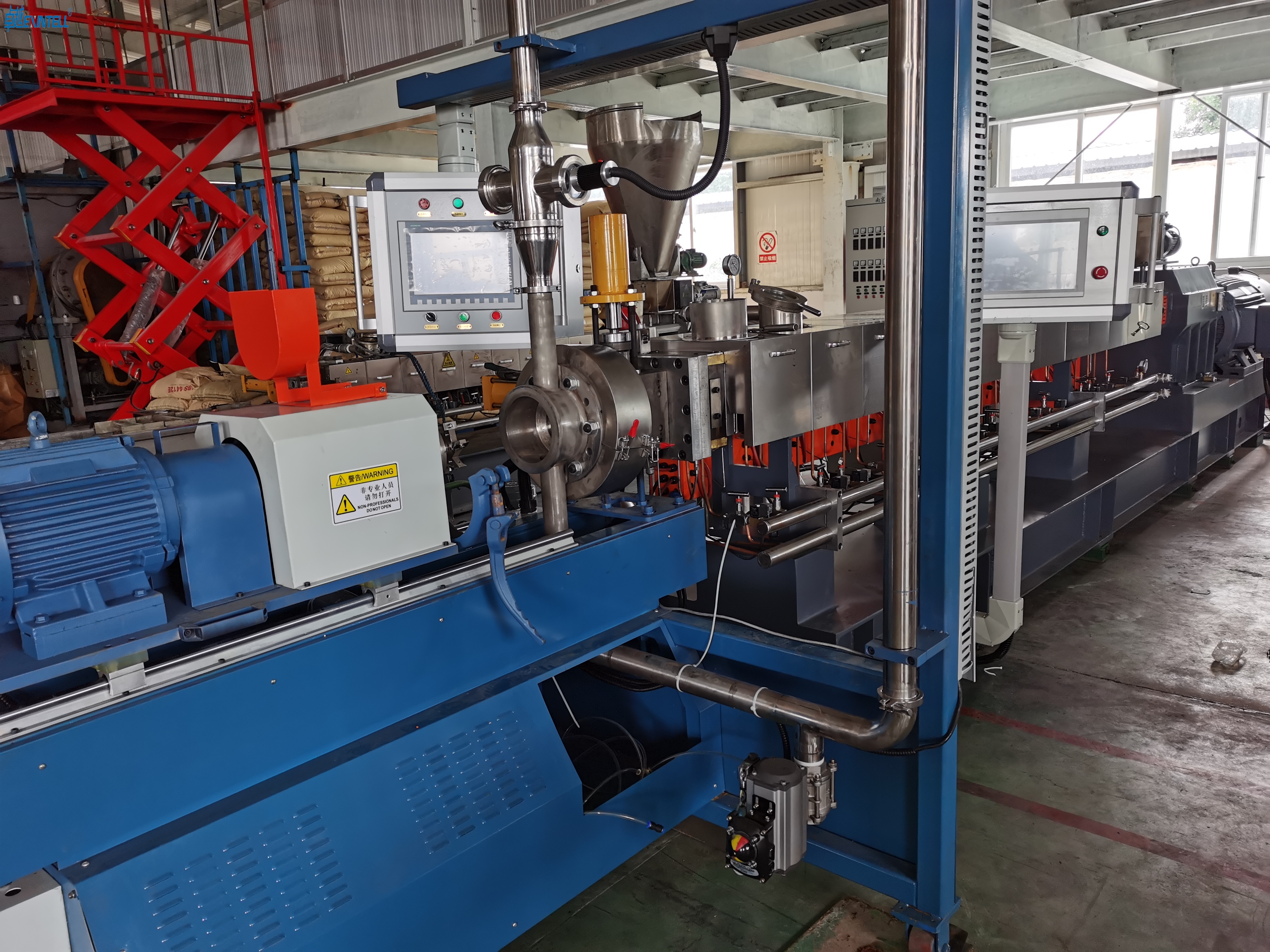
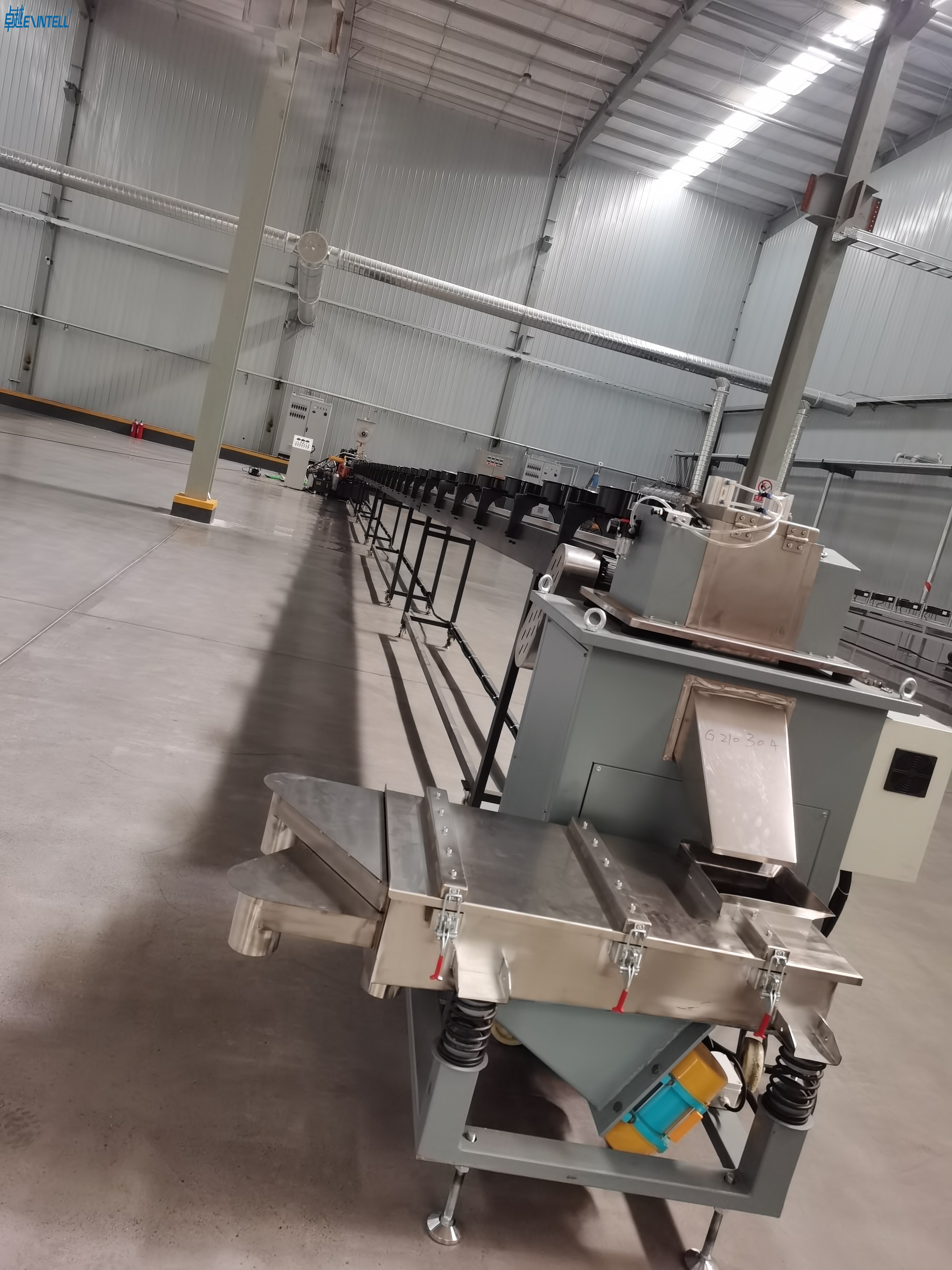
I seeప్లాస్టిక్ వెలికితీతas a process that turns raw plastic pellets into useful shapes like pipes or sheets. To picture it, I think of squeezing toothpaste from a tube—except instead of paste, I use melted plastic, and instead of a tube, I have a special mold. This method producesపైగా 140 million metric tonsof plastic products globally each year:
Region
ఉత్పత్తి వాల్యూమ్ (మెట్రిక్ టన్నులు)
Asia-Pacific
71 మిలియన్
ఉత్తర అమెరికా
29 మిలియన్
యూరప్
25 మిలియన్
Total
142 మిలియన్
కీ టేకావేలు
Plastic extrusion transformsraw plastic pellets into useful shapes like pipes and sheets through a continuous process.
Temperature and pressure control are crucial for ensuring the quality of the final product during extrusion.
Common products made from plastic extrusion include packaging, construction materials, and medical tubing.
Understanding the extrusion process allows manufacturers to create customized shapes and meet specific industry needs.
What Is Plastic Extrusion?
Simple Explanation
When I think about plastic extrusion, I see it as a straightforward yet powerful manufacturing process. I start with raw plastic, usually in the form of small pellets or granules. I feed these pellets into a machine that heats them until they melt. Once the plastic reaches the right temperature, I force it through a specially shaped opening called a die. This die determines the final shape of the product. The process continues as the newly formed plastic cools and hardens, and I cut it to the desired length.
I like to compare plastic extrusion to making pasta. I push dough through a pasta maker to get spaghetti or penne. In the same way, I push melted plastic through a die to create pipes, షీట్లు, or other shapes.
Plastic extrusion stands out because it is continuous. I can keep feeding plastic pellets into the machine, and it keeps producing long, uniform shapes. Precise control of temperature and pressure at every stage—feeding, కరగడం, వెలికితీసే, శీతలీకరణ, and cutting—ensures the quality of the final product.
It transforms raw plastic into usable shapes by melting and forcing it through a die.
Precise control of temperature and pressure is crucial during each stage.
సాధారణ ఉత్పత్తులు
I see the results of plastic extrusion everywhere in daily life and industry. Many products I use or encounter rely on this process for their shape and function. Some of the most common items made with plastic extrusion include:
Plastic channels and trims used in construction and furniture
Profiles for windows and doors that provide structure and sealing
LED light diffusers that spread light evenly
Retail display components for showcasing products
Road barricades and traffic delineators for safety
Solar panel mounting components for renewable energy systems
Custom packaging inserts that keep products secure
Plastic extrusion allows me to create these products efficiently and consistently. I rely on this process to meet the demands of modern manufacturing, సాధారణ గొట్టాల నుండి సంక్లిష్ట ప్రొఫైల్స్ వరకు. ఎక్స్ట్రాషన్ యొక్క బహుముఖ ప్రజ్ఞ అంటే నేను దానిని అనేక విభిన్న అనువర్తనాలకు అనుగుణంగా మార్చగలను, ప్లాస్టిక్ పరిశ్రమకు మూలస్తంభంగా నిలిచింది.
ప్లాస్టిక్ వెలికితీత ప్రక్రియ దశలు
నేను ఎవరికైనా మార్గనిర్దేశం చేసినప్పుడు ప్లాస్టిక్ వెలికితీత ప్రక్రియ, నేను ఎల్లప్పుడూ దానిని స్పష్టంగా విభజిస్తాను, నిర్వహించదగిన దశలు. ఈ దశల వారీ ప్రక్రియ ముడి ప్లాస్టిక్ గుళికలను ఖచ్చితత్వం మరియు సామర్థ్యంతో పూర్తి ఉత్పత్తులుగా మారుస్తుంది. ఇక్కడ నేను ప్రతి దశను ఎలా చేరుకుంటాను:
ఫీడింగ్ గుళికలు
నేను ఎంచుకోవడం ద్వారా ప్లాస్టిక్ వెలికితీత ప్రక్రియను ప్రారంభిస్తాను సరైన రకం ప్లాస్టిక్ గుళికలు. పదార్థం యొక్క ఎంపిక ముఖ్యమైనది ఎందుకంటే ప్రతి రకం తుది ఉత్పత్తికి ప్రత్యేక లక్షణాలను తెస్తుంది. ఉదాహరణకు, నేను తరచుగా పాలిథిలిన్ దాని తేలికపాటి మరియు రసాయన నిరోధకత కోసం ఉపయోగిస్తాను, పాలీస్టైరిన్ దాని దృఢత్వం మరియు స్పష్టత కోసం, లేదా దాని బలం మరియు అధిక ద్రవీభవన స్థానం కోసం పాలీప్రొఫైలిన్. నేను ఈ గుళికలను తొట్టిలో పోస్తాను, ఇది వాటిని ఎక్స్ట్రూడర్లోకి ఫీడ్ చేస్తుంది. The hopper ensures a steady flow, so the process remains continuous and efficient.
చిట్కా: I always check the purity and quality of the raw plastic before starting. Consistent material quality helps me avoid defects later in the extrusion.
Lightweight, high impact resistance, excellent chemical resistance
ప్యాకేజింగ్, కంటైనర్లు, consumer goods
పాలీస్టైరిన్
దృఢమైన, transparent, easy to mold
Signs, display cases, household items
పాలీప్రొఫైలిన్
High melting point, రసాయన నిరోధకత, బలం
Automotive parts, వస్త్రాలు, ప్యాకేజింగ్
Melting Plastic
Once the pellets enter the extruder, I move to the next step—melting the plastic. The extruder barrel heats up to temperatures between 200°C and 275°C, depending on the material. I monitor the temperature closely because each plastic has its own melting point. For instance, పాలిథిలిన్ 105°C నుండి 115°C వరకు కరుగుతుంది, పాలీస్టైరిన్కు 210°C నుండి 240°C వరకు అవసరం. బారెల్ లోపల తిరిగే స్క్రూ గుళికలను కంప్రెస్ చేసి మిక్స్ చేస్తుంది, అవి సమానంగా కరుగుతాయి మరియు మృదువుగా మారుతాయి, సజాతీయ ద్రవ్యరాశి.
ప్లాస్టిక్ పదార్థం
ఉష్ణోగ్రత పరిధి
మెల్టింగ్ పాయింట్
పాలిథిలిన్ (PE)
-50°C నుండి 80°C
105°C – 115°C
పాలీప్రొఫైలిన్ (PP)
0°C నుండి 120°C
130°C – 171°C
పాలీస్టైరిన్ (PS)
-20°C నుండి 70°C
210°C – 240°C
ఖచ్చితమైన ఉష్ణోగ్రత నియంత్రణ అవసరమని నాకు తెలుసు. ప్లాస్టిక్ వేడెక్కినట్లయితే, అది అధోకరణం చెందుతుంది మరియు దాని లక్షణాలను కోల్పోతుంది. ఇది చాలా చల్లగా ఉంటే, అది డై ద్వారా సరిగా ప్రవహించదు. ప్రక్రియను స్థిరంగా మరియు సమర్థవంతంగా ఉంచడానికి నేను అధునాతన పర్యవేక్షణ వ్యవస్థలపై ఆధారపడతాను.
డైతో ఆకృతి చేయడం
కరిగిన తర్వాత, నేను కరిగిన ప్లాస్టిక్ను డై ద్వారా నెట్టివేస్తాను. డై ఒక అచ్చులా పనిచేస్తుంది, ప్లాస్టిక్కు దాని తుది ఆకారాన్ని ఇవ్వడం. I select the die geometry based on the profile I want—whether it’s a tube, షీట్, or custom profile. The land length of the die affects the uniformity and quality of the extrusion. If I choose the wrong length, I risk defects like sagging or warping.
Die geometry determines the product’s cross-section.
Land length impacts uniformity and surface quality.
Cooling mechanisms in the die help maintain shape.
I also pay close attention totemperature and pressure distributioninside the die. These factors influence how the plastic flows and solidifies. For complex shapes, I test the die design thoroughly before full production.
శీతలీకరణ మరియు కట్టింగ్
Once the plastic leaves the die, I must cool it quickly to lock in the shape. I use different cooling methods depending on the product and production speed. Water-cooled systems circulate cool water around the extrusion, which is both cost-effective and efficient. For lower volumes, I sometimes use air-cooled systems. In industrial settings, I rely on chillers for precise temperature control.
శీతలీకరణ పద్ధతి
వివరణ
Effectiveness
Water-Cooled Systems
Circulate cool water through the extrusion die or barrel.
Cost-effective and efficient.
Air-Cooled Systems
Use air to dissipate heat, suitable for lower production volumes.
Less effective than water systems.
Chillers
Provide precise temperature control for smooth material flow.
Popular for industrial use.
అది నాకు తెలుసు cooling can take up to 70%of the total cycle time in some processes. Effective cooling management allows me to increase production speed and maintain high output. శీతలీకరణ తర్వాత, నేను ఎక్స్ట్రూడెడ్ ప్లాస్టిక్ను అవసరమైన పొడవుకు కత్తిరించాను లేదా తదుపరి ఉపయోగం కోసం స్పూల్స్పైకి తిప్పాను.
గమనిక: నేను ఎల్లప్పుడూ ఈ దశలో నాణ్యత నియంత్రణ తనిఖీలను అమలు చేస్తాను. ప్రతి ఉత్పత్తి పరిశ్రమ ప్రమాణాలకు అనుగుణంగా ఉండేలా నేను కొలతలు మరియు ఉపరితల ముగింపును తనిఖీ చేస్తాను.
ప్లాస్టిక్ వెలికితీత ప్రక్రియలో ప్రధాన దశల సారాంశం ఇక్కడ ఉంది:
దశ
వివరణ
1
ముడి ప్లాస్టిక్ గుళికలను తొట్టిలో తినిపిస్తారు మరియు ఎక్స్ట్రూడర్లోకి ప్రవేశిస్తారు
2
పదార్థం కరిగిపోయే చోట వేడిచేసిన బారెల్ గుండా వెళుతుంది (200-275°C)
3
తిరిగే స్క్రూ కరిగిన ప్లాస్టిక్ను కుదిస్తుంది మరియు సజాతీయంగా మారుస్తుంది
4
స్క్రీన్లు మరియు బ్రేకర్ ప్లేట్లు కలుషితాలను తొలగిస్తాయి మరియు వెన్ను ఒత్తిడిని సృష్టిస్తాయి
5
కావలసిన ప్రొఫైల్ను రూపొందించడానికి కరిగిన ప్లాస్టిక్ డై ద్వారా బలవంతంగా పంపబడుతుంది
6
వెలికితీసిన ఉత్పత్తి దాని ఆకారాన్ని పటిష్టం చేయడానికి చల్లబడుతుంది
7
ఉత్పత్తి పొడవుగా కత్తిరించబడుతుంది లేదా స్పూల్స్పై గాయమవుతుంది.
ఈ దశల వారీ ప్రక్రియను అనుసరించడం ద్వారా, నేను సాధారణ ప్లాస్టిక్ గుళికలను అధిక-నాణ్యతగా మారుస్తాను, పూర్తి ఉత్పత్తులు. ప్రతి దశను నిర్వహించడంలో నా నైపుణ్యం సమర్థతను నిర్ధారిస్తుంది, స్థిరత్వం, మరియు ప్రతి ఎక్స్ట్రాషన్ ప్రాజెక్ట్లో విశ్వసనీయత.
ప్లాస్టిక్ ఎక్స్ట్రూషన్ రకాలు
నేను ప్లాస్టిక్ తయారీ ప్రక్రియలో పని చేస్తున్నప్పుడు, నేను చాలా తరచుగా ఎంచుకుంటాను ప్లాస్టిక్ వెలికితీత రకాలు. ప్రతి పద్ధతి ప్లాస్టిక్ను ఒక ప్రత్యేక పద్ధతిలో ఆకృతి చేస్తుంది మరియు వివిధ పరిశ్రమలకు సేవలు అందిస్తుంది. మీరు ప్రతిరోజూ చూసే ఉత్పత్తులను రూపొందించడానికి నేను ఈ సాంకేతికతలను ఎలా ఉపయోగిస్తాను అని నేను భాగస్వామ్యం చేయాలనుకుంటున్నాను.
గొట్టాలు
I useగొట్టాల వెలికితీత నేను బోలుగా చేయవలసి వచ్చినప్పుడు, స్థూపాకార ఉత్పత్తులు. ఈ ప్రక్రియ కరిగిన ప్లాస్టిక్ను రౌండ్ డై ద్వారా నెట్టివేస్తుంది, ఒక నిరంతర ట్యూబ్ ఏర్పాటు. నేను విస్తృత శ్రేణి అనువర్తనాల కోసం ఈ పద్ధతిపై ఆధారపడతాను:
Tubing extrusion gives me control over the diameter and wall thickness. I can adjust the process to meet strict industry standards, especially for medical devices.
Blow Film
Blow film extrusionstands out as a process that creates thin, flexible plastic films. I extrude molten plastic through a circular die, then inflate it with air to form a bubble. This bubble stretches and cools, producing a uniform film. I use this method to make:
Grocery and shopping bags
Food packaging wraps
Liners for containers
Blow film extrusion lets me control film thickness and strength. The process also folds the film at the edges, which makes bag production more efficient.
Sheet Film
When I need flat, wide plastic sheets, I turn to sheet film extrusion. I push melted plastic through a flat die, then cool and roll it into sheets. These sheets serve many purposes:
అప్లికేషన్ రకం
వివరణ
ప్యాకేజింగ్
Trays, కంటైనర్లు, and wraps
Lamination
Durable layers for products
Labeling
Labels for bottles and packages
Protective Coatings
Shields for surfaces
Automotive Interior Panels
Car dashboards and door panels
Advertising Displays
Signs and promotional materials
Building Materials
Construction panels and insulation
Sheet film extrusion allows me to produce materials with consistent thickness and surface quality.
Over Jacket
Over jacket extrusionhelps me coat wires and cables with a protective plastic layer. I pull the wire through the center of the die while applying molten plastic around it. This process is essential in industries like:
కోణం
వివరణ
Definition
Coating wires with plastic for protection
Common Industries
Electrical wiring, telecommunications
If I need the coating to stick tightly, I use pressure tooling. For a loose fit, I apply jacketing tooling as the wire exits the die. Over jacket extrusion ensures wires stay safe from moisture, chemicals, and abrasion.
చిట్కా: I always select the right extrusion method based on the product’s function and the industry’s requirements. Understanding the types of plastic extrusion helps me deliver reliable, high-quality results.
ప్లాస్టిక్ ఎక్స్ట్రూషన్ యొక్క ప్రయోజనాలు
సమర్థత
I rely on plastic extrusion because it delivers unmatched efficiency in manufacturing. The process allows me to create products with consistent cross-sections, which means I can produce complex shapes without sacrificing quality. I operate machines continuously, so I minimize downtime and avoid inventory shortages. This method uses thermoplastics and granules that I can reuse, which lowers raw material and disposal costs.
ప్లాస్టిక్ను పైపులుగా తీర్చిదిద్దడం ద్వారా నేను బహుముఖ ప్రజ్ఞను సాధించాను, షీట్లు, మరియు అనేక పరిశ్రమల ప్రొఫైల్లు.
నేను మిగిలిపోయిన పదార్థాలను రీసైక్లింగ్ చేయడం ద్వారా డబ్బును ఆదా చేస్తాను వ్యర్థాలను తగ్గించడం.
నేను స్థిరమైన ఉత్పత్తిని కొనసాగిస్తాను, ఇది పెద్ద-స్థాయి తయారీకి మద్దతు ఇస్తుంది.
ఖర్చు ఆదా కోసం ప్లాస్టిక్ వెలికితీత నిలుస్తుంది. అది నేను గమనిస్తున్నాను ఎక్స్ట్రాషన్ డైస్ తక్కువ ఖర్చు అవుతుంది మరియు ఇంజెక్షన్ అచ్చులను ఉత్పత్తి చేయడానికి తక్కువ సమయం పడుతుంది. నేను అధిక వేగంతో యంత్రాలను అమలు చేయడం ద్వారా అవుట్పుట్ను పెంచుతాను, ఇది కార్మిక వ్యయాలను తగ్గిస్తుంది. శక్తి సామర్థ్యం కూడా ముఖ్యమైనది. ఇతర పద్ధతులతో పోలిస్తే నేను యూనిట్కు తక్కువ శక్తిని ఉపయోగిస్తాను, ఇది కార్యాచరణ ఖర్చులను తగ్గిస్తుంది.
కోణం
వివరణ
తక్కువ టూలింగ్ మరియు సెటప్ ఖర్చులు
ఎక్స్ట్రూషన్ డైస్ ఇంజెక్షన్ అచ్చుల కంటే తక్కువ ఖరీదు మరియు త్వరగా ఉత్పత్తి అవుతాయి, ప్రారంభ ఖర్చులను తగ్గించడం.
అధిక ఉత్పత్తి వేగం
ఎక్స్ట్రాషన్ అధిక వేగంతో నిరంతర ఉత్పత్తిని అనుమతిస్తుంది, కార్మిక వ్యయాలను తగ్గించడం మరియు ఉత్పత్తిని పెంచడం.
శక్తి సామర్థ్యం
Requires less energy per unit compared to other methods, leading to lower operational expenses.
When I compare energy consumption, extrusion uses a steady amount of energy because it operates continuously. Injection molding and blow molding require more energy due to repeated heating and cooling cycles.
ప్రక్రియ
Energy Consumption Description
వెలికితీత
Energy consumption is relatively low due to continuous production and efficient heating systems.
ఇంజెక్షన్ మౌల్డింగ్
Consumes more energy due to repeated heating and cooling, dependent on product intricacy.
Blow Molding
Requires additional blowing devices and cooling systems, leading to higher energy consumption.
I support sustainability byrecycling plastic waste. I collect leftover materials, melt them down, and reuse them in future products. This practice reduces landfill pressure and saves energy.
Everyday Uses
Plastic extrusion shapes many products I use daily. I see its impact in packaging, నిర్మాణం, healthcare, and household items. The process createsPVC pipes, విండో ఫ్రేమ్లు, weather-stripping, storage containers, and plastic shelving. I also rely on extrusion for refrigerator door gaskets, vacuum cleaner hoses, door seals, window channels, bumper components, కేబుల్ వాహకాలు, IV పంక్తులు, catheters, packaging materials, and display stands.
విండో ప్రొఫైల్స్
డోర్ ఫ్రేమ్లు
వాతావరణ స్ట్రిప్పింగ్
కత్తిరించు
సీల్స్
రబ్బరు పట్టీలు
గొట్టాలు
గృహోపకరణాలు
క్రీడా వస్తువులు
ఫర్నిచర్ భాగాలు
బొమ్మలు
Garden hoses
I recognize that applications for plastic extrusion extend to packaging, making these productsindispensable in daily life. Single-use plastics offer convenience, but they also increase waste and present environmental challenges. I address these concerns by recycling and promoting sustainable practices.
Conventional plastic production has undeniable effects on our environment. ముఖ్యంగా, the manufacturing process uses vast amounts of energy and raw materials, leading to CO2 emissions. Moreover, plastic materials’ durability and slow degradation can lead to long-term environmental harm if not disposed of responsibly.
I see that plastic extrusion supports sustainability by reducing the need for virgin plastic, conserving resources, and promoting a circular economy. Many extrusion linesuse recycled plastics, which helps reduce waste and supports environmental goals. I believe that understanding the benefits and applications for plastic extrusion helps me make informed choices as a manufacturer and consumer.
I see plastic extrusion as a continuous process that transforms raw plastic into useful shapes. మెటీరియల్ ఎంపికand temperature control play a key role in achieving quality outcomes. Additives improve plastic properties, and well-designed molds help me create the desired shapes. Understanding the limitations of extrusion, such as challenges with complex shapes and material compatibility, is vital.
కోణం
Importance
Product Quality
Knowledge of extrusion improves the quality of plastic products.
అనుకూలీకరణ
I can adjust the process to meet specific needs.
సుస్థిరత
Using recycled plastic supports environmental efforts.
Regulatory Standards
Understanding extrusion helps me meet safety regulations.
I encourage readers to look around and notice how many everyday items rely on plastic extrusion. Recognizing these products helps me appreciate the role of plastic in modern life and supports informed choices for sustainability.
తరచుగా అడిగే ప్రశ్నలు
What makes plastic extrusion different from other manufacturing methods?
I seeప్లాస్టిక్ వెలికితీతas a continuous process. I can produce long, uniform shapes with less waste. Other methods, like injection molding, create individual parts. Extrusion works best for pipes, షీట్లు, మరియు ప్రొఫైల్స్. I choose it for efficiency and consistent quality.
Can I recycle plastic in the extrusion process?
I oftenrecycle plasticduring extrusion. I collect leftover material, దానిని కరిగించండి, and feed it back into the machine. This practice reduces waste and supports sustainability. I always check the quality of recycled plastic to ensure strong, reliable products.
What types of plastic work best for extrusion?
I use many types of plastic for extrusion. పాలిథిలిన్, పాలీప్రొఫైలిన్, and polystyrene perform well. I select the material based on the product’s needs. Some plastics offer flexibility, ఇతరులు బలం లేదా స్పష్టతను అందిస్తారు. నేను ఎల్లప్పుడూ అప్లికేషన్కు ప్లాస్టిక్ని సరిపోల్చాను.
ఎక్స్ట్రూడెడ్ ఉత్పత్తుల నాణ్యతను నేను ఎలా నియంత్రించగలను?
నేను ఉష్ణోగ్రతను పర్యవేక్షిస్తాను, ఒత్తిడి, మరియు ప్లాస్టిక్ వెలికితీత ప్రక్రియ అంతటా పదార్థం స్వచ్ఛత. నేను శీతలీకరణ తర్వాత ఉపరితల ముగింపు మరియు కొలతలు తనిఖీ. నేను ప్రతి దశలో నాణ్యత తనిఖీలను ఉపయోగిస్తాను. ఈ విధానం నాకు నమ్మకంగా అందించడంలో సహాయపడుతుంది, అధిక-నాణ్యత వెలికితీత ఉత్పత్తులు.
కస్టమ్ ఆకృతులకు ప్లాస్టిక్ ఎక్స్ట్రాషన్ అనుకూలంగా ఉంటుంది?
నిర్దిష్ట డైలను రూపొందించడం ద్వారా అనుకూల ప్రొఫైల్లను రూపొందించడానికి నేను ప్లాస్టిక్ ఎక్స్ట్రాషన్ని ఉపయోగిస్తాను. నేను ప్రత్యేకమైన ఆకారాలు మరియు పరిమాణాల కోసం ప్రక్రియను సర్దుబాటు చేయగలను. ఈ వశ్యత నిర్మాణంలో ప్రత్యేక అవసరాలను తీర్చడానికి నన్ను అనుమతిస్తుంది, ఆటోమోటివ్, మరియు ప్యాకేజింగ్ పరిశ్రమలు.