

Twin Screw Extruder China Supplier: Upatikanaji wa Dhahiri wa B2B & Mwongozo wa Biashara kwa
Twin screw extruder China suppliers have become the backbone of global plastics processing, kuchanganya, and polymer manufacturing supply chains. As international buyers from Europe, Amerika ya Kaskazini, and emerging markets seek cost-effective, high-performance extrusion machinery, China's twin screw extruder manufacturers offer an unmatched combination of advanced engineering, competitive pricing, and scalable production capacity. Mwongozo huu wa kina unachunguza mazingira ya sasa ya biashara, mikakati ya kutafuta, mifumo ya sera, and practical case studies that B2B buyers need to evaluate when selecting a twin screw extruder supplier from China — covering everything from factory audits and certifications to logistics, tariff considerations, and future market trends through mid-.
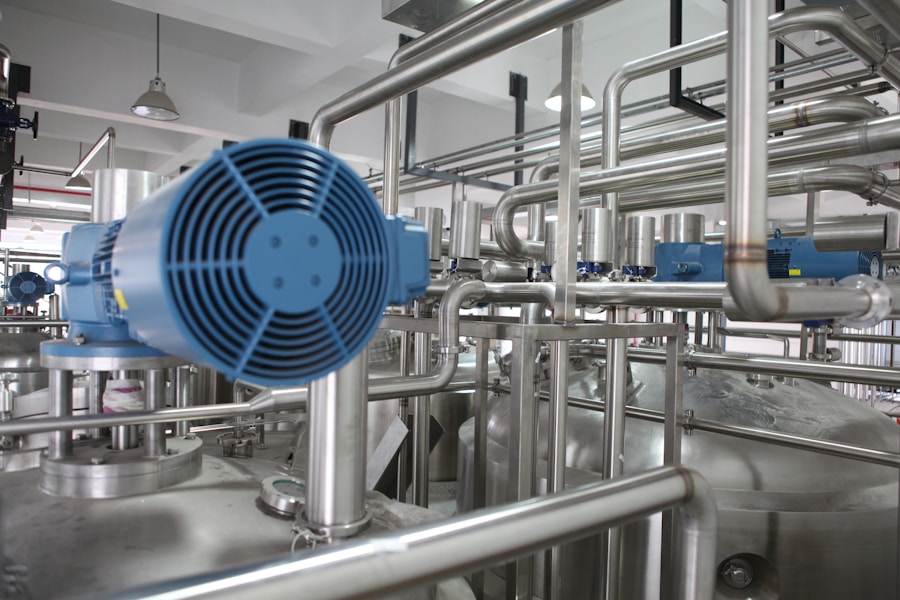
Industrial manufacturing facility with heavy machinery representing twin screw extruder production environment in China
Soko la Global Twin Parafujo Extruder: Current State and China's Dominant Role
Soko la kimataifa la skrubu pacha lilithaminiwa kwa takriban dola za Kimarekani 5.2 bilioni ndani 2024 na inakadiriwa kufikia USD 7.8 bilioni kwa 2030, kukua katika CAGR ya karibu 6.8%, according to data published by Utafiti wa Grand View na Akili ya Mordor. China accounts for an estimated 35–40% of global twin screw extruder production volume, making it the single largest manufacturing hub for this category of industrial machinery.
Several factors underpin China's dominance in twin screw extruder manufacturing:
- Mature supply chain ecosystem: Concentrated industrial clusters in Nanjing, Mkoa wa Jiangsu (often called "China's Extruder Capital"), Zhangjiagang, Guangdong, and Zhejiang provide integrated access to steel, precision components, motors, na mifumo ya udhibiti.
- Cost advantage: Chinese twin screw extruder manufacturers typically offer pricing 30–50% below European counterparts (k.m., Coperion, KraussMaffei, Leistritz) while increasingly matching quality benchmarks.
- Scale and customization: Leading Chinese suppliers operate factories exceeding 50,000 m² with annual output of 500+ vitengo, offering custom screw configurations, barrel designs, and downstream integration.
- Export orientation: Data kutoka China Customs (GACC) indicates that twin screw extruder exports grew approximately 12% mwaka hadi mwaka ndani 2024, with the EU, Asia ya Kusini-mashariki, and North America as primary destinations.
The competitive landscape includes established Chinese manufacturers such as Nanjing Jieya Extrusion Equipment Co., Nanjing Copeion Mashine (not affiliated with the German Coperion), USEON (Nanjing), Nanjing Kerke Extrusion Equipment, and Guangdong-based suppliers like Dongguan Songhu Plastic Machinery. These companies serve diverse end-use sectors including polymer compounding, uzalishaji wa masterbatch, usindikaji wa chakula, pharmaceutical extrusion, and recycling applications.
Trade Policy and Its Impact on Machinery Sourcing from China
B2B buyers sourcing twin screw extruders from China must navigate an evolving and complex trade policy environment, particularly in the United States and European Union — the two largest destination markets for Chinese industrial machinery exports.
United States Trade Policy Landscape (2024–)
U.S. maintains Section 301 tariffs on a broad range of Chinese goods, originally imposed in 2018–2019. Kama mapema, twin screw extruders classified under HTS codes 8477.20 (extruders kwa kufanya kazi mpira au plastiki) face a baseline tariff of approximately 25% under Section 301 List 3, in addition to standard MFN duties. The Utawala wa Biashara ya Kimataifa (ITA) na U.S. Tume ya Biashara ya Kimataifa (USITC) provide updated tariff schedules and exclusion processes.
Key considerations for U.S. importers:
- Sehemu 301 tariff exclusion requests have been periodically reopened but remain limited in scope for machinery categories.
- The UFLPA (Uyghur Forced Labor Prevention Act) requires supply chain due diligence documentation from Chinese suppliers.
- Anti-dumping and countervailing duty (AD/CVD) investigations, while not currently active for twin screw extruders specifically, remain a risk factor that buyers should monitor through U.S. Forodha na Ulinzi wa Mipaka (CBP).
European Union Trade Policy Landscape
The EU applies a different framework. Twin screw extruders from China enter the EU under CN code 8477 20 00 with a standard MFN duty rate of 3.7%. The EU's Kurugenzi Kuu ya Biashara has not imposed specific anti-dumping duties on twin screw extruders from China as of Q1, making the EU a comparatively more accessible market for Chinese machinery exports.
Extruder Factory Hata hivyo, the EU's Carbon Border Adjustment Mechanism (CBM), ambayo iliingia katika awamu yake ya mpito mwezi Oktoba 2023, may indirectly affect machinery sourcing decisions as buyers increasingly evaluate the carbon footprint of manufacturing equipment. The European Commission's Taxation and Customs Union provides guidance on CBAM reporting obligations.

Busy international shipping port with container cranes representing global trade logistics for industrial machinery exports
Fursa za Biashara za B2B: Why Global Buyers Choose Twin Screw Extruder China Suppliers
The decision to source twin screw extruders from China is driven by a convergence of economic, technical, and strategic factors that create compelling B2B trade opportunities for international buyers.
Price-Performance Ratio
Karatasi ya Plastiki Extrusion Jumla A co-rotating twin screw extruder with 65mm screw diameter (TSE-65) from a reputable Chinese manufacturer typically ranges from USD 45,000–85,000 FOB, compared to USD 120,000–250,000 for comparable Degradable Plastic Extrusion Line European-made machines. Tofauti hii ya bei — mara nyingi 50–65% — allows buyers to achieve faster ROI, particularly in price-sensitive markets or for startups scaling production capacity. Micro Extruder 3D Printer
Technical Advancement
Chinese twin screw extruder manufacturers have invested heavily Twin Screw Supplier in R&D over the past decade. Leading suppliers now offer: Plastic Recycling Manufacturer
- High-torque gearboxes with torque density ratings of 11.3 Nm/cm³ or higher, inakaribia viwango vya Ulaya.
- Modular barrel and screw element designs compatible with international standards (k.m., interchangeable with Coperion ZSK-type elements in some cases).
- PLC/HMI control systems from Siemens, ABB, or Schneider Electric, with Industry 4.0 connectivity options.
- Specialized configurations for reactive extrusion, devolatilization, underwater pelletizing, and direct extrusion.
Flexible MOQ and Customization
Amazon Plastic Asian Extruders Unlike some European OEMs with rigid product lines and long lead times (often 6–12 miezi), Chinese suppliers frequently accept MOQ of 1 unit with lead times of 45–90 siku. Custom screw profiles, madini ya pipa (chuma cha nitridi, bimetallic, tungsten carbide), and integrated downstream equipment (strand pelletizers, water ring cutters, conveyors baridi) can be specified at order.
Growing Certification and Compliance
Top-tier Chinese twin screw extruder suppliers now routinely provide CE marking for EU market access, and many hold ISO 9001:2015 quality management certification. Some manufacturers have obtained UL certification for electrical components destined for the North American market. Buyers should verify certifications through independent audits or third-party inspection services such as SGS au TÜV.
Challenges in Sourcing Twin Screw Extruders from China: What B2B Buyers Must Know
While the opportunities are significant, sourcing twin screw extruders from China presents challenges that require careful management:
Uthabiti wa Ubora
The Chinese twin screw extruder market spans a wide quality spectrum — from world-class manufacturers to low-cost producers cutting corners on metallurgy, uvumilivu wa usindikaji, and assembly quality. Wanunuzi lazima wafanye uangalifu wa kina:
- Request material certificates (mill certs) for barrels and screw elements.
- Verify gearbox specifications and source (k.m., domestic vs. imported gearboxes from Flender, Zambello, or MAAG).
- Insist on factory acceptance testing (FAT) with documented torque, joto, and throughput data.
Huduma ya Baada ya Mauzo na Vipuri
Geographic distance creates after-sales service challenges. Best practices include:
- Negotiating comprehensive spare parts packages at time of purchase (vipengele vya screw, mabomba ya mapipa, heating bands, thermocouples).
- Confirming whether the supplier maintains service engineers or authorized agents in the buyer's region.
- Establishing remote diagnostic capabilities via PLC connectivity.
Mazingatio ya Mali Miliki
Some Chinese manufacturers have faced allegations of reverse-engineering European designs. Buyers developing proprietary screw configurations or process recipes should implement appropriate IP protections, including NDAs and, inapohitajika, patent filings in China through the China National Intellectual Property Administration (CNIPA).
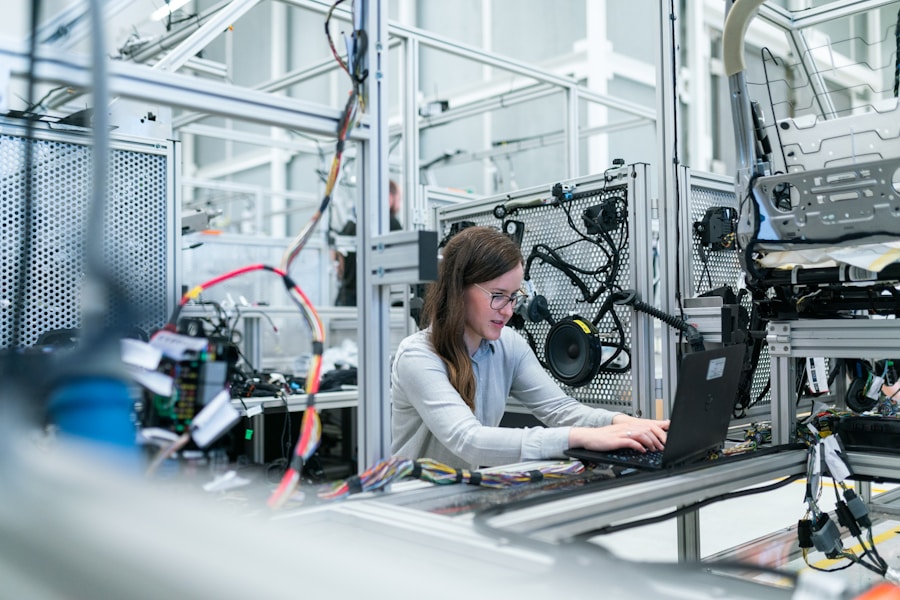
Engineer inspecting industrial machinery in a factory setting representing quality control for twin screw extruder manufactur
Geographic and Policy Advantages: How China's Infrastructure Enables B2B Extrusion Machinery Trade
China's geographic position and policy infrastructure create structural advantages for twin screw extruder exports that benefit B2B buyers worldwide.
Port and Logistics Infrastructure
Major twin screw extruder manufacturing clusters are located within 200 km of world-class container ports:
- Nanjing/Zhangjiagang manufacturers ship via Shanghai Port (the world's busiest container port) or Nanjing Longtan Port, with direct services to Rotterdam, Hamburg, Los Angeles, and Santos.
- Guangdong-based manufacturers access Shenzhen/Yantian and Guangzhou Nansha ports.
- Transit times: approximately 25–30 siku hadi Kaskazini mwa Ulaya, 14–18 days to Southeast Asia, and 18–25 days to U.S. West Coast.
Free Trade Zones and Export Incentives
Chinese twin screw extruder manufacturers benefit from several policy mechanisms:
- VAT export rebates (kwa sasa 13% for machinery under HS 8477) reduce effective production costs.
- Maeneo Huria ya Biashara (k.m., Shanghai FTZ, Jiangsu FTZ Nanjing Area) facilitate streamlined customs procedures.
- Mpango wa Ukanda na Barabara (BRI) has improved logistics connectivity to emerging markets in Central Asia, Afrika, na Amerika ya Kusini, opening new export corridors for Chinese machinery.
Mfumo wa Makubaliano ya Biashara
China's participation in the Regional Comprehensive Economic Partnership (RCEP), effective since January 2022, provides preferential tariff treatment for twin screw extruder exports to ASEAN, Australia, New Zealand, Japani, na Korea Kusini. While RCEP does not cover the EU or U.S., it strengthens China's position as a regional manufacturing hub and creates opportunities for triangular trade structures.
Uchunguzi kifani: European Compounder Sources Twin Screw Extruder Line from China
A mid-sized polymer compounding company based in Northern Germany (anonymized for confidentiality) provides an instructive case study in successful B2B sourcing of twin screw extruders from China.
Usuli
Kampuni hiyo, specializing in engineering plastics compounding (PA6, PA66, PBT with glass fiber reinforcement), needed to expand capacity with two additional twin screw extruder lines (75mm and 95mm screw diameter) for its facility near Hamburg. European OEM quotes ranged from EUR 280,000–380,000 per line.
Sourcing Process
- Initial screening: The buyer identified 12 potential Chinese suppliers through trade platforms (Alibaba, Made-in-China.com), industry exhibitions (Chinaplas 2024), and referrals from industry contacts.
- Shortlisting: After reviewing company profiles, vyeti (CE, ISO 9001), and reference customer lists, the buyer shortlisted 4 wazalishaji — all based in Nanjing.
- Ukaguzi wa kiwanda: The buyer's engineering team visited all 4 factories over a 5-day trip, evaluating machining capabilities, michakato ya mkusanyiko, vifaa vya mtihani, and installed base references.
- Technical negotiation: Detailed specifications were negotiated over 3 miezi, including screw element metallurgy (PM-HIP steel for abrasive glass fiber compounds), gearbox selection (imported European gearbox for the 95mm line), and control system (Siemens S7-1500 PLC with WinCC HMI).
- Contract and payment: 30% T/T advance, 60% against B/L, 10% retention for 6 months post-commissioning.
Matokeo
- Total cost for both lines (including ocean freight CIF Hamburg, installation supervision, and 2-year spare parts package): EUR 195,000 — takriban 40% below the lowest European quote.
- Delivery: 75 days from order confirmation to ex-works.
- Utendaji: Baada ya 8 miezi ya operesheni, both lines achieved rated throughput (800 kg/h for TSE-75, 1,500 kg/h for TSE-95) with specific energy consumption within 5% of European benchmarks.
- Issues encountered: Minor electrical wiring documentation errors (resolved during commissioning), and one heating band failure at month 4 (replaced from spare parts stock).
This case demonstrates that with rigorous due diligence, wazi specifikationer kiufundi, and appropriate contractual protections, sourcing twin screw extruders from China can deliver substantial cost savings without compromising operational performance.
Business professionals reviewing technical documents at a trade exhibition representing B2B machinery sourcing negotiations
How to Evaluate a Twin Screw Extruder China Supplier: A Practical Checklist
For B2B buyers approaching the Chinese twin screw extruder market for the first time, the following evaluation framework provides a structured approach:
Company Credentials
- Years in business (kiwango cha chini 10 years preferred for established track record).
- Annual production volume and factory size.
- Export percentage and key destination markets.
- Vyeti: ISO 9001, CE (verified by notified body, sio kujitangaza), and any industry-specific certifications.
Technical Capabilities
- In-house machining: CNC boring, kusaga, and balancing equipment for barrels and screws.
- Gearbox sourcing: In-house vs. kutoka nje; domestic vs. imported options.
- Screw element library: Range of conveying, kukanda, kuchanganya, and specialty elements available.
- Test/demonstration facility: Ability to conduct material trials on production-scale equipment.
Uhakikisho wa Ubora
- Incoming material inspection procedures.
- In-process quality checkpoints (dimensional inspection, hardness testing, surface finish measurement).
- Factory acceptance test (FAT) protocol and documentation.
- Traceability system for critical components.
Masharti ya Biashara
- Payment terms flexibility (L/C, T/T with milestone payments, trade credit insurance options).
- Warranty terms (kiwango cha chini 12 miezi; 18–24 months increasingly common).
- Spare parts pricing and availability commitment.
- Huduma ya baada ya mauzo: on-site commissioning, remote support, regional service partners.

Quality control inspection of precision metal components in a manufacturing facility
Industry Applications Driving Demand for Twin Screw Extruders from China
The breadth of applications served by twin screw extruders continues Double Screw Extruder Manufacturers to expand, creating diverse demand drivers for Chinese suppliers:
Polymer Compounding and Masterbatch
The largest application segment, accounting for approximately 45% of twin screw extruder demand globally. Chinese suppliers serve compounders producing filled and reinforced engineering plastics, color masterbatch, additive masterbatch, and specialty compounds for automotive, electronics, na sekta za ujenzi.
Plastics Recycling
The circular economy push in Europe (EU Plastics Strategy targeting 55% recycling of plastic packaging by 2030) and similar initiatives globally are driving demand for twin screw extruders configured for recycling applications — including contamination removal, devolatilization, and re-compounding of post-consumer and post-industrial waste streams. Chinese manufacturers have developed cost-effective recycling extruder configurations that are particularly attractive for emerging market recyclers.
Food and Feed Processing
Twin screw extruders are essential in producing textured vegetable protein (TVP), snack foods, chakula cha kipenzi, and aquafeed. The global plant-based protein market, projected to reach USD 35 bilioni kwa 2027 kulingana na Bloomberg Intelligence, is creating new demand for food-grade twin screw extruders with hygienic design standards.
Pharmaceutical and Chemical Processing
Extrusion ya kuyeyuka kwa moto (HME) for pharmaceutical applications and reactive extrusion for specialty chemicals represent growing niche markets. While European manufacturers currently dominate the pharmaceutical-grade segment, Chinese suppliers are investing in cleanroom-compatible designs and FDA-compliant documentation to capture market share.
Usalama Mahali pa Kazi katika Operesheni za Uchimbaji: Protecting Operators and Ensuring Compliance
Operating twin screw extruders involves significant workplace safety considerations that B2B buyers must address — not only for regulatory compliance but for the protection of their most valuable asset: their workforce. This section examines safety requirements with particular attention to foot and toe protection, a critical but often overlooked aspect of extrusion plant safety.
Hazard Profile of Twin Screw Extruder Operations
Twin screw extruder environments present multiple hazards to operators' feet and lower extremities:
- Kitu kizito kinaanguka: Vipengee vya screw, sehemu za pipa, and die components can weigh 10–50 kg individually. A dropped barrel segment can cause severe crush injuries to unprotected feet.
- Hot material spills: Molten polymer at temperatures of 180–350°C can splash or drip during die changes, shughuli za kusafisha, or equipment malfunctions.
- Mfiduo wa kemikali: Processing additives, kusafisha vimumunyisho, and degradation byproducts may contact footwear.
- Hatari za kuteleza: Pellet spills, water from cooling systems, and lubricant residues create slippery floor conditions.
- Compression hazards: Rolling equipment (dawa za pellets, conveyors) and forklift traffic in material handling areas pose compression risks.
Safety Footwear Standards and Requirements
International safety standards mandate specific footwear protection levels for industrial environments like extrusion plants:
- KATIKA ISO 20345:2022 (Ulaya): Defines safety footwear with toe protection capable of withstanding 200J impact energy and 15kN compression force. Class S3 footwear (sugu ya maji, pekee inayostahimili kupenya, kisigino cha kunyonya nishati, outsole iliyosafishwa) is typically the minimum requirement for extrusion plant environments.
- ASTM F2413-18 (Amerika ya Kaskazini): Inabainisha upinzani wa athari (I/75 — 75 paundi za miguu) na upinzani wa compression (C/75 — 2,500 pauni) for protective toe caps. Additional ratings include metatarsal protection (Mt), electrical hazard (EH), and static dissipative (SD) properties.
- ISO 20346 na ISO 20347: Define protective footwear (lower protection levels) and occupational footwear (no toe protection) respectively — generally insufficient for extrusion environments.
Why Steel-Toe and Composite-Toe Safety Shoes Are Essential
The toe area is the most vulnerable part of the foot in industrial settings. Data kutoka kwa U.S. Ofisi ya Takwimu za Kazi (BLS) indicates that foot injuries account for approximately 7% of all workplace injuries, with toe fractures and crush injuries being the most common type. In manufacturing environments specifically, the incidence rate is significantly higher.
Modern safety toe caps come in three primary materials:
- Vifuniko vya vidole vya chuma: Kiwango cha jadi, offering excellent impact and compression resistance at low cost. Weight penalty of approximately 80–100g per shoe compared to non-safety footwear.
- Vifuniko vya vidole vya alumini: 30–40% lighter than steel while meeting the same protection standards. Preferred in environments where weight reduction improves operator comfort during long shifts.
- Vifuniko vya vidole vyenye mchanganyiko: Made from fiberglass, fiber kaboni, au Kevlar. Non-metallic, non-conductive, and lighter than steel. Ideal for environments with metal detectors or electrical hazards. Increasingly popular in modern extrusion facilities.
Additional Safety Features for Extrusion Plant Footwear
60 Degree Plastic Extrusion Zaidi ya ulinzi wa vidole, safety Extrusion Plastic In Austria footwear for twin screw extruder operations should incorporate:
- Soli zinazostahimili joto: Vifaa vya nje vilivyokadiriwa kwa upinzani wa joto wa mawasiliano hadi 300°C (HRO rating per EN ISO 20345) protect against brief contact with hot surfaces or spilled polymer.
- Anti-penetration midsoles: Steel or textile (k.m., Kevlar) midsoles prevent puncture injuries from sharp metal fragments, broken screw elements, or wire debris.
- Sifa za kuzuia tuli/ESD: Electrostatic discharge protection is important in environments processing flammable polymer dusts or volatile additives.
- Upinzani wa kemikali: Polyurethane (PU) or nitrile rubber outsoles resist degradation from common industrial chemicals and solvents.
- Msaada wa ankle: Mid-cut or high-cut boot designs provide ankle stability and protection against molten material splash.
- Upinzani wa kuteleza: Vifaa vya nje vilivyokadiriwa na SRC (iliyojaribiwa kwenye tile zote za kauri na suluhisho la sabuni ya dilute na chuma na glycerol) are essential given the slip hazards in extrusion environments.
B2B Sourcing of Safety Footwear: The China Supply Chain Advantage
Just as with twin screw extruders themselves, China is a major global supplier of industrial safety footwear. Chinese safety shoe manufacturers — concentrated in Wenzhou (Zhejiang), Dongguan (Guangdong), and Jieyang (Guangdong) — produce an estimated 60% of the world's safety footwear. B2B buyers sourcing both extrusion equipment and safety footwear from China can leverage: Plastic Pelletizer Manufacturer
- Consolidated shipping logistics (combining machinery and PPE in container shipments).
- Ushindani wa bei: CE-certified S3 safety shoes from Chinese manufacturers typically range USD 15–35 per pair FOB for bulk orders (MOQ 500–1,000 jozi), compared to USD 60–150 retail for equivalent European brands.
- Kubinafsisha: OEM/ODM services for company-branded safety footwear with specific color schemes, logo embossing, and feature configurations.
Regulatory Compliance and Certification for Safety Footwear
B2B buyers must ensure that safety footwear sourced from China meets destination market requirements:
- EU market: CE marking per EU Regulation 2016/425 (Personal Protective Equipment Regulation), with EU-type examination by a notified body. The footwear must comply with EN ISO 20345:2022.
- U.S. soko: Compliance with ASTM F2413-18, typically verified through independent testing laboratories.
- Other markets: AS/NZS 2210.3 (Australia/New Zealand), CSA Z195-14 (Kanada), and various national standards apply.
Reputable Chinese safety footwear manufacturers maintain testing relationships with international laboratories such as SATRA Technology Centre (UK), Intertek, na SGS to provide credible certification documentation.
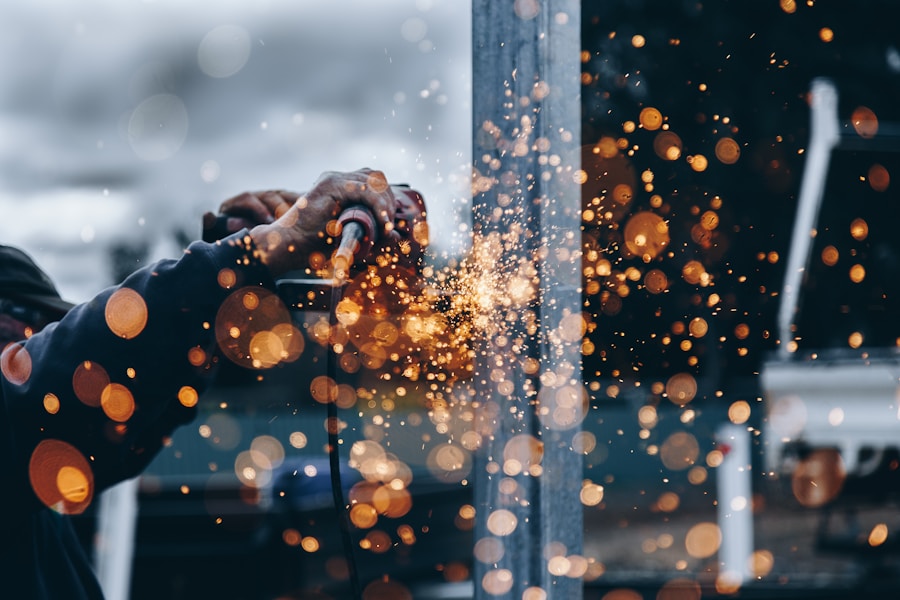
Industrial worker wearing safety equipment including protective footwear in a manufacturing environment
Utabiri wa Mwenendo wa Biashara: Twin Screw Extruder Market Outlook for Mid-
Kulingana na viashiria vya sasa vya soko, maendeleo ya sera, and industry data from sources including the Chama cha Sekta ya Plastiki, PlasticsEurope, na IMF World Economic Outlook, the following trends are expected to shape the twin screw extruder trade landscape through Q3:
1. Mahitaji Madhubuti Yanayoendelea kutoka kwa Sekta ya Urejelezaji
EU Extended Producer Responsibility (EPR) regulations and the U.S. EPA's National Recycling Strategy are driving capital investment in plastics recycling infrastructure. Twin screw extruders optimized for recycling applications — featuring enhanced devolatilization, melt filtration integration, and contamination-tolerant designs — will see above-average demand growth of 10–15% katika. Plastic Extrusion Machine Diagram
2. Tariff Uncertainty and Supply Chain Diversification
The potential for escalated U.S.–China trade tensions in creates uncertainty for North American buyers. Some buyers are exploring "China+1" strategies, evaluating twin screw extruder suppliers in India (k.m., Rajoo Engineers, Kabra Extrusiontechnik) and Turkey as alternatives. Hata hivyo, China's cost and capability advantages remain difficult to replicate in the near term.
3. Muunganisho wa Teknolojia: Viwanda 4.0 and Smart Extrusion
Chinese twin screw extruder manufacturers are accelerating integration of IoT sensors, cloud-based monitoring platforms, and AI-driven process optimization. Buyers should expect to see standard offerings of remote monitoring dashboards, predictive maintenance alerts, and digital twin capabilities from leading Chinese suppliers by late.
4. Sustainability as a Procurement Criterion
European buyers in particular are increasingly requiring carbon footprint data and sustainability reporting from machinery suppliers. Chinese manufacturers responding to this trend are investing in energy-efficient drive systems (IE4/IE5 motors), renewable energy for factory operations, and lifecycle assessment (LCA) documentation.
5. Currency and Financing Dynamics
The RMB/USD and RMB/EUR exchange rates will influence effective pricing. Chinese government export financing programs through China Exim Bank na Sinosure (Uchina nje & Shirika la Bima ya Mikopo) provide credit insurance and buyer financing options that can improve commercial terms for international B2B buyers.
6. Upanuzi wa Soko Unaoibuka
Twin screw extruder demand from Africa, Mashariki ya Kati, and Central Asia is growing at 15–20% annually as these regions develop domestic plastics processing capacity. Chinese suppliers, with their competitive pricing and BRI-facilitated logistics, are well-positioned to capture this growth.