Kiwanda cha Twin Parafujo cha Extruder China: Upatikanaji wa Dhahiri wa B2B & Mwongozo wa Biashara kwa
Kwa wanunuzi wa kimataifa wanaotafuta kuaminika twin screw extruder China kiwanda, mandhari katika inatoa fursa na ugumu ambao haujawahi kushuhudiwa. China remains the world's largest producer and exporter of plastic and polymer processing machinery, na skrubu pacha za extruder zinazowakilisha mojawapo ya sehemu zinazokua kwa kasi zaidi. Kulingana na Chama cha Sekta ya Mashine za Plastiki cha China (CPMIA), Uchina iliuza nje zaidi ya USD 4.2 bilioni za mashine za plastiki ndani 2024, na skrubu pacha extruder mifumo uhasibu kwa takribani 18% ya jumla hiyo. Mwongozo huu unachunguza mazingira ya sasa ya biashara, hutambua watengenezaji na wasambazaji wakuu wa skrubu pacha, inachambua mikakati ya ununuzi ya B2B, na utabiri wa mitindo ya karibu inayounda sekta hii muhimu ya viwanda kwa wanunuzi barani Ulaya, Amerika ya Kaskazini, Asia ya Kusini-mashariki, na zaidi.
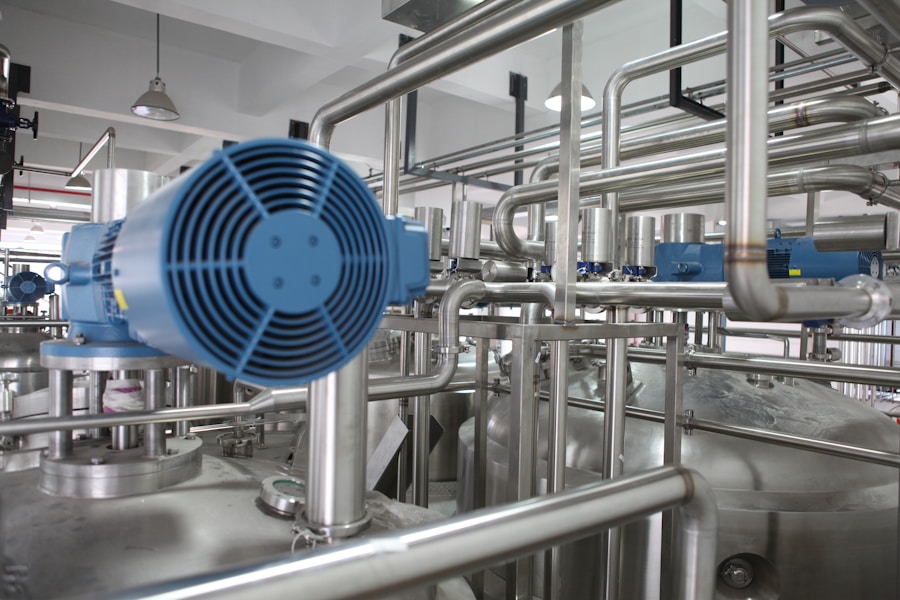
Sakafu ya kiwanda cha utengenezaji wa viwanda na mashine nzito na vifaa vya extrusion vinafanya kazi
Hali ya Sasa ya Utengenezaji wa Parafujo Pacha nchini Uchina
China's plastics machinery sector has undergone a dramatic transformation over the past decade. Kile ambacho hapo awali kilichukuliwa kuwa chanzo cha gharama ya chini, vifaa vya ubora wa chini vimekomaa na kuwa mfumo ikolojia wa utengenezaji wa ushindani wa kimataifa. Sehemu ya skrubu pacha ya extruder, hasa, amefaidika na R&D uwekezaji, programu zinazoungwa mkono na serikali za kuboresha viwanda (notably "Made in China "), na kuongezeka kwa mahitaji ya ndani ya ujumuishaji wa hali ya juu wa polima.
Kama mapema, China ni nyumbani kwa zaidi ya 200 makampuni yanayotengeneza screws pacha za extruder, ilijikita zaidi katika Mkoa wa Jiangsu (Nanjing, Suzhou), Mkoa wa Zhejiang (Ningbo, Taizhou), Mkoa wa Guangdong (Dongguan, Foshan), na Mkoa wa Shandong. Nguzo ya Nanjing pekee inakadiriwa kuwa 35–40% ya pato la taifa la skrubu pacha, earning it the informal title of "China's extrusion capital." Maeneo makuu ya kiviwanda kama vile Eneo la Maendeleo ya Kiuchumi na Kiteknolojia ya Nanjing Jiangning na Eneo la Maendeleo ya Kiuchumi na Kiteknolojia ya Petroli ya Ningbo Zhenhai huwa na wazalishaji kadhaa maalumu..
Data kutoka kwa Utawala Mkuu wa Forodha wa China inaonyesha kuwa mauzo ya nje ya skrubu pacha yalikua takriban 12% mwaka hadi mwaka ndani 2024, inayoendeshwa na mahitaji makubwa kutoka Kusini-mashariki mwa Asia, Mashariki ya Kati, Afrika, na Amerika ya Kusini. Wanunuzi wa Ulaya na Amerika Kaskazini, huku wakiwa waangalifu zaidi kutokana na kuzingatia ushuru, endelea kutafuta kutoka China kwa miundo ya ushindani wa bei na inazidi kwa usanidi wa kati hadi ya juu.
Utawala wa Biashara ya Kimataifa (ITA) ya U.S. Idara ya Biashara alibainisha katika yake 2024 ripoti ya sekta kwamba mashine za plastiki za Kichina zinazoagiza Marekani zilikua 8.3% katika suala la thamani, inayoakisi ongezeko la sauti na kuhama kuelekea vifaa vilivyoainishwa zaidi. The European Commission's trade data portal (Biashara ya DG) similarly recorded a 6.7% increase in plastics machinery imports from China into the EU-27 during the same period.
Types of Twin Screw Extruders Produced by China Factories
Understanding the product range is essential for B2B buyers evaluating a twin screw extruder China kiwanda. Chinese manufacturers now produce the full spectrum of twin screw extruder configurations:
- Vitoa Parafujo Pacha Zinazozunguka Pamoja: The most widely produced type, used for polymer compounding, uzalishaji wa masterbatch, tendaji extrusion, and devolatilization. Screw diameters range from 20 mm (kiwango cha maabara) kwa 180 mm (high-output industrial scale). Leading Chinese factories offer L/D ratios from 32:1 kwa 64:1, with throughput capacities from 5 kg/h hadi zaidi 3,000 kg/h.
- Counter-Rotating Twin Screw Extruders: Primarily used for PVC pipe, wasifu, and sheet extrusion. Chinese manufacturers are particularly competitive in this segment, supplying a large share of PVC processing lines to developing markets.
- Conical Twin Screw Extruders: A specialized counter-rotating design for PVC processing, widely manufactured in Zhejiang and Guangdong provinces.
- High-Torque / High-Speed Models: Newer generation machines with specific torque values exceeding 11.3 Nm/cm³, approaching or matching European benchmarks. Several Nanjing-based manufacturers now offer models with torque ratings comparable to established German and Italian brands.
- Laboratory and Pilot-Scale Extruders: Increasingly popular among university research departments and R&D centers worldwide, with Chinese factories offering units at 30–50% of the cost of European equivalents.

Close-up of precision-engineered industrial screws and metal components used in extrusion machinery
Key Quality Certifications and Standards for B2B Buyers
Mojawapo ya mambo muhimu zaidi wakati wa kuchagua msambazaji wa skrubu pacha wa China ni mfumo wa uthibitisho na ubora.. Watengenezaji mashuhuri wa China sasa wanashikilia vyeti mbalimbali vya kimataifa:
- Uwekaji alama wa CE: Inahitajika kwa ajili ya kuuza nje kwa Eneo la Kiuchumi la Ulaya. Viwanda vingi vya nje vya China vinavyoelekeza nje skrubu pacha hupata uthibitisho wa CE unaofunika Maagizo ya Mitambo. (2006/42/EC) na Maagizo ya Chini ya Voltage (2014/35/EU).
- ISO 9001:2015: Udhibitisho wa msingi wa mfumo wa usimamizi wa ubora. Takriban watengenezaji wote wanaoaminika wa vifaa vya kutolea nje vya China wanashikilia uthibitisho huu.
- ISO 14001: Udhibitisho wa usimamizi wa mazingira, inazidi kuombwa na wanunuzi wa Uropa na mahitaji ya ununuzi ya ESG.
- UL / CSA: Inahitajika au kupendekezwa kwa masoko ya Amerika Kaskazini. Idadi ndogo ya viwanda vya Uchina vina uidhinishaji wa UL kwa vipengee vya umeme.
- ATEX: For extruders used in potentially explosive atmospheres (k.m., processing certain chemical compounds). A handful of advanced Chinese manufacturers have obtained ATEX certification.
The Shirika la Kimataifa la Viwango (ISO) na European Parliament's product safety directives provide the regulatory framework that Chinese exporters must navigate. Buyers should always request copies of certificates, verify them with issuing bodies, and ideally conduct factory audits—either in person or through third-party inspection services such as SGS, TÜV, au Ofisi ya Veritas.
Trade Policy Landscape: Tariffs, Duties, and Regulatory Considerations
The B2B trade environment for twin screw extruders sourced from China is shaped by a complex web of tariff schedules, trade agreements, and regulatory requirements that vary by destination market.
Marekani
Twin screw extruders imported from China into the U.S. are classified under Harmonized Tariff Schedule (HTS) code 8477.20, covering "extruders for working rubber or plastics." As of, these products are subject to a standard Most Favored Nation (MFN) kiwango cha ushuru wa 3.1%, plus additional Section 301 ushuru wa 25% imposed during the U.S.-China trade dispute. The combined effective tariff rate of approximately 28.1% has prompted some U.S. buyers to explore tariff mitigation strategies, including importing through free trade zones, seeking exclusions, or sourcing components separately for domestic assembly. The U.S. Tume ya Biashara ya Kimataifa (USITC) provides the definitive tariff schedule.
Umoja wa Ulaya
The EU applies a standard MFN duty of 1.7% on twin screw extruders under Combined Nomenclature (CN) code 8477 20 00. Unlike the U.S., the EU has not imposed additional punitive tariffs on Chinese plastics machinery. Hata hivyo, the EU's Carbon Border Adjustment Mechanism (CBM), ambayo iliingia katika awamu yake ya mpito mwezi Oktoba 2023, may eventually affect the cost calculus for energy-intensive machinery imports. The EU Taxation and Customs Union directorate maintains current duty rates.
Southeast Asia and Other Markets
ASEAN member states generally apply lower tariffs on Chinese machinery imports, benefiting from the Regional Comprehensive Economic Partnership (RCEP) agreement that entered into force in January 2022. Effective duty rates for twin screw extruders in RCEP markets range from 0% kwa 5%, making these markets particularly attractive for Chinese exporters and contributing to the rapid industrialization of plastics processing capacity in Vietnam, Indonesia, Thailand, and the Philippines.

Large container cargo ship at a busy international port with cranes loading shipping containers for global trade
Fursa za Biashara za B2B: Why Global Buyers Choose Twin Screw Extruder China Factories
Sambamba Twin-Screw Extruder Jumla Kiwanda cha Kuchimba Plastiki The sustained growth of Chinese twin screw extruder exports is driven by several structural advantages that resonate with B2B procurement decision-makers: Kiwanda cha China Lab Extruder
Ushindani wa Bei
Chinese twin screw extruders typically cost 40–65% less than comparable European (Kijerumani, Kiitaliano) models and 30–50% less than Japanese equivalents. A co-rotating twin screw extruder with a 65 mm screw kipenyo na 40:1 L/D ratio from a reputable Chinese factory might be priced at USD 45,000–80,000, compared to USD 120,000–200,000 for a comparable German machine. This price differential is the single most cited factor in procurement surveys conducted by industry publications such as Plastiki Leo na Teknolojia ya Plastiki.
Improving Quality and Technology
The quality gap between Chinese and European twin screw extruders has narrowed significantly. Top-tier Chinese manufacturers now use German-designed gearboxes (or license-manufactured equivalents), Japanese-origin screw elements, na vipengele vya umeme vya kiwango cha Ulaya (Siemens, Copper Extruding ABB, Schneider). Viwanda kadhaa vimewekeza katika programu ya usanifu wa vipengee vya umiliki vya skrubu na utafiti wa metallurgiska, huzalisha nyenzo zinazostahimili kuvaa (k.m., chuma cha unga wa madini, mipako ya carbudi ya tungsten) ambayo inakaribia utendaji wa wenzao wa Ulaya.
Kubinafsisha na Kubadilika
Viwanda vya Uchina kwa ujumla viko tayari zaidi kubinafsisha usanidi wa mashine kwa vipimo vya mnunuzi, ikiwa ni pamoja na urefu usio wa kawaida wa pipa, maelezo mafupi ya kipengele cha screw, ujumuishaji wa vifaa vya chini (dawa za pellets, mifumo ya baridi, mistari ya ufungaji), na kukabiliana na viwango vya umeme vya ndani. Kiasi cha chini cha agizo (MOQs) ni kawaida 1 kitengo kwa mifano ya kawaida, kufanya wauzaji wa China kupatikana kwa biashara ndogo na za kati (SMEs) pamoja na vikundi vikubwa vya viwanda.
Msururu wa Ugavi uliojumuishwa
China's manufacturing ecosystem provides a unique advantage: wanunuzi wanaweza chanzo kamili extrusion line—extruder, walisha, kufa vichwa, dawa za pellets, bafu za baridi, wasafirishaji, na mifumo ya udhibiti—kutoka kwa kiwanda kimoja au kundi lililounganishwa vyema la wasambazaji. Hii inapunguza ugumu wa uratibu na inaweza kupunguza jumla ya gharama za kutua kwa 10–20% ikilinganishwa na kuunganisha laini kutoka kwa wasambazaji wengi wa kimataifa.
Changamoto na Kupunguza Hatari katika Upataji kutoka Uchina
Licha ya faida za kulazimisha, Wanunuzi wa B2B lazima wapitie changamoto kadhaa China Lab Extruder Manufacturer wakati wa kufanya kazi na screw twin extruder mtengenezaji wa kiwanda cha China:
Uthabiti wa Ubora
mbalimbali ya wazalishaji—kutoka kwa shughuli za kiwango cha kimataifa hadi warsha ndogo—inamaanisha kuwa ubora unatofautiana sana. Wanunuzi wanapaswa kufanya uchunguzi wa kina, ikiwa ni pamoja na kutembelea kiwanda (au ukaguzi wa mtandaoni), ukaguzi wa kumbukumbu na wateja waliopo, na ukaguzi wa kabla ya usafirishaji. Mashirika ya tatu ya uhakikisho wa ubora na utaalamu wa China (SGS, TÜV Rheinland, EUROLAB) kutoa huduma za ukaguzi na ukaguzi wa kiwanda mahsusi kwa mashine.
Wasiwasi wa Mali Miliki
IP protection remains a concern, particularly for buyers who share proprietary screw designs or process parameters with Chinese manufacturers. Non-disclosure agreements (NDA) enforceable under Chinese law, combined with careful supplier selection, can mitigate this risk. The Shirika la Haki Miliki Duniani (WIPO) provides guidance on IP protection strategies for international trade.
Huduma ya Baada ya Mauzo na Vipuri
Historically, after-sales support has been a weakness of Chinese machinery exporters. Hata hivyo, leading manufacturers have established overseas service centers, maintain spare parts inventories in key markets (particularly in Southeast Asia and the Middle East), and offer remote diagnostics via IoT-enabled control systems. Buyers should negotiate comprehensive warranty terms (typically 12–24 miezi) and confirm spare parts availability and lead times before placing orders.
Vifaa na Nyakati za Uongozi
Nyakati za kawaida za uzalishaji kwa vitoa skrubu pacha kutoka viwanda vya Uchina ni kati ya 45 kwa 120 siku kulingana na saizi ya mashine na kiwango cha ubinafsishaji. Mizigo ya baharini kutoka bandari kuu za China (Shanghai, Ningbo, Shenzhen) kwa bandari za Ulaya (Rotterdam, Hamburg, Antwerp) inachukua takriban 25–35 siku; kwa U.S. Bandari za Pwani ya Magharibi (Los Angeles, Long Beach) takriban 14–20 siku; na kwa U.S. Bandari za Pwani ya Mashariki (New York/New Jersey, Savannah) takriban 30–40 siku. Wanunuzi wanapaswa kuzingatia wakati wa kibali cha forodha, ambayo inaweza kuongeza 3–10 siku za kazi kulingana na nchi unakoenda.
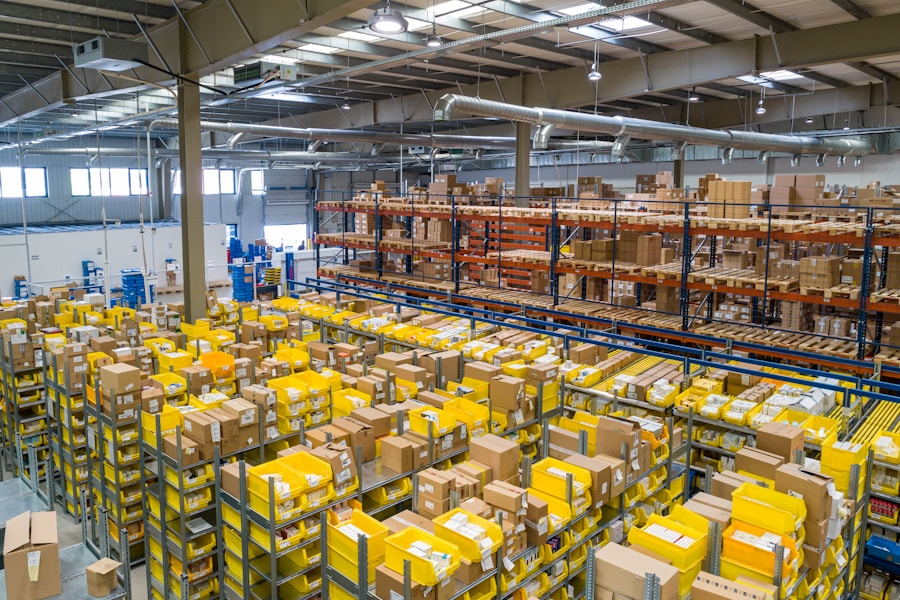
Kituo cha vifaa vya ghala chenye pallet zilizopangwa na makontena ya usafirishaji tayari kwa usambazaji wa mizigo ya kimataifa
Manufaa ya Kijiografia na Sera: How China's Industrial Ecosystem Enables B2B Export
Uhesabuji wa Upitishaji wa Extruder China's dominance in twin screw extruder manufacturing is not accidental—ni bidhaa Extruder Makine sera ya makusudi ya viwanda, faida za kijiografia, na athari za mfumo ikolojia ambazo kwa pamoja huunda nafasi kubwa ya ushindani.
Usafishaji Extruder The concentration of manufacturers in specific industrial clusters (Nanjing, Ningbo, Dongguan) creates agglomeration economies: specialized component suppliers, skilled labor pools, technical universities, and testing facilities are all within close proximity. The Nanjing University of Technology and the Beijing University of Chemical Technology, kwa mfano, have dedicated polymer processing research centers that collaborate with local manufacturers on screw design optimization, material science, and process simulation. Paint Mixer Liquid
Government policy supports the sector through multiple channels. Export tax rebates for machinery (kwa sasa 13% VAT rebate for most plastics machinery categories) effectively reduce the FOB price for international buyers. Special economic zones and free trade zones (such as the China (Shanghai) Pilot Free Trade Zone) offer streamlined customs procedures and reduced administrative burdens for exporters. Mpango wa Ukanda na Barabara (BRI) has also facilitated infrastructure development—particularly port capacity and rail connections—that reduces logistics costs for machinery exports to participating countries.
China's participation in RCEP further enhances its position as a machinery export hub for the Asia-Pacific region. Under RCEP rules of origin, twin screw extruders manufactured in China can enter ASEAN markets, Australia, New Zealand, Japani, and South Korea at preferential tariff rates, making Chinese factories the natural sourcing choice for buyers in these markets.
Case Studies Enterprises Successfully Sourcing Twin Screw Extruders from China
Uchunguzi kifani 1: European Masterbatch Producer
Mtengenezaji wa batch ya ukubwa wa kati iliyoko Kaskazini mwa Italia ilikabiliwa na shinikizo la kiasi kutokana na kupanda kwa gharama za nishati na ushindani kutoka kwa wazalishaji wa Kituruki.. Katika 2023, kampuni ilipata skrubu mbili zinazozunguka skrubu (75 mm, 44:1 L/D) kutoka kiwanda cha Nanjing, kuchukua nafasi ya mashine za kuzeeka zilizotengenezwa na Italia. Jumla ya uwekezaji, ikiwa ni pamoja na mizigo ya baharini, Uthibitishaji wa cheti cha CE, installation supervision by the Chinese factory's engineers, na kuwaagiza, ilikuwa takriban EUR 160,000—takribani 45% ya gharama ya mashine sawa mpya za Italia. Baada ya 18 miezi ya operesheni, kampuni iliripoti utendaji wa matokeo ndani 5% ya mashine zilizobadilishwa, na matumizi ya nishati takriban 12% chini kutokana na teknolojia mpya ya injini na inapokanzwa. Kampuni hiyo tangu wakati huo imeagiza mashine ya tatu kwa laini mpya ya uzalishaji.
Uchunguzi kifani 2: Uanzishaji wa Mchanganyiko wa Asia ya Kusini
Plastiki ya Kivietinamu inayojumuisha kuanza, imara katika 2023 kuhudumia sekta zinazokua za utengenezaji wa magari na vifaa vya elektroniki nchini, ilipata mstari wake wote wa uzalishaji—ikiwa ni pamoja na extruders tatu pacha za screw (52 mm na 65 mm), vidonge vya strand, na feeders gravimetric—kutoka kwa kikundi kimoja cha kiwanda cha Kichina huko Nanjing. Jumla ya uwekezaji wa vifaa ulikuwa takriban USD 280,000. Mtoa huduma wa China alitoa ufungaji na mafunzo kwenye tovuti, na wahandisi wawili wakitumia wiki tatu katika kituo cha Vietnamese. Uanzishaji ulipata uzalishaji wa kibiashara ndani ya miezi minne ya utoaji wa vifaa, ratiba ambayo ingekuwa ndefu zaidi kwa wasambazaji wa Uropa kutokana na muda mrefu wa kuongoza na gharama kubwa za usaidizi wa usakinishaji.
Uchunguzi kifani 3: U.S. Msambazaji wa Vifaa vya Usafishaji
Sinema 4D Extrude Amri A U.S.-based distributor specializing in plastics recycling equipment began sourcing twin screw extruders from a Guangdong-based Chinese manufacturer in 2022. Despite the 25% Sehemu 301 ushuru, the landed cost of the Chinese machines was still approximately 25% below comparable U.S. or European alternatives. The distributor worked closely with the Chinese factory to customize the machines for recycling applications—including reinforced barrels for processing contaminated post-consumer waste and specialized venting configurations for devolatilization. The distributor now sells approximately 15 Chinese-made twin screw extruders per year into the U.S. recycling market, with a warranty claim rate of less than 3%.

Business professionals in a meeting room discussing international trade strategy and B2B procurement plans
Uchunguzi kifani 4: Middle Eastern Pipe Manufacturer
A Saudi Arabian PVC pipe manufacturer expanded its production capacity in 2024 by purchasing four counter-rotating twin screw extruders from a Zhejiang-based Chinese factory. The machines were specified for high-output PVC pipe extrusion (110 mm kwa 400 kipenyo cha mm) and included complete downstream equipment. The Chinese factory provided turnkey installation, including electrical integration with the buyer's existing plant infrastructure. Jumla ya gharama ya mradi ilikuwa takriban USD 520,000, delivered CIF Jeddah. The manufacturer reported that the Chinese machines achieved rated output within the first week of commissioning, with pipe quality meeting Saudi Standards, Metrology and Quality Organization (Yetu) mahitaji.
Near-Term Trade Trend Forecast: Juni–Agosti
Kulingana na viashiria vya sasa vya soko, trade policy developments, na data ya sekta, the following trends are expected to shape the twin screw extruder China factory export market over the next one to two months:
Kuendelea Kudai Nguvu kutoka kwa Masoko Yanayoibukia
Asia ya Kusini-mashariki, Mashariki ya Kati, and Africa will continue to drive volume growth for Chinese twin screw extruder exports. The industrialization of plastics processing in Vietnam, Indonesia, na India—supported by foreign direct investment in automotive, ufungaji, na sekta za ujenzi—creates sustained demand for affordable, reliable extrusion equipment. RCEP tariff reductions will further accelerate this trend.
Tariff Uncertainty in the U.S. Soko
U.S. market remains subject to policy uncertainty. Kuanzia katikati ya, there is no indication that Section 301 tariffs on Chinese machinery will be reduced. Hata hivyo, U.S. administration's focus on reshoring manufacturing may create indirect demand for Chinese extruders used in recycling and sustainable materials processing, sectors that enjoy bipartisan policy support. Wanunuzi wanapaswa kufuatilia matangazo kutoka kwa Ofisi ya Mwakilishi wa Biashara wa Marekani (USTR) for any tariff review developments.
EU Market: Steady Growth with ESG Emphasis
European buyers are expected to maintain steady procurement from China, with increasing emphasis on ESG compliance. Chinese factories that can demonstrate low-carbon manufacturing processes, responsible sourcing of raw materials, and compliance with the EU's Corporate Sustainability Due Diligence Directive (CSDDD) will have a competitive advantage. The European Commission's Directorate-General for Environment is the authoritative source for evolving ESG requirements.
Technology Upgrading and Smart Manufacturing
Chinese twin screw extruder manufacturers are rapidly integrating Industry 4.0 technologies—IoT sensors, cloud-based monitoring, algorithms ya matengenezo ya utabiri, na uigaji pacha wa kidijitali—into their product offerings. This trend is expected to accelerate in the near term as factories compete for higher-value orders from European and North American buyers who increasingly require smart manufacturing capabilities. Kiwanda cha Mashine ya Kutoa Parafujo pacha
Currency and Pricing Dynamics
Yuan ya Kichina (CNY) has remained relatively stable against the U.S. dollar and euro in early, with the People's Bank of China maintaining a managed float. Raw material costs for extruder manufacturing—particularly specialty steels, copper, and rare earth elements used in motors—have shown moderate increases. Buyers placing orders in the June–August window should expect stable to slightly higher pricing compared to Q1, with lead times potentially extending due to seasonal demand peaks.
Digital technology and data analytics dashboard representing Industry 4.0 smart manufacturing and IoT integration
B2B Workplace Safety: The Critical Role of Safety Footwear in Extrusion Factories
The twin screw extruder industry—whether in manufacturing plants in China or processing facilities operated by B2B buyers worldwide—is inherently an industrial environment where workplace safety is paramount. One of the most fundamental yet often underestimated aspects of occupational safety in extrusion factories is foot protection. This section examines why safety footwear is essential in the B2B extrusion equipment context and how it protects workers' toes and feet from the specific hazards present in these environments.
Hazards in Twin Screw Extruder Work Environments
Extrusion factories present a unique combination of foot-related hazards that make safety footwear not just advisable but legally required in most jurisdictions:
- Athari ya Kitu Kizito: Vipengee vya extruder ya screw pacha—mapipa, vipengele vya screw, gearbox housings, sahani za kufa—are heavy metal objects that are regularly handled during assembly, matengenezo, na shughuli za ubadilishaji. A single screw element can weigh 2–15 kilo; a complete barrel section can weigh 50–200 kilo. Dropping any of these components onto an unprotected foot can cause fractures, crush injuries, or amputations.
- Hatari za Kukandamiza: During machine installation and maintenance, workers may be exposed to compression risks from hydraulic equipment, forklifts, overhead cranes, and rolling heavy components on factory floors.
- Hot Material Splashes: Twin screw extruders process polymers at temperatures typically ranging from 150°C hadi 350°C. Kunyunyizia polymer iliyoyeyuka, hot metal surfaces, and heated barrel sections pose burn risks to feet and lower legs.
- Hatari za Slip: Extrusion factory floors may be contaminated with polymer pellets, vilainishi, hydraulic fluid, or cooling water, all of which create slip hazards.
- Puncture Risks: Kunyoa chuma, vipande vya waya, broken screw element tips, and other sharp debris on factory floors can penetrate ordinary footwear.
- Hatari za Umeme: Workers involved in electrical installation and maintenance of extruder control systems may be exposed to electrical shock risks, requiring electrically insulating footwear.
Viwango vya Usalama vya Viatu na Vyeti
International standards govern the performance requirements for safety footwear used in industrial environments like extrusion factories:
- KATIKA ISO 20345:2022 (Ulaya): The primary European standard for safety footwear, requiring a toe cap tested to withstand 200 joules ya nishati ya athari na 15 kN ya nguvu ya kukandamiza. This standard defines safety classes from SB (msingi) to S5 (full protection including waterproofing and sole penetration resistance).
- ASTM F2413-18 (Marekani): Kiwango cha Amerika cha viatu vya kinga, specifying impact resistance (I/75 = 75 paundi za miguu), upinzani wa compression (C/75 = 2,500 pauni), na ukadiriaji wa hiari wa ulinzi wa metatarsal (Mt), conductive (Cd), hatari ya umeme (EH), tuli dissipative (SD), na upinzani wa kuchomwa (PR).
- GB 21148-2020 (China): China's national standard for safety footwear, kwa kiasi kikubwa kuwianishwa na ISO 20345, requiring toe cap impact resistance of 200 J and compression resistance of 15 kN.
The U.S. Utawala wa Usalama na Afya Kazini (OSHA) mandates that employers provide appropriate foot protection under 29 CFR 1910.136 when employees are exposed to foot injuries from falling or rolling objects, vitu kutoboa nyayo, au hatari za umeme. Vile vile, ya Shirika la Ulaya la Usalama na Afya Kazini (EU-OSHA) enforces workplace safety directives that require employers to conduct risk assessments and provide appropriate personal protective equipment (PPE), including safety footwear.
Types of Safety Footwear for Extrusion Factory Environments
B2B buyers of twin screw extruders should ensure that their factory workers are equipped with appropriate safety footwear. The following types are most relevant to extrusion environments: Non-Intermeshing Twin Screw Extruder
- Steel Toe Cap Boots (S3 / ASTM I/75 C/75): Chaguo la jadi, offering excellent impact and compression protection. Steel toe caps can withstand the impact of a 20 kilo kitu imeshuka kutoka 1 mita. Suitable for general factory floor work, machine operation, na matengenezo.
- Composite Toe Cap Boots: Made from reinforced plastic, fiber kaboni, au Kevlar, these offer similar protection to steel but are lighter (reducing worker fatigue during long shifts) and do not conduct heat or electricity. Increasingly preferred in modern extrusion facilities.
- Metatarsal Guard Boots: Provide additional protection to the metatarsal bones (the top of the foot between the toes and the ankle), which are vulnerable to impact from falling screw elements and barrel components. Recommended for workers involved in machine assembly and heavy maintenance.
- Heat-Resistant Boots: Featuring soles rated for contact with surfaces up to 300°C and uppers made from heat-resistant leather or synthetic materials. Essential for workers operating near extruder die heads and downstream hot processing equipment.
- Anti-Slip Boots: Featuring soles with SRC (slip resistance on ceramic tile with dilute soap solution and on steel with glycerol) ukadiriaji. Critical for extrusion factory environments where polymer pellets and lubricants create slip hazards.
- Puncture-Resistant Boots: Incorporating a steel or composite midsole plate that prevents sharp objects from penetrating through the sole. Important in factories where metal debris may be present on the floor.
Kesi ya Biashara ya Viatu vya Usalama katika Uendeshaji wa B2B
Zaidi ya kufuata kanuni, there is a compelling business case for investing in high-quality safety footwear for extrusion factory workers:
- Reduced Workplace Injuries: U.S. Ofisi ya Takwimu za Kazi (BLS) ripoti kwamba majeraha ya mguu yanachukua takriban 10% ya majeraha yote ya mahali pa kazi katika utengenezaji, with an average cost per incident of USD 9,000–12,000 zikiwemo gharama za matibabu, kupoteza tija, na wafanyakazi' fidia. Proper safety footwear can prevent an estimated 60–70% of these injuries.
- Improved Productivity: Modern safety footwear is designed for comfort during extended wear. Insoles za ergonomic, breathable materials, and lightweight composite toe caps reduce worker fatigue, contributing to higher productivity and lower absenteeism.
- Uzingatiaji wa Udhibiti: Non-compliance with workplace safety regulations can result in significant fines. OSHA penalties for serious violations can reach USD 16,131 kwa ukiukaji ( viwango), while EU member states impose comparable penalties under national implementations of the Framework Directive 89/391/EEC.
- Insurance and Liability: Adequate PPE provision, including safety footwear, is typically a condition of workplace liability insurance. Failure to provide appropriate footwear can void insurance coverage and expose the business to direct liability for injury costs.
- Worker Retention: In competitive labor markets, providing high-quality safety equipment—including comfortable, well-fitting safety boots—is a tangible demonstration of employer commitment to worker welfare, supporting recruitment and retention.
Sourcing Safety Footwear: A B2B Perspective
For B2B buyers operating extrusion facilities, safety footwear procurement should be integrated into the overall equipment and supplies sourcing strategy. China is also a major manufacturer of safety footwear, with factories in Fujian, Zhejiang, and Guangdong provinces producing boots that meet EN ISO 20345, ASTM F2413, and other international standards. Wanunuzi wa B2B wanaopata skrubu pacha kutoka Uchina wanaweza kupata ufanisi wa kupata viatu vya usalama kutoka kwa mfumo ikolojia sawa wa biashara., ikiwezekana kupitia kampuni zilezile za biashara au mawakala wa manunuzi.
Mambo muhimu ya kuzingatia kwa ununuzi wa viatu vya usalama vya B2B ni pamoja na: uthibitisho wa vyeti (omba ripoti za majaribio kutoka kwa maabara zilizoidhinishwa), usahihi wa saizi (muhimu sana wakati wa kutafuta kutoka kwa watengenezaji wa Asia kwa wafanyikazi wa Uropa au Amerika), ubora wa nyenzo (ngozi halisi dhidi ya. sintetiki, kudumu pekee), na kiasi cha chini cha agizo (kawaida 100–500 jozi kwa maagizo maalum kutoka kwa viwanda vya Kichina).