Jämförelseguide för plastpelletsmaskin för modern återvinning
Innehållsförteckning
Jämförelseguide för plastpelletsmaskin för modern återvinning
Effektivt val av plastpelletsmaskin formar framgången för din plaståtervinningsoperation. Varje pelletiseringstyp hanterar olika material såsom PET, HDPE, eller PP, och passar unika produktionsskalor och budgetar. När du matchar rätt system till din återvinningsplast, du ökar genomströmningen och minskar stilleståndstiden. Du ökar också lönsamheten eftersom återvunnen plast ofta kostar mindre att bearbeta än nytt material. Enhetliga pellets förbättrar produktkvaliteten, få högre priser, och lägre transportkostnader på grund av deras bulkdensitet.
Viktiga takeaways
Välj rätt pelletiseringstyp baserat på det plastmaterial du återvinner. Olika maskiner fungerar bäst med specifika plaster som PET, HDPE, eller PP.
Tänk på din produktionsskala när du väljer en pelletsmaskin. Små operationer kan dra nytta av enklare maskiner, medan större anläggningar behöver system med hög kapacitet.
Utvärdera automationsfunktioner. Maskiner med mer automation minskar manuellt arbete men kan kräva skickliga operatörer för underhåll.
Matcha din budget med maskinens kapacitet. Budgetvänliga alternativ är tillgängliga för små företag, medan avancerade system erbjuder avancerade funktioner för större verksamheter.
Regelbundet underhåll är avgörande för optimal prestanda. Följ tillverkarens schema för att hålla din pelletiserare igång smidigt och förlänga dess livslängd.
Typer av plastpelleteringsmaskiner
När du väljer en plastpelletsmaskin, du måste förstå huvudtyperna och hur de fungerar. Varje typ passar olika återvinningsbehov och material. Tabellen nedan visar de viktigaste typer av plastpelletsand their basic operating principles:
Cuts melted plastic at the die face, cools with water ring.
Polyolefins like PE, PP, PS
Pelletisering under vatten
Cuts melt in warm water for round pellets.
Hot melt adhesives, TPU/TPE, micropellets
Strand Pelletizer Machine
A strand pelletizing system pushes melted plastic through holes to form strands. You cool these strands in water, then cut them into pellets. This type works well for high melt strength plastics like PET, PBT, och ABS. You often see strand pelletizer machines in the packaging, bil-, and construction industries. They handle materials such as LDPE, HDPE, PP, and even soft TPE or EVA.
Common uses:
Packaging films and bottles
Bildelar
Construction pipes and panels
Vatten-Ring Pelletizer System
A water-ring pelletizing system cuts plastic at the die face, then cools the pellets with a ring of water. This method gives you uniform pellets and prevents strand breakage. You get excellent cooling and a compact layout. Water-ring pelletizing systems work best for soft or low-viscosity plastics like PE, PP, och PS. They run automatically and need little operator attention. Dock, they do not suit sticky or heat-sensitive materials.
Dricks: Choose a water-ring pelletizing system if you want consistent pellet shape and easy operation for polyolefins.
Underwater Pelletizer Machine
An underwater pelletizer cuts plastic melt directly in warm water. This process creates smooth, runda pellets. You can use this system forpost-consumer recycling, fyllda föreningar, and foam recycling. Underwater pelletizers handle materials like EPS, XPS, and ETPU. They offer high capacity and work well for specialty applications.
Air-Cooled Pelletizer System
Air-cooled pelletizers use air instead of water to cool and solidify pellets. You can use them for materials that do not tolerate water, such as some engineering plastics. Air-cooled systems are simple and require less maintenance. They suit small to medium production scales.
Specialty Pelletizer Machines
Specialty pelletizer machines serve niche recycling needs. They offer features like high output, energy savings, and user-friendly controls. You get reliable operation, easy cleaning, och överensstämmelse med säkerhetsstandarder. Specialmaskiner hjälper dig att återvinna unika material och minska kostnaderna.
Enkelskruv vs. Twin-Screw, Enkelsteg vs. Dubbelsteg
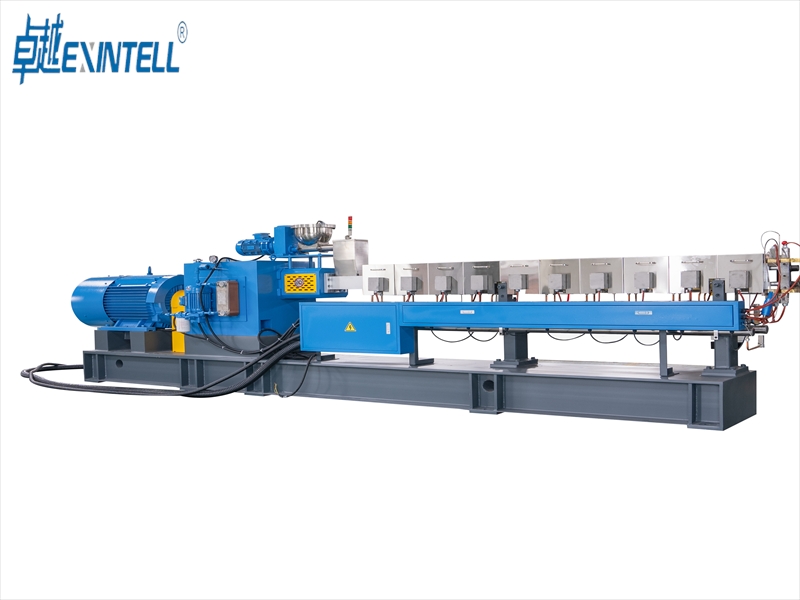
Enskruvsextruders passar grundläggande återvinning och arbetar med många material. Dubbelskruvextrudrar ger dig bättre blandning och högre effekt. Dubbelstegssystem hanterar mer komplexa eller förorenade plaster. Du bör anpassa systemet till dina material- och produktionsbehov.
Jämför plastpelletiseringssystem
Drift och användarvänlighet
När man jämför olika pelletiseringssystem, du märker tydliga skillnader i hur du använder dem och graden av automatisering de erbjuder. Vissa maskiner använder avancerade kontroller och automatisering, medan andra förlitar sig mer på manuella justeringar. Tabellen nedan belyser det viktigaste användargränssnittsfunktionerand automation capabilities for the most common systems:
Typ
User Interface Features
Automation Capabilities
Under vattnet
Specialized die plate, water-filled cutting chamber
Extensive automation with PLC controls for critical functions
Water-ring
Uses a ring of water, durable die faces and knives
Automated control systems for pressure and cutting speed
Strand
Cost-effective for changing materials, enkelt underhåll
Limited automation compared to underwater systems
Underwater pelletizers give you high pellet uniformity and reliable production.
Water-ring systems keep pellet sizes consistent with durable components.
Advanced models let you monitor and adjust settings in real time for better efficiency.
If you want a system that needs less operator intervention, you should consider underwater or water-ring types. Strand pelletizers are easier to maintain and switch between materials, but you will need to do more manual work.
Start-Up and Maintenance
Start-up and maintenance routines can affect your daily operations and costs. Each pelletizer system has unique requirements:
Water-based systems require ongoing water filtration and temperature control.
Machines with easy blade access and die cleaning help you reduce downtime.
More automation means you spend less time on manual tasks, but you need higher technical skills for troubleshooting.
If you run a small operation, you may prefer strand pelletizers for their simple design and lower cost. For larger or more automated lines, underwater systems offer speed but require skilled staff.
Materialkompatibilitet
You must match your pelletizer to the types of plastics you process. Some machines handle a wide range of materials, while others work best with specific types. Till exempel, many modern machines canprocess PET, HDPE, och PP. These plastics appear in bottles, filmer, and rigid containers. You can use specialized equipment to handle up to 12 typer av plast, including both soft and hard waste.
Different plastics melt at different temperatures. You may need to adjust your process or use additives to improve compatibility, especially when you recycle mixed materials. For PET and HDPE, you can use copolymers to improve how the materials blend and form pellets. This step helps you get better pellet quality and reduces waste.
Throughput and Production Capacity
Throughput measures how much material your plastic pelletizer machine can process in a given time. You need to choose a system that matches your recycling goals, whether you run a small shop or a large industrial plant.
Single-screw granulators work well for clean, sorted plastics and can process between 200 och 2,000 kg per hour. Twin-screw granulators handle more complex or contaminated materials and can exceed 3,000 kg per hour. The chart below shows the typicalthroughput rangesfor different machine types:
The table below summarizes how production scale affects your choice:
Some machines work best for soft plastics, while others handle rigid types.
You should match the machine size to your output needs.
The cooling method—water, luft, or cold—also affects which materials you can process and your final pellet quality.
By understanding these differences, you can select the right pelletizer for your plastic recycling operation and maximize your efficiency.
Budget-Friendly vs. High-End Plastic Pelletizer Machines
Features of Budget-Friendly Machines
You may want a plastic pelletizer machine that fits a tight budget. Budget-friendly machines offer simple construction and basic controls. These machines often use manual adjustments and have fewer automation features. You can see the main features and their impact inthe table below:
You can use these machines for small-scale plastic recycling. Till exempel, a local recycler may process PET bottles with a basic pelletizer. You get reliable pellets for local markets, but you may need more labor.
Features of High-End Machines
High-end pelletizer systems give youadvanced automation, högre genomströmning, and better material compatibility. You can process a wide range of plastics, including complex or contaminated streams. These machines often include touch-screen controls, realtidsövervakning, and automatic cleaning. You will see less downtime and higher product quality. Industrial-scale recycling plants use these machines to meet strict quality standards and boost efficiency.
Dricks: Choose a high-end system if you want to scale up production, handle mixed materials, or need consistent pellet quality for demanding customers.
Price Ranges and Investment Considerations
Prices for plastic pelletizer machines range from $50,000 for basic models to over $200,000 for advanced systems. You should consider several factors before you invest:
Technological features that improve efficiency and quality
Environmental compliance to meet regulations
After-sales support from your supplier
You can start with a budget-friendly pelletizer for small recycling projects. As your operation grows, you may upgrade to a high-end system for greater output and flexibility.
Choosing the Right Plastic Pelletizer Machine
Assessing Material Types
You should start by identifying the types of plastics you plan to process. Each plastic pelletizer machine works best with certain materials. Till exempel, SÄLLSKAPSDJUR, HDPE, and PP have different melting points and moisture sensitivities. Tabellen nedan jämförhow common pelletizing methods handle various plastics:
Faktor
Gantry Cutting Machine
Horisontell vattenring skärning
Undervattensskärning
Plastic Type
ABS, PA
PE, PP, some engineering plastics
High-melt-index plastics (PP nonwoven)
Pelletskvalitet
Smooth, uniform
Even cooling, stabil
Minimal oxidation, high quality
Produktionseffektivitet
Small to medium batches
Kontinuerlig, hög effektivitet
Hög genomströmning, speciella material
Maintenance Cost
Komplex, more downtime
Enkel, fast blade change
Måttlig, water checks needed
Miljöpåverkan
Moderate water, drying needed
High water, excellent cooling
High water, good for recycling
You also need to consider factors like pelletizing method, machine capacity, skruvdiameter, och kylsystem. Moisture content in your material affects pellet quality and machine reliability. Too much moisture can cause blockagesand uneven pellets.
Determining Production Scale
You must match your pelletizer to your expected production volume. Small-scale recycling operations often usemachines with 100–300 kg/h capacity. Medium or large plants may need systems that process up to several tons per hour. Use these steps to guide your decision:
Single-stage systems suit small batchesand lower costs. Double-stage systems fit large-scale production and offer better consistency. Always align your choice with your recycling goals.
Balancing Cost and Performance
You can balance cost and performance by using smart strategies. Schedule production during off-peak hours to save on electricity. Use high-efficiency motors and load balancing features to cut energy costs. Batch scheduling and just-in-time processing reduce waste during startup and idle times.
Dricks: A European packaging companyimproved their efficient plastic reprocessing system by choosing the right pelletizing system. They saw a 22% reduction in film thickness variation and an 18% increase in speed. A furniture manufacturer in China used a pelletizer to reprocess plastic materials waste, cutting raw material costs by 35%.
When you match the right system to your needs, you build a reliable plastic recycling operation.
Choosing the right plastic pelletizer machine shapes your plastic recycling results. De table below highlights key differencesamong major pelletizer types:
What is the main benefit of using a pelletizer machine in plastic recycling?
You improve material quality and consistency with a pelletizer machine. This step helps you create uniform pellets, which makes downstream processing easier and increases the value of recycled plastics.
How do I choose the right pelletizer for my recycling operation?
You should consider your material type, produktionsskala, och budget. Match the machine’s features to your needs. Consult with equipment experts to ensure you select the best fit for your recycling goals.
Can one pelletizer handle all types of plastics?
Most pelletizers work best with specific plastics. You need to check the machine’s compatibility with your material stream. Some advanced systems process a wider range, but you should always confirm before purchasing.
How often should I maintain my pelletizer machine?
You should follow the manufacturer’s maintenance schedule. Regular cleaning and blade checks keep your machine running smoothly. Preventive maintenance reduces downtime and extends equipment life.
Is a high-end pelletizer always better for plastic recycling?
A high-end pelletizer offers more automation and higher output. Dock, you may not need advanced features for small-scale recycling. Choose a machine that matches your operation size and budget.