

Plastic Compounding and Pelletizing Compared for Modern Manufacturing
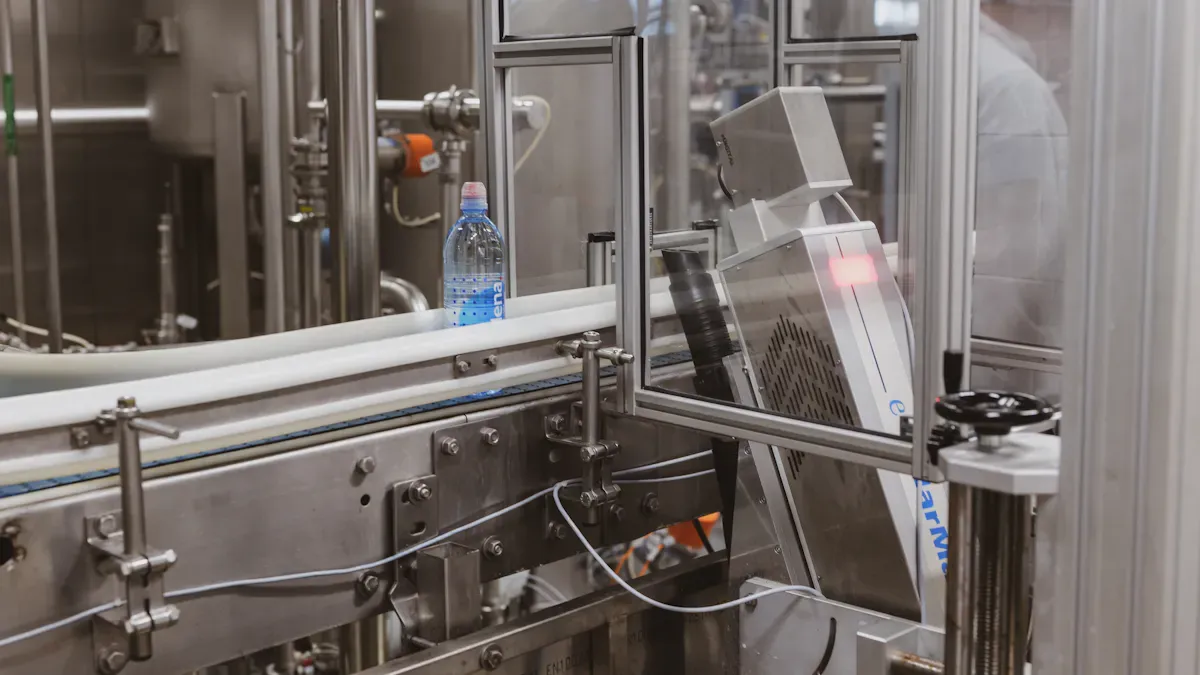
Plastic Compounding customizes base resins with additives, creating materials tailored for specific applications. Pelletizing transforms these compounded materials into uniform pellets, ready for efficient downstream use. Manufacturers and engineers who understand the distinction between each process can boost efficiency and ensure product quality.
Recent market data shows that the global market value for these technologies will reach $82 miljarder med 2025 och $182 miljarder med 2035, driven by growth in automotive and packaging sectors.
| Behandla | Efficiency Impact | Produktkvalitetspåverkan |
|---|---|---|
| Sammansättning | Tailors materials, enhances performance, reduces cost | Enables better quality control |
| Pelletisering | Provides consistent material form for processing | Ensures uniformity in final product quality |
Viktiga takeaways
- Plastblandningar anpassar bashartser med tillsatser för att skapa material för specifika användningar.
- Pelletisering omvandlar sammansatta material till enhetliga pellets för enkel bearbetning och hantering.
- Att förstå skillnaderna mellan blandning och pelletisering hjälper tillverkare att förbättra effektiviteten och produktkvaliteten.
- Sammansättning innebär blandning, smältande, och extrudering av material för att uppnå önskade egenskaper.
- Pelletisering fokuserar på att skapa konsekventa pelletsstorlekar, vilket är avgörande för tillförlitlig tillverkning.
- Kvalitetskontroll är avgörande i båda processerna för att säkerställa att slutprodukterna uppfyller industristandarder.
- Både blandning och pelletisering spelar viktiga roller i sektorer som bilindustrin, elektronik, och sjukvård.
- Att välja rätt process beror på materialegenskaper, produktionsbehov, och kostnadsöverväganden.
Definitioner och skillnader
Plastic Compounding Defined
Plastic compounding refers to the process of mixing polymers with additives, fyllmedel, and reinforcements to modify and enhance the physical and chemical properties of the material. Industry standards define this process as a method to tailor a polymer so that it includes all desired features in a single material. Manufacturers use plastic compounding to improve product quality, minska kostnaderna, and increase productivity. The process typically involves melting, blandning, and extrusion to achieve a uniform dispersion of components.
A wide range of ingredients and additives play a role in plastic compounding:
- Masterbatch: A concentrated mix of pigments and additives within a carrier resin, ensuring even dispersion.
- Antioxidants: Prevent polymer degradation from heat and oxygen, maintaining strength and flexibility.
- UV Stabilizers: Protect polymers used outdoors by absorbing or dissipating harmful ultraviolet radiation.
- Flame Retardants: Inhibit or delay flame production, especially important in electronics and construction.
- Färgämnen: Allow for color selection in compounded plastics.
- Strength and Flexibility Modifiers: Achieve specific mechanical properties.
- Antimicrobial Additives: Inhibit germ growth, important for medical products.
- Fyllmedel: Such as talc, glasfiber, and calcium carbonate, improve strength, minska kostnaderna, and enhance heat resistance.
- Performance Enhancers: Tailor properties like thermal stability, flamskydd, och UV-beständighet.
This process enables manufacturers to create materials with precise characteristics for demanding applications.
Plastic Pelletizing Defined
Plastic pelletizing is a process that converts raw or recycled plastic into small, enhetliga pellets. Denna omvandling är avgörande för effektiv tillverkning och återvinning. Plastpelletiseraren konverterar rengjorda och ofta strimlade eller smält plast till enhetliga pellets, som sedan återinförs i tillverkningsprocesser. Pelletisering löser utmaningar som ojämn utfodring och materialhantering, vilket gör det viktigt i sektorer som fordon och förpackningar där produktkvalitet är avgörande.
| Typ av bevis | Detaljer |
|---|---|
| Råvaror | Olika typer av plast, inklusive polyeten (PE) och polypropen (PP) |
| Utgångar | Plastpellets framställda genom smältning, kyl-, och skärprocesser |
Pelletisering ökar effektiviteten i plastproduktionen och möjliggör skapandet av specialiserade plaster samtidigt som den är lätt att hantera.
Översikt över nyckelskillnader
Jämförelsetabell
| Aspekt | Plastblandning | Pelletering av plast |
|---|---|---|
| Huvudsyfte | Modifierar polymerens sammansättning och egenskaper | Omvandlar material till enhetlig pelletsform |
| Viktiga steg | Blandning, smältande, blandning, extrudering | Smältande, kyl-, skärande |
| Typiska tillsatser | Fyllmedel, färgämnen, stabilisatorer, prestationshöjare | Tillsätts vanligtvis inte under pelletisering |
| Produktion | Anpassat plastmaterial (kan vara i olika former) | Enhetliga pellets |
| Ansökan | Direkt användning i produkter eller vidareförädling | Används för formning, extrudering, eller transport |
Sammanfattningspunkter
- Plastblandning fokuserar på att ändra kompositionen av plasten genom att blanda olika ingredienser, som påverkar dess fysikaliska egenskaper.
- Plastpelletisering omvandlar sammansatt plast till enhetliga pellets, primärt berört den fysiska formen för enkel användning vid tillverkning.
- Sammansatt plast kan direkt formas till produkter, medan pelletiserad plast vanligtvis används för vidare bearbetning.
- Båda processerna spelar en avgörande roll i modern tillverkning, men de möter olika behov inom produktionskedjan.
Dricks: Understanding the distinction between these processes helps manufacturers select the right approach for their specific application, ensuring optimal performance and efficiency.
Plastic Compounding Process

Process Steps
Plastic compounding transforms raw materials into high-performance plastics through a series of precise steps. Manufacturers begin by storing raw materials such as resin, tillsatser, and fillers in bags, big bags, or silos. Pneumatic or mechanical systems then convey these materials to the processing area. Operators feed the materials into the press barrel, either continuously or in batches. The compounding process continues with melting and mixing, where the polymer and additives blend to achieve uniformity. The final stage involves shaping, kyl-, and cutting the product, followed by rigorous quality control.
| Steg | Beskrivning |
|---|---|
| 1 | Raw material storage in bags, big bags, and silos |
| 2 | Pneumatic or mechanical material conveying system |
| 3 | Material feed to the press barrel (continuous/discontinuous filling) |
| 4 | Melting and mixing phase |
| 5 | Final product and control |
Notera: Insight Polymers leverages rapid turnaround and specialty compounding to deliver custom plastic compounding solutions, optimizing each step for efficiency and quality.
Equipment Used
Plastic compounding facilities rely on advanced equipment to ensure consistent results. Extruders set the pace for processing and play a central role in melting and mixing. Continuous mixers work alongside extruders to handle materials like acrylics, nylons, och PVC. Mixing systems prepare additive pre-blends, while dosing systems guarantee precise ingredient ratios. Material handling technologies, such as rotary feeders and diverter valves, stödja smidig distribution och dosering av bulkmaterial. Integrerade blandningslinjer kombinerar dessa system, möjliggör flexibla produktionshastigheter och konfigurationer. Insight Polymers använder interna pilottillgångar för extrudering med dubbla skruvar för att genomföra små utvecklingssatsförsök, möjliggör effektiv screening av produkt- och bearbetningsparametrar.
Typer av sammansättning
Plastkompoundering omfattar flera tillvägagångssätt, var och en skräddarsydd för specifika applikationsbehov. Tillverkare kan lägga till färgämnen för att förbättra utseendet eller stabilisatorer för att förbättra värme- och UV-beständigheten. Flamskyddsmedel ökar säkerheten, speciellt inom konstruktion och elektronik. Slagmodifierare ökar segheten, medan fyllmedel och förstärkningar justerar kostnaden, styvhet, eller styrka. Specialformulerade föreningar kan också inkludera antimikrobiella medel för medicinska produkter eller UV-förstärkare för utomhusbruk. Insight Polymers specialiserar sig på polymerblandningslösningar som uppfyller unika prestandamål, erbjuder masterbatch-koncentrat och anpassad plastblandning för formsprutning, fibrer, filmer, och additiv tillverkning.
- Färgval för estetik
- Livsmedelssäkra formuleringar för förpackningar
- Brandskyddsmedel för byggnation
- Styrka och flexibilitetsjusteringar för produktspecifika behov
- Antimikrobiella egenskaper för vården
- Förbättrad UV-tolerans för hållbarhet utomhus
Detta omfattande tillvägagångssätt säkerställer att varje polymerblandningslösning uppfyller kraven från modern tillverkning.
Materiella stater
Plastblandning involverar flera materialtillstånd då råvaror omvandlas till högpresterande föreningar. The process begins with solid resins, tillsatser, och fyllmedel. Operatörer matar in dessa material i blandningssystemet, där de förblir i granulär eller pulverform. Allt eftersom processen fortskrider, extrudern värmer och smälter blandningen, omvandlar den till en viskös, smält tillstånd. Denna smälta blandning möjliggör noggrann blandning och dispergering av alla komponenter.
När homogeniseringen är klar, the material exits the extruder. I detta skede, det kan ta flera former beroende på applikation. Vissa tillverkare kyler och skär extrudatet i pellets, medan andra kan producera trådar, lakan, eller direkt gjutna former. Det slutliga tillståndet - om pellets, strand, or sheet—depends on downstream processing requirements. Till exempel, Insight Polymers often delivers custom plastic compounding in pellet form for easy handling and consistent feeding in injection molding or extrusion lines.
The ability to control material states throughout the process ensures that the final product meets strict performance criteria. This flexibility supports a wide range of applications, from automotive parts to medical devices, and enables rapid adaptation to customer needs.
Kvalitetskontroll
Quality control stands at the core of every successful plastic compounding operation. Manufacturers rely on advanced automatic control systems to maintain consistent pellet characteristics under extrudering. These systems monitor and adjust processing parameters in real time, ensuring that the molten mixture remains homogenized. Som ett resultat, pigments and additives disperse evenly, producing a uniform masterbatch compound.
Operators use several practical methods to verify product consistency. De water displacement method provides a reliable way to measure density on the shop floor. This technique involves measuring the initial water level, weighing the sample, and calculating density based on the displaced volume. It improves formulation accuracy, prevents material wastage, and ensures consistent product weight. These benefits support better cost control and reduce production quality issues.
A comprehensive quality control program includes a series of tests:
- Color matching tests use spectrophotometers to evaluate color differences and ensure visual consistency.
- Thermal stability tests validate pigment endurance at molding temperatures.
- Dispersion tests confirm even additive distribution through microscopic observation.
- Mechanical performance tests review tensile strength and impact resistance.
Insight Polymers integrates these quality control measures into every batch, ensuring that their polymer compounding solutions deliver reliable performance. This commitment to quality supports industries that demand precision, such as automotive, elektronik, och sjukvård.
Dricks: Consistent quality control not only enhances product reliability but also strengthens customer trust in custom plastic compounding services.
Plastic Pelletizing Process
Process Steps
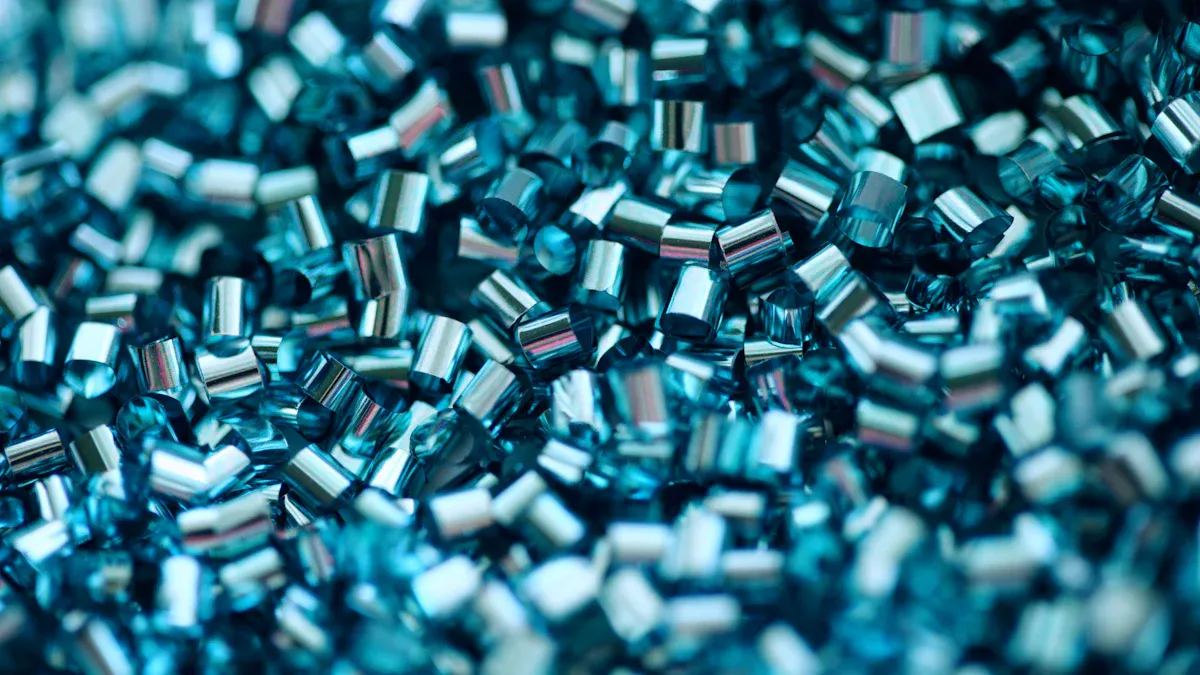
Plastic pelletizing transforms raw or recycled resin into uniform pellets through a series of well-defined steps. Operators begin by sorting plastic waste according to polymer type, färg, and contamination level. They then shred the sorted plastics into smaller flakes, which improves washing efficiency. After washing, the clean flakes move to the melting stage, where they are heated and extruded. The molten plastic passes through a filter to remove any remaining impurities. As the filtered melt exits through a die plate, it forms continuous strands. These strands undergo rapid cooling in a water bath or air cooling system, stabilizing their structure. Slutligen, the cooled strands are cut into pellets, which are ready for downstream manufacturing.
Efficient pelletizing ensures consistent pellet size and quality, which is critical for reliable processing in molding and extrusion applications.
Equipment Used
Pelletizing operations rely on specialized machinery to achieve high throughput and consistent results. Strand pelletizers handle the extrusion of molten plastic into strands and cut them into pellets. Underwater pelletizers cut the molten plastic directly under water, which instantly cools and solidifies the pellets. Cold pelletizers produce pellets from hot extrudate without using water cooling. Each machine type supports different process requirements and material characteristics. Operators select equipment based on the type of resin, the presence of additives, and the desired pellet properties.
- Strand pelletizers: Cut extruded strands into uniform pellets.
- Underwater pelletizers: Cut and cool pellets simultaneously in a water chamber.
- Cold pelletizers: Produce pellets without water, suitable for heat-sensitive materials.
Pelletizing Technology Types
Manufacturers use several pelletizing technologies, each offering unique advantages in efficiency and output quality. Strand pelletizing works best for clean, stable materials and delivers high output quality. Water-ring pelletizing cuts the molten plastic at the die face and cools it in a circulating water ring, which enhances efficiency. Underwater pelletizing cuts pellets in a water chamber, ensuring uniform cooling and very high output quality.
| Pelletiseringsteknik | Beskrivning | Effektivitet | Utdatakvalitet |
|---|---|---|---|
| Strand Pelletizers | Cut pellets in strands and are suitable for clean materials. | Måttlig | Hög |
| Die-Face Pelletizers | Include underwater and water-ring systems, providing rapid cooling. | Hög | Very High |
Operators choose the appropriate technology based on the type of resin, the presence of additives, and the required pellet characteristics. The right selection ensures that pellets meet strict quality standards for downstream processing.
Materiella stater
Pelletizing transforms plastics through several distinct material states. The process begins with solid plastic feedstock, which can include virgin resin, recycled flakes, or regrind. Operators load these materials into hoppers or feeders. Materialet kommer sedan in i extrudern, där värme och mekanisk kraft omvandlar de fasta partiklarna till ett smält tillstånd. Denna smälta plast strömmar genom extrudercylindern, säkerställer noggrann blandning och homogenisering.
När den smälta massan lämnar extrudern, den passerar genom en formplatta. I detta skede, materialet bildar kontinuerliga strängar eller droppar, beroende på pelletiseringstekniken. I strängpelletering, den smälta plasten kommer ut så länge, spagettiliknande trådar. Dessa trådar rör sig genom ett kylsystem, ofta ett vattenbad, som stelnar materialet snabbt. När den svalnat, de stelnade strängarna kommer in i en skärkammare, där roterande knivar hackar dem till enhetliga pellets.
Andra pelletiseringsmetoder, såsom undervattens- eller vattenringsystem, skär den smälta plasten omedelbart när den lämnar formen. Pelletsen svalnar och stelnar nästan omedelbart i vattenmiljön. Slutprodukten består av små, täta pellets med konsekvent storlek och form. Dessa pellets är lätta att hantera, transport, och matas in i nedströms tillverkningsprocesser.
Dricks: Att kontrollera varje materialtillstånd under pelletisering säkerställer att de slutliga pellets uppfyller strikta kvalitets- och prestandastandarder.
Kvalitetskontroll
Kvalitetskontroll vid pelletisering spelar en avgörande roll för att upprätthålla pellets likformighet och renhet. Operatörer implementerar flera protokoll under hela processen för att säkerställa utdata av hög kvalitet:
- Försortering och tvätt ta bort föroreningar och icke-målmaterial. Automatiserade sorteringssystem och tvättlinjer hjälper till att uppnå ett rent råmaterial.
- Torkning och dekontaminering eliminerar fukt och föroreningar. Högtemperaturtorkning och vakuumrening förbereder materialet för extrudering.
- Extrudering och pelletisering smälter renade flingor eller harts till enhetliga pellets. Dubbelskruvextrudrar ger utmärkt blandning och konsistens.
- Vakuumavgasning tar bort gaser och flyktiga föreningar under höga vakuumförhållanden. Detta steg förhindrar defekter och förbättrar pelletskvaliteten.
- Kristallisation och polymerisation i fast tillstånd (SSP) förbättra gränsviskositeten hos vissa polymerer, såsom PET. Dessa steg säkerställer att pelletsen uppfyller applikationsspecifika krav.
Operatörer övervakar pelletsstorlek, form, och färg under hela processen. De använder siktar, visuell inspektion, och automatiserade sensorer för att upptäcka eventuella avvikelser. Konsekvent kvalitetskontroll minskar avfallet, förbättrar processeffektiviteten, och garanterar att pellets fungerar tillförlitligt vid formning, extrudering, eller andra applikationer.
Notera: Pålitlig kvalitetskontroll vid pelletisering stöder tillverkare i att producera högpresterande produkter för krävande industrier.
Ansökningar
Sammansättningsapplikationer
Plastkompoundering gör det möjligt för tillverkare att skapa material med egenskaper som är skräddarsydda för krävande sektorer. Följande tabell framhäver vanliga industrianvändningar:
| Sektor | Ansökningar |
|---|---|
| Bil | Lättviktsmaterial, värmebeständig plast, slagtåliga polymerer |
| Elektronik | Flamskyddande föreningar, termiskt ledande plast, antistatiska material |
| Konsumentprodukter | Hållbar plast, livsmedelssäkra material, UV-beständiga föreningar |
| Industriella applikationer | Kemikaliebeständiga polymerer, armerad plast, nötningsbeständiga material |
Bil
Biltillverkare förlitar sig på avancerade föreningar för lättvikt och strukturell integritet. Högpresterande plastblandningar byt ut metall i innerpaneler, stötfångare, och komponenter under huven. Dessa material erbjuder jämförbar styrka och termisk prestanda, which improves fuel efficiency and safety. Insight Polymers delivers custom compounding for injection molding, enabling rapid prototyping and production of automotive parts that meet strict industry standards.
Elektronik
Electronics producers use specialty compounds for housings, kontakter, and insulators. Flame-retardant and thermally conductive plastics protect sensitive components from heat and electrical hazards. Anti-static materials prevent damage from static discharge. Insight Polymers supports electronics manufacturers with masterbatch concentrates that enhance safety and performance in consumer devices and renewable energy systems.
Medicinsk
Medical device manufacturers require compounds with precise mechanical and chemical properties. Custom formulations provide antimicrobial protection and biocompatibility for diagnostic equipment and surgical tools. Insight Polymers utvecklar specialföreningar för fibrer och filmer som används i medicinska förpackningar och apparater, säkerställa efterlevnad av hälsovårdsbestämmelser.
Pelletiseringsapplikationer
Pelletisering förvandlar rå eller återvunnen plast till enhetliga pellets, stödja ett brett utbud av tillverkningsprocesser.
Gjutning & Extrudering
Pellets fungerar som standard feedstock for molding and extrusion. Deras konsekventa storlek och form säkerställer tillförlitlig maskindrift och produktkvalitet. Tillverkare använder pellets för att producera dagliga produkter som papperskorgar, galgar, och blomkrukor, såväl som industriartiklar som pallar och basmaterial för bilinredning.
Återvinning
Pelletisering spelar en viktig roll vid återvinning. Operators sort, strimla, och smält plastavfall, extrudera sedan och pelletisera den till hög kvalitet, återanvändbara pellets. This process closes the loop in the plastic lifecycle, allowing manufacturers to reintroduce recycled material into new products. Applications include construction materials like plastic lumber and municipal covers.
By turning plastic waste into a consistent raw material, pelletizing helps close the loop in the plastic lifecycle.
Bulk Handling
Large-scale manufacturers benefit from pelletizing in bulk handling and logistics. The process includes material intake, sorting, shredding, extrudering, pelletisering, och förpackningar. Uniform pellets simplify storage, transport, and return shipping, supporting efficient supply chains. Manufacturers can ship pellets back for reuse or send them to third parties for new product applications.
Insight Polymers’ expertise in custom compounding and pelletizing supports diverse applications, from injection molding and additive manufacturing to sustainable recycling initiatives.
Process Selection
Factors to Consider
Manufacturers must evaluate several factors when selecting the right process for their production needs. These considerations help ensure that the chosen method aligns with both operational goals and product requirements:
- Material characteristics play a central role. Understanding the physical and chemical properties of input materials determines compatibility with custom plastic compounding or pelletizing.
- Throughput requirements must match the capacity of the pelletizer and the upstream extrusion system. This alignment prevents bottlenecks and maximizes efficiency.
- Pellet quality requirements depend on end-user specifications. Precision in pellet size and shape supports consistent downstream processing.
- Operational environment and available utilities influence system selection. Facilities must support the demands of the chosen process.
- Maintenance and ease of use affect long-term productivity. Machines that require less maintenance and offer higher availability reduce downtime.
- Cost considerations and return on investment guide decision-making. Evaluating total ownership costs, including operating expenses and potential product loss, ensures financial sustainability.
- Companies often require components with exceptional durability. Design flexibility remains essential for meeting unique application needs. Cost efficiency continues to influence the choice of manufacturing methods.
Att förstå unique mechanical properties, kemisk resistens, and processing characteristics of different plastics is vital. These factors directly impact durability, cost efficiency, and compliance with industry standards.
Case Studies
| Application Area | Evidence of Success | Outcome Description |
|---|---|---|
| Resin Manufacturing and Polymerization | Increased output by 40% with underwater pelletizing system. | Effective for continuous production of consistent pellets. |
| Compounding and Masterbatch Production | Improved color pellet performance in customer processes using underwater systems. | Ideal for color concentrates and filled compounds. |
| Recycling and Reclaim Operations | Customized system for PET bottle recycling to handle changing materials. | Strand systems for consistent scrap; underwater for mixed materials. |
Manufacturers in the medical sector have achieved low extractables profiles in blood set tubing by selecting TPE or DEHP-free PVC. Autoclavable device components benefit from TPE compounds, which resist embrittlement during repeated sterilization. Full batch genealogy ensures traceability of all components, supporting quality assurance in medical device manufacturing.
Utmaningar & Lösningar
Manufacturers often encounter challenges during implementation. Addressing these issues quickly ensures consistent quality and operational efficiency:
- Irregular pellet size and shape can occur. Operators adjust die temperature, inspect cutting blades, and set the correct blade gap to resolve this.
- Reduced throughput or machine jamming may disrupt production. Purging die holes, ensuring consistent material flow, and monitoring feed section components help maintain steady operation.
- Overheating of the machine or motor poses risks. Checking cooling systems, inspecting for excessive friction, and ensuring proper cutter speed prevent damage.
- Poor pellet quality affects downstream performance. Verifying temperature profiles, implementing strict material handling, och förtorkning av hygroskopiska material förbättrar resultaten.
Genom att tillämpa dessa lösningar, företag kan optimera sina polymerblandningslösningar och upprätthålla höga standarder i anpassade plastblandnings- och extruderingsprocesser.
Pelletiseringstekniktrender
Framsteg inom Compounding
De senaste framstegen inom blandningen har förändrat hur tillverkare närmar sig materialdesign och produktion. Företag använder nu återvunna hartser och biobaserade polymerer för att minska avfallet och stödja hållbarhet. De föryngrar gamla plastbäckar, återställa deras egenskaper och förlänga deras livscykel. Avancerade blandningstekniker tillåter plast att ersätta metaller och keramik i många applikationer, förbättra effektiviteten och minska kostnaderna.
Tillverkare drar nytta av flera viktiga utvecklingar:
- Flexibilitet i att skapa komponenter utan traditionella stansar eller verktyg.
- Cost-effective solutions for prototyping and short-run production.
- Enhanced mechanical strength and durability in finished parts.
- Integration of nanotechnology to improve material properties.
- Adoption of Industry 4.0 technologies for better process control and customization.
These innovations enable the use of a wide range of additives, including those that improve conductivity, flame retardance, and structural strength. The focus on sustainable and recyclable materials continues to drive the evolution of compounding processes.
Innovations in Pelletizing
Pelletizing technology has seen significant improvements, especially in quality control and operational efficiency. Leading manufacturers have adopted advanced filtration systems that use multiple filtration stages with finer mesh sizes. This approach removes contaminants and ensures superior pellet quality, protecting downstream equipment.
| Innovation Type | Beskrivning |
|---|---|
| Advanced Filtration Systems | Multiple filtration stages for cleaner pellets and equipment protection. |
| Intelligent Control Systems | Real-time monitoring and predictive maintenance via touchscreen interfaces. |
| Dynamic Preconditioning Unit | Single-stage preparation of plastics for extrusion, preserving material properties. |
| IoT and AI Integration | Predictive maintenance and real-time adjustments for improved efficiency and lower costs. |
Dynamic preconditioning units combine several steps into one, preparing plastics for extrusion while maintaining high end-product quality. Intelligent control systems provide operators with real-time data, allowing quick adjustments to the process. Integrering av IoT och AI förbättrar pelletisering ytterligare genom att möjliggöra förutsägande underhåll och minska stilleståndstiden.
Hållbarhet
Hållbarhetsinitiativ har blivit centrala för utvecklingen av både blandnings- och pelletiseringsteknik. Företag som LyondellBasell fokuserar på förbättra kvaliteten på mekanisk plaståtervinning genom forskning och utveckling. Deras ansträngningar säkerställer att återvunnet material uppfyller strikta säkerhets- och prestandastandarder. Primex visar ett engagemang för hållbarhet genom att driva en egen återvinningsanläggning. Denna anläggning bearbetar postindustriellt och post-konsumentmaterial genom insamling, sorting, shredding, tvättning, och pelletisering. Resultatet är högkvalitativt återvunnet harts lämpligt för tillverkning.
Tillverkare prioriterar nu användningen av hållbara tillsatser och återvinningsbara material i sina processer. De designar pelletiseringssystem för att hantera en mängd olika återvunnen plast, stödja återvinning i slutet kretslopp och minska miljöpåverkan. Dessa trender återspeglar en bredare industriförändring mot ansvarsfull produktion och resursbevarande.
Dricks: Att ta till sig ny pelletiseringsteknik och hållbara metoder hjälper tillverkarna att förbli konkurrenskraftiga samtidigt som de uppfyller miljömålen.
Tillverkare förlitar sig på båda processerna för olika applikationsbehov. Plastblandning skapar material med specifika egenskaper, medan pelletisering förbereder dessa material för effektiv användning. Att välja rätt process säkerställer att varje applikation uppfyller kvalitets- och prestationsmål.
- Utvärdera kraven för varje ansökan innan du väljer en process.
- Rådfråga branschexperter för vägledning om komplexa applikationer.
För mer information om skräddarsydda lösningar, manufacturers can contact Insight Polymers or review technical resources.
FAQ
What is the main difference between plastic compounding and pelletizing?
Plastic compounding changes the properties of plastics by mixing resins with additives. Pelletizing shapes these materials into uniform pellets for easy processing. Each process serves a unique role in manufacturing.
When should a manufacturer choose custom plastic compounding?
Manufacturers select custom plastic compounding when they need materials with specific properties, such as flame resistance or enhanced strength. Insight Polymers offers rapid, tailored solutions for these requirements.
Can pelletizing improve recycled plastic quality?
Ja. Pelletizing cleans, smälter, and reforms recycled plastics into uniform pellets. This process removes contaminants and improves consistency, göra återvunnet material lämpligt för nya produkter.
Vilken utrustning använder Insight Polymers för blandning?
Insight Polymers använder dubbelskruvsextruder, avancerade blandare, och exakta doseringssystem. Dessa verktyg möjliggör effektiv blandning och snabb utveckling av skräddarsydda föreningar.
Hur säkerställer tillverkarna kvalitet under blandningen?
Tillverkare använder realtidsövervakning, färgmatchning, och mekanisk provning. De kontrollerar densitet och spridning för att garantera konsekventa resultat. Kvalitetskontroll är fortfarande avgörande för tillförlitlig prestanda.
Är sammansatta pellets redo för formsprutning?
Ja. Blandade pellets från Insight Polymers är designade för direkt användning i formsprutning, extrudering, och additiv tillverkning. Deras enhetlighet säkerställer smidig bearbetning och högkvalitativa färdiga delar.
Vilka industrier drar mest nytta av dessa processer?
Bil, elektronik, medicinsk, and packaging industries rely on compounding and pelletizing. These sectors demand materials with precise properties and consistent quality.