

Compounding Plastik jeung Pelletizing Dibandingkeun pikeun Manufaktur Modern
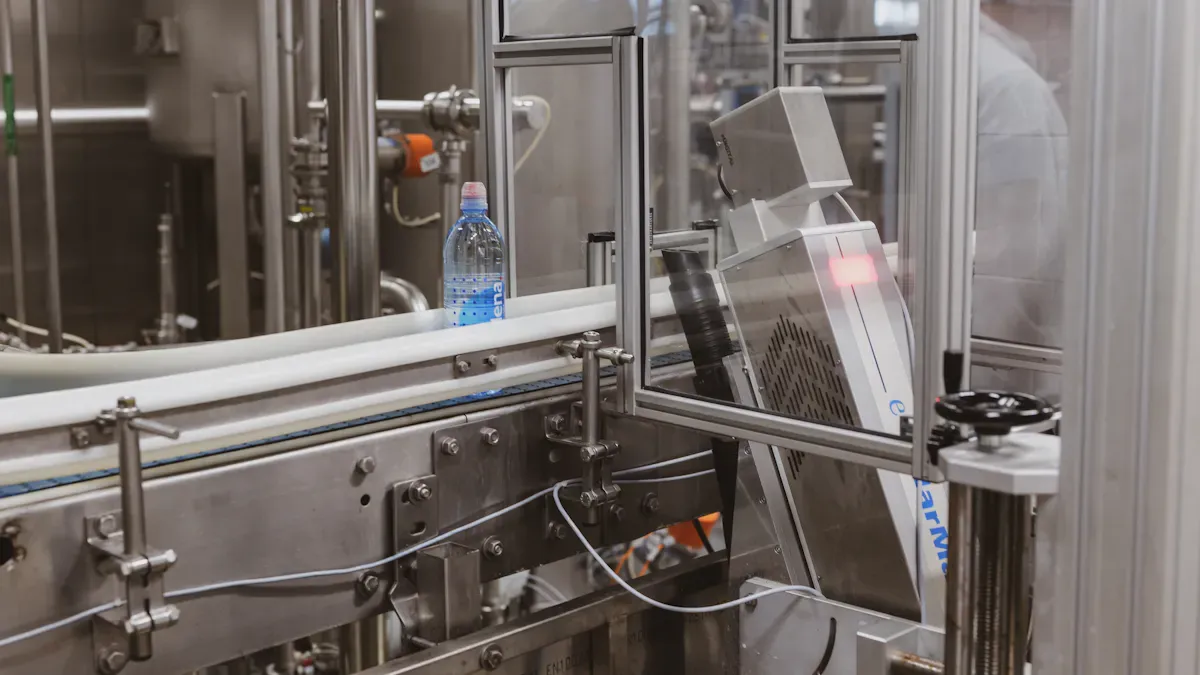
Compounding palastik ngaropéa résin basa jeung aditif, nyieun bahan tailored pikeun aplikasi husus. Pelletizing ngarobah ieu bahan majemuk kana pellets seragam, siap pikeun pamakéan hilir efisien. Pabrikan sareng insinyur anu ngartos bédana antara unggal prosés tiasa ningkatkeun efisiensi sareng mastikeun kualitas produk.
Data pasar panganyarna nunjukkeun yén nilai pasar global pikeun téknologi ieu bakal ngahontal $82 milyar ku 2025 jeung $182 milyar ku 2035, didorong ku kamekaran dina séktor otomotif sareng bungkusan.
| Prosés | Pangaruh Efisiensi | Dampak Kualitas Produk |
|---|---|---|
| Ngahijikeun | Bahan tukang ngaput, ngaronjatkeun kinerja, ngurangan ongkos | Aktipkeun kadali kualitas hadé |
| Pelletizing | Nyadiakeun formulir bahan konsisten pikeun ngolah | Mastikeun uniformity dina kualitas produk ahir |
Takeaways konci
- Compounding palastik ngaropéa résin basa jeung aditif pikeun nyieun bahan pikeun kagunaan husus.
- Pelletizing transforms bahan diperparah kana pellets seragam pikeun gampang ngolah jeung penanganan.
- Ngartos bédana antara compounding sareng pelletizing ngabantosan pabrik ningkatkeun efisiensi sareng kualitas produk.
- Compounding ngawengku campur, lebur, jeung bahan extruding pikeun ngahontal sipat nu dipikahoyong.
- Pelletizing museurkeun kana nyieun ukuran pellet konsisten, nu krusial pikeun manufaktur dipercaya.
- Kontrol kualitas penting dina duanana prosés pikeun mastikeun yén produk ahir minuhan standar industri.
- Duanana compounding sareng pelletizing maénkeun peran penting dina séktor sapertos otomotif, éléktronika, jeung kasehatan.
- Milih prosés anu leres gumantung kana karakteristik bahan, kabutuhan produksi, jeung pertimbangan biaya.
Harti jeung Bedana
Compounding palastik Didefinisikeun
Compounding palastik nujul kana prosés nyampur polimér jeung aditif, pangeusi, jeung tulangan pikeun ngaropea jeung ningkatkeun sipat fisik jeung kimia bahan. Standar industri ngahartikeun prosés ieu salaku padika pikeun nyaluyukeun polimér supados kalebet sadaya fitur anu dipikahoyong dina hiji bahan.. Pabrikan nganggo sanyawa plastik pikeun ningkatkeun kualitas produk, ngurangan waragad, jeung ningkatkeun produktivitas. Prosésna biasana ngalibatkeun lebur, nyampur, jeung Tonjolan pikeun ngahontal dispersi seragam komponén.
A rupa-rupa bahan jeung aditif maénkeun peran dina compounding plastik:
- Masterbatch: A campuran kentel pigmén jeung aditif dina résin carrier, mastikeun malah dispersi.
- Antioksidan: Nyegah degradasi polimér tina panas sareng oksigén, ngajaga kakuatan sarta kalenturan.
- Stabiliser UV: Nangtayungan polimér dipaké di luar ku cara nyerep atawa dissipating radiasi ultraviolét ngabahayakeun.
- Seuneu Retardants: Ngahambat atanapi ngalambatkeun produksi seuneu, utamana penting dina éléktronika jeung konstruksi.
- Pewarna: Ngidinan pikeun milih warna dina plastik gabungan.
- Kakuatan sarta kalenturan Modifiers: Ngahontal sipat mékanis husus.
- Aditif Antimikrobial: Ngahambat tumuwuhna kuman, penting pikeun produk médis.
- Pangeusi: Sapertos talc, serat kaca, jeung kalsium karbonat, ningkatkeun kakuatan, ngurangan waragad, jeung ningkatkeun daya tahan panas.
- Performance Enhancers: Sipat tukang ngaput sapertos stabilitas termal, retardancy seuneu, sarta lalawanan UV.
Prosés ieu ngamungkinkeun produsén nyiptakeun bahan kalayan ciri anu tepat pikeun aplikasi anu nungtut.
Palastik Pelletizing Didefinisikeun
Pelletizing palastik nyaéta prosés anu ngarobah plastik atah atawa daur ulang kana leutik, pellets seragam. Transformasi ieu penting pikeun manufaktur sareng daur ulang efisien. The pelletizer palastik ngarobah cleaned sarta mindeng abon atawa plastik molten kana pellets seragam, nu lajeng reintroduced kana prosés manufaktur. Pelletization addresses challenges such as uneven feeding and material handling, making it vital in sectors like automotive and packaging where product quality is critical.
| Type of Evidence | Rincian |
|---|---|
| Raw Materials | Various types of plastics, kaasup poliétilén (PE) jeung polipropilén (PP) |
| Outputs | Plastic pellets produced through melting, tiiseun, and cutting processes |
Pelletization enhances the efficiency of plastic production and allows for the creation of specialized plastics while maintaining ease of handling.
Key Differences Overview
Table Babandingan
| Aspék | Plastic Compounding | Plastic Pelletizing |
|---|---|---|
| Main Purpose | Modifies composition and properties of the polymer | Converts material into uniform pellet form |
| Key Steps | Pergaulan, lebur, nyampur, ékstrusi | Lebur, tiiseun, cutting |
| Typical Additives | Pangeusi, pewarna, penstabil, performance enhancers | Not typically added during pelletizing |
| Kaluaran | Customized plastic material (can be in various forms) | Uniform pellets |
| Aplikasi | Pamakéan langsung dina produk atawa ngolah salajengna | Dipaké pikeun molding, ékstrusi, atawa angkutan |
Ihtisar titik
- Campuran palastik museurkeun kana ngarobah komposisi tina plastik ku cara nyampur rupa-rupa bahan, nu mangaruhan sipat fisikna.
- Pelletizing palastik ngarobah palastik compounded kana pellets seragam, utamana patali jeung bentuk fisik pikeun betah pamakéan dina manufaktur.
- Plastik gabungan tiasa langsung ngawujud janten produk, sedengkeun plastik pelletized ilaharna dipaké pikeun ngolah salajengna.
- Duanana prosés maénkeun peran kritis dina manufaktur modern, tapi aranjeunna nyayogikeun kabutuhan anu béda dina ranté produksi.
Tip: Ngarti kana bédana antara prosés ieu ngabantosan produsén milih pendekatan anu pas pikeun aplikasi khususna, mastikeun kinerja optimal sarta efisiensi.
Prosés Compounding palastik
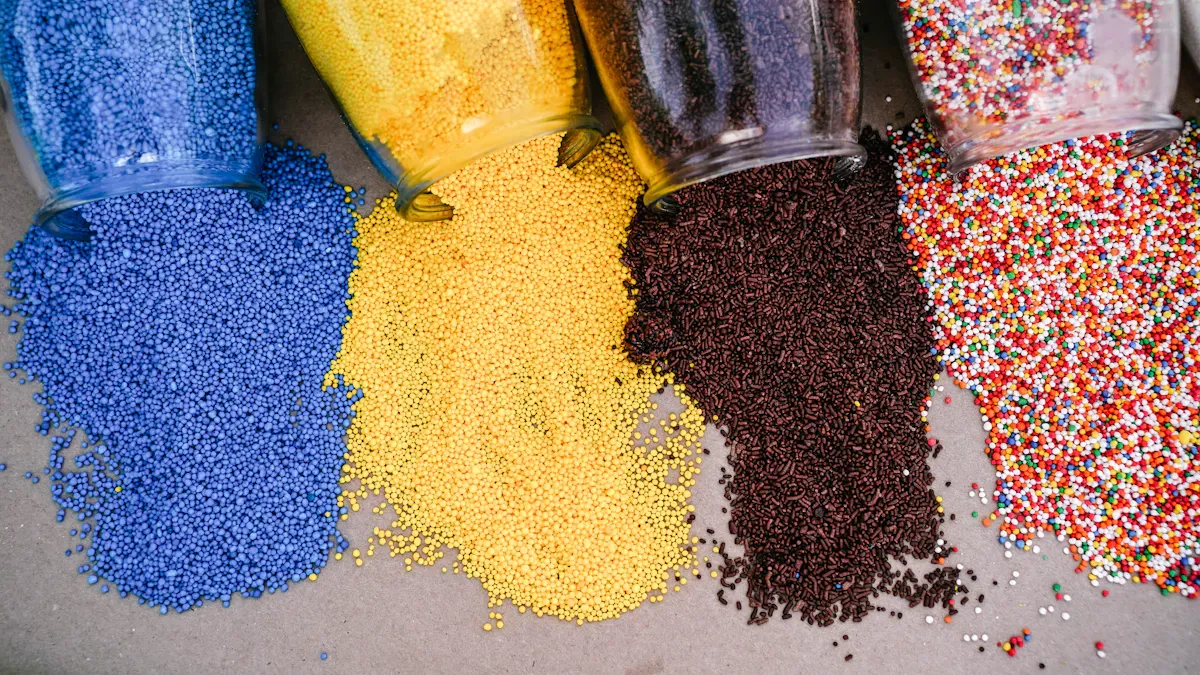
Léngkah prosés
Plastic compounding transforms raw materials into high-performance plastics through a series of precise steps. Manufacturers begin by storing raw materials such as resin, aditif, and fillers in bags, big bags, or silos. Pneumatic or mechanical systems then convey these materials to the processing area. Operators feed the materials into the press barrel, either continuously or in batches. The compounding process continues with melting and mixing, where the polymer and additives blend to achieve uniformity. The final stage involves shaping, tiiseun, and cutting the product, followed by rigorous quality control.
| Lengkah | Katerangan |
|---|---|
| 1 | Raw material storage in bags, big bags, and silos |
| 2 | Pneumatic or mechanical material conveying system |
| 3 | Material feed to the press barrel (continuous/discontinuous filling) |
| 4 | Melting and mixing phase |
| 5 | Final product and control |
Catetan: Insight Polymers ngamangpaatkeun turnaround gancang sareng panyusun khusus pikeun nganteurkeun solusi panyusun plastik khusus, ngaoptimalkeun unggal léngkah pikeun efisiensi sareng kualitas.
Parabot Dipaké
fasilitas compounding palastik ngandelkeun parabot canggih pikeun mastikeun hasil konsisten. Extruders diatur Pace pikeun ngolah sarta maénkeun peran sentral dina lebur sarta Pergaulan. Mixer kontinyu dianggo barengan extruders pikeun nanganan bahan kawas acrylics, nilon, jeung PVC. Sistim Pergaulan nyiapkeun aditif pre-blends, bari sistem dosing ngajamin babandingan bahan tepat. Téknologi penanganan bahan, kayaning feeders Rotary na valves diverter, ngarojong distribusi lemes sareng dosing bahan bulk. Garis gabungan terpadu ngagabungkeun sistem ieu, ngamungkinkeun pikeun ongkos produksi fléksibel tur konfigurasi. Insight Polymers ngagunakeun aset pilot ékstrusi kembar-screw internal pikeun ngalaksanakeun uji coba angkatan leutik., sangkan éfisién saringan produk sareng ngolah parameter.
Jenis Compounding
Compounding palastik ngawengku sababaraha pendekatan, unggal tailored ka kabutuhan aplikasi husus. Pabrikan tiasa nambihan pewarna pikeun ningkatkeun penampilan atanapi penstabil pikeun ningkatkeun résistansi panas sareng UV. Retardan seuneu ningkatkeun kaamanan, utamana dina konstruksi jeung éléktronika. Modifiers dampak naekeun kateguhan, bari fillers jeung bala nyaluyukeun biaya, kaku, atawa kakuatan. Sanyawa anu dirumuskeun khusus ogé tiasa kalebet agén antimikroba pikeun produk médis atanapi panambah UV pikeun panggunaan luar. Insight Polymers specializes dina solusi compounding polimér nu alamat tujuan kinerja unik, offering masterbatch concentrates and custom plastic compounding for injection molding, fibers, pilem, and additive manufacturing.
- Color selection for aesthetics
- Food-safe formulations for packaging
- Fire retardants for construction
- Strength and flexibility adjustments for product-specific needs
- Antimicrobial properties for healthcare
- Enhanced UV tolerance for outdoor durability
This comprehensive approach ensures that every polymer compounding solution meets the demands of modern manufacturing.
Material States
Plastic compounding involves several material states as raw ingredients transform into high-performance compounds. The process begins with solid resins, aditif, sarta fillers. Operators feed these materials into the compounding system, where they remain in a granular or powder form. As the process advances, the extruder heats and melts the mixture, converting it into a viscous, molten state. This molten blend allows for thorough mixing and dispersion of all components.
Once homogenization is complete, the material exits the extruder. At this stage, it can take several forms depending on the application. Some manufacturers cool and cut the extrudate into pellets, while others may produce strands, lambaran, or directly molded shapes. The final state—whether pellet, strand, or sheet—depends on downstream processing requirements. Salaku conto, Insight Polymers often delivers custom plastic compounding in pellet form for easy handling and consistent feeding in injection molding or extrusion lines.
The ability to control material states throughout the process ensures that the final product meets strict performance criteria. This flexibility supports a wide range of applications, from automotive parts to medical devices, and enables rapid adaptation to customer needs.
Kontrol kualitas
Quality control stands at the core of every successful plastic compounding operation. Manufacturers rely on advanced automatic control systems to maintain consistent pellet characteristics salila extrusion. These systems monitor and adjust processing parameters in real time, ensuring that the molten mixture remains homogenized. As a result, pigments and additives disperse evenly, producing a uniform masterbatch compound.
Operators use several practical methods to verify product consistency. The water displacement method provides a reliable way to measure density on the shop floor. This technique involves measuring the initial water level, weighing the sample, and calculating density based on the displaced volume. It improves formulation accuracy, nyegah runtah bahan, sarta ensures beurat produk konsisten. Mangpaat ieu ngadukung kontrol biaya anu langkung saé sareng ngirangan masalah kualitas produksi.
Program kontrol kualitas komprehensif kalebet sababaraha tés:
- Tés cocog warna ngagunakeun spéktrofotométer pikeun ngévaluasi béda warna sareng mastikeun konsistensi visual.
- Tés stabilitas termal ngesahkeun daya tahan pigmén dina suhu cetakan.
- Tés dispersi mastikeun sebaran aditif malah ngaliwatan observasi mikroskopis.
- Tés kinerja mékanis marios kakuatan tensile sareng résistansi dampak.
Insight Polymers ngahijikeun ukuran kadali kualitas ieu kana unggal angkatan, mastikeun yén solusi compounding polimér maranéhna nganteurkeun kinerja dipercaya. Komitmen pikeun kualitas ieu ngadukung industri anu nungtut katepatan, kayaning otomotif, éléktronika, jeung kasehatan.
Tip: Consistent quality control not only enhances product reliability but also strengthens customer trust in custom plastic compounding services.
Plastic Pelletizing Process
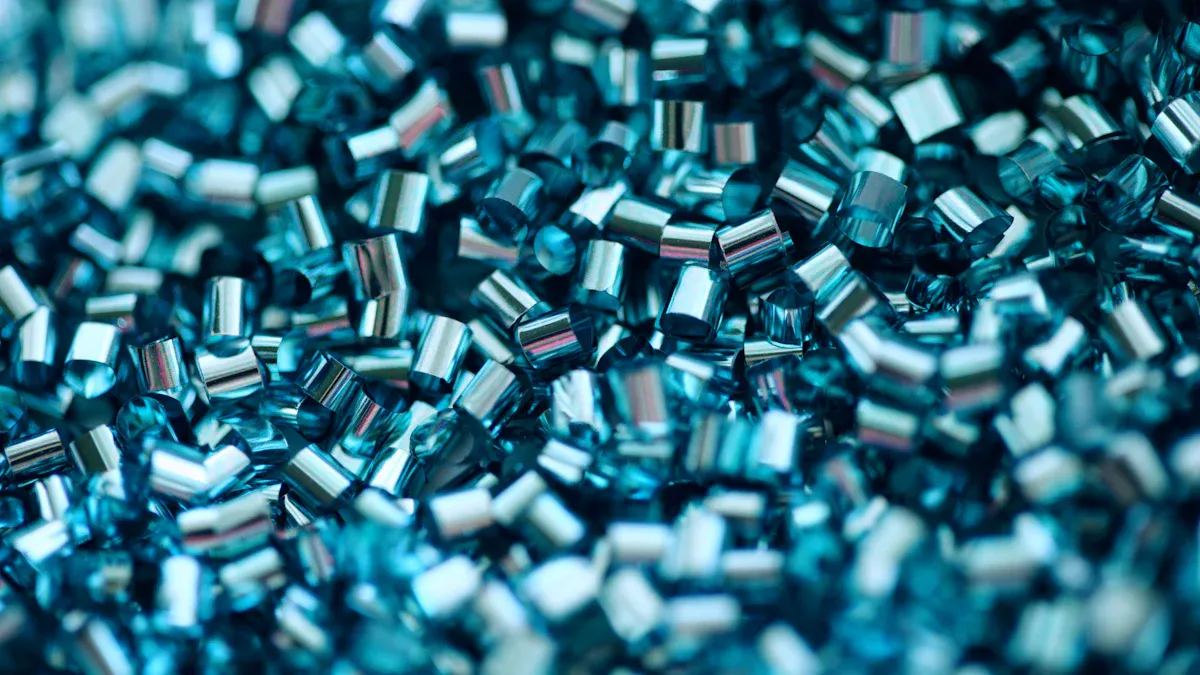
Léngkah prosés
Plastic pelletizing transforms raw or recycled resin into uniform pellets through a series of well-defined steps. Operators begin by sorting plastic waste according to polymer type, warna, and contamination level. They then shred the sorted plastics into smaller flakes, which improves washing efficiency. Sanggeus ngumbah, the clean flakes move to the melting stage, where they are heated and extruded. The molten plastic passes through a filter to remove any remaining impurities. As the filtered melt exits through a die plate, it forms continuous strands. These strands undergo rapid cooling in a water bath or air cooling system, stabilizing their structure. Tungtungna, the cooled strands are cut into pellets, which are ready for downstream manufacturing.
Efficient pelletizing ensures consistent pellet size and quality, which is critical for reliable processing in molding and extrusion applications.
Parabot Dipaké
Pelletizing operations rely on specialized machinery to achieve high throughput and consistent results. Strand pelletizers handle the extrusion of molten plastic into strands and cut them into pellets. Underwater pelletizers cut the molten plastic directly under water, which instantly cools and solidifies the pellets. Cold pelletizers produce pellets from hot extrudate without using water cooling. Each machine type supports different process requirements and material characteristics. Operators select equipment based on the type of resin, the presence of additives, and the desired pellet properties.
- Strand pelletizers: Cut extruded strands into uniform pellets.
- Underwater pelletizers: Cut and cool pellets simultaneously in a water chamber.
- Cold pelletizers: Produce pellets without water, suitable for heat-sensitive materials.
Pelletizing Technology Types
Manufacturers use several pelletizing technologies, each offering unique advantages in efficiency and output quality. Strand pelletizing works best for clean, stable materials and delivers high output quality. Water-ring pelletizing cuts the molten plastic at the die face and cools it in a circulating water ring, which enhances efficiency. Underwater pelletizing cuts pellets in a water chamber, ensuring uniform cooling and very high output quality.
| Téhnologi Pelletizing | Katerangan | Efisiensi | Output Quality |
|---|---|---|---|
| Strand Pelletizers | Cut pellets in strands and are suitable for clean materials. | Sedeng | Luhur |
| Die-Face Pelletizers | Include underwater and water-ring systems, providing rapid cooling. | Luhur | Luhur pisan |
Operators choose the appropriate technology based on the type of resin, the presence of additives, and the required pellet characteristics. The right selection ensures that pellets meet strict quality standards for downstream processing.
Material States
Pelletizing transforms plastics through several distinct material states. The process begins with solid plastic feedstock, which can include virgin resin, recycled flakes, or regrind. Operators load these materials into hoppers or feeders. The material then enters the extruder, where heat and mechanical force convert the solid particles into a molten state. This molten plastic flows through the extruder barrel, ensuring thorough mixing and homogenization.
As the molten mass exits the extruder, it passes through a die plate. At this stage, the material forms continuous strands or droplets, gumantung kana téhnologi pelletizing. Dina strand pelletizing, palastik molten emerges salami, untaian spaghetti-kawas. Untaian ieu ngalir ngaliwatan sistem cooling, sering mandi cai, nu solidify bahan gancang. Sakali tiis, untaian solidified asup ka chamber motong, dimana péso puteran rendang kana pellets seragam.
Métode pelletizing séjén, kayaning sistem jero cai atawa ring cai, potong plastik lebur geuwat sakumaha kaluar paeh. The pellets niiskeun sarta solidify ampir instan di lingkungan cai. Produk ahir diwangun ku leutik, pellets padet kalayan ukuran jeung bentuk konsisten. pellets ieu gampang pikeun nanganan, ngangkut, jeung eupan kana prosés manufaktur hilir.
Tip: Ngadalikeun unggal kaayaan bahan salila pelletizing ensures yén pellets final minuhan kualitas ketat tur standar kinerja.
Kontrol kualitas
Quality control in pelletizing plays a critical role in maintaining pellet uniformity and purity. Operators implement several protocols throughout the process to ensure high-quality output:
- Pre-sorting and washing remove contaminants and non-target materials. Automated sorting systems and washing lines help achieve a clean feedstock.
- Drying and decontamination eliminate moisture and impurities. High-temperature drying and vacuum purification prepare the material for extrusion.
- Extrusion and pelletization melt purified flakes or resin into uniform pellets. Twin-screw extruders provide excellent mixing and consistency.
- Vacuum degassing removes gases and volatile compounds under high vacuum conditions. This step prevents defects and improves pellet quality.
- Crystallization and solid-state polymerization (SSP) enhance the intrinsic viscosity of certain polymers, such as PET. These steps ensure that the pellets meet application-specific requirements.
Operators monitor pellet size, shape, and color throughout the process. They use sieves, visual inspection, and automated sensors to detect any deviations. Consistent quality control reduces waste, improves process efficiency, and guarantees that the pellets perform reliably in molding, ékstrusi, or other applications.
Catetan: Reliable quality control in pelletizing supports manufacturers in producing high-performance products for demanding industries.
Aplikasi
Compounding Applications
Plastic compounding enables manufacturers to create materials with properties tailored for demanding sectors. The following table highlights common industry uses:
| Sector | Aplikasi |
|---|---|
| Otomotif | Lightweight materials, heat-resistant plastics, impact-resistant polymers |
| Éléktronik | Flame-retardant compounds, thermally conductive plastics, anti-static materials |
| Consumer Products | Durable plastics, food-safe materials, UV-resistant compounds |
| Industrial Applications | Chemical-resistant polymers, reinforced plastics, abrasion-resistant materials |
Otomotif
Automotive manufacturers rely on advanced compounds for lightweighting and structural integrity. High-performance plastic compounds replace metal in interior panels, bemper, and under-the-hood components. These materials offer comparable strength and thermal performance, which improves fuel efficiency and safety. Insight Polymers delivers custom compounding for injection molding, enabling rapid prototyping and production of automotive parts that meet strict industry standards.
Éléktronik
Electronics producers use specialty compounds for housings, panyambungna, and insulators. Flame-retardant and thermally conductive plastics protect sensitive components from heat and electrical hazards. Anti-static materials prevent damage from static discharge. Insight Polymers supports electronics manufacturers with masterbatch concentrates that enhance safety and performance in consumer devices and renewable energy systems.
Médis
Medical device manufacturers require compounds with precise mechanical and chemical properties. Custom formulations provide antimicrobial protection and biocompatibility for diagnostic equipment and surgical tools. Insight Polymers develops specialty compounds for fibers and films used in medical packaging and devices, ensuring compliance with healthcare regulations.
Pelletizing Applications
Pelletizing transforms raw or recycled plastics into uniform pellets, supporting a wide range of manufacturing processes.
Molding & Ekstrusi
Pellets serve as the standard feedstock for molding and extrusion. Their consistent size and shape ensure reliable machine operation and product quality. Manufacturers use pellets to produce daily-use products such as trash bins, hangers, and flower pots, as well as industrial items like pallets and automotive interior base materials.
Daur ulang
Pelletizing plays a vital role in recycling. Operators sort, shred, and melt plastic waste, then re-extrude and pelletize it into high-quality, reusable pellets. This process closes the loop in the plastic lifecycle, allowing manufacturers to reintroduce recycled material into new products. Applications include construction materials like plastic lumber and municipal covers.
By turning plastic waste into a consistent raw material, pelletizing helps close the loop in the plastic lifecycle.
Bulk Handling
Pabrikan skala ageung kauntungan tina pelletizing dina penanganan bulk sareng logistik. Prosésna ngawengku asupan bahan, asihan, ngarecah, ékstrusi, pelletizing, jeung bungkusan. pellets seragam simplify gudang, ngangkut, jeung pengiriman barang mulang, ngarojong ranté suplai efisien. Pabrikan tiasa ngintunkeun pélét deui pikeun dianggo deui atanapi ngirimkeunana ka pihak katilu pikeun aplikasi produk énggal.
Kaahlian Insight Polymers dina panyusun sareng pelletizing khusus ngadukung rupa-rupa aplikasi, ti molding suntik jeung manufaktur aditif kana inisiatif daur ulang sustainable.
Pamilihan prosés
Faktor Pertimbangkeun
Pabrikan kedah ngevaluasi sababaraha faktor nalika milih prosés anu pas pikeun kabutuhan produksina. Pertimbangan ieu ngabantosan mastikeun yén metodeu anu dipilih saluyu sareng tujuan operasional sareng syarat produk:
- Ciri bahan maénkeun peran sentral. Understanding the physical and chemical properties of input materials determines compatibility with custom plastic compounding or pelletizing.
- Throughput requirements must match the capacity of the pelletizer and the upstream extrusion system. This alignment prevents bottlenecks and maximizes efficiency.
- Pellet quality requirements depend on end-user specifications. Precision in pellet size and shape supports consistent downstream processing.
- Operational environment and available utilities influence system selection. Facilities must support the demands of the chosen process.
- Maintenance and ease of use affect long-term productivity. Machines that require less maintenance and offer higher availability reduce downtime.
- Cost considerations and return on investment guide decision-making. Evaluating total ownership costs, including operating expenses and potential product loss, ensures financial sustainability.
- Companies often require components with exceptional durability. Design flexibility remains essential for meeting unique application needs. Cost efficiency continues to influence the choice of manufacturing methods.
Understanding the unique mechanical properties, lalawanan kimiawi, and processing characteristics of different plastics is vital. These factors directly impact durability, cost efficiency, and compliance with industry standards.
Studi Kasus
| Wewengkon Aplikasi | Evidence of Success | Outcome Description |
|---|---|---|
| Resin Manufacturing and Polymerization | Increased output by 40% with underwater pelletizing system. | Effective for continuous production of consistent pellets. |
| Compounding jeung Produksi Masterbatch | Improved color pellet performance in customer processes using underwater systems. | Ideal for color concentrates and filled compounds. |
| Recycling and Reclaim Operations | Customized system for PET bottle recycling to handle changing materials. | Strand systems for consistent scrap; underwater for mixed materials. |
Manufacturers in the medical sector have achieved low extractables profiles in blood set tubing by selecting TPE or DEHP-free PVC. Autoclavable device components benefit from TPE compounds, which resist embrittlement during repeated sterilization. Full batch genealogy ensures traceability of all components, supporting quality assurance in medical device manufacturing.
Tantangan & Solusi
Manufacturers often encounter challenges during implementation. Addressing these issues quickly ensures consistent quality and operational efficiency:
- Irregular pellet size and shape can occur. Operators adjust die temperature, inspect cutting blades, and set the correct blade gap to resolve this.
- Reduced throughput or machine jamming may disrupt production. Purging die holes, ensuring consistent material flow, and monitoring feed section components help maintain steady operation.
- Overheating of the machine or motor poses risks. Checking cooling systems, inspecting for excessive friction, and ensuring proper cutter speed prevent damage.
- Poor pellet quality affects downstream performance. Verifying temperature profiles, implementing strict material handling, and pre-drying hygroscopic materials improve results.
By applying these solutions, companies can optimize their polymer compounding solutions and maintain high standards in custom plastic compounding and extrusion processes.
Pelletizing Technology Trends
Advances in Compounding
Recent advances in compounding have transformed how manufacturers approach material design and production. Pausahaan ayeuna make résin daur ulang jeung polimér basis bio pikeun ngurangan runtah jeung ngarojong kelestarian. Aranjeunna rejuvenate aliran plastik heubeul, malikkeun pasipatanana sareng manjangkeun daur hirupna. Téhnik gabungan canggih ngamungkinkeun plastik pikeun ngagentos logam sareng keramik dina seueur aplikasi, ningkatkeun efisiensi sareng ngirangan biaya.
Pabrikan kauntungan tina sababaraha kamajuan konci:
- Kalenturan dina nyiptakeun komponén tanpa paeh atanapi perkakas tradisional.
- solusi ongkos-éféktif pikeun prototyping jeung produksi pondok-ngajalankeun.
- Ningkatkeun kakuatan mékanis sareng daya tahan dina bagian-bagian réngsé.
- Integrasi nanotéhnologi pikeun ningkatkeun sipat bahan.
- Nyoko Industri 4.0 téhnologi pikeun kontrol prosés hadé tur kustomisasi.
inovasi ieu ngamungkinkeun pamakéan rupa-rupa aditif, kaasup nu ngaronjatkeun konduktivitas, retardance seuneu, and structural strength. The focus on sustainable and recyclable materials continues to drive the evolution of compounding processes.
Innovations in Pelletizing
Pelletizing technology has seen significant improvements, especially in quality control and operational efficiency. Leading manufacturers have adopted advanced filtration systems that use multiple filtration stages with finer mesh sizes. This approach removes contaminants and ensures superior pellet quality, protecting downstream equipment.
| Innovation Type | Katerangan |
|---|---|
| Advanced Filtration Systems | Multiple filtration stages for cleaner pellets and equipment protection. |
| Intelligent Control Systems | Real-time monitoring and predictive maintenance via touchscreen interfaces. |
| Dynamic Preconditioning Unit | Single-stage preparation of plastics for extrusion, preserving material properties. |
| IoT and AI Integration | Predictive maintenance and real-time adjustments for improved efficiency and lower costs. |
Dynamic preconditioning units combine several steps into one, preparing plastics for extrusion while maintaining high end-product quality. Intelligent control systems provide operators with real-time data, allowing quick adjustments to the process. IoT and AI integration further enhance pelletizing by enabling predictive maintenance and reducing downtime.
Kelestarian
Sustainability initiatives have become central to the development of both compounding and pelletizing technology. Companies like LyondellBasell focus on improving the quality of mechanical plastic recycling through research and development. Their efforts ensure that recycled materials meet strict safety and performance standards. Primex demonstrates a commitment to sustainability by operating an in-house recycling facility. This facility processes post-industrial and post-consumer materials through collection, asihan, ngarecah, washing, and pelletizing. The result is high-quality recycled resin suitable for manufacturing.
Manufacturers now prioritize the use of sustainable additives and recyclable materials in their processes. They design pelletizing systems to handle a variety of recycled plastics, supporting closed-loop recycling and reducing environmental impact. These trends reflect a broader industry shift toward responsible production and resource conservation.
Tip: Embracing new pelletizing technology and sustainable practices helps manufacturers stay competitive while meeting environmental goals.
Manufacturers rely on both processes for different application needs. Plastic compounding creates materials with specific properties, bari pelletizing nyiapkeun eta bahan pikeun pamakéan efisien. Milih prosés anu leres mastikeun unggal aplikasi nyumponan tujuan kualitas sareng kinerja.
- Evaluasi sarat unggal aplikasi sateuacan milih prosés.
- Taroskeun ahli industri pikeun panduan ngeunaan aplikasi anu kompleks.
Kanggo inpo nu langkung lengkep ihwal solusi custom, pabrik tiasa ngahubungan Insight Polymers atanapi marios sumber teknis.
FAQ
Naon bédana utama antara sanyawa plastik sareng pelletizing?
Compounding palastik ngarobah sipat plastik ku Pergaulan résin jeung aditif. Pelletizing ngabentuk bahan ieu jadi pellets seragam pikeun gampang ngolah. Unggal prosés ngagaduhan peran anu unik dina manufaktur.
Nalika produsén kedah milih compounding plastik custom?
Manufacturers select custom plastic compounding when they need materials with specific properties, such as flame resistance or enhanced strength. Insight Polymers offers rapid, tailored solutions for these requirements.
Can pelletizing improve recycled plastic quality?
Sumuhun. Pelletizing cleans, ngalembereh, and reforms recycled plastics into uniform pellets. This process removes contaminants and improves consistency, making recycled materials suitable for new products.
What equipment does Insight Polymers use for compounding?
Insight Polymers uses twin-screw extruders, advanced mixers, and precise dosing systems. These tools allow for efficient blending and rapid development of custom compounds.
How do manufacturers ensure quality during compounding?
Manufacturers use real-time monitoring, color matching, and mechanical testing. They check density and dispersion to guarantee consistent results. Quality control remains essential for reliable performance.
Are compounded pellets ready for injection molding?
Sumuhun. Compounded pellets from Insight Polymers are designed for direct use in injection molding, ékstrusi, and additive manufacturing. Their uniformity ensures smooth processing and high-quality finished parts.
What industries benefit most from these processes?
Otomotif, éléktronika, médis, and packaging industries rely on compounding and pelletizing. These sectors demand materials with precise properties and consistent quality.