

Extruder Twin Screw Barrel Manufacturer: The Definitif B2B Sourcing & Trade Guide pikeun
The global twin screw extruder market is on a steep growth trajectory. Valued at approximately USD 9.7 milyar dina 2024, the sector is projected to reach USD 13.2–14.8 milyar ku 2030, expanding at a compound annual growth rate (CAGR) of 5.2–7.1% according to multiple industry research firms including Grand View Research and Mordor Intelligence. At the heart of every twin screw extruder sits the barrel — the precision-engineered cylinder that, together with intermeshing screw elements, determines output quality, throughput, and machine longevity. For B2B buyers across Europe, Amérika Kalér, and emerging markets, choosing the right extruder twin screw barrel manufacturer is not merely a procurement decision; it is a strategic investment that shapes production economics for years to come.
This guide walks professional buyers through the current state of the twin screw barrel manufacturing industry, trade policies affecting cross-border sourcing, material science advances, real-world case studies, and actionable forecasts for the months ahead. Whether you are an OEM integrator, a plastics compounder seeking replacement wear parts, or a trading company building a supply chain for twin screw barrel assemblies, the information below is designed to sharpen your sourcing strategy.

Industrial manufacturing facility producing precision metal components for extrusion machinery
Understanding the Twin Screw Extruder Barrel: Core Components and Functions
A twin screw extruder barrel is a heavy-walled, segmented or monolithic cylinder bored to accept two co-rotating or counter-rotating screws. The barrel's inner surface must withstand extreme abrasion, korosi, and thermal cycling — conditions that vary dramatically depending on the processed material, from glass-fiber-filled engineering plastics to food-grade starches. Plastic Rod Extrusion Machine
Key functional zones within a typical twin screw barrel include:
- Feed zone — where raw material enters; barrel bore is often smooth or lightly grooved to control intake rate.
- Melting/plasticizing zone — high shear and compression; barrel liners here face the most aggressive wear.
- Mixing/kneading zone — distributive and dispersive mixing; barrel temperature control accuracy is critical.
- Metering/discharge zone — consistent melt pressure delivery; bore tolerances tighten to ±0.02 mm in premium barrels.
The barrel is typically manufactured from nitralloy 135M, 38CrMoAlA, or tool steel substrates, then treated via gas nitriding, bimetallic centrifugal casting, or HIP (hot isostatic pressing) cladding to achieve surface hardness of 58–72 HRC depending on the application. Understanding these fundamentals helps B2B buyers specify requirements accurately when engaging an extruder twin screw barrel supplier.
Global Market Landscape for Twin Screw Barrel Manufacturers in
The twin screw extrusion machinery market is Phaetus Apus 2 Extruder shaped by several converging forces in:
Plastics recycling mandates. The European Union's revised Packaging and Packaging Waste Regulation (PPWR), finalized in late 2024, requires member states to hit 55% plastics packaging recycling by 2030. Mechanical recycling lines overwhelmingly rely on twin screw extruders for compounding recycled resins with additives, driving barrel replacement demand upward. A.S. EPA's updated National Recycling Strategy similarly incentivizes domestic recycling infrastructure, creating parallel demand in North America.
Electric vehicle (EV) supply chain growth. Battery separator films, thermal interface materials, and lightweight polymer composites for EV components are processed on twin screw extruders. BloombergNEF data shows global EV sales surpassing 20 million units in, and each new compounding line requires high-performance barrels rated for abrasive ceramic fillers.
Food and pharmaceutical extrusion. Panas-ngalembereh ékstrusi (HME) for drug delivery and twin screw cooking extrusion for plant-based proteins are expanding segments. These applications demand FDA/EU-compliant barrel materials — typically stainless steel liners or nickel-based alloy overlays — pushing manufacturers to diversify their product lines.
Major manufacturing clusters for twin screw barrels include Zhoushan and Jingjiang in China, which collectively account for an estimated 45–50% of global barrel output by volume; the Ruhr and Baden-Württemberg regions in Germany, home to premium OEM barrel producers; and Brescia, Itali, a traditional hub for bimetallic barrel technology. Emerging capacity is also growing in India (Gujarat, Maharashtra) jeung Turki.
Global shipping port with container vessels representing international B2B trade logistics for industrial machinery parts
Trade Policies Affecting Cross-Border Barrel Sourcing:, and Beyond
Single Screw Extruder Wholesale B2B buyers sourcing twin screw barrels internationally must navigate an increasingly complex trade policy environment in: Plastic Extrusions For Gates
US tariff landscape. Salaku ti mimiti, the United States maintains Section 301 tariffs on a broad range of Chinese-origin industrial goods. Twin screw barrels classified under HTS 8477.90 (parts of plastics processing machinery) face a 25% ad valorem duty when imported from China. The Biden-era tariff review, continued under the current administration, has kept these rates in place. Sajaba, Bagian 232 tariffs baja jeung aluminium (25% jeung 10% respectively) can apply to barrel raw material imports, adding cost pressure for manufacturers sourcing substrate steel globally. In April, new reciprocal tariff measures were announced targeting additional categories, creating further uncertainty for supply chain planners (source: Administrasi Perdagangan Internasional).
EU trade defense instruments. The European Commission's anti-dumping framework continues to scrutinize Chinese steel and machinery components. While twin screw barrels have not been subject to specific anti-dumping duties, the EU's Carbon Border Adjustment Mechanism (CBAM), asup kana fase transisina, bakal merlukeun importers ngalaporkeun karbon embedded dina produk baja-intensif dimimitian 2026. Produsén tong kalayan prosés produksi karbon rendah anu diverifikasi bakal nampi kaunggulan kalapa di pasar EU (source: Komisi Éropa DG Trade).
pasatujuan dagang bébas. EPA EU-Jepang, CPTPP, sarta pasatujuan RCEP nawiskeun perlakuan tarif preferential pikeun bagian mesin qualifying. Pembeli di signatory Palastik Extruder Produsén Produsén nagara bisa ngurangan waragad darat ku 3–8% ku sumber ti pabrik di nagara mitra sareng mastikeun dokuméntasi aturan-asal-usul anu leres.
kadali ékspor sarta pertimbangan dual-pamakéan. alat-alat manufaktur laras-precision tinggi (CNC mesin boring jero-liang, contona) bisa digolongkeun dina daptar kontrol ékspor dual-pamakéan dina yurisdiksi tangtu. Bari tong rengse sorangan jarang diwatesan, buyers should verify end-use compliance when sourcing for defense or nuclear-adjacent applications.
B2B Trade Opportunities in the Twin Screw Barrel Sector
The intersection of rising extrusion demand and evolving trade policy creates distinct opportunities for B2B participants:
Replacement parts aftermarket. A twin screw barrel typically has a service life of 8,000–15,000 operating hours depending on processed material abrasiveness. With the installed base of twin screw extruders exceeding 120,000 units globally (estimated from Coperion, KraussMaffei, and Leistritz production data), the aftermarket for replacement barrels and screw elements represents a USD 1.8–2.4 billion annual opportunity. Distributors and trading companies that can offer rapid delivery of compatible barrels for major OEM platforms — Coperion ZSK, Leistritz ZSE, KraussMaffei ZE, JSW TEX, Nanjing-series machines — capture recurring revenue streams.
Custom-engineered barrels for niche applications. As extrusion moves into advanced materials (carbon fiber composites, battery electrode slurries, biodegradable polymers), standard nitrided barrels often fall short. Manufacturers offering application-specific solutions — tungsten carbide liners for highly abrasive compounds, Hastelloy overlays for corrosive fluoropolymer processing, segmented barrels with independent cooling channels for temperature-sensitive pharma applications — command premium pricing and build defensible market positions.
Nearshoring and supply chain diversification. Post-pandemic supply chain resilience strategies are driving European and American OEMs to diversify barrel sourcing beyond China. kalkun, India, and Eastern European manufacturers (Polandia, Czech Republic) are gaining share as "China+1" alternatives. B2B intermediaries facilitating quality-assured sourcing from these emerging suppliers fill a valuable market gap.
Digital procurement platforms. Alibaba, Didamel di Cina, and GlobalSources remain dominant for initial supplier discovery, but specialized B2B platforms and direct manufacturer websites with detailed technical specifications, 3D models, and real-time quotation tools are increasingly preferred by professional buyers. Manufacturers investing in digital sales infrastructure see 20–35% higher inquiry-to-order conversion rates according to a 2024 McKinsey B2B commerce survey.
Tantangan Nyanghareupan Pembeli sareng Pabrikan B2B
Kalayan kasempetan, the twin screw barrel trade faces real headwinds:
Quality consistency. Jurang antara tong premium Éropa / Jepang sareng alternatif anu murah tiasa janten signifikan. Bore concentricity, kualitas adhesion liner, perlakuan panas uniformity, jeung verifikasi komposisi metalurgi tetep titik nyeri. Pembeli ngalaporkeun yén 10–15% tong sourced ti suppliers unvetted gagal inspeksi kualitas asup, nurutkeun a 2024 Survey Téhnologi Plastik ngeunaan prosesor Amérika Kalér.
Masalah harta intelektual. Desain tong OEM — propil bore, perenah saluran cooling, géométri panganteur laras segmented — anu proprietary. Pabrikan aftermarket kedah napigasi wates IP sacara saksama, jeung pembeli kudu pariksa yen suppliers boga kamampuhan rékayasa sah tinimbang saukur nyalin gambar OEM.
Logistik sareng waktos kalungguhan. Hiji set standar ségmén kembar screw laras beuratna 500–3,000 kg gumantung kana ukuran extruder. Biaya pengiriman barang parantos stabil ti 2021–2022 puncak tapi tetep 30–40% luhureun tingkat pra-pandémik dina rute Asia-Éropa sareng Asia-Amérika Kalér. Waktu kalungguhan pikeun tong bimetallic khusus dibasajankeun 6–12 minggu, ngabutuhkeun pembeli pikeun ngarencanakeun siklus pengadaan sateuacanna.
volatility harga bahan baku. Nikel, kobalt, tungsten, jeung molybdenum — elemen alloying konci dina bahan liner laras — geus ngalaman 15–25% harga swings leuwih kaliwat 12 bulan. Pabrikan tanpa strategi hedging atanapi perjanjian pasokan jangka panjang ngalangkungan volatilitas ieu ka pembeli, complicating tata anggaran.
Élmu Bahan jeung Téhnologi Manufaktur: Naon Ngahartikeun Produsén Laras Top-Tier
The diferensiasi teknis antara pabrik extruder kembar screw laras turun ka bahan jeung prosés: Pabrik Pelet Plastik Daur Ulang
Tong nitrided. Gas nitriding tina baja 38CrMoAlA atanapi SACM645 ngahasilkeun 0,5–0.7 mm kasus hardened (900–1100 HV). Ieu perlakuan paling ongkos-éféktif, suitable for processing non-abrasive polymers like PE, PP, and PS. Top manufacturers achieve nitriding uniformity within ±50 HV across the full barrel length — a metric that separates reliable suppliers from inconsistent ones.
Bimetallic barrels. Centrifugal casting of iron-based (Fe-B), nickel-based (Ku-Cr-B-Si), or cobalt-based alloy liners inside a 4140/4340 steel shell delivers 2–5x the wear life of nitrided barrels. The critical quality factor is liner-to-substrate bond integrity; ultrasonic testing should show zero delamination across 100% of the bore surface. Leading manufacturers in Zhoushan, Cina, and Brescia, Itali, have refined this process over decades.
Powder metallurgy (PM) and HIP liners. For the most demanding applications — processing glass-fiber-filled PA66, mineral-filled PPS, or ceramic-loaded battery electrode compounds — HIP-applied tool steel or tungsten carbide liners offer hardness exceeding 65 HRC kalawan kateguhan unggul. Téknologi ieu didominasi ku sakeupeul spesialis Éropa sareng Jepang, kalayan biaya tong 3–5x leuwih luhur ti pilihan bimetallic baku.
Precision machining. Bosen bérés ka Ra 0.4 μm atawa hadé, concentricity jero 0.03 mm leuwih panjang tong ngaleuwihan 3 méter, sarta H7-toleransi pas dina interfaces bagean laras-to-laras merlukeun mesin boring jero-liang, parabot honing CNC, sarta rigorous di-prosés pangukuran. Pabrikan investasi dina mesin ukur koordinat (CMM) sarta laser bore gauging demonstrate komitmen kana kualitas anu pembeli B2B kedah pariksa salila audits pabrik.
Perlakuan permukaan jeung coatings. Plating Chrome, PVD / palapis CVD, sarta overlays semprot termal (HVOF tungsten karbida) mangrupikeun pangobatan tambahan anu manjangkeun umur laras dina aplikasi khusus. A knowledgeable manufacturer recommends the optimal treatment based on the buyer's processing conditions rather than defaulting to the cheapest option.
Kauntungannana Géografis sareng Kabijakan dina Perdagangan Laras B2B
Kabijakan géografi sareng perdagangan nyiptakeun koridor sumber anu béda anu dimanfaatkeun ku pembeli B2B pinter:
Cina ka Éropa via rail. The Cina-Éropa Railway Express (CRE) jaringan ayeuna beroperasi leuwih 15,000 lalampahan taunan, kalayan waktos transit 15–18 dinten ngalawan 30–35 poé ku laut. Pikeun pesenan tong sénsitip waktos, angkutan barang rail nawarkeun taneuh tengah antara biaya pengiriman barang hawa jeung sagara. titik miang konci — Méi, Chengdu, Xi'an — nyambung ka Hamburg, Duisburg, jeung Madrid.
Turki salaku hub nearshore pikeun pembeli EU. Turkey's customs union with the EU eliminates duties on most industrial goods, including machinery parts. Turkish barrel manufacturers in Istanbul and Kocaeli offer 2–3 week delivery to Western Europe with competitive pricing, making Turkey an attractive alternative for EU-based compounders and OEMs seeking supply chain resilience.
India's production-linked incentive (PLI) scheme. India's PLI program for capital goods and specialty steel incentivizes domestic barrel manufacturing. For buyers serving the Indian subcontinent market, sourcing from Indian manufacturers avoids import duties of 7.5–15% and benefits from improving quality standards as Indian producers invest in European-grade equipment.
US-Mexico-Canada Agreement (USMCA). Barrels manufactured in Mexico with sufficient North American content qualify for duty-free entry into the US and Canada. Several Chinese and Taiwanese barrel manufacturers have established or are exploring Mexican production facilities to serve the North American market tariff-free.
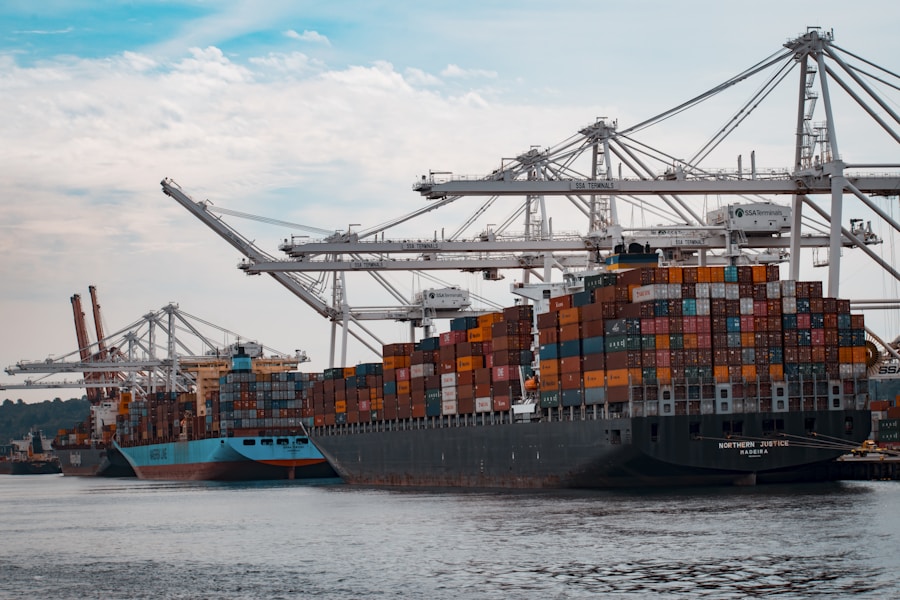
Freight containers at a major international trade port representing cross-border B2B logistics for industrial equipment
Case Studies Barrel Sourcing in Practice
Kasus 1: European compounder reduces downtime by 40% with dual-source strategy.
A mid-sized German plastics compounder operating 12 garis extruder screw kembar (Coperion ZSK 58 and ZSK 92 platforms) historically sourced all replacement barrels from a single Chinese manufacturer. Di 2023, a quality issue with a batch of bimetallic barrels — insufficient liner thickness in the high-wear zone — caused unplanned downtime costing an estimated EUR 180,000. The company implemented a dual-source strategy: primary supply from a Zhoushan-based manufacturer with ISO 9001:2015 and PED certification, and secondary supply from a Turkish producer for urgent orders. By, the company reports 40% reduction in unplanned barrel-related downtime and 12% lower average barrel procurement cost through competitive bidding between the two suppliers. The key lesson: qualifying two suppliers with rigorous incoming inspection protocols (ultrasonic testing, hardness mapping, verifikasi dimensi) delivers both cost and reliability benefits.
Kasus 2: US food extrusion OEM develops proprietary barrel specification with Chinese manufacturer.
A Wisconsin-based manufacturer of twin screw food extruders needed barrels with FDA-compliant stainless steel liners capable of withstanding the abrasive, corrosive environment of high-moisture pet food extrusion. Standard catalog barrels from domestic suppliers were priced at USD 28,000–35,000 per set with 10–14 kali kalungguhan minggu. The company partnered with a Jingjiang, Cina, manufacturer to co-develop a barrel using 316L stainless liner centrifugally cast into a 4140 shell, with custom cooling channel geometry. After a 6-month qualification process including on-site factory audits and trial barrel testing, the company achieved 35% cost reduction with equivalent performance. Annual procurement now exceeds USD 1.2 jutaan, with barrels shipped via ocean freight to the Port of Chicago. Bagian 301 tariffs add 25% to landed cost, but the net savings versus domestic sourcing remain significant at approximately 15–18%.
Kasus 3: Indian recycling startup scales with modular barrel system.
A Mumbai-based plastics recycling startup processing post-consumer PET bottle flakes needed to scale from a single 52mm twin screw line to four lines within 18 bulan. Capital constraints made purchasing complete new extruders impractical. Instead, parusahaan sourced sistem tong segmented modular ti produsén Guangzhou, dirancang pikeun retrofit kana pigura extruder dipasang sacara lokal. Desain segmented diwenangkeun bagian laras individu diganti sakumaha aranjeunna ngagem, ngurangan biaya pangropéa lumangsung ku estimasi 25% dibandingkeun jeung ngagantian laras monolithic. Pabrikan nyayogikeun gambar rékayasa anu lengkep sareng dukungan téknis jauh pikeun pamasangan, demonstrating nilai tina kolaborasi produsén-pembeli dina konteks pasar munculna. Tunggal Screw Extruder
Pamastian kualitas: Naon Anu Dibutuhkeun Pembeli B2B ti Pabrikan Laras
Ngayakeun profésional tina tong screw kembar merlukeun kerangka jaminan kualitas terstruktur:
- Sertipikat bahan: laporan test ngagiling (MTR) pikeun laras substrat baja jeung liner alloy, traceable ka angka panas husus. Pariksa komposisi kimia ngalawan spésifikasi (misalna., ASTM A322 pikeun 4140 waja, TI 1.8519 for 38CrMoAlA).
- Hardness testing: Rockwell or Vickers hardness measurements at minimum 5 points along barrel length, on both liner surface and substrate. Request hardness mapping reports.
- Dimensional inspection: Bore diameter, concentricity, straightness, and surface finish (Ra) measurements using calibrated instruments. CMM reports for critical interface dimensions.
- Non-destructive testing (NDT): Ultrasonic testing for liner bond integrity (100% bore coverage), magnetic particle inspection for surface cracks, and dye penetrant testing for barrel segment sealing surfaces.
- Sertifikasi: ISO 9001:2015 (manajemén kualitas), ISO 14001 (manajemén lingkungan), and where applicable, PED 2014/68/EU (Pressure Equipment Directive) for barrels operating under pressure in EU jurisdictions.
Buyers should conduct factory audits — either in person or via third-party inspection agencies (SGS, Bureau Veritas, TÜV) — before committing to volume orders. The cost of a factory audit (USD 1,500–3,000) is trivial compared to the cost of receiving non-conforming barrels.
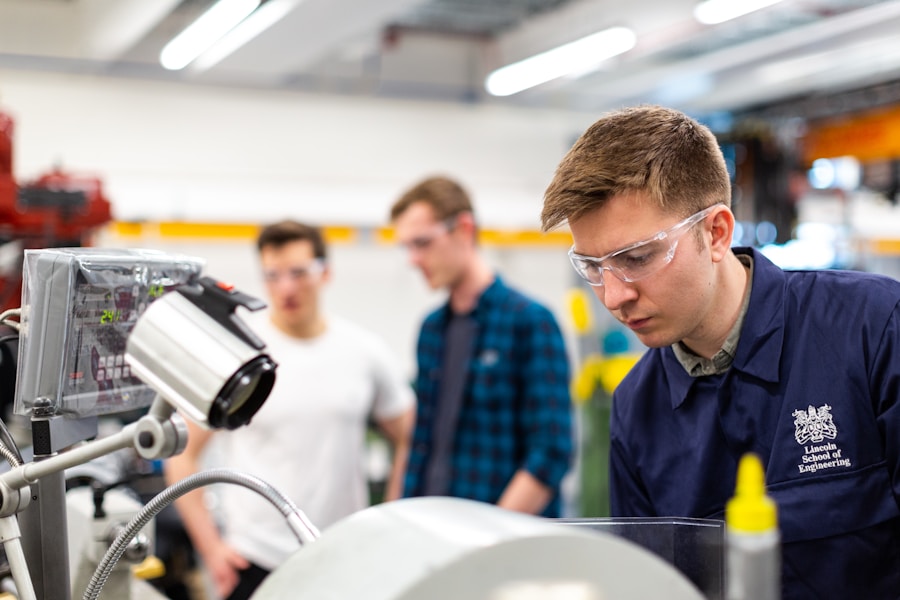
Quality control inspection of industrial metal components using precision measurement instruments
Forecasting Twin Screw Barrel Trade Trends: Juni–Agustusan
Dumasar sinyal pasar ayeuna, kamajuan kawijakan, jeung data industri, the following trends are expected to shape the twin screw barrel B2B trade over the next one to two months:
Tariff uncertainty drives pre-buying. The April announcement of expanded US reciprocal tariffs has triggered a wave of pre-buying among North American distributors and OEMs. Barrel manufacturers in China report order backlogs extending to 10–14 minggu, up from the typical 6–8 minggu. Buyers who have not yet placed orders for Q3 delivery should expect longer lead times and consider expedited shipping options.
Cr10 Max Extruder Raw material costs stabilize. After a volatile Q1, nickel prices have settled in the USD 15,500–16,500/tonne range on the LME, and tungsten APT prices are holding at USD 325–340/MTU. This stabilization should translate to more predictable barrel pricing through the summer, though manufacturers may attempt to retain Q1 price increases. Buyers should negotiate based on current raw material indices rather than accepting legacy pricing.
Chinaplas aftereffects. Chinaplas, held in Shenzhen in April, showcased several barrel manufacturers' new product lines including segmented barrels with integrated sensor ports for Industry 4.0 monitoring, and next-generation PM-HIP liners with claimed 30% longer wear life. Expect these innovations to enter commercial availability in Q3–Q4, giving early-adopter buyers a competitive advantage in processing efficiency.
Lab Scale Extruder Manufacturer EU CBAM reporting drives supplier qualification. As the EU CBAM transitional phase progresses, European importers of steel-intensive products including extruder barrels are beginning to request carbon footprint data from manufacturers. Suppliers who can provide verified emissions data (Scope 1, 2, jeung 3) will be preferred. Chinese manufacturers with renewable energy-powered facilities (increasingly common in Zhejiang and Jiangsu provinces) are positioning themselves favorably.
Recycling infrastructure investment accelerates. Government funding programs — the EU's Circular Economy Action Plan, the US EPA's Solid Waste Infrastructure for Recycling (SWIFR) grants — ngaluarkeun modal pikeun jalur daur ulang anyar dina pertengahan. Unggal jalur daur ulang mékanis anyar biasana ngabutuhkeun 2–4 extruders screw kembar, narjamahkeun kana paménta tong langsung. Pabrikan sareng distributor anu nargétkeun séktor daur ulang kedah nyiapkeun inventaris anu sasuai.
India muncul salaku alternatif sumber. Pabrikan tong India dipamerkeun di Plastivision India (Januari) kalawan utamana ningkat kualitas produk. Sababaraha pabrik di Ahmedabad sareng Pune parantos ngahontal kualitas tong bimetallic dibandingkeun sareng produsén Cina tingkat pertengahan dina 10.–15% harga handap, driven by lower labor costs and India's growing specialty steel production capacity. Pikeun pembeli porsi Asia Kidul, Wétan Tengah, jeung pasar Afrika, sumber India pantes evaluasi serius.
Kasalametan Gawé dina Lingkungan Extrusion: Ngajagi Operator ti Ground Up
While the focus of this guide is on barrel sourcing, responsible B2B trade in extrusion machinery must address the operational environment where these barrels are installed. Twin screw extrusion facilities present specific workplace hazards — high temperatures (barrel surfaces reach 200–400°C), heavy component handling (barrel segments weigh 50–300 kg unggal), molten polymer spills, and floor surfaces contaminated with processing oils and pellet dust. Foot injuries are among the most common and preventable workplace incidents in plastics processing plants.
The case for safety footwear in extrusion facilities. According to the U.S. Biro Statistik Buruh (BLS), tatu suku akun salila kira 60,000 workplace injuries annually in the United States, with manufacturing environments representing a disproportionate share. Badan Éropa pikeun Kasalametan sareng Kaséhatan di Gawé (EU-OSHA) ngalaporkeun pola sarupa sakuliah nagara anggota EU. Dina fasilitas ékstrusi husus, hazards suku primér ngawengku:
- Tatu crushing tina ruas laras turun, elemen screw, atawa maot komponén salila pangropéa sarta operasi changeover.
- Kaduruk tatu tina kontak sareng permukaan tong panas, molten polimér netes, atawa rakitan paeh dipanaskeun.
- Tatu tusukan tina asahan logam, tips screw rusak, atawa sempalan laras laras seukeut-edged.
- Slip tatu dina floors kacemar ku minyak processing, cai tina sistem cooling, atawa pellets polimér spilled.
- Bahaya listrik tina kabel band pamanas tong salami pangropéa.
Standar sapatu kaamanan sareng spésifikasi. Pembeli B2B alat-alat ékstrusi kedah mastikeun fasilitasna — jeung konsumén maranéhanana' fasilitas — are equipped with appropriate safety footwear meeting recognized standards:
- ASTM F2413 (standar AS): Specifies requirements for protective footwear including impact resistance (Abdi/75 — 75 ft-lbs impact protection), lalawanan komprési (C/75 — 2,500 lbs compression), panyalindungan metatarsal (Mt/75), and electrical hazard (EH) ratings.
- DI ISO 20345 (standar AS): Nangtukeun kelas footwear kaamanan ti SB (panyalindungan toe dasar, 200J dampak) through S5 (panyalindungan toe + keuneung katutup + antistatik + energy absorption + lalawanan cai + lalawanan penetrasi + outsole cleated). Pikeun lingkungan ékstrusi, S3 or S5 rated footwear is recommended.
- Composite toe vs. steel toe: Modern composite toe caps (orat, serat karbon, atanapi Kevlar) offer equivalent protection to steel at 30–40% kirang beurat, with the added benefit of thermal insulation — important in extrusion environments where floor temperatures near barrel heating zones can be elevated.
Sprite Extruder Bltouch Mount Heat-resistant soles. Standard rubber outsoles degrade at sustained contact temperatures above 150°C. Extrusion facility safety footwear Crality Dual Gear Extruder should feature nitrile rubber or Viton-compound outsoles rated for 300°C contact resistance, protecting against accidental stepping on hot polymer drips or near barrel heating zones.
Anti-fatigue and ergonomic considerations. Extrusion operators and maintenance technicians often work 8–12 hour shifts on concrete floors. Safety footwear with energy-return midsoles (PU or EVA foam), rojongan arch, and moisture-wicking linings reduces fatigue-related accidents — a factor that safety managers increasingly recognize as contributing to overall workplace safety performance.

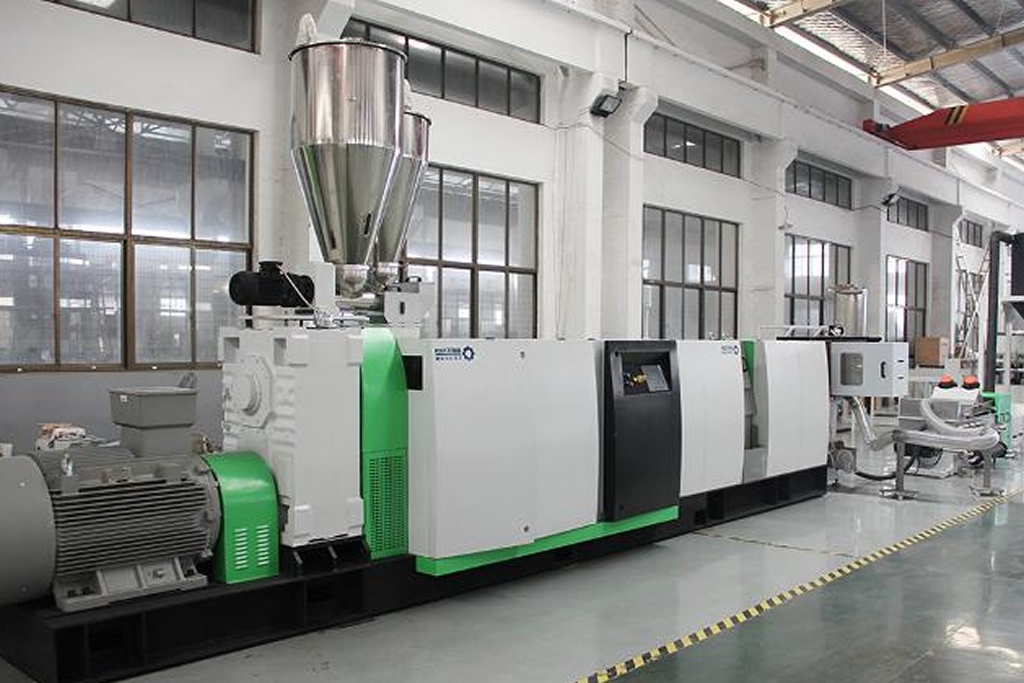
ROI of safety footwear programs. The National Safety Council estimates that the average cost of a workplace foot injury in the US is USD 9,600 in direct costs (médis, pagawe' santunan) and USD 29,000–42,000 in total costs including lost productivity, kuli ngagantian, and administrative expenses. A quality pair of safety boots costs USD 80–250. For a facility with 50 extrusion operators, a comprehensive safety footwear program costs USD 4,000–12,500 annually — a fraction of the cost of a single serious foot injury. European data from EU-OSHA shows comparable economics, with the added regulatory imperative of the EU Framework Directive 89/391/EEC requiring employers to provide appropriate PPE at no cost to workers.
Integration with barrel maintenance protocols. B2B barrel manufacturers and suppliers can add value by including safety recommendations in their technical documentation. Barrel installation and removal procedures should specify required PPE including safety footwear class, reinforcing a culture of safety that