

Twin Screw Extruder Lab Factory: Ho Tsamaisa Menyetla ea Khoebo ka
Mmaraka oa lefats'e oa lisebelisoa tsa fektheri ea twin screw extruder lab o ntse o fetoha haholo, e tsamaisoang ke maano a khoebo a ntseng a fetoha, tlhokahalo e ntseng e eketseha ea ts'ebetso e tsoetseng pele ea polymer, le bohlokoa bo ntseng bo hola ba laboratori-scale extrusion ho R&D le tlhahiso ea lihlopha tse nyane. Hore na o moetsi oa li-fahla tsa screw extruder lab ea batlang ho hola ho ba mebaraka ea transatlantic, mofani oa thepa ea hlahlobang litsela tsa ho ajoa ka bongata, kapa moreki oa B2B o fumana lits'ebetso tse tšepahalang tsa lab-scale extrusion, ho utloisisa boemo ba hajoale ba khoebo ho bohlokoa. Sengoliloeng sena se fana ka tlhahlobo e tebileng ea maano, matla a marakeng, lithuto tsa liketsahalo tse sebetsang, le likhakanyo tse lebeletsoeng pele ho thusa ba amehang ho etsa liqeto tse nang le tsebo lefapheng la fektheri ea twin screw extruder lab.
Boemo ba Leano la Khoebo ea Kantle bakeng sa Thepa ea Liindasteri
Kamano ea khoebo lipakeng tsa United States le European Union e ntse e le e 'ngoe ea litšebelisano tsa moruo tse nang le phello e kholo lefats'eng. Ho ea ka Tsamaiso ea Khoebo ea Machaba (ITA), khoebo ea thepa ea linaha tse peli pakeng tsa US le EU e fetile $1.3 libilione ka 2024, ka mechini ea indasteri le lisebelisoa tse emelang karolo e kholo ea bolumo eo. Bakeng sa karolo ea fektheri ea li-screw extruder ea mafahla ka ho khetheha, sebaka sena sa khoebo se bohlokoa hobane libaka tseo ka bobeli ke bahlahisi ba ka sehloohong le bareki ba theknoloji e tsoetseng pele ea extrusion.
Ho tloha qalong, lintlafatso tse 'maloa tsa leano li fetotse tikoloho ea ts'ebetso bakeng sa barekisi ba thepa ea B2B. The US administration's tariff adjustments under Section 301 and the EU's Carbon Border Adjustment Mechanism (CBAM) e hlahisitse mekhahlelo e mecha ea ho lumellana le bahlahisi le barekisi ba mechini ea indasteri, ho kenyeletsa lab-scale twin screw extruders. The European Commission's Directorate-General for Trade e phatlalalitse tataiso e nchafalitsoeng mabapi le thepa e tsoang kantle ho mechini, e totobatsa litlhoko tsa ho tšoaea CE, litekanyetso tsa tšebeliso ea matla, le litokomane tsa tumello ea lekhetho boema-kepeng bo boholo ba EU joalo ka Rotterdam le Hamburg.
Ka lehlakoreng la US, the Lefapha la Khoebo la US e tsoela pele ho kenya tšebetsong mesebetsi e thibelang ho lahloa mekhahlelong e itseng ea thepa ea indasteri e tsoang linaheng tse itseng, e amang ka tsela e sa tobang boemo ba tlholisano ba barekisi ba feme ea li-twin screw extruder lab ba tsamaisang lihlahisoa ho pholletsa le linaha tsa batho ba bang.. Kemiso ea Tefiso e Kopantsoeng (HTS) classification for twin screw extruders hangata e oela tlas'a Khaolo 84 (lisebelisoa tsa nyutlelie, boilers, mechine, le lisebelisoa tsa mochini), ka lihloohoana tse itseng tse khethollang litefiso tsa lekhetho tse ka tlohang ho 0% ho 4.4% ho ipapisitsoe le tlhophiso le naha ea tsoalo.
Lekhotla la Khoebo le Theknoloji (TTC), e thehiloeng ho hokahanya mekhoa ea mekhoa ea bohlokoa litabeng tsa khoebo le theknoloji, e ile ea tšoara seboka sa eona sa morao-rao mathoasong a nako. Har'a liphetho tse amanang le indasteri ea fektheri ea "twin screw extruder lab" e ne e le litumellano mabapi le ho amohela maemo a itseng a tlhahlobo le boitlamo ba ho fokotsa litšitiso tse sa lefiseng bakeng sa laboratori le lisebelisoa tsa lipatlisiso.. Sena ke sa bohlokoa haholo ho baetsi ba li-extruder tsa lab-scale, joalo ka litlhoko tse fapaneng tsa setifikeiti sa polokeho le ts'ebetso lipakeng tsa US (UL, ANSI) le ke (CE, ATEX) ba na le nalane e ekelitseng litšenyehelo le nako litšebelisanong tsa ho tšela meeli.
The Mokhatlo oa Khoebo oa US le Li-Eurochambres (Mokhatlo oa European Chambers of Commerce and Industry) ka bobeli li buella hore ho be le mekhoa e bebofalitsoeng ea meetlo ea thepa ea mahlale le ea laboratori, ho pheha khang ea hore linako tse potlakileng tsa ho hlakola li tšehetsa tikoloho e ncha mahlakoreng ka bobeli a Atlantic. Bakeng sa likhoebo tsa fektheri ea li-twin screw extruder lab, bobuelli bona bo fetolela phokotso ea linako tse etellang pele le litšenyehelo tsa thepa ha ho romelloa lipakeng tsa US le EU.
Lintlha tse tsoang ho Journal of Commerce e bonts'a hore litheko tsa thepa ea maoatle tseleng e tšelang Atlantic li tsitsitse ho Q1 kamora ho hloka botsitso ha 2023-2024, ka litefiso tse tloaelehileng tsa lijana ho tloha Leboa la Europe ho ea Lebopong la Amerika Botjhabela tse dulang ho pota $1,800-$2,200 ka MOLLO. Tikoloho ena ea litšenyehelo e ntle bakeng sa ts'ebetso ea li-wholesale tsa "twin screw extruder lab" tse itšetlehileng ka ho tsamaisa thepa e tsamaisang thepa..

Pono ea sefofane ea boema-kepe ba Rotterdam e nang le likepe tsa likepe le likerene tsa thepa tse emelang thepa ea khoebo ea US-EU bakeng sa lisebelisoa tsa indasteri.
Ho utloisisa 'Maraka oa Twin Screw Extruder Lab Factory
Feme ea li-twin screw extruder lab e bua ka setsi sa tlhahiso kapa sa lipatlisiso se nang le lisebelisoa tsa laboratori tse lekanyang li-twin screw extrusion tse etselitsoeng nts'etsopele ea sehlahisoa., tlhahlobo ea tlhahiso, tlhahiso ea lihlopha tse nyane, le tshebetso optimization. Litsamaiso tsena li sebelisoa haholo liindastering ho kenyeletsa le polasetiki e kopanyang, ho lokisa lijo, meriana, boenjiniere ba lik'hemik'hale, le lipatlisiso tsa thepa e tsoetseng pele. The "lab factory" mohopolo o koala lekhalo lipakeng tsa liteko tsa laboratori tse hloekileng le tlhahiso e felletseng ea indasteri, ho nolofalletsa lik'hamphani ho netefatsa lits'ebetso pele li itlama ho mehala ea tlhahiso e kenyang chelete e ngata.
Mmaraka oa lefats'e oa "twin screw extruder" o ne o nkoa e le oa boleng bo lekanang $5.2 limilione tse likete ho 2024, ho latela likhakanyo tsa indasteri tse hlophisitsoeng ke lifeme tse ngata tsa lipatlisiso tsa mebaraka. Karolo ea lab-scale, ha e le nyane ho feta litsamaiso tsa maemo a indasteri, e ntse e hola ka sekhahla sa kholo ea selemo le selemo (CAGR) ea 6.8-7.5% ka lebaka la ho eketseha ha R&D letsete ho lipolima, bioplastic, le pharmaceutical hot-melt extrusion. Baetsi ba bohlokoa sebakeng sena ba kenyelletsa lifeme tse thehiloeng Europe tse kang Coperion (Jeremane), Thermo Fisher Scientific (ka ts'ebetso ea Europe), le Leistritz (Jeremane), hammoho le bahlahisi ba hlahelletseng ba Asia ba fumaneng karolo e kholo ea mmaraka ka litheko tsa tlholisano le ho ntlafatsa maemo a boleng..
Bakeng sa bareki ba B2B, qeto ea ho mohloli oa mafahla sekoti extruder lab fektheri seta akarelletsa ho hlahloba lintlha tse ngata: bophara ba sekoti (hangata 12mm ho 40mm bakeng sa sekala sa lab), Karolelano ea L/D, boima ba torque, taolo ya mocheso ka nepo, bokgoni ba ho fetisa, le ho fumaneha ha likarolo tsa modular screw bakeng sa mesebetsi e fapaneng ea ts'ebetso. The supplier's ability to provide after-sales technical support, spare parts availability in the buyer's region, mme boikamahanyo le ditekanyetso tsa polokeho ya lehae ke menahano ya bohlokwa ka ho lekana.
Menyetla ea Khoebo ea B2B ka Phaleng ea Twin Screw Extruder
Transatlantic trade corridor e fana ka menyetla e mengata e ikhethileng bakeng sa bankakarolo ba feme ea li-twin screw extruder lab ho:
Tlhokahalo e ntseng e hola ea bioplastics R&D thepa: The EU's Single-Use Plastics Directive and the US EPA's increasing focus on sustainable materials have created a surge in demand for lab-scale extrusion equipment capable of processing PLA, PHA, starch e kopanya, le li-polymer tse ling tse ka senyehang. Liunivesithi, khampani R&D litsi, 'me lik'hamphani tse qalang ka mahlakoreng a mabeli a Atlantic li tsetela ho li-twin screw extruder lab factory setups ho hlahisa lisebelisoa tse tsitsitseng tsa moloko o latelang.. Ho latela Bioplastic ea Europe, matla a tlhahiso ea bioplastic e lebelletsoe ho eketseha ho tloha ho 2.2 lithane tse limilione ka 2024 ho 7.4 lithane tse limilione ka 2029, ka karolo e kholo ea R&D mosebetsi o hlokang lab-scale twin screw extrusion.
Pharmaceutical hot-melt extrusion (HME): The pharmaceutical industry's adoption of continuous manufacturing processes has driven demand for twin screw extruder lab factory equipment specifically designed for HME applications. The US FDA's encouragement of continuous manufacturing and the European Medicines Agency's (EMA) tataiso e ts'oanang e thehile tikoloho ea taolo e ratang matsete ho extrusion ea lab-scale bakeng sa nts'etsopele ea tlhahiso ea lithethefatsi.. Baetsi ba fektheri ea "twin screw extruder lab" ba ka bonts'ang meralo e lumellanang le GMP le litokomane tse tsamaellanang le FDA/EMA li na le monyetla oa tlholisano karolong ena ea boleng bo holimo..
Mekhoa ea ho phunya le ho atamela haufi: Ka bobeli US le EU li ntse li phehella maano a ho fokotsa ts'epo ea phepelo ea mohloli o le mong bakeng sa lisebelisoa tsa bohlokoa tsa tlhahiso.. The US CHIPS and Science Act and the EU's Industrial Strategy have allocated funding for domestic manufacturing capabilities, ho kenyeletsa lisebelisoa tsa laboratori. Sena se fana ka menyetla bakeng sa barekisi ba feme ea "twin screw extruder lab" ba ka fanang ka tharollo ea lisebelisoa tse entsoeng sebakeng sa heno kapa tse tšehetsoeng sebakeng sa heno..
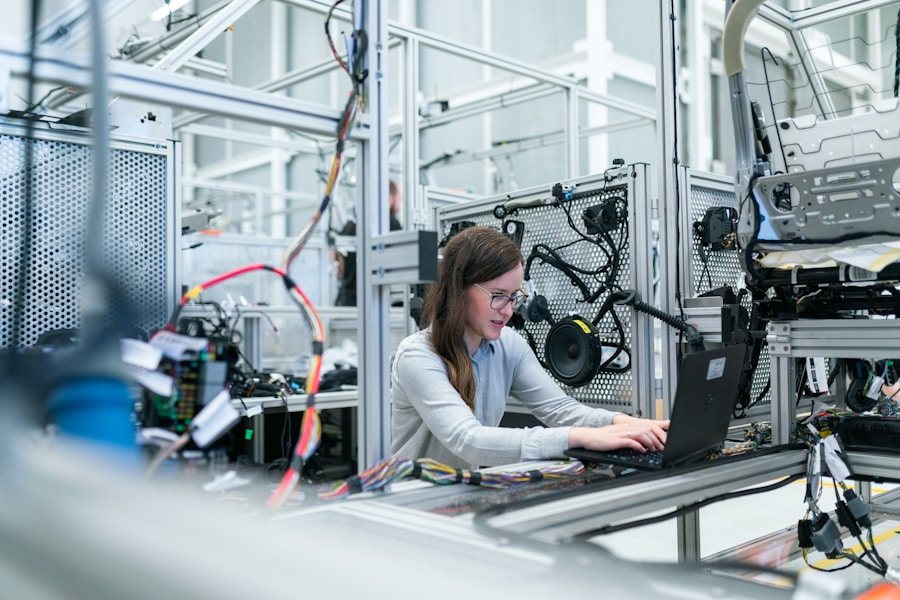
Laeborari ea sejoale-joale e nang le lisebelisoa tsa ho etsa lipatlisiso tsa indasteri tse emelang twin screw extruder lab factory R&D tikoloho
Mathata a Tobaneng le Twin Screw Extruder Lab Factory B2B Trade
Ho sa tsotellehe menyetla, mathata a 'maloa a tobana le likhoebo tse sebetsang khoebong ea fektheri ea twin screw extruder lab:
Phapang ea taolo: Le ha TTC e hatetse pele mabapi le kananelo, liphapang tse kholo li ntse li le teng lipakeng tsa litekanyetso tsa US le EU tsa polokeho ea motlakase, ho lumellana ha motlakase (EMC), le polokeho ea mochini. Moetsi oa feme ea "twin screw extruder lab e thehiloeng sebakeng se le seng o tlameha ho tsetela litekong tse ling le setifikeiti hore o rekisetse tse ling., ho eketsa 8-15% ho kakaretso ea litšenyehelo tsa ho kena 'marakeng ho latela likhakanyo tsa indasteri.
Ho hloka bonnete ba litefiso: Ntlafatso e tsoelang pele ea leano la khoebo la US, ho kenyelletsa le litefiso tse ncha tse ka bang teng ho mechini ea indasteri le mehato ea boiphetetso ho tsoa ho EU, e baka ho hloka botsitso ha moralo bakeng sa ts'ebetso ea li-wholesale tsa twin screw extruder lab. Likhoebo li tlaleha bothata ba ho beha litheko tsa nako e telele ha litefiso tsa lekhetho li ka fetoha ka tsebiso e lekanyelitsoeng.
Ho rarahana ha lintho: Twin screw extruder lab lisebelisoa tsa fektheri, ha e le nyane ho feta litsamaiso tsa maemo a indasteri, e ntse e hloka sephutheloana se khethehileng, botsebi ba ho fetisa thepa, 'me hangata litšebeletso tsa ho fana ka li-glove tse tšoeu le tsa ho kenya. The Journal of Commerce e tlaleha hore thepa e romelloang ka mochini o khethehileng e tobane le nako e telele ea tumello ea thepa ho feta thepa e tloaelehileng e kentsoeng, ka karolelano 3-5 matsatsi a eketsehileng a khoebo likoung tse kholo tsa US le EU.
Mathata a thepa ea mahlale: 'Maraka oa "twin screw extruder" o bone likhohlano tse ntseng li eketseha tsa IP, haholo-holo ho pota-pota meralo ea li-screw element le software ea taolo. Bareki ba B2B ba tlameha ho sebetsa ka hloko ho barekisi ba bona ho qoba ho reka thepa ba sa rera e tlolang litokelo tsa molao tse bolokiloeng ke bahlahisi ba tsebahalang., e ka bakang melato ea molao le ho haptjoa ha meetlo.
Melemo ea Geographic le Leano e Nontšang Khoebo ea Lisebelisoa tsa Extrusion
US le EU li na le melemo e tlatsetsang ea libaka le maano 450 Degree ea Extruder bebofatsa khoebo ea B2B ka lisebelisoa tsa feme ea fektheri ea screw extruder:
Mafaratlhatlha a boemakepe: Boema-kepe ba US East Coast (New York / New Jersey, Savannah, Charleston) le likou tsa Gulf Coast (Houston) fana ka phihlello e nepahetseng bakeng sa thomello ea metjhini e tsoang Europe, ka linako tsa lipalangoang tsa 10-14 matsatsi ho tloha likoung tsa Europe Leboea. Ka lehlakoreng la Europe, Rotterdam, Antwerp, mme Hamburg e sebetsa e le menyako ea mantlha ea lisebelisoa tse entsoeng ke US tse kenang 'marakeng oa EU. Likou tsena li tsetelitse haholo ho tsamaisa thepa e ikemetseng le lits'ebetso tsa ho tsamaisa thepa e fokotsang nako ea ho lula bakeng sa lisebelisoa tsa indasteri..
Libaka tsa Khoebo ea Mahala (FTZs) le matlo a polokelo a tlamiloeng: Ka bobeli US le EU li boloka marang-rang a pharalletseng a FTZs a lumellang barekisi ba li-twin screw extruder lab factory ho chechisa kapa ho fokotsa litefiso tsa lekhetho.. Naheng ea US, fedile 190 Li-FTZ tse sebetsang li fana ka menyetla ea ho kopanya lisebelisoa, tekolo, le ho ajoa ntle le sekoloto sa lekhetho hanghang. The EU's equivalent system of free zones and customs warehousing offers similar benefits for US-origin equipment entering European markets.
Mehaho ea motheo ea lichelete tsa khoebo: Ts'ebetso ea libanka le khoebo ea ecosystem ho la US le EU e ts'ehetsa phetiso ea B2B bakeng sa lisebelisoa tsa boleng bo holimo joalo ka li-twin screw extruder lab system system.. Mangolo a mokitlane, lefapha la mekoloto ea kantle ho naha (ECA) litiisetso tse tsoang mekhatlong e kang US Export-Import Bank le Euler Hermes (EU), le lihlahisoa tsa inshorense ea mokoloto oa khoebo li fokotsa kotsi ea thekiso bakeng sa bareki le barekisi.
Litumellano tsa matsete a linaha tse peli le meralo ea molao: Molao o matla oa molao libakeng tseo ka bobeli, e kopantsoe le mekhoa ea ho rarolla liqabang (ho kenyeletsoa le boipelaetso ba ICC), e fana ka tikoloho e sireletsehileng bakeng sa likamano tsa nako e telele tsa B2B pakeng tsa baetsi ba fektheri ea li-twin screw extruder lab, bafani ba thepa, le bareki.
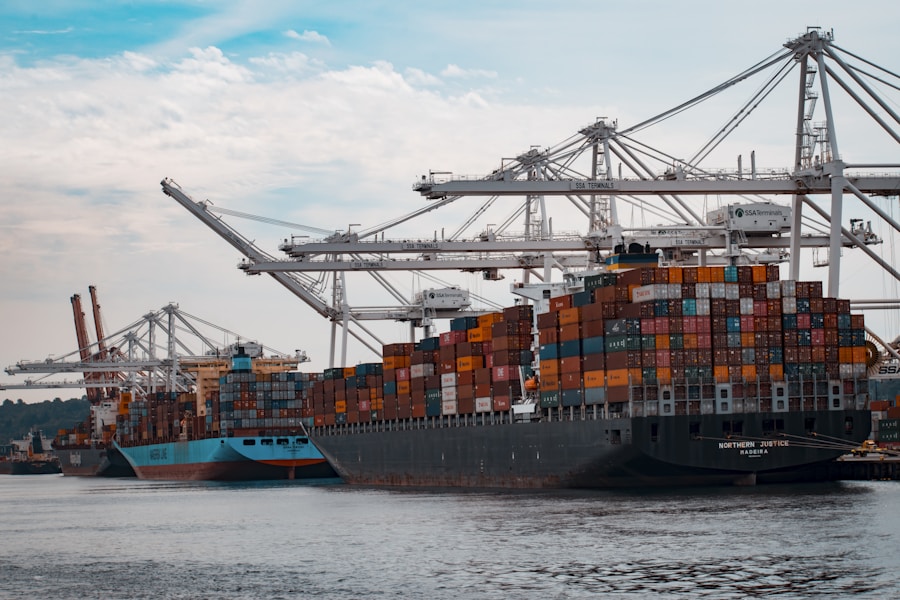
Ts'ebetso ea Container port Logistics e nang le likepe tse kenyang likepe tsa thepa bakeng sa khoebo ea transatlantic B2B
Thuto-pale: Moetsi oa European Twin Screw Extruder O Atolosetsa 'Maraka oa US
Moetsi oa feme ea feme ea boholo bo bohareng ba mafahla a mafahla a Jeremane (e sa tsebahaleng bakeng sa ho boloka lekunutu) e fana ka thuto ea mohlala e rutang ts'ebetsong ea khoebo ea transatlantic B2B. E thehiloe ka bo-1990 ho la Baden-Württemberg, k'hamphani e ikhethile ka li-scruder tsa "mafahla" tse potolohang ka har'a lab tse nang le li-diameter tsa screw ho tloha ho 16mm ho isa ho 27mm., haholo-holo ho sebeletsa mafapha a lipatlisiso tsa univesithi tsa Europe le lik'hamphani tse kopanyang polymer.
Ho 2023, k'hamphani e khethile tlhokahalo e ntseng e hola ho tsoa lik'hamphaning tsa meriana tsa US le li-bioplastics tse qalang bakeng sa lisebelisoa tsa extrusion tsa lab-scale.. The company's expansion strategy involved several key steps:
Tokisetso ea ho kena 'marakeng (6 likhoeli): Khampani e ile ea sebelisana le morekisi oa litloaelo oa US le moeletsi oa melao ea khoebo ho hlophisa lihlahisoa tsa eona tlasa likhoutu tse nepahetseng tsa HTS., etsa qeto ea litefiso tse sebetsang, le ho hlwaya ditlhoko dife kapa dife tsa taolo. Khampani e ile ea tsetela hoo e ka bang €85,000 ho fumana setifikeiti sa UL bakeng sa litsamaiso tsa eona tsa motlakase le litokomane tsa ho latela ANSI, e neng e hlokoa ke bareki ba bangata ba litsi tsa US. Liphaephe tsa Plastiki tse Atolositsoeng
Mokhoa oa ho aba: Ho ena le ho theha lekala la US hanghang, k'hamphani e sebelisana 'moho le mofani oa thepa ea lisebelisoa tsa laboratori ea Amerika e nang le likamano tse teng makaleng a meriana le a thuto.. Tšebelisano ena e fane ka phihlello ea hang-hang ho marang-rang a thekiso, bokhoni ba ts'ehetso ea tekheniki ea lehae, le sebaka sa polokelo se tlamiloeng se New Jersey bakeng sa ho hlophisa lethathamo la lintho.
Liphetho tsa selemo sa pele: Khampani e ile ea romela 23 Lab-scale twin screw extruder system ho bareki ba US selemong sa bona sa pele sa ho kenya letsoho 'marakeng oa US ka mafolofolo, ho hlahisa hoo e ka bang €2.1 limilione ka chelete e kenang. Karolelano ea boleng ba odara e ne e €91,000, le bareki ba meriana ba ikarabellang bakeng sa 52% ea lihlopha tse rekisoang, litsi tsa thuto 31%, le indasteri ea R&D lab 17%. Khampani e tlalehile hore phephetso ea bohlokoa ka ho fetisisa e ne e le ho laola litebello tsa bareki ho pota linako tsa ho etella pele, joalo ka ha thepa ea leoatleng ho tloha Hamburg ho ea New York/New Jersey e lekana 12 matsatsi, ka tlatsetso 4-7 matsatsi a ho hlakoloa ha meetlo le ho fana ka sebaka sa ho qetela.
Lithuto tse ithutoang: Khampani e khethile lintlha tse 'maloa tsa bohlokoa tsa katleho: (1) ho tsetela ho litifikeiti tse ikhethileng tsa US pele o kena 'marakeng ho fapana le ho leka ho rekisa ka litokomane tsa EU feela.; (2) ho sebelisana 'moho le morekisi oa lehae ea neng a utloisisa mekhoa ea ho reka thepa ea US, haholo-holo linako tse telele tsa tumello liunivesithing le lik'hamphani tse kholo tsa meriana; (3) ho boloka thepa e nyane ea likarolo US ho ts'ehetsa ts'ebeletso e potlakileng ea kamora thekiso; le (4) litheko ka USD ho felisa kotsi ea chelete bakeng sa bareki ba US.
Holo ea lipontšo ea machaba ea khoebo e nang le lisebelisoa tsa indasteri tsa B2B tse emelang marang-rang a marang-rang bakeng sa extruder ma
Thuto-pale: Thepa ea US Buyer Sourcing Twin Screw Extruder Lab Factory e tsoang ho Bafani ba Bangata
Mokhatlo oa lipatlisiso oa konteraka o thehiloeng US (KAROLO) e sebetsanang le nts'etsopele ea tlhahiso ea polymer e fana ka pono ea lehlakore la moreki mabapi le theko ea fektheri ea twin screw extruder lab. Setšoantšo sa CRO, e thehiloe Ohio, e hlokehang ho holisa bokhoni ba eona ba extrusion ho sebeletsa tlhokahalo e ntseng e hola ea bareki ho li-bioplastics le lits'ebetso tsa HME tsa meriana..
CRO e hlahlobile barekisi ba feme ea li-twin screw extruder lab ba tsoang libakeng tse tharo: Jeremane, China, le United States. Litekanyetso tsa tlhahlobo li ne li kenyelletsa lintlha tsa ts'ebetso ea lisebelisoa, Twin Screw Plastic Extruder kakaretso ea litšenyehelo tsa ho ba le (ho kenyeletsa le mesebetsi, Ho tsamaisa ka sekepe, tlhomamiso, and ongoing maintenance), lead time, karabelo ea tšehetso ea tekheniki, and regulatory compliance documentation. Plastic Pelletizer Machine Factory
Evaluation findings: The German manufacturer offered the highest-specification equipment with the most comprehensive documentation but at a 35-40% price premium over Chinese alternatives. The Chinese twin screw extruder lab factory supplier offered competitive pricing and had improved quality significantly compared to five years earlier, but the CRO's pharmaceutical clients expressed concerns about equipment provenance and GMP documentation. The US manufacturer offered mid-range pricing with the advantage of domestic support and faster delivery but had a narrower product range.
Decision and outcome: The CRO ultimately purchased two systems: one German-manufactured unit for pharmaceutical HME work (moo ts'epo ea bareki ho boleng ba lisebelisoa e neng e le ea bohlokoa) le yuniti e le 'ngoe e entsoeng ka China bakeng sa polymer e akaretsang e kopanyang R&D (moo katleho ea litšenyehelo e neng e le mokhanni oa mantlha). Kakaretso ea litšenyehelo tsa ho reka, ho kenyeletsa le mesebetsi, Ho tsamaisa ka sekepe, tlhomamiso, le ho laela, e ne e le hoo e ka bang $340,000. CRO e tlaleha hore lekala la Jeremane le ne le sebetsa ka hare ho naha 8 libeke tsa ho beha taelo, ha yuniti ea China e hloka 14 libeke tse ngata ka lebaka la linako tse telele tsa ho tsamaisa thepa ea leoatleng le mekhoa e rarahaneng ea ho hlakola thepa.
Likhakanyo tsa Mokhoa oa Khoebo bakeng sa Lekala la Factory ea Twin Screw Extruder Lab: Mahareng- Maikutlo
E itšetlehile ka matšoao a hona joale a 'maraka, ntshetsopele ya maano, le maikutlo a indasteri, mekhoa e 'maloa e ka' na ea theha sebaka sa khoebo sa "twin screw extruder lab" B2B nakong ea likhoeli tse peli tse tlang.:
Lintlafatso tsa litefiso: The US administration's ongoing trade policy review is expected to produce updated guidance on industrial machinery tariffs by mid-. Mekhatlo ea indasteri ho kenyeletsa le Mokhatlo oa Indasteri ea Plastiki ba khothalelitse ho qheleloa ka thoko ho litefiso tsa laboratori le R&D thepa, ho pheha khang ea hore litsamaiso tsena li tšehetsa boqapi ba lapeng ho fapana le ho qothisana lehlokoa le tlhahiso ea US. Haeba mekhelo e joalo e lumelletsoe, ba ne ba tla fokotsa litšenyehelo tse lulisang tsa thepa ea feme ea fektheri ea twin screw extruder lab e tsoang kantle ho naha ka 2.5-4.4%, e ka 'nang ea potlakisa liqeto tsa theko e liehisitsoeng ke ho se tsitse ha litefiso.
Ntlafatso ea taolo ea mochini oa EU: Molao o mocha oa Mochini oa EU (Taolo 2023/1230), e nkelang sebaka sa Mechine Directive 2006/42/EC, e sebetsa ka botlalo ka Pherekhong 2027, empa bahlahisi ba se ba ntse ba fetola meralo le litokomane tsa bona. Bafani ba fektheri ea Twin screw extruder lab ba shebileng 'maraka oa EU ba lokela ho itokisetsa mekhoa e ntlafalitsoeng ea tlhahlobo ea tumellano., haholo-holo mabapi le litlhoko tsa cybersecurity bakeng sa lisebelisoa tsa extrusion tse hokahaneng / tsa IoT. Early compliance will be a competitive differentiator.
Tlhoko e tsamaisoang ke botsitso: The intersection of regulatory pressure (EU Green Deal, US EPA initiatives) and corporate sustainability commitments is expected to sustain strong demand for lab-scale extrusion equipment capable of processing recycled and bio-based materials. Twin screw extruder lab factory manufacturers who can demonstrate their equipment's capability for processing challenging feedstocks (post-consumer recyclate, agricultural waste-derived polymers) will capture a growing share of procurement budgets.
Digital integration: B2B buyers are increasingly requiring twin screw extruder lab factory equipment with advanced data logging, process analytics, le matla a ho beha leihlo a hole. This trend is driven by both operational efficiency goals and regulatory requirements for data integrity in pharmaceutical manufacturing. Suppliers who offer Industry 4.0-ready lab extruders with OPC-UA connectivity and cloud-based process monitoring will have a competitive edge in both US and EU markets.
Supply chain diversification: Both US and EU buyers are actively diversifying their supplier bases for critical laboratory equipment. This creates opportunities for twin screw extruder lab factory manufacturers from emerging production centers (India, kalakuni, Korea Boroa) to enter the transatlantic trade corridor, while also benefiting established European and US manufacturers who can offer supply chain security as a value proposition.
Modern industrial manufacturing facility with advanced machinery representing twin screw extruder production environment
Safety Equipment in B2B Industrial Trade: Ho Sireletsa Basebetsi libakeng tsa Extrusion
The operation of twin screw extruder lab factory equipment involves significant occupational hazards that make personal protective equipment (PPE), haholo lieta tsa polokeho, an essential component of any extrusion facility's safety program. This section examines the critical role of safety shoes and toe protection in industrial environments where twin screw extruders are operated, and the B2B trade dynamics of safety footwear in the corridor.
Hazard profile of twin screw extruder operations: Lab-scale and factory-scale twin screw extrusion environments present multiple foot injury risks. Likarolo tsa tšepe tse boima (likarolo tsa moqomo, screw elements, die assemblies) are routinely handled during equipment setup, phetoho, le tlhokomelo. A single barrel section for a lab-scale twin screw extruder can weigh 15-40 kg, and dropping such a component on an unprotected foot can cause fractures, maqeba a pshatla, kapa bokooa bo sa feleng. Ho phaella moo, extrusion operations involve high temperatures (typically 150-350°C for polymer processing), creating risks of burns from molten material splashes or contact with hot equipment surfaces. Chemical exposure from polymer additives, solvents, and cleaning agents adds another dimension of foot protection requirements.
Regulatory requirements for safety footwear: Both the US and EU have established comprehensive regulatory frameworks for workplace safety footwear. Naheng ea US, the Occupational Safety and Health Administration (OSHA) mandates the use of protective footwear under 29 CFR 1910.136 when employees are exposed to foot injuries from falling or rolling objects, dintho tse hlabang moalo, kapa likotsi tsa motlakase. Safety shoes used in US workplaces must meet ASTM F2413 standards, which specify performance requirements for impact resistance (Ke/75 kapa I/50), khanyetso ea khatello (C/75 kapa C/50), and optional protections including metatarsal guards, kganetso ya ho phunya, tshireletso ya kotsi ya motlakase, le static dissipation.
Ka EU, safety footwear is regulated under the Personal Protective Equipment Regulation (EU) 2016/425 and must comply with EN ISO 20345 (lieta tse sireletsehileng), KA ISO 20346 (lieta tse sireletsang), kapa EN ISO 20347 (lieta tsa mosebetsi) depending on the protection level required. Plastic Sheet Extrusion Factory For twin screw extruder lab factory environments, KA ISO 20345 S3 or S5 rated footwear is typically required, providing toe protection against 200J impact, kganetso ya ho kena, thepa ea antistatic, energy absorption in the heel area, and water resistance.
Steel toe vs. composite toe protection: The B2B safety footwear market offers two primary toe protection technologies relevant to twin screw extruder lab factory workers. Steel toe caps have been the traditional standard, offering proven impact and compression resistance at a lower cost point. Leha ho le joalo, composite toe caps (made from materials such as fiberglass, carbon fiber, kapa Kevlar) have gained significant market share in recent years due to several advantages: they are 30-40% bobebe hofeta tshepe, do not conduct heat or cold (important in extrusion environments with temperature extremes), are non-metallic (advantageous in facilities with metal detectors), and provide equivalent protection levels under both ASTM F2413 and EN ISO 20345 litekanyetso.
For twin screw extruder lab factory environments specifically, composite toe safety shoes offer particular advantages. The thermal insulation properties of composite materials mean that workers' feet are better protected when working near hot extrusion equipment, as composite toe caps do not transfer heat to the foot as readily as steel. Ho phaella moo, the lighter weight of composite toe footwear reduces fatigue during long shifts, which is relevant for lab technicians and operators who may spend 8-12 hours on their feet during extended extrusion trials.
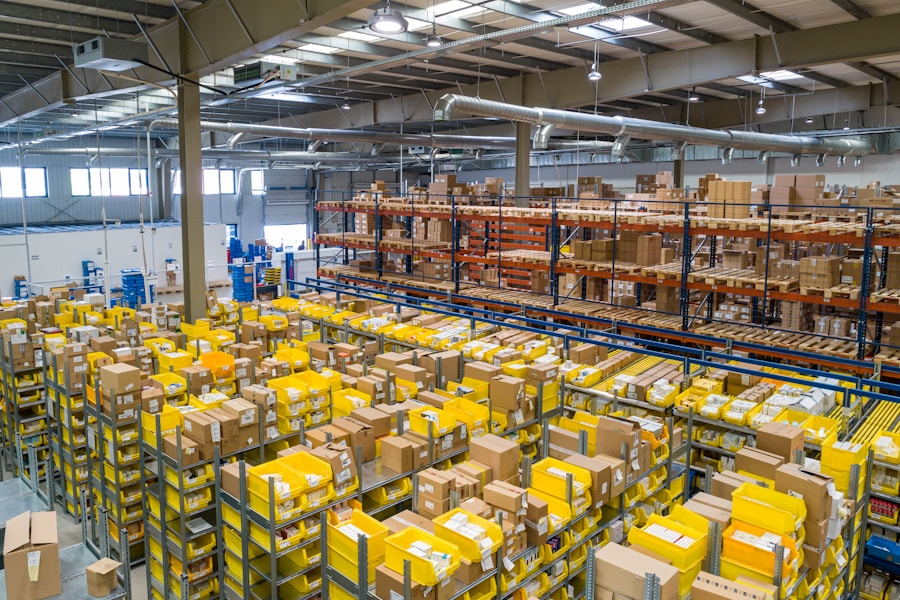
B2B safety footwear trade between US and EU: The transatlantic B2B trade in safety footwear is substantial, with European manufacturers (haholo-holo ho tsoa Italy, Jeremane, le Spain) holding strong positions in the US market for premium industrial safety shoes. Ho ea ka Footwear Distributors and Retailers of America (FDRA), the US imported approximately $1.8 billion worth of protective and safety footwear in 2024, with EU-origin products commanding premium price points due to perceived quality advantages and compliance with both ASTM and EN ISO standards. Extruder Supplier
Key European safety footwear brands that serve the B2B industrial market include Uvex (Jeremane), Elten (Jeremane), Base Protection (Italy), Cofra (Italy), and Jallatte (Fora). These manufacturers have established distribution networks in the US through partnerships with industrial supply companies such as Grainger, MSC Industrial Direct, and Fastenal. For twin screw extruder lab factory operators, sourcing safety footwear from these established B2B channels ensures compliance with both US and EU standards, which is particularly important for multinational companies operating extrusion facilities in both jurisdictions.
Selecting safety footwear for extrusion environments: B2B procurement managers responsible for PPE at twin screw extruder lab factory facilities should consider the following criteria when selecting safety footwear:
1. Toe protection rating: Minimum I/75 C/75 (ASTM) or 200J impact / 15kN compression (KA ISO 20345) to protect against dropped extruder components.
2. Ho hanyetsa mocheso: Li-outsoles li lekantsoe bakeng sa ho hanyetsa mocheso ho fihla ho 300°C (Boemo ba HRO tlasa EN ISO 20345) to protect against brief contact with hot surfaces or molten polymer splashes on the floor.
3. Ho hanyetsa lik'hemik'hale: Outsole and upper materials resistant to common extrusion-related chemicals including processing oils, li-plasticizers, le ho hloekisa solvents.
Ebay Commercial Pasta Extruder 4. Anti-static kapa ESD thepa: E bohlokoa libakeng tseo ho tsona ho sa fetoheng Krieger Extruder e ea rekisoa ho tsoa ho ka hotetsa lerōle le tukang la polymer kapa ho senya lisebelisoa tsa taolo ea elektroniki ho extruder.
5. Khanyetso ea ho thella: Li-outsoles tse lekantsoeng ke SRC (Lekoa ka lithaele tse peli tsa ceramic ka tharollo ea sesepa e hlapollang le tšepe e nang le glycerol) ho thibela ho thella fulurung e ka 'nang ea silafatsoa ke li-pellets tsa polymer, oli, kapa metsi.
6. Matšeliso le ergonomics: Libaka tsa maoto tse entsoeng ka mokhoa oa anatomic, tšehetso e lekaneng ea arch, le li-linings tse phefumolohang ho ts'ehetsa moaparo oa letsatsi lohle nakong ea ts'ebetso e atolositsoeng ea extrusion.
Taba ea moruo bakeng sa matsete a lieta tsa polokeho: Bakeng sa basebetsi ba B2B ba lisebelisoa tsa fektheri ea li-twin screw extruder lab, matsete a lieta tsa boleng bo botle a fana ka phaello e lekantsoeng. Lintlha tsa OSHA li bontša hore likotsi tsa maoto li etsa hoo e ka bang 60,000 likotsi mosebetsing selemo le selemo US, ka theko e tloaelehileng kotsi e ngoe le e ngoe ea $9,000-$12,000 ha ho kenyeletsoa litšenyehelo tsa bongaka, tlhahiso e lahlehileng, le basebetsi' likopo tsa matšeliso. Lieta tsa lieta tsa boleng bo phahameng tsa tšireletso li bitsa chelete e ngata $80-$250 ka theko ea B2B ka kakaretso, e emelang karo-karolelano ea litšenyehelo le melemo e tšehetsang matsete a PPE ka matla. Lintlha tsa Europe tse tsoang ho EU-OSHA e bontsha dipaterone tse tshwanang, with workplace foot injuries costing EU employers an estimated €3.2 billion annually in direct and indirect costs.
Quality Standards and Certifications for Twin Screw Extruder Lab Factory Equipment
Navigating the certification landscape is critical for twin screw extruder lab factory manufacturers and suppliers engaged in trade. The following standards and certifications are most relevant:
Letšoao la CE (EU): Mandatory for all machinery sold in the European Economic Area. Bakeng sa li-extruder tse peli tsa screw, CE marking requires conformity with the Machinery Regulation (2023/1230, applicable from 2027; Directive 2006/42/EC until then), the Low Voltage Directive (2014/35/EU), and the EMC Directive (2014/30/EU). Manufacturers must prepare a technical file, conduct a risk assessment per EN ISO 12100, and issue an EU Declaration of Conformity.
Lenane la UL (US): While not legally mandatory in all US jurisdictions, Lethathamo la UL (or equivalent NRTL certification) is a de facto requirement for selling twin screw extruder lab factory equipment to US institutional buyers, particularly universities, government laboratories, and pharmaceutical companies. UL 61010-1 (safety requirements for electrical equipment for measurement, control, and laboratory use) is the most commonly applicable standard.
Thepa ea ho Kopanya Kahohle ATEX/IECEx (explosion protection): For twin screw extruder lab factory equipment used in environments where flammable dusts or vapors may be present (mohlala, processing certain polymer powders or pharmaceutical compounds), Setifikeiti sa ATEX (EU Directive 2014/34/EU) or IECEx certification may be required. This adds significant cost and complexity to equipment design and documentation.
Tsamaiso ea Pelletizing ka tlas'a metsi ISO 9001: Quality management system certification is expected by most B2B buyers as a baseline indicator of manufacturing quality. Twin screw extruder lab factory manufacturers without ISO 9001 certification face significant barriers to entry in both US and EU markets. Mm Extruder Machine
Ho lumellana ha GMP: For twin screw extruder lab factory equipment destined for pharmaceutical applications, compliance with Good Manufacturing Practice requirements (FDA 21 CFR Parts 210/211 naheng ea US; EU GMP Annex 15 for qualification and validation) e bohlokoa. This includes material traceability, surface finish specifications (typically Ra ≤ 0.8 μm for product-contact surfaces), and comprehensive documentation packages (IQ/OQ/PQ protocols).

Business professionals reviewing trade documents and compliance certifications in an office setting
Wholesale and Distribution Strategies for Twin Screw Extruder Lab Factory Suppliers
Disperser Blade Twin screw extruder lab factory wholesale operations require carefully structured distribution strategies to succeed in the market. Several models have proven effective:
Direct sales with regional service partners: Some twin screw extruder lab factory manufacturers maintain direct sales relationships with end customers while partnering with local service companies for installation, ho laela, and ongoing maintenance. This model preserves margin control while ensuring local technical support capability. It works best for manufacturers with strong brand recognition and a limited number of high-value customers.
Exclusive distributor agreements: Appointing an exclusive distributor in the target market (US kapa EU) provides dedicated sales focus and local market expertise. The distributor typically maintains demonstration equipment, lisebelisoa tsa lisebelisoa, and trained service technicians. This model is common among mid-sized twin screw extruder lab factory manufacturers entering a new geographic market, as illustrated in the German manufacturer case study above.
Multi-channel distribution: Larger twin screw extruder lab factory suppliers may employ a combination of direct sales (for major accounts), baabi ba dumelletsweng (for regional coverage), and online B2B marketplace presence (for lead generation and smaller accessory/spare parts sales). Platforms such as Thomasnet (US), DirectIndustry (EU), and Alibaba (global) serve as supplementary channels for visibility and inquiry generation.
Wholesale pricing structures: B2B pricing for twin screw extruder lab factory equipment typically follows a tiered structure based on order volume, customer type (academic vs. indasteri), and geographic region. Wholesale discounts of 15-25% off list price are common for distributors, with additional volume incentives for annual purchase commitments. Payment terms in the corridor typically range from 30% tsoelo-pele / 70% before shipment for new customers to net 60-90 days for established accounts with credit approval.
Digital Transformation in Twin Screw Extruder Lab Factory B2B Trade
The digitalization of B2B trade processes is transforming how