

Polasetiki e Kopantsoeng le Pelletizing Ha e Bapisoa Bakeng sa Tlhahiso ea Kajeno
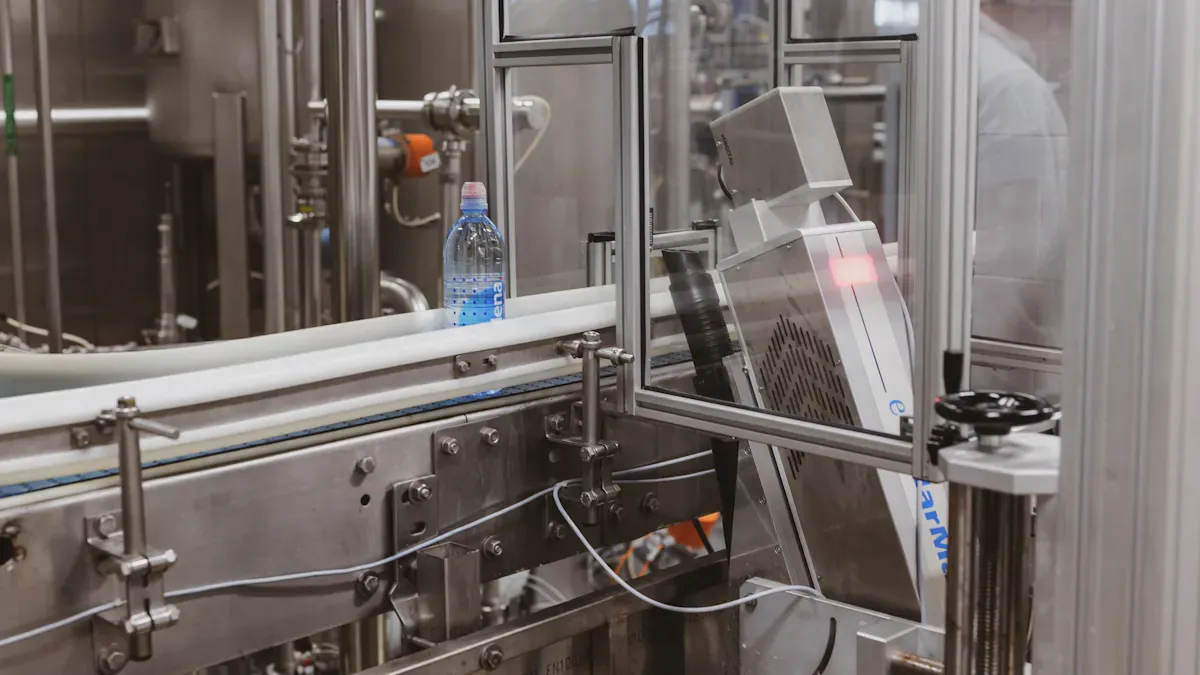
Plastic Compounding e etsa hore li-resin tsa motheo li be le li-additives, ho theha lisebelisoa tse etselitsoeng lits'ebetso tse ikhethileng. Pelletizing e fetola lisebelisoa tsena tse kopantsoeng hore e be li-pellets tse tšoanang, e loketse bakeng sa tshebediso e ntle ya molapo o tlase. Baetsi le lienjineri tse utloisisang phapang lipakeng tsa ts'ebetso ka 'ngoe li ka matlafatsa ts'ebetso le ho netefatsa boleng ba sehlahisoa.
Lintlha tsa morao-rao tsa 'maraka li bontša hore boleng ba' maraka ba lefats'e bakeng sa theknoloji ena bo tla fihla $82 limilione tse likete ka 2025 le $182 limilione tse likete ka 2035, e susumetsoang ke kholo ea makala a makoloi le a liphutheloana.
| Tshebetso | Tšusumetso e sebetsang | Tšusumetso ea Boleng ba Sehlahisoa |
|---|---|---|
| Ho kopanya | Lisebelisoa tsa baroki, e ntlafatsa tshebetso, e fokotsa litšenyehelo | E nolofalletsa taolo e ntlafetseng ea boleng |
| Pelletizing | E fana ka foromo e lumellanang ea thepa bakeng sa ho sebetsa | E netefatsa ho tšoana ho boleng ba sehlahisoa sa ho qetela |
Lintlha tsa bohlokoa
- Ho kopanya ka polasetiki ho etsa hore li-resin tsa motheo li be le li-additives ho etsa lisebelisoa bakeng sa tšebeliso e khethehileng.
- Pelletizing e fetola lisebelisoa tse kopantsoeng hore e be li-pellets tse tšoanang bakeng sa ho sebetsa le ho tšoaroa habonolo.
- Ho utloisisa phapang lipakeng tsa ho kopanya le pelletizing ho thusa bahlahisi ho ntlafatsa katleho le boleng ba sehlahisoa.
- Ho kopanya ho kenyelletsa ho kopanya, ho qhibiliha, le lisebelisoa tsa extruding ho fihlela thepa e lakatsehang.
- Pelletizing e shebana le ho theha boholo ba pellet bo lumellanang, e leng ea bohlokoa bakeng sa tlhahiso e tšepahalang.
- Taolo ea boleng e bohlokoa lits'ebetsong ka bobeli ho netefatsa hore lihlahisoa tsa ho qetela li kopana le maemo a indasteri.
- Ka bobeli ho kopanya le ho etsa pelletizing ho phetha karolo ea bohlokoa makaleng a kang a likoloi, lisebelisoa tsa elektronike, le tlhokomelo ea bophelo.
- Ho khetha mokhoa o nepahetseng ho itšetlehile ka litšobotsi tsa thepa, litlhoko tsa tlhahiso, le ho nahanela litšenyehelo.
Litlhaloso le Liphapang
Motsoako oa polasetiki o hlalosoa
Ho kopanya ka polasetiki ho bolela mokhoa oa ho ho kopanya li-polymer le li-additives, fillers, le matlafatso ho fetola le ho matlafatsa thepa ea 'mele le ea lik'hemik'hale. Litekanyetso tsa indasteri li hlalosa ts'ebetso ena e le mokhoa oa ho etsa polima e le hore e kenyelle likarolo tsohle tse lakatsehang nthong e le 'ngoe.. Baetsi ba sebelisa motsoako oa polasetiki ho ntlafatsa boleng ba sehlahisoa, fokotsa litšenyehelo, le ho eketsa tlhahiso. Mokhoa ona hangata o kenyelletsa ho qhibiliha, kopanya, le extrusion ho fihlela ho hasana ho tšoanang ha likarolo.
Mefuta e mengata ea metsoako le li-additives li phetha karolo ea ho kopanya polasetiki:
- Masterbatch: Motsoako o kopaneng oa li-pigment le li-additives ka har'a resin e tsamaisang thepa, ho etsa bonnete ba ho hasana.
- Antioxidants: Thibela ho senyeha ha polymer mocheso le oksijene, ho boloka matla le ho tenyetseha.
- Li-stabilizers tsa UV: Sireletsa li-polymer tse sebelisoang ka ntle ka ho monya kapa ho ntša mahlaseli a kotsi a ultraviolet.
- Li-Flame Retardants: Thibela kapa ho diehisa tlhahiso ya lelakabe, haholo-holo tsa bohlokoa tsa elektronike le kaho.
- Li-colorants: Lumella khetho ea mebala ka li-plastiki tse kopantsoeng.
- Matla le Fetola Fetola Modifiers: Finyella thepa e khethehileng ea mochini.
- Li-additives tse thibelang likokoana-hloko: Thibela ho hōla ha likokoana-hloko, bohlokoa bakeng sa lihlahisoa tsa bongaka.
- Lisebelisoa: Joalo ka talc, fiber ea khalase, le calcium carbonate, ntlafatsa matla, fokotsa litšenyehelo, le ho matlafatsa ho hanyetsa mocheso.
- Lintlafatso tsa Ts'ebetso: Tailor thepa joaloka thermal botsitso, ho hloleha ha lelakabe, le ho hanyetsa UV.
Ts'ebetso ena e thusa bahlahisi ho etsa lisebelisoa tse nang le litšobotsi tse nepahetseng bakeng sa lits'ebetso tse hlokang.
Pelletizing ea Plastiki e hlalositsoe
Plastic pelletizing ke mokhoa oo fetola polasetiki e tala kapa e sebedisoang ho kena ho tse nyane, li-pellets tse tšoanang. Phetoho ena e bohlokoa bakeng sa tlhahiso e sebetsang hantle le ho e sebelisa hape. Pelletizer ea polasetiki bafetoheli ba hlwekisitsoeng mme hangata ba qhetsolwa kapa polasetiki e qhibilihisitsoeng hore e be li-pellets tse tšoanang, tseo ebe li khutlisetsoa lits'ebetsong tsa tlhahiso. Pelletization e sebetsana le liphephetso tse kang phepelo e sa lekaneng le ho sebetsana le thepa, ho etsa hore e be bohlokoa mafapheng a kang a likoloi le ho paka moo boleng ba sehlahisoa bo leng bohlokoa.
| Mofuta oa Bopaki | Lintlha |
|---|---|
| Lisebelisoa tse so fetoloe | Mefuta e fapaneng ea polasetiki, ho akarelletsa le polyethylene (PE) le polypropylene (PP) |
| Litholoana | Li-pellets tsa polasetiki tse hlahisoang ka ho qhibiliha, phodiso, le mekhoa ea ho itšeha |
Pelletization e ntlafatsa ts'ebetso ea tlhahiso ea polasetiki mme e lumella ho theoa ha lipolasetiki tse khethehileng ha ho ntse ho boloka bonolo ho li tšoara..
Kakaretso ea Liphapang Tsa Sehlooho
Lethathamo la Papiso
| Karolo | Motsoako oa polasetiki | Plastiki Pelletizing |
|---|---|---|
| Morero o ka Sehloohong | E fetola sebopeho le thepa ea polymer | E fetolela lintho hore e be sebopeho sa pellet e tšoanang |
| Mehato ea Bohlokoa | Ho kopanya, ho qhibiliha, kopanya, extrusion | Ho qhibiliha, phodiso, ho poma |
| Li-additives tse tloaelehileng | Lisebelisoa, mebala-bala, stabilizers, lintlafatso tsa ts'ebetso | Ha e eketsoe hangata nakong ea pelletizing |
| Sephetho | Lintho tse entsoeng ka polasetiki (e ka ba ka mefuta e fapaneng) | Li-pellets tse sa tšoaneng |
| Kopo | Tšebeliso e tobileng lihlahisoa kapa ts'ebetso e tsoelang pele | Se sebedisoang ho bopa, extrusion, kapa sepalangoang |
Kakaretso ea Lintlha
- Ho kopanya ka polasetiki e shebane le ho fetola sebopeho ea polasetiki ka ho kopanya metsoako e fapaneng, e amang dibopeho tsa yona tsa mmele.
- Plastic pelletizing e fetola polasetiki e kopantsoeng hore e be li-pellets tse tšoanang, e amehang haholo ka sebopeho sa 'mele bakeng sa boiketlo ba tšebeliso ea tlhahiso.
- Li-plastiki tse kopantsoeng li ka etsoa ka ho toba lihlahisoa, athe li-plastiki tse pelletized hangata li sebelisoa bakeng sa ts'ebetso e tsoelang pele.
- Mekhoa ena ka bobeli e bapala karolo ea bohlokoa tlhahisong ea sejoale-joale, empa ba sebetsana le litlhoko tse fapaneng ka har'a ketane ea tlhahiso.
Keletso: Ho utloisisa phapang lipakeng tsa lits'ebetso tsena ho thusa bahlahisi ho khetha mokhoa o nepahetseng bakeng sa ts'ebeliso ea bona e ikhethileng, ho netefatsa ts'ebetso le ts'ebetso e nepahetseng.
Plastic Compounding Process
Mehato ea Ts'ebetso
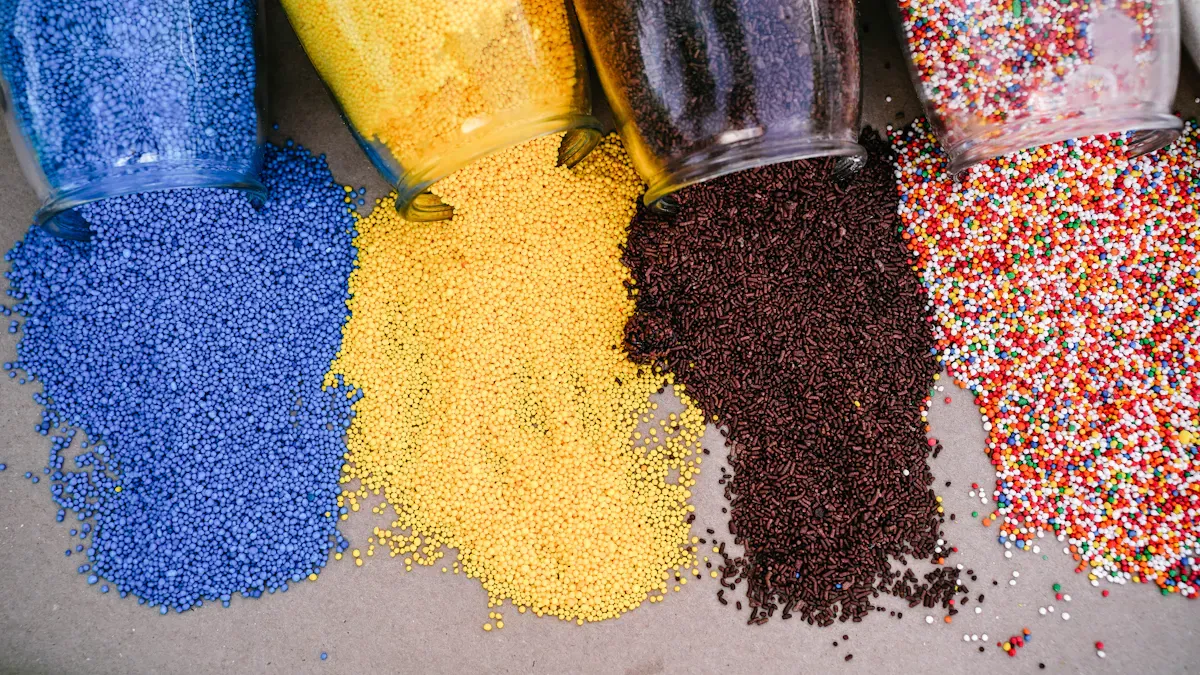
Motsoako oa polasetiki o fetola thepa e tala hore e be polasetiki e sebetsang hantle ka letoto la mehato e nepahetseng. Baetsi ba qala ka ho boloka lisebelisoa tse tala tse kang resin, tlatsetso, le li-filler ka mekotleng, mekotla e meholo, kapa li-silo. Lisebelisoa tsa moea kapa tsa mochini li fetisetsa lisebelisoa tsena sebakeng sa ts'ebetso. Basebelisi ba fepa lisebelisoa ka har'a moqomo oa khatiso, e ka ba ka ho tswelapele kapa ka dihlopha. Mokhoa oa ho kopanya o tsoela pele ka ho qhibiliha le ho kopanya, moo polymer le li-additives li kopanang ho finyella ho tšoana. Mokhahlelo oa ho qetela o akarelletsa ho bōpa, phodiso, le ho seha sehlahisoa, e lateloe ke taolo e matla ea boleng.
| Mohato | Tlhaloso |
|---|---|
| 1 | Polokelo ea lintho tse tala ka mekotleng, mekotla e meholo, le li-silo |
| 2 | Sistimi e tsamaisang thepa ea moea kapa ea mochini |
| 3 | Phepelo ea lintho tse bonahalang ho moqomo oa khatiso (tlatsetso e tsoelang pele/e kgaotsang) |
| 4 | Mokhahlelo oa ho qhibiliha le ho kopanya |
| 5 | Sehlahisoa sa ho qetela le taolo |
Hlokomela: Insight Polymers e fana ka phetoho e potlakileng le ho kopanya ka mokhoa o ikhethileng ho fana ka litharollo tsa motsoako oa polasetiki, ho ntlafatsa mohato o mong le o mong bakeng sa katleho le boleng.
Thepa Tse Sebelisitsoeng
Lisebelisoa tsa ho kopanya polasetiki li itšetlehile ka lisebelisoa tse tsoetseng pele ho netefatsa liphello tse tsitsitseng. Li-extruders li beha lebelo la ho sebetsa le ho phetha karolo ea mantlha ho qhibilihiseng le ho tsoakang. Li-mixer tse tsoelang pele li sebetsa hammoho le li-extruder ho sebetsana le lisebelisoa tse kang li-acrylics, nylon, le PVC. Litsamaiso tsa ho kopanya li lokisa li-additive pre-blends, ha litsamaiso tsa dosing li tiisa litekanyo tse nepahetseng tsa motsoako. Theknoloji ea ho sebetsana le thepa, joalo ka li-feeders tsa rotary le li-valve tsa diverter, tšehetsa kabo e boreleli le dosing ea thepa e ngata. Mehala e kopantsoeng e kopantsoeng e kopanya mekhoa ena, e lumellang hore ho be le litekanyetso tse feto-fetohang tsa tlhahiso le litlhophiso. Insight Polymers e sebelisa thepa ea ka hare ea li-twin-screw extrusion ho etsa liteko tse nyane tsa nts'etsopele., ho etsa hore tlhahlobo e nepahetseng ea lihlahisoa le lisebelisoa tsa ts'ebetso.
Mefuta ea ho kopanya
Ho kopanya polasetiki ho kenyelletsa mekhoa e mengata, e 'ngoe le e' ngoe e etselitsoe litlhoko tse khethehileng tsa kopo. Baetsi ba ka eketsa mebala ho ntlafatsa ponahalo kapa li-stabilizer ho ntlafatsa mocheso le ho hanyetsa UV. Li-retardants tsa lelakabe li eketsa polokeho, haholo-holo litabeng tsa kaho le tsa elektronike. Liphetoho tsa tšusumetso li eketsa boima, ha li-filler le li-reinforcements li lokisa litšenyehelo, ho satalla, kapa matla. Metsoako e entsoeng ka tloaelo e ka kenyelletsa li-antimicrobial agents bakeng sa lihlahisoa tsa bongaka kapa lisebelisoa tsa UV bakeng sa tšebeliso ea kantle. Insight Polymers e sebetsa ka ho khetheha ho litharollo tse kopanyang polymer tse sebetsanang le merero e ikhethang ea ts'ebetso, e fanang ka li-concentrate tsa masterbatch le motsoako oa polasetiki o tloaelehileng bakeng sa ho bopa ente, likhoele, lifilimi, le tlhahiso ea tlatsetso.
- Khetho ea mebala bakeng sa aesthetics
- Metsoako e sireletsehileng ea lijo bakeng sa ho paka
- Lintho tse thibelang mollo bakeng sa kaho
- Matla le ho feto-fetoha ha maemo bakeng sa litlhoko tse khethehileng tsa sehlahisoa
- Thepa ea antimicrobial bakeng sa tlhokomelo ea bophelo bo botle
- E matlafalitsoe ho mamella UV bakeng sa ho tšoarella ka ntle
Mokhoa ona o felletseng o netefatsa hore tharollo e 'ngoe le e' ngoe ea polymer e kopanang le litlhoko tsa tlhahiso ea sejoale-joale.
Material States
Motsoako oa polasetiki o kenyelletsa lintho tse 'maloa ha metsoako e tala e fetoha metsoako e sebetsang hantle haholo. Mokhoa ona o qala ka li-resin tse tiileng, tlatsetso, le li-fillers. Basebelisi ba fepa lisebelisoa tsena ka har'a sistimi e kopanyang, moo di dulang ka sebopeho sa granular kapa phofo. Ha ts'ebetso e ntse e tsoela pele, extruder e chesa le ho qhibilihisa motsoako, ho e fetola moqomo, boemo bo qhibilihisitsoeng. Motsoako ona o entsoeng ka ho qhibilihisoa o lumella ho kopanya ka botlalo le ho hasana ha likarolo tsohle.
Hang ha homogenization e felile, thepa e tsoa ho extruder. Mothating ona, e ka nka mefuta e mengata ho latela kopo. Baetsi ba bang ba pholile ebe ba khaola extrudate ka li-pellets, ha tse ling li ka hlahisa likhoele, maqephe, kapa dibopeho tse bopehileng ka kotloloho. Boemo ba ho qetela-ebang ke pellet, strand, kapa lakane-e ipapisitse le litlhoko tsa ts'ebetso e tlase. Ka mohlala, Hangata Insight Polymers e fana ka motsoako oa polasetiki o tloaelehileng ka mokhoa oa pellet bakeng sa ho tšoaroa habonolo le ho fepa ka mokhoa o tsitsitseng ha ho etsoa ente kapa melapo ea extrusion..
Bokhoni ba ho laola maemo a lisebelisoa ho pholletsa le ts'ebetso e tiisa hore sehlahisoa sa ho qetela se finyella litekanyetso tse thata tsa ts'ebetso. Ho feto-fetoha hona ho tšehetsa mefuta e mengata ea likopo, ho tloha likarolong tsa likoloi ho ea ho lisebelisoa tsa bongaka, mme e nolofalletsa ho ikamahanya le maemo ka potlako ho litlhoko tsa bareki.
Taolo ea Boleng
Taolo ea boleng e eme khubung ea ts'ebetso e 'ngoe le e 'ngoe e atlehileng ea ho kopanya polasetiki. Baetsi ba itšetlehile ka mekhoa e tsoetseng pele ea ho laola ka mokhoa o itekanetseng ho boloka litšobotsi tse tsitsitseng tsa pellet nakong ea extrusion. Sistimi ena e beha leihlo le ho lokisa liparamente tsa ts'ebetso ka nako ea nnete, ho etsa bonnete ba hore motsoako o qhibidihileng o dula o le homogenized. Ka hoo, li-pigments le li-additives li hasana ka ho lekana, ho hlahisa motsoako o tšoanang oa masterbatch.
Basebelisi ba sebelisa mekhoa e 'maloa e sebetsang ho netefatsa hore sehlahisoa se sebetsa joang. The mokhoa oa ho tlosa metsi e fana ka mokhoa o ts'epahalang oa ho metha ho teteana ka lebenkeleng. Mokhoa ona o kenyelletsa ho lekanya boemo ba pele ba metsi, ho bekha mohlala, le ho bala density ho ipapisitsoe le molumo o tlositsoeng. E ntlafatsa ho nepahala ha tlhahiso, e thibela ho senyeha ha lintho tse bonahalang, le ho netefatsa boima ba sehlahisoa bo tsitsitseng. Melemo ena e tšehetsa taolo e betere ea litšenyehelo le ho fokotsa litaba tsa boleng ba tlhahiso.
Lenaneo le akaretsang la taolo ea boleng le kenyelletsa letoto la liteko:
- Liteko tsa ho bapisa mebala li sebelisa li-spectrophotometers ho lekola phapang ea mebala le ho netefatsa botsitso ba pono.
- Liteko tsa botsitso ba mocheso li netefatsa mamello ea pigment ka mocheso oa ho bōptjoa.
- Liteko tsa ho hasana li tiisa kabo ea tlatsetso ka ho shebella ha microscopic.
- Liteko tsa ts'ebetso ea mochini li hlahloba matla a tsitsipano le ho hanyetsa tšusumetso.
Insight Polymers e kopanya mehato ena ea taolo ea boleng sehlopheng se seng le se seng, ho netefatsa hore litharollo tsa bona tsa polymer li fana ka ts'ebetso e tšepahalang. Boitlamo bona ba boleng bo ts'ehetsa liindasteri tse hlokang ho nepahala, joalo ka likoloi, lisebelisoa tsa elektronike, le tlhokomelo ea bophelo.
Keletso: Taolo e tsitsitseng ea boleng ha e phahamise ts'epahalo ea sehlahisoa feela empa hape e matlafatsa ts'epo ea bareki lits'ebeletso tse kopanyang tsa polasetiki.
Mokhoa oa Plastiki Pelletizing

Mehato ea Ts'ebetso
Plastic pelletizing e fetola resin e tala kapa e tsosolositsoeng ho ba li-pellets tse tšoanang ka letoto la mehato e hlalositsoeng hantle.. Basebelisi ba qala ka ho hlophisa litšila tsa polasetiki ho latela mofuta oa polymer, mmala, le boemo ba tšilafalo. Ka mor'a moo, ba qhetsola lipolasetiki tse hlophisitsoeng hore ba li etse liphaphatha tse nyenyane, e ntlafatsang bokgabane ba ho hlatsoa. Kamora ho hlatsoa, li-flakes tse hloekileng li fallela sebakeng sa ho qhibiliha, moo di futhumatsoang teng mme di ntshitsoe teng. Polasetiki e qhibilihisitsoeng e feta sefeneng ho tlosa litšila tse setseng. Ha mokelikeli o tlhotliloeng o tsoa ka poleiti ea die, e etsa likhoele tse sa khaotseng. Likhoele tsena li pholisoe kapele ka har'a bateng ea metsi kapa mochining o pholileng oa moea, ho tsitsisa sebopeho sa bona. Qetellong, likhoele tse pholileng li khaoloa ka li-pellets, tse lokiselitsoeng ho etsa tlhahiso e tlase.
Pelletizing e sebetsang hantle e netefatsa boholo bo tsitsitseng ba pellet le boleng, e leng ea bohlokoa bakeng sa ts'ebetso e ka tšeptjoang ea ho bopa le lisebelisoa tsa extrusion.
Thepa Tse Sebelisitsoeng
Ts'ebetso ea pelletizing e itšetleha ka mechini e ikhethileng ho fihlela katleho e phahameng le liphetho tse tsitsitseng. Li-pellets tsa Strand li sebetsana le extrusion ea polasetiki e qhibilihisitsoeng hore e be likhoele ebe u li khaola ka li-pellets. Li-pelletizers tse ka tlas'a metsi li khaola polasetiki e qhibilihisitsoeng ka ho toba tlas'a metsi, e phodisang hanghang le ho tiisa mapele. Li-pelletizers tse batang li hlahisa li-pellets tse tsoang ho extrudate e chesang ntle le ho sebelisa metsi a pholileng. Mofuta o mong le o mong oa mochini o tšehetsa litlhoko tse fapaneng tsa ts'ebetso le litšobotsi tsa thepa. Basebelisi ba khetha lisebelisoa ho latela mofuta oa resin, boteng ba tlatsetso, le thepa e lakatsehang ea pellet.
- Li-pellets tsa Strand: Khaola likhoele tse fetisitsoeng ho li-pellets tse tšoanang.
- Li-pelletizer tse ka tlas'a metsi: Khaola le ho pholile li-pellets ka nako e le 'ngoe ka kamoreng ea metsi.
- Li-pelletizers tse batang: Hlahisa li-pellets ntle le metsi, e loketseng bakeng sa lisebelisoa tse thibelang mocheso.
Mefuta ea Theknoloji ea Pelletizing
Baetsi ba sebelisa mekhoa e mengata ea theknoloji ea pelletizing, e 'ngoe le e' ngoe e fana ka melemo e ikhethang ka katleho le boleng ba tlhahiso. Strand pelletizing e sebetsa hantle bakeng sa tlhoekiso, thepa e tsitsitseng mme e fana ka boleng bo phahameng ba tlhahiso. Pelletizing ea metsi e khaola polasetiki e qhibilihisitsoeng sefahlehong sa 'mele ebe o e pholisa ka selikalikoe sa metsi se potolohang, e matlafatsang bokgabane. Pelletizing ka tlas'a metsi e khaola li-pellets ka kamoreng ea metsi, ho etsa bonnete ba hore pholile e ts'oanang le boleng bo phahameng haholo ba tlhahiso.
| Theknoloji ea Pelletizing | Tlhaloso | Katleho | Boleng ba Sephetho |
|---|---|---|---|
| Li-Pelletizers tsa Strand | Khaola li-pellets ka likhoele 'me li loketse lisebelisoa tse hloekileng. | E itekanetseng | Phahameng |
| Die-Face Pelletizers | Kenyelletsa litsamaiso tse ka tlas'a metsi le tsa metsi, ho fana ka phodiso e potlakileng. | Phahameng | Holimo Haholo |
Basebelisi ba khetha theknoloji e nepahetseng ho latela mofuta oa resin, boteng ba tlatsetso, le litšobotsi tse hlokahalang tsa pellet. Khetho e nepahetseng e tiisa hore li-pellets li finyella litekanyetso tse tiileng tsa boleng bakeng sa ts'ebetso e tlaase.
Material States
Pelletizing e fetola polasetiki ka libaka tse fapaneng tse fapaneng. Ts'ebetso e qala ka lihlahisoa tsa polasetiki tse tiileng, e ka kenyelletsang resin ea moroetsana, recycled flakes, kapa regrind. Basebelisi ba kenya lisebelisoa tsena ho li-hopper kapa li-feeders. The material then enters the extruder, where heat and mechanical force convert the solid particles into a molten state. This molten plastic flows through the extruder barrel, ensuring thorough mixing and homogenization.
As the molten mass exits the extruder, it passes through a die plate. Mothating ona, the material forms continuous strands or droplets, depending on the pelletizing technology. In strand pelletizing, the molten plastic emerges as long, spaghetti-like strands. These strands move through a cooling system, often a water bath, which solidifies the material rapidly. Hang ha e phodile, the solidified strands enter a cutting chamber, where rotating knives chop them into uniform pellets.
Other pelletizing methods, such as underwater or water-ring systems, cut the molten plastic immediately as it exits the die. Li-pellets lia pholile 'me li tiisa hoo e ka bang hang-hang tikolohong ea metsi. Sehlahisoa sa ho qetela se na le tse nyenyane, li-pellets tse teteaneng tse nang le boholo le sebopeho se tsitsitseng. Li-pellets tsena li bonolo ho li tšoara, sepalangoang, le ho fepa lits'ebetsong tsa tlhahiso e tlase.
Keletso: Ho laola boemo bo bong le bo bong nakong ea pelletizing ho netefatsa hore li-pellets tsa ho qetela li kopana le litekanyetso tse thata tsa boleng le ts'ebetso.
Taolo ea Boleng
Taolo ea boleng ho pelletizing e phetha karolo ea bohlokoa ho boloka ho tšoana ha pellet le bohloeki. Basebelisi ba sebelisa liprothokholo tse 'maloa ts'ebetsong ho netefatsa tlhahiso ea boleng bo holimo:
- Ho hlopha esale pele le ho hlatsoa tlosa litšila le lisebelisoa tse sa lebelloang. Mekhoa e ikemetseng ea ho hlopha le likhoele tsa ho hlatsoa li thusa ho fumana phepelo e hloekileng.
- Ho omisa le ho tlosa litšila ho felisa mongobo le litšila. Ho omisa ka mocheso o phahameng le ho hloekisa li-vacuum ho lokisa thepa bakeng sa extrusion.
- Extrusion and pelletization melt purified flakes or resin into uniform pellets. Twin-screw extruders provide excellent mixing and consistency.
- Vacuum degassing removes gases and volatile compounds under high vacuum conditions. This step prevents defects and improves pellet quality.
- Crystallization and solid-state polymerization (SSP) enhance the intrinsic viscosity of certain polymers, such as PET. These steps ensure that the pellets meet application-specific requirements.
Operators monitor pellet size, sebopeho, and color throughout the process. They use sieves, visual inspection, and automated sensors to detect any deviations. Consistent quality control reduces waste, improves process efficiency, and guarantees that the pellets perform reliably in molding, extrusion, or other applications.
Hlokomela: Reliable quality control in pelletizing supports manufacturers in producing high-performance products for demanding industries.
Lisebelisoa
Compounding Applications
Plastic compounding enables manufacturers to create materials with properties tailored for demanding sectors. The following table highlights common industry uses:
| Sector | Lisebelisoa |
|---|---|
| Tsa makoloi | Lightweight materials, heat-resistant plastics, impact-resistant polymers |
| Tsa elektroniki | Flame-retardant compounds, thermally conductive plastics, anti-static materials |
| Lihlahisoa tsa bareki | Durable plastics, food-safe materials, UV-resistant compounds |
| Industrial Applications | Chemical-resistant polymers, reinforced plastics, abrasion-resistant materials |
Tsa makoloi
Automotive manufacturers rely on advanced compounds for lightweighting and structural integrity. High-performance plastic compounds replace metal in interior panels, bumpers, and under-the-hood components. These materials offer comparable strength and thermal performance, which improves fuel efficiency and safety. Insight Polymers delivers custom compounding for injection molding, enabling rapid prototyping and production of automotive parts that meet strict industry standards.
Tsa elektroniki
Electronics producers use specialty compounds for housings, likhokahanyo, and insulators. Flame-retardant and thermally conductive plastics protect sensitive components from heat and electrical hazards. Anti-static materials prevent damage from static discharge. Insight Polymers supports electronics manufacturers with masterbatch concentrates that enhance safety and performance in consumer devices and renewable energy systems.
Bongaka
Medical device manufacturers require compounds with precise mechanical and chemical properties. Custom formulations provide antimicrobial protection and biocompatibility for diagnostic equipment and surgical tools. Insight Polymers develops specialty compounds for fibers and films used in medical packaging and devices, ensuring compliance with healthcare regulations.
Pelletizing Applications
Pelletizing transforms raw or recycled plastics into uniform pellets, supporting a wide range of manufacturing processes.
Molding & Extrusion
Pellets serve as the standard feedstock for molding and extrusion. Their consistent size and shape ensure reliable machine operation and product quality. Manufacturers use pellets to produce daily-use products such as trash bins, hangers, and flower pots, as well as industrial items like pallets and automotive interior base materials.
Recycling
Pelletizing plays a vital role in recycling. Operators sort, shred, and melt plastic waste, then re-extrude and pelletize it into high-quality, reusable pellets. This process closes the loop in the plastic lifecycle, allowing manufacturers to reintroduce recycled material into new products. Applications include construction materials like plastic lumber and municipal covers.
By turning plastic waste into a consistent raw material, pelletizing helps close the loop in the plastic lifecycle.
Bulk Handling
Large-scale manufacturers benefit from pelletizing in bulk handling and logistics. The process includes material intake, sorting, shredding, extrusion, pelletizing, le ho paka. Uniform pellets simplify storage, sepalangoang, and return shipping, supporting efficient supply chains. Manufacturers can ship pellets back for reuse or send them to third parties for new product applications.
Insight Polymers’ expertise in custom compounding and pelletizing supports diverse applications, from injection molding and additive manufacturing to sustainable recycling initiatives.
Process Selection
Factors to Consider
Manufacturers must evaluate several factors when selecting the right process for their production needs. These considerations help ensure that the chosen method aligns with both operational goals and product requirements:
- Material characteristics play a central role. Understanding the physical and chemical properties of input materials determines compatibility with custom plastic compounding or pelletizing.
- Throughput requirements must match the capacity of the pelletizer and the upstream extrusion system. This alignment prevents bottlenecks and maximizes efficiency.
- Pellet quality requirements depend on end-user specifications. Precision in pellet size and shape supports consistent downstream processing.
- Operational environment and available utilities influence system selection. Facilities must support the demands of the chosen process.
- Maintenance and ease of use affect long-term productivity. Machines that require less maintenance and offer higher availability reduce downtime.
- Cost considerations and return on investment guide decision-making. Evaluating total ownership costs, including operating expenses and potential product loss, ensures financial sustainability.
- Companies often require components with exceptional durability. Design flexibility remains essential for meeting unique application needs. Cost efficiency continues to influence the choice of manufacturing methods.
Understanding the unique mechanical properties, khanyetso ea lik'hemik'hale, and processing characteristics of different plastics is vital. These factors directly impact durability, katleho ea litšenyehelo, and compliance with industry standards.
Lithuto Tsa Litaba
| Sebaka sa Kopo | Evidence of Success | Outcome Description |
|---|---|---|
| Resin Manufacturing and Polymerization | Increased output by 40% with underwater pelletizing system. | Effective for continuous production of consistent pellets. |
| Compounding and Masterbatch Production | Improved color pellet performance in customer processes using underwater systems. | Ideal for color concentrates and filled compounds. |
| Recycling and Reclaim Operations | Customized system for PET bottle recycling to handle changing materials. | Strand systems for consistent scrap; underwater for mixed materials. |
Manufacturers in the medical sector have achieved low extractables profiles in blood set tubing by selecting TPE or DEHP-free PVC. Autoclavable device components benefit from TPE compounds, which resist embrittlement during repeated sterilization. Full batch genealogy ensures traceability of all components, supporting quality assurance in medical device manufacturing.
Mathata & Litharollo
Manufacturers often encounter challenges during implementation. Addressing these issues quickly ensures consistent quality and operational efficiency:
- Irregular pellet size and shape can occur. Operators adjust die temperature, inspect cutting blades, and set the correct blade gap to resolve this.
- Reduced throughput or machine jamming may disrupt production. Purging die holes, ensuring consistent material flow, and monitoring feed section components help maintain steady operation.
- Overheating of the machine or motor poses risks. Checking cooling systems, inspecting for excessive friction, and ensuring proper cutter speed prevent damage.
- Poor pellet quality affects downstream performance. Verifying temperature profiles, implementing strict material handling, and pre-drying hygroscopic materials improve results.
By applying these solutions, companies can optimize their polymer compounding solutions and maintain high standards in custom plastic compounding and extrusion processes.
Pelletizing Technology Trends
Advances in Compounding
Recent advances in compounding have transformed how manufacturers approach material design and production. Companies now use recycled resins and bio-based polymers to fokotsa litšila and support sustainability. They rejuvenate old plastic streams, restoring their properties and extending their lifecycle. Advanced compounding techniques allow plastics to replace metals and ceramics in many applications, improving efficiency and reducing costs.
Manufacturers benefit from several key developments:
- Flexibility in creating components without traditional dies or tooling.
- Cost-effective solutions for prototyping and short-run production.
- Enhanced mechanical strength and durability in finished parts.
- Integration of nanotechnology to improve material properties.
- Adoption of Industry 4.0 technologies for better process control and customization.
These innovations enable the use of a wide range of additives, including those that improve conductivity, ho lieha ha lelakabe, and structural strength. The focus on sustainable and recyclable materials continues to drive the evolution of compounding processes.
Innovations in Pelletizing
Pelletizing technology has seen significant improvements, especially in quality control and operational efficiency. Leading manufacturers have adopted advanced filtration systems that use multiple filtration stages with finer mesh sizes. This approach removes contaminants and ensures superior pellet quality, protecting downstream equipment.
| Mofuta oa Boqapi | Tlhaloso |
|---|---|
| Advanced Filtration Systems | Multiple filtration stages for cleaner pellets and equipment protection. |
| Intelligent Control Systems | Real-time monitoring and predictive maintenance via touchscreen interfaces. |
| Dynamic Preconditioning Unit | Single-stage preparation of plastics for extrusion, preserving material properties. |
| IoT and AI Integration | Predictive maintenance and real-time adjustments for improved efficiency and lower costs. |
Dynamic preconditioning units combine several steps into one, preparing plastics for extrusion while maintaining high end-product quality. Intelligent control systems provide operators with real-time data, allowing quick adjustments to the process. IoT and AI integration further enhance pelletizing by enabling predictive maintenance and reducing downtime.
Moshoelella
Sustainability initiatives have become central to the development of both compounding and pelletizing technology. Companies like LyondellBasell focus on improving the quality of mechanical plastic recycling through research and development. Their efforts ensure that recycled materials meet strict safety and performance standards. Primex demonstrates a commitment to sustainability by operating an in-house recycling facility. This facility processes post-industrial and post-consumer materials through collection, sorting, shredding, washing, le pelletizing. The result is high-quality recycled resin suitable for manufacturing.
Manufacturers now prioritize the use of sustainable additives and recyclable materials in their processes. They design pelletizing systems to handle a variety of recycled plastics, supporting closed-loop recycling and reducing environmental impact. These trends reflect a broader industry shift toward responsible production and resource conservation.
Keletso: Embracing new pelletizing technology and sustainable practices helps manufacturers stay competitive while meeting environmental goals.
Manufacturers rely on both processes for different application needs. Plastic compounding creates materials with specific properties, while pelletizing prepares those materials for efficient use. Selecting the right process ensures each application meets quality and performance goals.
- Evaluate the requirements of each application before choosing a process.
- Consult industry experts for guidance on complex applications.
For more information on custom solutions, manufacturers can contact Insight Polymers or review technical resources.
LBH
What is the main difference between plastic compounding and pelletizing?
Plastic compounding changes the properties of plastics by mixing resins with additives. Pelletizing shapes these materials into uniform pellets for easy processing. Each process serves a unique role in manufacturing.
When should a manufacturer choose custom plastic compounding?
Manufacturers select custom plastic compounding when they need materials with specific properties, such as flame resistance or enhanced strength. Insight Polymers offers rapid, tailored solutions for these requirements.
Can pelletizing improve recycled plastic quality?
Ee. Pelletizing cleans, e qhibiliha, and reforms recycled plastics into uniform pellets. This process removes contaminants and improves consistency, making recycled materials suitable for new products.
What equipment does Insight Polymers use for compounding?
Insight Polymers uses twin-screw extruders, advanced mixers, and precise dosing systems. These tools allow for efficient blending and rapid development of custom compounds.
How do manufacturers ensure quality during compounding?
Manufacturers use real-time monitoring, ho tsamaisana le mmala, and mechanical testing. They check density and dispersion to guarantee consistent results. Quality control remains essential for reliable performance.
Are compounded pellets ready for injection molding?
Ee. Compounded pellets from Insight Polymers are designed for direct use in injection molding, extrusion, le tlhahiso ea tlatsetso. Their uniformity ensures smooth processing and high-quality finished parts.
What industries benefit most from these processes?
Tsa makoloi, lisebelisoa tsa elektronike, tsa bongaka, and packaging industries rely on compounding and pelletizing. These sectors demand materials with precise properties and consistent quality.