Kamoo Pelletizing Extruders e Sebetsang Kateng Mohato ka Mohato
Tafole ea likateng
Kamoo Pelletizing Extruders e Sebetsang Kateng Mohato ka Mohato
Ha u sebelisa a pelletizing extruder, o fetola thepa e tala hore e be li-pellets ka ho latela mehato e hlakileng. U kenya thepa ka har'a extruder. Mochine oa qhibiliha ebe oa o kopanya. Joale, e sutumelletsa lintho ka har'a thae ho etsa li-pellets. Mohato o mong le o mong ke oa bohlokoa bakeng sa ho etsa li-pellets tse matla esita le. Haeba u tseba hore na pelletizing e sebetsa joang, o ka etsa hore extruder ea hau e be betere le ho lokisa mathata kapele.
Lekola thepa ea thepa ho etsa hore mokhoa oa pelletizing o sebetse hantle bakeng sa lipolasetiki tse fapaneng.
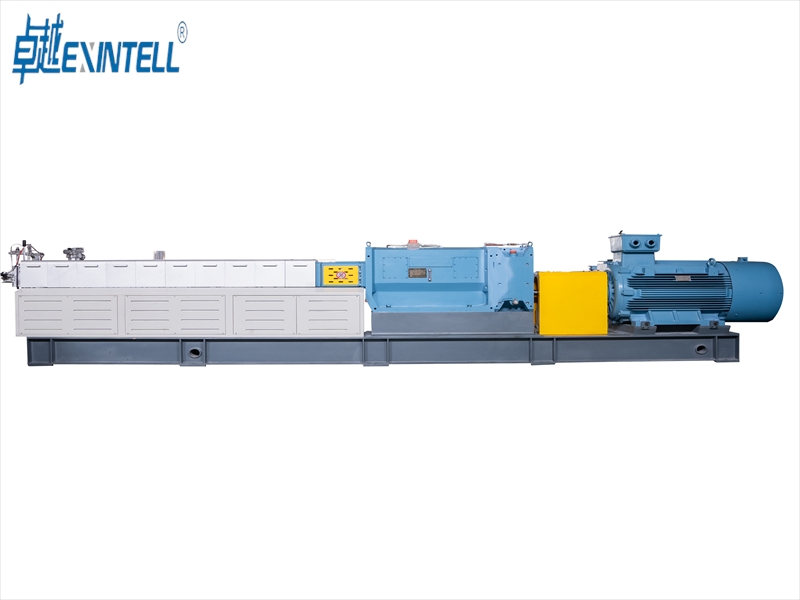
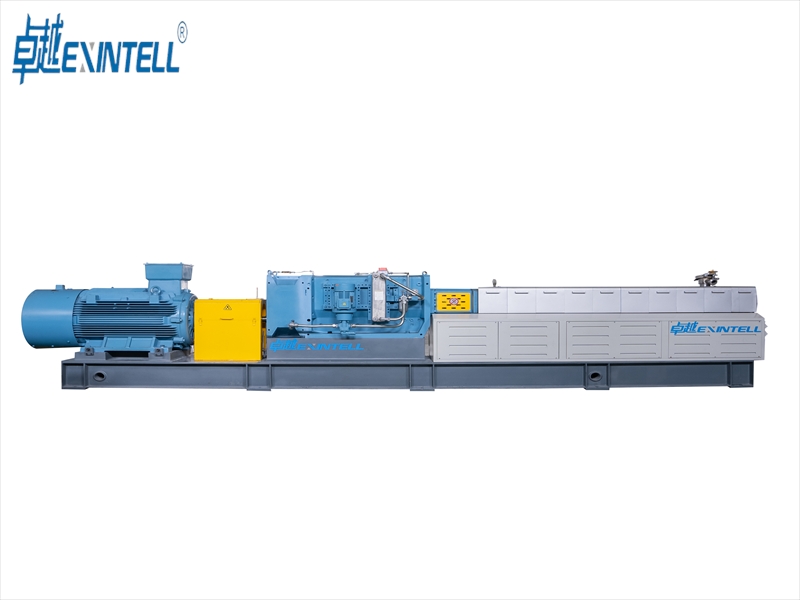
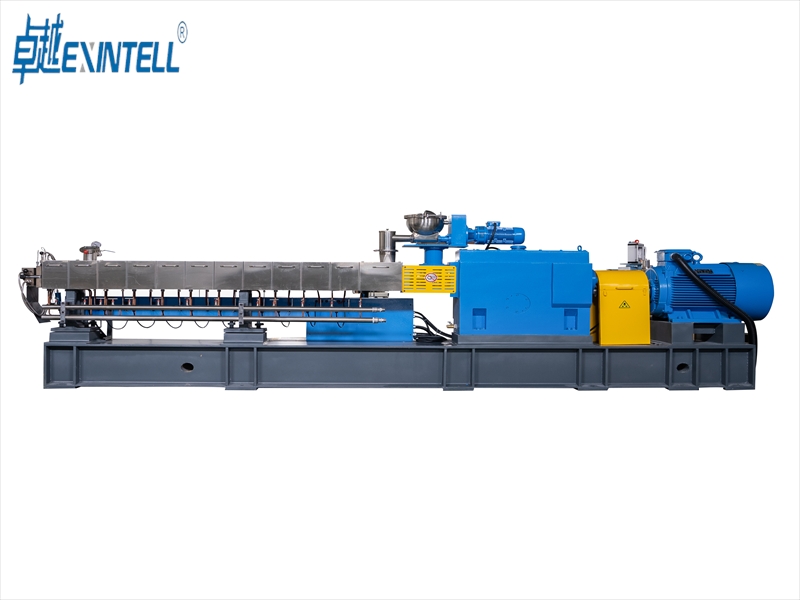
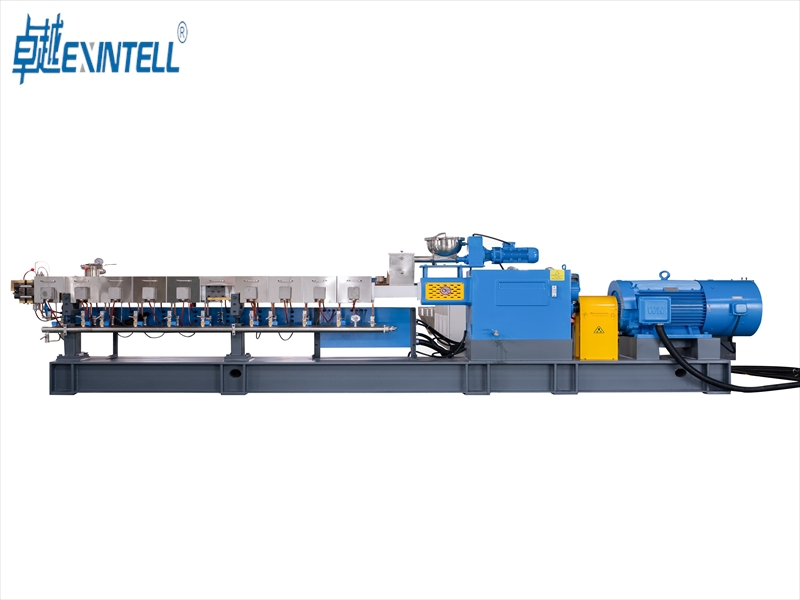
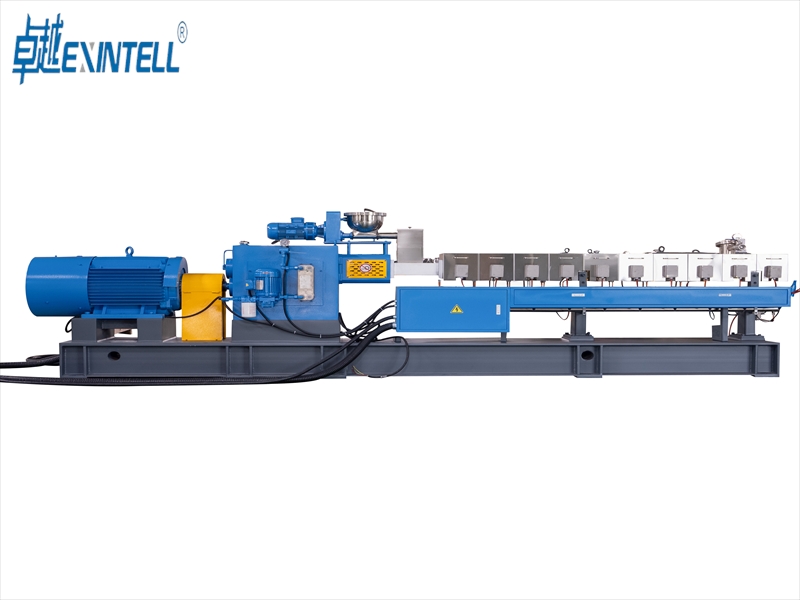
Ke Eng Pelletizing Extruder
Mosebetsi o ka Sehloohong
A pelletizing extruder e fetola polasetiki e tala kapa polima hore e be liphatlalatso tse nyane. Mochini o o lumella ho laola hore na pellet ka 'ngoe e kholo hakae le hore na e pota-potile hakae. Baetsi ba sebelisa li-pellet extruders ho etsa dihlahiswa tse kopanang le melao e thata. U ka fetola likotoana tsa litšila kapa resin e ncha hore e be li-pellets tse phallang hantle le ho sebetsa mechini e meng.
Pelletizing extruders li bohlokoa ho etsa polasetiki le polymer. Li u thusa ho sebetsa kapele, senya hanyane, 'me u fumane liphetho tse tsitsitseng.
Tafole ke ena e bontšang seo a pelletizing extruder e etsa:
Shapes melted plastic, controls pellet thickness and pressure
Cooling System
Makes pellets hard, stops them from changing shape
Rotating Knife System
Cuts cooled pellets into the same size and shape
You can change the design of these parts to fit your needs. Automation systems help you control heat and warn you about problems. Cooling and drying systems keep pellets strong and protect their quality.
Pelletizing Extruder Process
The pelletizing extruder works in steps. Each step changes raw material into pellets that look the same. You need to know every stage to getgood pellets.
Material Feeding
Ea pele, you put raw material into the extruder. The hopper holds the material. This material can be plastic flakes, granules, or powders. Some common materials are polyethylene, polypropylene, ABS, nylon, and PLA. U ka sebelisa li-feeders tse khethehileng ho laola hore na ke lintho tse kae tse kenang. Ka linako tse ling, o hloka ho omisa thepa pele. Ho omisa ho bohlokoa bakeng sa lipolasetiki tse nkang metsi. Ho omisa ho emisa li-bubble le mathata a mang a pellets.
Mokhoa oa ho fepa o laola hore na ke lintho tse kae tse kenang ka hare. Haeba u fepa chelete e lekanang nako le nako, li-pellets li betere. Boholo ba likotoana le hore na li metsi hakae le tsona ke taba. Likotoana tse nyane le palo e nepahetseng ea metsi li thusa ho etsa li-pellets tse matla.
Ho qhibiliha le Homogenization
E 'ngoe, sekoti se sutumelletsa thepa pele. Moqomo oa chesa ebe o qhibilihisa polasetiki. Sebopeho sa screw se bohlokoa mona. Li-screw tse ling li kopanya thepa hantle le ho boloka mocheso o lekana. Ho kopanya ho thusa ho kopanya linthong tse kang 'mala kapa li-stabilizers.
U tlameha ho beha mocheso o nepahetseng bakeng sa polasetiki ka 'ngoe. Ka mohlala, polypropylene melts between 200°C and 260°C. ABS melts between 210°C and 250°C. The table below shows melt temperatures for different plastics:
Plastic Polymer
Practical Melt Temperature Range (°C)
ABS (Acrylonitrile Butadiene Styrene)
210 – 250
Polycarbonate (PC)
280 – 320
Polypropylene (PP)
200 – 260
Nylon 66 (PA66)
280 – 310
Polyethylene (HDPE)
210 – 260
Polyoxymethylene (POM)
190 – 220
Good melting and mixing make the melted plastic smooth. This step removes air bubbles and mixes everything together. Now the melted plastic is ready for the next step.
Extrusion Through Die
The melted plastic moves to the die system. The die shapes the plastic into strands or other forms. The die works like a mold. It controls the size and shape of the pellets. The shape of the die is important. It decides how thick and wide the pellets are. A good die gives you pellets that all look the same.
The pressure and speed here change how good the pellets are. U hloka ho boloka tsena li tsitsitse bakeng sa li-pellets tse ntle ka ho fetisisa.
Cooling System
Kamora ho tloha lefung, polasetiki e ntse e chesa ebile e le bonolo. Tsamaiso ea ho pholisa e etsa hore li-pellets li be thata 'me li boloke sebōpeho sa tsona. Pholiso ea metsi e sebelisoa haholo hobane e pholile kapele le ka ho lekana. Mechini e meng e sebelisa ho pholisa moea bakeng sa lipolasetiki tse qhibilihang mochesong o fokolang. Ho itšeha ka tlas'a metsi ho pholisa li-pellets hang-hang. Sena se molemo bakeng sa li-plastiki tse qhibilihang habonolo.
Mokhoa oa ho Pholisa
Tlhaloso
Li-polymers tse loketseng
Pholiso ea Metsi
E sebelisa metsi ho pholisa li-pellets kapele le ho li boloka li le ntle.
Li-plastiki tse ngata tse hlokang esita le ho pholile.
Pholiso ea Moea
Eseng ka potlako, se sebedisoang bakeng sa dipolasetiki tse qhibidihang ka mocheso o tlase.
Lipolasetiki tse nang le index e tlase ea ho qhibiliha.
Ho Seha ka Tlas'a Metsi
E khaola le ho pholisa li-pellets ka metsing hang-hang.
PP e sa lohiloeng, masela a qhibilihileng.
Ho pholisa ho tlameha ho lekana. Haeba u pholile kapele kapa butle haholo, li-pellets li ka robeha kapa tsa fetola sebopeho. Good cooling keeps pellets strong and looking right.
Cutting Into Pellets
When the pellets are cool, they go to the cutter. The rotating knife cuts the strands into pellets. The speed and type of blade change how long and thick the pellets are. More blades or faster cutting make shorter pellets. Where you put the cutter matters too. If it is too close to the die, it wears out fast. If it is too far, the pellets are not even.
You can cut pellets in different ways:
Strand pelletizing: Cut after cooling in water.
Hot-cut pelletizing: Cut right at the die face.
Underwater pelletizing: Cut in water for fast cooling.
Each way works best for certain plastics and jobs.
Collection And Quality Control
You collect the finished pellets at the end. Ka linako tse ling, you need to dry them to remove water. This is where you check the pellets for size, sebopeho, and purity. You test the pellets and remove any bad ones. Some companies use special tests for plastics that need to be very pure.
You must follow world rules to make sure your pellets are good. Good checks mean your pellets will work well in other machines.
Keletso: Check the pellets often when you collect them. This helps you find problems early and keeps your machine working well.
If you follow each step, you turn raw material into good pellets. Every stage is important for making the final product.
Factors Affecting Pelletizing
When you use a pelletizing extruder, you must control some things. These things help you get strong and even pellets. You need to watch temperature, screw speed, and your material’s properties. Each one can change how your pellets look. They also affect how well your machine works.
Taolo ea Mocheso
You have to check the temperature all the time. The right temperature helps pellets stick together well. When the temperature is near a special point calledT*, time in the die matters. This time changes how tough your pellets are. If you go over T*, pellets stick faster but get weaker. Good temperature control makes pellets last longer and not break. It also keeps your pellets good and stops waste.
Keletso: Use sensors to check temperature often. This helps you fix problems fast.
Screw Speed
The screw’s speed changes how fast you make pellets. If the screw goes too fast, pellets may not look even. They can also get air bubbles. If the screw is too slow, you make fewer pellets. You need to find the best speed for your material and machine. Leka lebelo le fapaneng 'me u shebe li-pellets tsa hau khafetsa. Sena se u thusa ho boloka boleng ba pellet bo tšoana le ho emisa mathata.
Thepa Thepa
Mofuta oa thepa eo u e sebelisang le eona ke ea bohlokoa. U lokela ho nahana ka mongobo le viscosity. Mona ke kamoo lintho tsena li fetolang li-pellets tsa hau kateng:
Metsi a mangata a etsa hore li-pellets li be mongobo le ho ba matla, empa li shebahala li le lefifi ho feta.
Likotoana tse nyenyane li etsa hore thepa e be e teteaneng le ho ba thata ho sutumetsa.
O ka fetola extruder ea hau bakeng sa lisebelisoa tse fapaneng. Ka mohlala, o ka sebelisa sebopeho se khethehileng sa lefu. Tafole e ka tlase e bontša hore na u ka fetola mokhoa oa hau joang:
Sebelisa mehlala ea likhomphutha ho rala li-dies bakeng sa libopeho tse thata.
U ka boela ua sebelisa litsamaiso tsa co-extrusion. These let you mix materials and make layered pellets for special uses.
If you control these things, you make better pellets. You also keep your pelletizing process working well.
Pellet Extruder Troubleshooting
Common Pellet Quality Issues
Ka linako tse ling, you see problems with your pellets. These problems can change how your pellets look or work. Here are some issues you might find:
Agglomeration or big clumps happen if pellets get too hot or water is too low.
Fines and angel hair show up if orifice tips break or the knife does not move right.
Twins, triplets, and chains form if the knife is too fast or the product is too hot.
Dog bones and dumbbells appear if blades are worn out or the material is not thick enough.
Tails form if the gap between the knife and die is too big or the die is not flat.
Longs and elbows happen if the knife is too slow or the extrusion rate is high.
Internal voids and popcorn can show up if the polymer has water or cools too fast.
Dimples and dust appear if the product shrinks too fast or is brittle.
Surface or melt fracture and trash or shavings happen if the extrusion rate is high or the knife is not adjusted often.
Pellets that do not look the same can come from temperature changes or uneven die heating.
You can use tools like theIshikawa fishbone diagramor the 5 Whys technique to find out what is wrong. These tools help you list causes and look deeper into the problem.
Mechanical And Process Problems
Mechanical and process problems can also hurt pelletizing. You might see uneven output, low production, or bad pellets. Mathata le litsela tsa ho a lokisa ke tsena:
Haeba boholo ba pellet le sebopeho li sa nepahale, fetola mocheso oa lefu, boloka mahare a bohale, 'me u hlahlobe lekhalo la lehare.
Haeba u bona tlhahiso e fokolang kapa jams, sheba likoti tse koetsoeng 'me u netefatse hore thepa e tsamaea hantle ka har'a hopper.
Haeba extruder kapa enjene e chesa haholo, hlahloba tsamaiso ea ho pholisa 'me u shebe ho khohlakana kapa mochine o sebetsang ka thata haholo.
Haeba li-pellets ha li ntle, hlahloba mocheso, tšoara thepa ka hloko, le lisebelisoa tse omeletseng tse nkang metsi.
U lokela hape ho hlahloba hore na ha ho na screw wear, melumo e makatsang, le ho thothomela. Matšoao ana a ka bolela hore likarolo li aparoa kapa ho na le ntho e itseng e sa lokelang ho ba teng. Ho hlahloba le ho lokisa lintho hangata ho boloka pelletizing ea hau e boreleli le li-pellets tsa hau li tšoana.
Keletso: Ngola mathata le hore na u a rarolla joang. Sena se o thusa ho bona dipaterone le ho lokisa dintho kapele nakong e tlang.
U ka ithuta mohato o mong le o mong oa ts'ebetso ea pelletizing extruder. Ho laola mocheso le ho pholisa ho thusa ho etsa matla, li-pellets tse tšoanang. Ho ntlafatsa mokhoa oa ho tsamaisa mochini oa hau ho fokotsa litšila le ho boloka chelete. Ha li-pellets li phalla hantle, jeme ha e na monyetla, mme mosebetsi o dula o tsitsitse. Ho qhibiliha ho nepahetseng le ho kopanya ho etsa li-pellets tse finyellang litekanyetso tse phahameng. Sena se boetse se thusa ho fokotsa tahlehelo ea thepa le ho etsa hore tlhahiso e potlake. Hore na o mocha kapa o na le boiphihlelo, tsoela pele ho itloaetsa ho etsa li-pellets tse ntle ka ho fetisisa nako le nako.
Esita le ho qhibiliha le ho kopanya ho hlahisa li-pellets tse tsitsitseng.
Pelletizing e boloka thepa mme e eketsa ts'ebetso.
LBH
Ke lisebelisoa life tseo u ka li sebelisang ho pelletizing extruder?
U ka sebelisa mefuta e mengata ea polasetiki. Mehlala e meng ke polyethylene, polypropylene, ABS, nylon, and PLA. Mechini e meng e ka boela ea sebelisa polasetiki e nchafalitsoeng kapa metsoako. Kamehla etsa bonnete ba hore extruder ea hau e sebetsa le thepa ea hau.
U etsa joang hore li-pellets li se ke tsa khomarelana?
Omisa lintho tsa hau pele u li fepa. Khetha mokhoa o motle oa ho pholile oa polasetiki ea hau. Boloka mocheso o le mong. Mehato ena e u thusa ho fumana li-pellets tse matla tse sa kgomareleng.
Ke hobane'ng ha li-pellets ka linako tse ling li na le libopeho tse sa tšoaneng?
Li-pellets li ka shebahala li sa lekane haeba lefu kapa sehahi se na le mathata. Sheba hore na li-blades li khathetse kapa hore na likoti li koetsoe. Lebelo le fosahetseng la screw le lona le ka baka sena. Lokisa lintho tsena ho etsa li-pellets tse lekanang.
U lokela ho hloekisa extruder ea hau ea pelletizing hangata hakae?
Hloekisa extruder ea hau ka mor'a nako le nako ha u qeta ho etsa li-pellets.
Ntša lintho tse setseng 'me u batle ho haha.
Ho hloekisa hangata ho boloka li-pellets tsa hau li le ntle le mochini oa hau o sebetsa hantle.