

Pelletizer ea Plastiki e sebetsa Joang ho 2026
Pelletizer ea polasetiki e fetola litšila tsa polasetiki kapa thepa e tala li-pellets tse tšoanang ka letoto la mehato e hlalosoang hantle. U qala ka ho fepa, moo lipolasetiki li kenang mochining. Tsamaiso e qhibilihisa thepa, sefa ditshila, 'me e e sutumelletsa ka har'a thae ho etsa likhoele tse sa khaotseng. Ho bata ho tiisa likhoele, ebe thipa e bilikang e li seha hore e be li-pellets tse nepahetseng. Mokhahlelo ka mong o bopa boleng ba ho qetela le ho tsitsana.
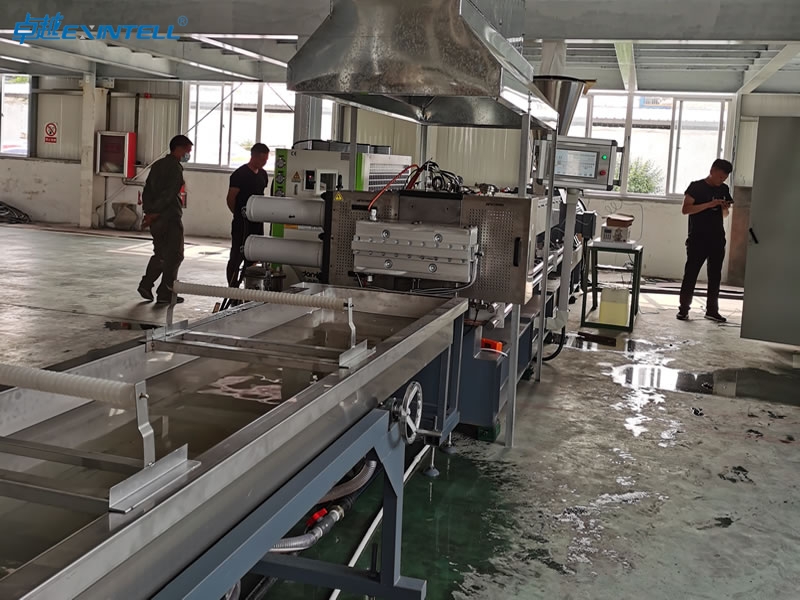
|
Mohato |
Tlhaloso |
|---|---|
|
Ho fepa |
Litšila tsa polasetiki li kenngoa ka mochine ka hop, e kenyeletsang mefuta e fapaneng ea polasetiki. |
|
Ho qhibiliha |
Plastiki e futhumatsoa 'me e qhibilihe ka mokhoa o ts'oanang ho extruder, ho e lokisetsa mokhahlelo o latelang. |
|
Extruding |
Plastiki e entsoeng ka ho qhibilihisoa e qobelloa ka lesela ho etsa likhoele, ho khetholla sebopeho le boholo ba pellet. |
|
Ho phodisa |
Likhoele li pholile, ho tiisa bakeng sa ho poma. |
|
Ho poma |
Likhoele tse pholileng li khaola li-pellets tse tšoanang ka thipa e potolohang, e ka fetolehang bakeng sa lits'ebetso tse ikhethileng. |
Lintlha tsa bohlokoa
-
Li-pelletizer tsa polasetiki li fetola litšila ho kenya li-pellets tse tšoanang ka letoto la mehato: ho fepa, ho qhibiliha, tlhotla, extruding, phodiso, le ho poma.
-
Phepo e tsitsitseng le taolo e nepahetseng ea mocheso li bohlokoa bakeng sa ho fumana li-pellets tsa boleng bo holimo le ho thibela liphoso..
-
Mefuta e fapaneng ea li-pellets, joalo ka khoele le ka tlas'a metsi, hlokomela lisebelisoa tse fapaneng le litlhoko tsa tlhahiso, e amang sebopeho le boleng ba pellet.
-
Ho sefa ka katleho ha polasetiki e qhibilihisitsoeng ho tlosa litšila, ho netefatsa li-pellets tse boreleli le tse ts'oanang ha u ntse u sireletsa lisebelisoa.
-
Mekhoa ea ho pholisa, ho kenyelletsa lesale la metsi le ho pholisa ka tlasa metsi, ama haholo boleng ba pellet le katleho ea tlhahiso.
-
Tlhokomelo ea nako le nako ea lisebelisoa li thusa ho thibela mathata a tloaelehileng joalo ka phepelo e sa lekanang le lifilthara tse koalehileng.
-
Mehato ea taolo ea boleng, ho kenyelletsa lisampole le tlhahlobo e nepahetseng, etsa bonnete ba hore li-pellets lia kopana maemo a indasteri le ho boloka botsitso.
-
Ho paka hantle le ho boloka li-pellets li li sireletsa ho tloha mongobo le tšilafalo, ho netefatsa hore li lula li le maemong a holimo bakeng sa tšebeliso ea nako e tlang.
Polasetiki Pelletizer Process Overview
Pelletizer ea Plastiki ke Eng
U sebelisa pelletizer ea polasetiki ho fetola polasetiki e tala kapa thepa e nchafalitsoeng hore e be granules ka boholo le libopeho tse nepahetseng.. Mochine ona o laola mocheso, khatello, le lebelo la ho potoloha ho hlahisa liphetho tse tsitsitseng. Mochini oa polasetiki oa pelletizing e seha polasetiki e phatlohileng ka har'a granule ka bomong, ho fana ka boholo bo emeng bakeng sa ts'ebetso e tsoelang pele. U itšetlehile ka thepa ena ho laola botšepehi, litšobotsi tsa bokaholimo, le boholo ba phatsa ka nngwe. Molao-motheo o sebetsang oa granulator ea polasetiki o kenyelletsa ho qhibiliha polasetiki, ho tlhotla ditshila, le ho etsa li-pellets tsa junifomo ka tsamaiso e hlokolosi ea maemo ka hare ho sehlopha.
-
Seha polasetiki e ntšitsoeng ka har'a granule ka bomong.
-
E fana ka boholo bo tsitsitseng bakeng sa ts'ebetso e tsoelang pele tlhahisong.
-
E fetola likhoele tse tsoelang pele tsa polasetiki e qhibilihisitsoeng hore e be granules ya boholo bo tshwanang.
-
E sebetsa joalo ka thepa e tala e emeng bakeng sa ho bopa ente le extrusion ea filimi.
Mehato e ka Sehloohong ea Pelletizing
U latela letoto la mehato ha o sebelisa pelletizer ea polasetiki. Mokhahlelo ka mong o bopa boleng le botsitso ba sehlahisoa sa ho qetela. Mona ke mokhoa o tloaelehileng oa ho sebetsa:
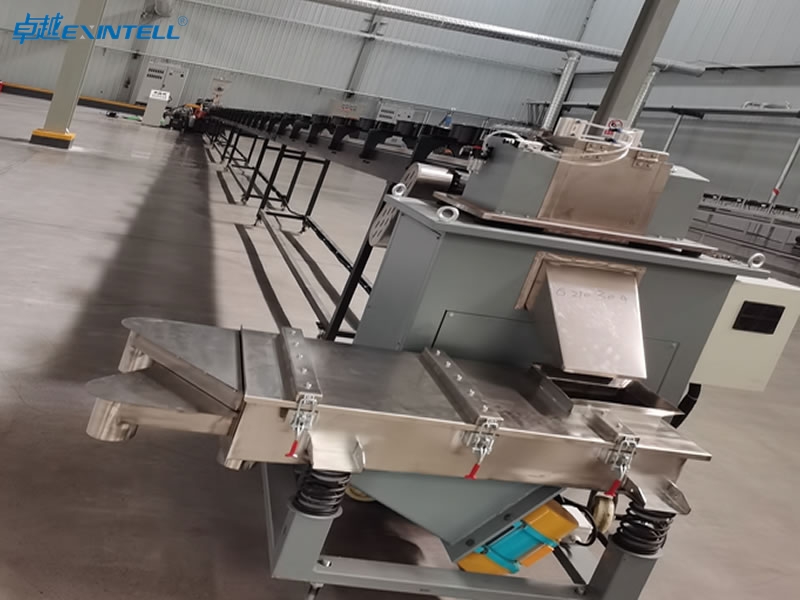
-
Ho fepa & phekolo pele ho moo: U hlahisa lisebelisoa tse tala ka hopper kapa feeder. Kalafo ea pele e eketsa bongata ba bongata 'me e lokisa lisebelisoa bakeng sa ho qhibiliha.
-
Ho qhibiliha & ho etsa polasetiki: U sebelisa mocheso le ho kuta ka extruder. Mohato ona o finyella phallo e ts'oanang le ho lokisa polasetiki bakeng sa ho sefa.
-
Qhibiliha li-filters: U sefa polasetiki e qhibilihisitsoeng ho tlosa litšila. Lintho tse hloekileng li tiisa li-pellets tsa boleng bo holimo.
-
Lefu extrusion & ho poma: U theha mokelikeli o hloekisitsoeng ka har'a li-pellets ka mokhoa oa ho seha le oa ho seha.
-
Ho phodisa & fepa: U pholisa li-pellets ebe u li omisa kapa ua li boloka bakeng sa tšebeliso ea nako e tlang.
Keletso: Ho fepa ka mokhoa o tsitsitseng le ho laola mocheso o nepahetseng ho u thusa ho finyella boholo ba pellet e tšoanang le ho thibela likoli.
U ka khetha mefuta e mengata ea lisebelisoa tsa pelletizing, e 'ngoe le e' ngoe e loketse lisebelisoa le libopeho tse fapaneng. Tafole e ka tlase e bontša likhetho tse tloaelehileng:
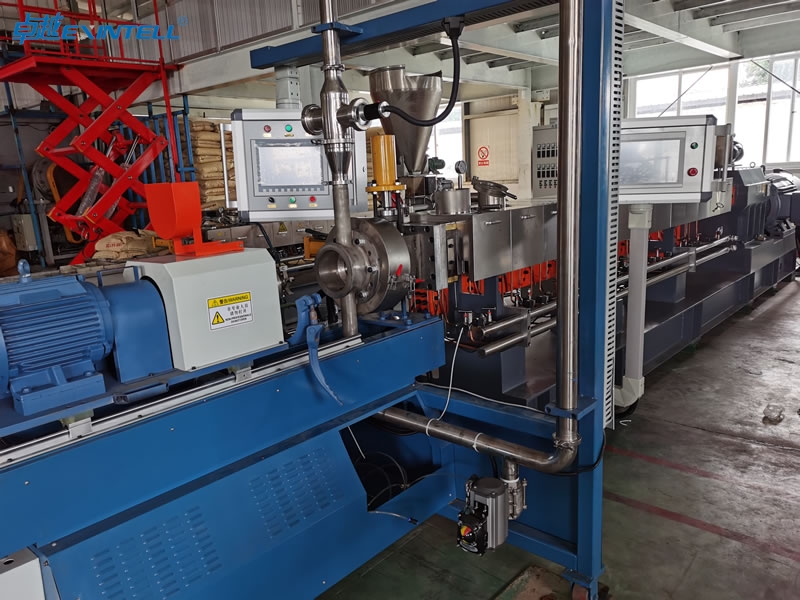
|
Mofuta oa Pelletizer |
Molemo ka ho fetisisa Bakeng sa |
Sebopeho sa Pellet |
Litšenyehelo tse Batlang |
|---|---|---|---|
|
PE, PP, PS - hloekileng fepa ka |
Cylindrical |
Tlase |
|
|
PET, PA, lipolasetiki tsa boenjiniere |
Spherical |
Phahameng |
|
|
Pelletizer ea metsi |
PE, PP - tšilafalo e itekanetseng |
Lenticular/ spherical |
Mahareng |
Ke Hobane'ng ha Pelletizing e le Bohlokoa?
Pelletizing e bapala karolo ea bohlokoa ho boeleng le ho etsa tlhahiso. U fetola polasetiki e entsoeng ka ho qhibilihisoa hore e be li-pellets tse tšoanang, tseo o ka di bolokang, sepalangoang, le reprocess joaloka virgin resin. Phetoho ena e lumella lisebelisuoa tse tsosolositsoeng hore li boele li kene nakong ea tlhahiso ka katleho. U rua molemo ka ho tšoara habonolo le ho ntlafatsa ho kopanya nakong ea tlhahiso. Sehlahisoa sa ho qetela se tšehetsa moruo oa selikalikoe bakeng sa polasetiki ka ho fana ka thepa e tsosolositsoeng.
-
Pelletization e etsa hore li-feedstock tsa polasetiki li be bonolo le ho sebetsa hantle haholoanyane.
-
E netefatsa liphello tse tsitsitseng nakong ea ho kopanya le ho theha.
-
Mokhoa ona o fana ka moruo o pota-potileng bakeng sa lipolasetiki tse nang le thepa e tsosolositsoeng.
U tobana le mathata a 'maloa nakong ea pelletizing. Mongobo o phahameng ka har'a li-pellets o ka lebisa ts'ebetsong e mpe ea mochini le tahlehelo ea thepa. U hloka mekhoa e sebetsang ea ho omisa le khetho e nepahetseng ea lisebelisoa ho fokotsa mongobo. Boholo bo sa tsitsang ba pellet hangata bo bakoa ke mekhoa e sa lokelang ea ho fepa. U rarolla sena ka ho sebelisa mekhoa e nepahetseng ea ho fepa. Khetho ea mochine, joalo ka granulator e nang le mahare a entsoeng ka nepo, e ama ka ho toba boleng ba li-pellets tse hlahisoang.
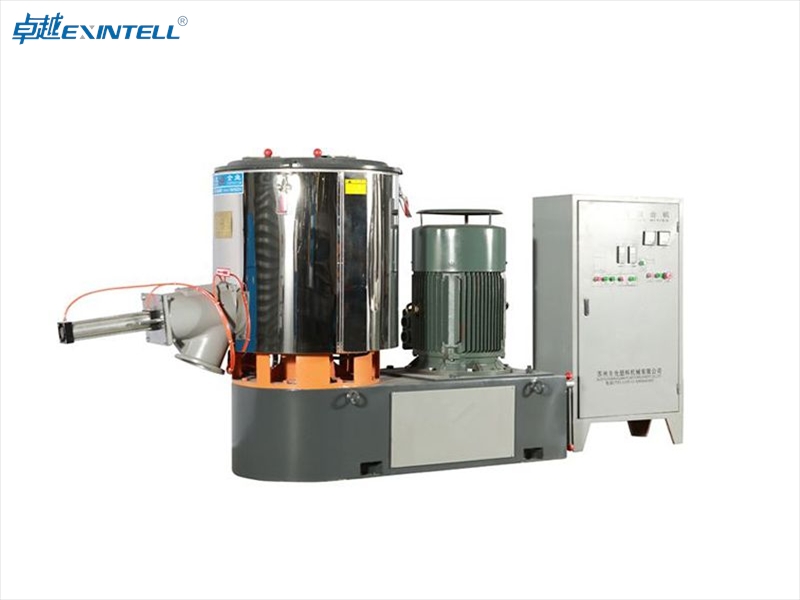
U boetse u bona tsoelo-pele ea theknoloji 2026. Li-extruder tse nang le sekheo se le seng tse nang le likarohano tsa L/D lipakeng tsa 32:1 le 38:1 li tloaelehile. Litlhophiso tsa Tandem li holisa ho theola moea le ho sefa. Liphetoho tse sa khaotseng tsa skrine li lumella liphetoho tsa filthara ntle le ho emisa tlhahiso. Theknoloji ea Bimetallic e eketsa nako e telele, 'me li-extruder tse tsamaisanang tse tsamaisanang le mafahla li fana ka ho tlosa litšila ka katleho. Li-pelletizer tse ka tlas'a metsi li hlahisa junifomo, li-pellets tse se nang lerole le ho laela litheko tse phahameng tsa thekiso.
|
Thekenoloji |
Tlhaloso |
Melemo |
|---|---|---|
|
Theknoloji ea Bimetallic |
Lisebelisoa tse tsoetseng pele li matlafatsa nako e telele |
E eketsa ho tšoarella ka 3-5 linako |
|
Sekoahelo se potolohang sa Parallel Twin Screw |
Ho falla ho nepahetseng, mesebetsi ya ho itlhoekisa |
Ho tlosa litšila ka katleho |
|
Pelletizer ka tlas'a metsi |
E hlahisa junifomo, li-pellets tse se nang lerole |
Theko e phahameng ea thekiso, e loketseng bakeng sa polasetiki ea boenjiniere |
O ka fihlella bokgoni ba throughput ho tloha ho 80 kg/hr ho ya ho feta 1,000 kg/hora, ho itšetlehile ka mofuta oa mochine le tlhophiso. Lithapo tse baballang matla li boloka lipakeng tsa $30,000-$80,000 ka selemo ha ho bapisoa le mehlala e sa sebetseng hantle. Ho 2026, tšebeliso e khethehileng ea matla bakeng sa li-pelletizer tsa polasetiki li tloha ho 0.25-0.35 kWh/kg, ka litlhophiso tsa maemo a holimo tse fihlellehang joalo ka 0.20-0.30 kWh/kg.
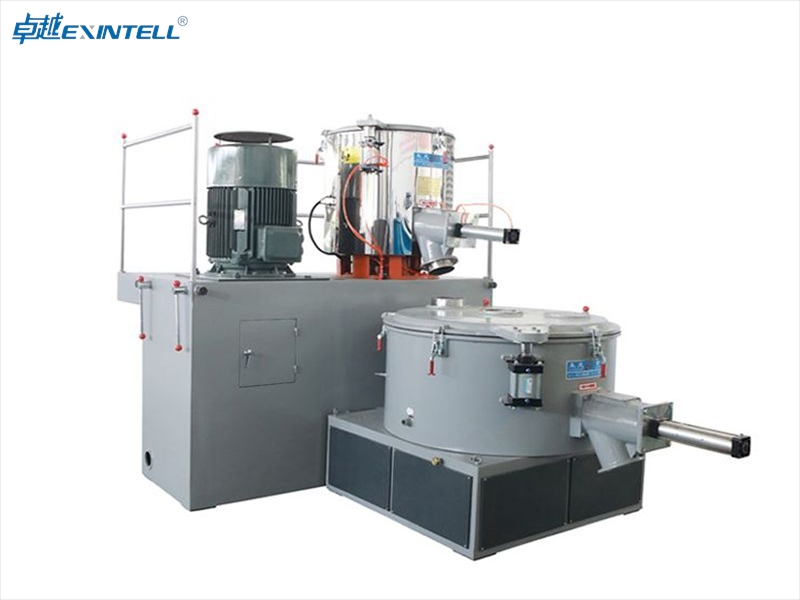
Hlokomela: Tekanyetso ea mekhahlelo e mengata le meralo e mecha ea li-screw li u thusa ho sebetsana le li-bio-plastiki le li-profiles tse seng tsa bohlokoa haholoanyane..
U itšetlehile ka mochine oa polasetiki oa granulator le theknoloji ea granulator ho hlahisa li-pellets tse tšoanang tse finyellang litekanyetso tsa indasteri. Ts'ebetso ena e netefatsa hore o na le lijo tse tšepahalang bakeng sa tlhahiso le ho e sebelisa hape, ho tšehetsa bobeli bo sebetsang hantle le bo tsitsitseng.
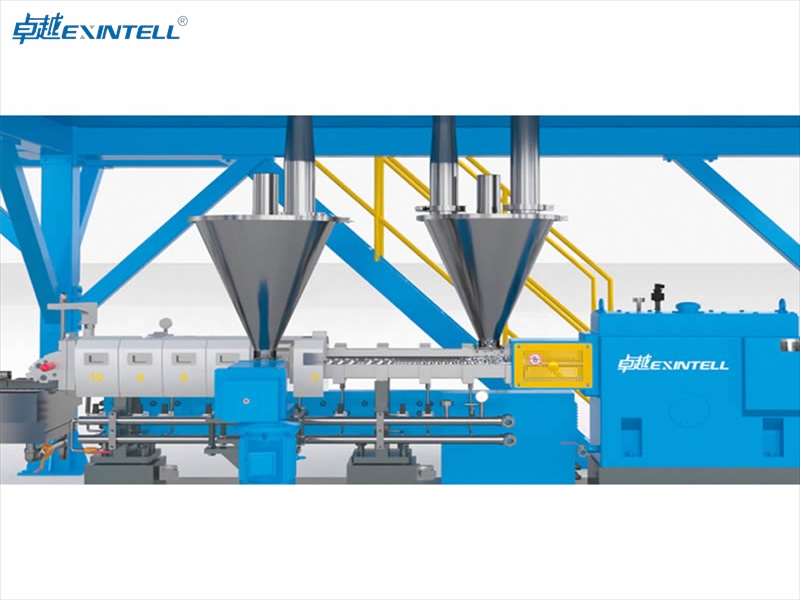
Ho fepa ka polasetiki
Lisebelisoa tsa ho Kena
O qala ka mokhoa oa pelletizing ka ho khetha lisebelisoa tse nepahetseng tsa ho kenya. U ka sebelisa litšila tsa polasetiki, polasetiki ea moroetsana, kapa motsoako oa bobeli. Pele o fepa lisebelisoa tsena ka pelletizer ea polasetiki, u lokela ho li lokisetsa ka hloko. Mona ke mokhoa o tloaelehileng oa ho itokisa:
-
Tokiso ea polasetiki: U hlatsoa le ho senya polasetiki e tsosolositsoeng ho tlosa litšila le litšila. U ka boela ua qhibilihisa boitsebiso haeba ho hlokahala. Plastiki ea moroetsana hangata e tla joalo ka li-flakes kapa granules, e loketse ho sebetsoa.
-
Ho qhibiliha le Extrusion: U futhumatsa polasetiki e lokiselitsoeng mochining oa polasetiki oa pelletizing. Extruder e qhibilihisa thepa ebe e e sutumelletsa pele.
-
Ho poma: U sebelisa li-blades tse potolohang kapa granulator ho khaola polasetiki e qhibilihisitsoeng likotoana tse nyane.
-
Ho phodisa: U pholisa li-pellets ka moea, metsi, kapa ka bobeli.
-
Ho omisa le ho Hlakola: U omisa li-pellets tse pholileng 'me u li sirelelitse ho netefatsa boholo le boleng bo tšoanang.
U tlameha ho ela hloko bohloeki le boholo ba lisebelisoa tsa ho kenya letsoho. Hloekileng, litšila tsa polasetiki tse lokiselitsoeng hantle li u thusa ho qoba liphoso le ho ntlafatsa boleng ba li-pellets.
Mekhoa ea ho Fepa
U itšetlehile ka mekhoa e nepahetseng ea ho fepa ho tsamaisa polasetiki ka har'a tsamaiso ea pelletizing. Mekhoa e 'meli e meholo e u thusa ho fumana phepo e tsitsitseng le e laoloang.
Hopper
U sebelisa sekoti ho kenya litšila tsa polasetiki kapa lintho tse sa bonahaleng ka har'a pelletizer ea polasetiki. Hopper e tšoara thepa ebe e e lokolla ka lebelo le laoloang. O ka fetola phallo ho tsamaisana le bokhoni ba mochini oa polasetiki oa pelletizing. Hangata li-hoppers li kenyelletsa li-sensor tse hlokomelang maemo a thepa le ho thibela li-blockages.
Bapalami
U sebelisa li-conveyors ho tsamaisa polasetiki ho tloha polokelong ho ea ho hopper kapa ka ho toba ho pelletizer. Li-conveyors li fana ka lisebelisoa tse tsitsitseng le ho fokotsa ho sebetsana le matsoho. U ka khetha lebanta, screw, kapa lipalangoang tse sisinyehang tse ipapisitseng le mofuta le boholo ba polasetiki. Li-conveyor li u thusa ho boloka sekhahla sa phepelo e tsitsitseng le ho fokotsa litšitiso.
Keletso: U lokela ho hlahloba mokhoa oa ho fepa khafetsa ho thibela jeme le ho netefatsa ts'ebetso e bonolo.
Bohlokoa ba ho Fepa ka Kamehla
U hloka phepelo e tsitsitseng ho hlahisa dipelete tsa boleng bo hodimo. Phepo e tsitsitseng e netefatsa boholo bo lekanang, sebopeho, le boemo ba mongobo. Haeba u lumella ho fapana ho fepa, o ipeha kotsing ea ho theha li-pellets tse nang le bokooa kapa bofokoli. Ho feto-fetoha ha mongobo ho ka baka tahlehelo ea matla a mochine esita le ho hlōleha ha thepa. Boleng bo sa tsitsang ba pellet bo etsa hore ho be thata ho uena ho rekisa kapa ho sebelisa li-pellets lits'ebetsong tsa khoebo.
-
Boholo bo sa tsitsang ba pellet bo ka lebisa ho bofokoli bo bokaholimo le bofokoli.
-
Ho fapana ha mongobo ho ka baka tahlehelo ea matla a mochine le ho hlōleha ha thepa.
-
Boleng bo sa tsitsang ba pellet bo ka sitisa ho amoheloa lits'ebetsong tsa khoebo.
U laola boemo ba mongobo ka ho boloka phepo e tsitsitseng. Mohato ona o bohlokoa bakeng sa ho fihlella boleng bo phahameng ba sehlahisoa. Haeba u iphapanyetsa phepelo e tsitsitseng, u ka 'na ua tobana le mathata a ho sebetsa tlaase, joalo ka mefokolo ea bokaholimo le mefokolo ea sebopeho. U itšetlehile ka theknoloji ea granulator ea polasetiki ho u thusa ho fumana phepo e tšoanang le boleng ba pellet.
Ho qhibiliha le ho Sefa
Extruder Barrel le Screw
U itšetlehile ka barrel ea extruder le screw ho fetola litšila tsa polasetiki kapa thepa e tala hore e be boreleli, yunifomo qhibiliha. Sekurufu se potoloha ka hare ho moqomo o futhumetseng, ho sututsa polasetiki ka pele. Ha screw e fetoha, e etsa ketso ea mochini le mocheso oa ho kuta. Mokhoa ona o qhibilihisa polasetiki hantle. Li-heaters tsa ka ntle holim'a barrel li eketsa mocheso o eketsehileng, ho etsa bonnete ba hore thepa e fihla mocheso o nepahetseng bakeng sa pelletizing. Mocheso oa ho kuta o tsoang screw hangata o fana ka karolo e kholo ea matla a hlokahalang bakeng sa ho qhibiliha.
Mona ke kakaretso e potlakileng ea kamoo likarolo tsena li sebetsang hammoho:
|
Karolo |
Mosebetsi |
|---|---|
|
Screw |
E fetola polasetiki hore e be seaparo se ts'oanang se qhibiliha ka ts'ebetso ea mochine le mocheso oa ho kuta. |
|
Moqomo |
E futhumatsa le ho kopanya polasetiki, ho etsa bonnete ba ho qhibidiha le ho fepa hlooho ya lefu. |
U hloka screw le barrel ka bobeli ho sebetsa ka kutloano. Haeba karolo efe kapa efe e hloleha, pelletizer ea polasetiki ha e khone ho hlahisa li-pellets tse tsitsitseng.
Taolo ea Mocheso
O tlameha ho laola mocheso ka hloko nakong ea ho qhibiliha. Mocheso o ama ka ho toba hore na polasetiki e qhibiliha joang 'me e phalla ka har'a tsamaiso ea extrusion. Litlhophiso tse nepahetseng tsa mocheso li u thusa ho fumana phallo e boreleli ea thepa le ho tsitsa, extrusion ya chai e ngata. Haeba u beha mocheso o tlase haholo, polasetiki e ka 'na ea se ke ea qhibiliha ka ho lekana. Sena se lebisa ho viscosity e feteletseng le polasetiki e futsanehileng. Haeba u beha mocheso holimo haholo, polasetiki e ka senyeha. Sena se baka brittle pellets mme se fokotsa matla a bona a mochini.
-
Mocheso o susumetsa polasetiki ea polasetiki, phallelo, le thepa ea li-pellets tsa ho qetela.
-
Mocheso o nepahetseng o tiisa ts'ebetso e tsitsitseng le tlhahiso ea boleng bo phahameng.
-
Lithempereichara tse tlase li baka ho qhibiliha ho sa tšoaneng le viscosity e phahameng.
-
Lithempereichara tse phahameng li beha kotsing ea ho senyeha ha mocheso le li-pellets tse fokolang.
Keletso: Kamehla hlokomela libaka tsa mocheso haufi le barrel ho boloka maemo a nepahetseng a ho qhibiliha.
Filtration Pele ho Pelletizing
Pele o fallela sethaleng sa extrusion, o tlameha ho sefa polasetiki e tshetsoeng. Ho hloekisa ho tlosa litšila tse kang litšila, makumane a tšepe, kapa makumane a sa qhibidihang. Ho qhibiliha ho hloekileng ho bohlokoa bakeng sa ho hlahisa li-pellets tsa boleng bo holimo. U sebelisa li-skrini tsa mesh kapa lipakete tsa sefa ka mochining oa polasetiki oa pelletizing ho tšoasa litšila. Mohato ona o sireletsa tsamaiso ea lefu le ho itšeha hore e se ke ea senyeha. E boetse e etsa bonnete ba hore li-pellets li na le bokaholimo bo boreleli le sebopeho se ts'oanang.
U lokela ho hlahloba le ho kenya li-filters khafetsa. Li-filters tse koetsoeng li ka fokotsa ho phalla le ho baka khatello ea khatello tsamaisong ea extrusion. Filtration e tsitsitseng e tšehetsa katleho e akaretsang ea ts'ebetso ea pelletizing. U fumana liphetho tse ntle le liphoso tse fokolang ho li-pellets tsa hau tse felileng.
Hlokomela: Filtration e sebetsang e eketsa nako ea bophelo ea granulator ea hau ea polasetiki le li-blade tsa granulator.
Extrusion Through Die Plate
Mosebetsi oa Die Plate
U fihla boemong bo mahlonoko ba tšebetso ea polasetiki ea pelletizer ha polasetiki e qhibilihisitsoeng e fihla poleiting ea polastiki. The die plate e sebetsa e le sesebelisoa se nepahetseng se bopang thepa e qhibilihisitsoeng hore e be likhoele. U itšetlehile ka karolo ena ho hlalosa boholo ba pele le sebōpeho sa khoele ka 'ngoe, eo hamorao e fetohang pellet. Moralo oa poleiti ea die e ama ka kotloloho boleng le botsitso ba tlhahiso ea hau.
Mona ke kakaretso e potlakileng ea likarolo tsa bohlokoa tsa poleiti:
|
Sebopeho |
Tlhaloso |
|---|---|
|
Mosebetsi |
E ntša polymer e qhibilihisitsoeng ka masoba ho hlalosa boholo ba pellet |
|
Hole Size Range |
Hangata ho tloha ho 2.5 ho 4 mm ka bophara |
|
Palo ea Likoti |
Hangata pakeng tsa 200 ho 800 masoba |
|
Tšusumetso ho Boleng |
Moralo o ama litšobotsi tsa ho qetela tsa pellet, ho kenyeletsa boholo le sebopeho |
O ka fetola bophara ba lesoba le tlhophiso ho laola botenya ba likhoele. Likoti tse nyane li hlahisa likhoele tse tšesaane le li-pellets tse nyane. Larger holes yield thicker strands and larger pellets. The die plate ensures that every strand leaving the extrusion system matches your desired specifications.
Pressure and Pellet Shape
You must maintain the right pressure as the molten plastic passes through the die plate. The extrusion system uses pressure to push the material evenly through each hole. Consistent pressure prevents irregularities in strand thickness and helps you achieve uniform pellet size. If the pressure drops or spikes, you may see defects such as uneven shapes or air pockets in the pellets.
The shape of each pellet depends on the die plate design and the pressure applied during extrusion. You can select different hole shapes and arrangements to create cylindrical, spherical, or lenticular pellets. The right combination of pressure and die plate design gives you control over the final appearance and performance of your product.
Shaping the Strands
You have several methods for shaping plastic strands before cutting them into pellets. Each method offers unique benefits for different applications. The choice of method affects the quality, litšenyehelo, and consistency of your pellets.
|
Mokhoa |
Tlhaloso |
Tšusumetso ho Boleng ba Pellet |
|---|---|---|
|
E ntša polasetiki ka likhoele, then cuts them into pellets. |
Cost-effective for smaller batches, but may vary in quality. |
|
|
Cuts strands underwater, which cools and maintains quality. |
Produces high-quality pellets due to effective cooling. |
|
|
Water-Ring Systems |
Uses a water ring to cool and cut strands. |
Ensures good quality while being cost-efficient. |
You might use strand pelletizing for small batches of plastic waste, as it offers a simple and affordable approach. Ho itšeha ka tlas'a metsi ho sebetsa hantle ha o hloka li-pellets tsa boleng bo holimo tse nang le bokaholimo bo boreleli. Litsamaiso tsa mehala ea metsi li leka-lekanya litšenyehelo le boleng, ho etsa hore li tšoanelehe bakeng sa mefuta e mengata ea polasetiki.
U ipapisitse le theknoloji ea polasetiki ea granulator le granulator ho qeta ts'ebetso. Ka mor'a ho bōpa le ho pholile, tsamaiso e khaola likhoele hore e be li-pellets tse tšoanang. Mohato ona o phethela phetoho ho tloha ho qhibiliha ho ea ho sehlahisoa se felileng, e loketse ho phutheloa kapa ho sebetsoa ka ho eketsehileng.
Keletso: Kamehla hlokomela tsamaiso ea extrusion bakeng sa khatello e tsitsitseng le mocheso. Sena se u thusa ho boloka boleng bo tsitsitseng ba pellet le ho fokotsa nako ea ho theoha.
Mekhoa ea ho Pholisa
Ka mor'a sethala sa extrusion, o tlameha ho pholisa likhoele tse chesang ka potlako ho etsa di-pellets tse tiileng. Mokhoa oa ho pholisa oo u o khethang o ama boleng ba pellet, tshebediso ya matla, le lebelo la tlhahiso. U ka khetha ho tloha ho pholiso ea selikalikoe sa metsi, ho pholisa ka tlasa metsi, or air cooling, depending on your material and production needs.
Water Ring Cooling
You often use water ring cooling for polyolefins and polystyrene. Ka mokhoa ona, you direct a ring of water around the die face. The water cools and solidifies the strands as they exit, then a cutter chops them into pellets. This system works well for many standard plastics and offers a compact design.
Here is a summary of the main advantages and disadvantages:
|
Melemo |
Mefokolo |
|---|---|
|
Not suitable for sticky or thick materials |
|
|
Produces visually appealing pellets |
Requires close monitoring of water |
|
Compact system with lower costs |
Limited material compatibility |
|
Handles changes in melt temperature and pressure well |
Lower production capacity compared to underwater systems |
|
Space-efficient and easy to control |
Limited to specific materials |
|
Cost-effective for budget-conscious companies |
Not effective for materials that heat up or stick together |
|
Cannot handle high production demands |
|
|
Good for budget management |
Limited to certain materials like polyolefins and polystyrene |
You should choose water ring cooling if you want a space-saving, budget-friendly solution for standard materials. You must monitor the water system closely to prevent issues with sticky or thick plastics.
Underwater Cooling
You can achieve high-quality pellets with underwater cooling. Ka mokhoa ona, you cut the strands directly in a water chamber. The water cools and solidifies the pellets instantly, which leads to a smooth surface and uniform size. You benefit from continuous operation and high output rates.
-
Underwater pelletizers produce uniform pellets with minimal fines and dust.
-
The rapid solidification process ensures consistent shape and size.
-
You can reach high production rates due to efficient cooling and solidification.
-
Compared to air-cooled systems, underwater cooling uses less energy because water transfers heat more efficiently.
You should consider underwater cooling if you need top-quality pellets and high production capacity. This method works well for demanding applications and advanced materials.
Pholiso ea Moea
You may select air cooling for materials that react poorly to moisture, such as biodegradable plastics like PLA or PBAT. Air cooling uses fans or blowers to cool the strands as they exit the die. This method eliminates the need for drying systems, which can simplify your process.
|
Lisebelisoa |
Mefokolo |
|---|---|
|
Ha e loketse mefuta eohle ea lisebelisoa |
|
|
E sebelisoa bakeng sa lisebelisoa tse senyehang (PLA, PBAT) |
Pholiso e fokolang ha e bapisoa le ho pholisa metsi |
|
E felisa tlhoko ea litsamaiso tsa ho omisa |
Litsenyehelo tse ka bang holimo tsa matla |
U lokela ho sebelisa pholileng ea moea haeba u sebelisa lisebelisoa tse thibelang mongobo kapa u batla ho qoba mehato e meng ea ho omisa. U ka 'na ua tobana le litšenyehelo tse phahameng tsa matla le ho pholile butle ha u bapisoa le mekhoa e thehiloeng metsing.
Keletso: Kamehla bapisa mokhoa oa hau oa ho pholisa le lipakane tsa hau tsa thepa le tlhahiso. Khetho e nepahetseng e u thusa ho qoba liphoso le ho boloka boleng ba li-pellets tsa hau.
U itšetlehile ka granulator ho phethela ts'ebetso ka mor'a ho pholile. Granulator e khaola likhoele tse tiileng hore e be li-pellets tse tšoanang, e loketse ho phuthelwa kapa tshebediso e nngwe. Efficient cooling ensures that the melting and cutting stages produce high-quality pellets from your plastic waste.
Pelletizing and Cutting
Knife Cutting Mechanism
You rely on the knife cutting mechanism to transform cooled plastic strands into finished pellets. The system positions specialized knives close to the die face, where the strands exit. The Melt-to-Cut window plays a crucial role here. If you allow too little time between the die and the blade, you may see misshapen pellets. Too much time can cause fractures and fines, which lowers overall quality. Pelletizing knives come in different shapes, such as straight, slanted, or V-shaped, and each suits a specific type of pelletizer. Manufacturers use high-carbon steel or tool steel for these knives, which increases durability. Precision in cutting is essential, so many knives are CNC-machined for tight tolerances. Heat treatments and coatings further extend blade life and improve performance.
-
The Melt-to-Cut window determines pellet shape and quality.
-
Knife material and shape affect durability and cutting precision.
-
Proper timing prevents defects and ensures consistent results.
Achieving Uniform Pellets
You want every pellet to have the same size and shape. To achieve this, you must control several process variables during cutting. Adjusting the feed rate, disc angle, and disc speed lets you fine-tune pellet size. For smaller pellets, you increase the feed rate and disc angle, feed closer to the three or four o’clock position, and raise the disc speed. For larger pellets, you decrease the feed rate and disc angle, feed closer to the seven o’clock position, and lower the disc speed. These adjustments help you maintain uniformity and avoid defects.
Keletso: Monitor your process controls closely. Small changes in feed or speed can make a big difference in pellet quality.
You also need to ensure that the granulator operates smoothly. Consistent operation helps you cut into pellets with minimal variation, supporting high-quality output.
Types of Pelletizer Cutters
You can choose from several types of pelletizer cutters, each designed for specific materials and production needs. The cutter type affects pellet shape, tlhahiso, le boemo ba mongobo. Mona ke a comparison:
|
Mofuta |
Sebopeho sa Pellet |
Lisebelisoa tse Loketseng |
Phello (kg/hora) |
Residual Moisture (%) |
|---|---|---|---|---|
|
Strand |
Cylindrical |
Thermoplastics (PP, PE, ABS, PS) |
100–2,000 |
<1% |
|
Tlas'a metsi |
Spherical |
All Polymers |
500–3,000+ |
<0.05% |
|
Ring ea Metsi |
Lenticular |
PE, PP, PC, PS |
200-1,500 |
<0.5% |
Strand pelletizing uses a water bath for cooling and works well for continuous strands. Underwater pelletizers cut molten plastic directly into pellets with rapid cooling, giving you better control over size and shape. Water ring systems offer a balance between cost and quality, producing lenticular pellets suitable for many applications.
You select the right cutter based on your material, desired pellet characteristics, le lipakane tsa tlhahiso. This choice ensures your pellets meet industry standards and customer requirements.
Pellet Collection and Finishing
Ho omisa le ho Hlakola
You must ensure that pellets are dry and free from unwanted materials before packaging. Moisture control is critical because wet pellets can lead to product degradation and issues during storage. Ka mor'a ho pholile, you monitor moisture content to optimize the process. You use screening equipment to separate well-formed pellets from fines and debris. Screening also removes stones, dipolasetiki, metals, and other hard materials that could damage your equipment. A stone trap helps you eliminate hard materials, while magnets pick up metals. You rely on these steps to maintain pellet quality and protect your machinery.
-
Monitor moisture content after cooling.
-
Use screening equipment to remove fines and debris.
-
Employ stone traps and magnets to eliminate hard materials and metals.
-
Separate well-formed pellets from defective ones before packaging.
Keletso: Regular screening and drying help you avoid packaging low-quality products and extend the lifespan of your granulator.
Taolo ea Boleng
You need to implement quality control measures to ensure product consistency. Sampling plays a crucial role in achieving good pellet quality. You must use proper procedures and equipment to minimize sampling errors. Samples should represent the entire batch, so you avoid skewed results. You process samples correctly before laboratory analysis to get accurate data.
Here is a step-by-step checklist for quality control:
-
Verify assay accuracy by rechecking with the lab.
-
Ensure the sample taken is representative.
-
Investigate if multiple nutrient levels are out of control.
-
Confirm the regular crew operated the mill during production.
-
Check for discrepancies in inventory records.
-
Ensure scales and metering devices are correctly adjusted.
-
Inspect ingredient and finished-feed bins for issues.
-
Reassess mixing times for correctness.
-
Review ingredient assay values for deficiencies.
Finished-feed assays provide a final assessment of how well you controlled quality during production. You should sample regularly, such as once per week or per 100 tons of production, to maintain consistent quality.
Hlokomela: Consistent sampling and accurate processing help you deliver pellets that meet industry standards.
Sephutheloana
You prepare pellets for shipment or storage by packaging them efficiently. You use automated systems to fill bags, bins, or containers. Packaging protects pellets from moisture, tshilafatso, and mechanical damage. You label each package with batch information, production date, and quality data. This step helps you track inventory and ensures traceability. You store packaged pellets in a dry, clean area to preserve their quality until use.
-
Use automated packaging systems for efficiency.
-
Label packages for traceability and quality assurance.
-
Store pellets in dry, clean conditions to prevent degradation.
Hoelehetsa: Proper packaging and storage guarantee that your pellets remain high-quality and ready for manufacturing or recycling.
You transform plastic into pellets by following each stage: ho fepa, ho qhibiliha, tlhotla, extruding, phodiso, le ho poma. This process gives you uniform pellets for manufacturing and recycling.
-
Modern pelletizers help you boloka ho fihlela 30% on materials and reduce the need for new plastic.
-
You support a circular economy by using a granulator to recycle waste and keep plastics out of landfills.
-
Mechini ena lower environmental impact and conserve resources for the future.
Appreciate how this technology makes plastics more sustainable and efficient for everyone.
LBH
What types of plastics can you process in a pelletizer?
You can process most thermoplastics, ho akarelletsa le polyethylene (PE), polypropylene (PP), polystyrene (PS), le PET. Some machines also handle engineering plastics and biodegradable materials. Always check your pelletizer’s compatibility before starting.
How do you maintain pellet size consistency?
You control pellet size by adjusting feed rate, die plate design, and cutting speed. Regular monitoring and equipment calibration help you achieve uniform pellets. Consistent input material also improves results.
Why do you need to filter the melted plastic?
Filtration removes contaminants like dirt, metal, kapa makumane a sa qhibidihang. Clean melt protects your equipment and ensures high-quality pellets. You should replace filters regularly to maintain efficiency.
What is the difference between strand and underwater pelletizing?
Strand pelletizing cuts cooled strands after they exit the die. Underwater pelletizing cuts molten plastic directly in water, producing smoother, more uniform pellets. Underwater systems suit high-output and specialty plastics.
How do you reduce moisture in finished pellets?
You use drying systems after cooling. Air knives, centrifugal dryers, or fluidized bed dryers remove surface moisture. Proper drying prevents pellet degradation and improves storage life.
Can you recycle mixed plastic waste in a pelletizer?
You can process mixed plastics, but you may see lower pellet quality. Sorting and pre-treating materials improve results. Some advanced pelletizers handle blends better than others.
How do you troubleshoot common pelletizer problems?
Keletso: Check for uneven feeding, clogged filters, or incorrect temperature settings. Inspect knives for wear. Regular maintenance and monitoring help you solve most issues quickly.