

Moetsi oa Extruder Twin Screw Barrel: Tlhahiso e hlakileng ea B2B & Trade Guide bakeng sa
Mmaraka oa lefats'e oa "twin screw extruder" o mothating oa ho hola. E theko e ka bang USD 9.7 limilione tse likete ho 2024, lekala le lebelletsoe ho fihla ho USD 13.2–14.8 limilione tse likete ka 2030, ho hola ka sekhahla sa kholo ea selemo le selemo (CAGR) ea 5.2–7.1% ho latela lifeme tse ngata tsa lipatlisiso tsa indasteri ho kenyelletsa le Grand View Research le Mordor Intelligence. Bohareng ba sekoti se seng le se seng ho lutse moqomo — silindara e entsoeng ka nepo eo, mmoho le intermeshing screw elements, e khetha boleng ba tlhahiso, tlhahiso, le bophelo bo bolelele ba mochini. Bakeng sa bareki ba B2B ho pholletsa le Europe, amerika e leboea, le limmaraka tse ntseng li hlaha, ho khetha se nepahetseng extruder mafahla sekoti barrel moetsi ha se qeto ea ho reka thepa feela; ke letsete la leano le bopang moruo oa tlhahiso bakeng sa lilemo tse tlang.
Tataiso ena e tsamaisa bareki ba litsebi maemong a hajoale a indasteri ea tlhahiso ea li-twin screw barrel, maano a khoebo a amang phepelo ea maliboho, tsoelopele ea mahlale a lintho tse bonahalang, lithuto tsa maemo a sebele tsa lefatše, le likhakanyo tse ka etsahalang tsa likhoeli tse tlang. Hore na o mohokahanyi oa OEM, mochini o kopanyang polasetiki o batlang likarolo tsa ho apara tse ncha, kapa khamphani ea khoebo e hahang phepelo ea thepa bakeng sa likopano tsa libarele tse peli tsa screw, lintlha tse ka tlase li etselitsoe ho chorisa leano la hau la ho batla.
Setsi sa tlhahiso ea indasteri se hlahisang likarolo tsa tšepe tse nepahetseng bakeng sa mechini ea extrusion
Ho utloisisa Twin Screw Extruder Barrel: Likaroloana tsa Motheo le Mesebetsi
Moqomo oa twin screw extruder barrel o nang le marako a boima, segmented kapa monolithic cylinder bored ho amohela likurufu tse peli tse bilikang kapa tse bilikang.. The barrel's inner surface must withstand extreme abrasion, bofokoli, le ho palama libaesekele tse futhumetseng — maemo a fapaneng haholo ho latela se sebedisoang, ho tloha ho lipolasetiki tsa boenjineri tse tlatsitsoeng ka likhalase ho ea ho li-stache tsa boemo ba lijo. Mochini oa ho Eketsa Lere la polasetiki
Libaka tse ka sehloohong tse sebetsang ka har'a moqomo o tloaelehileng oa "twin screw barrel" li kenyelletsa:
- Sebaka sa phepelo — moo thepa e tala e kenang teng; Hangata moqomo o boreleli kapa o behiloe hanyane ho laola sekhahla sa ho noa.
- Sebaka sa ho qhibidiha (//) /plasticizing zone — ho kuta e phahameng le ho hatella; li-barrel liners mona li tobane le liaparo tse mabifi ka ho fetisisa.
- Sebaka sa ho kopanya/tsoaka — motsoako o abang le o qhalanyang; ho nepahala ha taolo ea mocheso oa moqomo ho bohlokoa.
- Sebaka sa ho lekanya metha/ho ntša — phepelo e tsitsitseng ea ho qhibiliha; bore tolerances tighten to ±0.02 mm ka libarele tsa premium.
Moqomo hangata o etsoa ho tloha ho nitralloy 135M, 38CrMoAlA, kapa li-substrates tsa tšepe tsa sesebelisoa, ebe e phekoloa ka nitriding ea khase, bimetallic centrifugal casting, kapa HIP (ho tobetsa isostatic ho chesa) ho koaheloa ho fihlela boima ba bokaholimo ba 58–72 HRC ho latela kopo. Ho utloisisa lintlha tsena tsa motheo ho thusa bareki ba B2B ho hlakisa litlhokahalo ka nepo ha ba etsa khoebo extruder twin screw barrel mofani oa thepa.
Global Market Landscape for Twin Screw Barrel Manufacturers in
The twin screw extrusion machinery market is Fetus Apus 2 Extruder e bopiloeng ke matla a mangata a kopanang ka:
Litaelo tsa ho tsosolosa lipolasetiki. The European Union's revised Packaging and Packaging Waste Regulation (PPWR), phethoa ka morao ho nako 2024, e hloka hore linaha tseo e leng litho li otle 55% lipolasetiki packaging recycling by 2030. Mehala ea ho sebelisa mechine e itšetlehile haholo ka li-scruder tse peli bakeng sa ho kopanya li-resin tse nchafalitsoeng ka li-additives., ho khanna barrel ho batla ho ea holimo. U.S. EPA's updated National Recycling Strategy similarly incentivizes domestic recycling infrastructure, ho theha tlhokahalo e ts'oanang Amerika Leboea.
Koloi ea motlakase (EV) kholo ea phepelo. Lifilimi tsa ho arola betri, lisebelisoa tsa mocheso oa mocheso, 'me metsoako ea polymer e bobebe bakeng sa likarolo tsa EV e sebetsoa ka li-extruder tse peli tsa screw. Lintlha tsa BloombergNEF li bonts'a thekiso ea lefatše ka bophara ea EV 20 limilione tse ka hare, 'me mohala o mong le o mong o mocha oa motsoako o hloka libarele tse sebetsang hantle tse lekantsoeng bakeng sa li-filler tsa ceramic tse abrasive.
Lijo le extrusion ea meriana. Ho qhibiliha ho chesang (HME) bakeng sa ho fana ka lithethefatsi le li-twin screw cooking extrusion bakeng sa liprotheine tse thehiloeng limela ke likarolo tse ntseng li eketseha. Lisebelisoa tsena li hloka lisebelisoa tsa barrel tse lumellanang le FDA/EU — hangata lilara tsa tšepe tse sa hloekang kapa li-alloy tse entsoeng ka nickel — ho sutumelletsa bahlahisi ho fapanyetsana mefuta ya dihlahiswa tsa bona.
Lihlopha tse kholo tsa tlhahiso ea libarele tse peli tsa screw li kenyelletsa Zhoushan le Jingjiang naheng ea China, tseo ka kakaretso li nkang karolo e hakanyetsoang ho 45–50% ea tlhahiso ea lefats'e ea barrel ka bongata; sebakeng sa Ruhr le Baden-Württemberg Jeremane, lapeng ho bahlahisi ba libarele tsa premium OEM; le Brescia, Italy, setsi sa setso sa theknoloji ea bimetallic barrel. Matla a ntseng a hlaha a ntse a eketseha India (Segujarat, Maharashtra) le Turkey.
Boema-kepe ba lefats'e ba likepe bo nang le likepe tse emelang thepa ea khoebo ea machaba ea B2B bakeng sa likarolo tsa mochini oa indasteri
Maano a Khoebo a Amang Tšebeliso ea Meqomo ka Moeli:, le Ho feta
E 'ngoe ea Screw Extruder Wholesale Bareki ba B2B ba fumanang libarele tse peli tsa screw linaheng tsa machaba ba tlameha ho tsamaisa tikoloho e ntseng e rarahana ea khoebo: Plastiki Extrusions Bakeng sa Liheke
US tariff landscape. Ho tloha qalong, United States e hlokomela Karolo 301 litefiso tsa mefuta e mengata ea thepa ea indasteri e tsoang Chaena. Libarele tse peli tsa screw tse hlophisitsoeng tlasa HTS 8477.90 (likarolo tsa mechine e sebetsang ea polasetiki) sefahleho a 25% ad valorem duty ha e rekoa ho tsoa China. Tlhahlobo ea litefiso tsa mehleng ea Biden, e tsoetse pele tlas'a tsamaiso ea hajoale, e bolokile litefiso tsena. Ho phaella moo, Karolo 232 litefiso tsa tšepe le aluminium (25% le 10% ka ho latellana) e ka sebetsa ho thepa e tala e tsoang kantle ho naha, ho eketsa khatello ea litšenyehelo bakeng sa bahlahisi ba fumanang tšepe ea substrate lefatšeng ka bophara. Ka April, ho ile ha phatlalatsoa mehato e mecha ea litefello e tobane le mekhahlelo e meng, ho etsa hore ho be le ho hloka botsitso ho eketsehileng bakeng sa bahlophisi ba ketane ea thepa (mohlodi: Tsamaiso ea Khoebo ea Machaba).
Lisebelisoa tsa ts'ireletso ea khoebo ea EU. The European Commission's anti-dumping framework continues to scrutinize Chinese steel and machinery components. Le ha libarele tse peli tsa screw ha li so ka li fuoa mesebetsi e itseng e khahlanong le ho lahla, the EU's Carbon Border Adjustment Mechanism (CBAM), ho kena mokgahlelong wa yona wa phetoho, e tla hloka hore barekisi ba kantle ho naha ba tlalehe khabone e kentsoeng ka har'a lihlahisoa tse sebelisang tšepe e ngata ho qala 2026. Baetsi ba libarele ba nang le mekhoa e netefalitsoeng ea tlhahiso ea khabone e tlase ba tla fumana monyetla oa tlholisano 'marakeng oa EU (mohlodi: Khomishene ea Europe DG Trade).
Litumellano tsa khoebo ea mahala. EU-Japan EPA, CPTPP, le litumellano tsa RCEP li fana ka kalafo e khethehileng ea litefiso bakeng sa likarolo tsa mochini tse tšoanelehang. Bareki ba saenneng Moetsi oa Plastic Extruder Manufacturers linaha li ka fokotsa litšenyehelo tsa ho fihla ha naha ka 3–8% ka ho fumana ho tsoa ho bahlahisi ba linaha tsa balekane le ho netefatsa litokomane tse nepahetseng tsa melao ea tšimoloho.
Litaolo tsa thomello le menahano ea tšebeliso e habeli. Lisebelisoa tsa ho etsa libarele tse phahameng ka ho nepahala (Mechini e tenang ea CNC e tebileng ea lesoba, mohlala) e ka oela tlas'a manane a taolo ea ts'ebeliso e 'meli ea thomelontle libakeng tse itseng. Le hoja libarele tse felileng ka botsona li thibetsoe ka seoelo, bareki ba lokela ho netefatsa boitlamo ba tšebeliso ea ho qetela ha ba batla ts'ireletso kapa lits'ebetso tse haufi le nyutlelie.
Menyetla ea Khoebo ea B2B Lefapheng la Twin Screw Barrel
Khokahano ea tlhokeho e ntseng e eketseha ea extrusion le leano le ntseng le fetoha la khoebo li theha menyetla e ikhethileng bakeng sa bankakarolo ba B2B.:
Likarolo tse nchafalitsoeng aftermarket. Marang-rang a marang-rang a marang-rang hangata a phela bophelo ba 8,000–15,000 lihora tsa ts'ebetso ho ipapisitsoe le abrasiveness ea thepa e sebetsitsoeng. Ka botlaaseng hlomamisa ea mafahla sekoti extruders feteletseng 120,000 diyuniti lefatšeng ka bophara (hakanngoa ho tloha Coperion, KraussMaffei, le data ea tlhahiso ea Leistritz), maraka a morao-rao bakeng sa libarele tse ncha le li-screw elements li emela USD 1.8–2.4 limilione tse likete selemo le selemo monyetla. Bahlahisi le lik'hamphani tsa khoebo tse ka fanang ka phepelo e potlakileng ea libarele tse tsamaellanang bakeng sa li-platform tse kholo tsa OEM — Copeion ZSK, Leistritz ZSE, KraussMaffei ZE, JSW TEX, Mechini ea letoto la Nanjing — ho ts'oara chelete e kenang khafetsa.
Libarele tse entsoeng ka mokhoa o ikhethileng bakeng sa lits'ebetso tsa niche. Ha extrusion e fetela ho lisebelisoa tse tsoetseng pele (metsoako ea carbon fiber, li-electrode tsa betri, li-polymer tse ka senyehang), libarele tse tloaelehileng tsa nitrided hangata li haella. Baetsi ba fanang ka litharollo tse ikhethileng tsa ts'ebeliso — tungsten carbide liner bakeng sa metsoako e senyang haholo, Li-overlays tsa Hastelloy bakeng sa ts'ebetso ea fluoropolymer e senyang, libarele tse arohaneng tse nang le likanale tse ikemetseng tsa ho pholisa bakeng sa lits'ebetso tsa pharma tse se nang mocheso — laela litheko tsa pele le ho aha maemo a sireletsehileng a 'maraka.
Phapang ea haufi le phepelo ea thepa. Maano a phepelo ea phepelo ea koluoa ka mor'a lefu la seoa a khanna li-OEM tsa Europe le Amerika ho fapanyetsana phepelo ea libarele ho feta China.. kalakuni, India, le baetsi ba Europe Bochabela (Poland, Riphaboliki ea Czech) are gaining share as "China+1" mefuta e meng. Bakena-lipakeng ba B2B ba tsamaisang thepa e netefalitsoeng ea boleng ho tsoa ho barekisi bana ba ntseng ba hlaha ba tlatsa lekhalo la bohlokoa la mmaraka..
Digital procurement platforms. Alibaba, E entsoe chaena, le GlobalSources e lula e le eona e ka sehloohong bakeng sa ho sibolloa ha barekisi ba pele, empa li-platform tse khethehileng tsa B2B le liwebsaete tsa moetsi ka kotloloho tse nang le lintlha tse qaqileng tsa tekheniki, 3D mehlala, le lisebelisoa tsa quotation tsa nako ea nnete li ntse li ratoa haholo ke bareki ba litsebi. Baetsi ba tsetelang lits'ebetsong tsa thekiso ea dijithale bona 20–35% litefiso tse phahameng tsa ho sokolla ho ea ka taelo ho latela a 2024 Tlhahlobo ea khoebo ea McKinsey B2B.
Mathata a Tobaneng le Bareki le Baetsi ba B2B
Haufi le menyetla, khoebo ea twin screw barrel e tobane le meea ea 'nete:
Boleng bo tsitsitseng. Phapang pakeng tsa libarele tsa pele tsa Europe/Japane le mefuta e meng ea theko e tlase e ka ba ea bohlokoa. Bore concentricity, boleng ba ho khomarela liner, ho lumellana ha phekolo ea mocheso, le ho netefatsa sebopeho sa metallurgical e ntse e le lintlha tsa bohloko. Bareki ba tlaleha hore 10–15% ea libarele tse nkiloeng ho tsoa ho barekisi ba sa hlahlojoang li hloleha ho hlahloba boleng bo kenang, ho latela a 2024 Phuputso ea Plastics Technology ea li-processor tsa Amerika Leboea.
Mathata a thepa ea mahlale. Liqapi tsa libarele tsa OEM — bore profiles, tsidifatso tsa dikanale, segmented barrel interface geometries — ba nang le tsona. Baetsi ba Aftermarket ba tlameha ho tsamaisa meeli ea IP ka hloko, mme bareki ba lokela ho netefatsa hore barekisi ba na le bokhoni bo nepahetseng ba boenjiniere ho fapana le ho kopitsa feela litšoantšo tsa OEM..
Logistics le linako tse etellang pele. Moqomo o tloaelehileng oa likarolo tse peli o boima ba 500–3,000 kg ho latela boholo ba extruder. Litsenyehelo tsa ho romella li tsitsitse ho tloha ka 2021–2022 litlhōrō empa li lula li le 30–40% ka holimo ho maemo a pele ho seoa litseleng tsa Asia-Europe le Asia-North America. Linako tsa ho etella pele bakeng sa libarele tse tloaelehileng tsa bimetallic li tloha ho 6–12 libeke, e hloka hore bareki ba rere linako tsa ho reka thepa nako e sa le teng.
Ho feto-fetoha ha theko ea thepa e tala. Nickel, cobalt, tungsten, le molybdenum — lintlha tsa bohlokoa tsa alloying ka thepa ea liner barrel — ba bile le boiphihlelo ba 15–25% theko e fetoha nakong e fetileng 12 likhoeli. Bahlahisi ntle le maano a hedging kapa litumellano tsa phepelo ea nako e telele ba fetisetsa ho hloka botsitso hona ho bareki, ho thatafatsa moralo oa lichelete.
Mahlale a Lintho le Theknoloji ea Tlhahiso: Ke Eng e Hlalosang Moetsi oa Moqomo o Phahameng ka ho Fetisisa
Phapang ea tekheniki har'a bahlahisi ba extruder twin screw barrel ba theohela ho lisebelisoa le lits'ebetso: Fektheri ea Pellets ea polasetiki e phethiloeng hape
Libarele tsa nitrided. Nitriding ea khase ea 38CrMoAlA kapa SACM645 tšepe e hlahisa 0.5–0.7 mm e thatafetse (900–1100 HV). Ena ke phekolo e theko e boima ka ho fetisisa, e loketseng ho sebetsana le li-polymers tse sa chesehang joalo ka PE, PP, le PS. Baetsi ba holimo ba fihlella ho tšoana ha nitriding ka hare ±50 HV ka bophara ba moqomo o felletseng — metric e arolang bafani ba thepa ba tšepahalang ho ba sa tsitsang.
Libarele tsa Bimetallic. Centrifugal casting of iron-based (Fe-B), e thehiloeng ho nickel (By-Cr-B-Si), kapa cobalt-based alloy liners ka hare ho 4140/4340 tšepe shell e fana ka 2–5x bophelo ba ho roala ha libarele tsa nitrided. Ntho ea bohlokoa ea boleng ke botšepehi ba liner-to-substrate bond; tlhahlobo ea ultrasonic e lokela ho bontša zero delamination ka bophara 100% ya bokahodimo ba bore. Baetsi ba ka sehloohong ba Zhoushan, China, le Brescia, Italy, ba ntlafalitse ts'ebetso ena ka lilemo tse mashome.
Metallurgy ea phofo (PM) le li-liner tsa HIP. Bakeng sa likopo tse thata ka ho fetisisa — ho sebetsa ka khalase-fiber e tletseng PA66, PPS e tletseng liminerale, kapa metsoako ea li-electrode ea betri e kentsoeng ka ceramic — Lisebelisoa tsa tšepe tse sebelisoang ka HIP kapa li-tungsten carbide liner li fana ka boima bo feteletseng 65 HRC e nang le boima bo phahameng. Theknoloji ena e laoloa ke litsebi tse seng kae tsa Europe le Japane, ka litšenyehelo tsa barrel 3–5x e phahameng ho feta likhetho tse tloaelehileng tsa bimetallic.
Ho sebetsa ka nepo. Bore ho qetela ho Ra 0.4 μm kapa ho feta, concentricity ka hare 0.03 mm ka bolelele ba moqomo ho feta 3 limithara, 'me ho lekana ha H7-tolerance ho li-interface tsa karolo ea barrel-to-barrel ho hloka mechini e boring e tebileng., CNC honing lisebelisoa, le ho metha ka thata-thata. Baetsi ba tsetela metjhini e lekanyang e hokahanyang (CMM) le laser bore gauging li bonts'a boitlamo ba boleng boo bareki ba B2B ba lokelang ho bo netefatsa nakong ea lihlahlobo tsa feme.
Liphekolo tsa holim'a metsi le litlolo. Chrome plating, Liaparo tsa PVD / CVD, le li-overlays tsa setlolo sa mocheso (HVOF tungsten carbide) ke liphekolo tsa tlatsetso tse lelefatsang bophelo ba moqomo lits'ebetsong tse ikhethileng. A knowledgeable manufacturer recommends the optimal treatment based on the buyer's processing conditions rather than defaulting to the cheapest option.
Melemo ea Geographic le Leano ho Khoebo ea Barrel ea B2B
Geography le leano la khoebo li theha liphaseje tse ikhethileng tseo bareki ba bohlale ba B2B ba li sebelisang:
China ho ea Europe ka terene. China-Europe Railway Express (CRE) marang-rang a sebetsa hona joale 15,000 maeto ka selemo, ka linako tsa ho tsamaea tsa 15–18 matsatsi le 30–35 matsatsi a leoatle. Bakeng sa litaelo tsa libarele tse nkang nako, thepa ea terene e fana ka sebaka se bohareng pakeng tsa litšenyehelo tsa sekepe sa moea le sa leoatle. Lintlha tsa bohlokoa tsa ho tloha — Mots'eanong, Chengdu, Xi'an — hokela Hamburg, Duisburg, le Madrid.
Turkey e le setsi se haufi sa bareki ba EU. Turkey's customs union with the EU eliminates duties on most industrial goods, ho kenyelletsa le likarolo tsa mochini. Baetsi ba libarele tsa Turkey ba Istanbul le Kocaeli ba fana ka 2–3 thomello ea beke ho ea Europe Bophirimela ka litheko tsa tlholisano, ho etsa Turkey sebaka se seng se khahlehang bakeng sa li-compounders tse thehiloeng ho EU le li-OEM tse batlang botsitso ba phepelo.
India's production-linked incentive (HAPE) leano. India's PLI program for capital goods and specialty steel incentivizes domestic barrel manufacturing. Bakeng sa bareki ba sebeletsang 'maraka oa India subcontinent, ho fumana thepa ho tsoa ho bahlahisi ba Maindia ho qoba litefiso tsa kantle ho naha tsa 7.5–15% le melemo ea ho ntlafatsa maemo a boleng kaha bahlahisi ba Maindia ba tsetela ho thepa ea boemo ba Europe.
Tumellano ea US-Mexico-Canada (USMCA). Libarele tse entsoeng Mexico tse nang le litaba tse lekaneng tsa Amerika Leboea li tšoaneleha ho kena US le Canada ntle ho mosebetsi. Baetsi ba 'maloa ba libarele ba Machaena le Taiwan ba thehile kapa ba ntse ba hlahloba lisebelisoa tsa tlhahiso tsa Mexico ho sebeletsa' maraka oa Amerika Leboea ntle le litefiso..
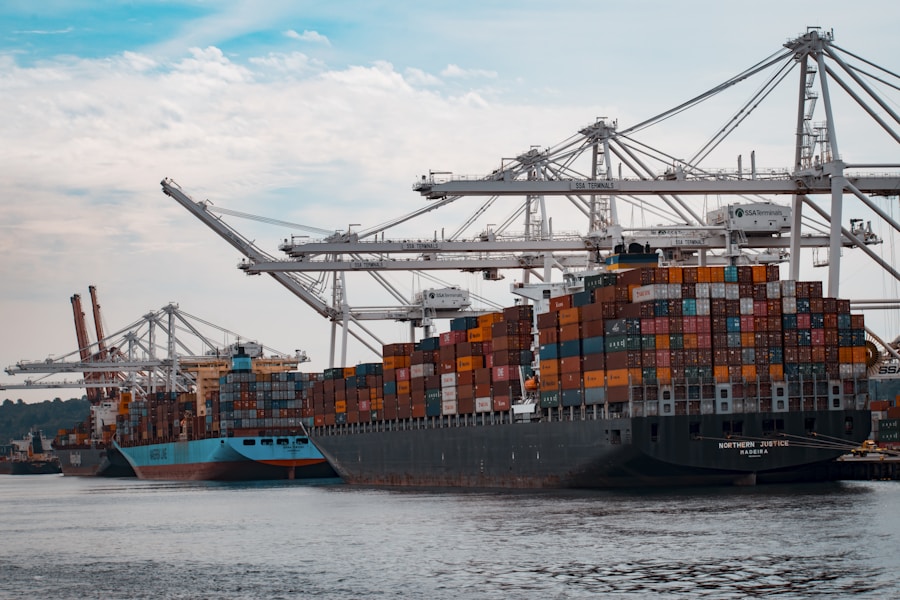
Lits'oants'o tsa thepa boema-kepeng bo boholo ba khoebo ea machabeng tse emelang thepa ea B2B e tšelang meeli bakeng sa lisebelisoa tsa indasteri
Case Studies Barel Sourcing in Practice
Nyeoe 1: Motsoako oa Europe o fokotsa nako ea ho theoha ka 40% ka leano la mehloli e 'meli.
Motsoako oa lipolasetiki oa Jeremane oa boholo bo bohareng o sebetsang 12 mafahla sekoti extruder mela (Copeion ZSK 58 le ZSK 92 sethala) ka nalane e ile ea fumana libarele tsohle tse ncha ho tsoa ho moetsi a le mong oa China. Ho 2023, bothata ba boleng bo nang le sehlopha sa libarele tsa bimetallic — botenya bo sa lekaneng ba liner sebakeng se apereng haholo — e bakileng nako e sa reroang e bitsang EUR e hakanyetsoang 180,000. Khampani e sebelisitse leano la mehloli e 'meli: phepelo ea mantlha e tsoang ho moetsi ea thehiloeng ho Zhoushan ea nang le ISO 9001:2015 le setifikeiti sa PED, le phepelo ea bobeli ho tsoa ho mohlahisi oa Turkey bakeng sa litaelo tse potlakileng. Ka, khampani e tlaleha 40% phokotso ea nako e sa reroang e amanang le barrel le 12% theko e tlase ea karolelano ea theko ea libarele ka theko ea tlholisano lipakeng tsa barekisi ba babeli. Thuto ea bohlokoa: ho tšoaneleha barekisi ba babeli ba nang le liprothokholo tsa tlhahlobo tse kenang ka thata (tlhahlobo ea ultrasonic, boima ba 'mapa, netefatso ya dimensional) e fana ka melemo ea litšenyehelo le ho tšepahala.
Nyeoe 2: US food extrusion OEM e nts'etsapele liqoso tsa moqomo oa thepa le moetsi oa China.
Moetsi ea thehiloeng ho Wisconsin oa li-extruder tsa li-screw food extruder o ne a hloka libarele tse nang le lithapo tsa tšepe tse sa hloekang tse lumellanang le FDA tse khonang ho mamella ho khohlela., tikoloho e senyang ya mongobo o mongata wa dijo tsa phoofolo ya lapeng. Libarele tse tloaelehileng tsa lethathamo tse tsoang ho barekisi ba malapeng li ne li rekoa ka USD 28,000–35,000 ka sete ka 10–14 nako ea ho etella pele beke. Khamphani e sebelisana le Jingjiang, China, moetsi oa ho kopanya moqomo o sebelisa 316L liner e sa hloekang e lahleloa ka har'a 4140 kgetla, ka geometry ea mocha oa ho futhumatsa. Kamora ts'ebetso ea likhoeli tse 6 ho kenyelletsa tlhahlobo ea feme ea sebakeng sa marang-rang le tlhahlobo ea moqomo oa liteko, khampani e finyeletseng 35% phokotso ya ditshenyehelo ka tshebetso e lekanang. Theko ea selemo le selemo joale e feta USD 1.2 milione, ka libarele tse romelloang ka sekepe ho ea Port of Chicago. Karolo 301 litefiso li eketsa 25% ho theko e tlase, empa chelete e bolokoang khahlano le phumants'o ea lehae e ntse e le bohlokoa hoo e ka bang 15–18%.
Nyeoe 3: Sekala sa ho qala ho sebelisoa hape India ka mokhoa oa modular barrel system.
Polasetiki e thehiloeng Mumbai e nchafatsang li-flakes tsa botlolo tsa PET tse hlokahalang ho hola ho tloha moleng o le mong oa 52mm oa sekoti ho isa ho mela e mene ka hare. 18 likhoeli. Mathata a lichelete a entse hore ho reka li-extruder tse ncha ho se sebetse. Ho e-na le hoo, k'hamphani e ile ea fumana litsamaiso tsa meqomo tse arohaneng tse arohaneng ho tsoa ho moetsi oa Guangzhou, e etselitsoe ho khutlisa liforeimi tse kopaneng tsa extruder. Moralo o arohaneng o ile oa lumella likarolo tsa barrel ka bomong hore li nkeloe sebaka ha li ntse li roala, ho fokotsa litšenyehelo tse tsoelang pele tsa tlhokomelo ka mokhoa o hakanyetsoang 25% ha e bapisoa le sebaka sa monolithic barrel. Moetsi o fane ka litšoantšo tse qaqileng tsa boenjiniere le tšehetso ea tekheniki e hole bakeng sa ho kenya, ho bontsha boleng ba tshebedisano mmoho le moreki maemong a mebaraka e hlahang. Single Screw Extruder
Netefaletso ea boleng: Seo Bareki ba B2B ba Lokelang ho se Batla ho Baetsi ba Barrel
Theko ea litsebi ea libarele tse peli tsa screw e hloka moralo o hlophisitsoeng oa netefatso ea boleng:
- Lisetifikeiti tsa lintho tse bonahalang: Litlaleho tsa teko ea Mill (MTR) bakeng sa tšepe ea substrate ea barrel le alloy ea liner, e latelloang ke linomoro tse itseng tsa mocheso. Netefatsa sebopeho sa lik'hemik'hale khahlano le litlhaloso (mohlala, ASTM A322 bakeng sa 4140 tshepe, TS'OA 1.8519 bakeng sa 38CrMoAlA).
- Teko ea boima: Litekanyo tsa boima ba Rockwell kapa Vickers bonyane 5 lintlha ka bolelele ba moqomo, holim'a liner le substrate ka bobeli. Kopa litlaleho tsa 'mapa oa boima.
- Tlhahlobo ea mahlakore: Bore bophara, concentricity, ho otloloha, le pheletso e kahodimo (Ra) methatiso ka ho sebedisa disebediswa tse lekantsweng. CMM e tlaleha bakeng sa litekanyo tsa bohlokoa tsa sebopeho.
- Teko e sa senyeheng (NDT): Tlhahlobo ea Ultrasonic bakeng sa botšepehi ba liner bond (100% bore coverage), tlhahlobo ea likaroloana tsa makenete bakeng sa mapetsong a bokaholimo, le dae penetrant liteko bakeng sa barrel segment tiiso ea holim'a metsi.
- Setifikeiti: ISO 9001:2015 (tsamaiso ea boleng), ISO 14001 (tsamaiso ea tikoloho), le moo ho hlokahalang, PED 2014/68/EU (Khatello Equipment Directive) bakeng sa libarele tse sebetsang tlas'a khatello libakeng tsa EU.
Bareki ba lokela ho etsa tlhahlobo ea lifeme — ebang ke ka seqo kapa ka mekhatlo ea batho ba bang ea tlhahlobo (SGS, Ofisi ea Veritas, TÜV) — pele o itlama ka litaelo tsa molumo. Litsenyehelo tsa tlhahlobo ea feme (USD 1,500–3,000) e nyane ha e bapisoa le litšenyehelo tsa ho amohela libarele tse sa lumellaneng.
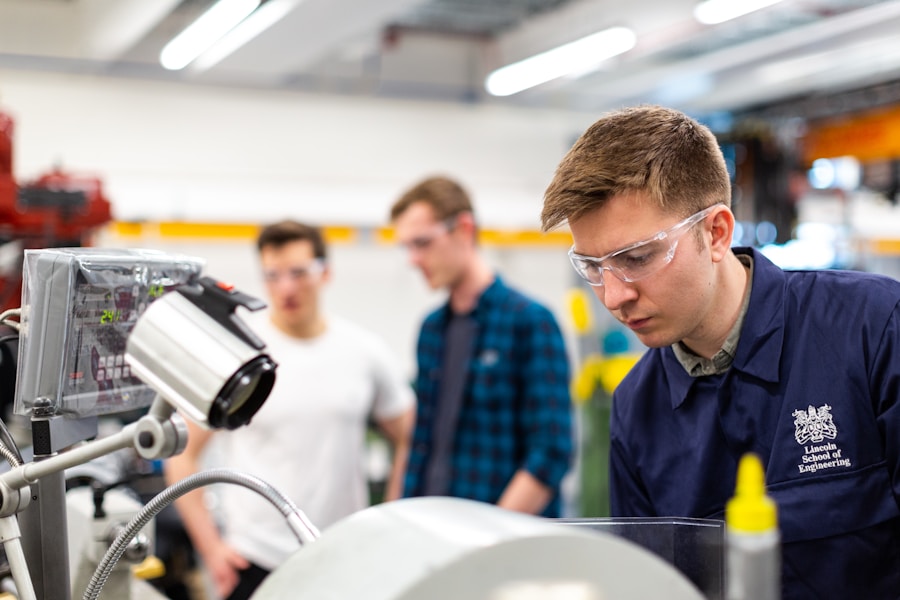
Tlhahlobo ea taolo ea boleng ba likarolo tsa tšepe tsa indasteri ho sebelisa lisebelisoa tsa ho lekanya ka nepo
Ho bolela esale pele Mekhoa ea Khoebo ea Twin Screw Barrel: Phuptjane–Phato
E itšetlehile ka matšoao a hona joale a 'maraka, ntshetsopele ya maano, le data ea indasteri, mekhoa e latelang e lebeletsoe ho bopa lefahla sekoti barrel khoebo ea B2B nakong e tlang ho likhoeli tse peli:
Ho hloka botsitso ha litefiso ho etsa hore motho a reke esale pele. Phatlalatso ea Mmesa ea litefiso tse atolositsoeng tsa US e bakile leqhubu la ho reka esale pele har'a barekisi ba Amerika Leboea le li-OEM.. Baetsi ba li-barrel ba Chaena ba tlaleha hore ho na le taelo e saletseng morao e fihlang ho 10–14 libeke, ho tloha ho tse 6 tse tloaelehileng–8 libeke. Bareki ba e-so kenye liodara tsa ho tsamaisoa ha Q3 ba lokela ho lebella nako e telele ea ho etella pele mme ba nahane ka likhetho tse potlakileng tsa thomello..
Cr10 Max Extruder Litšenyehelo tsa thepa e tala lia tsitsa. Ka mor'a Q1 e sa tsitsang, litheko tsa nickel li lutse ho USD 15,500–16,500/tonne ho LME, 'me litheko tsa tungsten APT li tšoere USD325–340/PERSON. Ho tsitsisa hona ho lokela ho fetolela litheko tse lebelletsoeng ho feta tsa libarele nakong ea lehlabula, leha bahlahisi ba ka leka ho boloka keketseho ea theko ea Q1. Bareki ba lokela ho rerisana ho latela li-indices tsa morao-rao tsa thepa ho fapana le ho amohela litheko tsa lefa.
Liphello tsa Chinaplas. Chinaplas, e neng e tšoaretsoe Shenzhen ka April, e bonts'itse bahlahisi ba 'maloa ba libarele' mela e mecha ea sehlahisoa e kenyelletsang libarele tse arohaneng tse nang le likou tse kopaneng tsa sensor bakeng sa indasteri 4.0 tlhokomelo, le li-liner tsa PM-HIP tsa moloko o latelang tse nang le likopo 30% nako e telele apara bophelo. Lebella hore lintlafatso tsena li ka kena khoebong ea Q3–Q4, ho fa bareki ba pele ba ho amohela monyetla oa tlholisano molemong oa ho sebetsa hantle.
Lab Scale Extruder Manufacturer Tlaleho ea EU CBAM e tsamaisa litlhoko tsa bafani ba thepa. Ha karolo ea phetoho ea EU CAM e ntse e tsoela pele, Barekisi ba Europe ba lihlahisoa tse kenang ka tšepe tse matla ho kenyelletsa le libarele tsa extruder ba qala ho kopa data ea carbon footprint ho bahlahisi. Barekisi ba ka fanang ka lintlha tse netefalitsoeng tsa mesi (Sebaka 1, 2, le 3) ho tla khethoa. Bahlahisi ba Machaena ba nang le lisebelisoa tsa motlakase tse tsosolositsoeng (e atile haholo liprofinseng tsa Zhejiang le Jiangsu) ba ipeha boemong bo botle.
Ho tsosolosa matsete a mekhoa ea motheo ho potlakisa. Mananeo a lichelete a mmuso — the EU's Circular Economy Action Plan, the US EPA's Solid Waste Infrastructure for Recycling (SWIFR) lithuso — ba fana ka chelete bakeng sa melapo e mecha ea ho sebelisa hape bohareng ba. Mohala o mong le o mong o mocha oa ho sebelisa mochini hangata o hloka 2–4 li-fin screw extruders, ho fetolela tlhokong e otlolohileng ya moqomo. Baetsi le baphatlalatsi ba shebaneng le lekala la ho recycle recycle ba lokela ho lokisa thepa ka nepo.
India e hlaha e le mokhoa o mong oa ho batla. Baetsi ba libarele ba India ba bonts'itsoeng Plastivision India (Pherekhong) ka boleng ba sehlahisoa bo ntlafalitsoeng haholo. Bahlahisi ba 'maloa ba Ahmedabad le Pune ba fihletse boleng ba libarele tsa bimetallic tse ka bapisoang le bahlahisi ba China ba mahareng ba lilemo tse 10.–15% theko e tlase, driven by lower labor costs and India's growing specialty steel production capacity. Bakeng sa bareki ba sebeletsang Asia Boroa, Bochabela bo Hare, le limmaraka tsa Afrika, Tšebeliso ea India e lokeloa ke tlhahlobo e matla.
Tšireletseho ea Mosebetsing Libakeng tsa Extrusion: Ho Sireletsa Basebelisi ho tloha ho Ground Up
Ha sepheo sa tataiso ena e le ho fumana moqomo, Khoebo e ikarabellang ea B2B ka mochini oa extrusion e tlameha ho sebetsana le tikoloho ea ts'ebetso moo libarele tsena li kentsoeng. Mehaho ea "twin screw extrusion" e fana ka likotsi tse ikhethang tsa sebaka sa mosebetsi — mocheso o phahameng (bophahamo ba barrel fihla ho 200–400°C), ho tshwara karolo e boima (likarolo tsa barrel li boima ba 50–300 kg ka nngwe), ho qhala ha polima, le bokaholimo ba fatše bo silafalitsoeng ke oli ea ho sebetsa le lerōle la pellet. Likotsi tsa maoto ke tse ling tsa liketsahalo tse tloaelehileng le tse ka thibeloang sebakeng sa mosebetsi libakeng tsa ho lokisa li-plastiki.
Nyeoe ea lieta tsa tšireletso libakeng tsa extrusion. Ho latela U.S. Ofisi ea Lipalopalo tsa Basebetsi (BLS), likotsi tsa maoto li etsa hoo e ka bang 60,000 likotsi mosebetsing selemo le selemo United States, le tikoloho ea tlhahiso e emelang karolo e sa leka-lekaneng. European Agency for Safety and Health at Work (EU-OSHA) e tlaleha mekhoa e tšoanang ho pholletsa le linaha tseo e leng litho tsa EU. Ka lisebelisoa tsa extrusion ka ho khetheha, likotsi tse ka sehloohong tsa maoto li kenyelletsa:
- Likotsi tse sithabetsang tse tsoang likarolong tse oeleng tsa barrel, screw elements, kapa likarolo tsa shoa nakong ea ts'ebetso ea tlhokomelo le phetoho.
- Chesa likotsi tsa ho kopana le libaka tse chesang tsa barrel, marotholi a polima a qhibilihisitsoeng, kapa dikopano tsa diesele tse futhumetseng.
- Likotsi tsa ho phunya litšepe tsa tšepe, malebela a sekoti se robehileng, kapa makumane a sephara a moqomo a bohale.
- Likotsi tsa li-slip fatše tse silafalitsoeng ke oli ea ho lokisa, metsi a tsoang tsamaisong ea ho pholisa, kapa li-pellets tsa polymer tse qhatsoeng.
- Likotsi tsa motlakase tse tsoang ho barrel heater band wiring nakong ea tlhokomelo.
Melao ea tšireletso ea lieta le litlhaloso. Bareki ba B2B ba lisebelisoa tsa extrusion ba lokela ho netefatsa lisebelisoa tsa bona — le bareki ba bona' lisebelisoa — li na le lieta tse nepahetseng tse lumellanang le maemo a amoheloang:
- ASTM F2413 (Tekanyetso ea US): E totobatsa litlhoko tsa lieta tse sireletsang ho kenyeletsa le ho hanyetsa matla (Ke/75 — 75 Tšireletso ea phello ea ft-lbs), khanyetso ea khatello (C/75 — 2,500 lbs compression), tšireletso ea metatarsal (Mt/75), le kotsi ea motlakase (EH) litekanyetso.
- KA ISO 20345 (Tekanyetso ea US): E hlalosa litlelase tsa lieta tsa polokeho ho tsoa ho SB (tšireletso ea menoana ea mantlha, 200J phello) ka S5 (tšireletso ea menoana + serethe se koetsoeng + antistatic + ho monya matla + ho hanyetsa metsi + kganetso ya ho kena + cleated outsole). Bakeng sa libaka tsa extrusion, Ho khothaletsoa lieta tsa S3 kapa S5.
- Motsoako o kopantsoeng oa menoana vs. leoto la tšepe: Li-caps tsa mehleng ea kajeno tse entsoeng ka motsoako (fiberglass, carbon fiber, kapa Kevlar) fana ka tšireletso e lekanang le tšepe ho 30–40% boima bo fokolang, ka molemo o eketsehileng oa ho kenya mocheso oa mocheso — bohlokoa libakeng tsa extrusion moo mocheso oa fatše o haufi le libaka tsa ho futhumatsa moqomo o ka phahamisoang.
Sprite Extruder Bltouch Mount Lithako tse mamellang mocheso. Li-outsoles tse tloaelehileng tsa rabara li senyeha ka mocheso o tsitsitseng o ka holimo ho 150°C. Lieta tsa tšireletso tsa setsi sa Extrusion Crality Dual Gear Extruder e lokela ho ba le rabara ea nitrile kapa Viton-compound outsoles e lekantsoeng 300°C ho hanyetsa ho kopana, ho sireletsa khahlanong le ho hata ka phoso holim'a marotholi a polymer a chesang kapa haufi le libaka tse futhumatsang tsa moqomo.
Litaelo tse khahlanong le mokhathala le ergonomic. Basebelisi ba Extrusion le litsebi tsa tlhokomelo hangata ba sebetsa 8–12 hora e fetoha fatše ka konkreite. Lieta tsa tšireletso tse nang le li-midsoles tse khutlisetsang matla (PU kapa EVA foam), tšehetso ea arch, le masela a koahelang mongobo a fokotsa likotsi tse amanang le mokhathala — ntlha eo baokameli ba tšireletso ba ntseng ba e hlokomela ka ho eketsehileng e le eona e tlatsetsang tšebetsong e akaretsang ea polokeho mosebetsing.

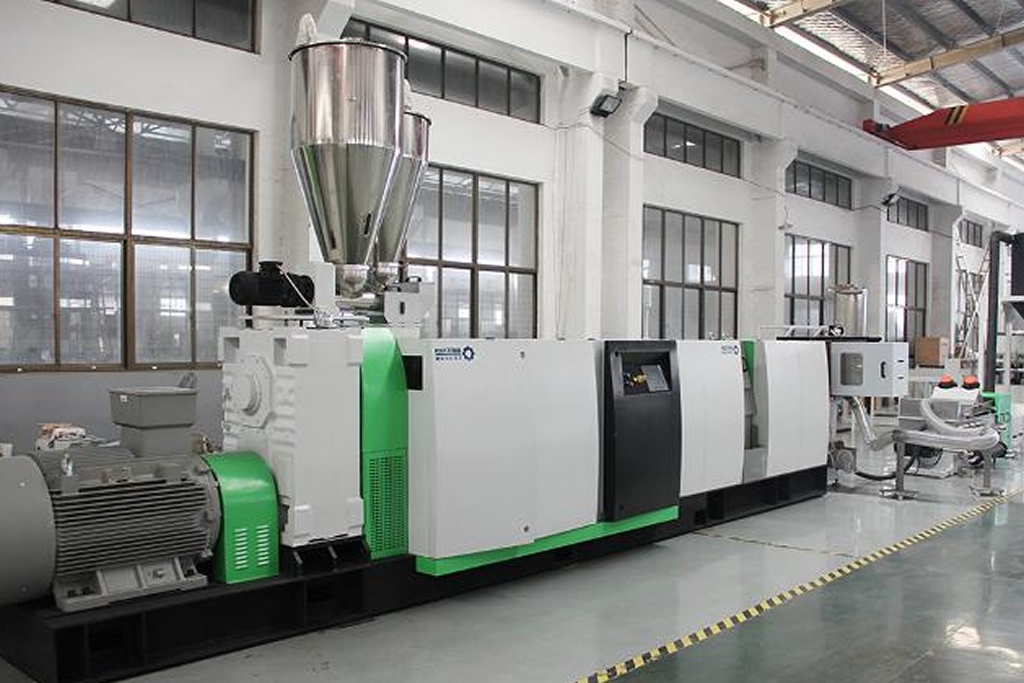
ROI ea mananeo a lieta tsa tšireletso. Lekhotla la Naha la Tšireletseho le hakanya hore kakaretso ea litšenyehelo tsa kotsi ea leoto mosebetsing US ke USD 9,600 ka litšenyehelo tse tobileng (tsa bongaka, basebetsi' matšeliso) le USD 29,000–42,000 ka litšenyehelo tse felletseng ho kenyeletsoa tlhahiso e lahlehileng, mosebetsi oa phetoho, le litšenyehelo tsa tsamaiso. Lirifi tsa boleng bo holimo li bitsa $80–250. Bakeng sa setsi se nang le 50 basebetsi ba extrusion, lenaneo le felletseng la lieta tsa polokeho le bitsa USD 4,000–12,500 selemo le selemo — karoloana ea litšenyehelo tsa kotsi e le 'ngoe e mpe ea leoto. Lintlha tsa Europe tse tsoang EU-OSHA li bonts'a moruo o tšoanang, ka taelo e ekelitsoeng ea taolo ea EU Framework Directive 89/391/EEC e hlokang hore bahiri ba fane ka PPE e nepahetseng ntle ho tefo ho basebetsi..
Ho kopanngoa le liprothokholo tsa tlhokomelo ea barrel. Baetsi le barekisi ba libarele tsa B2B ba ka eketsa boleng ka ho kenyelletsa likhothaletso tsa polokeho litokomaneng tsa bona tsa tekheniki. Mekhoa ea ho kenya le ho tlosa meqomo e lokela ho hlakisa PPE e hlokahalang ho kenyelletsa le sehlopha sa lieta tsa polokeho, ho matlafatsa setso sa polokeho seo