

Masterbatch Extruder: The Definitive B2B Guide to Manufacturers, Добављачи & Global Trade Opportunities in
The global masterbatch extruder market is experiencing a significant transformation in, driven by rising demand for high-performance color and additive masterbatch across packaging, аутомобилске, конструкција, and consumer goods sectors. As international B2B trade between the United States and the European Union continues to evolve under new tariff structures and sustainability mandates, sourcing the right masterbatch extruder from a reliable manufacturer, добављач, or factory has never been more critical. This comprehensive guide examines the current state of the masterbatch extrusion industry, analyzes trade policies affecting equipment procurement, highlights real-world sourcing case studies, and forecasts where the market is heading over the next 12 месеци. Whether you are a masterbatch producer scaling capacity, a plastics compounder exploring wholesale equipment options, or a procurement manager evaluating factory-direct purchasing, this article delivers the data-driven insights you need to make informed decisions.
Understanding Masterbatch Extruders: Основна технологија и апликације
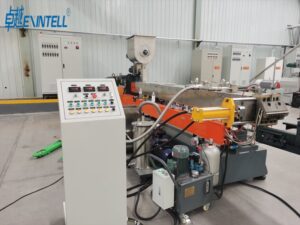
A masterbatch extruder is a specialized piece of plastics processing equipment designed to produce masterbatch — concentrated mixtures of pigments, additives, or fillers encapsulated in a carrier resin. These concentrated pellets are then used by downstream plastics processors to color or enhance the properties of raw polymers during injection molding, blow molding, film extrusion, and other conversion processes.
The dominant technology in masterbatch production is the co-rotating twin screw extruder, which offers superior dispersive and distributive mixing compared to single screw alternatives. According to data published by the Plastics Europe Association у рано, the European plastics industry processed approximately 58.7 million tonnes of polymers in 2024, with masterbatch consumption representing a growing share of the value chain. The twin screw extruder's ability to handle high filler loadings (до 80% by weight for calcium carbonate masterbatch, на пример) and achieve tight color tolerances (Delta E < 1.0) makes it indispensable for modern masterbatch factories.
Key applications for masterbatch extruders include:
- Color masterbatch production (white, black, and chromatic colors)
- Additive masterbatch (UV stabilizers, antioxidants, успоривачи пламена, anti-static agents)
- Filler masterbatch (ЦаЦО3, талк, BaSO4 compounds)
- Specialty and functional masterbatch (antimicrobial, conductive, biodegradable)
The choice of extruder directly impacts product quality, пропусност, потрошња енергије, и укупни трошкови власништва — making the selection of a masterbatch extruder manufacturer or supplier one of the most consequential decisions a plastics business can make.
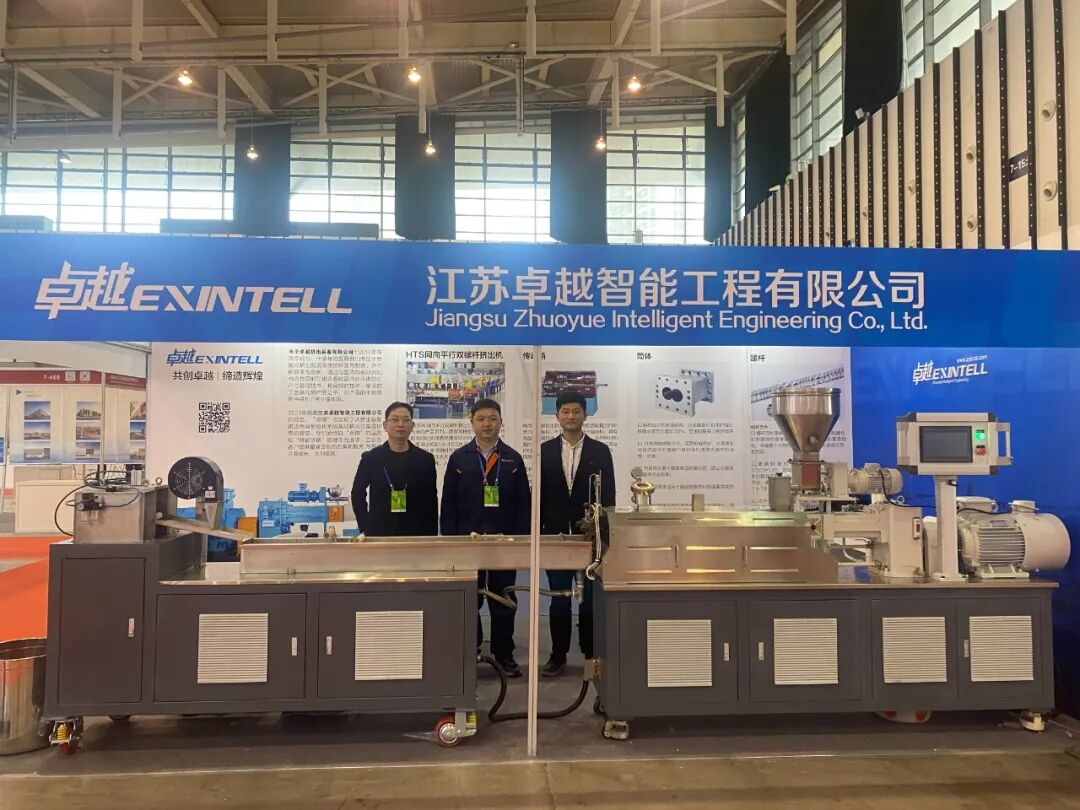
Industrial plastics manufacturing facility with extrusion production lines processing polymer materials for B2B supply chains
Trade Policy Landscape and Its Impact on Masterbatch Extruder Sourcing
Трансатлантски трговински однос између Сједињених Држава и Европске уније остаје највеће билатерално комерцијално партнерство на свету. Према У.С. Управа за међународну трговину (ИТА), total goods trade exceeded $920 милијарди у 2024, са индустријским машинама — including plastics processing equipment like extruders — representing a significant category.
Several policy developments in the first half of are directly relevant to B2B buyers sourcing masterbatch extruders:
Tariff Adjustments Under Section 301 and EU Countermeasures
У.С. administration's April tariff actions introduced new duties on a broad range of imported industrial goods. While plastics machinery from EU member states had previously entered the U.S. at relatively low MFN (Најомиљенија нација) tariff rates (typically 0–3.5% under HTS Chapter 84), the new reciprocal tariff framework imposed a baseline 10% tariff on EU-origin goods effective April 5, with certain categories facing higher rates before a 90-day pause was announced on April 9, as reported by Reuters. For B2B buyers of European-manufactured masterbatch extruders (from German, италијански, or Austrian OEMs, for instance), this has introduced meaningful cost uncertainty into procurement planning.
The European Commission's Генерална дирекција за трговину responded with a phased countermeasure package, initially targeting selected U.S. exports to the EU. This tit-for-tat dynamic has created a more complex environment for cross-Atlantic equipment trade.
Механизам прилагођавања границе угљеника ЕУ (ЦБАМ) Implications
The EU's CBAM, which entered its transitional reporting phase in October 2023 and moves toward full implementation by 2026, primarily targets carbon-intensive materials (челика, алуминијум, цемента, ђубрива, струја, hydrogen). While masterbatch extruders themselves are not directly covered, the upstream steel and aluminum components used in extruder manufacturing are. European extruder manufacturers sourcing steel domestically face EU ETS carbon costs already embedded in their input prices, while non-EU manufacturers exporting to Europe will eventually face CBAM-related adjustments. This subtly shifts the cost competitiveness equation for masterbatch extruder factories located inside versus outside the EU.
Supply Chain Due Diligence Regulations
The EU Corporate Sustainability Due Diligence Directive (ЦСДДД), усвојен у 2024, requires large companies operating in the EU to identify and mitigate adverse human rights and environmental impacts throughout their supply chains. For B2B buyers sourcing masterbatch extruders from global suppliers, this means increased documentation requirements regarding the manufacturing conditions, labor practices, and environmental compliance of the equipment factory. Reputable masterbatch extruder manufacturers are proactively obtaining ISO 14001 environmental management and SA8000 social accountability certifications to facilitate smoother procurement processes for EU-based customers. Двоструки пужни екструдер
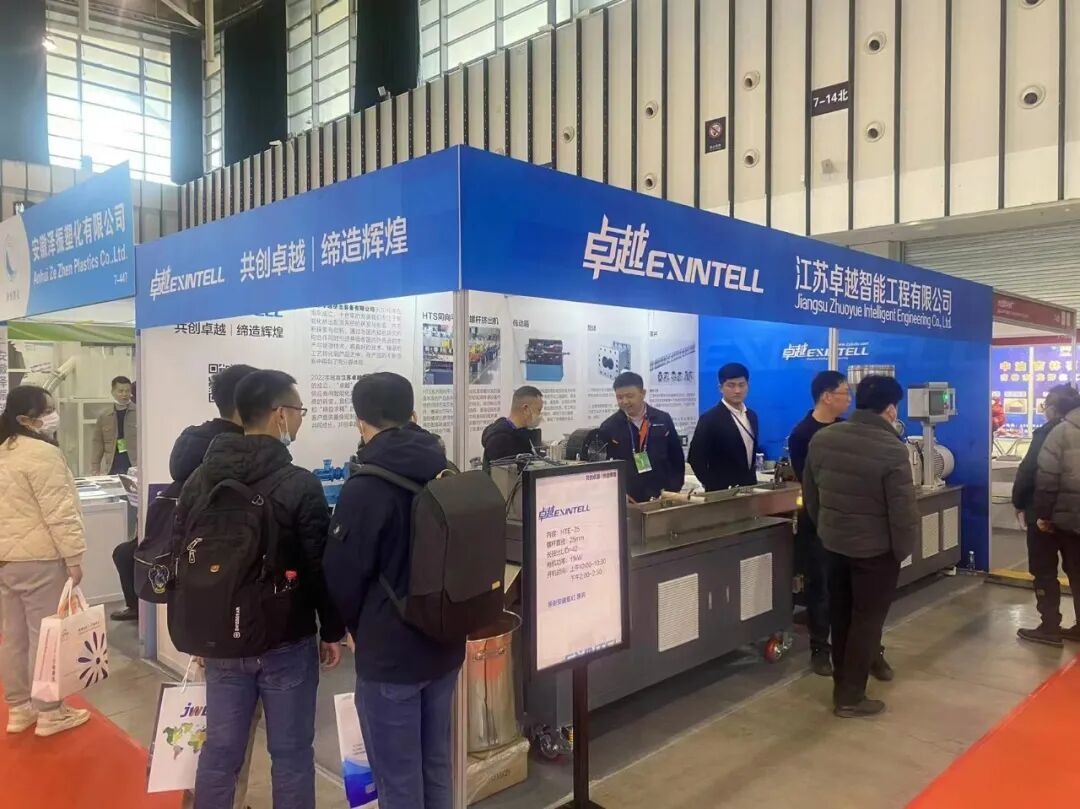
Major international shipping port with container vessels and logistics infrastructure supporting global B2B industrial equipm
Global Masterbatch Extruder Market: Key Manufacturers and Supplier Landscape
The masterbatch extruder manufacturing landscape is concentrated among a relatively small number of established OEMs, complemented by a growing tier of competitive suppliers from Asia. Understanding this landscape is essential for B2B procurement.
European Manufacturers
Европа — particularly Germany, Италија, и Аустрије — has historically been the center of gravity for high-performance twin screw extruder manufacturing. Companies such as Coperion (Немачка), КрауссМаффеи (Немачка), Бухлер (Швајцарска), and Leistritz (Немачка) are recognized globally for engineering precision, process know-how, and long equipment lifespans. European-made masterbatch extruders typically command premium pricing (a 50mm-class twin screw line can range from €350,000 да €800,000+ depending on configuration) but offer advantages in energy efficiency, automation integration, and after-sales support networks across both the EU and North American markets.
Chinese Manufacturers and Suppliers
China has emerged as the world's largest producer of twin screw extruders by volume. Manufacturers such as Nanjing Jieya, Nanjing Chuangbo, Нањинг Керке, and Guangdong-based suppliers offer masterbatch extruder lines at significantly lower price points — често 40–60% below European equivalents for comparable screw diameters. Према China Customs export Plastic Compounding Wholesale data analyzed by industry observers, Chinese plastics machinery exports grew approximately 8.3% године у години у 2024, with twin screw extruders being a key growth category. The quality gap has narrowed considerably over the past decade, with leading Chinese factories now offering Siemens or ABB drive systems, German-grade metallurgy for screw elements (ЦПМ 9В, Стелити 12 equivalents), and CE/UL compliance for export markets. Underwater Pelletizing
Other Regional Suppliers
Индија (with manufacturers like Rajoo Engineers and Kabra Extrusiontechnik), Јапан (ЈСВ, Схибаура), and Turkey are also active in the masterbatch extruder supply chain, each serving specific regional and price-point niches.
B2B Trade Opportunities and Challenges in the Masterbatch Extruder Sector
The intersection of growing global masterbatch demand and evolving trade policies creates both significant opportunities and notable challenges for B2B participants in this market.
Opportunities
Surging demand for sustainable and specialty masterbatch: The global push toward circular plastics economies is driving demand for masterbatch formulations that enable recycling (compatibilizers, oxygen scavengers for rPET), biodegradability, and lightweighting. Each of these applications requires precise compounding — and therefore high-quality extruders. Тхе European Bioplastics Association projects bioplastics production capacity to reach 7.43 million tonnes by 2028, up from 2.18 million tonnes in 2023, creating substantial new equipment demand.
Capacity expansion in emerging markets: Masterbatch production capacity is expanding rapidly in Southeast Asia, Блиског истока, Africa, and Latin America, driven by local packaging and construction sector growth. These regions represent greenfield opportunities for masterbatch extruder manufacturers and wholesale distributors to supply complete production lines.
Reshoring and nearshoring trends: Both U.S. and EU manufacturers are increasingly looking to localize supply chains. This is driving new masterbatch factory construction in North America and Eastern Europe, each requiring extruder procurement. Тхе Удружење индустрије пластике (PLASTICS) reported a 12% повећање у У.С. plastics machinery orders in Q4 2024 compared to Q4 2023, partly attributed to reshoring activity.
Изазови
Tariff volatility: As discussed above, the unpredictable tariff environment in makes it difficult for B2B buyers to lock in equipment costs. A masterbatch extruder factory in China quoting FOB Ningbo may see its landed cost in the U.S. fluctuate by 15–25% depending on which tariff rate is in effect at the time of importation.
Long lead times: High-specification twin screw extruders typically have manufacturing lead times of 12–20 недеље. Combined with ocean freight transit times (35–45 days from China to U.S. Источна обала, 25–30 days to Northern Europe), total procurement cycles can stretch to 6+ месеци, requiring careful planning.
Technical qualification and after-sales support: Selecting a masterbatch extruder supplier based solely on price can lead to costly problems. Inadequate screw design, poor barrel metallurgy, or lack of local spare parts inventory can result in production downtime that far exceeds any initial savings. B2B buyers must evaluate the manufacturer's process engineering capability, reference installations, and service network as part of the total value proposition.
Business professionals in a B2B trade negotiation meeting discussing industrial equipment procurement and supply chain partne
Geographic and Policy Advantages Enabling B2B Masterbatch Extruder Trade
Both the United States and the European Union offer structural advantages that facilitate B2B trade in industrial equipment like masterbatch extruders.
The EU's Single Market, encompassing 27 member states and over 450 million consumers, allows a masterbatch extruder manufacturer based in Germany to sell equipment to a customer in Poland, Spain, or Romania without customs duties, with harmonized CE marking requirements, and with standardized payment terms under EU commercial law. This frictionless internal market makes Europe an attractive base for both equipment manufacturing and masterbatch production.
The United States offers the advantage of a massive, unified domestic market with strong rule of law, transparent regulatory frameworks (FDA compliance for food-contact masterbatch, UL certification for electrical systems), and deep capital markets that facilitate equipment financing. У.С. Small Business Administration (SBA) and Export-Import Bank (ЕКСИМ) provide financing tools that can help smaller masterbatch producers acquire extruder equipment.
Free trade agreements also play a role. The EU's network of FTAs (са Јужном Корејом, Јапан, Канада, Вијетнам, и други) and the U.S.-Mexico-Canada Agreement (USMCA) create preferential tariff corridors that can influence where masterbatch factories are located and, следствено томе, where extruder demand materializes. A masterbatch producer setting up a factory in Mexico to serve the North American market under USMCA, на пример, represents a distinct equipment sales opportunity for extruder suppliers. Extruder Operator Meaning
Flsun Extruder Furthermore, both regions have robust trade promotion infrastructure. Тхе У.С. Commercial Service and EU member state trade promotion Cura Jog Extruder agencies (Germany Trade & Invest, ICE Italy, итд.) actively facilitate B2B matchmaking between equipment buyers and suppliers through trade missions, industry exhibitions, and online platforms. Powder Mixer Blender
Case Study Masterbatch Extruder Procurement in Practice
Examining real-world procurement scenarios illustrates the complexities and best practices in sourcing masterbatch extruders across international borders.
Случај 1: European Masterbatch Producer Expanding with Chinese Equipment
A mid-sized masterbatch manufacturer based in Northern Italy, producing approximately 15,000 tonnes per year of color masterbatch for the European packaging industry, needed to add a new production line to meet growing demand for masterbatch compatible with post-consumer recycled (ПЦР) polyolefins. The company's existing lines were all European-made (Coperion ZSK series), but budget constraints for the expansion project led the procurement team to evaluate Chinese twin screw extruder suppliers.
After attending Chinaplas 2024 in Shanghai and conducting factory audits at three shortlisted Chinese manufacturers, the company selected a 65mm co-rotating twin screw extruder line from a Nanjing-based supplier. The total project cost (екструдер, downstream equipment, installation supervision, and ocean freight CIF Genoa) came to approximately €280,000 — отприлике 45% less than the comparable European option.
Укључени су кључни фактори успеха: (1) engaging an independent third-party inspection company to conduct pre-shipment quality checks; (2) specifying European-brand electrical components (Siemens PLC, ABB motors) in the purchase contract; (3) negotiating a 2-year warranty with guaranteed spare parts availability from a European warehouse; и (4) sending two process engineers to the Chinese factory for a 10-day Factory Acceptance Test (FAT) before shipment. The line was commissioned in Q1 and is reportedly meeting output and quality targets.
Случај 2: У.С. Compounder Navigating Tariff Uncertainty
A Texas-based plastics compounding company specializing in additive masterbatch for the oil and gas sector (UV-stabilized HDPE compounds for pipe applications) planned to purchase two new twin screw extruder lines in early. The company had historically sourced from a German manufacturer but was also evaluating a Chinese supplier that had recently established a U.S. subsidiary with a parts warehouse in Houston.
The April tariff announcements complicated the decision. The German-made extruder, priced at approximately $650,000 per line DDP Houston, faced the new 10% baseline tariff on EU goods (up from the previous ~2.4% MFN rate), adding roughly $47,000 по јединици. The Chinese-made alternative, priced at $380,000 per line FOB Shanghai, faced a cumulative tariff rate of approximately 145% (combining existing Section 301 duties with the new reciprocal tariffs), making the landed cost potentially higher than the German option.
The company ultimately decided to: (1) proceed with one German line immediately, absorbing the 10% tariff; и (2) defer the second line purchase by 6 месеци, betting that the 90-day tariff pause announced on April 9 would lead to negotiated reductions. This case illustrates how tariff volatility is actively reshaping B2B equipment procurement strategies in the masterbatch extruder market.
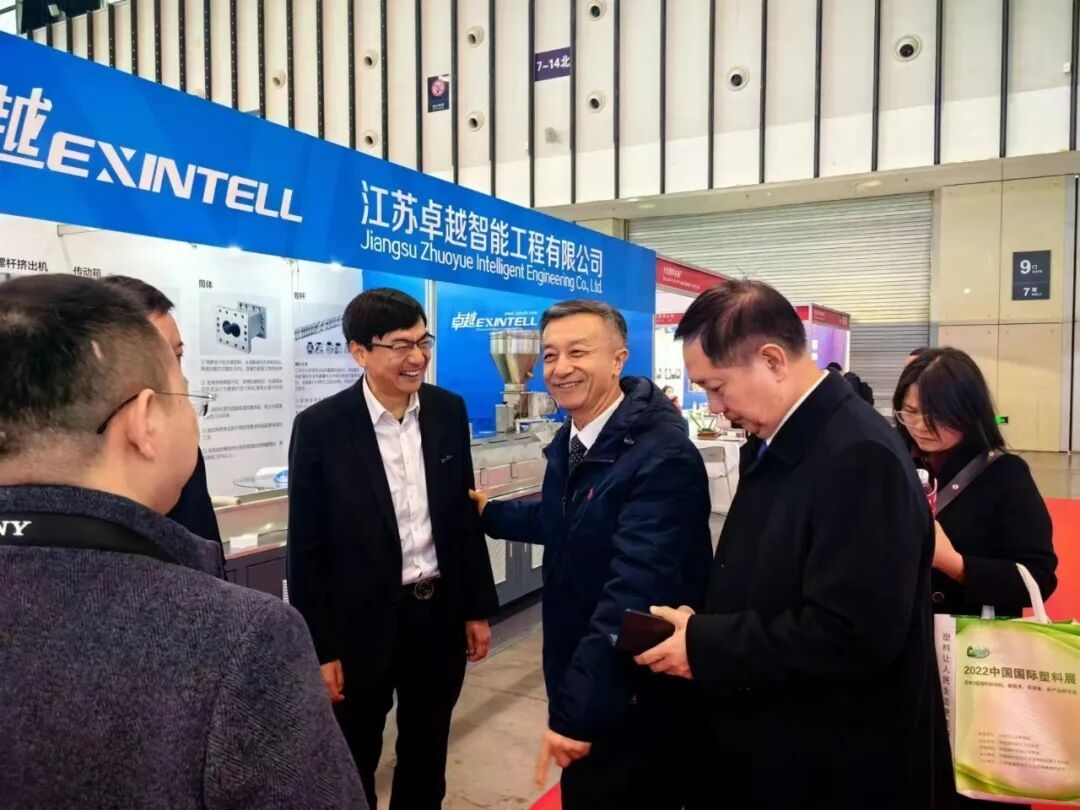
International trade exhibition hall with industrial machinery displays and B2B buyers evaluating manufacturing equipment
Случај 3: Turnkey Masterbatch Factory Project in the Middle East
A Saudi Arabian investment group, leveraging the Kingdom's Vision 2030 industrial diversification strategy, contracted with a European engineering firm to design and build a greenfield masterbatch factory near Jubail Industrial City. The project scope included four twin screw extruder lines (two for white masterbatch at 75% TiO2 loading, one for black masterbatch, and one for additive masterbatch), along with raw material handling, пелетирање, паковање, and quality control laboratory equipment.
The engineering firm sourced the extruders from an Italian manufacturer, leveraging the EU-GCC trade dialogue framework and Saudi Arabia's relatively low import duties on industrial machinery (типично 5% under the GCC Common External Tariff). Total project value exceeded €8 милиона, with the extruder package representing approximately 35% of the total investment. The project is scheduled for commissioning in Q3 and is expected to supply masterbatch to the rapidly growing Saudi and wider GCC plastics conversion industry, which the Gulf Petrochemicals and Chemicals Association (GPCA) values at over $30 billion annually.
Forecasting Masterbatch Extruder Market Trends: Мид- анд Беионд
На основу тренутних тржишних сигнала, путање политике, и индустријски подаци, several trends are likely to shape the masterbatch extruder market over the next 12 месеци.
Continued Demand Growth Despite Macro Headwinds
Global masterbatch market revenue is projected to grow at a CAGR of approximately 5.2% кроз 2030, according to multiple industry research firms including Гранд Виев Ресеарцх и МаркетсандМаркетс. This translates directly into sustained demand for masterbatch extrusion equipment. Even in a scenario of moderate global economic slowdown, the structural drivers — packaging growth in emerging markets, automotive lightweighting, and the sustainability transition — are robust enough to support continued equipment investment.
Acceleration of Industry 4.0 Интеграција
Masterbatch extruder manufacturers are increasingly differentiating on digital capabilities. Expect to see wider adoption of: real-time process monitoring via IoT sensors on barrel temperatures, screw torque, and melt pressure; AI-assisted recipe optimization that reduces color matching time from hours to minutes; predictive maintenance algorithms that minimize unplanned downtime; and digital twin technology that allows virtual commissioning and process simulation before physical installation. European OEMs currently lead in this space, but Chinese manufacturers are investing heavily to close the gap.
Tariff-Driven Supply Chain Reconfiguration
The tariff environment is likely to accelerate several supply chain shifts: (1) Chinese extruder manufacturers establishing assembly or finishing operations in tariff-neutral countries (Вијетнам, Thailand, Мексико) to maintain access to the U.S. market; (2) European manufacturers exploring U.S.-based assembly to avoid reciprocal tariffs on EU goods; и (3) increased interest in used and refurbished extruder markets as buyers seek to avoid new-equipment tariff exposure. Тхе ВДМА (Удружење немачког машинства) has noted that its member companies are actively evaluating localization strategies in response to the tariff landscape.
Advanced industrial automation and digital manufacturing technology representing Industry 4.0 integration in plastics process
Sustainability as a Procurement Criterion
B2B buyers are increasingly evaluating masterbatch extruders not just on throughput and price, but on energy efficiency (kWh per kg of output), compatibility with recycled feedstocks, and the manufacturer's own environmental footprint. Extruder designs that offer 15–25% energy savings through optimized screw geometry, high-efficiency motors (ИЕ4/ИЕ5 класа), and advanced barrel heating/cooling systems will command growing market share. The EU's Ecodesign for Sustainable Products Regulation (ESPR), expected to expand its scope to industrial machinery categories, will further formalize these requirements.
Consolidation Among Manufacturers
The masterbatch extruder manufacturing sector has seen notable M&A activity in recent years (нпр., Hillenbrand's acquisition of Coperion's parent Milacron, followed by the Coperion divestiture to Bain Capital in 2024). Further consolidation is expected as smaller manufacturers struggle with the investment required for digital transformation, global service networks, и усклађеност са прописима. За Б2Б купце, this means fewer but larger and potentially more capable supplier options.
Workplace Safety in Masterbatch Production: Protecting Workers with Safety Footwear
Operating masterbatch extruders and managing a masterbatch production facility involves significant occupational hazards that demand rigorous safety protocols — and one of the most fundamental yet often underestimated elements of worker protection is proper safety footwear. In the context of B2B trade, safety shoes represent both a compliance requirement and a commercial opportunity within the broader industrial supply chain.
Understanding the Hazards in Masterbatch Extrusion Environments
A masterbatch factory floor presents multiple risks to workers' feet and lower extremities:
- Удар тешког предмета: Masterbatch extruder components — вијчани елементи, сегменти бурета, матрице плоче, and gearbox assemblies — can weigh anywhere from 5 kg to over 200 кг. During maintenance, changeovers, or installation, dropped components pose a serious crush injury risk to feet and toes.
- Hot surfaces and molten polymer: Extruder barrels operate at temperatures ranging from 160°C to 320°C depending on the polymer being processed. Molten polymer strands exiting the die head, hot water from strand pelletizing baths, and heated surfaces throughout the production line create burn hazards.
- Хемијска изложеност: Masterbatch production involves handling pigments (some containing heavy metals), хемијски адитиви (успоривачи пламена, UV stabilizers), and solvents used for cleaning. Spills can cause chemical burns or skin irritation on exposed feet.
- Опасности од клизања: Spilled pellets, process oils, расхладна вода, and dust from raw material handling create slippery floor conditions that increase the risk of falls.
- Електричне опасности: Extruder drive systems, heater bands, and control panels involve high-voltage electrical systems. Anti-static or electrically insulating footwear may be required depending on the specific work zone.
- Compression from heavy machinery: Forklifts, pallet jacks, and overhead cranes are commonly used in masterbatch factories for raw material handling and finished goods logistics. Workers' feet are at risk of being run over or compressed by these vehicles and loads.
Industrial manufacturing worker in a production facility wearing proper personal protective equipment including safety footwe
Стандарди за сигурносну обућу: ИН ИСО 20345 and ASTM F2413
The two primary international standards governing safety footwear for industrial environments are:
Фабрика екструдера са двоструким вијком ИН ИСО 20345:2022 (European Standard): This standard defines safety footwear with a protective toecap tested to withstand an impact energy of 200 joules and a compression force of 15 kN. It classifies footwear into categories (СБ, S1, S2, S3, S4, S5) based on additional properties such as antistatic behavior, апсорпција енергије у пети, отпорност на воду, and penetration resistance. For masterbatch factory environments, S3 rated footwear (which includes water-resistant upper, penetration-resistant sole, and cleated outsole) is typically the minimum recommended specification. 3D Extrude Icon Online
Direct3D Pellet Extruder АСТМ Ф2413-18 (American Standard): У.С. equivalent, maintained by ASTM International, specifies impact resistance (И/75 = 75 стопа-поундс) and compression resistance (Ц/75 = 2,500 фунти) for protective toecaps. Additional ratings cover metatarsal protection (Мт), conductive (Cd), електрична опасност (ЕХ), static dissipative (СД), и отпорност на пробијање (ПР). U.S.-based masterbatch factories typically require ASTM F2413 I/75 C/75 EH rated footwear as a minimum.
For B2B safety footwear suppliers and wholesalers, understanding these standards is critical for serving the plastics processing industry. A masterbatch extruder factory in Germany will specify EN ISO 20345 S3 footwear for its workers, while the same company's subsidiary in Texas will require ASTM F2413-compliant equivalents. Dual-certified footwear that meets both standards offers a competitive advantage in international B2B trade.
Toe Protection Technologies: Челик, Composite, and Aluminum
The protective toecap is the defining feature of safety footwear, and three main materials are used:
- Steel toecaps: Традиционални избор, offering excellent impact and compression resistance at low cost. Међутим, steel caps are heavier (adding approximately 80–120g per shoe), conduct heat and cold, and trigger metal detectors — a consideration in food-grade masterbatch production environments.
- Composite toecaps: Made from fiberglass, карбонска влакна, or thermoplastic materials, composite caps are 30–50% лакши од челика, non-metallic (metal-detector friendly), и обезбеди бољу топлотну изолацију. They meet the same EN ISO 20345 and ASTM F2413 impact/compression requirements as steel. The trade-off is typically higher cost and slightly greater bulk.
- Aluminum toecaps: A middle-ground option that is lighter than steel but heavier than composite. Aluminum caps offer good impact protection and a thinner profile, but are less common in the market.
For masterbatch factory workers who spend 8–12 hour shifts on their feet, the weight and comfort of the toecap material directly impacts fatigue, productivity, and long-term musculoskeletal health. Progressive B2B safety footwear What Is A Twin Screw Extruder suppliers are increasingly promoting composite-toe options for the plastics processing industry, emphasizing the total cost of ownership (reduced worker fatigue, fewer injury claims) rather than just the unit price.
Additional Safety Features for Plastics Processing Environments
Beyond toe protection, safety footwear for masterbatch extrusion environments should incorporate:
- Потплати отпорни на топлоту: Потплати од нитрилне гуме са отпорношћу на контактну топлоту до 300°Ц (HRO rated under EN ISO 20345) protect against brief contact with hot surfaces or molten polymer drips.
- Дезени газећег слоја против клизања: Потплати са ознаком СРЦ (тестирано и на керамичким плочицама са разблаженим раствором сапуна и на челику са глицеролом) provide traction on the slippery surfaces common in masterbatch factories.
- Penetration-resistant midsoles: Steel or composite midsole plates protect against puncture from sharp objects (metal shavings from screw element maintenance, broken pelletizer blades) that may be present on the factory floor.
- Антистатик (А) or Electrostatic Dissipative (ЕСД) properties: These prevent the buildup of static charge, which is important in environments where flammable dust (certain organic pigments) or sensitive electronic control equipment is present.
- Chemical-resistant uppers: Full-grain leather or polyurethane-coated materials that resist degradation from common industrial chemicals and solvents used in masterbatch production.
- Подршка за скочни зглоб: Mid-cut or high-cut boot designs provide ankle stability and protection, particularly important for workers involved in equipment maintenance and heavy lifting tasks.
The B2B Opportunity in Industrial Safety Footwear
The global safety footwear market was valued at approximately $7.8 милијарди у 2024 and is projected to reach $10.2 милијарди по 2030, according to industry estimates cited by МаркетсандМаркетс. The plastics processing industry, including masterbatch production, represents a significant and growing end-user segment.
Wholesale Custom Plastic Extrusion For B2B safety footwear manufacturers and wholesale suppliers, the masterbatch and plastics compounding sector offers attractive characteristics: recurring demand (safety shoes are consumable items with typical replacement cycles of 6–12 месеци у тешкој индустријској употреби), specification-driven purchasing (reducing price-only competition), and the potential for long-term supply contracts with factory operators. Companies that can offer dual-certified (ИН ИСО 20345 + АСТМ Ф2413) products, maintain inventory for rapid delivery, and provide technical consultation on footwear selection for specific workplace hazards are well-positioned to capture market share in this niche.
Close-up of industrial safety boots with reinforced toe protection designed for heavy manufacturing and factory environments
Key Considerations When Selecting a Masterbatch Extruder Supplier
For B2B buyers evaluating masterbatch extruder manufacturers and suppliers, the following framework provides a structured approach to supplier selection:
- Process engineering capability: Does the manufacturer offer application-specific screw design, process simulation, and trial runs on pilot-scale equipment? The best masterbatch