

Screw Extruder Showdown Which One Fits Your Needs
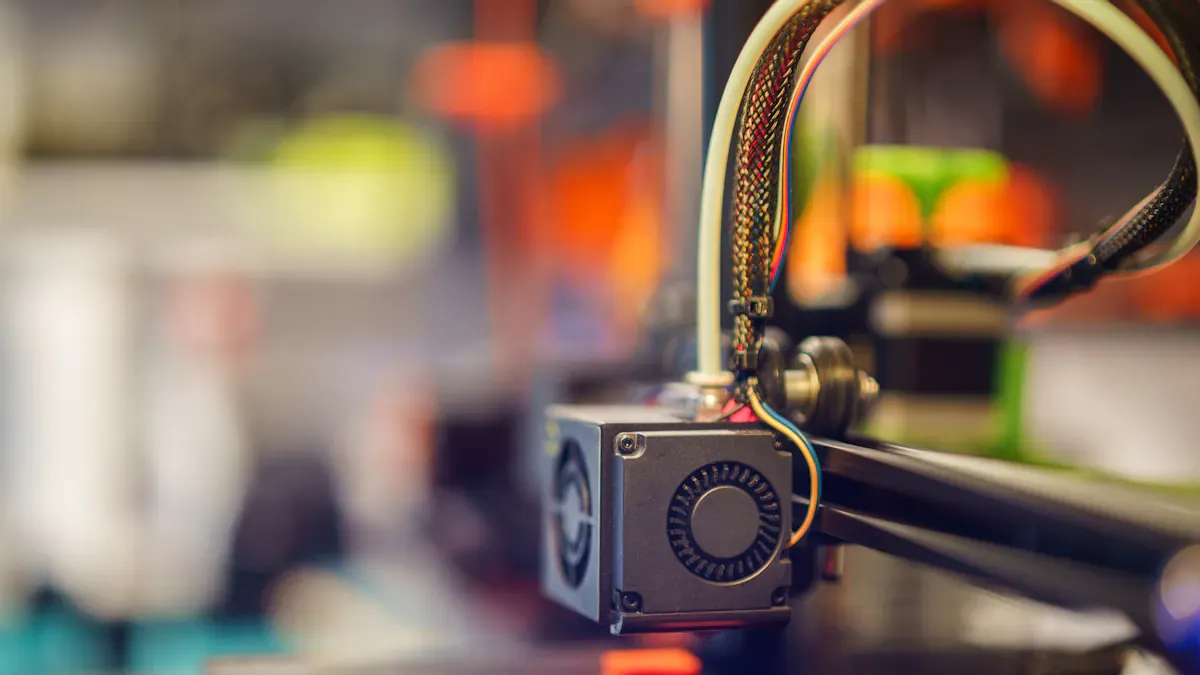
I often recommend a ekstruder me një vidë for straightforward applications that use pre-compounded pellets and require lower capital costs. When I need to process complex blends or abrasive materials, I choose a twin extruder for its versatility, even if the upfront investment is higher. The main difference comes down to simplicity versus capability—single for basic extrusion, twin for advanced mixing and material flexibility. I encourage you to review the comparison table and decision guide below to match your needs quickly.
Marrëveshje kryesore
- Single screw extruders are best for simple tasks and cost-effective production.
- Twin screw extruders excel in mixing and handling complex materials.
- Choose single screw extruders for steady, low-volume runs like pipes and films.
- Opt for twin screw extruders when you need high throughput and flexibility.
- Merrni parasysh nevojat e mirëmbajtjes; single screw extruders are easier to clean and maintain.
- Evaluate your material compatibility; single screw works with standard thermoplastics, while twin screw handles a wider range.
- Use the provided comparison table to quickly match your needs with the right extruder.
- Always assess initial and operating costs against the benefits of each extruder type.
Screw Extruder Comparison Table
Extruder me një vidë vs Extruder me dy vida
I often compare single screw extruder dhe ekstruder me dy vida options using a clear table. This helps me quickly see which machine fits a specific extrusion need. Më poshtë, I have summarized the main differences:
| Veçori | Ekstruder me një vidë | Ekstruder me vida dyfishe |
|---|---|---|
| Aftësitë e përzierjes | I kufizuar; basic dispersive mixing | Superiore; excellent distributive and dispersive mixing |
| Throughput Rates | Më e ulët; best for steady, simple runs | Më e lartë; handles complex, high-volume extrusion |
| Përputhshmëria e materialit | Best for homogenous thermoplastics | Excels with blends, aditivëve, dhe materiale speciale |
| Kostoja | Lower initial investment and operating costs | Higher investment; operacion më kompleks |
| Mirëmbajtja | E thjeshtë; easy to clean and maintain | Më komplekse; requires skilled maintenance |
| Ideal Applications | Tuba, tuba, basic profiles | Përbërja, riciklimi, specialty extrusion |
Key Metrics Overview
Kur zgjedh një ekstruder, I focus on several key metrics:
- Përzierja: Twin screw extruders provide efikasitet më i lartë i përzierjes. Their dual-screw design ensures a homogeneous blend, especially when I need to add fillers or additives. Single screw extruders offer limited mixing, which works for basic single material runs.
- Performanca: Twin screw extrusion delivers higher throughput. I use it for high-speed, prodhimi me volum të lartë. Single screw extrusion fits lower volume, steady processes.
- Përputhshmëria e materialit: Twin screw extruders handle a wide range of materials. I can process blends, aditivëve, and even plastic waste with them. Ekstruduesit me një vidë funksionojnë më mirë me termoplastikët standardë.
- Kostoja: Single screw extruders require less capital. They also cost less to operate and maintain. Twin screw extruders cost more but offer greater flexibility and process control.
- Mirëmbajtja: I find single screw extruders easier to clean and maintain. Twin screw extruders need more attention and skilled technicians.
- Ideal Applications: I choose single screw extrusion for pipes, tuba, and basic shapes. Twin screw extrusion is my choice for compounding, riciklimi, dhe aplikacione specialiteti.
Këshillë: If you need precise process control, high mixing, or want to process complex blends, twin screw extrusion is the better choice. Për të thjeshtë, cost-effective runs, single screw extrusion is often enough.
I always match the extruder to the job. This table and overview help me make the right decision every time.
Choosing a Screw Extruder
Përputhshmëria e materialit
Termoplastikë
When I select an extruder for thermoplastics, I always consider the material’s behavior and the final product’s requirements. Single screw extrusion works best for standard thermoplastics like HDPE, LDPE, dhe PP. I use a single screw extruder when I need stable pressure and consistent wall thickness, especially for products like water pipes and films. This method offers cost-effective production for high-volume runs and delivers reliable results with pre-compounded pellets.
| Lloji i ekstruderit | Best Processed Materials | Key Characteristics |
|---|---|---|
| Ekstruder me një vidë | HDPE water pipes, LDPE films, PP sheets | Stable pressure, me kosto efektive, high-volume, presion të lartë |
| Ekstruder me vida dyfishe | PVC, glass fibers, retardantët e flakës | Low-shear, uniform heating, excellent mixing and degassing |
I choose twin screw extrusion when I need to process materials that are heat-sensitive or require uniform heating. Për shembull, PVC and compounds with glass fibers or flame retardants benefit from the advanced mixing and temperature control of a twin screw extruder. This approach helps me avoid material degradation and ensures product quality.
Blends & Aditivë
Blending polymers or adding fillers, pigmente, or flame retardants increases process complexity. I rely on twin screw extruders for these tasks because they provide përzierje superiore and distributive capabilities. When I need to produce specialty compounds or masterbatches, twin screw extrusion gives me the flexibility to handle complex formulations and additives.
Single screw extruders can process simple blends, but they struggle with uniform dispersion of additives. If my application involves advanced formulations or requires precise additive distribution, I always choose a twin screw extruder.
Këshillë: For advanced polymer processing, especially with blends and additives, twin screw extrusion ensures consistent quality and reduces scrap rates.
Performanca & Efikasiteti
Vëllimi i Prodhimit
Production volume plays a major role in my extruder selection. For moderate output and steady, straightforward runs, I use single screw extrusion. This method suits small to medium-scale operations where cost control is important.
If I need high output capacity and efficient energy use, I turn to twin screw extrusion. Twin screw extruders excel in large-scale production environments. They deliver xhiros më të lartë and allow me to meet demanding schedules without sacrificing quality.
| Efficiency Aspect | Ekstruder me një vidë | Ekstruder me vida dyfishe |
|---|---|---|
| Kapaciteti i daljes | E moderuar | Lartë |
| Konsumi i Energjisë | Generally higher | Më efikase |
| Flexibility in Throughput | I kufizuar | Lartë |
Speed
Speed matters when I face tight deadlines or need to maximize productivity. Twin screw extrusion offers greater flexibility and higher speeds. I can adjust process parameters quickly and maintain consistent output, edhe me materiale sfiduese. Single screw extruders provide steady speeds for basic applications, but they lack the adaptability of twin screw systems.
Kompleksiteti i procesit
Mixing Needs
Mixing requirements often determine my choice of extruder. Për të thjeshtë, homogenous materials, single screw extrusion provides adequate mixing. When I need to achieve precise dispersion of additives or process multi-component blends, I rely on twin screw extruders. Their intermeshing screws create intense mixing zones, which help me produce uniform products with minimal defects.
- Twin screw extruders are my go-to for complex formulations.
- They deliver superior mixing and output quality.
- I use them to reduce scrap rates and improve consistency.
Kontrolli i procesit
Process control is critical in industries like pharmaceuticals and automotive manufacturing. I choose twin screw extrusion when I need precise temperature management and advanced material handling. The design of twin screw extruders allows me to fine-tune process variables and maintain tight tolerances. This capability is essential for high-performance polymers and specialty applications.
Single screw extruders offer simpler control systems, which work well for standard tasks. When my process demands advanced control and flexibility, Unë zgjedh gjithmonë një ekstruder me dy vida.
Shënim: In high-complexity environments, twin screw extruders give me the confidence to meet strict quality standards and handle challenging materials.
Faktorët e Kostos
Investimi Fillestar
When I evaluate a new extrusion line, I always consider the initial investment. Single screw extruders usually require less capital upfront. Their design is straightforward, and the components are less expensive. I find that single screw extrusion works well for standard products and smaller operations. Ekstruderë me dy vida, nga ana tjetër, demand a higher initial investment. The modular design, kontrolle të avancuara, and additional hardware increase the price. Megjithatë, I see this as a strategic investment when I need advanced mixing, fleksibilitet, or plan to process specialty materials. The higher cost of a twin screw extruder often pays off in demanding applications where process control and adaptability matter most.
Kostot operative
Operating costs can make or break the long-term profitability of an extrusion operation. Në përvojën time, single screw extruders have lower ongoing expenses. Their simple mechanics mean less frequent maintenance, fewer spare parts, and lower energy consumption for basic runs. Over a five-year period, I notice that single screw extrusion remains cost-effective for straightforward jobs and for teams with limited technical expertise.
Twin screw extrusion introduces more complexity. Të elementet modulare të vidhave, precise configuration, and advanced controls require skilled operators and regular maintenance. I have seen operating costs rise due to the need for specialized training and more frequent part replacements. Despite these higher costs, twin screw extruders open the door to profitable applications like color masterbatch production, plastic recycling, and specialty filled compounds. These high-value products can offset the extra expense, especially when I target niche markets or need to deliver consistent quality at scale.
Shënim: I always balance initial investment and operating costs against the value of flexibility, cilësinë e produktit, and market opportunities.
Mirëmbajtja
Pastrimi
Cleaning is a critical part of my extrusion workflow. Single screw extruders make this task easy. Their simple design allows me to disassemble, clean, and reassemble the machine quickly. I can switch between standard thermoplastics with minimal downtime. This efficiency keeps my production schedule on track.
Twin screw extruders require more attention. The intermeshing screws and modular components create more surfaces that need cleaning. When I process blends or specialty materials, I must clean thoroughly to prevent contamination. Megjithatë, Unë e kam gjetur atë split barrel designs in some twin screw extruders can reduce material changeover time by up to 60%. This feature helps me maintain efficiency, even when I need to switch materials frequently.
Vishni & Replacement
Wear and replacement issues differ between single and twin screw extruders. The structural differences in these machines affect how they handle raw materials and production demands. Në përvojën time, single screw extruders face fewer wear problems, especially when I process standard materials. Ekstruderë me dy vida, with their complex screw profiles and higher mechanical loads, experience more frequent wear, especially when I run abrasive or highly filled compounds.
| Issue | Effect on Product Quality | Visual Signs |
|---|---|---|
| Surface Delamination | Weak layers, peeling, or flaking | Peeling or flaking on the surface |
| Discoloration | Color streaks, abnormal patches, reduced strength | Streaks or odd color spots |
| Splay Marks | Brittle parts, poor impact resistance, surface marks | Silvery or cloudy streaks |
Outdated barrel designs in twin screw extruders can also create operational inefficiencies. I monitor for signs of wear, such as surface delamination or discoloration, to maintain product quality. Regular inspection and timely replacement of worn parts keep my extrusion lines running smoothly.
Fleksibiliteti
Material Adaptability
Flexibility is one of the main reasons I choose a twin screw extruder for advanced projects. The modular design of co-rotating twin screw extruders lets me adjust screw configurations to handle a wide range of materials. I can process everything from low to high viscosity polymers, thermosensitive compounds, and highly filled systems. When I work with recycled or biobased materials, I integrate multi-stage vacuum exhaust systems to maintain mechanical properties and product quality. This adaptability allows me to respond quickly to changing customer demands and new market trends.
- I can reconfigure screw segments for different materials.
- I optimize the process for both standard and specialty compounds.
- I maintain high product quality, even with challenging raw materials.
Process Adjustments
Process adjustments set twin screw extrusion apart from single screw extrusion. With a twin screw extruder, I can reconfigure screw segments, adjust expansion levels, and adapt to various raw materials. This level of control is not possible with a single screw extruder. Për shembull, BMW’s research on dry processing with twin screw extrusion technology shows a 30% reduction in energy consumption and a 50% decrease in environmental costs. These results highlight the adaptability of twin screw extruders for green manufacturing and process optimization.
| Veçori | Ekstruder me dy vida | Ekstruder me një vidë |
|---|---|---|
| Reconfiguration of screw segments | po | Nr |
| Adaptability to various materials | Lartë | I kufizuar |
| Ability to adjust expansion | po | Nr |
Këshillë: When I need to optimize a formula or switch between products quickly, I rely on the flexibility of twin screw extrusion. This capability helps me stay competitive and meet evolving industry requirements.
Ekstruder me një vidë: Avantazhet & Kufizimet
Avantazhet
Thjeshtësia
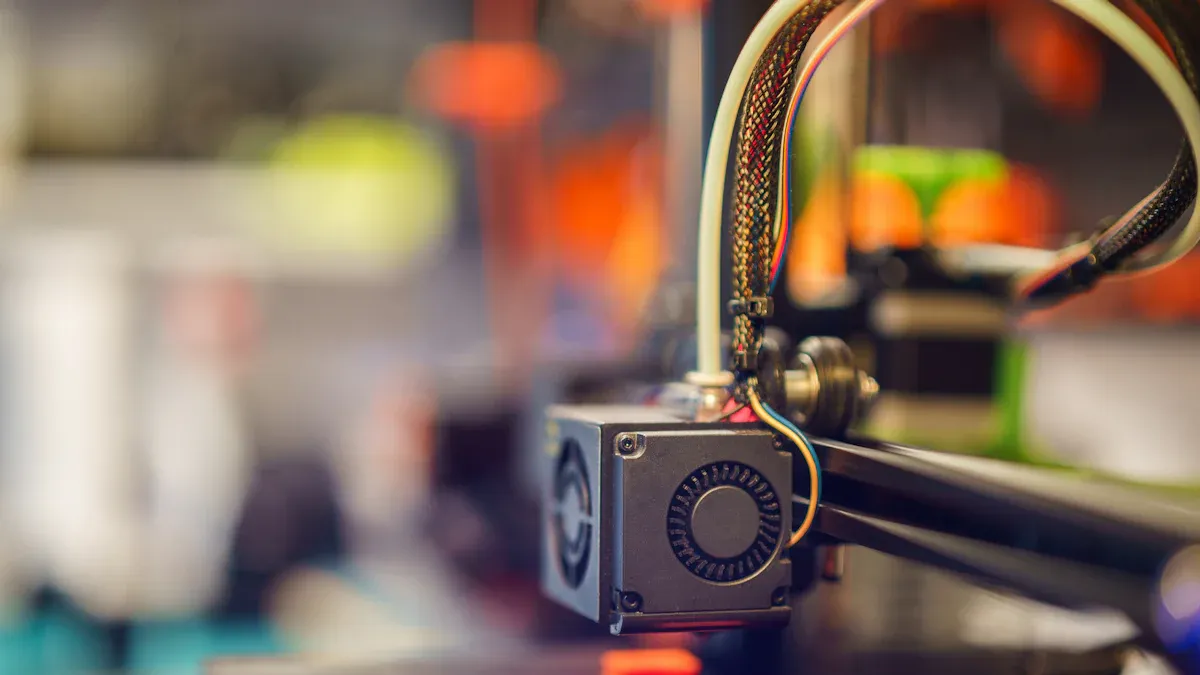
I value the simplicity of a single screw extruder in my daily operations. The design uses one rotating screw inside a heated barrel. This setup makes the machine easy to operate and understand. I can train new operators quickly because the controls are straightforward. When I need to troubleshoot, I find the process less complicated than with a twin screw extruder. The simple structure also means fewer parts that can fail, which reduces downtime.
Lower Cost
Cost always matters in manufacturing. I choose a single screw extruder when I want to keep my initial investment low. The machine costs less to purchase and install compared to a twin screw system. Operating expenses stay manageable because the design uses less energy for basic extrusion tasks. I also spend less on spare parts and routine maintenance. For many projects, single screw extrusion gives me the best value for my budget.
Besueshmëria
Reliability stands out as a key benefit. I have seen single screw extruders run for years with minimal issues. The robust design handles steady production without frequent breakdowns. I trust these machines for long runs of standard products. When I need consistent output and low risk of failure, I rely on a single screw extruder.
Kufizimet
Mixing Restrictions
Mixing presents a challenge for single screw extruders. The machine generates heat mainly through shear friction. This method works for many thermoplastics, but I notice problems with high-viscosity or heat-sensitive materials. The mixing is not as thorough as with a twin screw extruder. When I need to blend additives or fillers, I see uneven dispersion and sometimes product defects.
Material Limitations
Material adaptability is another concern. I find that single screw extruders struggle with difficult or specialty materials. The machine cannot handle complex blends or recycled plastics as well as a twin screw system. When I try to scale up production, I hit capacity limits. Precision also suffers, especially for products that require tight tolerances.
Here is a summary of the most common limitations I encounter:
| Kufizimi | Përshkrimi |
|---|---|
| Limited plastification efficiency | Heat generation by shear friction leads to poor uniformity with tough or sensitive materials. |
| Capacity constraints | The design limits scaling for large production demands. |
| Narrow material adaptability | Difficult materials reduce mixing and dispersion quality. |
| Limited precision improvement | Uniformity and stability issues affect high-precision products compared to twin screw extruders. |
Ideal Applications
I use single screw extrusion applications in many industries. The machine excels in producing standard shapes and products that do not require advanced mixing.
Some of the best uses include:
- Production of plastic granules for recycling and compounding
- Manufacturing plastic films for packaging
- Making plastic fibers and fabrics
- Molding products such as toys, kontejnerët, and automotive parts
- Producing plastic pipes and profiles
Tuba & Tubes
I often select a single screw extruder for making pipes and tubes. The process delivers stable pressure and consistent wall thickness. I can run long batches with minimal adjustments. This reliability makes the machine a top choice for water pipes and conduit.
Basic Shapes
When I need to produce basic shapes, I turn to single screw extrusion. The machine handles sheets, shufra, and simple profiles with ease. I do not need advanced mixing or complex controls for these products. The straightforward design keeps my production efficient and cost-effective.
Këshillë: For standard extrusion tasks, I recommend a single screw extruder. The machine offers simplicity, besueshmëria, and low cost for most basic applications.
Ekstruder me vida dyfishe: Veçoritë & Aplikacionet
Avantazhet
Përzierje superiore
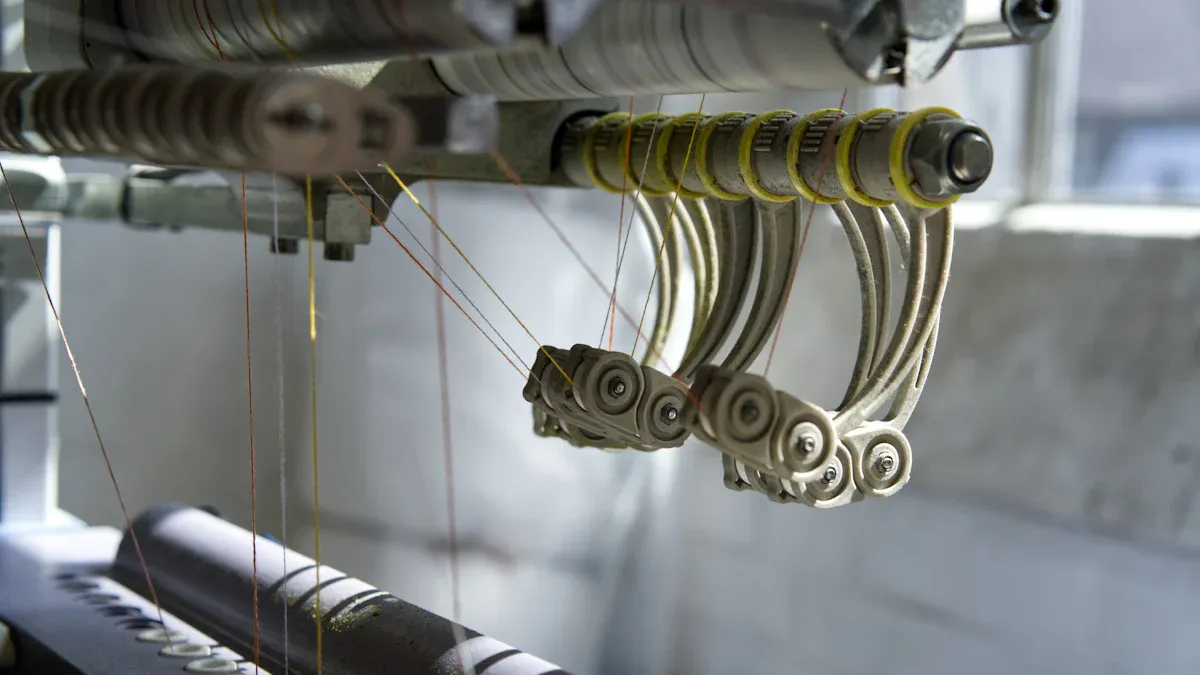
I rely on twin screw extrusion when I need superior mixing and dispersion. The dual-screw design gives me a more uniform product than a single screw extruder. I can blend additives and fillers with precision. The intermeshing screws create intense mixing zones. This setup ensures that every batch meets my quality standards. I also value the strong self-cleaning ability. This feature minimizes material residue and reduces the risk of degradation, especially with heat-sensitive materials.
- More uniform mixing effect for precise dispersion and blending.
- Strong self-cleaning ability, which protects product quality.
- Stable output with wide adaptability for different processing needs.
Shkathtësi
Unë zgjedh një ekstruder me dy vida për shkathtësinë e tij. I can process a wide range of materials, including high-viscosity and heat-sensitive compounds. The modular screw elements let me adjust the configuration for each job. I can switch between products quickly. This flexibility helps me respond to changing customer demands. I also find that twin screw extrusion applications span many industries. I have used this technology in the food, farmaceutike, gome, and plastics industries. Each sector benefits from the efficient heat transfer and adaptability of the twin screw design.
- Handles diverse materials, from thermoplastics to specialty blends.
- Supports quick changeovers and process adjustments.
- Used in food, farmaceutike, gome, and plastics manufacturing.
High Shear Processing
When I need high shear processing, I turn to twin screw extrusion. The screws can generate strong shear forces. This capability is essential for breaking down tough materials and achieving a fine, uniform mix. I can control the shearing strength and mixing degree by combining different screw elements. This level of process control is not possible with a single screw extruder.
- Precisely control shearing strength and mixing degree.
- Achieve consistent results with challenging materials.
Kufizimet
Higher Cost
I recognize that the initial investment for a twin screw extruder is higher. The advanced design and modular components increase the price. Operating costs also rise due to the need for skilled operators and regular maintenance. I always weigh these costs against the benefits of flexibility and product quality.
Complex Maintenance
Maintenance for a twin screw extruder requires more attention. The intermeshing screws and modular parts need skilled technicians. Cleaning and part replacement take longer than with a single screw extruder. I plan for regular inspections to keep the extrusion line running smoothly.
Ideal Applications
Përbërja
I use twin screw extrusion for compounding when I need to blend polymers with additives, mbushëse, ose ngjyrues. The superior mixing and dispersion ensure a consistent product. This process is vital for producing masterbatches and specialty compounds.
Nxjerrja Reaktive
Twin screw extrusion excels in reactive extrusion. I can carry out chemical reactions during processing. This method is common in the pharmaceutical and plastics industries. It allows me to create new materials and improve product properties in a single step.
Specialty Materials
I rely on twin screw extrusion for specialty materials. The process handles high-viscosity, të ndjeshme ndaj nxehtësisë, and recycled materials with ease. I can adapt the screw configuration to meet unique requirements. This flexibility supports innovation and helps me meet strict industry standards.
Këshillë: I recommend twin screw extrusion when you need superior mixing, process versatility, and high-quality results for complex or specialty applications.
Twin Screw Extrusion: Decision Guide
Checklist for Selection
When I select the right extruder for a project, I follow a clear checklist. This process helps me avoid costly mistakes and ensures the equipment matches the production needs. Here are the steps I use:
- Choose the right screw design and size for the material and application.
- Check for advanced temperature and pressure controls to maintain process stability.
- Consider output capacity and energy efficiency to meet production targets.
- Focus on build quality and durability for long-term reliability.
- Evaluate the control system and automation level for ease of operation.
- Ensure compatibility with downstream equipment to avoid bottlenecks.
- Assess material flexibility and recycling capabilities for future needs.
- Confirm after-sales support and spare part availability for smooth maintenance.
Këshillë: I always revisit this checklist before making a final decision. It keeps my priorities clear and helps me compare options side by side.
Flowchart for Choosing
I use a simple flowchart to guide my decision between a single or twin screw extruder. This visual tool helps me match the process requirements with the right technology.
This flowchart keeps my selection process efficient. I start by defining the material and application. If I work with standard thermoplastics and do not need advanced mixing, I choose a single screw extruder. If I need to process blends, aditivëve, or require high throughput, I select a twin screw extruder.
Common Scenarios
I often encounter recurring scenarios in extrusion projects. I use my experience to recommend the best solution for each case.
| Scenario | My Recommendation | Why This Works |
|---|---|---|
| Producing water pipes from HDPE | Ekstruder me një vidë | Simple material, steady output, kosto të ulët |
| Compounding polymers with flame retardants | Ekstruder me dy vida | Përzierje superiore, precise additive dispersion |
| High-volume recycling of plastic waste | Ekstruder me dy vida | Handles variable feedstock, strong process control |
| Making basic plastic profiles | Ekstruder me një vidë | Reliable, lehtë për t'u përdorur, me kosto efektive |
| Manufacturing color masterbatches | Ekstruder me dy vida | Excellent for blending pigments and additives |
Shënim: I always match the extruder to the complexity of the job. For basic shapes and steady runs, I rely on a single screw extruder. Për përzierje të avancuar, specialty materials, or recycling, I trust a twin screw extruder.
By following this decision guide, I streamline my selection process and ensure the extrusion line delivers the performance and flexibility my operation demands.
I see clear differences between a single screw extruder and a twin screw extruder. I choose a single screw extruder for cost-sensitive jobs and basic extrusion tasks. I recommend a twin screw extruder for high-performance needs or specialty materials. I always check the comparison table and decision guide before making a final decision. If you have questions about your next extrusion project, reach out to me.
FAQ
What materials can I process with a single screw extruder?
I process standard thermoplastics like HDPE, LDPE, and PP with a single screw extruder. This machine works best for homogenous materials and basic shapes.
When should I choose a twin screw extruder?
I select a twin screw extruder for complex blends, specialty materials, or when I need superior mixing. This machine handles additives and recycled plastics efficiently.
How often do I need to maintain my extruder?
I schedule regular maintenance for both types. Single screw extruders require less frequent attention. Twin screw extruders need skilled technicians and more detailed inspections.
Can I switch materials easily in twin screw extrusion?
po, I can change materials quickly with a twin screw extruder. Modular screw elements and split barrel designs help reduce downtime and contamination risks.
What is the typical lifespan of an extruder?
I expect a single screw extruder to last over ten years with proper care. Twin screw extruders also offer long service life, but I monitor wear more closely due to complex parts.
How do I improve mixing quality in extrusion?
I use twin screw extruders for better mixing. Intermeshing screws create intense mixing zones. For basic runs, I rely on single screw extruders but accept limited dispersion.