

Nxjerrja plastike ose derdhja me injeksion që ofron saktësi më të mirë
Kam zbuluar se formimi me injeksion jep saktësi më të mirë dhe toleranca më të forta sesa Nxjerrja e plastikës. Për shembull, derdhja me injeksion mund të arrijë toleranca aq të ngushta sa ±0,005 inç, ndërsa nxjerrja zakonisht mban ±0.010 inç. Këtu është një krahasim i procesit bazuar në aplikacionet dhe tolerancat tipike:
| Lloji i aplikacionit | Procesi i përdorur | Tolerancat e Përbashkëta |
|---|---|---|
| E gjatë, pjesë uniforme (p.sh., tuba, shufra) | Nxjerrja | ±0,010 inç |
| Pjesë komplekse ose të detajuara | Formimi me injeksion | ±0,005 inç ose më e ngushtë |
| Me volum të lartë, me saktësi të lartë | Formimi me injeksion | Më e ngushtë se nxjerrja |
| E vazhdueshme, forma të thjeshta | Nxjerrja | Konsistente, më pak i saktë |
Kur zgjidhni një proces prodhimi, Gjithmonë e kam parasysh gjeometrinë, tolerancat e kërkuara, vëllimi i prodhimit, dhe kosto.
Marrëveshje kryesore
- Formimi me injeksion arrin toleranca më të forta, shpesh aq i saktë sa ±0.005 inç, duke e bërë atë ideal për pjesë komplekse.
- Nxjerrja e plastikës është më e mira për një kohë të gjatë, forma uniforme si tuba dhe shufra, me toleranca rreth ±0.010 inç.
- Merrni parasysh vëllimin e prodhimit kur zgjidhni një proces; derdhja me injeksion është me kosto efektive për punë të mëdha, ndërsa nxjerrja i përshtatet prodhimit të vazhdueshëm me volum të lartë.
- Zgjedhja e materialit preciziteti i ndikimit; zgjidhni materiale bazuar në kërkesat specifike të aplikacionit tuaj.
- Vlerësoni kompleksitetin e pjesës; derdhja me injeksion trajton dizajne të ndërlikuara më mirë se nxjerrja, e cila kufizohet në forma më të thjeshta.
- Cilësia e përfundimit të sipërfaqes është përgjithësisht më e mirë në formimin me injeksion, duke çuar në pjesë më të lëmuara pa hapa shtesë përfundimi.
- Plani për kostot e veglave; derdhja me injeksion kërkon investim më të lartë fillestar, por ofron kursime afatgjata përmes përsëritshmërisë.
- Gjithmonë vlerësoni nevojat e projektit tuaj herët; të kuptuarit e gjeometrisë, tolerancat, dhe buxheti ndihmon në zgjedhjen e procesit të duhur të prodhimit.
Vështrim i përgjithshëm i nxjerrjes së plastikës
Bazat e procesit
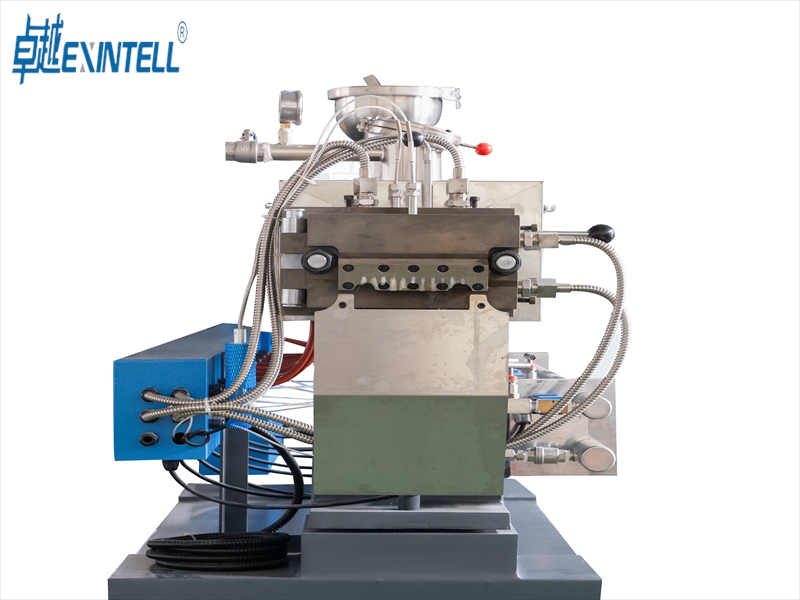
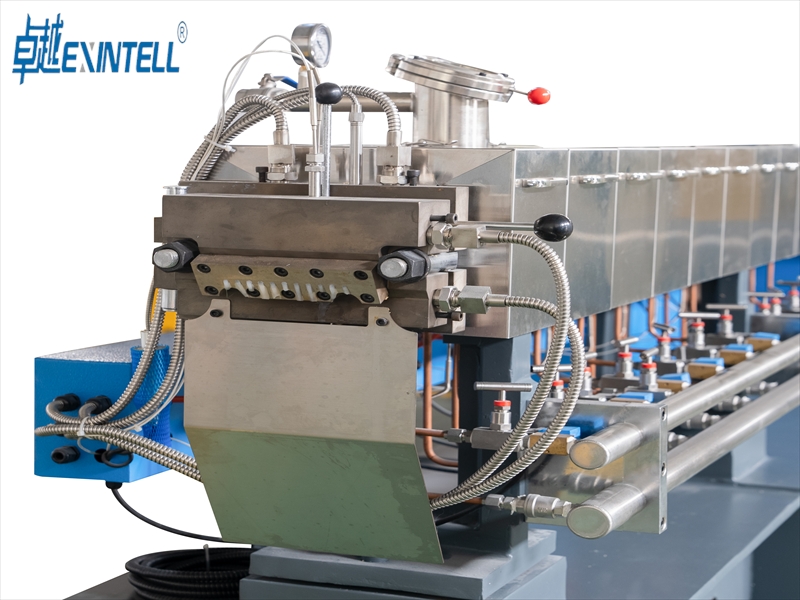
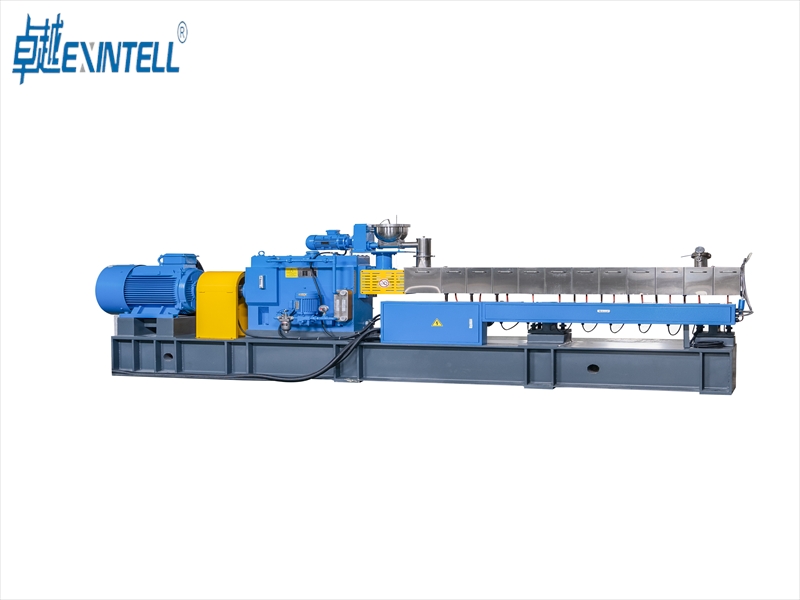
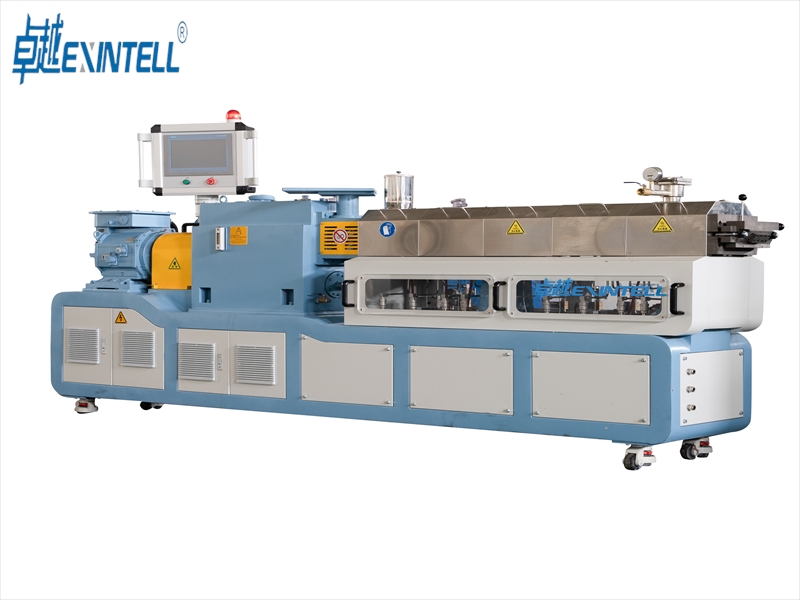
Unë kam punuar me nxjerrje plastike prej vitesh dhe kemi parë sesi kjo metodë i formëson materialet termoplastike në profile të vazhdueshme. Procesi i nxjerrjes fillon me përzgjedhjen e materialit, e cila është kritike për arritjen e vetive të dëshiruara në produktin përfundimtar. I ngarkoj peletat ose granula plastike në një plesht sipër ekstruderit. Makina përdor një vidë rrotulluese për të lëvizur materialin përmes një fuçi të nxehtë. Ndërsa materiali udhëton, shkrihet për shkak të fërkimit dhe nxehtësisë së jashtme. Më pas, plastika e shkrirë kalon nëpër një formë precize, që i jep produktit profilin e tij. Pas formimit, forma e ekstruduar hyn në një sistem ftohjeje, zakonisht një banjë ajri ose uji, për të ngurtësuar dhe ruajtur saktësinë dimensionale. Së fundi, E pres ose e rrotulloj produktin, në varësi të aplikimit. Kjo qasje hap pas hapi më lejon të krijoj gjatë, forma uniforme me prerje tërthore të qëndrueshme.
Aplikimet e zakonshme
Nxjerrja e plastikës luan një rol jetik në shumë industri. E shoh shpesh të përdoret për paketim, automobilistike, mobilje, dhe mallrave të konsumit. Procesi prodhon një gamë të gjerë produktesh, nga tubat e thjeshtë në profilet komplekse. Këtu është një tabelë që përmbledh disa aplikacione të zakonshme:
| Industria | Produktet |
|---|---|
| Paketimi | Filmat, fletët, çanta, mbështjell, tabaka, dhe gota |
| Automobilistikë | Vulat e motit, tub plastik, shkurtoni profilet |
| Mobilje & Mallrat e Konsumit | Lidhja e skajeve, gjurmët e perdes, pllaka të lehta shkumë PVC |
| Shtëpi Pajisjet | Dorezat, vula për furrat dhe mikrovalët |
| Hidraulik & Mjekësi | Tuba, tubacionet |
Unë e kam gjetur atë nxjerrje plastike me porosi i lejon prodhuesit të dizajnojnë profile unike për nevoja të specializuara. Ky fleksibilitet e bën nxjerrjen një zgjedhje popullore për të vazhduar, prodhimi me volum të lartë.
Materialet e përdorura
Zgjedhja e materialeve në nxjerrjen e plastikës ndikon si në procesin ashtu edhe në saktësinë e produktit përfundimtar. Unë e përdor shpesh polipropileni, polietileni tereftalat, dhe polistiren. Këto materiale ofrojnë veti të ndryshme, siç është fleksibiliteti, forca, dhe qartësi. Mënyra se si përgatitem, shkrihet, dhe ftohja e materialeve ka një ndikim të drejtpërdrejtë në saktësinë dhe konsistencën e pjesëve të ekstruduara. Këtu janë disa nga materialet më të zakonshme që përdor:
- Polipropileni (PP)
- Polietileni tereftalat (PET)
- Polistireni (PS)
- Klorur polivinil (PVC)
- Polietileni me densitet të lartë (HDPE)
- Polietileni me densitet të ulët (LDPE)
- Akrilonitril butadien stiren (ABS)
- Elastomerë termoplastikë (TPE)
- Najloni (PA)
- Polikarbonat (PC)
- Polimetil metakrilat (PMMA)
Kur punoj në projekte me porosi të nxjerrjes plastike, Unë gjithmonë përputhem me materialin me kërkesat e aplikacionit. Kjo përzgjedhje e kujdesshme siguron që produkti të përmbushë standardet e performancës dhe të saktësisë.
Të mirat dhe të këqijat
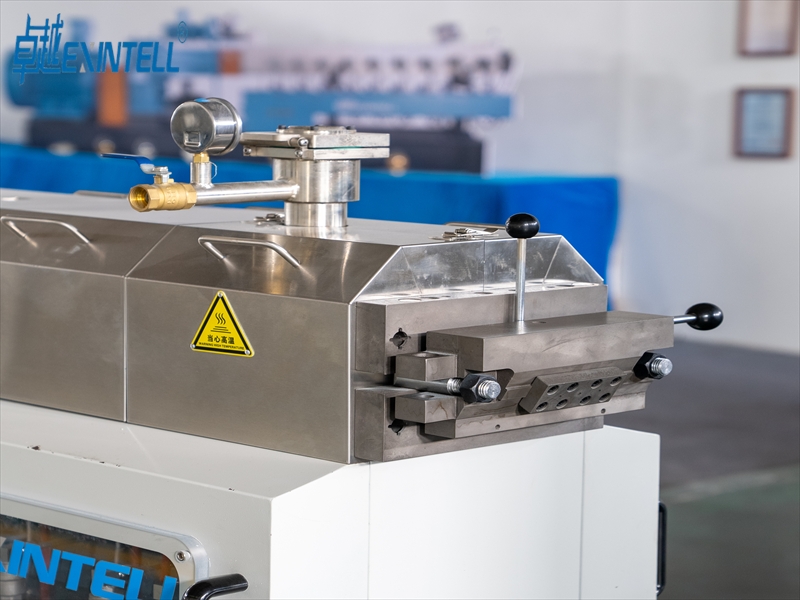
Kur vlerësoj nxjerrjen e plastikës për një projekt, Unë gjithmonë peshoj përfitimet dhe disavantazhet. Ky proces ofron pika të forta unike, por gjithashtu vjen me kufizime që ndikojnë në saktësinë dhe tolerancat.
Këtu është një tabelë që përmbledh avantazhet dhe disavantazhet kryesore Unë kam vëzhguar në punën time:
| Avantazhet | Disavantazhet |
|---|---|
| Efikasitet dhe shkallëzim i lartë | Kufizimet në prodhimin e formave komplekse |
| Vëllime të larta prodhimi | Sfidat me fryrjen e diapave ndikojnë në saktësinë |
| Efektiviteti i kostos për vëllime të mesme dhe të larta | Defektet e mundshme të sipërfaqes që kërkojnë përfundim |
Avantazhet
Unë shpesh zgjedh nxjerrjen plastike për efikasitetin e saj të lartë. Procesi ecën vazhdimisht, që do të thotë se mund të prodhoj pjesë të gjata pa ndërprerje. Kjo shkallëzim e bën atë ideal për porosi të mëdha. Kur më duhet të prodhoj mijëra këmbë tuba ose profile, ekstrudimi jep rezultate të qëndrueshme. Kostoja për pjesë bie me rritjen e vëllimit të prodhimit, kështu që më duket shumë kosto-efektive për projektet me vëllim të mesëm dhe të lartë.
Një avantazh tjetër është aftësia për të krijuar seksione të njëtrajtshme. Mund të mbaj përmasa të qëndrueshme përgjatë gjatësisë së pjesës, e cila është e rëndësishme për aplikime si tubacionet ose kornizat e dritareve. Procesi gjithashtu mbështet një gamë të gjerë termoplastikësh, so I can select materials that match the mechanical and chemical requirements of the final product.
Disavantazhet
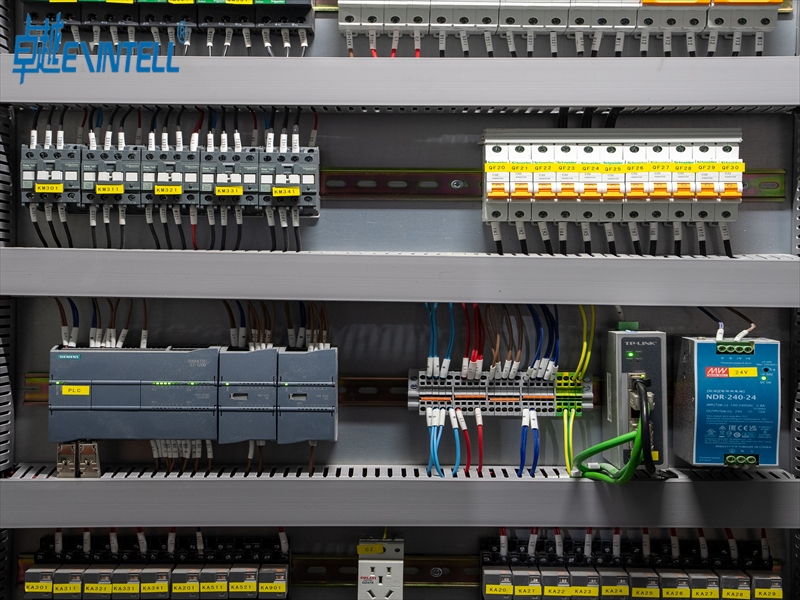
Despite these strengths, plastic extrusion has some drawbacks. The process struggles with complex shapes. If a part requires intricate details or sharp corners, I find extrusion less suitable. The molten plastic tends to swell as it exits the die, a phenomenon known as die swell. This effect can make it difficult to achieve tight tolerances, especially for parts that need precise dimensions.
Surface finish can also be an issue. Ndonjëherë, the extruded parts show lines or marks from the die. I often need to add secondary finishing steps, such as trimming or polishing, to improve the appearance and meet quality standards. These extra steps can increase both time and cost.
Këshillë: Unë gjithmonë rekomandoj të rishikoni gjeometrinë e pjesës dhe tolerancat e kërkuara përpara se të zgjidhni nxjerrjen. Nëse dizajni është i thjeshtë dhe porosia është e madhe, ekstrudimi zakonisht ofron vlerën më të mirë.
Përmbledhje e derdhur me injeksion
Bazat e procesit
Kam kaluar vite duke punuar me derdhje me injeksion, dhe më duket se procesi është tërheqës dhe efikas. Metoda përdor një myk, e cila i jep formë plastikës së shkrirë në forma të sakta. Unë ndjek gjithmonë një sërë hapash për të siguruar që çdo pjesë të përmbush standardet strikte të cilësisë. Ja se si i qasem procesit të formimit me injeksion:
- Mbërthimi: E mbyll fort kallëpin për t'u përgatitur për hapat e mëtejshëm.
- Injeksion: Unë injektoj nxehtë, plastika e shkrirë në zgavrën e kallëpit.
- Banesa: E lashë plastikën të ulet brenda kallëpit për një kohë të shkurtër në mënyrë që të mbushë çdo hapësirë.
- Ftohja: Plastika ftohet dhe ngurtësohet ndërsa ndodhet brenda kallëpit.
- Hapja e kallëpit: E hap kallepin pasi pjesa te jete ftohur.
- Nxjerrja: E heq pjesën e përfunduar nga kallëpi.
Ky cikël përsëritet shpejt, e cila më lejon të prodhoj sasi të mëdha të pjesëve identike. Unë mbështetem në formimin me injeksion kur kam nevojë për forma komplekse, detaje të imta, dhe përfundime me cilësi të lartë. Procesi më jep kontroll të shkëlqyer mbi dimensionet dhe pamjen e sipërfaqes.
Shënim: Unë gjithmonë monitoroj nga afër temperaturën dhe presionin gjatë derdhjes me injeksion. Këta faktorë ndikojnë në saktësinë dhe qëndrueshmërinë e pjesës përfundimtare.
Aplikimet e zakonshme
Formimi me injeksion luan një rol jetik në shumë industri. Unë e kam përdorur këtë proces për të krijuar pjesë për automobila, mjekësore, elektronikë të konsumit, dhe sektorët e paketimit. Shkathtësia e formimit me injeksion më lejon të prodhoj komponentë të thjeshtë dhe shumë kompleks. Here is a table that summarizes some typical applications:
| Industria | Products Produced |
|---|---|
| Automobilistikë | Various components and parts |
| Mjekësi | Device housings, surgical tools |
| Consumer Electronics | Cases, buttons, and other components |
| Paketimi | Bottle caps, kontejnerët |
I often make items like contact lens cases, tapa shishe, and high-volume components with intricate geometries. Injection molding helps me deliver consistent results, even for demanding projects.
Materialet e përdorura
Material selection is crucial in injection molding. I choose materials based on the required strength, fleksibilitet, and precision. Për pjesë me precizion të lartë, Unë preferoj polimere me tkurrje të ulët dhe uniforme, rrjedhje e qëndrueshme e shkrirjes, dhe rezistencë të mirë termike. Disa nga më materialet e zakonshme Unë përdor përfshirjen:
- ABS: Ofron qëndrueshmëri, një sipërfaqe të lëmuar, dhe rezistencë ndaj ndikimit.
- Polipropileni: Ofron rezistencë kimike, fleksibilitet, dhe përballueshmërinë.
- Polikarbonat: Ofron qartësi të lartë, forca, dhe rezistenca ndaj nxehtësisë.
- Polietileni: I lehte dhe i reziston lageshtise.
- Najloni: I njohur për forcën, rezistencë ndaj konsumit, dhe qëndrueshmëri termike.
- SHIKONI: E jashtëzakonshme për nxehtësinë, kimike, dhe rezistencë ndaj konsumit.
Kur kam nevojë për toleranca edhe më të forta, Unë i drejtohem polimereve të klasës inxhinierike. Materiale si polimer kristal i lëngët (LPK), keton polieter eter (SHIKONI), dhe acetal (POM) më jep stabilitet të shkëlqyer dimensionale dhe tkurrje minimale. Për shembull, Unë përdor LCP për lidhësit elektrikë dhe komponentët e sensorëve, ndërsa PEEK funksionon mirë për implantet mjekësore dhe pjesët e hapësirës ajrore. Polikarbonati është zgjedhja ime për lente dhe komponentë optikë për shkak të qartësisë dhe forcës së tij.
Këshillë: Unë gjithmonë e përputh materialin me nevojat e aplikacionit. Zgjedhja e duhur siguron që procesi i derdhjes me injeksion jep si saktësi ashtu edhe performancë.
Të mirat dhe të këqijat
Unë kam punuar me derdhje me injeksion për shumë vite. Ky proces ofron disa avantazhe që e bëjnë atë zgjedhjen time të preferuar për pjesët plastike me precizion të lartë. Dua të ndaj si pikat e forta ashtu edhe kufizimet që kam vërejtur.
Avantazhet e derdhjes me injeksion
- Mund të arrij saktësi shumë të lartë me derdhje me injeksion. Procesi më lejon të prodhoj pjesë me toleranca aq të ngushta sa ± 0,005 inç. Ky nivel i saktësisë është i vështirë të përputhet me metodat e tjera të prodhimit të plastikës.
- Unë e vlerësoj përsëritshmërinë e formimit me injeksion. Pasi vendos parametrat e kallëpit dhe të procesit, Unë mund të prodhoj mijëra apo edhe miliona pjesë identike. Çdo pjesë përputhet ngushtë me dizajnin origjinal.
- Shpesh më duhet të krijoj pjesë me forma komplekse dhe detaje të imta. Formimi me injeksion trajton mirë gjeometritë e ndërlikuara. Nuk kam nevojë të shtoj hapa shtesë ose procese dytësore për të arritur këto veçori.
- Unë konstatoj se derdhja me injeksion jep përfundime të shkëlqyera të sipërfaqes. Pjesët dalin të lëmuara dhe të gatshme për përdorim në shumicën e rasteve.
- Mund të përdor një gamë të gjerë termoplastikësh dhe polimerësh inxhinierikë. Ky fleksibilitet më lejon të përshtas vetitë e materialit me nevojat e aplikacionit.
Disavantazhet e derdhjes me injeksion
- Duhet të investoj në kallëpe me cilësi të lartë përpara se të filloj prodhimin. Kostoja fillestare për krijimin e mykut mund të jetë e konsiderueshme. Për prodhime të vogla, kjo kosto mund të mos justifikohet.
- Kam mësuar se kompleksiteti i dizajnit mund të paraqesë sfida. Më duhet të planifikoj me kujdes modelin e kallëpit dhe pjesës. Gabimet në fazën e projektimit mund të çojnë në ndryshime të kushtueshme më vonë.
- Ndonjëherë përballem me kohë më të gjata në fillim të një projekti. Projektimi dhe prodhimi i kallëpit kërkon kohë, veçanërisht për pjesët komplekse.
- Vërej se përzgjedhja e materialit dhe cilësimet e procesit kërkojnë vëmendje të kujdesshme. Nëse nuk e kontrolloj temperaturën, presioni, dhe normat e ftohjes, Unë rrezikoj defekte ose gabime dimensionale.
Këtu është një tabelë që përmbledh të mirat dhe të këqijat kryesore që kam përjetuar me formimin me injeksion:
| Pro | Kundër |
|---|---|
| Precizion i lartë dhe toleranca të ngushta | Kosto e lartë fillestare e mykut |
| Përsëritshmëri e shkëlqyer për vëllime të mëdha | Kompleksiteti i projektimit kërkon planifikim të kujdesshëm |
| Mbështet gjeometritë komplekse dhe detajet e imta | Koha më të gjata për zhvillimin e mykut |
| Përfundime të lëmuara të sipërfaqes | Kontrolli i procesit është kritik |
| Wide material selection | Not cost-effective for low-volume runs |
Këshillë: I always recommend injection molding when a project demands high precision, complex shapes, and large production volumes. For simple parts or small batches, I consider other methods to save on costs and lead time.
Precision and Tolerances
When I compare plastic extrusion and injection molding, I always focus on how each process handles precision and tolerances. These factors determine if a part will meet the design’s tolerance requirements and function as intended. I have learned that even small differences in tolerances can impact assembly, performancës, and product quality.
Plastic Extrusion Tolerances
Dimensional Consistency
Në përvojën time, plastic extrusion delivers good dimensional consistency for long, continuous shapes. I often see typical tolerance ranges around ±0,010 inç. This value sets a benchmark for what I can expect from extrusion in terms of dimensional variation. The process works best for parts with uniform cross-sections, such as tubes, shufra, dhe profilet. Megjithatë, I notice that maintaining tight tolerances along the entire length can be challenging. Factors like die swell, material shrinkage, and cooling rates can cause slight variations. Unë gjithmonë i monitoroj nga afër këto variabla për të mbajtur dimensionet brenda kufijve të pranueshëm.
Përfundimi i sipërfaqes
Përfundimi i sipërfaqes në ekstrudim varet nga cilësia e prerjes dhe procesi i ftohjes. Unë shpesh shoh vija ose shenja të vogla në pjesët e ekstruduara, të cilat vijnë nga kërpudha ose nga ftohja e pabarabartë. Këto shenja mund të ndikojnë në pamjen dhe ndonjëherë në përshtatjen e pjesës. Kur një sipërfaqe e lëmuar është kritike, Mund të më duhet të shtoj hapa dytësorë të përfundimit. Kam zbuluar se nxjerrja rrallë arrin të njëjtin nivel të lëmimit të sipërfaqes si derdhja me injeksion. Ende, për shumë aplikacione, përfundimi është i pranueshëm pa punë shtesë.
Tolerancat e derdhjes me injeksion
Saktësia Dimensionale
Formimi me injeksion dallohet për aftësinë e tij për të arritur toleranca shumë të ngushta. Unë punoj rregullisht me toleranca të ngushta deri në ±0,005 inç, and sometimes even tighter for high-precision parts. This level of accuracy comes from the rigid mold and the controlled process parameters. I rely on standards like DIN EN ISO 20457 dhe ISO 2768-1/2 to guide my work. These standards define tolerance groups and classes for different part sizes and features. Për shembull, DIN EN ISO 20457 specifies tolerance groups such as TG5, which allows about 0.23 mm for a 32 mm part. These guidelines help me ensure that every part meets strict dimensional requirements.
I pay close attention to injection pressure and holding pressure during molding. Proper tuning of these settings ensures the mold fills completely and minimizes defects. This control is essential for precision applications, where even a small deviation can cause problems in assembly or function.
Përfundimi i sipërfaqes
Surface finish in injection molding can be excellent. I can produce parts with glossy, sipërfaqe të lëmuara ose me tekstura që përmirësojnë kapjen dhe fshehin defekte të vogla. Zgjedhja e përfundimit ndikon si në pamjen ashtu edhe në performancën e pjesës. Për shembull:
- Një përfundim i lëmuar jep një shkëlqim, pamje e lëmuar.
- Sipërfaqet me teksturë mund t'i bëjnë pjesët më të lehta për t'u trajtuar dhe më pak gjasa për të shfaqur gërvishtje.
- Përfundimet e ndryshme mund të ndikojnë gjithashtu në qëndrueshmërinë dhe mënyrën se si pjesa ndërvepron me komponentët e tjerë.
Unë gjithashtu konsideroj se si metodat e përpunimit pas, të tilla si anodizues, shtresë pluhuri, ose elektrik, mund të ndikojë në dimensionet përfundimtare. Këto metoda shtojnë material ose ndryshojnë sipërfaqen, kështu që unë i llogaris ato në dizajnin tim për të ruajtur saktësinë.
Tabela e Krahasimit të Tolerancës
Unë shpesh përdor një tabelë për të krahasuar tolerancat tipike për nxjerrjen plastike dhe formimin me injeksion. Kjo përmbledhje më ndihmon mua dhe klientët e mi të kuptojmë se çfarë të presim nga secili proces:
| Procesi | Tolerancat tipike | Cilësia e përfundimit të sipërfaqes | Përsëritshmëria |
|---|---|---|---|
| Nxjerrja e plastikës | ±0,010 inç | E moderuar | E mirë për pjesë të gjata |
| Formimi me injeksion | ±0,005 inç ose më e ngushtë | E shkëlqyeshme | Shumë e lartë |
Shënim: Formimi me injeksion arrin toleranca më të forta dhe përsëritshmëri më të mirë sesa nxjerrja plastike. I always recommend injection molding when a project demands high precision, complex shapes, ose kërkesa strikte të tolerancës.
Kam zbuluar se zgjedhja e procesit të duhur varet nga gjeometria e pjesës, tolerancat e nevojshme, dhe aplikimi. Formimi me injeksion më jep rezultatet më të mira për detaje, pjesë me precizion të lartë. Nxjerrja e plastikës funksionon mirë për thjeshtë, forma të vazhdueshme ku tolerancat pak më të lira janë të pranueshme.
Faktorët që ndikojnë në saktësinë
Zgjedhja e materialit
Unë gjithmonë filloj duke marrë parasysh material kur dua të arrij saktësi të lartë në pjesë plastike. Vetitë e plastikës ndikojnë se sa mirë mund të kontrolloj tolerancat si gjatë derdhjes me nxjerrje ashtu edhe gjatë derdhjes me injeksion. Për shembull, mënyra se si rrjedh një material, tkurrjen e saj, dhe stabiliteti i tij termik luajnë të gjitha një rol në rezultatin përfundimtar.
Këtu është një tabelë që përmbledh sesi vetitë e ndryshme të materialit ndikojnë në saktësinë dhe tolerancat:
| Pasuri materiale | Ndikimi në saktësinë dhe tolerancat |
|---|---|
| Sjellja e rrjedhës (IMF/MFR) | Materialet e larta MFI rrjedhin lehtësisht, e cila ndihmon në mbushjen e kallëpeve komplekse ose me mure të hollë. Megjithatë, mund të kenë forcë më të ulët. |
| Materialet e ulëta MFI janë më të trasha dhe më të vështira për t'u formuar, por rezultojnë në më të fortë, pjesë më rezistente ndaj goditjeve. | |
| Tkurrja | Plastika amorfe si ABS dhe PC tkurren gjithnjë e më shumë në mënyrë të barabartë, kështu që mund të arrij toleranca më të forta. |
| Plastika gjysmë kristalore si najloni dhe POM tkurren gjithnjë e më pak në mënyrë të parashikueshme, duke e bërë saktësinë më të vështirë për t'u kontrolluar. | |
| Stabiliteti termik | Stabiliteti i dobët termik mund të shkaktojë defekte si shenja djegieje ose deformime, gjë që redukton saktësinë e dimensioneve. |
| Stabiliteti i mirë termik është i rëndësishëm për pjesët e holla ose komplekse ku saktësia ka më shumë rëndësi. |
Kur zgjedh një material, I përputh gjithmonë vetitë e tij me nevojat e pjesës. Për shembull, nese me duhet nje pjese me toleranca shume te ngushta, Unë zgjedh një plastikë amorfe me tkurrje të ulët dhe stabilitet të mirë termik.
Kompleksiteti i pjesës
Kompleksiteti i një pjese ka një ndikim të drejtpërdrejtë në saktësinë që mund të arrij. Format e thjeshta janë më të lehta për t'u kontrolluar, ndërsa dizajnet komplekse sjellin më shumë sfida. I kushtoj shumë vëmendje veçorive si linjat e ndarjes, sipërfaqet e lakuara, dhe dimensionet kritike.
Këtu është një tabelë që tregon se si konsideratat e ndryshme të dizajnit ndikojnë në saktësinë:
| konsiderata | Ndikimi në saktësi |
|---|---|
| Vendosja e vijës së ndarjes | Ndikon në kompleksitetin e mykut dhe cilësinë e produktit të përfunduar. |
| Shmangia e Zonave Kritike | Ndihmon në parandalimin e ndryshimeve dimensionale dhe siguron një përshtatje më të mirë. |
| Pozicionimi në sipërfaqe të lakuar | Kërkon saktësi më të lartë të mykut, të cilat mund të rrisin kostot dhe rrezikun e defekteve. |
| Përdorimi i Linjave të Ndarjes Natyrore | E bën më të lehtë ndërtimin e mykut dhe përmirëson procesin e çmontimit. |
Kur projektoj një pjesë për derdhje me injeksion, Përpiqem të vendos linja ndarëse në zona më pak të dukshme dhe të shmang vendosjen e tyre në sipërfaqe kritike. Kjo qasje më ndihmon të ruaj tolerancat më të mira dhe të zvogëloj rrezikun e defekteve.
Vëllimi i Prodhimit
Vëllimi i prodhimit ndikon gjithashtu në nivelin e saktësisë që mund të arrij. Për prodhim me volum të lartë, Unë investoj në kallëpe me cilësi të lartë dhe kontrolle të sakta të procesit. Ky investim shpërblehet sepse unë mund të prodhoj mijëra ose miliona pjesë identike me toleranca të qëndrueshme. Për vrapime më të vogla, Mund të përdor mjete më pak të kushtueshme, por e di që kjo mund të çojë në më shumë ndryshime në pjesët përfundimtare.
Këshillë: Unë rekomandoj gjithmonë përdorimin më të mirë të mundshëm të mjeteve dhe kontrolleve të procesit për prodhim me volum të lartë. Kjo strategji siguron që çdo pjesë të plotësojë specifikimet e kërkuara dhe redukton mbetjet.
Cilësia e veglave
Unë gjithmonë i kushtoj vëmendje të madhe cilësisë së veglave kur dua të arrij saktësi të lartë në prodhimin e plastikës. Mjetet që përdor, të tilla si makineri për nxjerrje dhe kallëpe për formim me injeksion, luajnë një rol kritik në përcaktimin e tolerancave përfundimtare dhe përfundimit të sipërfaqes së secilës pjesë. Kam mësuar se edhe papërsosmëritë e vogla në vegla pune mund të çojnë në gabime të konsiderueshme në produktin e përfunduar.
Në përvojën time, Veglat me cilësi të lartë fillojnë me dizajn të kujdesshëm. Unë punoj me inxhinierë për të krijuar vizatime të detajuara dhe modele 3D. Këto modele më ndihmojnë të përfytyroj pjesën dhe të identifikoj zonat ku saktësia ka më shumë rëndësi. Unë zgjedh materiale për veglat që i rezistojnë konsumimit dhe ruajnë formën e tyre në temperatura dhe presione të larta. Për formimin me injeksion, Unë shpesh përdor çelik të ngurtësuar ose alumin të cilësisë së lartë. Për nxjerrje vdes, Unë preferoj çelikun e veglave me një sipërfaqe të lëmuar.
Kam parë që procesi i prodhimit për veglat e punës ndikon në cilësinë e tij. Përpunimi i saktë, të tilla si bluarja CNC dhe EDM, më lejon të arrij toleranca të ngushta në myk ose të vdes. Unë inspektoj veglat pas çdo hapi për t'u siguruar që nuk ka defekte ose mospërputhje. Nëse gjej ndonjë problem, Unë u drejtohem atyre menjëherë. Kjo vëmendje ndaj detajeve parandalon problemet gjatë prodhimit.
Mirëmbajtja është një tjetër faktor që ndikon në cilësinë e veglave. Programoj inspektime dhe pastrime të rregullta për të gjitha mjetet e mia. I ndërroj pjesët e konsumuara para se të shkaktojnë defekte në pjesët plastike. Mirëmbajtja e duhur zgjat jetën e veglave dhe e mban procesin e prodhimit të rrjedhë pa probleme.
Këtu është një tabelë që përmbledh se si cilësia e veglave ndikon në saktësinë në të dy proceset:
| Aspekti i veglave | Ndikimi në saktësi | Qasja ime |
|---|---|---|
| Përzgjedhja e materialit | Redukton konsumimin dhe deformimin | Përdorni çelik ose alumin të ngurtësuar |
| Saktësia e përpunimit | Arrin toleranca të ngushta | Përdorni CNC dhe EDM |
| Përfundimi i sipërfaqes | Përmirëson pamjen e pjesëve | Polonisht vdes dhe myk |
| Mirëmbajtja | Parandalon defektet | Programoni kontrolle të rregullta |
Këshillë: Unë gjithmonë rekomandoj të investoni në vegla pune me cilësi të lartë për projektet që kërkojnë toleranca të ngushta. Kostoja fillestare mund të jetë më e lartë, por përfitimet afatgjata përfshijnë më pak defekte, përsëritshmëri më të mirë, dhe kosto më të ulëta të mirëmbajtjes.
Kam zbuluar se cilësia e veglave të punës shpesh përcakton suksesin e një projekti prodhimi. Kur përdor mjete të dizajnuara dhe të mirëmbajtura mirë, Unë vazhdimisht prodhoj pjesë që plotësojnë kërkesat strikte të saktësisë. Kjo qasje krijon besim me klientët e mi dhe më ndihmon të jap rezultate të besueshme çdo herë.
Kostoja vs. Preciziteti
Faktorët e Kostos së Ekstrudimit
Kur vlerësoj nxjerrjen e plastikës për një projekt, Unë gjithmonë konsideroj se si kostoja dhe saktësia ndërveprojnë. Disa faktorë ndikojnë në çmimin përfundimtar të pjesëve të ekstruduara:
- Më duhet shpesh materiale premium për të arritur saktësi më të lartë. Këto materiale kushtojnë më shumë, por më ndihmojnë të përmbush tolerancat strikte.
- Veglat e personalizuara bëhen të nevojshme kur dua profile unike ose toleranca më të forta. Kjo kërkesë rrit investimin fillestar.
- Nëse fokusohem te shpejtësia dhe kostoja e ulët, Ndonjëherë shoh një rënie të saktësisë. Pjesët mund të mos plotësojnë tolerancat e kërkuara, të cilat mund të çojnë në probleme të cilësisë.
- Kur kam prioritet cilësinë dhe saktësinë, Kaloj më shumë kohë për konfigurimin dhe inspektimin. Kjo qasje ngadalëson prodhimin, por siguron rezultate më të mira.
Mendoj se balancimi i këtyre faktorëve është thelbësor. Nëse një projekt lejon toleranca më të lira, Mund të kursej para duke përdorur materiale dhe mjete standarde. Për aplikime kritike, Unë investoj më shumë për të garantuar saktësi.
Faktorët e kostos së derdhjes me injeksion
Formimi me injeksion paraqet një strukturë të ndryshme kostoje. Kam mësuar se disa elementë nxisin shpenzimin e përgjithshëm, sidomos kur synoni për saktësi të lartë. Tabela e mëposhtme përmbledh faktorët kryesorë të kostos dhe lidhja e tyre me saktësinë:
| Faktori i kostos | Lidhja me saktësinë |
|---|---|
| Kostot e veglave | Format me cilësi të lartë stabilizojnë prodhimin dhe mbajnë toleranca të ngushta me kalimin e kohës. |
| Konsumi i materialit | Premium materials improve accuracy but raise initial costs. |
| Cycle Time | Shorter cycles reduce costs, but sometimes compromise precision. |
| Machine Tonnage Rate | Larger machines hold tighter tolerances but use more energy. |
| Labor/Automation Level | Automation boosts precision and lowers labor costs in the long run. |
| Scrap Rate | Poor precision increases scrap, which drives up total costs. |
I always weigh these factors before starting a new injection molding project. For large production runs, investimi në vegla dhe automatizim më të mirë shpërblehet. Unë shoh më pak defekte dhe pjesë më të qëndrueshme.
Balancimi i kostos dhe saktësisë
Zgjedhja midis formimit të nxjerrjes dhe injektimit shpesh zbret në gjetjen e ekuilibrit të duhur. Unë shikoj gjeometrinë e pjesës, tolerancat e nevojshme, dhe vëllimi i prodhimit. Tabela e mëposhtme më ndihmon të vendos se cili proces përshtatet më mirë:
| Lloji i procesit | Ideale për | Avantazhi kryesor | Shkëmbimi |
|---|---|---|---|
| Formimi me injeksion | Kompleksi, pjesë 3D të mbyllura | Precizitet dhe qëndrueshmëri ekstreme | Kosto më e lartë fillestare e mykut; më e mira për tufa të mëdha |
| Nxjerrja e plastikës | E vazhdueshme, profile uniforme | Kosto më e ulët e veglave, prodhim efikas | I kufizuar në forma lineare; më pak i përshtatshëm për gjeometritë komplekse |
Nëse kam nevojë për forma komplekse dhe toleranca të ngushta, Unë zgjedh formimin me injeksion pavarësisht nga kostoja më e lartë paraprake. Për të thjeshtë, profile të vazhdueshme, Unë mbështetem në nxjerrje për të mbajtur kostot të ulëta dhe prodhimin e shpejtë. I always match the process to the project’s needs, ensuring I deliver both value and quality.
Këshillë: I recommend discussing your precision requirements early in the design phase. This step helps me select the most cost-effective process for your application.
Zgjedhja e procesit të duhur
Zgjedhja e procesit të duhur për prodhimin e pjesëve plastike mund të përcaktojë suksesin e një projekti. Unë gjithmonë filloj duke vlerësuar gjeometrinë e pjesës, tolerancat e kërkuara, vëllimi i prodhimit, dhe objektivat e kostos. Përvoja ime ka treguar se si nxjerrja e plastikës ashtu edhe derdhja me injeksion ofrojnë fuqi unike. Zgjedhja më e mirë varet nga nevojat specifike të aplikacionit.
Kur të përdoret ekstrudimi plastik
I drejtohem procesi i nxjerrjes së plastikës kur më duhet të prodhoj gjatë, forma të vazhdueshme me prerje të njëtrajtshme. Ky proces shkëlqen në krijimin e artikujve si tuba, tubacionet, vulat e motit, dhe profile për dritare apo mobilje. Unë konstatoj se nxjerrja funksionon më së miri për prodhime me volum të lartë ku dizajni nuk kërkon veçori komplekse 3D.
Për të siguruar një nxjerrje plastike të suksesshme dhe me cilësi të lartë, disa faktorët kryesorë duhet të vlerësohen me kujdes gjatë fazës së projektimit: Kërkesat Funksionale, Përputhshmëria e materialit, Kompleksiteti i profilit, Trashësia e murit, Tolerancat, Pjesët e çiftëzimit, Bashkëpunimi i mjeteve, dhe Efikasiteti i Kostos.
Kur vlerësoj nëse procesi i nxjerrjes është përshtatja e duhur, e konsideroj:
- Kërkesat e aplikimit, të tilla si rezistenca ndaj temperaturës dhe ekspozimi ndaj UV.
- Vetitë mekanike, duke përfshirë fleksibilitetin, fortësi, dhe qëndrueshmëria në tërheqje.
- Kushtet mjedisore, si moti dhe luhatjet e temperaturës.
- Kërkesat estetike dhe të përfundimit, të tilla si ngjyra, shkëlqim, dhe teksturën e sipërfaqes.
- Rregullorja dhe pajtueshmëria duhet të përmbushin standardet e industrisë.
Unë peshoj gjithashtu përfitimet nga kostoja e procesit të nxjerrjes. Ja si i qasem vendimit:
- Vlerësoni kostot materiale kundrejt kufizimeve buxhetore.
- Merrni parasysh kursimet afatgjata nga qëndrueshmëria dhe reduktimi i mbetjeve.
- Punoni me partnerë me përvojë për të gjetur balancën më të mirë të performancës dhe çmimit.
Plastika të ndryshme sillen në mënyrë unike gjatë procesit të nxjerrjes, duke ndikuar në formën dhe performancën e produktit përfundimtar. I pay close attention to stabiliteti termik dhe forca e shkrirjes, veçanërisht për aplikacionet që kërkojnë toleranca të sakta. Kur dizajni kërkon të thjeshtë, forma lineare dhe procesi duhet të mbetet me kosto efektive, ekstrudimi shpesh ofron zgjidhjen më të mirë.
Shembull i skenarit:
Vitin e kaluar, Kam punuar me një klient që kishte nevojë për mijëra këmbë tuba me porosi për një sistem ujitjeje. Procesi kërkonte një material që mund të përballonte rrezet e diellit dhe luhatjet e temperaturës. Unë rekomandova procesin e nxjerrjes duke përdorur polietileni të stabilizuar me rreze UV. Procesi na lejoi të ruajmë trashësinë e qëndrueshme të murit dhe të përmbushim buxhetin e klientit. Rezultati ishte një produkt i qëndrueshëm që performoi mirë në terren.
Kur të përdoret Formimi me Injeksion
Unë zgjedh procesin e formimit me injeksion kur dizajni i pjesëve përfshin gjeometri komplekse, toleranca të ngushta, ose detaje të ndërlikuara. Ky proces është ideal për prodhimin e komponentëve me precizion të lartë, të tilla si kutitë e pajisjeve mjekësore, lidhëse automobilistike, ose mbyllje të elektronikës së konsumit. Procesi mbështet një gamë të gjerë materialesh dhe përfundimesh, duke e bërë atë të gjithanshëm për shumë industri.
Procesi i derdhjes me injeksion bie në sy kur:
- Pjesa kërkon forma të mbyllura ose 3D që nxjerrja nuk mund t'i arrijë.
- Përsëritshmëria dhe qëndrueshmëria e lartë janë kritike për montimin ose funksionimin.
- Aplikimi kërkon një sipërfaqe të lëmuar ose tekstura specifike.
- Projekti përfshin vëllime të mëdha prodhimi, duke justifikuar investimin në vegla pune.
Gjithmonë e konsideroj koston fillestare të përpunimit të mjeteve dhe kohën e çuarjes për procesin e derdhjes me injeksion. Për projekte me volum të lartë, procesi jep vlerë të shkëlqyer përmes kostove të ulëta për pjesë dhe ndryshimit minimal midis pjesëve. Unë gjithashtu mbështetem në këtë proces kur përputhshmëria rregullatore dhe gjurmueshmëria materiale janë thelbësore.
Shembull i skenarit:
Kohët e fundit, Unë bashkëpunova me një prodhues pajisjesh mjekësore për të prodhuar një lloj të ri të mjetit diagnostikues në dorë. Procesi kërkonte një strehim me karakteristika komplekse të brendshme dhe një sipërfaqe të përsosur. Unë rekomandova procesin e formimit të injektimit duke përdorur polikarbonat të klasës mjekësore. Procesi na lejoi të arrijmë tolerancat e nevojshme dhe të kalonim teste të rrepta rregullatore. Klienti vlerësoi qëndrueshmërinë dhe cilësinë e çdo pjese.
Rast Studimi:
Unë kam parë se si kompanitë përdorin qasje të drejtuara nga të dhënat për të zgjedhur procesin e duhur. Për shembull, Amcor kreu një test pilot që krahason emetimet nga burime të ndryshme plastike dhe vendet e prodhimit. Procesi i ndihmoi ata të merrnin vendime të informuara në lidhje me prokurimin me karbon të ulët dhe marrëdhëniet me furnizuesit. Duke analizuar procesin në çdo hap, ata përmirësuan transparencën dhe arritën objektivat e tyre të qëndrueshmërisë.
Këshillë: Unë gjithmonë i këshilloj klientët të përcaktojnë kërkesat e tyre të saktësisë, vëllimi i prodhimit, dhe buxhetin në fillim të fazës së projektimit. Kjo qartësi më ndihmon të rekomandoj procesin më të përshtatshëm dhe të shmang ndryshimet e kushtueshme më vonë.
Si të vendos midis proceseve
Unë përdor një listë të thjeshtë kontrolli për të udhëhequr vendimin tim:
- A ka pjesa një prerje tërthore uniforme dhe kërkon gjatësi të gjata? Unë zgjedh procesin e nxjerrjes.
- A ka nevojë pjesa për forma komplekse, toleranca të ngushta, ose një përfundim me cilësi të lartë? Unë zgjedh procesin e derdhjes me injeksion.
- A është vëllimi i prodhimit mjaftueshëm i lartë për të justifikuar investimin në vegla pune? Unë anoj drejt formimit me injeksion.
- A është efikasiteti i kostos për forma të thjeshta qëllimi kryesor? Unë rekomandoj nxjerrje.
Përzgjedhja e procesit formëson të gjithë projektin, nga projektimi deri në dorëzimin përfundimtar. Unë gjithmonë e përputh procesin me nevojat e aplikacionit, duke siguruar ekuilibrin më të mirë të cilësisë, saktësi, dhe kosto.
Konsiderata Shtesë
Koha e udhëheqjes
Unë gjithmonë i kushtoj vëmendje të madhe kohës së udhëheqjes kur planifikoj një projekt prodhimi. Koha e prodhimit i referohet sa kohë duhet për të kaluar nga miratimi i projektimit te pjesët e përfunduara. Në përvojën time, plastike nxjerrja zakonisht ofron kohë më të shkurtra. Vegla për nxjerrje është më e thjeshtë dhe më e shpejtë për t'u prodhuar. Unë mund të filloj prodhimin shpejt pasi koka të jetë gati. Kjo e bën ekstrudimin një zgjedhje të mirë për projekte me afate të ngushta ose nevoja urgjente.
Injection molding requires more time upfront. The mold design is complex and demands careful engineering. I often spend weeks or even months creating and testing the mold. Once the mold is ready, production moves fast, but the initial setup slows the process. I recommend injection molding for projects where precision and volume matter more than speed.
Këshillë: If you need parts quickly and the design is simple, extrusion can save valuable time.
Fleksibiliteti i projektimit
Design flexibility shapes what I can achieve with each process. I have learned that extrusion limits my options. The process works best for simple, forma të përsëritura si tuba ose profile. Nuk mund të krijoj tipare të ndërlikuara ose gjeometri komplekse me nxjerrje.
Formimi me injeksion më jep shumë më tepër liri. Mund të dizenjoj pjesë me detaje të imta, nënprerjet, dhe forma komplekse. Myku kap çdo veçori, kështu që unë mund të plotësoj kërkesat strikte për saktësinë dhe pamjen.
Këtu është një tabelë që krahason fleksibilitetin e dizajnit ndërmjet dy metodave:
| Metoda | Fleksibiliteti i projektimit | Kompleksiteti i pjesëve |
|---|---|---|
| Derdhja me nxjerrje | Fleksibilitet i kufizuar i projektimit; më e mira për të thjeshtë, forma të përsëritura. | Jo i përshtatshëm për karakteristika të ndërlikuara. |
| Formimi me injeksion | Fleksibilitet i lartë dizajni; ideale për forma komplekse me detaje të imta dhe saktësi. | Të aftë për të krijuar dizajne të sofistikuara. |
Unë gjithmonë e përputh procesin me nevojat e pjesës. Nëse dizajni është i thjeshtë dhe i përsëritur, nxjerrja funksionon mirë. Për pjesë komplekse ose të detajuara, derdhja me injeksion është fituesi i qartë.
Qëndrueshmëria
Qëndrueshmëria është bërë një shqetësim kryesor në punën time. Kërkoj mënyra për të reduktuar mbetjet dhe për të përdorur materiale miqësore me mjedisin. Nxjerrja e plastikës shquhet për të aftësia për të inkorporuar përmbajtje të riciklueshme dhe materiale të biodegradueshme. Unë mund t'i përdor këto opsione pa sakrifikuar performancën ose cilësinë. Kjo i jep nxjerrjes një avantazh kur klientët duan zgjidhje më të gjelbra.
Formimi me injeksion është më pak fleksibël në këtë fushë. Procesi nuk mbështet gjithmonë plastikë të ricikluar ose të biodegradueshëm. Duhet të zgjedh materialet me kujdes për të shmangur defektet ose problemet e cilësisë. Kur qëndrueshmëria është prioritet, Unë rekomandoj nxjerrjen për përfitimet e tij mjedisore.
🌱 Unë gjithmonë i inkurajoj klientët të marrin në konsideratë materiale të riciklueshme ose të biodegradueshme në projektet e nxjerrjes. Kjo zgjedhje mbështet qëllimet e qëndrueshmërisë dhe ndihmon në mbrojtjen e mjedisit.
I have seen that injection molding delivers better precision in plastic manufacturing, especially for small to medium-sized plastic parts. The process uses balanced clamping force and optimized resin viscosity to reduce defects. Format me shumë zgavra dhe kornizat e ngurtë ndihmojnë në ruajtjen e rezultateve të qëndrueshme. Kur zgjedh midis nxjerrjes plastike dhe derdhjes me injeksion, Unë gjithmonë e konsideroj gjeometrinë plastike, tolerancat, vëllimi i prodhimit, dhe kosto. Unë rekomandoj formimin me injeksion për forma komplekse plastike dhe toleranca të ngushta. Nxjerrja plastike funksionon mirë për thjeshtë, profile plastike të vazhdueshme. Përvoja ime tregon se planifikimi i kujdesshëm në prodhimin e plastikës çon në produkte plastike të besueshme.
| Faktori | Formimi me injeksion | Nxjerrja e plastikës |
|---|---|---|
| Preciziteti | E lartë për pjesët plastike | E moderuar për pjesët plastike |
| Tolerancat | I ngushtë në prodhimin e plastikës | Më e lirshme në prodhimin e plastikës |
| Vëllimi i Prodhimit | Më e mira për vrapime të mëdha plastike | Më e mira për vrapime të vazhdueshme plastike |
| Kostoja | Më e lartë për kallëpet plastike | Më e ulët për mbulesat plastike |
Unë gjithmonë i këshilloj klientët që të përshtatin procesin e prodhimit të plastikës me nevojat e tyre specifike plastike.
FAQ
Cili është avantazhi kryesor i nxjerrjes plastike?
gjej nxjerrje plastike ideale për krijimin e profileve të vazhdueshme. The process runs efficiently and produces long, uniform shapes. I can quickly manufacture parts like tubes and rods for many industries.
Can injection molding handle complex shapes?
I rely on injection molding when I need intricate designs or detailed features. The process allows me to produce parts with complex geometries and tight tolerances. I achieve high precision every time.
Which process is better for high volume production?
I choose injection molding for high volume production. The process delivers consistent quality and repeatability. Unë mund të prodhoj mijëra ose miliona pjesë identike me ndryshime minimale.
A janë të mundshme profilet e vazhdueshme me derdhje me injeksion?
Unë nuk përdor derdhje me injeksion për profile të vazhdueshme. Procesi funksionon më së miri për diskrete, pjesë individuale. I drejtohem nxjerrje kur më duhet gjatë, forma të pandërprera.
Cilat materiale funksionojnë më mirë për nxjerrjen?
Unë zgjedh materiale si polipropileni, PVC, dhe HDPE për nxjerrje. Këto plastikë më ndihmojnë të krijoj profile të vazhdueshme me performancë të besueshme. Përputh materialin me kërkesat e aplikacionit.
Si krahasohet përfundimi i sipërfaqes midis dy proceseve?
Vërej se formimi me injeksion prodhon sipërfaqe më të lëmuara. Nxjerrja ndonjëherë lë shenja ose vija në profilet e vazhdueshme. Mund të shtoj hapa përfundimi për të përmirësuar pamjen kur është e nevojshme.
A është ekstrudimi me kosto efektive për tufa të vogla?
I usually recommend extrusion for larger orders. The process becomes more cost-effective as I produce more continuous profiles. For small batches, setup costs may outweigh the benefits.
Can I use recycled materials in extrusion?
I often use recycled plastics in extrusion. Procesi mbështet prodhimin e qëndrueshëm dhe më lejon të krijoj profile të vazhdueshme me materiale miqësore me mjedisin. Unë i ndihmoj klientët të përmbushin qëllimet e tyre mjedisore.