How to Choose the Right Plastic Sheet Extrusion Technique for Your Project
Tabela e Përmbajtjes
How to Choose the Right Plastic Sheet Extrusion Technique for Your Project
You can pick the bestplastic sheet extrusiontechnique by thinking about what your project needs and not making common mistakes. Many industrial projects have problems likepicking the wrong material, not controlling the temperature well, bad mold design, skipping surface treatment, and not setting the process right. You need to match your choice with the product type, industry area, sheet thickness, and material you pick. This guide helps you choose wisely and make your process better.
Marrëveshje kryesore
Figure out what your project needs before youpick an extrusion technique. Think about what you are making and how people will use it.
Pick theright materialby looking at what it can do. Materials like polypropylene and polyethylene are used for different things.
Learn about the rules for your industry. Following these rules keeps food and medical items safe and good quality.
Make sure the sheet thickness matches how you will use it. Thickness changes the price, forca, and how bendy it is, so choose carefully.
Use a checklist to compare extrusion methods. This helps you pick the best one for what your project needs.
Project Requirements & Udhëzues aplikimi
Product Type & End Use
Së pari, think about what you want to make and how you will use it. Differentextrusion techniques are betterfor certain jobs. If you need food packaging, you must keep things clean and block germs. Medical products need to be very exact and safe from contamination. Industrial items need to be the same thickness and made quickly. The table below shows how the end use changes what you need:
Lloji i aplikacionit
Requirements
Food Packaging
Hygiene standards, vetitë penguese
Aplikimet Mjekësore
Preciziteti, kontrollin e kontaminimit
Përdorimi i Përgjithshëm Industrial
Konsistenca e trashësisë, efikasiteti i prodhimit
Tjetra, kontrolloni materialet që planifikoni të përdorni. Çdo material ka karakteristika të veçanta për përdorime të ndryshme. Polipropileni mund të përballojë nxehtësinë dhe është i mirë për veshjet e makinave. Polietileni është i fortë dhe i reziston kimikateve, kështu që funksionon për çarçafët mbrojtës. Akriliku është i pastër dhe përdoret për panelet e ekranit. Tabela e mëposhtme ju ndihmon të krahasoni materialet për projektin tuaj:
Lloji i materialit
Vetitë kryesore
Aplikacionet
Polipropileni (PP)
Rezistencë e lartë ndaj nxehtësisë, raporti i ngurtësisë ndaj peshës
Veshjet e automobilave, ambalazhimi
Polietileni (PE)
Fortësia, rezistenca kimike
Fletë mbrojtëse, astar
Polistireni (PS)
Me kosto efektive, rrjedhshëm
Tabaka ushqimore, kontejnerët
Akrilik (PMMA)
Transparenca, Rezistenca ndaj UV
Panelet e ekranit, mbulesa
Polikarbonat (PC)
Forca e ndikimit
Rojet e makinerisë, panele
Niche e industrisë & Rregulloret
Ju duhet të njihni industrinë tuaj dhe të ndiqni rregullat. Paketimet mjekësore dhe ushqimore duhet të plotësojnë standarde strikte. The FDA checks recycling to keep food safe. You need a Letter of Non Objection to show your product is safe for food. Chain-of-custody papers prove your materials are pure. Tests show that no contaminants are left. Recycled plastics must be as good as new ones. Në Evropë, REACH stops toxic chemicals, and RoHS limits heavy metals in electronics. The table below lists important rules:
Regulatory Aspect
Përshkrimi
FDA Approval
Reviews recycling for food safety
Letter of Non Objection
Shows food-contact compliance
Chain-of-Custody
Documents material purity
Contaminant Removal
Proves safety for food
Material Standards
Matches virgin material standards
Certifikimin
Përshkrimi
ARRIJ
Restricts toxic chemicals
RoHS Directive
Limits heavy metals in electronics
Këshillë: Always check the rules before you start making things. This helps you avoid mistakes and makes sure your process meets industry standards.
Trashësia & Mechanical Needs
Decide how thick your sheet needs to be and what it must do. Thickness changes cost, forca, dhe fleksibilitet. For cars and buildings, standards help you choose. Thin sheets (1-2 mil) are for light protection. Medium sheets (3-6 mil) are for covers and enclosures. Thick sheets (10-15 mil) are for outdoor covers and barriers. Car dashboards use 3-5mm sheets for flexibility. Bumpers use 5-10mm sheets for strength. The table below shows common thicknesses and uses:
Trashësia (Mil)
Uses
1-2 mil
Light-duty protection, painting covers
3 mil
Self-adhesive plastics, counters, floors
6 mil
Construction enclosures, erosion control
10 mil
Pond linings, outdoor covers
12 mil
Landfill covers, outdoor covers
14 mil
Deck protection, commercial flooring
15 mil
Vapor barriers, foundation walls
Ju duhet të match the thicknessand mechanical needs to the right extrusion technique. This helps you control costs and makes sure your sheet works for its job.
Shënim: Picking the right thickness and material helps you make things faster and waste less.
Material Selection Guide
Thermoplastic Options
Ju duhet pick your materialbefore starting your project. The right material helps your product work well and makes it easier to produce. Some materials are better for certain jobs. The most common materials used are:
Polipropileni (PP)
Polietileni (PE)
Polistireni (PS)
Akrilik (PMMA)
Polikarbonat (PC)
Each material has special features. Polypropylene can handle heat and is good for car parts. Polyethylene is tough and resists chemicals, so it works for liners and covers. Polystyrene is easy to shape and costs less, so you can use it for trays and containers. Acrylic is clear and blocks UV rays, so it is good for signs and displays. Polycarbonate is strong and can take hard hits, so it is used for safety panels.
Këshillë: Make sure your material fits your product’s needs. This helps you avoid problems when making your product.
Forca, Fleksibiliteti, Rezistenca kimike
You need to check if the material is strong, fleksibël, dhe i reziston kimikateve. These features help your sheet last longer and work better. If you want a sheet that bends, pick a flexible material like polyethylene. If you need your sheet to take strong hits, choose polycarbonate.
Chemical resistance matters too. Some materials can stand up to oils, acidet, or cleaners. This makes them good for tough places. You also need to think about how the material melts and flows. Some materials need more heat or special machines. This can change whichextrusion techniqueyou use.
Here is a simple guide to compare:
Materiali
Forca
Fleksibiliteti
Rezistenca kimike
Polipropileni
Medium
Lartë
Lartë
Polietileni
Medium
Lartë
Very High
Polistireni
E ulët
E ulët
E ulët
Akrilik
Medium
Medium
Medium
Polikarbonat
Lartë
Medium
Medium
You should always pick your material based on how you will use your sheet and where it will be used.
Plastic Sheet Extrusion Methods
Main Techniques Overview
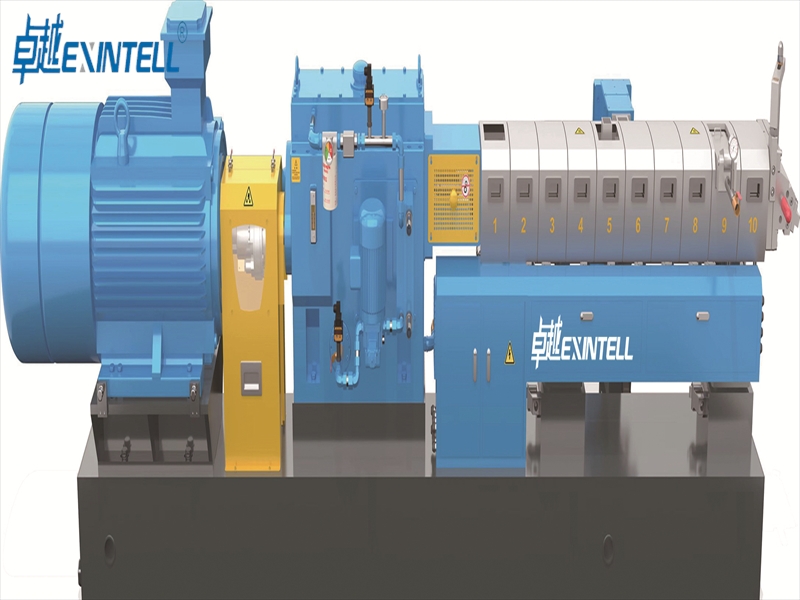
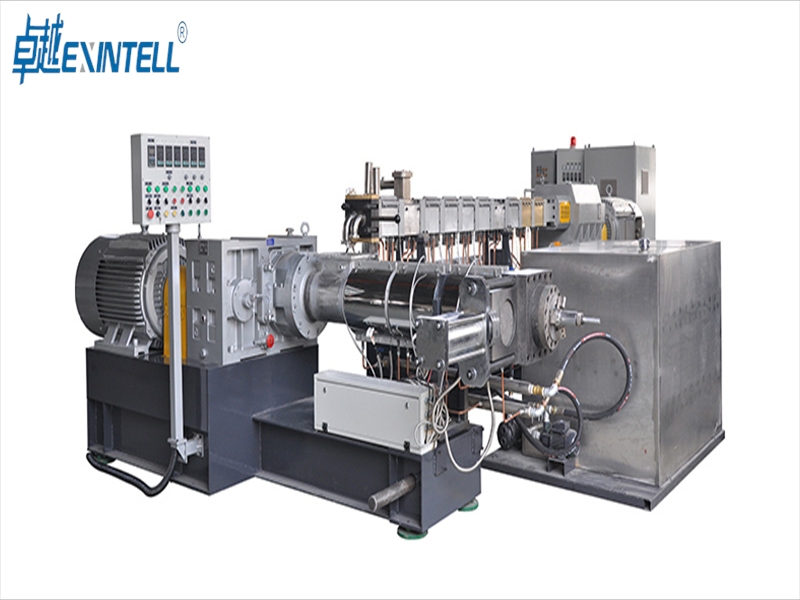
There aredifferent ways to make plastic sheets. The most common are single-screw and twin-screw extruders. Single-screw extruders have one screw that pushes melted plastic out. This way is good for simple jobs and clean plastic pellets. Twin-screw extruders have two screws that mix things better. They work well for tricky materials or recycled plastics. You can use them when you wanthigh-quality sheets.
Some methods use co-extrusion or multi-layer extrusion. Co-extrusion lets you put different materials in one sheet. Multi-layer extrusion makes sheets with layers for special needs. These layers can give extra strength or chemical resistance. These methods help you keep the sheet size and quality just right.
Ideal for complex materials and high-filler formulas
Konsumi i Energjisë
Uses less energy due to simple structure
Consumes more energy but more efficient for complex materials
Këshillë: Twin-screw extruders help you add colors and fillers. They also make sheets clearer by removing water and gases.
Pro & Cons for Production
You need to pick the right method for your project. Single-screw extruders give strong pressure and steady sheets. They use less energy and are easy to set up. This makes themmirë për porosi të mëdha dhe produkte të thjeshta. Ekstruduesit me dy vida i përziejnë gjërat më mirë dhe ju lejojnë të kontrolloni më shumë procesin. Ju mund t'i përdorni ato për punë të veçanta dhe fletë të personalizuara.
Nxjerrja e plastikëskushton më pak se mënyrat e tjera si derdhja me injeksion. Ju shpenzoni më pak për materiale dhe mjete. Procesi është i shpejtë dhe ju lejon të bëni fletë të gjata pa u ndalur. Kjo ju ndihmon të mbani cilësinë e njëjtë çdo herë.
Nxjerrja me një vidë është e mirë për fletë të holla dhe punë të lehta. Nxjerrja me dy vida është më e mira për fletët e trasha dhe materialet e forta. Nxjerrja e përbashkët dhe nxjerrja me shumë shtresa ju ndihmojnë të përmbushni rregulla strikte dhe të mbani madhësinë e duhur të fletës.
Ekstruduesit me një vidë janë më të mirët për pelet të pastër dhe punë të lehta.
Ekstruduesit me dy vida punojnë me pluhur, sende të ricikluara, dhe punë të veçanta.
Të dyja mënyrat ju ndihmojnë të bëni shumë fletë dhe të merrni rezultate të mira.
You should always look at what your project needs. Think about the material and how you want the sheet to work. This helps you choose the best extrusion method and find a good manufacturer.
Matching Needs & Veçoritë
Comparison Checklist
You need a simple checklist to compareextrusion techniques. This helps you see which method fits your project best. Use the table below to match your needs with each process. Check off each box as you look at your choices.
Shihni sa fuqi përdor makina. Makinat e reja mund të kursejnë energji dhe para.
Nevojat për mirëmbajtje
Kontrolloni sa shpesh duhet ta pastroni ose rregulloni makinën. Kujdesi i mirë i mban gjërat të ecin mirë.
Ndikimi në Mjedis
Zgjidhni mënyra që përdorin plastikë të ricikluar ose kursejnë energji. Kjo ju ndihmon të arrini qëllimet e gjelbra.
Garancia & Mbështetje
Kërkoni garanci të mirë dhe ndihmë nga prodhuesi. Kjo mbron paratë tuaja.
Këshillë: Përdoreni këtë listë kontrolli kur flisni me furnitorët ose krahasoni çmimet. Kjo ju ndihmon të përqendroheni në atë që ka më shumë rëndësi për projektin tuaj.
Kriteret e Vendimit
Duhet të shikoni disa gjëra përpara se të zgjidhni. Filloni duke menduar për atë që ka më shumë rëndësi për projektin tuaj. Këto përfshijnë:
Trashësia mesatare: Kontrolloni nëse fleta ka trashësinë e duhur. Kjo kursen materiale dhe para.
Devijimi standard: Kërkoni trashësi të barabartë. Më pak ndryshim do të thotë cilësi më e mirë dhe më pak gabime.
Cpk (Indeksi i aftësisë së procesit): Sigurohuni që procesi të plotësojë nevojat tuaja çdo herë. Cpk e lartë do të thotë rezultate më të mira dhe më pak humbje.
Përputhni madhësinë e grupit tuaj me metodën e duhur të nxjerrjes. Për punë të mëdha, Ekstruduesit me një vidë funksionojnë mirë. Ato japin prodhim të qëndrueshëm dhe kosto më të ulëta. Nëse përdorni shumë materiale ose shtesë, Sistemet me dy vida japin kontroll më të mirë. Për punë të vogla ose projekte të veçanta, nxjerrja e dashit ose bashkëekstrudimi jep më shumë opsione.
Kur zgjidhni një teknikë, shmangni gabimet e zakonshme. Mos harroni rregullat themelore të projektimit. Nëse e bëni dizajnin shumë të vështirë, ju mund të merrni gabime ose humbje. Mbani trashësinë normale të fijeve dhe mos përdorni qoshe të mprehta. Punoni me furnizuesin tuaj herët për të marrë këshilla.
Mbani materialin tuaj të pastër për të shmangur problemet sipërfaqësore. Vendoseni procesin siç duhet për të marrë madhësinë dhe formën e duhur. Mbajeni kallëpin në formë të mirë për të ndaluar defektet brenda fletës.
Mendoni edhe për mjedisin. Ju mund të përdorni plastika e biodegradueshme ose e riciklueshme për të shkurtuar mbeturinat. Përdorni makina që kursejnë energji dhe riciklojnë skrapin. Sistemet e mbyllura të ujit dhe filtrat e mirë të ajrit ndihmojnë në mbrojtjen e njerëzve dhe natyrës.
Plani për kujdes afatgjatë. Pastroni dhe kontrolloni makinën çdo ditë. Planifikoni për kontrolle të rregullta dhe kontrolle të mëdha vjetore. Kujdesi i mirë do të thotë cilësi më e mirë dhe më pak ndalim.
Stërviteni mirë ekipin tuaj. Kontrolloni aftësitë e tyre dhe jepni mësime praktike. Vazhdoni të mësoni për t'i bërë gjërat më mirë.
Warranty and support matter too. Longer warranties and better help mean less worry if something breaks. Good machines often come with better terms.
Shënim: If you are not sure, talk to an extrusion expert. They can help you pick the right design, material, and process. They can also help you avoid mistakes and make your product better.
You can use this guide to compare your choices and make a smart pick. Always match your project needs to the features of each extrusion method. This helps you get the best results, cilësisë, and value from your work.
You can pick the best plastic sheet extrusion technique by using simple steps. Begin by thinking about what your project needs. Choose the material that fits your job. Match your material to the right extrusion method. Industry examples show you must keep the temperature steady. Use good molds and add the right extras. Pick the correct resin grade for your sheet. Ask experts for help early in your project. Use the comparison checklist to make your choice easier. If you are not sure, talk to an extrusion specialist. Në këtë mënyrë, you get strong and reliable sheets for your project.
FAQ
What is plastic sheet extrusion?
Plastic sheet extrusion is a process where you melt plastic and push it through a mold to make flat sheets. You can use these sheets for packaging, signs, or building materials.
How do I choose the right extrusion method?
You should look at your project needs. Think about the material, thickness, and how you will use the sheet. Match these needs to the features of each extrusion method.
Can I use recycled plastics for extrusion?
po, you can use recycled plastics. Twin-screw extruders work best for recycled materials. Make sure the recycled plastic meets safety and quality standards.
What is co-extrusion?
Co-extrusion lets you combine two or more materials in one sheet. You can add layers for strength, ngjyra, or chemical resistance. This method helps you meet special project needs.
Do I need expert help for my project?
You should ask an extrusion expert if you feel unsure. Experts help you pick the right material and method. They also help you avoid mistakes and improve your results.