Si funksionojnë ekstruduesit peletizues hap pas hapi
Tabela e Përmbajtjes
Si funksionojnë ekstruduesit peletizues hap pas hapi
Kur përdorni një ekstruder peletizues, ju e ndryshoni lëndën e parë në pelet duke ndjekur hapa të qartë. Ju vendosni materialin në ekstruder. Makina e shkrin dhe e përzien. Pastaj, ai e shtyn materialin përmes një mbulesë për të bërë fishekë. Çdo hap është i rëndësishëm për të bërë pelet të fortë dhe të barabartë. Nëse e dini se si funksionon peletizimi, ju mund ta bëni ekstruderin tuaj më të mirë dhe t'i rregulloni problemet më shpejt.
Kontrolloni vetitë e materialit për ta bërë procesin e peletizimit të funksionojë më mirë për plastika të ndryshme.
Çfarë është një ekstruder peletizues
Funksioni Kryesor
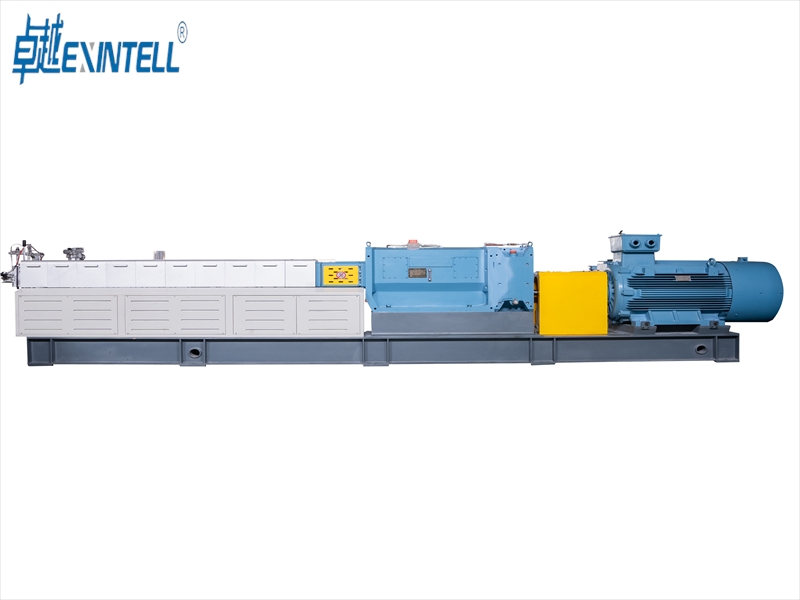
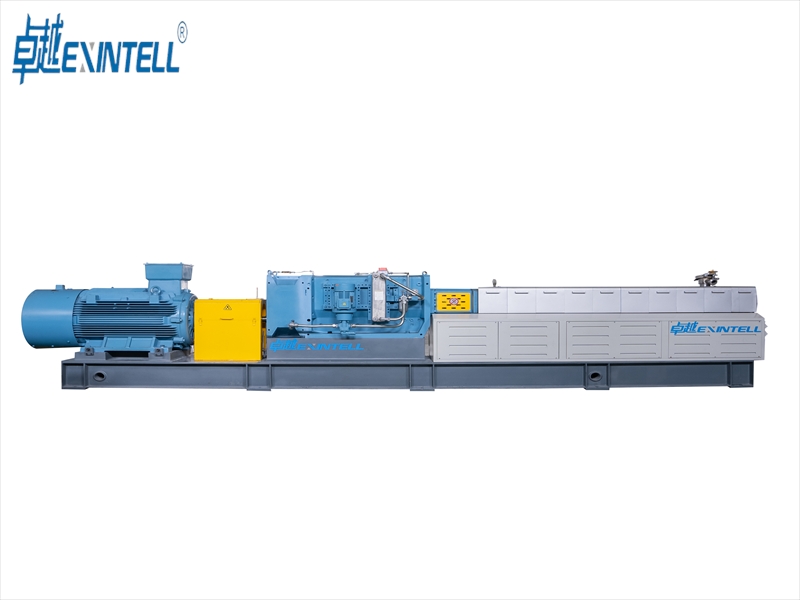
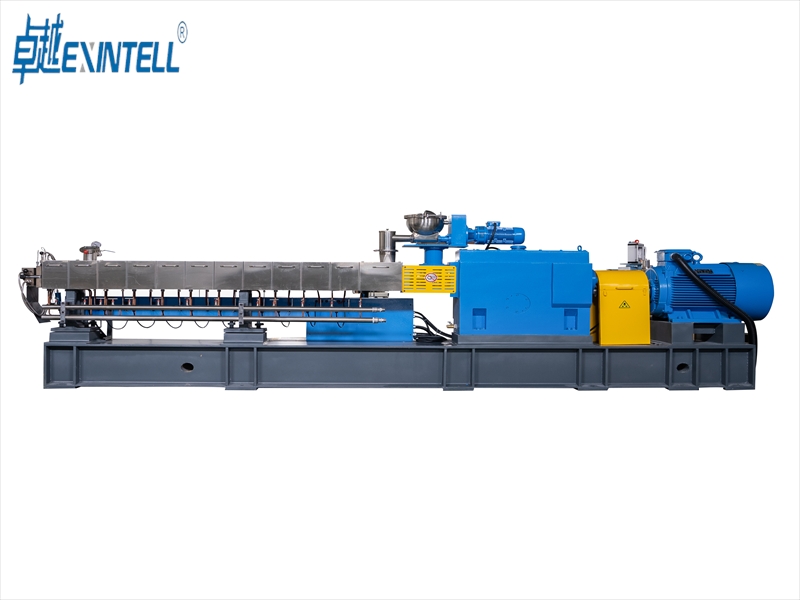
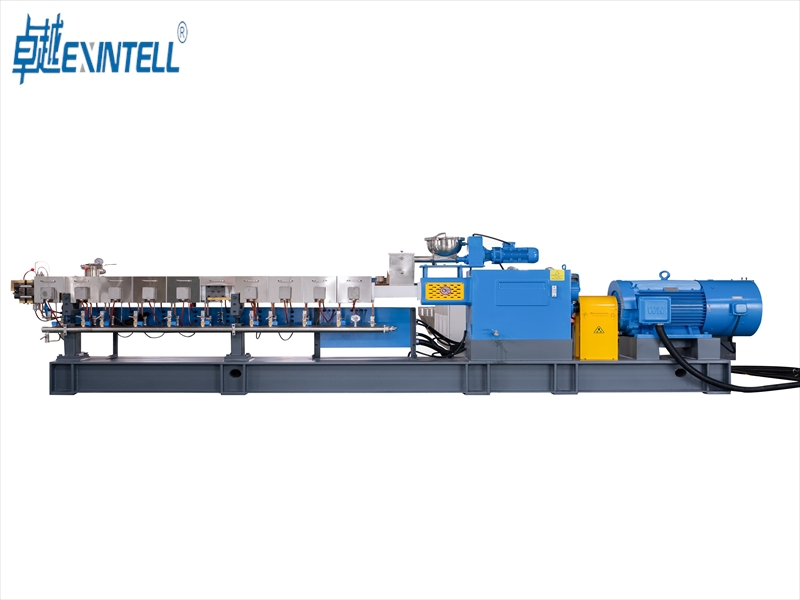
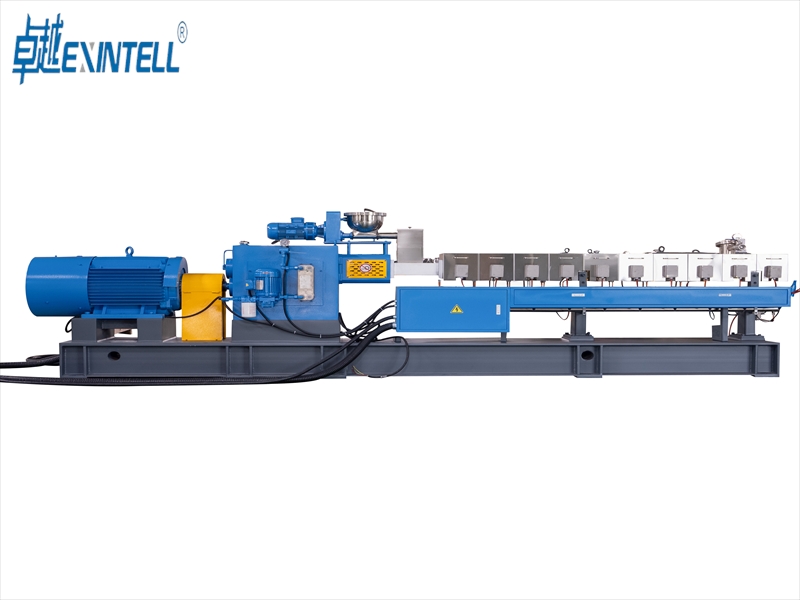
A ekstruder peletizues e kthen plastikën ose polimerin e papërpunuar në fishekë të vegjël. Makina ju lejon të kontrolloni se sa i madh dhe i rrumbullakët është çdo topth. Prodhuesit përdorin ekstruderët e peletit për të bërë produkte që plotësojnë rregulla strikte. Ju mund të ndryshoni pjesët e mbeturinave ose rrëshirën e re në pelet që rrjedhin mirë dhe funksionojnë në makina të tjera.
Ekstrudera peletizues janë të rëndësishme në prodhimin e plastikës dhe polimerit. Ato ju ndihmojnë të punoni më shpejt, mbeturinave më pak, dhe merrni rezultate të qëndrueshme.
Këtu është një tabelë që tregon se çfarë a ekstruder peletizues bën:
Shapes melted plastic, controls pellet thickness and pressure
Sistemi i ftohjes
Makes pellets hard, stops them from changing shape
Sistemi i thikës rrotulluese
Cuts cooled pellets into the same size and shape
You can change the design of these parts to fit your needs. Automation systems help you control heat and warn you about problems. Cooling and drying systems keep pellets strong and protect their quality.
Pelletizing Extruder Process
The pelletizing extruder works in steps. Each step changes raw material into pellets that look the same. You need to know every stage to getgood pellets.
Material Feeding
Së pari, you put raw material into the extruder. The hopper holds the material. This material can be plastic flakes, granula, or powders. Some common materials are polyethylene, polipropileni, ABS, najloni, and PLA. You can use special feeders to control how much material goes in. Ndonjëherë, you need to dry the material first. Drying is important for plastics that take in water. Drying stops bubbles and other problems in the pellets.
The feeding system controls how much material goes inside. If you feed the same amount each time, the pellets are better. The size of the pieces and how wet they are also matter. Small pieces and the right amount of water help make strong pellets.
Melting And Homogenization
Tjetra, the screw pushes the material forward. Fuçi nxehet dhe shkrin plastikën. The screw’s shape is important here. Some screws mix the material better and keep the heat even. Mixing helps blend in things like color or stabilizers.
You must set the right heat for each plastic. Për shembull, polypropylene melts between 200°C and 260°C. ABS melts between 210°C and 250°C. The table below shows melt temperatures for different plastics:
Polimer plastik
Gama praktike e temperaturës së shkrirjes (°C)
ABS (Akrilonitril butadien stiren)
210 - 250
Polikarbonat (PC)
280 - 320
Polipropileni (PP)
200 - 260
Najloni 66 (PA66)
280 - 310
Polietileni (HDPE)
210 - 260
Polioksimetileni (POM)
190 - 220
Good melting and mixing make the melted plastic smooth. This step removes air bubbles and mixes everything together. Now the melted plastic is ready for the next step.
Nxjerrja Nëpërmjet Die
The melted plastic moves to the die system. The die shapes the plastic into strands or other forms. The die works like a mold. It controls the size and shape of the pellets. The shape of the die is important. It decides how thick and wide the pellets are. A good die gives you pellets that all look the same.
The pressure and speed here change how good the pellets are. Ju duhet t'i mbani këto të qëndrueshme për fishekët më të mirë.
Sistemi i ftohjes
Pas largimit të vdes, plastika është ende e nxehtë dhe e butë. Sistemi i ftohjes i bën peletët të fortë dhe ruan formën e tyre. Ftohja me ujë përdoret shumë sepse ftohet shpejt dhe në mënyrë të barabartë. Disa makina përdorin ftohjen e ajrit për plastika që shkrihen në nxehtësi më të ulët. Prerja nënujore ftoh peletat menjëherë. Kjo është e mirë për plastika që shkrihen lehtësisht.
Metoda e Ftohjes
Përshkrimi
Polimerë të përshtatshëm
Ftohje me ujë
Përdor ujë për të ftohur peletat shpejt dhe për t'i mbajtur ato të mira.
Shumë plastikë që kanë nevojë edhe për ftohje.
Ftohja me ajër
Jo aq shpejt, përdoret për plastika që shkrihen në nxehtësi të ulët.
Plastika me indeks të ulët të shkrirjes.
Prerje nënujore
Prit dhe ftoh peletat në ujë menjëherë.
PP jo të endura, pëlhura të shkrira.
Ftohja duhet të jetë e barabartë. Nëse ftoheni shumë shpejt ose shumë ngadalë, fishekët mund të thyhen ose të ndryshojnë formën. Good cooling keeps pellets strong and looking right.
Cutting Into Pellets
When the pellets are cool, they go to the cutter. The rotating knife cuts the strands into pellets. The speed and type of blade change how long and thick the pellets are. More blades or faster cutting make shorter pellets. Where you put the cutter matters too. If it is too close to the die, it wears out fast. If it is too far, the pellets are not even.
You can cut pellets in different ways:
Strand pelletizing: Cut after cooling in water.
Hot-cut pelletizing: Cut right at the die face.
Underwater pelletizing: Cut in water for fast cooling.
Each way works best for certain plastics and jobs.
Collection And Quality Control
You collect the finished pellets at the end. Ndonjëherë, you need to dry them to remove water. This is where you check the pellets for size, shape, and purity. You test the pellets and remove any bad ones. Some companies use special tests for plastics that need to be very pure.
You must follow world rules to make sure your pellets are good. Good checks mean your pellets will work well in other machines.
Këshillë: Check the pellets often when you collect them. This helps you find problems early and keeps your machine working well.
If you follow each step, you turn raw material into good pellets. Every stage is important for making the final product.
Factors Affecting Pelletizing
When you use a pelletizing extruder, you must control some things. These things help you get strong and even pellets. You need to watch temperature, shpejtësia e vidës, and your material’s properties. Each one can change how your pellets look. Ato gjithashtu ndikojnë se sa mirë funksionon makina juaj.
Kontrolli i temperaturës
Ju duhet të kontrolloni temperaturën gjatë gjithë kohës. Temperatura e duhur i ndihmon peletat të ngjiten mirë së bashku. Kur temperatura është afër një pike të veçantë të quajtur T*, koha në die ka rëndësi. Kjo kohë ndryshon se sa të fortë janë fishekët tuaj. Nëse kaloni mbi T*, fishekët ngjiten më shpejt, por dobësohen. Kontrolli i mirë i temperaturës i bën peletët të qëndrojnë më gjatë dhe të mos thyhen. Ai gjithashtu i mban peletët tuaj të mirë dhe ndalon mbeturinat.
Këshillë: Përdorni sensorë për të kontrolluar shpesh temperaturën. Kjo ju ndihmon të zgjidhni problemet shpejt.
Shpejtësia e vidhave
Shpejtësia e vidës ndryshon shpejtësinë e prodhimit të peletave. Nëse vidhosja shkon shumë shpejt, fishekët mund të mos duken të njëtrajtshëm. Ata gjithashtu mund të marrin flluska ajri. Nëse vidhosja është shumë e ngadaltë, ju bëni më pak pelet. Ju duhet të gjeni shpejtësinë më të mirë për materialin dhe makinën tuaj. Try different speeds and look at your pellets often. This helps you keep pellet quality the same and stop problems.
Vetitë materiale
The kind of material you use is important too. You should think about moisture and viscosity. Here is how these things change your pellets:
More water makes pellets wetter and stronger, but they look darker.
Smaller pieces make the material thicker and harder to push.
You can change your extruder for different materials. Për shembull, you can use a special die shape. The table below shows how you can change your process:
Use computer models to design dies for hard shapes.
You can also use co-extrusion systems. Këto ju lejojnë të përzieni materialet dhe të bëni pelet me shtresa për përdorime të veçanta.
Nëse i kontrolloni këto gjëra, ju bëni pelet më të mirë. Ju gjithashtu e mbani mirë procesin e peletizimit.
Zgjidhja e problemeve të ekstruderit të peletit
Çështjet e zakonshme të cilësisë së peletit
Ndonjëherë, ju shihni probleme me peletin tuaj. Këto probleme mund të ndryshojnë mënyrën se si duken ose funksionojnë peletët tuaj. Këtu janë disa çështje që mund të gjeni:
Aglomerimi ose grumbullimet e mëdha ndodhin nëse peletat nxehen shumë ose uji është shumë i ulët.
Gjobat dhe qimet e engjëjve shfaqen nëse majat e grykës thyhen ose thika nuk lëviz siç duhet.
Binjakët, trenjake, dhe zinxhirët formohen nëse thika është shumë e shpejtë ose produkti është shumë i nxehtë.
Kockat dhe shtangat e qenit shfaqen nëse tehet janë të konsumuara ose materiali nuk është mjaft i trashë.
Bishti formohet nëse hendeku midis thikës dhe kërpudhave është shumë i madh ose bishtaja nuk është e sheshtë.
Longs and elbows happen if the knife is too slow or the extrusion rate is high.
Internal voids and popcorn can show up if the polymer has water or cools too fast.
Dimples and dust appear if the product shrinks too fast or is brittle.
Surface or melt fracture and trash or shavings happen if the extrusion rate is high or the knife is not adjusted often.
Pellets that do not look the same can come from temperature changes or uneven die heating.
You can use tools like theIshikawa fishbone diagramor the 5 Whys technique to find out what is wrong. These tools help you list causes and look deeper into the problem.
Mechanical And Process Problems
Mechanical and process problems can also hurt pelletizing. You might see uneven output, low production, or bad pellets. Këtu janë disa probleme dhe mënyra për t'i zgjidhur ato:
Nëse madhësia dhe forma e peletit nuk janë të duhura, ndryshoni temperaturën e mbulesës, mbajini tehet të mprehta, dhe kontrolloni hendekun e tehut.
Nëse shihni më pak dalje ose bllokime, shikoni për vrima të bllokuara të mitrës dhe sigurohuni që materiali të lëvizë mirë në plesht.
Nëse ekstruderi ose motori nxehen shumë, kontrolloni sistemin e ftohjes dhe kërkoni për fërkime ose një motor që punon shumë fort.
Nëse peletët nuk janë të mirë, kontrolloni temperaturën, trajtoni me kujdes materialet, dhe materiale të thata që marrin ujë.
Ju gjithashtu duhet të kontrolloni për konsumimin e vidhave, tinguj të çuditshëm, dhe duke u tundur. Këto shenja mund të nënkuptojnë se pjesët janë të konsumuara ose ka diçka në material që nuk duhet të jetë aty. Kontrollimi dhe rregullimi i gjërave shpesh e mban peletizimin tuaj të qetë dhe peletin tuaj të njëjtë.
Këshillë: Shkruani problemet dhe si t'i rregulloni ato. This helps you see patterns and fix things faster next time.
You can learn each step of the pelletizing extruder process. Controlling temperature and cooling helps make strong, pelet uniforme. Improving how you run your machine reduces waste and saves money. When pellets flow smoothly, jams are less likely, and work stays steady. Proper melting and mixing create pellets that meet high standards. This also helps cut material loss and makes production faster. Whether you’re new or experienced, keep practicing to make the best pellets every time.
Even melting and mixing produce consistent pellets.
Pelletizing saves material and increases efficiency.
FAQ
What materials can you use in a pelletizing extruder?
Ju mund të përdorni many kinds of plastic. Disa shembuj janë polietileni, polipropileni, ABS, najloni, and PLA. Some machines can also use recycled plastic or blends. Always make sure your extruder works with your material.
Si t'i mbani peletat të mos ngjiten së bashku?
Dry your material before you feed it in. Pick the best cooling method for your plastic. Keep the temperature the same. These steps help you getstrong pellets that do not stick.
Why do pellets sometimes have uneven shapes?
Pellets can look uneven if the die or cutter has issues. Check if the blades are worn out or if die holes are blocked. Wrong screw speed can also cause this. Fix these things to make pellets even.
How often should you clean your pelletizing extruder?
Clean your extruder after every time you finish making pellets.
Take out leftover material and look for any buildup.
Cleaning often keeps your pellets good and your machine working well.