News

Chii chinonzi Plastic Pelletizer Factory uye Inoshanda Sei

Zviri Mukati


Chii chinonzi Plastic Pelletizer Factory uye Inoshanda Sei

Fekitori yepurasitiki yepelletizer inowana purasitiki yakasvibira kana yakadzokororwa. Inoshandura plastiki kuita diki, kunyange resin pellets. Aya ma pellets anoshandiswa kugadzira zvinhu zvepurasitiki zvakawanda zvaunoshandisa zuva nezuva. Iyo fekitori maitiro anoita kuti plastiki ive nyore kufamba uye kushandisa zvakare. Kugadzira pellets kunobatsira kudzokorodza uye kunoita kuti mafekitori ashande zvirinani.

Chii chinonzi Plastic Pelletizer Factory uye Inoshanda Sei

Key Takeaways

  • Fekitori yepurasitiki yepelletizer inoshandura purasitiki mbishi kana yakadzokororwa kuita mapellet madiki. Aya ma pellets ese ane saizi yakafanana. Izvi zvinoita kuti zvive nyore kushandisa zvakare uye kudzoreredza epurasitiki.

  • Iyo pelletizing process ine matanho akawanda. Chekutanga, vashandi vanochenesa mapurasitiki. Zvadaro, vanoinyungudutsa. Next, vanochisaidzira nemuchina. Mushure maizvozvo, vanoitonhodza. Pakupedzisira, vanoicheka kuita mapellets. Izvi zvinova nechokwadi chekuti pellets yakanaka kugadzira zvinhu zvitsva.

  • Recycling plastic in pelletizer factories helps the environment. It also saves energy. This is good for both nature and the economy.

  • Buying things made from recycled pellets helps cut down on waste. It also supports good habits for the planet. This makes a good difference for the Earth.

  • Knowing about different pelletizing systems is helpful. Strand and underwater pelletizing are two types. This helps you pick the best way for your plastic needs.

Plastic Pelletizer Factory Overview

What Is a Plastic Pelletizer Factory

A plastic pelletizer factory is a place that changes plastic. It takes plastic waste or raw plastic and turns it into small pellets. The factory does this by following several steps.

  1. Chekutanga, vashandi vanochenesa mapurasitiki. Then they dry it and grind it into small pieces.

  2. Next, the plastic goes into a melting chamber. Heaters or extruders melt the plastic.

  3. The melted plastic is pushed through a die. This makes long strands.

  4. The strands cool down and are cut into pellets.

  5. The pellets are cooled and dried again.

  6. At the end, the pellets are packed for storage or shipping.

A plastic pelletizer factory is not the same as other plastic factories. You can see how they are different in this table:

Chii chinonzi Plastic Pelletizer Factory uye Inoshanda Sei

Aspect

Plastic Granulator

Plastic Pelletizer

Purpose

Makes plastic waste smaller pieces

Turns granules into even pellets

Input Material

Plastic waste like bottles or films

Granules or melted plastic

Output

Uneven flakes or granules (2–12 mm)

Even round pellets (2–5 mm)

Process

Cutting or grinding

Melting, pushing, and cutting

Applications

First step in recycling

Last step before making products

Role in Plastic Manufacturing

Resin pellets from a plastic pelletizer factory are very important.

  • Resin pellets, also called nurdles, are used to make plastic things.

  • These pellets are easy to move, store, and use in new or recycled products.

  • Factories need these pellets to work well.

  • The plastics industry has over 125,000 workers. It adds 2.3% to the country’s GDP. This shows resin pellets help the economy.

Zano: If you buy things made from recycled pellets, you help the planet by making less waste.

Chii chinonzi Plastic Pelletizer Factory uye Inoshanda Sei

Plastic Pelletizing Machine Process

Feeding and Melting

The pelletization process starts when you put plastic into the plastic pelletizing machine. You can use many kinds of plastic for this.

  • Polyethylene (PE)

  • Polypropylene (PP)

  • Polyvinyl chloride (PVC)

  • Polyethylene terephthalate (PET)

Factories also use recycled things like PE/PP film, rigid flakes, PET, EPS foam, and meltblown nonwovens. You need to wash and sort these before putting them in the machine.

Chii chinonzi Plastic Pelletizer Factory uye Inoshanda Sei

Muchina wepurasitiki wepelletizing une hopper inofambisa plastiki mukamuri inonyungudika. Muchina unopisa plastiki kusvika yanyunguduka. Iwe uchaona purasitiki ichishanduka kubva kuzvidimbu zvakaoma kusvika kumvura yakakora. Iyi nhanho inoita kuti plastiki igadzirire chikamu chinotevera chekuita.

Cherechedza: Purasitiki yakachena uye yakaoma inokubatsira kugadzira zvirinani pellets.

Chii chinonzi Plastic Pelletizer Factory uye Inoshanda Sei

Extrusion uye Kutonhora

Mushure mokunge plastiki inonyunguduka, unoisundira kuburikidza neextruder. Iyo extruder inosanganisa uye inoumba purasitiki yakanyungudutswa. Sikuru mukati medhiramu inofambisa purasitiki mberi. Plastiki inopinda nemumusoro wekufa uye inoshanduka kuita tambo refu.

Heino tafura inoratidza michina mikuru inoshandiswa extrusion uye kutonhora:

Machinery Type

Tsanangudzo

Extruder

Inopisa uye inosanganisa plastiki. Inoita kuti plastiki igadzirire kugadzira nekucheka. Iine nzira yekudyisa, barrel, screw, die head, and cooling system.

Cooling System

Keeps the shape of the pellets and removes water. This protects the material during pellet making.

The cooling system is very important. You can use water baths or air-cooled beds to cool the strands. The cooling module has a housing, water supply, and discharge system. Cooling stops the strands from sticking together or changing shape. After this, you get strong and even pellets.

Pelletizing and Collection

You cut the cooled strands into small pellets with a cutting system. The pelletizing machine slices the strands into even pieces. You collect the pellets and dry them to get rid of any water.

You follow these steps to make pellets:

  1. Get the raw or recycled plastic ready and mix it.

  2. Put the plastic into the pelletizing machine.

  3. Melt and push the plastic into strands.

  4. Tonhodza tambo nemvura kana mhepo.

  5. Cheka tambo kuita pellets.

  6. Pukuta pellets kubvisa mvura.

  7. Tarisa mapepa kuti uone kuti akanaka.

  8. Rongedza pellets yekuchengetedza kana kutumira.

Iwe unogona kuita zviyero zvakasiyana zvepellets zvichienderana nemhando yepurasitiki. Semuyenzaniso:

Rudzi rwePlastiki

Output Capacity (kg/h)

Yakapfava PP/PE

180-250

PET Flakes

50-1000

Rigid Flakes

110-1200

Iwe unoshandisa mapellets aya kugadzira zvigadzirwa zvitsva. The pelletizing process inobatsira kudzoreredza epurasitiki uye kugadzira zvinhu zvemaindasitiri mazhinji. Muchina wepurasitiki wepelletizing unokuita kuti udzore mhando uye saizi yemapellets. Iwe unoita shuwa kuti mapellets akagadzirira mafekitori uye ari nyore kufamba.

Zano: Kana iwe uchida zviri nani pellets, tarisa kuomesa uye kutonhora matanho pedyo.

Kudzokorodza muPlastiki Pelletizer Factories

Kushandura tsvina kuva Pellets

Iwe unobatsira kudzokorodza kana uchironga marara epurasitiki. Vashandi vanoshandisa a plastic recycling machine to make new pellets from this waste. The process has many steps to make sure the pellets are clean and strong.

  1. Chekutanga, crushers or shredders break plastic waste into small pieces. This makes the plastic easier to handle.

  2. Next, washing lines clean the shredded plastic. These machines remove dirt and other things.

  3. You sort the plastic by type and quality. Some factories use machines with sensors for sorting.

  4. The cleaned plastic goes into a drying system. Dry plastic makes better pellets.

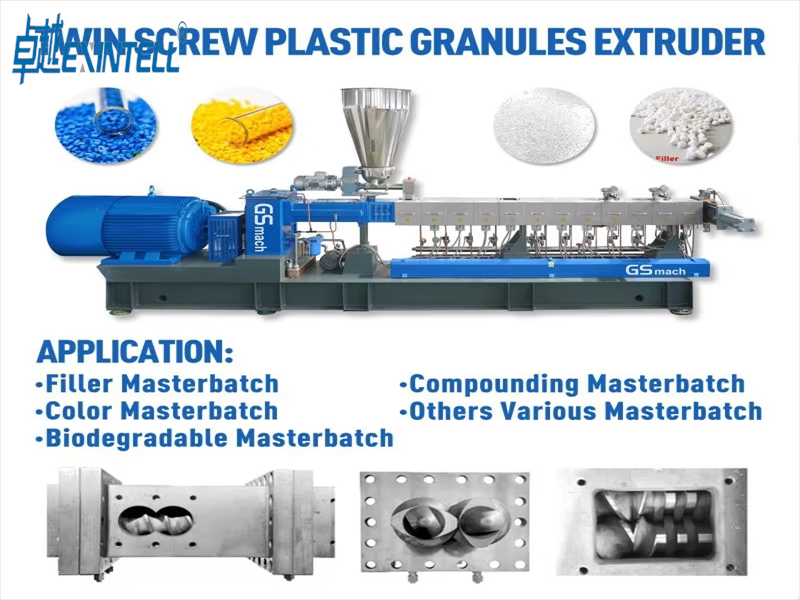
  5. You put the dry plastic into a plastic recycling machine, like a twin screw extruder. This machine melts and mixes the plastic well.

  6. The melted plastic goes to a pelletizing machine. Here, you cut the plastic into small, even pellets.

  7. Cooling systems, like water baths or air beds, help the pellets keep their shape. They stop the pellets from sticking together.

  8. Conveyors and other machines move the pellets to storage or packaging.

Cherechedza: Each step in recycling helps you get good pellets, even if the plastic waste comes from different places.

Factories check the pellets with quality control. They sort and clean the raw materials. They control color and watch the machines as they work. You can see these steps in many modern recycling plants.

Environmental Benefits

Recycling in plastic pelletizer factories gives you many environmental benefits:

  • You help make a circular economy by turning plastic waste into new products.

  • You use less new plastic, so there is less pollution and fewer carbon emissions.

  • You keep more plastic out of landfills and use fewer fossil fuels.

  • You save energy. Recycling uses up to 70% less energy than making new plastic.

  • Iwe unotsigira makambani anoda kuchengetedza zvakatipoteredza uye kushandisa zviwanikwa nehungwaru.

Vagadziri vanowanawo mabhenefiti ehupfumi. Kushandisa recycled pellets inodhura zvishoma pane kutenga resin itsva. Inobatsira makambani kusvika pazvinangwa zvekusimudzira uye inoratidza kuti vane hanya nepasi.

Economic Benefit

Tsanangudzo

Kuchengeta Mari

Iwe unopedza zvishoma pane zvinhu kana iwe uchishandisa recycled pellets.

Zvakanakira Zvakatipoteredza

Iwe unobatsira kuderedza marara epurasitiki uye kutsigira maitiro egirinhi.

Sustainability Alignment

Unotsigira zvinangwa zvenguva refu zvenyika yakachena.

Zano: Paunosarudza zvigadzirwa zvakagadzirwa kubva kune akadzokororwa pellets, unobatsira kudzokorodza uye kuchengetedza pasi kune zvizvarwa zvinotevera.

Mhando dzePlastiki Pelletizing Systems

Strand Pelletizing

Strand pelletizing inowanikwa mumafekitari epurasitiki. Iyi sisitimu inoshandisa mweya kutonhodza tambo dzepurasitiki isati yacheka. Iwe unosundira plastiki yakanyunguduka kuburikidza nefa. Tambo dzacho dzinotonhorera mumhepo. Zvadaro, mapanga akacheka tambo kuita zviduku, even pellets. Iyo pelletizer ine ese ari maviri uye anofambisa mapanga. Mapellets akatenderera uye akatsetseka. Yakakosha tekinoroji inochengeta pellets yakafanana saizi. Inotarisawo tembiricha kuti ibatsire kugadzira ma pellets akanaka.

Feature

Tsanangudzo

Kutonhodza Nzira

Mhepo inotonhodza tambo isati yacheka

Pellet Shape

Diki, round pellets

Kucheka Mechanism

Anoshandisa mapanga akanyarara uye anofambisa

Surface Quality

Smooth surface, kwete kukuvadza kwakanyanya kwekupisa

Precision Technology

Inomira kuzunza uye inotarisa tembiricha

Strand pelletizing inoshandiswa kugadzira mapolymer uye kudzokorodza. Inobatsira kugadzira kunyange pellets kubva mupurasitiki yakanyunguduka. Iyi sisitimu inoshanda neese epurasitiki pelletizer uye epurasitiki granulator muchina.

  • Inoshandiswa mumafekitari epurasitiki

  • Inogadzira ma polymers

  • Inobatsira pakugadzirisa zvakare

Underwater Pelletizing

Pasi pemvura pelletizing inoita mapellet akanaka kwazvo. The plastic is cut underwater, which keeps everything lined up. This method works with many types of melted plastic. You can control the heat, flow, and pressure easily. The pelletizer can cut in different ways, so you have choices.

Feature

Underwater Pelletizing

Water Ring / Air Ring Pelletizing

Cutting Environment

Cuts plastic underwater

Cuts above water

Pellet Quality

Very good, even pellets

Quality can change

Viscosity Range

Works with many types

Works with fewer types

Process Control

Easy to control

Harder to control

Flexibility

Many ways to cut

Only one way

You get better pellets, less waste, and faster work. It is easy to use machines for this system. Underwater pelletizing is good for big plastic factories.

Die-Face Pelletizing

Die-face pelletizing works for many plastics. The pellets are cut right at the die face, often with water rings. Iyi sisitimu inotanga nekukurumidza uye haidi rubatsiro rwakanyanya kubva kuvashandi. Inoramba ichimhanya pasina tambo dzakadambuka. Zviri nyore uye zvakachipa kugadzirisa.

Advantage

Tsanangudzo

Easy kushanda

Inotanga nekukurumidza, inoda rubatsiro rushoma

Kugadzirwa kwakagadzikana

Inomhanya nguva dzese, tambo hadzidimburike

Kuchengetedza kuri nyore

Zviri nyore kuchinja banga

Mafekitari anofunga nezve mutengo uye kuti yakaoma sei sisitimu yekushandisa. Mvura mhete pelletizing inodhura yakawanda pakutanga, asi inogadzira mapellets akawanda neguruva shoma. Pelletizing yepasi pemvura inodhura uye inoita huruva.

Pelletizing Technology

Mutengo Wokutanga

Operational Complexity

Material Flexibility

Strand Pelletizing

Lower

Easy

Inoshanda nevakawanda

Underwater Pelletizing

Higher

Zvakaoma

Inoshanda nevamwe

Mvura-Ring Pelletizing

Higher

Zvakaoma

Inoshanda nevamwe

Zano: Sarudza pelletizer system nekutarisa mhando yepurasitiki, yakawanda sei yaunoda kuita, pellet quality, kwaunoshanda, zviri nyore sei kugadzirisa, uye mutengo.

Iwe unoshandisa plastiki pelletizer inokodzera zvaunoda. Imwe neimwe sisitimu yakanaka kune akasiyana mabasa. Kuziva mashandiro anoita muchina weplastic pelletizing kunobatsira iwe kutora iyo chaiyo.

Unogona kutarisa sei a plastic pelletizer factory inoshandura marara epurasitiki kuita mapepa anobatsira. Izvi zvinobatsira kudzokorodza uye zvinoita kuti ubatsire nharaunda. Mafekitari aya akakosha nekuti anogadzira zvinhu zvakanaka zvezvinhu zvitsva. Michina iri mumafekitari aya inoshanda nekukurumidza uye inoita shoma shoma. Mitemo yehurumende uye kubatsira kuita kuti kudzokorora kuve nyore uye zviri nani. Sezvo mabhizimisi akawanda anoda plastiki, mafekitari aya achanyanya kukosha kune nyika yakachena.

FAQ

Chii chinonzi plastiki pelletizing?

Plastic pelletizing inoshandura plastiki kuita mapellet madiki. Iwe unogona kushandisa purasitiki yakasvibirira kana yakadzokororwa kune izvi. Maitiro anoita kuti zvive nyore kufambisa uye kushandisa zvakare plastiki. Pelletizing inobatsira mafekitori kushanda faster. It also helps with recycling.

Why is pelletization important in recycling?

Pelletization turns old plastic into new pellets. You can use these pellets to make new things. This helps keep plastic in use and cuts down on waste. It also helps stop plastic pollution.

How does a plastic pelletizer factory support a closed-loop recycling process?

A plastic pelletizer factory helps recycling go in a loop. The factory takes waste plastic and cleans it. Zvadaro, it makes the plastic into pellets. These pellets can be used again and again. This keeps plastic out of landfills.

What types of plastic can you use in pelletizing technology?

You can use many plastics in pelletizing technology. Some common types are polyethylene, polypropylene, and PET. Using different plastics helps recycle more and make less waste.

Plastic pelletizing inobatsira sei zvakatipoteredza?

Plastic pelletizing inobatsira nekuita shoma tsvina. Inochengetedza simba uye inoshandisa mapurasitiki matsva mashoma. Izvi zvinoderedza kusvibiswa uye zvinobatsira zvisikwa kugara zvakachena.

Facebook
Twitter
LinkedIn

Unogonawo Kufarira