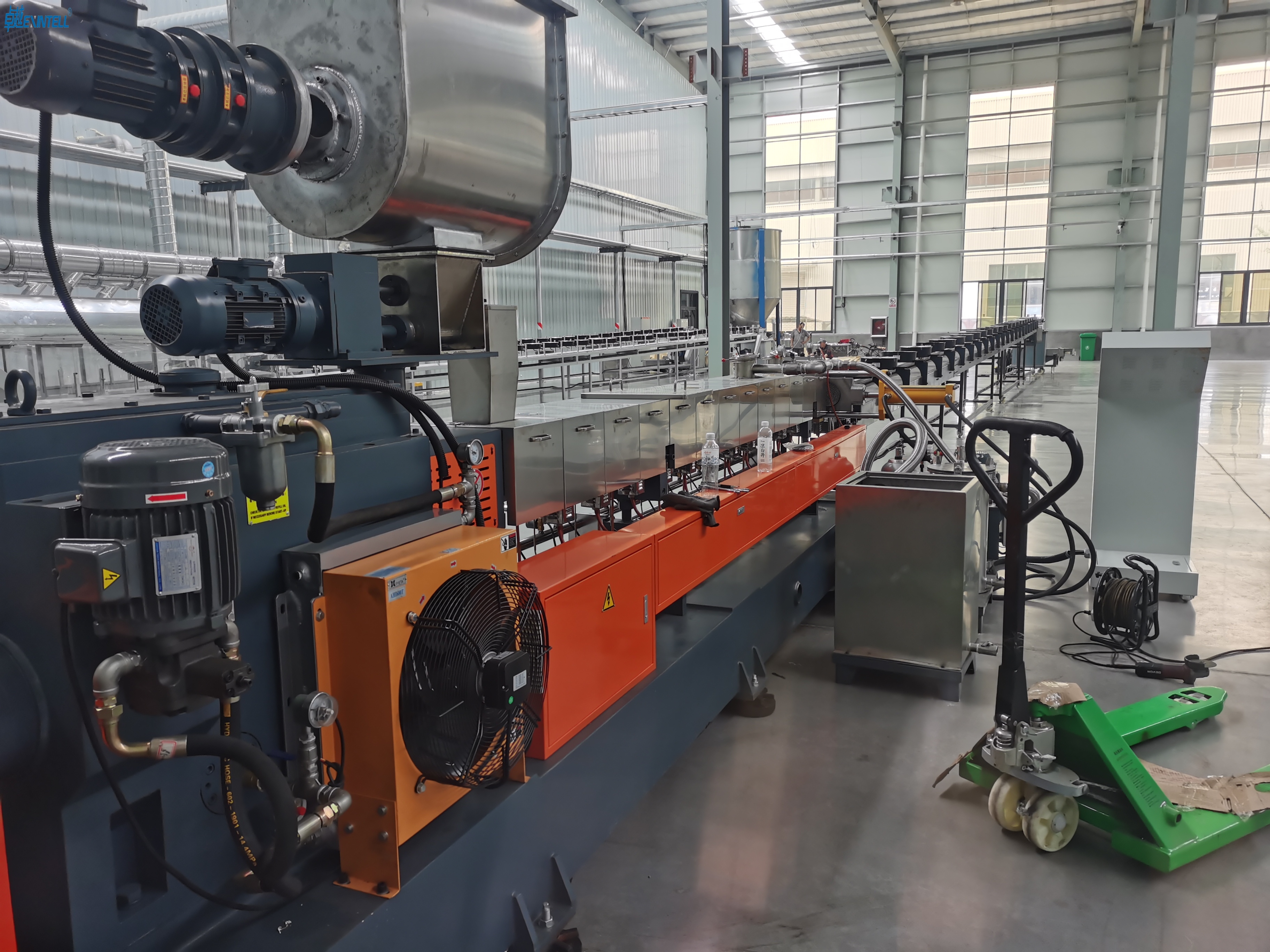
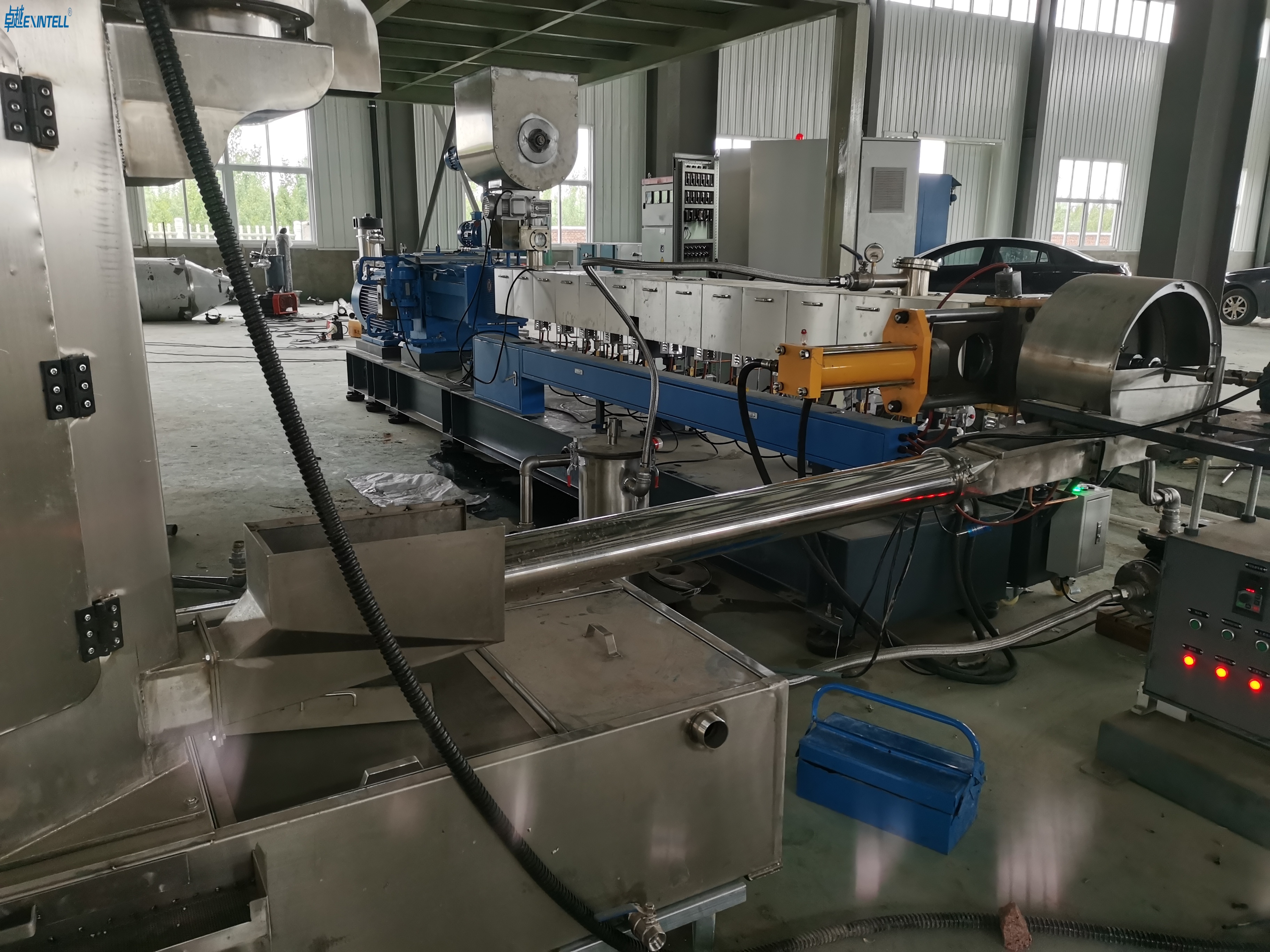
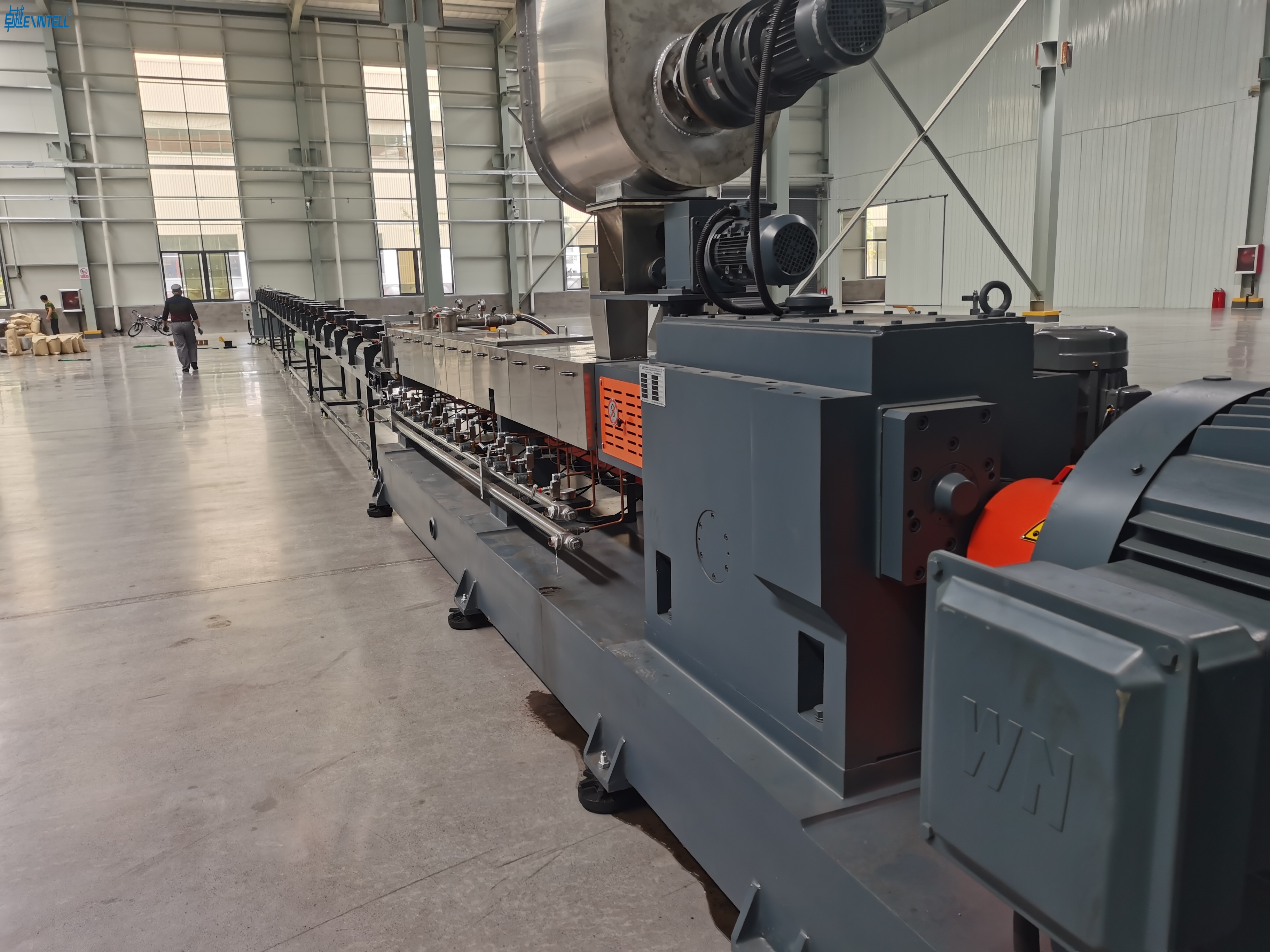
Plastic tube extrusionturns melted plastic into long tubes. These tubes have exact sizes. You can find these tubes in many everyday things. They are used for cable conduits and IV tubing. They are also used for window frames andtraffic barricades. Plastic extrusionmakes tubes that are strong and even. These tubes are used in homes, zvipatara, and building sites.
Plastic tube extrusion changes melted plastic into strong, hollow tubes. These tubes are used in many ways, like in medical tubing and building things. The extrusion process has three main steps. Chekutanga, thermoplastic pellets are melted. Next, the plastic is shaped through a die. Zvadaro, midziyo yakawedzerwa inotarisa kunaka. Kutora right thermoplastic zvinhu kunokosha zvikuru. Zvinhu zvakasiyana-siyana zvine maitiro anokosha. Aya maficha anoshandura simba rechubhu, flexibility, uye mutengo. Plastic tube extrusion inoshanda zvakanaka. Inogadzira kunyange machubhu ane tsvina shoma. Izvi zvinoita kuti ive nzira yakasvibira yekugadzira zvinhu. Aya machubhu anoshandiswa mune zvakawanda zvigadzirwa zvezuva nezuva. Vanowanikwa muzvinhu pa kumba uye mumaturusi ezvokurapa. Izvi zvinoratidza kuti zvinobatsira uye zvakakosha sei.
You can see that plastic tube extrusion is special. It makes hollow tubes in large amounts. This method gives you products that are even and work well for many uses.
Step-by-Step Process of Plastic Extrusion
You can understand the plastic tube extrusion process by breaking it into three main steps. Each step uses special machines and controls to make sure you get strong, even tubes.
Melting Thermoplastic Material
You start with small plastic pellets called thermoplastics. These pellets go into a hopper at the top of the extruder. The machine heats the pellets until they melt. You must use the right temperature for each type of plastic. If you use the wrong temperature, the plastic can burn or not melt enough.
The extruder uses a screw inside a heated barrel. This screw pushes the melted plastic forward. You can control the speed and temperature to keep the plastic smooth and ready for shaping.
Zano:Always check the temperature settings for your material. This helps prevent defects and keeps the plastic extrusion process running smoothly.
Forcing Through a Shaped Die
Mushure mekunyunguduka, the plastic moves toward the die. The die shapes the plastic into a hollow tube. You can think of the die as a special mold that gives the tube its size and thickness. The design of the die is very important. It decides how thick the walls of the tube will be and how round the tube stays.
You will find two main types of extruders in this step:
Twin screw extrusion machines: These have two screws for better mixing. You use these for more complex plastics or when you need perfect mixing.
The extruder is the heart of the line. It melts the plastic and pushes it through the die. You must keep the flow steady to make sure the tube has even walls. If the flow changes, the tube can get thick in some spots and thin in others. The die’s shape and length also help cool and set the tube so it does not sag or warp.
Cherechedza: Dhizaini yakanaka yekufa uye kuyerera kwakadzikama kunobatsira iwe kudzivirira matambudziko akajairika senge warping kana kusaenzana ukobvu.
Iwe unofanirwawo kutarisa matambudziko emhando. Iwe unogona kudzora kumhanya kweanodhonza kuti uchengetedze chubhu saizi yakakodzera. You must cool the tube with water or air to set its shape. Dzimwe nguva, you use a vacuum to keep the tube round while it cools.
Here are some key quality control steps:
Adjust puller speed to control tube size.
Check cooling to make sure the tube does not shrink or warp.
Use vacuum to keep the tube round and smooth.
You can also use smart systems and sensors to watch the process. New machines use touchscreens and even connect to the internet for real-time checks. These advances help you make tubes faster and with less waste.
Zano:Regular checks and good equipment help you avoid defects like bubbles, rough surfaces, or uneven color.
The step-by-step process of plastic extrusion gives you a clear path from raw pellets to finished tubes. By using the right machines, careful controls, and smart checks, you can make high-quality products for many uses.
Materials Used in Tubing Extrusion
Common Thermoplastics
Plastic tube extrusion uses different thermoplastics. Polyethylene (PE)is the most common one. You can pick high-density or low-densitypolyethylenefor different jobs. High-densitypolyethylenemakes strong tubes that do not get damaged by chemicals. Low-densitypolyethyleneis bendy and good for medical tubing and catheters. Polyethyleneis popular in medical plastics because it is safe, cheap, and can be used in many ways. You will also seepolyvinyl chloride (PVC) uye polypropylene (PP)in lots of industries. PVCis good for tubes in factories and for electrical work. PPis used when you need tubes that can handle more chemicals.
Zano:Think about how you will use the tube before picking a thermoplastic. Some are better for medical things. Others work best for plumbing or electrical jobs.
Picking the right material makes sure your tubes are good quality.
The plastic extrusion process lets you pick from many materials. You can choose the best one for the job. This helps your tubes work well and not cost too much.
Benefits and Applications of Plastic Extrusion
Advantages for Tube Production
Plastic tube extrusion has manygood points when makinglots of tubes. This method helps you makehigh-quality tubes very fast. The tubes are always the same size. The plastic extrusion processdoes not make much waste, so it is better for the earth. You can use many kinds of raw materials. This means you can pick what works best for your project. You can also make shapes that are hard to make with other ways.
Some main benefits of plastic tube extrusion are:
Iwe unogona kugadzira machubhu akawanda anotaridzika akafanana.
Kune tsvina shoma, saka zviri nani kune zvakasikwa.
Iwe unogona kugadzira machubhu mumhando dzakakosha uye saizi.
Iyo nzira inoramba ichienda, saka unochengetedza nguva uye kushanda nekukurumidza.
Iwe unogona kushandisa zvinhu zvakasiyana kune zvakakosha zvinodiwa.
You can also find these tubes in packaging, farming, and green energy jobs. If you take care of them, these tubes can last10 ku 20 makorein factories. Many of these tubes can be recycled, which is good for the earth.
Zano:Making tubes in special sizes and shapes helps meet strict rules in medicine and food safety.
You now know how plastic tube extrusion changes raw materials into strong tubes. These tubes look the same and are used in many ways. The process is simple and works well, so making these products is easy. You can see things made this way every day. There are new trends that will change plastic extrusion soon:
Fancy packaging for makeup and skin care will be seen more often.
More people will pick easy and clean packaging for medicine and personal care.
Now you can see how this process affects your life each day.
FAQ
What is the main purpose of plastic tube extrusion?
You useplastic tube extrusionto make long, hollow tubes with even walls. This process helps you create products for many uses, such as medical tubing, plumbing, and electrical conduits.
How do you keep the tube round during extrusion?
You use air pressure inside the tube as it forms. Izvi zvinoita kuti chubhu irambe yakatenderedza uye yakatsetseka. Cooling systems and vacuum tools also help hold the shape.
Can you recycle tubes made by plastic extrusion?
Ehe, you canrecycle many tubesmade by plastic extrusion. You should check the type of plastic first. Some plastics recycle more easily than others.
What problems can happen during tube extrusion?
You might see uneven walls, bubbles, or rough surfaces. You can fix these by checking the temperature, adjusting the puller speed, or cleaning the die.