How to Choose the Right Plastic Sheet Extrusion Technique for Your Project
Zviri Mukati
How to Choose the Right Plastic Sheet Extrusion Technique for Your Project
You can pick the bestplastic sheet extrusiontechnique by thinking about what your project needs and not making common mistakes. Many industrial projects have problems likepicking the wrong material, not controlling the temperature well, bad mold design, skipping surface treatment, and not setting the process right. You need to match your choice with the product type, industry area, sheet thickness, and material you pick. This guide helps you choose wisely and make your process better.
Key Takeaways
Figure out what your project needs before youpick an extrusion technique. Think about what you are making and how people will use it.
Pick theright materialby looking at what it can do. Materials like polypropylene and polyethylene are used for different things.
Learn about the rules for your industry. Following these rules keeps food and medical items safe and good quality.
Make sure the sheet thickness matches how you will use it. Thickness changes the price, strength, and how bendy it is, so choose carefully.
Use a checklist to compare extrusion methods. This helps you pick the best one for what your project needs.
Project Requirements & Application Guide
Product Type & End Use
Chekutanga, think about what you want to make and how you will use it. Differentextrusion techniques are betterfor certain jobs. If you need food packaging, you must keep things clean and block germs. Medical products need to be very exact and safe from contamination. Industrial items need to be the same thickness and made quickly. The table below shows how the end use changes what you need:
Unofanira kudaro enderana nekukora uye michina inoda kune chaiyo extrusion tekinoroji. This helps you control costs and makes sure your sheet works for its job.
Cherechedza: Picking the right thickness and material helps you make things faster and waste less.
Material Selection Guide
Thermoplastic Options
You shouldpick your materialbefore starting your project. The right material helps your product work well and makes it easier to produce. Some materials are better for certain jobs. The most common materials used are:
Polypropylene (PP)
Polyethylene (PE)
Polystyrene (PS)
Acrylic (PMMA)
Polycarbonate (PC)
Each material has special features. Polypropylene can handle heat and is good for car parts. Polyethylene is tough and resists chemicals, so it works for liners and covers. Polystyrene is easy to shape and costs less, so you can use it for trays and containers. Acrylic is clear and blocks UV rays, so it is good for signs and displays. Polycarbonate is strong and can take hard hits, saka inoshandiswa pakuchengetedza mapaneru.
You should always pick your material based on how you will use your sheet and where it will be used.
Plastic Sheet Extrusion Methods
Main Techniques Overview
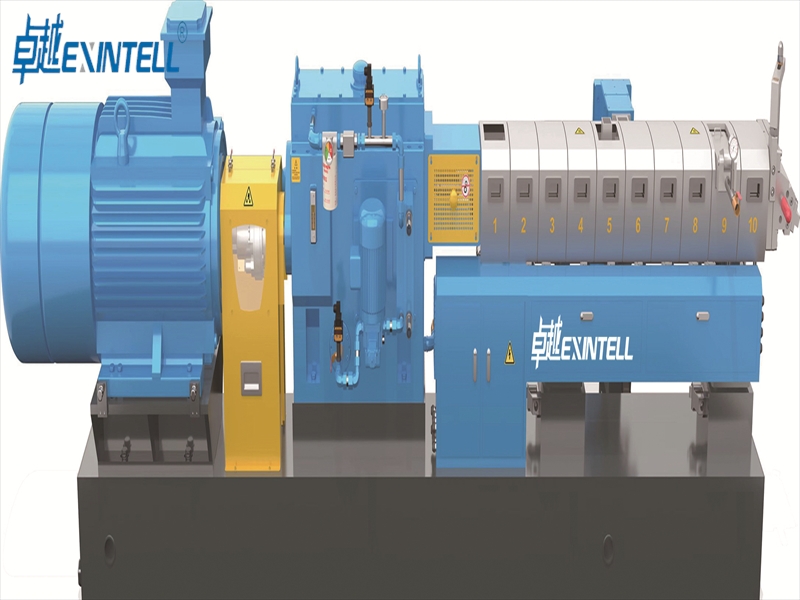
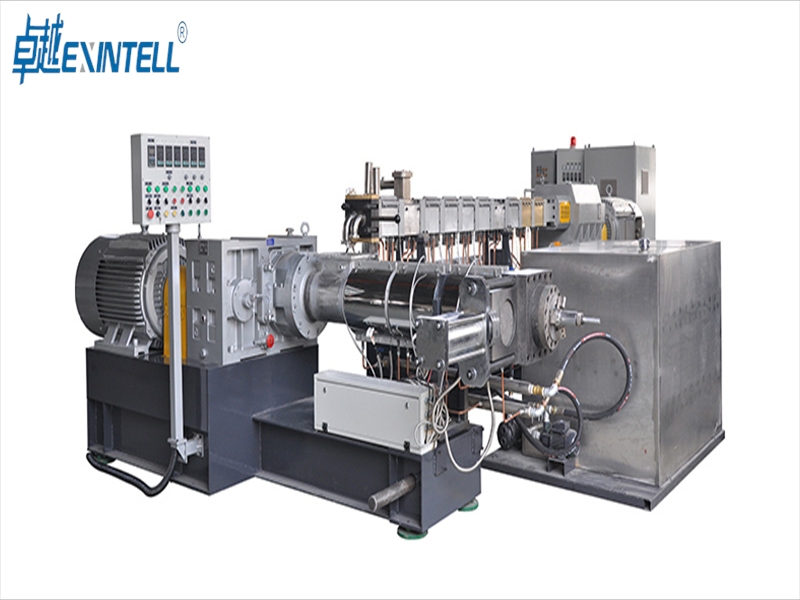
There aredifferent ways to make plastic sheets. The most common are single-screw and twin-screw extruders. Single-screw extruders have one screw that pushes melted plastic out. This way is good for simple jobs and clean plastic pellets. Twin-screw extruders have two screws that mix things better. They work well for tricky materials or recycled plastics. You can use them when you wanthigh-quality sheets.
Some methods use co-extrusion or multi-layer extrusion. Co-extrusion lets you put different materials in one sheet. Multi-layer extrusion makes sheets with layers for special needs. These layers can give extra strength or chemical resistance. Idzi nzira dzinokubatsira kuti uchengetedze saizi yeshizha uye mhando zvakaringana.
Feature
Single-Screw Extrusion
Twin-Screw Extrusion
Kusanganisa Kugona
Simba rekusanganisa shoma
Yakanakisa kusanganisa kugona
throughput
Lower throughput, yakakodzera kune zviduku zviduku
Iwe unofanirwa kusarudza nzira yakakodzera yeprojekti yako. Single-screw extruder inopa kudzvanywa kwakasimba uye mashizha akatsiga. Vanoshandisa simba shoma uye vari nyore kuisa. Izvi zvinovaita good for big ordersand simple products. Twin-screw extruders mix things better and let you control the process more. You can use them for special jobs and custom sheets.
Plastic extrusioncosts less than other wayslike injection molding. You spend less on materials and tools. The process is fast and lets you make long sheets without stopping. This helps you keep the quality the same every time.
Single-screw extrusion is good for thin sheets and easy jobs. Twin-screw extrusion is best for thick sheets and tough materials. Co-extrusion and multi-layer extrusion help you meet strict rules and keep the sheet size right.
Single-screw extruders are best for clean pellets and easy jobs.
Twin-screw extruders work with powders, recycled stuff, and special jobs.
Both ways help you make lots of sheets and get good results.
You should always look at what your project needs. Think about the material and how you want the sheet to work. This helps you choose the best extrusion method and find a good manufacturer.
Kufananidza Zvinodiwa & Features
Comparison Checklist
You need a simple checklist to compareextrusion techniques. This helps you see which method fits your project best. Use the table below to match your needs with each process. Check off each box as you look at your choices.
See how much power the machine uses. New machines can save energy and money.
Maintenance Needs
Check how often you must clean or fix the machine. Good care keeps things running well.
Environmental Impact
Choose ways that use recycled plastics or save energy. This helps you meet green goals.
Warranty & Support
Look for good warranty and help from the maker. This protects your money.
Zano: Use this checklist when you talk to suppliers or compare prices. It helps you focus on what matters most for your project.
Decision Criteria
You need to look at a few things before you pick. Start by thinking about what matters most for your project. These include:
Average Thickness: Check if the sheet is the right thickness. This saves material and money.
Standard Deviation: Look for even thickness. Less change means better quality and fewer mistakes.
Cpk (Process Capability Index): Make sure the process meets your needs every time. High Cpk means better results and less waste.
Match your batch size to the right extrusion method. For big jobs, single-screw extruders work well. They give steady output and lower costs. If you use many materials or extras, twin-screw systems give better control. For small jobs or special projects, ram extrusion or co-extrusion gives more options.
Paunosarudza unyanzvi, avoid zvikanganiso zvakajairika. Usakanganwa mitemo yekutanga yekugadzira. Kana iwe ukaita dhizaini yakanyanya kuoma, unogona kuwana zvikanganiso kana kutambisa. Chengetedza fin ukobvu zvakajairika uye usashandise makona akapinza. Shanda nemutengesi wako nekukurumidza kuti uwane mazano.
Plastic sheet extrusion inzira yekunyungudusa purasitiki woisundira nemuforoma kugadzira mashizha akafuratira. Unogona kushandisa mapepa aya pakurongedza, zviratidzo, kana zvokuvakisa.
Ndinosarudza sei nzira yakarurama yeextrusion?
Iwe unofanirwa kutarisa pane zvaunoda purojekiti. Funga nezvemashoko acho, ukobvu, uye kuti uchashandisa sei pepa racho. Matanidza izvi zvinodiwa kune maficha ega ega extrusion nzira.