

Iyo Plastic Pelletizer Inoshanda sei mukati 2026
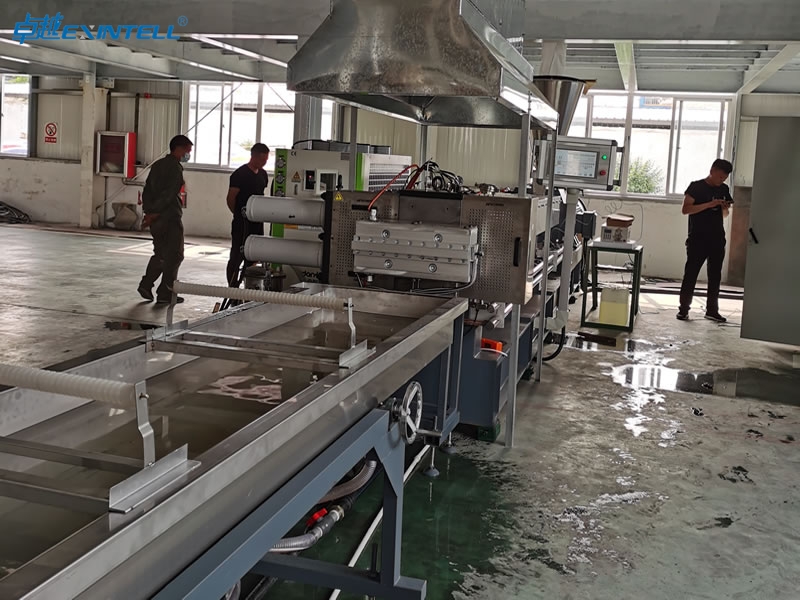
Plastic pelletizer inoshandura marara epurasitiki kana zvinhu zvakasvibirira kuita yunifomu pellets kuburikidza nenhevedzano yematanho akanyatsotsanangurwa. Unotanga nekudyisa, uko mapurasitiki anopinda mumushini. Iyo system inonyungudutsa zvinhu, inosefa kunze tsvina, uye oisundidzira nepafasi kuti iumbe tambo dzinoramba dziripo. Kutonhodza kunosimbisa tambo, uye ipapo banga rinotenderera rinoacheka kuita mapellets chaiwo. Imwe neimwe nhanho inoumba yekupedzisira mhando uye kuenderana.
|
Danho |
Tsanangudzo |
|---|---|
|
Kudyisa |
Tsvina yepurasitiki inounzwa mumushini kuburikidza ne hopper, iyo inosanganisira marudzi akasiyana-siyana emapurasitiki. |
|
Melting |
Iyo plastiki inopisa uye yakanyungudutswa zvakafanana mu extruder, kuigadzirira nhanho inotevera. |
|
Extruding |
Plastiki yakanyungudutswa inomanikidzwa kuburikidza nedhiya kuti igadzire tambo, kusarudza chimiro chepellet uye saizi. |
|
Kutonhora |
Tambo dzacho dzakatonhodzwa, solidifying them for cutting. |
|
Cutting |
Cooled strands are cut into uniform pellets by a rotating knife, adjustable for specific applications. |
Key Takeaways
-
Plastic pelletizers transform waste into uniform pellets through a series of steps: feeding, kunyunguduka, filtering, extruding, kutonhora, and cutting.
-
Consistent feeding and precise temperature control are crucial for achieving high-quality pellets and preventing defects.
-
Different types of pelletizers, such as strand and underwater, cater to various materials and production needs, impacting pellet shape and quality.
-
Effective filtration of molten plastic removes impurities, ensuring smooth and uniform pellets while protecting equipment.
-
Cooling methods, including water ring and underwater cooling, significantly affect pellet quality and production efficiency.
-
Regular maintenance and monitoring of equipment help prevent common issues like uneven feeding and clogged filters.
-
Quality control measures, including proper sampling and screening, ensure that pellets meet industry standards and maintain consistency.
-
Proper packaging and storage of pellets protect them from moisture and contamination, ensuring they remain high-quality for future use.
Plastic Pelletizer Process Overview
What Is a Plastic Pelletizer
You use a plastic pelletizer to transform raw plastic or recycled material into granules with precise sizes and shapes. This machine controls temperature, pressure, and rotational speed to produce consistent results. The plastic pelletizing machine cuts extruded plastic into individual granules, providing a standardized size for further processing. Iwe unovimba nemidziyo iyi kutonga kuvimbika, pamusoro maitiro, uye saizi yechikamu chimwe nechimwe. Nheyo yekushanda yepurasitiki granulator inosanganisira kunyunguduka kwepurasitiki, kusefa tsvina, uye kugadzira yunifomu pellets kuburikidza nekungwarira manejimendi emamiriro mukati mechikamu.
-
Inocheka purasitiki yakasimudzwa kuita magranules ega.
-
Inopa saizi inowirirana yekuenderera mberi kugadzirisa mukugadzira.
-
Inoshandura tambo dzinoenderera dzepurasitiki yakanyunguduka kuita granules yehukuru hwakafanana.
-
Inoshanda seyakamisikidzwa mbishi zvinhu zvekuumba jekiseni uye firimu extrusion.
Matanho Makuru muPelletizing
Iwe unotevera nhevedzano ye matanho paunenge uchishanda pelletizer yepurasitiki. Imwe neimwe nhanho inoumba kunaka uye kuenderana kwechigadzirwa chekupedzisira. Heino maitiro ekushanda:
-
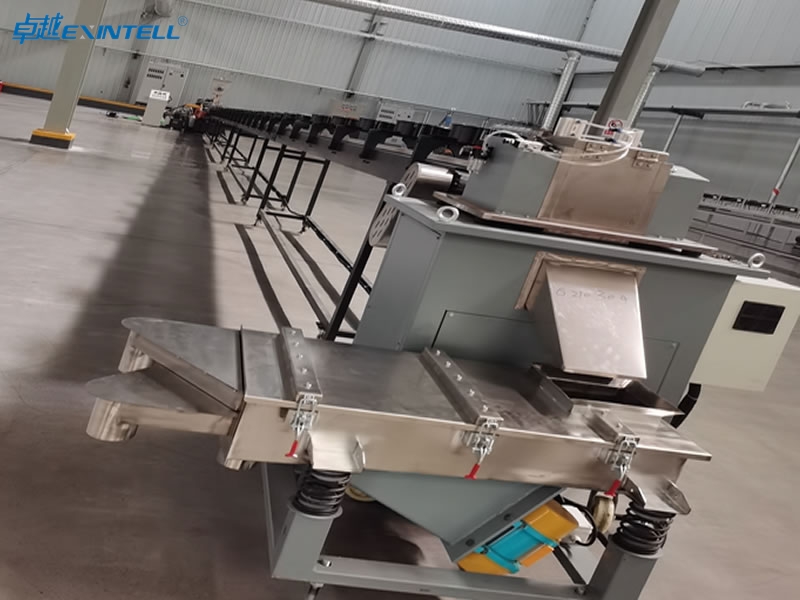
Kudyisa & pre-kurapwa: Iwe unosuma zvigadzirwa kuburikidza ne hopper kana feeder. Pre-treatment increases bulk density and prepares the material for melting.
-
Melting & plastic forming: You apply heat and shear using an extruder. This step achieves a uniform flux and prepares the plastic for filtration.
-
Melt filters: You filter the molten plastic to remove contaminants. Clean material ensures high-quality pellets.
-
Die extrusion & cutting: You form the filtered melt into pellets using a die and cutting mechanism.
-
Kutonhora & feed: You cool the pellets and then dry or store them for future use.
Zano: Consistent feeding and precise temperature control help you achieve uniform pellet size and prevent defects.
You can select from several types of pelletizing equipment, each suited for different materials and shapes. The table below shows common options:
|
Pelletizer Type |
Best For |
Pellet Shape |
Relative Cost |
|---|---|---|---|
|
PE, PP, PS — clean feedstock |
Cylindrical |
Low |
|
|
PET, PA, engineering mapurasitiki |
Spherical |
High |
|
|
Water-ring pelletizer |
PE, PP — moderate contamination |
Lenticular/spherical |
Pakati |
Why Pelletizing Matters
Pelletizing plays a critical role in recycling and manufacturing. You convert molten recycled plastic into uniform pellets, which you can store, transport, and reprocess like virgin resin. This transformation allows recycled materials to re-enter the manufacturing cycle efficiently. You benefit from easier handling and improved mixing during production. The end product supports the circular economy for plastics by supplying reclaimed material.
-
Pelletization makes plastic feedstocks easier and more efficient to handle.
-
It ensures consistent results during mixing and forming.
-
The process supplies the entire circular economy for plastics with reclaimed material.
You face several challenges during pelletizing. Kuwanda kwehunyoro hwemukati mumapellets kunogona kutungamirira kune hurombo hwemakina uye kurasikirwa kwezvinhu. Unoda anoshanda kuomesa masisitimu uye kusarudzwa kwemidziyo yakakodzera kuderedza unyoro. Kusawirirana kwepellet size inowanzobva kune zvisina kufanira nzira dzekudyisa. Iwe unogadzirisa izvi nekushandisa chaiyo yekudyisa masisitimu. Kusarudzwa kwemichina, senge granulator ine mablades-engineered chaiwo, inokanganisa zvakananga kunaka kwemapellets anogadzirwa.
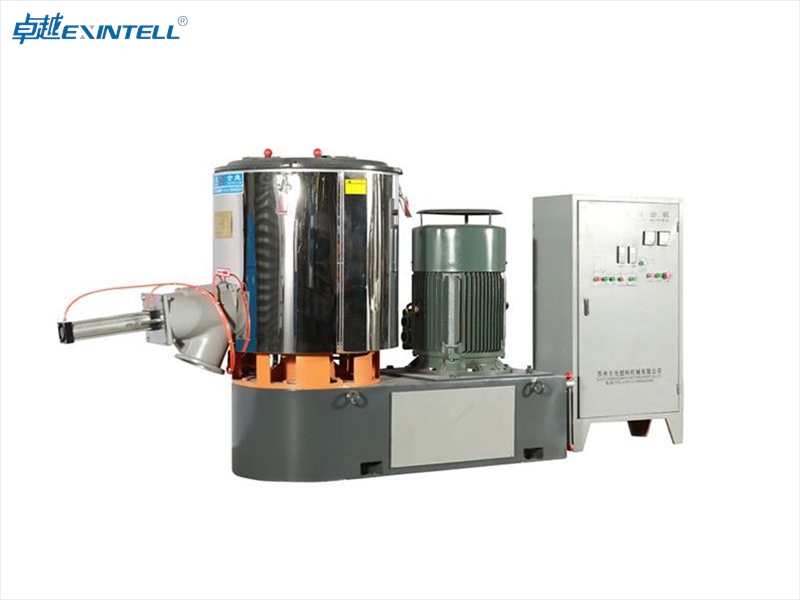
Iwe zvakare unoona kufambira mberi kwetekinoroji mukati 2026. Single-screw extruders ine L/D reshiyo pakati 32:1 uye 38:1 zvakajairika. Tandem zvigadziriso zvinowedzera degassing uye kusefa. Inoramba ichichinja skrini inobvumira shanduko yefirita pasina kumisa kugadzirwa. Bimetallic tekinoroji inowedzera kusimba, uye co-inotenderedza parallel twin screw extruders inopa zvinobudirira kubvisa tsvina. Mapelletizer ari pasi pemvura anogadzira yunifomu, guruva-isina pellets uye kuraira yakakwira mitengo yekutengesa.
|
Vadivelu Comedy Technology |
Tsanangudzo |
Benefits |
|---|---|---|
|
Nhoroondo ye Bimetallic Technology |
Zvigadzirwa zvepamberi zvinowedzera kusimba |
Inowedzera kusimba ne 3-5 nguva |
|
Co-inotenderera Parallel Twin Screw |
Positive displacement, kuzvichenesa mabasa |
Kunyatsobvisa zvinosvibisa |
|
Pelletizer pasi pemvura |
Inogadzira yunifomu, mapepa asina guruva |
Mutengo wepamusoro wekutengesa, yakanakira engineering mapurasitiki |
Unogona kuwana throughput kugona kubva kubva 80 kg/hr kusvika pamusoro 1,000 kg/hr, zvichienderana nerudzi rwemuchina uye kugadzirisa. Mitsetse inochengetedza magetsi chengetedza pakati $30,000-$80,000 pagore zvichienzaniswa nemhando dzisina kunyatsoshanda. In 2026, chaiyo simba mashandisirwo epurasitiki pelletizers kubva 0.25-0.35 kWh/kg, nezvakanakisa-mu-kirasi zvigadziriso zvinowana zvakaderera se 0.20-0.30 kWh/kg.
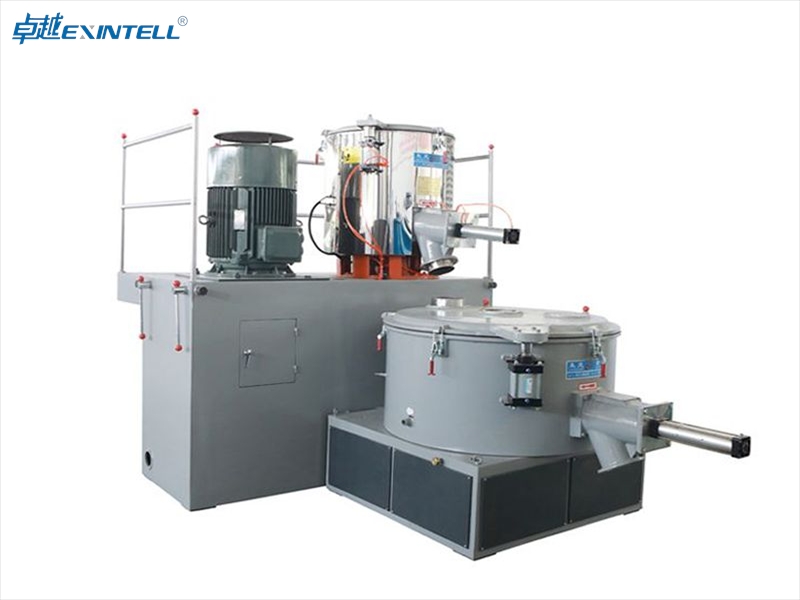
Cherechedza: Multi-layer standardization uye nyowani screw dhizaini inobatsira iwe kugadzirisa bio-mapurasitiki uye asina-akakosha maprofiles zvinobudirira..
Iwe unovimba nepurasitiki granulator uye granulator tekinoroji kugadzira mayunifomu pellets anosangana nemaindasitiri zviyero. Maitiro acho anovimbisa kuti une yakavimbika feedstock yekugadzira uye kudzokorodza, kutsigira zvose kushanda zvakanaka uye kusimba.
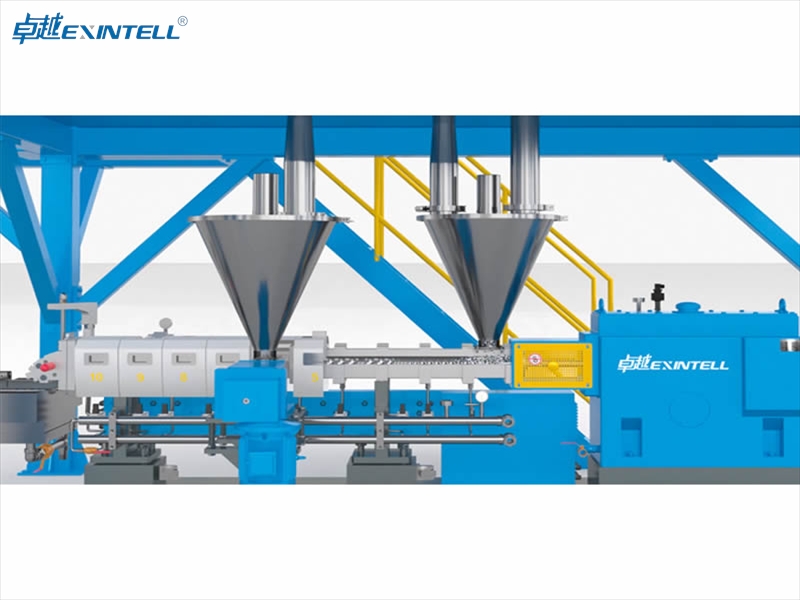
Plastiki Kudyisa
Input Materials
Iwe unotanga pelletizing process nekusarudza zvinhu zvekupinza zvakanaka. Iwe unogona kushandisa tsvina yepurasitiki, virgin plastic, kana musanganiswa wezvose. Usati wadyisa zvinhu izvi mupurasitiki pelletizer, unofanira kunyatsodzigadzirira. Heino yakajairika kugadzirira mafambiro:
-
Plastiki Kugadzirira: Unogeza nekuchekeresa mapurasitiki akashandiswa zvakare kubvisa tsvina netsvina. Unogonawo kunyungudutsa zvinhu zvacho kana zvichidiwa. Plastiki yemhandara inowanzouya semaflakes kana granules, yakagadzirira kugadziriswa.
-
Kunyunguduka uye Extrusion: Iwe unopisa epurasitiki yakagadzirwa mupurasitiki pelletizing muchina. The extruder melts the material and pushes it forward.
-
Cutting: You use rotating blades or a granulator to cut the molten plastic into small pieces.
-
Kutonhora: You cool the pellets using air, water, or both.
-
Drying and Screening: You dry the cooled pellets and screen them to ensure uniform size and quality.
You must pay attention to the cleanliness and size of the input materials. Clean, well-prepared plastic waste helps you avoid defects and improves the quality of the pellets.
Feeding Mechanisms
You rely on efficient feeding mechanisms to move plastic into the pelletizing system. Two main methods help you achieve steady and controlled feeding.
Hopper
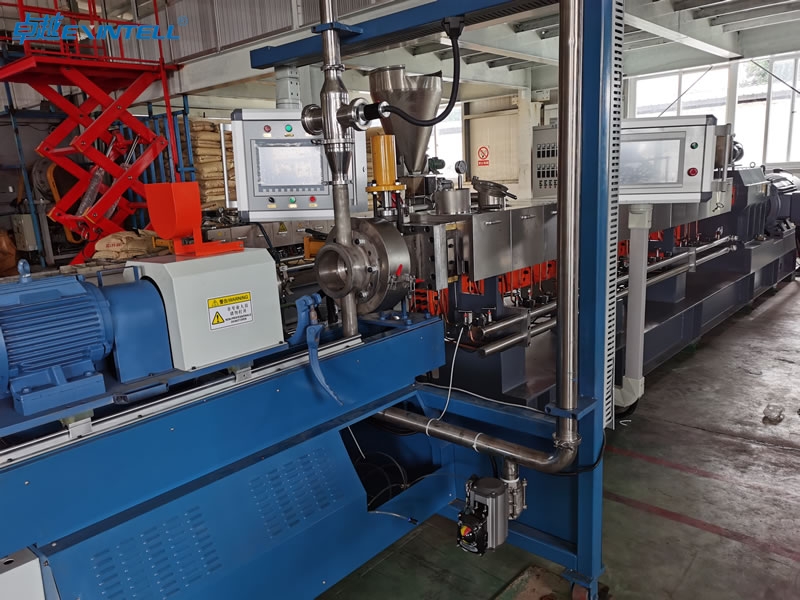
You use a hopper to load plastic waste or virgin material into the plastic pelletizer. The hopper holds the material and releases it at a controlled rate. You can adjust the flow to match the capacity of the plastic pelletizing machine. Hoppers often include sensors that monitor material levels and prevent blockages.
Conveyors
You use conveyors to transport plastic from storage to the hopper or directly into the pelletizer. Conveyors provide a steady stream of material and reduce manual handling. You can choose belt, screw, or vibrating conveyors based on the type and size of plastic. Conveyors help you maintain a consistent feed rate and minimize interruptions.
Zano: You should check the feeding system regularly to prevent jams and ensure smooth operation.
Consistent Feeding Importance
You need consistent feeding to produce high-quality pellets. Steady feeding ensures uniform size, shape, and moisture content. If you allow variations in feeding, iwe unoisa panjodzi yekugadzira pellets ane hurema hwepamusoro kana voids. Kuchinja kwehunyoro kunogona kukonzera kurasikirwa kwesimba remagetsi uye kunyange kutadza kwemidziyo. Hunhu husina kugadzikana hwepellet hunoita kuti zviome kwauri kutengesa kana kushandisa mapellet mumashandisirwo ekutengesa.
-
Kusawirirana kwepellet size kunogona kutungamirira kune kuremara kwepamusoro uye voids.
-
Kusiyana kwehunyoro kunogona kukonzera kurasikirwa kwesimba remakanika uye kutadza kwemidziyo.
-
Hunhu husina kugadzikana hwepellet hunogona kukanganisa kugamuchirwa mune zvekutengesa zvikumbiro.
Iwe unodzora hunyoro nekuchengetedza kudya kwakadzikama. Danho iri rinokosha pakubudirira huwandu hwemhando yechigadzirwa. Kana iwe ukafuratira kuenderana kwekudya, unogona kutarisana nedambudziko rekugadzirisa pasi, sekukanganisa kwepamusoro uye kusasimba kwemaitiro. Iwe unovimba nepurasitiki granulator uye granulator tekinoroji kuti ikubatsire kuwana yunifomu yekudyisa uye mhando yepellet.
Kunyunguduka uye kusefa
Extruder Barrel uye Screw
Iwe unovimba ne extruder barrel uye screw kushandura tsvina yepurasitiki kana mbishi zvinhu kuita yakatsetseka, yunifomu inonyungudika. Iyo screw inotenderera mukati mehari inopisa, tichisunda plastiki mberi. Sezvo screw inotendeuka, inogadzira mechanical chiito uye shear kupisa. Iyi nzira inonyungudutsa plastiki zvakanaka. External heaters padhiramu inowedzera kupisa, kuve nechokwadi chekuti zvinhu zvinosvika tembiricha yakakodzera yepelletizing. Shear kupisa kubva sikuruu kazhinji inopa chikamu chakakosha chesimba rinodiwa pakunyungudika.
Heino mhedziso yekukurumidza yekuti zvikamu izvi zvinoshanda sei pamwechete:
|
Chikamu |
Function |
|---|---|
|
Chikururu |
Inoshandura plastiki kuita yunifomu inonyunguduka kuburikidza ne mechanical chiito uye shear kupisa. |
|
Bharel |
Inopisa uye inobatanidza plastiki, kuve nechokwadi chekunyungudika nekudyisa musoro unofa. |
Unoda zvese screw nedhiramu kuti zvishande mukuwirirana. Kana chimwe chikamu chikakundikana, iyo pelletizer yepurasitiki haigone kugadzira pellets inowirirana.
Temperature Control
Iwe unofanirwa kudzora tembiricha zvakanyatsonaka panguva yekunyungudika. Kupisa kunokanganisa zvakananga kuti plastiki inonyungudika sei uye inoyerera kuburikidza ne extrusion system. Yakakodzera tembiricha marongero anokubatsira iwe kuwana yakatsetseka yezvinyorwa kuyerera uye yakagadzikana, yakakwirira-goho extrusion. Kana iwe ukaisa tembiricha yakaderera, plastiki haigoni kunyunguduka zvakaenzana. Izvi zvinotungamira kune yakawandisa viscosity uye yakashata plasticization. Kana iwe ukaisa tembiricha yakanyanya, plastiki inogona kukanganisa. This causes brittle pellets and reduces their mechanical strength.
-
Temperature influences plastic plasticization, flowability, and the properties of the final pellets.
-
Correct temperature ensures stable operation and high-quality output.
-
Low temperatures cause uneven melting and high viscosity.
-
High temperatures risk thermal degradation and weak pellets.
Zano: Always monitor the temperature zones along the barrel to maintain optimal melting conditions.
Filtration Before Pelletizing
Before you move to the extrusion stage, you must filter the molten plastic. Filtration removes impurities such as dirt, metal fragments, or unmelted particles. Clean melt is essential for producing high-quality pellets. You use fine mesh screens or filter packs in the plastic pelletizing machine to trap contaminants. Iyi nhanho inodzivirira kufa uye yekucheka system kubva mukukuvadzwa. Inovimbisawo kuti pellets ine nzvimbo yakatsetseka uye chimiro chakafanana.
Iwe unofanirwa kutarisa uye kutsiva mafirita nguva nenguva. Mafirita akavharika anogona kuderedza kuyerera uye kukonzera kumanikidza kuvaka-up mu extrusion system. Consistent filtration inotsigira kugona kwese kweiyo pelletizing process. Iwe unowana mibairo iri nani uye kushomeka kushoma mumapellets ako apera.
Cherechedza: Kusefa kunoshanda kunowedzera hupenyu hwepurasitiki yako granulator uye granulator blades.
Extrusion Kuburikidza Die Plate
Die Plate Function
Iwe unosvika padanho rakakosha muplastic pelletizer process apo purasitiki yakanyungudutswa inosvika pandiro yekufa. Iyo die plate inoshanda sechombo chaicho chinoumba zvinhu zvakanyungudutswa kuita tambo. Iwe unovimba nechikamu ichi kutsanangura saizi yekutanga uye chimiro chetambo yega yega, iyo gare gare inova pellet. Dhizaini yeplate yekufa inobata zvakananga kunaka uye kuenderana kwekubuda kwako.
Heino mhedziso yekukurumidza ye key die plate features:
|
Feature |
Tsanangudzo |
|---|---|
|
Function |
Inobvisa polymer yakanyungudutswa kuburikidza nemakomba kutsanangura pellet zviyero |
|
Gomba Size Range |
Kazhinji inotangira kubva 2.5 ku 4 mm padhayamita |
|
Nhamba Yemakomba |
Kazhinji pakati 200 ku 800 makomba |
|
Kufurira paHunhu |
Dhizaini inokanganisa yekupedzisira pellet maitiro, kusanganisira kukura uye chimiro |
Unogona kugadzirisa gomba dhayamita uye configuration kudzora tambo ukobvu. Makomba madiki anoburitsa tambo dzakatetepa uye mapellet madiki. Makomba mahombe anopa tambo dzakakora uye mapeti akakura. Iyo difa ndiro inovimbisa kuti tambo yega yega inosiya extrusion system inoenderana nezvaunoda.
Pressure uye Pellet Shape
Iwe unofanirwa kuchengetedza kudzvanywa kwakakodzera sezvo purasitiki yakanyungudutswa inopfuura nepandiro yekufa. Iyo extrusion system inoshandisa kumanikidza kusundira zvinhu zvakaenzana kuburikidza negomba rega rega. Consistent pressure inodzivirira kusarongeka mu strand ukobvu uye inokubatsira kuwana yunifomu pellet size. Kana pressure ichidonha kana spikes, unogona kuona kukanganisa kwakadai sezvimiro zvisina kuenzana kana homwe dzemhepo mumapellets.
Chimiro chepellet yega yega chinoenderana nedhizaini dhizaini uye kudzvanywa kunoshandiswa panguva yeextrusion. Iwe unogona kusarudza akasiyana gomba maumbirwo uye gadziriro yekugadzira cylindrical, spherical, kana lenticular pellets. Iko kusanganisa kwakaringana kwekumanikidza uye dhizaini yedhizaini inokupa iwe kutonga pamusoro pekupedzisira kutaridzika uye kuita kwechigadzirwa chako.
Kuumba Mitambo
You have several methods for shaping plastic strands before cutting them into pellets. Each method offers unique benefits for different applications. The choice of method affects the quality, mutengo, and consistency of your pellets.
|
Nzira |
Tsanangudzo |
Impact on Pellet Quality |
|---|---|---|
|
Extrudes plastic into strands, then cuts them into pellets. |
Cost-effective for smaller batches, but may vary in quality. |
|
|
Cuts strands underwater, which cools and maintains quality. |
Produces high-quality pellets due to effective cooling. |
|
|
Water-Ring Systems |
Uses a water ring to cool and cut strands. |
Ensures good quality while being cost-efficient. |
You might use strand pelletizing for small batches of plastic waste, as it offers a simple and affordable approach. Underwater hot-face cutting works well when you need high-quality pellets with smooth surfaces. Mvura-mhete masisitimu anoyera mutengo uye kunaka, zvichiita kuti zvive zvakakodzera kune marudzi akawanda emapurasitiki.
Iwe unovimba nepurasitiki granulator uye granulator tekinoroji kupedzisa maitiro. Mushure mekugadzira uye kutonhora, iyo system inocheka tambo kuita yunifomu pellets. Iyi nhanho inopedzisa shanduko kubva mukunyunguduka kuenda kune yapera chigadzirwa, yakagadzirira kurongedza kana kuwedzera kugadzirisa.
Zano: Gara uchitarisa iyo extrusion system yekutsiga kudzvanywa uye tembiricha. Izvi zvinokubatsira kuchengetedza kuenderana kwepellet mhando uye kuderedza nguva yekudzikira.
Kutonhodza Nzira
Mushure mechikamu che extrusion, you must tonhodza tambo dzinopisa nekukurumidza kuumba pellets yakasimba. Nzira yekutonhodza yaunosarudza inokanganisa kunaka kwepellet, kushandiswa kwesimba, uye kukurumidza kwekugadzira. Iwe unogona kusarudza kubva pakutonhora kwemhete yemvura, kutonhora pasi pemvura, kana kutonhora kwemhepo, zvichienderana nezvinhu zvako uye zvido zvekugadzira.
Mvura Mhete Kutonhora
You often use water ring cooling for polyolefins and polystyrene. Munzira iyi, you direct a ring of water around the die face. The water cools and solidifies the strands as they exit, then a cutter chops them into pellets. This system works well for many standard plastics and offers a compact design.
Here is a summary of the main advantages and disadvantages:
|
Zvakanakira |
Zvakaipa |
|---|---|
|
Not suitable for sticky or thick materials |
|
|
Produces visually appealing pellets |
Requires close monitoring of water |
|
Compact system with lower costs |
Limited material compatibility |
|
Handles changes in melt temperature and pressure well |
Lower production capacity compared to underwater systems |
|
Space-efficient and easy to control |
Limited to specific materials |
|
Cost-effective for budget-conscious companies |
Not effective for materials that heat up or stick together |
|
Cannot handle high production demands |
|
|
Good for budget management |
Limited to certain materials like polyolefins and polystyrene |
You should choose water ring cooling if you want a space-saving, budget-friendly solution for standard materials. You must monitor the water system closely to prevent issues with sticky or thick plastics.
Underwater Cooling
You can achieve high-quality pellets with underwater cooling. Munzira iyi, you cut the strands directly in a water chamber. The water cools and solidifies the pellets instantly, which leads to a smooth surface and uniform size. You benefit from continuous operation and high output rates.
-
Underwater pelletizers produce uniform pellets with minimal fines and dust.
-
The rapid solidification process ensures consistent shape and size.
-
You can reach mitengo yepamusoro yekugadzira nekuda kwekutonhora kwakanaka uye kusimba.
-
Kuenzaniswa nemhepo-yakatonhorera masisitimu, kutonhodza kwepasi pemvura kunoshandisa simba shoma nekuti mvura inofambisa kupisa zvakanaka.
Iwe unofanirwa kufunga kutonhora kwepasi pemvura kana iwe uchida epamusoro-mhando pellets uye yakakwirira yekugadzira. Iyi nzira inoshanda zvakanaka kune inoda maapplication uye zvepamberi zvinhu.
Air Cooling
Iwe unogona kusarudza kutonhora kwemhepo kune zvinhu zvisingaite nekunyorova, akadai semapurasitiki anogona kuparara sePLA kana PBAT. Kutonhodza kwemhepo kunoshandisa mafeni kana mafuridziro kutonhodza tambo pavanenge vachibuda mufa. Iyi nzira inobvisa kudiwa kwekuomesa masisitimu, izvo zvinogona kurerutsa maitiro ako.
|
Applications |
Kuganhurirwa |
|---|---|
|
Hazvina kukodzera kumarudzi ose ezvigadzirwa |
|
|
Inoshandiswa kune biodegradable zvinhu (PLA, PBAT) |
Kutonhodza kushoma kunoshanda zvichienzaniswa nekutonhorera kwemvura |
|
Inobvisa kudiwa kwekuomesa masisitimu |
Zvinogona kukwirira simba mari |
Iwe unofanirwa kushandisa kutonhora kwemhepo kana ukagadzira zvinhu zvinonzwa hunyoro kana kuti uchida kudzivirira mamwe matanho ekuomesa. Iwe unogona kutarisana nemutengo wepamusoro wesimba uye kunonoka kutonhora kana uchienzaniswa nemvura-yakavakirwa nzira.
Zano: Gara uchifananidza nzira yako yekutonhodza kune yako zvinhu uye zvigadzirwa zvekugadzira. Sarudzo chaiyo inokubatsira kudzivirira kukanganisa uye kuchengetedza kunaka kwepellets yako.
Iwe unovimba negranulator kuti ipedze maitiro mushure mekutonhora. Iyo granulator inocheka tambo dzakasimba kuita mayunifomu pellets, yakagadzirira kurongedza kana kumwe kushandiswa. Kutonhora kunoshanda kunovimbisa kuti kunyunguduka uye kucheka matanho anoburitsa emhando yepamusoro pellets kubva kumarara epurasitiki yako.
Pelletizing uye Kucheka
Banga Kucheka Mechanism
You rely on the knife cutting mechanism to transform cooled plastic strands into finished pellets. The system positions specialized knives close to the die face, where the strands exit. The Melt-to-Cut window plays a crucial role here. If you allow too little time between the die and the blade, you may see misshapen pellets. Too much time can cause fractures and fines, which lowers overall quality. Pelletizing knives come in different shapes, such as straight, slanted, or V-shaped, and each suits a specific type of pelletizer. Manufacturers use high-carbon steel or tool steel for these knives, which increases durability. Precision in cutting is essential, so many knives are CNC-machined for tight tolerances. Heat treatments and coatings further extend blade life and improve performance.
-
The Melt-to-Cut window determines pellet shape and quality.
-
Knife material and shape affect durability and cutting precision.
-
Proper timing prevents defects and ensures consistent results.
Achieving Uniform Pellets
You want every pellet to have the same size and shape. To achieve this, you must control several process variables during cutting. Adjusting the feed rate, disc angle, and disc speed lets you fine-tune pellet size. For smaller pellets, you increase the feed rate and disc angle, feed closer to the three or four o’clock position, and raise the disc speed. For larger pellets, you decrease the feed rate and disc angle, feed closer to the seven o’clock position, and lower the disc speed. These adjustments help you maintain uniformity and avoid defects.
Zano: Monitor your process controls closely. Shanduko diki mukudya kana kumhanya kunogona kuita mutsauko mukuru mumhando yepellet.
Iwe zvakare unofanirwa kuve nechokwadi chekuti granulator inoshanda zvakanaka. Kushanda kwakafanana kunokubatsira kucheka mumapellets ane mashoma akasiyana, kutsigira kuburitsa kwemhando yepamusoro.
Mhando dzePelletizer Cutters
Iwe unogona kusarudza kubva kune akati wandei mhando dzepelletizer cutters, imwe neimwe yakagadzirirwa zvinhu zvakananga uye zvinodiwa zvekugadzira. Iyo yekucheka mhando inokanganisa pellet chimiro, throughput, and moisture content. Heinoi a kuenzanisa:
|
Type |
Pellet Shape |
Zvishandiso Zvakakodzera |
throughput (kg/hr) |
Residual Unyoro (%) |
|---|---|---|---|---|
|
Strand |
Cylindrical |
Thermoplastics (PP, PE, ABS, PS) |
100-2,000 |
<1% |
|
Pasi pemvura |
Spherical |
Zvese zvePolymers |
500-3,000+ |
<0.05% |
|
Mhete yemvura |
Lenticular |
PE, PP, PC, PS |
200–1,500 |
<0.5% |
Strand pelletizing inoshandisa yekugezera yemvura yekutonhodza uye inoshanda zvakanaka kune inoenderera tambo. Mapelletizer epasi pemvura anocheka mapurasitiki akanyungudutswa akananga mumapellets nekukasira kutonhora, kukupa kutonga kuri nani pamusoro pehukuru uye chimiro. Water ring systems offer a balance between cost and quality, producing lenticular pellets suitable for many applications.
You select the right cutter based on your material, desired pellet characteristics, and production goals. This choice ensures your pellets meet industry standards and customer requirements.
Pellet Collection and Finishing
Drying and Screening
You must ensure that pellets are dry and free from unwanted materials before packaging. Moisture control is critical because wet pellets can lead to product degradation and issues during storage. Mushure mekutonhora, you monitor moisture content to optimize the process. You use screening equipment to separate well-formed pellets from fines and debris. Screening also removes stones, plastics, metals, and other hard materials that could damage your equipment. A stone trap helps you eliminate hard materials, while magnets pick up metals. You rely on these steps to maintain pellet quality and protect your machinery.
-
Monitor moisture content after cooling.
-
Use screening equipment to remove fines and debris.
-
Employ stone traps and magnets to eliminate hard materials and metals.
-
Separate well-formed pellets from defective ones before packaging.
Zano: Regular screening and drying help you avoid packaging low-quality products and extend the lifespan of your granulator.
Quality Control
You need to implement quality control measures to ensure product consistency. Sampling plays a crucial role in achieving good pellet quality. You must use proper procedures and equipment to minimize sampling errors. Samples should represent the entire batch, so you avoid skewed results. You process samples correctly before laboratory analysis to get accurate data.
Heino nhanho-ne-nhanho yekutarisa nokuda kwehutano hwehutano:
-
Simbisa chokwadi chekuongorora nekuongororazve nerabhoritari.
-
Iva nechokwadi chokuti muenzaniso wakatorwa unomiririra.
-
Ongorora kana huwandu hwehuwandu hwekudya huri kunze kwekutonga.
-
Simbisa kuti vashandi venguva dzose vakashandisa chigayo panguva yekugadzira.
-
Tarisa kune kusawirirana mumarekodhi ezvinyorwa.
-
Ita shuwa kuti zviyero uye metering zvishandiso zvakagadziriswa nemazvo.
-
Ongorora zvinongedzo uye mabhini ekudyisa-apedzwa kune nyaya.
-
Ongororazve nguva dzekusanganisa kuti dzive chokwadi.
-
Ongorora ingredient assay kukosha kune kushomeka.
Kupedzwa-feed assays inopa ongororo yekupedzisira yekuti wakadzora sei kunaka panguva yekugadzira. Iwe unofanirwa kuenzanisa nguva nenguva, zvakadai kamwe pavhiki kana pa 100 matani ekugadzirwa, kuchengetedza hutano hunoenderana.
Cherechedza: Kuenderana sampling uye kwakaringana kugadzirisa kunobatsira iwe kuendesa pellets inosangana neindasitiri zviyero.
Packaging
You prepare pellets for shipment or storage by packaging them efficiently. You use automated systems to fill bags, bins, or containers. Packaging protects pellets from moisture, kusvibiswa, and mechanical damage. You label each package with batch information, production date, and quality data. This step helps you track inventory and ensures traceability. You store packaged pellets in a dry, clean area to preserve their quality until use.
-
Use automated packaging systems for efficiency.
-
Label packages for traceability and quality assurance.
-
Store pellets in dry, clean conditions to prevent degradation.
Callout: Proper packaging and storage guarantee that your pellets remain high-quality and ready for manufacturing or recycling.
You transform plastic into pellets by following each stage: feeding, kunyunguduka, filtering, extruding, kutonhora, and cutting. This process gives you uniform pellets for manufacturing and recycling.
-
Modern pelletizers help you save up to 30% on materials and reduce the need for new plastic.
-
You support a circular economy by using a granulator to recycle waste and keep plastics out of landfills.
-
Michina iyi lower environmental impact and conserve resources for the future.
Appreciate how this technology makes plastics more sustainable and efficient for everyone.
FAQ
What types of plastics can you process in a pelletizer?
You can process most thermoplastics, including polyethylene (PE), polypropylene (PP), polystyrene (PS), uye PET. Some machines also handle engineering plastics and biodegradable materials. Always check your pelletizer’s compatibility before starting.
How do you maintain pellet size consistency?
You control pellet size by adjusting feed rate, die plate design, uye kucheka kukurumidza. Regular monitoring and equipment calibration help you achieve uniform pellets. Consistent input material also improves results.
Why do you need to filter the melted plastic?
Filtration removes contaminants like dirt, metal, or unmelted particles. Clean melt protects your equipment and ensures high-quality pellets. You should replace filters regularly to maintain efficiency.
What is the difference between strand and underwater pelletizing?
Strand pelletizing cuts cooled strands after they exit the die. Underwater pelletizing cuts molten plastic directly in water, producing smoother, more uniform pellets. Underwater systems suit high-output and specialty plastics.
How do you reduce moisture in finished pellets?
You use drying systems after cooling. Air knives, centrifugal dryers, or fluidized bed dryers remove surface moisture. Proper drying prevents pellet degradation and improves storage life.
Can you recycle mixed plastic waste in a pelletizer?
You can process mixed plastics, but you may see lower pellet quality. Sorting and pre-treating materials improve results. Some advanced pelletizers handle blends better than others.
How do you troubleshoot common pelletizer problems?
Zano: Check for uneven feeding, clogged filters, or incorrect temperature settings. Inspect knives for wear. Regular maintenance and monitoring help you solve most issues quickly.