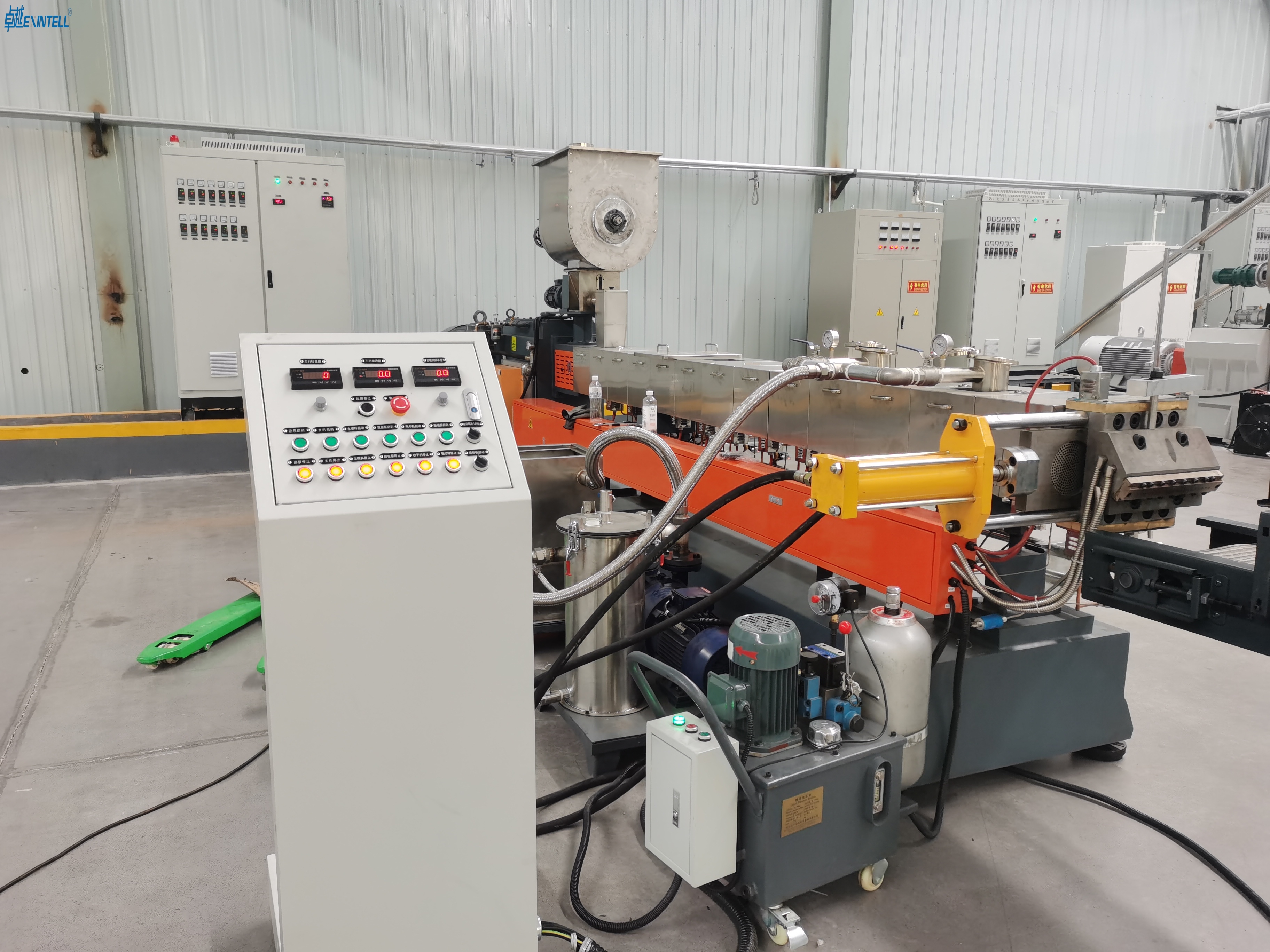
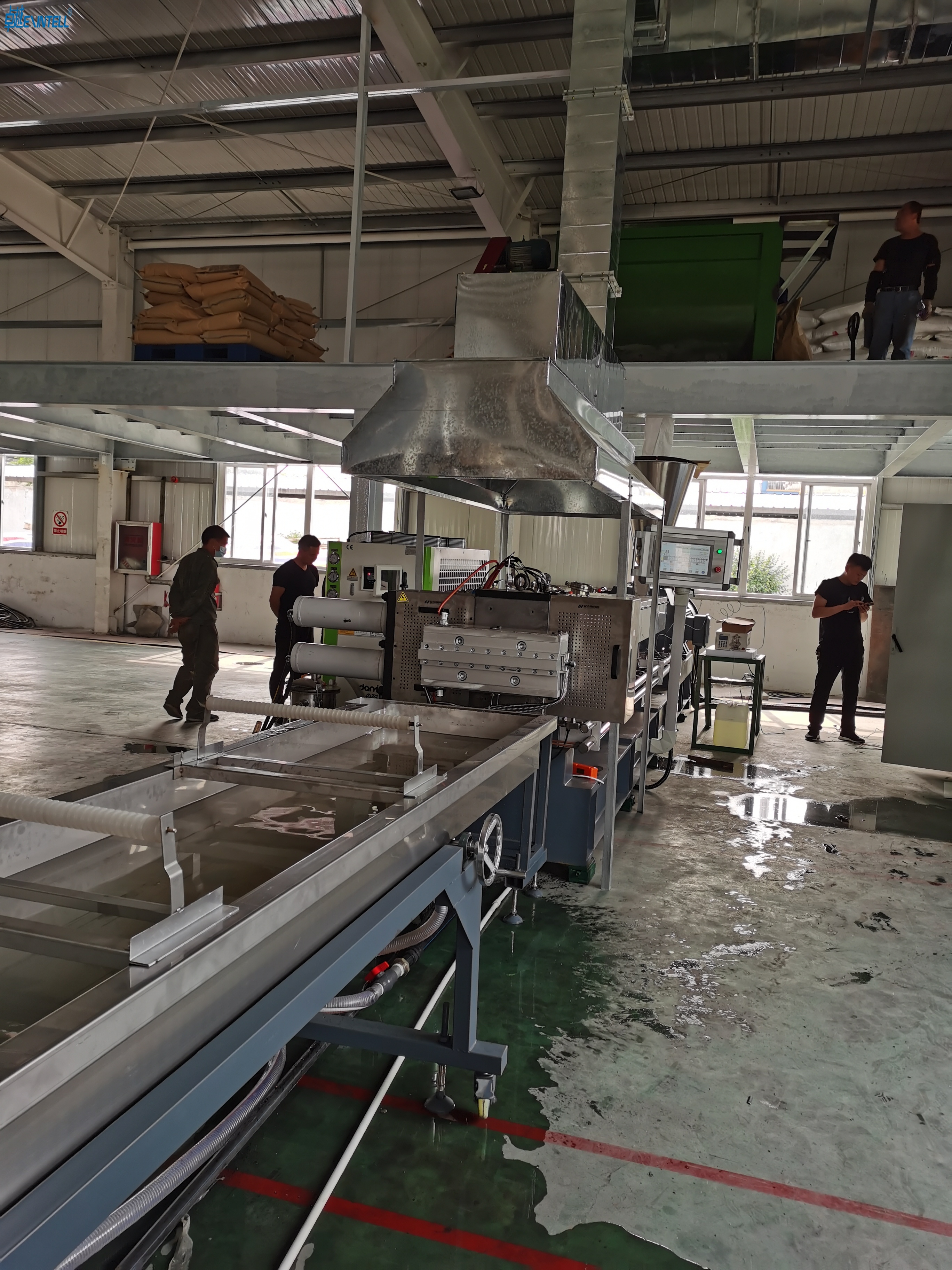
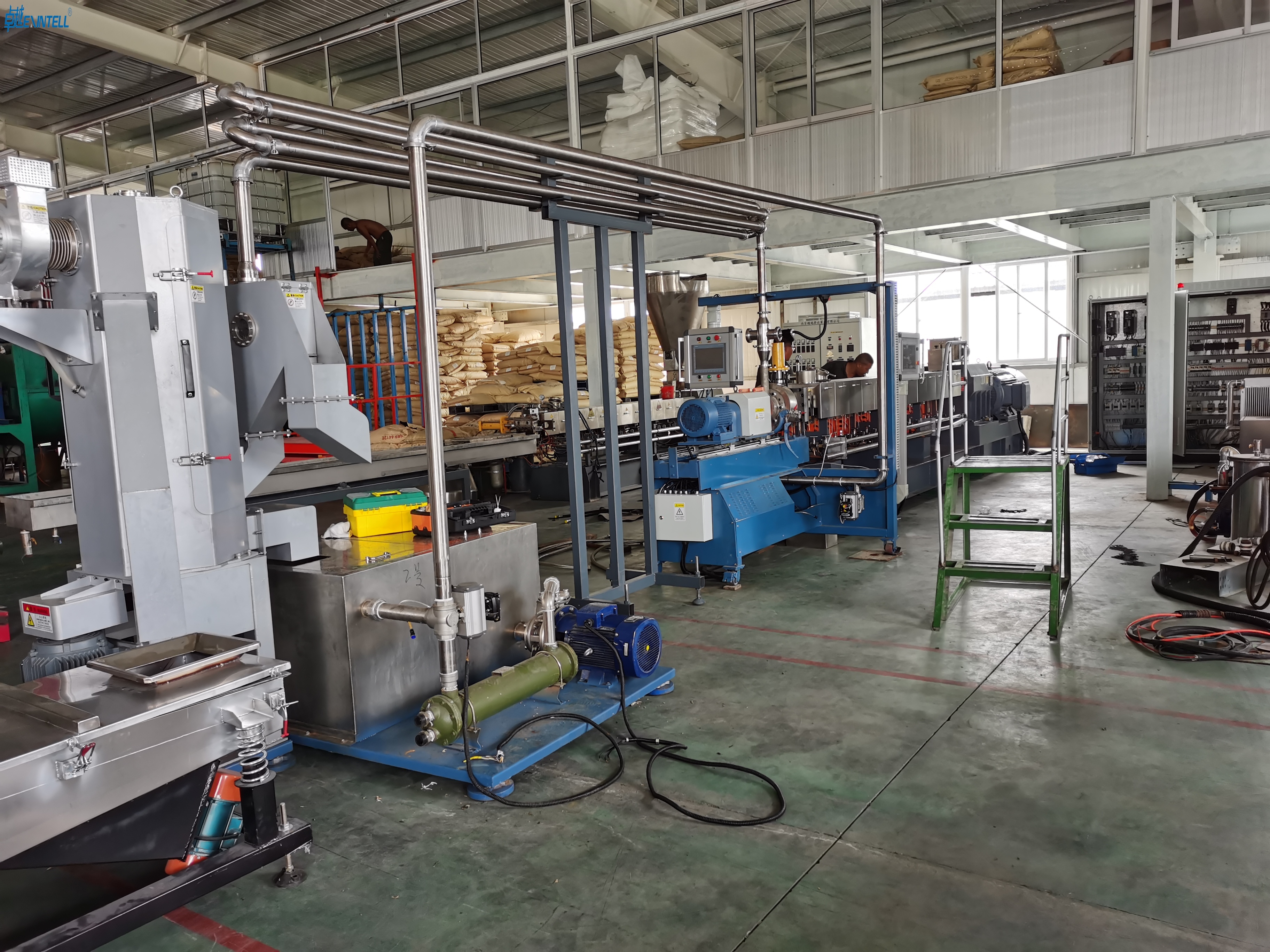
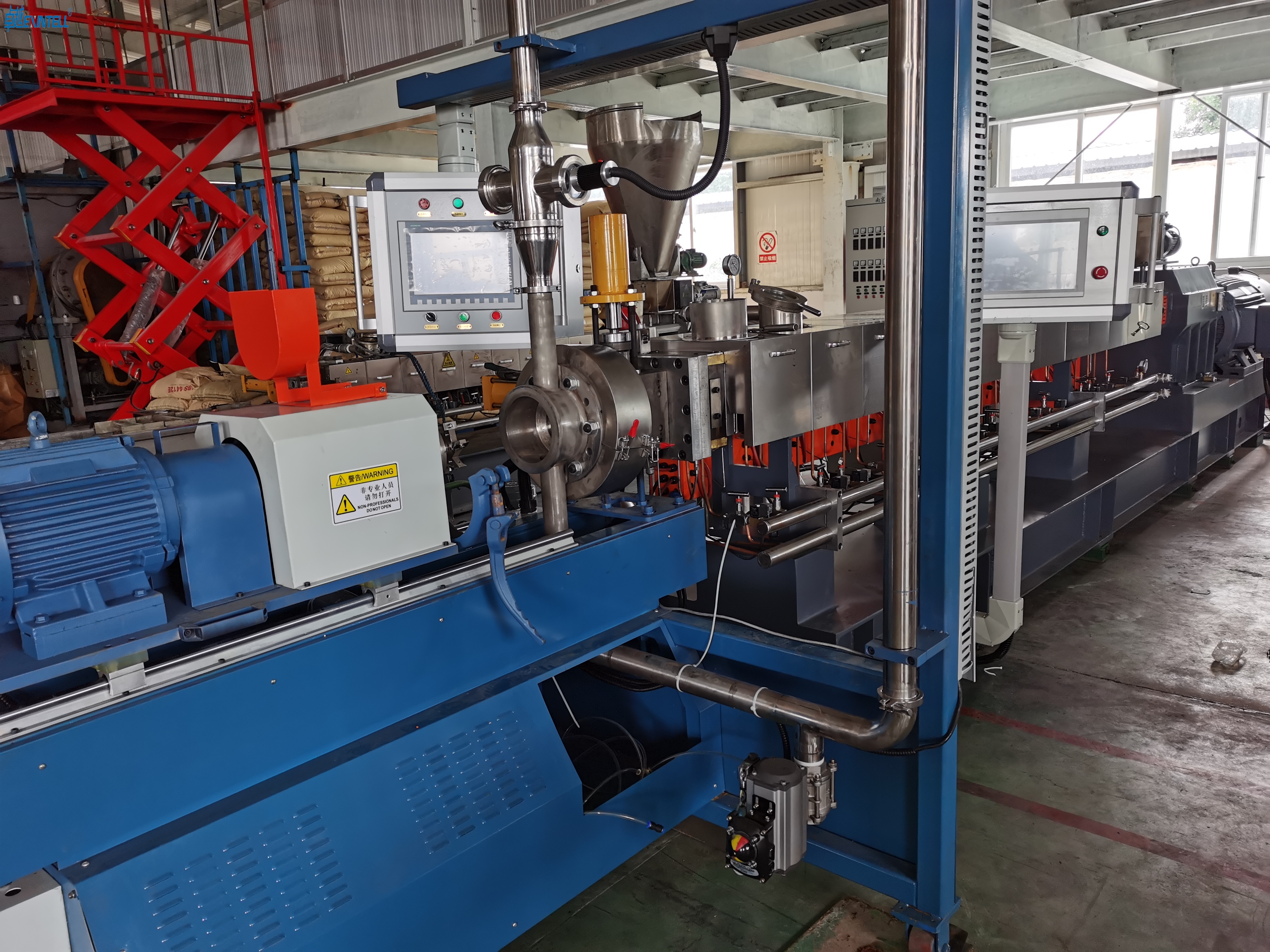
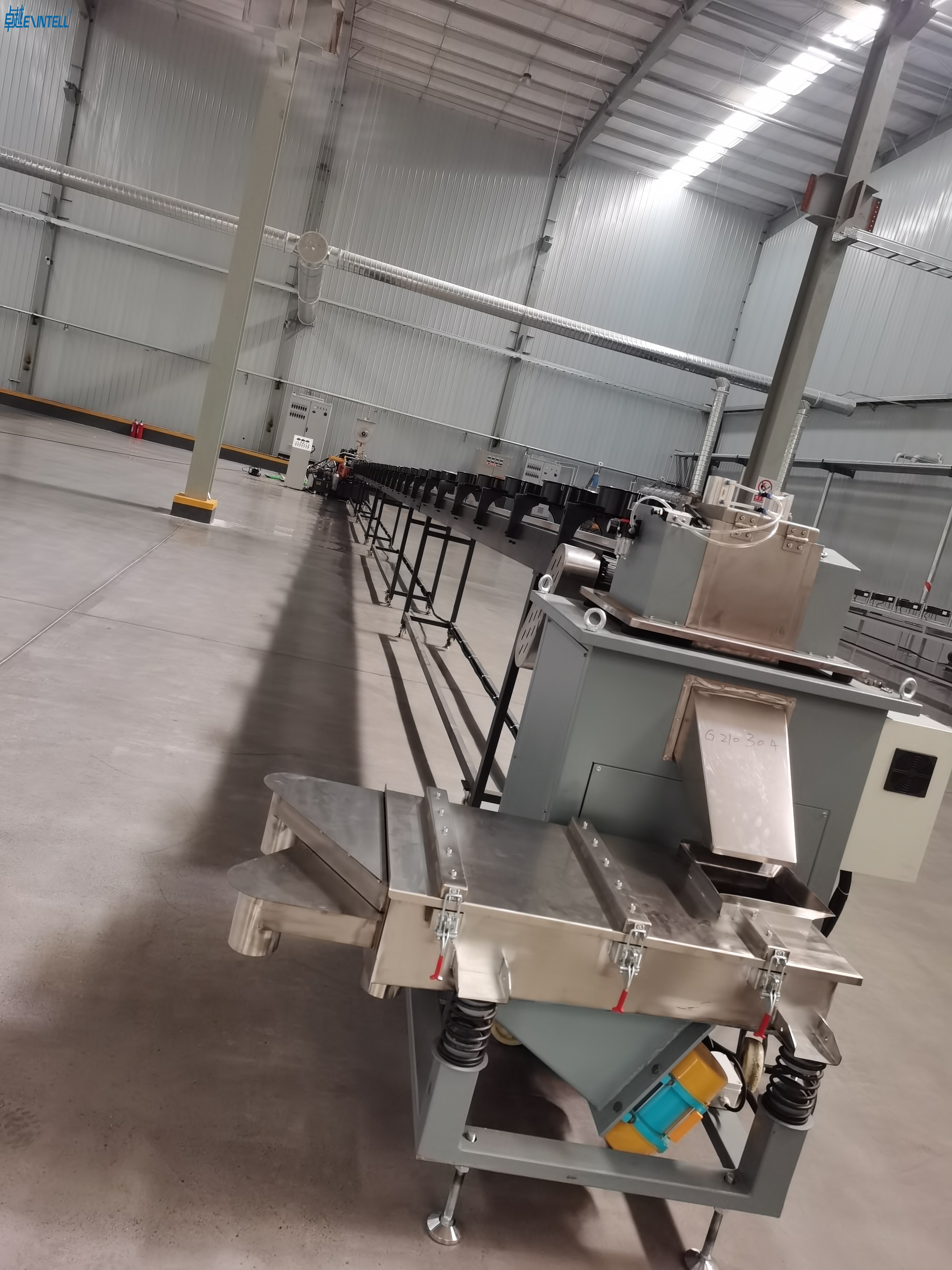
Se'i ou va'ai palasitika extrusionas a process that turns raw plastic pellets into useful shapes like pipes or sheets. To picture it, I think of squeezing toothpaste from a tube—except instead of paste, I use melted plastic, and instead of a tube, I have a special mold. This method producesua uma 140 million metric tonsof plastic products globally each year:
Itulagi
Production Volume (metric tone)
Asia-Pacific
71 miliona
Amerika i Matu
29 miliona
Europa
25 miliona
Total
142 miliona
Avea'i Autu
Plastic extrusion transformsraw plastic pellets into useful shapes like pipes and sheets through a continuous process.
Temperature and pressure control are crucial for ensuring the quality of the final product during extrusion.
Common products made from plastic extrusion include packaging, construction materials, and medical tubing.
Understanding the extrusion process allows manufacturers to create customized shapes and meet specific industry needs.
What Is Plastic Extrusion?
Simple Explanation
When I think about plastic extrusion, I see it as a straightforward yet powerful manufacturing process. I start with raw plastic, usually in the form of small pellets or granules. I feed these pellets into a machine that heats them until they melt. Once the plastic reaches the right temperature, I force it through a specially shaped opening called a die. This die determines the final shape of the product. The process continues as the newly formed plastic cools and hardens, and I cut it to the desired length.
I like to compare plastic extrusion to making pasta. I push dough through a pasta maker to get spaghetti or penne. In the same way, I push melted plastic through a die to create pipes, laupepa, or other shapes.
Plastic extrusion stands out because it is continuous. I can keep feeding plastic pellets into the machine, and it keeps producing long, uniform shapes. Precise control of temperature and pressure at every stage—feeding, liusuavai, extruding, mālūlū, and cutting—ensures the quality of the final product.
It transforms raw plastic into usable shapes by melting and forcing it through a die.
Precise control of temperature and pressure is crucial during each stage.
Common Products
I see the results of plastic extrusion everywhere in daily life and industry. Many products I use or encounter rely on this process for their shape and function. Some of the most common items made with plastic extrusion include:
Plastic channels and trims used in construction and furniture
Profiles for windows and doors that provide structure and sealing
LED light diffusers that spread light evenly
Retail display components for showcasing products
Road barricades and traffic delineators for safety
Solar panel mounting components for renewable energy systems
Custom packaging inserts that keep products secure
Plastic extrusion allows me to create these products efficiently and consistently. I rely on this process to meet the demands of modern manufacturing, from simple tubes to complex profiles. The versatility of extrusion means I can adapt it to many different applications, making it a cornerstone of the plastic industry.
Plastic Extrusion Process Steps
When I guide someone through theplastic extrusion process, I always break it down into clear, manageable steps. Thisstep-by-step processtransforms raw plastic pellets into finished products with precision and efficiency. Here’s how I approach each stage:
Feeding Pellets
I begin the plastic extrusion process by selecting theright type of plastic pellets. The choice of material matters because each type brings unique properties to the final product. Faataitaiga, I often use polyethylene for its lightweight and chemical resistance, polystyrene for its rigidity and clarity, or polypropylene for its strength and high melting point. I pour these pellets into a hopper, which feeds them into the extruder. The hopper ensures a steady flow, so the process remains continuous and efficient.
Fautuaga: I always check the purity and quality of the raw plastic before starting. Consistent material quality helps me avoid defects later in the extrusion.
Lightweight, high impact resistance, excellent chemical resistance
afifiina, containers, consumer goods
Polystyrene
Rigid, transparent, easy to mold
Signs, display cases, household items
Polypropylene
High melting point, tete'e i vaila'au, strength
Automotive parts, textiles, afifiina
Melting Plastic
Once the pellets enter the extruder, I move to the next step—melting the plastic. The extruder barrel heats up to temperatures between 200°C and 275°C, depending on the material. I monitor the temperature closely because each plastic has its own melting point. For instance, polyethylene melts around 105°C to 115°C, while polystyrene requires 210°C to 240°C. The rotating screw inside the barrel compresses and mixes the pellets, ensuring they melt evenly and become a smooth, homogeneous mass.
Plastic Material
Temperature Range
Melting Point
Polyethylene (PE)
-50°C to 80°C
105°C – 115°C
Polypropylene (PP)
0°C to 120°C
130°C – 171°C
Polystyrene (PS)
-20°C to 70°C
210°C – 240°C
I know that precise temperature control is essential. If the plastic overheats, it can degrade and lose its properties. If it stays too cool, it won’t flow properly through the die. I rely on advanced monitoring systems to keep the process stable and efficient.
Shaping with a Die
After melting, I push the molten plastic through a die. The die acts as a mold, tuuina atu le palasitika lona foliga mulimuli. Ou te filifilia le geometry mate e faʻatatau i le faʻamatalaga ou te manaʻo ai-pe o se paipa, laupepa, po'o fa'ailoga masani. O le umi o le eleele o le mate e aʻafia ai le tutusa ma le lelei o le extrusion. Afai ou te filifilia le umi sese, Ou te lamatia ni faaletonu e pei o le pa'u po'o le pa'u.
Die geometry e fuafua ai le vaeluaga o le oloa.
O le umi o le eleele e a'afia ai le tutusa ma le lelei o luga.
O mea fa'amalo i totonu o le die e fesoasoani e fa'atumauina foliga.
Ou te gauai atu foi i ai tufatufaina o le vevela ma le mamafa totonu o le oti. O mea nei e a'afia ai le tafe ma fa'amausali le palasiti. Mo foliga lavelave, Ou te suʻesuʻeina maeʻaeʻa le mamanu aʻo leʻi faia atoa.
Fa'alili ma tipi
O le taimi lava e alu ese ai le palasitika mai le mate, E tatau ona ou faamaalili vave ina ia loka i foliga. Ou te faʻaogaina auala faʻafefe eseese e faʻatatau i le oloa ma le saoasaoa o le gaosiga. O faiga fa'amalulu vai e fa'ata'amilo ai vai mālū fa'ata'amilo i le fa'aoso, lea e taugofie ma lelei. Mo voluma maualalo, O nisi taimi ou te fa'aogaina ai faiga fa'amalūlū ea. I tulaga tau alamanuia, Ou te fa'alagolago i mea fa'aalili mo le fa'atonu sa'o o le vevela.
Metotia malulu
Fa'amatalaga
Lelei
Faiga Fa'aalili-Suavai
Fa'asalalau vai mālū e ala i le pa'u fa'apipi'i po'o le paelo.
Tau-lelei ma lelei.
Faiga-Ea Fa'alili
Fa'aoga le ea e fa'amalo ai le vevela, talafeagai mo le maualalo o voluma gaosiga.
E itiiti le aoga nai lo faiga vai.
Chillers
Tu'u sa'o le fa'atonuga o le vevela mo le sologa lelei o meafaitino.
Ta'uta'ua mo fa'aoga tau alamanuia.
Ou te iloa lena mea e mafai ona o'o atu le mālūlū 70% o le ta'amilosaga atoa i nisi fa'agasologa. O le pulea lelei o le malulu e mafai ai ona ou faateleina le saoasaoa o le gaosiga ma faatumauina le maualuga o le gaosiga. A uma ona mālūlū, Ou te tipiina le palasitika ua uma ona alu i le umi e manaʻomia pe faʻafefe i luga o faʻaili mo le faʻaogaina atili.
Manatua: Ou te fa'atinoina i taimi uma siaki fa'atonutonu lelei i lenei la'asaga. Ou te su'esu'eina le tele ma le fa'ai'uga o luga ina ia mautinoa o lo'o fetaui uma oloa ma tulaga fa'apisinisi.
O se aotelega lenei o laasaga autu i le faʻagasologa o le extrusion palasitika:
Laa
Fa'amatalaga
1
O pelleti palasitika mata e fafaga i totonu o se kopa ma ulu i totonu o le extruder
2
O mea e fealua'i i totonu o se paelo vevela lea e liusuavai ai (200-275°C)
3
Ose sikulima taamilo e fa'apipi'i ma fa'atasi le palasitika liusuavai
4
O lau ma ipu ta'e e aveese ai mea leaga ma fa'atupu ai le mamafa i tua
5
O le palasitika liusua e fa'amalosia e ala i se mate e fatu ai le fa'ailoga mana'omia
6
O le oloa faʻapipiʻiina e faʻamaluluina e faʻamalosia lona foliga
7
O le oloa e tipiina i le umi poʻo le manuʻa i luga o taʻavale.
E ala i le mulimuli i lea laasaga ma lea laasaga, I transform simple plastic pellets into high-quality, finished products. My expertise in managing each stage ensures efficiency, consistency, and reliability in every extrusion project.
Types of Plastic Extrusion
When I work in the plastic manufacturing process, I often choose from severaltypes of plastic extrusion. Each method shapes plastic in a unique way and serves different industries. I want to share how I use these techniques to create products you see every day.
Tubing
Ou te faaaogaina fa'apipi'i fa'apa'uwhen I need to make hollow, cylindrical products. This process pushes melted plastic through a round die, forming a continuous tube. I rely on this method for a wide range of applications:
Tubing extrusion ou te pulea le lautele ma le mafiafia puipui. E mafai ona ou fetuutuuna'i le faagasologa ina ia ausia tulaga sa'o o alamanuia, aemaise lava mo masini faafomai.
Fui Ata
Feula ata tifaga extrusion tulaga ese o se faiga e faatupuina manifinifi, ata palasitika fetuutuunai. Ou te tu'uina atu le palasitika liusuavai i se pa'u li'o, ona fa'asusu lea i le ea e fai ai se pulu. E fa'aloloa ma mālū lenei pulu, faia o se ata tifaga tutusa. Ou te faʻaogaina lenei metotia e fai ai:
Fa'atauga ma ato fa'atau
afifiina afifi meaai
Laina mo koneteina
Blow film extrusion e mafai ai ona ou pulea le mafiafia ma le malosi o ata. O le faagasologa foi e gaugau ai le ata i pito, lea e sili atu ona lelei le gaosiga o taga.
Ata Ata Ata
Pe a ou manaʻomia mafolafola, pepa palasitika lautele, Ou te liliu atu i le fa'apipi'iina o ata. Ou te tuleia le palasitika ua liusuavai i se ma'a mafolafola, then cool and roll it into sheets. These sheets serve many purposes:
Application Type
Fa'amatalaga
afifiina
Trays, containers, and wraps
Lamination
Durable layers for products
Labeling
Labels for bottles and packages
Protective Coatings
Shields for surfaces
Automotive Interior Panels
Car dashboards and door panels
Advertising Displays
Signs and promotional materials
Mea Faufale
Construction panels and insulation
Sheet film extrusion allows me to produce materials with consistent thickness and surface quality.
Over Jacket
Over jacket extrusionhelps me coat wires and cables with a protective plastic layer. I pull the wire through the center of the die while applying molten plastic around it. This process is essential in industries like:
Ituaiga
Fa'amatalaga
Definition
Coating wires with plastic for protection
Common Industries
Electrical wiring, telecommunications
If I need the coating to stick tightly, I use pressure tooling. For a loose fit, I apply jacketing tooling as the wire exits the die. Over jacket extrusion ensures wires stay safe from moisture, chemicals, and abrasion.
Fautuaga: I always select the right extrusion method based on the product’s function and the industry’s requirements. Understanding the types of plastic extrusion helps me deliver reliable, maualuga maualuga taunuuga.
Benefits of Plastic Extrusion
Lelei
I rely on plastic extrusion because it delivers unmatched efficiency in manufacturing. The process allows me to create products with consistent cross-sections, which means I can produce complex shapes without sacrificing quality. I operate machines continuously, so I minimize downtime and avoid inventory shortages. This method uses thermoplastics and granules that I can reuse, which lowers raw material and disposal costs.
I achieve versatility by shaping plastic into pipes, laupepa, and profiles for many industries.
I save money by recycling leftover materials andreducing waste.
I maintain steady production, which supports large-scale manufacturing.
Plastic extrusion stands out for cost savings. I notice thatextrusion dies cost lessand take less time to produce than injection molds. I increase output by running machines at high speeds, which decreases labor costs. Energy efficiency also matters. I use less energy per unit compared to other methods, which lowers operational expenses.
Ituaiga
Fa'amatalaga
Lower Tooling and Setup Costs
Extrusion dies are less expensive and quicker to produce than injection molds, reducing initial costs.
High Production Speed
Extrusion e mafai ai ona faʻaauau le gaosiga i luga o le saoasaoa maualuga, fa'aitiitia le tau o tagata faigaluega ma fa'ateleina galuega.
Malosiaga Lelei
E manaʻomia le itiiti ifo o le malosi ile iunite faʻatusatusa i isi metotia, e mafua ai ona maualalo tupe faʻaalu.
Pe a ou faatusatusa le taumafaina o le malosi, extrusion e fa'aaoga ai se aofaiga tumau o le malosi aua e fa'agaioi pea. O le tui tui ma le feula e manaʻomia le tele o le malosi ona o le faʻavevelaina ma le malulu faifai pea.
Fa'agasologa
Fa'amatalaga Fa'aaogāina Malosiaga
Extrusion
O le fa'aaogaina o le malosi e fai si maualalo ona o le fa'aauauina o le gaosiga ma le lelei o faiga fa'avevela.
Su'i tui
E fa'aaoga atili le malosi ona o le fa'avevela faifaipea ma le mālūlū, fa'alagolago i le lavelave o oloa.
Blow Molding
Manaomia nisi masini feula ma faiga malulu, e taʻitaʻia ai le faʻaaogaina o le malosi.
Ou te lagolagoina le gafataulimaina e toe fa'aaogaina otaota palasitika. Ou te aoina mea totoe, liusuavai i lalo, ma toe fa'aaogaina i oloa i le lumana'i. O lenei faiga e faʻaitiitia ai le mamafa o le lapisi ma sefe le malosi.
Fa'aoga i aso uma
O le fa'apalapala palasitika e foliga mai ai le tele o oloa ou te fa'aaogaina i aso uma. Ua ou vaai i lona aafiaga i le afifiina, fausiaina, soifua lelei, ma meafale. O le faagasologa e fatuina PVC paipa, fa'amalama fa'avaa, tau-aveeseina, pusa teu oloa, ma fata palasitika. Ou te faalagolago foi i le extrusion mo gaskets faitotoa pusaaisa, fa'agaau mama mama, faamaufaailoga faitotoa, alavai faamalama, vaega pupuni, alavai uaea, IV laina, catheters, mea fa'apipi'i, ma tulaga fa'aaliga.
Fa'amatalaga fa'amalama
Faavaa o faitotoa
Tu'uga o le tau
tipi
Faamaufaailoga
Gaskets
Tubing
Meafaigaluega a le fale
Mea tau taaloga
Vaega o meaafale
Meataalo
Fa'agaau fa'ato'aga
Ou te iloa o talosaga mo le palasitika e fa'alautele atu i le afifiina, faia o nei oloa taua i le olaga i aso taitasi. Palasitika fa'aoga tasi e ofoina atu le faigofie, ae latou te faateleina foi otaota ma oo mai ai luitau tau le siosiomaga. I address these concerns by recycling and promoting sustainable practices.
Conventional plastic production has undeniable effects on our environment. Notably, the manufacturing process uses vast amounts of energy and raw materials, leading to CO2 emissions. Moreover, plastic materials’ durability and slow degradation can lead to long-term environmental harm if not disposed of responsibly.
I see that plastic extrusion supports sustainability by reducing the need for virgin plastic, conserving resources, and promoting a circular economy. Many extrusion linesuse recycled plastics, which helps reduce waste and supports environmental goals. I believe that understanding the benefits and applications for plastic extrusion helps me make informed choices as a manufacturer and consumer.
Ou te vaʻai i le faʻapipiʻiina o palasitika o se faʻagasologa faʻaauau e suia ai le palasitika mata i foliga aoga. Filifiliga o meafaitino ma le pulea o le vevela e iai sona sao taua i le ausiaina o taunuuga lelei. O mea fa'aopoopo e fa'aleleia ai mea palasitika, ma le mamanu lelei e fesoasoani ia te aʻu i le fatuina o foliga e manaʻomia. Malamalama i tapulaa o le extrusion, e pei o lu'itau i foliga lavelave ma mea e fetaui lelei, e taua.
Ituaiga
Taua
Tulaga Lelei
O le malamalama i le extrusion e faʻaleleia ai le lelei o oloa palasitika.
Fa'asinomaga
E mafai ona ou fetuutuunai le faagasologa ina ia fetaui ma manaoga faapitoa.
Mauaina
O le fa'aaogaina o palasitika toe fa'aaogaina e lagolago ai taumafaiga fa'alesiosiomaga.
Tulaga Faatonutonu
O le malamalama i le extrusion e fesoasoani ia te au e ausia ai tulafono faatonutonu mo le saogalemu.
Ou te faʻamalosia le au faitau e vaʻavaʻai solo ma maitau pe fia le tele o mea masani o aso uma e faʻalagolago i le faʻapipiʻiina o palasitika. O le iloaina o nei oloa e fesoasoani ia te aʻu e talisapaia ai le matafaioi a le palasitika i le olaga faʻaonaponei ma lagolagoina filifiliga faʻamaonia mo le faʻaauau.
FAQ
O le a le mea e ese ai le faʻapipiʻiina o palasitisi mai isi metotia gaosiga?
Se'i ou va'ai palasitika extrusion ose faiga faifaipea. E mafai ona ou gaosia umi, foliga tutusa ma le itiiti o otaota. O isi metotia, pei o tui tui, faia vaega taitasi. E sili ona lelei le Extrusion mo paipa, laupepa, ma talaaga otooto. Ou te filifilia mo le lelei ma le tumau lelei.
E mafai ona ou toe fa'aaogaina palasitika i le fa'agasologa o le extrusion?
Ou te masani toe fa'aaogaina palasitika i le taimi e extrusion. Ou te aoina mea totoe, liusuavai, ma toe fafaga i totonu o le masini. O lenei faiga e faʻaitiitia ai otaota ma lagolagoina le faʻaauau. Ou te siakiina i taimi uma le lelei o palasitika toe faʻaaogaina ina ia mautinoa le malosi, oloa faatuatuaina.
O a ituaiga palasitika e sili ona aoga mo le fa'aosoina?
Ou te faaaogaina le tele o ituaiga palasitika mo le extrusion. Polyethylene, polypropylene, and polystyrene perform well. I select the material based on the product’s needs. Some plastics offer flexibility, while others provide strength or clarity. I always match the plastic to the application.
How do I control the quality of extruded products?
I monitor temperature, omiga, and material purity throughout the plastic extrusion process. I inspect the surface finish and dimensions after cooling. I use quality checks at each stage. This approach helps me deliver reliable, high-quality extrusion products.
Is plastic extrusion suitable for custom shapes?
I use plastic extrusion to create custom profiles by designing specific dies. I can adjust the process for unique shapes and sizes. This flexibility allows me to meet special requirements in construction, ta'avale, and packaging industries.