

Fa'afefea ona fa'aogaina le Underwater Pelletizers La'asaga ma lea Laasaga
An underwater pelletizer lets you turn melted plastic into even pellets. Tulaga tasi, you put in raw materials. These often need drying to get rid of water. Drying helps them melt better. The material melts inside the machine. This makes it even and takes out dirt. Sosoo ai, the machine pushes out the melted plastic. This step mixes the plastic well and removes trapped air. Underwater pelletizing systems cut the hot plastic into small pellets while still underwater. Water cools the pellets right away. This helps them keep their shape and stops them from sticking together. Every step in underwater pelletizing systems is important for good pellets.
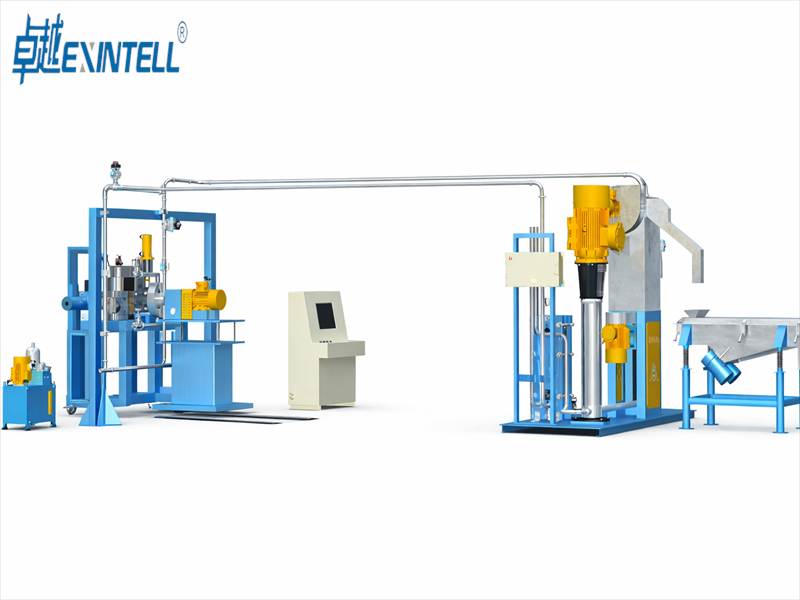
|
Stage |
Contribution to Pellet Quality |
|---|---|
|
Feeding |
Takes out water and gets material ready to melt. |
|
Melting |
Liu uma mea uma ma aveese palapala. |
|
Tu'u ese |
Faafefiloi ma aveese le ea, fa'aleleia atili le palasitika. |
|
Otioti |
Faia pellets mo le tele o faʻaoga. |
|
Fa'alili |
Taofi pelleti mai le pipii ma tumau o latou foliga. |
O le iloaina pe fa'afefea ona aoga faiga pelletizing i lalo ole vai e fesoasoani ia te oe e fai ai pelleti lelei i taimi uma.

Avea'i Autu
-
E taua le fa'amamago muamua o mea mata. Drying helps them melt better. E taofia ai foi faafitauli i pellets mulimuli.
-
Taofi le tafe o meafaitino i le taimi o le pelletizing. O se tafega faifai pea e sili atu ai peleni. E faaitiitia ai foi le avanoa o mea sese.
-
Matamata i le vevela o le ipu mate ma le faaeteete. O le vevela sa'o e fesoasoani e fai lelei pelleti. E maua ai fo'i pelleti maualuga le lelei.
-
Siaki ma sui naifi taamilo soo i totonu o le potu tipi. O naifi ma'ai e faia ai ni tipi mama. Latou te fa'atumauina fo'i le lapopo'a tutusa. O le mea lea e sili atu ai le lelei.
-
Pulea le vevela o le vai ma tafe i totonu o le potu malulu. O le mea lea e fa'atumauina lelei ai pelleti. E taofia ai foi i latou mai le pipii. E fesoasoani lea i le fa'agaioiga lelei.
Va'aiga Fa'asologa o Pelletizing
O le a le Underwater Pelletizer?
An pelletizer i lalo o le vai suia palasitika liusuavai i pelleti laiti. E tipiina manoa polymer a'o i lalo ole vai. O le vai e fa'amalo vave ai pelleti. E fesoasoani lea latou te tausia o latou foliga ma uiga lelei. O isi auala pelletizing e le tipiina pelleti ile mata pa'u. O le e tumu le potu tipi i vai. E lapotopoto ma lamolemole pelleti taitasi. O le faiga pelletizing i lalo o le vai e taofia ai le fa'ama'iina. E taofia ai foi pelleti mai le pipii faatasi.
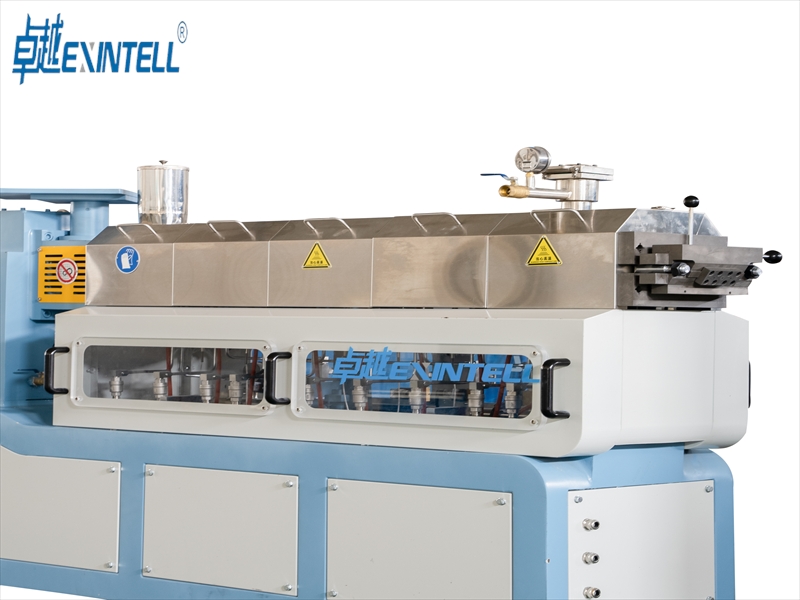
O le vaega autu o se pelletizer i lalo o le vai o:
-
E liusuavai se extruder ma tulei i luma palasitika.
-
O se ipu pa'u e fa'atusaina le polymer liusuavai i ni manoa.
-
O se potu tipi o lo'o iai lau e tipiina ai manoa i pelleti i lalo ole vai.
O nei vaega e galulue faʻatasi mo se faʻagasologa vave pelletizing. O mea e alu ese mai le ipu pa'u. O le vai e tafe i luga o foliga o le mate. E amata le pelletizer i se fa'asologa o taimi. Ole mea lea e taofia ai pelleti mai le pipii ma fa'auiga tutusa.
Auala e galue ai le Fa'agasologa o Pelletizing
E te mulimuli laasaga i le faiga pelletizing i lalo o le vai e fai pelleti lelei. Tulaga tasi, e te saunia palasitika mata ma fafaga i latou i le faiga extrusion. E liusuavai le extruder, fa'afefiloi, ma faia ai mea e tutusa. Sosoo ai, o le polymer liusuavai e ui atu i le ipu pa'u ma fai ai ni manoa. O lo'o fa'aauau pea le fa'agasologa o pelletizing i lalo o le vai a'o ulu atu manoa i totonu o le potu tipi. O lau fe'avea'i e 'oti'oti ia manoa i pelleti i lalo ole vai. O le vai e fa'amalieina pelleti i le taimi lava lena ma tumau pea o latou foliga.
O le faiga pelletizing runs all the time. This helps factories make more pellets. You get high output, long-lasting machines, and easy use. The underwater pelletizing system needs less space and cooling water. This saves energy and helps the environment. The process makes little noise and keeps the area clean. You also spend less on labor and maintenance.
The table below shows how the continuous underwater pelletizing system helps factories:
|
Faamanuiaga |
Fa'amatalaga |
|---|---|
|
Lelei |
Makes more pellets for big plastics production. |
|
Fa'aaogāina Malosiaga |
Uses less energy and lowers costs. |
|
Tulaga Pellet |
Makes pellets more even and better. |
|
Mauaina |
Handles many plastics, including recycled ones. |
|
Automation |
Cuts downtime and improves performance with smart controls. |
You can make i luga 77,000 lb/hr with an underwater pelletizing system. This makes the process great for high-melt-index plastics and special materials. O le faiga e fa'amaulalo ai le fa'ama'iina ma tu'uina atu pelleti maualuga mo le tele o fa'aoga.
Fafagaina ma Liusuavai
Fafaga Mea Mata
E te amataina le faiga pelletizing e ala i le fafagaina o mea mata i totonu o le faiga. O le tele o faiga pelletizing i lalo o le vai e galulue i le tele o ituaiga palasitika. E aofia ai polymers thermoplastic masani pei o le:
-
LDPE
-
LLDPE
-
HDPE
-
PP
-
EVA
-
PS
-
SAN
-
ABS
-
SB
-
PMMA
-
TPR
-
TPU
-
PC
-
TR
-
PVC
-
Polycarbonate
-
PBT
-
PB1
-
PET
-
SBS
-
SEBS
-
PA6
-
PA6.6
E tatau ona e mautinoa e mama ma mago palasitika mata ae e te le'i amataina. O le susu e mafai ona mafua ai faʻafitauli i le faagasologa. O le fa'agogo e fesoasoani ia te oe e aloese ai mai pupuni ma faaletonu i pellets mulimuli. O le fafagaina faifaipea o le ki lea mo le lelei lelei o pellet. Afai e suia le tafe o meafaitino, e mafai ona e vaai le fetaui lelei o pellet. E mafai ona tupu lenei mea pe afai e le sa'o le pa'u po'o le suiga tele o le gaosiga. O se fafaga tumau e fesoasoani ia te oe e maua ai pelleti tutusa i taimi uma.
Fautuaga: Always check your feeding system to keep the process stable and improve pellet consistency.
Melting and Homogenization
Once you feed the plastics, the extruder screw or melt pump takes over. The screw moves the plastics forward and heats them. As the plastics melt, the screw mixes them into a smooth, even mass. This step is important for the process because it makes sure all polymers melt the same way. O le Maddock mechanism shows that melting happens as a thin film forms and gets scraped off. This helps you get a uniform melt.
The design of the screw affects how well the plastics mix. A longer screw gives better mixing and more even melting. Studies show that the screw and die design control the flow and pressure. This is important for making sure the melt is the same all the way through. When you get good mixing, you improve pellet quality and make the process more reliable.
|
Screw Design Feature |
Effect on Process and Quality |
|---|---|
|
Longer L/D Ratio |
Better mixing and melt homogeneity |
|
Maddock Mechanism |
Even melting and smooth polymer flow |
|
Proper Die and Pump Design |
Stable flow and improved pellet consistency |
You need a well-designed melting step to keep the pelletizing process smooth. This helps you meet the strict quality needs of the plastics industry.
Extrusion and Die Plate Operation
Extruding Molten Polymer
After the plastics melt, you move to the next step. O le extruder pushes melted plastics toward the die plate. This shapes the melted material into thin strands. Here is how the process works:
-
Put raw plastics into the feeding hopper.
-
Feed plastics into the extruder so they melt.
-
The extruder sends melted plastics to the die plate.
-
A gear pump can help keep the flow steady.
-
Melted plastics go through holes in the die plate and make thin strands.
-
Rotating blades cut the strands into pellets.
-
Water cools the pellets right away so they do not stick.
You must keep the process steady to get even pellets. The cutting uses high shear rates. The knife edge pushes into the polymer and adds stress. When the stress is high enough, the strand breaks cleanly. This makes smooth and round pellets. This process works for many kinds of plastics.
Die Plate Function in Pelletizing
The die plate is very important in pelletizing. It shapes melted plastics and controls pellet size. You must keep the die plate at the right temperature. If it is too cool, pellets may not form well. If it is too hot, pellets can stick or lose shape. The die plate also keeps the process stable and makes pellets uniform.
Fautuaga: Use heaters built into the die plate to keep the best temperature for your plastics.
The table below shows how die plate temperature affects pellet quality:
|
Key Findings |
Fa'amatalaga |
|---|---|
|
Temperature Influence |
Die plate temperature changes how material bonds and forms pellets. |
|
Material Variability |
Different plastics need different die temperatures for best results. |
|
Low-Temperature Effects |
Low die temperature can cause bad pellets and machine problems. |
|
Optimization Strategies |
Heaters in the die plate make pelletizing better. |
You must watch the die plate temperature during the process. This helps you get the best pellet shape and size. Good control of the die plate gives you high-quality pellets every time. E tatau ona galulue fa'atasi vaega ta'itasi mo le fa'agasologa o le pelletizing ina ia manuia.
Faiga Pelletizing Lalo: Otioti ma Fa'alili
Fonotaga Nafi Taamilo
E te o'o atu i le fatu o le faiga pelletizing i lalo o le vai pe a e va'ai i le fa'apotopotoga o naifi fa'ata'amilo i le gaioiga. O le vaega lea o le faiga e tipiina ai le palasitika liusuavai, e oo lava i pellets e pei o mea e tuua le ipu mate. O naifi e taamilo vave ma tumau i lalo o le vai i le taimi atoa. O lenei faiga pelletizing i lalo o le vai e te maua ai ni fa'amanuiaga taua:
-
O le naifi taamilo e tipiina le palasitika i pelleti saʻo aʻo ulu atu i totonu o le potu vai.
-
O le vai e maalili ma faʻamaʻaʻaina vave pelleti, lea e fesoasoani e pulea lo latou tele.
-
O le tulaga i lalo ole vai e taofia ai pelleti mai le pipii faatasi ma fa'ata'amilomilo ma lamolemole.
-
E galue pea naifi i lalo ole vai, o lea e maalili uma pellet.
You need to pay attention to the sharpness and setup of the knives. Sharp knives cut the plastic cleanly, giving you pellets that are all the same size. If the knives get dull, you may see pellets with tails or chains, which lowers the quality. Knife speed matters less than sharpness, but you still need to balance speed and pressure for the best results. When you set the knife-to-die contact just right, you get clean, cylindrical pellets. This step in the pelletizing process helps you keep production efficient and your pellets consistent.
Fautuaga: Check your knives often and replace them when they get dull. This keeps your underwater pelletizing system running smoothly and your pellets uniform.
Water Chamber and Pellet Cooling
The water chamber is a key part of the underwater pelletizing system. As soon as the rotating knife cuts the pellets, they drop into the water chamber. O le vai e fa'amalo vave ai pelleti, so they keep their shape and do not stick together. You must use clean, demineralized water to avoid leaving spots or marks on the pellets. The water also helps carry the pellets away from the cutting area.
The table below shows how the water chamber works in the underwater pelletizing process:
|
Laa |
Fa'amatalaga |
|---|---|
|
Otioti |
The rotating blades cut the strands into pellets as they exit the die. This happens underwater to cool and harden the pellets instantly. |
|
Fa'alili & Transport |
The water bath cools the pellets more and moves them to the next stage for drying and checking. |
You need to control the water temperature and flow rate for the best cooling. Most underwater pelletizing systems keep the water between 20°C and 40°C. O lenei laina e aoga mo le tele o ituaiga palasitika. Afai e te faʻaaogaina polymers semirystalline, atonu e te manaʻomia e fetuutuunai le tau malulu e maua ai le fausaga tioata saʻo. E tatau ona vave alu le vai e aveese ai le vevela ae aua le vave tele e faaleagaina ai pelleti. O le tele o faiga e maua ai pelleti 10 ia 30 sekone i le vai taele. O le taimi lenei ua lava e faʻamafanafana ai e aunoa ma le faʻafefe.
Manatua: Siaki i taimi uma le vevela o le vai ma tafe i totonu o lau masini pelletizing i lalo o le vai. O le pulea lelei o lona uiga e sili atu le lelei o pellet ma itiiti faʻafitauli mulimuli ane.
Pellet Felauaiga i le Vai
A uma ona mālūlū, o le faiga pelletizing i lalo o le vai e faʻaaogaina le vai e faʻanofo ai pellets i le nofoaga faʻagogo. E ave e le vai ia pelleti i se slurry, o lona uiga o pellets e opeopea ma feoai faatasi ma le tafe o le vai. O lenei metotia e taofia ai pelleti mai le pipii faatasi pe pikiina pefu. O foliga ma'i ma se tipi ta'amilo e tumau i lalo ole vai, o lea e vave alu ai pelleti ma malu.
E te setiina le vai ae e te le'i amataina le faiga o le pelletizing. E te fa'amautinoa o lo'o lelei le pamu vai ma fa'amama. E te siaki foi le vai manino ma i le vevela sa'o. O lo'o va'ava'ai e le au fa'atonu le faiga i le taimi o le gaosiga ina ia sologa lelei mea uma. O le loloto o le vai i totonu o le potu e fesoasoani e pulea le saoasaoa o pelleti. Afai e papa'u tele le vai, pelleti atonu e le lava le malulu. Afai e loloto tele, atonu latou te nonofo umi i le vai ma malulu tele.
-
E ave e le vai ia pelleti i le fa'amamago ma fa'amago.
-
E te mata'ituina le tafe o le vai ina ia mautinoa o lo'o gaoioi pelleti i le saoasaoa sa'o.
-
Regular checks on the pump and filters keep the water clean and the process efficient.
O le underwater pelletizing system gives you a reliable way to make high-quality pellets. You get even cooling, smooth transport, and less chance of defects. This process helps you meet the needs of many industries and keeps your production line running well.
Fa'amago, afifiina, and System Integration
Pellet Drying Process
After the pellets cool in the underwater pelletizing system, you must dry them. Drying takes away any water left on the pellets. This helps you meet quality rules and stops problems later. The best way to dry pellets is with hot air. Hot air works better than cold air or just letting water drain. You can also use hot water dewatering to dry pellets faster.
If pellets still have water, you might get lower glass transition temperatures. The pellets may flow differently and have packaging problems. Always make sure your dryer works well to keep pellet quality high.
Here is a table that shows what can change drying after underwater cooling:
|
Fa'ailoga |
Fa'amatalaga |
|---|---|
|
Knife-to-die contact |
Bad contact can cause defects and leave more water. |
|
Axial force |
Changes how the pellets are cut and how much water stays. |
|
Cutting speed |
Changes pellet size and how long drying takes. |
|
Knife count |
More knives can help lower water in pellets. |
|
Flow uniformity |
Uneven water flow means more water stays on pellets. |
|
Temperature control |
Good control helps pellets dry better. |
|
Dryer performance |
Better dryers make pellets drier. |
Packaging Finished Pellets
When the pellets are dry, you move them to packaging. Automated packaging systems help you pack pellets fast and safely. O nei masini e mamafa, faatumu, fa'amaufa'ailoga, ma fa'aputu ato ma sina fesoasoani. E na'o le tasi pe lua tagata e te mana'omia e matamata i masini. Ole mea lea e sefe ai tupe ma fa'aola lelei ai lau la'au. E itiiti mea e leiloa ma fa'atumauina le maualuga o le pellet.
Afai e te fa'aogaina mea hygroscopic, e tatau ona e pulea le susū o le ea. E tatau fo'i ona e filifilia le afifi sa'o ina ia aua ne'i sau le vai. Ole la'asaga lea e puipuia ai pelleti ma sauni e fa'aoga.
System Integration and Reliability
E tatau ona e fa'afeso'ota'i lau underwater pelletizing system i isi masini i lau falegaosimea. O lona uiga fa'afetaui le saoasaoa o le pelletizer ma le extruder ma le fa'amago. E mana'omia fo'i le siaki lelei o pellet i la'asaga uma. Afai e te vaʻai i palapala pe le tutusa pellets, e mafai ona i ai ni faafitauli mulimuli ane. O nei faafitauli e aofia ai fa'amago pupuni po'o le fa'alavelave i le fafagaina o pelleti.
O mea taua mo le fa'atulagaina lelei o faiga o:
-
Knowing your material’s properties
-
Matching how much you make with other machines
-
Keeping pellet size and shape the same
-
Planning for easy fixes and low costs
When you take care of your underwater pelletizing system, you get better product quality and more pellets. You also get fewer defects and better automation than with strand pelletizing.
Typical Industry Applications
Many industries use underwater pelletizing systems. O le car industry uses them for light and strong pellets. The construction industry needs good pellets for insulation and floors. The packaging industry uses these systems for food and other goods. The electronics industry uses them for parts and covers.
You see the benefits of underwater pelletizers in every industry. Underwater pelletizing technology gives better quality, more pellets, ma sili atu le faʻatuatuaina gaosiga. O nei faiga e fesoasoani ia te oe e ausia tulafono faigata ma tumau i luma i le maketi.
A e fa'aogaina faiga pelletizing i lalo ole vai, e te mulimuli i laasaga faigofie. O laasaga uma e taua mo le faia o pelleti lelei. Tulaga tasi, e te fafaga le palasitika ma liusuavai. Ona, e te fa'atusaina le palasitika liusuavai i ni manoa. Pe 'a uma lena, oe 'oti ma faamalūlū pelleti i le vai. Sosoo ai, e te fa'amago pelleti ma sauni mo le afifiina. O nei faiga e fesoasoani ia te oe i le faia o pelleti sili atu, galue vave, ma taulimaina le tele o ituaiga palasitika. O le laulau o lo'o i lalo o lo'o fa'amatalaina ai le mafua'aga e fiafia ai falegaosimea i lalo ole vai:
|
Faamanuiaga |
Fa'amatalaga |
|---|---|
|
Faia vave le tele o pelleti |
|
|
Sefe tupe i pellet taitasi |
|
|
Tekonolosi lata mai |
Fa'aleleia atili le fa'agasologa ma sili atu le lelei o pellets |
E mafai e falegaosimea ona fa'amoemoe i faiga fa'apipi'i i lalo o le vai e galue lelei i taimi uma.
FAQ
O a ni palasitika e mafai ona e fa'aogaina i totonu ole vai pelletizer?
E mafai ona e faʻaaogaina le tele ituaiga palasitika, pei ole PE, PP, PET, PVC, ma ABS. Ole tele ole thermoplastics e aoga lelei i nei faiga. Siaki i taimi uma lau mea e faʻafefe ai mea ma tafe mea aʻo leʻi amataina.
E faapefea ona e taofia pelleti mai le pipii faatasi?
E te taofia pelleti mai le pipii e ala i le tipi ma faamalūlū i lalo o le vai. O le vai e fa'amalo vave ai pelleti. O lenei laasaga e fesoasoani i pellet taitasi e tausia lona foliga ma tu'u eseese.
Aisea e taua ai le faamago o pelleti?
O le fa'agogo e aveese ai le vai mai luga o le pellet. Afai e te misia le faamago, pellets e mafai ona pipii pe mafua ai faʻafitauli i laasaga mulimuli. O pelleti mago e teuina ma sili atu ona lelei le taulimaina.
E fa'afia ona e siaki le fa'apotopotoga o naifi?
E tatau ona e siaki le fa'apotopotoga naifi i sifi uma po'o le mae'a o se numera seti o itula. O naifi lemu e fai ai pelleti e le tutusa. Regular checks help you keep pellet quality high.