Používa sa na ekologické balenie a lekárske nástroje
Upravené plasty
ĽSZH, XLPE, TPU
Používa sa na kryty drôtov a káblov
Vedieť, ako stroj funguje a čo robí každá časť, vám pomôže lepšie ho používať. Tiež vám to pomôže ľahšie vyriešiť problémy.
Kľúčové informácie
Peletizačné extrudéry menia surové plasty na malé pelety. Všetky pelety majú rovnakú veľkosť. To uľahčuje ich používanie mnohými spôsobmi.
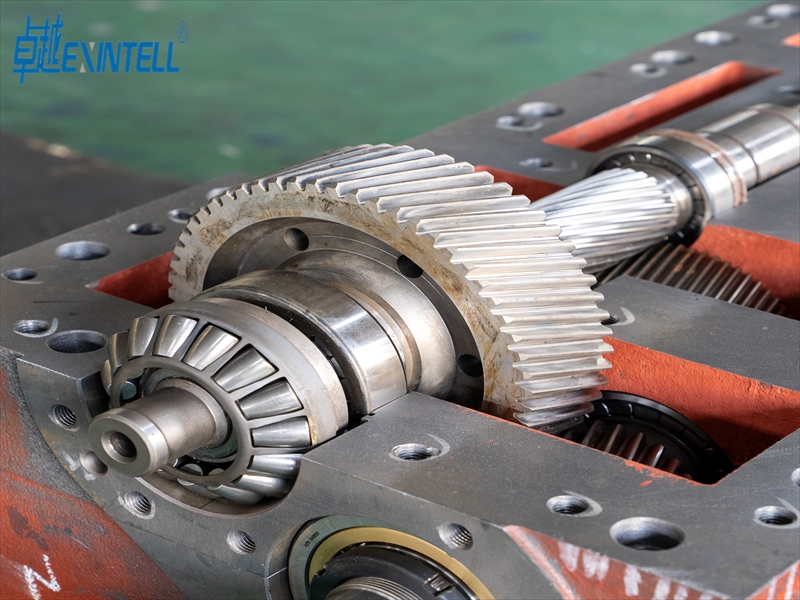
Poznanie hlavné časti pomáha vyrábať lepšie pelety. Tieto časti sú zásobník, skrutka, sud, zomrieť, chladiaci systém, a nožovým systémom.
Udržiavanie stabilnej rýchlosti posuvu je veľmi dôležité. Rýchlosť skrutky musí tiež zostať rovnaká. To pomáha vytvárať rovnomerné pelety a zastavuje problémy so strojom.
Na rýchle vytvrdnutie peliet je potrebné dobré chladenie. To pomáha peliet udržať svoj tvar a zostať silné.
Pravidelné kontroly pomáhajú extrudéru dobre fungovať. Mali by ste často kontrolovať skrutky a čistiť matricu. To udrží stroj v chode a predĺži jeho životnosť.
Kroky procesu peletizačného extrudéra
A peletizačný extrudér premieňa surový plast na malé pelety. Robí to pomocou niekoľkých hlavných krokov. Ak chcete zistiť, ako stroj funguje, postupujte podľa týchto krokov.
Kŕmenie a topenie
Po prvé, do násypky vložíte surový plast. Stroj má skrutku, ktorá posúva plast dopredu. Ako sa pohybuje, skrutka tlačí plast a odoberá vzduch. Hlaveň sa zahrieva a roztaví plast. Skrutka tiež vytvára teplo trením plastu.
Tip: Ak podávate plast rovnomerne, dostanete pelety, ktoré vyzerajú rovnako.
Skrutka vo vnútri peletizačný extrudér má tri časti:
Zóna podávania posúva plast dopredu.
Kompresná zóna roztaví plast a odstráni vzduch.
Meracia zóna vytvára tlak a udržiava stabilný prietok.
Dvojzávitovkové extrudéry ešte lepšie premiešajte plast. Majú dve skrutky, ktoré sa spolu otáčajú. To poskytuje rovnomernejšie teplo a lepšie miešanie. Pomáha vyrábať pelety, ktoré sú všetky rovnaké.
Potrebná teplota závisí od typu plastu. Tu je tabuľka s bodmi topenia pre bežné plasty:
Plastový polymér
Základný bod topenia (°C)
Praktický rozsah teplôt taveniny (°C)
Poznámky k spracovaniu kľúčov
ABS (Akrylonitrilbutadiénstyrén)
105 – 107 (Tg)
210 – 250
Vyhnite sa dlhodobému vystaveniu nad ~270°C, aby ste zabránili degradácii.
Polykarbonát (PC)
155 – 160
280 – 320
Musí sa dôkladne vysušiť, aby sa zabránilo hydrolýze; vyžaduje vysoké teploty formy (80-110°C).
Polypropylén (PP)
160 – 165
200 – 260
Vysoké objemové zmrštenie; vyžaduje dostatočný baliaci/udržiavací tlak.
Nylon 66 (PA66)
260 – 265
280 – 310
Extrémne hygroskopický; vyžaduje okamžité predsušenie a horúce formy (70-100°C).
Polyetylén (HDPE)
130 – 135
210 – 260
Vysoké zmrštenie; kritický správny dizajn chladenia.
Polyoxymetylén (POM)
165 – 175
190 – 220
Náchylné na tepelnú degradáciu; vyhýbajte sa nadmerným teplotám a časom zotrvania.
Akryl (PMMA)
160 – 170
220 – 250
Hygroskopický; musia byť vysušené, aby sa predišlo chybám; vysoký prietokový odpor.
Polybutyléntereftalát (PBT)
225 – 230
240 – 270
Hygroskopický; vyžaduje predsušenie; náchylné na deformáciu.
Polyéteréterketón (PEEK)
340 – 380
370 – 400
Vyžaduje veľmi vysoké teploty spracovania a sušenie.
Termoplastický polyuretán (TPU)
120 – 140 (Tg)
180 – 220
Hygroskopický; lepkavá tavenina vyžaduje špeciálne hradenie.
Polyvinylchlorid (PVC)
160 – 180 (Tg)
170 – 210
Slabá tepelná stabilita; vyžaduje presnú reguláciu teploty a vybavenie odolné voči korózii.
Vytláčanie cez matricu
Keď sa plast roztopí, na peletizačný extrudér pretlačí ho cez matricu. Forma tvaruje roztavený plast do dlhých prameňov alebo iných tvarov. The dizajn matrice riadi tvar a veľkosť plastu. Ak použijete okrúhlu kocku, získate okrúhle pramene. Ak použijete obdĺžnikovú kocku, rohy sa môžu zaobliť kvôli tomu, ako sa plast pohybuje.
Poznámka: Kocka musí byť silná a dlho vydržať. Používa veľa razníc doštičky z karbidu volfrámu pre tvrdé plasty so sklenenými vláknami.
Dôležité je aj teplo matrice a spôsob jej zahrievania. Ak sa matrica zahrieva nerovnomerne, plast môže mať nesprávny tvar.
Chladenie extrudátu
Potom, čo plast opustí matricu, je ešte horúci a mäkký. Musíte to rýchlo ochladiť, aby to stvrdlo. The peletizačný extrudér môžete použiť rôzne spôsoby chladenia:
Podvodné peletizátory: Raznica a rezačka sú vo vode. The water cools the pellets right away.
Strand Pelletizers:The plastic strands go in a water bath, then air dries them before cutting.
Die-Face Pelletizers:The machine cuts the pellets at the die face. Air or water mist cools them, or they drop into a water bath.
If you cool the plastic too fast or too slow, the pellets can bend or shrink. This can make them the wrong size or shape. Good cooling helps you get pellets that are strong and all the same.
Cutting into Pellets
The last step is cutting the cooled plastic into small pellets. The peletizačný extrudérusesdifferent cutting systems:
A method that influences the uniformity and quality of the granules.
Horizontálne rezanie vodným krúžkom
Uses water to cool and cut the extrudate into pellets.
Rezanie pod vodou
Cuts the cooled strands underwater for uniform pellet size.
You can also find these cutting methods:
Gantry cutting
Horizontal water ring cutting
Underwater cutting
Each way helps you get pellets that are the same size. Pellets that are all the same are easier to handle, obchod, and use in other machines.
Summary:You feed raw plastic into thepeletizačný extrudér, melt it, shape it with a die, cool it, and cut it into pellets. Each step changes the plastic from raw material into finished pellets you can use for many products.
Main Components of a Pelletizing Extruder
Hopper and Feed Throat
You begin by putting raw plastic into the hopper. The hopper stores and feeds the plastic. It keeps the plastic clean and safe from dirt. The bottom of the hopper fits with the feed throat. The feed throat connects to the extruder barrel. This setup helps the plastic move smoothly.
The hopper controls how much plastic goes in. This stops too much or too little plastic from entering.
Tip:A good hopper and feed throat help your pelletizing extruder work well.
Design Strategy
Impact on Material Flow
Tapered interface in feeders
Gives even feeding and stops holes from forming
Rotačné ventily s cievkou
Zastavuje zhluky a udržuje plast v pohybe
Vibračné podávače s prechodovým hrdlom
Pomáha toku plastu a udržuje stabilnú rýchlosť
Skrutka a hlaveň
Vo vnútri peletizačného extrudéra, skrutka a hlaveň spolupracujú. Pohybujú sa, roztopiť, a primiešame plast. Skrutka má tri hlavné časti:
Zóna podávania: Táto časť chytí plast a tlačí ho dopredu.
Kompresná zóna: Tu, skrutka stláča plast a odstraňuje vzduch. Vďaka tomu sa plast roztaví rovnomerne.
Meracia zóna: Táto časť vytvára tlak a udržiava tok stabilný pred matricou.
Hlaveň ide okolo skrutky. Zahrieva a zmäkčuje plast. Hlaveň tiež pomáha premiešať plast pre hladkú taveninu.
Faktor
Popis
Geometria skrutiek
Tvar a uhol skrutky mení spôsob, akým sa plast pohybuje a mieša. Malé uhly sa lepšie miešajú, ale rýchlejšie sa opotrebúvajú.
Kneading Blocks
These parts mix the plastic more by making it rub together. More blocks or bigger angles mix more but use more energy and heat.
Temperature Profiles
You must control the heat in each part. Too much heat can hurt the plastic. Not enough heat leaves it unmelted.
Poznámka:The right screw and barrel help you make good pellets and waste less.
Breaker Plate and Adapter
After melting, the plastic goes through the breaker plate and adapter. The breaker plate is a metal disc with many small holes. It does several things:
The adapter, also called the feed pipe, links the barrel to the die. It guides the melted plastic to the die and keeps the flow steady.
Tip:A clean breaker plate and adapter help you make strong, dokonca aj pelety.
Die System
The die system shapes the melted plastic before cutting. The die has some important parts:
Open Area:This is the size of the die’s hole. It changes the pressure and how thick the product is.
Land Area:This part shapes the plastic as it leaves the die. It helps make pellets that look and work the same.
Material of Construction:The die’s material changes how much rubbing and pressure the plastic gets.
You need to keep the die system in good shape. Cleaning and checking it often stops problems and keeps pellet quality high. If the die has problems, the pellets can change in size, silu, or shape.
Poznámka:The die system is one of the most important parts of your pelletizing extruder.
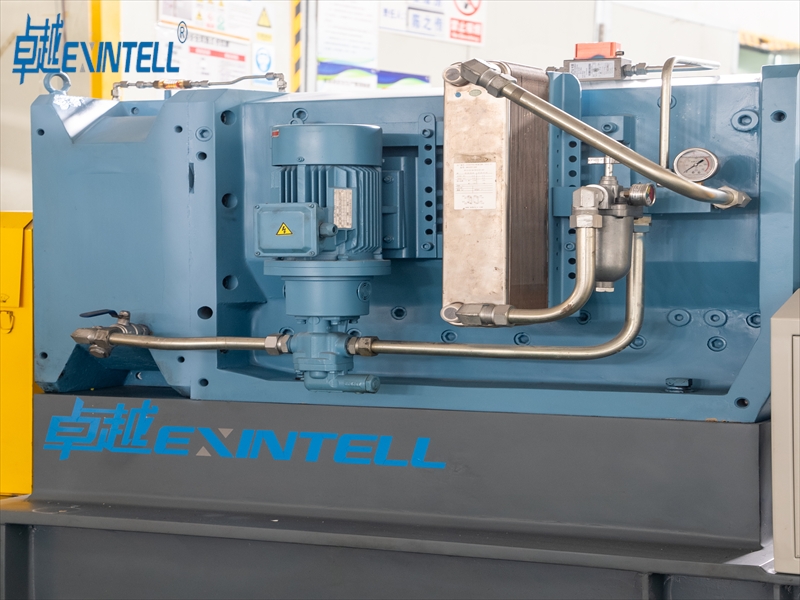
Chladiaci systém
When the plastic leaves the die, it is still hot. The cooling system makes the plastic hard so you can cut it. There are different ways to cool:
Air-cooled systems:These use fans or blowers to cool the plastic.
Water-cooled systems:These drop the plastic into water tanks. Dryers then take off the water.
Fluidized bed dryers:These blow air through the pellets as they slide down a slope. You can change the slope to control how long the pellets stay in the dryer.
Some systems reuse water to save energy. Automatic controls can change cooling based on what you need, which also saves energy.
Evidence Point
Popis
Optimizing Cooling Resources
Saves energy and helps the machine work better.
Automated Controls
Uses just the right amount of cooling.
Closed-loop Systems
Uses water again and again, saving water and energy.
Tip:Good cooling keeps pellets strong and saves energy.
Rotating Knife System
The rotating knife system cuts the cooled plastic into pellets. This system has sharp, fast knives that slice the plastic as it comes out.
Sharp, well-set knives stop problems like tails or dust and keep the machine running.
You need to keep the knives sharp and at the right speed. If the knives get dull or slow, you get uneven pellets and more stops. If the knives are too fast or not lined up, you get problems or jams.
Poznámka:The rotating knife system is very important for making good pellets and keeping your pelletizing extruder working well.
How Components Work Together
Material Flow and Homogenization
All the parts of the pelletizing extruder must work together. This helps the plastic move smoothly andmix well. The screw pushes the plastic forward and mixes it. You can change how fast the screw turns to mix more or less. Kneading blocks inside the screw help blend the plastic. Their shape and how you set them up help the plastic mix better.
You can change the speed to control mixing and keep flow steady.
Kneading Block Geometry
Special shapes help mix the plastic evenly.
Convective Mixing
The design moves plastic through mixing zones again and again.
Continuous Circulation
All plastic passes through strong mixing areas many times.
Modular Screw Design
You can change the screw parts for different plastics.
Kneading Block Configurations
Different setups give strong mixing for the right pellet quality.
Niekedy, mixing can be hard. If you mix too much, you can break fibers or make dust. Too much mixing can also make the plastic too hot. Gentle mixing is better for soft plastics. Some plastics, ako ultra-low melt flow HDPE, move slowly. These need more pressure to flow.
Pellets are made by cooling and cutting the plastic after it leaves the die. The cooling system makes the plastic hard so knives can cut it. Good cooling systemshelp keep pellet size and shape the same. Automatic controls can change the process as it runs. This helps you get better pellets and waste less.
Evidence Type
Popis
Advanced Cooling Systems
These cool pellets quickly and keep their shape.
Automated Control Systems
These adjust settings for better quality and less waste.
High-Efficiency Heaters
These heat the plastic evenly for smooth extrusion.
You need to collect and handle pellets carefully so you do not lose them or get them dirty. Use good tools and keep the area clean. Closed walkways and sealed pipes stop pellets from getting out. Teach workers to use spill guards and know what to do in an emergency.
Tip: When every step works together, you get strong, clean pellets and a safer place to work.
You turn raw plastic into even pellets by doing five steps: kŕmenie, topenie, extruding, chladenie, a rezanie. Each main part—hopper, skrutka, sud, zomrieť, chladenie, and knife system—has an important job. Taking care of your extruder helps it work well:
Look at screws and sleeves to see if they are damaged.
Make sure raw materials are clean so nothing bad gets in.
Watch for worn parts and change them before they break.
If you know about pellet quality and how tocontrol moisture, you can work faster and make fewer mistakes. Use these tips to keep your machine working well and making good pellets.
FAQ
What types of plastics can you use in a pelletizing extruder?
You can use many plastics in a pelletizing extruder. Niektoré príklady sú polyetylén, polypropylén, nylon, ABS, CHKO, a TPU. Each plastic needs its own temperature and settings. Always check what your material needs before you start.
How do you keep pellets uniform in size?
You need to feed the material at a steady rate. Keep the screw speed the same. Clean the die and knives often. Use automatic controls to help with cooling and cutting. This gives you the best results.
Why does the extruder need a cooling system?
The cooling system makes the melted plastic hard. If you do not cool it, the pellets stay soft and stick together. When you cool them fast and evenly, you get strong pellets. These pellets are easy to handle.
How often should you maintain the pelletizing extruder?
Check and oil the bearings every 500 hodiny.
Každý týždeň sa pozrite na skrutky a nože.
Po každej dávke vyčistite násypku a matricu.
Vykonanie týchto vecí pomôže vášmu stroju dobre fungovať.
Môžete použiť recyklované plasty v peletizačnom extrudéri?
Typ materiálu
Vhodnosť
Poznámky
Čistý recyklovaný
áno
Pred použitím vysušte a prefiltrujte
Zmiešané recyklované
Niekedy
Možno bude potrebné triediť a čistiť
Znečistené
Nie
Môže poškodiť stroj
Recyklované plasty môžete použiť, ak sú čisté a vytriedené.