

Filler Masterbatch Extruder Machine: The Definitive B2B Trade Guide for Global Manufacturers, Dodávatelia, and Buyers in
The filler masterbatch extruder machine market is experiencing significant momentum as global demand for cost-effective plastic compounding solutions accelerates across packaging, výstavby, and automotive sectors. For B2B buyers sourcing from international manufacturers and suppliers, understanding the current trade landscape between major production hubs in Asia and key consumption markets in the United States and European Union is essential. This comprehensive guide examines the latest policy developments, trhové príležitosti, praktické prípadové štúdie, and forward-looking trade forecasts to help procurement professionals, factory owners, and wholesale distributors make informed decisions when investing in filler masterbatch extrusion equipment. Či už hodnotíte a filler masterbatch extruder machine manufacturer or comparing wholesale pricing from multiple factories, this resource delivers the data-driven insights you need.
Understanding Filler Masterbatch Extruder Machines: Základná technológia a aplikácie
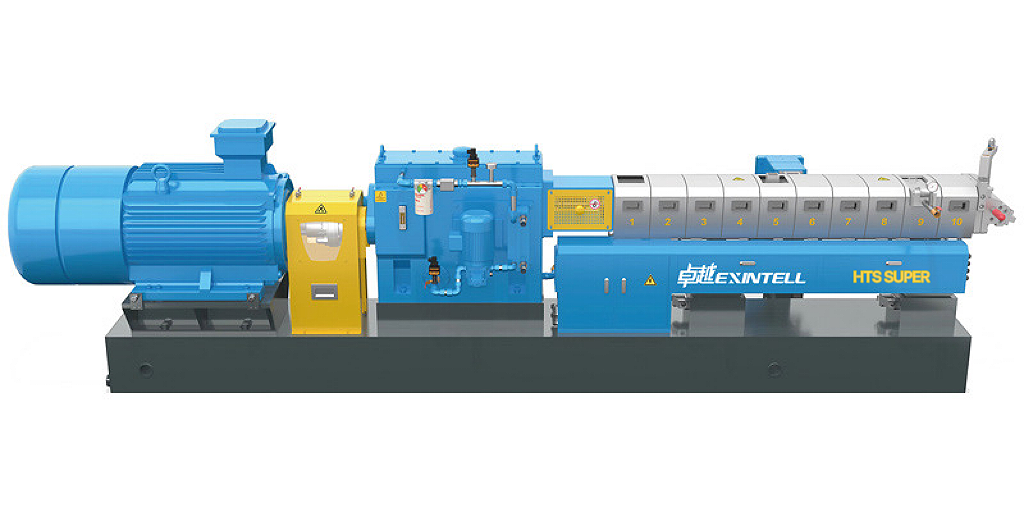
A filler masterbatch extruder machine is a specialized twin-screw or co-rotating extrusion system designed to compound high concentrations of mineral fillers — primarily calcium carbonate (CaCO3), barium sulfate, or talc — with polyethylene (PE) or polypropylene (PP) carrier resins. The resulting filler masterbatch pellets are then used by downstream plastics processors to reduce raw material costs, improve dimensional stability, and enhance certain mechanical properties of finished products.
Extruder Machine Manufacturer Manufacturer Modern filler masterbatch extruder machines typically feature: X1C Extruder Disassembly
- Co-rotating twin-screw extruder barrels with modular screw elements for optimized dispersion
- High-torque gearboxes capable of processing filler loadings of 70–85% by weight
- Automated gravimetric feeding systems for precise CaCO3-to-resin ratios
- Underwater or strand pelletizing systems for uniform pellet geometry
- PLC/HMI control panels with real-time monitoring of temperature, tlak, and throughput
Output capacities range from 300 kg/h for compact laboratory-scale lines to over 2,000 kg/h for industrial-grade filler masterbatch production lines. The primary end-use sectors include blown film for packaging, injection-molded consumer goods, woven sack manufacturing, and pipe extrusion.
Priemyselné stroje na vytláčanie plastov v modernom výrobnom závode na výrobu plniacich predzmesových peliet
Politika zahraničného obchodu a krajina priemyslu strojov na výrobu plastov v
The transatlantic trade relationship between the United States and the European Union remains the world's largest bilateral commercial partnership, s kombinovaným obchodom s tovarom a službami $1.3 biliónov ročne podľa U.S. Správa medzinárodného obchodu (ITA). Pre sektor plastových strojov — vrátane plniacich predzmesových extrudérov — viaceré politické zmeny v prvej polovici roku formujú stratégie obstarávania:
Vývoj obchodnej politiky USA
Spojené štáty udržiavajú tarify podľa Harmonizovaného colného zoznamu (HTS) ktoré zaraďujú stroje na spracovanie plastov do kapitoly 84. Od Q2, oddiel 301 clá na stroje čínskeho pôvodu zostávajú v platnosti 25%, which has redirected significant buyer interest toward alternative sourcing from Southeast Asian manufacturers and European OEMs. The U.S. Department of Commerce reported that imports of plastics and rubber industry machinery reached $4.2 miliardy v 2024, with Germany, Japonsko, and Italy ranking among the top three non-Chinese supplier countries.
The Biden-era Inflation Reduction Act (IRA) and its emphasis on domestic manufacturing incentives continue to influence capital equipment purchasing decisions. Several U.S.-based plastics compounders have reported accelerated investment in new filler masterbatch lines to qualify for tax credits tied to domestic production capacity expansion.
EU Trade and Regulatory Framework
The European Union's trade policy under the Generálne riaditeľstvo pre obchod has increasingly emphasized sustainability criteria in machinery imports. Mechanizmus úpravy uhlíkových hraníc EÚ (CBAM), ktorý v októbri vstúpil do prechodnej fázy 2023 a smeruje k úplnej implementácii 2026, začína ovplyvňovať spôsob, akým európski kupujúci hodnotia uhlíkovú stopu dovážaného kapitálového vybavenia, vrátane vytláčacích strojov.
Stratégia EÚ pre plasty a smernica o plastoch na jedno použitie naďalej zvyšujú dopyt po predzmesi plniva ako prostriedku na zníženie spotreby nových plastov. Začlenením 70–80% obsah minerálneho plniva, výrobcovia môžu výrazne znížiť podiel polyméru v nekritických aplikáciách, v súlade s cieľmi obehového hospodárstva načrtnutými v Európsky parlament.
Germany's VDMA (Zväz strojárskeho priemyslu) uviedla, že európska výroba strojov na výrobu plastov a gumy dosiahla približne €16.5 miliardy v 2024, s kompaundačným a extrúznym zariadením, ktoré predstavuje podstatný podiel. Italian machinery manufacturers, particularly those clustered in the Lombardy and Veneto regions, remain globally competitive in twin-screw extruder technology. Lab Extruders Manufacturer
Aerial view of Rotterdam port with container ships and logistics infrastructure supporting EU international trade
B2B Trade Opportunities for Filler Masterbatch Extruder Machines in US and EU Markets
The convergence of raw material economics, environmental regulation, and manufacturing reshoring trends is creating substantial B2B opportunities for filler masterbatch extruder machine suppliers targeting the US and EU markets. Blender Extrude Along Path
Market Demand Drivers
Cost reduction imperative: With polyethylene and polypropylene resin prices remaining volatile — PE spot prices fluctuated between $1,050 a $1,280 per metric ton in Q1 according to ICIS pricing data — downstream converters are actively seeking ways to reduce resin consumption. Filler masterbatch allows processors to replace 20–40% of virgin resin with low-cost CaCO3, delivering direct material savings of 15–30% per ton of finished product.
Packaging sector growth: The global flexible packaging market, valued at approximately $228 miliardy v 2024 podľa Smithers, continues to expand at 3.5–4% CAGR. This growth directly translates to increased demand for filler masterbatch and, následne, the extrusion equipment to produce it.
Construction and infrastructure: Both the US Infrastructure Investment and Jobs Act and the EU's NextGenerationEU recovery fund are channeling billions into construction projects that consume large volumes of plastic pipes, profiles, a listy — all of which benefit from filler masterbatch incorporation.
Key Challenges for International Suppliers
Požiadavky na technickú certifikáciu: Americkí kupujúci čoraz častejšie vyžadujú, aby stroje spĺňali UL, NFPA 79, a OSHA štandardy, zatiaľ čo obstarávanie v EÚ vyžaduje označenie CE, dodržiavanie smernice o strojových zariadeniach 2006/42/ES, a stále viac, v súlade s novým nariadením EÚ o strojových zariadeniach (EÚ) 2023/1230 s účinnosťou od januára 2027. Výrobcovia plniacich predzmesových extrudérov musia investovať do certifikačnej infraštruktúry, aby sa dostali na tieto trhy.
Výrobcovia paralelných dvojzávitovkových extrudérov Očakávania popredajného servisu: B2B kupujúci na rozvinutých trhoch očakávajú rýchlu dostupnosť náhradných dielov (zvyčajne 48–72 hodinové doručenie), možnosti diaľkovej diagnostiky, a podporu miestnych alebo regionálnych servisných technikov. Založenie servisných partnerstiev alebo skladových dohôd v USA a EÚ je významnou prekážkou pre nových účastníkov trhu.
Logistika a dodacie lehoty: Ocean freight from major Asian manufacturing hubs to US West Coast ports (Los Angeles, Dlhá pláž) or European ports (Rotterdam, Hamburg) typically requires 25–40 dní. Combined with 8–12 week manufacturing lead times for custom extruder configurations, total order-to-delivery cycles of 4–6 months are common, requiring careful procurement planning.
B2B trade exhibition hall with industrial machinery displays and international business professionals networking
Geographic and Policy Advantages Enabling B2B Foreign Trade in Filler Masterbatch Equipment
Several geographic and policy factors create natural advantages for B2B trade in filler masterbatch extruder machines between production centers and consumption markets:
dohody o voľnom obchode: The EU maintains a network of FTAs covering over 70 krajín. For machinery suppliers based in countries with EU FTA coverage (napr., Južná Kórea, Vietnam, Japan via the EU-Japan EPA), preferenčné colné sadzby na dovoz plastových strojov môžu znížiť náklady na vykládku o 2–4 percentuálnych bodov v porovnaní so sadzbami MFN.
Zóny zahraničného obchodu USA (FTZ): Koniec 190 aktívne FTZ v celých Spojených štátoch umožňujú dovozcom odložiť, znížiť, alebo zrušiť clá na dovážané stroje. Stroj na vytláčanie predzmesi plniva dovezený do FTZ na montáž alebo integráciu s komponentmi z domácich zdrojov môže ťažiť zo štruktúr obrátených sadzieb, kde je clo na hotovú výrobnú linku nižšie ako na jednotlivé dovážané komponenty.
Strategická prístavná infraštruktúra: Rotterdamský prístav ovláda 14 miliónov TEU ročne a slúži ako primárna brána pre dovoz strojov do kontinentálnej Európy. Na strane USA, prístavy Los Angeles a Long Beach spoločne spracúvajú približne 40% všetkého dovozu kontajnerov z USA, with dedicated heavy-lift and project cargo facilities suited to oversized extruder shipments.
Regional manufacturing clusters: Proximity to raw material sources matters. The US Gulf Coast petrochemical corridor (Texas, Louisiana) and European chemical hubs (Antverpy, Ludwigshafen) provide filler masterbatch producers with competitive access to carrier resins, reducing the total cost of ownership for extruder investments in these regions.
Container cargo ship at a major international port with cranes loading industrial equipment for global B2B trade
Prípadová štúdia: How B2B Enterprises Succeed in the Filler Masterbatch Equipment Market
Prípad 1: A Chinese Manufacturer Establishes European Market Presence
A leading filler masterbatch extruder machine manufacturer based in Nanjing, Čína, with annual production capacity exceeding 200 extruder lines, presadzovala štruktúrovanú stratégiu vstupu na trh EÚ počnúc r 2022. Spoločnosť investovala Továreň na dodávateľa vytláčacích strojov približne $350,000 pri získaní úplnej certifikácie CE pre svoje vlajkové modely 75 mm a 95 mm dvojzávitovkových extrudérov, vrátane testovania elektrickej bezpečnosti treťou stranou TÜV Rheinland, emisie hluku, a dodržiavanie ochrany stroja. Proces dvojzávitovkového extrudéra
Na riešenie problémov s popredajným servisom, výrobca zriadil sklad náhradných dielov v Düsseldorfe, Nemecko, skladovanie cez 800 SKU dielov podliehajúcich opotrebovaniu (skrutkové prvky, sudové vložky, matricové dosky) s garantovaným doručením do 48 hodín po celej EÚ. Spolupracovali s nemeckou firmou technických služieb, aby zabezpečili inštaláciu na mieste, uvedenie do prevádzky, a podpora školení v angličtine, nemecký, francúzsky, a španielčina.
Do Q1, spoločnosť nainštalovala 47 linky na výrobu predzmesi plniva naprieč 12 členské štáty EÚ, s kľúčovými koncentráciami v Poľsku (obalový sektor), Turecko (stavebné materiály), a Španielsko (poľnohospodársky film). Ich priemerná predajná cena je €185,000–€320,000 na celý riadok ich umiestnilo približne 35–45% pod porovnateľnou talianskou a nemeckou ponukou OEM, a zároveň poskytuje porovnateľnú priepustnosť 800–1,500 kg/h pri 80% Zaťaženie CaCO3.
Prípad 2: A US Compounder's Vertical Integration Strategy
Stredne veľká spoločnosť na výrobu plastov so sídlom v Houstone, Texas, prevádzkuje tri výrobné závody na juhovýchode USA, urobil strategické rozhodnutie v r 2023 vertikálne integrovať výrobu predzmesi plniva namiesto pokračovania v nákupe od externých dodávateľov. Firma vyhodnocovala ponuky od siedmich dodávatelia plniacich predzmesových extrudérov po celej Číne, Nemecko, Taliansko, a Indiou.
After a 6-month evaluation process including factory visits and reference customer interviews, they selected a configuration combining a Chinese-manufactured twin-screw extruder with German-engineered feeding and pelletizing systems. The hybrid approach delivered a total installed cost of $420,000 — približne 40% less than a fully European-sourced line — while meeting all OSHA and NEC electrical code requirements for their facility.
Vnútri 18 months of commissioning, the company reported annual material cost savings of $1.2 million by producing filler masterbatch in-house at 75% Zaťaženie CaCO3, displacing approximately 8,000 metric tons of purchased masterbatch annually. The payback period on the extruder investment was achieved in under 5 mesiacov.
Prípad 3: European Machinery OEM Targets US Market via Trade Shows
An Italian twin-screw extruder manufacturer with 40 roky dedičstva v oblasti technológie zlučovania využívali účasť v NPE (výstava plastov, ktorý sa konal v Orlande, Florida) a Chinaplas na vybudovanie svojho ropovodu pre zákazníkov v USA. Ich stratégia sa zamerala na odlíšenie prostredníctvom energetickej efektívnosti — ich plniace predzmesové extrudéry najnovšej generácie spotrebujú 0,12–0.15 kWh/kg, približne 20% menej ako priemer v odvetví — a prostredníctvom integrovaného priemyslu 4.0 schopnosti vrátane konektivity OPC-UA a algoritmov prediktívnej údržby.
Spoločnosť založila americkú pobočku v Charlotte, Severná Karolína, s tímom troch servisných technikov a a 5,000 zariadenie na náhradné diely štvorcových stôp. do polovice, mali zabezpečené 15 inštalácie v USA a Mexiku, s priemernou hodnotou objednávky 450 000 USD–$680,000 pre kompletné výrobné linky plniva na kľúč.
Modern industrial manufacturing plant interior with automated production line machinery and quality control systems
Predpoveď obchodného trendu: Filler Masterbatch Extruder Machine Market Outlook for Q3–Q4
Na základe aktuálnych trhových ukazovateľov, politické trajektórie, and industry intelligence gathered from multiple sources including the Asociácia plastikárskeho priemyslu, EUROMAP, and trade data from ITC Trade Map, the following trends are anticipated for the filler masterbatch extruder machine sector over the next 1–2 months and into the second half of:
1. Continued tariff-driven supply chain diversification: With US Section 301 tariffs on Chinese machinery showing no signs of reduction, and potential additional tariff actions under discussion for, B2B buyers will increasingly evaluate filler masterbatch extruder machine suppliers in India, Vietnam, and Turkey as alternative sourcing origins. Indian manufacturers, najmä, have invested heavily in twin-screw extruder capacity, with several companies now offering CE and UL-certified models at price points 15–25% above Chinese equivalents but below European pricing.
2. Energy efficiency as a procurement criterion: Rising industrial electricity costs in both the US (averaging $0.08–$0.12/kWh for industrial users) a ja (€0.15–€0.25/kWh depending on member state) are making specific energy consumption (kWh/kg) a critical evaluation metric. Extruder manufacturers offering high-efficiency drive systems, optimized screw designs, and heat recovery capabilities will gain competitive advantage. Expect procurement RFQs to increasingly include energy performance guarantees.
3. Automation and labor reduction features in demand: Labor shortages in manufacturing across both the US and EU are driving demand for highly automated filler masterbatch production lines requiring minimal operator intervention. Features such as automatic recipe management, self-cleaning capabilities, and remote monitoring via cloud-based platforms are transitioning from premium options to standard expectations.
4. Sustainability documentation requirements: EU buyers will increasingly request Environmental Product Declarations (EPD), carbon footprint calculations, and recyclability assessments for imported machinery as CBAM implementation progresses. Filler masterbatch extruder machine manufacturers that proactively develop this documentation will differentiate themselves in European tenders.
5. Consolidation among mid-tier suppliers: The competitive pressure from both low-cost Asian manufacturers and technology-leading European OEMs is expected to drive consolidation among mid-tier filler masterbatch extruder machine suppliers. Strategické akvizície a oznámenia o partnerstve sa očakávajú v 3. štvrťroku–Q4, zahŕňajúce najmä spoločnosti, ktoré sa snažia spojiť výhody ázijských výrobných nákladov s európskymi inžinierskymi odbornými znalosťami.
Panel obchodnej analýzy zobrazujúci trendy medzinárodných obchodných údajov a grafy predpovedí trhu pre priemyselné stroje
Bezpečnosť na pracovisku pri výrobe predzmesi plniva: Ochrana operátorov bezpečnostnou obuvou B2B
Spoločnosť Extruded Solutions Inc Prevádzka plniaceho stroja na vytláčanie predzmesi zahŕňa značné riziká na pracovisku, ktoré si vyžadujú prísne osobné ochranné prostriedky (OOP) protokoly — a bezpečnostná obuv patrí medzi najkritickejšie, no často podceňované Duálna tlač pomocou extrudéra prvky ochrany operátora. Pre manažérov obstarávania B2B, ktorí získavajú stroje a súvisiace bezpečnostné vybavenie, pochopenie špecifických rizík v prostredí výroby predzmesi plniva je nevyhnutné pre dodržiavanie predpisov a ochranu pracovnej sily.
Profil nebezpečnosti zariadení na vytláčanie predzmesi plniva
Typická linka na výrobu predzmesi plniva predstavuje viaceré riziká poranenia nôh:
- Náraz ťažkého predmetu: Skrutkové prvky, sudové segmenty, a lisovacie zostavy bežne vážia 15–80 kg. Počas údržby, s týmito komponentmi sa manipuluje ručne alebo pomocou mostových žeriavov, vytvára značné nebezpečenstvo rozdrvenia a nárazu pre chodidlá a prsty.
- Kontakt s horúcim materiálom: Roztavené polymérové vlákna vystupujúce z vytláčacej hlavy pri 180–220°C, horúca voda na pelety 60–80°C, a vyhrievané povrchy hlavne viac ako 250°C predstavuje vážne nebezpečenstvo popálenia. Špliechanie roztavenej predzmesi počas pretrhnutia prameňa alebo výmeny matrice môže spôsobiť vážne poranenia nôh, ak operátori nosia nevhodnú obuv.
- Nebezpečenstvo pošmyknutia: Process water from underwater pelletizing systems, spilled CaCO3 powder (which becomes extremely slippery when wet), and lubricant residues create persistent slip-and-fall risks on production floors.
- Compression hazards: Filler masterbatch bags (zvyčajne 25 kg each) and bulk bags (500–1,000 kg) stored and transported via forklifts in the production area create compression risks for feet.
- Elektrické nebezpečenstvo: High-voltage drive systems (typically 380–480V) powering extruder motors require ESD-rated footwear in designated electrical maintenance zones.
Safety Footwear Standards for Industrial Compliance
B2B safety footwear for filler masterbatch production environments must comply with recognized international standards:
For US operations: ASTM F2413-18 defines performance requirements for protective footwear, including impact resistance (I/75 — protection against 75 ft-lbs impact), odolnosť proti stlačeniu (C/75 — protection against 2,500 lbs kompresia), and optional ratings for metatarsal protection (Mt), electrical hazard (EH), static dissipation (SD), a odolnosť proti prepichnutiu (PR).
For EU operations: V ISO 20345:2022 classifies safety footwear into categories S1 through S5, with S3 being the minimum recommended level for plastics processing environments. S3 footwear provides toe protection (200J impact, 15kN compression), closed heel, antistatic properties, energy absorption in the heel, vodeodolný zvršok, and penetration-resistant sole.
The Správa bezpečnosti a ochrany zdravia pri práci (OSHA) in the US mandates that employers assess workplace hazards and provide appropriate foot protection under 29 CFR 1910.136. Podobne, the EU Framework Directive 89/391/EEC requires employers to provide PPE, including safety footwear, at no cost to workers when hazards cannot be eliminated through engineering controls.
Selecting the Right Safety Footwear for Extruder Operators
When procuring B2B bezpečnostná obuv for filler masterbatch production teams, consider these specifications:
- Steel or composite toe caps: Both materials meet impact and compression requirements. Kompozitné špičky (sklolaminát, uhlíkové vlákno, alebo kevlar) offer advantages in weight reduction (30–40% ľahší ako oceľ) and thermal insulation — important in environments with temperature extremes near extruder barrels.
- Tepelne odolné podošvy: Podošva z nitrilovej gumy s odolnosťou voči kontaktnému teplu do 300°C (HRO rating per EN ISO 20345) are essential for operators working near die heads and pelletizing systems.
- Anti-slip tread patterns: Podošvy s hodnotením SRC (tested on both ceramic tile with sodium lauryl sulfate solution and steel with glycerol) provide the highest slip resistance classification, critical for wet production floors.
- Metatarzálne chrániče: For maintenance technicians who handle heavy screw elements and barrel components, internal or external metatarsal guards provide additional protection to the upper foot area beyond what toe caps alone offer.
- Podpora členku: Mid-cut or high-cut boot designs provide superior ankle stability and protection against CaCO3 powder and pellet ingress, which can cause irritation and slip hazards inside low-cut shoes.
The Business Case for Quality Safety Footwear in B2B Operations
Investing in high-quality safety footwear delivers measurable returns for filler masterbatch production operations:
Podľa U.S. Úrad pre štatistiku práce, zranenia chodidiel predstavujú približne 60,000 workplace injuries annually in the US, with an average direct cost of $9,000–$12,000 za incident (medical expenses plus workers' kompenzácie). Indirect costs — vrátane straty produktivity, replacement labor, and administrative burden — typically multiply direct costs by a factor of 3–5x.
Pre závod na výrobu predzmesi na plnivo pracujúci na tri zmeny s 30 výrobných pracovníkov, poskytovanie prémiovej bezpečnostnej obuvi s hodnotením S3/ASTM za 80 USD–$150 za pár (vymieňať ročne) predstavuje investíciu 2 400 USD–$4,500 za rok. Zabránenie čo i len jedinému stredne ťažkému zraneniu nohy ušetrí 27 000 dolárov–$60,000 v celkových nákladoch — prináša ROI presahujúcu 600%.
Okrem finančných úvah, Súlad s bezpečnostnou obuvou je čoraz častejšie kontrolovaný veľkými B2B zákazníkmi ako súčasť procesov kvalifikácie dodávateľov. Európski a americkí majitelia značiek, ktorí pre nich vykonávajú audity tovární due diligence dodávateľského reťazca rutinne overovať programy OOP, vrátane zabezpečenia a stavu bezpečnostnej obuvi. Nedodržanie môže mať za následok zrušenie objednávky, vyradenia dodávateľov, a poškodenie dobrého mena.
Chicago extrudované kovy Comfort and ergonomics also directly impact productivity. Modern safety footwear incorporating EVA midsoles, podšívky odvádzajúce vlhkosť, and anatomically designed footbeds reduces operator fatigue during 8–12 hodinové zmeny. Štúdie publikované v Annals of Work Exposures and Health have demonstrated that comfortable safety footwear reduces self-reported fatigue by 20–30% and decreases minor slip incidents by up to 40% compared to basic compliance-only footwear.
Priemyselný pracovník nosí bezpečnostnú obuv a ochranné prostriedky v prostredí výrobného zariadenia
Key Specifications to Evaluate When Sourcing a Filler Masterbatch Extruder Machine
For B2B buyers preparing procurement specifications, the following technical parameters should be included in RFQs sent to filler masterbatch extruder machine manufacturers and suppliers:
| Parameter | Typický rozsah | Poznámky |
|---|---|---|
| Priemer skrutky | 52–135 mm | Larger diameters = higher throughput |
| pomer L/D | 32:1 – 44:1 | Higher L/D provides better dispersion for high-fill formulations |
| Maximum throughput | 300–2,000 kg/h | Depends on filler loading and formulation |
| Maximum filler loading | 70–85% by weight | CaCO3 is most common; talc and BaSO4 also used |
| Výkon motora | 55–450 kW | High-efficiency IE3/IE4 motors preferred |
| Specific energy consumption | 0.10–0.18 kWh/kg | Lower is better; request guaranteed values |
| Pelletizing system | Strand cut / underwater / water ring | Underwater preferred for high-volume operations |
| Riadiaci systém | Siemens / ABB / Schneider PLC | Ensure compatibility with plant SCADA systems |
How to Verify a Filler Masterbatch Extruder Machine Factory Before Ordering
Due diligence is critical when selecting a filler masterbatch extruder machine factory, particularly for cross-border B2B transactions involving significant capital expenditure. Recommended verification steps include:
- Factory audit: Conduct an on-site or third-party audit (SGS, Bureau Veritas, TÜV) to verify manufacturing capabilities, quality management systems (ISO 9001:2015 minimálne), and production capacity.
- Reference customer visits: Request and visit at least 2–3 reference installations operating similar configurations to your requirements. Verify actual throughput, uptime, and maintenance history.
- Trial run: For orders exceeding $200,000, negotiate a factory acceptance test (TUK) using your actual raw materials. Document throughput, spotreba energie, kvalita peliet, and filler dispersion results.
- Spare parts pricing and availability: Obtain a complete spare parts list with pricing before signing the purchase contract. Verify stock availability and delivery lead times for critical wear parts.
- Warranty and service terms: Standard industry warranty is 12 months from commissioning or 18 months from shipment. Negotiate clear terms for response times, warranty part replacement, and service engineer availability.
Frequently Asked Questions About Filler Masterbatch Extruder Machines
- What is the typical MOQ when buying from a filler masterbatch extruder machine factory?
- Most manufacturers accept orders for a single complete production line. Avšak, pricing improves significantly for orders of 2+ linky, with typical discounts of 5–12% for multi-unit purchases. Wholesale buyers ordering 5+ units annually can negotiate framework agreements with further volume-based pricing.
- What certifications should a filler masterbatch extruder machine have for export to the EU and US?
- Pre trhy EÚ, CE marking is mandatory, covering the Machinery Directive 2006/42/EC, Low Voltage Directive 2014/35/EU, and EMC Directive 2014/30/EU. For US markets, UL listing or recognition for electrical components, NFPA 79 compliance for industrial machinery electrical standards, and OSHA-compliant machine guarding are expected. Request certification documentation during the quotation stage.
- How long does installation and commissioning take for a complete filler masterbatch production line?
- Typical installation and commissioning timelines range from 10–21 days depending on line complexity, site readiness, and whether the supplier provides turnkey installation. Budget an additional 5–7 days for operator training. Most reputable filler masterbatch extruder machine manufacturers include installation supervision and training in their standard scope of supply.
- What is the expected lifespan of a filler masterbatch extruder machine?
- With proper maintenance, a quality twin-screw extruder can operate for 15–25 rokov. Wear parts (skrutkové prvky, sudové vložky) typically require replacement every 3,000–8,000 operating hours depending on filler abrasiveness. Ročné náklady na údržbu zvyčajne dosahujú 2–4% z kúpnej ceny pôvodného zariadenia.
- Môže plniaci predzmesový extrudér spracovať recyklované materiály?
- áno, mnohé moderné extrudéry na predzmesi plniva môžu spracovať postindustriálny a spotrebiteľsky recyklovaný PE a PP ako nosné živice. Avšak, spracovanie recyklovaného materiálu môže vyžadovať dodatočné vybavenie (skartovačky, umývacie linky, taveninové filtre) a úpravy konfigurácie skrutiek na zvládnutie kontaminantov a variabilné vlastnosti toku taveniny.
Záver: Strategické získavanie zdrojov pre nákupcov strojov na vytláčanie predzmesi plniva
Trh s plniacimi predzmesovými extrudérmi predstavuje presvedčivé príležitosti pre B2B kupujúcich, ktorí sú ochotní orientovať sa v zložitosti medzinárodného obchodu, technické osvedčenie, a riadenie dodávateľského reťazca. Či už získavanie zo zavedených Miešacie zariadenie European OEMs for premium technology or from competitive Asian manufacturers for cost-optimized solutions, success depends on thorough due diligence, clear technical specifications, and robust after-sales service arrangements.
As trade policies continue to evolve — with sustainability requirements, tariff structures, and reshoring incentives all influencing procurement decisions — buyers who stay informed Extruder Machine Pakistan and maintain diversified supplier relationships will be best positioned to secure reliable, high-performance filler masterbatch production equipment at competitive total cost of
Filler Masterbatch Extrusion Machine: Complete B2B Trade Guide for Manu… · Filler Masterbatch Extrusion Machines: Complete B2B Trade Guide for Man… · Filler Masterbatch Making Machine: Complete B2B Trade Guide for Manufac…