

Best Recycled Extruder Machines for Efficient Plastic Recycling
Recycled extruder machines with advanced automation, high output, and material versatility deliver the best results for efficient plastic recycling. Selecting the right machine increases profitability and reduces waste, as companies benefit from servo motors that cut power use by up to 30%. The plastic recycling machine market continues to grow, driven by sustainability efforts and investments in technology. Key evaluation criteria include capacity, energetickej účinnosti, automatizácie, and material compatibility.
Kľúčové informácie
-
Choose the right recycled extruder machine to boost profitability and reduce waste.
-
Consider capacity and throughput; high-capacity machines are essential for large-scale operations.
-
Prioritize energetickej účinnosti; modern machines can cut power use by up to 30%.
-
Look for automation features; user-friendly controls streamline operations and reduce downtime.
-
Ensure material compatibility; select machines that handle a variety of plastics for versatility.
-
Regular maintenance is key; follow a preventive plan to avoid unexpected breakdowns.
-
Evaluate warranty options; strong coverage reflects manufacturer confidence and protects your investment.
-
Invest in modular designs; they allow for upgrades and adaptability to changing production needs.
Recycled Extruder Machine Criteria
Kapacita & Priepustnosť
Industrial Scale
Industrial buyers often prioritize high-capacity extruders to meet demanding production targets. These machines deliver output ranging from 300 to over 1,500 kilograms per hour. Screw diameters typically measure between 75 a 120 millimeters. Multinational producers and packaging plants rely on these extruder systems to process large volumes of recycled plastic efficiently. Real-world throughput usually falls 10–15% below the rated maximum, so operators size machines 20–30% above calculated needs. High-capacity extruders often feature melt filtration and degassing zones, which improve the quality of recycled plastic pellets.
|
Capacity Tier |
Output Range |
Typical Screw Diameter |
Target Buyer |
|---|---|---|---|
|
V malom meradle |
20–100 kg/hr |
35–55 mm |
Startups, niche producers, R&D laboratóriá |
|
Mid-Range |
100–300 kg/hr |
55–75 mm |
Mid-sized converters, regional suppliers |
|
High-Capacity |
300–1,500+ kg/hr |
75–120 mm |
Industrial packaging plants, multinational producers |
Malý & Mid-Range
Small and mid-range extruder machines serve startups, regional suppliers, and research labs. These units handle output from 20 do 300 kilograms per hour, with screw diameters between 35 a 75 millimeters. Operators in these segments benefit from flexible throughput and easier integration into existing workflows. Machines in this category often support specialized recycling tasks and niche plastic products.
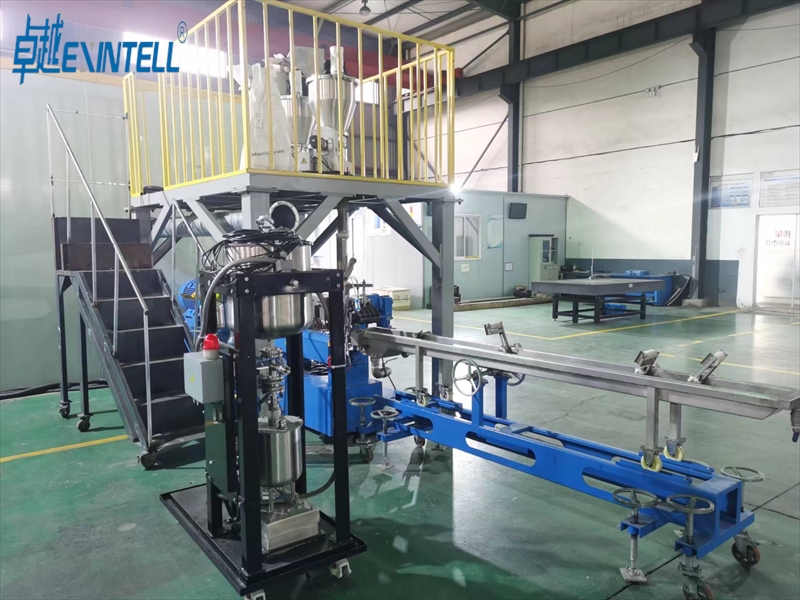
Tip: Machines should be sized above operational needs to account for inefficiencies and future growth.
Energetická účinnosť
Power Use
Energy efficiency remains a critical factor in extruder selection. Modern single screw extruders reduce energy consumption by 10–15% v porovnaní so staršími modelmi. Direct drive systems eliminate gearboxes, which lowers energy losses and maintenance requirements. High-capacity extruders with advanced controls optimize power use, maintaining output while minimizing waste.
Eco Features
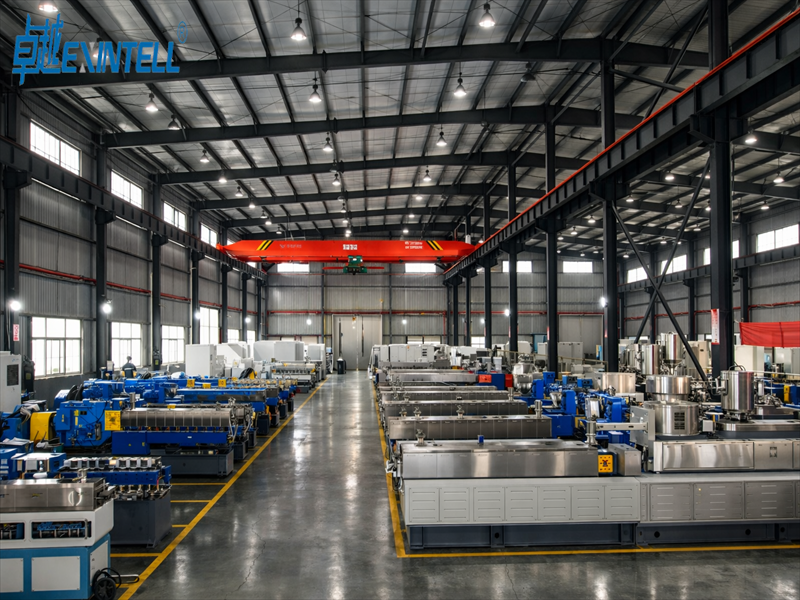
Manufacturers now offer extruder machines with variable frequency drives, systémy rekuperácie energie, and induction heating. These technologies further enhance energy efficiency. AI-driven process optimization and real-time adjustments help operators achieve consistent results with recycled plastic. Models like the JianTai E-GO Series and MD Series stand out for their energy-saving features, processing up to 100% recycled plastic without sacrificing performance.
automatizácia & Ovládacie prvky
User Interface
Automation and intuitive controls streamline extruder operation. Modern machines feature touch-screen interfaces, real-time monitoring, and programmable settings. Operators can adjust parameters quickly, improving consistency and reducing downtime.
Operation Ease
User-friendly extruder systems simplify training and daily management. Automated alarms, ukladanie receptov, and remote diagnostics support efficient plastic recycling. These features allow teams to focus on quality and throughput, rather than troubleshooting.
Materiálová kompatibilita
Supported Plastics
Material compatibility determines the range of plastics a recycled extruder machine can process. Leading extruder models, such as those from Wanplas, handle post-consumer polypropylene and polyethylene with high efficiency. These machines also process recycled polyethylene terephthalate, which is common in bottles and packaging. Their technical design allows them to work with recycled polymers while minimizing material degradation. This capability supports research and production in the circular economy, where manufacturers test and reuse plastic materials for new applications. Operators benefit from consistent pellet quality and reliable mechanical properties when using compatible plastics.
Mixed Materials
Many recycling operations encounter mixed plastic streams. High-torque twin-screw extruders excel in processing blends of different plastics, including contaminated or multi-layer materials. These machines use advanced mixing and degassing zones to handle impurities and moisture. As a result, they produce uniform pellets even from challenging feedstocks. Manufacturers should evaluate the extruder’s ability to manage both single-type and mixed plastic inputs. This flexibility increases the value of recycled output and reduces the need for extensive sorting before processing.
Durability & Údržba
Service Needs
Routine maintenance ensures long-term performance and reduces unexpected downtime. Many sudden failures in recycled extruder machines result from neglecting regular service. Operators should follow a preventive maintenance plan to keep production stable. Cleaning the screen pack every 200 do 400 hodiny, depending on the type of plastic and production schedule, prevents blockages and maintains output quality. Using the correct cleaning tools helps avoid equipment damage. Proper training for machine operators also plays a key role in preventing breakdowns and extending machine life.
-
Common durability issues include:
-
Blocked screen packs from residue buildup
-
Wear on screws and barrels due to abrasive plastic
-
Overheating from poor ventilation or lack of cleaning
-
Záruka
A strong warranty reflects the manufacturer’s confidence in their equipment. Buyers should review warranty terms for coverage on major components such as screws, sudy, a riadiacich systémov. Many suppliers offer extended service agreements, which can further reduce long-term costs. Reliable after-sales support ensures that any issues with the recycled extruder machine receive prompt attention, minimizing production losses and protecting the investment.
Top Recycled Extruder Machines
Industrial Models
Leading Brands
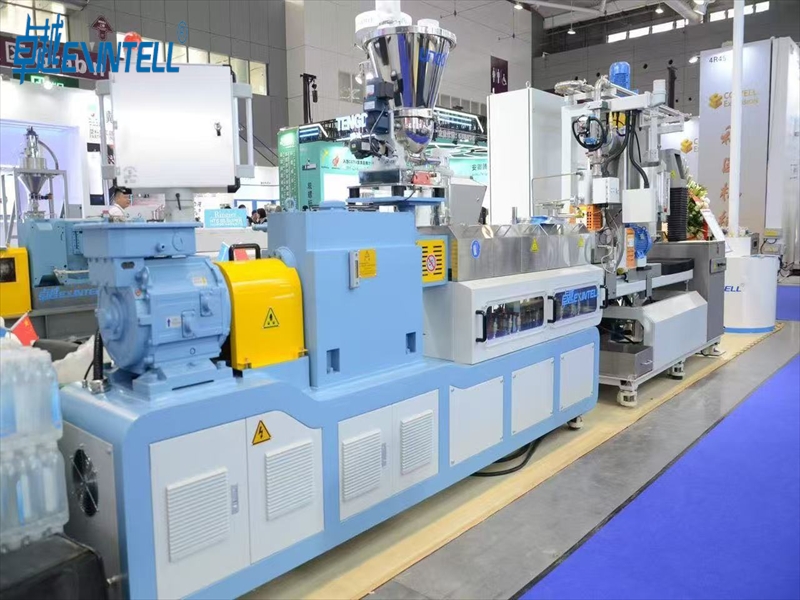
Global suppliers set the standard for industrial recycled extruder machines. KraussMaffei, EREMA, and WANPLAS lead the market with robust designs and advanced automation. KraussMaffei offers twin-screw extruder systems that handle high volumes of plastic with exceptional efficiency. EREMA specializes in modular solutions that adapt to changing production needs. WANPLAS delivers reliable performance for recycled content processing, supporting both post-consumer and post-industrial plastic streams. These brands equip their machines with melt filtration, odplynenie, a monitorovanie v reálnom čase, ensuring consistent pellet quality and minimizing waste.
|
Značka |
Model Series |
Output Range (kg/hod) |
Kľúčové vlastnosti |
|---|---|---|---|
|
KraussMaffei |
ZE BluePower |
500–1,500 |
Dvojskrutka, modular, automatizácie |
|
EREMA |
INTAREMA |
300–1,200 |
Energy-saving, melt filtration |
|
WANPLAS |
WPE Series |
400– 1 000 |
High recycled content, controls |
Aplikácie
Priemyselná recycled extruder machines serve large-scale recycling plants, packaging manufacturers, and automotive suppliers. Operators use these extruder systems to process PET, HDPE, LDPE, a PP. High-capacity models convert mixed and contaminated plastic into uniform pellets. These machines support closed-loop manufacturing, where recycled content becomes new products. Modular designs allow facilities to scale production as demand grows. Real-time controls optimize efficiency and reduce downtime, supporting continuous operations.
Mid-Range Machines
Výkon & náklady
Mid-range recycled extruder machines balance performance and affordability. Manufacturers such as Polystar and Genox offer models with output from 100 do 300 kilograms per hour. These extruder systems feature single or twin-screw configurations, supporting a wide range of plastic types. Operators benefit from energy-efficient motors and automated controls, which lower operating costs. Mid-range machines deliver reliable recycled content for regional suppliers and specialty converters. Maintenance requirements remain manageable, and warranty coverage protects key components.
Poznámka: Mid-range extruder machines often include modular upgrades, allowing businesses to expand capacity without replacing the entire system.
Business Fit
Mid-sized recycling operations and SMEs select mid-range recycled extruder machines for flexibility and cost control. These units integrate easily into existing workflows and support specialty recycling tasks. Operators process post-consumer and post-industrial plastic, producing pellets for packaging, výstavby, a spotrebný tovar. Mid-range machines suit businesses that require consistent output but do not need industrial-scale capacity. Modular options enable future growth, aligning with evolving production goals.
Compact Machines
Space-Saving
Compact recycled extruder machines address space constraints in recycling facilities. Mechanical densification increases bulk density and reduces volume, making these extruder systems ideal for limited floor space. The densification process uses mechanical compression to expel air and water, reducing void volume. Frictional heat softens plastic material, allowing for better compaction. Operators form compact agglomerates, improving stability and handling. Densification reduces the volume of LDPE film material by 70–85%, enabling more efficient container loading and lower freight costs per ton. Facilities benefit from reduced transport cycles and weight-based transportation, maximizing efficiency.
-
Compact machine advantages:
-
Smaller footprint for tight spaces
-
Efficient densification for reduced volume
-
Lower transport and storage costs
-
Improved handling of recycled content
-
Vstupná úroveň
Entry-level recycled extruder machines provide accessible solutions for startups and small businesses. Manufacturers such as Plasmac and NGR offer models with output from 20 do 100 kilograms per hour. These extruder systems support basic automation and user-friendly controls. Operators process a variety of plastic types, including LDPE, HDPE, a PP. Entry-level machines deliver reliable recycled content for niche products and pilot projects. Maintenance remains straightforward, and warranty coverage ensures long-term value.
Tip: Compact and entry-level extruder machines help new businesses minimize investment while maintaining quality and efficiency.
Plastic Film Extruder Machines
Prehľad & Types
Machine Functions
Plastic film extruder machines play a crucial role in recycling and manufacturing. These machines transform post-consumer and post-industrial plastic into new film products. Operators feed shredded material into the extruder, which melts and forms it into thin films. The process reduces waste and supports the circular economy. Plastic film extruder machines handle tasks such as peletizácia, granulating, and film blowing. Each function targets specific recycling needs, from converting scrap into pellets to producing packaging films.
Kľúčové vlastnosti
Manufacturers equip plastic film extruder machines with advanced controls and modular components. Touch-screen interfaces allow operators to monitor temperature, tlak, and throughput. Automated alarms and recipe storage simplify operation. Modular designs enable upgrades for capacity or material compatibility. High-torque motors and precision heating zones improve efficiency and output quality. Many machines include melt filtration and degassing units, which remove contaminants and moisture from recycled plastic.
Operators benefit from real-time monitoring and easy maintenance, which increases uptime and reduces operational costs.
Selection Factors
Hourly Capacity
Hourly capacity determines the suitability of plastic film extruder machines for different operations. Industrial models process up to 1,500 kilograms per hour, while compact units handle 20 do 100 kilogramov. Buyers assess capacity based on production targets and available space. High-capacity extruder systems support large-scale recycling, whereas smaller machines fit startups and specialty converters.
Materiálová kompatibilita
Material compatibility shapes the design of plastic film extruder machines. Manufacturers tailor extruder systems for specific plastics, such as polyethylene and polypropylene. The table below highlights design considerations for common materials:
|
Typ plastu |
Design Considerations |
|---|---|
|
Polyetylén (LDPE, LLDPE, HDPE) |
LDPE offers flexibility; LLDPE and HDPE require specialized mixing and pressure control. |
|
Polypropylén (PP) |
Needs precise air ring control and specific configurations for bubble stability. |
|
Biodegradable Polymers (CHKO, PBAT, Starch Blends) |
Requires grooved feed barrels and precision temperature control due to low melt strength. |
Plastic film extruder machines must support a range of materials to maximize recycling efficiency and product versatility.
Efektívnosť & Aplikácie
Film Recycling
Plastic film extruder machines drive efficiency in film recycling. Operators use PP-PE recycling and granulating machines to convert waste film into reusable pellets. These machines process contaminated and mixed materials, producing uniform output. Efficient extruder systems reduce energy consumption and minimize waste, supporting sustainable manufacturing.
Manufacturing Uses
Manufacturers rely on plastic film extruder machines for packaging, poľnohospodárstvo, and construction applications. The extruder forms recycled plastic into new films, tašky, a listy. Modular systems allow quick adaptation to changing material requirements. High output and consistent quality make these machines essential for modern recycling and manufacturing operations.
Poznámka: Selecting the right plastic film extruder machine ensures reliable performance and supports long-term business growth.
Výkon & Porovnanie nákladov
Spotreba energie
Prevádzkové náklady
Operating costs play a crucial role in the long-term success of any recycling operation. Pokročilé extruder machines use intelligent monitoring and energy recovery systems to reduce power consumption. These features lower monthly utility bills and help operators maintain stable production budgets. Direct drive motors and variable frequency drives further improve efficiency, making modern extruder systems more cost-effective than traditional models. Many facilities report a noticeable drop in energy expenses after upgrading to new equipment.
Long-Term Savings
Long-term savings result from both reduced energy use and improved process control. Modern extruder machines support closed-loop operations, which align with ESG goals and minimize waste. By eliminating unnecessary steps, such as separate granulation, these systems preserve material quality and reduce maintenance needs. Over time, operators benefit from fewer breakdowns and less downtime, which translates into higher overall efficiency.
Companies that invest in energy-efficient extruder technology often see significant savings over the machine’s lifespan.
Kvalita výstupu
Pellet Consistency
Pellet consistency defines the value of recycled plastic. High-quality extruder machines produce pellets with uniform size, tvar, and density. This consistency ensures reliable downstream processing and meets the strict requirements of packaging and manufacturing industries. Advanced mixing and degassing zones in the extruder help remove impurities, resulting in superior pellet quality. Operators can expect fewer defects and higher acceptance rates for their recycled products.
Spoľahlivosť
Reliability remains a top priority for recycling businesses. Modern extruder machines feature robust construction and automated controls, which reduce the risk of unplanned downtime. Consistent film quality and pellet output allow operators to fulfill contracts and maintain customer trust. Regular maintenance and strong warranty coverage further enhance machine reliability, supporting uninterrupted production.
Investície & ROI
Price Ranges
Investment costs for recycled extruder machines vary widely. Entry-level setups, which include a shredder and granulator, start at $15,000 and can reach $60,000. Production-ready washing or pelletizing lines typically range from $120,000 do $350,000, depending on material type, capacity, and automation level. Fully automated pelletizing lines may exceed $500,000. Buyers should match their investment to their production goals and expected output quality.
Doba návratnosti
Payback periods for extruder investments depend on machine efficiency, výstupná kvalita, and market demand. Most industrial recycling plants achieve payback within 18 do 36 mesiacov. Some operations report even shorter periods, as little as 6 do 10 mesiacov, when optimal conditions exist. Fast payback results from high-quality output, reduced operating costs, and strong demand for recycled materials.
-
Key factors influencing ROI:
-
Machine efficiency and automation level
-
Consistent pellet and film quality
-
Energy savings and reduced maintenance
-
Market price for recycled plastic
-
Investing in a high-quality extruder machine delivers both immediate and long-term financial benefits, while supporting sustainability goals.
Materiálová všestrannosť
Plastic Types
PET, HDPE, LDPE, PP
Recycled extruder machines demonstrate impressive versatility by processing a wide range of plastics. Operators frequently select machines based on their ability to handle the most common polymers used in packaging, spotrebný tovar, and industrial applications. The following plastics represent the primary materials processed in recycling operations:
-
LDPE – Low-Density Polyethylene
-
HDPE – High-Density Polyethylene
-
PP – Polypropylene
-
PET – Polyethylene Terephthalate
These polymers dominate the recycling landscape due to their prevalence in bottles, filmy, containers, and rigid packaging. Each material presents unique processing requirements. LDPE and HDPE require careful temperature control to maintain mechanical properties. PP offers high chemical resistance and flexibility, making it suitable for a variety of applications. PET demands precise filtration and degassing to ensure clarity and strength in recycled pellets. Operators rely on extruder machines with advanced controls and modular screw designs to optimize processing for each plastic type.
Contaminated Materials
Recycling facilities often encounter contaminated or mixed plastic streams. Modern extruder machines, such as the KLWE co-rotating twin screw extruder, address these challenges with specialized features. The table below highlights key capabilities:
|
Evidence Description |
Podrobnosti |
|---|---|
|
Handling Contaminated Materials |
The KLWE co-rotating dvojzávitovkový extrudér is designed to manage unstable impurities and multiphase rheological properties, essential for recycling contaminated plastics. |
|
Performance in Recycling |
In trials with PA66 recycled material, the extruder achieved recycling and re-granulation results comparable to virgin material, demonstrating its effectiveness. |
|
Impurity Removal |
The multi-stage vacuum devolatilization module effectively extracts impurities from recycled materials, ensuring high purity and mechanical properties in the final products. |
Operators benefit from these innovations by producing high-quality pellets even from challenging feedstocks. The multi-stage vacuum devolatilization module removes volatile contaminants, preserving the integrity of recycled polymers. Facilities achieve results comparable to virgin material, which increases the value and usability of recycled output.
Adaptability
Upgrades
Manufacturers design recycled extruder machines with adaptability in mind. Operators can upgrade screw elements, mixing blocks, and barrel sections to match evolving material requirements. This flexibility allows facilities to respond quickly to changes in feedstock composition or production goals. Upgrades extend machine lifespan and reduce the need for costly replacements. Operators maintain vysoká účinnosť by selecting configurations that optimize throughput and pellet quality for each material type.
Modulárny dizajn
Modern extruder machines feature modular designs that support rapid adaptation and easy maintenance. The table below outlines key adaptability features:
|
Funkcia |
Popis |
|---|---|
|
Enables flexible configuration for different material types and processing requirements. |
|
|
Screw Element Combinations |
Includes conveying elements, hnetacie bloky, miešacie prvky, and reverse elements for optimization. |
|
Adaptation to Material Needs |
Allows rapid adaptation to changing material requirements without complete screw replacement. |
|
Mixing Elements for Fillers |
Incorporates multiple mixing elements for thorough filler dispersion while maintaining efficiency. |
|
Gentle Processing Configurations |
Emphasizes conveying elements to minimize shear exposure for sensitive materials. |
|
Extended Residence Time |
Utilizes reverse elements to create material backflow, increasing residence time without barrel length increase. |
|
Advanced Barrel Technology |
Constructed from high-quality alloy steel with wear-resistant features for longevity and performance. |
|
Segmented Barrel Design |
Enables independent temperature control and easier replacement of worn sections. |
Operators gain significant advantages from modular systems. They configure machines for specific plastics, adjust processing parameters, and replace worn components without extended downtime. Segmented barrel designs allow independent temperature control, which improves pellet consistency and reduces maintenance costs. Facilities maintain high productivity and adapt to new recycling challenges with ease.
Tip: Modular extruder machines provide long-term value by supporting upgrades and rapid adaptation to new materials or production targets.
Buyer’s Guide for Recycled Extruders
Business Size Match
Large Facilities
Large recycling plants require extruder machines that deliver high throughput and robust automation. These facilities often process several tons of plastic per day. They benefit from modular systems that allow for future expansion. Operators in large plants prioritize machines with advanced monitoring, integrated safety features, and strong warranties. High-capacity extruders reduce operational time and support continuous production. Facilities with multiple shifts need equipment that minimizes downtime and supports remote diagnostics.
MSP
Small and medium-sized enterprises (MSP) focus on flexibility and cost control. They often select extruder machines with mid-range capacity and user-friendly controls. These businesses value compact designs that fit limited spaces and offer straightforward maintenance. SMEs benefit from machines that can adapt to different plastics and specialty recycling tasks. Entry-level models with modular upgrades allow SMEs to scale operations as demand grows.
Aligning Features & Goals
High Volume
Businesses targeting high-volume recycling must align machine features with production goals. High-capacity extruders improve efficiency and reduce operational costs. Operators should consider energy efficiency and automation to maximize output and minimize waste. Machines with advanced technology integration support real-time monitoring and data management.
Specialty Recycling
Specialty recycling operations require extruder machines with multifunctionality and material compatibility. These businesses process unique or contaminated plastics. They benefit from machines that offer easy upgrades and precise control over processing parameters. Safety features and ease of maintenance also play a critical role in specialty applications.
|
Funkcia |
Popis |
Dôležitosť |
|---|---|---|
|
Kapacita |
Amount of plastic bottles the machine can process per hour. |
High capacity improves efficiency and reduces operational time. |
|
Energetická účinnosť |
How much energy the machine consumes during operation. |
Lower energy consumption leads to cost savings and environmental benefits. |
|
Multifunctionality |
Ability to process different types of plastics or perform various recycling tasks. |
Increases operational flexibility and potential revenue sources. |
|
Ease of Maintenance |
How simple it is to repair and maintain the machine. |
Reduces downtime and prolongs the machine’s lifespan. |
|
Safety Features |
Inherent mechanisms designed to protect operators during use. |
Ensures operator safety and compliance with regulations. |
|
Kvalita výstupu |
The quality of the processed material for reuse. |
High-quality output can attract more buyers and increase profitability. |
|
Technologická integrácia |
Incorporation of smart technology for monitoring and automation. |
Enhances operational efficiency and data management capabilities. |
Tip: Operators should consult with vendors to match machine features with specific business goals and consider modularity for future needs.
Practical Tips
Vendor Selection
Selecting the right vendor impacts long-term success. Buyers should evaluate vendor reputation, technickú podporu, and the availability of spare parts. A reliable vendor provides clear documentation and offers training for machine operators. Site visits and customer references help verify machine performance and service quality.
Popredajná podpora
After-sales support remains essential for minimizing downtime and ensuring optimal performance of recycled extruder machines. Users value responsive support that resolves issues quickly, whether through remote assistance or on-site visits. The commitment to customer service and post-sales support builds a loyal customer base and provides peace of mind for buyers.
Poznámka: Strong after-sales support and a comprehensive warranty protect the investment and keep production running smoothly.
Selecting the best recycled extruder machine requires careful evaluation of several criteria. The table below highlights the most important factors:
|
Kritériá |
Popis |
|---|---|
|
Machine Classification |
Application and output type, including central, inline, slow-speed, and high-speed grinders. |
|
Key Components and Materials |
Durability and performance of cutting blades, screen mesh, and rotor assembly. |
|
Critical Performance Factors |
Priepustná kapacita, particle size control, noise and dust management, a energetickú účinnosť. |
|
Purchasing Considerations |
Material type, údržbu, space, supplier support, a rozpočet. |
Buyers should balance capacity, efektívnosť, compatibility, and cost to achieve optimal results in recycling operations. Consulting suppliers and attending machine demonstrations helps buyers confirm equipment quality and understand total ownership costs. Matching machine features to business goals ensures long-term success and supports sustainable growth.
FAQ
What is a recycled extruder machine?
A recycled extruder machine processes waste plastic into reusable pellets alebo filmy. Operators feed shredded material into the machine, which melts and forms it into new shapes. This equipment supports sustainable manufacturing and reduces landfill waste.
How does automation improve recycling efficiency?
Automation streamlines operation and reduces manual errors. Machines with touch-screen controls and real-time monitoring optimize throughput. Automated alarms and recipe storage help operators maintain consistent quality and minimize downtime.
Which plastics can recycled extruder machines handle?
Most recycled extruder machines process LDPE, HDPE, PP, a PET. Some advanced models also handle contaminated or mixed materials. Operators select machines based on material compatibility and production needs.
What are the benefits of recycling integrated film extrusion?
Recycling integrated film extrusion combines pelletizing and film production in one system. This approach reduces energy use, improves output quality, and supports closed-loop manufacturing. Facilities achieve higher efficiency and lower operational costs.
How does the film extrusion industry address sustainability?
The film extrusion industry invests in energy-efficient machines and modular designs. Manufacturers develop systems that process recycled content and minimize waste. These efforts support environmental goals and improve profitability.
What factors influence the cost of recycled extruder machines?
Key factors include machine capacity, úroveň automatizácie, materiálová kompatibilita, and warranty coverage. Entry-level machines cost less but offer limited features. Industrial models require higher investment but deliver greater throughput and efficiency.
How important is after-sales support for recycling equipment?
After-sales support ensures prompt resolution of technical issues. Reliable vendors provide training, náhradné diely, a diaľková diagnostika. Strong support reduces downtime and protects the investment.
Can modular extruder machines adapt to changing materials?
Modular extruder machines allow operators to upgrade screw elements and barrel sections. This flexibility helps facilities respond to new recycling challenges and maintain high productivity.