

වඩා හොඳ නිරවද්යතාවයක් ලබා දෙන ප්ලාස්ටික් නිස්සාරණය හෝ ඉන්ජෙක්ෂන් මෝල්ඩින්
ඉන්ජෙක්ෂන් මෝල්ඩින් වඩා හොඳ නිරවද්යතාවයක් සහ දැඩි ඉවසීමක් ලබා දෙන බව මම සොයාගෙන ඇත ප්ලාස්ටික් නිස්සාරණය. උදාහරණ වශයෙන්, ඉන්ජෙක්ෂන් මෝල්ඩින් දැඩි ලෙස ඉවසීම ලබා ගත හැක ± 0.005 අඟල්, නිස්සාරණය සාමාන්යයෙන් අඟල් ± 0.010 ක් දරයි. සාමාන්ය යෙදුම් සහ ඉවසීම් මත පදනම් වූ ක්රියාවලි සංසන්දනයක් මෙන්න:
| යෙදුම් වර්ගය | භාවිතා කරන ලද ක්රියාවලිය | පොදු ඉවසීම් |
|---|---|---|
| දිගු, ඒකාකාර කොටස් (උදා., නල, දඬු) | නිස්සාරණය | ± 0.010 අඟල් |
| සංකීර්ණ හෝ සවිස්තරාත්මක කොටස් | එන්නත් අච්චු ගැසීම | ± 0.005 අඟල් හෝ තද |
| ඉහළ පරිමාවක්, ඉහළ නිරවද්යතාව | එන්නත් අච්චු ගැසීම | නිස්සාරණයට වඩා තදින් |
| අඛණ්ඩ, සරල හැඩතල | නිස්සාරණය | ස්ථාවරයි, අඩු නිරවද්ය |
නිෂ්පාදන ක්රියාවලියක් තෝරාගැනීමේදී, මම හැම විටම ජ්යාමිතිය සලකමි, අවශ්ය ඉවසීම්, නිෂ්පාදන පරිමාව, සහ පිරිවැය.
ප්රධාන රැගෙන යාම
- එන්නත් අච්චුව දැඩි ඉවසීමක් ලබා ගනී, බොහෝ විට අඟල් ± 0.005 තරම් නිරවද්ය වේ, එය සංකීර්ණ කොටස් සඳහා සුදුසු වේ.
- ප්ලාස්ටික් නිස්සාරණය දිගු කාලයක් සඳහා හොඳම වේ, නල සහ සැරයටි වැනි ඒකාකාර හැඩයන්, අඟල් ± 0.010 පමණ ඉවසීමක් සහිතව.
- ක්රියාවලියක් තෝරාගැනීමේදී නිෂ්පාදන පරිමාව සලකා බලන්න; ඉන්ජෙක්ෂන් මෝල්ඩින් විශාල ධාවන සඳහා ලාභදායී වේ, නිස්සාරණය ඉහළ පරිමා අඛණ්ඩ නිෂ්පාදනයට ගැලපේ.
- ද්රව්ය තෝරාගැනීම නිරවද්යතාවට බලපායි; ඔබගේ යෙදුමේ නිශ්චිත අවශ්යතා මත පදනම්ව ද්රව්ය තෝරන්න.
- කොටස් සංකීර්ණත්වය තක්සේරු කරන්න; ඉන්ජෙක්ෂන් මෝල්ඩින් නිස්සාරණයට වඩා සංකීර්ණ මෝස්තර හසුරුවයි, සරල හැඩතලවලට සීමා වූ.
- ඉන්ජෙක්ෂන් මෝල්ඩින් කිරීමේදී මතුපිට නිමාවේ ගුණාත්මකභාවය සාමාන්යයෙන් වඩා හොඳය, අතිරේක නිම කිරීමේ පියවරකින් තොරව සුමට කොටස් වෙත යොමු කරයි.
- මෙවලම් පිරිවැය සඳහා සැලසුම් කරන්න; ඉන්ජෙක්ෂන් මෝල්ඩින් සඳහා ඉහළ ආරම්භක ආයෝජනයක් අවශ්ය වන නමුත් පුනරාවර්තන හැකියාව තුළින් දිගු කාලීන ඉතුරුම් ලබා දේ.
- සෑම විටම ඔබේ ව්යාපෘතියේ අවශ්යතා කලින් තක්සේරු කරන්න; ජ්යාමිතිය අවබෝධ කර ගැනීම, ඉවසීම, සහ අයවැය නිවැරදි නිෂ්පාදන ක්රියාවලිය තෝරා ගැනීමට උපකාරී වේ.
ප්ලාස්ටික් නිස්සාරණය දළ විශ්ලේෂණය
ක්රියාවලි මූලික කරුණු
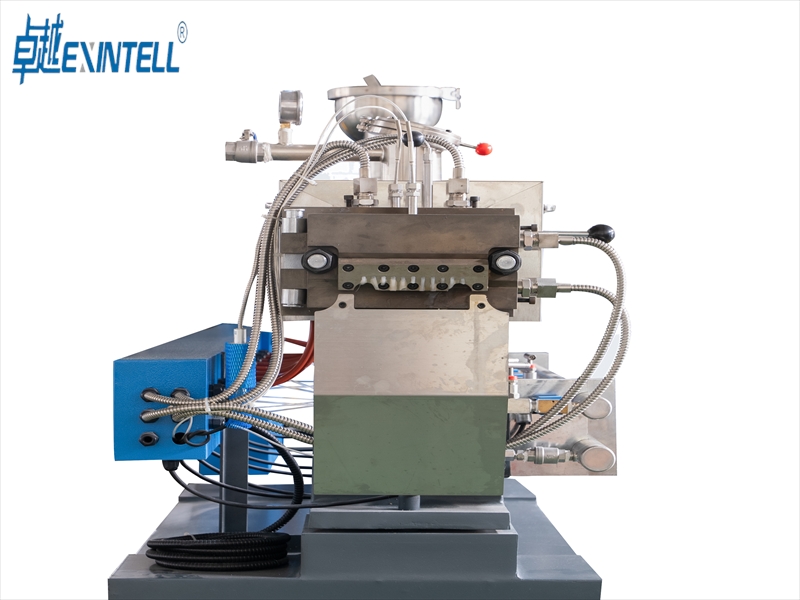
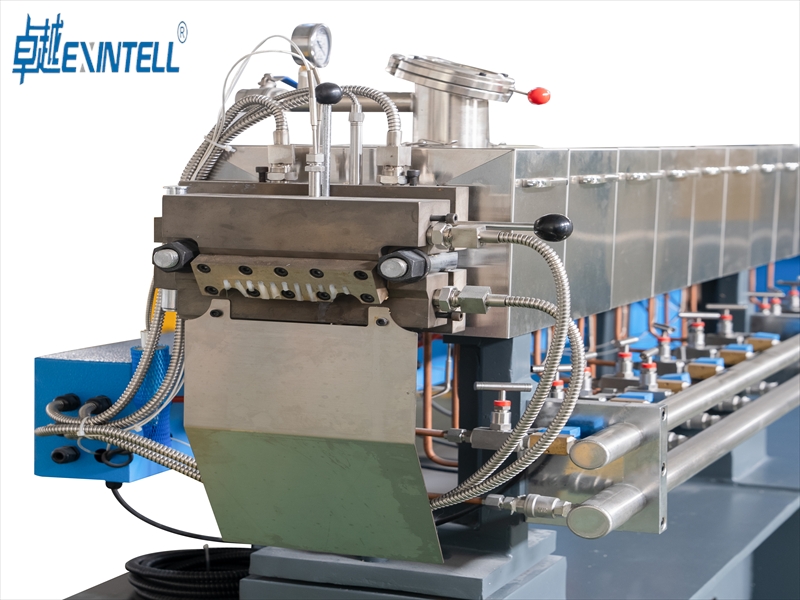
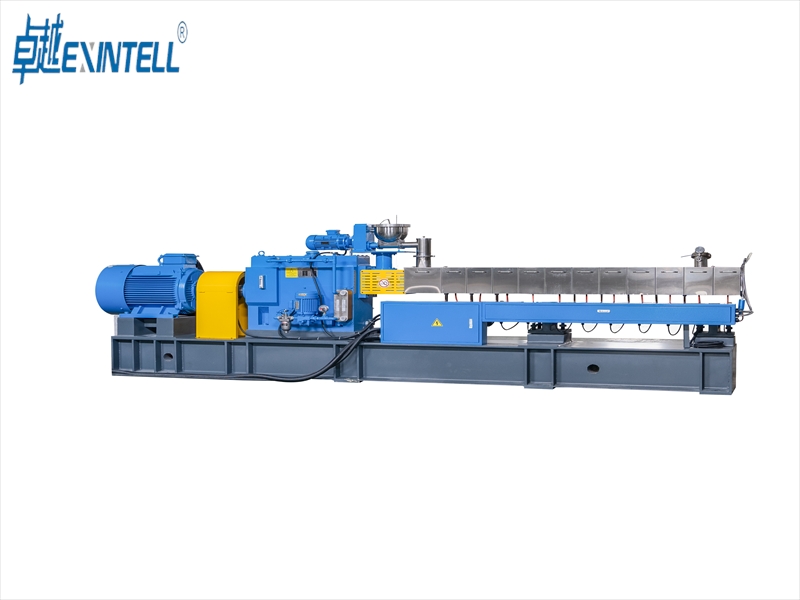
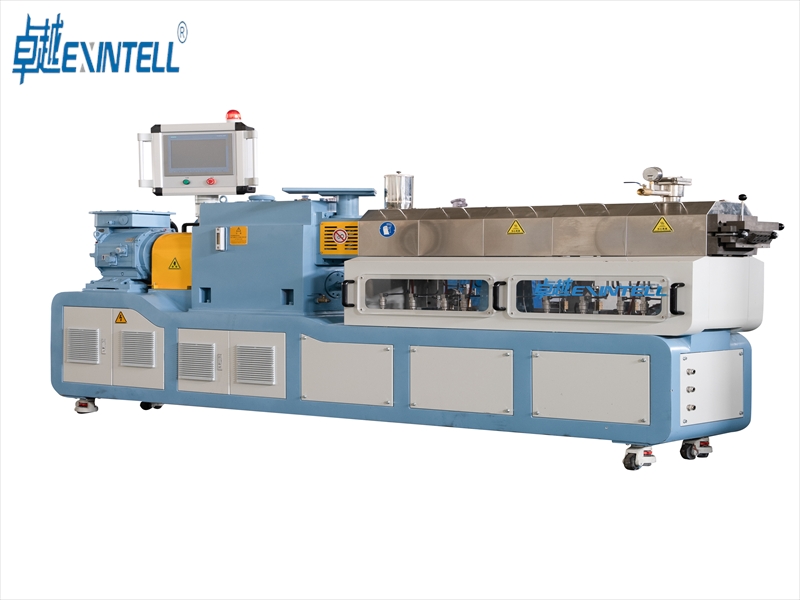
මම එක්ක වැඩ කරලා තියෙනවා ප්ලාස්ටික් නිස්සාරණය වසර ගණනාවක් තිස්සේ මෙම ක්රමය තාප ප්ලාස්ටික් ද්රව්ය අඛණ්ඩ පැතිකඩවලට හැඩගස්වන ආකාරය දැක ඇත. නිස්සාරණය කිරීමේ ක්රියාවලිය ද්රව්ය තෝරා ගැනීමෙන් ආරම්භ වේ, අවසාන නිෂ්පාදනයේ අපේක්ෂිත ගුණාංග ලබා ගැනීම සඳහා ඉතා වැදගත් වේ. මම ප්ලාස්ටික් පෙති හෝ කැටිති නිස්සාරණයට ඉහළින් ආප්පයකට පටවමි. රත් වූ බැරලයක් හරහා ද්රව්යය චලනය කිරීම සඳහා යන්ත්රය භ්රමණය වන ඉස්කුරුප්පුවක් භාවිතා කරයි. ද්රව්යය ගමන් කරන විට, ඝර්ෂණය සහ බාහිර තාපය හේතුවෙන් එය දිය වේ. උණු කළ ප්ලාස්ටික් පසුව නිරවද්ය හැඩැති ඩයි එකක් හරහා ගමන් කරයි, නිෂ්පාදනයට එහි පැතිකඩ ලබා දෙයි. පිහිටුවීමෙන් පසු, නිස්සාරණය කරන ලද හැඩය සිසිලන පද්ධතියකට ඇතුල් වේ, සාමාන්යයෙන් වාතය හෝ ජල ස්නානය, මාන නිරවද්යතාවය ඝණ කිරීමට සහ පවත්වා ගැනීමට. අවසාන වශයෙන්, මම නිෂ්පාදනය කපා හෝ රෝල් කරමි, යෙදුම මත පදනම්ව. මෙම පියවරෙන් පියවර ප්රවේශය මට දිගු නිර්මාණය කිරීමට ඉඩ සලසයි, ස්ථාවර හරස්කඩ සහිත ඒකාකාර හැඩතල.
පොදු යෙදුම්
ප්ලාස්ටික් නිස්සාරණය වැදගත් කාර්යභාරයක් ඉටු කරයි බොහෝ කර්මාන්ත. මම බොහෝ විට එය ඇසුරුම් සඳහා භාවිතා කරන බව දකිමි, වාහන, ගෘහ භාණ්ඩ, සහ පාරිභෝගික භාණ්ඩ. ක්රියාවලිය පුළුල් පරාසයක නිෂ්පාදන නිෂ්පාදනය කරයි, සරල නල සිට සංකීර්ණ පැතිකඩ දක්වා. මෙන්න පොදු යෙදුම් කිහිපයක් සාරාංශ කරන වගුවකි:
| කර්මාන්තය | නිෂ්පාදන |
|---|---|
| ඇසුරුම්කරණය | චිත්රපට, තහඩු, බෑග්, ඔතා, තැටි, සහ කෝප්ප |
| වාහන | කාලගුණ මුද්රා, ප්ලාස්ටික් නල, පැතිකඩ කපා දමන්න |
| ගෘහ භාණ්ඩ & පාරිභෝගික භාණ්ඩ | එජ් බැන්ඩින්, තිර රෙදි, සැහැල්ලු PVC ෆෝම් පුවරු |
| නිවස උපකරණ | හසුරුවයි, උඳුන් සහ මයික්රෝවේව් සඳහා මුද්රා |
| ජලනල & වෛද්ය | ටියුබ්, පයිප්ප |
මම ඒක හොයාගෙන තියෙනවා අභිරුචි ප්ලාස්ටික් නිස්සාරණය විශේෂිත අවශ්යතා සඳහා අද්විතීය පැතිකඩයන් නිර්මාණය කිරීමට නිෂ්පාදකයින්ට ඉඩ සලසයි. මෙම නම්යශීලීභාවය නිස්සාරණය අඛණ්ඩව සඳහා ජනප්රිය තේරීමක් කරයි, අධි පරිමා නිෂ්පාදනය.
භාවිතා කරන ද්රව්ය
ප්ලාස්ටික් නිස්සාරණයේ ද්රව්ය තෝරාගැනීම ක්රියාවලිය සහ අවසාන නිෂ්පාදනයේ නිරවද්යතාව යන දෙකටම බලපායි. මම නිතර භාවිතා කරනවා පොලිප්රොපිලීන්, ෙපොලිඑතිලීන් ටෙරෙෆ්තලේට්, සහ ෙපොලිස්ටිරින්. මෙම ද්රව්ය විවිධ ගුණාංග ලබා දෙයි, නම්යශීලී බව වැනි, ශක්තිය, සහ පැහැදිලිකම. මම සූදානම් වන ආකාරය, දිය වෙනවා, සහ ද්රව්ය සිසිල් කිරීම නිස්සාරණය කරන ලද කොටස්වල නිරවද්යතාව සහ අනුකූලතාවයට සෘජු බලපෑමක් ඇත. මෙන්න මම භාවිතා කරන වඩාත් පොදු ද්රව්ය කිහිපයක්:
- පොලිප්රොපිලීන් (පීපී)
- පොලිඑතිලීන් ටෙරෙප්තලේට් (PET)
- ෙපොලිස්ටිරින් (PS)
- පොලිවිවයිල් ක්ලෝරයිඩ් (PVC)
- අධික ඝනත්ව පොලිඑතිලීන් (HDPE)
- අඩු ඝනත්ව පොලිඑතිලීන් (LDPE)
- ඇක්රිලෝනිට්රයිල් බියුඩඩීන් ස්ටයිරීන් (ABS)
- තාප ප්ලාස්ටික් ඉලාස්ටෝමර් (TPE)
- නයිලෝන් (PA)
- පොලිකාබනේට් (පී.සී)
- පොලිමෙතිල් මෙතක්රිලේට් (පීඑම්එම්ඒ)
මම අභිරුචි ප්ලාස්ටික් නිස්සාරණ ව්යාපෘතිවල වැඩ කරන විට, මම සෑම විටම යෙදුමේ අවශ්යතාවලට ද්රව්ය ගැලපේ. මෙම ප්රවේශමෙන් තෝරා ගැනීම නිෂ්පාදනයේ කාර්ය සාධනය සහ නිරවද්ය ප්රමිතීන් දෙකම සපුරාලන බව සහතික කරයි.
වාසි සහ අවාසි
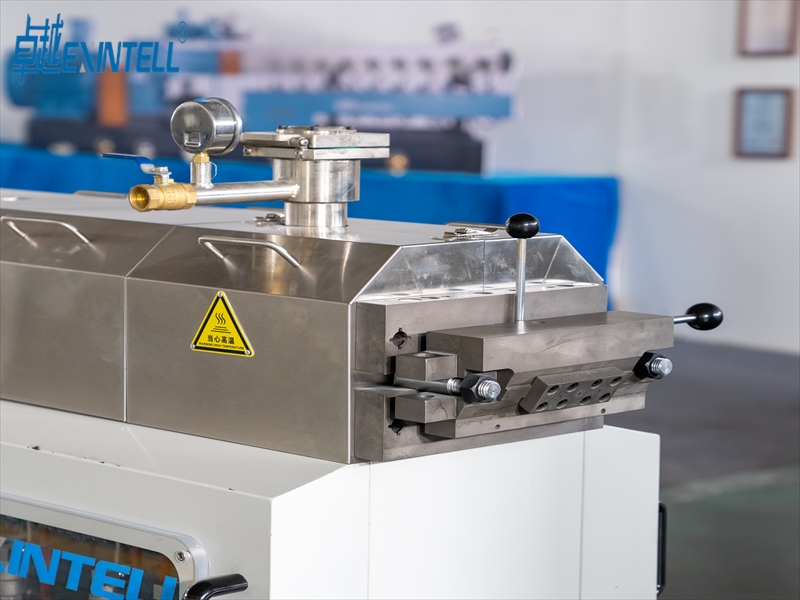
මම ව්යාපෘතියක් සඳහා ප්ලාස්ටික් නිස්සාරණය ඇගයීමට ලක් කරන විට, මම සෑම විටම වාසි සහ අවාසි කිරා මැන බලමි. මෙම ක්රියාවලිය අද්විතීය ශක්තීන් ලබා දෙයි, නමුත් එය නිරවද්යතාවයට සහ ඉවසීමට බලපාන සීමාවන් සමඟ ද පැමිණේ.
මෙන්න අ ප්රධාන වාසි සහ අවාසි සාරාංශ කරන වගුව මම මගේ කාර්යයේදී නිරීක්ෂණය කළෙමි:
| වාසි | අවාසි |
|---|---|
| ඉහළ කාර්යක්ෂමතාව සහ පරිමාණය | සංකීර්ණ හැඩයන් නිෂ්පාදනය කිරීමේ සීමාවන් |
| ඉහළ නිෂ්පාදන පරිමාවන් | නිරවද්යතාවයට බලපාන ඩයි ඉදිම සහිත අභියෝග |
| මධ්යම ප්රමාණයේ සිට ඉහළ පරිමාවන් සඳහා පිරිවැය-ඵලදායීතාවය | නිම කිරීම අවශ්ය විය හැකි මතුපිට අඩුපාඩු |
වාසි
මම බොහෝ විට එහි ඉහළ කාර්යක්ෂමතාව සඳහා ප්ලාස්ටික් නිස්සාරණය තෝරා ගනිමි. ක්රියාවලිය අඛණ්ඩව ක්රියාත්මක වේ, එනම් මට දිගු කොටස් බාධාවකින් තොරව නිෂ්පාදනය කළ හැකිය. මෙම පරිමාණය විශාල ඇණවුම් සඳහා වඩාත් සුදුසු වේ. මට අඩි දහස් ගණනක් නල හෝ පැතිකඩ නිෂ්පාදනය කිරීමට අවශ්ය වූ විට, extrusion ස්ථාවර ප්රතිඵල ලබා දෙයි. නිෂ්පාදන පරිමාව වැඩි වන විට කොටසක පිරිවැය පහත වැටේ, එබැවින් මධ්යම පරිමාණයේ සිට ඉහළ පරිමාණයේ ව්යාපෘති සඳහා එය ඉතා ලාභදායී බව මම දකිමි.
තවත් වාසියක් වන්නේ ඒකාකාර හරස්කඩ නිර්මාණය කිරීමේ හැකියාවයි. කොටසෙහි දිග දිගේ මට ස්ථාවර මානයන් පවත්වා ගත හැකිය, පයිප්ප හෝ කවුළු රාමු වැනි යෙදුම් සඳහා වැදගත් වේ. මෙම ක්රියාවලිය පුළුල් පරාසයක තාප ප්ලාස්ටික් සඳහා ද සහාය වේ, එබැවින් මට අවසාන නිෂ්පාදනයේ යාන්ත්රික හා රසායනික අවශ්යතාවලට ගැලපෙන ද්රව්ය තෝරාගත හැක.
අවාසි
මෙම ශක්තීන් තිබියදීත්, ප්ලාස්ටික් නිස්සාරණයට යම් අවාසි ඇත. ක්රියාවලිය සංකීර්ණ හැඩයන් සමඟ අරගල කරයි. කොටසක් සංකීර්ණ විස්තර හෝ තියුණු කොන අවශ්ය නම්, නිස්සාරණය අඩු සුදුසු බව මට පෙනේ. උණු කළ ප්ලාස්ටික් ඩයි එකෙන් පිටවන විට ඉදිමීමට නැඹුරු වේ, ඩයි swell ලෙස හඳුන්වන සංසිද්ධිය. මෙම බලපෑම දැඩි ඉවසීමක් ලබා ගැනීමට අපහසු විය හැක, විශේෂයෙන්ම නිශ්චිත මානයන් අවශ්ය කොටස් සඳහා.
මතුපිට නිමාව ද ගැටළුවක් විය හැකිය. සමහර විට, නෙරා ඇති කොටස් ඩයි එකෙන් රේඛා හෝ ලකුණු පෙන්වයි. මම බොහෝ විට ද්විතීයික නිම කිරීමේ පියවර එකතු කිරීමට අවශ්ය වේ, කැපීම හෝ ඔප දැමීම වැනි, පෙනුම වැඩි දියුණු කිරීම සහ ගුණාත්මක ප්රමිතීන් සපුරාලීම. මෙම අතිරේක පියවරයන් කාලය සහ පිරිවැය යන දෙකම වැඩි කළ හැක.
ඉඟිය: නිස්සාරණය තේරීමට පෙර කොටසෙහි ජ්යාමිතිය සහ අවශ්ය ඉවසීම් සමාලෝචනය කිරීම මම සැමවිටම නිර්දේශ කරමි. නිර්මාණය සරල නම් සහ අනුපිළිවෙල විශාල වේ, extrusion සාමාන්යයෙන් හොඳම අගය ලබා දෙයි.
එන්නත් අච්චු දළ විශ්ලේෂණය
ක්රියාවලි මූලික කරුණු
මම වසර ගණනාවක් ඉන්ජෙක්ෂන් මෝල්ඩින් සමඟ වැඩ කර ඇත්තෙමි, සහ ක්රියාවලිය සිත් ඇදගන්නාසුළු හා කාර්යක්ෂම බව මට පෙනේ. ක්රමය අච්චුවක් භාවිතා කරයි, උණු කළ ප්ලාස්ටික් නිශ්චිත ආකාරවලට හැඩගස්වයි. සෑම කොටසක්ම දැඩි තත්ත්ව ප්රමිතීන්ට අනුකූල බව සහතික කිරීම සඳහා මම සෑම විටම පියවර මාලාවක් අනුගමනය කරමි. මෙන්න මම එන්නත් මෝල්ඩින් ක්රියාවලියට ප්රවේශ වන ආකාරය:
- කලම්ප කිරීම: ඊළඟ පියවර සඳහා සූදානම් වීම සඳහා මම අච්චුව තදින් වසා දමමි.
- එන්නත් කිරීම: මම උණුසුම් එන්නත් කරනවා, අච්චු කුහරය තුළට ප්ලාස්ටික් උණු කර ඇත.
- වාසස්ථානය: මම ප්ලාස්ටික් අච්චුව තුළ කෙටි වේලාවක් වාඩි වීමට ඉඩ හරින්නෙමි, එවිට එය සෑම අවකාශයක්ම පුරවයි.
- සිසිලනය: අච්චුව ඇතුළත ප්ලාස්ටික් සිසිල් වන අතර දැඩි වේ.
- අච්චු විවෘත කිරීම: කොටස සිසිල් වූ පසු මම අච්චුව විවෘත කරමි.
- පිටකිරීම: මම නිමි කොටස අච්චුවෙන් ඉවත් කරමි.
මෙම චක්රය ඉක්මනින් නැවත නැවතත් සිදු වේ, එය මට සමාන කොටස් විශාල ප්රමාණයක් නිෂ්පාදනය කිරීමට ඉඩ සලසයි. මට සංකීර්ණ හැඩතල අවශ්ය වූ විට මම ඉන්ජෙක්ෂන් මෝල්ඩින් මත රඳා සිටිමි, හොඳ විස්තර, සහ උසස් තත්ත්වයේ නිමාව. ක්රියාවලිය මට මානයන් සහ මතුපිට පෙනුම පිළිබඳ විශිෂ්ට පාලනයක් ලබා දෙයි.
සටහන: එන්නත් අච්චු ගැසීමේදී මම සෑම විටම උෂ්ණත්වය සහ පීඩනය සමීපව නිරීක්ෂණය කරමි. මෙම සාධක අවසාන කොටසෙහි නිරවද්යතාව සහ අනුකූලතාවයට බලපායි.
පොදු යෙදුම්
එන්නත් අච්චුව බොහෝ කර්මාන්තවල වැදගත් කාර්යභාරයක් ඉටු කරයි. මෝටර් රථ සඳහා අමතර කොටස් නිර්මාණය කිරීමට මම මෙම ක්රියාවලිය භාවිතා කර ඇත, වෛද්ය, පාරිභෝගික ඉලෙක්ට්රොනික උපකරණ, සහ ඇසුරුම් අංශ. ඉන්ජෙක්ෂන් මෝල්ඩින්ගේ බහුකාර්යතාව මට සරල සහ අතිශය සංකීර්ණ සංරචක නිෂ්පාදනය කිරීමට ඉඩ සලසයි. සාමාන්ය යෙදුම් කිහිපයක් සාරාංශ කරන වගුවක් මෙන්න:
| කර්මාන්තය | නිෂ්පාදනය කරන ලද නිෂ්පාදන |
|---|---|
| වාහන | විවිධ සංරචක සහ කොටස් |
| වෛද්ය | උපාංග නිවාස, ශල්ය මෙවලම් |
| පාරිභෝගික ඉලෙක්ට්රොනික උපකරණ | නඩු, බොත්තම්, සහ අනෙකුත් සංරචක |
| ඇසුරුම්කරණය | බෝතල් මුඩි, බහාලුම් |
මම ගොඩක් වෙලාවට කන්ටැක්ට් ලෙන්ස් කේස් වගේ දේවල් හදනවා, බෝතල් මුඩි, සහ සංකීර්ණ ජ්යාමිතිය සහිත ඉහළ පරිමා සංරචක. එන්නත් අච්චුව මට ස්ථාවර ප්රතිඵල ලබා දීමට උදවු කරයි, ඉල්ලන ව්යාපෘති සඳහා පවා.
භාවිතා කරන ද්රව්ය
එන්නත් අච්චු ගැසීමේදී ද්රව්ය තෝරා ගැනීම ඉතා වැදගත් වේ. අවශ්ය ශක්තිය මත පදනම්ව මම ද්රව්ය තෝරා ගන්නෙමි, නම්යශීලී බව, සහ නිරවද්යතාව. ඉහළ නිරවද්ය කොටස් සඳහා, මම පොලිමර් වලට වඩා කැමතියි අඩු සහ ඒකාකාර හැකිලීම, ස්ථාවර දියවන ප්රවාහය, සහ හොඳ තාප ප්රතිරෝධය. වඩාත්ම සමහරක් පොදු ද්රව්ය මම ඇතුලත් කරන්න භාවිතා කරනවා:
- ABS: දැඩි බව ලබා දෙයි, සුමට මතුපිට නිමාවක්, සහ බලපෑම් ප්රතිරෝධය.
- පොලිප්රොපිලීන්: රසායනික ප්රතිරෝධය සපයයි, නම්යශීලී බව, සහ දැරිය හැකි මිලකට.
- පොලිකාබනේට්: Delivers high clarity, ශක්තිය, සහ තාප ප්රතිරෝධය.
- ෙපොලිඑතිලීන්: Lightweight and resists moisture.
- නයිලෝන්: Known for strength, ඇඳුම් ප්රතිරෝධය, සහ තාප ස්ථායීතාවය.
- පීක්: Exceptional for heat, රසායනික, සහ ප්රතිරෝධය ඇඳීම.
When I need even tighter tolerances, I turn to engineering-grade polymers. Materials like liquid crystal polymer (LCP), පොලිඑතර් ඊතර් කීටෝනය (පීක්), and acetal (POM) give me excellent dimensional stability and minimal shrinkage. උදාහරණ වශයෙන්, I use LCP for electrical connectors and sensor components, while PEEK works well for medical implants and aerospace parts. Polycarbonate is my choice for lenses and optical components because of its clarity and strength.
ඉඟිය: I always match the material to the application’s needs. The right choice ensures the injection molding process delivers both precision and performance.
වාසි සහ අවාසි
I have worked with injection molding for many years. මෙම ක්රියාවලිය ඉහළ නිරවද්යතාවයකින් යුත් ප්ලාස්ටික් කොටස් සඳහා මගේ ප්රියතම තේරීම බවට පත් කරන වාසි කිහිපයක් ලබා දෙයි. මා නිරීක්ෂණය කළ ශක්තීන් සහ සීමාවන් දෙකම බෙදා ගැනීමට මට අවශ්යය.
ඉන්ජෙක්ෂන් මෝල්ඩින් වල වාසි
- ඉන්ජෙක්ෂන් මෝල්ඩින් සමඟ මට ඉතා ඉහළ නිරවද්යතාවයක් ලබා ගත හැකිය. මෙම ක්රියාවලිය මට අඟල් ±0.005 තරම් තද ඉවසීම් සහිත කොටස් නිෂ්පාදනය කිරීමට ඉඩ සලසයි. මෙම මට්ටමේ නිරවද්යතාවය වෙනත් ප්ලාස්ටික් නිෂ්පාදන ක්රම සමඟ ගැලපීම දුෂ්කර ය.
- එන්නත් අච්චු ගැසීමේ පුනරාවර්තන හැකියාව මම අගය කරමි. මම අච්චුව සහ සැකසුම් පරාමිතීන් සකස් කළ පසු, මට සමාන කොටස් දහස් ගණනක් හෝ මිලියන ගණනක් නිෂ්පාදනය කළ හැකිය. සෑම කොටසක්ම මුල් නිර්මාණයට සමීපව ගැලපේ.
- මට බොහෝ විට සංකීර්ණ හැඩයන් සහ සියුම් විස්තර සහිත කොටස් නිර්මාණය කිරීමට අවශ්ය වේ. එන්නත් අච්චුව සංකීර්ණ ජ්යාමිතිය හොඳින් හසුරුවයි. මෙම විශේෂාංග සාක්ෂාත් කර ගැනීම සඳහා මට අමතර පියවර හෝ ද්විතියික ක්රියාවලි එකතු කිරීමට අවශ්ය නැත.
- ඉන්ජෙක්ෂන් මෝල්ඩින් විශිෂ්ට මතුපිට නිමාවක් ලබා දෙන බව මට පෙනී යයි. කොටස් බොහෝ අවස්ථාවලදී සුමට හා භාවිතයට සූදානම් වේ.
- මට පුළුල් පරාසයක තාප ප්ලාස්ටික් සහ ඉංජිනේරු පොලිමර් භාවිතා කළ හැකිය. මෙම නම්යශීලීභාවය මට ද්රව්යමය ගුණාංග යෙදුමේ අවශ්යතාවලට ගැලපීමට ඉඩ සලසයි.
එන්නත් අච්චු ගැසීමේ අවාසි
- මම නිෂ්පාදනය ආරම්භ කිරීමට පෙර උසස් තත්ත්වයේ අච්චු සඳහා ආයෝජනය කළ යුතුය. අච්චු නිර්මාණය සඳහා මූලික පිරිවැය සැලකිය යුතු විය හැකිය. කුඩා නිෂ්පාදන ධාවනය සඳහා, මෙම පිරිවැය සාධාරණීකරණය කළ නොහැක.
- නිර්මාණ සංකීර්ණත්වය අභියෝග ඉදිරිපත් කළ හැකි බව මම ඉගෙනගෙන තිබෙනවා. මම අච්චුව සහ කොටස් නිර්මාණය ප්රවේශමෙන් සැලසුම් කළ යුතුය. සැලසුම් අවධියේ වැරදි පසුකාලීනව මිල අධික වෙනස්කම් ඇති විය හැක.
- මම සමහර විට ව්යාපෘතියක් ආරම්භයේදී දිගු ඉදිරි කාලයකට මුහුණ දෙනවා. අච්චුව සැලසුම් කිරීම සහ නිෂ්පාදනය කිරීම කාලය ගතවේ, විශේෂයෙන් සංකීර්ණ කොටස් සඳහා.
- ද්රව්ය තෝරාගැනීම සහ ක්රියාවලි සැකසීම් ප්රවේශමෙන් අවධානය යොමු කළ යුතු බව මම දකිමි. මම උෂ්ණත්වය පාලනය නොකරන්නේ නම්, පීඩනය, සහ සිසිලන අනුපාත, මම දෝෂ හෝ මාන දෝෂ අවදානමට ලක් කරමි.
එන්නත් අච්චු ගැසීමේදී මා අත්විඳ ඇති ප්රධාන වාසි සහ අවාසි සාරාංශ කරන වගුවක් මෙන්න:
| වාසි | අවාසි |
|---|---|
| ඉහළ නිරවද්යතාව සහ දැඩි ඉවසීම | ඉහළ ආරම්භක අච්චු පිරිවැය |
| විශාල පරිමාවන් සඳහා විශිෂ්ට පුනරාවර්තන හැකියාව | සැලසුම් සංකීර්ණත්වය ප්රවේශමෙන් සැලසුම් කිරීම අවශ්ය වේ |
| සංකීර්ණ ජ්යාමිතිය සහ සියුම් විස්තර සඳහා සහය දක්වයි | පුස් වර්ධනය සඳහා දිගු කාලයක් |
| සුමට මතුපිට නිමාව | ක්රියාවලි පාලනය ඉතා වැදගත් වේ |
| පුළුල් ද්රව්ය තෝරා ගැනීම | අඩු පරිමාවකින් ධාවනය සඳහා ලාභදායී නොවේ |
ඉඟිය: ව්යාපෘතියකට ඉහළ නිරවද්යතාවයක් අවශ්ය වූ විට මම සෑම විටම එන්නත් අච්චු ගැසීම නිර්දේශ කරමි, සංකීර්ණ හැඩතල, සහ විශාල නිෂ්පාදන පරිමාවන්. සරල කොටස් හෝ කුඩා කණ්ඩායම් සඳහා, වියදම් සහ ඉදිරි කාලය ඉතිරි කර ගැනීමට වෙනත් ක්රම සලකා බලමි.
නිරවද්යතාව සහ ඉවසීම
මම ප්ලාස්ටික් නිස්සාරණය සහ ඉන්ජෙක්ෂන් මෝල්ඩින් සංසන්දනය කරන විට, මම සෑම විටම අවධානය යොමු කරන්නේ එක් එක් ක්රියාවලිය නිරවද්යතාවය සහ ඉවසීම හසුරුවන්නේ කෙසේද යන්නයි. කොටසක් නිර්මාණයේ ඉවසීමේ අවශ්යතා සහ අපේක්ෂිත පරිදි ක්රියා කරන්නේද යන්න මෙම සාධක තීරණය කරයි. ඉවසීමේ කුඩා වෙනස්කම් පවා එකලස් කිරීමට බලපෑ හැකි බව මම ඉගෙන ගතිමි, කාර්ය සාධනය, සහ නිෂ්පාදන ගුණාත්මකභාවය.
ප්ලාස්ටික් නිස්සාරණය ඉවසීම
Dimensional Consistency
මගේ අත්දැකීමෙන්, ප්ලාස්ටික් නිස්සාරණය දිගු කාලයක් සඳහා හොඳ මාන අනුකූලතාවයක් ලබා දෙයි, අඛණ්ඩ හැඩතල. මම බොහෝ විට සාමාන්ය ඉවසීමේ පරාසයන් දකිමි ± 0.010 අඟල්. මෙම අගය මාන විචලනය අනුව මට නිස්සාරණයෙන් අපේක්ෂා කළ හැකි දේ සඳහා මිණුම් ලකුණක් සකසයි. ඒකාකාර හරස්කඩ සහිත කොටස් සඳහා ක්රියාවලිය වඩාත් හොඳින් ක්රියා කරයි, නල වැනි, දඬු, සහ පැතිකඩ. කෙසේ වෙතත්, මුළු දිග දිගේ දැඩි ඉවසීමක් පවත්වා ගැනීම අභියෝගාත්මක විය හැකි බව මම දකිමි. මියයාම ඉදිමීම වැනි සාධක, ද්රව්ය හැකිලීම, සහ සිසිලන අනුපාත සුළු වෙනස්කම් ඇති කළ හැක. මානයන් පිළිගත හැකි සීමාවන් තුළ තබා ගැනීමට මම සෑම විටම මෙම විචල්යයන් සමීපව නිරීක්ෂණය කරමි.
මතුපිට නිමාව
නිස්සාරණයේ මතුපිට නිමාව ඩයි ගුණාත්මකභාවය සහ සිසිලන ක්රියාවලිය මත රඳා පවතී. මම බොහෝ විට නිස්සාරණය කරන ලද කොටස්වල කුඩා රේඛා හෝ සලකුණු දකිමි, මිය යාමෙන් හෝ අසමාන සිසිලනය මගින් පැමිණේ. මෙම සලකුණු පෙනුමට සහ සමහර විට කොටසෙහි ගැළපුමට බලපෑ හැකිය. සුමට මතුපිටක් තීරනාත්මක වන විට, මට ද්විතියික නිම කිරීමේ පියවර එකතු කිරීමට අවශ්ය විය හැක. නිස්සාරණය, එන්නත් අච්චු ගැසීමේ මට්ටමට සමාන මතුපිට සුමට බව කලාතුරකින් ලබා ගන්නා බව මම සොයාගෙන ඇත. තවමත්, බොහෝ යෙදුම් සඳහා, අමතර වැඩක් නොමැතිව නිමාව පිළිගත හැකිය.
ඉන්ජෙක්ෂන් මෝල්ඩින් ඉවසීම
Dimensional නිරවද්යතාව
එන්නත් අච්චුව ඉතා දැඩි ඉවසීමක් ලබා ගැනීමේ හැකියාව සඳහා කැපී පෙනේ. මම අඟල් ± 0.005 තරම් තද ඉවසීම් සමඟ නිතිපතා වැඩ කරමි, සහ සමහර විට අධි-නිරවද්ය කොටස් සඳහා වඩාත් දැඩි වේ. මෙම නිරවද්යතාවයේ මට්ටම පැමිණෙන්නේ දෘඩ අච්චුව සහ පාලිත ක්රියාවලි පරාමිතීන් මගිනි. වැනි ප්රමිතීන් මත මම විශ්වාසය තබමි ඔබේ EN ISO 20457 සහ ISO 2768-1/2 මගේ වැඩවලට මඟ පෙන්වීමට. මෙම ප්රමිතීන් විවිධ කොටස් ප්රමාණ සහ විශේෂාංග සඳහා ඉවසීමේ කණ්ඩායම් සහ පන්ති නිර්වචනය කරයි. උදාහරණ වශයෙන්, ඔබේ EN ISO 20457 TG5 වැනි ඉවසීමේ කණ්ඩායම් නියම කරයි, ගැන ඉඩ දෙන 0.23 a සඳහා මි.මී 32 mm කොටස. සෑම කොටසක්ම දැඩි මාන අවශ්යතා සපුරාලන බව සහතික කිරීමට මෙම මාර්ගෝපදේශ මට උදවු කරයි.
මම දැඩි අවධානයක් යොමු කරනවා එන්නත් පීඩනය සහ රඳවා තබා ගැනීමේ පීඩනය අච්චු ගැසීමේදී. මෙම සැකසුම් නිසි ලෙස සකස් කිරීම අච්චුව සම්පූර්ණයෙන්ම පිරවීම සහ දෝෂ අවම කිරීම සහතික කරයි. නිරවද්ය යෙදුම් සඳහා මෙම පාලනය අත්යවශ්ය වේ, එහිදී කුඩා අපගමනය පවා එකලස් කිරීමේ හෝ ක්රියාකාරීත්වයේ ගැටළු ඇති කළ හැක.
මතුපිට නිමාව
ඉන්ජෙක්ෂන් මෝල්ඩින් හි මතුපිට නිමාව විශිෂ්ට විය හැකිය. මට දිලිසෙන කොටස් නිෂ්පාදනය කළ හැකිය, ඔප දැමූ මතුපිට හෝ ග්රහණය වැඩි දියුණු කරන සහ සුළු අඩුපාඩු සඟවන වයනය සමඟ. නිමාව තෝරා ගැනීම කොටසෙහි පෙනුම සහ කාර්ය සාධනය යන දෙකටම බලපායි. උදාහරණ වශයෙන්:
- ඔප දැමූ නිමාවක් දිලිසෙන බවක් ලබා දෙයි, සුමට පෙනුම.
- ටෙක්ස්චර්ඩ් මතුපිට කොටස් පහසුවෙන් හැසිරවීමට සහ සීරීම් පෙන්වීමට ඇති ඉඩකඩ අඩු කරයි.
- විවිධ නිමාවන් කල්පැවැත්මට සහ කොටස අනෙකුත් සංරචක සමඟ අන්තර්ක්රියා කරන ආකාරය කෙරෙහි ද බලපෑම් කළ හැකිය.
පසු සැකසුම් ක්රමවේද කෙසේදැයි මම සලකමි, ආදි anodizing, කුඩු ආලේපනය, හෝ විද්යුත් ආලේපනය, අවසාන මානයන් කෙරෙහි බලපෑ හැකිය. මෙම ක්රම ද්රව්ය එකතු කිරීම හෝ මතුපිට වෙනස් කිරීම, so I account for them in my design to maintain precision.
Tolerance Comparison Table
I often use a table to compare the typical tolerances for plastic extrusion and injection molding. This summary helps me and my clients understand what to expect from each process:
| ක්රියාවලිය | Typical Tolerances | Surface Finish Quality | Repeatability |
|---|---|---|---|
| ප්ලාස්ටික් නිස්සාරණය | ± 0.010 අඟල් | මධ්යස්ථ | Good for long parts |
| එන්නත් අච්චු ගැසීම | ± 0.005 අඟල් හෝ තද | විශිෂ්ටයි | ඉතා ඉහළයි |
සටහන: Injection molding achieves tighter tolerances and better repeatability than plastic extrusion. ව්යාපෘතියකට ඉහළ නිරවද්යතාවයක් අවශ්ය වූ විට මම සෑම විටම එන්නත් අච්චු ගැසීම නිර්දේශ කරමි, සංකීර්ණ හැඩතල, or strict tolerance requirements.
I have found that choosing the right process depends on the part’s geometry, the required tolerances, and the application. Injection molding gives me the best results for detailed, high-precision parts. ප්ලාස්ටික් නිස්සාරණය works well for simple, continuous shapes where slightly looser tolerances are acceptable.
Factors Affecting Precision
Material Choice
I always start by considering the මට ඉහළ නිරවද්යතාවයක් ලබා ගැනීමට අවශ්ය වූ විට ද්රව්ය ප්ලාස්ටික් කොටස් වල. ප්ලාස්ටික් වල ගුණාංග මට නිස්සාරණය සහ එන්නත් අච්චු ගැසීම යන දෙකෙහිම ඉවසීම පාලනය කළ හැකි ආකාරය කෙරෙහි බලපායි.. උදාහරණ වශයෙන්, ද්රව්යයක් ගලා යන ආකාරය, එහි හැකිලීම, සහ එහි තාප ස්ථායීතාවය සියල්ල අවසාන ප්රතිඵලය තුළ භූමිකාවක් ඉටු කරයි.
මෙන්න මේසයක් විවිධ ද්රව්යමය ගුණාංග නිරවද්යතාවයට සහ ඉවසීමට බලපාන ආකාරය සාරාංශ කරයි:
| ද්රව්යමය දේපල | නිරවද්යතාව සහ ඉවසීම මත බලපෑම |
|---|---|
| ප්රවාහ හැසිරීම (MFI/MFR) | ඉහළ MFI ද්රව්ය පහසුවෙන් ගලා යයි, සංකීර්ණ හෝ තුනී බිත්ති සහිත අච්චු පිරවීමට උපකාරී වේ. කෙසේ වෙතත්, ඔවුන්ට අඩු ශක්තියක් තිබිය හැකිය. |
| අඩු MFI ද්රව්ය ඝන සහ අච්චු කිරීමට අපහසු නමුත් ප්රතිඵලය ශක්තිමත් වේ, වැඩි බලපෑමට ඔරොත්තු දෙන කොටස්. | |
| හැකිලීම | ABS සහ PC වැනි අස්ඵටික ප්ලාස්ටික් අඩු වැඩි වශයෙන් ඒකාකාරව හැකිලී යයි, එබැවින් මට දැඩි ඉවසීමක් ලබා ගත හැක. |
| Semi-crystalline plastics such as Nylon and POM shrink more and less predictably, making precision harder to control. | |
| තාප ස්ථායීතාවය | Poor thermal stability can cause defects like burn marks or warping, which reduces dimensional accuracy. |
| Good thermal stability is important for thin or complex parts where precision matters most. |
When I select a material, I always match its properties to the needs of the part. උදාහරණ වශයෙන්, if I need a part with very tight tolerances, I choose an amorphous plastic with low shrinkage and good thermal stability.
Part Complexity
The complexity of a part has a direct impact on the precision I can achieve. Simple shapes are easier to control, while complex designs introduce more challenges. I pay close attention to features like parting lines, curved surfaces, and critical dimensions.
Here is a table that shows how different design considerations affect precision:
| Consideration | Impact on Precision |
|---|---|
| Parting Line Placement | Influences mold complexity and the quality of the finished product. |
| Avoiding Critical Areas | Helps prevent dimensional changes and ensures a better fit. |
| Positioning on Curved Surfaces | Demands higher mold accuracy, which can increase costs and risk of defects. |
| Use of Natural Split Lines | Makes mold construction easier and improves the demolding process. |
When I design a part for injection molding, I try to place parting lines in less visible areas and avoid putting them on critical surfaces. This approach helps me maintain better tolerances and reduce the risk of defects.
නිෂ්පාදන පරිමාව
Production volume also affects the level of precision I can achieve. ඉහළ පරිමාණ නිෂ්පාදනය සඳහා, මම උසස් තත්ත්වයේ අච්චු සහ නිරවද්ය ක්රියාවලි පාලනය සඳහා ආයෝජනය කරමි. මෙම ආයෝජනය ගෙවන්නේ මට ස්ථාවර ඉවසීම් සහිත සමාන කොටස් දහස් ගණනක් හෝ මිලියන ගණනක් නිපදවිය හැකි බැවිනි. කුඩා ධාවන සඳහා, මම මිල අඩු මෙවලම් භාවිතා කළ හැකිය, නමුත් මෙය අවසාන කොටස්වල වැඩි වෙනසක් ඇති කළ හැකි බව මම දනිමි.
ඉඟිය: ඉහළ පරිමා නිෂ්පාදනය සඳහා හැකි හොඳම මෙවලම් සහ ක්රියාවලි පාලන භාවිතා කිරීම මම සැමවිටම නිර්දේශ කරමි. මෙම උපාය මාර්ගයෙන් සෑම කොටසක්ම අවශ්ය පිරිවිතරයන් සපුරාලන අතර අපද්රව්ය අඩු කරයි.
මෙවලම් ගුණාත්මකභාවය
ප්ලාස්ටික් නිෂ්පාදනයේ ඉහළ නිරවද්යතාවයක් ලබා ගැනීමට මට අවශ්ය විට මම සෑම විටම මෙවලම්වල ගුණාත්මකභාවය කෙරෙහි දැඩි අවධානයක් යොමු කරමි. මම භාවිතා කරන මෙවලම්, නිස්සාරණය සඳහා ඩයිස් සහ ඉන්ජෙක්ෂන් මෝල්ඩින් සඳහා අච්චු වැනි, එක් එක් කොටසෙහි අවසාන ඉවසීම සහ මතුපිට නිමාව තීරණය කිරීමේදී තීරණාත්මක කාර්යභාරයක් ඉටු කරයි. I have learned that even small imperfections in tooling can lead to significant errors in the finished product.
මගේ අත්දැකීමෙන්, high-quality tooling starts with careful design. I work with engineers to create detailed drawings and 3D models. These models help me visualize the part and identify areas where precision matters most. I select materials for the tooling that resist wear and maintain their shape under high temperatures and pressures. For injection molding, I often use hardened steel or high-grade aluminum. For extrusion dies, I prefer tool steel with a polished surface.
I have seen that the manufacturing process for tooling affects its quality. නිරවද්ය යන්ත්රෝපකරණ, such as CNC milling and EDM, allows me to achieve tight tolerances in the mold or die. I inspect the tooling after each step to ensure there are no defects or inconsistencies. If I find any issues, I address them immediately. This attention to detail prevents problems during production.
Maintenance is another factor that influences tooling quality. I schedule regular inspections and cleaning for all my tools. I replace worn parts before they cause defects in the plastic parts. Proper maintenance extends the life of the tooling and keeps the production process running smoothly.
Here is a table that summarizes how tooling quality impacts precision in both processes:
| Tooling Aspect | Impact on Precision | My Approach |
|---|---|---|
| ද්රව්ය තෝරාගැනීම | Reduces wear and deformation | Use hardened steel or aluminum |
| Machining Accuracy | Achieves tight tolerances | Employ CNC and EDM |
| මතුපිට නිමාව | Improves part appearance | Polish dies and molds |
| නඩත්තු කිරීම | Prevents defects | Schedule regular checks |
ඉඟිය: I always recommend investing in high-quality tooling for projects that require tight tolerances. The upfront cost may be higher, but the long-term benefits include fewer defects, better repeatability, and lower maintenance costs.
I have found that tooling quality often determines the success of a manufacturing project. When I use well-designed and well-maintained tools, I consistently produce parts that meet strict precision requirements. This approach builds trust with my clients and helps me deliver reliable results every time.
පිරිවැය එදිරිව. නිරවද්යතාව
Extrusion Cost Factors
මම ව්යාපෘතියක් සඳහා ප්ලාස්ටික් නිස්සාරණය ඇගයීමට ලක් කරන විට, I always consider how cost and precision interact. Several factors influence the final price of extruded parts:
- I often need වාරික ද්රව්ය to achieve higher precision. These materials cost more but help me meet strict tolerances.
- Custom tooling becomes necessary when I want unique profiles or tighter tolerances. This requirement increases the initial investment.
- If I focus on speed and low cost, I sometimes see a drop in precision. Parts may not meet the required tolerances, which can lead to quality issues.
- When I prioritize quality and precision, I spend more time on setup and inspection. This approach slows production but ensures better results.
I find that balancing these factors is key. If a project allows for looser tolerances, I can save money by using standard materials and tooling. විවේචනාත්මක යෙදුම් සඳහා, I invest more to guarantee precision.
Injection Molding Cost Factors
Injection molding presents a different cost structure. I have learned that several elements drive the overall expense, especially when aiming for high precision. The table below summarizes the main cost factors and their relationship to precision:
| පිරිවැය සාධකය | Relation to Precision |
|---|---|
| Tooling Costs | High-quality molds stabilize production and maintain tight tolerances over time. |
| Material Consumption | Premium materials improve accuracy but raise initial costs. |
| Cycle Time | Shorter cycles reduce costs, but sometimes compromise precision. |
| Machine Tonnage Rate | Larger machines hold tighter tolerances but use more energy. |
| Labor/Automation Level | Automation boosts precision and lowers labor costs in the long run. |
| Scrap Rate | Poor precision increases scrap, which drives up total costs. |
I always weigh these factors before starting a new injection molding project. For large production runs, investing in better tooling and automation pays off. I see fewer defects and more consistent parts.
Balancing Cost and Precision
Choosing between extrusion and injection molding often comes down to finding the right balance. I look at the part’s geometry, the required tolerances, and the production volume. The table below helps me decide which process fits best:
| Process Type | සඳහා අයිඩියල් | Core Advantage | Trade-off |
|---|---|---|---|
| එන්නත් අච්චු ගැසීම | සංකීර්ණය, enclosed 3D parts | Extreme precision and consistency | Higher initial mold cost; best for large batches |
| ප්ලාස්ටික් නිස්සාරණය | අඛණ්ඩ, uniform profiles | Lower tooling cost, efficient output | Limited to linear shapes; less suitable for complex geometries |
If I need complex shapes and tight tolerances, I choose injection molding despite the higher upfront cost. සරල සඳහා, continuous profiles, I rely on extrusion to keep costs low and production fast. I always match the process to the project’s needs, ensuring I deliver both value and quality.
ඉඟිය: I recommend discussing your precision requirements early in the design phase. This step helps me select the most cost-effective process for your application.
නිවැරදි ක්රියාවලිය තෝරා ගැනීම
Selecting the right process for manufacturing plastic parts can determine the success of a project. I always start by evaluating the part’s geometry, අවශ්ය ඉවසීම්, නිෂ්පාදන පරිමාව, and cost targets. My experience has shown that both plastic extrusion and injection molding offer unique strengths. The best choice depends on the specific needs of the application.
When to Use Plastic Extrusion
I turn to the ප්ලාස්ටික් පිටකිරීමේ ක්රියාවලිය when I need to produce long, continuous shapes with uniform cross-sections. This process excels at creating items like tubes, පයිප්ප, weather seals, and profiles for windows or furniture. I find that extrusion works best for high-volume production runs where the design does not require complex 3D features.
To ensure a successful and high-quality plastic extrusion, several key factors must be carefully evaluated during the design phase: Functional Requirements, ද්රව්ය අනුකූලතාව, Profile Complexity, Wall Thickness, ඉවසීම්, Mating Parts, Tooling Collaboration, and Cost Efficiency.
When I assess whether the extrusion process is the right fit, I consider:
- Application requirements, such as temperature resistance and UV exposure.
- Mechanical properties, නම්යශීලීභාවය ඇතුළුව, දැඩි බව, and tensile strength.
- Environmental conditions, like weather and temperature fluctuations.
- Aesthetic and finish requirements, such as color, gloss, and surface texture.
- Regulatory and compliance needs to meet industry standards.
I also weigh the cost benefits of the extrusion process. Here is how I approach the decision:
- Assess material costs against budget constraints.
- Consider long-term savings from durability and reduced waste.
- Work with experienced partners to find the best balance of performance and price.
Different plastics behave uniquely during the extrusion process, affecting the final product’s shape and performance. මම දැඩි අවධානයක් යොමු කරනවා thermal stability and melt strength, especially for applications that require precise tolerances. When the design calls for simple, linear shapes and the process must remain cost-effective, extrusion often provides the best solution.
Example Scenario:
Last year, I worked with a client who needed thousands of feet of custom tubing for an irrigation system. The process required a material that could withstand sunlight and temperature swings. I recommended the extrusion process using UV-stabilized polyethylene. The process allowed us to maintain consistent wall thickness and meet the client’s budget. The result was a durable product that performed well in the field.
When to Use Injection Molding
I choose the injection molding process when the part design involves complex geometries, දැඩි ඉවසීම්, or intricate details. This process is ideal for producing high-precision components, such as medical device housings, automotive connectors, or consumer electronics enclosures. The process supports a wide range of materials and finishes, making it versatile for many industries.
The injection molding process stands out when:
- The part requires enclosed or 3D shapes that extrusion cannot achieve.
- High repeatability and consistency are critical for assembly or function.
- The application demands a smooth surface finish or specific textures.
- The project involves large production volumes, justifying the investment in tooling.
I always consider the initial tooling cost and lead time for the injection molding process. For high-volume projects, the process delivers excellent value through low per-part costs and minimal variation between parts. I also rely on this process when regulatory compliance and material traceability are essential.
Example Scenario:
Recently, I partnered with a medical device manufacturer to produce a new type of handheld diagnostic tool. The process required a housing with complex internal features and a flawless surface finish. I recommended the injection molding process using medical-grade polycarbonate. The process allowed us to achieve the necessary tolerances and pass strict regulatory tests. The client appreciated the consistency and quality of every part.
සිද්ධි අධ්යයනය:
I have seen how companies use data-driven approaches to select the right process. උදාහරණ වශයෙන්, Amcor conducted a pilot test comparing emissions from different plastic sources and production sites. The process helped them make informed decisions about low-carbon procurement and supplier relationships. By analyzing the process at each step, they improved transparency and achieved their sustainability goals.
ඉඟිය: I always advise clients to define their precision requirements, නිෂ්පාදන පරිමාව, and budget early in the design phase. This clarity helps me recommend the most suitable process and avoid costly changes later.
How I Decide Between Processes
I use a simple checklist to guide my decision:
- Does the part have a uniform cross-section and require long lengths? I choose the extrusion process.
- Does the part need complex shapes, දැඩි ඉවසීම්, or a high-quality finish? I select the injection molding process.
- Is the production volume high enough to justify tooling investment? I lean toward injection molding.
- Is cost efficiency for simple shapes the main goal? I recommend extrusion.
The process selection shapes the entire project, from design to final delivery. I always match the process to the application’s needs, ensuring the best balance of quality, නිරවද්යතාව, සහ පිරිවැය.
Additional Considerations
Lead Time
I always pay close attention to lead time when planning a manufacturing project. Lead time refers to how long it takes to go from design approval to finished parts. මගේ අත්දැකීමෙන්, plastic extrusion usually offers shorter lead times. The tooling for extrusion is simpler and faster to produce. I can start production quickly once the die is ready. This makes extrusion a good choice for projects with tight deadlines or urgent needs.
Injection molding requires more time upfront. The mold design is complex and demands careful engineering. I often spend weeks or even months creating and testing the mold. Once the mold is ready, production moves fast, but the initial setup slows the process. I recommend injection molding for projects where precision and volume matter more than speed.
ඉඟිය: If you need parts quickly and the design is simple, extrusion can save valuable time.
නිර්මාණ නම්යශීලිත්වය
Design flexibility shapes what I can achieve with each process. I have learned that extrusion limits my options. The process works best for simple, repeated shapes like tubes or profiles. I cannot create intricate features or complex geometries with extrusion.
Injection molding gives me much more freedom. I can design parts with fine details, යටපත් කරයි, and complex shapes. The mold captures every feature, so I can meet strict requirements for accuracy and appearance.
මෙන්න අ table that compares design flexibility between the two methods:
| ක්රමය | නිර්මාණ නම්යශීලිත්වය | Complexity of Parts |
|---|---|---|
| Extrusion Molding | Limited design flexibility; best for simple, repeated shapes. | Not suitable for intricate features. |
| එන්නත් අච්චු ගැසීම | High design flexibility; ideal for complex shapes with fine details and accuracy. | Capable of creating sophisticated designs. |
I always match the process to the part’s needs. If the design is simple and repeated, extrusion works well. For complex or detailed parts, injection molding is the clear winner.
තිරසාර බව
Sustainability has become a major concern in my work. I look for ways to reduce waste and use eco-friendly materials. Plastic extrusion stands out for its ability to incorporate recycled content සහ ජෛව හායනයට ලක්විය හැකි ද්රව්ය. I can use these options without sacrificing performance or quality. This gives extrusion an advantage when clients want greener solutions.
Injection molding is less flexible in this area. The process does not always support recycled or biodegradable plastics. I must choose materials carefully to avoid defects or quality issues. When sustainability is a priority, I recommend extrusion for its environmental benefits.
🌱 I always encourage clients to consider recycled or biodegradable materials in extrusion projects. This choice supports sustainability goals and helps protect the environment.
I have seen that injection molding delivers better precision in plastic manufacturing, especially for small to medium-sized plastic parts. The process uses balanced clamping force and optimized resin viscosity to reduce defects. Multi-cavity molds and rigid frames help maintain consistent results. When I choose between plastic extrusion and injection molding, I always consider plastic geometry, ඉවසීම, නිෂ්පාදන පරිමාව, සහ පිරිවැය. I recommend injection molding for complex plastic shapes and tight tolerances. Plastic extrusion works well for simple, continuous plastic profiles. My experience shows that careful planning in plastic manufacturing leads to reliable plastic products.
| සාධකය | එන්නත් අච්චු ගැසීම | ප්ලාස්ටික් නිස්සාරණය |
|---|---|---|
| නිරවද්යතාව | High for plastic parts | Moderate for plastic parts |
| ඉවසීම් | Tight in plastic manufacturing | Looser in plastic manufacturing |
| නිෂ්පාදන පරිමාව | Best for large plastic runs | Best for continuous plastic runs |
| පිරිවැය | Higher for plastic molds | Lower for plastic dies |
I always advise clients to match the plastic manufacturing process to their specific plastic needs.
නිති අසන පැණ
What is the main advantage of plastic extrusion?
මම හොයාගන්නවා ප්ලාස්ටික් නිස්සාරණය ideal for creating continuous profiles. The process runs efficiently and produces long, ඒකාකාර හැඩතල. I can quickly manufacture parts like tubes and rods for many industries.
Can injection molding handle complex shapes?
I rely on injection molding when I need intricate designs or detailed features. The process allows me to produce parts with complex geometries and tight tolerances. I achieve high precision every time.
Which process is better for high volume production?
I choose injection molding for high volume production. The process delivers consistent quality and repeatability. I can produce thousands or millions of identical parts with minimal variation.
Are continuous profiles possible with injection molding?
I do not use injection molding for continuous profiles. The process works best for discrete, individual parts. මම හැරෙනවා නිස්සාරණය when I need long, uninterrupted shapes.
What materials work best for extrusion?
I select materials like polypropylene, PVC, and HDPE for extrusion. These plastics help me create continuous profiles with reliable performance. I match the material to the application’s requirements.
How does surface finish compare between the two processes?
I notice that injection molding produces smoother surfaces. Extrusion sometimes leaves marks or lines on continuous profiles. I may add finishing steps to improve appearance when needed.
Is extrusion cost-effective for small batches?
I usually recommend extrusion for larger orders. The process becomes more cost-effective as I produce more continuous profiles. For small batches, setup costs may outweigh the benefits.
Can I use recycled materials in extrusion?
I often use recycled plastics in extrusion. The process supports sustainable manufacturing and lets me create continuous profiles with eco-friendly materials. I help clients meet their environmental goals.