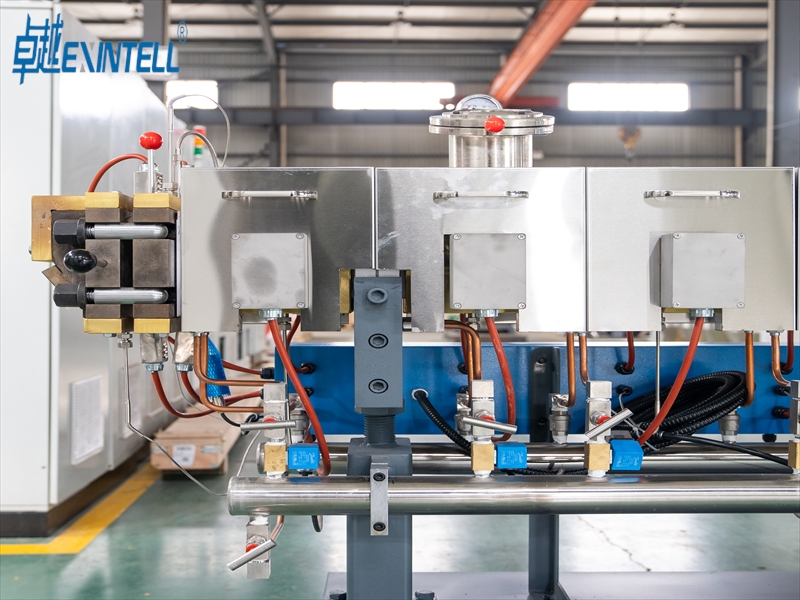
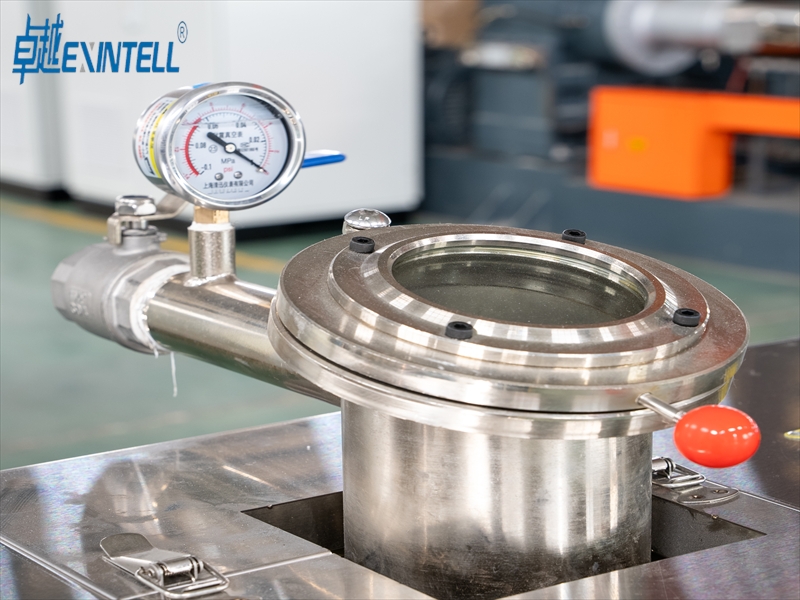
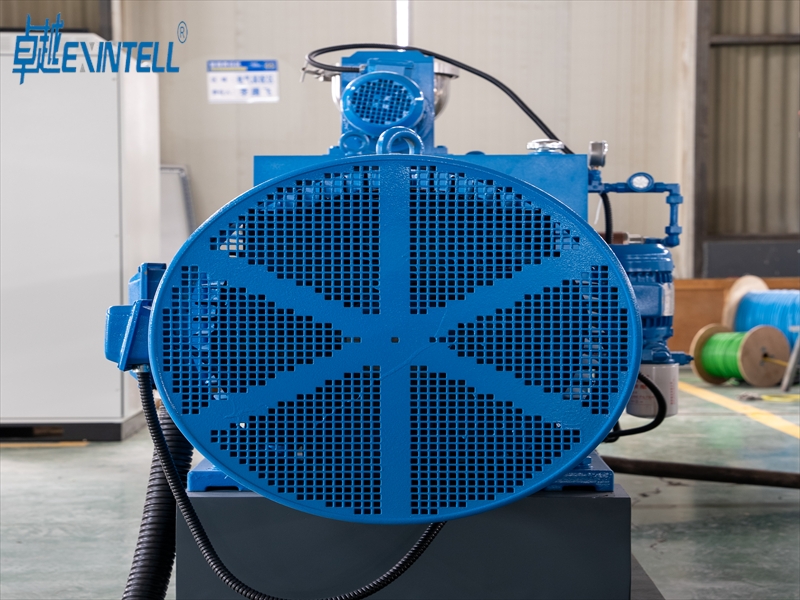
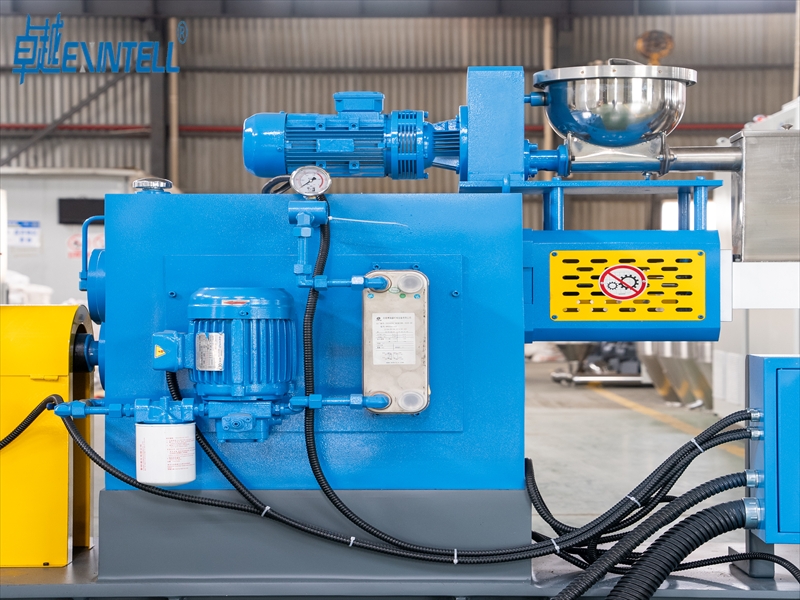
ද්රව්ය වර්ගය: I select machines with screw designs and barrel setups that suit the plastics I process. Temperature controls must match the material’s requirements.
නිෂ්පාදන වර්ගය: I choose machines based on the products I manufacture. පයිප්ප, චිත්රපට, පැතිකඩ, and pellets each need unique dies and auxiliary equipment.
නිෂ්පාදන ධාරිතාව: I assess output rates and operating hours. I plan for future growth by ensuring the machine has enough torque and power.
Automation Level: I look for features like PLC controls, touch screens, සහ තත්ය කාලීන අධීක්ෂණය. These features improve stability and reduce labor costs.
Selecting a machine using these criteria gives me optimal performance, ස්ථාවර නිෂ්පාදන ගුණාත්මකභාවය, සහ දිගුකාලීන විශ්වසනීයත්වය. I always consider the range of applications in plastic extrusion before making a final choice.
Key Questions Before Buying
I ask key questions before I invest in any extrusion equipment. These questions help me avoid costly mistakes and ensure the machine fits my needs. I use a table to organize my thoughts:
Question
විස්තරය
Equipment Quality
I check if the equipment meets industry standards and delivers reliable performance.
නිෂ්පාදන ධාරිතාව
I confirm the machine’s output matches my production goals.
තත්ත්ව පාලන පද්ධති
I ask about systems that maintain product standards and reduce defects.
හිමිකාරිත්වයේ සම්පූර්ණ පිරිවැය
I consider maintenance and operational costs, මිලදී ගැනීමේ මිල පමණක් නොවේ.
සහතික
I request ISO certifications and compliance documents to verify quality.
I also ask the manufacturer about their expansion plans, space for additional lines, recent investments in new equipment, and staff training. These questions reveal the supplier’s commitment to growth and quality.
I review themain types of extrusion machinesto understand their strengths and best-fit applications. This overview of extruder machines helps me select the right equipment for my production line. I use a table to compare the most common types:
Extruder වර්ගය
විස්තරය
Primary Uses and Advantages
Single-Screw Extruders
One screw inside one barrel; simple, විශ්වසනීය, දැරිය හැකි; limited mixing capability unless modified.
I use these for processing pre-compounded PVC pellets, flexible PVC cable coating, simple tubing, and film.
අතරමැදි ඉස්කුරුප්පු දෙකක්; positive-displacement pumping; excellent mixing and gentle processing.
I rely on these for rigid PVC pipe and profile production. Conical twin-screw works well for thermally sensitive PVC, while parallel twin-screw suits compounding and wood-plastic composites.
Planetary Roller Extruders
Central spindle with multiple planetary screws rotating around it; extraordinary mixing and heat exchange with low shear.
I choose these for high-end PVC sheet and film production. They process PVC at lower temperatures for better clarity but are expensive and complex. Not suited for standard pipe or profile production.
I always consider the types of extrusion machines and their primary uses. This approach ensures I select the right machine for my applications and production goals.
Types of Extrusion Machines
Single-Screw Extruders
How Single-Screw Works
I rely on single-screw extruders for straightforward processing tasks. The mechanismuses a single rotating screwinside a thermally insulated barrel. මම උෂ්ණත්වය සකස් කරමි, ඉස්කුරුප්පු වේගය, and barrel pressure to match the material. This setup gives me precise control and consistent results. The simplicity of single-screw makes it a reliable choice for many types of extrusion machines.
Advantages of Single-Screw
I appreciate the advantages of single screw extruders. They offer simple operation, affordable manufacturing, සහ පහසු නඩත්තු කිරීම. I use them for basic plastic extrusion and simple compounding. The design suits thermoplastics, rubbers, සහ පිරවුම්. I find them ideal when I need predictable behavior and minimal mixing.
ඉඟිය: I choose single-screw when I want lower throughput and cost-effective production.
I use single-screw extruders in many industries. Common applications include:
Plastic packaging production
Automotive components manufacturing
ඉදිකිරීම් ද්රව්ය
Medical and healthcare devices
Consumer electronics casings
මම බොහෝ විට නිෂ්පාදනය කරනවා චිත්රපට, තහඩු, පයිප්ප, නල, සහ පැතිකඩ. These applications in plastic extrusion benefit from the reliability and simplicity of single-screw.
Twin-Screw Extruders
How Twin-Screw Works
Twin-screw extruders use two intermeshing screws. I control the process with advanced screw design and precise settings. This system gives me exceptional material homogeneity. I achieveconsistent dispersion and uniform product quality. Twin-screw handles both large-scale and specialized low-volume runs.
Types of Twin-Screw (සම-භ්රමණය, ප්රති-භ්රමණය)
I select between co-rotating and counter-rotating twin screw extruders. සම-භ්රමණ ඉස්කුරුප්පු එකම දිශාවට ගමන් කරයි, improving mixing and throughput. Counter-rotating screws move in opposite directions, offering gentle processing for sensitive materials. I choose the type based on my product requirements.
Advantages of Twin-Screw
I value the benefits of using twin screw extruders. They provide advanced mixing, handle complex formulations, and enable consistent production. I optimize homogeneity to reduce quality costs and enhance customer satisfaction. Twin-screw extruders are versatile and efficient.
සටහන: Twin-screw gives me flexibility for polymers, ඖෂධ, and food products.
Best Uses for Twin-Screw
I use twin-screw for compounding, මිශ්ර කිරීම, and processing high-viscosity materials. Typical applications include:
Rigid PVC pipe and profile production
දැව-ප්ලාස්ටික් සංයෝග
Additive incorporation
Demanding quality control
Twin-screw extruders support a wide range of applications and deliver superior product quality.
Co-Extrusion Machines
How Co-Extrusion Works
Co-extruders combine multiple materials in a single process. I use co-extrusion systems to produce multi-layer products. Each extruder feeds a different polymer, forming layers with unique properties. This method improves efficiency and reduces assembly steps.
Advantages of Co-Extrusion
I benefit from co-extrusion systems in several ways:
ප්රතිලාභ
විස්තරය
Customized Performance
Tailors product attributes using different polymers for specific roles.
පිරිවැය ප්රශස්තකරණය
Uses high-end polymers for outer layers, cost-effective resins inside.
Reduced Assembly Steps
Combines layers in one process, improving efficiency.
Enhanced Product Aesthetics
Allows multicolored or translucent layers for better appeal.
Industry-Specific
Solutions for diverse industries, enhancing performance.
I also use recycled or lower-cost materials in the core layer to reduce expenses. Precise control of layer thickness minimizes waste.
Best Uses for Co-Extrusion
I producehome goods, furniture components, ක්රීඩා උපකරණ, appliance trim, filtration frames, sealing gaskets, කේබල් කළමනාකරණ පද්ධති, කම්බි පරිවාරක, and mounting brackets with co-extruders. These types of extrusion machines help me meet industry-specific needs and improve product performance.
Plastic Extrusion Equipment and Process Types
Film Extrusion
I use film extrusion to produce thin plastic sheets for packaging and industrial applications. This process relies on plastic extrusion equipment that melts the polymer and forms it into a continuous film. I monitor each step closely to ensure consistent quality. ක්රියාවලිය ආරම්භ වේ melting the polymer extruder එකක. The melted polymer moves through a die, forming a thick tube. I introduce air to expand the tube, creating a bubble. Cooling and flattening the film follows, then winding the finished film onto rolls.
පියවර
විස්තරය
1
Melting the Polymer: The polymer is heated to its melting point in an extruder.
2
Extruding a Thick Tube: The melted polymer is forced through a circular die to form a thick tube.
3
Expanding the Tube: Air is introduced into the tube to create a bubble, stretching and thinning the film.
4
Cooling and Flattening the Film: The film is cooled and flattened using nip rollers.
5
Winding the Film: The flattened film is wound onto rolls for storage and further processing.
I always check the temperature and air pressure settings on myplastic extrusion equipmentto avoid defects like uneven thickness or bubbles.
I find that each application requires different materials and process settings. උදාහරණ වශයෙන්, I use PVC for plumbing because it resists corrosion and handles pressure well. I select polyethylene for irrigation pipes due to its flexibility and chemical resistance. In oil and gas, I rely on reinforced thermoplastics or metal alloys for strength and durability.
I always pay close attention to downstreamplastic extrusion equipment. Calibrators, cooling tanks, ඇදගෙන යාමේ ඒකක, and cutters play a critical role in shaping and finishing the pipe. I adjust the speed of the haul-off unit to prevent stretching or deformation. I use advanced sensors to monitor wall thickness and detect defects in real time.
ඉඟිය: I always keep my plastic extrusion equipment well-maintained. Regular cleaning and calibration reduce downtime and improve product quality.
කපනයන් සහ සුළං නිස්සාරණ ක්රියාවලිය අවසන් කරයි. නිස්සාරණය කරන ලද නිෂ්පාදනය අපේක්ෂිත දිගට කැපීමට මම කටර් භාවිතා කරමි. Winders collect the finished product, such as film or sheet, onto rolls for easy storage and transport. I select cutters based on the material and thickness of the product. Rotary cutters work well for continuous lines, while guillotine cutters suit thicker profiles. Winders must operate smoothly to avoid stretching or deforming the product. I monitor winding tension and speed to prevent defects. Properly set cutters and winders help me deliver products with clean edges and uniform rolls.
උපකරණ
කාර්යය
Key Benefit
Cutters
Trim product to desired length
Clean edges, precise sizing
Winders
Collect product onto rolls
Easy storage, prevents deformation
I always inspect my cutters and winders for wear and alignment. Regular maintenance ensures reliable operation and high-quality finished products.
I alwaysනිස්සාරණ යන්ත්ර වර්ග සංසන්දනය කරන්න තීරණයක් ගැනීමට පෙර. මම එක් එක් යන්ත්රය සඳහා ප්රධාන විශේෂාංග සහ යෙදුම් පරාසය දෙස බලමි. This helps me match the right equipment to my production goals. මෙන්න අ table that summarizeswhat I have learned:
Extrusion Machine වර්ගය
ප්රධාන ලක්ෂණ
යෙදුම්
ප්ලාස්ටික් නිස්සාරණය
Handles versatile materials like PVC and ABS
ඇසුරුම්කරණය, ඉදිකිරීම්
Metal Extrusion
Offers strength and durability, but uses more energy
ඉදිකිරීම්, නිෂ්පාදනය
Food Extrusion
Controls temperature and pressure for uniformity
කෙටි ආහාර සහ ධාන්ය වර්ග නිෂ්පාදනය කිරීම
Automotive Extrusion
Produces lightweight parts for fuel efficiency
Manufacturing automotive components
I use this table to quickly identify which machine suits my needs. I focus on the features that matter most for my applications.
Pros and Cons by Machine Type
I alwaysweigh the pros and consof each machine type. This step helps me avoid unexpected costs and production issues. I have found that single-screw, ද්විත්ව ඉස්කුරුප්පු ඇණ, and co-extrusion machines each offer unique benefits and drawbacks. මෙන්න අ comparison table:
මම සෑම විටම මගේ තේරීම් ක්රියාවලිය ආරම්භ කරන්නේ ද්රව්ය ගැළපුම ඇගයීමෙනි. ප්ලාස්ටික් නිස්සාරණ යන්ත්රය මා විසින් සැකසීමට සැලසුම් කර ඇති විශේෂිත පොලිමර් හැසිරවිය යුතුය. සෑම ද්රව්යයක්ම උෂ්ණත්වය සඳහා අද්විතීය අවශ්යතා ගෙන එයි, ඉස්කුරුප්පු නිර්මාණය, සහ බැරල් සැකසුම. තීරණයක් ගැනීමට පෙර මම දේපල සහ අපේක්ෂිත යෙදුම් පරීක්ෂා කරමි. උදාහරණ වශයෙන්, polyvinyl chloride works well for pipes and films because it offers excellent formability and durability. Polyethylene and polypropylene suit packaging and consumer goods due to their versatility and ease of processing. Polycarbonate provides impact resistance and optical clarity, making it ideal for eyewear lenses and safety equipment. Nylon stands out for strength and heat resistance in industrial applications. I use the following table to comparematerial types and their key properties:
ද්රව්ය වර්ගය
යෙදුම්
ප්රධාන ගුණාංග
පොලිවිවයිල් ක්ලෝරයිඩ් (PVC)
පයිප්ප, චිත්රපට, electrical wire insulation
Excellent formability, කල්පැවැත්ම
පොලිඑතිලීන් ටෙරෙප්තලේට් (PET)
Not specified
Unique benefits
ඇක්රිලෝනිට්රයිල් බියුඩඩීන් ස්ටයිරීන් (ABS)
වාහන, පාරිභෝගික භාණ්ඩ
ශක්තිය, නම්යශීලී බව
ෙපොලිඑතිලීන් (PE)
ඇසුරුම්කරණය, පාරිභෝගික භාණ්ඩ
බහුකාර්යතාව, ease of processing
පොලිප්රොපිලීන්
ඇසුරුම්කරණය, පාරිභෝගික භාණ්ඩ
බහුකාර්යතාව, ease of processing
පොලිකාබනේට්
Eyewear lenses, safety equipment
බලපෑම් ප්රතිරෝධය, දෘශ්ය පැහැදිලිකම
නයිලෝන් (පොලිමයිඩ්)
Industrial applications
ශක්තිය, තාප ප්රතිරෝධය
I always match the machine’s screw and barrel design to the material’s melting point and viscosity. මම ප්රතිචක්රීකරණය කරන ලද ප්ලාස්ටික් සකස් කරන විට, දූෂණය සහ මිශ්ර කිරීමේ අවශ්යතා පිළිබඳව මම අමතර අවධානය යොමු කරමි. ද්රව්ය ගැළපුම තනි ඉස්කුරුප්පු ඇණ සහ ද්විත්ව ඉස්කුරුප්පු යන්ත්ර අතර මගේ තේරීමට බලපායි. තනි ඉස්කුරුප්පු නිස්සාරක මූලික තාප ප්ලාස්ටික් හොඳින් හසුරුවයි, twin screw extruders මිශ්ර කිරීම් සමඟ විශිෂ්ටයි, අතිෙර්ක, සහ ප්රතිචක්රීකරණය කරන ලද ප්ලාස්ටික්.
ප්ලාස්ටික් නිස්සාරණ යන්ත්රයක් තෝරාගැනීමේදී මම සෑම විටම නඩත්තු කිරීමට ප්රමුඛත්වය දෙනවා. නඩත්තු කිරීම විශ්වසනීයත්වය සහ දිගු කාලීන පිරිවැය යන දෙකටම බලපායි. නිතිපතා නඩත්තු කිරීම අනපේක්ෂිත බිඳවැටීම් වළක්වන අතර නිෂ්පාදනය සුමටව පවත්වාගෙන යන බව මම ඉගෙන ගතිමි. I rely on predictive maintenance to monitor my equipment in real time. This approach helps me anticipate faults and plan interventions before problems escalate.
I track several critical parameters on my extrusion machines:
Abnormal vibrations signal mechanical wear or misalignment.
Increased temperatures indicate possible overheating or friction.
Non-standard extrusion pressure points to blockages or material inconsistencies.
Abnormal energy consumption reveals inefficiencies or electrical issues.
By monitoring these factors, I reduce unplanned downtime. I address issues before they cause major failures. Predictive maintenance allows me to optimize planned maintenance. I act only when data shows a need, which saves time and resources. This strategy extends the life of my extruders. I monitor wear and mechanical stress closely, replacing parts only when necessary.
ඉඟිය: I always keep a log of maintenance activities and machine performance. This record helps me spot trends and make informed decisions about repairs or upgrades.
Maintenance costs include routine inspections, අමතර කොටස්, ශ්රමය, සහ බලශක්ති පරිභෝජනය. I budget for these expenses every year. I find that efficient spare parts management lowers emergency repair costs. I order parts based on usage data, not guesswork. This practice prevents overstocking and reduces waste.
Here is a table summarizing my maintenance approach and its impact on costs:
Maintenance Activity
Impact on Costs
මගේ හොඳම භාවිතය
Predictive Monitoring
Reduces unplanned downtime
Use sensors for real-time alerts
Routine Inspections
Prevents major failures
Schedule monthly checks
Spare Parts Management
Controls inventory expenses
Order based on machine data
Energy Consumption Review
Identifies inefficiencies
Track power usage weekly
I always consider maintenance requirements when comparing machine types. Single-screw extruders usually need less maintenance. Twin-screw and co-extrusion machines require more attention due to their complexity. I factor these costs into my total cost of ownership calculations.
Maintenance is not just about fixing problems. It is about protecting my investment and ensuring consistent product quality. I invest in training my staff so they understand the importance of regular checks and predictive monitoring. This commitment pays off with fewer emergencies and better cost control.
I learned that ignoring future growth can limit my production and profitability. I always plan for expansion when selecting extrusion machines. If I choose a single-screw machine for current needs, I consider whether it can handle increased volume later. ද්විත්ව ඉස්කුරුප්පු නිස්සාරකprovide flexibility for scaling up production. I review my business goals and forecast demand before making a purchase. I also check if the machine supports upgrades or additional lines. Planning for growth saves me from expensive replacements and disruptions.
Here is a simple checklist I use:
Estimate future production volume.
Assess machine scalability.
Confirm compatibility with new materials or products.
Evaluate space for expansion.
I never underestimate the importance of future-proofing my extrusion line. This approach keeps my operations efficient and competitive.
මම දැනුවත්ව සහ ක්රියාශීලීව සිටීමෙන් මෙම වැරදි වළක්වා ගන්නෙමි. මම යන්ත්ර වර්ග ද්රව්ය අවශ්යතාවලට ගැලපේ, වර්ධනය සඳහා සැලැස්ම, and prioritize maintenance. This process helps me achieve reliable production and high-quality products.
Checklist for Selecting Plastic Extrusion Equipment
Step-by-Step Selection
I always follow a structured approach when I select plastic extrusion equipment. This method helps me avoid mistakes and ensures I get the best results for my production line. Here is my step-by-step process:
ද්රව්ය තෝරාගැනීම I start by identifying the right plastic material for my application. I consider the product’s end use, පාරිසරික නිරාවරණය, and durability needs. I often choose between HDPE, පොලිප්රොපිලීන්, PVC, හෝ ෙපොලිස්ටිරින්, depending on the project.
Equipment Choice I match the plastic extrusion equipment to my production requirements. For simple profiles and high-volume output, I rely on single-screw machines. When I need to blend or compound materials, I use twin-screw extruders. If my product requires multiple layers or enhanced features, I select co-extruders.
සහායක උපකරණ I include essential systems like cooling tanks, වාහක, and cutting machines. These components improve efficiency and help me maintain consistent quality throughout the extrusion process.
Production Volume Assessment I calculate my expected output and make sure the plastic extrusion equipment can handle the workload. I plan for future growth to avoid bottlenecks.
Quality Control Planning I set up systems for real-time monitoring and defect detection. This step ensures I maintain high standards and reduce waste.
ඉඟිය: I always document each step in my selection process. This record helps me review decisions and improve future purchases.
I verify the availability of spare parts for single-screw and other machines.
I confirm that the supplier offers training for my team.
I ensure the equipment can adapt to new materials or products in the future.
සටහන: I never rush my decision. Taking time to follow this checklist helps me avoid costly errors and ensures long-term success with my plastic extrusion machine.
I always align my plastic extrusion machine choice with my production goals and application needs. I review single-screw, ද්විත්ව ඉස්කුරුප්පු ඇණ, and co-extrusion machines to match each to its best use. My final checklist includes:
Confirm material compatibility
Assess production volume
Evaluate product complexity
Plan for maintenance
I recommend consulting suppliers or industry experts before making a purchase. Take time to research and make an informed decision.
නිති අසන පැණ
What is the most important factor when choosing a plastic extrusion machine?
I always focus on material compatibility first. The machine must process my chosen polymer efficiently. This step prevents defects and ensures consistent quality.
How do I calculate the right production capacity for my extrusion line?
I estimate my daily or weekly output needs. I check machine specifications and match them to my target volume. Planning for future growth helps me avoid bottlenecks.
Can I use one extrusion machine for different materials?
I can process multiple materials if the machine supports quick changeovers and has the right screw design. I always consult the manufacturer before switching materials.
මා නිතිපතා කළ යුතු නඩත්තු කාර්යයන් මොනවාද??
I schedule routine inspections, clean the barrel and screw, සහ ඇඳීම සඳහා පරීක්ෂා කරන්න. මම උෂ්ණත්ව හා පීඩන සංවේදක නිරීක්ෂණය කරමි. නිතිපතා නඩත්තු කිරීම මගේ රේඛාව සුමටව ධාවනය කරයි.