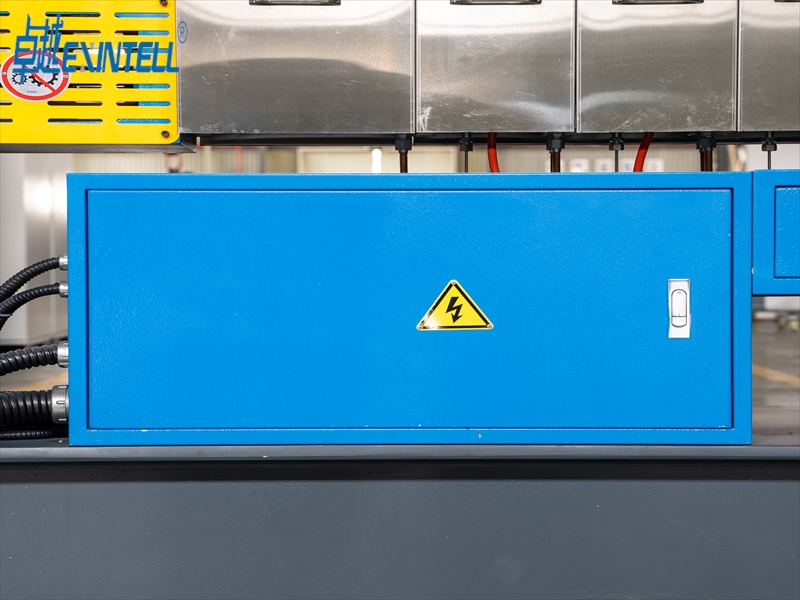
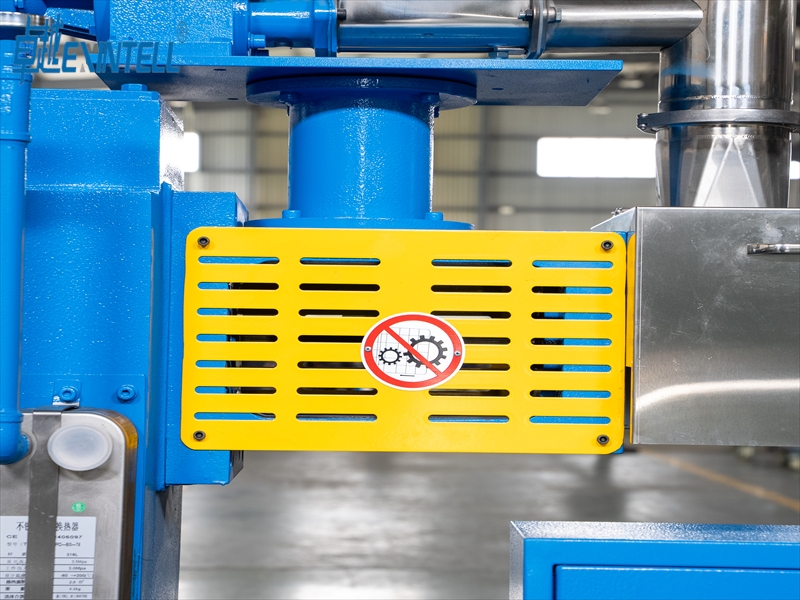
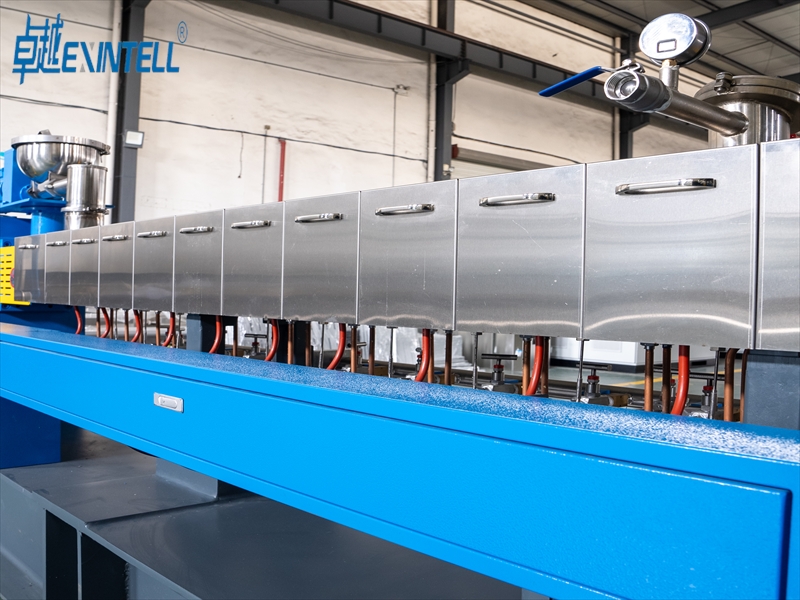
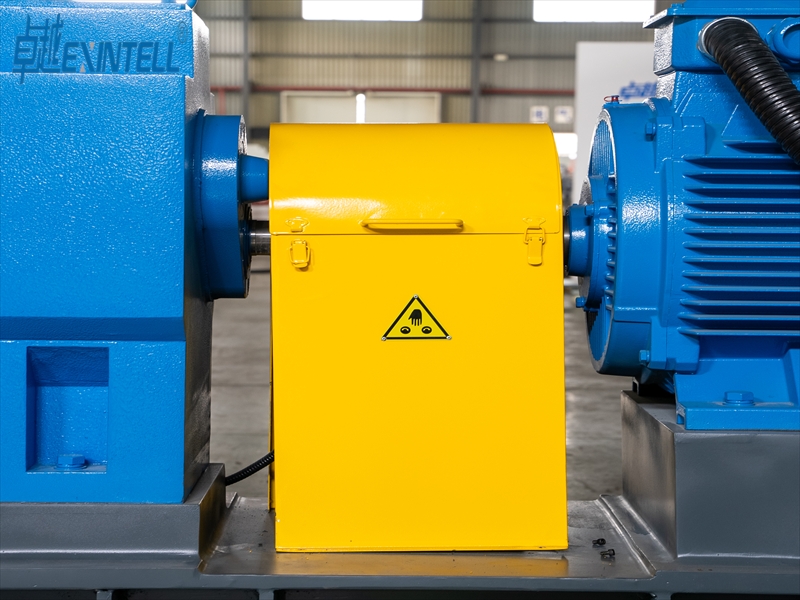
පිරිවැය සහ නඩත්තුව මගේ තීරණයේ ප්රධාන කාර්යභාරයක් ඉටු කරයි. Strand pelletizing පද්ධති අඩුම ආරම්භක ආයෝජනය ඇත. ඒවා ක්රියාත්මක කිරීමට සහ නඩත්තු කිරීමට සරල බව මට පෙනේ, එය මගේ දිගුකාලීන වියදම් අඩු කරයි. Underwater and water-ring pelletizing systems require higher startup costs. Their advanced technology and complex design increase operational complexity. I spend more time and resources on maintenance for these systems, especially when handling different polymers or frequent material changes.
Pelletizing තාක්ෂණය
මූලික පිරිවැය
මෙහෙයුම් සංකීර්ණත්වය
ද්රව්ය නම්යශීලීභාවය
Stran Pelletizing
පහළ
සරලයි
ඉහළ
දිය යට පෙතිකරණය
උසස්
සංකීර්ණය
මධ්යස්ථ
ජල-වළලු පෙතිකරණය
උසස්
සංකීර්ණය
මධ්යස්ථ
I often recommend strand pelletizing for operations with tight budgets or when simplicity is a priority. When I need advanced features or higher output, I accept the higher costs of underwater or water-ring systems.
පෙති වල ගුණාත්මකභාවය
Pellet quality affects downstream processing and product consistency. Underwater pelletizing systems produce spherical pellets with high consistency. These pellets flow well and reduce dust, which benefits my compounding and molding processes. ජල-මුදු පෙතිකරණ පද්ධති තරමක් පැතලි පෙති නිර්මාණය කරයි. ගුණාත්මකභාවය හොඳ මට්ටමක පවතී, නමුත් දිය යට පද්ධති හා සසඳන විට මම අඩු අනුකූලතාවයක් දකිමි. Strand pelletizing පද්ධති සිලින්ඩරාකාර පෙති ජනනය කරයි. මම වැඩිපුර දූවිලි හා දඩ දකිනවා, සමස්ත ගුණාත්මක භාවයට බලපෑම් කළ හැකි අතර අතිරේක පිරිසිදු කිරීමේ පියවර අවශ්ය වේ.
මම එක් එක් pelletizing පද්ධතිය ඒවායේ ශක්තීන් මත පදනම්ව නිශ්චිත යෙදුම්වලට ගැලපේ. දිය යට පෙති ඉහළ ප්රතිදානයකින් විශිෂ්ටයි, අඛණ්ඩ පොලිමර් සැකසුම්. මම ඒවා මහා පරිමාණ සංයෝග සහ විශේෂිත බහු අවයවක සඳහා භාවිතා කරමි. Water-ring pelletizing systems work well for polyolefins and recycled materials. Their versatility supports a range of recycling applications. Strand pelletizing systems offer high material flexibility. I process a wide variety of polymers, including those with high melt strength, and I often use this system for smaller batches or when I need to minimize costs.
දිය යට පෙති: Best for high-output, අඛණ්ඩ නිෂ්පාදනය, සහ විශේෂිත පොලිමර්.
Water-ring pelletizing systems: Ideal for polyolefins, ප්රතිචක්රීකරණය කරන ලද ද්රව්ය, and moderate production volumes.
Strand pelletizing පද්ධති: Suitable for high melt strength materials, flexible for many polymers, and cost-effective for smaller operations.
I always consider the specific needs of my operation before choosing a pelletizing system. උදාහරණ වශයෙන්, if I focus on recycling and need to process many types of materials, strand pelletizing gives me the flexibility I need. මට ඉහළ ප්රතිදානයක් සහ ඉහළ පෙලට් ගුණයක් අවශ්ය වූ විට, මම දිය යට පෙතිකරණය මත රඳා සිටිමි.
මම pelletizer තෝරා විට, මම සෑම විටම මගේ නිෂ්පාදන අවශ්යතා නිර්වචනය කිරීමෙන් ආරම්භ කරමි. I ask myself several key questions:
What types of plastics will I process?
How much material do I need to pelletize each hour or day?
Will my production volume increase in the future?
Do I need to switch between different materials often?
I calculate my current and projected throughput. This step helps me avoid under-sizing or over-investing in equipment. For high-output operations, I lean toward underwater pelletizing systems because they handle large volumes efficiently. For smaller or more flexible production, strand or water-ring systems often fit better.
I also consider the maintenance needs and blade durability. Easy access for cleaning and blade changes reduces downtime. I check if the pelletizer offers robust cutter assemblies, especially when I plan to process abrasive or filled compounds.
ද්රව්ය අනුකූලතාව
Material compatibility plays a critical role in my decision. Different polymers behavein unique ways during processing. උදාහරණ වශයෙන්, PE, පීපී, PET, and filled composites each require specific pelletizer features. I look for these factors:
High-viscosity materials need pelletizers with higher torque gearmotors and reinforced cutter assemblies.
Abrasive filled compounds demand die plates and cutters made from durable materials, such as carbide-tipped blades.
Some pelletizers handle sticky or low melt-strength materials better than others.
I always match the pelletizer design to the materials I plan to process. This approach prevents excessive wear, අක්රිය කාලය අඩු කරයි, and ensures consistent pellet quality. When I focus on recycling, I choose a system that can handle a wide range of feedstocks, including post-consumer and post-industrial plastics.
Budget Considerations
Budget remains a major factor in my selection process. I look beyond the initial price and consider the total cost of ownership. Many manufacturers make the mistake of focusing only on the purchase price. I avoid this byanalyzing long-term expenses, such as energy consumption, නඩත්තු කිරීම, සහ අමතර කොටස්.
Significantly lower initial capital investment; mechanically simpler equipment.
දිය යට පෙතිකරණය
Higher initial investment due to precision-engineered components; more compact footprint.
මම මෙහෙයුම් පිරිවැය ද සැලකිල්ලට ගනිමි. Underwater and water-ring systems may cost more upfront, but their automation and efficiency can lower labor and energy expenses over time. I always verify manufacturer credentials and quality certifications. Reliable after-sales support and spare parts availability protect my investment and minimize downtime.
ඉඟිය: I conduct factory audits and equipment testing before making a final decision. This step helps me avoid costly mistakes.
Other Practical Factors
Several practical considerations influence my final choice. I evaluate space requirements, operator skill level, and automation needs. The table below summarizes these factors for each pelletizer type:
සාධකය
Stran Pelletizer
ජල-වළලු පෙලෙටයිසර් (WRP)
දිය යට පෙලෙටයිසර් (UWP)
Space Requirements
Large footprint due to cooling trough and drying sections
Compact footprint
Relatively compact footprint
ක්රියාකරු නිපුණතා මට්ටම
Labor intensive; requires more manual intervention and attention, especially during start-up and strand breakage
Medium to high automation; less manual labor needed
High automation; complex operation requiring skilled operators
Maintenance Complexity
මධ්යස්ථ; knife changes and cleaning needed
මධ්යස්ථ; maintenance of water ring and cutter
වඩාත් සංකීර්ණ; die plate and cutting chamber maintenance can be challenging
Automation Level
Lower automation
Medium to high automation
High automation
Additional Considerations
Potential for strand breakage and fines/dust if not well maintained
Material limitations (උදා., not ideal for tacky materials)
Higher initial cost and complex operation
I consider workspace constraints, noise sensitivity, and dust control requirements. I also analyze energy efficiency and operating costs. I never overlook after-sales support or spare parts availability. These factors ensure smooth operation and long-term reliability.
I recommend assessing your requirements carefully to ensure the best fit for your operation.
නිති අසන පැණ
What is the main difference between strand and underwater pelletizing?
I see the biggest difference in pellet shape and system complexity. Strand pelletizers make cylindrical pellets and use a simple process. Underwater pelletizers create round pellets and require more advanced equipment.
How do I choose the right pelletizer for recycled plastics?
I always check material type, contamination level, and output needs. Strand pelletizers work well for mixed or high-melt materials. Water-ring systems handle films and regrind efficiently. Underwater systems suit clean, high-volume recycling.
How often should I perform maintenance on my pelletizer?
I inspect my pelletizer weekly for wear and alignment. I schedule blade changes and cleaning monthly. For underwater systems, I check die plates and knives more often due to higher complexity.
Can one pelletizer handle all types of plastics?
මගේ අත්දැකීමෙන්, no single pelletizer fits every plastic. I match the system to the polymer’s melt strength, stickiness, and contamination. I consult with the manufacturer for best results.