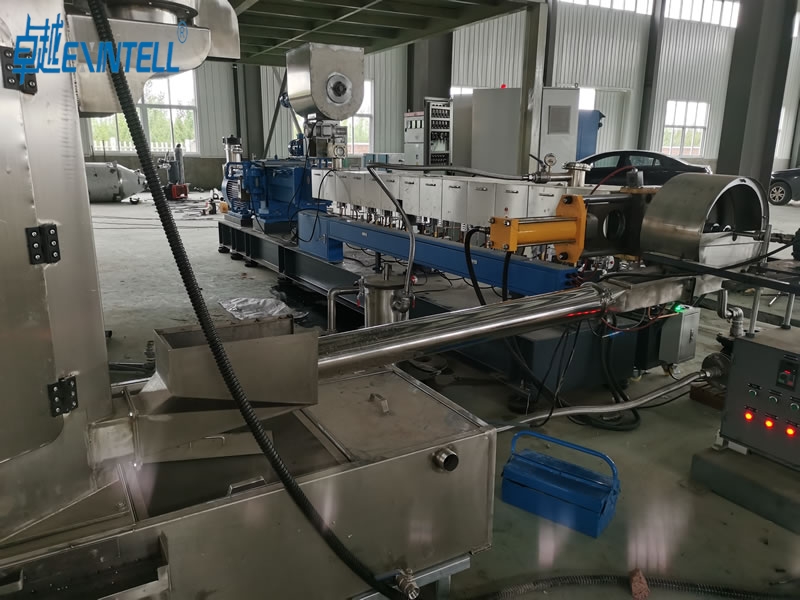
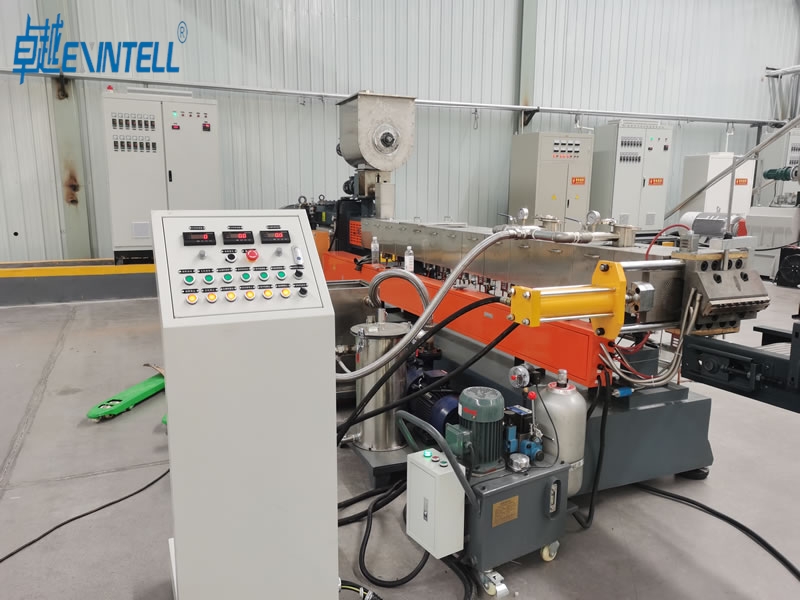
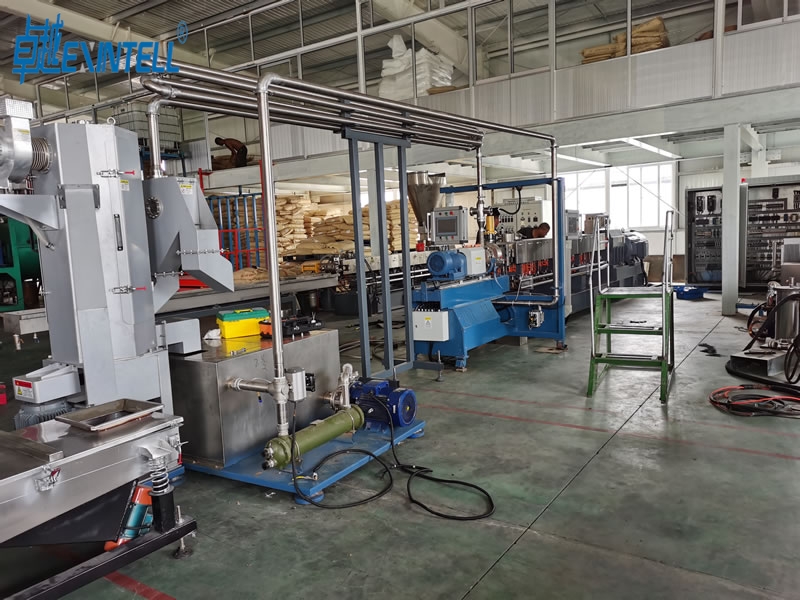
කාර්යක්ෂම ප්ලාස්ටික් නැවත සැකසීමේ පද්ධතියක් සැලසුම් කිරීමේදී තනි අදියර සහ ද්විත්ව අදියර පද්ධති අතර ඔබ තීරණය කළ යුතුය. තනි-අදියර පද්ධති කුඩා අඩිපාරක් සහ ලබා දෙයි අඩු ආරම්භක ආයෝජන. You will find them easier to install and maintain, especially if you process well-sorted materials. Double-stage systems provide superior mixing and independent temperature control for each stage. These systems handle diverse or contaminated materials, including those requiring pre-processing impurity removal. The following table highlights the main differences:
විශේෂාංගය
Single-Stage Systems
ද්විත්ව අදියර පද්ධති
මූලික ආයෝජනය
පහළ (40-60% අඩු)
උසස්
නඩත්තු කිරීම
පහළ, simpler
උසස්, more complex
Footprint
Smaller
Larger
මිශ්ර කිරීමේ හැකියාව
සීමා සහිතයි
උසස්
Throughput Efficiency
පහළ
උසස්
නම්යශීලී බව
අඩු නම්යශීලී
වඩාත් නම්යශීලී
If you need high-volume output and flexibility for various plastic types, double-stage systems deliver better results.
Process Control and Monitoring
Modern pelletizer machines use advanced process controls andතත්ය කාලීන අධීක්ෂණය. You can adjust temperature, පීඩනය, and cutting speed automatically. This technology ensures consistent pellet size and shape, which is critical for downstream applications. තත්ය කාලීන දත්ත විශ්ලේෂණය ඔබට නිෂ්පාදනය ප්රශස්ත කිරීමට සහ අක්රීය කාලය අඩු කිරීමට උපකාරී වේ. ඔබ ඉහළ මෙහෙයුම් කාර්යක්ෂමතාවයක් සහ නිෂ්පාදන ගුණාත්මක බවක් ලබා ගනී. උසස් රෝග විනිශ්චය මඟින් ඔබේ ක්රියාවලියට බලපෑම් කිරීමට පෙර විය හැකි ගැටලු හඳුනා ගනී.
ඔබ තෝරා ගැනීමට පෙර ද්රව්ය ගැළපුම ඇගයීමට ලක් කළ යුතුය pelletizer යන්ත්රය ප්ලාස්ටික් ඔබගේ මෙහෙයුම සඳහා. සෑම පද්ධතියක්ම විවිධ කාර්යක්ෂමතාවයෙන් විවිධ බහු අවයවක සහ ආකලන හසුරුවයි. The following list shows themost common materials processedwith these machines:
පීපී
PE
PET
TPU
PA
EVA
PLA
PBAT
PHA
පිෂ්ඨය මත පදනම් වූ පොලිමර්
ABS
TPE
ඉංජිනේරු ප්ලාස්ටික්
උණුසුම්-දියවන මැලියම්
ඉලාස්ටෝමර්
ප්රතික්රියාශීලී බහු අවයවක
Material properties such as melt flow index (MFI), stickiness, ප්රත්යාස්ථතාව, brittleness, and thermal sensitivity directly affect your choice. You can use thetable belowto match your material’s MFI with the recommended pelletizer machine plastic type:
MFI Range
Recommended System
Low MFI (<5 g/10 min)
Strand or underwater pelletizer
Medium MFI (5–30 g/10 min)
Water-ring or underwater pelletizer
High MFI (>30 g/10 min)
Underwater pelletizer preferred
Tacky or elastic materials like TPE and EVA perform best in water-ring or underwater systems.
Brittle compounds, such as glass-filled plastics, may shatter in strand systems. Hot-cut or underwater methods are preferable.
Thermal-sensitive plastics, including PVC and some bioplastics, require air-cooled configurations to prevent degradation.
You should always align your pelletizer machine plastic selection with the physical and chemical properties of your feedstock to ensure optimal performance and minimal waste during recycling or reprocessing plastic materials.
Throughput and Capacity
Throughput and capacity determine the efficiency of your production line. You need to match the pelletizer’s output with your extrusion system to avoid bottlenecks. High-volume operations benefitfrom advanced pelletizer machine plastic systems that maximize throughput and minimize downtime. Medium and low-volume operations often prefer strand systems for their flexibility and lower initial costs. This adaptability supports manufacturers who anticipate growth in production needs.
The table below helps you select the right system based on your required throughput:
ඔබ pelletizer යන්ත්රයක් තෝරා ගැනීමට පෙර, ඔබ ඔබෙන්ම විවේචනාත්මක ප්රශ්න කිහිපයක් ඇසිය යුතුය. These will help you clarify your requirements and avoid costly mistakes:
What type of plastic do you process most often?
What is your target throughput in kilograms per hour?
How important is pellet uniformity and surface quality for your end product?
Do you need to process sticky, ප්රත්යාස්ථ, හෝ තාප සංවේදී ද්රව්ය?
What is your available floor space for new equipment?
How much can you invest in initial purchase and ongoing maintenance?
Will you require advanced process control or automation features?
Do you need to meet specific industry standards or certifications?
ඉඟිය: Write down your answers to these questions. This will help you compare different pelletizer systems more effectively.
Final Steps
Once you have your answers, you can move forward with confidence. Follow these steps to finalize your decision:
අතර පැහැදිලි වෙනස්කම් දැකිය හැකිය ජල වළල්ල, දිය යට, සහ නූල් pelletizer යන්ත්ර වර්ග. Water-ring systems balance automation and flexibility. Underwater machines deliver high-quality pellets for heat-sensitive plastic. Strand pelletizers offer cost-effective solutions for rigid plastic. ද comparison chartbelow helps you match features and throughput to your needs:
Pelletizer වර්ගය
ප්රධාන ලක්ෂණ
යෙදුම්
ප්රතිදානය (kg/h)
Stran Pelletizers
Cuts extruded strands, පිරිවැය ඵලදායී
පීපී, PE
500–2,000
දිය යට පෙති
Water cooling, තාප සංවේදී ද්රව්ය
PET, නයිලෝන්
1,000–5,000
Air-Cooled Strand Pelletizers
වායු සිසිලනය, budget-friendly
HDPE
300-1,500
Die Face Pelletizers
Cuts at die face, water cooling
PVC, viscous polymers
500–3,000
You should use the comparison chart and decision checklist to select the best system. දිනපතා, check knives and dies. සතිපතා, sharpen knives and calibrate settings. මාසිකව, clean the system and inspect cooling. Align your machine choice with your material, හරහා, and pellet quality goals for efficient plastic production.
නිති අසන පැණ
What is the main advantage of an underwater pelletizer?
You achieve the highest pellet uniformity and quality withunderwater pelletizers. This system instantly cools pellets, which prevents sticking and deformation. You should choose this option for heat-sensitive or specialty plastics.
How do I know which pelletizer suits my material?
You must check your material’s melt flow index and sensitivity to heat. For sticky or elastic plastics, select underwater or water-ring systems. For rigid plastics, strand pelletizers work best.
Can I upgrade my pelletizer system later?
You can often upgrade with advanced controls or screening machines. කෙසේ වෙතත්, you should confirm compatibility with your current equipment. Consult your supplier for available options.
How much maintenance does each pelletizer type require?
ජල වළල්ල: මධ්යස්ථ, focus on die and blade care.
දිය යට: ඉහළ, regular cleaning and water system checks.
නූල්: අඩුයි, mainly knife sharpening.
ඉඟිය: Schedule preventive maintenance to avoid costly downtime.
Do I need a screening machine for my pellets?
You should use a screening machine if you require consistent pellet size and minimal dust. Screening improves product quality and supports strict industry standards.