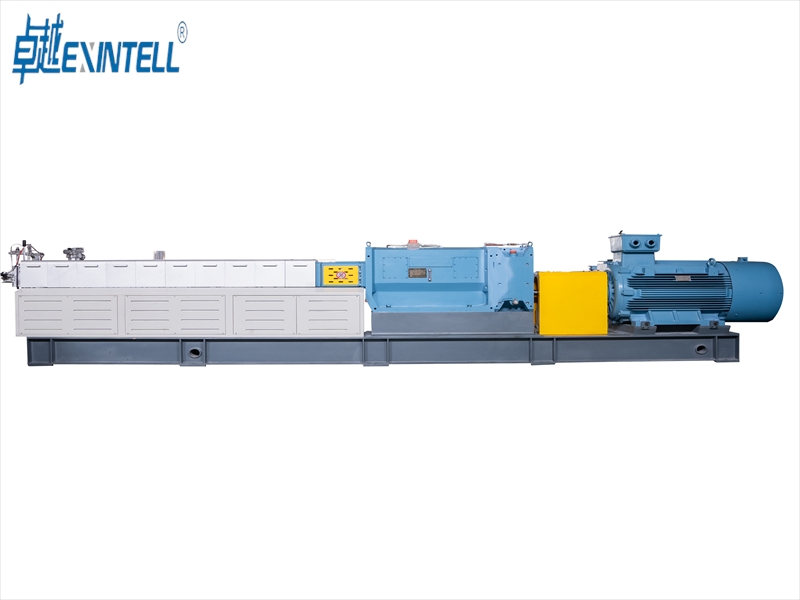
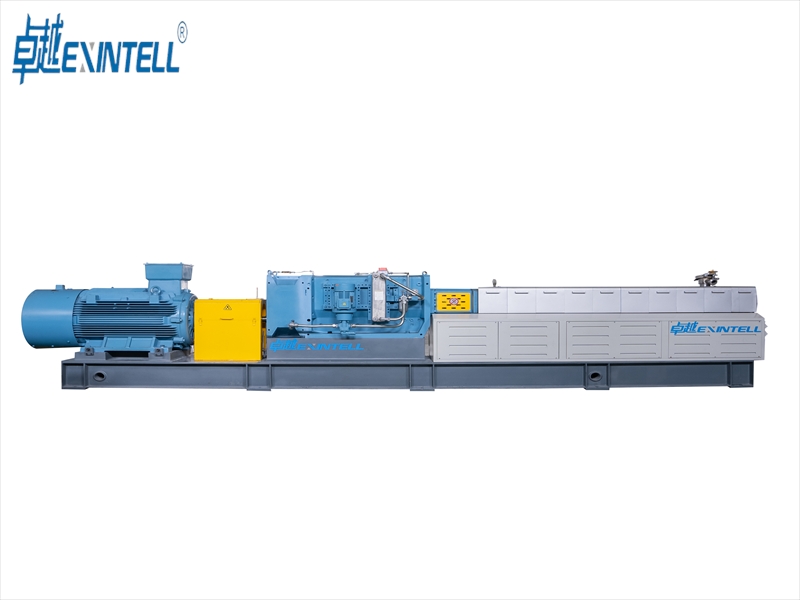
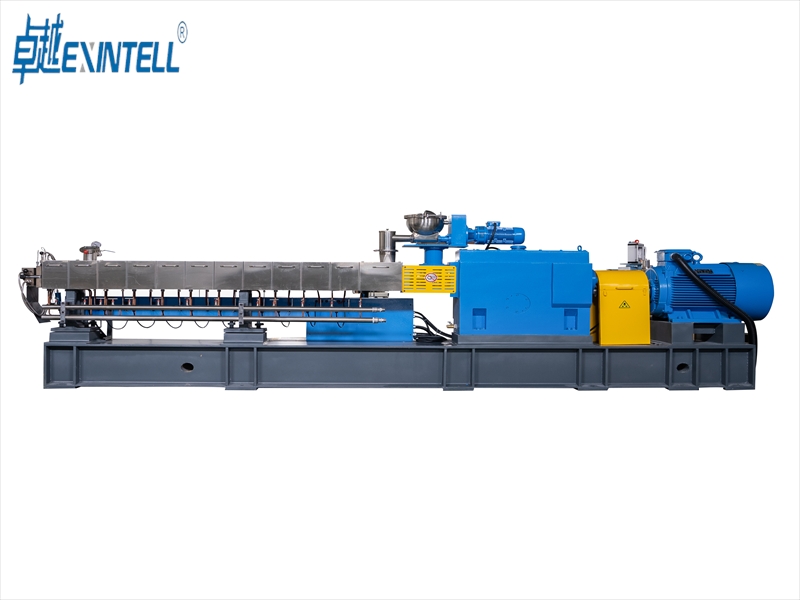
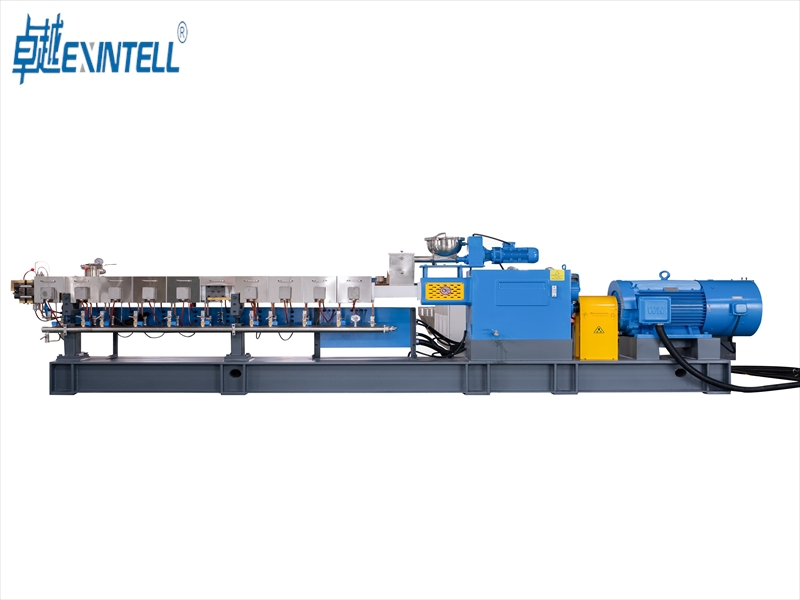
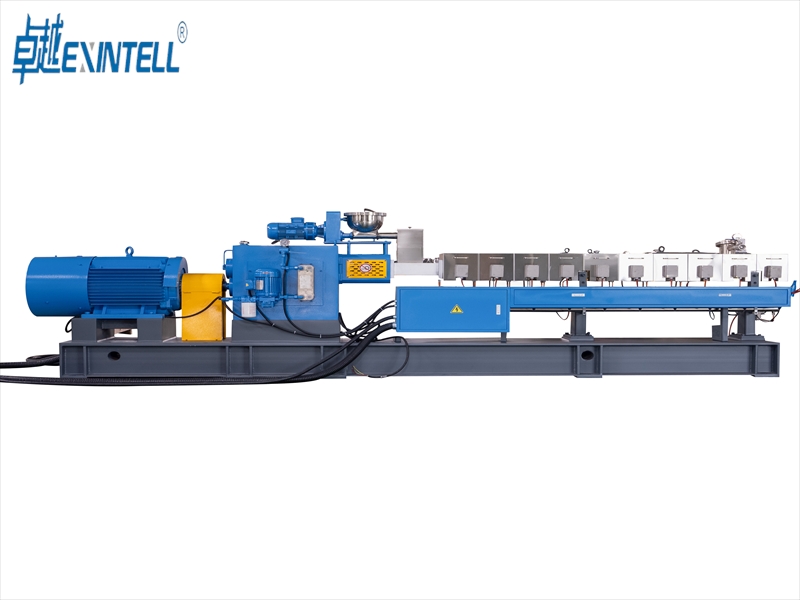
جڏهن توهان استعمال ڪريو a pelletizing extruder, توهان واضح قدمن تي عمل ڪندي خام مال کي پيٽ ۾ تبديل ڪريو. توهان extruder ۾ مواد وجهي. مشين کي ڳري ٿو ۽ ان کي ملائي ٿو. پوءِ, اهو پٿرن کي ٺاهڻ لاءِ مرڻ ذريعي مواد کي دٻائي ٿو. هر قدم مضبوط ۽ حتي پيلي ٺاهڻ لاء اهم آهي. جيڪڏهن توهان کي خبر آهي ته pelletizing ڪيئن ڪم ڪندو آهي, توھان پنھنجي extruder کي بھتر ڪري سگھوٿا ۽ مسئلا تيزيءَ سان حل ڪري سگھو ٿا.
Check the material’s properties to make the pelletizing process work best for different plastics.
What Is A Pelletizing Extruder
Main Function
اي pelletizing extruderturns raw plastic or polymer into small pellets. The machine lets you control how big and round each pellet is. Manufacturers usepellet extrudersto make products that meet strict rules. You can change waste pieces or new resin into pellets that flow well and work in other machines.
Pelletizing extrudersare important in making plastic and polymer. They help you work faster, waste less, and get steady results.
Here is a table showing what apelletizing extruderdoes:
پٿرن کي سخت بڻائي ٿو, انهن کي شڪل تبديل ڪرڻ کان روڪي ٿو
گھمڻ وارو چاقو سسٽم
ٿڌي پيلن کي ساڳي سائيز ۽ شڪل ۾ ڪٽيو
توھان پنھنجي ضرورتن کي پورو ڪرڻ لاء انھن حصن جي ڊيزائن کي تبديل ڪري سگھو ٿا. خودڪار نظام توهان کي گرمي تي ڪنٽرول ڪرڻ ۾ مدد ڪري ٿو ۽ توهان کي مسئلن بابت ڊيڄاري ٿو. کولنگ ۽ سڪلنگ سسٽم پيالن کي مضبوط رکندا آهن ۽ انهن جي معيار جي حفاظت ڪن ٿا.
Pelletizing Extruder عمل
pelletizing extruder قدمن ۾ ڪم ڪري ٿو. هر قدم خام مال کي گولن ۾ تبديل ڪري ٿو جيڪي ساڳيون نظر اچن ٿا. توهان کي حاصل ڪرڻ لاء هر مرحلي کي ڄاڻڻ جي ضرورت آهي سٺو گولا.
مادي کاڌ خوراڪ
پهريون, توهان خام مال extruder ۾ وجهي. هيپر مواد رکي ٿو. هي مواد پلاسٽڪ flakes ٿي سگهي ٿو, داڻا, يا پائوڊر. ڪجهه عام مواد polyethylene آهن, polypropylene, ABS, نائلون, ۽ PLA. توھان استعمال ڪري سگھوٿا خاص فيڊرز کي ڪنٽرول ڪرڻ لاءِ ڪيترو مواد اندر وڃي ٿو. ڪڏهن ڪڏهن, توهان کي پهرين مواد سڪي ڪرڻ جي ضرورت آهي. پاڻي ۾ وٺندڙ پلاسٽڪ لاءِ سڪي وڃڻ ضروري آهي. سڪي وڃڻ سان پيٽ ۾ بلبل ۽ ٻيا مسئلا پيدا ٿي ويندا آهن.
فيڊنگ سسٽم ڪنٽرول ڪري ٿو ڪيترو مواد اندر وڃي ٿو. جيڪڏهن توهان هر ڀيري ساڳئي مقدار کي کارايو, گوليون بهتر آهن. ٽڪرن جي ماپ ۽ ڪئين گندي اهي پڻ معاملو آهن. ننڍڙا ٽڪرا ۽ پاڻيءَ جي صحيح مقدار مضبوط گولن ٺاهڻ ۾ مدد ڪري ٿي.
پگھلڻ ۽ Homogenization
اڳيان, سکرو مواد کي اڳتي وڌائي ٿو. بيرل گرم ٿي وڃي ٿو ۽ پلاسٽڪ کي ڳري ٿو. سکرو جي شڪل هتي اهم آهي. ڪجهه اسڪرو مواد کي بهتر نموني سان ملائي ٿو ۽ گرميء کي برقرار رکي ٿو. ملائڻ شين ۾ ملائڻ ۾ مدد ڪري ٿو جهڙوڪ رنگ يا اسٽيبلائيزر.
توهان کي هر پلاسٽڪ لاء صحيح گرمي مقرر ڪرڻ گهرجي. مثال طور, پوليوپروپيلين 200 ° C ۽ 260 ° C جي وچ ۾ ڳري ٿو. ABS 210 ° C ۽ 250 ° C جي وچ ۾ ڳري ٿو. The table below shows melt temperatures for different plastics:
Plastic Polymer
Practical Melt Temperature Range (°C)
ABS (Acrylonitrile Butadiene Styrene)
210 – 250
پولي ڪاربونيٽ (پي سي)
280 – 320
پوليوپروپيلين (پي پي)
200 – 260
نائلون 66 (پي اي 66)
280 – 310
پوليٿيلين (HDPE)
210 – 260
پولي آڪسيميٿيلين (پوم)
190 – 220
Good melting and mixing make the melted plastic smooth. This step removes air bubbles and mixes everything together. Now the melted plastic is ready for the next step.
Extrusion Through Die
The melted plastic moves to the die system. The die shapes the plastic into strands or other forms. The die works like a mold. It controls the size and shape of the pellets. The shape of the die is important. It decides how thick and wide the pellets are. A good die gives you pellets that all look the same.
The pressure and speed here change how good the pellets are. You need to keep these steady for the best pellets.
کولنگ سسٽم
مرڻ کان پوءِ, پلاسٽڪ اڃا تائين گرم ۽ نرم آهي. کولنگ سسٽم گولن کي سخت بڻائي ٿو ۽ انهن جي شڪل کي برقرار رکي ٿو. واٽر کولنگ تمام گهڻو استعمال ڪيو ويندو آهي ڇاڪاڻ ته اهو تيز ۽ هڪجهڙائي سان ٿڌو ٿئي ٿو. ڪجهه مشينون پلاسٽڪ لاءِ ايئر کولنگ استعمال ڪن ٿيون جيڪي گهٽ گرمي تي پگھلجن ٿيون. پاڻيءَ جي اندر ڪٽڻ سان پيلن کي فوري طور ٿڌو ڪري ٿو. اهو پلاسٽڪ لاء سٺو آهي جيڪو آساني سان ڳري ٿو.
کولڻ جو طريقو
وضاحت
مناسب پوليمر
پاڻي کولڻ
پاڻيءَ کي استعمال ڪري ٿو ته پنن کي تيزيءَ سان ٿڌي ۽ انهن کي سٺو رکڻ.
ڪيتريون ئي پلاسٽڪ جن کي ٿڌو ڪرڻ جي ضرورت آهي.
هوا کولڻ
نه جيترو تيز, پلاسٽڪ لاءِ استعمال ٿيل آهي جيڪي گهٽ گرمي تي پگھلجن ٿيون.
گھٽ پگھل انڊيڪس سان پلاسٽڪ.
پاڻي جي هيٺان ڪٽڻ
ڦاٽن کي پاڻيءَ ۾ ڪٽڻ ۽ ٿڌو ڪري ٿو.
پي پي nonwoven, پگھريل ڪپڙا.
ٿڌي هجڻ لازمي آهي. جيڪڏهن توهان تمام تيز يا تمام سست ٿڌي, pellets ٽوڙي يا شڪل تبديل ڪري سگهو ٿا. سٺي ٿڌڻ سان پيلن کي مضبوط ۽ صحيح نظر اچي ٿو.
پيٽ ۾ ڪٽڻ
When the pellets are cool, they go to the cutter. The rotating knife cuts the strands into pellets. The speed and type of blade change how long and thick the pellets are. More blades or faster cutting make shorter pellets. Where you put the cutter matters too. If it is too close to the die, it wears out fast. If it is too far, the pellets are not even.
You can cut pellets in different ways:
اسٽينڊ pelletizing: Cut after cooling in water.
Hot-cut pelletizing: Cut right at the die face.
پاڻي جي اندر پيليٽنگ: Cut in water for fast cooling.
Each way works best for certain plastics and jobs.
Collection And Quality Control
You collect the finished pellets at the end. ڪڏهن ڪڏهن, you need to dry them to remove water. This is where you check the pellets for size, شڪل, and purity. You test the pellets and remove any bad ones. ڪجهه ڪمپنيون پلاسٽڪ لاء خاص ٽيسٽ استعمال ڪن ٿيون جيڪي بلڪل خالص هجڻ گهرجن.
توهان کي دنيا جي ضابطن تي عمل ڪرڻ گهرجي انهي کي يقيني بڻائڻ لاءِ ته توهان جا گولا سٺا آهن. سٺي چڪاس جو مطلب آهي ته توهان جا پيلا ٻين مشينن ۾ چڱي طرح ڪم ڪندا.
ٽپو: جڏهن توهان انهن کي گڏ ڪيو ٿا ته اڪثر ڪري پيلن کي چيڪ ڪريو. هي توهان کي جلدي مسئلا ڳولڻ ۾ مدد ڪري ٿي ۽ توهان جي مشين کي چڱي طرح ڪم ڪري رهي آهي.
جيڪڏهن توهان هر قدم جي پيروي ڪريو, توهان خام مال کي سٺي گولن ۾ تبديل ڪيو. هر اسٽيج حتمي پيداوار ٺاهڻ لاء اهم آهي.
Pelletizing کي متاثر ڪندڙ عنصر
جڏهن توهان هڪ pelletizing extruder استعمال ڪريو, توهان کي ڪجهه شين تي ڪنٽرول ڪرڻ گهرجي. اهي شيون توهان کي مضبوط ۽ حتي pellet حاصل ڪرڻ ۾ مدد ڪن ٿيون. توهان کي حرارت جي نگراني ڪرڻ جي ضرورت آهي, ڇڪڻ جي رفتار, ۽ توهان جي مواد جي ملڪيت. هر هڪ تبديل ڪري سگهي ٿو ڪيئن توهان جي pellets نظر. اهي پڻ متاثر ڪن ٿا ته توهان جي مشين ڪيئن ڪم ڪري ٿي.
درجه حرارت ڪنٽرول
توهان کي هر وقت حرارت جي جانچ ڪرڻ گهرجي. صحيح گرمي پد ۾ مدد ڪري ٿي pellets گڏجي چڱي طرح لٺ. جڏهن درجه حرارت هڪ خاص نقطي جي ويجهو آهي جنهن کي سڏيو ويندو آهي تي*, وقت جي اهميت ۾. هي وقت تبديل ڪري ٿو ته توهان جا پيلا ڪيترا سخت آهن. جيڪڏهن توهان T* تي وڃو, گوليون تيزيءَ سان لڳن ٿيون پر ڪمزور ٿي وڃن ٿيون. سٺي گرمي پد تي ضابطو ڪري ٿو گوليون گهڻي وقت تائين ۽ نه ڀڃي. اهو پڻ توهان جي پيٽن کي سٺو رکي ٿو ۽ فضول کي روڪي ٿو.
ٽپو: اڪثر ڪري درجه حرارت کي جانچڻ لاء سينسر استعمال ڪريو. هي توهان کي جلدي مسئلا حل ڪرڻ ۾ مدد ڪري ٿي.
ڇڪڻ جي رفتار
اسڪرو جي رفتار تبديل ڪري ٿي ته توهان ڪيتري تيزيءَ سان گوليون ٺاهيندا آهيو. جيڪڏهن اسڪرو تمام تيز ٿي وڃي, گوليون به نظر نه ٿيون اچن. اهي پڻ هوائي بلبل حاصل ڪري سگهن ٿا. جيڪڏهن اسڪرو تمام سست آهي, توهان گهٽ گوليون ٺاهيندا آهيو. توھان کي توھان جي مواد ۽ مشين لاءِ بھترين رفتار ڳولڻ جي ضرورت آھي. مختلف رفتار جي ڪوشش ڪريو ۽ اڪثر توهان جي گولن کي ڏسو. هي توهان کي pellet معيار کي برقرار رکڻ ۾ مدد ڪري ٿي ۽ مسئلن کي روڪڻ.
Material Properties
The kind of material you use is important too. توهان کي نمي ۽ viscosity جي باري ۾ سوچڻ گهرجي. هتي اهو آهي ته اهي شيون ڪيئن توهان جي پيٽن کي تبديل ڪندا آهن:
وڌيڪ پاڻي ٿلهي کي گندو ۽ مضبوط بڻائي ٿو, پر اهي اونداهي نظر اچن ٿا.
ننڍا ننڍا ٽڪرا مواد کي ٿلهو ۽ ڌڪڻ لاء سخت بڻائي ٿو.
توھان مختلف مواد لاء پنھنجي extruder کي تبديل ڪري سگھو ٿا. مثال طور, توهان هڪ خاص مرڻ جي شڪل استعمال ڪري سگهو ٿا. هيٺ ڏنل جدول ڏيکاري ٿو ته توهان پنهنجي عمل کي ڪيئن تبديل ڪري سگهو ٿا:
سخت شڪلين لاءِ ڊيز ڊزائين ڪرڻ لاءِ ڪمپيوٽر جا ماڊل استعمال ڪريو.
تون به co-extrusion نظام استعمال ڪري سگهو ٿا. اهي توهان کي مواد گڏ ڪرڻ ۽ خاص استعمالن لاءِ پرت وارا گولا ٺاهڻ جي اجازت ڏين ٿا.
جيڪڏهن توهان انهن شين کي سنڀاليو, توهان بهتر گولا ٺاهيندا آهيو. توهان پڻ توهان جي pelletizing جي عمل کي چڱي طرح ڪم رکو.
Pellet Extruder مسئلو حل ڪرڻ
عام Pellet معيار جا مسئلا
ڪڏهن ڪڏهن, توهان پنهنجي pelts سان مسئلا ڏسندا. اهي مسئلا تبديل ڪري سگهن ٿا ته ڪيئن توهان جا pellet نظر اچن ٿا يا ڪم ڪن ٿا. هتي ڪجھ مسئلا آهن جيڪي توهان ڳولي سگهو ٿا:
اگر گوليون تمام گرم ٿي وڃن يا پاڻي تمام گھٽ هجي ته گڏهه يا وڏو ڪلپس ٿئي ٿو.
ڏنڊ ۽ فرشتي وار ظاهر ٿيندا آهن جيڪڏهن سوراخ ٽوڙي يا چاقو ساڄي طرف نه هلي.
جاڙا, ٽي ڀيرا, ۽ زنجير بڻجي ويندا آهن جيڪڏهن چاقو تمام تيز آهي يا پيداوار تمام گرم آهي.
ڪتن جا هڏا ۽ گونگا ظاهر ٿيندا آهن جيڪڏهن بليڊ ختم ٿي ويا آهن يا مواد ڪافي ٿلهو نه آهي.
جيڪڏهن چاقو ۽ مرڻ جي وچ ۾ فاصلو تمام وڏو آهي يا مرڻ برابر نه آهي ته دم ٺهي ٿو.
ڊگھا ۽ کڙا ٿين ٿا جيڪڏھن چاقو تمام سست آھي يا ٻاھر ڪڍڻ جي شرح وڌيڪ آھي.
اندروني خالي ۽ پاپ ڪارن ظاهر ڪري سگھن ٿا جيڪڏهن پوليمر پاڻي هجي يا تمام تيز ٿڌي.
ڊمپل ۽ مٽي ظاهر ٿيندا آهن جيڪڏهن پيداوار تمام تيزيء سان سڪي وڃي ٿي يا ڀريل آهي.
مٿاڇري يا گلي ڀڃڻ ۽ ڪچري يا ڇنڊڇاڻ ٿئي ٿي جيڪڏهن خارج ٿيڻ جي شرح وڌيڪ آهي يا چاقو اڪثر ترتيب نه ڏنو ويو آهي.
Pellets جيڪي هڪجهڙا نظر نه ٿا اچن، اهي گرمي پد جي تبديلين يا غير برابر مرڻ واري حرارت کان اچي سگهن ٿيون.
توھان استعمال ڪري سگھوٿا اوزار جهڙوڪ اسيڪاوا مڇي جي هڏن جو نقشو يا جي 5 ڇو جو ٽيڪنڪ معلوم ڪرڻ لاء ڇا غلط آهي. اهي اوزار توهان جي فهرستن جي سببن جي مدد ڪن ٿا ۽ مسئلي ۾ تمام گهڻي نظر اچن ٿا.
مشيني ۽ عمل جا مسئلا
مشيني ۽ عمل جا مسئلا به pelletizing کي نقصان پهچائي سگھي ٿو. توھان ڏسي سگھوٿا اڻ برابري ٻاھر, گھٽ پيداوار, يا خراب گوليون. هتي ڪجھ مسئلا آهن ۽ انهن کي حل ڪرڻ جا طريقا:
جيڪڏهن pellet سائيز ۽ شڪل صحيح نه آهي, مرڻ جي درجه حرارت کي تبديل ڪريو, بلڊ کي تيز رکو, ۽ بليڊ گيپ چيڪ ڪريو.
ايستائين جو پگھلڻ ۽ ملائڻ سان هڪجهڙائي پيدا ٿئي ٿي.
Pelletizing مواد بچائيندو آهي ۽ ڪارڪردگي وڌائي ٿو.
FAQ
ڇا مواد توهان هڪ pelletizing extruder ۾ استعمال ڪري سگهو ٿا?
توهان استعمال ڪري سگهو ٿا پلاسٽڪ جا ڪيترائي قسم. ڪجهه مثال polyethylene آهن, polypropylene, ABS, نائلون, ۽ PLA. ڪجھ مشينون پڻ استعمال ڪري سگھن ٿيون ريزيڪل ٿيل پلاسٽڪ يا مرکب. هميشه پڪ ڪريو ته توهان جو extruder توهان جي مواد سان ڪم ڪري ٿو.
توهان ڪيئن ٿا رکون ٿا pellets گڏ ٿيڻ کان?
ان کي کارائڻ کان اڳ پنھنجي مواد کي سڪي ڇڏيو. توهان جي پلاسٽڪ لاء بهترين کولنگ طريقو چونڊيو. درجه حرارت ساڳيو رکو. اهي قدم توهان کي حاصل ڪرڻ ۾ مدد ڪندا مضبوط گوليون جيڪي لٺ نه ٿين.