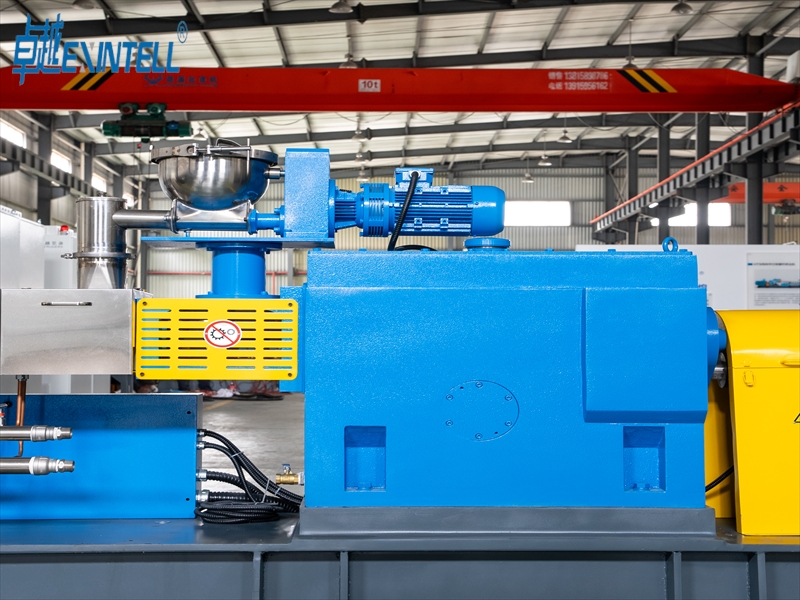
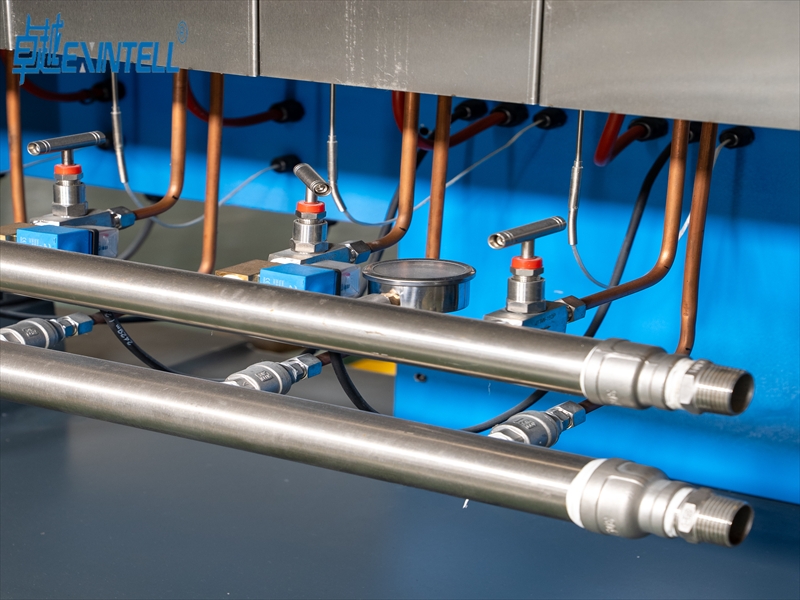
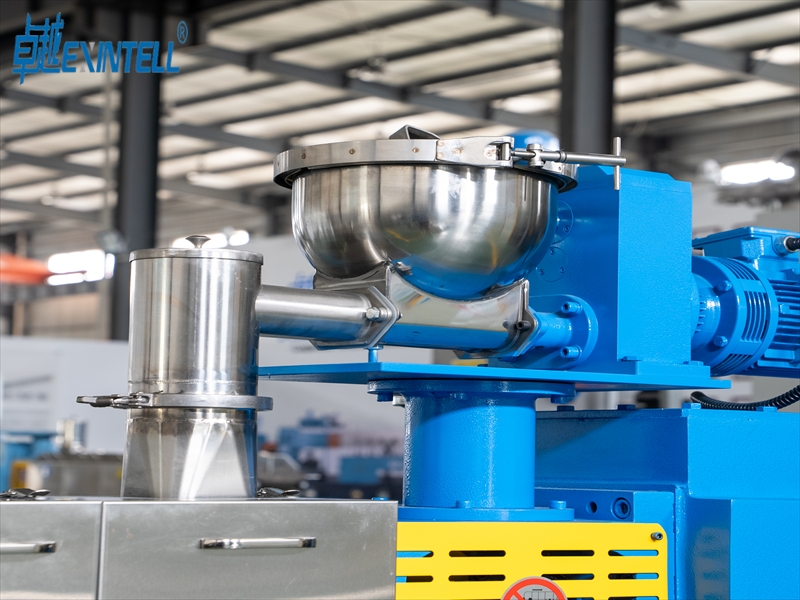
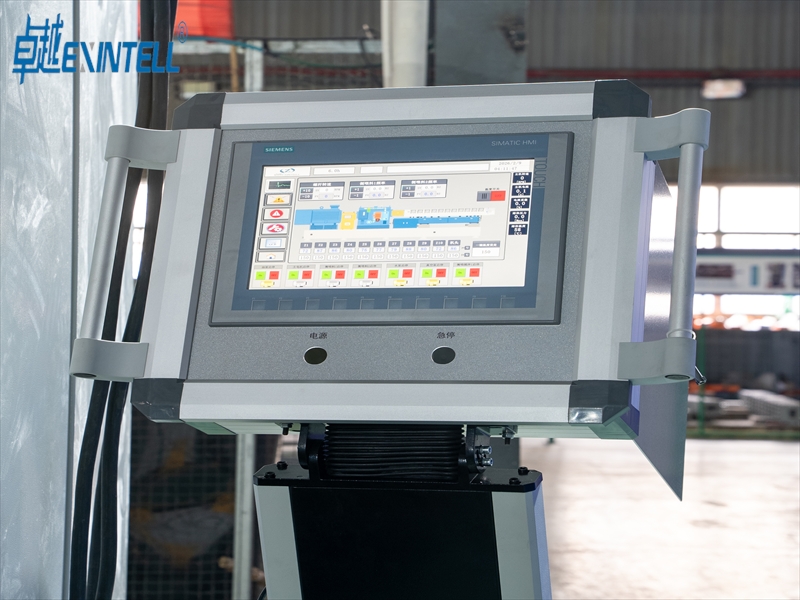
When I face the challenge of selecting a plastic pelletizer for a new production line, مان پاڻ کان پڇان ٿو ته ڪهڙو سسٽم واقعي منهنجي آپريشن کي بهتر ڪندو. مکيه پلاسٽڪ پيليزر سسٽم - پاڻي جي اندر, پاڻي جو انگ, ۽ اسٽينڊ - هر هڪ منفرد طاقت پيش ڪري ٿو. مان چونڊ ڪرڻ کان پهريان ڪيترن ئي عنصر تي غور ڪريان ٿو:
Manufacturer’s technical strength and industry reputation
Performance, قيمت, pellet معيار, and application suitability shape my final decision.
اهم ترڪيبون
Underwater pelletizers deliver high output and produce uniform, گول گوليون, making them ideal for large-scale, continuous production.
Water-ring pelletizers offer a compact, easy-to-maintain solution with good pellet quality, suited for medium-scale recycling and film processing.
اسٽينڊ pelletizersprovide a cost-effective, versatile option for smaller operations and recycling many types of plastics, though pellet quality is less consistent.
Choosing the right pelletizerdepends on your production volume, مواد جي قسمن, budget, and maintenance capacity to ensure efficient and reliable operation.
Regular maintenance, proper material matching, and evaluating long-term costs help optimize pelletizer performance and support sustainable plastic recycling.
Plastic Pelletizer Systems Overview
What Is a Plastic Pelletizer
I often rely on a plastic pelletizer totransform raw or recycled plasticinto uniform pellets. This process plays a vital role in recycling and compounding industries. When I use a plastic pelletizer system, I can convert waste plastic into reusable pellets. These pellets return to the manufacturing process, جيڪو منهنجي آپريشن کي فضول گھٽائڻ ۾ مدد ڪري ٿو ۽ اندروني اسڪريپ کي موثر طريقي سان استعمال ڪري ٿو.
Pelletizing systems (تار, die-face cutting, پاڻي هيٺ)
Each pelletizer system uses these components in unique ways to achieve specific results.
Key Differences
I compare the main types of plastic pelletizer systems based on their operation and output. جي table below summarizestheir strengths and best use cases:
Pelletizing System
فائدا
Best Use Case
Strand Pelletizing
Works well with high melting materials
Recycling high melting index materials
Water-ring Pelletizing
Simple to use, مستحڪم, easy to maintain
Processing films, raffia, regrind
پاڻي جي اندر پيليٽنگ
Handles large jobs, makes even pellets
Large-scale polymer production
This overview helps me match the right plastic pelletizer system to my production needs.
پاڻي جي اندر پيليٽنگ سسٽم
How Underwater Pelletizers Work
When I operate an underwater pelletizer, I start by feeding molten polymer through a die plate. The die sits submerged in a water chamber. As the polymer exits the die, rotating knives cut the strands into pellets immediately. The water cools and transports the pellets away from the cutting area. I use a centrifugal dryer to separate water from the finished pellets before packaging or further processing. This method creates uniform pellets and supports continuous production. I rely on this system forhigh-output operationsand when I need consistent pellet quality.
I can process a wide range of polymers, including materials with low melt strength.
The system produces smooth, uniform pellets with minimal dust.
I achieve high throughput, which suits large-scale manufacturing.
The closed water system helps control temperature and reduces thermal degradation.
I find the process efficient for both virgin polymer production and recycling applications.
ٽپو: I often recommend underwater pelletizing when I need to handle sticky or heat-sensitive materials that might not work well with a strand pelletizing system.
Limitations of Underwater Systems
Despite the benefits, I encounter some challenges with underwater pelletizers:
Temperature variations sometimes cause die faces to bow, which affects alignment and pellet quality.
Different materials require specific die specifications. If I use the wrong die, I see poor pellet shape and excessive fines.
آئون انهن مسئلن کي حل ڪريان ٿو باقاعده سار سنڀال ڪندي ۽ هر مواد لاءِ صحيح مرڻ جي چونڊ ڪندي. آئون صفائي جي مسئلن کي روڪڻ لاءِ درجه حرارت کي ويجهي مانيٽر ڪريان ٿو. جڏهن ته پاڻي جي هيٺان سسٽم ڪيترائي فائدا پيش ڪن ٿا, حتمي فيصلو ڪرڻ کان پهريان آئون هميشه انهن حدن کي وزن ڏيان ٿو.
پاڻي-رنگ Pelletizer نظام
ڪيئن پاڻي-رنگ Pelletizers ڪم
جڏهن آئون پاڻي جي انگن واري پيليٽنگ سسٽم کي هلائي ٿو, I start by feeding molten polymer through a die plate. پوليمر تارون مرڻ کان ٻاهر نڪرندا آهن ۽ فوري طور تي هڪ گھمندڙ چاقو سان منهن ڪندا آهن. چاقو مرڻ واري منهن تي سڌيءَ طرح پٽين کي ڪٽي ٿو. ڪٽڻ واري علائقي تي پاڻي اسپري, مرڻ جي چوڌاري هڪ انگوزي ٺاهڻ. اهو پاڻي ٿلهن کي ٿڌو ڪري ٿو ۽ انهن کي ڪٽڻ واري ڪمري کان پري وٺي ٿو. مان پيڪنگ ڪرڻ کان اڳ پيٽرن مان پاڻي کي الڳ ڪرڻ لاءِ سينٽرفيوگل ڊرير استعمال ڪريان ٿو. اهو عمل مسلسل هلندو آهي ۽ ڪيترن ئي قسمن جي پوليمر کي مناسب ڪري ٿو. مان هن سسٽم تي ڀروسو ڪندس جڏهن مون کي ڪارڪردگي ۽ سادگي جي وچ ۾ توازن جي ضرورت آهي.
نوٽ: آئون اڪثر ڪري هن سسٽم کي ننڍي ۽ وچولي پيماني تي عمل ڪرڻ جي صلاح ڏيان ٿو. اهو ريزائنگنگ لائينن سان چڱي ريت ٺهڪي اچي ٿو جيڪي مختلف قسم جي فيڊ اسٽاڪ کي سنڀاليندا آهن.
واٽر-رنگ سسٽم جون حدون
ان جي طاقت جي باوجود, واٽر-رنگ پيليٽنگ سسٽم ۾ ڪجهه خرابيون آهن. مون کي خبر آهي ته pellet معيار مختلف ٿي سگهن ٿا جيڪڏهن پاڻي جي وهڪري يا چاقو جي رفتار تبديل ٿي وڃي. سسٽم چپچپا يا گهٽ پگھلڻ واري طاقت پوليمر سان جدوجهد ڪري سگهي ٿي. مون کي ڪڏهن ڪڏهن اڻ وڻندڙ ٿڌي ڏسڻ ۾ ايندي آهي, جيڪو pellet جي شڪل کي متاثر ڪري ٿو. سار سنڀال اهم ٿي وڃي ٿي ڇاڪاڻ ته پائڻ وارا چاقو يا بند ٿيل پاڻي جي ڇنڊڇاڻ ڪارڪردگي کي گهٽائي ٿي. مان انهن مسئلن کي حل ڪريان ٿو پروسيس کي ويجهي نگراني ڪندي ۽ باقاعده سار سنڀال جي شيڊول ڪندي.
حد بندي
پيداوار تي اثر
متغير pellet معيار
پيداوار جي غير مطابقت
چپچپا مواد سان مشڪل
گھٽتائي ذريعي
سار سنڀال جي ضرورت آهي
وڌايل بند وقت
آئون هميشه انهن عنصرن کي وزن ڏيان ٿو جڏهن منهنجي آپريشن لاءِ پلاسٽڪ پيليزر چونڊيو. واٽر-رنگ پيليٽنگ سسٽم ڪيترن ئي ايپليڪيشنن لاءِ عملي حل پيش ڪري ٿو, خاص طور تي ري سائیکلنگ ۾, پر مون کي حتمي فيصلو ڪرڻ کان پهريان ان جي حدن تي غور ڪرڻ گهرجي.
Strand Pelletizer سسٽم
ڪيئن Strand Pelletizers ڪم
جڏهن مون کي هڪ strand pelletizer هلائڻ, مان هڪ سڌي عمل جي پيروي ڪريان ٿو جيڪو مسلسل نتيجا ڏئي ٿو. مان شروع ڪريان ٿو پلاسٽڪ مواد کي پگھلڻ سان extruder ۾. پگھليل پلاسٽڪ پوءِ مسلسل تارن ۾ بڻجي ٿي جيئن اهو مرڻ کان ٻاهر نڪرندو آهي. آئون انهن تارن کي پاڻي جي غسل ذريعي هدايت ڪريان ٿو, جيڪو انهن کي تيزيءَ سان ٿڌو ڪري ٿو. هڪ ڀيرو ٿڌو, تارون ڪٽڻ واري ڪمري ۾ منتقل ٿين ٿيون, جتي گھمڻ وارا چاقو انھن کي يونيفارم پيلن ۾ ڪٽيندا آھن. اهو سلسلو يقيني بڻائي ٿو ته حتمي گولا وڌيڪ پروسيسنگ لاء گهربل معيار جي معيار کي پورا ڪن ٿا.
I often choose a strand pelletizer for its versatility and environmental benefits. The system supports my recycling efforts by transforming plastic waste into a consistent raw material. This approach reduces landfill waste and conserves valuable resources, which aligns with the principles of a circular economy. I can process a variety of polymers, such as HDPE, LDPE, and PET, each with unique advantages. مثال طور, pelletized HDPE becomes new bottles, پائپ, or plastic lumber due to its toughness. LDPE pelletizing allows me to convert post-consumer films into usable raw materials. PET’s low melting point makes it energy-efficient to process, and recycled PET pellets find new life in fibers for clothing and packaging.
It transforms plastic waste into a consistent raw material, closing the loop in the plastic lifecycle.
HDPE, when pelletized, is used to create new bottles, پائپ, and plastic lumber due to its toughness and chemical resistance.
LDPE pelletizing converts post-consumer films into usable raw materials for new products.
PET’s low melting point makes it energy-efficient to process, and recycled PET pellets are utilized in fibers for clothing and packaging.
Limitations of Strand Systems
While the strand pelletizing system offers many advantages, I also face several operational challenges. Price volatilitycan affect my raw material costs and energy expenses, making it difficult to manage margins. I must navigate supply chain fragmentation, which introduces unpredictability in procurement and inventory. Regulatory compliance costs continue to rise as environmental standards tighten. مون کي گهٽ قيمت پيدا ڪندڙ ۽ نئين ٽيڪنالاجيز کان شديد مقابلي وارو دٻاء پڻ ڏسڻ ۾ اچي ٿو. ٽيڪنالاجي رڪاوٽ مون کي مقابلي ۾ رهڻ لاءِ نئين سامان ۾ سيڙپڪاري ڪرڻ جي ضرورت آهي. جدت جون رڪاوٽون منهنجي نئين مواد ۽ عمل کي اپنائڻ کي سست ڪري سگهن ٿيون. اعلي داخلا رڪاوٽون, جيئن سرمائي جي گهرج ۽ ريگيوليٽري منظوري, قائم ڪيل رانديگرن جي وچ ۾ مارڪيٽ جي طاقت کي وڌايو.
چيلنج
وضاحت
قيمت جي ڦيرڦار
خام مال جي قيمتن ۽ توانائي جي قيمتن ۾ ڦيرڦار مارجن مينيجمينٽ ۽ ڊگھي مدت جي قيمتن جي حڪمت عملي کي پيچيده ڪري ٿي.
سپلائي چين فريگمينٽيشن
علائقائي تفاوت ۽ نقل و حمل جي رڪاوٽون خريداري ۽ انوینٽري مئنيجمينٽ ۾ غير متوقعيت متعارف ڪرايو, وڌندڙ خرچن ۽ دير جي سبب.
ريگيوليٽري تعميل خرچ
ماحولياتي معيارن کي سخت ڪرڻ جي ڪري تعميل جي قيمتن ۾ اضافو اهم سرمائي خرچن ۽ عمل جي موافقت جي ضرورت آهي.
Intense Competitive Pressures
The entry of low-cost producers and technological innovators compresses margins and drives the need for continuous innovation.
Technological Disruption
Advances in alternative pelletizing methods threaten existing equipment, requiring substantial investment to stay competitive.
Innovation Bottlenecks
Slow adoption of new materials and process improvements limits differentiation and growth potential, particularly in high-performance segments.
Entry Barriers
High capital requirements and stringent regulatory approvals restrict new entrants, concentrating market power among established players and intensifying competitive pressures.
I address these challenges by staying informed about industry trends and investing in process improvements. اهو طريقو مون کي منهنجي پلاسٽڪ پيليزر جي عملن جي اعتبار ۽ ڪارڪردگي کي برقرار رکڻ ۾ مدد ڪري ٿو.
پلاسٽڪ Pelletizer سسٽم جي مقابلي ۾
ڪارڪردگي ۽ ڪارڪردگي
جڏهن آئون هر pelletizing سسٽم جي ڪارڪردگي ۽ ڪارڪردگي جو جائزو وٺندو آهيان, مان انرپٽ جي شرح ۽ توانائي جي استعمال تي ڌيان ڏيان ٿو. پاڻي جي اندر پيليٽنگ سسٽم پهچائي ٿو سڀ کان وڌيڪ throughput. مان هڪ مشين سان ڪيترائي ٽين في ڪلاڪ پروسيس ڪري سگهان ٿو, جيڪو هن سسٽم کي ٺاهي ٿو وڏي پيماني تي آپريشن لاء مثالي. واٽر-رنگ پيليٽنگ سسٽم پڻ مضبوط ڪارڪردگي پيش ڪن ٿا, خاص طور تي polyolefins ۽ recycled مواد لاء. انهن جي ٺهيل ڊيزائن ۽ موثر کولنگ مون کي بهترين توانائي جي ڪارڪردگي حاصل ڪرڻ ۾ مدد ڪري ٿي. Strand pelletizing سسٽم معتدل throughput مهيا ڪن ٿا. مون کي خبر آهي ته اسٽينڊ جي ڀڃڪڙي گنجائش کي محدود ڪري سگهي ٿي, ۽ توانائي جي ڪارڪردگي ٻين ٻن سسٽم جي مقابلي ۾ صرف وچولي آهي.
Pelletizer سسٽم
ذريعي / ظرف
توانائي جي ڪارڪردگي
Strand Pelletizing
وچولي; limited by strand breakage
Medium
Water Ring Pelletizing
وچولي; efficient for many polymers
تمام سٺو
پاڻي جي اندر پيليٽنگ
هاءِ; several tons per hour possible
تمام سٺو
نوٽ: I choose underwater pelletizing when I need maximum output and energy savings. For moderate production, water-ring systems balance efficiency and capacity. Strand systems suit smaller or specialized runs.
Cost and Maintenance
Cost and maintenance play a major role in my decision. Strand pelletizing systems have the lowest initial investment. I find them simple to operate and maintain, which reduces my long-term expenses. Underwater and water-ring pelletizing systems require higher startup costs. Their advanced technology and complex design increase operational complexity. I spend more time and resources on maintenance for these systems, especially when handling different polymers or frequent material changes.
Pelletizing ٽيڪنالاجي
شروعاتي قيمت
آپريشنل پيچيدگي
مواد لچڪدار
Strand Pelletizing
هيٺيون
سادو
هاءِ
پاڻي جي اندر پيليٽنگ
مٿاهون
Complex
وچولي
واٽر-رنگ Pelletizing
مٿاهون
Complex
وچولي
آئون اڪثر سفارش ڪريان ٿو اسٽينڊ پيليٽنگ جي آپريشن لاءِ سخت بجيٽ سان يا جڏهن سادگي ترجيح هجي. جڏهن مون کي ترقي يافته خاصيتن يا اعلي پيداوار جي ضرورت آهي, مان پاڻي جي اندر يا واٽر-رنگ سسٽم جي اعلي قيمتن کي قبول ڪريان ٿو.
Pellet معيار
پيلٽ جي معيار کي اثر انداز ٿئي ٿو هيٺيون وهڪرو پروسيسنگ ۽ پيداوار جي استحڪام. پاڻي جي اندر پيليٽنگ سسٽم اعلي استحڪام سان گول گولي پيدا ڪري ٿو. اهي گولا چڱيءَ طرح وهن ٿا ۽ مٽيءَ کي گهٽائين ٿا, جيڪو منهنجي مرڪب ۽ ٺهڻ واري عمل کي فائدو ڏئي ٿو. واٽر-رنگ پيليٽنگ سسٽم ٿورڙي فليٽ ٿيل پيليٽس ٺاهي ٿو. معيار سٺو رهي ٿو, پر مون کي پاڻي جي هيٺان سسٽم جي مقابلي ۾ گهٽ تسلسل نظر اچي ٿو. Strand pelletizing systems generate cylindrical pellets. مون کي وڌيڪ مٽي ۽ جزا نوٽيس, جيڪو مجموعي معيار کي متاثر ڪري سگهي ٿو ۽ اضافي صفائي جي قدمن جي ضرورت آهي.
پاڻي جي اندر پيليٽنگ: گولي وارو, تمام گهڻي مطابقت واري گولي; بهترين وهڪري جون خاصيتون.
ٽپو: آئون پاڻي جي اندر پيليٽنگ کي منتخب ڪريان ٿو جڏهن pellet جي هڪجهڙائي ۽ وهڪري نازڪ آهي. گھٽ گهربل ايپليڪيشنن لاء, واٽر-رنگ يا اسٽينڊ سسٽم ڪافي ٿي سگھي ٿو.
درخواست جي مناسبت
مان هر pelletizing سسٽم کي انهن جي طاقت جي بنياد تي مخصوص ايپليڪيشنن سان ملندو آهيان. پاڻي جي اندر پيليٽرز اعلي پيداوار ۾ شاندار آهن, مسلسل پوليمر پروسيسنگ. آئون انهن کي وڏي پيماني تي ٺهڪندڙ ۽ خاص پوليمر لاء استعمال ڪريو. واٽر-رنگ پيليٽنگ سسٽم پوليولفين ۽ ري سائيڪل ٿيل مواد لاءِ سٺو ڪم ڪن ٿا. انهن جي استقامت ريسائڪلنگ ايپليڪيشنن جي هڪ حد کي سپورٽ ڪري ٿي. Strand pelletizing سسٽم پيش ڪن ٿا اعلي مواد لچڪدار. مان پوليمر جي مختلف قسمن کي پروسيس ڪريان ٿو, انهن سميت جيڪي اعلي پگھلڻ واري طاقت سان, and I often use this system for smaller batches or when I need to minimize costs.
پاڻي جي اندر پيليٽرز: Best for high-output, continuous production, and specialty polymers.
Water-ring pelletizing systems: Ideal for polyolefins, ٻيهر استعمال ٿيل مواد, and moderate production volumes.
Strand pelletizing systems: Suitable for high melt strength materials, flexible for many polymers, and cost-effective for smaller operations.
I always consider the specific needs of my operation before choosing a pelletizing system. مثال طور, if I focus on recycling and need to process many types of materials, strand pelletizing gives me the flexibility I need. When I require high throughput and top pellet quality, I rely on underwater pelletizing.
Highlighting Differences: Strand vs. پاڻي جي اندر پيليٽنگ
The most significant differences between strand and underwater pelletizing systems appear in performance, قيمت, and pellet quality. Strand pelletizing offerslower initial costsand simple operation. I can process a wide range of materials, but I accept moderate throughput and more dust in the final product. Underwater pelletizing requires a higher investment and more complex operation. In return, I achieve the highest throughput, excellent energy efficiency, and the most consistent pellet quality. My choice depends on whether I prioritize cost and flexibility or output and pellet uniformity.
Choosing a Plastic Pelletizer System
Assessing Production Needs
When I select a pelletizer, I always start by defining my production requirements. I ask myself several key questions:
What types of plastics will I process?
How much material do I need to pelletize each hour or day?
Will my production volume increase in the future?
ڇا مون کي اڪثر مختلف مواد جي وچ ۾ مٽائڻ جي ضرورت آهي?
مان حساب ڪريان ٿو منهنجي موجوده ۽ پروجيڪٽ ٿيل ذريعي. هي قدم مون کي مدد ڪري ٿو گھٽ ڪرڻ کان بچڻ يا سامان ۾ وڌيڪ سيڙپڪاري ڪرڻ. اعلي پيداوار جي عملن لاء, مان پاڻي جي اندر پيليليٽنگ سسٽم جي طرف جھڪيان ٿو ڇاڪاڻ ته اهي وڏي مقدار کي موثر طريقي سان سنڀاليندا آهن. ننڍي يا وڌيڪ لچڪدار پيداوار لاء, اسٽرينڊ يا واٽر-رنگ سسٽم اڪثر ڪري بهتر هوندا آهن.
مان پڻ سار سنڀال جي ضرورتن ۽ بليڊ جي استحڪام تي غور ڪريان ٿو. صفائي لاء آسان رسائي ۽ بليڊ تبديلين کي گھٽائي ٿو. مان چيڪ ڪريان ٿو ته ڇا pelletizer پيش ڪري ٿو مضبوط ڪٽر اسيمبليون, خاص طور تي جڏهن مان گھربل يا ڀريل مرکبات کي پروسيس ڪرڻ جو منصوبو ڪريان ٿو.
مواد جي مطابقت
مواد جي مطابقت منهنجي فيصلي ۾ اهم ڪردار ادا ڪري ٿي. مختلف پوليمر ڪم ڪن ٿا پروسيسنگ دوران منفرد طريقن سان. مثال طور, پي اي, پي پي, پي اي ٽي, ۽ ڀريل ڪمپوزٽس هر هڪ کي مخصوص پيليٽائيزر خاصيتن جي ضرورت هوندي آهي. مان انهن عنصرن کي ڳولي رهيو آهيان:
High-viscosity materials need pelletizers with higher torque gearmotors and reinforced cutter assemblies.
Abrasive filled compounds demand die plates and cutters made from durable materials, such as carbide-tipped blades.
Some pelletizers handle sticky or low melt-strength materials better than others.
I always match the pelletizer design to the materials I plan to process. This approach prevents excessive wear, reduces downtime, and ensures consistent pellet quality. When I focus on recycling, I choose a system that can handle a wide range of feedstocks, including post-consumer and post-industrial plastics.
Budget Considerations
Budget remains a major factor in my selection process. I look beyond the initial price and consider the total cost of ownership. ڪيترائي ٺاهيندڙن کي صرف خريداري جي قيمت تي ڌيان ڏيڻ جي غلطي ڪن ٿا. مان هن کان پاسو ڪريان ٿو ڊگھي مدت جي خرچن جو تجزيو, جهڙوڪ توانائي جو استعمال, سار سنڀال, ۽ اسپيئر پارٽس.
خاص طور تي گھٽ ابتدائي سرمائي سيڙپڪاري; مشيني طور تي آسان سامان.
پاڻي جي اندر پيليٽنگ
اعلي ابتدائي سيڙپڪاري جي ڪري سڌائي-انجنيئر ٿيل حصن جي ڪري; وڌيڪ جامع پيرن جو نشان.
مان آپريٽنگ خرچن ۾ پڻ فڪر ڪريان ٿو. پاڻي جي اندر ۽ پاڻي جي انگن واري نظام کي وڌيڪ قيمتي ٿي سگهي ٿو, پر انهن جي آٽوميشن ۽ ڪارڪردگي وقت سان گڏ مزدور ۽ توانائي جي خرچن کي گهٽائي سگھي ٿي. مان هميشه ٺاهيندڙن جي سندن ۽ معيار جي سرٽيفڪيشن جي تصديق ڪريان ٿو. قابل اعتماد بعد ۾ سيلز سپورٽ ۽ اسپيئر پارٽس جي دستيابي منهنجي سيڙپڪاري جي حفاظت ڪري ٿي ۽ گھٽ ۾ گھٽ وقت گھٽائي ٿي.
ٽپو: مان حتمي فيصلو ڪرڻ کان اڳ فيڪٽري جي آڊٽ ۽ سامان جي جاچ ڪريان ٿو. هي قدم مون کي قيمتي غلطين کان بچڻ ۾ مدد ڪري ٿو.
ٻيا عملي عنصر
ڪيترائي عملي خيال منهنجي آخري چونڊ تي اثرانداز ٿين ٿا. مان خلا جي گهرج جو جائزو وٺندو آهيان, آپريٽر مهارت جي سطح, ۽ خودڪار ضرورتن. هيٺ ڏنل جدول انهن عنصرن کي اختصار ڪري ٿو هر pelletizer جي قسم لاءِ:
فڪر
اسٽينڊ پيليٽائيزر
واٽر-رنگ Pelletizer (WRP)
پاڻي جي اندر پيليٽائيزر (يو ڊبليو پي)
خلائي گهرجون
ٿڌي گرت ۽ خشڪ حصن جي ڪري وڏو پيرن جو نشان
ڪمپيڪٽ پيرن جو نشان
نسبتا compact پيرن جو نشان
آپريٽر مهارت جي سطح
سخت محنت; وڌيڪ دستي مداخلت ۽ ڌيان جي ضرورت آهي, خاص طور تي شروع ٿيندڙ ۽ اسٽينڊ جي ڀڃڪڙي دوران
وچولي کان اعلي آٽوميشن; گهٽ دستي ڪم جي ضرورت آهي
اعلي خودڪار; پيچيده آپريشن کي ماهر آپريٽرز جي ضرورت آهي
سار سنڀال جي پيچيدگي
وچولي; چاقو تبديل ڪرڻ ۽ صفائي جي ضرورت آهي
وچولي; واٽر انگ ۽ ڪٽر جي سار سنڀال
وڌيڪ پيچيده; die plate and cutting chamber maintenance can be challenging
Automation Level
Lower automation
وچولي کان اعلي آٽوميشن
اعلي خودڪار
Additional Considerations
Potential for strand breakage and fines/dust if not well maintained
Material limitations (مثال, not ideal for tacky materials)
Higher initial cost and complex operation
I consider workspace constraints, noise sensitivity, and dust control requirements. I also analyze energy efficiency and operating costs. I never overlook after-sales support or spare parts availability. These factors ensure smooth operation and long-term reliability.
نوٽ: I use a checklist to guide my decision:
Define materials and forms to process.
Calculate throughput needs.
Assess maintenance and blade replacement.
Consider workspace and automation.
Analyze long-term costs.
Evaluate manufacturer support.
By following this structured approach, I select the plastic pelletizer system that best matches my production goals, material needs, and budget. This method helps me avoid common pitfalls and ensures my operation runs efficiently for years to come.
I compare plastic pelletizer systems by their strengths and suitability for plastic film, ري سائیکلنگ, and mechanical recycling. The table below highlights their advantagesfor sustainability and the circular economy:
System
Strengths
Suitability
Strand
Versatile, cost-effective
Small jobs, recycling lines
Water-ring
Compact, good pellet surface
Efficient plastic reprocessing system, film production
Underwater
يونيفارم گوليون, high automation
Large factories, tough materials
Understanding these differences helps me optimize my recycling operation. I always evaluate material needs, production goals, and process stability before choosing a system.
I focus on durability and energy efficiency for long-term success.
I recommend assessing your requirements carefully to ensure the best fit for your operation.
FAQ
What is the main difference between strand and underwater pelletizing?
I see the biggest difference in pellet shape and system complexity. Strand pelletizers make cylindrical pellets and use a simple process. Underwater pelletizers create round pellets and require more advanced equipment.
How do I choose the right pelletizer for recycled plastics?
I always check material type, contamination level, and output needs. Strand pelletizers work well for mixed or high-melt materials. Water-ring systems handle films and regrind efficiently. Underwater systems suit clean, high-volume recycling.
How often should I perform maintenance on my pelletizer?
مان هر هفتي پنهنجي پيليزر جو معائنو ڪريان ٿو لباس ۽ ترتيب لاءِ. مان هر مهيني بليڊ جي تبديلين ۽ صفائي کي شيڊول ڪريان ٿو. پاڻي جي هيٺان سسٽم لاء, مان وڌيڪ پيچيدگي جي ڪري مرڻ واري پليٽ ۽ چاقو کي اڪثر چيڪ ڪندو آهيان.
ڇا ھڪڙو پيليزر سڀني قسمن جي پلاسٽڪ کي سنڀالي سگھي ٿو?
منهنجي تجربي ۾, ڪو به هڪ پيليزر هر پلاسٽڪ ۾ نه ٿو اچي. مان سسٽم کي پوليمر جي ڳرڻ واري طاقت سان ملندو آهيان, چپچپا, ۽ آلودگي. مان بهترين نتيجا حاصل ڪرڻ لاء ٺاهيندڙ سان صلاح ڪريو.