

Стренговый или подводный гранулятор, который подходит для вашего процесса
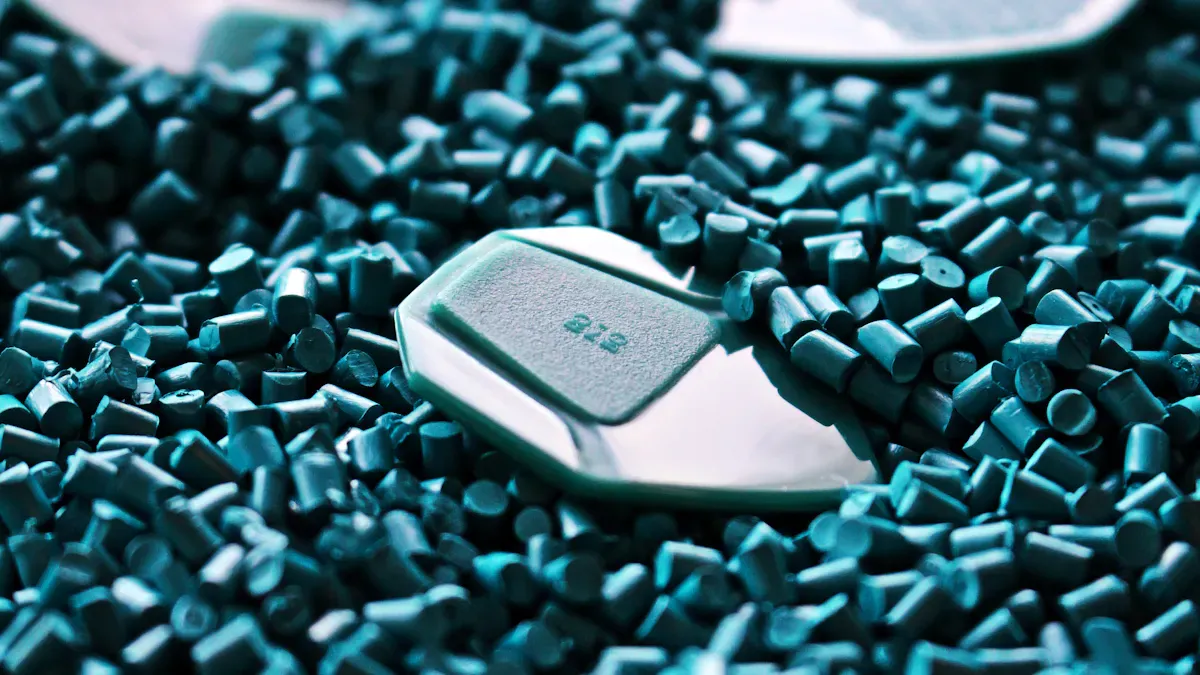
Системы стренговых и подводных грануляторов различаются методами охлаждения и резки., масштаб производства, и качество пеллет. Грануляторы прядей охлаждают полимерные пряди в ванне с водой., в то время как устройства подводного гранулирования режут пеллеты, полностью погруженные в воду., производство высокооднородных окатышей и высокая производительность.
Для высоковязких полимеров, Системы подводного гранулирования вмещают до 70,000 фунт/час и большинство типов полимеров, как показано ниже:
| Тип системы | Объем производства | Совместимость материалов |
|---|---|---|
| Подводное гранулирование | До 70,000 фунт/час | Большинство полимеров |
| Гранулирование прядей | До 44,000 фунт/час | Переменная, проблемы с материалами низкой вязкости |
Учитывайте тип материала, загрязнение, пропускная способность, и качество пеллет при выборе гранулятора.
Ключевые выводы
- Грануляторы прядей охлаждают полимерные пряди в воде., в то время как подводные грануляторы разрезают пеллеты, погруженные в воду, влияние на качество пеллет и масштабы производства.
- Подводные грануляторы могут обрабатывать до 70,000 фунт/час, что делает их идеальными для полимеров высокой вязкости и крупномасштабного производства..
- Выбирайте подводные грануляторы для задач, требующих однородности, сферические гранулы с минимальной пылью; стренговые грануляторы производят цилиндрические гранулы, но производят больше пыли.
- Техническое обслуживание стренговых грануляторов проще благодаря их сухой конструкции., в то время как подводные системы требуют более сложной очистки из-за воздействия воды.
- Учитывайте совместимость материалов: подводные системы работают с более широким спектром полимеров, в том числе высоковязкие и загрязненные материалы.
- Оценить потребности производства: стренговые грануляторы лучше подходят для частой смены материала, в то время как подводные системы превосходны в непрерывном, высокопроизводительные операции.
- Тщательно оцените затраты: подводные грануляторы имеют более высокие первоначальные и эксплуатационные расходы, но может предложить долгосрочную экономию в средах с большими объемами.
- Используйте контрольный список выбора, чтобы согласовать выбор гранулятора с вашим конкретным материалом., пропускная способность, и бюджетные требования.
Обзор сравнения грануляторов
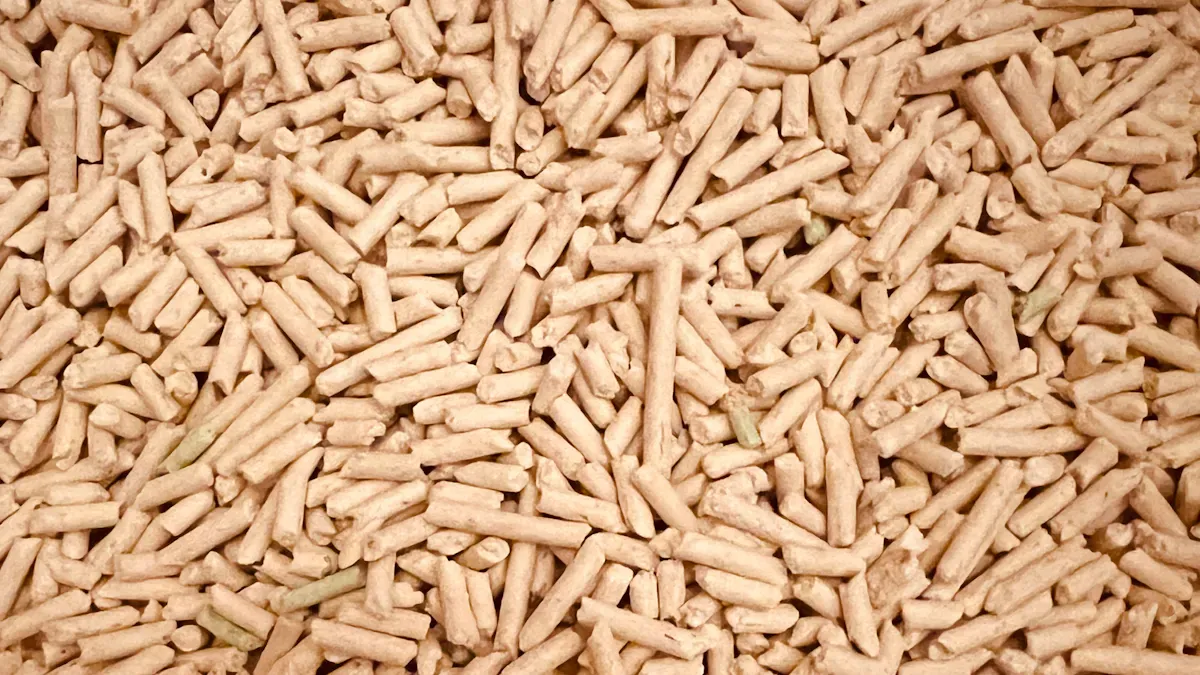
Стренг против стола для подводного гранулирования
Выбор подходящего гранулятора для вашего процесса требует четкого понимания того, как каждая система работает по критическим показателям.. В таблице ниже представлено параллельное сравнение стренговых и подводных грануляторов., ориентируясь на форму гранул, изменение размера, пылеобразование, объем производства, и совместимость материалов.
| Метрика | Подводное гранулирование | Гранулирование прядей |
|---|---|---|
| Форма гранул | сферический | Цилиндрический |
| Изменение размера | < ±5% | < ±10-15% |
| Образование пыли | Меньше | Более |
| Объем производства | До 70,000 фунт/час | До 44,000 фунт/час |
| Совместимость материалов | Большинство полимеров | Переменная, проблемы с материалами низкой вязкости |
Кончик: Для применений, требующих однородности гранул и минимального количества пыли., подводные системы гранулирования часто дают превосходные результаты.
Сравнение ключевых показателей
При оценке вариантов гранулятора, Производители должны учитывать несколько ключевых аспектов:
- Качество пеллет: Подводные грануляторы производят высокооднородную, сферические гранулы с минимальным содержанием пыли благодаря быстрому водяному охлаждению. Системы гранулирования стренги производят цилиндрические гранулы., но имеют тенденцию создавать больше пыли и мелких частиц, что может повлиять на последующую обработку.
- Требования к техническому обслуживанию: Подводное оборудование для гранулирования включает в себя более сложные компоненты и воздействие воды., что приводит к более высоким потребностям в обслуживании. Машины для гранулирования стренги имеют более простую конструкцию., сухой дизайн, что упрощает и ускоряет их обслуживание.
- Совместимость материалов: Технология подводного гранулятора позволяет перерабатывать широкий спектр полимеров., включая высоковязкие и специальные материалы. Системы гранулирования стренги хорошо работают с большинством пластмасс., но может возникнуть проблема с маловязкими или липкими полимерами.
- Эффективность производства: Линии подводного гранулятора поддерживают непрерывную, высокопроизводительная работа, что делает их идеальными для крупномасштабного производства. Установки для гранулирования стренги часто работают партиями и обычно имеют меньшую производительность..
- Соображения стоимости: Системы подводных грануляторов требуют более высоких первоначальных инвестиций и текущих затрат на техническое обслуживание.. Решения для гранулирования стренги, как правило, более экономичны для небольших операций или частой смены материала..
Производители в таких отраслях, как автомобилестроение, упаковка, и электроника должны соответствовать требованиям процесса к сильным сторонам каждого типа гранулятора.. Правильный выбор зависит от желаемого качества пеллет., тип материала, объем производства, и операционный бюджет.
Как работает каждый гранулятор
Процесс гранулирования стренги
Охлаждение и резка
Системы гранулирования стренги работают путем преобразования расплавленного полимера в цилиндрические гранулы.. Процесс начинается с подачи материала в компактор с помощью ленточного конвейера.. Скорость подачи можно регулировать, и детектор металла часто включается для предотвращения загрязнения. Вращающиеся лезвия внутри уплотнителя измельчают и нагревают материал., уплотнение его перед входом в шнек экструдера. Экструдер расплавляет полимер, а вакуумная система удаляет загрязнения. Когда полимер полностью расплавится, он движется к головке штампа. Здесь, расплавленные пряди разрезаются и охлаждаются в водное кольцо, что исключает необходимость ручной обработки прядей. Водяное кольцо обеспечивает быстрое охлаждение и помогает поддерживать форму гранул..
Примечание: Метод водяного охлаждения в системах гранулирования стренги эффективен для большинства конструкционных пластмасс., но может возникнуть проблема с липкими или маловязкими полимерами.
Расположение оборудования
Компоновка оборудования стренгового гранулятора обычно включает в себя несколько ключевых компонентов.:
- Уплотнитель с регулируемой подачей и металлодетектором
- Одношнековый экструдер с вакуумной дегазацией
- Головка для формирования прядей
- Водяное кольцо для охлаждения и гранулирования
- Конвейерная система для сбора пеллет
Такая компоновка обеспечивает простоту обслуживания и быструю смену материалов.. Сухая конструкция сокращает время простоя и упрощает очистку.. Операторы могут легко получить доступ к компактору и экструдеру для проведения плановых проверок..
Процесс подводного гранулирования
Резка и охлаждение в воде
Процесс подводного гранулирования предназначен для производства полимеров в больших объемах и с высокой вязкостью.. Операция начинается с сортировка материалов отделить перерабатываемый пластик от неперерабатываемого. После сортировки, материалы промывают для удаления загрязнений, а затем сушат, чтобы подготовить их к плавке. Высушенный пластик плавится с образованием гомогенного полимерного расплава.. Затем расплавленный полимер подается непосредственно в водяную камеру.. Внутри этой камеры, гранулятор разрезает полимер на гранулы при полном погружении. Подводная среда обеспечивает быстрое охлаждение, в результате чего получается очень однородный, сферические гранулы. Этот метод сводит к минимуму пыль и мелкие частицы., что делает его идеальным для применений, требующих строгого качества пеллет..
Кончик: Системы подводного гранулирования превосходно справляются с переработкой загрязненного сырья и специальных полимеров благодаря своим надежным возможностям охлаждения и резки..
Настройка системы
Типичная установка подводного гранулятора включает в себя:
- Сортировочно-мойочные агрегаты для подготовки материала
- Сушильное оборудование для обеспечения оптимального качества расплава
- Экструдер для плавления и гомогенизации полимера
- Водяная камера со встроенной режущей головкой
- Система сбора и сушки пеллет
Эта конфигурация поддерживает непрерывную обработку и высокую пропускную способность.. Подводная режущая головка работает внутри водяной камеры., обеспечивает точное формирование гранул и быстрое охлаждение. Техническое обслуживание более сложное из-за воздействия воды и системной интеграции., но преимущества в качестве пеллет и объеме производства значительны.
Ключевые различия в выборе гранулятора
Пригодность процесса
Пропускная способность и гибкость
Выбор гранулятора во многом зависит от требований к производительности и эксплуатационной гибкости.. Производители должны оценить масштабы своих потребностей в переработке и типы используемых полимеров.. В следующей таблице суммированы пропускная способность для разных типов грануляторов:
| Тип гранулятора | Пропускная способность |
|---|---|
| Стренговый гранулятор | От низкого до среднего |
| Водокольцевой гранулятор | От среднего до высокого |
| Подводный гранулятор | От высокого до очень высокого |
Стренговые грануляторы обеспечивают низкую и среднюю производительность и обеспечивают универсальность для различных полимеров., в том числе термочувствительные материалы. Грануляторы с водяными кольцами обеспечивают среднюю и высокую производительность., достижение о 11,000 фунтов в час. Подводные системы гранулирования превосходны в сценариях с высокой и очень высокой производительностью., обработка до 70,000 фунтов в час. Эти системы идеально подходят для сложных полимеров, таких как ПЭТ., Пенсильвания, ТПУ, и биопластики.
Примечание: Для крупносерийного производства и требовательных полимеров, подводные грануляторы обеспечивают непревзойденную производительность и непрерывную работу.
Смена материала
Частая смена материала является критически важным фактором для многих переработчиков.. Системы гранулирования стренги отличаются простотой, сухая конструкция, обеспечивающая быструю очистку и быструю замену. Операторы могут переключаться между материалами с минимальным временем простоя., сделать стренговые грануляторы подходящими для предприятий, которые обрабатывают несколько типов полимеров или требуют частой смены партий.
Подводные системы гранулирования, обеспечивая при этом превосходную пропускную способность, требуют более сложных процедур очистки из-за воздействия воды и встроенных режущих головок.. Смена материала занимает больше времени, и специальные протоколы очистки необходимы для предотвращения загрязнения, особенно при переключении между полимерами с разными свойствами.
Совместимость материалов
Вязкость и загрязнение
Совместимость материалов влияет на производительность и техническое обслуживание гранулятора.. Стренговые грануляторы хорошо работают с большинством пластиков, но могут не работать с липкими полимерами или полимерами с низкой вязкостью.. Системы подводных грануляторов работают с более широким диапазоном вязкостей., в том числе высоковязкие и специальные полимеры.
Управление загрязнением имеет важное значение в обеих системах. Правильное выравнивание матрицы и лезвия предотвращает загрязнение мелкими частицами и пылью.. Загрязненные материалы могут ухудшить поверхность матрицы., возрастающие потребности в техническом обслуживании. Подводные грануляторы устойчивы к загрязнению., особенно при переработке вторичного или специального сырья. Для поддержания качества гранул и предотвращения деградации системы необходимо соблюдать протоколы очистки таких полимеров, как ПВХ и ТПЭ..
Типы полимеров
Совместимость систем гранулирования с различными типами полимеров описана ниже.:
| Тип материала | Совместимость |
|---|---|
| Полиолефины | ПП, ЧП |
| Инженерные пластмассы | АБС, ТПУ, ТПЭ, Пенсильвания |
| Биоразлагаемые пластмассы | НОАК, ПБАТ, ПГА, полимеры на основе крахмала |
| Производство мастербатчей | Цветная маточная смесь, маточная смесь наполнителя, добавки |
| Химическая и смоляная продукция. | Клеи-расплавы, эластомеры, реактивные полимеры |
| Материалы с высоким MFI | Подходит для подводных систем гранулирования. |
Стренговые грануляторы универсальны для полиолефинов и инженерных пластиков.. Подводные системы гранулирования охватывают более широкий диапазон, включая биоразлагаемый пластик, производство маточной смеси, и материалы с высоким MFI, которые невозможно гранулировать с использованием стренговых или водокольцевых систем..
Качество пеллет
Однородность размера и формы
Качество пеллет влияет на последующую переработку и качество конечного продукта.. Системы подводного гранулирования производят высокооднородный, сферические гранулы с разбросом размеров обычно менее ±5%. Стренговые грануляторы производят цилиндрические гранулы с разбросом размеров до ±10-15%.. Однородность имеет решающее значение для применений, требующих постоянного потока пеллет и минимального количества пыли..
Кончик: Выбирайте системы подводного гранулятора для применений, требующих строгого единообразия размера и формы гранул..
Влияние последующей обработки
Форма и качество гранул влияют на эффективность последующей переработки.. Сферические пеллеты из подводных систем плавно перетекают в пневмотранспортное и питающее оборудование.. Снижение пылеобразования сводит к минимуму загрязнение и износ последующего оборудования.. Цилиндрические окатыши из стренговых грануляторов могут давать больше мелочи., влияние на процессы фильтрации и компаундирования.
Производители должны оценить, как качество пеллет влияет на последующие этапы., такие как экструзия, формование, или смешивание. Правильный выбор гранулятора обеспечивает оптимальную производительность всей производственной цепочки..
Техническое обслуживание и эксплуатация
Очистка и время простоя
Регулярная очистка и минимизация времени простоя являются решающими факторами при выборе гранулятора.. Системы гранулирования стренги отличаются простотой, сухой дизайн. Операторы могут быстро получить доступ к ключевым компонентам, что обеспечивает быструю очистку между производственными циклами. Такая конструкция снижает риск перекрестного загрязнения при смене материалов.. Большинство стренговых грануляторов требуют лишь базовой разборки для очистки., а отсутствие воды в зоне резки упрощает обслуживание.
Подводные системы гранулирования представляют собой другой сценарий.. Добавление воды в камеру резки предъявляет дополнительные требования к очистке.. Воздействие воды может привести к накоплению минералов, коррозия, или рост микробов, если не справиться должным образом. Операторы должны соблюдать строгие протоколы очистки для поддержания гигиены системы и предотвращения загрязнения гранул.. Очистка подводной режущей головки и системы циркуляции воды часто занимает больше времени и может потребовать использования специальных инструментов или химикатов.. Время простоя для технического обслуживания обычно больше при использовании подводного оборудования для гранулирования., особенно при смене материалов или при обработке липких полимеров.
Примечание: Предприятия, требующие частой смены материалов или быстрых циклов очистки, часто предпочитают системы грануляторов из-за их простоты обслуживания и сокращения времени простоя..
Сложность системы
Сложность системы напрямую влияет на обучение операторов, Поиск неисправностей, и долговременная надежность. Машины для гранулирования стренги имеют простую механическую конструкцию.. Большинство операторов могут научиться управлять и обслуживать эти системы, пройдя минимальное обучение.. Меньшее количество движущихся частей и сухая среда снижают вероятность механического отказа..
Подводные системы гранулирования более сложны.. Эти агрегаты сочетают в себе экструзию, управление водными ресурсами, и резка в воде в рамках единого интегрированного процесса. Операторы должны следить за температурой воды., скорость потока, и состояние лопаток гранулятора. Автоматизированное управление и датчики являются обычным явлением., но они увеличивают кривую обучения. Устранение неисправностей подводных систем гранулирования часто требует специальных знаний и технической поддержки.. Сложность этих систем может увеличить риск незапланированных простоев, если ими не управляет опытный персонал..
Кончик: Более простые системы гранулирования стренги идеально подходят для предприятий с ограниченным техническим персоналом или где простота эксплуатации является приоритетом..
Факторы стоимости
Первоначальные инвестиции
Первоначальные инвестиции в систему гранулирования значительно варьируются в зависимости от технологии и производственных требований.. Установки для гранулирования стренги обычно имеют более низкие первоначальные затраты.. Их простая конструкция, меньше компонентов, а минимальные потребности в управлении водными ресурсами делают их доступными для малых и средних предприятий.. Установка проста, и большинство предприятий могут интегрировать оборудование для гранулирования ручья без серьезных изменений в инфраструктуре..
Системы подводного гранулирования требуют более высоких первоначальных инвестиций.. Эти системы включают усовершенствованную обработку воды., автоматизированное управление, и надежные режущие механизмы. Необходимость специализированной установки и интеграции с существующими технологическими линиями может еще больше увеличить затраты.. Однако, более высокие инвестиции часто окупаются на крупномасштабных предприятиях, где производительность и качество пеллет имеют решающее значение..
| Тип гранулятора | Типичные первоначальные инвестиции | Сложность установки |
|---|---|---|
| Стренговый гранулятор | От низкого до среднего | Простой |
| Подводный гранулятор | Высокий | Сложный |
Примечание: При оценке первоначальных инвестиций учитывайте как текущие, так и будущие производственные потребности.. Более высокие первоначальные затраты могут обеспечить долгосрочную экономию в средах с большими объемами работы..
Операционные расходы
Операционные расходы включают техническое обслуживание, потребление энергии, использование воды, и запасные части. Системы гранулирования стренг предлагают более низкие текущие затраты. Сухая работа снижает потребление воды и энергии.. Техническое обслуживание менее интенсивное, и запасные части обычно дешевле.
Подводные системы гранулирования требуют более высоких эксплуатационных расходов.. Непрерывная циркуляция воды, фильтрация, и сушка увеличивают расходы на коммунальные услуги. Техническое обслуживание становится более частым из-за воздействия воды и сложности режущего механизма.. Запасные части для подводных грануляторов могут быть дорогостоящими., специально для специализированных лезвий или уплотнений. Объекты также должны учитывать очистку и водоотведение., что увеличивает общую стоимость владения.
Кончик: Рассчитайте общую стоимость владения, не только начальная цена, при выборе гранулятора. Более высокие операционные расходы могут свести на нет преимущества увеличения пропускной способности, если ими не управлять тщательно..
Применение подводных грануляторов и стренговых грануляторов
Применение стренговых грануляторов
Системы стренговых грануляторов служат широкому кругу отраслей промышленности благодаря своей универсальности и простоте эксплуатации.. Эти машины особенно ценны в средах, где приоритетами являются частая смена материалов и простота обслуживания..
Инженерные пластмассы
Стренговые грануляторы широко используются для производства инженерных пластиков.. Они обрабатывают такие материалы, как полипропилен., полиэтилен, и компаунды, армированные стекловолокном. Эти пластмассы широко распространены в автомобилестроении., электрический, и производство товаров народного потребления.
| Тип инженерного пластика | Описание |
|---|---|
| Полипропилен (ПП) | Широко используется в грануляторах сухого стренга для переработки. |
| полиэтилен (ЧП) | Обычно обрабатывается с использованием стренговых грануляторов.. |
| Армированный стекловолокном | Часто обрабатывается стренговыми грануляторами. |
Стренговые грануляторы поддерживают качество пеллет из этих материалов., поддержка последовательной последующей обработки.
Переработанные материалы
Заводы по переработке пластика полагаться на системы гранулирования для переработки бытовых и промышленных отходов в гранулы многоразового использования.. Эти системы обрабатывают различные переработанные пластмассы., делая их необходимыми для операций по переработке отходов. Сухая конструкция стренговых грануляторов обеспечивает эффективную очистку., что важно при переключении между различными переработанными материалами.
Компаундирование
На предприятиях по производству компаундов используются грануляторы для смешивания полимеров с добавками., наполнители, или красители. Полученные гранулы используются в пленке., лист, и обработка волокна, а также в операциях литья под давлением и выдувного формования..
| Тип приложения |
|---|
| Заводы по переработке пластика |
| Компаундирование и производство пластмасс |
| Фильм, лист, и обработка волокна |
| Операции литья под давлением и выдувного формования |
Стренговые грануляторы обеспечивают гибкость для линий компаундирования, требующих частой смены рецептуры..
Применение подводных грануляторов
Подводные системы гранулирования предназначены для высокопроизводительных сред.. Эти машины превосходно подходят для задач, требующих однородности гранул., высокая пропускная способность, и способность работать со сложными материалами имеют решающее значение..
Высоковязкие полимеры
Технология подводного гранулятора производит высокооднородные гранулы с минимальными изменениями размера и формы.. Эта способность особенно важна для полимеров высокой вязкости., там, где традиционное гранулирование прядей может иметь проблемы с консистенцией и ломкостью прядей. Процесс подводной резки и охлаждения обеспечивает надежное формирование гранул., даже со сложными материалами.
- Подводное гранулирование позволяет получить высокооднородные гранулы с минимальными изменениями размера и формы., делая это выгодным для высоковязкие материалы.
- При гранулировании стренг могут возникнуть проблемы с поддержанием постоянства и качества при переработке высоковязких полимеров из-за ручного запуска процесса и возможности поломки стренги..
Загрязненное сырье
Подводные системы гранулирования устойчивы к загрязнению.. Они перерабатывают вторичное и специальное сырье с высоким уровнем примесей.. Встроенная водяная камера и режущая головка помогают удалять загрязнения., снижение риска штрафов и улучшение качества пеллет. Это делает подводные грануляторы пригодными для переработки отходов и гранулирования биоразлагаемых пластиков..
Крупносерийное производство
Производители выбирают подводные системы гранулирования для крупносерийных производственных линий.. Эти машины поддерживают непрерывную работу и могут обрабатывать до 70,000 фунтов в час. Подводная среда обеспечивает быстрое охлаждение, что важно для поддержания качества пеллет в больших масштабах.
Примеры отрасли
Выбор гранулятора зависит от конкретных потребностей каждой отрасли.. Как стренговые, так и подводные системы гранулирования играют важную роль в современном производстве..
Автомобильная промышленность
Поставщики автомобильной промышленности используют грануляторы для производства конструкционных пластмасс и компаундов, армированных стекловолокном.. Эти гранулы используются в компонентах интерьера., детали под капотом, и внешняя отделка. Системы подводного гранулирования позволяют производить специальные полимеры и переработанные материалы для легких и экологически чистых автомобильных деталей..
Упаковка
The упаковочная промышленность является ведущим сектором подводных систем гранулирования. Эти машины производят высококачественные, однородные гранулы для гибких и жестких упаковочных материалов. Подводные грануляторы позволяют перерабатывать пластик в однородные гранулы., поддержка инициатив по устойчивой упаковке и экономике замкнутого цикла. Они используются для производства гранул из переработанного пластика для литья под давлением., экструзия, и выдувное формование — процессы, имеющие решающее значение для создания новой упаковочной продукции..
Переработанные пластиковые гранулы из подводных систем гранулирования также используются в производство упаковочных материалов, автомобильные детали, и предметы повседневного обихода. Такая универсальность подчеркивает важность подводных грануляторов в упаковочном секторе..
Электроника
Производителям электроники требуется точное качество гранул для таких компонентов, как корпуса., разъемы, и изоляция. Стренговые грануляторы перерабатывают инженерные пластмассы для этих целей.. Подводные системы гранулирования предназначены для обработки специальных полимеров и крупносерийного производства., поддержка спроса электронной промышленности на стабильные и надежные материалы.
Примечание: Выбор между стренговыми и подводными системами гранулирования зависит от типа материала., уровень загрязнения, и масштаб производства. Производители должны оценить свои технологические требования, чтобы выбрать наиболее подходящий гранулятор для своего применения..
Руководство по выбору гранулятора
Выбор подходящего гранулятора для вашего производства требует структурированного подхода.. В этом руководстве содержится практический контрольный список и блок-схему принятия решений, которая поможет вам согласовать выбор оборудования с вашими производственными целями..
Контрольный список выбора
Систематическая оценка гарантирует, что ваш гранулятор соответствует вашим материальным и эксплуатационным потребностям.. Используйте следующий контрольный список для принятия решения:
Оценка материала
- Определите тип полимера, который вы планируете обрабатывать. (например, ДОМАШНИЙ ПИТОМЕЦ, ПНД, ПВД, инженерные пластмассы).
- Оцените уровни загрязнения вашего сырья. Сильное загрязнение может потребовать тщательной очистки или специальных конфигураций..
- Подумайте, используются ли в вашем приложении специальные материалы., например, те, которые используются при гранулировании биоразлагаемого пластика..
Объем производства
- Оцените необходимую пропускную способность. Для крупномасштабных операций часто выгодны подводные системы из-за их непрерывной работы и производительности..
- Определите, является ли ваше производство серийным или непрерывным.. Подводные грануляторы превосходно работают в непрерывном режиме., крупномасштабные среды.
Требования к качеству пеллет
- Определите желаемую форму гранул и однородность размера.. Сферические гранулы из подводных систем обеспечивают превосходную консистенцию..
- Оцените важность контроля пыли и мелких частиц для последующей переработки..
- Обзор конструкция и материал лезвия, поскольку острые и прочные лезвия улучшают точность резки и качество пеллет.
Бюджет
- Рассчитайте доступный бюджет для первоначальных инвестиций и текущих операционных расходов..
- Фактор в обслуживании, энергия, и использование воды. Подводные системы обычно имеют более высокую стоимость, но обеспечивают большую производительность и качество пеллет..
Кончик: Техническое обслуживание и простота использования имеют решающее значение для предприятий с частой сменой материалов или ограниченным техническим персоналом..
Блок-схема принятия решения
В следующих таблицах суммированы основные моменты принятия решений при выборе между стренговыми и подводными системами гранулятора.:
| Тип гранулятора | Лучшее для | Форма гранул | Относительная стоимость |
|---|---|---|---|
| Стренговый гранулятор | ЧП, ПП, PS — чистое сырье | Цилиндрический | Низкий |
| Подводный гранулятор | ДОМАШНИЙ ПИТОМЕЦ, Пенсильвания, инженерные пластмассы | сферический | Высокий |
| Фактор | Описание |
|---|---|
| Тип материала | Различные материалы (ДОМАШНИЙ ПИТОМЕЦ, ПНД, ПВД) имеют уникальные проблемы и потребности в отношении обработки. |
| Уровень загрязнения | Контроль загрязнений имеет решающее значение для поддержания стабильности обработки и качества пеллет.. |
| Требования к конфигурации | Необходимы специальные конфигурации в зависимости от типа материала и присутствующего загрязнения.. |
Примечание: Системы подводного гранулирования предпочтительны для полимеров высокой вязкости., загрязненное сырье, и применения, требующие строгой однородности гранул. Стренговые грануляторы остаются экономически эффективным выбором для чистых, стандартные материалы и частая замена.
Следуя этому контрольному списку и просматривая таблицы решений, вы можете с уверенностью выбрать гранулятор, соответствующий вашим технологическим требованиям., сосредотачиваетесь ли вы на крупносерийном подводном производстве или гибком производстве прядей.
Выбор между береговой и подводной системами зависит от ваших технологических потребностей.. Подводные решения обеспечивают высокую производительность, однородные окатыши, и работать со сложными материалами. Системы Strand предлагают более простое обслуживание и более быструю переналадку.. Используйте сравнительная таблица ниже, чтобы оценить бренды и возможности:
| Бренд/модель | Максимальная емкость (кг/ч) | Власть (кВт) | Применимые материалы | Справочная цена (доллар США) |
|---|---|---|---|---|
| Серия Coperion ZSK | 2000 | 250 | Инженерные пластики, ПЭ/ПП | 150,000-300,000 |
| Винтех | 800 | 90 | НА пленке, сельскохозяйственные отходы | 45,000-65,000 |
| Бытовой хозяйственный гранулятор | 300 | 55 | ПВХ, АБС | 15,000-25,000 |
Учитывайте эти факторы:
- Тип пластика
- Требуемая пропускная способность
- Желаемое качество пеллет
- Операционные потребности
Для сложных подводных работ, проконсультируйтесь с поставщиками или техническими экспертами, чтобы обеспечить правильный выбор гранулятора..
Часто задаваемые вопросы
В чем основная разница между стренговыми и подводными грануляторами?
Грануляторы стренг режут и охлаждают полимерные стренги вне матрицы., а подводные грануляторы режут пеллеты прямо в воде. Подводные системы поставляют более однородные гранулы и повышают производительность..
Какой гранулятор лучше для частой смены материала?
Стренговые грануляторы позволяют ускорить очистку и упростить замену материала.. Их сухая конструкция сокращает время простоя, что делает их идеальными для операций, требующих частой смены материалов.
Могут ли подводные грануляторы обрабатывать переработанные или загрязненные материалы??
Да. Подводные грануляторы эффективно перерабатывают загрязненное или переработанное сырье.. Их надежная система на водной основе удаляет примеси и поддерживает качество гранул..
Как форма гранул влияет на последующую обработку?
Сферические пеллеты из подводных систем плавно подаются в пневмотранспортеры и питатели.. Цилиндрические окатыши из стренговых систем могут генерировать больше пыли., которые могут повлиять на качество оборудования и продукции.
Подводные грануляторы дороже в эксплуатации?
Эксплуатационные затраты на подводные грануляторы выше. Эти системы требуют больше воды., энергия, и обслуживание. Предприятия также должны обеспечивать очистку воды и специализированные запасные части..
Какие типы полимеров лучше всего работают с стренговыми грануляторами?
Стренговые грануляторы хорошо работают с полиолефинами., инженерные пластмассы, и чистое сырье. Они могут бороться с липкими или маловязкими полимерами..
Как выбрать правильный гранулятор для моего процесса??
Оцените тип вашего материала, требуемая пропускная способность, Требования к качеству пеллет, и бюджет. Используйте контрольный список выбора и проконсультируйтесь с поставщиками по сложным требованиям..