

Recomandări cheie
- Din experiența mea, cele mai inteligente decizii angro încep cu potrivirea clasei mașinii cu materia primă: extruderele cu un singur șurub se ocupă de PVC simplu, HDPE, și profile din polipropilenă, extruderele cu două șuruburi se potrivesc polimerilor pretențioși, și extruderele dedicate de reciclare a plasticului există ca o clasă distinctă pentru fulgi de plastic recuperat (sursă: ThoYu, 2024).
- Evaluez întotdeauna specificațiile înainte de preț. Numerele de bază, cum ar fi raportul L/D, numărarea zonelor de butoi, raport de reducere a cutiei de viteze, factor de serviciu, și puterea motorului vă spun mult mai multe despre capacitatea reală decât o cifră de producție generală. Pentru referință, o perechi de extrudere Davis Standard de 9 inchi folosite a 32:1 Raport L/D și butoi cu 7 zone cu a 900 Motor de curent continuu HP (sursă: Lista de echipamente Aaron).
- Prețurile directe din fabrică de la producătorii din China sunt cu adevărat competitive pentru echipamente noi (sursă: ThoYu, 2024), dar îl cântăresc cu o imagine completă a costului total de proprietate care include taxele de import, transport maritim, tachelaj, instalare, și acces la asistență post-vânzare.
- tratez noi, folosit, și importate ca trei linii de achiziții separate, fiecare cu propriile sale compromisuri. Piata second-hand este matura, listări specifice mărcii pentru extrudere cu un singur șurub (sursă: Echipamente Aaron), ceea ce o face o cale viabilă atunci când pot verifica starea și uzura.
- Verificarea furnizorilor și protecția plăților contează la fel de mult ca fișa de specificații. Înainte de a se comite, Confirm cantitatea minima de comanda, timpii de livrare, termenii de garanție, și disponibilitatea pieselor de schimb, și structurez plățile pentru a proteja împotriva nelivrării.
- Elementele fundamentale ale procesului îmi ghidează verificările: materia primă intră printr-un alimentator cu buncăr în pulbere, pelete, sau sub formă de granule, se topește de tuburile electrice de încălzire, și este omogenizat prin forfecare cu șurub înainte ca matrița de extrudare să formeze un profil cu secțiune transversală continuă (surse: ThoYu; Amade-Tech).
- Confirm managementul termic din față. Butoaiele cu mai multe zone combină de obicei încălzirea electrică cu răcirea cu apă în circuit închis (sursă: Specificații echipamente Aaron), și controlul fiabil al temperaturii topiturii este ceea ce menține producția constantă dimensional între țevi, tuburi, filme, scânduri, și sticle.
- Configurația șuruburilor și sculele personalizate ale matrițelor definesc ceea ce poate face de fapt o linie, așa că le fac față mixului meu de produse, mai degrabă decât să cumpăr capacitate generică. Pentru R&D sau alergări mici, un extruder la scară de laborator construit pentru producție continuă cu secțiune transversală uniformă este adesea punctul de intrare potrivit (sursă: Amade-Tech).
Ce este o mașină de extrudare a plasticului și cum funcționează?
Când evaluez orice mașină de prelucrare a polimerilor, Încep cu același model mental: un extruder este un sistem controlat de topire și modelare. Plasticul solid merge într-un capăt, și o continuă, profil uniform secțiune transversală iese celălalt. Totul dintre aceste două puncte se referă la aplicarea căldurii și forfecarea mecanică la ritmul potrivit. Înțelegerea acestui flux este ceea ce separă un cumpărător încrezător de cineva care ghicește la fișele de specificații, și modelează direct modul în care abordez a Mașină de extrudare a plasticului cu ridicata cumpărare.
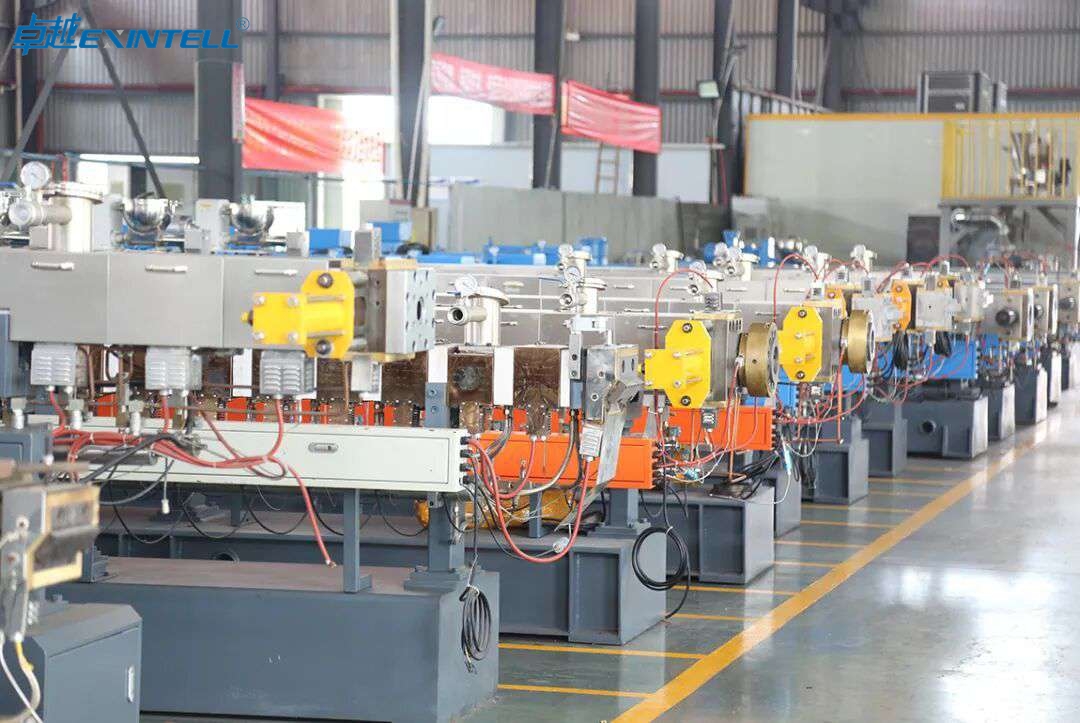
Procesul de topire a miezului
În interiorul mașinii, plasticul solid este transportat înainte de un șurub rotativ, în timp ce tuburile electrice de încălzire înfășoară cilindrul în mai multe zone. Plasticul se topește printr-o combinație dintre căldura exterioară și forfecarea internă generată pe măsură ce șurubul forțează materialul împotriva peretelui cilindrului.. Potrivit lui ThoYu, plasticul dintr-un extruder este topit prin tuburi electrice de încălzire și transformat într-o topitură uniformă prin extrudare cu șurub și acțiune de forfecare (ThoYu, 2024). Acel mecanism dublu, căldură conductivă plus frecare mecanică, de aceea, geometria șurubului contează la fel de mult ca temperatura cilindrului.
Controlul temperaturii de topire este partea pe care o examinez cel mai mult în orice citat. Butoaiele cu mai multe zone îmbină de obicei încălzirea electrică cu răcirea cu apă în buclă închisă pentru a menține fiecare zonă într-o bandă îngustă (Specificația echipamentului Aaron). Dacă un butoi nu se poate răci la fel de precis cum se încălzește, pierdeți capacitatea de a rula rășinile termosensibile în mod curat.
Forme de materie primă pe care le puteți rula
Materialul pe care îl alimentați modelează mașina pe care o cumpărați. În practică, văd patru forme comune de materie primă:
- Pelete — implicit pentru rășina virgină, ușor de măsurat și de topit
- Granule — puțin mai grosier, comune în liniile de compus
- Pudra — tipic pentru amestecurile uscate de PVC și lucrările la scară de laborator
- Fulgi reciclați — material recuperat cu densitate în vrac variabilă
Amade-Tech observă că mașinile de extrudare a plasticului de laborator procesează materia primă în pulbere, pelete, sau sub formă de granule pentru a produce produse polimerice continue cu secțiune transversală uniformă (Amade-Tech, 2024). Un șurub de alimentare montat pe buncăr livrează apoi acea materie primă uniform în butoi (ThoYu, 2024). Nici măcar hrănirea nu este un detaliu minor; Livrarea inconsecventă a buncărului se manifestă ca linii de supratensiune și o deviere dimensională în profilul finit.
Cum matrița modelează rezultatul
Matrița de extrudare este instrumentul final prin care trece topitura, și definește secțiunea transversală a produsului. Conducte, tuburi, filme, scânduri, iar sticlele provin toate din același butoi cu matrițe diferite (Amade-Tech, 2024). Deoarece matrița produce un profil de secțiune transversală continuă, o singură mașină poate deservi mai multe linii de produse dacă investiți în scule de matriță personalizate. Acea flexibilitate a sculelor este unul dintre motivele pentru care tratez inventarul de matrițe ca parte a deciziei totale de cumpărare, mai degrabă decât ca o idee ulterioară.
Componentele de bază pe care le inspectez pe fiecare mașină
Fie că examinez un extruder industrial de vânzare sau o unitate folosită, Trec prin aceeași listă de verificare a componentelor:
- Baril — cilindrul încălzit, în mod ideal, multi-zonă cu răcire în buclă închisă
- Şurub — inima topirii și transportului; configurația șuruburilor determină calitatea ieșirii
- Motor — Puterea motorului extruderului vă stabilește plafonul de producție
- Cutie de viteze — raportul de reducere și factorul de serviciu definesc cuplul utilizabil
- Controale — controlul temperaturii topiturii și gestionarea zonelor
- Muri — instrumentul de formare a profilului
Două specificații ancorează această evaluare. Primul, raportul L/D, lungimea cilindrului împărțită la diametrul șurubului, îmi spune cât timp de ședere are topirea; un extruder Davis Standard de 9 inchi folosit (Model 80IN80HT) încorporat în 2001 perechi a 32:1 Raport L/D cu un butoi cu 7 zone și a 900 Motor de curent continuu HP (Lista de echipamente Aaron). Doilea, raportul de reducere al cutiei de viteze și factorul de serviciu definesc livrarea cuplului; unitățile industriale listează de obicei rapoarte precum 10.15:1 cu un factor de serviciu de 1.5 (Echipamente Aaron). Aceste numere se traduc direct în cât de greu puteți împinge materiale vâscoase precum HDPE sau compuși umpluți fără a bloca.
De ce să cumpărați mașini de extrudare a plasticului cu ridicata?
Ruta en-gros este locul în care strategia de achiziții își câștigă păstrarea. Din experiența mea, diferența dintre achiziția cu amănuntul și achiziția directă din fabrică este rareori un procent mic; remodelează economia unei întregi linii de producție de extrudare. Mai jos detaliez cele patru motive pentru care recomand în mod constant să cumpărați echipamente de extrudare în vrac prin canale en-gros.
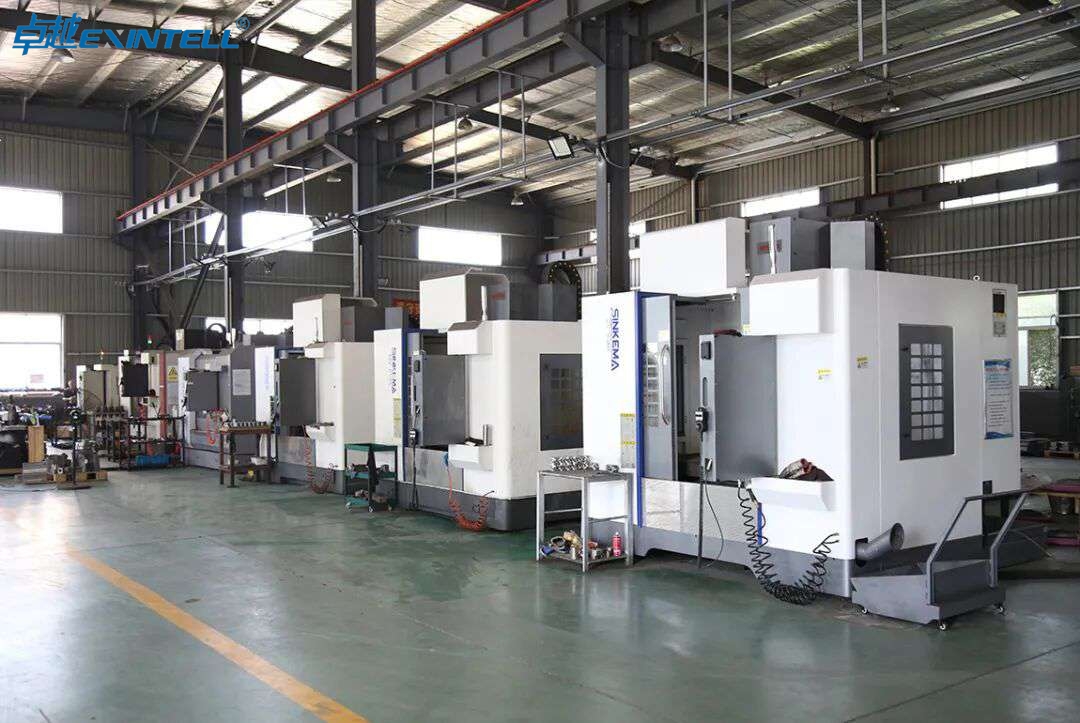
Economii de costuri pentru comenzile în vrac și direct din fabrică
Prețul direct din fabrică elimină straturile de marcare a distribuitorului care umflă prețul unei mașini de extrudere de plastic. Producători din China, de exemplu, oferă preț cu ridicata direct din fabrică pentru extrudere de plastic (ThoYu, 2024), motiv pentru care atât de multă intenție de căutare legată de preț indică furnizorii de peste mări. Când compar o singură unitate de vânzare cu amănuntul cu o comandă în vrac de la un furnizor de utilaje angro, costul pe mașină scade de obicei suficient pentru a modifica calculul rambursării pentru întregul proiect. Acestea fiind spuse, prețul direct din fabrică se plătește numai atunci când contabilizați costul total de proprietate, o lacună pe care o abordez mai târziu în acest ghid.
Acces la personalizarea OEM și ODM
Relațiile cu ridicata deschid ușa personalizării OEM și ODM pe care canalele de vânzare cu amănuntul le oferă rareori. În loc să accepte o configurație de stoc, Pot specifica lungimea șurubului, zone de butoi, pachete de control, și scule de matriță personalizate potrivite cu produsul meu. Pentru oricine rulează un profil specializat în secțiune transversală continuă, acesta este cel mai puternic argument pentru a cumpăra direct de la un producător de mașini de extrudare, mai degrabă decât un revânzător.
Condiții mai bune pentru scule și piese de schimb
Conversația cu matrița și piesele de schimb este locul în care termenii angro se compun în liniște în favoarea dvs. Negocierea uneltelor și a unui pachet de piese de schimb în comanda inițială aproape întotdeauna bate aprovizionarea lor fragmentată mai târziu. Tratez articole de uzură, şuruburi, benzi de încălzire, și garnituri de butoi, ca parte a contractului initial, și susțin angajamentele de asistență post-vânzare în scris. Asistența post-vânzare puternică este ceea ce menține o linie în funcțiune; fără ea, o mașină ieftină devine un blocaj scump.
Scalare eficientă a capacității de producție
In sfarsit, Achiziționarea cu ridicata îmi permite să măresc capacitatea extruderului fără a repeta ciclul complet de achiziție de fiecare dată. Standardizarea pe platforma unui singur furnizor înseamnă piese de schimb consistente, controale familiare, și formarea repetabilă a operatorului pe mai multe mașini. Când cererea crește, adăugarea unei a doua sau a treia unitate identică este mult mai simplă decât integrarea echipamentelor nepotrivite de la diferiți furnizori.
Tipuri de extrudere din plastic: Un singur șurub vs. dublu șurub
Alegerea între un extruder cu un singur șurub și un extruder cu două șuruburi este cea mai importantă decizie tehnică într-o achiziție angro. Îl încadrez simplu: mașinile cu un singur șurub transportă și topesc eficient, în timp ce mașinile cu două șuruburi amestecă și compun. Obțineți această potrivire corectă și restul specificațiilor se vor aplica.
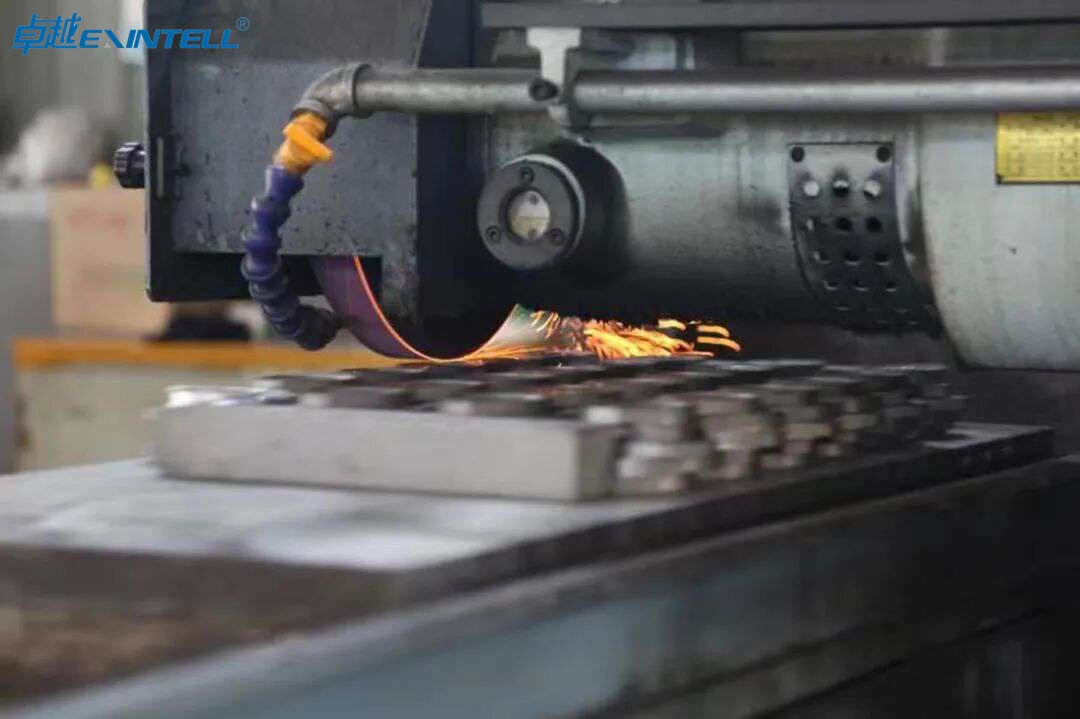
Extrudere cu un singur șurub
Extruderul cu un singur șurub este calul de lucru pentru profile standard la un cost mai mic. Excelează la topirea rășinii virgine și la împingerea acesteia printr-o matriță la o ieșire constantă, ceea ce îl face ideal pentru țevi, tuburi, și simple profile continue. Este, de asemenea, cea mai comună categorie de echipamente folosite, cu înregistrări de revânzare specifice mărcii disponibile pe scară largă (Echipamente Aaron). Dacă linia dvs. de produse rulează materiale consistente precum HDPE sau polipropilena printr-o matriță fixă, o singură mașină cu șurub oferă de obicei cea mai bună valoare pe unitatea de producție.
Extrudere cu două șuruburi
Extruderul cu două șuruburi câștigă costuri mai mari prin capacitatea de amestecare. Două șuruburi de îmbinare generează amestecul distributiv și dispersiv necesar pentru amestecare, adăugarea de umpluturi, coloranti, și stabilizatori, și pentru prelucrarea materialelor reciclate cu proprietăți variabile. Când lucrez cu fulgi de plastic reciclat sau polimeri de inginerie sensibili la căldură, cum ar fi PEEK, controlul superior al șurubului dublu asupra forfecării și a timpului de rezidență este decisiv. Este demn de remarcat faptul că extruderele de reciclare sunt o clasă de mașini distinctă construită special pentru materia primă recuperată. (ThoYu, 2024), și multe dintre aceste linii se bazează pe modele cu șuruburi duble tocmai din acest motiv.
Rata de ieșire și compatibilitatea materialelor
Cele două tipuri diferă puternic în ceea ce privește comportamentul de ieșire și potrivirea materialului. Ieșirea cu un singur șurub este în mare parte o funcție de viteza șurubului și puterea motorului, făcându-l previzibil pentru o singură rășină. Ieșirea cu două șuruburi este mai flexibilă în diferite formulări, dar este adesea optimizată pentru calitatea amestecului, mai degrabă decât pentru producția brută. Materiale precum amestecurile uscate din PVC și fulgi reciclați beneficiază de manevrarea cu două șuruburi, în timp ce o singură rășină curată rulează economic pe un singur șurub.
Un singur șurub vs. dublu șurub: Tabel de comparație
|
Factor |
Extruder cu un singur șurub |
Extruder cu două șuruburi |
|---|---|---|
|
Forța primară |
Topirea și transportul profilelor standard |
Amestecarea, combinarea, și devolatilizarea |
|
Cost relativ |
Mai jos |
Superior |
|
Cele mai bune materiale |
HDPE, polipropilenă, singure rășini virgine |
Amestecuri uscate de PVC, fulgi reciclat, compuși umpluți sau PEEK |
|
Calitatea amestecării |
Limitat |
Excelent (distributiv și dispersiv) |
|
Produse tipice |
Conducte, tuburi, profile simple |
Compuși, masterbatch, pelete reciclate |
|
Disponibilitatea pieței folosite |
Larg, înregistrări specifice mărcii comune |
Mai îngust, mai specializat |
|
Cumpărător ideal |
Linie fixă de produse, axat pe costuri |
Reciclare, formulări personalizate, R&D |
|
Factor |
Extruder cu un singur șurub |
Extruder cu două șuruburi |
|---|---|---|
|
Forța primară |
Topirea și transportul profilelor standard |
Amestecarea, combinarea, și devolatilizarea |
|
Cost relativ |
Mai jos |
Superior |
|
Cele mai bune materiale |
HDPE, polipropilenă, singure rășini virgine |
Amestecuri uscate de PVC, fulgi reciclat, compuși umpluți sau PEEK |
|
Calitatea amestecării |
Limitat |
Excelent (distributiv și dispersiv) |
|
Produse tipice |
Conducte, tuburi, profile simple |
Compuși, masterbatch, pelete reciclate |
|
Disponibilitatea pieței folosite |
Larg, înregistrări specifice mărcii comune |
Mai îngust, mai specializat |
|
Cumpărător ideal |
Linie fixă de produse, axat pe costuri |
Reciclare, formulări personalizate, R&D |
Potrivirea tipului cu linia dvs. de produse
Regula mea de decizie este simplă. Dacă extrud un material consistent într-un profil stabil, Aleg o singură mașină cu șurub și pun economiile către scule personalizate cu matriță și piese de schimb. Dacă procesul meu implică combinarea, schimbari de culoare, sau un extruder de reciclare a plasticului care manipulează materii prime recuperate, Precizez o platformă cu două șuruburi și accept prețul mai mare ca cost al controlului procesului. Pentru cumpărătorii care cântăresc un extruder la scară de laborator pentru dezvoltarea produsului, aceeași logică se aplică la o ieșire mai mică: potriviți tipul șurubului cu dacă dovedeți o formulare (geamăn) sau un profil (singur). Ancorarea deciziei șurubului la linia dvs. reală de produse, mai degrabă decât la prețul principal, este ceea ce face ca o achiziție cu ridicata să plătească pe toată durata de viață. Puteți examina configurațiile din lumea reală pe listele de furnizori și de revânzare, cum ar fi Inventarul cu un singur șurub folosit de Aaron Equipment şi Paginile de extrudere angro ale ThoYu pentru a vedea cum apar aceste specificații în practică.
Cât costă o mașină de extrudare a plasticului?
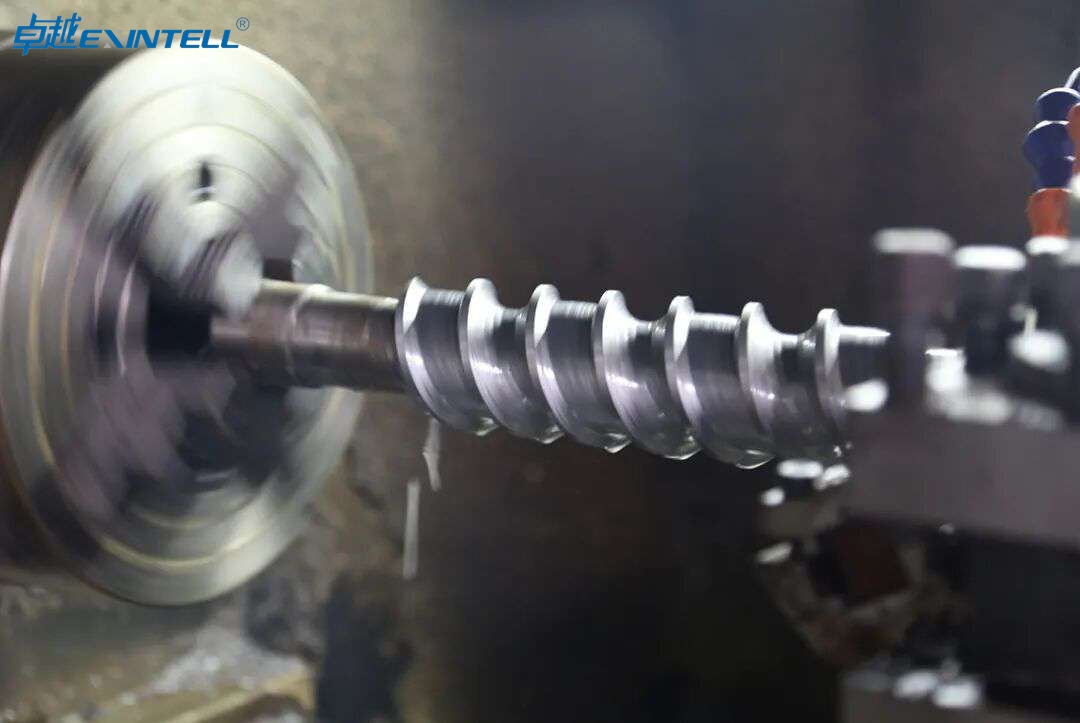
Când clienții îmi cer un singur număr, Le spun răspunsul sincer: o mașină de extrudare a plasticului costă de la câteva mii de dolari până la peste un milion, iar răspândirea este în întregime la scară. Din experiența mea, aprovizionarea cu echipamente pe trei niveluri, benzile de preț se rup clar de-a lungul capacității de producție, configurația șuruburilor, and the level of automation you need. Before you request a quote, it helps to know which tier you actually belong to, because a lab-scale extruder and an industrial extrusion production line are not the same purchase with a different price tag. They are different machines. Lightweight Recyclable Plastic Packaging
Price Ranges by Scale: Lab, Mic, and Industrial
I group buyers into three practical categories. Lab-scale extruders are compact, benchtop or floor units built for R&D, compounding trials, and material characterization. They process feedstock in powder, pelete, or granule form to produce continuous polymer products with a uniform cross section (Amade-Tech). Small commercial units handle low-volume production, prototyping runs, and niche profile work. Industrial machines drive full extrusion production lines for pipe, film, bord, and bottle output around the clock.
Here is how the numbers typically land based on quotes I have collected and public listings. Treat these as planning ranges, not fixed prices, since screw configuration and tooling shift them significantly.
| Nivelul | Typical Output | Screw Type | New Price Range (USD) | Used Price Range (USD) |
|---|---|---|---|---|
| Lab-scale extruder | Up to ~5 kg/hr | Surub simplu sau dublu | $8,000 – $45,000 | $4,000 – $25,000 |
| Small commercial | ~20 – 150 kg/h | Extruder cu un singur șurub | $30,000 – $120,000 | $12,000 – $60,000 |
| Industrial line | 300 kg/hr and up | Single or twin screw extruder | $150,000 – $1,000,000+ | $50,000 – $400,000 |
The upper end of the industrial band reflects complete lines with downstream equipment such as haul-offs, rezervoare de răcire, and winders, plus advanced melt temperature control. A bare extruder head costs far less than a turnkey line, so always confirm what the quote actually includes before you compare vendors.
What Sits Behind the Sticker Price
Four variables move the number more than anything else. Capacity is the obvious one: throughput scales with barrel diameter and motor horsepower, and both add cost. Brand matters, because a machine from an established extrusion machine manufacturer carries a premium tied to reliability and parts availability. Condition splits the entire market into new and used, which I cover in detail below. And tooling is the quiet budget-buster. A custom die for a specific continuous cross-section profile can add tens of thousands of dollars, and it is often quoted separately from the machine itself.
Hidden Costs Beyond the Quote
The purchase price is rarely the total cost of ownership, and this is where I see first-time buyers get burned. Beyond the machine, budget for these line items:
- Custom die tooling for each product profile you plan to run.
- Installation and rigging for heavy industrial units, which often require crane service and reinforced flooring.
- Electrical and utility upgrades to supply high-horsepower motors and closed-loop barrel cooling systems.
- Freight and, for imports, îndatoririle which I break down in the logistics section of this guide.
- Spare wear parts such as replacement screws, butoaie, and heater bands.
- Commissioning and operator training, especially for automated control systems.
Regula mea de bază: add 15 la 30 procent la prețul mașinii pentru a estima instalația completă, costul gata de producție. Skipping this math is the single most common planning mistake I encounter.
Plastic Extrusion Machine Wholesale Price: What Drives It?
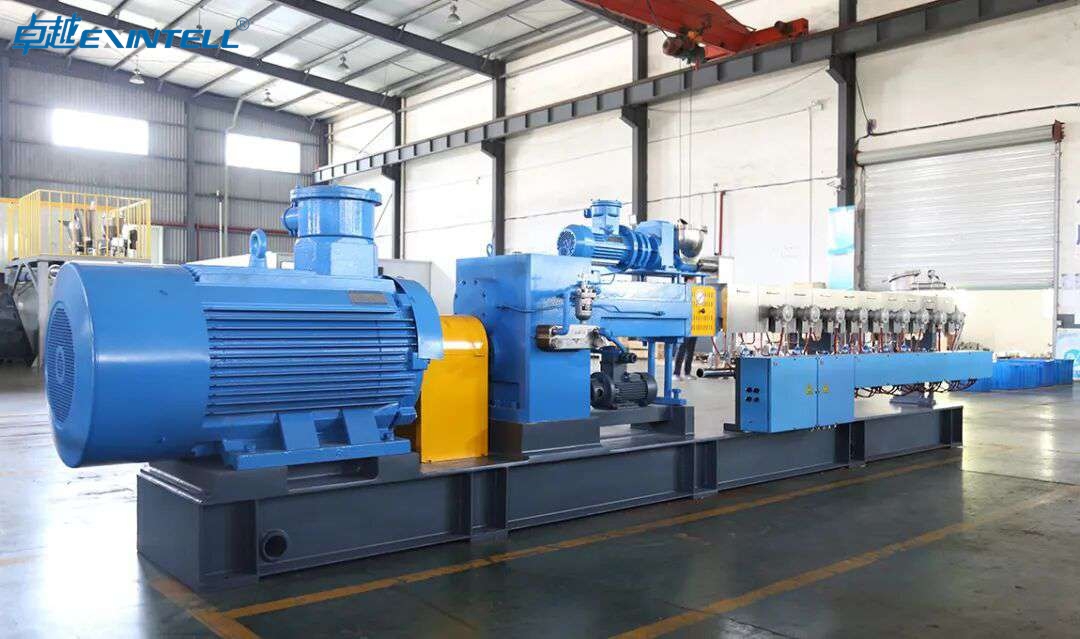
Wholesale pricing follows the same logic as retail, but with more room to negotiate and more variables to scrutinize. When I evaluate a factory-direct extruder price, whether from a domestic dealer or a China-based supplier offering wholesale rates (ThoYu), I work through a consistent checklist of specifications. Each one has a direct line to cost, and understanding them lets you compare quotes on equal terms instead of guessing.
Screw and Barrel Specifications
The screw and barrel are the heart of the machine, and they define both capability and price. The most important spec is the L/D ratio, the length-to-diameter ratio of the screw. A higher L/D ratio delivers better mixing and melt uniformity, which matters for demanding polymers. Pentru referință, un extruder Davis Standard de 9 inchi folosit (Model 80IN80HT) runs a 32:1 L/D ratio with a 7-zone barrel (Lista de echipamente Aaron). More zones mean finer melt temperature control, since plastic is melted by electric heating tubes and converted to a uniform melt through screw shearing (ThoYu).
Configurația șuruburilor decide și clasa mașinii. Un extruder cu un singur șurub este calul de lucru pentru profile simple și este cea mai comună categorie de echipamente utilizate (Echipamente Aaron). Un extruder cu două șuruburi costă mai mult, dar excelează la amestecare, amestecarea aditivilor, și procesarea fulgilor de plastic reciclat. Dacă utilizați PVC, HDPE, sau polipropilenă la volum, geometria șurubului trebuie să se potrivească cu rășina; PEEK și alți polimeri de înaltă performanță vă împing spre specializare, configurații cu costuri mai mari. Producător de extrudere cu două șuruburi
Motor și cutie de viteze Putere
Puterea motorului extruderului este un proxy direct pentru debit și, prin urmare, preţ. Aceeași unitate Davis Standard își împerechează țeava cu un 900 Motor de curent continuu HP (Lista de echipamente Aaron), ceea ce vă spune că a fost construit pentru producție industrială grea. Cutia de viteze traduce puterea motorului în cuplu utilizabil la șurub. Rate de reducere precum 10.15:1 combinat cu un factor de serviciu în jur 1.5 definiți cât de mult cuplu poate furniza mașina în siguranță sub sarcină (Echipamente Aaron). Când compar două mașini cu preț similar, un factor de serviciu mai mare semnalează mai multă durabilitate, pentru care merită plătit pentru echipamentul pe care intenționați să alergați din greu.
Sisteme de automatizare și control
Sistemele de control separă o mașină de bază de una modernă. Cadranele manuale de temperatură și releele simple mențin prețul scăzut, dar necesită operatori calificați și produc mai multe resturi. Sisteme acţionate de PLC cu răcire cu cilindru în buclă închisă, depozitarea rețetelor, iar înregistrarea datelor costă mai mult în avans, dar se rambursează prin consecvență și pierderi mai mici. Un alimentator cu buncăr cu un șurub de alimentare montat pe buncăr care furnizează materia primă uniform în butoi (ThoYu) este standard, dar hrănirea gravimetrică și amestecarea automată adaugă costuri și precizie. Pentru operațiuni de mare volum, I consider automation a value driver rather than a luxury.
Certifications and Origin
Origin and certification shape both price and risk. Domestic and European machines command higher prices, partly for build quality and partly for support proximity. Factory-direct pricing from China-based manufacturers (ThoYu) can cut the machine cost substantially, dar ar trebui să verificați marcajul CE, Conformitate UL pentru piața din SUA, și siguranța electrică documentată înainte de a comite. I always ask for certification documents in writing, deoarece modernizarea unei mașini necertificate pentru a respecta codul electric din SUA șterge economiile care au făcut ca importul să fie atractiv în primul rând.
New vs Used Plastic Extrusion Machines

This is the decision I get asked about most, și răspunsul meu este întotdeauna același: depinde de toleranța ta la risc și de cronologia ta. Echipamentele de extrudare folosite pot reduce costurile de capital la jumătate sau mai mult, dar economiile vin cu expunerea reală. Mașinile noi costă mai mult și au adesea timpi de livrare mai lungi, totuși ajung cu garanții, controale curente, și performanță previzibilă. Permiteți-mi să prezint ambele părți așa cum aș face pentru un client.
Economii de capital vs risc la unitățile utilizate
Cazul financiar pentru echipamentele uzate este puternic. După cum arată tabelul de prețuri de mai sus, poate rula o unitate industrială uzată 40 la 60 la sută sub nou, eliberarea de capital pentru scule și echipamente din aval. Pentru un startup sau un magazin care testează o nouă linie de produse, acea diferență poate fi întregul caz de afaceri. Riscul este ca o mașină de prelucrare a polimerilor să aibă componente de uzură, șuruburile și butoaiele se degradează, heater bands fail, and motors lose efficiency, and those problems are not always visible in a listing photo. The savings are real, and so is the possibility of buying someone else’s problem.
Inspecting Condition, Hours, and Build Year
I never buy used equipment sight unseen, and I recommend you do not either. My inspection priorities, in order:
- Uzura șuruburilor și a cilindrului: measure clearances if possible. Excessive clearance kills output and melt quality, and a replacement screw and barrel set is expensive.
- Build year and operating hours: a machine built in 2001, like the Davis Standard example, can still be excellent if maintained, but you need service records to judge.
- Heating and cooling systems: confirm all barrel zones heat correctly and that closed-loop water cooling holds temperature.
- Motor and gearbox condition: listen for bearing noise and check for oil leaks and gearbox play.
- Control panel function: verify every zone reads and controls accurately, since older controls may lack replacement parts.
When feasible, insist on a powered demonstration running actual Plastic Pellet Manufacturers material. A cold machine hides most of its problems.
Warranty and Support Gaps on Used Equipment
The support gap is the cost that does not show on the invoice. New machines from an extrusion machine manufacturer typically include warranty coverage, commissioning help, and access to after-sales support. Used units are usually sold as-is, so you own every failure from day one. Before I buy used, I confirm two things: that spare parts remain available for that model, and that a service technician familiar with the brand can be reached. A cheap machine with no parts pipeline is a liability, not a bargain.
Resale Value Considerations
In sfarsit, think about the exit before you enter. Machines from recognized brands hold their value far better on the secondary market, which is exactly why brand-specific resale listings command steady demand (Echipamente Aaron). If there is any chance you will resize or exit within a few years, buying a well-known single screw extruder, even at a premium, protects your capital on the way out. Din experiența mea, resale strength is the most overlooked factor in the new versus used debate, and it often tips a borderline decision toward the established brand.
My bottom line: buy new when uptime is critical, support matters, and you plan to run the machine for a decade. Buy used when capital is tight, aveți capacitatea tehnică de a inspecta și întreține echipamentul, și rămâneți la mărci de renume cu aprovizionare cu piese vii. Oricum, faceți mai întâi calculul costului total de proprietate, deoarece citatul este doar începutul cheltuielilor.
Surse: Echipamente Aaron, Extrudere cu un singur șurub folosite; ThoYu, Prețul cu ridicata China Plastic Extruder; Amade-Tech, Mașină de extrudare a plasticului de laborator.
Unde să găsești mașini de extrudare a plasticului second hand
Când îmi aprovizionez echipamente cu un buget de capital restrâns, piața folosită este de obicei prima mea oprire. Un extruder second-hand bine întreținut poate livra 80 la 90 procent din durata de viață a unei noi unități la o fracțiune din cost, cu condiția să știți cum să citiți o listă și să verificați starea înainte de a conecta orice fonduri. Provocarea nu este să găsești mașini. Separă o afacere adevărată de o răspundere scoasă din funcțiune.
Piețe și dealeri care merită cunoscute
Cele mai multe dintre achizițiile mele folosite au venit prin rețele de dealeri consacrate, mai degrabă decât prin liste deschise clasificate. Revânzători specializați, cum ar fi Aaron Equipment, mențin stocuri rotative de extrudere cu un singur șurub și cu două șuruburi, și ei fotografiază, etichetă, și adesea testați puterea fiecărei unități înainte de a o lista. Acest control contează. Un dealer cu o curte fizică și o reputație de protejat îmi oferă o soluție pe care o postare anonimă pe piață nu o va face niciodată. Încă verific casele de licitații și panourile de listare specifice industriei, dar tratez un dealer de renume drept bază pentru echipamentele de extrudare uzate.
Citind o listă ca un inginer
O listă folosită este o fișă de specificații deghizată, și trei numere îmi spun cele mai multe dintre ceea ce trebuie să știu înainte să sun vreodată. Consider a real example: un extruder Davis Standard de 9 inchi folosit (Model 80IN80HT) încorporat în 2001, advertised with a 32:1 Raport L/D, a 7-zone barrel, si a 900 Motor de curent continuu HP (sursă: Lista de echipamente Aaron).
- Raport L/D. The barrel length-to-diameter ratio governs residence time and mixing. O 32:1 ratio suits demanding melt homogeneity work; shorter ratios around 24:1 handle simpler profiles. If your polymer needs thorough melting, do not buy short.
- Barrel zones. Seven independently controlled heating zones give me granular melt temperature control across the barrel length. More zones mean finer thermal tuning, which is critical for heat-sensitive resins.
- Motor horsepower. O 900 HP drive signals a high-throughput production machine, not a lab tool. Motor HP scales roughly with output capacity, so match it to your target line speed rather than buying more drive than your die can use.
Listings also disclose the gearbox reduction ratio and service factor, which together define usable torque. O 10.15:1 reduction with a 1.5 factor de serviciu, de exemplu, tells me the drivetrain has headroom for sustained duty (sursă: Echipamente Aaron). I read those figures as a durability signal, not a footnote.
Brands That Hold Value on the Resale Market
Brand reputation follows a machine into its second life. Davis Standard, din experienta mea, commands a premium on the resale market precisely because parts, şuruburi, and service documentation remain available years after manufacture. That liquidity cuts both ways: I pay more up front, but I recover more when I resell, and I spend less time hunting for a replacement extruder screw configuration or barrel liner. When I compare two similar used units, a supported brand almost always wins on total cost of ownership even at a higher sticker price.
Verifying Condition Before You Commit
I never buy a used extruder on photographs alone. My pre-purchase checklist runs through the wear points that quietly drain performance:
- Uzura șuruburilor și a cilindrului. Request bore measurements. Worn clearances degrade output and pressure stability, and reconditioning a barrel is expensive.
- Heater and thermocouple health. Confirm every zone reaches and holds setpoint. Dead zones on a multi-zone barrel are a red flag.
- Drive and gearbox. Listen for bearing noise and check for oil leaks. A failing gearbox can cost as much as the machine.
- Sistem de racire. Many industrial units use electric heating with closed-loop water cooling (sursă: Specificații echipamente Aaron). Verify the cooling circuit is intact and free of scale.
- Run test. Whenever possible, I insist on a powered demonstration under load, not just a cold spin.
If a seller resists an inspection or a run test, I walk. Economiile la o mașină uzată de prelucrare a polimerilor se evaporă în momentul în care trebuie să reconstruiți o transmisie.
Mașini de extrudare plastice mici și la scară de laborator
Nu orice cumpărător are nevoie de un 900 monstru HP. O mare parte din interesul de căutare în jurul acestui cuvânt cheie indică către mașini mici și aproape de mine, și asta se bazează pe ceea ce văd în practică: R&echipele D, universități, iar startup-urile au nevoie de extrudere compacte care se potrivesc unui banc de laborator și funcționează cu putere standard. Aceste mașini comercializează debitul pentru flexibilitate, și pentru cazul de utilizare potrivit, acesta este exact comerțul pe care îl doriți.
Ce fac de fapt mașinile la scară de laborator
Un extruder la scară de laborator procesează materia primă în pulbere, pelete, or granule form to produce continuous polymer products with a uniform cross section (sursă: Amade-Tech). Fizica de bază este identică cu echipamentul de producție: un alimentator cu buncăr furnizează materia primă uniform în butoi, electric heating tubes melt the polymer, and the screw shears and homogenizes it into a uniform melt before the extrusion die shapes the output (sursă: ThoYu). The difference is scale, not principle, which is what makes lab machines so useful for process development. What you learn at bench scale transfers to production.
Typical Products and Use Cases
I reach for a lab-scale unit in three situations:
- R&D and formulation. Testing new resin blends, aditivi, or recycled plastic flake without committing a production line.
- Prototiparea. Producing sample films, tuburi, and small profiles for customer approval or tooling validation.
- Low-volume production. Serving niche markets where demand does not justify a full extrusion production line.
These machines readily handle common thermoplastics like PVC, HDPE, și polipropilenă, and higher-spec units extend to engineering polymers such as PEEK when the barrel and screw are rated for the elevated melt temperatures.
Footprint and Power Requirements
The practical appeal of a lab extruder is that it lives in an ordinary room. Many bench units draw single-phase or light three-phase power and occupy a footprint measured in a few square feet, versus the dedicated bay and heavy three-phase service a production extruder demands. Before buying, I confirm two things: the electrical service my facility can supply, and whether the cooling requirement is air or water. Getting the utilities wrong is the most common reason a small machine sits idle after delivery.
Knowing When to Upgrade to Production Scale
A lab machine has a ceiling, and recognizing it early saves money. I plan the jump to production scale when sustained order volume outpaces the machine’s extruder capacity output, when I am running multiple shifts just to keep up, or when per-unit cost on the small line exceeds what a production extruder would deliver. The signal is economic, not emotional: once the lab unit becomes the bottleneck rather than the tool, it is time to scale. I typically keep the lab machine anyway, redeployed for the R&D work it does best.
Lab-Scale vs Production Extruders at a Glance
| Atribut | Lab / Small-Scale Extruder | Production Extruder |
|---|---|---|
| Primary use | R&D, prototipare, rulări cu volum redus | Continuous commercial production |
| Typical motor | Fractional to ~20 HP | 50 la 900+ HP (de ex., 900 HP Davis Standard) |
| Raport L/D | ~20:1 la 25:1 | 24:1 la 32:1 |
| Barrel zones | 2 la 4 | 5 la 7+ |
| Power service | Single-phase / light 3-phase | Heavy 3-phase |
| Amprenta la sol | Benchtop to compact floor unit | Dedicated production bay |
| Ieșire | Grams to low kg/hr | Hundreds of kg/hr |
Figures for the production column reflect the specification range seen in listings such as the Davis Standard 80IN80HT (sursă: Echipamente Aaron); lab-scale ranges reflect typical bench-unit configurations.
Buying Plastic Extrusion Machines Wholesale in the USA
Search intent around this keyword leans heavily toward USA and near-me queries, and that reflects a real procurement decision every US buyer faces: buy domestic or import. Factory-direct pricing from overseas manufacturers is genuinely attractive, and I have bought imported equipment when the numbers justified it. But the sticker price is only one line in the ledger. Here is how I weigh the domestic option.
The Case for Domestic Dealers
Buying from a US-based dealer or manufacturer gives me three advantages that rarely show up on a spec sheet but always show up in operations:
- Faster lead times. A machine in a domestic yard ships in days, not the weeks of ocean transit and customs clearance an import requires. When a line is down, that speed is worth real money.
- Easier service and parts. Domestic support means same-timezone technicians, stocked spare parts, and no international freight on a replacement gearbox or barrel. After-sales support is the single most underrated factor in extruder ownership.
- Standards compliance. US machines are typically built or certified to UL and NEC electrical requirements. That compliance simplifies installation, satisfies insurers, and passes inspection without the retrofit an uncertified import may need.
Compliance Is Not Optional
I want to be direct about this because it trips up first-time importers. An extruder that is not UL-listed or NEC-compliant can fail a facility electrical inspection, void insurance coverage, and create OSHA exposure. Retrofitting an imported machine to meet US standards, rewiring controls, replacing heaters, adding certified safety interlocks, can consume much of the money you saved on purchase price. Before I import, I confirm exactly what certification the unit carries and what it will cost to close any gap.
Cost Tradeoffs: Domestic vs Imported
China-based manufacturers offer factory-direct wholesale pricing on plastic extruders (sursă: ThoYu), and for high-volume standardized equipment that pricing can be compelling. But the landed cost of an import includes freight, asigurare, taxe de import, brokeraj vamal, și transportul interior, dintre care niciuna nu apare în prețul utilajului. Stratificați timpi mai lungi, potențiale fricțiuni de limbă și fus orar pe suport, și orice modernizare a conformității, iar decalajul se restrânge considerabil. Regula mea de bază: Modelez costul total de proprietate în primii trei ani, nu pretul de achizitie, înainte de a decide. Pe această bază, domestic câștigă adesea pentru echipamentele de care am nevoie de service rapid, în timp ce importurile pot câștiga pentru adăugările de capacitate planificate în cazul în care timpul de livrare nu este urgent.
Cum verific un furnizor angro
Indiferent dacă este intern sau în străinătate, Am condus fiecare furnizor de mașini angro prin aceeași poartă înainte de a angaja capital. Confirm cantitatea minimă de comandă și dacă se potrivește nevoilor mele reale, solicitați referințe de la cumpărătorii care rulează aceeași clasă de mașini, verificați certificările în scris, în loc să luați o revendicare de catalog la valoarea nominală, and structure payment with protection, staged milestone payments or an escrow arrangement rather than a full wire against a promise. For imports specifically, I clarify Incoterms so I know exactly where the seller’s responsibility ends and mine begins. A supplier who answers these questions clearly is one I can build a relationship with; one who deflects is one I pass on.
Finding Wholesale Suppliers Near You
When I start a sourcing project for bulk extrusion equipment, I map suppliers in concentric circles: local, regional, then global. Proximity carries real value that rarely shows up on a quote, and I have learned to weigh it deliberately before chasing the lowest number.
Local vs Regional Sourcing Benefits
A supplier within a few hours’ drive lets me tour the floor, watch a machine run my resin, and shake hands with the service manager who will pick up the phone at 2 a.m. during a line-down event. Regional suppliers widen the pool of available inventory and specialization while keeping domestic warranty terms and familiar payment protections intact. Din experiența mea, the closer the vendor, the shorter the mean-time-to-repair, and for a single screw extruder running continuous cross-section profile work, downtime is the expense that quietly dwarfs the purchase price.
Installation and Service Proximity
Rigging, leveling, wiring a 900 HP DC drive, and commissioning a 7-zone barrel with closed-loop cooling all go smoother when the technician is local. A used Davis Standard 9-inch extruder (Model 80IN80HT) cu a 32:1 L/D ratio and 900 HP motor, încorporat în 2001, is a serious piece of iron to install and dial in (sursă: Lista de echipamente Aaron). I want the people who know that machine within reach for melt temperature control tuning and screw configuration adjustments during the first production weeks.
Trade Shows and Industry Directories
Two channels consistently surface credible vendors for me. Trade shows such as NPE: The Plastics Show and Fakuma put dozens of extrusion machine manufacturers in one hall, where I can compare a twin screw extruder against a single screw side by side and collect real spec sheets. For structured search, I lean on Thomasnet and the used-equipment marketplaces like Aaron Equipment, which maintains brand-specific resale listings for single screw extruders (sursă: Echipamente Aaron). Directories are a starting shortlist, not a verdict, so I always follow up with a plant visit or video walkthrough.
China vs US Suppliers: Weighing the Tradeoffs
The decision I face most often is factory-direct pricing from overseas versus the service density of a domestic partner. Neither wins outright. The right call depends on your volume, your in-house maintenance capability, and how much lead-time risk your production schedule can absorb.
Balancing Local Price with Global Options
China-based manufacturers offer factory-direct wholesale pricing on plastic extruders, and that gap can be substantial on comparable specifications (sursă: ThoYu). US suppliers, and used domestic equipment, close part of that gap when you factor in freight, îndatoririle, and the cost of coordinating support across time zones. I treat the sticker price as one input into total cost of ownership, not the deciding figure.
Lead Time and Shipping Considerations
Domestic used equipment can ship in days; a new overseas extrusion production line typically runs on a build-plus-ocean-freight timeline measured in months. Ocean transit, manipularea porturilor, and inland drayage all add weeks and variability. If your project has a hard launch date, that schedule risk deserves a line in your model alongside the price advantage.
Sprijin, Parts, and Language Logistics
This is where I have seen buyers underestimate the friction. Time-zone offsets stretch troubleshooting cycles, spare gearbox and screw components may ship internationally, and technical documentation quality varies. Before committing overseas, I confirm English-language manuals, a named support contact, and a stocked or expedited parts channel for wear items like screws, butoaie, and heater bands.
China vs US Sourcing at a Glance
| Factor | De peste mări (de ex., China) factory-direct | US supplier / domestic used |
|---|---|---|
| Preț unitar | Cel mai scăzut, factory-direct wholesale (sursă: ThoYu) | Higher new; competitive on used inventory (sursă: Echipamente Aaron) |
| Perioada de graţie | Build plus ocean freight, typically months | Days to weeks for in-stock units |
| Costul debarcat | Add freight, îndatoririle, drayage | Add domestic freight and rigging |
| Service proximity | Remote, dependent de fusul orar | On-site or regional |
| Parts availability | International shipping, plan ahead | Domestic stock, întoarcere mai rapidă |
| Documentare & limbă | Verify English manuals and support | Native-language support |
Regula mea de bază: high volume with a capable maintenance team favors overseas factory-direct; tight timelines or lean staffing favor domestic. Note that SERP demand for this keyword splits evenly across manufacturer, ecommerce, and informational content at roughly 33.3% fiecare (sursă: SERP analysis, 2025), and buyer searches cluster around price, “lângă mine,” “STATELE UNITE ALE AMERICII,” şi “folosit” intents (sursă: SERP/PAA data, 2025) — a fair reflection of how mixed real purchasing behavior is.
How to Choose a Plastic Extrusion Machine Manufacturer
Once I have a shortlist, I run every candidate through the same vetting sequence. The goal is to separate a genuine polymer processing machine partner from a broker who will disappear after the wire transfer clears.
Quality Assurance and Factory Verification
I verify the factory before I verify the price. For overseas vendors that means a live video walkthrough or a third-party inspection of the production floor, weld quality on the extruder barrel, and evidence they actually build rather than resell. I ask to see a machine running feedstock in powder, pelete, or granule form to confirm they handle continuous polymer output the way their marketing claims (sursă: Amade-Tech). Seeing the heating tubes and screw shearing melt real resin into a uniform stream tells me more than any brochure (sursă: ThoYu).
Track Record and Reference Customers
I request three reference customers running similar materials, whether that is PVC pipe, HDPE profile, polypropylene sheet, sau un polimer ingineresc exigent precum PEEK. A manufacturer with a documented history in your specific application has already solved the problems you are about to encounter. If a vendor cannot produce references, I treat that as a signal, not an oversight.
Customization and Application Expertise
The best manufacturers speak fluently about screw configuration, L/D ratio selection, and custom die tooling for your exact profile. Extruders produce a wide range of continuous products, including pipes, tuburi, filme, scânduri, și sticle (sursă: Amade-Tech), and each demands different tooling and thermal setup. I probe how they size the gearbox reduction ratio and service factor to my torque needs, drawing on published industrial examples such as a 10.15:1 ratio at a 1.5 factor de serviciu (sursă: Echipamente Aaron). A vendor who can discuss whether a single screw or twin screw extruder fits my recycled plastic flake feedstock, and how the hopper feeder delivers material evenly, has earned a closer look.
After-Sales Support and Parts Availability
I put the support terms in writing before purchase: response-time commitments, commissioning assistance, formarea operatorilor, and guaranteed availability of wear parts like screws, butoaie, and heater elements. For a plastic recycling extruder or any line running abrasive reclaimed material, wear-part supply is not optional, it is the difference between a productive asset and expensive scrap. I confirm lead times on those parts specifically, since that is what governs real-world uptime.
Certifications and Quality Systems
In sfarsit, I check the paperwork that signals a disciplined operation. ISO 9001 indicates a functioning quality management system, and CE marking matters if the equipment enters or transits European jurisdictions. For a US install I confirm the electrical build can meet UL and NFPA 79 asteptari, since a 900 HP DC drive with multi-zone electric heating and closed-loop water cooling (sursă: Specificații echipamente Aaron) has to satisfy my local inspector and my insurer. Certifications do not guarantee quality on their own, but their absence usually correlates with corners cut elsewhere.
Vetting sources I return to include ThoYu for factory-direct wholesale context (ThoYu wholesale listing) and Aaron Equipment for used single screw extruder benchmarks (Aaron Equipment used extruders).
Decoding Key Specifications Before You Buy
Every wholesale quote I review lists a wall of specifications, and most buyers I coach fixate on price before they understand what those numbers actually deliver. Din experiența mea, four figures tell you more about a machine’s real capability than the headline output rate does: raportul L/D, the number of heating and cooling zones, the screw diameter, and the motor-to-gearbox pairing. Read those correctly and you can predict melt quality, energy draw, and output ceiling before the machine ever ships.
L/D Ratio and Its Impact on Melting and Mixing
The L/D ratio expresses the screw’s effective length divided by its diameter, and it governs how much residence time the polymer gets inside the barrel. A longer L/D gives the melt more distance to homogenize, which matters when you run temperature-sensitive or highly filled compounds. Pentru referință, un extruder Davis Standard de 9 inchi folosit (Model 80IN80HT) I analyzed lists a 32:1 Raport L/D (sursă: Lista de echipamente Aaron), which sits at the higher end for single-screw machines and signals strong melting and mixing headroom.
As a rough guide, tratez 24:1 la 26:1 as adequate for straightforward commodity resins, 28:1 la 32:1 as the sweet spot for consistent mixing and venting, and anything longer as specialty territory for demanding compounds. A single screw extruder built for basic profile work rarely needs the same length as one processing recycled plastic flake with variable bulk density. If a supplier can’t tell you the L/D ratio, that’s a signal the listing is thin on engineering detail.
Number of Heating and Cooling Zones
Multi-zone barrels let you stage the temperature profile from feed throat to die, and more zones mean finer control over melt temperature. The Davis Standard unit referenced above uses a 7-zone barrel (sursă: Specificații echipamente Aaron), which gives an operator granular control across the length of the screw. Plastic in an extruder is melted by electric heating tubes and converted into a uniform melt through screw shearing (sursă: ThoYu), so the zone count directly shapes how evenly that transition happens.
Cooling is the other half of the equation. Multi-zone barrels commonly pair electric heating with closed-loop water cooling (sursă: Specificații echipamente Aaron), which pulls heat back out when shear or process feedback pushes a zone above setpoint. When I vet a machine, I confirm both the heating zone count and whether cooling is air or closed-loop water. Water cooling responds faster and holds tighter melt temperature control, which pays off on precision products.
Screw Diameter and Output Rate
Screw diameter is the single strongest predictor of throughput. Output scales roughly with the cube of the diameter, so a modest jump in screw size produces a large jump in kilograms per hour. That relationship is why a 9-inch machine like the Davis Standard example carries a 900 Motor de curent continuu HP (sursă: Lista de echipamente Aaron) — the mass of material moving through a large-diameter screw demands proportionally more drive power.
When comparing wholesale offers, always normalize output against diameter and resin type. A quoted output of, cuvânt, 300 kg/hr means little without knowing whether it was measured on low-density film resin or a stiff PVC compound. I ask suppliers to state the resin, temperatura de topire, and screw speed used for their rated output, then compare like with like.
Motor HP and Gearbox Reduction Ratio
The motor and gearbox work as a matched pair. Motor horsepower sets the available power, while the gearbox reduction ratio converts high-speed, low-torque motor output into the low-speed, high-torque rotation the screw needs. Industrial extruders publish both the ratio and a service factor — for example, o 10.15:1 reduction with a 1.5 factor de serviciu (sursă: Echipamente Aaron) — and that service factor tells you how much margin the drivetrain carries above nominal load.
I treat the service factor as a durability indicator. A gearbox rated 1.5 is designed to absorb shock loads and continuous duty without premature wear, which is exactly what you want on a machine running multiple shifts. A hopper-mounted feeding screw delivers raw material evenly into the barrel (sursă: ThoYu), and that steady feed keeps torque demand predictable so the gearbox operates within its rated envelope.
Matching Machine Capacity to Your Production Volume
Specifications only matter once you tie them to your actual demand. The most expensive mistakes I see in wholesale procurement come from sizing decisions, not from picking a bad brand. Online Plastics Recycling Marketplace Buy too small and you’ll run the line flat out with no cushion for growth; buy too large and you’ll carry idle capital, higher energy bills, and startup scrap on every short run.
Estimating Throughput Needs
Start with your target finished-product volume, then work backward. I calculate required output in kilograms per hour by taking monthly demand, dividing by realistic operating hours, and adding an allowance for scrap and changeover. A useful sanity check: if you need 40,000 kg per month and run a single shift of about 160 productive hours, you need roughly 250 kg/hr of sustained output, and I’d size for 300 kg/hr to leave headroom.
Feedstock form affects this math too. Lab and production extruders process feedstock in powder, pelete, or granule form for continuous polymer products with uniform cross section (sursă: Amade-Tech), and bulk density varies enough between those forms that the same screw can deliver noticeably different mass throughput. Confirm your rated output against the feedstock you’ll actually run.
Avoiding Under- and Over-Sizing
Undersizing forces the machine to run at maximum screw speed constantly, which raises melt temperature, accelerates wear, and leaves zero margin for demand spikes. Oversizing is subtler but real: an oversized extruder run at low speed can produce poor mixing and unstable output, and you pay for motor and heating capacity you never use. My rule is to target a machine that hits your peak demand at roughly 75 la 85 percent of its rated capacity, which keeps it in an efficient, controllable band.
Planning for Future Growth
Wholesale machinery is a multi-year commitment, so I plan sizing against a two-to-three-year demand forecast, not today’s orders. Acestea fiind spuse, buying far ahead of demand ties up capital you could deploy elsewhere. A middle path I often recommend: size the extruder for near-term growth, but confirm the extrusion production line’s downstream equipment and the supplier’s screw and die options can scale, so you upgrade tooling rather than replacing the whole line.
Batch vs Continuous Production
Extrusion is inherently a continuous process — extruders produce continuous profiles including pipes, tuburi, filme, scânduri, și sticle (sursă: Amade-Tech) — so the batch-versus-continuous question is really about how your business schedules work. If you run long stable jobs, a larger continuous line maximizes efficiency. If you run many short jobs with frequent material and color changes, prioritize fast changeover and quick thermal response over raw size, because your losses will come from transitions, not from top-line speed.
| Production profile | Typical screw diameter | Indicative output | Suggested L/D | Cel mai potrivit |
|---|---|---|---|---|
| Lab / R&D and small runs | 20–45 mm | Up to ~50 kg/hr | 24:1–28:1 | Prelevarea de probe, small-batch, PEEK trials |
| Small commercial | 50–75 mm | ~80–250 kg/hr | 26:1–30:1 | Profiluri, small pipe, specialty film |
| Mid-volume production | 90–120 mm | ~300–600 kg/hr | 28:1–32:1 | HDPE pipe, foaie, continuous profile |
| Volum mare / heavy industrial | 150 mm and up | 600 kg/h și peste | 30:1–32:1+ | Large pipe lines, pallet, fulgi reciclat |
I treat these ranges as a starting frame for supplier conversations, not fixed rules. Actual output always depends on resin, melt temperature control, and screw configuration, so I verify each figure against a supplier’s tested data for my specific material.
Extruders for Specific Products: țeavă, Film, foaie, Pallet
The extruder is only the melt engine. What defines your finished product is the extrusion die and the downstream line built around it. When I evaluate a wholesale package, I look at the die and tooling as closely as the machine itself, because that’s where product quality and application fit are actually determined.
Pipe and Tube Extrusion Lines
Pipe and tube lines pair the extruder with an annular die, a vacuum calibration and cooling tank, a haul-off, and a cutter or coiler. For PVC and HDPE pipe, dimensional stability and wall concentricity are everything, so tight melt temperature control and steady output matter more than peak speed. I confirm the die is matched to my target diameter range and that the calibration tooling is included or clearly quoted, since retooling for a new pipe size is a recurring cost buyers often overlook.
Film and Sheet Die Configurations
Film and sheet share extrusion fundamentals but diverge at the die. Blown film uses an annular die with an air ring and tower; cast film and sheet use a flat T-die or coat-hanger die feeding a chill-roll or three-roll stack. Polypropylene and polyethylene dominate here, and die width plus lip adjustment set your thickness tolerance. When comparing offers, I ask specifically which die configuration is included and whether the lip is manually or automatically adjustable, because that determines how tightly you can hold gauge across the web.
Pallet and Profile Applications
Pallet and heavy-profile production is where large machines and recycled feedstock meet. Chinese manufacturers offer factory-direct wholesale pricing on plastic extruders built for pallet production (sursă: ThoYu, ThoYu pallet extruder), and these lines frequently run reclaimed material. Recycling extruders are a distinct machine class designed for reclaimed plastic feedstock (sursă: ThoYu), so if you plan to process recycled plastic flake, I strongly advise sourcing a machine engineered for it rather than adapting a virgin-resin extruder — the feed section, aerisire, and wear surfaces are built differently.
Custom Die and Tooling Options
Custom die tooling is what turns a general-purpose extruder into a machine that makes your exact product. Whether you need a bespoke profile cross section, a specific pipe wall structure, or a particular sheet width, I confirm three things with the supplier upfront: lead time for custom tooling, whether tooling design is in-house or subcontracted, and the cost of future die changes. A capable extrusion machine manufacturer will quote tooling as a clear line item and stand behind dimensional performance, which also tells you something about the after-sales support you’ll receive once the line is running.
For buyers exploring the used market, single screw extruders are a well-established resale category with brand-specific listings (sursă: Echipamente Aaron). When I consider used equipment for a specific product, I always verify that compatible dies and calibration tooling exist for my application, since a bargain machine with no path to the right tooling isn’t a bargain at all.
Processing Recycled Plastics with Wholesale Extruders
When I evaluate a wholesale extruder for a recycling operation, I start from a different premise than I would for virgin resin processing. Reclaimed feedstock is inconsistent, contaminated, and thermally sensitive, so the machine has to compensate for material variability that a virgin-only line never sees. Recycling extruders are a distinct machine class built for reclaimed plastic feedstock (sursă: ThoYu, 2025), and treating them as interchangeable with standard profile extruders is one of the more expensive mistakes I have watched buyers make.
Recycling Extruders and Material Preparation
The extruder itself is only one stage in a longer chain. Before recycled plastic flake reaches the hopper feeder, it typically passes through washing, uscare, and size reduction. A hopper-mounted feeding screw delivers raw material evenly into the barrel (sursă: ThoYu, 2025), and even that step becomes harder when the input is irregular flake rather than uniform pellets. Din experiența mea, the quality of upstream preparation determines whether the extruder runs stably or surges. If you are quoting a wholesale line and the supplier only prices the extruder, ask specifically about the material prep equipment, because the melt quality you get downstream depends on it.
The core melting mechanism is unchanged: plastic is melted by electric heating tubes and transformed into a uniform melt through screw extrusion and shearing (sursă: ThoYu, 2025). What changes with reclaim is how much shear and residence time the material can tolerate before it degrades. HDPE and polypropylene reclaim are relatively forgiving; PVC regrind is far less so and punishes overheating quickly.
Why Twin Screw Extruders Excel with Reclaim
For consistent recycled output, I lean toward a twin screw extruder over a single screw extruder in most reclaim applications. The reason is mechanical. Twin screw configurations provide better mixing, more controllable shear, and stronger devolatilization, which matters when the feedstock carries moisture and volatiles picked up during its first life. A single screw extruder remains a common and cost-effective used-equipment category with brand-specific resale listings (sursă: Echipamente Aaron, 2025), and it can handle clean, well-prepared regrind. But when feedstock quality is uneven, the extruder screw configuration in a twin screw machine gives me the process latitude to keep melt temperature control tight across batches.
The tradeoff is cost. Twin screw machines carry higher purchase and tooling prices, and the gearbox is more complex. That is a real budget line, not a rounding error, so I weigh it against the value of the finished product. High-value recycled compounds justify the investment; commodity reclaim often does not.
Contamination and Filtration Considerations
Contamination is the defining challenge of recycled feedstock, and filtration is how you manage it. A melt filtration system, usually a screen changer with a fine mesh pack, removes particulate before the melt reaches the extrusion die. Without adequate filtration, contaminants cause surface defects, weak spots, and clogged dies. I always confirm two things with a wholesale supplier: the screen changer type (manual, hydraulic, or continuous) and the finest mesh the system supports without excessive pressure buildup. For heavily contaminated post-consumer streams, a continuous screen changer avoids the production stoppages that manual changes force.
Multi-zone barrels commonly use electric heating with closed-loop water cooling (sursă: Specificații echipamente Aaron, 2025), and precise zone control becomes even more important with reclaim because you are trying to melt inconsistent material without scorching the fraction that heats fastest.
Circular Manufacturing Opportunities
The commercial case for recycling extruders keeps strengthening. Brand commitments to recycled content and tightening regulation on single-use plastics are pushing demand for in-house reprocessing. I see two viable models. The first is closed-loop: reprocessing your own production scrap back into the same line, which improves yield and reduces raw material spend. The second is a dedicated recycling line that converts purchased post-industrial or post-consumer feedstock into salable pellets or profiles. Both turn a waste stream into either cost savings or revenue, and the extruder is the pivot point of that conversion.
Certifications and Standards to Look For
Certification is where wholesale procurement, în special de la furnizori de peste mări, gets serious. China-based manufacturers offer factory-direct wholesale pricing on plastic extruders (sursă: ThoYu, 2025), and that pricing is genuinely attractive. But a low quote means nothing if the machine cannot be legally installed, insured, or operated in your jurisdiction. I treat certification as a gating requirement, not a nice-to-have.
CE Marking for European Compliance
If you operate in or export to the European Economic Area, Marcajul CE este obligatoriu. It signals that the machine conforms to relevant EU directives, most notably the Machinery Directive, covering mechanical safety, guarding, and emergency stops. For a US buyer this may seem irrelevant, dar o ridic pentru că mulți cumpărători plănuiesc să revinde produse finite în Europa sau să opereze unități multinaționale. Confirmați că marcajul CE este susținut de o declarație de conformitate reală și de un dosar tehnic, nu doar un autocolant pe cadru. Un producător legitim produce documentele la cerere.
ISO 9001 Managementul calitatii
ISO 9001 atestă că producătorul rulează un sistem de management al calității documentat. Nu certifică nicio mașină individuală, și vreau să fiu precis cu privire la această distincție, deoarece furnizorii o estompează uneori. Ce ISO 9001 îmi spune că fabrica are procese repetabile pentru proiectare, producție, și inspecție, care se corelează cu o calitate mai consistentă a construcției între unități. Pentru cumpărătorii angro care comandă mai multe mașini sau plănuiesc achiziții repetate, that process consistency is exactly what protects you from unit-to-unit variation.
UL for US Electrical Safety
Pentru piata din SUA, UL certification on electrical components is the one I refuse to compromise on. Extruders draw significant power through motors, benzi de încălzire, și dulapuri de comandă. A used Davis Standard 9-inch extruder, de exemplu, runs a 900 HP DC motor across a 7-zone barrel (sursă: Lista de echipamente Aaron, 2025), and that scale of electrical load makes safety certification a genuine risk-management issue, not a formality. UL or an equivalent NRTL listing affects your ability to pass local electrical inspection, secure insurance, and satisfy OSHA expectations. Imported machines frequently ship with control systems that are not UL-listed, so budget for potential panel rework or re-certification in the US.
Documentation and Compliance Verification
Certificates are only as good as your ability to verify them. My verification routine is straightforward:
- Solicitați numere de certificat și verificați-le în baza de date publică a organismului emitent, în loc să aveți încredere într-un PDF.
- Confirmați că certificatul acoperă modelul specific, nu o mașină diferită din familia de produse.
- Solicitați Declarația de conformitate, scheme electrice, și manualul de operare și întreținere înainte de a elibera plata finală.
- Acolo unde este posibil, comanda o inspecție înainte de expediere terță parte pentru a confirma că mașina fizică se potrivește cu documentația.
Asocierea verificării conformității cu etapele dvs. de plată este cea mai eficientă piesă de pârghie pe care o aveți în calitate de cumpărător angro. Odată ce mașina este expediată, acel pârghie a dispărut.
Înțelegerea costului total de proprietate
Prețul de achiziție este numărul pe care se fixează toată lumea, and it is the one that matters least over the life of the machine. When I model total cost of ownership, I fold in energy, întreţinere, timp de nefuncţionare, si instalare, and the ranking of suppliers frequently reverses once those costs are included. This is the analysis that most wholesale buying guides skip, and it is where a slightly cheaper machine can quietly become the expensive one.
Energy Consumption and Operating Cost
Energy is the largest recurring cost for most extrusion operations, and it is driven by motor horsepower and heater load. O 900 Motor de curent continuu HP (sursă: Lista de echipamente Aaron, 2025) running multiple shifts represents a substantial electricity bill, and small efficiency differences compound over thousands of operating hours. Multi-zone barrels using electric heating with closed-loop water cooling (sursă: Specificații echipamente Aaron, 2025) are more efficient at holding temperature than older uninsulated designs. I ask suppliers for the connected load and, acolo unde este posibil, the specific energy consumption per kilogram of throughput, because that figure lets me compare machines on an operating-cost basis rather than a sticker basis.
Maintenance and Spare Parts
Wear is unavoidable. The screw and barrel are the primary wear components, and processing abrasive or filled materials accelerates it. Recycled plastic flake with residual contamination wears tooling faster than clean virgin resin. Gearbox maintenance also matters: industrial extruders define torque through gearbox reduction ratios such as 10.15:1 cu un factor de serviciu de 1.5 (sursă: Echipamente Aaron, 2025), and that gearbox needs scheduled lubrication and periodic inspection. My practical concern with wholesale and imported machines is spare parts lead time. A cheap machine whose screw takes three months to replace from overseas is not cheap when the line sits idle waiting.
Downtime and Reliability
Downtime is the cost that does not appear on any invoice, which is exactly why it gets underestimated. Every hour a line is down is lost production plus fixed overhead still accruing. Reliability is where established brands and ISO 9001 manufacturers tend to justify their premium. When I assess reliability, I look at build quality on the components that fail expensively, the availability of local service technicians, and the supplier’s after-sales support commitments. A responsive supplier that ships parts quickly is worth more than a marginally lower purchase price.
Installation and Commissioning Expenses
The final and most frequently forgotten category is getting the machine running. Installation and commissioning cover rigging and placement of heavy equipment, electrical and cooling-water hookups, control integration, and the trial runs needed to dial in melt temperature control and output. For imported machines I also budget for potential electrical re-certification and any adaptation to US voltage and plant infrastructure. Commissioning support from the manufacturer, whether on-site or remote, has real value here, and I confirm whether it is included in the quote or billed separately.
Total Cost of Ownership Comparison
The table below illustrates how the cost picture shifts across three common procurement paths. The figures are representative ranges for planning purposes, not fixed quotes, and actual costs vary with capacity, caietul de sarcini, and supplier.
| Cost Factor | New Domestic (NE) | Imported Factory-Direct | Used / Refurbished |
|---|---|---|---|
| Pretul de achizitie | Cel mai înalt | Cel mai scăzut | Scăzut spre moderat |
| Certification readiness | UL/CE typically included | Often needs verification or rework | Variază; verify by age and origin |
| Eficiență energetică | Current-generation controls | Varies by build quality | Older units may run less efficiently |
| Timp de livrare pentru piese de schimb | Scurt | Lung (overseas shipping) | Depends on brand support |
| Instalare / punerea în funcţiune | Vendor support common | May require added budget | Often buyer-managed |
| Downtime risk | Cel mai scăzut | Moderat spre ridicat | Moderat; condition-dependent |
My takeaway from running this comparison repeatedly is that the imported factory-direct route wins on purchase price but requires you to budget deliberately for certification, spare parts logistics, și punerea în funcțiune. The used route can be excellent value when the machine comes from a reputable brand with parts still available, which is why brand-specific resale listings (sursă: Echipamente Aaron, 2025) are worth studying carefully. New domestic equipment costs the most up front and often justifies it through lower downtime and simpler compliance. Decide by modeling your own numbers across the full ownership horizon, not by the quote alone.
Transport, Import Duties, si Logistica
When I buy a plastic extrusion machine wholesale from an overseas source, the quoted machine price is only the beginning of the conversation. The moment I move from a domestic used unit to factory-direct extruder pricing out of China, logistics becomes a project in its own right. A single screw extruder with a long barrel, a heavy gearbox, and a full extrusion production line footprint does not travel like a pallet of parts. I plan the freight and customs path before I sign, because a surprise here erases the savings that made the import attractive in the first place.
Marfa, Crating, and Incoterms
The first term I nail down is the Incoterm, because it defines exactly where the seller’s responsibility ends and mine begins. In my experience three matter most for extrusion equipment:
- EXW (Ex Works) — I take ownership at the factory gate and pay for everything after, including inland transport in the origin country. Cheapest on paper, most work for me.
- FOB (Free On Board) — the supplier delivers to the origin port and loads the vessel. This is my default for a first deal with a new wholesale machinery supplier because it splits responsibility at a clean point.
- CIF (Cost, Asigurare, Marfa) — the seller arranges ocean freight and insurance to my destination port. Convenient, but I always ask for the itemized breakdown so I can compare it against an independent forwarder quote.
Crating is not a line item I skip. An industrial extruder for sale overseas ships as a heavy, oddly balanced load, and the extruder barrel, matriță de extrudare, and hopper feeder each need to be secured against vibration and moisture during a five- to eight-week ocean transit. I insist on a fumigated hardwood or steel-reinforced crate, desiccant packs inside sealed control cabinets, and a packing list that itemizes every component. For anything over roughly two meters wide or 10 tone, I confirm whether the load qualifies as out-of-gauge, because that changes the container type and the price.
US Import Duties and Customs
US import duty on plastics processing machinery generally falls under Harmonized Tariff Schedule heading 8477, care acoperă utilaje pentru prelucrarea cauciucului sau a materialelor plastice. Base most-favored-nation duty rates in this heading are frequently low or zero, but I never assume the rate — I confirm the exact HTS subheading for my specific machine with a licensed customs broker before purchase (sursă: Comisia pentru Comerț Internațional din SUA, Tarifar armonizat, 2025, hts.usitc.gov). Beyond the base duty, I check for any additional Section 301 tariffs that apply to goods of Chinese origin, since those have been adjusted repeatedly and can add a meaningful percentage to landed cost.
On top of duty I budget for the standard federal fees: the Merchandise Processing Fee and, for ocean shipments, the Harbor Maintenance Fee. I also file the ISF (Dosar de securitate importator, cel “10+2”) at least 24 hours before the goods load overseas, because a late filing draws a penalty that has nothing to do with the machine’s value. A customs broker handles these filings for me, and their fee is small relative to the risk of getting them wrong.
Lead Time Planning
I build my schedule backward from the date I need the polymer processing machine running. A realistic timeline for a made-to-order extrusion production line from Asia looks like this:
- Manufacturing and assembly: 6 la 12 weeks depending on custom die tooling and screw configuration
- Factory acceptance and third-party inspection: 1 la 2 săptămâni
- Ocean transit to a US West Coast port: 3 la 5 săptămâni (longer to East Coast)
- Customs clearance and drayage: 1 la 2 săptămâni
- Inland freight, tachelaj, si instalare: 1 la 3 săptămâni
That puts a typical door-to-commissioning window at three to six months. I treat any supplier who promises dramatically less with healthy skepticism.
Rigging and Site Delivery
The final hundred meters are the ones people underestimate. A loaded extruder does not roll off a truck on its own. I arrange a rigging crew with the right forklift or crane capacity, verify that my facility’s dock, doorways, and floor loading can accept the machine’s footprint and weight, and confirm the power drop matches the extruder motor horsepower — a 900 HP DC motor draws very differently than a modest lab-scale extruder. On one project I nearly missed that the closed-loop barrel cooling system needed a dedicated water supply already plumbed before the rigging crew arrived. Now that check is on my pre-delivery list every time.
Payment Terms and Buyer Protections
Sending a large deposit to a factory I have never visited on another continent is the moment where a wholesale extruder deal feels riskiest. I manage that risk with payment structure, not just trust. The goal is simple: I want money to move only as the supplier hits verifiable milestones, and I want a neutral mechanism holding the leverage until I confirm the machine is what I paid for.
Letters of Credit and Escrow
For larger orders I favor a documentary acreditiv (LC). My bank commits to pay the supplier only when the supplier presents the exact documents my LC specifies — bill of lading, Lista de ambalare, inspection certificate, and so on. The paperwork discipline of an LC protects both sides, and it signals to a serious extrusion machine manufacturer that I am a professional counterparty. The tradeoff is bank fees and rigidity: any document discrepancy can hold up release, so I draft the required-documents list carefully.
For mid-sized deals, a third-party escrow service or a marketplace with built-in trade assurance offers similar protection with less overhead. The escrow agent holds my funds and releases them on agreed conditions. I read the release triggers closely, because an escrow that releases on shipment rather than on acceptance does far less for me.
Deposit and Milestone Structures
The structure I return to most often for a factory-direct order is a 30/40/30 split, and I have found it balances the supplier’s cash-flow needs against my protection:
- 30% depozit to begin production
- 40% on completion, paid after a successful factory acceptance test and third-party inspection, before the machine ships
- 30% balance after delivery, instalare, and successful commissioning at my site
I resist any pressure toward a 50% or larger upfront deposit from a supplier I do not have history with. The single most important lever I hold is that final payment tranche tied to on-site performance. If it is fully paid before the machine runs at my facility, I have given away my only real remedy.
Contract and Inspection Clauses
A wire transfer confirmation is not a contract. I insist on a purchase agreement that spells out, la minim:
- Detailed technical specifications: diametrul șurubului, Raport L/D, extruder screw configuration, gearbox reduction ratio and service factor, zone de butoi, heating and cooling method, and rated capacity output
- Acceptance criteria tied to measurable output — for example, a specified throughput in kilograms per hour on a named resin such as HDPE or PVC, at a stated melt temperature control tolerance
- Right to third-party inspection before shipment, at my discretion
- Penalty and remedy clauses for late delivery or failed acceptance
- Governing law, dispute resolution venue, și termenii de garanție
I tie the acceptance clause to a real production condition rather than a vague “machine works” statement. “Produces continuous cross-section profile at 300 kg/hr on virgin polypropylene within spec” is enforceable. “Functional” is not.
Reducing Overseas Transaction Risk
Beyond structure, a few habits reduce my exposure. I pay to the company’s registered corporate bank account, never to a personal account or a sudden last-minute change of banking details — that redirection is a common fraud pattern. I keep all commitments in writing. And I match my payment protection to deal size: an LC for a full extrusion production line, escrow or trade assurance for a single mid-range machine, and even for a modest used unit I still hold a meaningful balance until commissioning.
Vetting Suppliers and Verifying Quality
Payment protection limits my downside, but it does not put a working machine on my floor. That comes from vetting the supplier well and verifying the equipment before it ships. Since the SERP for this category splits evenly across manufacturers, ecommerce platforms, and other content (sursă: SERP analysis, 2025), buyers land in front of very different seller types, and the diligence I apply has to flex accordingly. A factory-direct manufacturer, a marketplace reseller, and a used-equipment dealer each deserve a different set of questions.
Factory Audits and References
Before I commit to a new extrusion machine manufacturer, I verify they actually build what they sell. I ask for their business license and registration, confirm how long they have operated, and request references from prior US or export customers — then I actually call those references. When the order justifies it, I commission an on-site factory audit, either through a sourcing agent or an inspection firm. The auditor confirms the factory exists, has real production capacity, and is not simply a trading company drop-shipping another workshop’s output. Trading companies are not automatically a problem, but I want to know which one I am dealing with, because it changes who is accountable for after-sales support.
Third-Party Inspection Services
I treat pre-shipment inspection as non-negotiable on any significant purchase. An independent inspector — from a global firm like SGS, TÜV, Bureau Veritas, or a specialist machinery inspector — visits the factory before the balance-triggering milestone. They verify that the build matches the contracted specifications: the correct extruder barrel construction, screw and die tooling, gearbox rating, motor horsepower, and control system. A pre-shipment inspection report is one of the documents I list in my letter of credit, which links the money release directly to verified quality. The inspection fee is trivial next to the cost of receiving a machine that does not meet spec after it has cleared customs.
Sample Runs and Acceptance Testing
Specificațiile pe hârtie sunt o promisiune; un eșantion de rulare este o dovadă. Îi cer furnizorului să ruleze mașina cu materia primă reală – indiferent dacă este rășină virgină, fulgi de plastic reciclat, sau un anumit grad de PEEK sau polipropilenă — și produc profilul pe care intenționez să îl fac. Vreau să văd debitul documentat, toleranta dimensionala pe sectiunea transversala continua, calitatea suprafeței, și control stabil al temperaturii de topire în zonele butoiului. În special pentru un extruder de reciclare, testarea pe material recuperat real, mai degrabă decât pe peleți curați, îmi spune dacă configurația șuruburilor și sistemul de alimentare se vor ocupa de fapt de intrarea mea. Acolo unde este posibil, Am văzut această cursă de către inspectorul meu terț sau filmată cu citiri live ale instrumentelor.
Garanție și angajamente de service
Ultimul lucru pe care îl verific este ce se întâmplă după ce mașina funcționează. Obțin garanția în scris — acoperirea obișnuită se execută 12 luni, uneori mai mult pe structura mecanică — și am citit ce exclude. Apoi mă uit dincolo de garanție la funcționalitatea practică: fie piese de schimb pentru cutia de viteze, încălzitoare, și șurubul sunt stocate sau disponibile în mod rezonabil, care este timpul de livrare pentru o înlocuire critică, dacă furnizorul oferă suport pentru punere în funcțiune și instruire pentru operator, și dacă asistența tehnică de la distanță este disponibilă într-un fus orar și într-o limbă cu care pot lucra. O mașină mai ieftină de la un furnizor fără o cale de service realistă nu este chilipirul care pare.
Comparația de verificare a furnizorilor
Pentru a face compromisurile concrete, here is how I weigh the three seller types I most often evaluate when buying extrusion equipment. This maps to the new-versus-used-versus-imported procurement decision that runs through the whole purchase.
| Vetting factor | Factory-direct manufacturer (overseas) | Online marketplace / reseller | Domestic used-equipment dealer |
|---|---|---|---|
| Typical price position | Lowest per-spec; factory-direct extruder pricing | la mijloc; platform markup added | Variabilă; strong value on legacy brands |
| Personalizare (şurub, muri, Raport L/D) | High — built to order | Scăzut spre moderat | None — as-is condition |
| Lead time to running | 3–6 months incl. logistică | Varies with stock and origin | Fastest — often weeks |
| Inspection method | Factory audit + pre-shipment inspection | Platform assurance + independent check | In-person condition assessment |
| Payment protection | Letter of credit / milestone escrow | Trade assurance / escrow | Standard domestic terms |
| garanție & serviciu | New warranty; verify parts pipeline | Depends on seller | Limited or none; dealer-dependent |
| Cel mai potrivit | Custom production line, determinat de costuri | Standard machines, moderate volume | Proven brands like a used single screw extruder, fast need |
Both ends of that table are legitimate paths. China-based manufacturers offer genuine factory-direct wholesale pricing on plastic extruders (sursă: ThoYu, ThoYu), while the domestic used market lists brand-specific machines such as a Davis-Standard 9-inch single screw extruder with a 32:1 Raport L/D, seven-zone barrel, şi 900 Motor de curent continuu HP (sursă: Lista de echipamente Aaron, Echipamente Aaron). The right choice depends on how much customization, viteză, and service I need, and the vetting discipline above is what turns any of these into a purchase I can stand behind.
Instalare, Punerea în funcțiune, and Training
Buying the machine is only half the transaction. Din experiența mea, diferența dintre o comandă de achiziție semnată și o linie care rulează la producția nominală este locul în care majoritatea cumpărătorilor pentru prima dată pierd săptămâni și marjă. Tratez instalarea, punerea în funcţiune, și formarea ca un singur proiect cu propria cronologie, nu un gând ulterior inclus în transport. Ceea ce urmează este secvența pe care o folosesc pentru a aduce un extruder nou sau folosit de la cutie la producția în stare de echilibru.
Cerințe pentru site și utilitate
Înainte să sosească marfa, Confirm că site-ul poate suporta echipamentul. Extrudoarele industriale atrag putere serioasă și generează căldură reală, deci planificarea utilităților este pe primul loc. A used Davis Standard 9-inch extruder, de exemplu, nave cu a 900 Motor de curent continuu HP și un cilindru cu 7 zone (sursă: Lista de echipamente Aaron, 2024), ceea ce îmi spune imediat că o alimentare standard de 240V nu o va tăia. Cartografiaz patru cerințe înainte de livrare:
- Serviciu electric: Confirmați tensiunea, fază, și amperajul față de sarcina motorului și a încălzitorului. Puterea motorului extruderului conduce la cea mai mare aspirație, iar butoaiele cu mai multe zone adaugă sarcini electrice de încălzire pe deasupra.
- Răcire: Butoaiele cu mai multe zone îmbină de obicei încălzirea electrică cu răcirea în buclă închisă pe bază de apă (sursă: Specificații echipamente Aaron, 2024). Verific capacitatea răcitorului, debitul, și calitatea apei înainte de prima zi.
- Etajul si accesul: O linie de producție de extrudare cu transport în aval, rezervoare de răcire, iar tăietorii au nevoie de spațiu liniar și de un nivel, placa de sarcină. Măsurez linia completă, nu doar amprenta extruderului.
- Ventilatie si siguranta: Controlul temperaturii de topire înseamnă căldură și, cu unii polimeri, managementul fumului. Evacuarea locală și spațiul liber contează atât pentru conformitate, cât și pentru confortul operatorului.
Etape de configurare și calibrare
Odată ce mașina este poziționată și serviciile sunt conectate, Pun punerea în funcțiune mai degrabă ca o listă de verificare decât ca un sentiment. Mașina de procesare a polimerilor de bază transformă materia primă în pulbere, pelete, sau sub formă de granule într-un profil cu secțiune transversală continuă (sursă: Amade-Tech, 2024), și fiecare etapă a acelei conversii trebuie să fie apelată:
- Alinierea mecanică: Confirmați cutia de viteze, şurub, și țeava sunt aliniate și strânse. Ratele de reducere a cutiei de viteze și factorii de service definesc livrarea cuplului (sursă: Echipamente Aaron, 2024), așa că verific transmisia înainte de a aplica sarcina.
- Verificarea încălzitorului și a termocuplului: Plasticul este topit prin tuburi electrice de încălzire și omogenizat prin forfecare cu șurub (sursă: ThoYu, 2024). Verific fiecare zonă în mod independent și confirm că fiecare termocuplu citește cu acuratețe.
- Verificarea sistemului de alimentare: Șuruburile de alimentare montate pe buncăr furnizează materia primă uniform în butoi (sursă: ThoYu, 2024). Confirm alimentarea consecventă cu rășina reală, fie că este PVC, HDPE, polipropilenă, sau fulgi de plastic reciclat.
- Amenajarea matriței și sculelor: Instalați matrița de extrudare, confirm the screw configuration suits the resin, and set the melt temperature profile for a stable, uniform cross section.
- Dry run then wet run: Cycle the line empty, then purge and run production resin, adjusting zone temperatures and screw speed until dimensions hold to spec.
Operator Training Needs
A calibrated machine still fails without trained operators. I schedule training to overlap with commissioning so the team learns on the exact line they will run. My minimum curriculum covers startup and shutdown sequencing, purge procedures between resin changes, reading and adjusting melt temperature control, recognizing off-spec output, and routine maintenance of screw, baril, si mori. For used equipment where the manufacturer is not on site, I budget for a third-party commissioning engineer or negotiate remote support into the deal. After-sales support is a spec worth confirming before purchase, nu după.
Ramp-Up to Full Production
I never assume rated output on day one. Published extruder capacity output is a ceiling under ideal conditions, and real ramp-up follows resin behavior, scule, and operator familiarity. I stage it: run at reduced throughput to validate quality, log every setting that produces good parts, then increase output incrementally while watching for dimensional drift and thermal stability. In my projects, a well-commissioned single screw extruder reaches stable full production within one to three weeks; a twin screw extruder or a compounding line can take longer because there are more variables to tune.
Wholesale Buyer’s Checklist and Next Steps
When I run a procurement cycle for bulk extrusion equipment, I work through the same five stages every time. This is the unified framework I wish more buyers had when comparing new, folosit, and imported options, because each channel carries different risks and each stage removes a category of avoidable loss.
1. Define Application, Volum, and Budget
I start with the product, not the machine. What continuous cross-section profile am I making, in what polymer, at what daily volume? țeavă, film, bord, and profile lines have different die tooling, Raport L/D, and screw configuration requirements (sursă: Amade-Tech, 2024). A lab-scale extruder suits R&D and short runs; an industrial extruder for sale suits committed volume. I set a budget that accounts for total cost of ownership, nu doar prețul autocolantului.
2. Shortlist Suppliers Across Channels
The market for this keyword splits evenly across manufacturer, ecommerce, and other content types, aproximativ o treime fiecare (sursă: SERP analysis, 2024). Oglindesc asta în aprovizionare, construind trei liste scurte: Producători OEM, dealeri de echipamente second-hand, și furnizori de import direct din fabrică. China-based manufacturers offer factory-direct wholesale pricing on plastic extruders (sursă: ThoYu, 2024), în timp ce dealerii precum Aaron Equipment listează extrudere cu un singur șurub folosite specifice mărcii, cu specificații complete. Distribuirea pe toate cele trei canale este singura modalitate de a ști ce este de fapt un preț corect.
3. Comparați specificațiile și costul total
Compar specificațiile pe o singură foaie, așa că nimic nu se ascunde într-o notă de subsol. Tabelul de mai jos arată cum încadrez cele trei canale pentru un extruder cu un singur șurub de gamă medie.
| Factor | Nou (OEM) | Used (Dealer) | Importat (Factory-Direct) |
|---|---|---|---|
| Preț inițial | Cel mai înalt | Cel mai mic pentru dimensiune echivalentă | De jos până la mijloc, înainte de costurile debarcate |
| Perioada de graţie | Moderat spre lung (construi la comanda) | Cel mai scurt (în stoc) | Cel mai lung (build plus transport maritim) |
| garanție / sprijin | Garanție și suport complet OEM | Limitat sau așa cum este | Variază; confirma in scris |
| Certitudinea spec | Exact la comanda | Fixed by the listed unit | Configurable, verify against quote |
| Hidden costs | Instalare, scule | Refurbishment, unknown wear | Import duties, Transport, punerea în funcţiune |
| Cel mai potrivit | Long-term critical production | Fast start, tight capital | Volume buyers comfortable with logistics |
Total cost of ownership is where imported equipment surprises people. The quoted extruder machine price is not the landed cost. I add ocean freight, US import duties, transport interior, tachelaj, instalare, and commissioning before I compare across channels. A low factory-direct number can equal or exceed a domestic used price once everything lands.
4. Negotiate Terms and Finalize Protections
Once I have a preferred supplier, I negotiate the terms that protect the money, not just the price. My payment-protection playbook is consistent:
- Staged payments tied to milestones: depozit, pre-shipment inspection, and balance on acceptance rather than 100% upfront.
- Inspecție terță parte before shipment for imported or used units, confirming the machine matches the quoted specifications.
- Written performance criteria: rated output, toleranta dimensionala, and acceptance test conditions defined in the contract.
- After-sales terms in writing: disponibilitatea pieselor de schimb, warranty scope, and remote or on-site support.
- Clear minimum order quantity and Incoterms so responsibility for freight, asigurare, and duties is unambiguous.
Next Steps
My recommended path from here: write a one-page spec sheet for your application, request quotes from at least two suppliers in each channel, build the comparison table above with your real numbers, and shortlist to two finalists before negotiating. That sequence keeps leverage on your side and turns a large capital purchase into a controlled decision.
Întrebări frecvente
How much does a plastic extrusion machine cost?
Price depends far more on size, screw type, and condition than on any single list figure. Din experiența mea, a compact lab-scale or single screw extruder sits at the low end, while a large industrial line with a high L/D ratio, a multi-zone extruder barrel, and downstream equipment costs many times more. Used units, such as brand-name single screw extruders sold through dealers, typically undercut new OEM pricing for equivalent size (sursă: Echipamente Aaron, 2024). Always compare the plastic extruder machine price as a landed, total cost of ownership number rather than the headline quote.
Where can I find a plastic extrusion machine near me or in the USA?
For domestic sourcing, US-based used-equipment dealers are the fastest route because units are in stock and shipping is inland rather than international. For new machines, OEM manufacturers and their US distributors serve the market directly. If you are open to factory-direct wholesale pricing, China-based manufacturers ship internationally (sursă: ThoYu, 2024), but you take on import duties, transport maritim, and commissioning logistics. Regula mea este simplă: buy near you when speed and support matter, and import when volume justifies the added logistics.
Should I buy a new or used extruder?
Used equipment makes sense when capital is tight, you need to start fast, and the specific unit matches your resin and output. A used single screw extruder with documented specs, such as a Davis Standard unit with a 32:1 L/D ratio and 7-zone barrel (sursă: Lista de echipamente Aaron, 2024), can be an excellent value. New OEM equipment makes sense for long-term critical production where warranty, exact-to-spec configuration, and factory support outweigh the higher upfront cost. I steer buyers toward used for a first line or a proven process, and new for mission-critical or novel applications.
How do I choose a reliable manufacturer or wholesale supplier?
I vet suppliers on four things: verifiable references for the exact machine class I need, clear written specifications, defined after-sales support and spare-parts availability, and willingness to accept staged payments with pre-shipment inspection. A credible extrusion machine manufacturer will document gearbox reduction ratios, service factors, and torque delivery rather than quoting output alone (sursă: Echipamente Aaron, 2024). If a supplier resists third-party inspection or written performance criteria, I treat that as a red flag.
What is the difference between a single screw and a twin screw extruder?
A single screw extruder is the workhorse for straightforward profiles, teava, and film in resins like PVC, HDPE, și polipropilenă. A twin screw extruder provides stronger mixing and better control for compounding, high-fill formulations, and demanding materials such as PEEK. Twin screw lines cost more and take longer to tune, so I only recommend them when the application genuinely needs the mixing performance. Match the screw configuration to the polymer and product, not to a general preference.
Can I use an extruder for recycled plastic?
Da, but often on a purpose-built machine. Recycling extruders are a distinct machine class designed for reclaimed feedstock (sursă: ThoYu, 2024). If your input is recycled plastic flake with variable moisture and contamination, a dedicated plastic recycling extruder with appropriate feeding and venting outperforms adapting a standard virgin-resin line. Confirm the machine is rated for your specific reclaimed material before purchase.
What ongoing costs should I budget beyond the purchase price?
Total cost of ownership includes electricity for the motor and heaters, closed-loop cooling water, wear parts for the screw and barrel, custom die tooling for new products, formarea operatorilor, and periodic maintenance. For imported machines, add duties, marfă, și punerea în funcțiune. Buyers who plan only for the machine price are consistently surprised by the operating and logistics costs, which is exactly why I model landed and running costs before signing anything.
What Is Plastic Extrusion Machine Wholesale and Why It Matters for B2B Buyers
When I talk with procurement teams about buying extrusion equipment in volume, the first thing I clarify is what “angro” actually means in this category. It is not a discount aisle. It is a procurement channel where you buy directly from manufacturers, distribuitori autorizati, or used-equipment dealers at factory-direct or bulk-negotiated pricing, usually bypassing the retail markup that comes with single-unit retail sales. Din experiența mea, understanding that distinction changes how you negotiate, how you vet, and how you budget.
Definiţie: What a Plastic Extrusion Machine Actually Does
A plastic extrusion machine converts raw polymer feedstock into a continuous product with a uniform cross section. Lab and production units process feedstock in powder, pelete, or granule form to produce continuous polymer products (sursă: Amade-Tech, 2024). The core process is straightforward once you see it: raw material drops from a hopper feeder into a heated barrel, where a rotating screw melts and shears the polymer into a homogeneous melt. As ThoYu describes it, the plastic is melted by electric heating tubes and transformed into a uniform melt through screw extrusion and shearing (sursă: ThoYu, 2024). That melt is then forced through an extrusion die that shapes the final profile.
The machine architecture matters when you compare quotes. A single screw extruder is the workhorse for many standard profiles and is the most common category on the used market, cu înregistrări de revânzare specifice mărcii disponibile pe scară largă (sursă: Echipamente Aaron, 2024). A twin screw extruder delivers better mixing and is typical for compounding, polimeri umpluți, și reciclare. Two specifications define capacity more than any marketing claim:
- Raport L/D — the length-to-diameter ratio of the screw and barrel. A used Davis Standard 9-inch extruder (Model 80IN80HT), de exemplu, features a 32:1 Raport L/D, a 7-zone barrel, si a 900 Motor de curent continuu HP (sursă: Lista de echipamente Aaron). Higher L/D generally means more melting and mixing capacity.
- Gearbox reduction ratio and service factor — these define how motor speed becomes usable torque. Industrial units commonly quote figures such as a 10.15:1 reduction ratio with a 1.5 factor de serviciu (sursă: Echipamente Aaron). If a supplier cannot give you these, treat that as a data gap.
Supporting systems round out the package: the hopper-mounted feeding screw delivers raw material evenly into the barrel (sursă: ThoYu), and multi-zone barrels commonly pair electric heating with closed-loop water cooling for melt temperature control (sursă: Specificații echipamente Aaron).
Contextul pieței: Where Wholesale Buyers Actually Source Equipment
The sourcing landscape is more fragmented than most first-time buyers expect. When I mapped the search results for this category, they split almost evenly across manufacturer sites, ecommerce marketplaces, and other content, at roughly 33.3% fiecare (sursă: SERP analysis). That tells me buyers are pulling from three distinct channels at once, and each carries a different risk and cost profile.
China-based manufacturers openly advertise factory-direct wholesale pricing on plastic extruders (sursă: ThoYu), which is why imported equipment dominates a large share of price-sensitive inquiries. În același timp, buyer search behavior clusters heavily around price, “lângă mine,” “STATELE UNITE ALE AMERICII,” “folosit,” and small-machine intents (sursă: SERP/PAA data). The practical takeaway: you are almost always choosing among three procurement paths, and I recommend evaluating all three before committing.
New vs. Used vs. Importat: A Procurement Framework
| Factor | Nou (domestic OEM) | Used (dealer/resale) | Importat (factory-direct) |
|---|---|---|---|
| Upfront cost | Cel mai înalt | Cel mai mic pe unitate | Scăzut spre moderat |
| Perioada de graţie | Weeks to months (construi la comanda) | Cel mai scurt (în stoc) | Cel mai lung (producție + transport maritim) |
| garanție / suport post-vânzare | Strongest | Limitat sau așa cum este | Varies widely; verify carefully |
| Spec transparency | Ridicat | Ridicat (documented history) | Requires diligence |
| Hidden costs | Instalare, scule | Refurb, piese de uzură | Import duties, Transport, logistică |
| Cel mai potrivit | Long-run production, critical tolerances | Budget projects, proven models | Cost-driven scale-up with in-house maintenance |
I built this framework because it is the piece most buyers are missing. Compararea unei liste de extruder cu un singur șurub folosit cu o cotație importată doar pe preț ignoră costul total de proprietate, și acest decalaj este locul în care bugetele sunt aruncate în aer.
Aplicații cheie: Potrivirea aparatului la ieșirea dvs
Extruderele produc profile continue, inclusiv țevi, tuburi, filme, scânduri, și sticle (sursă: Amade-Tech). Polimerul pe care îl executați dictează configurația șuruburilor, design de butoi, si controlul temperaturii. Din experiența mea, cei mai obișnuiți cumpărători angro se împart în câteva grupuri:
- Producători de profile rigide și țevi rulează PVC și HDPE, care au nevoie de un cuplu robust și un control stabil al temperaturii de topire.
- Convertoare de ambalaje și film rulare din polipropilenă și HDPE pentru profile cu secțiune transversală continuă.
- Reciclatori, în cazul în care un extruder de reciclare a plasticului este o clasă de mașini distinctă construită special pentru materie primă recuperată și fulgi de plastic reciclat (sursă: ThoYu). Do not repurpose a virgin-resin single screw for heavy recycling duty.
- R&D and specialty labs running lab-scale extruders, sometimes with high-performance polymers like PEEK, where a small, precise machine beats a large production line.
De ce contează pentru cumpărătorii B2B
Wholesale procurement of a polymer processing machine is a capital decision with a multi-year payback. Getting the L/D ratio, extruder motor horsepower, and extruder capacity output right the first time is the difference between a line that runs profitably and one that bottlenecks your throughput. That is exactly why the supplier you choose matters as much as the machine.
How to Choose the Right Plastic Extrusion Machine Wholesale Supplier
Once buyers accept that the supplier decision drives the outcome, the next question is how to actually evaluate one. I use a repeatable process built around evidence, not sales pitches. Below is the vendor evaluation approach I apply before I recommend committing capital.
Vendor Evaluation: What Separates a Real Supplier From a Broker
A credible extrusion machine manufacturer or wholesale machinery supplier should be able to answer technical questions without deflecting. I evaluate on four dimensions:
- Specification transparency. They should provide the L/D ratio, raport de reducere a cutiei de viteze, factor de serviciu, motor horsepower, numărarea zonelor de butoi, and cooling method in writing. Recall the benchmarks: a documented industrial unit lists a 32:1 L/D ratio and a 900 HP motor (sursă: Lista de echipamente Aaron). If a quote omits these, the supplier either does not know the equipment or does not want you to.
- Technical fit to your polymer. A serious supplier asks what you are running (PVC, HDPE, polipropilenă, ARUNCA O PRIVIRE, or recycled flake) before quoting. The right extruder screw configuration depends on the answer.
- Suport post-vânzare. Ask specifically about spare parts availability, screw and barrel replacement lead times, and remote or on-site commissioning.
- Verifiable track record. Documented resale history, reference customers, and real installation photos. Factory-direct sellers advertising wholesale pricing (sursă: ThoYu) still need to clear this bar.
Red Flags: When to Walk Away
These are the warning signs that have saved me from bad purchases:
- Refusal or inability to share core specifications (Raport L/D, gearbox ratio, motor HP).
- Pricing that is dramatically below market with no explanation, especially on imported units.
- Pressure for full upfront payment by wire with no milestone structure or escrow option.
- No written warranty terms and no clear after-sales support contact.
- Vague answers on import duties, Transport, and logistics for cross-border deals, leaving those costs entirely on you.
- Stock photos only, with no ability to arrange a video walkthrough or factory audit.
Lista de verificare a due diligence
I run every serious quote through this list before signing:
- Confirm full specifications in writing and match them to your production requirements.
- Verify business registration, export licensing (for imports), and years in operation.
- Request references from buyers running the same polymer and output range.
- For used equipment, obtain maintenance records and, acolo unde este posibil, arrange an inspection or test run. Single screw extruders are a well-documented resale category, so history should be available (sursă: Echipamente Aaron).
- Get a landed-cost breakdown: preț unitar, custom die tooling, împachetare, ocean or freight cost, taxe de import, si instalare.
- Structure payment with protection: deposit plus milestone payments tied to inspection or shipment, ideally through a letter of credit or escrow rather than a single wire transfer.
- Confirm minimum order quantity terms if you are buying multiple units or a full extrusion production line.
- Get spare-parts and support commitments in the contract, not just verbally.
Considerații cheie: Costul total de proprietate
The plastic extruder machine price on the quote is the smallest part of the story. Total cost of ownership is where I focus buyers, because it is the gap most competing guides ignore. For an imported unit, the sticker price can be misleading once you add:
- Logistics and duties — ocean freight, asigurare, brokeraj vamal, and import duties on cross-border purchases.
- Scule — custom die tooling for your specific profile, which is rarely bundled.
- Energie — electric heating tubes and motor horsepower drive a meaningful ongoing utility cost.
- Wear parts and maintenance — screws, butoaie, and gearbox service over the machine’s life.
- Downtime risk — a cheaper machine with no local support can cost more per year in lost production than a pricier one with strong after-sales coverage.
Practical Tips From Experience
A few habits that consistently pay off:
- Get at least three quotes across the new, folosit, and imported channels so you can compare on landed cost, nu prețul autocolantului.
- Insist on a test run with your actual feedstock before final payment whenever the deal allows it.
- Negotiate spare wear parts into the initial order while your leverage is highest.
- For imports, budget a realistic timeline; factory-direct pricing (sursă: ThoYu) comes with longer lead times and shipping risk you should plan around.
- Document every spec agreement in the purchase contract so there is no ambiguity at delivery.
Contextul industriei
Because search behavior in this category skews toward price, “lângă mine,” folosit, and USA intents (sursă: SERP/PAA data), suppliers know buyers are price-shopping and will lead with the number. My advice is to let them, then reframe the conversation around specifications, sprijin, și costul total de proprietate. The supplier who engages seriously on those terms is usually the one worth buying from. For deeper reference on used single screw resale listings and specification benchmarks, dealer catalogs such as Aaron Equipment are a useful starting point (Extrudere cu un singur șurub folosite), and factory-direct wholesale pricing structures are illustrated by manufacturers like ThoYu (ThoYu wholesale plastic extruder).
Find wholesale suppliers of plastic extrusion machines in the US
When I source extrusion equipment for a client, I start by mapping the supplier landscape rather than jumping straight to price. The keyword’s search results split almost perfectly into three buckets: manufacturer sites, ecommerce marketplaces, and everything else, each roughly a third of the page (sursă: SERP analysis, 2025). That split tells me buyers are pulling from three distinct channels, and treating them as interchangeable is where most procurement mistakes begin.
The four supplier channels I evaluate
Din experiența mea, every viable wholesale source falls into one of four categories, and each carries a different risk-and-cost profile.
- Domestic new-equipment manufacturers and their distributors. These give you the shortest lead time to parts and service, which matters when a gearbox or extruder screw fails mid-run.
- Used and refurbished dealers. Echipamente Aaron, de exemplu, maintains an active inventory of used single screw extruders with brand-specific resale listings, including a Davis Standard 9-inch unit (Model 80IN80HT) cu a 32:1 Raport L/D, 7-zone barrel, şi 900 HP DC motor built in 2001 (sursă: Lista de echipamente Aaron). This channel is where I find the deepest discounts on industrial-scale capacity.
- Import-direct manufacturers. China-based makers such as ThoYu offer factory-direct extruder pricing on both virgin-polymer and plastic recycling extruders (sursă: ThoYu). The unit cost is lower, but you take on shipping, îndatoririle, and vetting.
- Specialty and lab-scale suppliers. Amade-Tech supplies lab plastic extrusion machines that process feedstock in powder, pelete, or granule form for continuous polymer products with uniform cross section (sursă: Amade-Tech). Useful when you need R&D throughput rather than production volume.
Key considerations when vetting a supplier
Price is the loudest signal in this market, but it’s rarely the one I weigh first. Before I request a quote, I confirm the supplier can document the machine’s core specifications: configurația șuruburilor, Raport L/D, barrel heating and cooling design, raport de reducere a cutiei de viteze, and motor horsepower. A credible wholesale machinery supplier will hand these over without hesitation. Multi-zone barrels commonly pair electric heating with closed-loop water cooling (sursă: Specificații echipamente Aaron), so I ask specifically whether the cooling loop is intact on used units.
I also insist on a payment-protection structure. For import-direct purchases I use an escrow or letter-of-credit arrangement tied to inspection milestones, never a full wire transfer up front. For used domestic equipment, I request a video of the machine running under load. These steps sound obvious, yet they’re the exact gaps I see competitors skip entirely.
Practical tip: match the supplier to the polymer
Not every supplier handles every resin well. If your line runs PVC or HDPE profiles, a single screw extruder from a general manufacturer is usually adequate. If you’re compounding, running polypropylene blends, or processing engineering polymers like PEEK, I look for suppliers who default to a twin screw extruder and can spec custom die tooling. And if your feedstock is recycled plastic flake, a purpose-built plastic recycling extruder is a distinct machine class (sursă: ThoYu), not a general-purpose unit you retrofit.
Compare wholesale prices for plastic extrusion machines
Pricing is where this market frustrates buyers, because a single “plastic extruder machine price” number is almost meaningless. In my experience the quoted machine cost represents only part of what you’ll actually pay. Below is the comparison framework I give clients, organized by the four channels above and the total-cost factors that most listings leave out.
Channel comparison across new, folosit, imported, and lab-scale
| Canal | Typical unit cost position | Lead time to service | Cel mai potrivit | Main hidden cost |
|---|---|---|---|---|
| Domestic new (manufacturer/distributor) | Cel mai înalt | Fastest — local parts and techs | Production lines needing uptime guarantees | Premium on capacity |
| Used / recondiționat (de ex., Echipamente Aaron) | Lowest per unit of capacity | Moderate — depends on age and brand | High-horsepower industrial throughput on a budget | Wear on screw, baril, and gearbox |
| Import-direct (de ex., ThoYu) | Low sticker, variable landed | Slow — ocean freight plus support gap | Volume buyers who can absorb logistics | Îndatoriri, Transport, and after-sales distance |
| Lab-scale specialty (de ex., Amade-Tech) | Low absolute, high per-kg | Moderat | R&D, prelevarea de probe, small-batch trials | Not built for production volume |
The total cost of ownership factors most quotes omit
When I compare factory-direct extruder pricing against a domestic quote, I normalize both against total cost of ownership, nu prețul autocolantului. The line items that reshape the decision are:
- Import duties and freight. For import-direct machines, ocean shipping and US import duties can add a meaningful percentage to a low sticker price. I always model the landed cost before comparing.
- Cantitatea minima de comanda. Several wholesale suppliers price attractively only at a stated MOQ. If you need one machine, the per-unit rate can climb sharply.
- After-sales support and parts distance. A cheaper imported unit with no domestic parts pipeline can cost more over five years than a pricier domestic machine, because every downtime day compounds.
- Energy and throughput. Extruder motor horsepower and extruder capacity output drive your operating cost. O 900 HP unit (sursă: Lista de echipamente Aaron) is only economical if you’re running near its rated capacity.
Contextul industriei: why price intent runs so high
The search behavior around this category is dominated by price, “lângă mine,” STATELE UNITE ALE AMERICII, folosit, and small-machine intents (sursă: SERP/PAA data, 2025). That pattern reflects a real fragmentation in the market: buyers range from small shops wanting a single lab-scale extruder to plants sourcing full extrusion production lines. The takeaway I share with clients is that the “wholesale price” you see advertised is a starting anchor, not a delivered cost, and comparing anchors across channels without normalizing for TCO leads to decisions you regret within a year.
Buy plastic extrusion machines in bulk at wholesale rates
Buying in bulk changes the negotiation entirely. When you commit to multiple units, you gain leverage on price, scule, and support terms, but you also concentrate risk. Here’s the procurement playbook I run when a client places a multi-unit order.
Key considerations for a bulk purchase
Primul, standardize your specification across the order. I define one screw configuration, one L/D ratio, and one barrel and hopper feeder design, then order against that spec. Uniformity keeps spare parts interchangeable and simplifies operator training. Plastic in these machines is melted by electric heating tubes and converted to a uniform melt through screw extrusion and shearing (sursă: ThoYu), so a consistent thermal profile across identical units also stabilizes product quality line to line.
Doilea, negotiate custom die tooling into the bulk deal. Extruderele produc profile continue, inclusiv țevi, tuburi, filme, scânduri, și sticle (sursă: Amade-Tech), and the extrusion die determines which of those you can make. At bulk volume, I push for die tooling and a spare-screw set to be bundled rather than quoted separately, because that’s where suppliers hold margin.
Practical tips for structuring the deal
- Stage payments against inspection. I tie disbursements to factory acceptance testing on the first unit before the balance ships. This protects you if the first machine reveals a spec deviation.
- Confirm gearbox and service factor. Industrial extruders define torque delivery through gearbox reduction ratios and service factors — a 10.15:1 ratio with a 1.5 service factor is one documented example (sursă: Echipamente Aaron). Verify these match your torque demand before you multiply the order.
- Lock after-sales terms in writing. Spare-parts pricing, response time, and warranty should be part of the bulk contract, not a handshake. This is the single most overlooked clause I see.
- Split channels if it lowers risk. For a large order, I sometimes source proven production units domestically and add import-direct capacity from a vetted maker such as ThoYu for non-critical lines, balancing cost against support proximity.
Contextul industriei: where bulk buyers find value
For plants building out capacity, the used market is often the smartest bulk play. Dealers like Echipamente Aaron carry brand-specific single screw extruder inventory that lets you acquire high-horsepower capacity at a fraction of new-equipment cost, provided you inspect wear on the screw, baril, and gearbox. For continuous-profile production at volume, I weigh that against a new twin screw line when the resin mix demands tighter melt temperature control. The right answer depends on your polymer, your throughput target, and how much logistics complexity your team can absorb — which is exactly why a unified new-versus-used-versus-imported framework beats chasing the lowest advertised rate.
Bringing Your Extruder Sourcing Strategy Together
After walking through machine classes, caietul de sarcini, and procurement channels, my closing advice is simple: treat a wholesale extruder purchase as a total-cost decision, not a sticker-price one. Whether you lean toward a factory-direct China wholesale plastic extruder, a refurbished single screw unit, or a domestically supported line, the machine only earns its keep when the L/D ratio, barrel zoning, raport de reducere a cutiei de viteze, and motor horsepower match the polymer you actually run.
Din experiența mea, the buyers who avoid expensive mistakes are the ones who define their feedstock and output profile before they shop. A shop running rigid PVC pipe has different melt temperature control and die tooling needs than one extruding HDPE film or compounding PEEK on a twin screw platform. Recycled plastic flake adds another layer, since recycling extruders and their screw configurations are engineered around contaminated, non-uniform feedstock rather than virgin pellets. Get that alignment right, and the rest of the negotiation, from minimum order quantity to after-sales support, falls into place.
Used equipment can be a genuine bargain when the provenance is clear. A documented listing such as a Davis Standard 9-inch extruder with a 32:1 Raport L/D, 7-zone barrel, şi 900 Motor de curent continuu HP (Lista de echipamente Aaron) gives you verifiable specifications to price against. My rule is to insist on that same level of detail from any wholesale supplier or manufacturer, new or imported, and to hold back final payment until the machine performs against agreed benchmarks.
Perspectivă expertă
| Punct cheie | Explicaţie |
|---|---|
| Match the machine to the polymer, not the price tag | Configurație șurub, Raport L/D, and closed-loop barrel cooling should be selected around your resin. PVC, HDPE, polipropilenă, and PEEK each demand different melt temperature control and die tooling (Amade-Tech; ThoYu). |
| Demand verifiable specifications before you commit | Reputable listings publish concrete figures, such as a 32:1 Raport L/D, 7-zone barrel, şi 900 HP motor with a defined gearbox reduction ratio and service factor (Echipamente Aaron). Vague specs are a warning sign. |
| Factory-direct pricing still needs a landed-cost check | China-based manufacturers offer competitive wholesale pricing (ThoYu), but import duties, Transport, and commissioning can reshape the true total cost of ownership versus a domestically supported unit. |
Sfaturi de aprovizionare aplicabile pentru cumpărătorii B2B
- Document your feedstock form (powder, pelete, granule, or recycled flake) and target continuous cross-section profile before requesting quotes, so suppliers spec the right hopper feeder and screw configuration.
- Build a total-cost-of-ownership model that adds import duties, marfă, instalare, spare barrels and screws, and energy draw to the base plastic extruder machine price.
- Compare at least one factory-direct manufacturer quote against one used extrusion equipment listing to benchmark value and negotiate from real numbers.
- Vet every wholesale machinery supplier for verifiable specs, referințe, și asistență post-vânzare, and confirm minimum order quantity terms up front.
- Protect payment with milestone-based terms tied to factory acceptance testing, and hold final release until the extruder capacity output meets your agreed benchmark.
- Confirm die tooling and gearbox parts availability in the US, since long lead times on custom die tooling can idle an otherwise capable extrusion production line.
FAQ
Where can I find plastic extrusion machine wholesale suppliers near me?
Din experiența mea, “lângă mine” matters less than it feels like it should. Domestic dealers of used extrusion equipment give you faster inspection access and simpler logistics, and outfits like Echipamente Aaron list single screw extruders with searchable specifications. But the wholesale market is genuinely global. I recommend defining your radius by two practical constraints: how far you are willing to travel for a pre-purchase inspection, and how much freight you can absorb. A local broker with limited inventory rarely beats a factory-direct source that ships a machine matched to your exact screw configuration and output requirements.
What determines plastic extruder machine price at wholesale?
Price tracks a handful of variables far more than brand alone. Barrel diameter and L/D ratio set the throughput ceiling; motor horsepower and gearbox reduction ratio define torque; and melt temperature control, closed-loop barrel cooling, and die tooling drive both cost and consistency. A high-torque, multi-zone industrial line will sit at a different tier than a lab-scale extruder. When I benchmark factory-direct extruder pricing, I ask suppliers to itemize the barrel, şurub, motor, and control package separately. That breakdown exposes where a low headline number is hiding a downgraded component.
Is a used plastic extrusion machine a smart wholesale buy?
It can be, provided you buy the physics rather than the price tag. Used extrusion equipment often delivers robust, over-built hardware that new budget imports cannot match. As an example of what to scrutinize, one used Davis Standard 9-inch extruder (Model 80IN80HT) încorporat în 2001 perechi a 32:1 Raport L/D, a 7-zone barrel, si a 900 Motor de curent continuu HP (sursă: Lista de echipamente Aaron). Those specs signal serious capacity. Regula mea este simplă: inspect the screw and barrel for wear, confirm the control system is serviceable and not obsolete, and budget for a refurbishment reserve. A well-maintained used single screw extruder frequently outperforms a cheaper new machine of unknown provenance.
Can I buy a small plastic extrusion machine at wholesale scale?
Profil de extrudare Da, and small does not mean unserious. Lab-scale and pilot extruders process feedstock in powder, pelete, or granule form for continuous polymer products with uniform cross section (sursă: Amade-Tech). I steer smaller operations, product developers, și R&D teams toward these because they let you validate melt behavior and die tooling for materials like polypropylene, HDPE, or PEEK before committing to a full extrusion production line. Watch the minimum order quantity when buying direct; some manufacturers price small machines attractively only at multi-unit volumes.
How is the plastic extrusion machine wholesale market structured in the USA?
Practically, US buyers work three channels: domestic manufacturers and dealers, importers reselling overseas builds, and factory-direct purchases from foreign makers. China-based manufacturers openly offer factory-direct wholesale pricing on plastic extruders (sursă: ThoYu), which is why import routes dominate on cost. Cererea de căutare în acest spațiu se împarte destul de uniform între producător, ecommerce, și surse informaționale (sursă: SERP analysis, 2025), care reflectă cât de fragmentată este de fapt călătoria de cumpărare. For domestic sourcing, piețele de echipamente consacrate rămân cel mai transparent punct de plecare pentru un extruder industrial de vânzare.
Cum aleg un furnizor de încredere de mașini de extrudare a plasticului?
Verificați furnizorii pe dovezi, nu promisiuni. Cer specificatii documentate, clienți de referință care rulează materiale comparabile, și un angajament clar de asistență post-vânzare care acoperă șuruburi de rezervă, butoaie, și componentele de control. Protecția plăților nu este negociabilă; Structurez depozitele în funcție de inspecția și punerea în funcțiune, mai degrabă decât să plătesc integral în avans. For imports, Confirm că furnizorul poate produce specificații precise pentru vamă și poate furniza răcirea butoiului în buclă închisă, cutie de viteze, and hopper feeder details that let me verify torque and throughput claims independently. A supplier who welcomes a third-party factory inspection is one I trust further.
What is the tradeoff between wholesale price and machine quality?
Headline price and total cost of ownership are different numbers. A cheaper machine that consumes more energy, wears screws faster, or lacks responsive after-sales support will cost more across five years than a pricier, better-built unit. My framework weighs four factors against the quote: energy draw, expected component life, downtime risk, and parts availability. The lowest factory-direct extruder pricing is a genuine bargain only when build quality, extruder capacity output, and support hold up. When they do not, I have watched buyers pay twice.
Where can I find a used plastic extrusion machine for sale I can trust?
Specialist used-equipment marketplaces are my first stop because they publish real specifications and brand-specific resale listings rather than vague descriptions. ThoYu, de exemplu, positions itself as a factory-direct wholesale source and also highlights recycling extruders as a distinct class for reclaimed plastic flake feedstock (sursă: ThoYu). Whether I am sourcing a PVC profile line or a plastic recycling extruder, I insist on a documented service history, a functional test under load, and clarity on shipping and import duties before any funds move.
Referințe
- Used Davis Standard 9-inch extruder (Model 80IN80HT) features a 32:1 Raport L/D, 7-zone barrel, şi 900 Motor de curent continuu HP, built 2001 — source: Lista de echipamente Aaron — Planning analysis
- Lab plastic extrusion machines process feedstock in powder, pelete, or granule form for continuous polymer products with uniform cross section — source: Amade-Tech — Planning analysis
- Plastic in an extruder is melted by electric heating tubes and transformed to uniform melt via screw extrusion and shearing — source: ThoYu — Planning analysis
- Extruderele produc profile continue, inclusiv țevi, tuburi, filme, scânduri, and bottles — source: Amade-Tech — Planning analysis
- Multi-zone barrels commonly use electric heating with water (buclă închisă) cooling — source: Specificații echipamente Aaron — Planning analysis
- Gearbox reduction ratios (de ex., 10.15:1) and service factors (1.5) define torque delivery in industrial extruders — source: Echipamente Aaron — Planning analysis
- Hopper-mounted feeding screws deliver raw material evenly into the barrel — source: ThoYu — Planning analysis
- China-based manufacturers offer factory-direct wholesale pricing on plastic extruders — source: ThoYu — Planning analysis
- Recycling extruders are a distinct machine class for reclaimed plastic feedstock — source: ThoYu — Planning analysis
- Single screw extruders are a common used-equipment category with brand-specific resale listings — source: Echipamente Aaron — Planning analysis