

Recomandări cheie
- When I evaluate a Plastic Compound Machine Manufacturer, I start with the core question of screw architecture: co-rotating twin screw extruders dominate high-output compounding, while conical twin screw and single screw extruders suit specific PVC and profile applications. Coperion’s co-rotating platform alone is installed in more than 16,000 production lines worldwide (Coperion, 2024).
- Match the machine to your polymer. Bausano manufactures single screw, counter-rotating, co-rotating, and conical twin screw extruders spanning PVC, PP, PPR, HDPE, LDPE, si ABS (Bausan, 2024), so I always confirm a supplier’s proven experience with my exact material, whether that’s polyolefins, materiale plastice de inginerie, ARUNCA O PRIVIRE, or carbon fiber reinforced compounds.
- Output capacity drives sizing decisions. Everplast’s PVC compounding line runs from EMD-65 to EMD-130 models delivering 100 la 1,500 kg/h (Everplast, 2024), and a BUSS COMPEO co-kneader can produce black masterbatch at 750 la 850 kg/h (MachinePoint, 2022) — so I define my target kg/hr before comparing quotes.
- A compounding line is more than the extruder. Complete polymer compounding equipment includes specialized screw configurations, elemente de amestecare, alimentatoare, peletizatoare, and temperature control systems (MD Plastics, 2024), and downstream equipment specialists like PEM engineer the die face pelletizer and cooling stages that finish the process (PEM, 2024).
- The gearbox and torque rating separate premium builds from budget ones. USEON’s U+ Series twin screw extruders use German gearboxes for high torque and precise control (USEON, 2024), which in my experience translates directly into stable throughput and longer service life on demanding filler compounding jobs.
- Geography shapes total cost of ownership, not just sticker price. The 2026 leader list spans US and European names like Alphagary, INEOS, GEON, KraussMaffei, Davis-Standard, și Coperion (Exintellmach, 2026), while Chinese suppliers such as UDTECH certify to CE, SGS, BV, și ISO 9001 at more economical pricing (UDTECH, 2024) — I weigh support, spares, and lead time alongside the quote.
- Budget realistically. A PVC compounding machine with 500 kg/hr output and die-face cutter pelletizing is listed around ₹44,00,000 (IndiaMART, 2024), and used-versus-new sourcing through platforms like MachinePoint can reshape the economics for the right application (MachinePoint, 2022).
- Verify export and documentation readiness for cross-border purchases. MT Royal supplies compounding machines with advanced twin-screw technology, flexible configurations, and full export documentation (MT Royal, 2024) — a detail I treat as non-negotiable when importing a turnkey compounding plant.
- Don’t confuse plastics compounding with food extrusion. My focus here is the plastic modification line — masterbatch, WPC, thermoplastic elastomer, reinforced modification, and recycled plastic compounding — where screw configuration and material handling differ meaningfully from food-grade systems.
What a Plastic Compound Machine Manufacturer Actually Builds
When I first started evaluating suppliers in this space, I assumed a compounding machine was just an extruder with a fancy label. That turned out to be a costly misunderstanding. Compounding is a distinct discipline, and the companies that do it well build integrated systems rather than single machines. Understanding what actually rolls out of their factories is the first step toward buying the right line.
What compounding really means
Compounding is the process of melt-mixing a base polymer with additives, umpluturi, coloranti, and modifiers to produce a homogeneous material with engineered properties. In practice, that means blending polyolefins, materiale plastice de inginerie, or PVC with things like glass fiber, umpluturi minerale, ignifuge, stabilizatori, or pigment concentrates, then cutting the melt into uniform pellets. The output might be PVC compound pellets, a color masterbatch, a carbon fiber reinforced grade, or a wood plastic composite (WPC) formulation. Each recipe places different demands on the machine, which is why generic extrusion hardware rarely delivers consistent results.
The core equipment on a compounding line
A complete compounding extrusion line is a chain of coordinated subsystems. Based on how these machines are specified across the industry, MD Plastics describes the standard package as extruders fitted with specialized screws, elemente de amestecare, alimentatoare, peletizatoare, and temperature control systems (MD Plastics, 2024). In my experience the pieces break down like this:
- Extruder and barrel: the heart of the line, where melting and mixing happen under heat and shear.
- Screws and mixing elements: modular kneading blocks and conveying elements that define how thoroughly materials disperse.
- Gravimetric and volumetric feeders: they meter each ingredient into the barrel at precise, repeatable rates.
- Downstream equipment: degazarea în vid, a die, răcire (water bath or air), and a plastic pelletizing machine such as a strand or die face pelletizer.
- Temperature and process control: zoned heating and cooling plus sensors that keep the melt profile stable batch after batch.
Specialist downstream builders exist for exactly this reason. Plastics Extrusion Machinery (PEM), de exemplu, engineers and manufactures dedicated downstream equipment for extrusion lines (PEM, 2024), which underscores how much of compounding quality lives after the extruder itself.
Why compounding matters across the plastics value chain
Compounding sits between raw resin producers and finished-part manufacturers, and it is where most performance value is created. A masterbatch extruder lets a converter add color and function without handling pigment dust. A reinforced modification extruder turns commodity resin into a structural material with carbon fiber or glass. Recycled plastic compounding restores mechanical properties to reclaimed feedstock. Without this step, the downstream molding and profile industries would have far less control over cost and quality.
How a compounding manufacturer differs from a generic extrusion maker
This is the distinction I wish someone had drawn for me early on. A generic extrusion equipment maker often optimizes for a single continuous product, such as pipe, film, or sheet. A true plastic compound machine manufacturer optimizes for mixing quality, formulation flexibility, și peletizarea, with modular twin screw compounding at the center. It is also easy to confuse plastics compounding hardware with food extrusion equipment, which shares a family resemblance but is engineered for edible throughput, hygienic design, and very different shear and thermal limits. If a vendor’s portfolio leans heavily on snack or pet-food lines, that is a signal you are talking to the wrong specialist for a polymer modification line.
Twin Screw vs Single Screw: Which Machine Type You Need
The single most consequential decision in any compounding purchase is screw architecture. It determines mixing quality, debitului, and which materials you can realistically process. I have seen buyers overspend on capability they never use and, more often, underspend and end up with poor dispersion. Here is how I reason through it.
Co-rotating twin screw: the compounding standard
For most compounding work, the co-rotating twin screw extruder is the default choice, and the installed base reflects that. Coperion reports its co-rotating twin screw extruders are running in more than 16,000 production lines worldwide (Coperion, 2024). The appeal is straightforward: intermeshing, self-wiping screws deliver excellent distributive and dispersive mixing, handle high filler loadings, and accept modular screw configurations tuned to each recipe. If your work spans masterbatch, materiale plastice de inginerie, filler compounding, or carbon fiber reinforced grades, a co-rotating extruder is almost always the answer.
Counter-rotating and conical twin screw use cases
Counter-rotating and conical twin screw designs occupy a narrower but important niche, particularly in heat-sensitive materials like PVC compounding. The lower shear and strong conveying action suit rigid and flexible PVC as well as some profile-feeding applications. Bausano illustrates the range well, manufacturing single screw, counter-rotating, co-rotating, and conical twin screw extruders across PVC, PP, PPR, HDPE, LDPE, si ABS (Bausan, 2024). When I evaluate a PVC-focused line, I weigh conical twin screw options seriously because they manage thermal stability without excessive mechanical stress.
Where single screw extruders still fit
The single screw extruder has not disappeared, and I push back when people write it off. It remains cost-effective for simpler tasks: melting and conveying pre-mixed material, low-shear operations, and many downstream and re-pelletizing roles. What it does not do well is intensive dispersive mixing, so it is rarely the primary machine for demanding formulations. Think of it as the right tool for straightforward throughput rather than complex compounding.
How screw configuration drives mixing quality
Screw configuration is where theory meets results. The arrangement of conveying elements, blocuri de frământare, and mixing zones along the shaft controls residence time, shear intensity, and how uniformly additives disperse. A well-designed extruder screw configuration can be the difference between a masterbatch with even color and one with streaks, or between a reinforced grade that hits its mechanical targets and one that falls short. This is exactly why modular twin screw compounding dominates: the same barrel can be reconfigured for a thermoplastic elastomer today and a glass-filled nylon tomorrow.
Key Specifications to Compare Before You Buy

Once the screw type is settled, the buying conversation becomes a specification comparison. Sticker price gets the attention, but the specs below determine total cost of ownership and whether the line meets your production targets. I evaluate every quote against the same short list.
Output capacity in kg/hr
Output capacity is the headline number, and it ranges widely. Everplast, for instance, offers PVC compounding machine models EMD-65 through EMD-130 with output of 100 la 1,500 kg/h (Everplast, 2024), and larger co-kneaders push higher still. A BUSS COMPEO BCC 88-25 co-kneader produces black masterbatch from HDPE at up to 40% carbon black loading at 750 la 850 kg/h (MachinePoint, 2022). My advice is to size for realistic sustained throughput on your hardest recipe, not the vendor’s best-case number on an easy material.
Torque per shaft and its effect on throughput
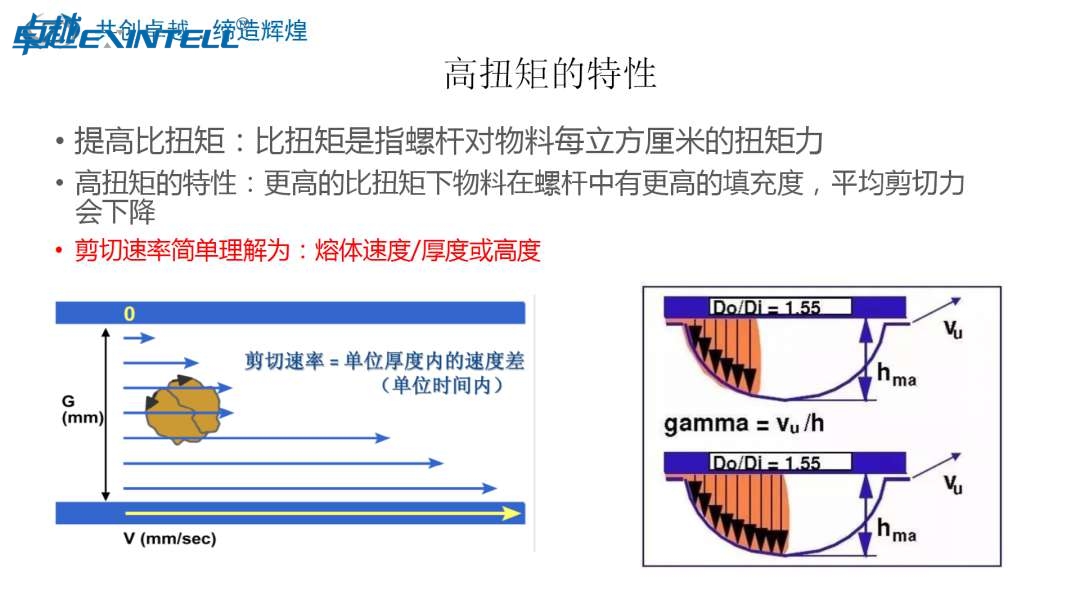
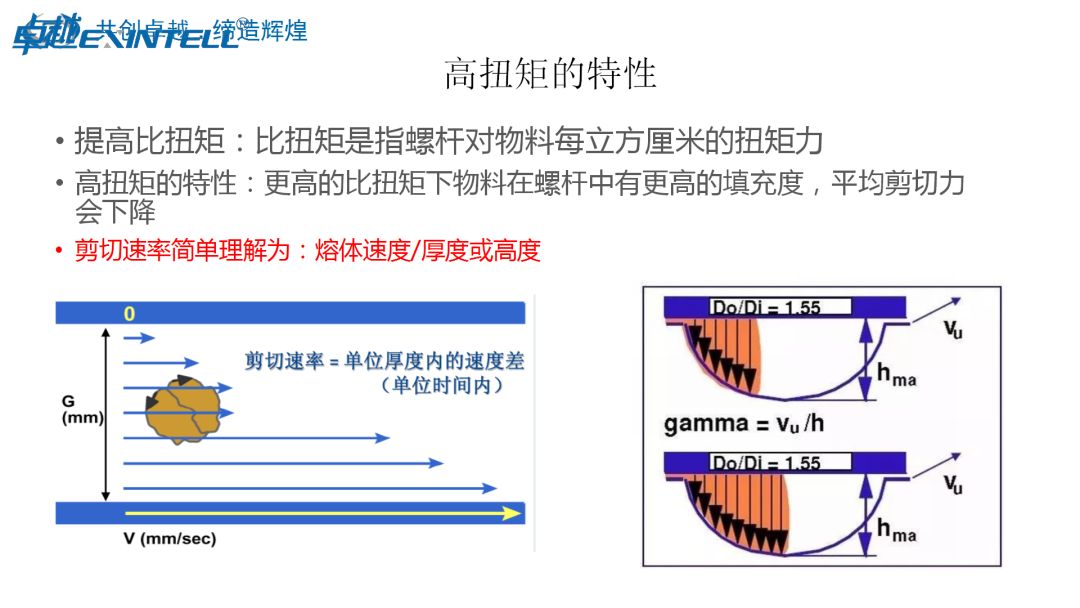
Torque per shaft, usually expressed as a torque density figure, is what actually limits throughput on high-viscosity or highly filled compounds. Higher torque lets you run faster and push more filler without stalling the screws. When two machines list similar kg/hr but different torque, the higher-torque unit will almost always hold up better across a broader recipe range. I treat torque as the true measure of a machine’s compounding muscle.
Gearbox quality and German-engineered options
The gearbox transmits that torque, and it is where cutting corners shows up first as failures. A high torque gearbox from a reputable source is worth the premium. USEON’s U+ Series twin screw extruders, de exemplu, use German gearboxes for high torque and precision control (USEON, 2024). When I compare regional options, gearbox provenance is one of the clearest quality differentiators between budget and premium builds.
Energy efficiency and process control precision
In sfarsit, energy consumption and control precision compound over the machine’s life. Accurate gravimetric feeding, tight melt-temperature control, and modern drive systems reduce scrap and lower cost per kilogram. On a line running thousands of hours a year, even a modest efficiency gain repays itself. Certification also belongs in this conversation: Chinese suppliers such as UDTECH certify machines to CE, SGS, BV, și ISO 9001 at economical pricing (UDTECH, 2024), which matters for both safety and resale.
A cross-region specification snapshot
To make the tradeoffs concrete, here is how representative offerings compare across regions. Figures are drawn from the cited sources and reflect published specifications rather than negotiated pricing.
|
Example / Region |
Machine type |
Output range |
Notable spec |
Sursă |
|---|---|---|---|---|
|
Everplast (Taiwan) |
PVC compounding, EMD-65 to EMD-130 |
100–1,500 kg/hr |
Broad model range for PVC |
Everplast, 2024 |
|
BUSS COMPEO (Europa, used) |
Co-kneader BCC 88-25 |
750–850 kg/h |
HDPE masterbatch, până la 40% carbon black |
MachinePoint, 2022 |
|
USEON (China) |
U+ Series twin screw |
Model-dependent |
German gearbox, cuplu mare, precision control |
USEON, 2024 |
|
IndiaMART listing (India) |
PVC compounding, die-face cutter |
~500 kg/hr |
Listed around ₹44,00,000 |
IndiaMART, 2024 |
|
UDTECH (China) |
Plastic compounding machine |
Model-dependent |
CE, SGS, BV, ISO 9001 certified |
UDTECH, 2024 |
|
Example / Region |
Machine type |
Output range |
Notable spec |
Sursă |
|---|---|---|---|---|
|
Everplast (Taiwan) |
PVC compounding, EMD-65 to EMD-130 |
100–1,500 kg/hr |
Broad model range for PVC |
Everplast, 2024 |
|
BUSS COMPEO (Europa, used) |
Co-kneader BCC 88-25 |
750–850 kg/h |
HDPE masterbatch, până la 40% carbon black |
MachinePoint, 2022 |
|
USEON (China) |
U+ Series twin screw |
Model-dependent |
German gearbox, cuplu mare, precision control |
USEON, 2024 |
|
IndiaMART listing (India) |
PVC compounding, die-face cutter |
~500 kg/hr |
Listed around ₹44,00,000 |
IndiaMART, 2024 |
|
UDTECH (China) |
Plastic compounding machine |
Model-dependent |
CE, SGS, BV, ISO 9001 certified |
UDTECH, 2024 |
The pattern I read from this is that region often signals a starting point on the price-to-capability curve rather than a fixed quality tier. European and used premium co-kneaders anchor the high-performance end, while certified Chinese and Indian builders compete hard on value. For deeper due diligence, I cross-check application notes such as Everplast’s PVC compounding documentation and used-market listings like those on MachinePoint before shortlisting any supplier. Filler Masterbatch Machine Wholesale
Applications That Shape Machine Selection

Before I ever recommend a specific brand to a client, I start with the application. The material you compound dictates screw configuration, torque, gearbox rating, and downstream layout far more than any logo on the machine. Din experiența mea, buyers who reverse this order—choosing the manufacturer first, then trying to fit the process—end up with an oversized capital outlay and a line that never quite matches the recipe. So let me walk through the application categories that most often drive the decision.
PVC Compounding for Wire, Pipe, and Profile
Rigid and flexible PVC compound pellets remain the highest-volume request I see. Wire and cable insulation, pressure pipe, and window profile each call for slightly different formulations, but they share a preference for gentle, controlled mixing that protects heat-sensitive PVC from degradation. This is where conical twin screw and counter-rotating designs still earn their place alongside co-rotating machines. As a practical reference point, Everplast offers PVC compounding models EMD-65 through EMD-130 with output ranging from 100 la 1,500 kg/h, which brackets most small-to-midsize processors well (Everplast, 2024). When I size a PVC line, I anchor on the required output in kg/hr first, then confirm the die face pelletizer and cooling capacity can keep pace.
Filler and Color Masterbatch Production
Masterbatch is a different discipline. A masterbatch extruder has to disperse high loadings of pigment or filler into a carrier resin uniformly, which places a premium on mixing intensity and residence time control. The BUSS COMPEO co-kneader is a useful benchmark here: a BCC 88-25 unit produces black masterbatch in HDPE at up to 40% carbon black loading, running 750–850 kg/h (MachinePoint, 2022). For filler compounding with calcium carbonate or talc, I pay close attention to feeder accuracy and screw wear resistance, since abrasive fillers shorten barrel life quickly if the metallurgy is wrong.
Engineering Plastics, ARUNCA O PRIVIRE, and Carbon Fiber Reinforced Compounds
When the conversation turns to engineering plastics—PEEK, PA, PC, or carbon fiber reinforced grades—the requirements climb steeply. These materials process at high temperatures and demand a high torque gearbox, precise thermal zoning, and screw elements engineered for glass or carbon fiber without excessive fiber breakage. A reinforced modification extruder for these applications is not a place to economize; the difference between preserving fiber length and pulverizing it shows up directly in the mechanical properties of the finished part. I treat PEEK and carbon fiber work as a specialist category and steer clients toward suppliers with documented experience in it rather than general-purpose lines.
WPC, Degradable Granules, and Recycled Polymers
Wood plastic composite (WPC), biodegradable granules, and recycled polymer compounding round out the applications I field most often now, driven by sustainability targets. WPC combines a polyolefin matrix with wood flour, so devolatilization and moisture management become central. Recycled plastic compounding brings its own variability—contamination, inconsistent melt flow, and mixed feedstock—which favors machines with robust venting and flexible screw configuration. Compounding equipment for these jobs typically integrates extruders with specialized screws, elemente de amestecare, alimentatoare, peletizatoare, and temperature control systems working as one line (MD Plastics, 2024). I always remind buyers that the extruder is only one component of the compounding extrusion line, and the downstream equipment often determines real-world throughput.
Plastic Compound Machine Manufacturers in the USA
US-based sourcing occupies a specific niche in my recommendations. American manufacturers rarely compete on sticker price against Asian suppliers, but they compete hard on service, engineering support, and downstream extrusion equipment. Understanding where they excel helps you decide when domestic sourcing justifies the premium.
US Downstream and Extrusion Equipment Makers
Davis-Standard appears on the 2026 shortlist of leading PVC compound machine makers alongside global names like KraussMaffei, Coperion, GEON, and INEOS (Exintellmach, 2026). On the downstream side, Plastics Extrusion Machinery (PEM) engineers and manufactures downstream equipment for plastics extrusion, covering the pullers, freze, and cooling systems that a compounding plant needs to function as a whole (PEM, 2024). I mention downstream deliberately, because many buyers focus their budget on the extruder and underestimate how much the downstream train affects yield and uptime.
Advantages of Domestic Sourcing
The case for buying domestically rests on three pillars I see repeatedly: responsive technical support in a shared time zone, shorter lead times when a project timeline is tight, and equipment built to familiar North American electrical and safety standards. These reduce integration friction, which matters more than most spec sheets suggest. When a line goes down, the value of a service engineer who can arrive within a day rather than a week is difficult to overstate.
When to Consider US Manufacturers vs Imports
I generally favor US or domestic sourcing when uptime is business-critical, when the application is specialized enough that hands-on commissioning support pays for itself, or when compliance and standards documentation must be airtight. Invers, for straightforward, well-understood compounding tasks where budget dominates, imported machines can deliver strong value—Chinese supplier UDTECH, de exemplu, certifies machines to CE, SGS, BV, și ISO 9001 at economical pricing (UDTECH, 2024). The honest answer is that this is a total-cost-of-ownership decision, not a sticker-price one.
Local Service and Spare Parts Availability
Whatever the origin, I ask one question early: how fast can I get a replacement screw element, a gearbox seal, or a control board? Local spare parts inventory and a stocked service network often separate a good purchase from a costly one over a five-year horizon. Domestic suppliers typically hold this advantage, and I weight it heavily for any operation running near capacity.
European Compounding Machinery Leaders
European machinery represents the precision-engineering end of the market. When a project demands documented process repeatability, high torque density, and comprehensive technical documentation, this is where I look. The capital cost runs higher, but for the right application the reliability and engineering depth justify it.
Coperion’s Installed Base and Market Position
Coperion is the reference point for co-rotating twin screw compounding at scale. Its co-rotating twin screw extruders are installed in more than 16,000 production lines worldwide (Coperion, 2024). An installed base of that size means proven metallurgy, a mature spare parts ecosystem, and process know-how accumulated across thousands of recipes. Coperion also anchors Mordor Intelligence’s list of top compounding machinery companies, which includes Farrel, Kobe Steel, CPM Extricom Extrusion, and ICMA San Giorgio (Mordor Intelligence, 2024).
KraussMaffei, Bausan, and ICMA San Giorgio Profiles
KraussMaffei rounds out the German precision tier and sits on the 2026 leading-makers list (Exintellmach, 2026). Bausan, the Italian manufacturer, offers unusual breadth—single screw, counter-rotating, co-rotating, and conical twin screw extruders for PVC, PP, PPR, HDPE, LDPE, si ABS (Bausan, 2024). That range makes Bausano a strong fit when a processor runs varied resins across one facility. ICMA San Giorgio, also Italian, brings decades of specialization in twin screw compounding for demanding formulations and appears among the top players noted above.
Precision Engineering and Technical Documentation Strengths
What I consistently value in European machines is the quality of technical documentation and the transparency of engineering data. Detailed screw configuration records, torque curves, and process parameters make it far easier to reproduce results, troubleshoot, and scale up. For regulated or high-value compounds, that documentation is not a nicety—it is part of the validated process.
Higher Capital Cost Balanced by Reliability
The trade-off is straightforward. European lines carry a higher capital cost, but that premium buys longer service intervals, higher torque density, and a lower risk of unplanned downtime. In my assessment, the math favors European machinery when the line runs continuously, when the compound is high-margin, or when process consistency directly affects product quality.
Cross-Region Comparison
To make the regional trade-offs concrete, here is how I frame the three sourcing options for buyers weighing them side by side.
| Factor | NE / Domestic | European | Asian (China) |
|---|---|---|---|
| Representative names | Davis-Standard, PEM | Coperion, KraussMaffei, Bausan, ICMA San Giorgio | USEON, UDTECH, Everplast |
| Relative capital cost | Medium–high | Ridicat | Low–medium |
| Key strength | Service response, standards fit, downstream depth | Precision, torque density, documentation, installed base | Price, certificari (CE, ISO 9001), export docs |
| Lead time | Shorter (regional) | Mai lung | Variabilă |
| Best fit | Uptime-critical, specialized commissioning | Continuu, high-margin, regulated compounds | Budget-driven, well-understood tasks |
| Factor | NE / Domestic | European | Asian (China) |
|---|---|---|---|
| Representative names | Davis-Standard, PEM | Coperion, KraussMaffei, Bausan, ICMA San Giorgio | USEON, UDTECH, Everplast |
| Relative capital cost | Medium–high | Ridicat | Low–medium |
| Key strength | Service response, standards fit, downstream depth | Precision, torque density, documentation, installed base | Price, certificari (CE, ISO 9001), export docs |
| Lead time | Shorter (regional) | Mai lung | Variabilă |
| Best fit | Uptime-critical, specialized commissioning | Continuu, high-margin, regulated compounds | Budget-driven, well-understood tasks |
No single region wins outright. The right choice follows from your application, your uptime tolerance, and your total-cost-of-ownership horizon. For deeper technical detail on individual machine ranges, I find the manufacturer sources on Bausano’s extruder lineup and the market overview from Mordor Intelligence useful starting points.
Chinese Manufacturers: Buying Direct From the Factory
When I benchmark sourcing options for clients, the pricing gap between Western and Chinese builders is the first thing that draws attention. A comparable twin screw compounding line from a Chinese factory often lands at a fraction of the European or US quotation, and that arithmetic is hard to ignore on a capital budget. The harder question is whether the savings survive contact with reality once the line is installed and running. Din experiența mea, they can, provided you treat the purchase as a due-diligence exercise rather than a catalog transaction.
How I Read the Chinese Supplier Landscape
The Chinese market is not monolithic, and the vendors I encounter most often occupy distinct positions. UDTECH markets itself squarely at cost-conscious buyers, certifying machines to CE, SGS, BV, și ISO 9001 while advertising economical pricing on direct-from-factory orders (UDTECH, 2024). USEON pushes further up the technical ladder: its U+ Series co-rotating twin screw extruders are built around German gearboxes for high torque and precision control (USEON, 2024), which puts it in conversation with mid-tier European engineering plastic extruder brands. JWELL and Haisi round out the field as broad-line extrusion houses that supply everything from PVC compounding equipment to full masterbatch extruder systems, typically competing on breadth of catalog and turnkey capability.
What I take from this is that “Chinese manufacturer” is not a single price-quality point but a spectrum. UDTECH and Haisi tend to anchor the value end, USEON reaches toward the precision end with its high torque gearbox story, and JWELL sits as a generalist. Matching a supplier to your material — a WPC (wood plastic composite) line has different demands than a carbon fiber reinforced engineering plastics line — matters more than the flag on the box.
What the Certifications Actually Tell You
CE, SGS, BV, și ISO 9001 appear on nearly every Chinese quotation, and I read each one narrowly. CE marking signals conformity with EU health and safety directives, which matters if the line is destined for Europe. SGS and BV are third-party inspection bodies; a genuine SGS or BV certificate ties a specific inspection to a specific machine or shipment, not to the company in general. ISO 9001 speaks to quality-management process, not to the performance of any individual extruder. I ask for the certificate numbers and verify them with the issuing body, because a logo on a PDF is not the same as a live, checkable record.
Pre-Sales and After-Sales: The Real Cost Variable
The sticker price is the easy number. The number that decides the project is service. Before I commit, I press hard on pre-sales support: will the supplier size the extruder screw configuration to my formulation, run a trial on my actual polymer, and share the resulting output capacity in kg/hr? After the sale, the questions get sharper. Where are spare screws and barrels stocked, and what is the lead time to ship them? Is there commissioning support on site, or only over video? What is the warranty term, and does it cover the gearbox — the single most expensive component to replace on a co-rotating extruder? A cheap machine with a six-week spare-parts lead time can idle a plant long enough to erase the initial saving.
My Due-Diligence Checklist for Overseas Procurement
- Request a video factory audit or commission a third-party inspection (SGS or BV) before the balance payment, not after.
- Ask for reference installations running your material class — PVC compound pellets, masterbatch, or filler compounding all stress the machine differently.
- Structure payment against milestones (deposit, pre-shipment inspection, punerea în funcţiune) rather than paying in full up front.
- Confirm the incoterms, and budget for freight, îndatoririle, and installation, which the headline quote usually excludes.
- Get the spare-parts price list and lead times in writing as part of the contract.
Handled this way, a direct-from-factory purchase from a credible Chinese Plastic Compound Machine Manufacturer supplier is a legitimate route. For a plain-language rundown of one vendor’s certification and configuration options, UDTECH’s product page is a reasonable starting reference (UDTECH, 2024).
New vs Used Plastic Compounding Machines
Not every project needs a new line, and I have advised clients toward the used market often enough to respect what it offers. The savings can be substantial, but the risk profile is entirely different from a factory order, and the deciding factor is almost always condition and warranty rather than price alone.
Where I Look for Used Equipment
The used-compounding channel is thinner and more specialized than the market for new machines. MachinePoint maintains a searchable inventory of second-hand compounding lines, and its listings are specific enough to be useful for evaluation — for example, a BUSS COMPEO BCC 88-25 co-kneader configured to produce black masterbatch (HDPE, până la 40% carbon black) at 750-850 kg/h (MachinePoint, 2022). That level of detail — machine model, material, and documented output — is exactly what separates a serious used-equipment dealer from a general auction listing. You can browse the current inventory directly (MachinePoint, 2022).
Weighing Cost Savings Against Condition and Warranty Risk
A used line typically sells at a steep discount to new, but that discount is compensation for risk you are assuming. A new machine carries a manufacturer warranty and a known wear state. A used machine carries neither by default. The critical wear items on a twin screw compounding extruder are the screw elements and barrel liners, which erode with every abrasive pass — glass fiber, carbon fiber reinforced compounds, and mineral fillers are especially hard on them. A line that produced abrasive filler compounding for years may need a full screw-and-barrel rebuild, and that cost can approach a meaningful share of a new machine.
Verifying Output History and Refurbishment
Before I recommend a used purchase, I want the machine’s biography. What did it run, at what output, and for how many hours? A masterbatch extruder that processed clean polyolefins is a different proposition from one that ran reinforced modification work. If the seller advertises refurbishment, I ask precisely what was replaced — new screws and liners, rebuilt gearbox, updated temperature-control electronics — and I ask for the invoices. A refurbishment with documentation is an asset. A vague claim of “reconditioned” is not.
Total Lifecycle, Not Sticker Price
The honest comparison is total cost of ownership over the line’s remaining service life, and this is where most sticker-price analyses fall short. I model the used-versus-new decision across the dimensions below.
| Factor | New Line (direct from manufacturer) | Used Line (dealer inventory) |
|---|---|---|
| Pretul de achizitie | Full — highest capital outlay | Discounted, often substantially |
| Warranty | Manufacturer warranty, gearbox typically covered | Limited or none unless dealer-backed |
| Wear state | Zero hours, screws and barrels new | Unknown unless documented; may need rebuild |
| Lead time | Luni (build + Transport + punerea în funcţiune) | Fast — machine exists and can ship quickly |
| Configuration fit | Built to your formulation and output target | Fixed to prior owner’s screw configuration |
| Documentation | Complete, including certifications | Depends on seller; verify output history |
| Best suited to | Long production runs, demanding or abrasive materials | Proven applications, tight timelines, constrângeri bugetare |
| Factor | New Line (direct from manufacturer) | Used Line (dealer inventory) |
|---|---|---|
| Pretul de achizitie | Full — highest capital outlay | Discounted, often substantially |
| Warranty | Manufacturer warranty, gearbox typically covered | Limited or none unless dealer-backed |
| Wear state | Zero hours, screws and barrels new | Unknown unless documented; may need rebuild |
| Lead time | Luni (build + Transport + punerea în funcţiune) | Fast — machine exists and can ship quickly |
| Configuration fit | Built to your formulation and output target | Fixed to prior owner’s screw configuration |
| Documentation | Complete, including certifications | Depends on seller; verify output history |
| Best suited to | Long production runs, demanding or abrasive materials | Proven applications, tight timelines, constrângeri bugetare |
My rule of thumb: for a well-documented, dealer-refurbished line running a material class it has already proven, used equipment is a sound decision that shortens lead time and preserves capital. For an unverified machine, or for a new or abrasive application, the warranty and known condition of a new line usually justify the premium.
Understanding the Full Compounding Line
A recurring source of confusion I see among first-time buyers is treating the extruder as the whole purchase. It is the heart of the process, but a compounding extrusion line is a system, and the components on either side of the extruder determine whether the machine actually delivers consistent PVC compound pellets or masterbatch at rated output. To evaluate a quote intelligently, you need to read the line as three linked stages: upstream, the extruder core, and downstream.
Upstream: Feeding and Metering
Everything begins with getting the right materials into the extruder in the right proportions. Upstream equipment covers gravimetric and volumetric feeders, loss-in-weight metering, and side feeders for fillers and reinforcements. Accuracy here is not a luxury. If the feeders drift, your formulation drifts, and no amount of downstream control will recover it. Industry equipment overviews consistently list feeders alongside extruders, specialized screws, peletizatoare, and temperature-control systems as the core building blocks of a compounding installation (MD Plastics, 2024). For a carbon fiber reinforced or WPC line, the side-feeding arrangement is often the single most application-specific decision in the whole system.
The Extruder: The Process Core
The extruder is where melting, amestecarea, dispersion, and devolatilization happen, and it is what most people picture when they think of a Plastic Compound Machine Manufacturer. The dominant technology for compounding is the co-rotating twin screw extruder, valued for its modular screw configuration and mixing intensity — the scale of its adoption is telling, with Coperion reporting its co-rotating twin screw extruders installed in more than 16,000 production lines worldwide (Coperion, 2024). Single screw extruders and conical twin screw machines still have their place, particularly in PVC compounding and profile-oriented work; Bausan, for instance, manufactures single screw, counter-rotating, co-rotating, and conical twin screw extruders across PVC, PP, PPR, HDPE, LDPE, si ABS (Bausan, 2024).
Two specifications deserve plain-language explanation because they drive both performance and price. Torque, delivered through the gearbox, sets how hard the machine can work the material — high torque gearboxes allow higher throughput and better dispersion of demanding compounds like PEEK or heavily filled engineering plastics. Screw configuration, the arrangement of conveying and kneading elements along the shaft, is effectively the recipe for how the material is mixed. A line optimized for gentle thermoplastic elastomer blending looks different from one built for aggressive reinforced modification.
Downstream: Răcire, Peletizarea, and Packaging
After the melt leaves the die, downstream equipment turns it into a usable product. Strand pelletizing runs the melt through a water bath and a strand cutter, while a die face pelletizer cuts pellets directly at the die — the latter appears on higher-output PVC compounding machines, some listed with 500 kg/hr output and die-face cutting (IndiaMART, 2024). Downstream also covers drying, classifying, and automated packaging. This stage is easy to underestimate, yet specialist firms build their entire business around it; PEM, de exemplu, engineers and manufactures downstream extrusion equipment as its core focus (PEM, 2024). Poor downstream design shows up as inconsistent pellet size and moisture, which then plagues every molder who buys your product.
Turnkey vs Modular Line Configurations
The last architectural decision is how the pieces come together. A turnkey compounding plant is delivered as a single integrated, commissioned system from one supplier, with unified controls and one point of accountability. A modular approach lets you combine best-in-class components — a European extruder, say, with a separately sourced die face pelletizer — but you own the integration risk and the finger-pointing when something does not align.
Din experiența mea, turnkey is the safer path for buyers new to compounding or entering a demanding application, because a single vendor cannot deflect responsibility across the upstream, extruder, and downstream boundaries. Modular makes sense when you have in-house process engineering and a specific, non-negotiable requirement for one component. Oricum, the point stands: judge the line as a complete plastic modification line, not as an extruder with accessories bolted on. For a concrete application walkthrough, Everplast’s PVC compounding overview illustrates how the stages fit together across its EMD-65 to EMD-130 models, rated at 100-1500 kg/h (Everplast, 2024).
Strand vs Die-Face Pelletizing Explained
When I evaluate a compounding extrusion line, the pelletizing method is one of the first specifications I check, because it shapes everything downstream: pellet geometry, dust levels, thermal history, and how easily an operator can start and stop production. Two approaches dominate the market, and each earns its place for specific materials and throughput targets. Understanding where each fits saves buyers from paying for capability they will never use or, worse, from choosing a plastic pelletizing machine that fights their material.
How Strand Pelletizing Works and Where It Fits
In strand pelletizing, molten polymer exits the die as continuous strands, passes through a water bath or air cooling section to solidify, and then feeds into a rotary cutter that chops it into cylindrical pellets. I favor this method for engineering plastics and reinforced compounds where I want cleanly formed, low-dust PVC compound pellets and consistent bulk density. The strand path also gives operators a visible, controllable process. If a strand breaks or the melt viscosity drifts, you can see it and correct it before it contaminates a batch.
The tradeoff is startup labor. Threading strands through the bath and into the cutter takes skill, and strand breaks during unstable running can interrupt output. For that reason I steer high-mix, small-batch operations toward strand systems only when their material quality demands it, since the manual attention pays off in pellet uniformity for glass- and carbon-fiber-reinforced grades.
Die-Face (Hot-Face) Cutting Advantages
Die-face pelletizing, sometimes called hot-face or hot-die-face cutting, mounts rotating knives directly against the die plate so the melt is cut into pellets the instant it emerges, before it fully solidifies. Cooling happens after cutting, either by water (underwater pelletizing) or air. This approach shines on high-throughput lines and heat-sensitive or shear-sensitive materials. IndiaMART lists PVC compounding machines around ₹44,00,000 delivering 500 kg/hr specifically with die-face cutter pelletizing, which reflects how common this configuration has become for PVC compounding at scale (IndiaMART, 2024).
The advantages I consistently see are near-continuous operation, praf mai mic, spherical or lens-shaped pellets that flow well, and reduced startup fuss compared with threading strands. Die-face cutting is also the natural match for masterbatch production, where a masterbatch extruder needs uniform, free-flowing pellets for downstream let-down accuracy. The BUSS COMPEO BCC 88-25 co-kneader producing black masterbatch at 750 la 850 kg/h illustrates the throughput territory where hot-face systems earn their keep (MachinePoint, 2022).
Impact on Pellet Quality and Shape
Pellet shape is not cosmetic. It governs feeding behavior in your customers’ molding and extrusion machines, bulk density in packaging, and dust generation during handling. Strand pelletizing produces cylindrical pellets with tight length control, which many engineering-plastics buyers specify contractually. Die-face cutting produces rounder pellets that pour and meter smoothly, an asset for automated dosing. In my experience the wrong choice surfaces as customer complaints about bridging in hoppers or inconsistent color let-down, so I treat pellet geometry as a commercial specification, not just a machine setting.
Matching the Pelletizer to Material and Throughput
The right pelletizer follows from the material and the target output capacity in kg/hr. Everplast, de exemplu, offers PVC compounding machine models EMD-65 through EMD-130 spanning 100 la 1500 kg/h, and the pelletizing section scales with that range (Everplast, 2024). My rule of thumb:
| Factor | Strand Pelletizing | Die-Face (Hot-Face) Tăiere |
|---|---|---|
| Best-fit materials | Engineering resins, glass/carbon fiber reinforced, filler compounding | PVC compounding, masterbatch, polyolefins, heat-sensitive grades |
| Typical throughput | Scăzut spre mediu, benefits from operator attention | Medium to high, near-continuous |
| Pellet shape | Cylindrical, tight length control | Spherical or lens, free-flowing |
| Dust generation | Low with clean cutting | Very low |
| Startup effort | Superior (strand threading) | Mai jos |
| Sensitivity to strand breaks | Da, can interrupt output | Not applicable |
| Factor | Strand Pelletizing | Die-Face (Hot-Face) Tăiere |
|---|---|---|
| Best-fit materials | Engineering resins, glass/carbon fiber reinforced, filler compounding | PVC compounding, masterbatch, polyolefins, heat-sensitive grades |
| Typical throughput | Scăzut spre mediu, benefits from operator attention | Medium to high, near-continuous |
| Pellet shape | Cylindrical, tight length control | Spherical or lens, free-flowing |
| Dust generation | Low with clean cutting | Very low |
| Startup effort | Superior (strand threading) | Mai jos |
| Sensitivity to strand breaks | Da, can interrupt output | Not applicable |
Pelletizers are one component within a broader downstream extrusion equipment set. MD Plastics describes compounding equipment as extruders with specialized screws, elemente de amestecare, alimentatoare, peletizatoare, and temperature control systems working together, which is exactly how I want buyers to think about it (MD Plastics, 2024). The pelletizer must be sized to the twin screw compounding output, not bought in isolation. For deeper background on how the pelletizing stage integrates with PVC lines, I point clients to Everplast’s PVC compounding documentation (Everplast PVC compounding).
Certifications and Quality Signals to Verify
Certifications do not guarantee a good machine, but their absence is a reliable warning. When I qualify a plastic compound machine manufacturer, I treat certificates as one input in a broader due-diligence process that includes documentation, audits, and reference installations. Here is the framework I use, ordered from baseline expectations to the deeper checks that separate a serious supplier from a broker.
ISO 9001 as the Baseline
ISO 9001 quality management certification is my minimum expectation from any supplier I take seriously. It does not describe the machine; it describes whether the company runs repeatable, documented processes for design, procurement, assembly, and inspection. A manufacturer without it can still build a fine extruder, but I have to do more of the verification work myself. Chinese supplier UDTECH, for instance, certifies its machines to CE, SGS, BV, și ISO 9001 while positioning on economical pricing, which shows that baseline quality systems and competitive cost are not mutually exclusive (UDTECH, 2024).
CE, SGS, and BV Marks for Imports
For buyers importing into regulated markets, the CE mark matters because it declares conformity with EU health, siguranţă, and environmental requirements, and it affects your ability to install and insure the equipment legally. SGS and BV (Bureau Veritas) marks reflect third-party inspection and testing, which adds independent verification beyond the manufacturer’s own claims. I read these marks as evidence of process discipline, but I always confirm the certificate covers the specific model and configuration I am buying, not a different machine in the catalog. A certificate for one model on the co-rotating extruder line does not automatically cover a conical twin screw variant.
Documentation and Datasheets to Request
Marks alone are not enough. Before I commit, I request a full documentation package: technical datasheets stating torque, gearbox rating, screw diameter and L/D, installed power, and output capacity in kg/hr; electrical and pneumatic schematics; material test certificates for screws and barrels; and full export documentation. MT Royal, de exemplu, explicitly supplies compounding machines with advanced twin-screw technology, flexible configurations, and full export documentation, which is the standard I hold suppliers to (MT Royal, 2024). If a supplier hesitates to share a datasheet with a named torque and gearbox specification, that reluctance tells me more than any brochure.
Factory Audits and Reference Installations
The strongest quality signal is a working track record. I ask for reference installations I can contact or, ideally, visit, and I arrange a factory audit or a video walkthrough of assembly and testing. The scale of proven deployment matters here: Coperion’s co-rotating twin screw extruders are installed in more than 16,000 production lines worldwide, an installed base that is itself a form of evidence (Coperion, 2024). Smaller manufacturers will not match that number, but every credible supplier should be able to name customers running the same class of machine you intend to buy. When I evaluate imported machines specifically, I cross-check the certificate claims against an independent inspection, and I find UDTECH’s published certification scope a useful reference point for what to ask about (UDTECH compounding machines).
Raw Materials Your Machine Must Handle
Every specification decision I have discussed traces back to one question: what are you actually compounding? The feedstock dictates screw configuration, torque requirements, wear protection, and pelletizing method. A machine optimized for soft masterbatch will struggle with abrasive glass fiber, and a rugged reinforced-modification extruder is overkill for simple color concentrate. Before I recommend any configuration, I map the full range of materials the line must run today and over its expected life.
Base Polymers: Polyolefins, PVC, and Engineering Resins
Polyolefins such as PE and PP are forgiving and cover a huge share of compounding volume, which is why nearly every polymer compounding equipment maker supports them well. PVC is a different animal: it is heat- and shear-sensitive, so PVC compounding lines favor careful thermal control and, frequently, die-face pelletizing. Bausano manufactures single screw, counter-rotating, co-rotating, and conical twin screw extruders for PVC, PP, PPR, HDPE, LDPE, si ABS, which illustrates how a single supplier maps different screw architectures to different base polymers (Bausan, 2024). Engineering plastics like PA, PC, and high-temperature grades demand more torque and precise temperature profiles, the territory where a high-torque gearbox becomes non-negotiable. USEON’s U+ Series twin screw extruders, de exemplu, use German gearboxes for high torque and precision control aimed at exactly these demanding jobs (USEON, 2024).
Aditivi, Fillers, and Colorants
Most compounds are not pure polymer. Stabilizers, lubrifianți, ignifuge, and colorants require accurate feeding and thorough dispersive and distributive mixing, which is where the extruder screw configuration and mixing elements earn their value. For a masterbatch extruder producing high-loading color or additive concentrate, uniform dispersion is the whole product. Filler compounding with calcium carbonate, talc, or other minerals raises the abrasion question early, because mineral loadings wear screws and barrels faster than neat polymer and justify hardened or bimetallic components.
Reinforcements Like Glass and Carbon Fiber
Fiber reinforcement is where machine selection gets serious. Glass fiber and carbon-fiber-reinforced compounds are highly abrasive, and they demand wear-resistant screw elements, downstream side-feeding to preserve fiber length, and a pelletizing method that produces clean, pelete uniforme. This is the classic case for strand pelletizing paired with a robust twin screw compounding platform. If a buyer tells me they run carbon fiber reinforced grades, I immediately push the conversation toward wear protection and fiber-length management rather than headline throughput.
Recycled and Specialty Feedstocks
Recycled plastic compounding introduces variability: inconsistent bulk density, contaminare, and moisture that a virgin-only line may not tolerate. Machines built for recycled feedstock benefit from robust feeding, degassing capacity, and flexible screw configurations. Specialty and high-performance materials push further still. PEEK and other high-temperature engineering plastics require precise thermal control and high torque, while WPC (wood plastic composite) and thermoplastic elastomer compounds each bring their own handling quirks around temperature sensitivity and filler loading. Whatever the specialty, my guidance is the same: confirm the manufacturer has built a plastic modification line for your exact material class and can name a reference running it. For a broader view of how these components assemble into a complete processing solution, MD Plastics’ overview of compounding equipment is a practical reference (MD Plastics compounding equipment).
Machines for Automotive and Specialty Applications
When a buyer tells me the compound is bound for an under-hood bracket or a battery module, my questions change entirely. Automotive and specialty work pushes a compounding extrusion line to its mechanical and thermal limits, and the machine I would recommend for a commodity filler job is rarely the one I would trust with a carbon fiber reinforced polyamide. Din experiența mea, the end-use requirement should dictate the screw configuration and torque rating first, and price second.
Compounds for Automotive Plastic Components
Automotive components lean heavily on glass- and mineral-filled polyolefins, materiale plastice de inginerie, and thermoplastic elastomer grades that need consistent dispersion at high throughput. A co-rotating twin screw extruder handles this well because its intermeshing elements give me control over shear, residence time, and downstream side-feeding of fillers. Bausano manufactures single screw, counter-rotating, co-rotating, and conical twin screw extruders across PVC, PP, PPR, HDPE, LDPE, si ABS (Bausan, 2024), which tells you how broad the automotive material menu can be on a single supplier’s range.
High-Performance and Reinforced Modification Extruders
For a reinforced modification extruder, torque is the number I watch. High-temperature engineering plastics such as PEEK, and heavily loaded carbon fiber reinforced grades, demand a high torque gearbox and hardened barrel segments to survive abrasion. USEON’s U+ Series twin screw extruders use German gearboxes for high torque and precision control (USEON, 2024), and that kind of drivetrain is what keeps screw speed and specific energy stable when you are pushing 40 la 60 percent fiber loading. Coperion, whose co-rotating twin screw extruders are installed in more than 16,000 production lines worldwide (Coperion, 2024), sits at the top of this tier for a reason: the plastic modification line for demanding grades rewards proven metallurgy and process repeatability.
Battery Materials and Specialty Chemical Processing
Battery electrode compounding and specialty chemical processing add requirements that ordinary polymer compounding equipment ignores: precise gravimetric feeding, tight temperature control, and sometimes solvent handling or inert atmospheres. MD Plastics notes that compounding equipment includes extruders with specialized screws, elemente de amestecare, alimentatoare, peletizatoare, and temperature control systems (MD Plastics, 2024) — for battery work, the feeder and temperature control subsystems often matter more than raw output capacity kg/hr. I always confirm the atmosphere and dust-handling design before assuming a standard machine will qualify.
Matching Machine Capability to End-Use Requirements
My rule is simple: define the compound, the loading, and the tolerance, then reverse-engineer the machine. A masterbatch extruder tuned for pigment dispersion is not the same tool as a WPC (wood plastic composite) line built for high filler volume and moisture venting. Matching extruder screw configuration and gearbox rating to the end-use requirement up front prevents the most expensive mistake I see, which is buying capacity you cannot actually use because the machine cannot hold the spec.
Plastics vs Food Extrusion Machines: Know the Difference
Buyers occasionally send me a food-extruder listing and ask whether it will do PVC compounding. The honest answer is usually no, and understanding why saves a costly cross-application mismatch. Both families share twin screw technology, but the resemblance ends at the metallurgy, hygiene design, and process targets.
Why Food Extruders Differ from Plastics Compounding Lines
A food extruder is engineered to cook, texturize, and shape edible material at moderate temperatures with rapid cleaning between runs. A twin screw compounding line is built to melt, disperse fillers, devolatilize, and pelletize polymers at higher temperatures and shear. The process goals diverge, so the barrels, şuruburi, and downstream extrusion equipment are optimized for different physics even when the drivetrain looks similar.
Material Contact and Hygiene Considerations
Food-contact machines require sanitary stainless steel, crevice-free surfaces, and wash-down design. A plastic compound machine manufacturer optimizes instead for wear resistance and thermal endurance — nitrided or bimetallic barrels, hardened screw elements, and a die face pelletizer built for hot polymer strands, not dough. Using one in place of the other compromises either hygiene or wear life.
Overlap in Twin Screw Technology
The genuine overlap is the co-rotating twin screw architecture. Both industries rely on modular, intermeshing screws for mixing control, and several builders serve both markets Sistem subacvatic de peletizare with distinct machine lines rather than one shared machine. That shared engineering heritage is why the categories get confused, but the configurations are not interchangeable.
Avoiding Cross-Application Mismatches
Before I sign off on any purchase, I confirm three things: barrel and screw metallurgy, temperature and torque envelope, and the downstream — a plastic pelletizing machine versus a food cutter or dryer. If a seller markets a single unit as suitable for both food and polymer compounding without changes, I treat that as a red flag rather than a feature.
Estimating Cost and Total Cost of Ownership
Sticker price is where most buyers start and where too many stop. Din experiența mea, the total cost of ownership over five to seven years often dwarfs the purchase price, driven by energy, întreţinere, spares, and downtime. Below I break down both, because a low quote from one region can quietly become the more expensive machine once the line is running.
Sticker Price Ranges by Capacity and Origin
Prices scale with output capacity kg/hr, torque rating, and country of manufacture. Everplast offers PVC compounding machine models EMD-65 through EMD-130 with output of 100–1500 kg/hr (Everplast, 2024), spanning a wide capacity band. On the used market, a BUSS COMPEO BCC 88-25 co-kneader produces black masterbatch (HDPE, până la 40% CB) at 750–850 kg/h (MachinePoint, 2022), giving a concrete high-output reference point. In India, PVC compounding machines are listed around ₹44,00,000 with 500 kg/hr output and die-face cutter pelletizing (IndiaMART, 2024). Chinese suppliers such as UDTECH certify machines to CE, SGS, BV, și ISO 9001 with economical pricing (UDTECH, 2024), în timp ce cel 2026 premium tier — Alphagary, INEOS, GEON, KraussMaffei, Davis-Standard, și Coperion (Exintellmach, 2026) — commands higher capital cost for proven repeatability.
| Factor | Chinese suppliers | European / US builders | Used / recondiționat |
|---|---|---|---|
| Relative sticker price | Lowest; economical pricing (UDTECH, 2024) | Highest; premium tier (Exintellmach, 2026) | Variabilă; depends on condition |
| Certificare | CE, SGS, BV, ISO 9001 (UDTECH, 2024) | Typically CE/UL, mature QA | Original certs; verify currency |
| Example capacity | Broad range configurable | 100–1500 kg/hr class (Everplast, 2024) | 750–850 kg/h co-kneader (MachinePoint, 2022) |
| Sprijin / spares lead time | Longer shipping; verify local support | Established service networks | Depends on OEM continuity |
| Best fit | Cost-sensitive, standard compounds | High-spec, reinforced, engineering grades | Proven models, tight capital budgets |
| Factor | Chinese suppliers | European / US builders | Used / recondiționat |
|---|---|---|---|
| Relative sticker price | Lowest; economical pricing (UDTECH, 2024) | Highest; premium tier (Exintellmach, 2026) | Variabilă; depends on condition |
| Certificare | CE, SGS, BV, ISO 9001 (UDTECH, 2024) | Typically CE/UL, mature QA | Original certs; verify currency |
| Example capacity | Broad range configurable | 100–1500 kg/hr class (Everplast, 2024) | 750–850 kg/h co-kneader (MachinePoint, 2022) |
| Sprijin / spares lead time | Longer shipping; verify local support | Established service networks | Depends on OEM continuity |
| Best fit | Cost-sensitive, standard compounds | High-spec, reinforced, engineering grades | Proven models, tight capital budgets |
Energy, Întreţinere, and Spare Parts Costs
A compounding extrusion line runs continuously, so drive energy is the largest recurring cost. A high torque gearbox that holds specific energy stable pays back through lower kWh per kilogram of compound. Maintenance follows the wear profile of your material: abrasive filler compounding and carbon fiber reinforced grades chew through screw elements and barrels far faster than unfilled polyolefins, so I budget for consumable screw and barrel segments as an operating line item, not a rare event. I always ask for the recommended spare parts kit and its price before purchase.
Downtime Risk and Support Value
Downtime is the cost buyers underestimate most. A machine that is 20 percent cheaper but sits idle waiting three months for a gearbox part can erase its savings in a single stoppage. This is where support infrastructure earns its premium — proven builders such as those behind Coperion’s 16,000-plus installed lines (Coperion, 2024) offer service depth that reduces mean time to repair. PEM engineers and manufactures innovative downstream equipment for plastics extrusion (PEM, 2024), a reminder that downstream reliability, not just the extruder, determines uptime. I weigh support responsiveness alongside sticker price for every quote.
Financing and Export Documentation Factors
For cross-border purchases, documentation and terms can make or break a deal. MT Royal supplies compounding machines with advanced twin-screw technology, flexible configurations, and full export documentation (MT Royal, 2024) — complete paperwork matters for customs clearance, warranty enforcement, and financing approval. I confirm Incoterms, certification validity, and whether the supplier supports the letters of credit or leasing structures my finance team needs before committing capital. You can review supplier capability and application detail directly through resources such as Everplast’s PVC compounding page şi MD Plastics’ compounding equipment overview.
How to Vet a Manufacturer: A Practical Checklist
When I evaluate a plastic compound machine manufacturer, I treat the sales brochure as a starting point, not evidence. What separates a supplier that will still be answering my calls in year seven from one that vanishes after commissioning comes down to a handful of verifiable factors. I run every candidate through the same checklist, and I ask for proof at each step rather than assurances.
Installed Base and Verifiable Case Studies
The single most reliable signal is a large, documented installed base. Coperion reports that its co-rotating twin screw extruders run in more than 16,000 production lines worldwide (Coperion, 2024), and that scale is not marketing filler. It means the screw configurations, wear behavior, and failure modes are well understood, and spare parts move quickly. When a manufacturer cannot point me to running lines processing my specific material, whether that is PVC compounding, masterbatch, or carbon fiber reinforced engineering plastics, I ask why. I want reference customers I can actually contact, ideally in my region and processing a comparable formulation. A case study without a company name, a date, and a measurable output figure is a story, not a reference.
Torque, Gearbox, and Screw Customization Capability
The gearbox is where a compounding extrusion line quietly succeeds or fails. USEON, for instance, builds its U+ Series twin screw extruders around German gearboxes specifically for high torque and precision control (USEON, 2024). High torque density lets me push higher throughput at lower screw speed, which reduces shear-sensitive degradation on materials like PEEK or thermoplastic elastomer. I ask three concrete questions: What is the specific torque rating (Nm/cm³)? Can the screw configuration be rebuilt in segments for a new formulation? And does the builder machine its own screw elements or outsource them? A manufacturer that offers single screw, counter-rotating, co-rotating, and conical twin screw platforms, as Bausano does across PVC, PP, PPR, HDPE, LDPE, si ABS (Bausan, 2024), demonstrates the engineering breadth to match the machine to the polymer rather than forcing the polymer onto one machine.
Serviciu post-vânzare, R&D, and Quality Control
A compounding plant is a decades-long relationship. I look for a documented R&D or trials lab where I can run my formulation before committing, an in-house quality control regime with material traceability, and certifications that survive scrutiny. Chinese supplier UDTECH, de exemplu, certifies machines to CE, SGS, BV, și ISO 9001 alongside competitive pricing (UDTECH, 2024), which tells me the quality system is externally audited rather than self-declared. I also confirm who performs commissioning and whether service technicians are employed directly or subcontracted. Din experiența mea, response time on a downed line matters more than the discount I negotiated at signing.
Perioada de graţie, Warranty, and Technical Support Terms
Before any deposit, I get the commercial terms in writing. That means the quoted lead time from order to shipment, the warranty period and exactly what it covers (does it include screws and barrels, the highest-wear components, or only the drive?), the availability of remote diagnostics, and the guaranteed spare-parts window. Exporters accustomed to international projects, such as MT Royal, package full export documentation with flexible twin-screw configurations (MT Royal, 2024), which reduces friction at customs and during installation. I treat vague warranty language as a red flag; specifics protect both sides.
Where to Find Manufacturer Documentation
Good sourcing decisions run on documentation, not phone calls. Before I ever contact a sales rep, I try to build a specification comparison from published technical data. Knowing what to look for and where it lives saves weeks and keeps the conversation grounded in numbers.
Locating Datasheets and Technical PDFs
Most credible manufacturers publish model-level datasheets that list output capacity in kg/hr, screw diameter, Raport L/D, motor power, and torque. Everplast, de exemplu, publishes its EMD-65 through EMD-130 PVC compounding range with outputs of 100 la 1500 kg/hr right on its application pages (Everplast, 2024). Component-focused suppliers document the building blocks: MD Plastics describes compounding equipment as extruders with specialized screws, elemente de amestecare, alimentatoare, peletizatoare, and temperature control systems (MD Plastics, 2024), which is a useful map for understanding what a complete plastic modification line actually contains. Downstream specialists like PEM (Plastics Extrusion Machinery) publish equipment libraries covering the die face pelletizer, răcire, and haul-off gear that determine whether PVC compound pellets come off the line at consistent quality (PEM, 2024).
Coperion and Other OEM Resource Libraries
The larger OEMs maintain deep resource libraries with white papers, application notes, and product configurators. I mine these even when I am not planning to buy from that brand, because they define the technical vocabulary and benchmark figures the rest of the market is measured against. For used-equipment research, marketplaces like MachinePoint list detailed specifications on secondhand machines, for instance a BUSS COMPEO BCC 88-25 co-kneader running black masterbatch at 750 la 850 kg/h with up to 40% carbon black in HDPE (MachinePoint, 2022). Those listings are a practical way to see what real production configurations look like and what they command on the resale market.
What Specification Data to Compare
I normalize every candidate against the same fields so I am comparing like with like: capacitatea de ieșire (kg/h) for my target material, screw diameter and L/D, specific torque, installed motor power, pelletizing method (strand versus die-face), and certifications. Pricing is part of the picture but the least comparable field across regions; an Indian listing for a PVC compounding machine at roughly ₹44,00,000 with 500 kg/hr output and a die-face cutter (IndiaMART, 2024) is not directly comparable to a European co-kneader without adjusting for scope, wear parts, and support.
Using Documentation to Shortlist Suppliers
Once the data sits in one table, the shortlist tends to reveal itself. I eliminate anyone who cannot produce a datasheet for a model in my throughput range, then rank the survivors on the fit factors from my vetting checklist. The table below shows how a documentation-first comparison looks in practice across US, European, and Chinese options.
| Producător (region) | Platform focus | Documented output | Notable spec / credential | Sursă |
|---|---|---|---|---|
| Coperion (Germany/US) | Co-rotating twin screw | Broad, lab to production | 16,000+ installed lines worldwide | Coperion, 2024 |
| Everplast (Taiwan) | PVC compounding (EMD series) | 100–1500 kg/hr | Model-level published datasheets | Everplast, 2024 |
| USEON (China) | Twin screw (U+ Series) | Configurable | German high-torque gearboxes | USEON, 2024 |
| Bausan (Italia) | Singur, co/counter-rotating, conical twin | Material-dependent | PVC, PP, PPR, HDPE, LDPE, ABS range | Bausan, 2024 |
| UDTECH (China) | Compounding extruders | Economical tiers | CE, SGS, BV, ISO 9001 certified | UDTECH, 2024 |
| Producător (region) | Platform focus | Documented output | Notable spec / credential | Sursă |
|---|---|---|---|---|
| Coperion (Germany/US) | Co-rotating twin screw | Broad, lab to production | 16,000+ installed lines worldwide | Coperion, 2024 |
| Everplast (Taiwan) | PVC compounding (EMD series) | 100–1500 kg/hr | Model-level published datasheets | Everplast, 2024 |
| USEON (China) | Twin screw (U+ Series) | Configurable | German high-torque gearboxes | USEON, 2024 |
| Bausan (Italia) | Singur, co/counter-rotating, conical twin | Material-dependent | PVC, PP, PPR, HDPE, LDPE, ABS range | Bausan, 2024 |
| UDTECH (China) | Compounding extruders | Economical tiers | CE, SGS, BV, ISO 9001 certified | UDTECH, 2024 |
For the underlying listings, I lean on primary sources such as Everplast’s PVC compounding page şi MD Plastics’ equipment overview rather than aggregator directories.
Market Landscape and Leading Companies
Understanding who leads the market helps me calibrate expectations, but I have learned not to let a rankings list make the decision for me. The named leaders set the technical benchmark; whether any of them fits my project is a separate question.
Top Players and Market Concentration
Mordor Intelligence identifies the top compounding machinery companies as Coperion, Farrel, Kobe Steel, CPM Extricom Extrusion, and ICMA San Giorgio (Mordor Intelligence, 2024). That concentration among a handful of established names signals a mature, engineering-intensive segment where reputation is earned over decades of installed lines. The growth signals sit alongside broadening demand across recycled plastic compounding, WPC (wood plastic composite), and high-value engineering plastics, which pulls both premium OEMs and cost-competitive challengers into the same buyer conversations. A separate 2026 roundup of PVC compound machine makers widens the frame to include material and equipment names like Alphagary, INEOS, GEON, KraussMaffei, Davis-Standard, și Coperion (Exintellmach, 2026), which shows how the landscape blends pure machine builders with integrated material-and-equipment players.
How Rankings Inform but Don’t Dictate Choice
I read these lists as a map of technical credibility, not a shopping order. A top-ranked builder may be over-specified and over-priced for a mid-volume masterbatch extruder line, while a regional supplier with a strong local service footprint delivers better total cost of ownership. Din experiența mea, the right choice depends on the intersection of my material, my throughput, and my support geography, none of which a global ranking captures.
Distinguishing Brand Size from Fit for Your Needs
Brand size buys reassurance and resale value; it does not guarantee fit. A large OEM excels when I need proven performance on demanding polymers or a turnkey compounding plant, and its 16,000-line track record earns that trust. But if my project is a filler compounding line at modest volume, or I am weighing a used co-kneader against new, a certified mid-tier supplier can match the technical requirement at a fraction of the capital cost. The discipline is to define my specification first, from screw configuration and high torque gearbox rating to downstream extrusion equipment, and then let the market landscape tell me which manufacturers can meet it, rather than reversing the order and shopping for a logo.
Matching Throughput and Budget to the Right Supplier
Din experiența mea, the single most expensive mistake a B2B buyer makes is choosing a machine by brand reputation before defining what the line actually has to produce. Throughput and product mix drive everything downstream: screw configuration, gearbox torque, feeder count, and ultimately the supplier shortlist you should even be talking to. So I start every sourcing project the same way, by putting numbers on paper before I put anyone on a call.
Defining Required kg/hr and Product Mix
Your required output capacity in kg/hr is the anchor spec. But raw throughput is meaningless without the recipe context, because the same machine that runs 800 kg/hr of a lightly filled polyolefin masterbatch may only manage half that on a heavily loaded, abrasive filler compound. I document three things before I request a single quote:
- Peak and average kg/hr per formulation, not just the headline figure.
- Product mix — how many recipes, and how frequently I switch between them (frequent changeovers reward flexible, easy-to-clean screw layouts).
- Material family — PVC compounding, masterbatch, WPC (wood plastic composite), thermoplastic elastomer, materiale plastice de inginerie, or carbon fiber reinforced grades all behave differently in the barrel.
Material choice narrows the extruder type quickly. Co-rotating twin screw extruders handle the widest range of masterbatch and engineering plastic work; conical twin screw and counter-rotating machines are common in rigid PVC; and a single screw extruder is often plenty for simpler re-pelletizing. Bausan, de exemplu, manufactures single screw, counter-rotating, co-rotating, and conical twin screw extruders across PVC, PP, PPR, HDPE, LDPE, si ABS (Bausan, 2024), which is a useful reminder that one manufacturer can cover several architectures.
Lab-Scale vs Production-Scale Needs
I treat lab-scale and production-scale as separate purchasing conversations even when they come from the same vendor. A lab or pilot twin screw compounding unit exists to prove a formulation and generate scale-up data — you want fast recipe iteration, small material batches, and instrumentation. A production line exists to make money per hour, so its priorities are uptime, eficienta energetica, and consistent output capacity kg/hr. Buying a production machine to do development work wastes material and floor space; buying a lab machine and hoping to scale it up rarely ends well because residence time and shear profiles do not translate linearly. If a supplier offers geometrically similar screw diameters across their range, scale-up risk drops considerably, so I ask about that explicitly.
Budget Tiers Across Manufacturer Regions
Industrial Plastic Extrusion Parts One of the gaps I see in most guides is the absence of a neutral, cross-region comparison. Buyers deserve to understand what US, European, and Chinese suppliers actually trade off against each other, and it is rarely just sticker price. Here is how I frame the three broad tiers, with representative evidence rather than guesswork.
| Region / Nivelul | Representative suppliers | Typical positioning | What you pay for |
|---|---|---|---|
| European premium | Coperion, KraussMaffei, Bausan, ICMA San Giorgio, BUSS | Highest process precision and installed base; Coperion co-rotating twin screw extruders are in more than 16,000 production lines worldwide (Coperion, 2024) | Process know-how, torque density, application support, resale value |
| NE / specialist | Davis-Standard, Farrel, PEM, MD Plastics | Strong downstream extrusion equipment and service; PEM engineers innovative downstream equipment for plastics extrusion (PEM, 2024) | Local service, downstream integration, spare-part lead time |
| China / value | USEON, UDTECH, MT Royal (Curcan) | Competitive pricing with international certification; UDTECH certifies to CE, SGS, BV, și ISO 9001 (UDTECH, 2024); USEON U+ Series uses German gearboxes for high torque (USEON, 2024) | Lower capital cost, flexible configuration, faster build slots |
| Region / Nivelul | Representative suppliers | Typical positioning | What you pay for |
|---|---|---|---|
| European premium | Coperion, KraussMaffei, Bausan, ICMA San Giorgio, BUSS | Highest process precision and installed base; Coperion co-rotating twin screw extruders are in more than 16,000 production lines worldwide (Coperion, 2024) | Process know-how, torque density, application support, resale value |
| NE / specialist | Davis-Standard, Farrel, PEM, MD Plastics | Strong downstream extrusion equipment and service; PEM engineers innovative downstream equipment for plastics extrusion (PEM, 2024) | Local service, downstream integration, spare-part lead time |
| China / value | USEON, UDTECH, MT Royal (Curcan) | Competitive pricing with international certification; UDTECH certifies to CE, SGS, BV, și ISO 9001 (UDTECH, 2024); USEON U+ Series uses German gearboxes for high torque (USEON, 2024) | Lower capital cost, flexible configuration, faster build slots |
Concrete price anchors help calibrate expectations. Everplast lists PVC compounding machine models EMD-65 through EMD-130 spanning 100–1500 kg/hr (Everplast, 2024), while Indian listings show PVC compounding machines around ₹44,00,000 with 500 kg/hr output and die-face cutter pelletizing (IndiaMART, 2024). On the used market, a BUSS COMPEO BCC 88-25 co-kneader making black masterbatch at 750–850 kg/h shows how much capacity a well-maintained second-hand line can deliver (MachinePoint, 2022). I always weigh used vs new on more than price: a used machine can be a smart buy when the recipe is stable and spares are available, but a poor one when your formulation library is still evolving.
Building a Decision Matrix
To keep the comparison honest, I score shortlisted suppliers against weighted criteria rather than reacting to whichever quote lands first. My standard columns are throughput fit, torque and gearbox quality, screw configuration flexibility, certificari, documented total cost of ownership, service response time, and delivery. The 2026 landscape of PVC compound machine makers — which includes Alphagary, INEOS, GEON, KraussMaffei, Davis-Standard, și Coperion (Exintellmach, 2026) — is broad enough that a matrix is the only sane way to compare like with like.
Total cost of ownership is where premium and value tiers often converge. A cheaper machine that consumes more energy, wears screws faster, or sits idle waiting for parts can cost more over five years than a higher-priced European line. I model energy draw, expected wear-part replacement, and downtime cost per hour, then let the matrix, not the brochure, make the recommendation.
Întrebări frecvente
What equipment is used in plastic compounding?
A compounding extrusion line is a system, not a single machine. At its core sits the extruder, but the working set also includes specialized screw elements, gravimetric or volumetric feeders, mixing and kneading elements, a pelletizer, and temperature control systems (MD Plastics, 2024). The extruder screw configuration — the arrangement of conveying, frământare, and mixing sections — is what actually determines dispersion quality, so I treat it as the heart of any polymer compounding equipment discussion.
How do I compare a plastic extruder machine to a full compounding line?
A standalone plastic extruder machine melts and shapes polymer; a compounding line adds controlled feeding, intensive mixing, devolatilizarea, and downstream extrusion equipment such as a die face pelletizer and cooling. If your goal is to blend fillers, additives, or reinforcements into a base resin and produce uniform PVC compound pellets or masterbatch, you need the line. If you are simply reprocessing a single clean material, an extruder alone may suffice. The distinction matters most when a vendor quotes an attractive extruder price that quietly excludes the feeders and pelletizer you actually require.
What are typical lead times and delivery terms?
Lead times vary widely by tier. Value-tier suppliers with standardized models can often ship in a few months, while highly customized European turnkey compounding plant projects commonly run six months to over a year from order to commissioning. Delivery terms deserve as much scrutiny as build time: I confirm Incoterms, who handles installation and commissioning, and whether export documentation is complete. MT Royal, for instance, supplies compounding machines with flexible configurations and full export documentation (MT Royal, 2024), which removes friction at customs.
How do I request a quote and specification sheet?
I send a written brief containing target kg/hr per recipe, material families, additive loadings, required pellet form, and site utilities. Then I ask each supplier for a formal specification sheet listing screw diameter and L/D ratio, high torque gearbox rating, installed motor power, number of feeders, and pelletizing method. A vendor who returns a complete spec sheet quickly is signaling engineering discipline; one who resists is a risk flag. You can review real product ranges to model your request, for example USEON’s extruder and compounding lineup (USEON) or a China-direct catalog (UDTECH).
How do I choose between US, European, and Chinese suppliers?
Match the region to the risk profile of your product. For demanding engineering plastics, ARUNCA O PRIVIRE, or carbon fiber reinforced grades where dispersion and thermal control are unforgiving, I lean toward European precision. For high-volume commodity masterbatch where the recipe is settled, value-tier suppliers with German gearboxes and international certifications close much of the gap. For US operations that prize same-day service and downstream integration, a domestic specialist can lower lifetime downtime cost.
What are the most common buying mistakes?
The recurring ones I see: specifying peak throughput without accounting for abrasive filler compounding derates, ignoring energy and wear-part costs in favor of sticker price, buying a lab machine expecting clean scale-up, and confusing plastics compounding with food extrusion equipment. They look similar mechanically, but hygiene design, screw metallurgy, and process targets differ enough that cross-shopping them leads to poor fit.
Do these machines need certification?
For international procurement, yes. CE marking is effectively mandatory for European installation, and buyers routinely require SGS, BV, sau ISO 9001 evidence. Reputable value-tier suppliers already carry these — UDTECH certifies its machines to CE, SGS, BV, și ISO 9001 (UDTECH, 2024) — so I treat certification as a baseline filter, not a differentiator.
What Is a Plastic Compound Machine Manufacturer and Why It Matters for B2B Buyers
Definition
A plastic compound machine manufacturer designs and builds the equipment that blends base polymers with additives, umpluturi, coloranti, and reinforcements to create engineered plastic pellets. The defining process is twin screw compounding, most often on a co-rotating twin screw extruder, where intermeshing screws convey, topi, and intensively mix the formulation before a die face pelletizer converts the molten strand into uniform pellets. These manufacturers differ from generic machine shops because they own the process knowledge — screw geometry, shear management, and feeding strategy — that determines whether a compound meets spec. Hi-Tech Group Plastic Extrusion
Market Context
The supplier landscape is concentrated at the top and long-tailed below it. Mordor Intelligence identifies Coperion, Farrel, Kobe Steel, CPM Extricom Extrusion, and ICMA San Giorgio among the leading compounding machinery companies (Mordor Intelligence, 2024), and the depth of installed equipment is striking: Coperion alone reports more than 16,000 production lines worldwide (Coperion, 2024). Around these leaders sits a competitive field of US specialists, Turkish exporters, and Chinese value manufacturers, which is precisely why a neutral, cross-brand view matters. As a buyer, you are not choosing between good and bad vendors so much as matching a specific throughput, material, and service profile to the right tier.
Key Applications
The reason this equipment category matters to B2B buyers is the breadth of what it produces. In my project work I see the same machines underpinning very different value chains:
- PVC compounding — rigid and flexible PVC compound pellets for pipe, profile, and cable, often on conical twin screw or counter-rotating machines.
- Masterbatch — color and additive concentrates on a masterbatch extruder, including heavily loaded carbon black grades.
- Engineering plastics — glass and carbon fiber reinforced modification, and high-temperature polymers like PEEK, where a co-rotating extruder with a high torque gearbox is essential.
- WPC (wood plastic composite) şi filler compounding — abrasive, high-loading recipes that demand wear-resistant screws.
- Thermoplastic elastomer and polyolefins — flexible and commodity grades produced across single screw and twin screw platforms.
- Recycled plastic compounding — upgrading reclaimed material into usable pellets, an increasingly common driver of new capacity.
Understanding this range is the practical payoff for the buyer. The right manufacturer is not the one with the biggest name, but the one whose plastic modification line matches your product mix, your output capacity kg/hr, and the total cost of ownership you can sustain. That alignment — not the brochure — is what a disciplined sourcing process is designed to find. For deeper application detail, I keep supplier resources such as Everplast’s PVC compounding overview (Everplast) on hand as reference points.
How to Choose the Right Plastic Compound Machine Manufacturer Supplier
When I evaluate a plastic compound machine manufacturer, I stop treating the purchase as a single transaction and start treating it as a decade-long relationship. A compounding extrusion line runs for fifteen to twenty years, so the supplier I pick has to be around, responsive, and technically fluent long after the crate is unpacked. Din experiența mea, the sticker price tells you less than half the story. What follows is the framework I actually use, from first vendor shortlist to signed contract.
Vendor evaluation: what I score first
I build a weighted scorecard before I contact anyone, because it keeps me from being seduced by a low quote. Four factors carry the most weight for me: proven installed base, screw and gearbox engineering, application match, and after-sales reach.
Installed base is a proxy for reliability that is hard to fake. Coperion reports that its co-rotating twin screw extruders are running in more than 16,000 production lines worldwide (Coperion, 2024), and that kind of field density means failure modes have already been found and fixed. I weight application match just as heavily. A vendor that lives in PVC compounding is not automatically the right partner for a masterbatch extruder or a carbon fiber reinforced engineering plastics line. Bausan, for instance, publishes a range spanning single screw, counter-rotating, co-rotating, and conical twin screw extruders tuned for PVC, PP, PPR, HDPE, LDPE, si ABS (Bausan, 2024), which signals genuine breadth rather than one repackaged platform.
Key considerations: specs in plain language
Buyers get lost in datasheets, so here is how I translate the three specifications that decide throughput and part quality.
- Torque and high torque gearbox. Torque, expressed as a specific torque density (Nm/cm³), determines how much energy the machine can push into the polymer without stalling. USEON, de exemplu, builds its U+ Series twin screw extruders on German gearboxes specifically for high torque and precision control (USEON, 2024). Higher torque lets you run higher fill and higher output at the same screw speed.
- Extruder screw configuration. The screw is modular for a reason. Conveying, frământare, and mixing elements are arranged to match the recipe, whether that is a shear-sensitive thermoplastic elastomer or a high-filler WPC (wood plastic composite). Ask to see the proposed screw configuration for your exact material, not a generic layout.
- Output capacity (kg/h). Rated capacity is meaningless without a material and recipe attached. Everplast lists PVC compounding models EMD-65 through EMD-130 at 100 la 1,500 kg/h (Everplast, 2024), so I always ask which model hit the top number, on what compound, and at what quality spec.
A complete line is more than the extruder. MD Plastics notes that compounding equipment includes extruders with specialized screws, elemente de amestecare, alimentatoare, peletizatoare, and temperature control systems (MD Plastics, 2024). If a quote covers only the extruder and leaves the die face pelletizer and downstream extrusion equipment for later, the real project cost is hiding.
Regional comparison: NE, European, and Chinese suppliers
Most guides push a single vendor. I find it more honest to compare the three sourcing regions on the tradeoffs that actually matter, because each wins in different situations.
| Factor | NE / North American | European | Chinese |
|---|---|---|---|
| Typical strength | Downstream equipment, service proximity, modernizari | High-torque twin screw compounding, materiale plastice de inginerie, R&D depth | Economical turnkey compounding plant, fast lead times |
| Representative names | Davis-Standard, PEM, GEON (Exintellmach 2026; PEM 2024) | Coperion, Bausan, ICMA San Giorgio, KraussMaffei (Mordor Intelligence 2024) | USEON, UDTECH (USEON 2024; UDTECH 2024) |
| Relative capital cost | Ridicat | Highest | Lowest |
| Certifications to confirm | UL, NFPA, local electrical code | CE, machinery directive | CE, SGS, BV, ISO 9001 (UDTECH 2024) |
| Best fit | US plants needing spares within days | ARUNCA O PRIVIRE, carbon fiber reinforced, tight-tolerance compounds | Standard PVC compound pellets, budget-driven expansion |
| Factor | NE / North American | European | Chinese |
|---|---|---|---|
| Typical strength | Downstream equipment, service proximity, modernizari | High-torque twin screw compounding, materiale plastice de inginerie, R&D depth | Economical turnkey compounding plant, fast lead times |
| Representative names | Davis-Standard, PEM, GEON (Exintellmach 2026; PEM 2024) | Coperion, Bausan, ICMA San Giorgio, KraussMaffei (Mordor Intelligence 2024) | USEON, UDTECH (USEON 2024; UDTECH 2024) |
| Relative capital cost | Ridicat | Highest | Lowest |
| Certifications to confirm | UL, NFPA, local electrical code | CE, machinery directive | CE, SGS, BV, ISO 9001 (UDTECH 2024) |
| Best fit | US plants needing spares within days | ARUNCA O PRIVIRE, carbon fiber reinforced, tight-tolerance compounds | Standard PVC compound pellets, budget-driven expansion |
Pricing spreads across these regions are wide. A Chinese-built PVC compounding machine at 500 kg/hr with die-face cutter pelletizing has been listed near ₹44,00,000, roughly US$53,000 (IndiaMART, 2024), while a used European co-kneader such as a BUSS COMPEO BCC 88-25 running black masterbatch at 750 la 850 kg/h trades on the secondary market (MachinePoint, 2022). Neither is “better” in the abstract; the right choice depends on your recipe, volume, and tolerance for lead time.
Costul total de proprietate, not sticker price
Here is the gap I see most competitors skip. I model TCO across the full life of the plastic modification line: energy per kilogram, wear-part replacement intervals for screws and barrels, expected uptime, and the cost of a service engineer’s visit. A polymer compounding equipment supplier that is 8,000 miles away with a two-week spares lead time can erase its price advantage the first time a barrel scores during a filler compounding run. When I compare quotes, I convert everything to cost per ton of finished compound over ten years. That single number reorders the shortlist more than any brochure.
Used vs new: how I decide
Buying used is legitimate and often smart, but only under conditions. I choose refurbished when the material is forgiving (commodity polyolefins, standard PVC), when a proven model matches my recipe, and when I can inspect wear on the screws and barrel in person or through documented measurements. I insist on new when I am running abrasive carbon fiber reinforced or glass-filled engineering plastics, processing high-value PEEK where contamination is unacceptable, or when I need a warranty and current controls for a turnkey compounding plant. The used market, such as the compounding inventory MachinePoint maintains, is worth watching, but I never buy a machine I cannot trace back to its original duty cycle.
Red flags I walk away from
- Output figures with no material, recipe, or quality spec attached.
- No reference customer running my polymer family who will take my call.
- Vague or missing certifications. Reputable Chinese suppliers like UDTECH publish CE, SGS, BV, și ISO 9001 (UDTECH, 2024), so evasiveness here is telling.
- A quote that omits feeders, the die face pelletizer, or temperature control and calls it a “line.”
- No named spare-parts stock or service response-time commitment.
- A food-extrusion vendor pitching a plastics job. The hardware overlaps superficially, but wear metallurgy, venting, and screw design for polymer compounding differ meaningfully from food processing, and I treat that mismatch as a competence signal.
Due diligence checklist
Before I release a deposit, every box below is checked and documented:
- Trial run on my actual material, with recorded output, energy draw, and pellet quality.
- Written screw configuration and rationale for my recipe.
- Specific torque density and gearbox origin confirmed in writing.
- Reference list of two or more customers in my polymer segment.
- Certification documents verified, not just claimed.
- Spare-parts pricing, stock location, and guaranteed lead times.
- Instalare, punerea în funcţiune, and operator-training scope defined.
- Full export documentation for cross-border orders. Suppliers like MT Royal make complete export documentation and flexible twin-screw configurations part of the package (MT Royal, 2024).
- Warranty terms, including what voids them during recycled plastic compounding.
Practical tips from the floor
Two habits have saved me repeatedly. Primul, I always insist on witnessing a trial on my own material before committing; brochures describe ideal conditions, and a reinforced modification extruder behaves very differently once real filler loads hit the screws. Doilea, I negotiate the service contract at the same table as the machine, never after. Leverage evaporates the moment the purchase order is signed. If you want a neutral starting point for shortlisting names, an industry map such as Mordor Intelligence’s list of leading compounding machinery companies is a reasonable, unbiased anchor.
The industry context reinforces all of this. Analysts consistently rank Coperion, Farrel, Kobe Steel, CPM Extricom Extrusion, and ICMA San Giorgio among the top compounding machinery companies (Mordor Intelligence, 2024), iar cel 2026 PVC-focused rankings add Alphagary, INEOS, GEON, KraussMaffei, Davis-Standard, și Coperion (Exintellmach, 2026). Recognizable names are not a guarantee, but in a capital-equipment purchase, market longevity correlates strongly with the spare-parts availability you will lean on years from now.
Find Manufacturers That Produce Plastic Compounding Machines
Once my selection criteria are set, the next question is simply where to look. I organize the search by what a manufacturer specializes in, because the field splits along clear technical lines and matching your polymer to a vendor’s core competence shortcuts most of the work.
By machine architecture
The starting filter is the extruder type your compound demands.
- Co-rotating twin screw extruder specialists. This is the workhorse of modern twin screw compounding for masterbatch, materiale plastice de inginerie, and highly filled recipes. Coperion and USEON sit squarely here, the latter building its U+ Series on German high torque gearboxes (USEON, 2024).
- Broad-range builders. Some manufacturers cover single screw extruder, counter-rotating, co-rotating, and conical twin screw platforms under one roof. Bausano is a clear example, spanning PVC, PP, PPR, HDPE, LDPE, si ABS (Bausan, 2024), which suits buyers who want one relationship across several material families.
- Application-focused makers. Everplast concentrates on PVC compounding with its EMD-65 to EMD-130 line at 100 la 1,500 kg/h (Everplast, 2024), the kind of depth I look for when a single polymer dominates my production.
By region and sourcing model
European builders like Coperion, Bausan, and ICMA San Giorgio lead on high-torque engineering and R&D depth. Chinese manufacturers such as USEON and UDTECH compete on economical, certified turnkey systems, with UDTECH certifying to CE, SGS, BV, și ISO 9001 (UDTECH, 2024). For the secondary market, brokers like MachinePoint list used co-kneaders and compounding lines, including a BUSS COMPEO producing black masterbatch at 750 la 850 kg/h (MachinePoint, 2022). Cross-border buyers should confirm export support up front; MT Royal, for instance, bundles full export documentation with configurable twin-screw systems (MT Royal, 2024).
Where I actually search
I combine three channels. Industry analyst lists, such as Mordor Intelligence’s companies report, give me a neutral roster of established players (Mordor Intelligence, 2024). B2B directories and manufacturer sites let me confirm specifications and certifications directly. Trade shows and installed-base referrals close the loop, because nothing beats talking to an operator who runs the exact PVC compounding machine I am considering. When I need a fast technical reference on what a full line should include, I return to processing overviews like MD Plastics’ compounding equipment page to make sure my quotes are truly complete.
Locate Plastic Compound Machine Manufacturers Based in the USA
For buyers operating in North America, a domestic supplier changes the math on service response, spare-parts logistics, și conformare. In my experience the premium a US-based manufacturer commands is frequently repaid the first time a line goes down and a technician arrives in days rather than weeks.
Why domestic sourcing earns its premium
Three advantages stand out. Service proximity shortens downtime dramatically for a plastic modification line. Compliance is native, with UL and NFPA electrical standards built in rather than adapted. And communication runs in real time across shared time zones, which matters when you are debugging an extruder screw configuration during commissioning. The 2026 PVC compound machine rankings include US-anchored names such as GEON and Davis-Standard alongside global leaders (Exintellmach, 2026), so domestic buyers are not trading away technical quality for locality.
US manufacturers and specialists to know
- Davis-Standard and GEON appear on current top-maker lists for compounding and PVC systems (Exintellmach, 2026), representing established domestic extrusion capability.
- Plastics Extrusion Machinery (PEM) engineers and manufactures downstream extrusion equipment in the USA (PEM, 2024). Because a compounding line is only as good as its pelletizing and cooling stages, a domestic downstream partner is worth identifying early. Their overview lives at pemusa.com.
- Coperion maintains a substantial North American presence supporting its global co-rotating twin screw installed base (Coperion, 2024), giving US buyers access to leading twin screw compounding technology with local service.
Verifying a US supplier
My domestic checklist mirrors the global one with local emphasis. I confirm US-based service technicians and their typical response window, a domestic or regional spare-parts warehouse for screws and barrels, and UL-compliant controls. I ask for reference sites I can visit within driving distance, because seeing a co-rotating extruder run recycled plastic compounding or a masterbatch batch in person tells me more than any specification sheet. If a “US manufacturer” turns out to be a reseller with no domestic engineering or stock, I treat that the same as any overseas order and price the logistics accordingly. The value of buying American is the proximity; if that proximity is not real, the premium is not justified.
Understand what a plastic compounding machine does
Before I compare brands or price tags, I always ground the conversation in function. A plastic compounding machine takes a base polymer and blends it with additives, umpluturi, coloranti, or reinforcements to create a homogeneous compound that gets pelletized for downstream molding or extrusion. Din experiența mea, buyers who skip this step end up specifying equipment for a process they do not fully understand, and the mismatch shows up later as poor dispersion, inconsistent pellets, or premature wear.
The core components of a compounding line
A complete compounding extrusion line is more than the extruder itself. According to MD Plastics (2024), compounding equipment includes extruders with specialized screws, elemente de amestecare, alimentatoare, peletizatoare, and temperature control systems (MD Plastics). I think of it as five interdependent subsystems:
- Hrănire — gravimetric or volumetric feeders meter the polymer and additives into the barrel at controlled ratios.
- Extruder — the heart of the line, where the extruder screw configuration melts, amestecuri, and conveys the material.
- Mixing elements — kneading blocks and mixing sections that control dispersive and distributive mixing.
- Downstream extrusion equipment — cooling, uscare, and the die face pelletizer that cuts the strand or melt into pellets.
- Temperature and control — barrel heating and cooling zones plus the drive system that regulates torque and speed.
Compounding is not the same as food extrusion
One clarification I make often: polymer compounding equipment and food extrusion machinery look similar but solve different problems. Both push material through a heated barrel with a screw, but plastics compounding is engineered for high shear, precise thermal control, and abrasion resistance against glass or mineral fillers. Food extruders optimize for cooking, expansion, and sanitary design. If you search generic marketplaces, the two categories often blur together, so I verify that a quoted machine is a genuine plastic modification line before comparing it against anything else.
What gets made on these machines
The output range is broad. On a single well-configured line I have seen masterbatch, PVC compound pellets, WPC (wood plastic composite), thermoplastic elastomer, and carbon fiber reinforced engineering plastics such as PEEK. Each application drives different screw designs and torque requirements, which is exactly why the single-screw versus twin-screw decision matters so much.
Learn the difference between single screw and twin screw compounding
This is the question I get asked most, and the honest answer is that the two technologies are not competitors so much as tools for different jobs. Let me break down how I evaluate them.
Single screw extruders: simplicity and cost
A single screw extruder relies on drag flow to convey and melt material. It is mechanically simple, lower in capital cost, and reliable for straightforward tasks like film, pipe, and profile extrusion or light re-pelletizing. Its weakness is mixing. Because there is only one screw doing the work, dispersive mixing of fillers and additives is limited. When a client only needs to reprocess a clean, single-grade polyolefin, I often recommend a single screw line to avoid overspending.
Twin screw compounding: the workhorse of modification
Find suppliers of PVC compounding machines specifically
When I need a PVC compounding line rather than a general-purpose extruder, I narrow my supplier search from the start. PVC is a heat-sensitive, corrosion-prone polymer, so the right machine is not simply “any twin screw extruder.” I look for makers who publish PVC-specific model families and can speak fluently about shear control, residence time, and screw configuration tuned to rigid or flexible formulations.
Key considerations when shortlisting PVC-focused makers
My first filter is documented PVC output data. Everplast, de exemplu, lists dedicated PVC compounding models from EMD-65 through EMD-130 with output ranging from 100 la 1,500 kg/h (Everplast, 2024), which tells me the vendor engineers around PVC rather than adapting a food-grade platform. That distinction matters: plastics compounding and food extrusion share hardware vocabulary but differ sharply in barrel metallurgy, corrosion resistance, and downstream pelletizing needs.
I also check whether the supplier offers the right architecture. Bausano manufactures single screw, counter-rotating, co-rotating, and conical twin screw extruders across PVC, PP, PPR, HDPE, LDPE, si ABS (Bausan, 2024). For rigid PVC dry-blend, a conical twin screw or counter-rotating design is often the sensible choice because it gives gentle, low-shear conveying. For heavily filled or reinforced modification work, a co-rotating twin screw extruder gives me the mixing intensity I need.
Regional supplier landscape
In my experience the market splits into three practical camps. US and European builders such as Coperion, Farrel, Kobe Steel, CPM Extricom Extrusion, and ICMA San Giorgio anchor the premium tier (Mordor Intelligence, 2024). Coperion alone reports more than 16,000 co-rotating twin screw production lines installed worldwide (Coperion, 2024), which is a useful proxy for field-proven reliability. Chinese suppliers like UDTECH and USEON compete on price while certifying to CE, SGS, BV, și ISO 9001 (UDTECH, 2024), and USEON pairs its U+ Series twin screw extruders with German gearboxes for high torque and precision (USEON, 2024). Turkish builder MT Royal sits in between, offering flexible configurations plus full export documentation (MT Royal, 2024).
Practical tips for verifying a PVC supplier
- Ask for a reference installation running a formulation close to yours, then request that customer’s contact for a candid conversation.
- Confirm the barrel and screw metallurgy specify corrosion- and wear-resistant alloys, since PVC releases HCl when it degrades.
- Request the full downstream extrusion equipment list: alimentatoare, degassing, die face pelletizer or die-face cutter, and temperature control. MD Plastics notes that a complete compounding setup includes extruders with specialized screws, elemente de amestecare, alimentatoare, peletizatoare, and temperature control systems (MD Plastics, 2024).
- Have the vendor state achievable output capacity in kg/hr for your recipe, not a generic maximum.
For a concrete example of how a PVC-specific product page is structured, cel Everplast PVC compounding overview is a reasonable template for the level of detail I expect from any serious supplier.
Industry context
The named 2026 field of leading PVC compound machine makers now spans compound producers and machinery specialists alike, including Alphagary, INEOS, GEON, KraussMaffei, Davis-Standard, și Coperion (Exintellmach, 2026). That blend signals a market where formulation know-how and machine engineering increasingly travel together, so I weigh a supplier’s process support as heavily as its steel.
Get price quotes for industrial plastic compounding lines
Requesting a quote for a compounding extrusion line is where vague specifications cost real money. A twin screw compounding system priced without a defined recipe, debitului, and downstream scope produces a number I cannot compare across vendors. My approach is to standardize the request so every quote answers the same questions.
Key considerations before you ask for a number
I fix five variables first: polymer and filler system (de exemplu, PVC compound pellets, masterbatch, WPC, or a carbon fiber reinforced engineering plastic), target output in kg/hr, screw diameter and L/D, gearbox torque class, and the required downstream train. Torque and the high torque gearbox drive both price and capability, because they determine how much filler I can push before I run out of usable energy. USEON’s use of German gearboxes on its U+ Series is a specific claim I would ask every vendor to match or explain (USEON, 2024).
What a real quote should itemize
- Extruder base with defined screw configuration and mixing elements
- Gravimetric and side feeders for filler compounding
- Vacuum degassing sections
- Die face pelletizer or strand-cut plastic pelletizing machine
- Control system, spares package, punerea în funcţiune, si antrenament
Reference price data across the range
To calibrate expectations, I anchor on published figures. The table below summarizes representative data points I have collected; treat these as directional, since currency, scope, and year vary.
| Reference point | Configuration | Ieșire | Indicative price | Sursă |
|---|---|---|---|---|
| PVC compounding machine listing | Twin screw with die-face cutter pelletizing | ~500 kg/hr | ~₹44,00,000 (approx. USD 53,000) | IndiaMART (2024) |
| Everplast EMD series | PVC compounding, EMD-65 to EMD-130 | 100–1,500 kg/hr | Quote on request | Everplast (2024) |
| BUSS COMPEO BCC 88-25 (used) | Co-kneader, black masterbatch, HDPE up to 40% CB | 750–850 kg/h | Used-market, quote on request | MachinePoint (2022) |
| Reference point | Configuration | Ieșire | Indicative price | Sursă |
|---|---|---|---|---|
| PVC compounding machine listing | Twin screw with die-face cutter pelletizing | ~500 kg/hr | ~₹44,00,000 (approx. USD 53,000) | IndiaMART (2024) |
| Everplast EMD series | PVC compounding, EMD-65 to EMD-130 | 100–1,500 kg/hr | Quote on request | Everplast (2024) |
| BUSS COMPEO BCC 88-25 (used) | Co-kneader, black masterbatch, HDPE up to 40% CB | 750–850 kg/h | Used-market, quote on request | MachinePoint (2022) |
Practical tips for comparing quotes
I insist on total cost of ownership, not sticker price. Two lines quoted within 15 percent of each other can diverge sharply once I add energy draw, wear-part replacement intervals, spare screw elements, and expected uptime. I ask each vendor for annual consumable cost at my throughput and for the price of a full screw and barrel rebuild, since that is the single largest recurring expense on a heavily loaded reinforced modification extruder.
I also request quotes in a like-for-like scope. If one vendor bundles commissioning and a year of spares while another quotes machine-only, I normalize before comparing. In sfarsit, I ask for lead time in writing; a lower price that arrives four months late can be the more expensive option.
Industry context
New versus used is a live decision at the quote stage. The used market genuinely offers proven capacity fast, as the BUSS co-kneader example shows (MachinePoint, 2022), but I weigh unknown wear history and limited process warranty against a new line’s support package. For a first compounding plant, I usually lean new for the engineering backing; for capacity expansion of a known process, a well-documented used line can be compelling.
Buy plastic compounding equipment direct from a factory
Buying direct from the factory that builds the machine is my preferred route when the volume justifies it, because I remove the trading margin and, more importantly, I talk to the engineers who own the design. That access pays off during commissioning and every time I change a formulation later.
Key considerations for factory-direct purchasing
The clearest advantage is technical continuity. When I buy from a manufacturer such as USEON, Bausan, or a certified Chinese factory like UDTECH, the process engineer who scopes my screw configuration is the same organization that supports it in service (USEON, 2024; Bausan, 2024; UDTECH, 2024). Trading intermediaries rarely provide that. Direct purchasing also lets me negotiate the spares package, screw geometry, and control software as one conversation rather than through a chain of email.
Certification and documentation
For imported equipment I treat certification as non-negotiable. UDTECH certifies its machines to CE, SGS, BV, și ISO 9001 (UDTECH, 2024), and MT Royal provides full export documentation with its compounding machines (MT Royal, 2024). I confirm that the certificates cover the specific model shipping to me, not a sibling product, and that the electrical package matches my regional standard.
Practical tips for a smooth factory purchase
- Require a factory acceptance test with your material, or a close analog, before shipment.
- Get the downstream scope confirmed with the same builder; specialists like Plastics Extrusion Machinery engineer downstream equipment specifically for plastics extrusion (PEM, 2024), so a coordinated line avoids integration gaps.
- Define payment milestones tied to FAT and commissioning, not just shipment.
- Clarify who owns freight, îndatoririle, and installation, and whether a factory technician travels for startup.
- Ask for the spare screw and barrel elements to ship with the machine, since lead times on wear parts can idle a line.
For readers evaluating a direct-import path, cel UDTECH factory-direct compounding page illustrates the certification and specification detail worth demanding from any overseas supplier.
Industry context
Factory-direct sourcing rewards buyers who can specify precisely. Whether I am compounding polyolefins, materiale plastice de inginerie, elastomeri termoplastici, a PEEK-based system, or a WPC recipe, the manufacturer needs my exact loading, debitului, and pellet target to configure the co-rotating extruder correctly. In my experience the buyers who get the best factory-direct outcomes are the ones who arrive with a data sheet, not a wish; the clearer my inputs, the more the direct relationship compounds in my favor over the machine’s life.
Concluzie: Making a Confident Sourcing Decision in 2026
After walking through the technology, the specifications, and the regional trade-offs, my closing advice is simple: choose the machine that matches your polymer and your production reality, not the brand with the loudest reputation. A co-rotating twin screw extruder remains the workhorse for masterbatch, materiale plastice de inginerie, and carbon fiber reinforced modification, while a conical twin screw or single screw extruder often makes more sense for straightforward PVC compounding and rigid profile feedstock. The right answer depends on your material, your target output capacity in kg/hr, and how much downstream extrusion equipment you plan to integrate into a turnkey compounding plant.
The market gives you real range. At the premium end, Coperion reports its co-rotating twin screw extruders run in more than 16,000 production lines worldwide (Coperion, 2024), and Mordor Intelligence lists Coperion, Farrel, Kobe Steel, CPM Extricom Extrusion, and ICMA San Giorgio among the leading players (Mordor Intelligence, 2024). European specialists like Bausano cover single screw, counter-rotating, co-rotating, and conical configurations across PVC, PP, PPR, HDPE, LDPE, si ABS (Bausan, 2024). On the value side, Chinese suppliers such as UDTECH certify equipment to CE, SGS, BV, și ISO 9001 at economical pricing (UDTECH, 2024), and USEON pairs its U+ Series twin screw extruders with German gearboxes for high torque and precision control (USEON, 2024). Everplast, meanwhile, offers PVC compounding models EMD-65 through EMD-130 spanning 100 la 1,500 kg/h (Everplast, 2024) — a useful reminder that a single supplier can cover pilot lines and full-scale plants alike.
Din experiența mea, the buyers who avoid regret are the ones who look past the sticker price. A used BUSS COMPEO co-kneader running black masterbatch at 750 la 850 kg/h (MachinePoint, 2022) can be a smart buy if the screw configuration and gearbox are sound, while a new PVC compounding line listed near ₹44,00,000 with a die-face pelletizer (IndiaMART, 2024) may deliver lower total cost of ownership once you factor in wear parts, energie, and support. Whether you lean toward a US downstream specialist like PEM, a European builder, or a certified Chinese manufacturer with full export documentation like MT Royal, the discipline is the same: verify the specs, confirm the certifications, and model the lifetime cost before you sign.
Expert Insight
| Key Point | Explanation |
|---|---|
| Match screw architecture to your polymer | Co-rotating twin screw extruders excel at masterbatch, filler compounding, and reinforced modification, while conical twin screw and single screw extruders suit PVC compound pellets and rigid profiles. Specifying the wrong extruder screw configuration is the costliest early mistake I see. |
| The gearbox and torque define real capacity | A high torque gearbox — such as the German units USEON fits to its U+ Series (USEON, 2024) — determines sustainable output more than the nameplate kg/hr figure. Ask for continuous, not peak, ratings when comparing a masterbatch extruder across suppliers. |
| Total cost of ownership beats sticker price | Wear parts, energy draw, spares lead time, and local service often outweigh purchase price over a decade. A certified value-tier machine (UDTECH, 2024) can win on TCO, but only when documentation, warranty, and support are verified up front. |
| Key Point | Explanation |
|---|---|
| Match screw architecture to your polymer | Co-rotating twin screw extruders excel at masterbatch, filler compounding, and reinforced modification, while conical twin screw and single screw extruders suit PVC compound pellets and rigid profiles. Specifying the wrong extruder screw configuration is the costliest early mistake I see. |
| The gearbox and torque define real capacity | A high torque gearbox — such as the German units USEON fits to its U+ Series (USEON, 2024) — determines sustainable output more than the nameplate kg/hr figure. Ask for continuous, not peak, ratings when comparing a masterbatch extruder across suppliers. |
| Total cost of ownership beats sticker price | Wear parts, energy draw, spares lead time, and local service often outweigh purchase price over a decade. A certified value-tier machine (UDTECH, 2024) can win on TCO, but only when documentation, warranty, and support are verified up front. |
Actionable Sourcing Tips for B2B Buyers
- Specify your material and throughput first. Define your polymer (PVC, polyolefins, thermoplastic elastomer, ARUNCA O PRIVIRE, WPC) and required output capacity in kg/hr before you shortlist any Plastic Compound Machine Manufacturer, so every quote answers the same brief.
- Demand line trials on your own compound. Ask for a test run or reference installation using a formulation close to yours — a supplier confident in their twin screw compounding will show you throughput and pellet quality on a die face pelletizer, not just a datasheet.
- Compare across regions, not just within one. Put US downstream specialists, European builders, and certified Chinese factories side by side; each tier wins on different metrics, and a neutral cross-brand comparison protects your budget.
- Verify certifications and export documentation. Confirm CE, ISO 9001, and third-party marks (SGS, BV), and require complete export paperwork — a point MT Royal emphasizes for its compounding lines (MT Royal, 2024) — before you release any deposit.
- Weigh used against new deliberately. A refurbished polymer compounding equipment unit can cut lead time and capex, but inspect the screw, barrel wear, and gearbox condition; browse specialist channels like used compounding machine listings to benchmark fair value.
- Confirm downstream and spares support. Ensure the extruder integrates with feeders, controlul temperaturii, and pelletizing — the full stack MD Plastics describes (MD Plastics, 2024) — and lock in local service and spare-part lead times as part of the contract.
FAQ
When I advise buyers, the same questions surface again and again. Below I answer the ones I hear most often, drawing on what I have learned specifying and commissioning compounding lines across different regions and budgets.
How do I choose a reliable plastic compounding machine supplier?
Din experiența mea, reliability comes down to four verifiable signals. Primul, certificari: I look for CE, ISO 9001, and third-party inspection such as SGS or BV. Chinese supplier UDTECH, de exemplu, certifies its machines to CE, SGS, BV, și ISO 9001 (UDTECH, 2024), and I treat that documentation as a baseline, not a bonus. Doilea, an installed base I can reference; a manufacturer that can point to running lines in my material class carries more weight than a spec sheet. Treilea, transparent downstream support, since the extruder is only part of a compounding extrusion line that includes feeders, a die face pelletizer, and temperature control (MD Plastics, 2024). Patrulea, export documentation and spare-parts logistics. Suppliers like MT Royal that provide full export documentation with flexible twin-screw configurations (MT Royal, 2024) tend to be easier to work with long after the sale. I always ask for a trial run on my own formulation before signing.
What is the cost vs quality tradeoff between Chinese and European machines?
This is the tradeoff I spend the most time explaining, because sticker price hides most of the real cost. European builders such as Coperion, whose co-rotating twin screw extruders run in more than 16,000 production lines worldwide (Coperion, 2024), și Bausano, which manufactures single screw, counter-rotating, co-rotating, and conical twin screw extruders (Bausan, 2024), typically command a premium justified by tighter torque control, durata de viata mai lunga, and mature process libraries. Chinese suppliers compete on economical pricing while still offering high torque gearboxes; USEON’s U+ Series, for instance, uses German gearboxes for precision control (USEON, 2024). My rule of thumb: for high-value engineering plastics, ARUNCA O PRIVIRE, or carbon fiber reinforced compounds where consistency drives margin, the European premium usually pays back through yield and uptime. For commodity PVC compounding or masterbatch at moderate tolerances, a well-certified Chinese line often delivers the better total cost of ownership. Always model energy, wear parts, and downtime, not just the purchase price.
Which manufacturers make industrial plastic compounding machines?
The industrial tier is well defined. Market analysis lists Coperion, Farrel, Kobe Steel, CPM Extricom Extrusion, and ICMA San Giorgio among the top compounding machinery companies (Mordor Intelligence, 2024), si a 2026 roundup of PVC compound machine makers adds Alphagary, INEOS, GEON, KraussMaffei, Davis-Standard, and again Coperion (Exintellmach, 2026). These builders handle polyolefins, materiale plastice de inginerie, filler compounding, and reinforced modification at scale. For downstream extrusion equipment specifically, I have seen strong work from PEM, which engineers and manufactures downstream equipment for plastics extrusion (PEM, 2024). Matching the manufacturer to your polymer and throughput matters more than brand prestige alone.
Should I buy a used plastic compounding machine, and where?
Extrudarea plasticului Used equipment can be smart when the line is proven and the seller documents its history. I source from established used-machinery marketplaces such as MachinePoint, which has listed configurations like a BUSS COMPEO BCC 88-25 co-kneader producing black masterbatch at 750 la 850 kg/h (MachinePoint, 2022). My checklist for any used purchase: verified running hours, screw and barrel wear measurements, starea cutiei de viteze, and available spare parts for that model. A used co-rotating extruder from a reputable brand often outperforms a new budget machine, but only if the extruder screw configuration still matches your target compound. I avoid units with no maintenance records regardless of price.
Are there plastic compound machine manufacturers in the USA?
Da, and I recommend them when lead time, service proximity, and support matter. Davis-Standard appears on the current top-maker lists (Exintellmach, 2026), and Plastics Extrusion Machinery (PEM) is a US-based manufacturer of downstream extrusion equipment for plastics processing (PEM, 2024). Sourcing domestically shortens spare-parts logistics and simplifies commissioning support, which I weigh heavily for turnkey compounding plant projects where every day of downtime is expensive. For many US buyers the higher domestic price is offset by faster on-site service.
Can a compounding machine make materials for the automotive industry?
Absolut, and automotive is one of the biggest drivers of demand for twin screw compounding. Cars rely on carbon fiber reinforced grades, glass-filled engineering plastics, thermoplastic elastomer for seals and trim, and modified polyolefins for bumpers and interiors. These are exactly the reinforced modification and filler compounding applications a co-rotating twin screw extruder handles well, because it disperses fillers and reinforcements uniformly while controlling shear. When I spec a line for automotive parts makers, I prioritize high torque gearboxes and precise temperature control so the mechanical properties stay consistent batch to batch.
Are compounding machine stocks a way to invest in this market?
Several major equipment makers are part of publicly traded groups, so indirect exposure exists, though I want to be clear this is not financial advice. Kobe Steel, which appears among the leading compounding machinery companies (Mordor Intelligence, 2024), is publicly listed, and other suppliers sit inside larger diversified industrial firms. If you are researching the sector for investment rather than procurement, I would treat vendor lists as a starting point for names and then evaluate each company’s broader business, since plastics machinery is often a small slice of a much larger portfolio.
Where can I find the Coperion twin screw extruder PDF and technical specs?
Coperion publishes product literature and specification sheets directly on its official site, which is where I always send buyers for authoritative documents rather than third-party mirrors. You can access its extruder and compounding machine range at coperion.com, where the co-rotating twin screw range and its 16,000-plus installed production lines are detailed (Coperion, 2024). Requesting the PDF through the manufacturer also gets you the current revision and lets you ask about screw configurations matched to your specific compound.
What is the difference between a plastic extruder and an extruder machine for food?
This distinction trips up a surprising number of first-time buyers, so I address it directly. A plastic extruder, whether a single screw extruder or twin screw compounding unit, is built to melt, amesteca, and pelletize polymers into PVC compound pellets, masterbatch, or engineering compounds, with a die face pelletizer downstream (MD Plastics, 2024). An extruder machine for food, by contrast, is engineered for cooking, texturizing, and shaping edible materials like snacks and pet food, using food-grade contact surfaces and very different screw geometries and thermal profiles. The core screw-in-a-barrel concept is shared, but the metallurgy, hygiene standards, screw design, and downstream equipment are not interchangeable. If your goal is polymer compounding, you want a machine explicitly rated for your resin family, such as Everplast’s PVC compounding models with 100 la 1500 kg/hr output (Everplast, 2024), not a food-grade unit.
References
- Coperion co-rotating twin screw extruders are installed in more than 16,000 production lines worldwide. — Coperion (2024)
- Everplast offers PVC compounding machine models EMD-65 through EMD-130 with output of 100-1500 kg/h. — Everplast (2024)
- Compounding equipment includes extruders with specialized screws, elemente de amestecare, alimentatoare, peletizatoare, and temperature control systems. — MD Plastics (2024)
- USEON U+ Series twin screw extruders use German gearboxes for high torque and precision control. — USEON (2024)
- Bausano manufactures single screw, counter-rotating, co-rotating, and conical twin screw extruders for PVC, PP, PPR, HDPE, LDPE, si ABS. — Bausan (2024)
- Top compounding machinery companies include Coperion, Farrel, Kobe Steel, CPM Extricom Extrusion, and ICMA San Giorgio. — Mordor Intelligence (2024)
- A BUSS COMPEO BCC 88-25 co-kneader produces black masterbatch (HDPE, până la 40% CB) at 750-850 kg/h. — MachinePoint (2022)
- PVC compounding machines are listed around ₹44,00,000 with 500 kg/hr output and die-face cutter pelletizing. — IndiaMART (2024)
- Chinese suppliers such as UDTECH certify machines to CE, SGS, BV, și ISO 9001 with economical pricing. — UDTECH (2024)
- The 2026 top PVC compound machine makers list includes Alphagary, INEOS, GEON, KraussMaffei, Davis-Standard, și Coperion. — Exintellmach (2026)