

Principais conclusões
- A twin screw extruder factory is a specialized industrial facility that designs, engenheiros, monta, and tests complete extrusion systems for plastics, comida, farmacêutico, e processamento químico, not just a reseller of finished machines (Exintell Machinery B2B Guide, 2024).
- Na minha experiência, the single most important sourcing step is separating a genuine twin screw extruder manufacturer from a trading company; verified suppliers can demonstrate in-house R&D, ODM/OEM capacity, and on-site assembly and testing, which marketplace filters on Made-in-China.com (2024) confirm buyers actively screen for.
- Match the configuration to your process: co-rotating twin screw extruders dominate compounding and masterbatch work, counter-rotating and conical twin screw extruders suit PVC pipe and profile lines, and parallel designs cover broader polymer processing tasks.
- Read specifications the way a factory does, mapping screw diameter, Relação L/D, and specific torque to output. Lineups commonly run from a TSE-20 lab twin screw extruder (22 milímetros, ~10-15 kg/h) up to a TSE-50, across a 24-80 L/D range and 400-600 rpm (Twin Screw Extruder Manufacturer Spec Table, 2024).
- Specific torque is a real differentiator. USEON’s U+ Series is rated at 15 Nm/cm³ and the company reports more than 2,500 production lines worldwide, a useful benchmark when comparing high-output compounding equipment (USO EM, 2024).
- Budget for total cost of ownership, not just unit price. UM 100 kg/hr semi-automatic machine is listed near Rs 15,00,000 (Novas máquinas de plástico, 2024), but wear parts matter too; replacement screw elements are typically supplied at HRC 58-62 dureza (Twin Screw Extruder Parts, 2024).
- Treat certifications as non-negotiable filters. Marcação CE, ISO 9001, BPF, and UL listing signal compliance for plastics, comida, and pharmaceutical extruder machines, and serious factories document them on request.
- Confirm installed-base credibility before ordering. TwinScrew reports more than 3,000 machines across over 40 países (TwinScrew, 2024), and a structured factory audit plus pre-order verification checklist remains the best protection on any turnkey extrusion solution.
What Is a Twin Screw Extruder Factory?
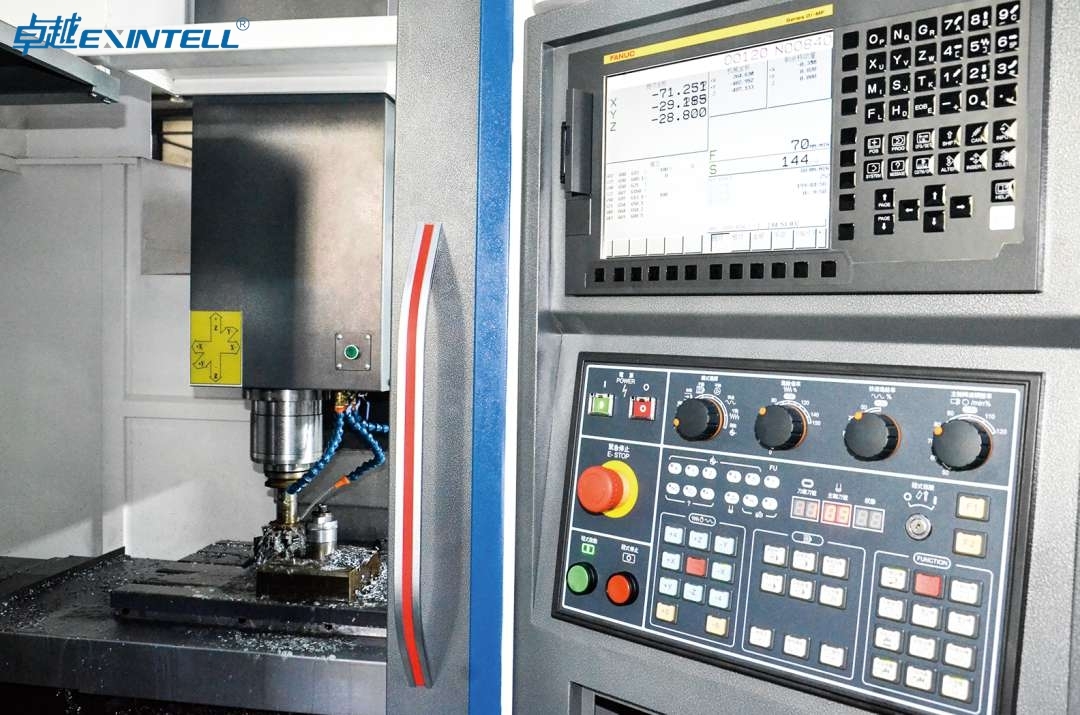
Quando avalio um fornecedor para um cliente, I start by clarifying a term that gets used loosely across B2B marketplaces: the twin screw extruder factory. Na minha experiência, a factory is a specialized industrial facility that designs, engenheiros, máquinas, monta, and tests complete twin screw extrusion systems under one roof. That definition matters because it sets expectations for everything downstream, including price, tempo de espera, e a profundidade do suporte pós-venda com o qual você pode contar de forma realista. Como o Guia B2B da Exintell Machinery (2024) emoldura, tal instalação atende plásticos, comida, farmacêutico, e indústrias químicas com capacidade de produção integrada, em vez de agir como revendedor de passagem.
As quatro funções que definem uma fábrica genuína
Procuro quatro funções operando juntas. A planta deve projetar a arquitetura de extrusão, projetar a geometria do parafuso e do cilindro para um alvo de processo, máquina e monte o hardware, e desligue a máquina antes do envio. Um fornecedor que lida apenas com um ou dois deles geralmente é uma empresa comercial ou uma submontadora, não é um fabricante. Esta distinção é a espinha dorsal de qualquer decisão de fornecimento responsável, e é a lacuna que a maioria das páginas de produtos e mercados deixa sem solução.
Industries a twin screw extruder factory serves
The application range is broad, which is part of why the category is so crowded. A capable factory supplies equipment for:
- Composição de plásticos, including masterbatch production lines and co-rotating compounding for filled and reinforced polymers
- Produtos farmacêuticos, where a pharmaceutical extruder machine must meet hygienic design and GMP expectations
- Processamento de alimentos, for texturized and extruded products
- Chemicals, for reactive extrusion and dispersion
- Reciclagem, including the PET recycling extruder and devolatilization-heavy duties
UET Machine (2024) positions itself explicitly across plastics, produtos químicos, comida, and pharmaceutical processing, which reflects how most serious factories structure their model lineups. Toronto Tech’s Top 20 Twin Screw Extruder Manufacturers list (2023) similarly spans these same four sectors, a useful signal that breadth of application is the norm rather than the exception among established players.
Co-rotação, contra-rotativo, cônico, e configurações paralelas
Factories typically organize their offering by screw configuration, and it helps to know what each does. A co-rotating twin screw extruder is the workhorse for compounding because the intermeshing screws turn in the same direction and deliver strong distributive mixing. A counter-rotating twin screw extruder, with screws turning opposite ways, generates high pressure and positive conveying that suits certain profile and pipe duties. A parallel twin screw extruder keeps a constant screw diameter along the length, while a conical twin screw extruder tapers from a larger feed end to a smaller discharge, uma geometria comum em trabalhos de linhas de extrusão de tubos de PVC. Máquinas de extrusão JWELL (2024) constrói uma linha de pelotização cônica de dupla rosca de PVC que combina uma extrusora contra-cônica com uma cortadora de face de matriz, transferência de ar, e separação por vibração e resfriamento de unidades a jusante, que mostra como a escolha da configuração se espalha por toda a linha de produção.
Por que o nível de fábrica do qual você compra muda o resultado
O nível que você obtém determina diretamente o preço, qualidade, e suporte. Comprar direto da fábrica geralmente reduz o custo unitário e encurta a cadeia de comunicação quando surge um problema no processo. 2 sou. no seu chão. USO EM (2025) relata que seu equipamento é confiável para mais de 2,500 production lines worldwide, e TwinScrew (2024) cita mais 3,000 máquinas implantadas em mais de 40 países com mais de 150 sistemas operacionais. Eu trato números de base instalada como esses como um dado entre vários, because deployment scale tends to correlate with the spare-parts depth and engineering bandwidth you will eventually lean on.
How a Twin Screw Extruder Factory Builds a Machine
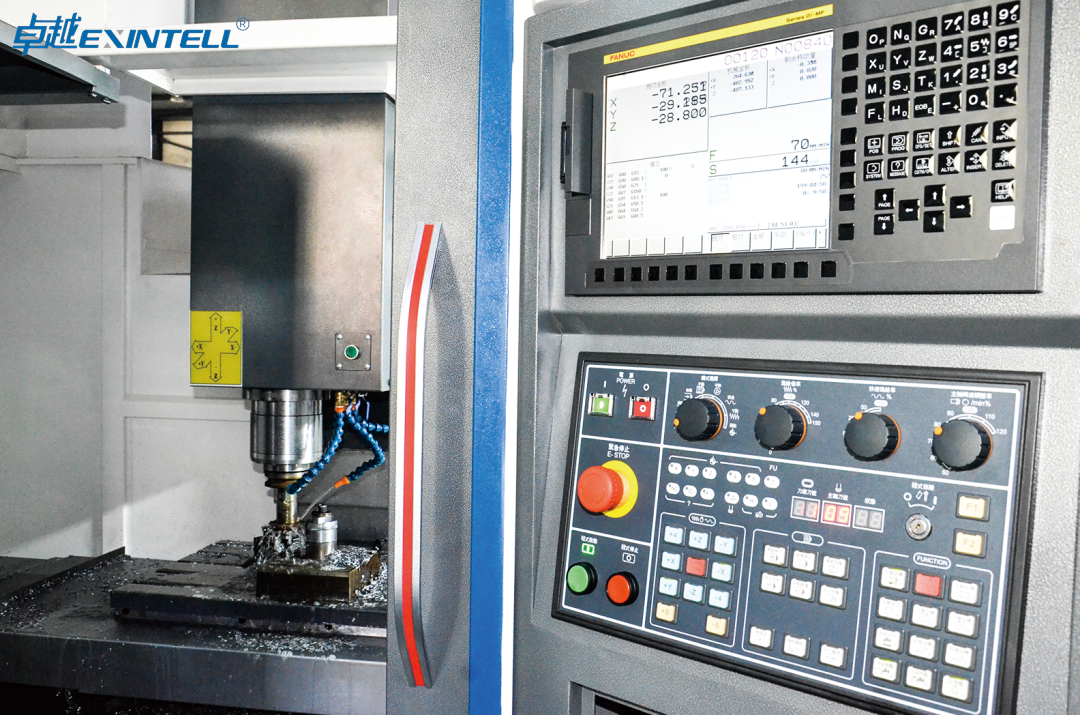
Understanding the build sequence has saved my clients from costly surprises, because each stage exposes a different kind of risk. I walk through the same five phases on every factory audit: material sourcing, screw and barrel machining, tratamento térmico, assembly and control integration, and in-house run-off. HG Industry Group’s published manufacturing process gives a useful reference point for how a polymer processing machine moves from raw steel to a tested system.
Material sourcing and steel selection
O parafuso e o cilindro são o coração da máquina, and the steel choice determines how long they survive abrasive or corrosive feedstocks. A reputable factory specifies tool steels or nitriding-grade alloys for screw elements and bimetallic or nitrided liners for barrels, then documents the grade. When I review a quotation, I ask for the steel certificates by name rather than accepting a vague “liga de aço” label, because material substitution is one of the easiest places for a low-tier supplier to cut cost invisibly.
Screw element machining, tratamento térmico, and hardness targets
Screw elements are machined to tight profiles and then heat treated to hit a hardness window that balances wear resistance against brittleness. Replacement screw elements are commonly supplied at HRC 58-62 para resistência ao desgaste, according to Twin Screw Extruder Parts (2024), and I use that range as a sanity check when a factory quotes its own targets. If a supplier cannot state a hardness figure or a treatment method, that is a meaningful red flag about its actual machining capability versus reselling.
Specifications: diâmetro do parafuso, Relação L/D, and specific torque
Three numbers translate a process need into hardware, and I always map them explicitly. Screw diameter sets the throughput class. A relação L/D, the screw length divided by its diameter, governs how much residence time and processing work the machine can perform. Torque específico, expressed in Nm/cm³, indicates how hard you can drive the screws for a given volume, which matters for high-fill compounding. USO EM (2024) rates its U+ Series at up to 15 Nm/cm³, a useful benchmark for the upper end of compounding capability. A tabela abaixo mapeia uma linha de modelos representativos para que as relações sejam fáceis de ler.
|
Modelo |
Diâmetro do parafuso |
Força de condução |
Saída típica |
Gama L/D |
Velocidade do parafuso |
|---|---|---|---|---|---|
|
20 (extrusora de parafuso duplo de laboratório) |
22 milímetros |
~4kW |
~10-15 kg/h |
24-80 |
400-600 rpm |
|
50 |
50.5 milímetros |
Mais alto (dependente do modelo) |
Escala de produção |
24-80 |
400-600 rpm |
|
Linha semiautomática (Novas máquinas de plástico) |
Classe de produção |
80 kW |
100 kg/hora |
Configurável |
Dependente do processo |
|
Modelo |
Diâmetro do parafuso |
Força de condução |
Saída típica |
Gama L/D |
Velocidade do parafuso |
|---|---|---|---|---|---|
|
20 (extrusora de parafuso duplo de laboratório) |
22 milímetros |
~4kW |
~10-15 kg/h |
24-80 |
400-600 rpm |
|
50 |
50.5 milímetros |
Mais alto (dependente do modelo) |
Escala de produção |
24-80 |
400-600 rpm |
|
Linha semiautomática (Novas máquinas de plástico) |
Classe de produção |
80 kW |
100 kg/hora |
Configurável |
Dependente do processo |
O intervalo entre laboratório e produção aqui vem de uma tabela de especificações de fábrica (2024), enquanto o 100 kg/hora, 80 linha semiautomática kW é listada pela New Plast Machinery (2024) em aproximadamente Rs 15,00,000 por peça. Lendo isso juntos, você pode ver como a produção varia com o diâmetro e a potência instalada.
Conjunto, fiação, integração de controle, e equipamentos a jusante
Uma vez que o hardware é usinado, a fábrica monta as seções do cano, instala a caixa de câmbio e aciona, conecta as zonas de aquecimento e resfriamento, e integra o sistema de controle. Uma solução de extrusão pronta para uso raramente termina na extrusora. A fábrica também configura equipamentos downstream, é onde ganha forma a linha de produção de pelotização, com corte de fio ou matriz, resfriamento, e transmitindo. A linha cônica JWELL (2024) é um exemplo claro de como a extrusora, cortador, e unidades de separação e resfriamento são projetadas como um pacote integrado de equipamentos de moldagem por extrusão.
Testes internos e escoamento antes do envio
Eu nunca termino sem um segundo turno. Uma fábrica genuína testa a máquina montada, de preferência com seu material ou um substituto próximo, verifica o torque, estabilidade de temperatura, e saída, e registra os resultados. Insistir em um teste testemunhado ou documentado em vídeo é a maneira mais eficaz que encontrei de confirmar se a máquina no chão é a máquina que você encomendou.
Fabricante vs Empresa Comercial: Contando a diferença
A parte mais difícil do sourcing nesta categoria não é encontrar fornecedores, mas distinguir produtores reais de revendedores. A escala do mercado deixa isso claro: Ação (2026) reflete extrusoras de rosca dupla listadas em mais de 46.000 produtos e mais de 12.000 fornecedores, incluindo peças diretas da fábrica, como um barril Bausano MD75-30 em $5,600 com um pedido mínimo de um conjunto. Em uma piscina tão grande, um método de verificação estruturado é a única defesa confiável.
Usando filtros de tipo empresarial em mercados B2B
Comece com os filtros próprios da plataforma. Feito na China.com (2024) confirma que os compradores selecionam os fornecedores por tipo de negócio, R&Capacidade D (ODM/OEM), tipo de parafuso, certificações, sistema de engajamento, e grau de automação. Defino primeiro o tipo de negócio como Fabricante/Fábrica, em seguida, inclua certificações relevantes para a aplicação: Marcação CE para o mercado europeu, ISO 9001:2008 para gestão de qualidade, GMP para direitos farmacêuticos, e certificação UL para conformidade elétrica na América do Norte. Um fornecedor que comercializa uma máquina extrusora farmacêutica sem credenciais relevantes de GMP merece uma análise mais detalhada.
Sinais de capacidade de produção genuína versus revenda
Filtros restringem o campo; evidências confirmam isso. Na minha experiência, esses sinais separam um fornecedor verificado com capacidade real de uma empresa comercial:
- O fornecedor pode nomear seus tipos de aço, metas de dureza, e métodos de tratamento térmico sem hesitação
- Fornece fotos e vídeos originais de sua própria área de usinagem e montagem, não são imagens armazenadas ou emprestadas
- Sua linha de modelos, diâmetros de parafuso, e as relações L/D são internamente consistentes em todos os documentos
- It maintains spare wear parts inventory and can quote replacement screw elements and barrel sections directly
- It offers a witnessed run-off rather than deflecting the request
How to verify factory ownership and machine inventory
I verify ownership through a short, repeatable checklist before any deposit changes hands:
- Request the business license and confirm the registered scope includes manufacturing, not just trade
- Cross-check the company name on the license against the bank account named on the proforma invoice; a mismatch often reveals a trading intermediary
- Schedule a live video walk-through of the production floor, asking to see work-in-progress that matches current orders
- Ask for references from buyers in your own industry and country
- Where the budget allows, commission a third-party factory audit to confirm machine inventory and capacity
These steps close the verification gap that most marketplace listings leave open, and they apply whether you are evaluating an OEM extruder supplier in China or a regional builder.
Pricing and lead-time implications of each option
The two paths carry different economics. Buying factory-direct usually means a lower unit price, more control over specifications, and direct access to engineers, traded against longer lead times when the plant builds to order. A trading company can sometimes move faster on stock items and bundle multiple brands, but it adds a margin layer and lengthens the support chain when something breaks. The New Plast Machinery (2024) listing of a 100 kg/hr line at roughly Rs 15,00,000 illustrates a production-class price point, while the Bausano barrel at $5,600 with an MOQ of one (Ação, 2026) shows how factory-direct parts pricing looks at the component level. When I model total cost of ownership, I always add spare wear parts and after-sales service to the headline machine price, because those recurring costs frequently outweigh the initial savings a reseller appears to offer.
Co-Rotating vs Counter-Rotating Twin Screw Extruders
Once I have confirmed that a twin screw extruder factory is a legitimate manufacturer rather than a trading company, the next decision I help buyers make is configuration. The choice between co-rotating and counter-rotating screws is not a matter of preference. It defines how a machine mixes, shears, conveys, and ultimately what materials it can process well. Na minha experiência, errar é o erro de especificação mais caro que um comprador pode cometer, porque dita tudo a jusante, desde a caixa de velocidades até aos elementos de parafuso.
Misturando diferenças de desempenho e cisalhamento
Os parafusos co-rotativos giram na mesma direção, então o material é repetidamente transferido de um parafuso para outro através da região entrelaçada. Esta ação de limpeza cria uma mistura altamente distributiva e dispersiva, é por isso que a composição co-rotativa domina as aplicações de extrusoras de composição plástica, como linhas de produção de masterbatch, compostos preenchidos, e extrusão reativa. A geometria autolimpante também mantém os parafusos limpos, reduzindo pontos mortos e propagação do tempo de residência.
Parafusos contra-rotativos giram em direções opostas, empurrando o material para o espaço entre eles. Isto gera um efeito de calandragem com alta pressão e suave, cisalhamento controlado, mas menor intensidade geral de mistura. Quando eu especifico uma máquina contra-rotativa, geralmente é porque a formulação é sensível ao calor ou porque o processo envolve principalmente aumento de pressão e transporte, em vez de mistura agressiva.
Sistemas de engajamento entrelaçados e não entrelaçados
O sistema de engajamento é o detalhe que muitos compradores de primeira viagem ignoram, ainda assim, os mercados B2B permitem que os compradores filtrem os fornecedores especificamente por sistema de engajamento por um bom motivo (Feito na China.com, 2024). Em um projeto entrelaçado, o voo de um parafuso entra no canal do outro, produzindo o comportamento de autolimpeza que torna a composição co-rotativa tão eficaz. In a non-intermeshing design the screws run side by side without that interlock, which suits very high-viscosity or highly filled streams where you want to avoid pressure peaks but accept reduced mixing efficiency.
For most compounding work I default to intermeshing co-rotating. Non-intermeshing arrangements stay in a narrower niche, typically devolatilization or specific chemical processing duties.
When Parallel vs Conical Geometry Is the Right Fit
Geometry is a separate axis from rotation direction. A parallel twin screw extruder keeps a constant screw diameter along the full barrel length, which gives flexible, modular screw and barrel configurations and the long L/D ratios that compounding demands. This is the workhorse for polymer processing machines, PET recycling extruders, and turnkey extrusion solutions.
Uma extrusora de rosca dupla cônica usa parafusos que se estreitam de um diâmetro maior na extremidade de alimentação até um diâmetro menor na matriz., que reúne uma grande entrada de ração e forte torque em um compacto, quadro de baixo custo. A geometria combina bem com o PVC rígido. Linha de pelotização cônica de dupla rosca de PVC da JWELL, por exemplo, emparelha uma extrusora contra-cônica com um cortador de face frontal, transferência de ar, e separação por vibração e resfriamento de unidades a jusante (Máquinas de extrusão JWELL Co., Ltda, 2024). Quando um comprador está construindo uma linha de extrusão de tubos de PVC ou uma linha de produção de pelotização de PVC, A contra-rotação cônica é frequentemente a resposta certa.
Aplicações típicas para cada configuração
- Co-rotação, paralelo, entrelaçamento: lote mestre, compostos preenchidos e reforçados, extrusão reativa, Reciclagem de PET, máquinas extrusoras farmacêuticas, e extrusoras de parafuso duplo de laboratório.
- Contra-rotação, cônico: perfil de PVC rígido e extrusão de tubo, Pelotização de PVC, e outros sensíveis ao calor, processos movidos por pressão.
- Contra-rotação, paralelo: aumento de pressão especial e tarefas de desvolatilização selecionadas.
UET Machine, por exemplo, posiciona sua linha em plásticos, produtos químicos, comida, and pharmaceutical processing, que é exatamente a distribuição do aplicativo que essas configurações cobrem (UET Machine, 2024).
Lendo as especificações da extrusora de parafuso duplo
As folhas de especificações de uma fábrica de extrusoras de rosca dupla tendem a parecer intimidantes, mas quatro números carregam a maior parte do significado: diâmetro do parafuso, Relação L/D, potência do motor com velocidade máxima, e taxa de saída. Assim que eu puder ler esses quatro juntos, Geralmente consigo dizer se uma máquina cotada realmente se enquadra na meta de rendimento do comprador ou se o fornecedor está ampliando um pequeno quadro para cobrir um trabalho que não pode sustentar.
Diâmetro do parafuso e relação L/D explicados
O diâmetro do parafuso define a classe de tamanho da máquina e, amplamente, sua capacidade. A factory lineup typically scales from a TSE-20 with a 22 mm screw diameter up to a TSE-50 at 50.5 milímetros (Twin Screw Extruder Manufacturer Spec Table, 2024). The diameter is the headline number suppliers use to name a model, so a “TSE-35” is simply a machine built around a roughly 35 mm screw set.
The L/D ratio is the screw length divided by its diameter. Longer L/D gives more barrel length for feeding, fusão, misturando, devolatilizing, and pressure build-up, which is why compounding machines run long. Across a typical factory range the L/D spans 24 para 80 (Twin Screw Extruder Manufacturer Spec Table, 2024). A short 24 L/D suits simple conveying or PVC work, while 40 para 48 L/D is common for serious compounding and 60-plus is reserved for demanding reactive or devolatilization processes. Because screw and barrel are modular on parallel machines, a good factory can adjust L/D to your recipe rather than forcing a fixed length.
Potência do motor, Max Speed, e seu efeito na produção
A potência do motor em kW e a velocidade máxima da rosca em rpm determinam em conjunto quanta energia a máquina pode colocar no fundido. A mesma gama de fábrica vai desde aproximadamente 4 kW na menor estrutura para motores que aumentam a produção na linha, em velocidades de 400 para 600 rpm (Twin Screw Extruder Manufacturer Spec Table, 2024). Rotações mais altas aumentam o rendimento potencial, mas somente se a caixa de câmbio puder fornecer torque nessa velocidade sem sobrecarga. Este é o link que as pessoas sentem falta: potência e velocidade definem o teto, enquanto torque, abordado na próxima seção, define se você pode realmente alcançá-lo com seu material.
Como uma âncora do mundo real, um fabricante indiano lista um 100 máquina kg/h emparelhada com um 80 motor kW a aproximadamente Rs 15,00,000 por peça (Novas máquinas de plástico, 2024). Essa relação potência-saída é uma verificação de sanidade útil quando uma cotação parece muito barata para a capacidade nominal.
Faixas de taxas de saída em vários tamanhos de máquinas
A produção em kg/h é o número com o qual o comprador se preocupa. A menor extrusora de rosca dupla de laboratório, o TSE-20, corre por aí 10 para 15 kg/h, o que é certo para R&Testes de cores e aditivos D e em pequenos lotes (Twin Screw Extruder Manufacturer Spec Table, 2024). Os quadros de produção aumentam a partir daí. A advertência importante que sempre dou: intervalos de saída publicados assumem um típico, composto bem fluido. Uma receita altamente recheada ou de alta viscosidade reduzirá esses números, portanto, trate a folha de especificações como um limite superior e confirme com um teste em seu próprio material.
Alinhamento de amostra: Comparação de especificações TSE-20 a TSE-50
A tabela abaixo mapeia uma gama representativa de fábrica para que você possa ver como os quatro parâmetros principais se movem juntos à medida que o tamanho da máquina aumenta. Os números seguem uma tabela de especificações do fabricante publicada (Twin Screw Extruder Manufacturer Spec Table, 2024); always validate against the specific factory’s current sheet.
| Modelo | Diâmetro do parafuso (milímetros) | Gama L/D | Max speed (rpm) | Indicative output (kg/h) | Uso típico |
|---|---|---|---|---|---|
| 20 | 22 | 24-80 | 400-600 | 10-15 | Lab and R&D trials |
| TSE-30 | ~30 | 24-80 | 400-600 | ~40-80 | Pilot and small production |
| TSE-35 | ~35 | 24-80 | 400-600 | ~80-150 | Masterbatch, composição |
| 50 | 50.5 | 24-80 | 400-600 | ~250-500 | Mid-to-high production compounding |
The TSE-30 and TSE-35 output figures above are interpolated between the published TSE-20 and TSE-50 endpoints to illustrate scaling, not quoted line items, so confirm exact ratings before ordering.
Understanding Torque and Why Nm/cm³ Matters
If I could teach a buyer only one number on a twin screw extruder spec sheet, it would be specific torque, expressed in Nm/cm³. More than diameter or rpm, it tells me what the machine can actually do under load. Two extruders with identical screw diameters can have very different process capability, and specific torque is where that difference shows up.
Specific Torque as a Measure of Process Capability
Specific torque normalizes the gearbox torque to the screw’s volume, so it lets you compare machines of different sizes on equal footing. A higher Nm/cm³ rating means the extruder can transmit more force into the melt without overloading, which translates into more mixing energy, higher fill, and greater throughput at a given speed. When a factory quotes only kW and rpm but stays quiet about specific torque, I treat that as a flag to ask directly, because power means little if the gearbox cannot deliver it under real compounding loads.
High-Torque Series for Demanding Compounds
The top of the market sits around 15 Nm/cm³. USEON’s U+ Series is rated at 15 Nm/cm³, e a empresa relata ter a confiança de mais de 2,500 production lines worldwide (USO EM, 2024). As séries de alto torque desta classe são construídas para trabalhos exigentes: compostos fortemente preenchidos, reforço de fibra de vidro, plásticos de engenharia, e linhas de masterbatch de alto rendimento onde você deseja energia específica máxima sem apertar as roscas em velocidades extremas. Uma máquina de alto torque pode atingir sua produção desejada em rpm mais baixas, que reduz o cisalhamento em aditivos sensíveis à temperatura e prolonga a vida útil do elemento parafuso.
Como o torque está vinculado ao rendimento e ao manuseio de materiais
A taxa de transferência é o produto do volume livre, velocidade do parafuso, e quanto torque a caixa de câmbio pode sustentar. Você pode aumentar a rpm para perseguir a saída, mas se o material for viscoso ou altamente preenchido, a máquina atinge seu limite de torque primeiro e desarma muito antes de atingir a velocidade nominal. Uma classificação de torque específico mais alta aumenta esse teto, so the extruder can stay loaded with difficult material and convert motor power into actual kilograms per hour rather than into an overload alarm. This is exactly why the 100 kg/hora, 80 kW example I cited earlier needs adequate torque behind that power to deliver its rating in practice (Novas máquinas de plástico, 2024). Twin Screw Extruder China
Matching Torque Rating to Your Formulation
The right specific torque depends on what you are running. As a working guide from my own sourcing projects:
- Padrão, well-flowing compounds and masterbatch: mid-range specific torque is usually sufficient and more cost-effective.
- Highly filled, glass-reinforced, ou compostos de engenharia: specify a high-torque series, até 15 Nm/cm³, to protect throughput and uptime (USO EM, 2025).
- Heat-sensitive recipes: high torque at lower rpm lets you reach output while limiting shear-induced degradation.
My practical rule is to size torque for the hardest formulation in your roadmap, not just today’s product. Pairing that with wear-resistant screw elements, commonly supplied at HRC 58-62 (Twin Screw Extruder Parts, 2024), and a clear after-sales spare-parts agreement is what turns a torque number on paper into reliable production. When the specific torque, screw and barrel hardness, and service terms all line up with your material, you have a machine matched to the job rather than to a brochure.
Certifications a Twin Screw Extruder Factory Should Hold
When I evaluate a twin screw extruder factory, certifications are the first filter I apply. They are not decorative logos on a brochure. Each one represents a third-party verification of something I would otherwise have to test myself, often from thousands of miles away. The major B2B marketplaces understand this too. Feito na China.com (2024) confirms that buyers actively screen suppliers by certifications including CE, ISO 9001, BPF, UL, MET, and SA8000, alongside business type and R&Capacidade D [fonte]. Na minha experiência, a verified supplier that holds the right certificates for your destination market saves weeks of customs and compliance headaches later.
CE Marking and European Market Access
If I intend to import a polymer processing machine into the European Economic Area, CE marking is non-negotiable. It signals that the extrusion molding equipment conforms to EU health, segurança, and environmental directives, particularly the Machinery Directive. Without Two Stage Extruder Manufacturer it, the equipment can be held at the border. I treat CE as a binary gate: either the factory can supply the technical file and declaration of conformity, or I move on. A factory that exports regularly to Europe will produce this documentation without hesitation.
ISO 9001 e ISO 9001:2008 Quality Management
ISO 9001 tells me the factory operates a documented quality management system. It does not certify the extruder itself, but it certifies the process that builds it. When I see ISO 9001 or the older ISO 9001:2008 padrão, I expect consistent traceability on critical components such as the screw element and barrel, repeatable assembly procedures, and a corrective-action loop when defects appear. For a co-rotating compounding line where screw geometry tolerances directly affect output quality, that process discipline matters as much as the machine specification on paper.
GMP Relevance for Pharmaceutical Machines
Boas Práticas de Fabricação (BPF) becomes essential the moment a pharmaceutical extruder machine enters the conversation. Hot-melt extrusion for drug formulation demands contact surfaces, cleaning validation, and documentation standards that a standard plastics line never needs. If a factory markets pharmaceutical-grade equipment but cannot speak fluently about GMP-compatible design, that is a red flag. UET Machine (2024) positions itself across plastics, produtos químicos, comida, and pharmaceutical processing [fonte], and for that pharmaceutical claim I would always request evidence of GMP-aligned construction before ordering.
UL, MET, and SA8000: What Each Signals
These three certifications answer different questions. Here is how I read them:
- Certificação UL addresses electrical and fire safety to North American standards. If I am shipping to the United States, um sistema de controle listado na UL reduz minha responsabilidade e facilita seguros e aprovações de instalações.
- MET é uma marca alternativa de laboratório de testes reconhecido nacionalmente, também aceito em toda a América do Norte. Funcionalmente, serve um propósito semelhante ao UL para conformidade com segurança elétrica.
- SA8000 é um padrão de responsabilidade social. Não toca na máquina. Em vez disso, certifica as condições de trabalho, horas de trabalho, e direitos trabalhistas na fábrica. Para compradores com requisitos de ética na cadeia de fornecimento ou obrigações de relatórios ESG, SA8000 é aquele que protege a reputação da marca.
Comparação de certificação em resumo
| Certificação | O que cobre | Sinal de mercado primário | Quando eu precisar |
|---|---|---|---|
| Marcação CE | Segurança e conformidade de máquinas na UE | Acesso legal ao mercado na Europa | Qualquer importação para o EEE |
| ISO 9001 / 9001:2008 | Processo de gestão da qualidade | Qualidade de construção e rastreabilidade consistentes | Cada compra séria |
| BPF | Pharmaceutical manufacturing practice | Drug-grade equipment readiness | Pharmaceutical or nutraceutical lines |
| UL | Electrical and fire safety (América do Norte) | US facility and insurance approval | Shipments to the United States |
| MET | Electrical safety (América do Norte, NRTL) | Alternative to UL listing | North American electrical compliance |
| SA8000 | Labor and social accountability | Ethical supply chain assurance | ESG and brand-sensitive sourcing |
I rarely need all six. The smart approach is to map certifications to your destination market and your industry, then verify each claimed certificate against the issuing body’s registry rather than trusting a scanned PDF.
Matching the Factory to Your Application
A certificate confirms a factory can build safely. It does not confirm the factory can build the right machine for your material. This is where I see buyers stumble most often. A twin screw extruder manufacturer that excels at PVC profile lines may have limited experience with high-temperature engineering polymers. Application fit decides whether you get a turnkey extrusion solution or a learning project at your expense. Below I break down the four application families I encounter most, and what to probe in each.
Plastics Compounding and Masterbatch Production
Co-rotating compounding is the workhorse of the industry, and it dominates plastics compounding extruder and masterbatch production line work. Aqui, specific torque drives throughput at a given quality. USO EM (2024) reports torque up to 15 Nm/cm³ on its U+ Series and is trusted by more than 2,500 production lines worldwide [fonte]. Para alta carga de carga ou pigmentos sensíveis ao cisalhamento, Eu priorizo uma extrusora de parafuso duplo co-rotativa com uma alta classificação de torque específico e design de elemento de parafuso modular para que o perfil do parafuso possa ser reconfigurado à medida que as formulações mudam. Peça à fábrica a relação L/D recomendada para sua receita; tighter dispersion usually wants more length.
PVC Pipe and Profile Pelletizing Lines
O PVC se comporta de maneira diferente. É sensível ao calor e beneficia da suavidade, transporte positivo de uma extrusora de rosca dupla cônica ou contra-rotativa em vez do tipo co-rotativo de alto cisalhamento. Máquinas de extrusão JWELL (2024) constrói uma linha de pelotização de rosca dupla cônica de PVC que integra uma extrusora contra-cônica com um cortador de face de matriz, transferência de ar, e separação por vibração e resfriamento de unidades a jusante [fonte]. Quando eu forneço uma linha de extrusão de tubos de PVC ou uma linha de produção de pelotização de perfis, I want a factory that supplies the downstream sections as a matched set. A mismatched cutter or cooling stage undermines an otherwise capable extruder.
PET and RPET Recycling Extruders
Recycling is its own discipline. A PET recycling extruder must handle moisture, contaminação, and viscosity variation in post-consumer feedstock. The design questions I ask differ from virgin compounding: how does the line devolatilize moisture, how does it manage intrinsic viscosity, and what filtration protects the screw and barrel from contaminants? A factory experienced with RPET will discuss vacuum venting and IV control unprompted. If those topics draw a blank, the factory is adapting a generic platform rather than offering a proven recycling solution.
Comida, Pet Food, and Pharmaceutical Machines
Food and pet food extrusion shifts the priorities toward hygienic design, washdown capability, and food-contact materials. Pharmaceutical work, as covered above, layers GMP requirements on top. The breadth of the field is real. The Top 20 Twin Screw Extruder Manufacturers list (2023) spans plastics, produtos farmacêuticos, processamento de alimentos, e produtos químicos [fonte], but few individual factories are strong in all four. I treat a vendor claiming universal expertise with healthy skepticism and ask for reference installations in my specific application before committing.
Lab-Scale and Experimental Twin Screw Extruders
Not every purchase is a full production line. Some of the most strategically important machines I help source are the smallest ones. A lab twin screw extruder lets a formulation team develop, test, and validate a recipe before committing capital to a production-scale system. China laboratory twin screw extruder factories build dedicated platforms for exactly this purpose [fonte], and choosing one well sets up everything downstream.
Why R&D and Pilot Work Needs Dedicated Lab Machines
Running experiments on a production line is expensive and disruptive. Material consumption alone makes it impractical to iterate formulations at 100 kg/hora. A lab machine consumes grams to kilograms per run, which means a researcher can test dozens of variations using a fraction of often costly raw material. Equally important, a dedicated experimental machine isolates R&D from production schedules, so neither blocks the other. Na minha experiência, teams that try to share one machine across both functions end up serving neither well.
Speed and Specification Ranges for Experimental Work
Flexibility is what defines a good experimental machine. A representative factory model lineup ranges from the TSE-20, com um 22 mm diâmetro do parafuso, em volta 4 kW, and roughly 10 para 15 kg/h, up to the TSE-50 at 50.5 milímetros, spanning a 24 para 80 L/D range and 400 para 600 rpm, according to a Twin Screw Extruder Manufacturer Spec Table (2024) [fonte]. Many lab platforms reach down to roughly 50 rpm at the low end, giving a wide 50 para 600 rpm window for studying how screw speed affects residence time and shear. That broad range, combined with a modular screw element layout, is what lets researchers map a process space rather than test a single point.
Scaling From Lab to Production With the Same Factory
This is the argument I make most strongly to formulation-driven buyers: source your lab machine and your production line from the same factory. When the lab and production extruders share screw geometry conventions, L/D logic, and control philosophy, scale-up becomes a calculation rather than a gamble. A factory that builds both can advise on how a result at the TSE-20 scale translates to a larger diameter, because they understand the geometric relationships across their own range. Splitting these purchases across unrelated vendors reintroduces exactly the uncertainty the lab work was meant to remove.
Pharmaceutical and Small-Batch Use Cases
Lab and pilot machines also serve as production equipment in their own right for small-batch and pharmaceutical applications. Hot-melt extrusion of high-value active pharmaceutical ingredients often runs at modest output by design, where a precisely controlled small machine is the production tool, not merely a prototype. For these cases I look for the same GMP-aligned construction discussed earlier, combined with the fine speed control and tight temperature management that a quality lab platform provides. The small footprint becomes a feature rather than a limitation when each batch carries significant material value.
ODM and OEM Factory Capabilities
When I evaluate a twin screw extruder factory for a sourcing project, the first question I ask is not about price. It is about engineering control. A facility that only assembles purchased modules behaves very differently from one that designs its own screw geometry, machines its own barrels, and tests finished lines before shipment. Understanding the production model tells me how much customization I can realistically request and how the lead time will behave.
OEM, ODM, and Own-Brand Production: What the Distinction Means for Buyers
The three production models are routinely listed as filter criteria on B2B marketplaces, where buyers screen suppliers by R&Capacidade D, machine type, e certificação (Feito na China.com, 2024). In practice I treat them as follows:
- OEM (Original Equipment Manufacturer): The factory builds the machine to your design or specification and applies your brand. You own the specification; the factory contributes manufacturing capability. This suits established buyers who already know the screw and barrel configuration they need.
- ODM (Original Design Manufacturer): The factory contributes the design itself, adapting an existing platform to your application. You gain access to the manufacturer’s engineering library without funding a clean-sheet design. This is the model I recommend for buyers entering a new polymer process.
- Own-brand production: The factory sells under its own name with a fixed catalog. A vendor such as USEON, trusted across more than 2,500 production lines worldwide and offering specific torque up to 15 Nm/cm³ on its U+ Series, exemplifies a strong own-brand manufacturer (USO EM, 2024).
The practical consequence is accountability. With an OEM or ODM relationship, the factory’s name does not appear on the equipment, so I document responsibility for performance in the contract rather than relying on brand reputation.
When Customization Is Worth the Lead Time
Customization always extends delivery. A standard own-brand co-rotating compounding line ships faster than a bespoke configuration, because the factory works from proven tooling. I justify the additional weeks only when the application genuinely demands it. In my experience three conditions warrant the wait: a polymer with narrow thermal tolerance, an unusual output target that falls between catalog models, or a downstream integration requirement that a standard line cannot accommodate. If the process fits an existing platform, a parallel twin screw extruder from stock specification is the lower-risk choice.
Customizing Screw Configuration for Specific Polymers
The screw is where customization delivers the most value. A twin screw extruder builds its mixing profile from modular screw elements arranged along a shaft, so the same barrel can be reconfigured for shear-sensitive or shear-demanding materials. Heat-sensitive compounds need conveying elements with limited kneading zones; highly filled masterbatch needs aggressive kneading blocks to disperse pigment. I confirm that replacement and custom screw elements are supplied at appropriate hardness, since wear-resistant elements are commonly specified at HRC 58–62 (Twin Screw Extruder Parts, 2024). The L/D ratio matters here too: a factory lineup spanning the TSE-20 through TSE-50 typically offers a 24–80 L/D range at 400–600 rpm, and a longer L/D gives more residence time for reactive or devolatilizing processes (Twin Screw Extruder Manufacturer Spec Table, 2024).
Documentation and IP Considerations
Customization creates intellectual property, and that IP needs explicit ownership terms. Before any custom screw geometry or proprietary process recipe changes hands, I put a confidentiality and IP-assignment clause in writing. Two documentation items matter most: who owns the final screw configuration drawings, and whether the factory may reuse your design for other customers. I also request the complete as-built documentation package — bill of materials, esquemas elétricos, and a parts list keyed to the screw and barrel — because a co-rotating compounding line is only maintainable if I can reorder the exact wear parts later. A factory that hesitates to provide drawings is one I treat with caution.
Turnkey Extrusion Lines vs Standalone Machines
One of the most consequential sourcing decisions is whether to buy a single extruder or a complete line. A standalone machine is the extruder alone; a turnkey extrusion solution is everything required to convert raw polymer into finished pellets or profile, supplied and integrated by one vendor. The choice shapes both the capital cost and the integration risk you carry.
What a Complete Ready-to-Run Line Includes
A complete pelletizing production line is more than the extruder. It bundles feeding, extrusão, downstream processing, and controls into a synchronized system. Linha de pelotização cônica de dupla rosca de PVC da JWELL, por exemplo, integrates a counter conical extruder with a die face cutter, transferência de ar, and vibration separating and cooling units as a single downstream package (Máquinas de extrusão JWELL Co., Ltda, 2024). When I scope a line, I expect to see the gravimetric or volumetric feeder, the twin screw extruder itself, the downstream train, and a unified control system that ties them together.
Equipamento a jusante: Corte, Resfriamento, and Separation
The downstream section determines pellet quality and throughput stability. Three units carry the most weight:
- Die face cutter: Cuts the melt strand at the die, producing uniform pellets. Cutter timing must match extruder output, or pellet size drifts.
- Resfriamento: Water bath, air-ring, or underwater cooling stabilizes pellets before storage. Inadequate cooling causes pellets to clump.
- Vibration separating: Screens out fines and oversized pellets and removes residual moisture, delivering a consistent product for bagging.
For a PVC pipe extrusion line the downstream train differs — haul-off, vacuum sizing, and cutting replace the pelletizing units — but the principle holds: the downstream equipment must be matched to the extruder’s output, not bought independently.
Integração, Instalação, and Commissioning Support
The hidden cost of a multi-vendor purchase is integration labor. When the extruder, cortador, and cooling come from different suppliers, someone has to make their controls communicate and tune the line as a system — and that someone is usually the buyer. A turnkey vendor delivers the line pre-engineered and provides on-site installation and commissioning, running the equipment to a contracted output and pellet specification before handover. I treat commissioning sign-off, against an agreed throughput and quality target, as the contractual gate for final payment.
The Single-Vendor Accountability Benefit
The strongest argument for a turnkey extrusion solution is undivided accountability. If a single vendor supplies the whole line, there is no dispute over whether a defect lies in the extruder or the downstream equipment — one party owns the result. With multiple vendors, a pellet-quality problem can trigger finger-pointing between the extruder maker and the cutter maker while production stalls. Single-vendor accountability is the reason I generally favor turnkey for buyers without an in-house process engineering team, and standalone machines for experienced compounders who already own their downstream equipment.
Turnkey Line vs Standalone Machine: A Comparison
| Fator | Turnkey Extrusion Line | Standalone Machine |
|---|---|---|
| Scope | Feeder, extrusora, downstream train, unified controls | Extruder only |
| Upfront cost | Mais alto; bundled system | Mais baixo; single unit (por exemplo, um 100 kg/hora, 80 kW unit listed at ~Rs 15,00,000, Novas máquinas de plástico, 2024) |
| Integration work | Handled by vendor | Buyer’s responsibility |
| Accountability | Single vendor owns the result | Dividido entre fornecedores |
| Comissionamento | On-site, to contracted output | Often buyer-managed |
| Melhor ajuste | New process or no in-house engineering | Experienced compounder with existing downstream |
How to Audit a Factory Before You Order
Once I have shortlisted a manufacturer, I verify it before committing capital. A surprising share of listings on global marketplaces — search results reflect twin screw extruders across more than 46,000 products and 12,000 fornecedores (Ação, 2026) — belong to trading companies rather than the factory that built the machine. The audit steps below separate a genuine twin screw extruder manufacturer from a reseller.
Requesting Factory Audits and Video Walkthroughs
The most direct verification is a live video walkthrough. I ask the supplier to film the machining of screws and barrels, the assembly bay, and a running test cell — in real time, not a pre-edited promotional clip. A real factory can show a screw being cut on a CNC machine; a trading company cannot. Where the order size justifies it, I commission a third-party inspection (GV, TÜV, ou Bureau Veritas) to confirm the premises and capacity in person. I also ask to see the certification basis the factory claims, such as CE marking, ISO 9001, GMP for pharmaceutical extruder machines, or UL certification for North American installations, since these are standard B2B screening filters (Feito na China.com, 2024).
Verifying Production Capacity and Machine Inventory
A claimed capacity means little without evidence. I ask for the current model lineup and machines on the floor — a credible manufacturer can show a range such as the TSE-20 (22 mm diâmetro do parafuso, ~4kW, ~10–15 kg/h) through the TSE-50 (50.5 milímetros) across a 24–80 L/D span (Twin Screw Extruder Manufacturer Spec Table, 2024). I cross-check stated output against installed base claims: TwinScrew, por exemplo, reports more than 3,000 machines deployed across over 40 countries with 150+ operating systems (TwinScrew, 2024). Inventory of in-process units, raw barrel stock, and finished machines awaiting shipment all confirm that production is real and active.
Checking Customer Reviews and Export Track Record
An export track record is one of the hardest things to fake. I request a reference list of installations in my target market and, sempre que possível, contact one or two buyers directly. A manufacturer serving plastics, produtos químicos, comida, and pharmaceutical processing across multiple countries — as UET Machine and similar China-based factories position themselves (UET Machine, 2024) — should be able to name shipments and provide export documentation. I weigh repeat-customer evidence and after-sales responsiveness more heavily than headline review counts, because total cost of ownership depends on spare-part availability and service long after the machine ships.
Requesting Samples and Test Runs
The final and most decisive step is a trial run on your own material. I send my polymer to the factory and ask them to process it on the proposed configuration, then return pellet or profile samples plus the run data — output rate, temperatura de fusão, motor load, and specific energy consumption. For a lab twin screw extruder evaluation this trial is inexpensive and resolves most uncertainty before a full-line commitment. A factory confident in its equipment welcomes a material trial; reluctance to run one is a signal worth heeding. Only after a successful sample run, a verified factory audit, and confirmed certification do I move to a purchase order.
Twin Screw Extruder Factory Pricing Explained
When buyers ask me why two machines with similar throughput can differ in price by a factor of three, I point them back to the engineering rather than the brochure. A twin screw extruder factory prices its equipment around four core cost drivers, and once you understand them, quotes stop looking arbitrary and start looking comparable.
What Actually Drives the Cost
Na minha experiência, four variables explain most of the spread between any two quotes:
- Size and output. Screw diameter and L/D ratio map directly to throughput. A factory lineup commonly runs from a TSE-20 (22 mm diâmetro do parafuso, aproximadamente 4 kW, em volta 10-15 kg/h) up to a TSE-50 (50.5 milímetros), spanning a 24-80 L/D range at 400-600 rpm (Twin Screw Extruder Manufacturer Spec Table, 2024). Larger barrels and higher L/D mean more steel, longer machining, and a bigger gearbox.
- Torque específico. This is the quiet premium driver. Higher specific torque (Nm/cm³) lets you push more material per revolution at lower temperatures, which protects heat-sensitive polymers. USEON rates its U+ Series at up to 15 Nm/cm³ (USO EM, 2024), and that class of torque requires a heavier-duty gearbox and shaft design that adds real cost.
- Automation grade. A semi-automatic line with manual feeders sits well below a fully instrumented system with gravimetric feeding, PLC control, and data logging. B2B marketplace filters confirm buyers screen suppliers by automation grade alongside R&D capacity and certifications (Feito na China.com, 2024).
- Materials and wear parts. Screw elements and barrels are consumables on a long enough timeline. Replacement screw elements are commonly supplied at HRC 58-62 hardness for wear resistance (Twin Screw Extruder Parts, 2024). Nitrided versus bimetallic barrels, and standard versus tungsten-carbide elements, shift both the upfront and lifetime cost.
Regional Price Anchors
I always give clients two anchors before they request quotes, so they can sanity-check what comes back. An Indian manufacturer lists a 100 kg/hora, 80 kW semi-automatic twin screw extruder at approximately Rs 15,00,000 por peça (Novas máquinas de plástico, 2024), which lands near USD 18,000 at current rates for that capacity and automation tier. On the parts side, factory-direct components such as a Bausano MD75-30 barrel appear at $5,600 with an MOQ of 1 set across a marketplace carrying 46,000+ products from 12,000+ fornecedores (Ação, 2026).
The table below frames a typical range. Treat it as a planning reference, not a quote.
| Nível | Representative model | Parafuso / saída | Indicative price band | Uso típico |
|---|---|---|---|---|
| Laboratório / pilot | TSE-20 class | 22 milímetros, ~10-15 kg/h | USD 15k-40k | R&D, masterbatch trials, extrusora de parafuso duplo de laboratório |
| Mid production | ~65-75 mm class | 100 kg/h, 80 kW | USD 18k-60k | Plastic compounding extruder, pelletizing production line |
| High-torque compounding | U+ Series class | até 15 Nm/cm³ | USD 80k-250k+ | Co-rotating compounding, PET recycling extruder, engineering polymers |
Factory-Direct vs Middleman Markups
The single largest avoidable cost I see is the trading-company markup, which often runs 15-30% with no engineering value added. A genuine twin screw extruder manufacturer quotes from its own bill of materials and can defend every line; a trading company resells and pads. Vendors like UET Machine position themselves as factory-direct sources from China serving plastics, produtos químicos, comida, and pharmaceutical processing (UET Machine, 2024). My verification rule is simple: ask to see the machining floor and the gearbox assembly area on a live video call. A real factory shows you the screw and barrel line without hesitation.
Balancing Price Against Quality and Longevity
I treat purchase price as roughly half of the real number. Total cost of ownership includes spare wear parts, energy at a given specific torque, tempo de inatividade, and after-sales response. A machine that costs 20% more but holds tighter tolerances on a co-rotating twin screw extruder, and ships replacement screw elements quickly, usually wins over a five-year horizon. The cheapest quote that strands you on a torn screw element is the most expensive machine you will ever buy.
Prazos de entrega, Quantidade mínima, and Order Logistics
Pricing tells you what to pay; lead time tells you when you can actually run product. I plan every sourcing project backward from the date the line must be commissioned, because that constraint reshapes which factory I recommend.
Standard vs Customized Lead Times
For a standard, catalogued model, established suppliers typically ship within 30-60 dias, and UET Machine markets efficient lead times on its standard range (UET Machine, 2024). Customized systems behave differently. Once you specify a turnkey extrusion solution with bespoke screw configuration, gravimetric feeding, and integrated downstream units, expect 90-150 dias. Linha de pelotização cônica de dupla rosca de PVC da JWELL, por exemplo, integrates a counter conical extruder with die face cutter, transferência de ar, e separação por vibração e resfriamento de unidades a jusante (JÓIA, 2024) — every added module extends the build and the factory acceptance test window.
Minimum Order Quantities and Single-Unit Options
Whole machines are almost always available in single units; the MOQ conversation matters most for parts and consumables. The encouraging reality is that even component-level orders support single-set purchasing — that Bausano barrel ships at MOQ of 1 set (Ação, 2026). For buyers commissioning one line, I confirm in writing that the quoted price holds at quantity one, since some factories tier pricing and assume a multi-unit order.
Production Scheduling and Capacity Constraints
Capacity is real and seasonal. Large manufacturers carry deep installed bases — USEON is trusted by more than 2,500 production lines worldwide (USO EM, 2025), and TwinScrew reports more than 3,000 machines deployed across over 40 countries with 150+ operating systems (TwinScrew, 2024). That scale is reassuring, but it also means popular models queue. I ask for the current slot in the production schedule, not a generic lead time, and I get the factory acceptance test date in the contract.
Planning Around Installation and Ramp-Up
eu adiciono 4-8 weeks after delivery for foundation, utilitários, instalação, and ramp-up before I count on stable output. A polymer processing machine rarely hits rated throughput on day one; testes, screw element Fábrica de extrusoras de composição tuning, and operator training all consume time. Building that buffer into the project timeline prevents the most common scheduling failure I see, which is treating the ship date as the production date.
Trade Terms and Incoterms for Overseas Buyers
Heavy machinery moves under trade terms that decide who pays, who insures, and who carries the risk at each leg. For overseas buyers, getting Incoterms and payment structure right protects more value than negotiating the last few percent off the price.
FOB, CIF, and EXW Basics for Machinery Imports
Three terms cover most of my machinery transactions:
- EXW (Ex Works). You take ownership at the factory gate and arrange everything after. Lowest quoted price, highest buyer responsibility — only sensible if you have a strong forwarder in the origin country.
- FOB (Free On Board). The factory delivers the crated extruder onto the vessel and clears export; you handle ocean freight, seguro, and import. This is my default for experienced buyers because it splits responsibility cleanly at the port.
- CIF (Custo, Seguro, Frete). The seller arranges and pays freight and a baseline marine insurance to your destination port. Convenient for first-time importers, though I always check the insurance coverage level rather than assuming it is adequate for a multi-ton machine.
Payment Terms and Deposit Structures
The prevailing structure I negotiate is a 30% deposit to start production and 70% balance against a copy of the bill of lading or after a successful factory acceptance test. For larger turnkey lines, I push for a milestone schedule — deposit, payment at FAT, balance on shipment — and I favor a letter of credit over a plain wire transfer once the order value crosses roughly USD 50,000. The deposit funds the steel and the gearbox; the balance is your leverage to ensure the machine meets spec.
HS Codes, Obrigações, and Documentation
Extrusion molding equipment generally classifies under HS heading 8477 (máquinas para trabalhar borracha ou plástico), with the specific subheading depending on configuration. I confirm the exact HS code with a customs broker before shipment, because it sets the duty rate and determines whether certifications affect clearance. The documentation packet I require every time includes the commercial invoice, lista de embalagem, conhecimento de embarque, certificado de origem, and conformity marks where applicable — CE marking for the EU, plus ISO 9001, BPF, or UL where the destination market or application demands them. B2B buyers routinely screen suppliers on exactly these certifications: CE, ISO 9001, BPF, UL, MET, and SA8000 (Feito na China.com, 2024).
Envio, Crating, and Insurance for Heavy Equipment
A twin screw extruder is dense, valuable, and intolerant of rough handling, so I treat crating and insurance as non-negotiable line items rather than afterthoughts:
- Crating. Insist on a sealed wooden export crate with the gearbox and control cabinet braced and the barrel protected against moisture. Photograph the crating before the container doors close.
- Seguro. Carry all-risk marine cargo insurance for the full replacement value, not the invoice value alone — replacement includes freight and reinstallation time.
- Container fit. Confirm whether the machine ships in a standard container, a high-cube, or as breakbulk. Oversized pelletizing production lines often exceed standard dimensions and need flat-rack handling, which changes both cost and lead time.
When the trade terms, marcos de pagamento, documentação, and crating are all settled in the contract before the deposit leaves your account, importing a machine of this scale becomes a logistics exercise rather than a gamble. That is the position I want every buyer to be in before they commit.
Peças de reposição, Wear Components, and Long-Term Cost
When I evaluate a twin screw extruder factory, I never stop at the sticker price. The purchase is only the opening entry in a much longer ledger. Screw elements and barrels are consumables, and the rate at which they wear—plus how easily you can replace them—often determines whether a line stays profitable across a decade of production.
Why Screw Elements and Barrels Are Consumable Parts
In a co-rotating compounding extruder, the screw is segmented. Individual screw elements slide onto a splined shaft, which lets you reconfigure the geometry for different polymers or compounding tasks. That modularity is a strength, but it also means the high-shear zones take a beating. Abrasive fillers like glass fiber, talco, and calcium carbonate scour the flights, while the barrel bore slowly erodes from the same contact. Over time the gap between screw and barrel widens, output drifts, and dispersion quality falls off. The screw and barrel are, in effect, the brake pads of the machine—engineered to be replaced.
Hardness Benchmarks That Predict Service Life
The single most useful durability indicator I check is surface hardness. Replacement screw elements are commonly supplied at HRC 58-62 para resistência ao desgaste (Twin Screw Extruder Parts, 2024). That range is the practical floor I look for when sourcing parts for abrasive applications. Below it, you trade a lower upfront cost for shorter intervals between rebuilds. At or above it, the geometry holds tolerance longer, so torque transfer and melt quality stay consistent. When a supplier cannot tell me the hardness specification of its screw elements, I treat that as a signal to dig deeper rather than a detail to overlook.
Sourcing Replacement Parts From the Same Factory
I strongly prefer to buy wear parts from the factory that built the machine, or from a verified manufacturer that documents compatibility with my model. The reason is interchangeability. Splined shaft profiles, barrel flange dimensions, and heater bore patterns vary across builders, and a near-fit element will cost you in alignment and premature wear. Factory-direct parts are increasingly available on B2B marketplaces—one listing prices a Bausano MD75-30 barrel at roughly $5,600 with a minimum order quantity of one set (Ação, 2026). That kind of single-unit availability matters for plant operators who need a specific barrel segment rather than a full set.
Calculating Total Cost of Ownership
I build a simple total-cost-of-ownership model before committing to any twin screw extruder factory. It includes the machine price, expected wear-part replacement intervals, the unit cost of screw elements and barrels, consumo de energia, and the cost of any downtime while parts are in transit. A machine that is cheaper to buy but burns through barrels twice as fast, or that sources from a factory with long lead times, frequently loses on a five-year horizon. The honest comparison is cost per kilogram of finished compound over the asset’s life, not the invoice you sign on day one.
Serviço Pós-Venda, Garantia, and Support
A twin screw extruder is a capital asset I expect to run for years, so the relationship with the factory does not end at shipment—it starts there. Na minha experiência, the quality of after-sales support separates a supplier I return to from one I quietly retire from my vendor list.
What Warranty Terms to Expect
Reputable manufacturers typically warrant the gearbox, motor, and core mechanical assemblies for twelve months, with wear parts excluded by their nature. I read the wording closely: what counts as a covered failure, who pays freight on warranty replacements, and whether the clock starts at shipment or commissioning. A factory confident in its build will often start the warranty at commissioning, which protects you against shipping delays eating into coverage. I also confirm the warranty is backed by the manufacturer itself, not a trading intermediary, because a verified manufacturer can actually fulfill a claim from its own production floor.
Remote and On-Site Technical Support
Modern extrusion molding equipment carries enough instrumentation that many issues can be diagnosed remotely. I ask whether the factory provides remote troubleshooting—screen sharing on the PLC, video walkthroughs of the screw configuration, and parameter review for a polymer processing machine that is drifting out of spec. For serious faults, I confirm on-site service is available and clarify who covers travel and labor. The scale of a supplier’s installed base tells me how mature this capability is: USEON is trusted by more than 2,500 production lines worldwide (USO EM, 2025), and TwinScrew reports more than 3,000 machines deployed across over 40 países com mais de 150 sistemas operacionais (TwinScrew, 2024). A large, dispersed fleet generally forces a factory to build real support infrastructure.
Treinamento, Manuals, and Commissioning Assistance
Commissioning a pelletizing production line or a masterbatch production line is where a lot of value is either captured or lost. I expect the factory to provide installation supervision, treinamento de operadores, and clear documentation in a language my team reads. Good manuals cover screw-element sequencing, barrel temperature zoning, startup and shutdown procedures, e manutenção de rotina. For a turnkey extrusion solution, I want a defined commissioning protocol that ends with a documented acceptance run at agreed output and quality targets.
Response Time and Parts Shipping Reliability
When a barrel cracks or a feeder fails, response time is money. I ask two concrete questions before ordering: what is the typical response window for a technical query, and what is the realistic shipping lead time for common wear parts like screw elements and barrels. A factory that stocks standard parts and ships within days is worth a premium over one that fabricates each part to order. I also like to keep a small buffer stock of the highest-wear screw elements on hand, which turns a multi-week outage into a same-shift swap.
Comparing Factories by Region: China, Índia, and Global
Region shapes price, breadth, apoiar, and logistics in ways that matter to the final decision. I do not believe any single region is universally best; the right choice depends on the application, volume, and how much hand-holding the project needs. Below I share how I weigh the major sourcing regions.
China: Breadth and Scale Across Categories
China offers the widest range of twin screw extruder factories I encounter, spanning lab twin screw extruders, plastic compounding extruders, PVC pipe extrusion lines, PET recycling extruders, and pharmaceutical extruder machines. The depth is striking: marketplace searches surface twin screw extruders across 46,000-plus products and 12,000-plus suppliers (Ação, 2026). That breadth covers co-rotating, contra-rotativo, cônico, e configurações paralelas, muitas vezes com capacidade OEM e ODM. A compensação é a variabilidade na qualidade, é exatamente por isso que aplico uma tela de fornecedor verificado. Os compradores geralmente filtram os fornecedores chineses por tipo de negócio, R&Capacidade D, tipo de parafuso, certificações como CE, ISO 9001, BPF, e UL, e grau de automação (Feito na China.com, 2024). Bem usado, esses filtros separam os fabricantes genuínos das empresas comerciais.
Índia: Competitive Pricing for Standard Machines
Para máquinas de configuração padrão e projetos com orçamento limitado, A Índia é consistentemente competitiva em preço. As a reference point, um fabricante indiano lista um 100 kg/hora, 80 kW semi-automatic twin screw extruder at approximately Rs 15,00,000 por peça (Novas máquinas de plástico, 2024). Para aplicações bem compreendidas onde as especificações são estabelecidas e não é necessária engenharia exótica, que o preço pode ser difícil de superar. Eu peso isso em relação ao alcance do suporte e à logística de peças para compradores que operam longe do subcontinente indiano.
Marcas Europeias e Globais: Posicionamento Premium
Marcas europeias e outras marcas globais estabelecidas ocupam o nível premium, and the current landscape is documented in industry roundups such as the updated Top 20 Twin Screw Extruder Manufacturers list spanning plastics, produtos farmacêuticos, processamento de alimentos, e produtos químicos (Principal 20 Fabricantes de extrusora de parafuso duplo, 2023). These builders compete on specific torque, process repeatability, and long-term support rather than headline price. High specific torque ratings—USEON’s U+ Series is rated at 15 Nm/cm³ (USO EM, 2025)—translate into the ability to run difficult, high-viscosity formulations at higher output. For regulated or technically demanding work, that engineering margin can justify the cost.
How to Weigh Logistics, Custo, and Support by Region
My decision framework balances three forces: landed cost, support proximity, and technical fit. A cheaper machine sourced far from your plant can become expensive once you account for freight, alfândega, and slow parts replacement. A premium machine close to your support network may pay for itself in uptime. The table below summarizes how I think about the regions across the factors that decide total value, não apenas preço.
| Fator | China | Índia | europeu / Global |
|---|---|---|---|
| Product breadth | Very wide; 12,000+ fornecedores, all configurations (Ação, 2026) | Moderado; strong on standard machines | Focused premium lines (Principal 20 list, 2023) |
| Typical price position | Low to mid | Baixo; por exemplo, ~Rs 15,00,000 para 100 kg/hr unit (New Plast, 2024) | Alto |
| Specific torque ceiling | High on top-tier builders; por exemplo, 15 Nm/cm³ (USO EM, 2025) | Adequate for standard applications | High and consistently documented |
| Certification availability | CE, ISO 9001, BPF, UL screenable (Feito na china, 2024) | Varia; verify per supplier | Standard and well documented |
| Support footprint | Broad installed base; 2,500+ linhas (USO EM, 2025) | Strong regionally; verify export reach | Mature global service networks |
| Melhor ajuste | Wide sourcing, OEM/ODM, cost-quality balance | Standard machines, budget-led projects | Regulated, high-spec, repeatability-critical work |
Whichever region I choose, I verify the supplier is a true manufacturer rather than a trading company, confirm the certifications relevant to my industry, and pressure-test the after-sales commitment before signing. For deeper reading on parts and specifications, I keep references like a screw and barrel manufacturer’s parts catalog e um China-based twin screw extruder manufacturer overview on hand. Region sets the starting conditions; disciplined verification closes the deal.
Red Flags When Sourcing From a Factory
Extrusora de parafuso único By the time I reach the supplier evaluation stage, I have learned to treat warning signs as decisions, not detours. Uma fábrica de extrusoras de rosca dupla representa uma compra de capital com a qual você viverá por uma década ou mais, portanto, o custo de ignorar um sinal de alerta precoce aumenta em cada turno de produção. Abaixo estão os padrões que, na minha experiência, separou um fabricante confiável de extrusoras de rosca dupla de um revendedor disfarçado como um.
Especificações vagas e certificações ausentes
A primeira coisa que examino é como uma fábrica fala sobre suas próprias máquinas. Um fabricante genuíno pode entregar a você uma folha de especificações com o diâmetro do parafuso, a relação L/D, o torque específico em Nm/cm³, a potência do motor instalada, e a produção alcançável em quilogramas por hora. Quando chega uma citação descrevendo um “extrusora de composição de alto desempenho” sem números anexados, essa imprecisão é a mensagem. Para referência, a credible factory lineup maps cleanly across models, for example from a TSE-20 at roughly 22 mm de diâmetro do parafuso e 4 kW to a TSE-50 at 50.5 milímetros, spanning a 24-80 L/D range and 400-600 rpm (Twin Screw Extruder Manufacturer Spec Table, 2024). If a supplier cannot place its own equipment on that kind of grid, I treat the omission as a capability gap.
Certifications deserve the same rigor. B2B marketplace filters confirm that serious buyers screen suppliers by CE, ISO 9001, BPF, UL, MET, and SA8000 standing, alongside business type and R&Capacidade D (Feito na China.com, 2024). A factory serving pharmaceutical extruder machine applications without GMP, or one exporting to Europe without CE marking, is signaling either a narrow market or paperwork it cannot actually produce. I always ask for the certificate number and issuing body, not a logo on a brochure.
No Verifiable Production Capacity or Reviews
Claims of scale are easy to print and hard to fake when you ask the right follow-up. Established players back their numbers with deployment data: USEON reports more than 2,500 production lines worldwide (USO EM, 2024), and TwinScrew cites over 3,000 machines across more than 40 países com mais de 150 sistemas operacionais (TwinScrew, 2024). I do not expect every factory to match those figures, but I do expect any factory to name reference customers, share commissioning photos or video of an in-house test run, and let me verify an installed line. A supplier that resists a video factory walk-through or cannot connect me with a single existing user is often a trading company without a real production floor.
Unrealistic Pricing and Pressure Tactics
Pricing tells a story when you anchor it to reality. An Indian manufacturer lists a 100 kg/hora, 80 kW semi-automatic twin screw extruder at approximately Rs 15,00,000 por peça (Novas máquinas de plástico, 2024), and factory-direct parts carry their own honest ranges, such as a Bausano MD75-30 barrel at $5,600 com um pedido mínimo de um conjunto (Ação, 2026). When a complete pelletizing production line is quoted at a fraction of these benchmarks, the gap is usually closed later through inferior screw and barrel metallurgy, undersized motors, or stripped-out controls. The pressure tactic that frequently accompanies a too-good price, an expiring discount or a single remaining slot, is designed to short-circuit due diligence. I let those offers expire on purpose.
Poor Communication and Unclear After-Sales Terms
The quality of pre-sale communication is the best predictor of after-sale support. Lento, evasive, or translated-then-contradicted answers during the quoting phase rarely improve once payment clears. Because a twin screw extruder is a wear-driven machine, I insist on explicit terms covering screw element and barrel replacement, lead times for spare parts, escopo da garantia, and remote or on-site commissioning. Replacement screw elements are commonly supplied at HRC 58-62 hardness for wear resistance (Twin Screw Extruder Parts, 2024), so a factory that cannot state its wear-part hardness, disponibilidade, and pricing has not thought through your total cost of ownership, and neither will it help you when a screw profile finally needs rebuilding.
Energy Efficiency and Automation Grade
Two factory machines with identical throughput on paper can differ sharply in what they cost to run. In my evaluations, energy efficiency and automation grade are where the purchase price and the operating bill diverge, so I weigh them as carefully as the headline output figure.
Power Consumption and Process Efficiency
Power draw scales with motor size and how hard the screws work to convey, derretido, and mix your material. O 100 kg/hr line referenced above pairs that output with an 80 kW installed power (Novas máquinas de plástico, 2024), que fornece uma regra prática útil para estimar a energia por quilograma em uma configuração de composição co-rotativa. O torque específico é a alavanca de eficiência que mais importa aqui: uma densidade de torque mais alta permite que a máquina processe na mesma taxa com um diâmetro menor ou velocidade de rosca menor, o que reduz o calor de cisalhamento e a carga de resfriamento que o segue. Série U + da USEON, avaliado até 15 Nm/cm³ (USO EM, 2025), ilustra a faixa superior do que uma moderna extrusora de rosca dupla paralela oferece. Quando comparo cotações, Eu os normalizo para quilowatts-hora por quilograma de produto acabado, em vez de confiar apenas na placa de identificação.
Automático, Semiautomático, and Manual Options
O grau de automação é um verdadeiro critério de seleção em plataformas B2B, not a marketing label, e impulsiona o custo da mão de obra e a consistência (Feito na China.com, 2024). A nota certa depende do volume, product mix, and the skill of your operators rather than on picking the most advanced option available.
| Atributo | Manual | Semiautomático | Automático / Computerized |
|---|---|---|---|
| Uso típico | Lab twin screw extruder, R&D, low-volume trials | Mid-volume compounding and masterbatch production line | Contínuo, high-volume pelletizing production line |
| Operator involvement | Alto; manual feed and parameter setting | Moderado; assisted control with manual adjustments | Baixo; recipe-driven, minimal intervention |
| Consistência do lote | Operator-dependent | Good with trained staff | High and repeatable across shifts |
| Indicative power example | ~4kW (TSE-20 class) | ~80 kW at 100 kg/hr class | Scales with line; recipe-optimized draw |
| Upfront cost | Mais baixo | Moderado | Mais alto |
| Long-run cost trend | Higher labor, more scrap | Balanced | Lowest labor and waste at scale |
Sources for the figures above: Twin Screw Extruder Manufacturer Spec Table (2024) and New Plast Machinery (2024).
Computerized Control Benefits
Where volumes justify it, computerized control changes the economics of polymer processing. Stored recipes lock in screw speed, barrel temperature zones, and feed rates so that a PET recycling extruder or PVC pipe extrusion line reproduces the same profile run after run. Real-time monitoring of motor load and melt pressure flags a wear or contamination problem before it becomes scrap, and data logging supports the traceability that GMP and ISO 9001:2008 environments require. I also value the integration that mature factories build in: Linha de pelotização cônica de dupla rosca de PVC da JWELL, por exemplo, ties a counter conical extruder to a die face cutter, transferência de ar, and vibration separating and cooling downstream units as a coordinated system (Máquinas de extrusão JWELL Co., Ltda, 2024). That kind of turnkey extrusion solution is far easier to automate than a stack of mismatched components.
Long-Term Operating Cost Impact
The right automation grade is the one whose savings repay its premium within your planning horizon. For a single-shift specialty operation, a semi-automatic machine often wins because the labor it would save is modest. For a continuous masterbatch or compounding plant running multiple shifts, automatic control typically pays back through reduced labor, lower scrap, and tighter energy use. I model this explicitly: I add the energy estimate, expected annual wear-part spend at HRC 58-62 screw and barrel hardness (Twin Screw Extruder Parts, 2024), and labor against the purchase price, then compare options on a multi-year basis rather than on the quotation alone.
Your Step-by-Step Sourcing Checklist
Everything above resolves into a sequence I follow on every project. This checklist is deliberately vendor-neutral; it works whether you are evaluating a factory in China, an OEM extruder supplier in India, or a European specialist. The discipline is in completing the steps in order, because each one narrows the field before the next.
Etapa 1: Define Application, Material, and Target Output
I start with my own requirements, not with supplier listings. That means writing down the material to be processed, the target throughput in kilograms per hour, and the end product, whether that is masterbatch, composto, cano, or recycled PET pellets. The application determines the extruder type: co-rotating twin screw extruders dominate compounding and masterbatch, counter-rotating and conical twin screw extruders suit PVC profile and pipe, and a lab twin screw extruder serves formulation work. From throughput and material I derive the rough screw diameter and L/D ratio I should expect to see quoted, which gives me a yardstick before any sales conversation begins.
Etapa 2: Shortlist Verified Manufacturers, Not Just Listings
Marketplaces are a starting point, not a destination. With 46,000-plus products and 12,000-plus suppliers visible across search platforms (Ação, 2026), and updated industry roundups such as the Top 20 Twin Screw Extruder Manufacturers list spanning plastics, produtos farmacêuticos, comida, e produtos químicos (Principal 20 Fabricantes de extrusora de parafuso duplo, 2023), the noise is substantial. I filter for genuine factories by confirming business type and R&Capacidade D, then verify each candidate against deployment evidence, a real production address, and named references. A manufacturer that publishes its served sectors and lead-time commitments, as UET Machine does for plastics, produtos químicos, comida, and pharmaceutical processing (UET Machine, 2024), is easier to qualify than an anonymous listing. My goal at this stage is a shortlist of three to five verified suppliers.
Etapa 3: Request Quotes, Specs, and References
From the shortlist, I request structured quotations that include the full specification sheet, not just a price. Each quote should state screw diameter, Relação L/D, specific torque in Nm/cm³, installed power, automation grade, screw and barrel material and hardness, and the warranty. I anchor the pricing against known benchmarks, the Rs 15,00,000 semi-automatic line and the $5,600 factory-direct barrel cited earlier, so outliers in either direction prompt a question. I also ask for at least two customer references I can contact and, sempre que possível, a live or recorded test run on my own material grade. Quotes that arrive without specifications go back with the missing fields highlighted; how a factory responds is itself informative.
Etapa 4: Confirm Certifications, Terms, and Support Before Ordering
The final step is the pre-order audit that protects the investment. I verify certifications by number and issuing body, matching them to my market and industry: CE marking for Europe, ISO 9001 para gestão de qualidade, GMP for pharmaceutical extruder machine work, and UL where required. I lock down commercial terms in writing, covering payment milestones tied to factory acceptance testing, cronograma de entrega, comissionamento, e treinamento. And I confirm after-sales support in detail, including spare wear-part availability, screw element rebuild options, and response time for technical issues, because a polymer processing machine is only as good as the support behind it. Once these confirmations are documented, and only then, I place the order.
Run in sequence, this checklist turns a crowded, opaque market into a manageable decision. It keeps the focus where it belongs: on a factory that can prove its specifications, demonstrate its capacity, price honestly, and stand behind the machine long after the pelletizing line is humming on your floor.
Further reading: USEON twin screw extruders for compounding and sheet extrusion e twin screw extruder screw and barrel parts manufacturing.
What Is a Twin Screw Extruder Factory and Why It Matters for B2B Buyers
A working definition
When I describe a twin screw extruder factory to procurement teams, I keep it concrete: it is a specialized industrial facility that designs, engenheiros, monta, and tests twin screw extrusion systems for the plastics, comida, farmacêutico, e indústrias químicas (Exintell Machinery B2B Guide, 2024). The word “fábrica” matters here. A true manufacturer controls the parts of the machine that decide its lifespan and performance — the screw and barrel, the gearbox, the control system — rather than rebranding components sourced elsewhere. Na minha experiência, that distinction is the single most useful filter a B2B buyer can apply when reading past marketing language.
A few specifications come up in almost every technical conversation, so it helps to translate them into plain terms:
- Diâmetro do parafuso — the nominal size that anchors a model name. A factory lineup commonly runs from a TSE-20 (22 mm diâmetro do parafuso, aproximadamente 4 kW, sobre 10-15 kg/h) up to a TSE-50 (50.5 milímetros) for higher throughput (Twin Screw Extruder Manufacturer Spec Table, 2024).
- Relação L/D — the screw length divided by its diameter, often offered across a 24-80 faixa. A longer L/D gives more residence time for mixing and devolatilization.
- Torque específico (Nm/cm³) — how hard the machine can work the material per unit of volume. USO EM, por exemplo, rates its U+ Series at up to 15 Nm/cm³ (USO EM, 2024).
- Screw type — co-rotating twin screw extruders dominate compounding and masterbatch work, counter-rotating designs handle shear-sensitive jobs, and conical twin screw extruders are common on PVC pipe and profile lines.
Market context
The supply base is broad and globally distributed. An updated Top 20 Twin Screw Extruder Manufacturers list spans plastics, produtos farmacêuticos, processamento de alimentos, e produtos químicos (Principal 20 Fabricantes de extrusora de parafuso duplo, 2023), and B2B marketplaces reflect that depth — one search surface shows twin screw extruders across more than 46,000 products and over 12,000 fornecedores (Ação, 2026). Installed-base claims give a sense of scale at the top end: USEON cites more than 2,500 production lines worldwide (USO EM, 2025), while TwinScrew reports over 3,000 máquinas implantadas em mais de 40 countries with 150+ operating systems (TwinScrew, 2024). Numbers like these are useful for shortlisting, but I treat them as a starting point for verification, not proof on their own.
Key applications
Why this category matters to buyers comes down to where the machines end up working. The same factory may build a plastic compounding extruder for one client and a pharmaceutical extruder machine for another, because the co-rotating compounding platform is so adaptable. Typical deployments include:
- Compounding and masterbatch production lines for filled, reinforced, and colored polymers.
- PVC pipe extrusion lines using conical twin-screw pelletizing setups — JWELL’s PVC conical twin-screw pelletizing line, por exemplo, integrates a counter conical extruder with die face cutter, transferência de ar, e separação por vibração e resfriamento de unidades a jusante (Máquinas de extrusão JWELL Co., Ltda, 2024).
- PET recycling extruders and other polymer processing machines that need strong devolatilization.
- Lab twin screw extruders for R&D and small-batch formulation work before scale-up.
How to Choose the Right Twin Screw Extruder Factory Supplier
Critérios de avaliação de fornecedores
I run every candidate through the same screen that serious B2B platforms use. Made-in-China.com filters confirm that buyers sort suppliers by business type, R&Capacidade D (ODM/OEM), tipo de parafuso, certificações, sistema de engajamento, e grau de automação (Feito na China.com, 2024). Translated into a working checklist, I weight five things:
- Business type — manufacturer, manufacturer with trading arm, or pure trading company.
- Certificações — CE marking for EU market access, ISO 9001:2008 gestão de qualidade, GMP for pharma applications, e certificação UL para conformidade elétrica na América do Norte.
- Engineering capacity — whether the supplier offers a true turnkey extrusion solution or only sells a bare machine.
- Wear-part quality — replacement screw elements are commonly supplied at HRC 58-62 hardness for wear resistance (Twin Screw Extruder Parts, 2024), and a credible factory should be able to state its hardness spec without hesitation.
- Custo total de propriedade — purchase price plus spare wear parts, lead time on those parts, e serviço pós-venda, not the headline figure alone.
Manufacturer versus trading company
This is where most sourcing mistakes start, so it deserves a side-by-side recap. A trading company can be a perfectly legitimate partner — sometimes a useful one for consolidated logistics — but you should know which you are buying from, because it changes how technical issues and warranty claims get resolved.
| Fator | Direct manufacturer (fábrica) | Trading company |
|---|---|---|
| Engineering control | Designs and machines its own screw and barrel | Resells third-party machines; limited design input |
| Personalização / OEM | True OEM extruder supplier capability | Depends on the underlying factory’s willingness |
| Preços | Factory direct sale, fewer markups | Added margin layer |
| Spare parts lead time | Usually faster; controls the source | Mais devagar; must route through the maker |
| After-sales / warranty | Direct accountability | Acts as intermediary on claims |
| Best fit for | Linhas personalizadas, long-term wear-part supply | Standard machines, consolidated multi-supplier orders |
Para verificar com qual você está lidando, Solicito fotos ou um vídeo ao vivo da área de montagem e teste, solicite o endereço do local de produção real (não apenas um escritório de vendas), e peça ao engenheiro para percorrer um desenho de configuração de parafuso. Um fabricante genuíno responde diretamente ao acompanhamento técnico; um intermediário tende a retransmiti-los.
Bandeiras vermelhas para observar
- Folhas de especificações que citam a saída, mas omitem o torque específico, Gama L/D, ou potência do motor.
- Relutância em compartilhar uma auditoria de fábrica, números de certificação, ou um status de fornecedor verificado.
- Preços muito abaixo da faixa de mercado sem explicação – o contexto é importante aqui, desde um 100 kg/hora, 80 extrusora de parafuso duplo semiautomática kW foi listada em aproximadamente Rs 15,00,000 por peça por um fabricante indiano (Novas máquinas de plástico, 2024), so an outlier quote deserves scrutiny.
- No clear after-sales structure or spare-parts inventory commitment.
- Generic catalog images reused across unrelated models.
Pre-order due diligence checklist
- Confirm business type and obtain the registered manufacturing address.
- Validate certifications (CE, ISO 9001, BPF, UL) against issuing bodies.
- Match the proposed model’s screw diameter, Relação L/D, and specific torque to your material and target output.
- Request screw element hardness (look for HRC 58-62) and barrel metallurgy.
- Ask for a factory acceptance test (GORDO) plan and a sample-run or video demonstration with your resin if possible.
- Pin down lead time, Quantidade mínima, condições de pagamento, and spare-parts pricing in writing.
- Check references — ideally an installation in your industry and region.
Perguntas frequentes
How much does a twin screw extruder cost?
Pricing varies widely with screw diameter, saída, e nível de automação. As a reference point, um 100 kg/hora, 80 kW semi-automatic unit was listed at about Rs 15,00,000 (roughly US$18,000) por peça (Novas máquinas de plástico, 2024). Factory-direct spare parts sit at the other end of the range — a Bausano MD75-30 barrel was offered at $5,600 with an MOQ of 1 set (Ação, 2026). I always price the full line plus a first year of wear parts, not the machine alone.
What is the typical lead time and MOQ?
For spare parts and single units, marketplaces routinely show an MOQ of 1 set (Ação, 2026), so you do not need bulk volume to buy. Lead times depend on customization: standard models ship faster, while turnkey extrusion solutions take longer because of engineering and FAT. UET Machine, por exemplo, positions itself on efficient lead times for plastics, produtos químicos, comida, and pharmaceutical processing (UET Machine, 2024). I recommend getting the lead time committed in the contract, including spare-parts replenishment.
Should I buy from a manufacturer or a trading company?
For custom lines, long-term spare-parts supply, and direct warranty accountability, I favor a direct manufacturer — it gives factory direct sale pricing and OEM flexibility. A trading company can make sense when you are buying standard machines or consolidating several suppliers into one shipment. The manufacturer-versus-trading-company table above lays out the trade-offs; the key is knowing which you are working with before you sign.
How do I read the specifications so I buy the right size?
Start with your target output and material, then map backward. Screw diameter and L/D ratio set capacity and mixing capability — a factory range may run from a TSE-20 (22 milímetros, ~4kW, ~10-15 kg/h) to a TSE-50 (50.5 milímetros) across a 24-80 L/D span and 400-600 rpm (Twin Screw Extruder Manufacturer Spec Table, 2024). Specific torque in Nm/cm³ tells you how demanding a formulation the machine can handle; higher-end platforms reach 15 Nm/cm³ (USO EM, 2024). Match these to your process rather than chasing the largest available number.
Quais certificações devo exigir?
It depends on your market and application. CE marking is essential for EU sales, ISO 9001 sinaliza um sistema de gestão da qualidade funcional, GMP is non-negotiable for pharmaceutical extruder machines, and UL certification matters for North American electrical compliance. B2B platforms let buyers filter by exactly these credentials (Feito na China.com, 2024), which makes them a practical first screen.
What are the most common sourcing mistakes?
The recurring ones I see are buying on headline price without accounting for spare wear parts and after-sales service, accepting a spec sheet that hides torque or L/D, and assuming a slick website means a real factory. Asking for a live factory tour and a sample run with your own resin clears up most of these before money changes hands.
Where should I start my shortlist?
Begin with verified suppliers that clearly state business type, certificações, and engineering capacity, then narrow to those that can support your specific application — masterbatch, PVC pipe extrusion, Reciclagem de PET, or pharma. Established names such as USEON, JÓIA, and UET appear repeatedly in compounding and pelletizing work and are reasonable entry points for benchmarking (USO EM, 2025; Máquinas de extrusão JWELL Co., Ltda, 2024; UET Machine, 2024). De lá, apply the due diligence checklist above and request quotes from three to five candidates so you can compare on total cost of ownership, não apenas preço.
What is a twin screw extruder factory and what does it do
When buyers ask me to define the term plainly, I describe a twin screw extruder factory as a specialized industrial facility that designs, engenheiros, monta, and tests twin screw extrusion systems for the plastics, comida, farmacêutico, e indústrias químicas (Exintell Machinery B2B Guide, 2024). That definition matters because it separates a genuine manufacturer from a reseller. A factory owns the machining, conjunto, and quality-control steps; a trading company simply moves the product. Na minha experiência, that distinction is the single most important thing to verify before you wire a deposit.
The core role: from raw components to a working extrusion line
A capable twin screw extruder manufacturer does more than bolt parts together. It produces the precision wear components, integrates the drive and control systems, and delivers a complete polymer processing machine ready for production. The two parts that define performance are the screw element and the barrel. Screw elements are modular segments mounted on splined shafts, and reputable factories supply them at HRC 58-62 hardness for wear resistance (Twin Screw Extruder Parts, 2024). The barrel houses those screws and manages heating, resfriamento, and venting along the process length.
Configurations you will encounter
Not every extruder serves the same purpose, so I always map the configuration to the application before discussing price. Recycling Extruder Machine Manufacturer
- Co-rotating twin screw extruder — both screws turn the same direction. This is the standard for co-rotating compounding, masterbatch production lines, and reactive processing where mixing and dispersion matter most.
- Counter-rotating twin screw extruder — screws turn in opposite directions, giving positive conveying and controlled shear, common in PVC profile and PVC pipe extrusion line work.
- Extrusora de parafuso duplo cônico — tapered screws that increase pressure toward the die. Linha de pelotização cônica de dupla rosca de PVC da JWELL, por exemplo, emparelha uma extrusora contra-cônica com um cortador de face frontal, transferência de ar, e separação por vibração e resfriamento de unidades a jusante (Máquinas de extrusão JWELL Co., Ltda, 2024).
- Extrusora de rosca dupla paralela — constant-diameter screws used across a wide range of plastic compounding extruder and pelletizing production line duties.
Industries served and why factories cluster by capability
The market is broad. An updated Top 20 list of twin screw extruder manufacturers highlights leading players across plastics, produtos farmacêuticos, processamento de alimentos, e produtos químicos (Principal 20 Fabricantes de extrusora de parafuso duplo, 2023). Scale varies enormously between vendors: USEON reports being trusted by more than 2,500 production lines worldwide and offers specific torque up to 15 Nm/cm³ on its U+ Series (USO EM, 2024), while TwinScrew reports more than 3,000 machines deployed across over 40 countries with 150+ operating systems (TwinScrew, 2024). I read those numbers as evidence of installed-base depth, not just marketing, because a large fleet usually means mature spare-parts logistics and field service.
How does a twin screw extruder factory manufacture extrusion systems
Understanding the build sequence helps you ask sharper questions during an audit. Below I walk through the stages I look for on a factory tour, and the specifications that determine whether a quoted machine actually fits your process.
The manufacturing workflow
- Design and process engineering. Engineers select screw geometry, Relação L/D, and barrel layout based on your material and target output. This is where ODM/OEM capacity shows itself.
- Component machining. The screw and barrel are produced from nitrided or tool-grade steel, then heat-treated. Wear surfaces target the HRC 58-62 range noted earlier for screw elements (Twin Screw Extruder Parts, 2024).
- Drive and gearbox assembly. The gearbox sets the specific torque rating, the figure that ultimately limits throughput and energy transfer.
- Control and automation integration. Temperature zones, alimentadores, and PLC controls are wired and configured according to the chosen automation grade.
- Conjunto, dry run, and trial. A serious factory runs a material trial before shipment so you see real output, not a spec sheet promise.
Reading the specifications in plain language
Most marketplace listings throw numbers at you without context. Here is how I interpret the Twin Screw Extruder Factory specifications that matter:
- Diâmetro do parafuso e relação L/D — diameter scales capacity; L/D (comprimento por diâmetro) governs residence time and mixing. A factory model lineup ranges from the TSE-20 at 22 mm diâmetro do parafuso (~4kW, ~10-15 kg/h) to the TSE-50 at 50.5 milímetros, across a 24-80 L/D range and 400-600 rpm (Twin Screw Extruder Manufacturer Spec Table, 2024).
- Torque específico (Nm/cm³) — torque normalized to volume. Higher values, such as USEON’s 15 Nm/cm³ (USO EM, 2025), allow higher fill and output without overloading the drive.
- Output mapping — match diameter and torque to your kg/h target with headroom. Undersizing to save cost is the most common mistake I correct.
Comparação: representative factory model line
| Modelo | Diâmetro do parafuso | Gama L/D | Velocidade | Poder | Saída típica | Common use |
|---|---|---|---|---|---|---|
| 20 | 22 milímetros | 24-80 | 400-600 rpm | ~4kW | ~10-15 kg/h | Lab twin screw extruder, R&D trials |
| 50 | 50.5 milímetros | 24-80 | 400-600 rpm | Scaled | Pilot to production | Composição, lote mestre |
| U+ Series | Múltiplo | Application-specific | Application-specific | Alto | Escala de produção | High-torque compounding (15 Nm/cm³) |
Contexto da indústria: certifications signal process maturity
The compliance marks on a quote tell you how disciplined the factory’s processes are. CE marking covers EU machinery safety, ISO 9001:2008 indicates a documented quality system, GMP is essential for any pharmaceutical extruder machine, and UL certification matters for electrical safety in North American installations. B2B marketplace filters confirm buyers routinely screen suppliers by business type, R&Capacidade D (ODM/OEM), tipo de parafuso, certificações (CE, ISO 9001, BPF, UL, MET, SA8000), sistema de engajamento, e grau de automação (Feito na China.com, 2024). I treat missing or unverifiable certificates as a reason to slow down, not speed up.
Find reliable twin screw extruder factories in China
China remains the deepest sourcing market for extrusion molding equipment. UET Machine, por exemplo, positions itself as a high-quality twin screw extruder manufacturer from China serving plastics, produtos químicos, comida, and pharmaceutical processing with efficient lead times (UET Machine, 2024). The challenge is not finding options; marketplace search reflects twin screw extruders available across 46,000+ products and 12,000+ fornecedores (Ação, 2026). The challenge is filtering for genuine factories. Below is the vendor-neutral methodology I use.
Key considerations: manufacturer vs trading company
Most listings claim “factory direct sale,” but not all are. To confirm you are dealing with a Twin Screw Extruder Factory manufacturer rather than a reseller, I verify:
- Business license scope — it should list manufacturing, not only trade.
- On-site machining and assembly — ask for live video of the workshop, not stock photos.
- R&D and OEM capacity — a true OEM extruder supplier can modify screw configurations on request.
- Verified supplier status — third-party-audited badges on platforms reduce, but do not eliminate, risco.
Dicas práticas: pre-order factory audit checklist
Before any deposit, I work through this sequence:
- Request the full Twin Screw Extruder Factory specifications sheet and confirm screw diameter, Relação L/D, and specific torque against your output target.
- Ask for certificate copies (CE, ISO 9001, GMP or UL as applicable) and verify the certificate numbers with the issuing body.
- Require a material trial run with your resin and a recorded throughput result.
- Confirm spare parts availability — screw and barrel lead times define your downtime risk.
- Clarify warranty, comissionamento, and after-sales response, especially for a turnkey extrusion solution.
Custo total de propriedade, not just unit price
Headline price is misleading on its own. An Indian manufacturer lists a 100 kg/hora, 80 kW semi-automatic twin screw extruder at approximately Rs 15,00,000 por peça (Novas máquinas de plástico, 2024), and factory-direct parts surface too — Accio lists a Bausano MD75-30 barrel at $5,600 with an MOQ of 1 set (Ação, 2026). I always model the Twin Screw Extruder Factory price alongside wear-part replacement, uso de energia, e serviço. Screw and barrel are consumables; a cheaper machine with scarce spares and slow support usually costs more across three years.
Industry context and where this fits
Whether you are sourcing a PET recycling extruder, a PVC pipe extrusion line, or a lab twin screw extruder for formulation work, the verification logic is the same: confirm the factory, match the specifications, and price the lifecycle. For deeper technical background I find these references useful — a manufacturing process overview from HG Industry Group and a screw-and-barrel parts reference from Twin Screw Extruder Parts. Used together with the audit checklist above, they give you a structured, repeatable path to a reliable Twin Screw Extruder Factory supplier.
Compare twin screw extruder manufacturers by country (China vs India vs others)
When I help buyers shortlist a fábrica de extrusora de parafuso duplo, the country of origin is rarely the whole story, but it does set expectations on price, tempo de espera, customization depth, and after-sales reach. I treat geography as a starting filter, then verify each supplier against the same technical and commercial criteria regardless of where the plant sits.
China: scale, breadth, and factory-direct pricing
China dominates the volume tier. Marketplace data reflects twin screw extruders available across more than 46,000 products and 12,000+ fornecedores, including factory-direct parts such as a Bausano MD75-30 barrel listed at $5,600 com um pedido mínimo de um conjunto (Ação, 2026, https://www.accio.com/plp/twin-screw-extruders-for-sale). That density gives buyers leverage on price and configuration. Established Chinese players also demonstrate global footprint: USEON reports more than 2,500 production lines worldwide and offers specific torque up to 15 Nm/cm³ on its U+ Series (USO EM, 2024, https://www.useon.com/twin-screw-extruder/), while TwinScrew reports over 3,000 máquinas implantadas em mais de 40 countries with 150+ operating systems (TwinScrew, 2024, https://www.twinscrew.com).
Na minha experiência, the Chinese advantage is breadth. Whether you need a co-rotating compounding line, a counter-rotating conical twin screw extruder for a PVC pipe extrusion line, a masterbatch production line, or a PET recycling extruder, you will find multiple factories quoting the same configuration. The trade-off is variance in engineering rigor, so the verification work matters more, não menos.
Índia: competitive pricing for standard configurations
India is strong for cost-sensitive, standard-spec machines. One Indian manufacturer lists a 100 kg/hora, 80 kW semi-automatic twin screw extruder at approximately Rs 15,00,000 por peça (Novas máquinas de plástico, 2024, via Made-in-China.com, https://www.made-in-china.com/products-search/hot-china-products/Twin-screw_Extruder_Factory.html). At current exchange rates that is roughly US$18,000, which positions Indian suppliers competitively for buyers in similar time zones or with regional service needs. I find Indian factories most compelling when the application is well understood and the specification does not require deep, iterative R&D on screw geometry.
Europe and others: precisão, documentação, and premium support
European and other developed-market manufacturers typically sit at the premium end. You pay more, and lead times can be longer, but the documentation, metallurgical consistency, and process-engineering support are usually stronger. For pharmaceutical extruder machine projects under GMP, or regulated food processing, I often steer buyers toward suppliers with a long compliance track record even when a cheaper equivalent exists, because the cost of a failed audit dwarfs the equipment delta.
Side-by-side comparison
| Dimension | China | Índia | Europa / Developed markets |
|---|---|---|---|
| Typical price position | Low to mid; factory-direct sale common | Low for standard configs (por exemplo, ~Rs 15,00,000 / ~US$18k for 100 kg/hora) | Premium |
| Supplier density | Muito alto (12,000+ suppliers cited) | Moderado | Mais baixo, specialized |
| Personalização / R&D depth | Wide range; varies by factory | Best for standard specs | Forte, process-engineering led |
| Certification availability | CE, ISO 9001, BPF, UL widely offered | CE, ISO 9001 common | Abrangente, well-documented |
| After-sales reach | Global for top tier (2,500+ para 3,000+ instala) | Strong regionally | Forte, often global |
| Melhor ajuste | Broad sourcing, custom lines, price leverage | Cost-sensitive standard machines | Regulated, high-precision applications |
The list of leading global players is genuinely international: an updated Top 20 Twin Screw Extruder Manufacturers ranking spans plastics, produtos farmacêuticos, processamento de alimentos, and chemicals across multiple countries (Principal 20 Fabricantes de extrusora de parafuso duplo, 2023, https://www.torontech.com/articles/twin-screw-extruder-explained-from-basics-to-applications/). My practical takeaway: use country to set your budget and lead-time expectations, then judge the individual factory on its torque rating, screw and barrel metallurgy, certificações, and installed base, not its flag.
Get a price quote for a twin screw extruder from a factory
A vague inquiry produces a vague number. When I request a quote from a fabricante de extrusora de parafuso duplo, I send a structured specification first, because the same machine can swing thousands of dollars depending on screw diameter, automation grade, and downstream units. Below is the process I use to get comparable, decision-ready quotes.
Send the specifications that actually move price
I always include the technical parameters that determine cost. Output capacity and screw diameter are the anchors. A typical factory lineup runs from a TSE-20 (22 mm diâmetro do parafuso, ~4kW, ~10–15 kg/h) up to a TSE-50 (50.5 milímetros), across a 24–80 L/D range and 400–600 rpm (Twin Screw Extruder Manufacturer Spec Table, 2024, via Made-in-China.com). The combination you choose maps almost directly to throughput and motor cost, so I specify:
- Application and material — plastic compounding extruder, masterbatch production line, PET recycling extruder, PVC pipe extrusion line, or pharmaceutical extruder machine. Each implies different screw geometry and wear protection.
- Configuração do parafuso — co-rotating vs counter-rotating, parallel vs conical twin screw extruder. Linha de pelotização cônica de dupla rosca de PVC da JWELL, por exemplo, integrates a counter conical extruder with a die-face cutter, transferência de ar, e separação por vibração e resfriamento de unidades a jusante (Máquinas de extrusão JWELL Co., Ltda, 2024, https://www.jwell.cn) — that downstream content is part of the price.
- Throughput and screw diameter / Relação L/D — state both your target kg/h and any L/D preference.
- Torque específico (Nm/cm³) — a higher rating, até 15 Nm/cm³ on premium series (USO EM, 2025, https://www.useon.com/twin-screw-extruder/), supports higher-viscosity, higher-fill compounding and carries a price premium.
- Automation grade and certifications — semi-automatic vs automatic, plus required marks (Marcação CE, ISO 9001:2008, BPF, Certificação UL).
- Scope — bare extruder vs turnkey extrusion solution including feeders, peletizador, e controles.
Read the quote as a total cost of ownership figure
The sticker price is only the entry point. I ask every supplier to itemize wear parts and service, because screw elements and barrels are consumables. Replacement screw elements are commonly supplied at HRC 58-62 hardness for wear resistance (Twin Screw Extruder Parts, 2024, https://www.twinscrewextruder-parts.com/videos-11489530-twin-screw-extruder-parts-screw-barrels-manufacturer-for-plastic-machine.html), and an abrasive masterbatch or filled compound will consume them faster than a clean polyolefin. For reference on parts pricing, factory-direct barrels appear in marketplaces at points like the Bausano MD75-30 at $5,600 with an MOQ of one set (Ação, 2026, https://www.accio.com/plp/twin-screw-extruders-for-sale). I build a three-to-five-year TCO that includes:
- Spare screw and barrel sets and their expected service life
- Envio, instalação, e comissionamento
- Lead time and any expediting cost
- After-sales response time and warranty terms
Practical tips for comparable quotes
I request quotes in a single shared template so I am comparing identical scopes, and I ask each factory to flag anything they would change in my specification — that response alone reveals engineering competence. Suppliers like UET Machine position themselves on efficient lead times serving plastics, produtos químicos, comida, and pharmaceutical processing (UET Machine, 2024, https://uetmachine.com/twin-screw-extruder/); I hold them to that claim by asking for a written delivery commitment in the quote rather than a verbal estimate.
Understand the difference between a trading company and a manufacturer
One of the most consequential distinctions in this category is whether you are buying from the factory that builds the machine or from an intermediary who resells it. Both have a legitimate role, but the difference affects price, suporte técnico, and accountability when something goes wrong. B2B marketplace filters confirm that buyers screen suppliers by business type for exactly this reason, alongside R&Capacidade D (ODM/OEM), tipo de parafuso, certificações (CE, ISO 9001, BPF, UL, MET, SA8000), e grau de automação (Feito na China.com, 2024, https://www.made-in-china.com/products-search/hot-china-products/Twin-screw_Extruder_Factory.html).
What each one actually is
UM fábrica de extrusora de parafuso duplo is a specialized industrial facility that designs, engenheiros, monta, and tests twin screw extrusion systems for plastics, comida, farmacêutico, e indústrias químicas (Exintell Machinery B2B Guide, 2024, https://www.exintellmach.com/what-is-a-twin-screw-extruder-factory-complete-b2b-guide-for-global-manufacturers-suppliers-wholesale-buyers/). It controls the screw element machining, metalurgia de barril, gearbox sourcing, and final assembly. A trading company, por contraste, brokers machines built by one or more factories. It adds a margin and, sometimes, valuable services like export handling, multilingual support, and quality screening — but it does not own the engineering.
How to verify which one you are dealing with
I run a short verification sequence before placing an order:
- Ask for the business license and factory address, then confirm the address corresponds to a production site, not an office.
- Request a live or recorded factory tour of the machining and assembly floor. A real manufacturer can show screw-element CNC machining and barrel boring; a trading company usually cannot.
- Probe technical depth. I ask a specific engineering question — for example, how they would adjust screw configuration for a 40% glass-filled compound, or why they recommend a given L/D ratio. Manufacturers answer from process knowledge; traders defer to “the factory.”
- Check certifications in the supplier’s own name. ISO 9001:2008 and CE marking issued to the manufacturing entity, not a third party, indicate genuine production ownership.
- Confirm spare-parts and service ownership. A verified manufacturer supplies its own screw and barrel replacements and stands behind warranty work directly.
Which to choose, and the trade-offs
Buying factory-direct generally means lower cost, direct access to engineers, and faster resolution on warranty and spare parts — the reasons “factory direct sale” e “verified supplier” are such common search filters. A trading company can still be the right choice when you need a single point of contact for multiple machine types, lack the bandwidth to manage export logistics, or want an intermediary to absorb language and time-zone friction. What I avoid is paying a trading-company margin while believing I have direct factory support; that gap surfaces at the worst moment, usually mid-commissioning.
Minha regra prática: for a turnkey extrusion solution or any custom OEM extruder supplier relationship where screw geometry will be iterated, deal directly with the manufacturer. For off-the-shelf, standard-spec equipment where price and convenience dominate, a reputable trading company with transparent sourcing can be perfectly sound — provided you have verified, in writing, exactly which factory builds the machine and who honors the warranty.
Conclusão: Turning Sourcing Knowledge Into a Confident Purchase
After working through the anatomy of a twin screw extruder factory, the specifications that actually matter, and the verification steps that separate a genuine manufacturer from a trading company, I want to leave you with a clear takeaway: sourcing this equipment is less about chasing the lowest quote and more about matching a verified supplier to your real production requirements. A twin screw extruder factory is a specialized industrial facility that designs, engenheiros, monta, and tests extrusion systems for plastics, comida, farmacêutico, e aplicações químicas (Exintell Machinery B2B Guide, 2024). That breadth is exactly why a structured, vendor-neutral approach pays off — the same factory that builds a PVC pipe extrusion line may also offer a masterbatch production line, a PET recycling extruder, or a compact lab twin screw extruder, and each demands its own scrutiny.
Na minha experiência, the buyers who avoid costly mistakes are the ones who translate marketing language into measurable parameters. When a vendor quotes a co-rotating compounding model, I ask for screw diameter, Relação L/D, and specific torque in Nm/cm³ before I look at price. Those three figures map directly to throughput and material capability. Para contexto, a typical factory lineup runs from a TSE-20 at 22 mm and roughly 10–15 kg/h up to a TSE-50 at 50.5 milímetros, spanning a 24–80 L/D range and 400–600 rpm (Twin Screw Extruder Manufacturer Spec Table, 2024), while premium platforms such as USEON’s U+ Series reach torque up to 15 Nm/cm³ and are trusted by more than 2,500 production lines worldwide (USO EM, 2024). Scale is real, but so is the gap between a generic listing and a documented, certified machine.
Certification and verification remain the backbone of any defensible decision. Leading B2B marketplaces let buyers filter suppliers by business type, R&Capacidade D, tipo de parafuso, and certifications including CE, ISO 9001, BPF, e UL (Feito na China.com, 2024) — and I treat those filters as a starting point, não é uma garantia. The follow-up audit, teste de amostra, and total-cost-of-ownership review are where I confirm that a verified supplier can actually deliver a turnkey extrusion solution. Remember that wear parts are part of that math: replacement screw elements are commonly supplied at HRC 58–62 hardness (Twin Screw Extruder Parts, 2024), and factory-direct components like a Bausano MD75-30 barrel can be sourced at around $5,600 with an MOQ of one set (Ação, 2026). Budgeting for the screw and barrel, downstream pelletizing, and after-sales service from the outset prevents the surprise costs that erode a project’s return.
Visão especializada
| Ponto-chave | Explicação |
|---|---|
| Specifications beat price tags | Diâmetro do parafuso, Relação L/D, and specific torque (Nm/cm³) determine throughput and material capability. I confirm these numbers — for example, the U+ Series rated at 15 Nm/cm³ (USO EM, 2025) — before comparing quotes, because a cheaper machine that cannot hit your output is the most expensive option you can buy. |
| Verify the factory, not the listing | Marketplace filters for CE, ISO 9001, BPF, and UL alongside business type and R&Capacidade D (Feito na China.com, 2024) help shortlist candidates, but a manufacturer-vs-trading-company check, factory audit, and reference call confirm you are dealing with the actual builder of your extrusion molding equipment. |
| Plan for total cost of ownership | Wear parts such as HRC 58–62 screw elements (Twin Screw Extruder Parts, 2024) and factory-direct barrels around $5,600 por conjunto (Ação, 2026) recur over the machine’s life. Budgeting for spares and after-sales support upfront protects long-run uptime on a polymer processing machine. |
Dicas úteis de sourcing para compradores B2B
- Define your output target first. Decide on kg/h, tipo de material, e processo (co-rotating compounding, Perfil de PVC, lote mestre, or PET recycling) before contacting any twin screw extruder manufacturer, so every quote answers the same brief.
- Request a full specification sheet. Insist on screw diameter and L/D ratio, specific torque rating, potência do motor, and rpm range — and reject vague listings that omit them.
- Confirm manufacturer status. Ask for the business license, factory address, and production-line photos to distinguish a true OEM extruder supplier from a reseller; cross-check against verified-supplier marketplace records.
- Validate certifications against your market. Match the documents to your destination and industry — CE marking and ISO 9001 for general industrial use, GMP for pharmaceutical extruder machines, and UL where North American electrical compliance applies.
- Audit or sample before you commit. Arrange a factory audit, a video walkthrough of the assembly and testing process, or a trial run on a lab twin screw extruder to confirm capability ahead of a full pelletizing production line order.
- Price the lifecycle, not just the machine. Get firm quotes on spare screw and barrel elements, prazos de entrega, termos de garantia, and after-sales service so your total cost of ownership is clear before purchase.
Perguntas frequentes
How do I choose a reliable twin screw extruder supplier?
Na minha experiência, the most dependable suppliers reveal themselves through verifiable evidence rather than marketing claims. I start by confirming the company is an actual factory with engineering and assembly capability, then I cross-check installed-base figures. A manufacturer like USEON, por exemplo, reports being trusted by more than 2,500 production lines worldwide (USO EM, 2024, useon.com), while TwinScrew cites over 3,000 máquinas implantadas em mais de 40 países (TwinScrew, 2024). Beyond track record, I weigh R&D depth (genuine OEM/ODM capacity), screw type alignment with my process, certificações, e suporte pós-venda. B2B marketplaces such as Made-in-China.com (2024) let buyers filter by exactly these attributes (tipo de negócio, R&Capacidade D, tipo de parafuso, certificações, automation grade), which mirrors the screening logic I apply manually before requesting a quote.
What is the cost versus quality tradeoff when buying from a factory?
I treat this as a total cost of ownership question, not a sticker-price comparison. A lower upfront figure often hides weaker metallurgy in the screw and barrel, tolerâncias mais flexíveis, and thinner spare-parts support, all of which surface as downtime later. Quality-focused factories specify wear-resistant screw elements at HRC 58-62 dureza (Twin Screw Extruder Parts, 2024) and publish meaningful specific torque ratings; Série U + da USEON, por exemplo, reaches 15 Nm/cm³ (USO EM, 2024). Minha regra prática: pay for documented metallurgy, real specific torque, and a responsive spare-parts channel, because a cheap extruder that stalls a pelletizing production line erases its savings within a single unplanned shutdown.
How much does a twin screw extruder cost?
Pricing spans a wide range driven by screw diameter, saída, automação, e integração a jusante. A compact lab twin screw extruder occupies the entry tier, while a high-output compounding line sits far higher. As a concrete reference, New Plast Machinery lists a 100 kg/hora, 80 kW semi-automatic unit at roughly Rs 15,00,000 por peça (Novas máquinas de plástico, 2024). Factory-direct spare components carry their own pricing; on the Accio marketplace, a Bausano MD75-30 barrel is offered at $5,600 with an MOQ of one set (Ação, 2026). I always request a full quotation that separates the base machine, control system, and downstream units so I can compare like for like.
What is the difference between a manufacturer and a trading company?
This distinction shapes price, tempo de espera, and technical support more than almost anything else. A genuine manufacturer designs, engenheiros, monta, and tests the machine in-house. As one B2B guide defines it, a twin screw extruder factory is a specialized industrial facility that designs, engenheiros, monta, and tests twin screw extrusion systems for plastics, comida, farmacêutico, e indústrias químicas (Exintell Machinery B2B Guide, 2024). A trading company resells third-party equipment, adding margin without owning the engineering. To verify, I ask for the factory address, request live production video or a video walk-through of the assembly floor, check whether they hold the relevant certifications in their own name, and confirm they can perform custom screw element configuration rather than only forwarding my request to an unnamed maker.
Which certifications should I require from a factory?
The certifications I demand depend on the destination market and application. For European sales I require CE marking; for quality-management assurance I look for ISO 9001 (ISO 9001:2008 still appears in older documentation, so I confirm the current revision). Pharmaceutical and food-contact applications call for GMP compliance, and UL certification matters for electrical safety in North America. These align with the filters buyers actually use on Made-in-China.com, where suppliers are screened by CE, ISO 9001, BPF, UL, MET, and SA8000 (Feito na China.com, 2024). I always ask for the certificate documents themselves and verify the registration numbers rather than accepting logos on a brochure.
Co-rotating versus counter-rotating: which do I need?
The choice follows the process, não o contrário. I specify a co-rotating twin screw extruder for compounding, masterbatch production lines, and high-dispersion polymer processing, because intermeshing co-rotating screws excel at mixing and devolatilization. I select a counter-rotating or conical twin screw extruder for PVC pipe extrusion lines and pressure-building applications; Linha de pelotização cônica de dupla rosca de PVC da JWELL, por exemplo, integrates a counter conical extruder with a die face cutter and downstream air transferring and vibration separating units (Máquinas de extrusão JWELL Co., Ltda, 2024). Parallel twin screw configurations cover the broader output range. Mapping the screw geometry to the material is the first technical decision I lock down before discussing price.
How do I audit a factory before placing an order?
I run a structured pre-order verification rather than relying on a single video call. My checklist works through five stages: confirm legal and factory identity (business license, physical address); inspect engineering and assembly capability, ideally via on-site or live video of machines on the floor (a process overview from HG Industry Group is a useful primer, hg-machine.com); validate certifications in the company’s own name; request a witnessed factory acceptance test with documented output, torque, and L/D ratio against the agreed specifications; and confirm the spare-parts and after-sales channel in writing. I treat the factory acceptance test as non-negotiable, because it is the last point where I can verify performance before payment milestones release.
What spare parts will I need, and are they available?
The screw and barrel are the primary wear components, so I plan for them from day one. I confirm that replacement screw elements are available in the correct hardness; reputable suppliers stock them at HRC 58-62 para resistência ao desgaste (Twin Screw Extruder Parts, 2024). I also budget for barrel liners, heating and cooling components, and gearbox spares. Before ordering, I verify that the factory keeps a spare-parts inventory and quotes realistic delivery times for them, since a model lineup that ranges from a TSE-20 up to a TSE-50 (Twin Screw Extruder Manufacturer Spec Table, 2024) means part numbers vary by frame size. Confirming parts availability up front protects me from extended downtime years into operation.
Is it cheaper to buy factory-direct from China or India?
Screw Extruder Manufacturers Both regions offer competitive factory-direct pricing, but the comparison is rarely apples to apples. Indian manufacturers post attractive figures (the New Plast Machinery example above lists a 100 kg/hr unit near Rs 15,00,000, Novas máquinas de plástico, 2024), enquanto fábricas chinesas como a UET Machine se posicionam em alta qualidade com prazos de entrega eficientes em plásticos, produtos químicos, comida, and pharmaceutical processing (UET Machine, 2024, uetmachine. com). Em vez de escolher por país, Eu comparo o custo total desembarcado: preço base mais frete, direitos de importação, certificação adequada ao meu mercado, e o canal de peças sobressalentes e serviços de longo prazo. A cotação mais barata só ganha se ainda atender ao meu torque específico, Relação L/D, e requisitos de certificação, uma vez que esses custos posteriores sejam adicionados.
Referências
- USEON é um fabricante de extrusora de rosca dupla confiável por mais de 2,500 linhas de produção em todo o mundo e oferece torque de até 15 Nm/cm³ em sua série U+. - USO EM (2024)
- A twin screw extruder factory is a specialized industrial facility that designs, engenheiros, monta, and tests twin screw extrusion systems for plastics, comida, farmacêutico, e indústrias químicas. - Exintell Machinery B2B Guide (2024)
- An updated Top 20 A lista de fabricantes de extrusoras de parafuso duplo destaca os principais players globais em plásticos, produtos farmacêuticos, processamento de alimentos, e produtos químicos. - Principal 20 Fabricantes de extrusora de parafuso duplo (Atualizado 2025) (2023)
- An Indian manufacturer lists a 100 kg/hora, 80 kW semi-automatic twin screw extruder at approximately Rs 15,00,000 por peça. - Novas máquinas de plástico (2024)
- Os filtros do mercado B2B confirmam que os compradores selecionam os fornecedores por tipo de negócio, R&Capacidade D (ODM/OEM), tipo de parafuso, certificações (CE, ISO 9001, BPF, UL, MET, SA8000), sistema de engajamento, e grau de automação. - Feito na China.com (2024)
- JWELL's PVC conical twin-screw pelletizing line integrates a counter conical extruder with die face cutter, transferência de ar, e separação por vibração e resfriamento de unidades a jusante. - Máquinas de extrusão JWELL Co., Ltda (2024)
- Replacement twin screw extruder screw elements are commonly supplied at HRC 58-62 hardness for wear resistance. - Twin Screw Extruder Parts (2024)
- A factory model lineup ranges from the TSE-20 (22 mm diâmetro do parafuso, ~4kW, ~10-15 kg/h) to the TSE-50 (50.5 milímetros), across a 24-80 L/D range and 400-600 rpm. - Twin Screw Extruder Manufacturer Spec Table (2024)
- TwinScrew reports more than 3,000 machines deployed across over 40 countries with 150+ operating systems. - TwinScrew (2024)
- Marketplace search reflects twin screw extruders available across 46,000+ products and 12,000+ fornecedores, including factory-direct parts like a Bausano MD75-30 barrel at $5,600 with MOQ of 1 set. - Ação (2026)