O que é uma fábrica de peletização de plástico e como ela funciona
Índice
O que é uma fábrica de peletização de plástico e como ela funciona
Uma fábrica de peletização de plástico obtém plástico bruto ou reciclado. Ele transforma o plástico em pequenos, até mesmo pellets de resina. Esses pellets são usados para fazer muitas coisas de plástico que você usa diariamente. O processo de fábrica torna o plástico mais fácil de mover e usar novamente. Fazer pellets ajuda a reciclar e faz com que as fábricas funcionem melhor.
Principais conclusões
Uma fábrica de peletização de plástico transforma plástico bruto ou reciclado em pequenos pellets. Essas pelotas são todas do mesmo tamanho. Isso torna mais fácil reutilizar e reciclar plástico.
O processo de pelotização tem muitas etapas. Primeiro, trabalhadores limpam o plástico. Então, eles derretem. Próximo, eles empurram através de uma máquina. Depois disso, eles esfriam. Durar, eles cortaram em pelotas. Isso garante que os pellets sejam bons para fazer coisas novas.
Reciclar plástico em fábricas de peletização ajuda o meio ambiente. Também economiza energia. Isso é bom tanto para a natureza quanto para a economia.
Comprar coisas feitas de pellets reciclados ajuda a reduzir o desperdício. Também apoia bons hábitos para o planeta. Isso faz uma boa diferença para a Terra.
Conhecendo diferentes sistemas de pelotização é útil. Pelotização de fio e subaquática são dois tipos. Isso ajuda você a escolher a melhor maneira para suas necessidades de plástico.
Visão geral da fábrica de pelotizadores de plástico
O que é uma fábrica de peletizadora de plástico
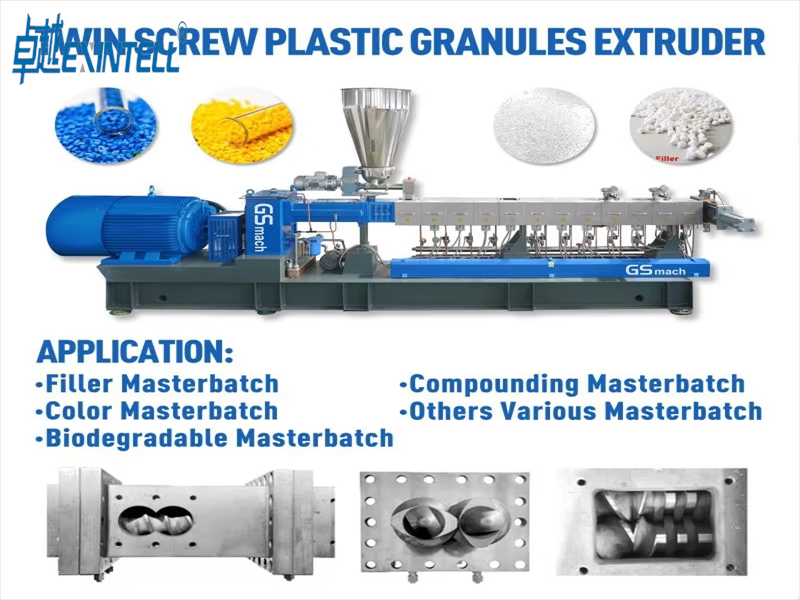
UM fábrica de peletizadora de plástico é um lugar que muda o plástico. Ele pega resíduos de plástico ou plástico bruto e os transforma em pequenos pellets. A fábrica faz isso seguindo vários passos.
Primeiro, trabalhadores limpam o plástico. Então eles secam e moem em pequenos pedaços.
Próximo, o plástico vai para uma câmara de fusão. Aquecedores ou extrusoras derretem o plástico.
O plástico derretido é empurrado através de uma matriz. Isso faz com que os fios longos.
Os fios esfriam e são cortados em pellets.
Os pellets são resfriados e secos novamente.
No final, os pellets são embalados para armazenamento ou envio.
Pelotas de resina de uma fábrica de peletizadoras de plástico são muito importantes.
Pelotas de resina, também chamados de nurdles, são usados para fazer coisas de plástico.
Essas pelotas são fáceis de mover, loja, e uso em produtos novos ou reciclados.
As fábricas precisam que esses pellets funcionem bem.
A indústria do plástico tem sobre 125,000 trabalhadores. Acrescenta 2.3% para o PIB do país. Isso mostra que os pellets de resina ajudam a economia.
Dica: Se você comprar coisas feitas de pellets reciclados, você ajuda o planeta fazendo menos desperdício.
Processo de máquina de pelotização de plástico
Alimentação e Derretimento
O processo de pelotização começa quando você coloca o plástico na máquina de pelotização de plástico. Você pode usar muitos tipos de plástico para isso.
As fábricas também usam coisas recicladas como Filme PE/PP, flocos rígidos, BICHO DE ESTIMAÇÃO, Espuma EPS, e não-tecidos fundidos. Você precisa lavá-los e separá-los antes de colocá-los na máquina.
A máquina de pelotização de plástico possui uma tremonha que move o plástico para a câmara de fusão. A máquina aquece o plástico até derreter. Você verá o plástico mudar de pedaços duros para um líquido espesso. Esta etapa prepara o plástico para a próxima parte do processo.
Observação: O plástico limpo e seco ajuda a produzir pellets melhores.
Extrusão e Resfriamento
Depois que o plástico derrete, você empurra através de uma extrusora. A extrusora mistura e molda o plástico derretido. Um parafuso dentro do cano move o plástico para frente. O plástico passa por uma matriz e se transforma em longos fios.
Aqui está uma tabela que mostra as principais máquinas utilizadas para extrusão e resfriamento:
Tipo de Máquina
Descrição
Extrusora
Aquece e mistura o plástico. Ele deixa o plástico pronto para moldar e cortar. Possui sistema de alimentação, barril, parafuso, morrer cabeça, e sistema de refrigeração.
Sistema de resfriamento
Mantém a forma dos pellets e elimina a água. Isso protege o material durante a fabricação de pellets.
O sistema de refrigeração é muito importante. Você pode usar banhos-maria ou camas refrigeradas a ar para resfriar os fios. O módulo de resfriamento possui um invólucro, fornecimento de água, e sistema de descarga. O resfriamento impede que os fios grudem ou mudem de forma. Depois disso, você fica forte e uniforme.
Pelotização e Coleta
Você corta os fios resfriados em pequenos pellets com um sistema de corte. A máquina de pelotização corta os fios em pedaços iguais. Você coleta os pellets e os seca para se livrar da água.
Você segue estas etapas para fazer pellets:
Prepare o plástico bruto ou reciclado e misture-o.
Coloque o plástico na máquina de pelotização.
Derreta e empurre o plástico em fios.
Resfrie os fios com água ou ar.
Corte os fios em pelotas.
Seque os pellets para remover a água.
Verifique os pellets para ter certeza de que estão bons.
Você usa esses pellets para fazer novos produtos. O processo de pelotização ajuda a reciclar plástico e fabrica materiais para muitas indústrias. A peletizadora de plástico permite controlar a qualidade e o tamanho dos pellets. Você garante que os pellets estejam prontos para fábricas e fáceis de transportar.
Dica: Se você quiser pelotas melhores, verifique atentamente as etapas de secagem e resfriamento.
Reciclagem em Fábricas de Peletizadoras de Plástico
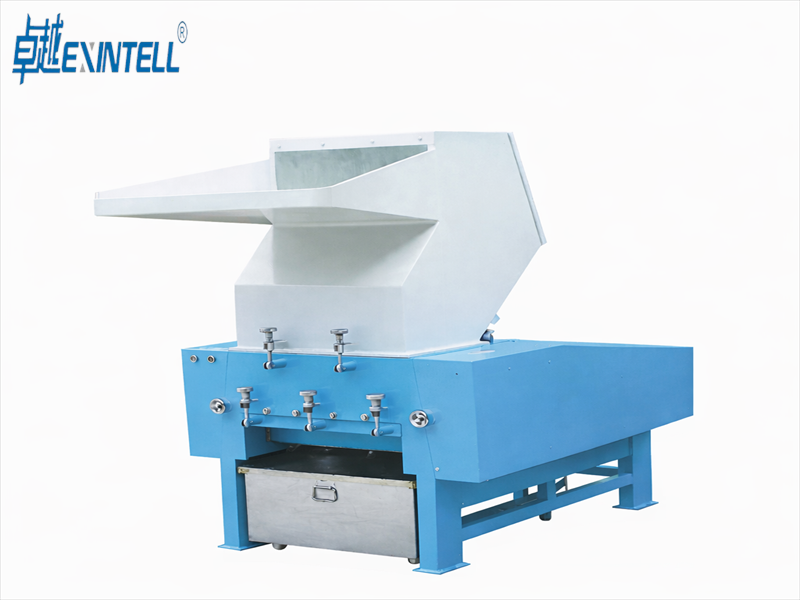
Primeiro, trituradores ou trituradores quebram resíduos de plástico em pequenos pedaços. Isso torna o plástico mais fácil de manusear.
Próximo, linhas de lavagem limpam o plástico picado. Essas máquinas removem sujeira e outras coisas.
Você classifica o plástico por tipo e qualidade. Algumas fábricas utilizam máquinas com sensores para triagem.
O plástico limpo vai para um sistema de secagem. Plástico seco produz pellets melhores.
Você coloca o plástico seco em uma máquina de reciclagem de plástico, como um extrusora de parafuso duplo. Esta máquina derrete e mistura bem o plástico.
O plástico derretido vai para uma pelotizadora. Aqui, você corta o plástico em pequenos, até pelotas.
Sistemas de refrigeração, como banhos de água ou camas de ar, ajude os pellets a manterem sua forma. Eles impedem que os pellets grudem.
Transportadores e outras máquinas movem os pellets para armazenamento ou embalagem.
Observação: Cada etapa da reciclagem ajuda você a obter bons pellets, mesmo que os resíduos plásticos venham de lugares diferentes.
As fábricas verificam os pellets com controle de qualidade. Eles classificam e limpam as matérias-primas. Eles controlam as cores e observam as máquinas enquanto trabalham. Você pode ver essas etapas em muitas usinas de reciclagem modernas.
Benefícios Ambientais
A reciclagem em fábricas de peletização de plástico proporciona muitos benefícios ambientais:
Você apoia empresas que desejam proteger o meio ambiente e usar os recursos com sabedoria.
Os fabricantes também obtêm benefícios econômicos. Usando pellets reciclados custa menos do que comprar resina nova. Ajuda as empresas a atingirem os seus objetivos de sustentabilidade e mostra que se preocupam com o planeta.
Benefício Econômico
Descrição
Economia de custos
Você gasta menos em materiais quando usa pellets reciclados.
Vantagens Ambientais
Você ajuda a reduzir o desperdício de plástico e apoia práticas verdes.
Alinhamento de Sustentabilidade
Você apoia objetivos de longo prazo para um mundo mais limpo.
Dica: Quando você escolhe produtos feitos de pellets reciclados, você ajuda a reciclar e proteger a terra para as gerações futuras.
Tipos de sistemas de pelotização de plástico
Pelotização de fios
Pelotização de fios é comum em fábricas de plásticos. Este sistema usa ar para resfriar os fios de plástico antes de cortar. Você empurra plástico derretido através de um molde. Os fios esfriam no ar. Então, facas cortam os fios em pequenos, até pelotas. O peletizador possui facas fixas e móveis. Os pellets são redondos e lisos. Tecnologia especial mantém os pellets do mesmo tamanho. Ele também verifica a temperatura para ajudar a fazer bons pellets.
Superfície lisa, não há muitos danos causados pelo calor
Tecnologia de Precisão
Pára de tremer e verifica a temperatura
A pelotização de fios é usada para fazer polímeros e reciclar. Ajuda a fazer pellets uniformes de plástico derretido. Este sistema funciona tanto com uma peletizadora de plástico quanto com uma máquina granuladora de plástico.
Usado em fábricas de plásticos
Faz polímeros
Ajuda na reciclagem
Pelotização Subaquática
A pelotização subaquática produz pellets muito bons. O plástico é cortado debaixo d’água, que mantém tudo alinhado. Este método funciona com muitos tipos de plástico derretido. Você pode controlar o calor, fluxo, e pressão facilmente. O peletizador pode cortar de diferentes maneiras, então você tem escolhas.
Você obtém pelotas melhores, menos desperdício, e trabalho mais rápido. É fácil usar máquinas para este sistema. A pelotização subaquática é boa para grandes fábricas de plástico.
Pelotização Die-Face
A pelotização pré-fabricada funciona para muitos plásticos. Os pellets são cortados bem na face da matriz, muitas vezes com anéis de água. Este sistema inicia rápido e não precisa de muita ajuda dos trabalhadores. Ele continua funcionando sem que os fios se quebrem. É fácil e barato consertar.
As fábricas pensam no custo e na dificuldade de utilização do sistema. Pelotização de anel de água custa mais no começo, mas faz muitos pellets e pouca poeira. A pelotização subaquática custa mais e produz mais poeira.
Tecnologia de Pelotização
Custo Inicial
Complexidade Operacional
Flexibilidade de materiais
Pelotização de fios
Mais baixo
Fácil
Funciona com muitos
Pelotização Subaquática
Mais alto
Mais difícil
Funciona com alguns
Pelotização em Anel de Água
Mais alto
Mais difícil
Funciona com alguns
Dica: Escolha um sistema peletizador observando o tipo de plástico, quanto você quer ganhar, qualidade do pellet, onde você trabalha, como é fácil consertar, e custo.
Você usa um peletizador de plástico que atenda às suas necessidades. Cada sistema é bom para trabalhos diferentes. Saber como funciona uma máquina de pelotização de plástico ajuda você a escolher a certa.
Você pode observar como um fábrica de peletizadora de plástico transforma resíduos de plástico em pellets úteis. Isso ajuda a reciclar e permite que você ajude o meio ambiente. Essas fábricas são importantes porque produzem bons materiais para coisas novas. As máquinas nessas fábricas trabalham rápido e geram menos desperdício. Leis governamentais e ajudar a tornar a reciclagem mais simples e melhor. À medida que mais empresas precisam de plástico, essas fábricas serão mais importantes para um mundo mais limpo.
Perguntas frequentes
O que é pelotização de plástico?
A pelotização de plástico transforma o plástico em pequenos pellets. Você pode usar plástico bruto ou reciclado para isso. O processo facilita a movimentação e reutilização do plástico. A pelotização ajuda as fábricas a trabalhar mais rápido. Também ajuda na reciclagem.
Por que a pelotização é importante na reciclagem?
A pelotização transforma plástico velho em novos pellets. Você pode usar essas pelotas para fazer coisas novas. Isso ajuda a manter o plástico em uso e reduz o desperdício. Também ajuda a parar a poluição plástica.
Como uma fábrica de peletização de plástico apoia um processo de reciclagem em circuito fechado?
Uma fábrica de peletização de plástico ajuda a reciclagem a girar. A fábrica pega resíduos de plástico e os limpa. Então, transforma o plástico em pellets. Essas pelotas podem ser usadas repetidamente. Isso mantém o plástico fora dos aterros.
Que tipos de plástico você pode usar na tecnologia de pelotização?
Você pode usar muitos plásticos na tecnologia de pelotização. Alguns tipos comuns são polietileno, polipropileno, e PET. Usar diferentes plásticos ajuda a reciclar mais e a produzir menos resíduos.
Como a pelotização de plástico ajuda o meio ambiente?
A pelotização de plástico ajuda a gerar menos resíduos. Economiza energia e usa menos plástico novo. Este processo reduz a poluição e ajuda a natureza a permanecer limpa.