

Ekstrushon Termoplástiko: Análisis di Komersio Integral – Fabrikantenan, Proveedónan, Fábrikanan & Wholesale Market Outlook
The global thermoplastic extrusion industry stands at a pivotal crossroads in. Balora na mas ku USD 230 billion globally and projected to reach USD 310 mil mion pa 2030, thermoplastic extrusion remains one of the most critical manufacturing processes underpinning modern industry. From automotive components and construction profiles to medical tubing and packaging films, extruded thermoplastic products form the backbone of transatlantic B2B trade between the United States and the European Union. This article provides an exhaustive analysis of the current trade landscape, ambiente di polítika, oportunidatnan di merkado, operational case studies, and forward-looking forecasts for thermoplastic extrusion manufacturers, proveedónan, fábrikanan, and wholesale distributors operating across the corridor.
Publiká: Juni | Reading Double Screw Extruder Suppliers Time: 18 minütnan Fabrikante di Mashin di Masterbatch
1. The State of Trade Policy and Its Impact on Thermoplastic Extrusion
The trade relationship between the United States and the European Union represents the largest bilateral commercial partnership in the world, ku komersio di produkto i servisio ku ta surpasá USD 1.3 trilion anualmente segun e Atministrashon di Komersio Internashonal (ITA). Den e kuadro aki, the plastics and thermoplastic extrusion sector occupies a significant position, with bilateral trade in plastics and rubber products accounting for approximately USD 45 mil mion na 2024.
Den, several policy developments have reshaped the operating environment for thermoplastic extrusion manufacturers and suppliers:
- Ahustashonnan di Tarifa di Merka: The United States has implemented revised tariff schedules under Section 301 i Sekshon 232 provishonnan. While thermoplastic raw materials such as polyethylene (PE), polipropileno (PP), i polivinil klorido (PVC) have seen tariff fluctuations, finished extruded products face duties ranging from 3.1% pa 6.5% depending on HS code classification. E Komishon di Komersio Internashonal di Merka (USITC) maintains updated tariff schedules that thermoplastic extrusion wholesale buyers must monitor closely.
- Mekanismo di Ahustashon di Frontera di Karbon di UE (CBAM): The European Union's CBAM, ku a drenta su fase transitorio na òktober 2023 i ta move den direkshon di implementashon kompletu pa 2026, directly affects thermoplastic extrusion factories that export to EU markets. Manufacturers must now report embedded carbon emissions in their extruded products. E European Commission's Directorate-General for Trade has published detailed guidance on compliance requirements for plastics sector importers.
- EU Plastics Strategy and Circular Economy Action Plan: The EU's commitment to ensuring that all plastic packaging placed on the EU market is reusable or recyclable by 2030 has created both compliance challenges and innovation opportunities for thermoplastic extrusion suppliers. Manufacturers producing extruded profiles from recycled thermoplastics (rPET, rPP, rHDPE) are gaining preferential market access.
- Konseho di Komersio i Teknologia (TTC): Established to coordinate approaches to key global trade and technology issues, the TTC has addressed standards harmonization for industrial materials, including thermoplastic compounds. This has facilitated smoother cross-border certification for extruded products used in automotive and aerospace applications.
The regulatory landscape has also been shaped by sustainability mandates. The EU's Registration, Evaluashon, Outorisashon i Restrikshon di Kímikonan (LOGRA) regulation continues to impose stringent requirements on thermoplastic extrusion raw materials entering European markets. US-based thermoplastic extrusion manufacturers seeking EU market access must ensure full REACH compliance for all polymer formulations, aditivonan, and colorants used in their extrusion processes. Di akuerdo ku datonan di e Agensia Kímiko Oropeo (ECHA), pasá 23,000 substances have been registered under REACH, with several common plasticizers and flame retardants facing restriction or authorization requirements that directly impact extrusion compound formulations. Bambu X1C Extruder Replacement
Na banda di Merka, the Environmental Protection Agency's (EPA) Lei di Kontrol di Sustansianan Tóksiko (TSCA) reforms have introduced new reporting requirements for thermoplastic manufacturers, particularly those using per- i supstansianan polifluoroalkil (PFAS) in specialty extrusion applications. The convergence of US and EU chemical regulations is creating a de facto global standard that thermoplastic extrusion factories must meet to remain competitive in transatlantic B2B trade.
International shipping containers at a major port representing US-EU trade logistics for thermoplastic extrusion products
Imágen: International trade logistics at a major port – representative of thermoplastic extrusion shipments. Rekurso:
2. Thermoplastic Extrusion Industry Overview: Tamaño di Merkado, Segmentashon & Impulsornan di Kresementu
Fábrika di Ekstruso di Dobel Skruf The thermoplastic extrusion market encompasses a vast range of processes and products. Den su núkleo, thermoplastic extrusion involves heating thermoplastic polymers above their glass transition temperature and forcing them through a shaped die to create continuous profiles, blachinan, pelíkulanan, tubonan, and coatings. The versatility of this process makes it indispensable across virtually every industrial sector. Food Grade Mixing Equipment
Market Segmentation by Material Type:
- Polietileno (PE) Ekstrushon: The largest segment by volume, PE extrusion accounts for approximately 34% of global thermoplastic extrusion output. Applications include packaging films, tubonan, and wire insulation. HDPE and LDPE extrusion grades are traded extensively between US and EU markets.
- Polipropileno (PP) Ekstrushon: Representing roughly 24% di e merkado, PP extrusion serves automotive, pakete, and textile applications. European PP extrusion manufacturers, partikularmente na Alemania i Italia, are recognized global leaders in precision profile extrusion.
- Kloruro di polivinil (PVC) Ekstrushon: Ekstrushon di PVC, ku ta konta pa aproksimadamente 18% di e merkado, dominates construction applications including window profiles, siding, tuberia, and cable ducting. The US remains the world's largest PVC extrusion market for construction applications.
- Engineering Thermoplastics Extrusion: High-performance materials including polyamide (PA/Nylon), polikarbonat (PC), tereftalato di polietileno (BESTIA DI KAS), and thermoplastic polyurethane (TPU) represent the fastest-growing extrusion segment, impulsá pa lihé di outo, medical device manufacturing, and electronics applications.
- Spesialidat & Bio-based Thermoplastics: Ásido poliláktiko (PLA), polihidroksialkanoatnan (PHA), and other bio-based thermoplastics are emerging as significant extrusion materials, particularly in EU markets where regulatory incentives favor sustainable alternatives.
Market Segmentation by End-Use Industry:
- Edifisio & Konstrukshon: 31%
- Empaketahe: 26%
- Outomobilista & Transpòrt: 17%
- Eléktriko & Elektronika: 9%
- Médiko & Kuido di salú: 7%
- Produktonan di Konsumo: 6%
- Otronan (Agrikultura, Aeroespasio, Industrial): 4%
Key growth drivers for the thermoplastic extrusion industry in include the accelerating transition to electric vehicles (requiring specialized extruded cable insulation, battery housing components, and lightweight structural profiles), infrastructure modernization programs in both the US (Lei di Invershon den Infrastruktura i Trabou) i mi (NextGenerationEU recovery fund), and the global push toward circular economy models that favor recyclable thermoplastic materials over thermosets.
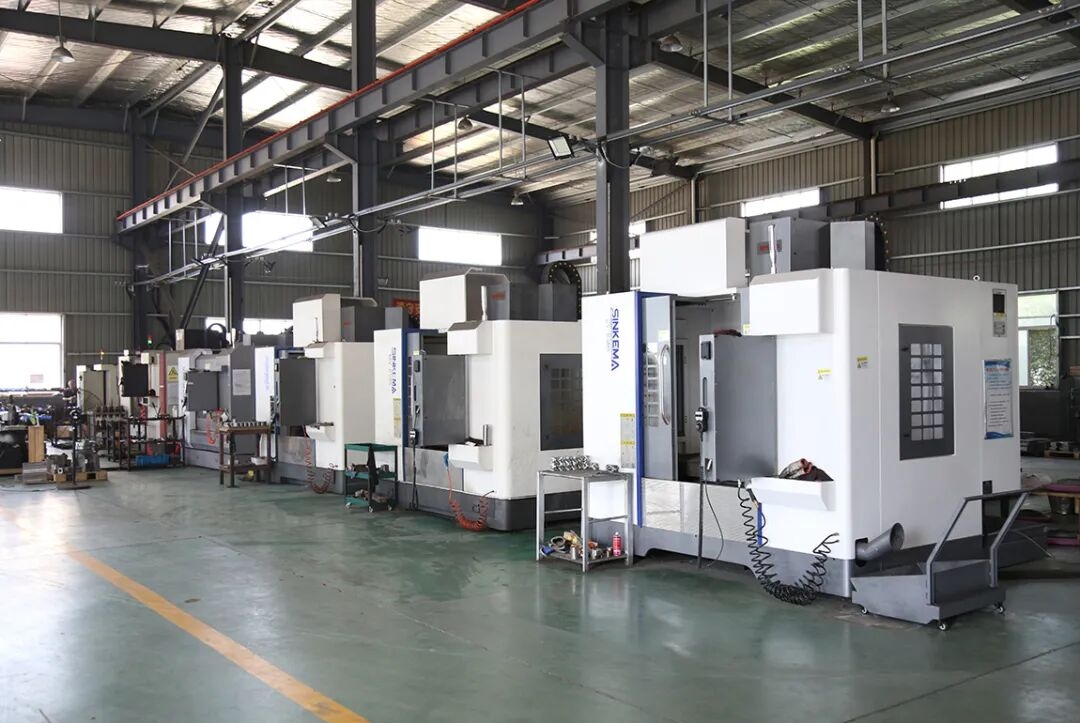
Industrial manufacturing facility representing thermoplastic extrusion factory operations and production lines
Imágen: Industrial manufacturing environment representative of thermoplastic extrusion factory operations. Rekurso:
3. B2B Trade Opportunities for Thermoplastic Extrusion Between the US and EU
The transatlantic thermoplastic extrusion trade corridor presents substantial B2B opportunities for manufacturers, proveedónan, i distribuidónan mayorista. Several structural factors make this trade relationship particularly attractive in:
Oportunidat 1: Automotive Lightweighting Demand
The automotive industry's aggressive push toward vehicle lightweighting—driven by both EU CO2 emission standards (targeting 55% reduction by 2030 under the European Green Deal) and US Corporate Average Fuel Economy (CAFE) normanan—has created enormous demand for extruded thermoplastic components. Thermoplastic extrusion manufacturers producing glass-fiber-reinforced PP profiles, PA6/PA66 structural extrusions, and TPE sealing systems are finding robust B2B demand from both US and European OEMs and Tier 1 proveedónan. Segun e European Automobile Manufacturers' Asosiashon (ACEA), the average European vehicle now contains over 150 kg of plastics, with extruded components representing approximately 35% di e total ei.
Oportunidat 2: Construction Sector Modernization
Both the US and EU are experiencing significant construction sector investment. The US Infrastructure Investment and Jobs Act has allocated over USD 550 billion for infrastructure modernization, while the EU's Renovation Wave strategy targets the renovation of 35 mion edifisio pa 2030. Thermoplastic extrusion suppliers providing PVC window profiles, HDPE piping systems, composite decking extrusions, and insulation profiles are positioned to capture significant B2B orders. European thermoplastic extrusion factories, partikularmente esnan na Alemania (which hosts over 3,800 plastics processing companies according to PlástikOropa), have established strong export positions in premium window profile extrusion systems.
Oportunidat 3: Medical Device Extrusion
The medical thermoplastic extrusion segment represents a high-value B2B opportunity. US and EU medical device manufacturers require precision-extruded tubing, komponentenan di kateter, and drug delivery system profiles manufactured from medical-grade thermoplastics (TPU, PEEK, FEP, silicone-thermoplastic blends). The stringent regulatory requirements (FDA 21 CFR i EU MDR 2017/745) create significant barriers to entry, but established thermoplastic extrusion manufacturers with ISO 13485 certification and cleanroom extrusion capabilities command premium pricing and long-term supply contracts.
Oportunidat 4: Sustainable & Recycled Content Extrusion
The EU's mandatory recycled content requirements for packaging (set to require 30% recycled content in PET packaging by 2030 i 10% in other plastics packaging) are driving massive B2B demand for thermoplastic extrusion suppliers capable of processing post-consumer recycled (PCR) materialnan. US-based recycled resin producers and European extrusion converters are forming strategic B2B partnerships to secure recycled feedstock supply chains. E Resikladónan di plèstik Europa (PRE) reports that European plastics recycling capacity reached 12.5 mion di ton na 2024, with extruded products representing the largest end-use category for recycled thermoplastics.
Plastic L Shaped Extrusion Yabi China Glass Extruder Machine Challenges in Thermoplastic Extrusion Trade:
- Standards Divergence: Apesar di esfuersonan di harmonisashon, differences between US (ASTM) i mi (EN/ISO) standards for extruded products create compliance costs. A thermoplastic extrusion manufacturer producing PVC pipe to ASTM D1785 must reformulate and retest to meet EN 1452 for EU market access.
- Gastunan di Logístika: Extruded thermoplastic products are often bulky relative to their value, making transatlantic shipping economics challenging for commodity-grade extrusions. This favors trade in high-value specialty extrusions and semi-finished profiles rather than finished commodity products.
- Volatilidat di preis di materia prima: Thermoplastic resin prices remain subject to significant volatility driven by crude oil prices, natural gas costs (particularly relevant for European producers facing higher energy costs), i interupshonnan di e kadena di suministro. B2B wholesale buyers must implement sophisticated hedging and contract structures.
- Protekshon di Propiedat Intelektual: Custom extrusion die designs and proprietary compound formulations represent significant IP assets. Thermoplastic extrusion factories engaged in cross-border B2B trade must navigate differing US and EU IP protection frameworks.
Warehouse logistics and wholesale distribution center for thermoplastic extrusion products in B2B trade
Imágen: Modern warehouse and distribution logistics representative of thermoplastic extrusion wholesale operations. Rekurso:
4. Geographic and Policy Advantages Enabling Thermoplastic Extrusion Trade
The geographic and policy infrastructure supporting trade provides distinct advantages for thermoplastic extrusion businesses:
Infrastruktura di Haf & Rednan di Logístika: The transatlantic shipping corridor benefits from world-class port infrastructure on both sides. E Haf di Rotterdam (Europe's largest, maneho riba 440 mion ton anualmente) and the Port of Antwerp-Bruges serve as primary entry points for thermoplastic extrusion products entering the EU market. Na banda di Merka, e hafnan di Houston (the nation's largest petrochemical hub, directly adjacent to major thermoplastic resin producers), Los Angeles/Long Beach, and Savannah provide efficient import/export capabilities. Established container shipping routes offer transit times of 10-14 dianan, with specialized flat-rack and open-top container options for oversized extrusion equipment and long-length extruded profiles.
Zonanan di Komersio Liber & Special Economic Areas: Both the US and EU maintain foreign trade zones (FTZs) and special economic areas that offer duty deferral, redukshon, or elimination benefits for thermoplastic extrusion operations. US FTZs (pasá 190 active zones) allow thermoplastic extrusion manufacturers to import raw materials duty-free for re-export, while EU free zones in ports like Hamburg, Rotterdam, and Piraeus provide similar advantages. These zones are particularly valuable for thermoplastic extrusion wholesale distributors managing inventory for re-export.
Akuerdonan di Rekonosementu Mutuo: E Akuerdo di Rekonosementu Mutuo (MRA) on conformity assessment covers several product categories relevant to thermoplastic extrusion, including electrical equipment and telecommunications equipment that incorporate extruded thermoplastic components. This reduces duplicate testing and certification costs for B2B exporters.
Infrastruktura di Finansa di Komersio: The mature financial infrastructure supporting trade—including established letter of credit practices, sosten di instansia di krédito di eksportashon (Banko Ex-Im di Merka, Euler Hermes na Alemania, BPI France), and trade insurance products—reduces transaction risk for thermoplastic extrusion B2B deals, particularly for smaller manufacturers and suppliers entering cross-border trade for the first time.
China Wholesale Plastic Extrusion Industry Cluster Advantages: Both the US and EU host significant thermoplastic extrusion industry clusters that facilitate B2B trade connections. The US Gulf Coast (Texas, Louisiana) concentrates resin production and primary extrusion capacity. The Midwest (Ohio, Indiana, Michigan) hosts automotive-focused extrusion operations. Na Europa, Germany's North Rhine-Westphalia region, Italy's Emilia-Romagna, and Belgium's Flanders region represent major extrusion manufacturing clusters with established export infrastructure.
5. Estudionan di Kaso: Thermoplastic Extrusion Companies Succeeding in Trade
Examining real-world operational experiences provides valuable insights for thermoplastic extrusion manufacturers and suppliers seeking to expand their transatlantic B2B trade activities:
Estudio di Kaso 1: European Window Profile Extrusion Manufacturer Entering the US Market
A mid-sized German thermoplastic extrusion factory specializing in multi-chamber PVC window profiles (kapasidat anual: 45,000 ton) successfully entered the US market by establishing a strategic partnership with a US-based window fabricator. Faktornan klave di éksito ta inkluí: (un) adapting European profile designs to meet US building codes (AAMA/WDMA standards rather than RAL quality marks), (b) establishing a US-based inventory hub in a Foreign Trade Zone near the Port of Savannah to reduce lead times from 8 simannan pa 2 simannan, (c) obtaining NFRC certification for energy performance ratings required by US state building codes, i (d) leveraging the company's advanced co-extrusion capabilities (up to 7-layer profiles with integrated gaskets) as a competitive differentiator against domestic US producers. Denter di 18 lunanan, the company achieved USD 12 million in annual US B2B sales, representá 15% di entrada total.
Estudio di Kaso 2: US Medical Extrusion Kompanianan di Ekstrushon di Plèstik Personalisa Supplier Expanding into EU Markets
A US-based thermoplastic extrusion supplier specializing in medical-grade micro-extrusion (tubing with outer diameters as small as 0.010 inch) expanded into EU markets by obtaining ISO 13485 certification and appointing an EU Authorized Representative as required under the EU Medical Device Regulation (MDR 2017/745). The company invested in a dedicated cleanroom extrusion line (Klase ISO 7) for EU-destined products and implemented full material traceability systems meeting EU Unique Device Identification (UDI) rekisitonan. The company partnered with a European medical device OEM for catheter assemblies, securing a 5-year supply agreement worth EUR 8 mion anualmente. Critical to success was the company's ability to provide complete regulatory documentation packages including biocompatibility testing (ISO 10993), sterilization validation, and Declaration of Conformity support.
Estudio di Kaso 3: Thermoplastic Extrusion Wholesale Distributor Building Transatlantic Network
A thermoplastic extrusion wholesale distributor based in the Netherlands built a successful transatlantic distribution business by aggregating products from multiple European specialty extrusion manufacturers and offering US industrial buyers a single-source procurement solution. The distributor's value proposition included: envio konsolidá (combining orders from 15+ European extrusion factories into full container loads), US customs brokerage and tariff classification services, technical support including material selection guidance and design-for-extrusion consulting, and inventory management with US-based warehousing. The company grew to EUR 35 million in annual revenue within 3 añanan, sirbiendo riba 200 US B2B accounts across automotive, konstrukshon, i sektornan industrial. Key to the model was the distributor's deep technical knowledge of extrusion processes and materials, enabling them to match US buyer requirements with the most suitable European thermoplastic extrusion manufacturer.
Estudio di Kaso 4: Cross-Border Joint Venture in Recycled Thermoplastic Extrusion
A US recycled resin producer and an Italian thermoplastic extrusion factory formed a joint venture to produce extruded profiles from 100% post-consumer recycled HDPE for the European construction market. The US partner supplied washed and pelletized recycled HDPE feedstock (sourced from curbside collection programs), while the Italian partner operated the extrusion lines producing decking boards, fencing profiles, and landscaping timbers. The joint venture leveraged the EU's Green Public Procurement (GPP) kriterio, which favor products with recycled content in public construction projects, to secure contracts with municipal authorities across Italy, Fransia, and Germany. Annual production reached 8,000 tonnes within the first two years, with plans to double capacity by 2026.
Business professionals in a meeting discussing B2B trade strategy for thermoplastic extrusion market expansion
Image trade negotiation and strategy meeting representative of thermoplastic extrusion business development. Rekurso:
6. Thermoplastic Extrusion Trade Forecasts: Kiko por spera den e siguiente 1-2 Lunanan
A base di indikadónan di merkado aktual, desaroyonan di polítika, i inteligensia di industria, the following near-term forecasts are relevant for thermoplastic extrusion B2B trade participants:
Sistemanan di Ekstrushon Raw Material Pricing Outlook (Yüli-Ogùstùs ): Thermoplastic resin prices are expected to remain under moderate upward pressure through the summer months. European PE and PP prices have increased 3-5% since April due to planned maintenance turnarounds at several major European crackers and continued elevated energy costs. US resin prices remain more competitive due to abundant shale gas-derived ethane feedstock, maintaining the US cost advantage in polyethylene extrusion. B2B wholesale buyers should consider forward purchasing strategies for Q3 requirements. Datonan di ICIS i Plástik Awendia indicate that PP contract prices in Europe may see an additional EUR 20-40/tonne increase in July settlements.
Desaroyonan di Polítika di Komersio: The Trade and Technology Council is scheduled to meet in late summer, with plastics sustainability standards and critical materials supply chains on the agenda. Thermoplastic extrusion manufacturers should monitor outcomes for potential impacts on cross-border certification requirements. Adishonalmente, the EU's proposed Packaging and Packaging Waste Regulation (PPWR) is expected to advance through legislative procedures, with implications for thermoplastic extrusion suppliers serving the packaging sector.
Demand Indicators: Leading indicators suggest continued strong demand for thermoplastic extrusion products in both US and EU markets. The US Purchasing Managers' Index (PMI) for plastics and rubber products has remained above 52 (expansion territory) for three consecutive months. European automotive production schedules for Q3 indicate increased output, driving demand for extruded automotive components. The construction sector in both regions continues to benefit from infrastructure spending programs, supporting demand for PVC pipe, profil, i ekstrushon di blachi.
Konsiderashonnan di e kadena di suministro: Transatlantic container shipping rates have stabilized following the disruptions of 2024, with spot rates on the North Europe-US East Coast route averaging approximately USD 2,800-3,200 pa KANDELA (forty-foot equivalent unit). Pero, potential disruptions from labor negotiations at several European ports and ongoing Red Sea routing adjustments for Asia-Europe-US triangular trade flows warrant contingency planning by thermoplastic extrusion wholesale distributors.
Teknología & Innovation Trends: The K trade fair cycle (the world's premier plastics industry exhibition, teni na Düsseldorf) is driving accelerated product launches and technology announcements from extrusion machinery manufacturers and material suppliers. Thermoplastic extrusion factories should expect to see commercial availability of next-generation multi-layer co-extrusion systems, AI-powered process control platforms, and new high-performance thermoplastic compounds optimized for extrusion processing in the coming months.
Currency Impact: E tasa di kambio EUR/USD, currently hovering around 1.08-1.12, continues to influence the competitiveness of transatlantic thermoplastic extrusion trade. A stronger euro benefits US exporters to EU markets, while a weaker euro advantages European thermoplastic extrusion manufacturers selling into the US. B2B traders should implement appropriate currency hedging strategies for contracts extending beyond 90 dianan.
Financial data analysis and market forecasting charts relevant to thermoplastic extrusion trade trends
Imágen: Market data analysis and trade forecasting representative of thermoplastic extrusion industry intelligence. Rekurso:
7. Heavy Industry Development Trends in Thermoplastic Extrusion: Oportunidatnan i Retonan
The thermoplastic extrusion industry is undergoing a profound transformation driven by convergent forces of technological innovation, sustainability imperatives, i kambio di patronchinan di komersio mundial. Understanding these heavy industry development trends is essential for B2B participants seeking to position themselves for long-term success.
Tendensia 1: Industria 4.0 i Fabrikashon di Ekstrushon Inteligente
E integrashon di Industria 4.0 technologies into thermoplastic extrusion factories represents perhaps the most significant operational transformation in the industry's history. Smart extrusion lines equipped with real-time process monitoring sensors (measuring melt temperature, preshon, screw torque, die lip gap, haul-off speed, and product dimensions at millisecond intervals) are enabling unprecedented levels of quality control and process optimization. German extrusion machinery manufacturers such as those represented by the VDMA (Asosiashon di Industria di Ingenieria Mekániko Aleman) are leading the development of digital twin technology for extrusion processes, allowing thermoplastic extrusion manufacturers to simulate and optimize new product runs virtually before committing physical resources.
Artificial intelligence and machine learning algorithms are being deployed to predict and prevent extrusion defects (liñanan di die, fraktura di smelt, shark skin, dimensional variation) before they occur, reduciendo e tarifanan di scrap door di 15-30% according to early adopters. Predictive maintenance systems analyzing vibration, temperatura, and power consumption data from extruder drives, kaha di engranahe, and heating systems are extending equipment uptime and reducing unplanned downtime by up to 40%. For B2B thermoplastic extrusion suppliers, these capabilities translate directly into improved delivery reliability and consistent product quality—critical competitive differentiators in demanding end-use markets.
The opportunity for thermoplastic extrusion factories lies in leveraging these technologies to offer mass customization capabilities—producing short runs of custom profiles economically by minimizing changeover times and startup scrap. The challenge is the significant capital investment required (EUR 500,000-2,000,000 per extrusion line for full Industry 4.0 retrofit) and the need for workforce upskilling in data analytics, automation programming, and digital systems management. Underwater Pelletizing Factory
Tendensia 2: Circular Economy and Closed-Loop Extrusion Systems
The transition toward circular economy models is fundamentally reshaping the thermoplastic extrusion value chain. EU legislation—including the Circular Economy Action Plan, the Single-Use Plastics Directive, and the forthcoming Packaging and Packaging Waste Regulation—is creating regulatory mandates that require thermoplastic extrusion manufacturers to incorporate recycled content, design for recyclability, and take responsibility for end-of-life product management.
Advanced recycling technologies (resiklahe kímiko, purifikashon basá riba solvente, enzymatic depolymerization) are expanding the range of post-consumer waste streams that can be converted into extrusion-grade recycled thermoplastics. Companies like those profiled by Recycling Today are developing closed-loop systems where extruded products are collected, recycled, and re-extruded into new products of equivalent quality. This is particularly advanced in PET sheet extrusion for thermoforming (pakete di kuminda) and HDPE pipe extrusion (infrastructure applications).
The B2B opportunity is substantial: recycled-content extruded products command price premiums of 5-15% in EU markets where sustainability credentials are valued by end customers and required by procurement policies. Pero, challenges include the inconsistent quality and availability of recycled feedstock, the need for specialized extrusion equipment (enhanced melt filtration, sistemanan di desgasamentu, modified screw designs) to process recycled materials, and the complexity of maintaining product certifications when using variable recycled content.
Tendensia 3: Materialnan Avansá i Ekstrushon di Multi-Material
The development of advanced thermoplastic materials is expanding the addressable market for extrusion processes into applications previously dominated by metals, thermosets, and ceramics. High-performance thermoplastics including PEEK (poliéter éter keton), PEI (polyetherimide), PPS (polyphenylene sulfide), and LCP (liquid crystal polymer) are being extruded into structural profiles, tubo, and films for aerospace, defensa, zeta i gas, and semiconductor manufacturing applications.
Multi-material co-extrusion technology is enabling the production of complex profiles combining different thermoplastics in a single continuous process—Por ehèmpel, rigid PVC structural cores with flexible TPE sealing lips and decorative Blender di Meskladó di Polvo PMMA cap layers, all extruded simultaneously. This capability reduces assembly costs, improves product performance, and creates significant barriers to competition for thermoplastic extrusion manufacturers who master these techniques.
Thermoplastic composite extrusion—combining continuous fiber reinforcement (glas, carbon, aramid) with thermoplastic matrices in pultrusion and extrusion-pultrusion hybrid processes—represents a frontier technology with enormous potential in automotive, konstrukshon, and renewable energy applications. E JEC Composites organization reports that the thermoplastic composites market is growing at 8-10% anualmente, with extrusion-based processes capturing an increasing share of production volume.
The opportunity for B2B thermoplastic extrusion suppliers lies in moving up the value chain from commodity extrusion to engineered solutions. The challenge is the substantial investment in specialized extrusion equipment, materials science expertise, and application engineering capabilities required to compete in these advanced segments.
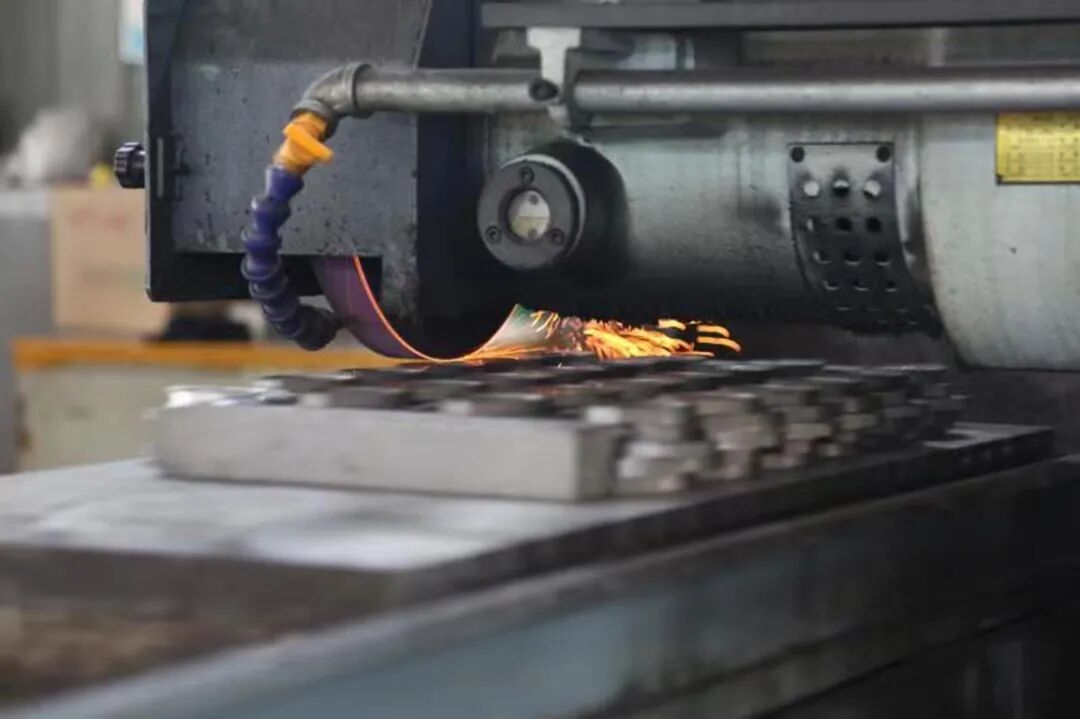
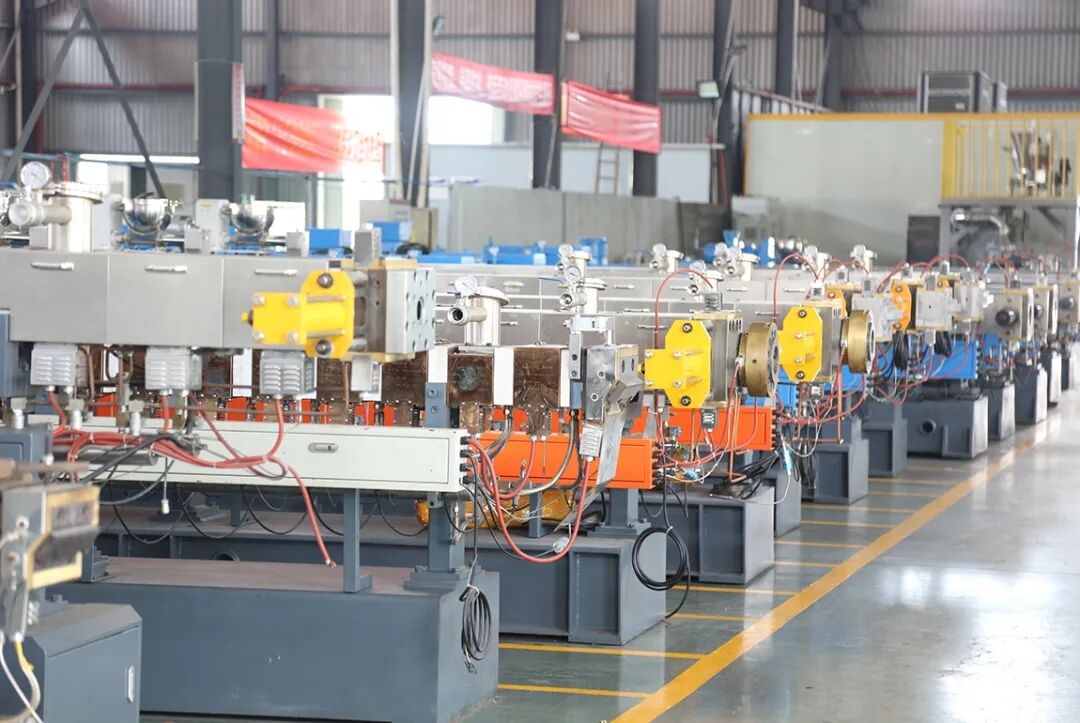
Advanced industrial machinery and automation technology in modern thermoplastic extrusion manufacturing
Imágen: Advanced industrial automation representative of next-generation therm